Bizarre Items Sold in the First Sears Catalogs
Out in rural areas, where shops were scarce, those early Sears catalogs showed up like quiet revolutions. Pages upon pages of goods arrived by post, opening doors nobody knew existed.
From tools to toys, items appeared that most had never seen before. Not only did boxes come on time, but what was inside often matched the pictures exactly.
Distance meant less once paper bound strangers to suppliers across the country. Delivery trucks weren’t needed when trains carried parcels straight to porches.
A big part of why old catalogs grab attention now isn’t only the boldness – they surprise us with what they included. Common things shared pages with stuff we’d call wild, over-the-top, even dreamlike today.
Back then, sending goods by post was still figuring itself out, Sears pushing how far it could go. Peek into a few odd choices from the brand’s first listings shows exactly that.
Entire Houses By Mail

One of the most astonishing offerings was the ability to order a complete house through the catalog. Customers could choose from multiple designs, each shipped as a kit containing precut lumber, fixtures, nails, and instructions.
Everything arrived by rail, ready to be assembled on-site.
This was not a novelty stunt. Thousands of these homes were built across the country, especially in growing towns.
The idea of buying a house the same way one might order clothing now feels extraordinary, yet at the time it represented efficiency, affordability, and modern thinking applied to shelter.
Tombstones And Grave Markers

Early Sears catalogs also sold tombstones, complete with customizable inscriptions and decorative styles. Customers could select materials, lettering, and finishes without ever visiting a stonecutter.
The process treated memorials as practical purchases rather than ceremonial ones.
This approach reflected how mail-order retail absorbed even the most solemn needs. By removing intermediaries, Sears offered lower prices and broader access.
While the idea may feel impersonal today, it aligned with the era’s emphasis on practicality and cost-consciousness.
Baby Carriages With Elaborate Designs
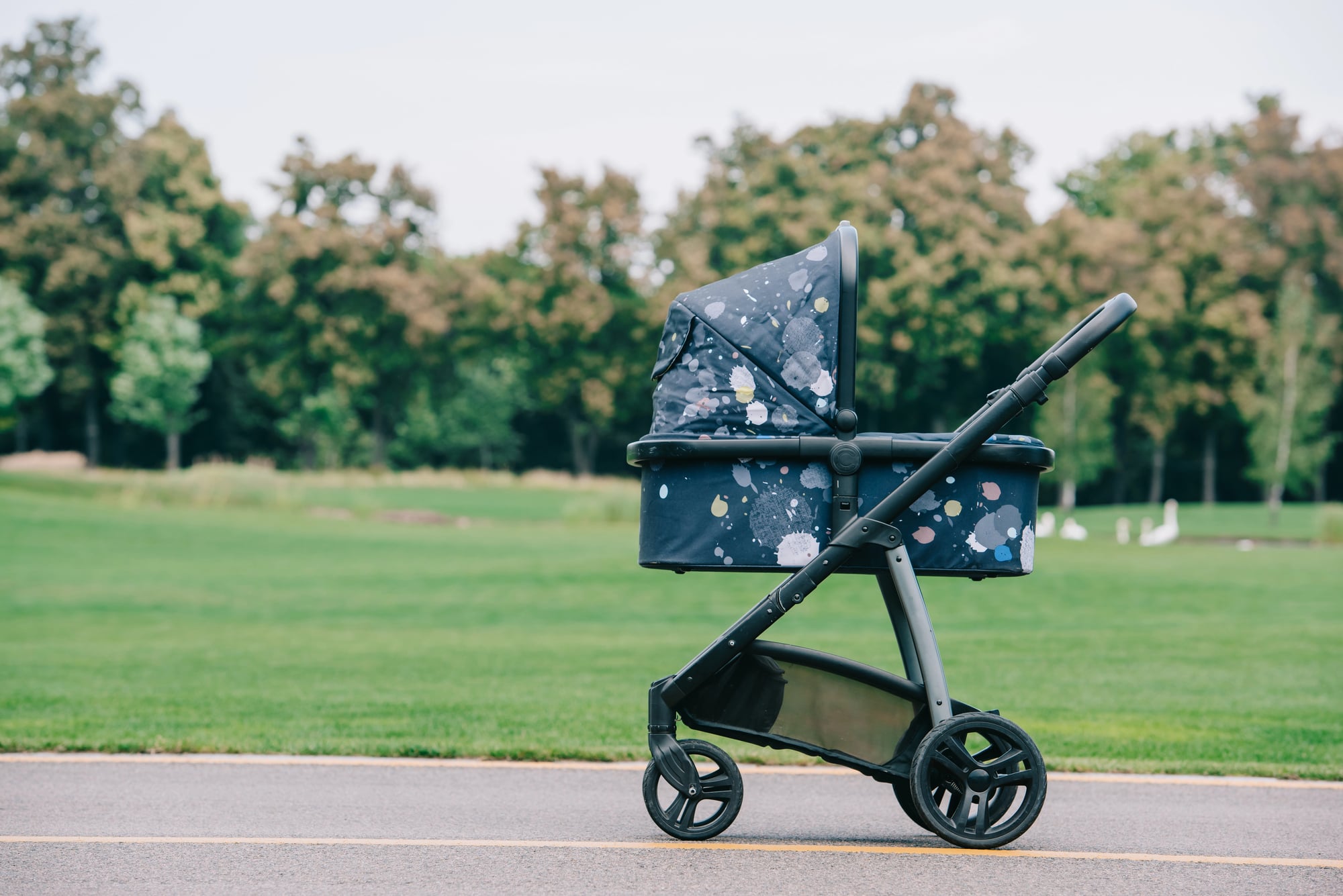
Baby carriages sold through Sears catalogs were often ornate, featuring large wheels, heavy frames, and decorative details that rivaled furniture. These were not lightweight conveniences, but status objects meant to signal care and respectability.
Transporting infants was treated as a serious affair, and the designs reflected that gravity.
Looking back, the sheer size and weight of these carriages feels excessive, yet they matched Victorian ideals of durability and presentation.
Live Chicks And Farm Animals

For rural customers, the catalog offered live chicks and other small farm animals shipped through the mail. This service allowed families to expand flocks without relying on local breeders.
The logistics were carefully planned, with timing designed to ensure survival during transit.
The notion of ordering living creatures alongside household goods feels strange now. At the time, it reinforced Sears’ role as a lifeline for agricultural households, blending commerce with everyday survival.
Corsets And Body-Shaping Garments
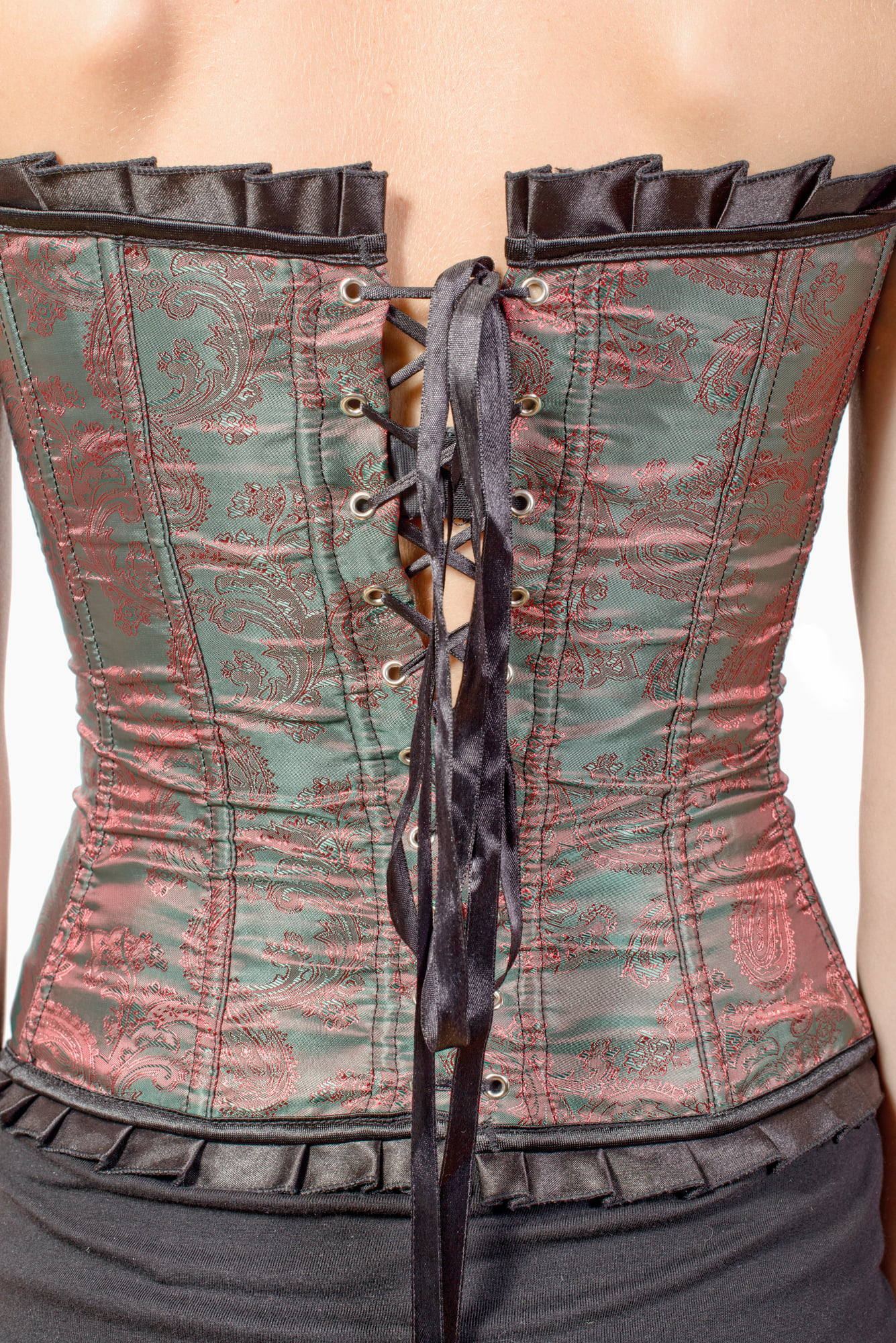
Sears catalogs devoted many pages to corsets and structured garments designed to shape posture and appearance. These items were marketed with confidence, framed as tools for refinement and proper presentation.
Sizing charts and descriptions aimed to remove guesswork from a deeply personal purchase.
The prominence of these garments highlights how consumer goods reinforced social expectations. Ordering them by mail normalised strict standards of appearance, making them accessible far beyond major cities.
Medical Devices For Home Use

Early catalogs featured a wide array of medical devices intended for self-treatment. These ranged from braces and supports to machines promising improved circulation or vitality.
The language surrounding them was optimistic and reassuring.
Professional medical care was not always nearby, so home remedies filled the gap. While some devices offered limited benefit, others relied more on persuasion than effectiveness.
Their inclusion shows how retail stepped into spaces once governed by specialists.
Pocket Watches And Jewellery In Bulk

Watches and jewellery were sold at scale, often pitched as practical tools rather than luxury items. Pocket watches, in particular, were essential for workers in industries where timing mattered.
Sears made them affordable and widely available.
The catalogs framed personal accessories as necessities, not indulgences. Seeing them sold alongside farm equipment and furniture underscores how timekeeping and presentation were becoming part of everyday life.
Musical Instruments For Beginners
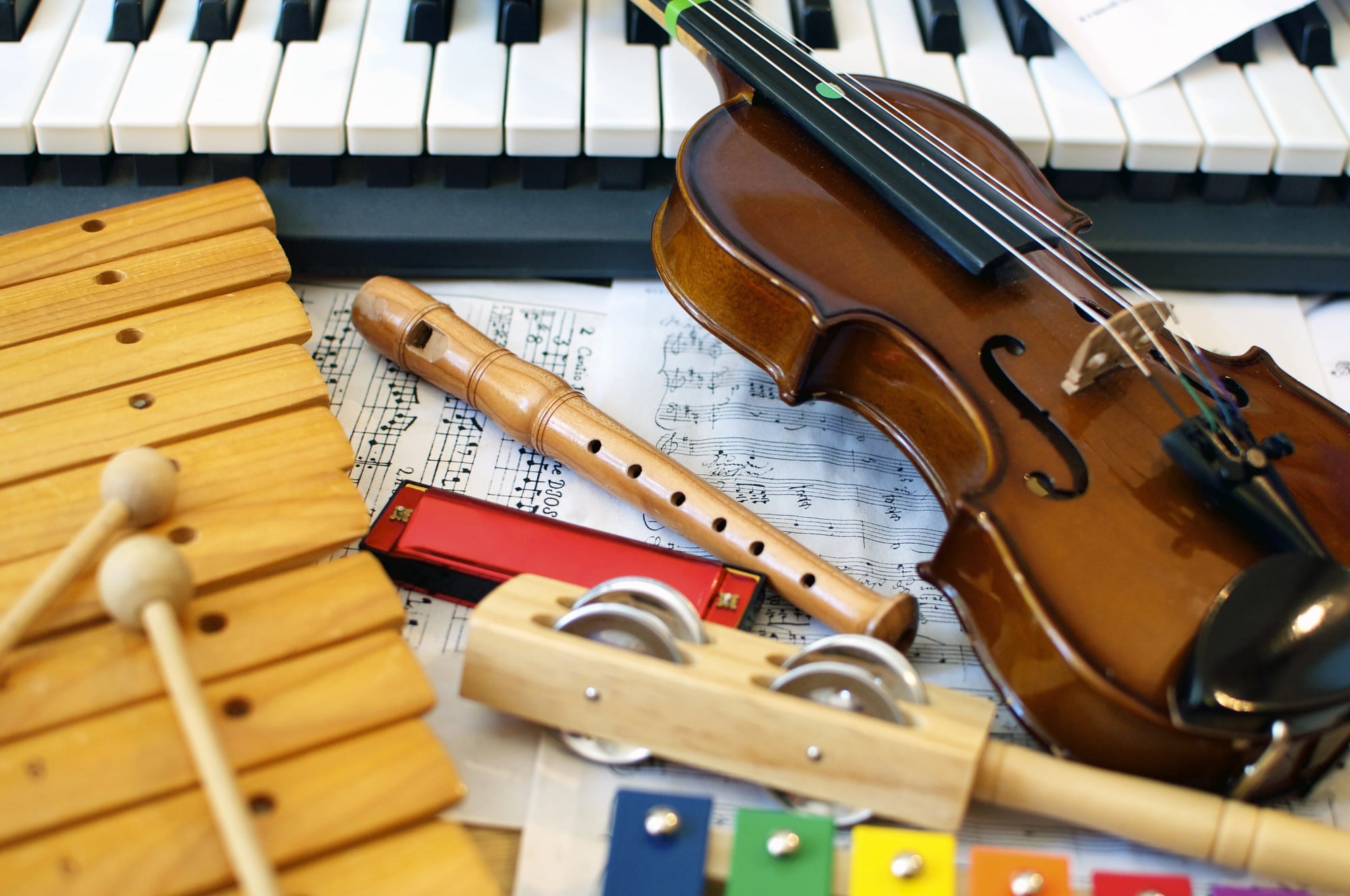
Violins, banjos, and small organs appeared regularly in early catalogs, marketed to amateurs and families. These instruments promised self-improvement and cultural enrichment, even for those far from formal instruction.
Music was treated as a wholesome pursuit, suitable for the home.
The idea that a household might order an instrument on impulse feels unusual now, but it reflected optimism about learning and leisure.
Ready-Made Clothing For All Occasions
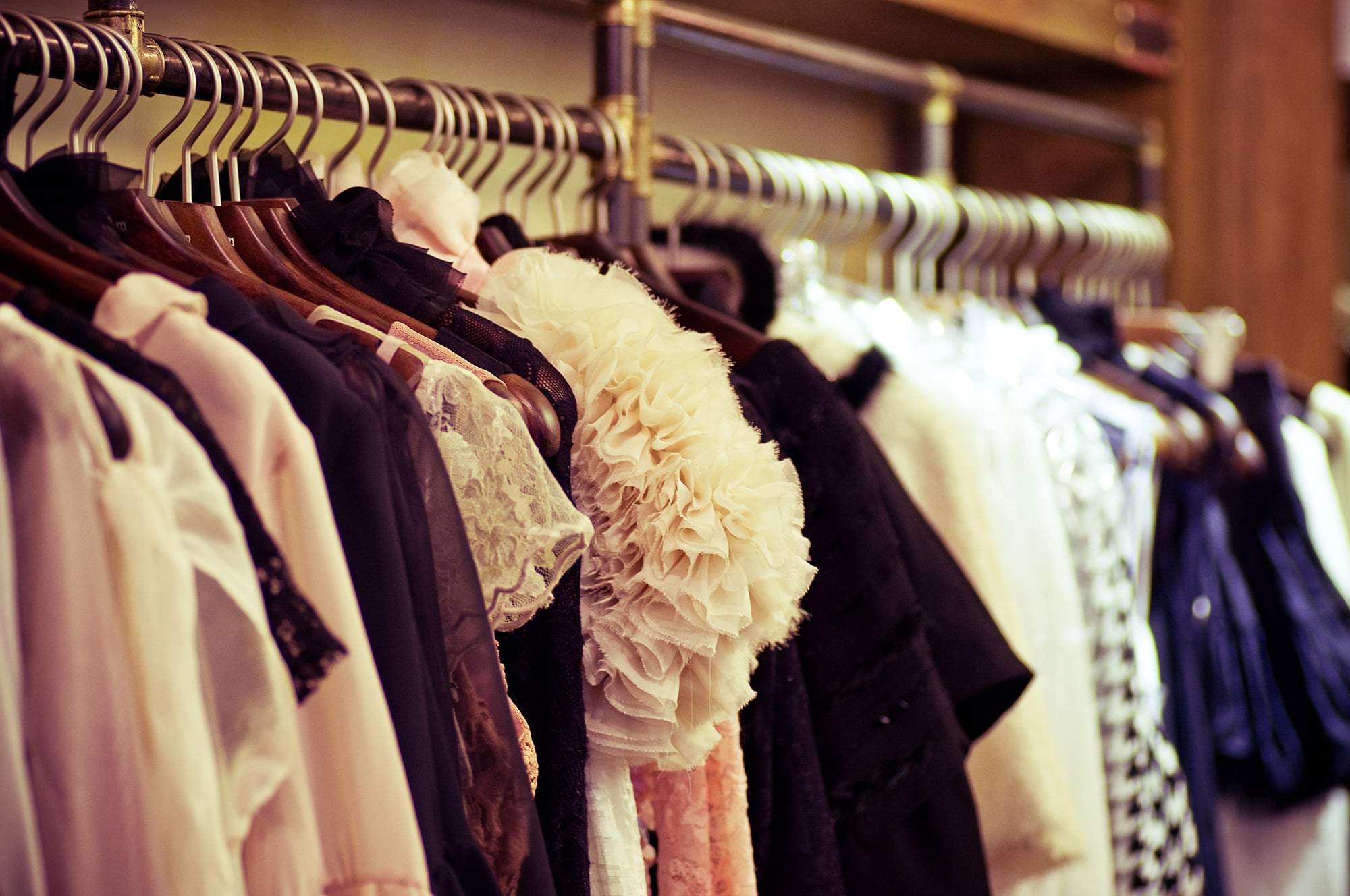
At a time when many garments were still handmade, Sears offered ready-made clothing for work, travel, and formal events. Customers could outfit entire families without visiting a tailor.
This shift saved time and standardised style.
The scale of these offerings signaled a turning point. Clothing became less personal but more accessible, helping shape modern fashion consumption.
Kitchen Tools With Very Specific Purposes
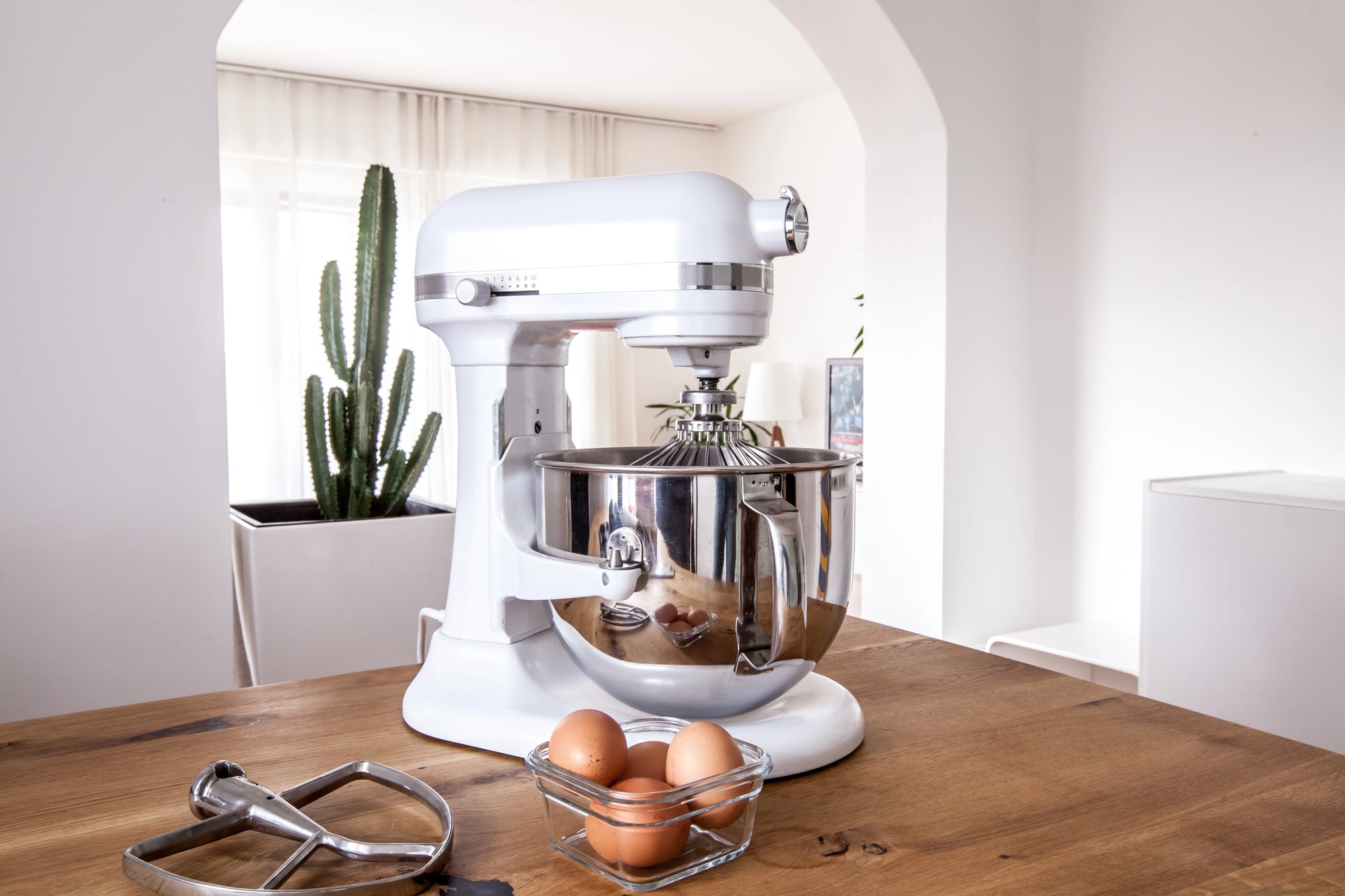
Some catalog kitchen tools addressed tasks so narrow they now seem unnecessary. Devices designed for single foods or motions promised efficiency through specialization.
Each gadget claimed to simplify domestic work.
These items reflected faith in progress through design. Even mundane chores were seen as opportunities for innovation, no matter how minor the improvement.
Saddles And Horse Equipment

Before widespread car ownership, horses remained central to transportation and labor. Sears catalogs offered saddles, harnesses, and riding equipment for various needs.
These items were treated as essential infrastructure.
Selling them by mail reinforced the company’s reach into both urban and rural life. The coexistence of horse gear and modern appliances captures a society in transition.
Why Sears Sold Such A Wide Range

The early Sears catalogs aimed to eliminate distance as a barrier to consumption. If something could be shipped, it could be sold.
This philosophy encouraged experimentation and expansion into categories others avoided.
Trust played a key role. Clear descriptions, guarantees, and fixed prices built confidence among customers who never set foot in a store.
The catalog became a stand-in for personal interaction.
What These Items Reveal About The Era

These bizarre offerings were not jokes or novelties. They addressed real needs, desires, and aspirations shaped by geography and technology.
The catalog mirrored everyday life in a country stretching outward, hungry for convenience and choice.
Many items feel strange now because the systems around them have changed. What once required mail-order ingenuity is now handled locally or digitally, altering how goods are perceived.
Why It Still Matters

Out of nowhere, early Sears catalogs showed big selection didn’t mean losing control of size. Trust grew slow when buyers got used to ordering from far away.
Uniform products changed what people thought they deserved. What stayed behind was a new normal, quietly set.
Speed shapes today’s digital shops, yet the pattern stays familiar. Odd products from old paper catalogs show how strange breakthroughs seem later on.
Back then, what seemed too much or unlikely arrived quietly through the mailbox.
More from Go2Tutors!

- The Romanov Crown Jewels and Their Tragic Fate
- 13 Historical Mysteries That Science Still Can’t Solve
- Famous Hoaxes That Fooled the World for Years
- 15 Child Stars with Tragic Adult Lives
- 16 Famous Jewelry Pieces in History
Like Go2Tutors’s content? Follow us on MSN.