Travel Hotspots That May Be Non-Existent in the Future
You scroll through Instagram and see perfect photos of turquoise water lapping against white sand beaches. You bookmark Venice for your future anniversary trip.
You promise yourself that one day you’ll dive the Great Barrier Reef. But some of these destinations are already disappearing.
The Venice you visit in 2030 won’t be the Venice you see today. That coral reef might be bleached and dead.
Those beaches could be underwater. Climate change is erasing places faster than most people realize.
Rising seas, warming temperatures, and extreme weather events are transforming beloved destinations from bucket list items into memories. Some changes happen gradually.
Others strike suddenly. Either way, the world map is being redrawn by forces beyond anyone’s control.
The Maldives Sinks Centimeter by Centimeter
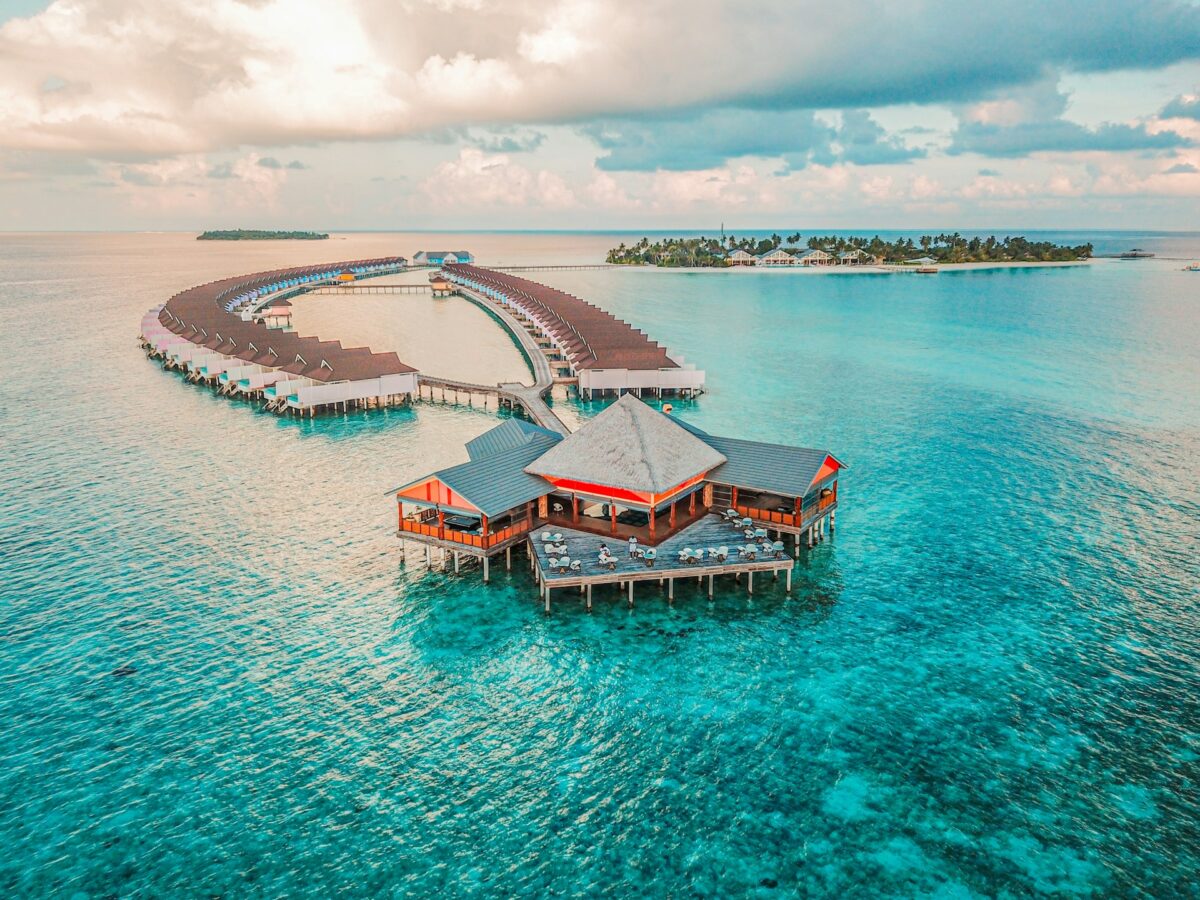
The Maldives sits just 1.5 meters above sea level on average. Some islands barely clear one meter.
When sea levels rise by that same amount, which current projections suggest will happen by 2100, entire islands disappear. You can already see the effects.
Beaches erode faster than they can rebuild. Storm surges flood further inland.
The government has started building artificial islands and considering relocating entire populations. The country’s tourism industry drives its economy.
Those overwater bungalows that fill travel magazines depend on shallow lagoons and pristine beaches. As water levels climb, both vanish.
The resorts adapt where they can but eventually run out of options. Some islands have already been abandoned.
Others exist behind seawalls that block the ocean views tourists pay to see. The paradox is cruel: people flock to the Maldives specifically for its relationship with the sea, but that same sea is consuming it.
Scientists estimate that by 2050, most inhabited islands will face regular flooding. By 2100, the Maldives as a nation might cease to exist physically.
The people and culture will survive, relocated elsewhere, but the place itself will be gone.
Venice Floods More Often and Worse

Venice has always dealt with acqua alta, the high water that floods parts of the city. But these floods happen more frequently now and reach higher than before.
The city sinks at a rate of one to two millimeters per year. Meanwhile, sea levels rise at roughly the same rate.
The combination means Venice drops while the water climbs. By 2100, if current trends continue, much of the city could be permanently underwater.
The famous St. Mark’s Square floods over 100 times per year now. Tourists wade through water that reaches their knees or higher.
Businesses shutter when water enters. Residents grow exhausted from the constant disruption.
Venice started charging day-trip tourists an entry fee in 2024. The money funds flood defenses and maintenance.
But even extensive engineering projects can only delay the inevitable for so long. Cruise ships dump thousands of visitors into the narrow canals.
Their wake damages buildings and accelerates erosion. The tourism that sustains Venice’s economy also hastens its destruction.
The city faces an impossible choice between welcoming visitors and preserving what makes it worth visiting.
Glacier National Park Loses Its Namesake
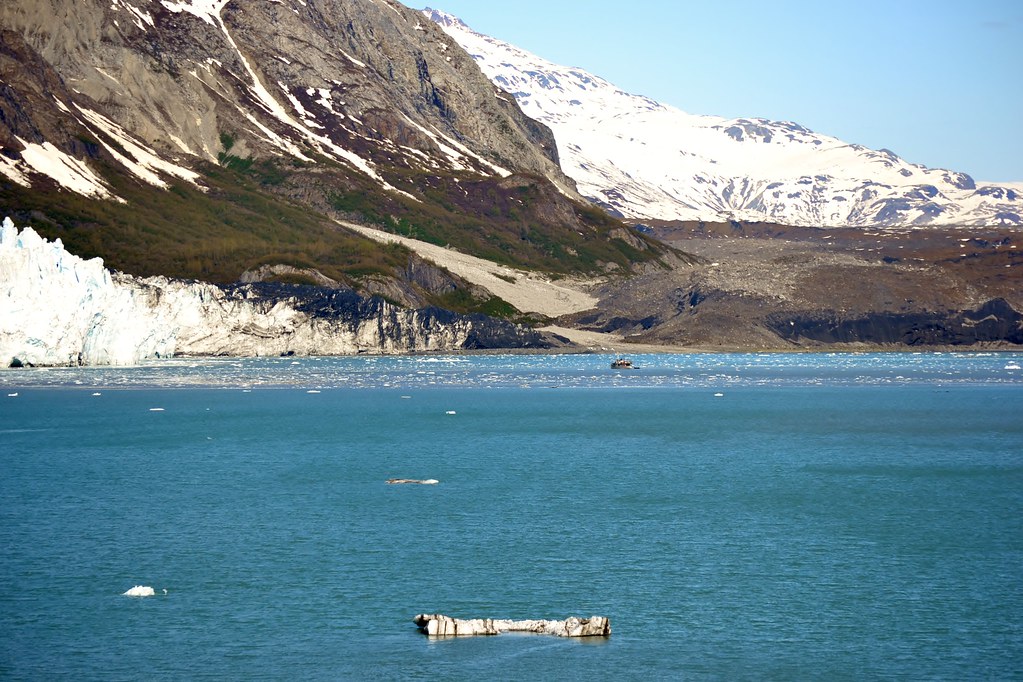
In 1850, Glacier National Park contained over 150 glaciers. By 1968, that number had dropped to around 35. Today, fewer than two dozen remain.
Some scientists predict the last glaciers will melt completely by 2030. The park won’t disappear physically.
Mountains don’t melt. But it will lose the defining feature that gave it a name and draws visitors from around the world.
Glaciers take thousands of years to form. They can vanish in decades.
Once gone, they don’t return in any human-relevant timeframe. The loss is permanent.
Warmer temperatures mean less snowfall in winter and faster melting in summer. The glaciers shrink from both ends.
They thin until they no longer meet the technical definition of a glacier, which requires at least 25 acres of ice and enough mass to move under its own weight. The ecosystem changes with the ice.
Plants and animals adapted to cold glacier-fed streams struggle as water temperatures rise and flows decrease. The park remains beautiful but fundamentally altered from what it was.
The Great Barrier Reef Bleaches to Death

The Great Barrier Reef has experienced at least six mass bleaching events since 2016. In 2024, roughly 39 percent of the reef suffered more than 60 percent coral loss.
Coral bleaching happens when water temperatures rise above the level coral can tolerate. The coral expels the algae living in its tissue, turning white.
If conditions improve quickly, coral can recover. If stress continues, the coral dies.
Back-to-back bleaching events don’t allow recovery time. Coral that survives one bleaching event often dies in the next.
Areas that do recover come back weaker and less diverse. The reef stretches 2,300 kilometers along Australia’s coast.
It supports thousands of species and generates billions in tourism revenue. Divers and snorkelers come from everywhere to see it.
But they’re seeing a reef that’s already fundamentally degraded from what existed 30 years ago. Scientists predict that even with aggressive climate action, coral reefs worldwide face catastrophic decline.
The Great Barrier Reef, as a functioning ecosystem supporting the diversity and abundance that made it famous, may not survive mid-century. You can still visit.
You can still dive. You might even see living coral.
But you’re visiting a dying patient, not a healthy reef.
Alpine Ski Resorts Run Out of Snow

The Alps contain some of the world’s most famous ski destinations. They draw millions of visitors each winter.
But winters are changing. Scientists predict that most Alpine ice will disappear by the end of the century.
Even before then, ski seasons will shorten and snowfall will decrease. Lower elevation resorts already rely on artificial snow-making machines to supplement natural snow.
But artificial snow requires specific temperature conditions. As winters warm, temperatures stay too high for snow-making equipment to function.
Resorts invest in newer machines that work at slightly higher temperatures, but that only delays the problem by a few years. Some lower elevation resorts have already closed.
Others diversified into summer activities to survive. The ski industry watches nervously as their product literally melts beneath them.
By 2050, only the highest elevation resorts will reliably have natural snow. By 2100, even those might struggle.
The Alps won’t disappear. They’ll just stop being ski destinations.
That shift will devastate mountain economies built entirely around winter sports tourism.
Machu Picchu Erodes From Too Many Feet

Machu Picchu faces threats from multiple directions. Climate change brings heavier rains and more landslides.
But the site also suffers from something more immediate: too many tourists. Over one million people visited Machu Picchu in 2019.
That’s one million pairs of feet walking on 500-year-old stones. The Inca didn’t build the citadel to accommodate crowds that large.
The constant traffic wears down pathways and destabilizes structures. Heavy rains wash away soil that supports terraces and foundations.
Landslides threaten the access road. Peru limits daily visitors now and requires guided tours.
But even restricted numbers cause damage when concentrated on fragile archaeological remains. The site sits on a mountain ridge in a seismically active region.
Earthquakes pose a constant risk. Climate change makes weather more extreme, increasing erosion and destabilization.
Machu Picchu won’t vanish overnight. But it’s slowly degrading from the combined pressures of weather, geology, and human impact.
Each year it becomes a little less intact, a little closer to ruins of ruins.
The Amazon Rainforest Approaches a Tipping Point
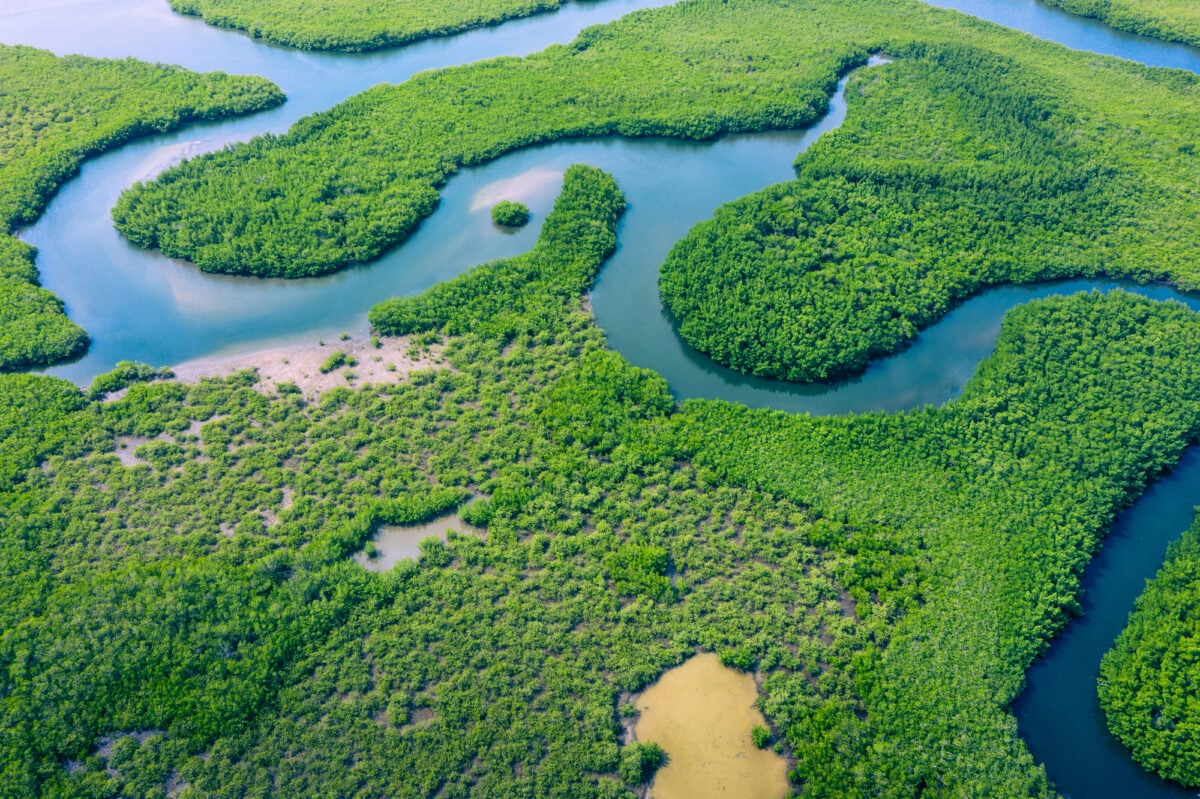
The Amazon isn’t a tourist destination in the traditional sense. But ecotourism draws visitors to experience the world’s largest rainforest.
That rainforest is dying. Deforestation, drought, and rising temperatures push the Amazon toward a critical threshold.
Scientists warn that if 20 to 25 percent of the rainforest is lost, the entire system could collapse into savanna. Current deforestation has already cleared 17 to 20 percent of the original forest.
The margin for error is disappearing. Climate change makes drought more severe and fire more common.
What used to regenerate after disturbance now converts to grassland. The Amazon generates much of its own rainfall through transpiration.
Trees release moisture that forms clouds that produce rain. Fewer trees mean less rain.
Less rain means more trees die. The system feeds on itself in a downward spiral.
Once the transition starts, it’s probably irreversible. The Amazon as a functioning rainforest ecosystem could effectively disappear within a few decades.
It won’t become a desert, but it won’t be a rainforest either. Travelers who want to see the Amazon as it has existed for millions of years should probably go soon.
Antarctica Melts and Opens to Tourists

Antarctica faces opposite problems from most destinations. It’s not disappearing from tourism. It’s becoming accessible specifically because it’s melting.
Tourist numbers to Antarctica have increased dramatically. More cruise ships make the journey from South America.
Easier access means more foot traffic on fragile ecosystems that evolved in isolation. The Antarctic Peninsula, where most tourists visit, is warming faster than almost anywhere on Earth.
Ice shelves collapse. Glaciers retreat.
The landscape changes visibly between seasons. More visitors mean more pollution, more disturbance to wildlife, and more risk of introducing invasive species.
Penguins and seals face disruption during critical breeding and feeding periods. Tourists stepping on moss and lichen destroy organisms that took decades or centuries to grow.
The irony is vicious. People travel to Antarctica specifically because climate change threatens it.
But the travel itself contributes to the problems. And the destination changes partly because warming makes it more accessible.
Key West Faces Regular Flooding
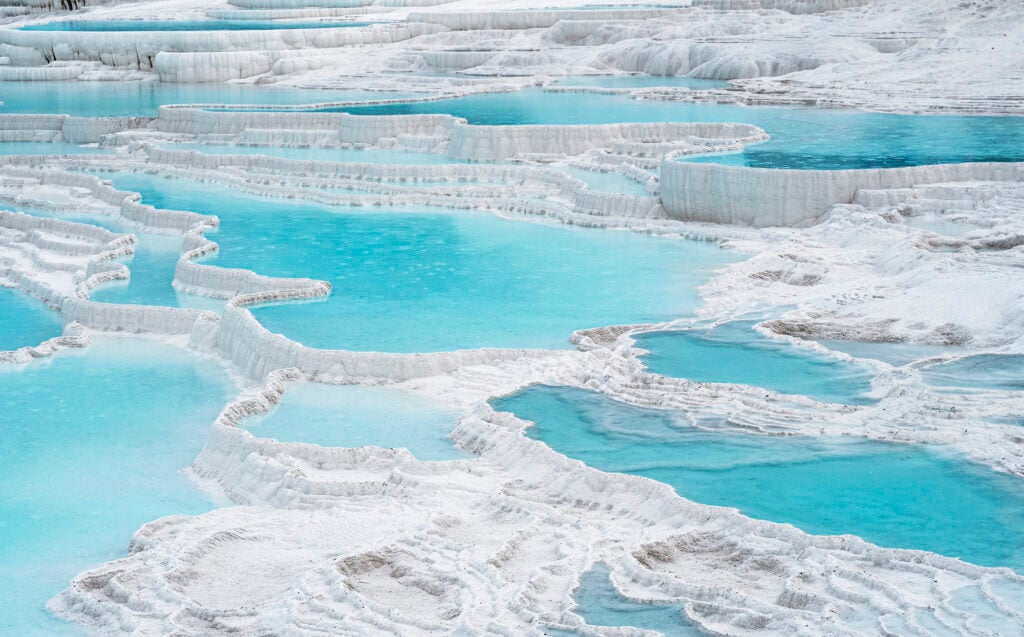
Key West sits barely above sea level. High tides already flood streets regularly.
Hurricane storm surges inundate the entire island. As sea levels rise and storms intensify, both problems worsen.
The Florida Keys are particularly vulnerable because the islands sit on porous limestone. Water doesn’t just rise around them.
It comes up through the ground. You can’t build a seawall because water seeps underneath and emerges inside.
Infrastructure throughout the Keys faces constant saltwater exposure. Roads crumble.
Pipes corrode. Buildings deteriorate faster than maintenance can fix them.
The costs of staying habitable increase every year. Tourism drives the Keys’ economy.
But flooding disrupts airports, closes roads, and damages hotels and attractions. Visitors avoid hurricane season, which is growing longer and more destructive.
The window for reliable tourism shrinks. By mid-century, parts of Key West will flood during regular high tides.
By 2100, much of the island could be underwater permanently. The laid-back tropical atmosphere that defines Key West exists on borrowed time.
Kilimanjaro’s Snow Disappears
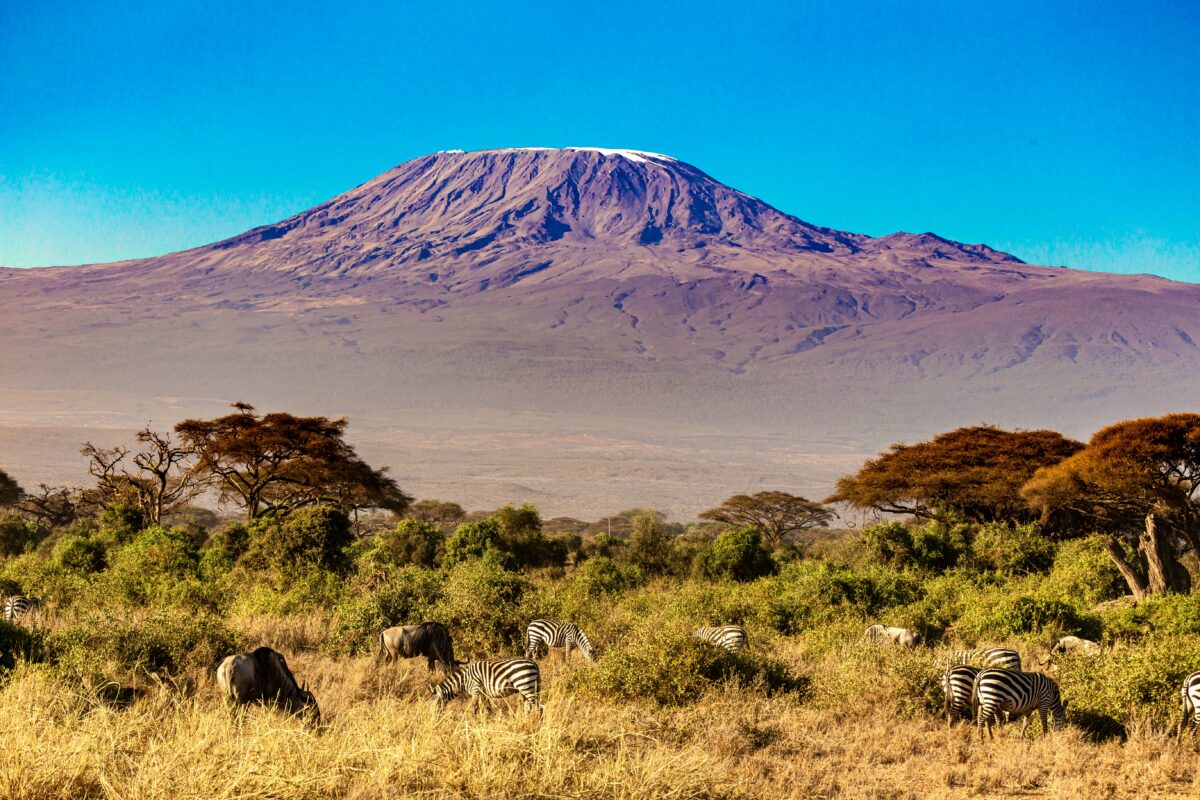
Mount Kilimanjaro’s ice-covered peak defines its image. But that ice is melting rapidly. In 1912, the mountain was completely covered in ice sheets.
Today, 85 percent of that coverage is gone. The remaining ice won’t last much longer.
Scientists predict Kilimanjaro could lose all its snow within 20 years. The mountain will still exist. Climbers will still summit.
But the iconic snow-capped peak that makes Kilimanjaro recognizable worldwide will be gone. The loss isn’t just aesthetic.
The ice feeds streams that water farms and towns on the mountain’s slopes. As the ice disappears, water sources dry up.
Communities that depend on that water face increasing hardship. Climbers pay substantial fees to trek Kilimanjaro.
That tourism money supports local economies. But people climb Kilimanjaro specifically to stand on a snow-covered peak in the middle of Africa.
Remove the snow and you remove much of the appeal. The mountain’s ecosystems are already shifting.
Plants and animals adapted to high-altitude cold are moving higher as temperatures warm. Eventually they ran out of the mountain.
Species that can’t adapt disappear.
The Dead Sea Actually Dies
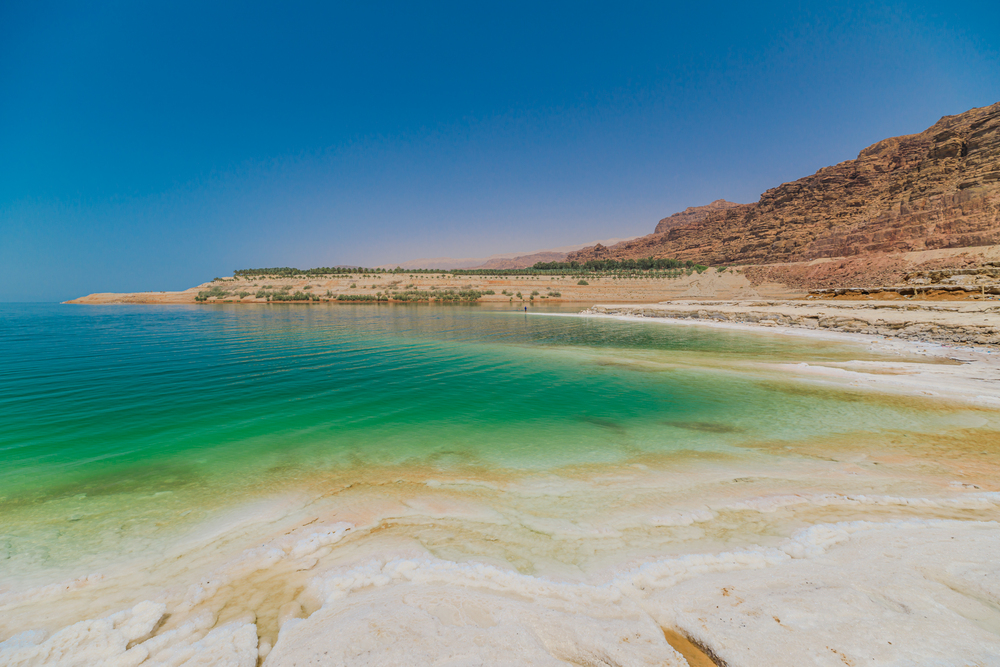
The Dead Sea is dying, which is grimly appropriate given its name. Water levels drop more than a meter every year.
The sea has already shrunk by a third since the 1960s. The problem isn’t climate change directly.
It’s a water diversion. The Jordan River, which feeds the Dead Sea, gets dammed and diverted for irrigation and drinking water.
Less water flows in while evaporation continues at the same rate. The shoreline recedes rapidly.
Hotels that once sat on the water’s edge now stand hundreds of meters inland. Sinkholes open where underground salt deposits collapse as water tables drop.
The Dead Sea’s extreme salinity makes it unique. You float effortlessly.
The mineral-rich mud supposedly has health benefits. Tourists come specifically for these unusual properties.
But the sea is literally disappearing. Some proposals would pipe water from the Red Sea or Mediterranean to refill the Dead Sea.
These mega-projects face technical, political, and environmental challenges. They may never happen.
Or they may happen too late. The Dead Sea could shrink to a small brine pool within decades.
The tourists who visit now might be the last generation to experience it as a sea rather than a lake or puddle.
When Everyone Wants to Say Goodbye
The destinations mentioned here represent a fraction of places threatened by climate change. The list could include hundreds more.
Coral reefs throughout the Caribbean and Pacific. Glacier-fed lakes in Asia.
Island nations across Oceania. Coastal cities on every continent.
People are responding by booking “last chance tourism” trips. They want to see these places before they disappear.
This creates a perverse incentive structure. Destinations become more popular specifically because they’re dying.
The increased tourism accelerates the decline. Flying to Antarctica or the Maldives generates substantial carbon emissions.
Those emissions contribute to climate change threatening the destinations. You travel to see a place before climate change destroys it, but your travel makes the destruction worse.
There’s no easy answer to this problem. You can argue people should see these places while they can.
You can argue traveling there hastens their demise. Both statements are true simultaneously.
What Remains After Everything Changes

These destinations won’t all vanish on the same timeline. Some will disappear by 2050.
Others will degrade gradually through 2100. A few might survive in altered form beyond that.
But the trend is clear. The world you can travel today won’t be the world your grandchildren can travel.
Iconic destinations are becoming historical references. Future generations will look at photos the way you look at pictures of extinct animals.
This isn’t inevitable in a cosmic sense. Human choices created climate change.
Different human choices could slow or stop it. But the political and economic systems that would need to change show little sign of transforming fast enough.
So you’re left with personal decisions. Do you travel to these places while you can?
Do you stay home to minimize your impact? Do you go but offset your carbon?
Do you donate to conservation efforts? Do you advocate for policy changes?
None of these actions will save the Maldives or the Great Barrier Reef by themselves. But the alternative is doing nothing while watching beautiful places vanish.
That might be the worst choice of all. The places on this list aren’t just tourist destinations.
They’re ecosystems, cultures, and communities. People live in Venice, the Maldives and Key West.
They build their lives around Kilimanjaro and the Amazon. When these places change or disappear, it’s not just travelers who lose something.
Maybe that’s the point worth remembering. These aren’t just vacation spots.
They’re parts of the world that matter for reasons beyond photo opportunities. Their loss diminishes everyone, whether you ever visit them or not.
More from Go2Tutors!

- The Romanov Crown Jewels and Their Tragic Fate
- 13 Historical Mysteries That Science Still Can’t Solve
- Famous Hoaxes That Fooled the World for Years
- 15 Child Stars with Tragic Adult Lives
- 16 Famous Jewelry Pieces in History
Like Go2Tutors’s content? Follow us on MSN.