Photos Of 14 Highest Bungee Jumping Spots in the World
Standing at the edge of a platform hundreds of feet above the ground, staring down into an abyss that seems to stretch forever, there’s a moment when everything goes quiet. Your heart pounds, your palms sweat, and every rational thought screams at you to step back.
Then you jump anyway. That split second of absolute terror followed by pure exhilaration is what draws thrill-seekers to bungee jumping spots around the globe, each one offering its own unique brand of controlled chaos.
Macau Tower
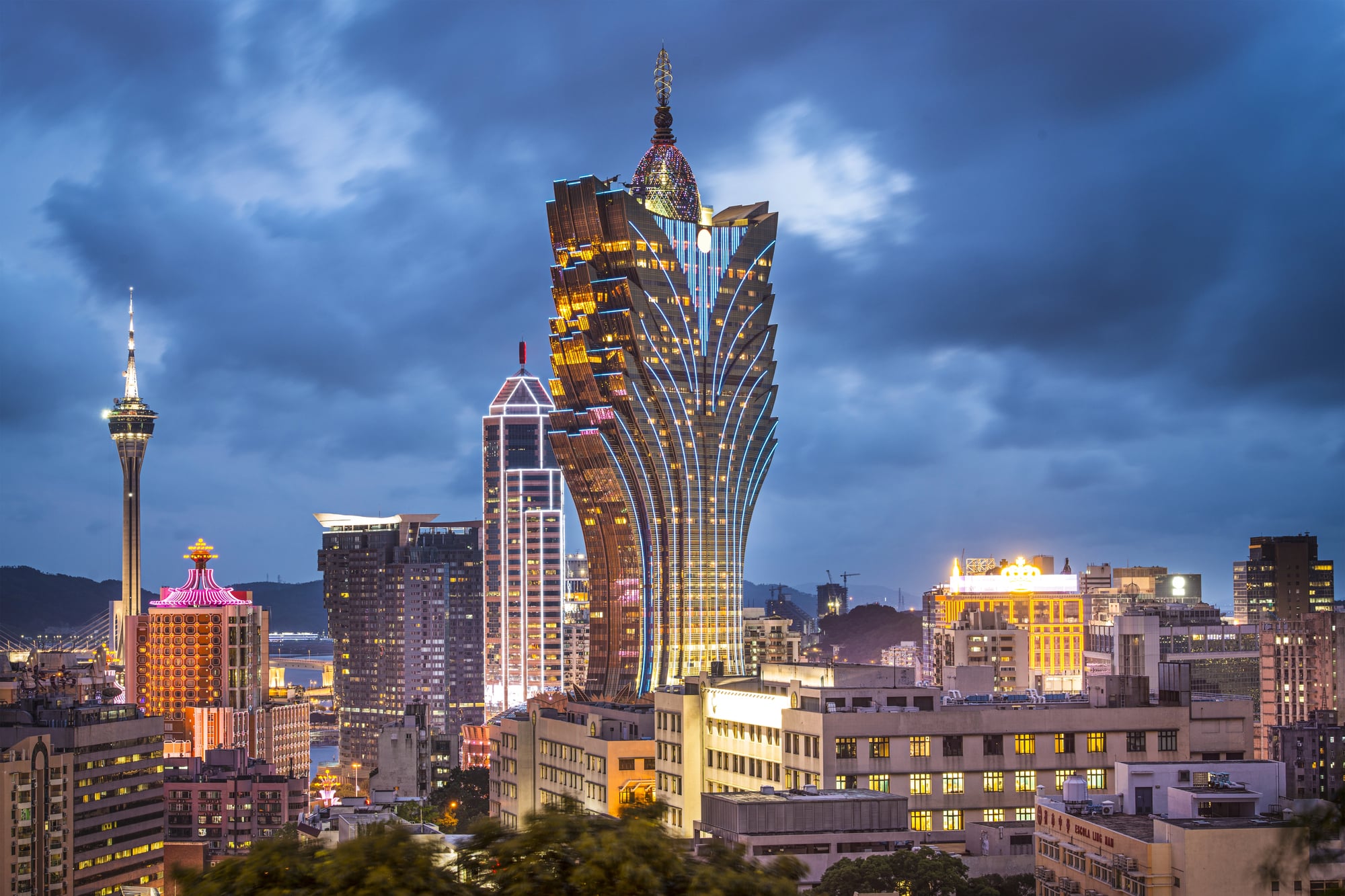
The numbers don’t lie here. At 764 feet, this is the commercial bungee jump that separates the serious from the curious.
You’re falling for 4.5 seconds of pure terror before the cord catches you. Most people spend longer deciding what to have for breakfast.
The view on the way down includes Macau’s skyline, but honestly, you won’t be admiring the architecture. You’ll be too busy questioning every life choice that led to this moment.
Verzasca Dam
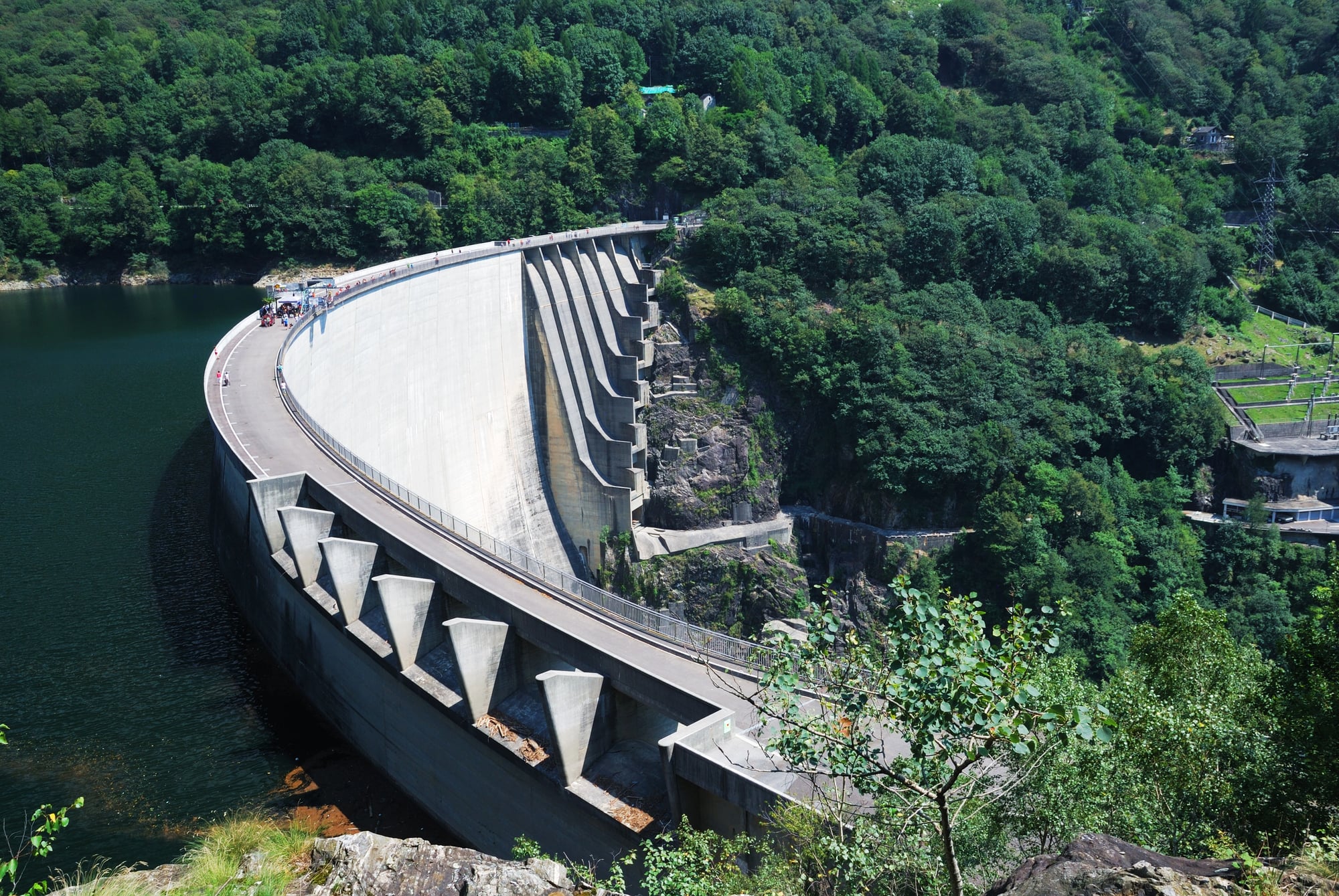
This concrete wall in Switzerland became famous after a certain British spy took the plunge in a tuxedo, though the movie made it look considerably more graceful than the reality most people experience. The 720-foot drop happens fast — faster than your brain can process what’s actually occurring, which is probably for the best.
And yet there’s something almost meditative about the way the Verzasca Valley opens up below you (at least according to people who somehow managed to keep their eyes open during the fall, which is saying something). The dam itself is this massive concrete curve that seems to bend the landscape around it, and when you’re standing on top, the world below looks like a topographical map that someone forgot to add scale markings to.
Even so, the moment you step off that platform, all philosophical observations about perspective and landscape become irrelevant — because you’re too busy falling through space to think about anything else.
Nevis Swing
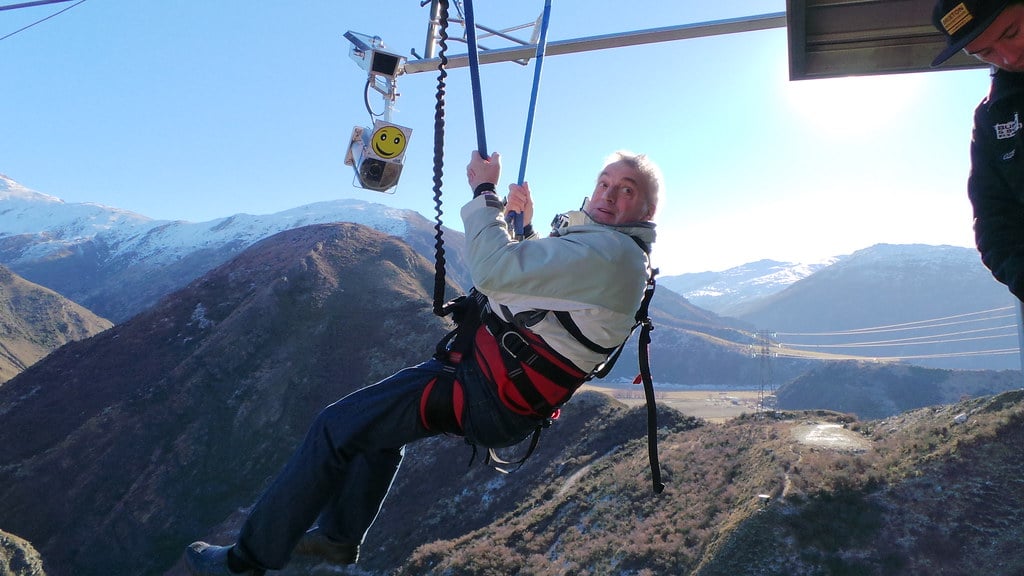
New Zealand doesn’t mess around when it comes to throwing people off high places. The 440-foot drop over the Nevis River happens in a remote canyon where cell service cuts out and the only sounds are wind and water.
Perfect conditions for contemplating your mortality.
The platform sits suspended between canyon walls like someone’s idea of a practical joke. Most jumpers spend more time psyching themselves up than actually falling.
Bloukrans Bridge

South Africa’s contribution to the global collection of places designed to terrify tourists sits 708 feet above the Bloukrans River, and the approach to the jump platform is almost as unnerving as the jump itself — you walk across a narrow catwalk suspended beneath the bridge, which gives you plenty of time to reconsider your decisions (though by that point, turning back feels almost as frightening as going forward).
The whole experience has this deliberate theatrical quality to it: the countdown, the crowd watching from the bridge above, the way your harness gets checked and double-checked by people who’ve clearly seen enough accidents to take their jobs seriously.
But then there’s that moment when you realize that all the safety checks and dramatic buildup are just elaborate ways of preparing you for something fundamentally simple and terrifying. So you jump.
Kawarau Gorge Suspension Bridge
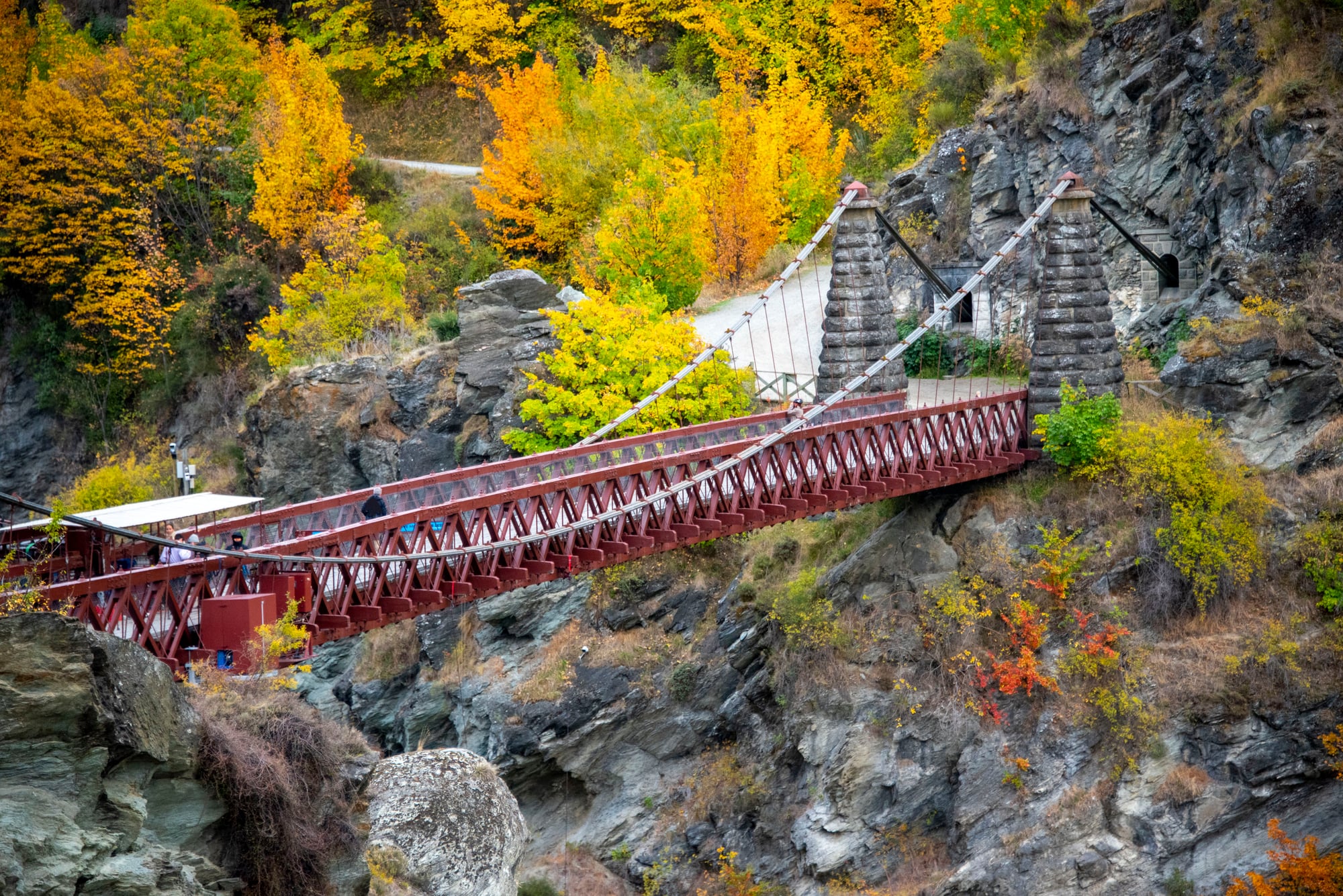
The original commercial bungee site feels almost quaint compared to the extremes that followed, but there’s something honest about its 141-foot drop that the bigger jumps sometimes lack. This is where A.J. Hackett proved that people would pay money to experience controlled falling, and the bridge still has that experimental quality — like someone’s backyard project that accidentally became a global phenomenon.
You can touch the Kawarau River if you time it right. Most people don’t time it right.
Europabrücke
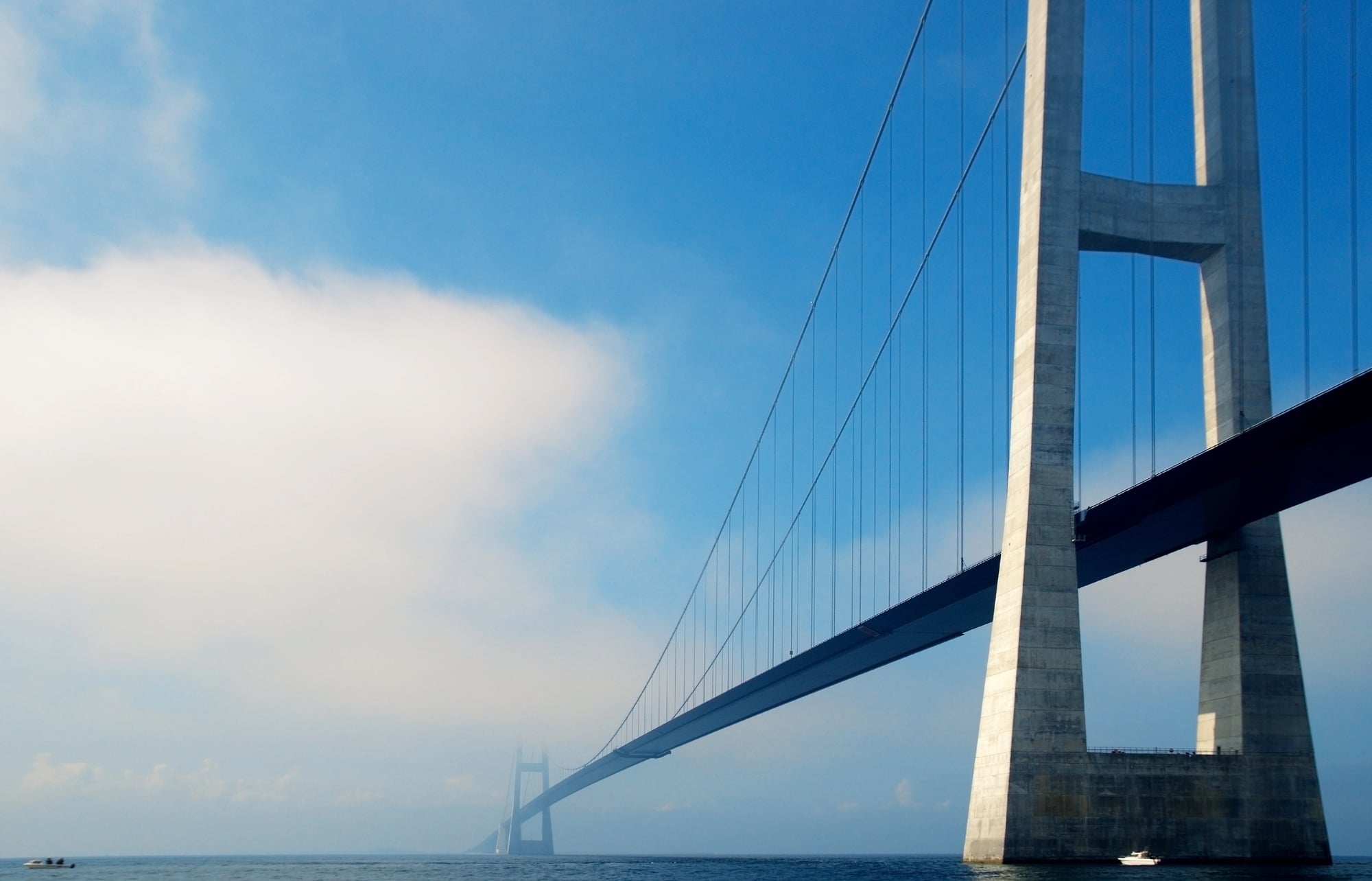
Austria’s approach to bungee jumping involves a 630-foot drop from a bridge that was originally built for cars, not for launching people into the void above the Sill River valley. The whole setup has this matter-of-fact European efficiency to it — no dramatic buildup, no elaborate ceremonies, just a very tall bridge and some very strong rope.
Which somehow makes it more terrifying than the places that turn the experience into theater.
The Alps provide a backdrop that would be breathtaking under different circumstances, but when you’re preparing to fling yourself off a bridge, even spectacular mountain scenery becomes background noise to the sound of your own pulse.
Niouc Bridge

Switzerland’s 623-foot jump happens above a landscape that looks like someone took a postcard and stretched it vertically — the kind of Alpine valley that makes you understand why people write poems about mountains, at least until you realize you’re about to fall through all that scenic beauty at terminal velocity (well, almost terminal velocity, which is the crucial distinction that makes this recreational rather than suicidal).
The Navizence River below winds through the valley floor like a silver thread, and from the bridge, it looks impossibly far away, though that distance becomes much more real once you step off the platform.
And the strangest part is how quiet it gets during the fall — all that wind and speed, but somehow the world goes silent until the cord catches and reminds you that physics still applies, even in Switzerland.
Altopiano Di Asiago
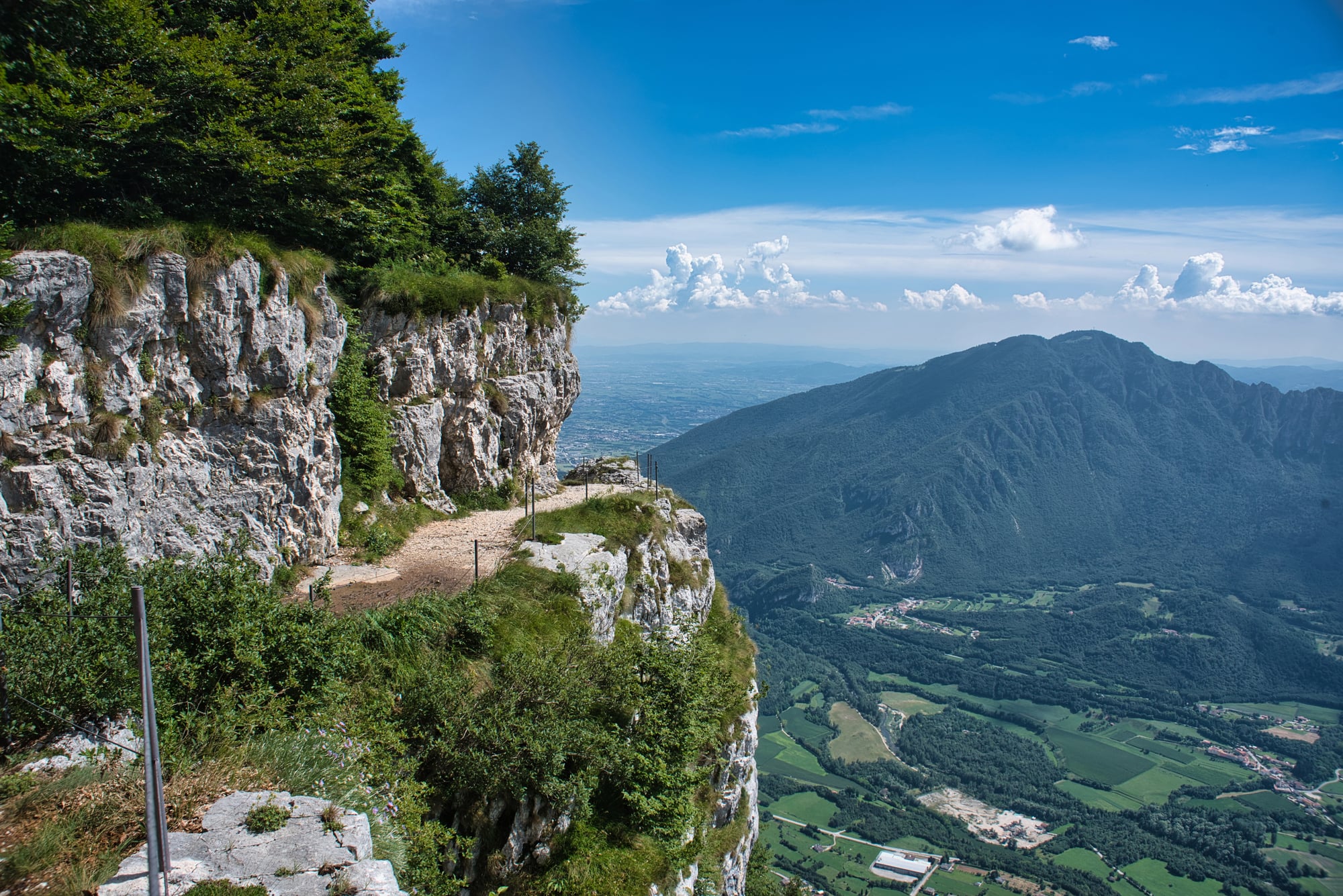
Italy does bungee jumping with the same attention to drama that it brings to everything else. The 574-foot drop from this viaduct in the Veneto region has a theatrical quality that feels distinctly Italian — grand gestures, beautiful scenery, and an underlying sense that this is as much about style as it is about adrenaline.
The platform extends out over a valley that photographers would kill for. Too bad most people are too terrified to appreciate the composition.
Rio Grande Gorge Bridge
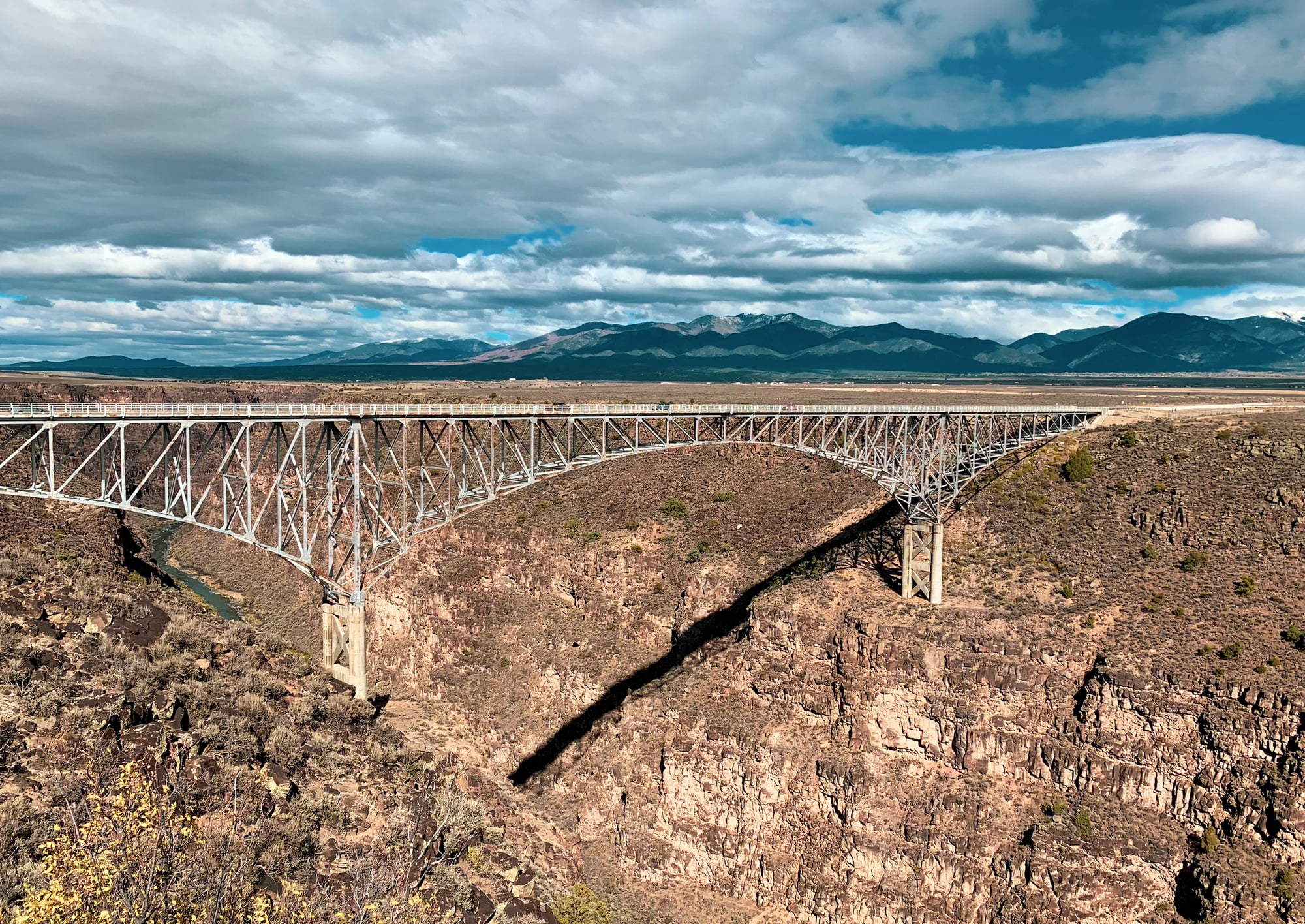
New Mexico’s high desert creates a landscape that feels like another planet, and the 565-foot drop from this steel arch bridge into the Rio Grande Gorge reinforces that otherworldly quality. The whole experience has this stark, unforgiving beauty that matches the desert environment — no lush valleys or scenic rivers, just raw geology and a very long way down.
The wind patterns in the gorge can be unpredictable. Your mileage may vary.
Bhotekoshi
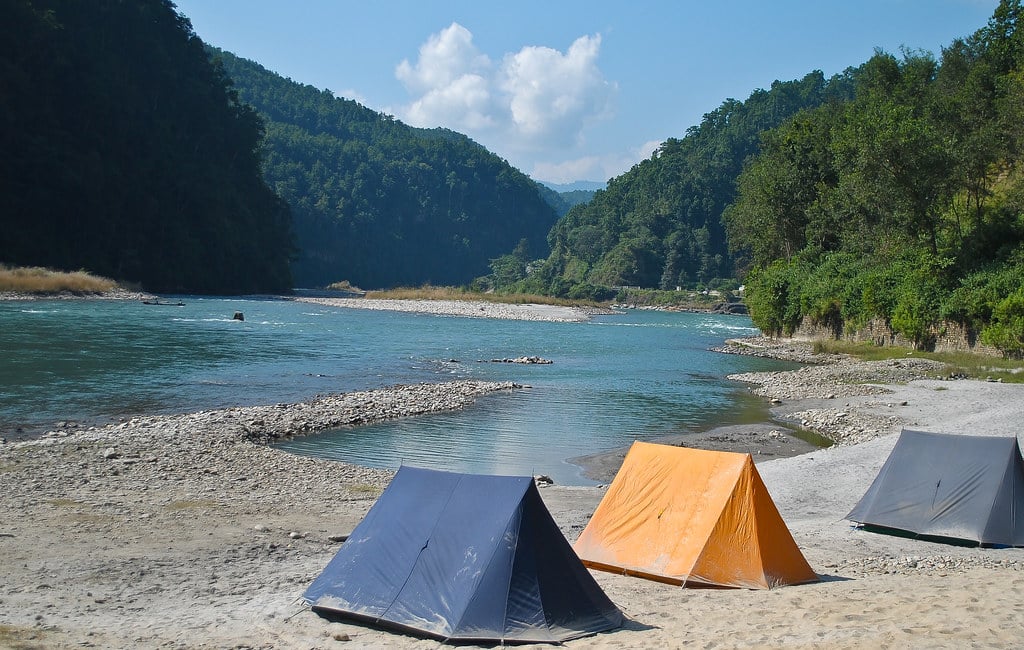
Nepal’s 525-foot jump happens in a setting that makes most other bungee sites look tame by comparison — not because of the height, but because of the context (you’re in the Himalayas, after all, where the concept of “extreme” gets recalibrated pretty quickly).
The Bhotekoshi River cuts through a gorge that feels ancient and unforgiving, and the whole experience has this raw, unpolished quality that’s either thrilling or terrifying, depending on your perspective.
But there’s something about jumping in the shadow of the world’s highest mountains that puts the whole concept of fear into perspective — when you’re surrounded by peaks that dwarf everything else on the planet, a 525-foot fall starts to feel like a reasonable way to test your relationship with gravity.
So most people jump, and most people survive, and the river keeps running far below.
Skypark Sochi
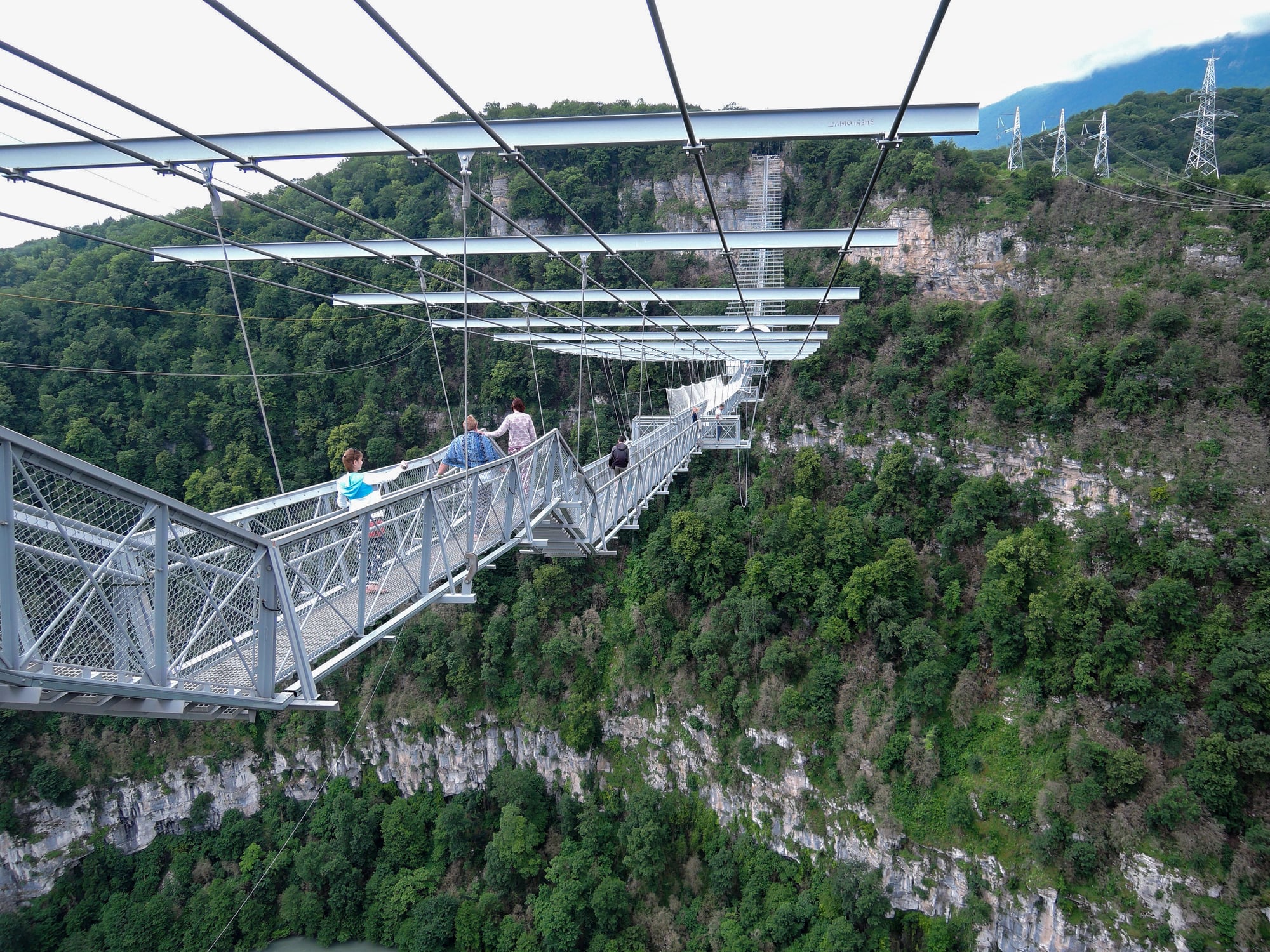
Russia’s entry into extreme bungee jumping sits 663 feet above the Mzymta River valley, and the whole operation has that distinctly Russian approach to recreation — functional, no-nonsense, and slightly intimidating even before you factor in the falling part.
The platform offers views of the Caucasus Mountains that would be worth the trip even without the jumping.
The water below is cold year-round. Plan accordingly.
Last Resort
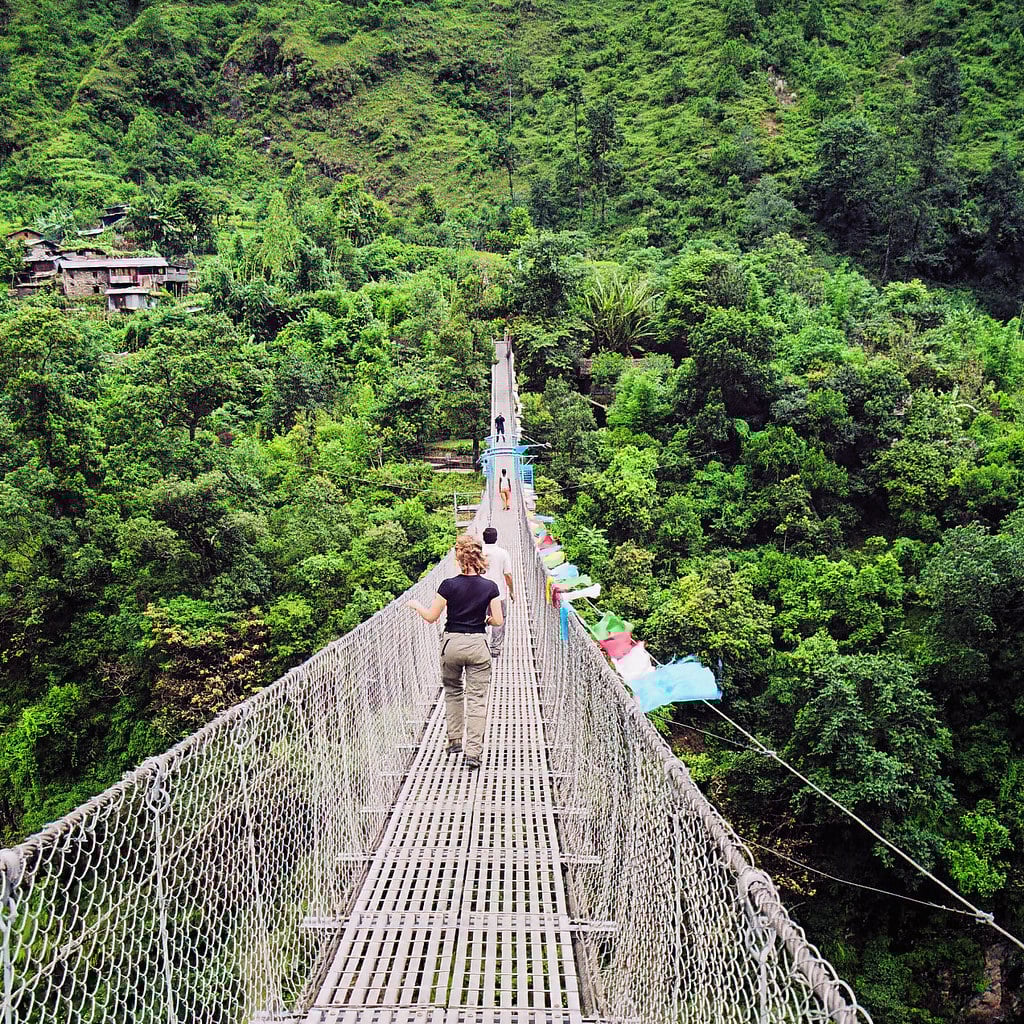
Nepal’s second entry on this list happens from a 525-foot drop near the Tibetan border, where the landscape alternates between terrifying and beautiful depending on whether you’re looking at it or falling through it.
The whole experience takes place in a setting that feels like the edge of the world — remote, rugged, and completely indifferent to human comfort or safety preferences.
Most visitors spend as much time getting to the site as they do actually jumping. The journey becomes part of the experience whether you want it to or not.
Viaduc De La Souleuvre
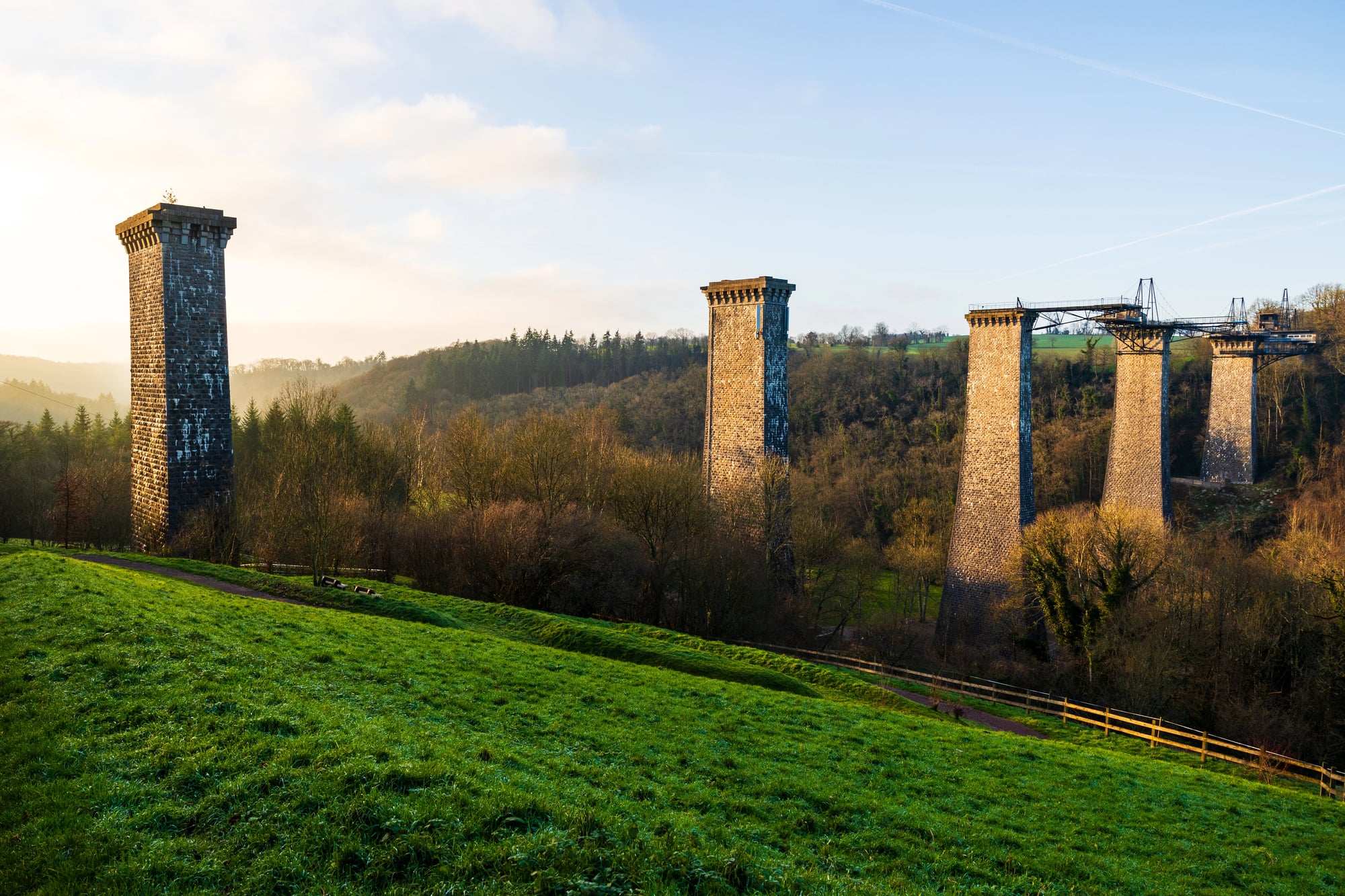
France approaches bungee jumping with the same precision it brings to winemaking and infrastructure — the 200-foot drop from this railway viaduct in Normandy has an engineered quality that inspires confidence, even when you’re preparing to throw yourself off a bridge that was built for trains.
The surrounding countryside has that manicured French beauty that makes everything look like it was designed by someone with impeccable taste.
The landing zone is precisely calculated. French engineers don’t leave things to chance.
AJ Hackett Cairns
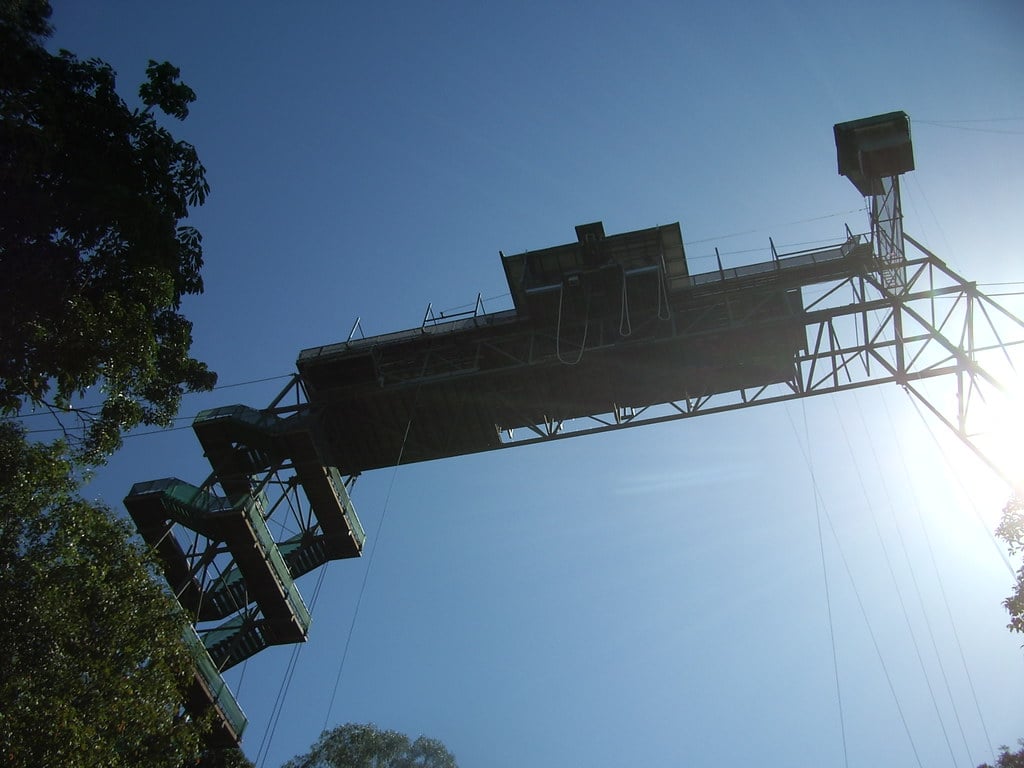
Australia’s contribution sits 164 feet above the rainforest, and the whole setup has that relaxed Australian attitude toward activities that could theoretically kill you — safety-conscious but unpretentious, with staff who treat controlled falling as just another day at the office (which, to be fair, it is for them).
The jungle canopy below creates a green carpet that looks soft from above but definitely isn’t, though that’s what the bungee cord is for.
And there’s something particularly Australian about the way the whole operation is presented — no dramatic speeches about conquering fear or pushing limits, just a straightforward transaction where you pay money to fall off a platform and they make sure you don’t hit the ground.
Fair enough.
The Art Of Falling Up
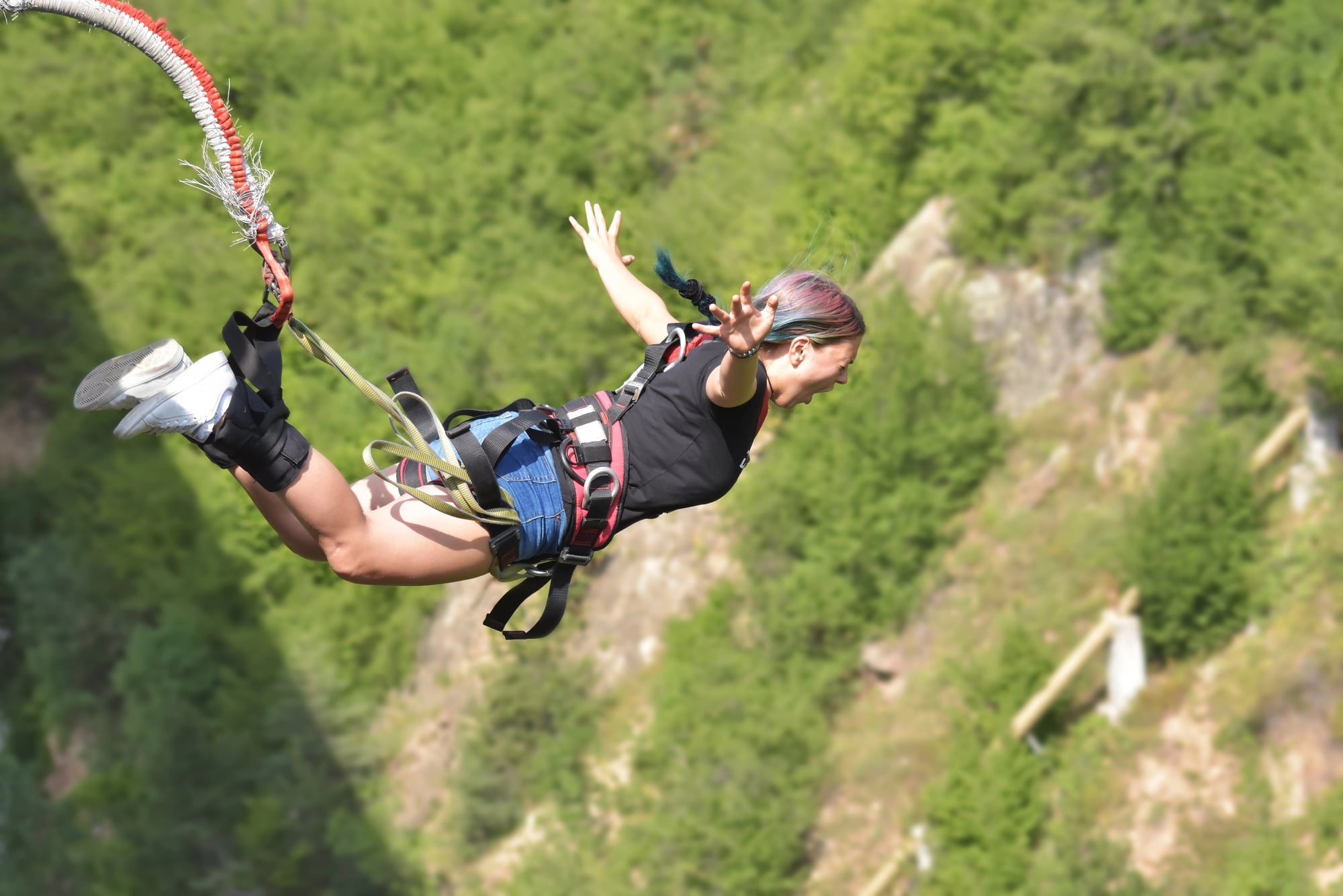
The strangest thing about bungee jumping isn’t the falling — it’s the moment when the cord catches and you bounce back toward the sky. That’s when the real disorientation kicks in, when your body realizes that what goes down apparently can come back up, at least temporarily.
Every jump becomes a brief negotiation with gravity, a reminder that the rules we live by are more flexible than they appear.
More from Go2Tutors!

- The Romanov Crown Jewels and Their Tragic Fate
- 13 Historical Mysteries That Science Still Can’t Solve
- Famous Hoaxes That Fooled the World for Years
- 15 Child Stars with Tragic Adult Lives
- 16 Famous Jewelry Pieces in History
Like Go2Tutors’s content? Follow us on MSN.



