Cartoon Intros That Hit Differently Now
You remember sitting cross-legged on the carpet, bowl of cereal in hand, watching Saturday morning cartoons. The theme songs were catchy.
The animations were bright. Everything felt simple and fun.
Then you grew up. And one day, maybe scrolling through streaming services or falling down a YouTube rabbit pit, you heard one of those old intros again.
But this time, something clicked differently. The lyrics that once seemed innocent now carry weight. The visuals that felt playful now look heavy.
The whole thing just lands in a new place when you’re paying bills and dealing with adult responsibilities.
Arthur’s “Believe in Yourself”
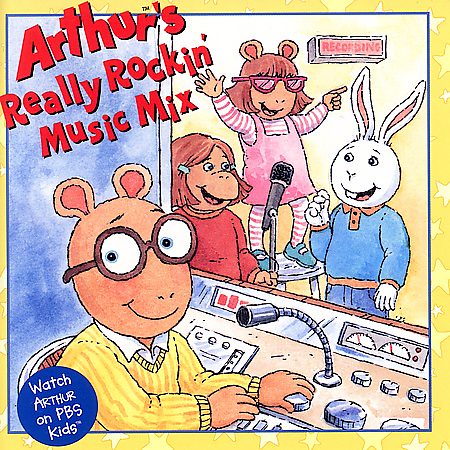
That upbeat song about having a wonderful kind of day sounds almost desperate when you’re an adult dealing with anxiety. Arthur was literally just trying to get through school without falling apart.
The whole premise was about a kid constantly worried about what others thought, struggling with daily challenges that felt massive to him. You see it now.
Arthur wasn’t having adventures. He was coping.
Every episode was about managing stress, handling social pressure, and trying to maintain some sense of normalcy. That intro was basically a pep talk he gave himself each morning.
The animation shows Arthur walking through his neighborhood, passing all these different characters with their own problems. As a kid, you thought it looked friendly.
As an adult, you recognize it as a whole community of people just trying to make it through their day.
Hey Arnold!’s Urban Melancholy
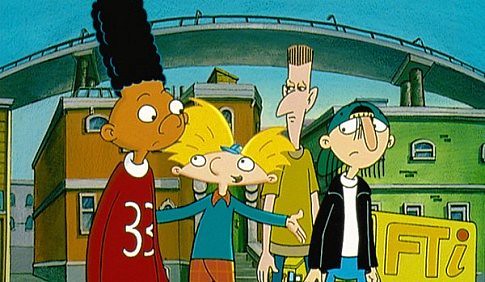
The jazz intro to Hey Arnold! always felt cool and laid-back. But go back and really watch it.
Arnold walks through city streets that look genuinely lonely. The animation has this golden-hour lighting that feels nostalgic and sad at the same time.
That boarding house where Arnold lived? It was full of people who seemed stuck in their lives. The intro shows them all in windows, separate from each other, dealing with their own isolation.
The music has this wistful quality that you missed as a kid. Arnold wasn’t just a kid with a football-shaped head.
He was a kid processing the weight of urban life, surrounded by adults who hadn’t figured things out either. The intro captured that feeling perfectly.
You just didn’t have the life experience to recognize it yet.
Rugrats and Parental Anxiety
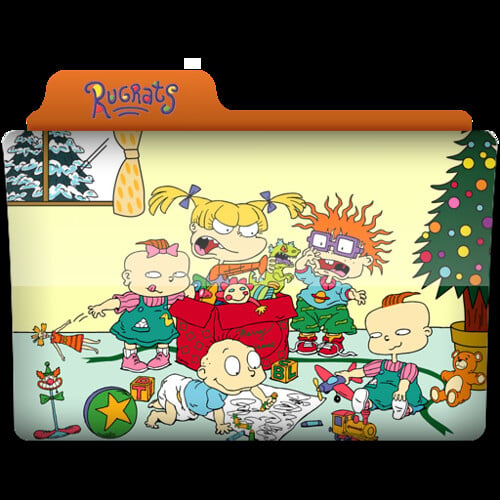
Those babies crawling around having adventures seemed cute and harmless. But watch that intro again as someone who knows what it’s like to be responsible for tiny humans.
The parents are constantly losing track of these kids. Tommy and the gang are climbing out of cribs, escaping playpens, and getting into genuinely dangerous situations.
The whole show was basically about parental anxiety manifested as baby adventures. That intro, with its chaotic energy and babies going everywhere, isn’t fun anymore.
It’s stressful. You can feel the panic of the parents who have no idea where their children are.
The music is frantic. The babies are always moving.
Nothing is secure. As an adult, you don’t watch that intro and think “adventure.”
You think “someone call CPS.”
Doug’s Overthinking Everything
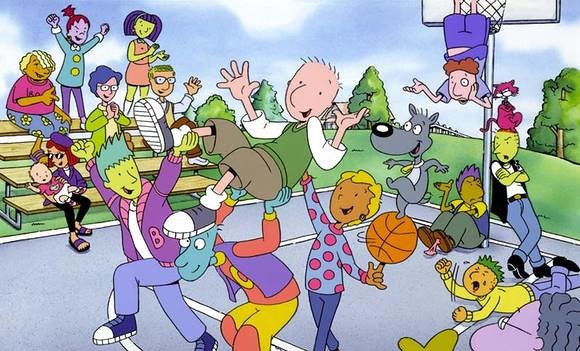
Doug was anxious. That whole intro with him imagining different scenarios, playing out conversations in his head, retreating into his journal—that was anxiety and overthinking given cartoon form.
The way the intro shows him as different characters (Quailman, Race Canyon) isn’t just imagination. It’s dissociation. It’s escaping into fantasy because reality feels too overwhelming.
Doug couldn’t just exist in the moment. He had to process everything through elaborate mental scenarios.
And that journal? Adults recognize that now as someone desperately trying to make sense of their internal world. The intro was never about a kid with a fun imagination.
It was about a kid who couldn’t turn his brain off.
Batman: The Animated Series Goes Dark
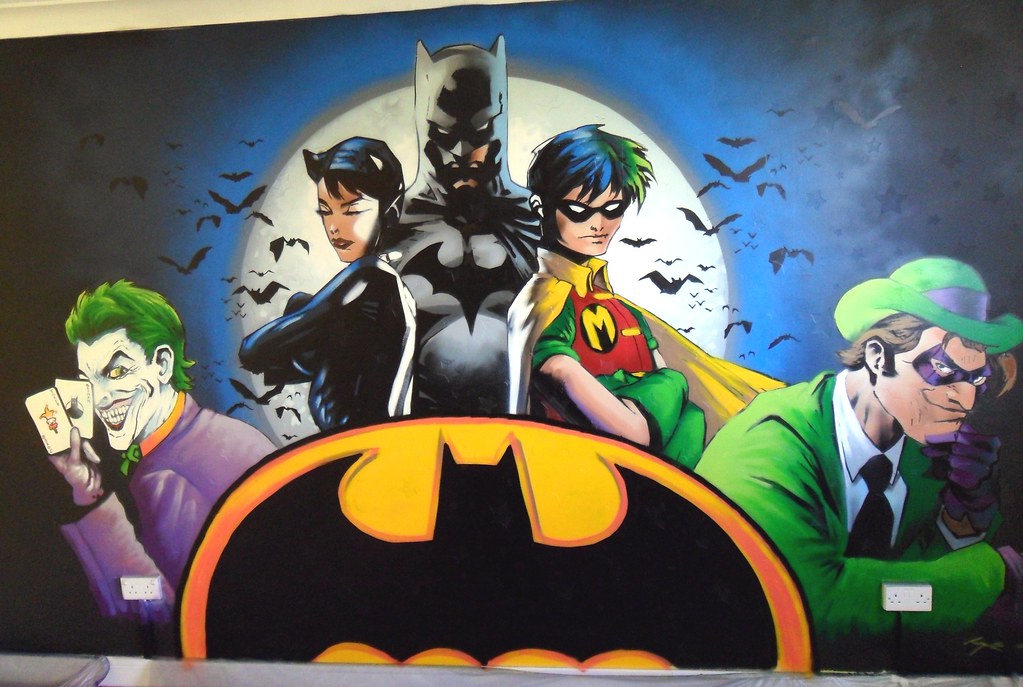
You thought you were watching an action show. But that intro was pure noir. The art deco aesthetic, the shadows, the way Batman moves through Gotham like a ghost—this wasn’t superhero stuff.
This was a crime drama. The intro tells you exactly what kind of show this is. Gothic architecture.
Dark color palette. A hero who operates in shadows because the light has failed.
Even the music sounds like something from a 1940s detective film. As a kid, you saw cool action.
As an adult, you see urban decay, systemic failure, and one person’s traumatized response to violence. The intro wasn’t hiding this.
You just weren’t ready to see it.
X-Men’s Allegory Hit Hard
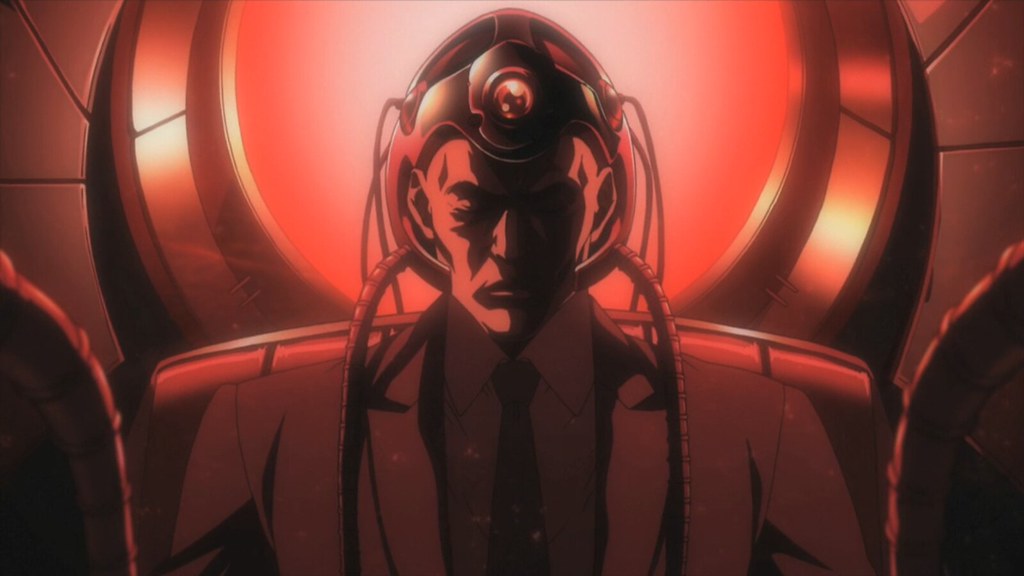
“They’re feared and hated by the world they have sworn to protect.” That opening narration wasn’t subtle.
But kids don’t always pick up on allegory. Adults do.
The X-Men intro was about discrimination. About people born differently facing hatred for things they couldn’t control.
About fighting for a world that would rather they didn’t exist. The intro shows them in action, but it also shows them as outcasts, as threats, as problems to be solved.
That theme song slaps, though. It still holds up. But the lyrics paired with the visuals create something heavier than a typical superhero opening.
The X-Men weren’t just fighting villains. They were fighting prejudice. The intro made that clear from the start.
Gargoyles and Being Cast Out
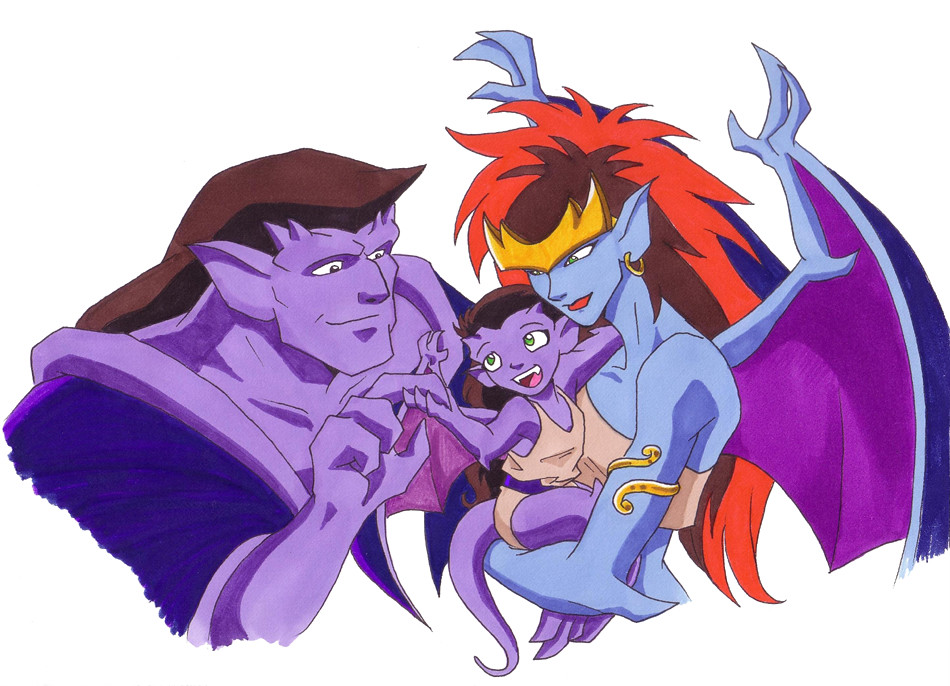
Ancient creatures turned to stone, waking up in modern New York, completely disconnected from everything they knew. The Gargoyles intro was about isolation and not belonging.
About being literally frozen in time and then expected to adapt to a world that has no place for you. The opening shows them perched on buildings, separate from the city below.
They’re protectors, but they’re also aliens in their own home. The music has this epic, tragic quality that matches the weight of their situation.
You missed all of this as a kid because the gargoyles looked cool and the action was fun. But the intro was telling a story about displacement and otherness that lands completely differently when you’ve felt like an outsider yourself.
Daria’s Cynicism as Armor
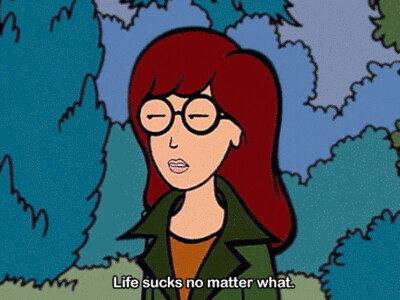
“You’re standing on my neck.” That’s not a fun catchphrase. That’s someone expressing how suffocated they feel by the world around them.
The Daria intro was cynicism presented as personality, but really it was protection. The visuals show Daria moving through a world of superficial people, all smiling and perky while she remains deadpan.
As a kid, you thought she was just sarcastic and funny. As an adult, you recognize someone using humor and detachment to cope with feeling fundamentally disconnected from everyone around them.
The music is sarcastic too. Everything about that intro says “I’m making a joke out of this because otherwise it would hurt too much.”
Recess and Institutional Control
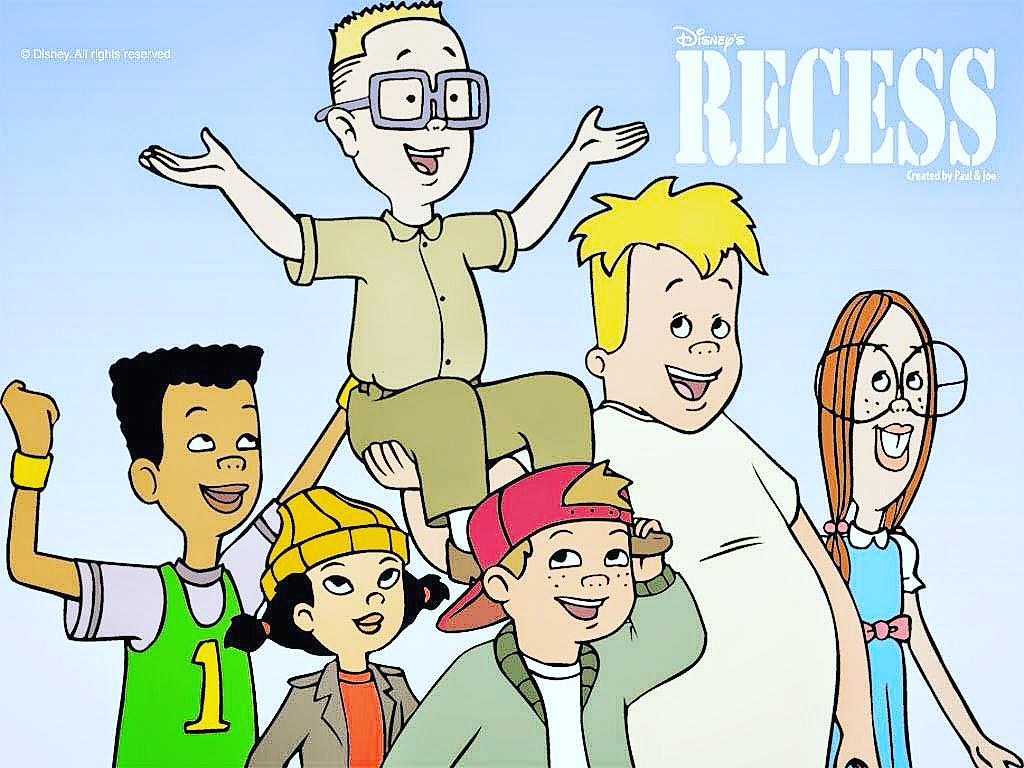
Kids running around a playground sounds innocent. But really watch the Recess intro.
These children have carved out territories. They’ve created hierarchies.
They’re navigating social systems that mirror adult power structures. And that playground? It’s a prison yard.
The kids talk about recess like it’s the only freedom they get. The rest of their day is institutional control.
The intro shows them breaking out into this space like they’re escaping something oppressive. You thought it was about fun and games.
It was actually about children creating their own society because the adult-imposed one doesn’t work for them. The intro captures that in about 30 seconds.
Ms. Frizzle’s Complete Lack of Boundaries
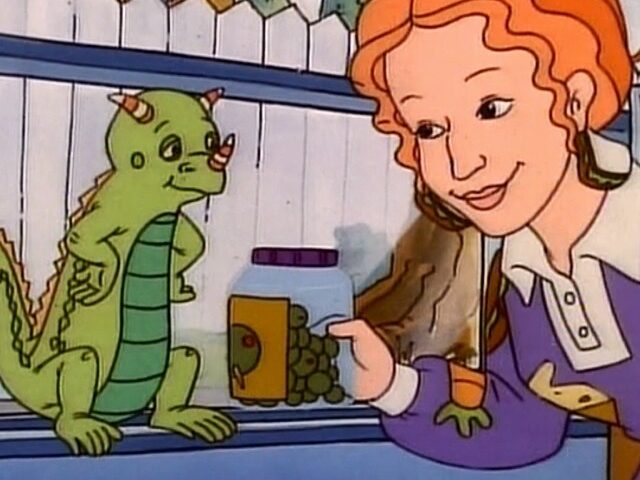
The Magic School Bus intro is chaos. Ms. Frizzle literally transforms her vehicle into different things, shrinks children, sends them inside bodies and into space—all without clear consent or safety protocols.
As a kid, this seemed whimsical. As an adult with any sense of liability, this seems like a lawsuit waiting to happen.
That intro shows Ms. Frizzle dragging children into situations that are objectively dangerous, all while singing about taking chances and making mistakes. She’s not a teacher.
She’s barely supervised. The intro is basically showing you an adult with no boundaries putting children in harm’s way repeatedly.
The fact that it always works out doesn’t make it less concerning.
Animaniacs and Corporate Satire
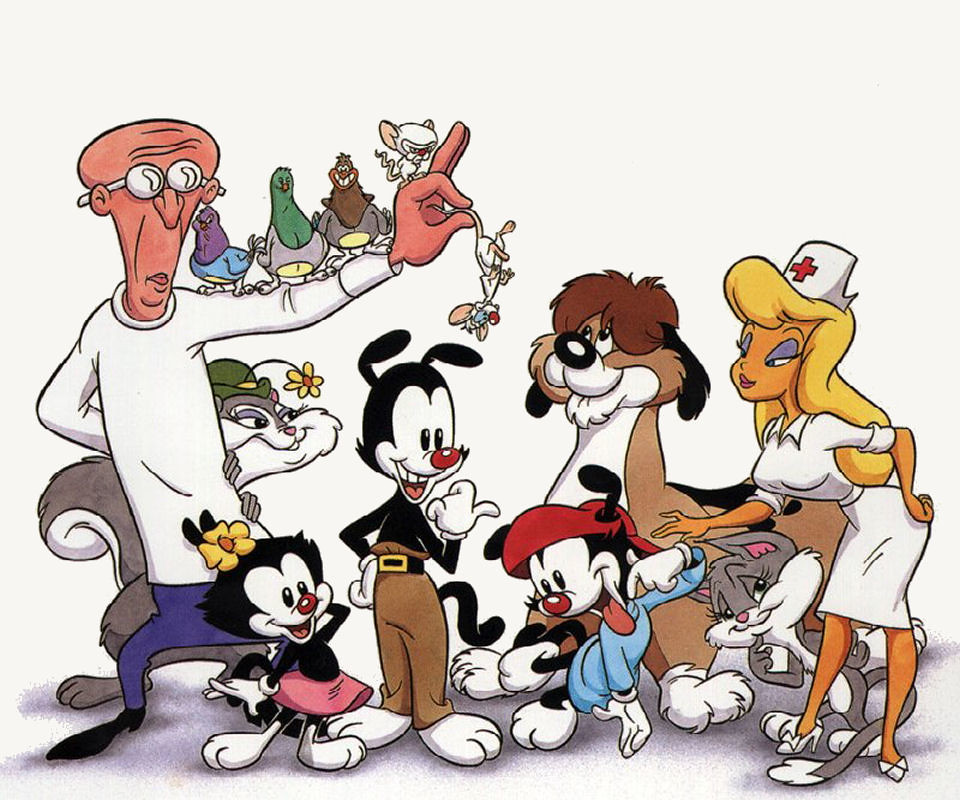
“They’re Animaniacs, they have pay-or-play contracts.” Wait, what? The intro to Animaniacs was stuffed with Hollywood references and corporate satire that completely sailed over kids’ heads.
The Warner siblings weren’t just cartoon characters. They were commentary on the animation industry, on corporate ownership, on entertainment as a product.
The intro references the water tower, their contract, the studio lot—all while being incredibly catchy and fun. You sang along as a kid.
As an adult, you realize you were singing about intellectual property rights and studio politics. The intro was always making fun of the system it existed within.
Pinky and the Brain’s Existential Loop
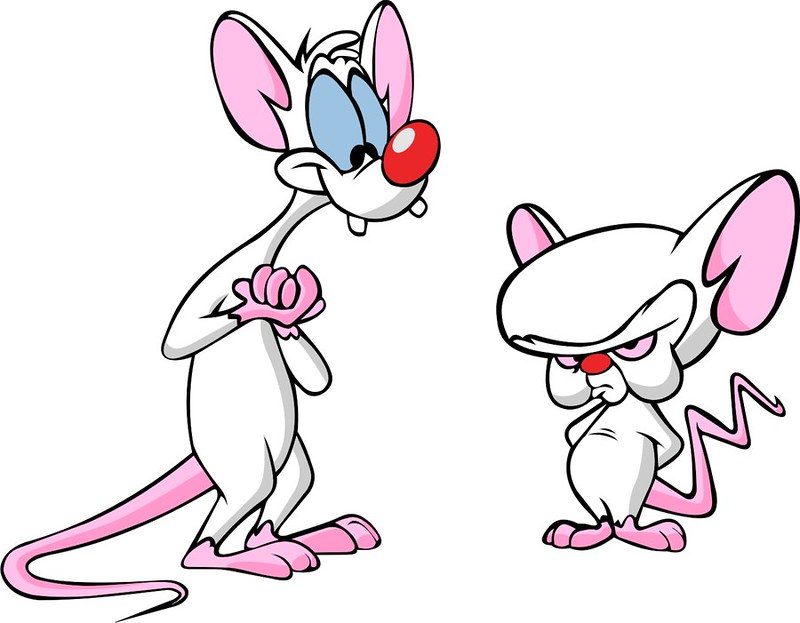
“One is a genius, the other’s insane.” But which is which? The Brain spends every episode trying to take over the world and failing.
That intro sets up a routine of ambition and failure that never ends. The music is dramatic and epic, but the visuals undercut it by showing two lab mice doing the same thing over and over.
As a kid, you thought it was funny. As an adult, you recognize the existential dread of someone pursuing an impossible goal because they don’t know what else to do.
The brain isn’t noble. He’s trapped.
And Pinky might be the sane one for accepting reality as it is. The intro was telling you this all along.
Pokémon and Leaving Home at Ten
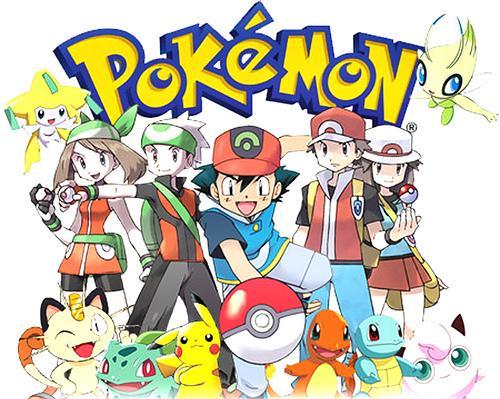
A child leaving home to wander the world alone, catching creatures and battling strangers for money. When you strip away the fantasy elements, the Pokémon intro is describing child abandonment and labor.
Ash is ten years old. He has no adult supervision.
He sleeps outside, faces constant danger, and the intro presents this as aspirational. “I want to be the very best” sounds inspiring until you realize you’re rooting for a child to succeed in a system that throws him into the wilderness with no support.
The intro is beautiful and emotional and it makes you want to go on that journey. But it’s also depicting something that would be deeply concerning if it happened in real life.
That contrast hits differently when you’re old enough to see both sides.
The Simpsons’ Dysfunctional Normal
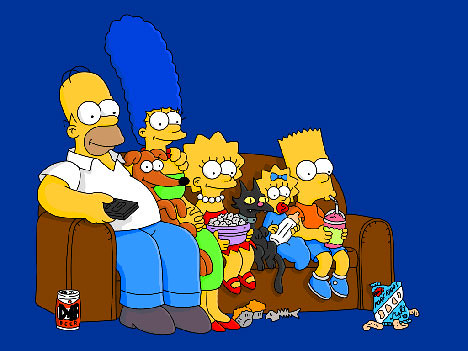
Every time it shifts, yet the scene never wavers. Homebound in a scramble, nearly late, they drop into their seats before the screen lights up.
What looks like chaos fits neatly into habit. At his job, Homer pays little mind.
Marge carries weight behind her smile. Trouble finds Bart once again.
Lisa sees through most things now. And Maggie? She shows up without saying much.
Something strange happens when survival takes over. That opening scene does not reveal a crazy household.
Instead it reveals order inside disorder, familiar patterns where none should exist. People move without thinking, follow routines that make little sense, arrive at nightfall glued to glowing rectangles.
There’s nowhere else to be by then. Back then, you laughed because it seemed so silly.
Jnm kNow, you see the mess is familiar – the way everyone stumbles through, keeping things upright by habit more than skill.
When The Music Stops
Now that you see it, there is no going back. The theme songs from old cartoons – once hummed mindlessly – mean something different today.
Truthfully, they meant it all along. Life had to show up first for you to hear them clearly.
Perhaps that’s fine. Could be those shows actually got it right, slipping in depth that waited until you could catch it.
The opening credits stayed the same all along. What shifted was you.
Now, once that well-known tune kicks in, it doesn’t just stir memory – it stirs awareness.
More from Go2Tutors!

- The Romanov Crown Jewels and Their Tragic Fate
- 13 Historical Mysteries That Science Still Can’t Solve
- Famous Hoaxes That Fooled the World for Years
- 15 Child Stars with Tragic Adult Lives
- 16 Famous Jewelry Pieces in History
Like Go2Tutors’s content? Follow us on MSN.