Iconic Movie Soundtracks That Defined Our Childhood
Certain songs transport you instantly back to sitting in a dark theater, eating popcorn, completely absorbed in a story. Movie soundtracks weren’t just background music—they became part of the experience, shaping how you remembered films years later.
You bought the CDs, memorized every word, and annoyed your parents by playing them on repeat during car rides. These soundtracks went beyond the movies themselves, becoming cultural touchstones that entire generations shared.
Hearing those opening notes now triggers a flood of memories about where you were, who you watched with, and how the music made you feel.
The Lion King
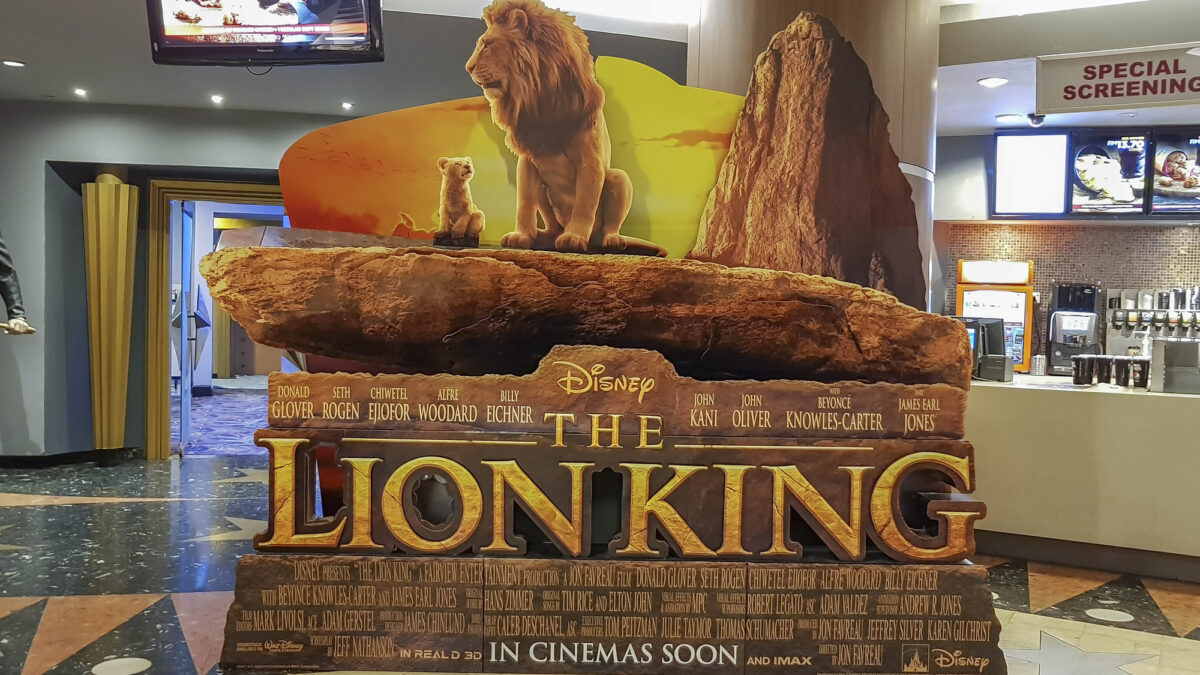
Hans Zimmer’s score combined with Elton John’s songs created something that transcended typical Disney fare. “Circle of Life” opened the movie with such power that it set expectations impossibly high, and somehow the rest of the soundtrack delivered. “Hakuna Matata” became a philosophy that kids adopted.
“Can You Feel the Love Tonight” played at weddings. The African influences gave the music authenticity and depth.
Hearing that soundtrack now brings back the emotional gut-punch of watching certain scenes unfold. The music elevated the story, making moments hit harder and stick longer in memory.
Space Jam
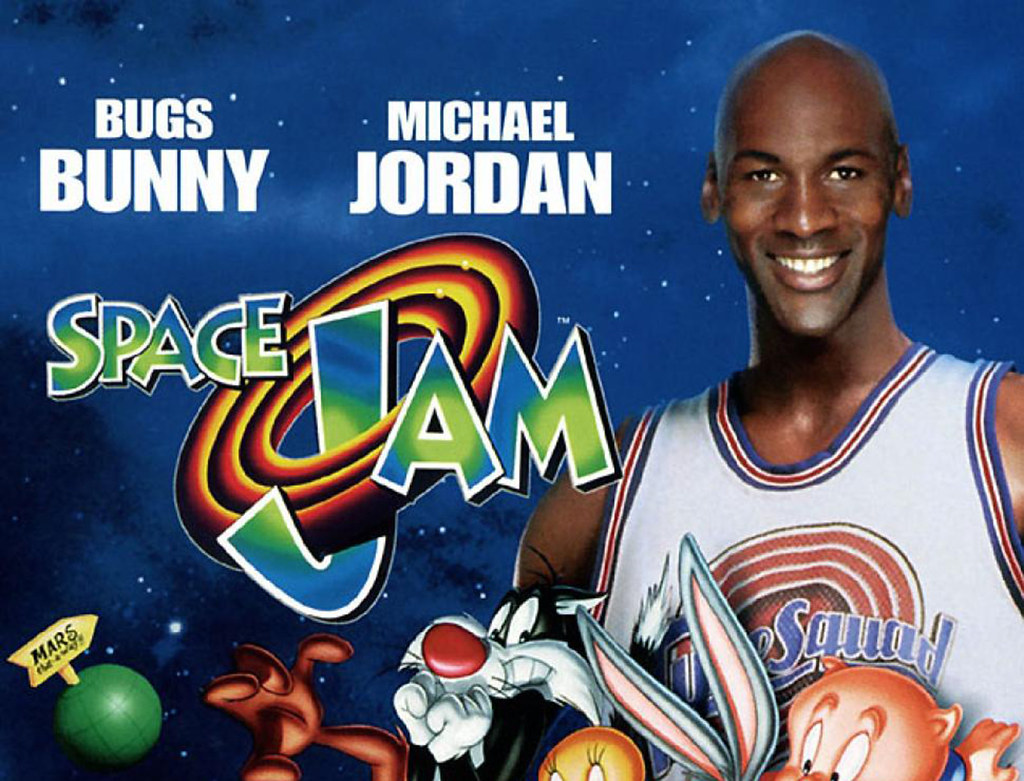
The soundtrack was cooler than the movie had any right to be. R. Kelly’s “I Believe I Can Fly” dominated radio for months. The Quad City DJs’ “Space Jam” theme became an instant classic that still gets played at sporting events.
The mix of hip-hop, R&B, and pop created something that appealed across age groups. Kids loved it because the movie was fun.
Older audiences appreciated the production quality and artist lineup. The soundtrack sold millions of copies and introduced a generation to artists they might not have discovered otherwise. It proved that kids’ movie soundtracks could be genuinely good music, not just throwaway tracks.
Aladdin
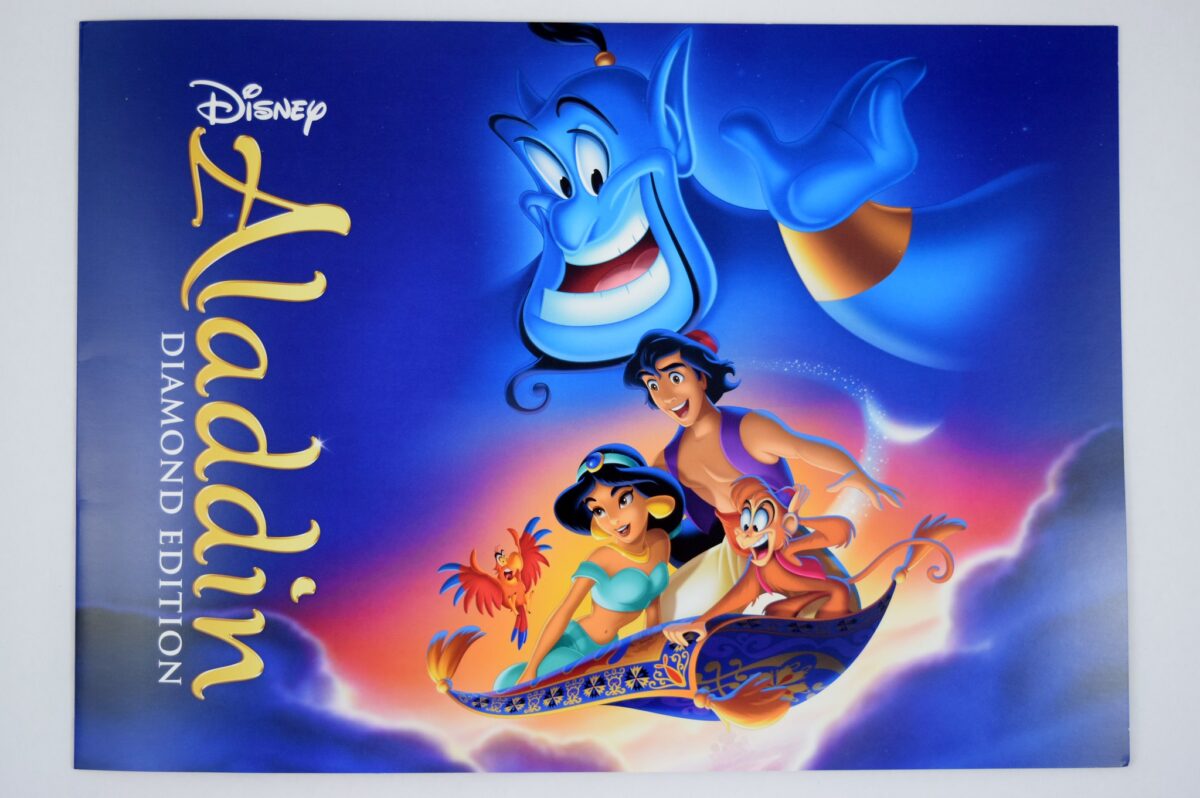
Robin Williams improvising through “Friend Like Me” created chaos in the best way. The energy was infectious, and kids tried to keep up with the rapid-fire lyrics. “A Whole New World” became the romantic standard—couples skating at the rink, middle school dances, the works.
The Middle Eastern influences gave the music an exotic flavor without feeling like appropriation. Alan Menken’s compositions throughout captured adventure and romance equally well. The soundtrack represented peak Disney Renaissance, when every animated release felt like an event.
Shrek
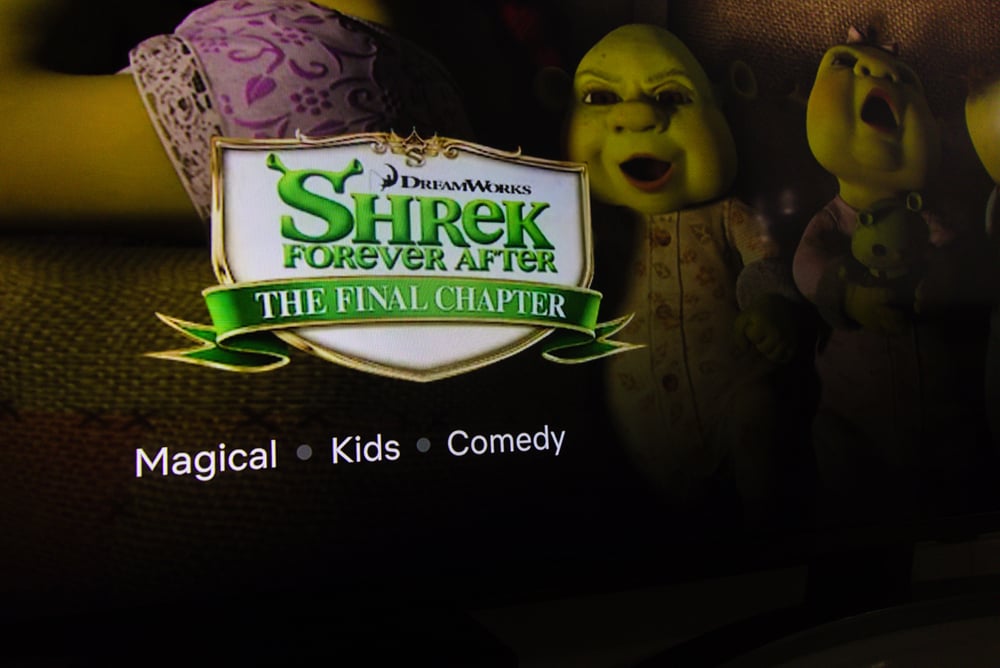
Using contemporary songs in unexpected ways made this soundtrack stand out. Smash Mouth’s “All Star” and “I’m a Believer” bookended the movie perfectly, and both got second lives from the association.
The fairy tale premise got subverted by modern music choices that felt fresh rather than pandering. Leonard Cohen’s “Hallelujah” introduced a generation to that song through Rufus Wainwright’s cover.
The soundtrack worked because it matched the movie’s irreverent tone—nothing was too sacred to poke fun at, including typical Disney-style musical numbers. The sequel soundtracks tried to recapture the magic with mixed results, but the original remained definitive.
Tarzan
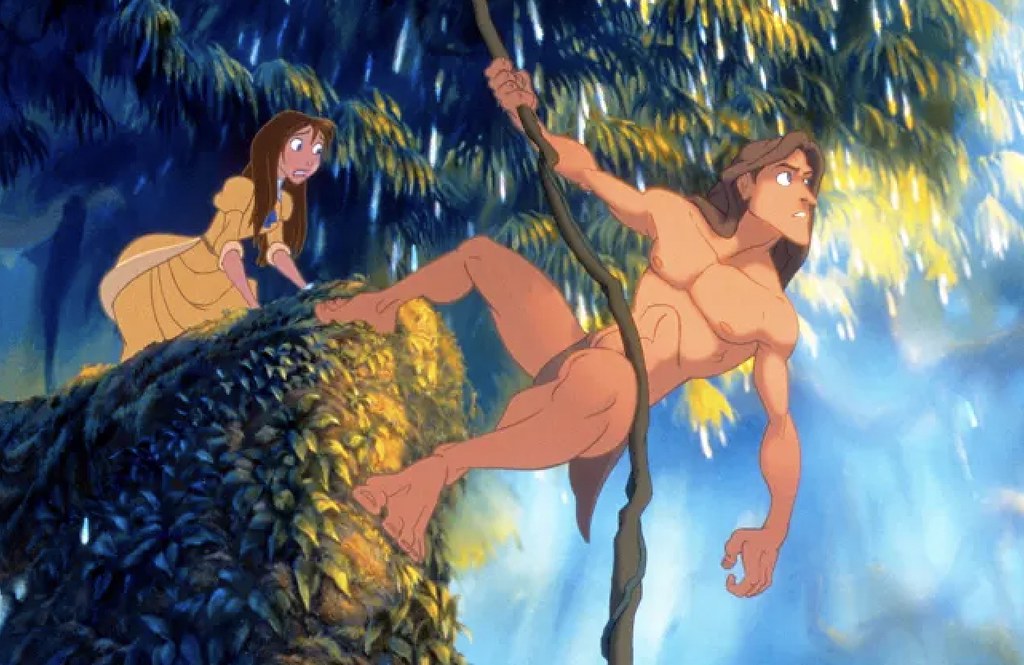
Phil Collins handled the entire soundtrack, giving it a cohesive sound and emotional consistency. “You’ll Be in My Heart” became the tearjerker that parents and kids both connected with. “Strangers Like Me” captured the wonder of discovery. “Son of Man” had that driving rhythm perfect for montages.
Collins performed the songs in multiple languages for international releases, showing dedication to the project. The percussion-heavy arrangements matched the jungle setting.
The soundtrack felt personal in a way that committee-written Disney songs sometimes didn’t—you could tell one artist poured himself into the work.
The Little Mermaid
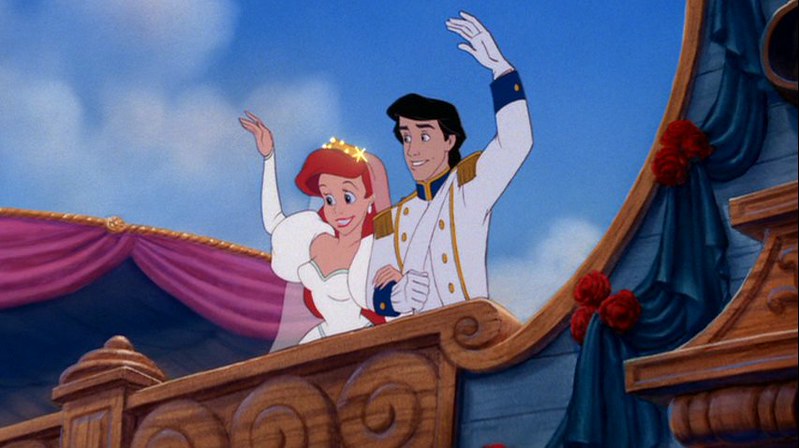
This soundtrack started the Disney Renaissance and reminded everyone what animated musicals could be. “Part of Your World” gave Ariel depth and motivation beyond just wanting a boyfriend.
“Under the Sea” was pure fun, impossible not to sing along to. “Kiss the Girl” created an atmosphere for the romantic moment. The calypso influences from composer Alan Menken and lyricist Howard Ashman brought Caribbean flavor.
Sebastian’s songs were highlights, with Samuel E. Wright’s performance making the crab more memorable than he probably should have been. The Broadway musical later proved these songs had staying power beyond the film.
Mulan
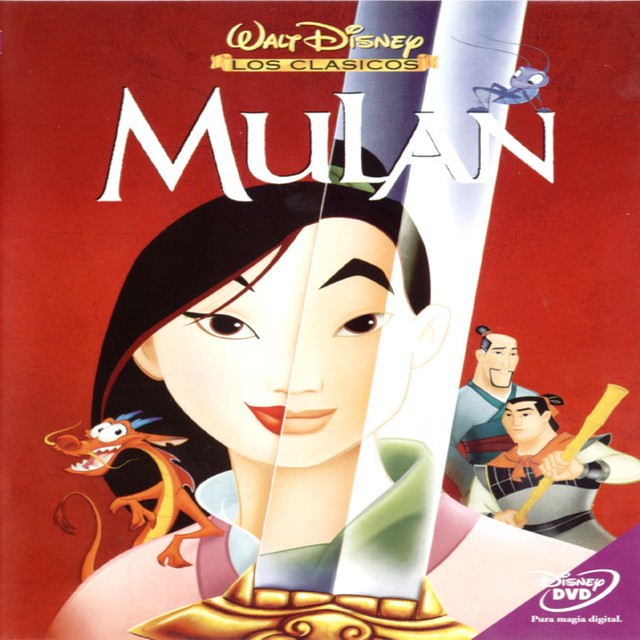
The soundtrack balanced Chinese musical traditions with mainstream pop sensibilities. Christina Aguilera’s “Reflection” played over the credits and became a radio hit independent of the movie.
“I’ll Make a Man Out of You” was the training montage anthem, still referenced in workout contexts decades later. The score incorporated traditional Chinese instruments, giving an authentic cultural flavor.
The songs advanced character development and plot rather than just padding runtime. Mulan proved Disney could handle non-European cultures respectfully while still making commercially successful films.
The soundtrack contributed to that success, finding the balance between cultural specificity and broad appeal.
Beauty and the Beast
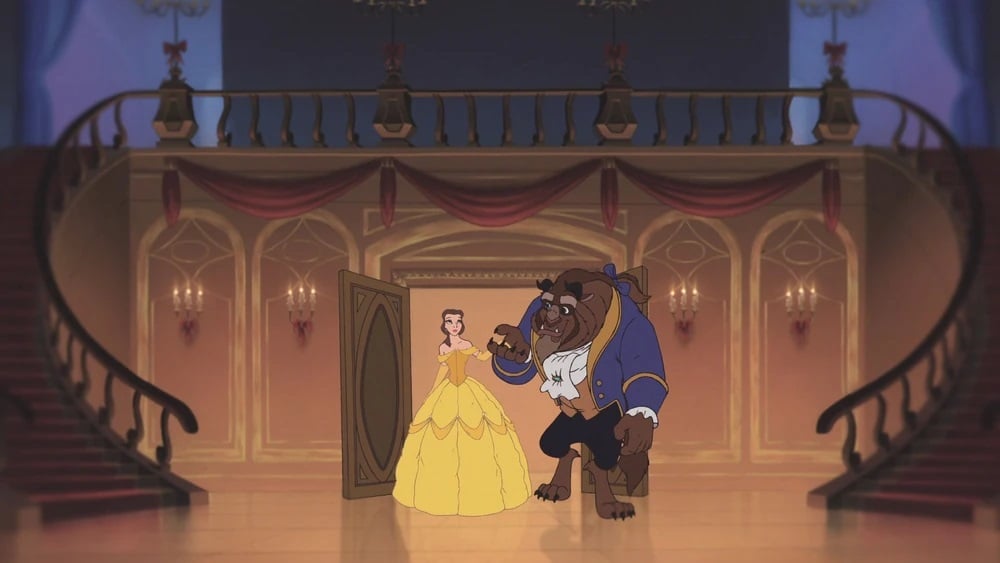
The ballroom scene and its accompanying song became the standard for animated romance. Angela Lansbury’s voice as Mrs. Potts delivered “Beauty and the Beast” with warmth that made the moment magical.
“Be Our Guest” was a spectacle in musical form, the kind of number that made you rewind just to experience it again. “Gaston” was a villain introduction done perfectly through song.
The Broadway-style approach to the music meant these songs worked as both film moments and standalone listening. The soundtrack won Grammys and established Alan Menken as the composer of the Disney Renaissance.
The live-action remake couldn’t improve on the original versions—that’s how well-crafted they were from the start.
Toy Story
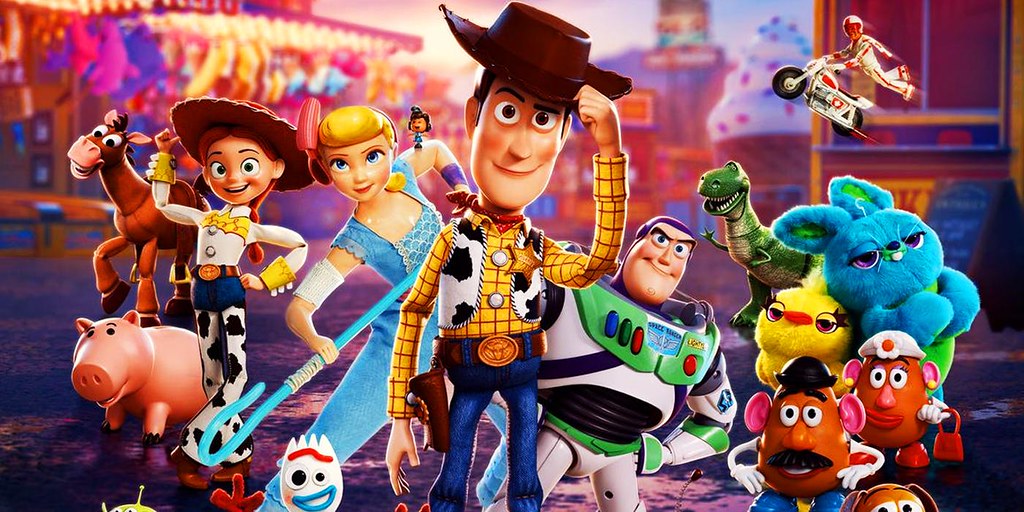
Randy Newman’s “You’ve Got a Friend in Me” became synonymous with friendship itself. The simple piano melody and earnest lyrics captured the movie’s heart.
The score throughout supported the story without overwhelming it, letting character moments breathe. Newman’s signature style—jazzy, slightly quirky, emotionally direct—fit the Pixar aesthetic perfectly.
The song returned in sequels, becoming more meaningful as the franchise explored deeper themes. Kids grew up with Woody and Buzz partly because that song reinforced the core message every time.
The soundtrack proved animated films could use restraint, that you didn’t need a song every ten minutes if the ones you included actually mattered.
Titanic
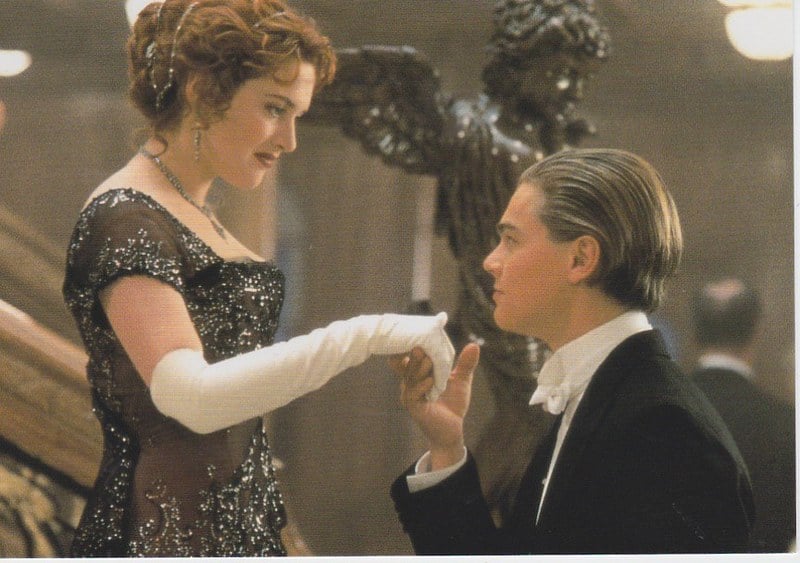
Celine Dion’s “My Heart Will Go On” was inescapable. The radio overplayed it.
People parodied it. But the song worked, capturing the movie’s epic romance in four minutes. James Horner’s score throughout was sweeping and emotional, making the tragedy hit harder.
The Irish influences in some tracks are connected to the ship’s departure point and added cultural texture. The soundtrack went diamond, selling over thirty million copies worldwide.
Love it or hate it, you couldn’t ignore it. That song became shorthand for the entire film, and hearing those opening notes instantly transports you back to 1997 when everyone was talking about Leonardo DiCaprio and that door debate.
The Nightmare Before Christmas
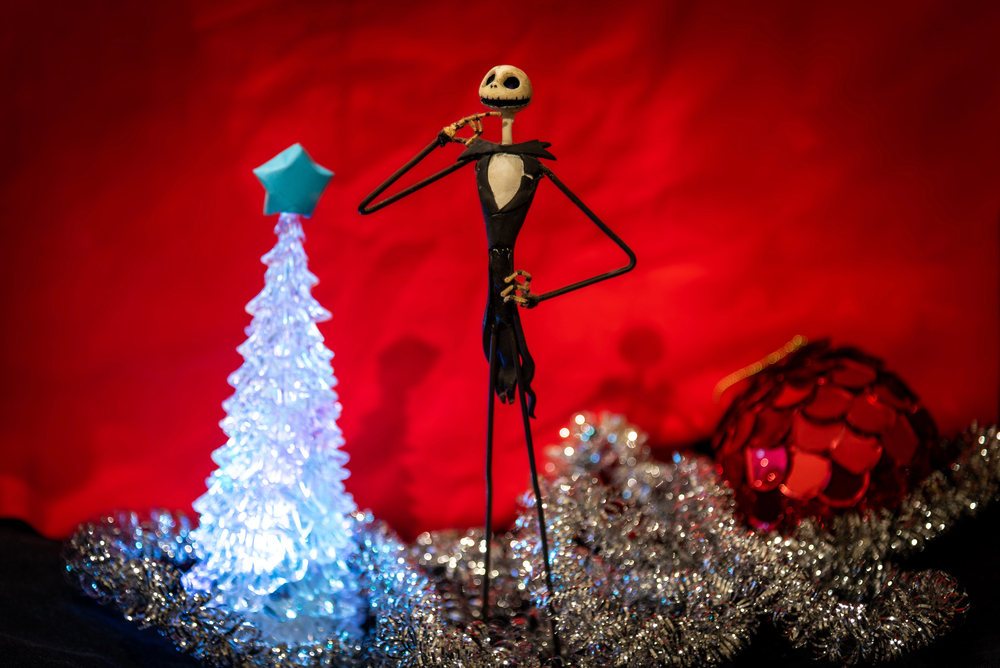
Danny Elfman composed and performed most of the songs, giving the soundtrack his distinctive Gothic sound. “This Is Halloween” set the tone immediately—dark but playful, spooky but fun.
“What’s This?” captured Jack’s wonder at discovering Christmas Town. The songs were complex musically, with interesting arrangements that rewarded repeated listening.
The soundtrack appealed to alternative kids who didn’t connect with typical Disney fare. Hot Topic made a fortune off merchandise because the movie and music resonated with that demographic.
The film’s cult status owes much to the music, which worked independently of visuals and told the story through sound.
Hercules
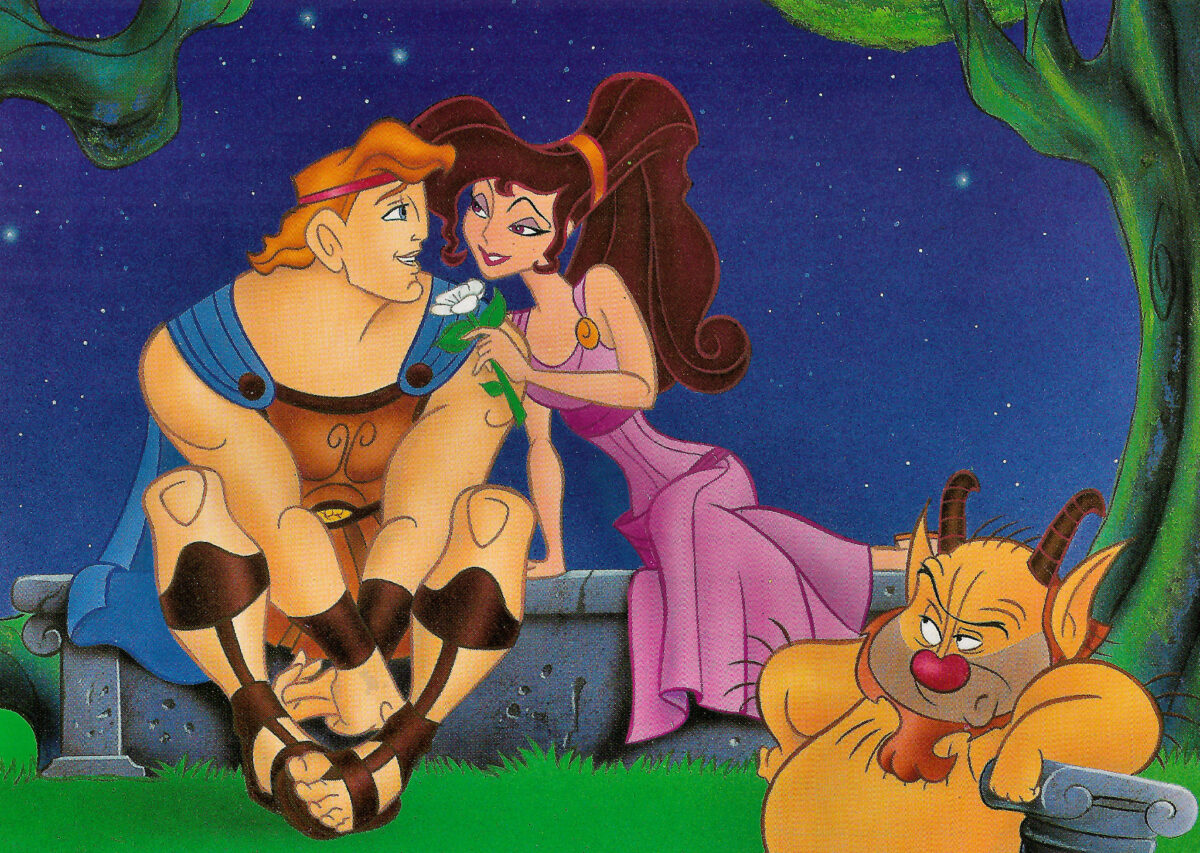
Gospel choir meets Greek mythology shouldn’t have worked, but it absolutely did. The Muses narrating through song created a unique framing device. “Zero to Hero” was the montage song perfected—catchy, funny, and plot-relevant.
“Go the Distance” was the inspirational ballad that actually inspired rather than just manipulating emotions. The soundtrack took risks with style choices that could have felt gimmicky but instead felt fresh.
Michael Bolton’s version of “Go the Distance” played on adult contemporary radio, expanding the movie’s reach beyond kids. The music elevated the source material that could have been just another mythology retelling into something memorable.
A Goofy Movie
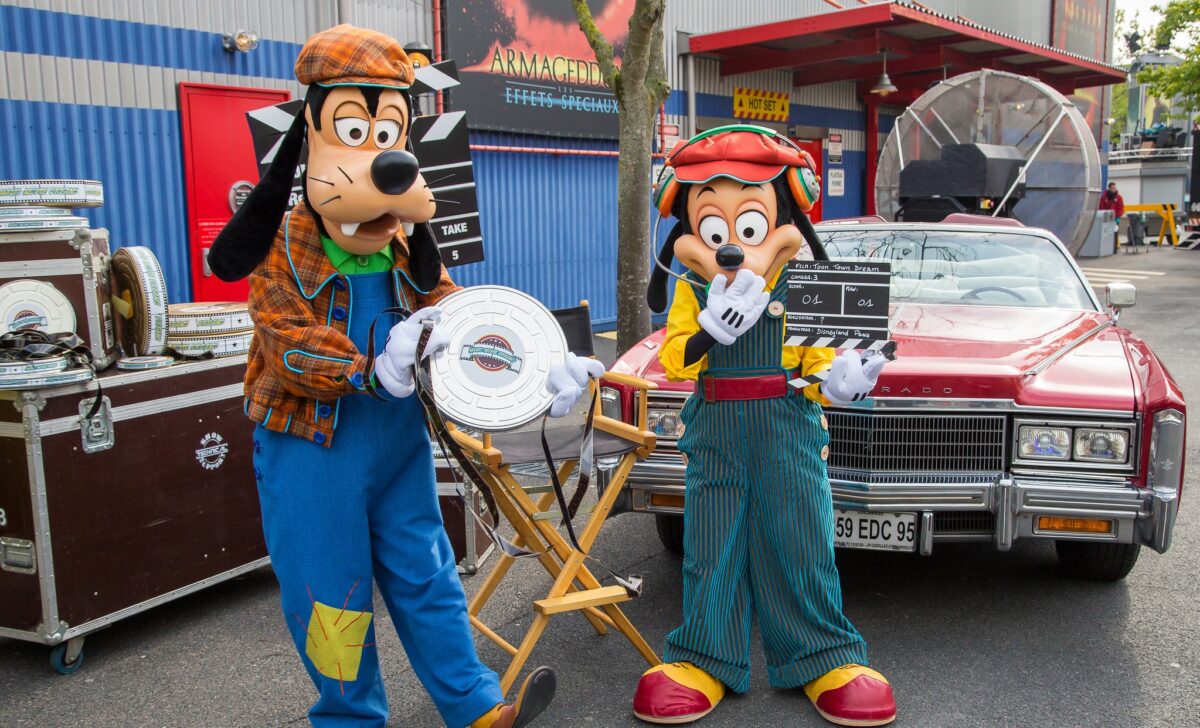
This direct-to-video-turned-theatrical-release had no business having a soundtrack this good. “Stand Out” during the school assembly was pure 90s energy—everyone wanted to be Powerline. “I 2 I” at the concert was the emotional climax, father and son finally connecting. The songs captured teenage angst and parent-child tension in ways Disney usually avoided.
Tevin Campbell’s performance on both major songs brought genuine pop credibility. The soundtrack understood its audience—kids transitioning to teenagers, dealing with identity and relationships.
The music reflected that, being more mature than typical Disney fare while remaining accessible. The cult following this movie owes much to the music resonating with that specific life stage.
Pokemon: The First Movie
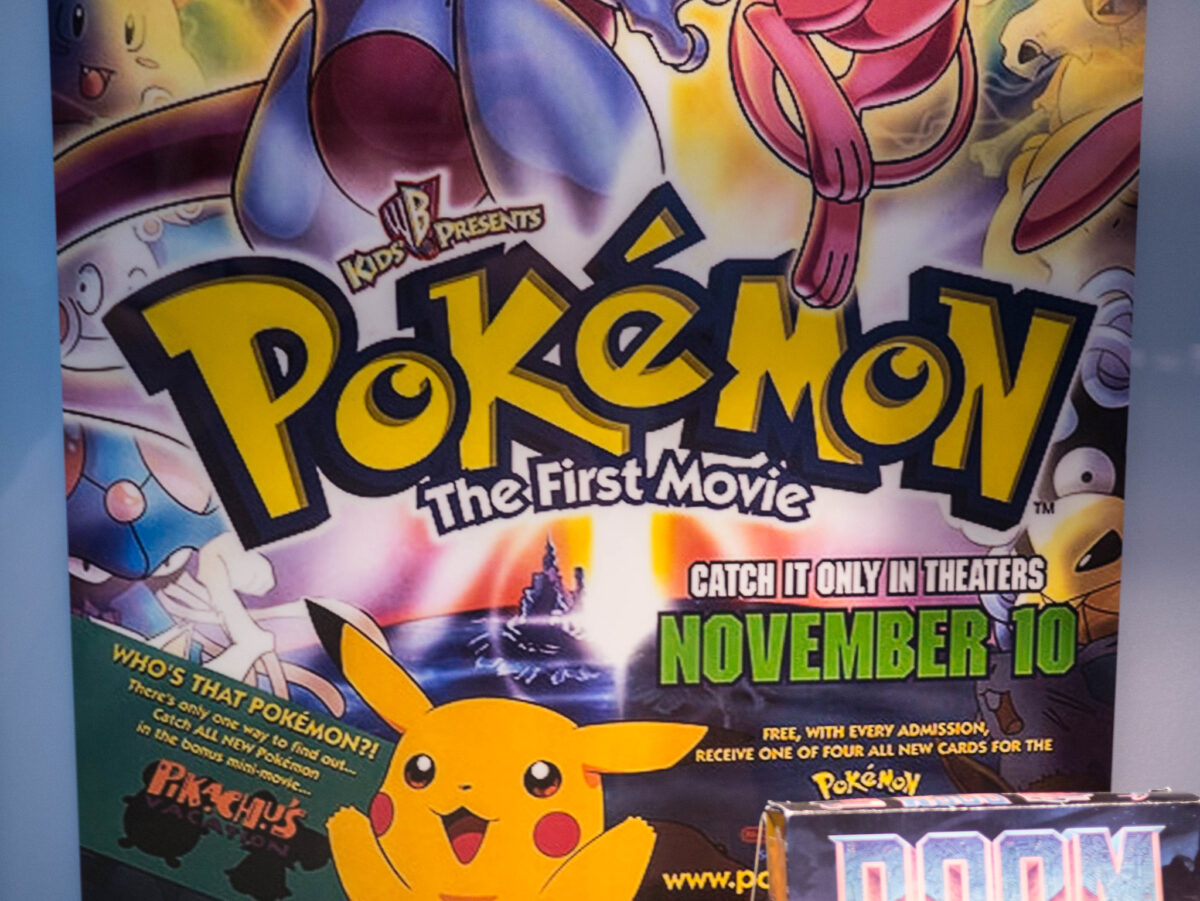
“Gotta Catch ‘Em All” was already stuck in your head from the show, but the movie soundtrack took things further. “Don’t Say You Love Me” by M2M introduced many American kids to European pop.
The Brothers Johnson track gave older audiences something to appreciate. The soundtrack capitalized on Pokemon mania at its peak, selling millions purely on brand recognition.
But the songs actually held up, capturing the adventure and friendship themes central to the franchise. Buying this soundtrack meant you were part of the phenomenon.
Playing it meant you were broadcasting your interests. The music became a tribal signifier as much as entertainment.
Hercules and the Power of a Good Choir
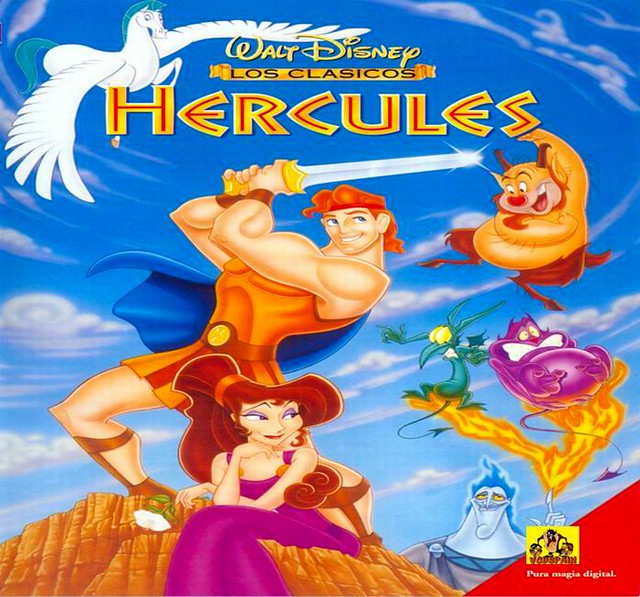
Gospel influences transformed Greek mythology into something alive and energetic. The Muses provided commentary and propelled the narrative, their harmonies making exposition entertaining.
The decision to frame the story this way showed creative confidence—it could have failed spectacularly. Instead it became one of the most distinctive Disney soundtracks, instantly recognizable from the first notes.
The blend of contemporary R&B sensibilities with classical Greek subject matter shouldn’t have meshed. The fact that it did, and did so seamlessly, demonstrates what happens when talented people commit fully to an unusual concept.
When Music Became Memory
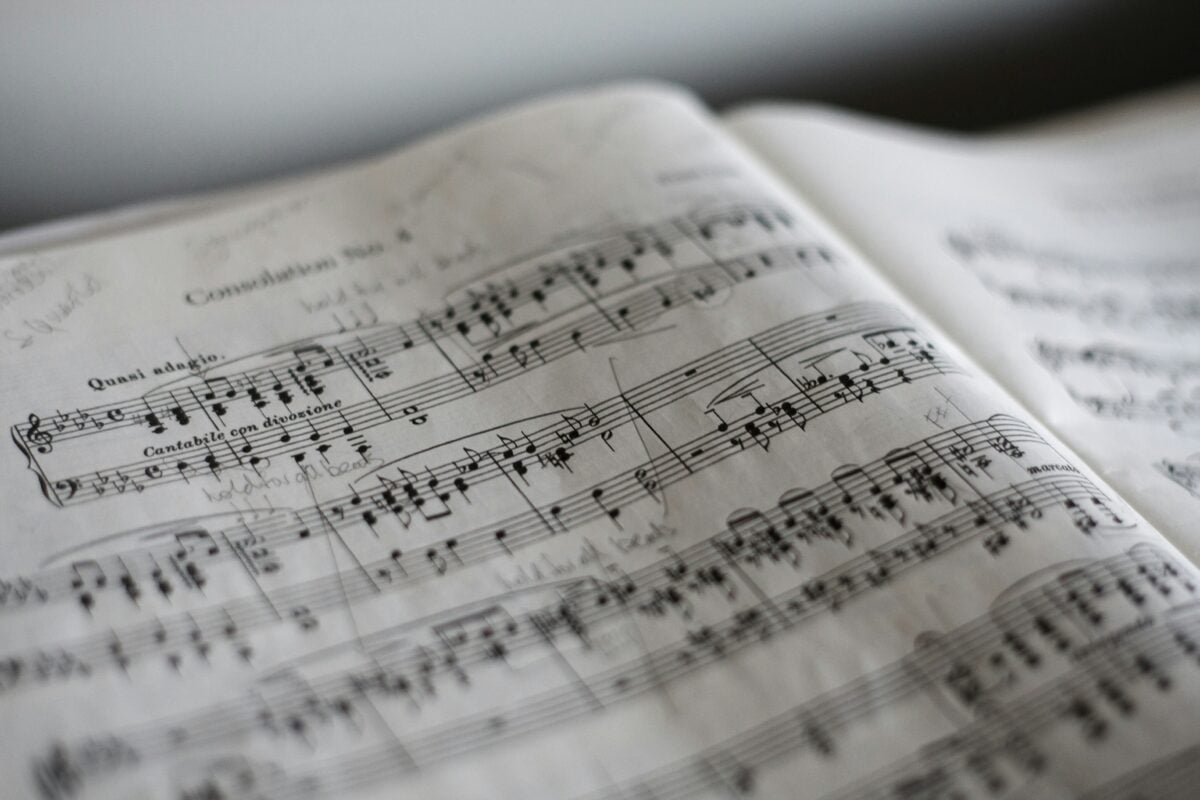
Music from those films shaped how you saw growing up. Not just background noise – it colored memories of long car journeys.
You played those albums again and again while traveling. At celebrations, certain tracks always came on.
The past feels different because of those notes. Every now and then, young voices cracked while singing those tunes on stage – some nailed it, most did not, yet everyone gave it their all.
Long after the curtains closed, the songs stuck around, growing older alongside the ones who first sang them. Something about the feeling goes beyond just missing the past.
Back then, life seemed louder, sharper, each moment heavy with meaning. While those tracks played, you happened to be shaping who you’d become.
Their plots stuck because they echoed what you faced – growing close to people, searching for where you fit, and facing things slipping away. Through sound, ideas sank deeper than words ever managed on their own.
Ownership came through physical copies of those albums. Lyrics lived inside CD inserts, words studied until they stuck.
Scratches built up on plastic covers from being handled too much. Sibling fights broke out over who controlled the stereo during drives.
Swapping discs introduced everyone to films they’d never seen. Back at home, holding the CD bought right after the film made it feel like a piece of the cinema stayed alive.
These days, having every show just a click away might be easier – still, something gets lost when nothing really belongs to you.
The Songs That Raised Us

That tune drifting from the shop speakers? It hits like a memory punch. Suddenly you’re years back, seat creaking under you in a dark cinema, eyes wide at flashing images on screen.
Back then you had no clue how deeply those notes would bury themselves inside your head. Who you used to be surfaces – lighter somehow, quicker to smile, slower to doubt.
Melodies stay frozen while everything around them shifts ground. These tracks are time stamps where films and sound met and made something that didn’t just play – it lived.
Music like this never just filled the silence. It stood right beside the moments they played in.
More from Go2Tutors!

- The Romanov Crown Jewels and Their Tragic Fate
- 13 Historical Mysteries That Science Still Can’t Solve
- Famous Hoaxes That Fooled the World for Years
- 15 Child Stars with Tragic Adult Lives
- 16 Famous Jewelry Pieces in History
Like Go2Tutors’s content? Follow us on MSN.