Pandemic Events That Altered History
Disease has shaped human civilization as much as war, invention, or politics. When illness spreads beyond control, entire societies collapse, power structures shift, and the world reorganizes itself around new realities.
These weren’t just medical crises. They changed who held power, where people lived, how economies functioned, and what humanity believed about itself.
Understanding pandemics means understanding the turning points that made the modern world.
The Justinian Plague Weakened an Empire
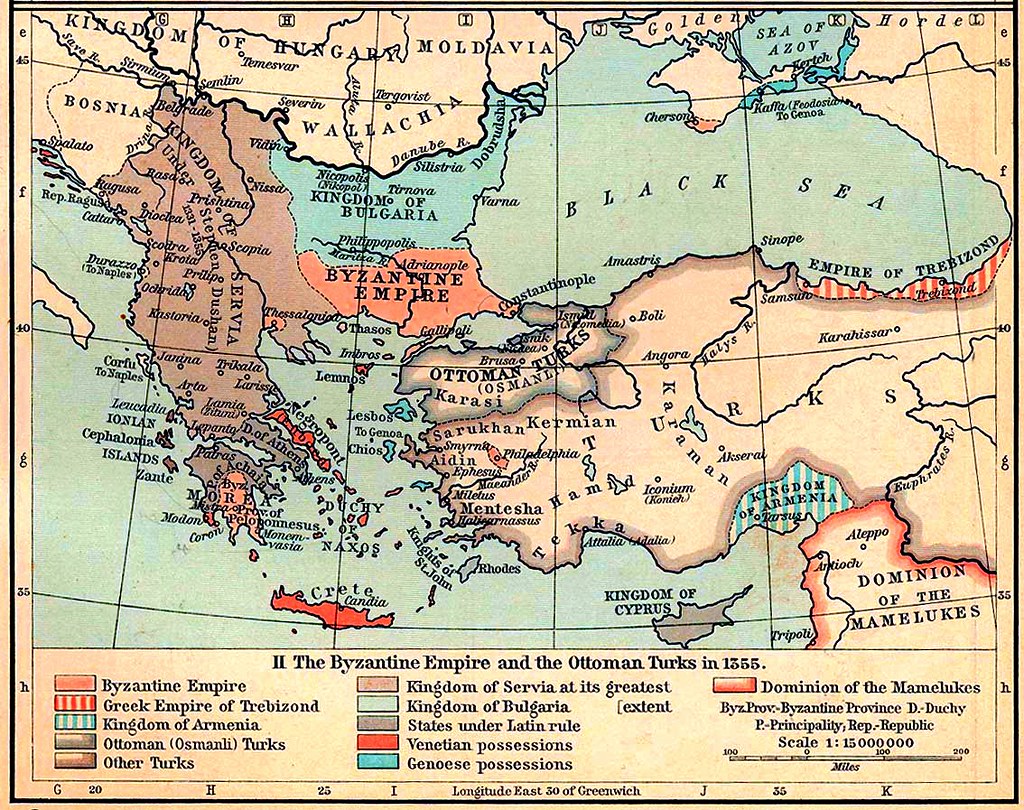
The Byzantine Empire stood at its peak in 541 CE when plague arrived in Constantinople. Emperor Justinian had been reuniting the Roman Empire, reconquering lost territories and building monuments.
Then people started dying by the thousands. The disease spread through trade routes, moving from Egypt through the Mediterranean.
Bodies piled up faster than gravediggers could bury them. The plague killed an estimated 25 to 50 million people over two centuries of recurring outbreaks.
Constantinople lost perhaps 40 percent of its population. Justinian himself caught the disease but survived.
His empire didn’t recover the same way. Military campaigns stalled as soldiers died or deserted.
Tax revenues collapsed as the workforce vanished. The dream of restoring Roman glory died with the plague victims.
The Byzantine Empire survived but never regained its earlier strength. Some historians argue that this plague created the opening that allowed Islam to spread rapidly in the following century.
The Black Death Destroyed Feudalism
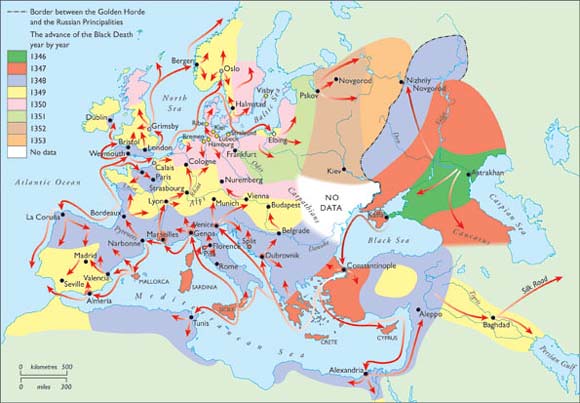
Europe in 1347 ran on a strict social hierarchy. Peasants worked the land they could never own, bound to lords who controlled their lives. Then ships from the East brought rats carrying infected fleas.
The plague spread through villages and cities alike, killing indiscriminately. Between 1347 and 1353, the Black Death killed 30 to 60 percent of Europe’s population.
Some regions lost three-quarters of their people. The labor shortage that followed changed everything.
Surviving peasants suddenly had bargaining power. Lords who once dictated terms now competed for workers.
Wages rose. Serfs demanded freedom and better conditions.
When authorities tried to enforce the old system, revolts erupted. The Peasants’ Revolt in England in 1381 showed how fundamentally the power balance had shifted.
The plague didn’t end feudalism overnight, but it cracked the foundation. Within a century, the medieval social order was collapsing across Europe, making space for new economic systems and social structures.
Smallpox Devastated the Americas
When Europeans arrived in the Americas, they brought diseases the indigenous population had never encountered. Smallpox proved the deadliest.
The Aztec and Inca empires collapsed not just from Spanish military power but from epidemics that killed millions. Entire villages disappeared.
Knowledge holders, leaders, and warriors died before they could pass on their wisdom. Some estimates suggest 90 percent of the indigenous population died within a century of first contact.
This catastrophic population collapse allowed European colonization to succeed. Spanish conquistadors faced weakened, disorganized resistance.
Settlements expanded into lands emptied by disease. The demographic catastrophe reshaped the hemisphere.
It also created labor shortages that Europeans filled through the African slave trade, launching another historical horror. The biological invasion achieved what military conquest alone never could—the near-total destruction of civilizations that had thrived for thousands of years.
The Great Plague of London Accelerated Urban Planning

London in 1665 was overcrowded, filthy, and perfect for disease transmission. Narrow streets, open sewers, and densely packed housing created ideal conditions for plague-carrying rats and fleas.
When the outbreak began, the city tried quarantine measures. Infected houses got marked with red crosses and sealed shut, trapping healthy family members with the sick.
The wealthy fled to the countryside. The poor stayed and died.
The fire of 1666 destroyed much of the city the following year. The disaster provided an opportunity to rebuild differently.
New building codes emerged requiring wider streets, brick construction instead of wood, and better sanitation. The plague experience had shown the deadly consequences of poor urban design.
London’s reconstruction influenced city planning across Europe. The idea that cities should be designed for public health rather than just convenience or defense took root.
Modern urban planning’s emphasis on sanitation, spacing, and disease prevention traces back to lessons learned in the plague years.
Yellow Fever Shifted Power in the Caribbean
Yellow fever thrived in tropical climates, transmitted by mosquitoes breeding in standing water. European colonial powers struggled to maintain control of Caribbean territories as the disease killed soldiers and settlers faster than ships could bring replacements.
The indigenous populations and enslaved Africans developed higher resistance through earlier exposure or genetic factors. This created a strange military advantage.
When France tried to suppress the Haitian Revolution, yellow fever devastated their forces. Napoleon sent over 60,000 troops to retake the colony.
Disease killed more French soldiers than combat did. The failure forced Napoleon to abandon his American empire ambitions and sell the Louisiana Territory to the United States in 1803.
Yellow fever didn’t just influence the Haitian Revolution—it redrew the map of North America. The United States doubled in size because a mosquito-borne disease made colonial control too expensive in terms of lives and resources.
Cholera Outbreaks Revolutionized Sanitation

Cholera spread through contaminated water, causing rapid dehydration and death. The disease hit urban areas hardest, where people drew water from polluted sources.
In 1854, London physician John Snow traced an outbreak to a specific water pump on Broad Street. His investigation proved water contamination caused cholera, challenging the prevailing theory that bad air spread disease.
This discovery transformed public health infrastructure. Cities invested in clean water systems, sewage treatment, and waste management.
The connection between sanitation and disease became undeniable. Governments accepted responsibility for public health infrastructure rather than leaving it to individual property owners.
The cholera pandemics of the 19th century killed millions but also created the foundation for modern water treatment and urban sanitation systems that save countless lives today.
The 1918 Flu Pandemic Changed Medicine and Society
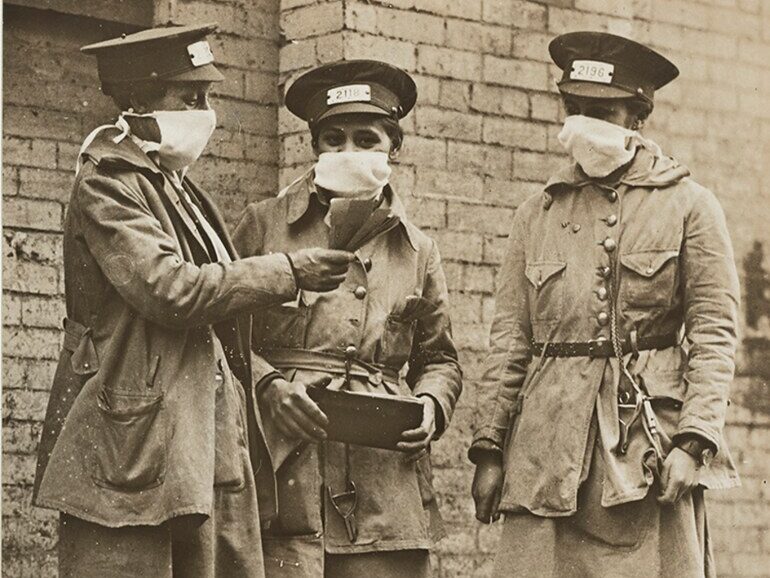
The Spanish Flu hit during World War I’s final year, spreading through troop movements and crowded conditions. The virus killed between 50 and 100 million people worldwide—more than the war itself.
Unlike most flu strains that hit the very young and very old hardest, this one killed healthy adults in their prime. Soldiers, workers, and parents died within days of showing symptoms.
The pandemic exposed gaps in medical knowledge and public health systems. Cities that implemented social distancing and mask mandates fared better than those that didn’t.
The experience pushed governments to invest in public health infrastructure, disease surveillance, and medical research. The pandemic also influenced the war’s outcome and the subsequent peace negotiations.
Some historians argue that Woodrow Wilson’s bout with influenza during the Paris Peace Conference affected his judgment, influencing treaty terms that would shape the 20th century.
Polio Sparked Medical Innovation
Polio had existed for centuries but became epidemic in the early 20th century, ironically because improved sanitation delayed exposure until older children lacked the immunity infants often developed. The disease paralyzed thousands of children every year.
Parents kept kids away from pools and playgrounds during the summer months when outbreaks peaked. President Franklin D. Roosevelt’s paralysis from polio brought national attention to the crisis.
The March of Dimes fundraising campaign represented a new approach to medical research—mass public participation funding scientific work. When Jonas Salk developed a vaccine in 1955, the celebration was global.
Mass vaccination campaigns followed, proving that organized public health efforts could eliminate diseases. The polio vaccine’s success established the model for future vaccination programs and showed what coordinated scientific research could achieve.
HIV/AIDS Transformed Public Health and Civil Rights
When HIV appeared in the early 1980s, it initially affected gay men, injection drug users, and hemophiliacs—marginalized groups with little political power. The government’s response was slow and inadequate.
The disease carried a stigma that prevented honest public health messaging. By the time authorities took it seriously, HIV had spread globally.
The AIDS crisis forced society to confront topics previously considered taboo. Discussions about intimate practices, drug use, and discrimination became necessary for public health.
Activist groups demanded research funding and treatment access. The crisis accelerated LGBTQ+ rights movements by making the community visible and organized.
Medical advances transformed HIV from a death sentence to a manageable chronic condition. The pandemic also changed how clinical trials work, with patients demanding faster access to experimental treatments.
The principle that people with terminal diseases should have access to promising therapies, even before full approval, came from AIDS activism.
SARS Created Pandemic Preparedness Systems
SARS emerged in China in 2002, a respiratory virus that spread through international air travel. The disease had a high fatality rate, and the initial lack of transparency from Chinese authorities allowed it to spread before global health systems could respond.
The outbreak infected over 8,000 people and killed nearly 800 before aggressive containment measures stopped it. SARS showed how quickly a disease could spread in an interconnected world.
It also demonstrated that transparency and rapid response could contain outbreaks. Countries invested in surveillance systems, pandemic preparedness plans, and international cooperation frameworks.
The experience influenced how the world initially responded to later outbreaks. The systems created after SARS weren’t perfect, but they established protocols and communication channels that became crucial for managing future health crises.
COVID-19 Reshaped Modern Life
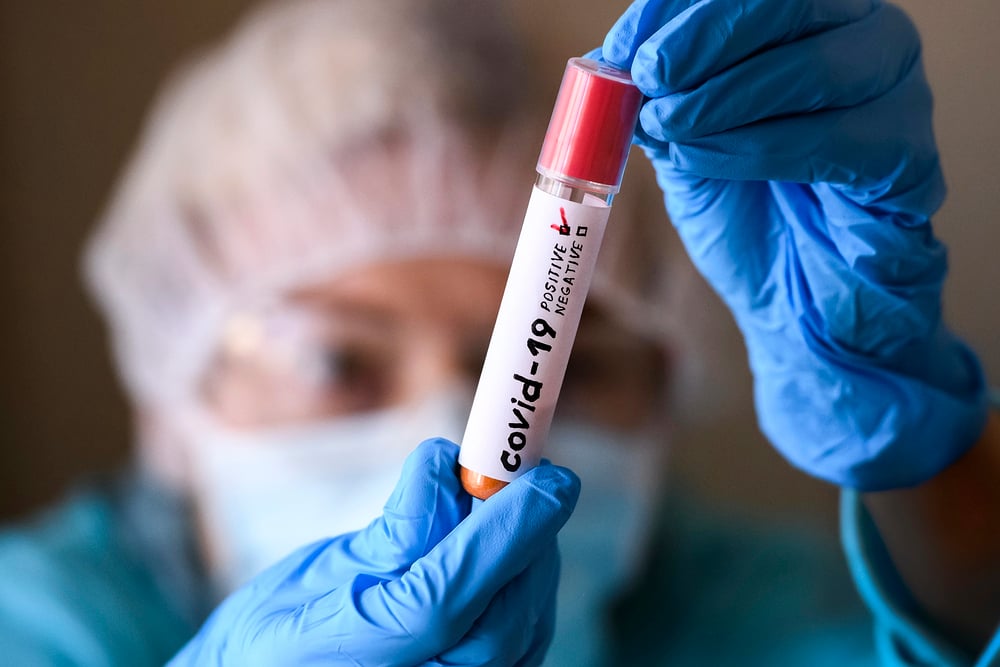
The pandemic that started in late 2019 transformed daily existence across the globe. Lockdowns closed businesses, schools, and borders.
Millions died despite modern medical knowledge. The crisis exposed inequalities in healthcare access, economic stability, and social safety nets.
Essential workers risked their lives while others worked from home. The pandemic accelerated changes already underway.
Remote work became standard for millions. Digital communication tools went from convenient to essential.
Online shopping and delivery services exploded. Medical research achieved unprecedented speed with vaccine development.
Governments demonstrated they could mobilize resources rapidly when facing existential threats. The long-term effects continue unfolding—changes to office culture, education delivery, healthcare systems, and global supply chains.
The pandemic proved that modern society, despite all its technology and wealth, remains vulnerable to invisible threats.
Tuberculosis Shaped Labor Movements
Tuberculosis killed more people in the 19th and early 20th centuries than any other disease. The disease thrived in crowded, poorly ventilated factories and tenements where workers lived.
The connection between working conditions and tuberculosis became impossible to ignore. Workers and reformers demanded better ventilation, shorter hours, and safer environments.
The fight against tuberculosis strengthened labor movements and workplace safety regulations. Employers who had resisted reforms found themselves forced to improve conditions.
Sanatoriums became the standard treatment, removing infected people from crowded urban areas and giving them rest, fresh air, and decent food. The disease’s slow decline came from improvements in living standards, working conditions, and nutrition as much as from medical advances.
Tuberculosis deaths dropped before antibiotics arrived, proof that social conditions determine health outcomes.
Plague Created Quarantine Systems
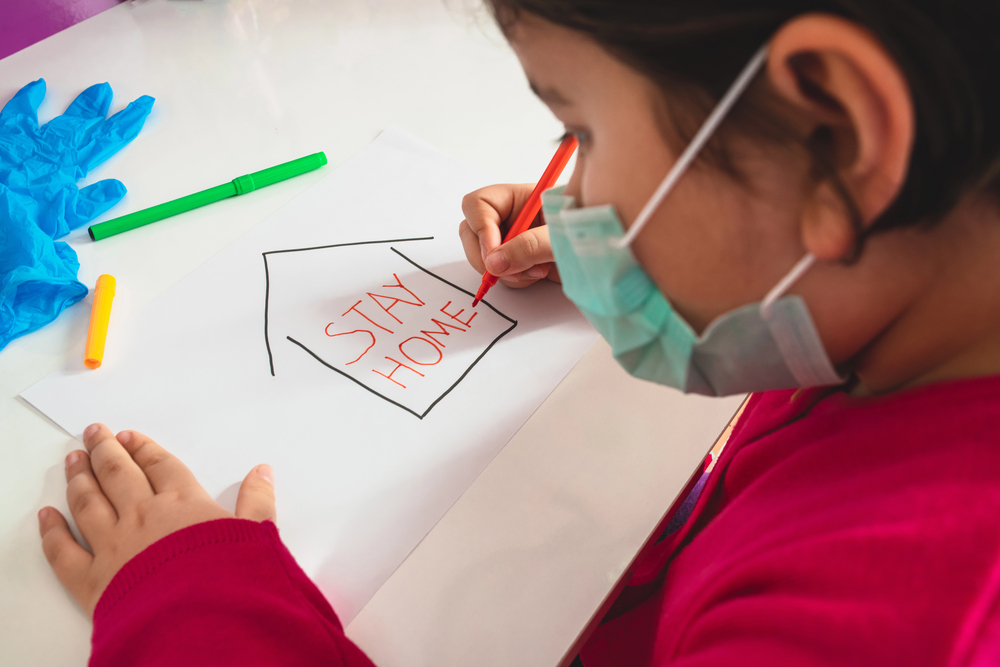
Venice established the first formal quarantine in 1377, requiring ships from plague-affected areas to anchor offshore for 40 days before unloading cargo. The word “quarantine” comes from the Italian “quaranta giorni”—40 days.
This practice spread to other ports as plague repeatedly struck Mediterranean cities. Quarantine represented an early understanding that disease could be contained through isolation.
The concept evolved into modern border health controls, disease surveillance at ports and airports, and isolation protocols for infected individuals. The practice wasn’t always effective and was sometimes used discriminatorily, but it established a precedent—governments had authority and responsibility to control disease spread, even if that meant restricting movement and commerce.
Typhus Influenced Military History
Wherever crowds gathered without clean surroundings, typhus found its place – military encampments, cities under siege, and they became breeding grounds. Body lice carried it, not blades or bullets, yet more troops fell to fever than fighting.
As Napoleon pulled back from frozen Russia, sickness gnawed at his ranks like hunger. Nearly every war before the 1900s repeated that pattern, silent and cruel.
From war came a sharp lesson: clean soldiers stayed healthier. Those who kept washing and swapping worn clothes saw sickness pass them by more often.
Such patterns reshaped how armies were run behind the lines. When DDT emerged in World War II, biting pests like lice and mosquitoes began to lose their grip on camps and trenches.
Pressed by survival, militaries forged tools against illness – tools cities would one day borrow. What started as battlefield urgency quietly spread into everyday public health.
What Invisible Forces Continue Shaping Tomorrow

Truths buried by calm times come clear when sickness spreads. Pressure pulls apart what holds together easily on good days.
Inequality’s toll rises where trust in facts falls flat, especially when quick gains beat steady planning. Lessons stack up during each wave – yet memory fades fast once skies turn blue again.
Future folks shrug off past warnings till fear returns knocking. This cycle spins on because people cannot feel risks they never experienced themselves.
History shows it plainly: sickness reshaped human life once, will do so again. What remains uncertain?
Whether those who come after us remember what came before – or walk blindly into the same errors.
More from Go2Tutors!

- The Romanov Crown Jewels and Their Tragic Fate
- 13 Historical Mysteries That Science Still Can’t Solve
- Famous Hoaxes That Fooled the World for Years
- 15 Child Stars with Tragic Adult Lives
- 16 Famous Jewelry Pieces in History
Like Go2Tutors’s content? Follow us on MSN.