Events During the Olympic Closing Ceremony
Closing time at the Olympics usually does not aim to beat the first-night show. What happens instead feels quieter, yet somehow deeper.
A turn begins – not sharp but gradual – from effort to ease, from strict routines to shared moments. Once timetables fade and medals settle, the event lets go of tension.
The finish breathes differently: less about nations on podiums, more about people simply being together. Each host city adds a personal touch, yet the closing ceremony sticks to a pattern built on custom and rules.
Because of these repeated elements, the event finds its pace and feeling, moving people from joy to goodbye. Not everything stays fixed though – changes happen slowly, even if the goal feels much like it always did.
A spotlight turns to what happens when the Olympics wind down, revealing moments that shape the farewell. Each piece plays out differently, yet fits into a larger picture of endings.
One moment passes the torch while another slows the pace, letting emotions settle. Movement gives way to stillness through gestures both small and wide.
Symbols shift as flags lower and music rises above silence. What began with energy now folds inward, guided by rhythm rather than speed.
The crowd stays even after athletes leave, held by something unseen. Final notes hang just before lights dim for good.
The Athletes’ Entrance
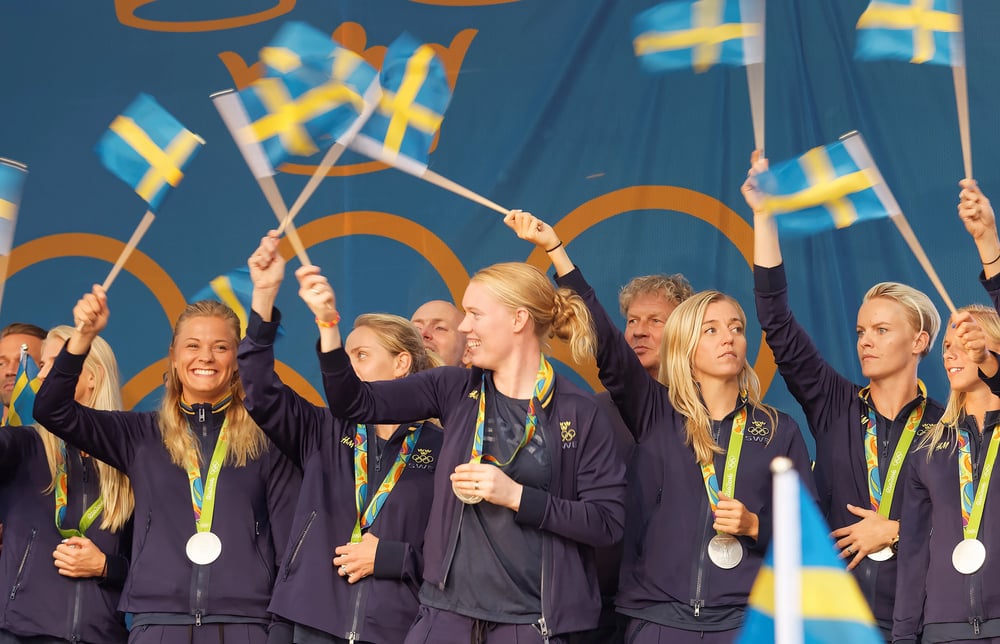
The athletes’ entrance sets the tone for the entire ceremony. Unlike the opening parade, where competitors march in regimented order behind national flags, the closing ceremony dissolves those boundaries.
Athletes enter the stadium together, without separation by country, moving freely and informally. This tradition began in the mid-twentieth century as a deliberate gesture of unity.
It reflects the idea that competition has ended and shared experience now takes precedence. Even so, the visual impact is striking.
Athletes who were rivals days earlier walk side by side, laugh, take photos, and soak in the atmosphere. The moment quietly reinforces the notion that the Games are about coexistence as much as contest.
Medal Presentations for the Final Events

The closing ceremony traditionally includes medal presentations for the final events of the Games. In the Summer Olympics, this role is most often filled by the marathon, an event long associated with endurance and perseverance.
In the Winter Olympics, a comparable long-distance or team event usually takes its place. That said, these medal ceremonies feel distinct from earlier ones.
The formality is softened, and the emotional context has shifted. Athletes have already lived through the highs and lows of their performances, and this final podium moment feels like punctuation rather than climax.
The medals symbolize completion, marking the last official victories before the Games move into memory.
The Raising of the Greek Flag
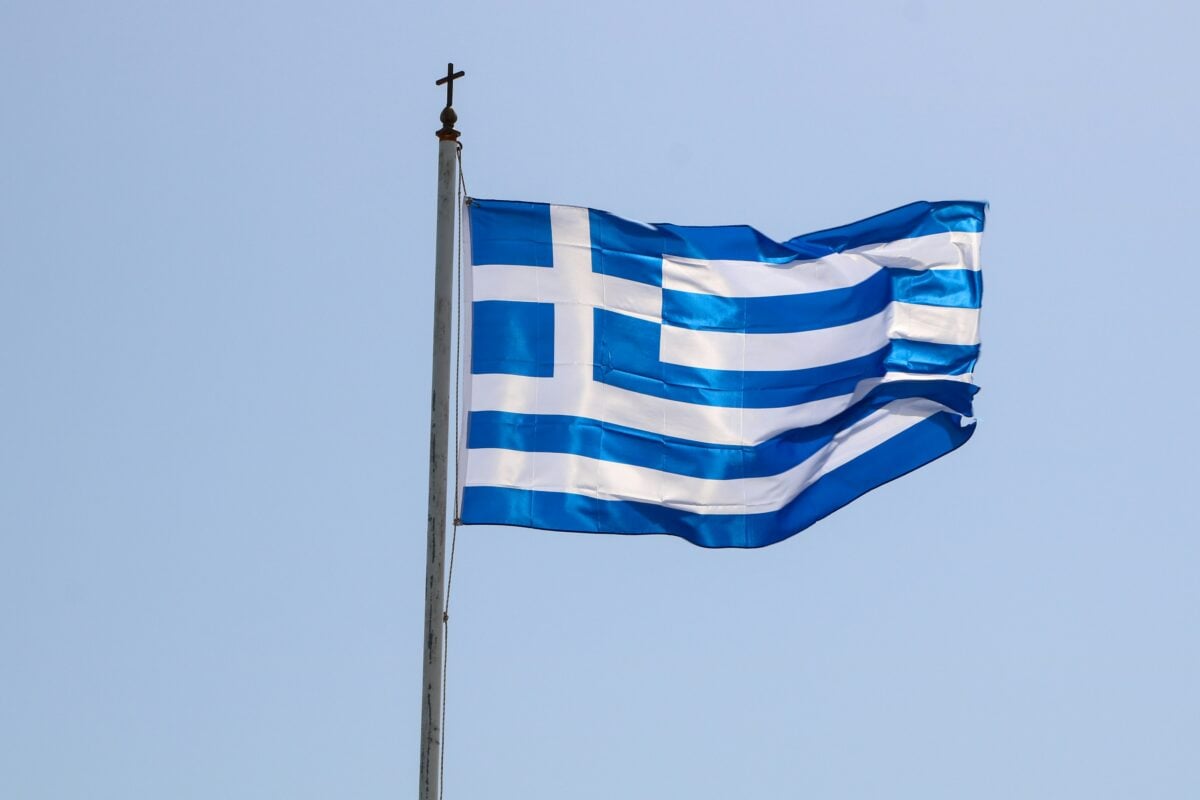
A quieter but deeply symbolic moment follows with the raising of the Greek flag. This tradition honors Greece as the birthplace of the ancient Olympic Games.
The flag is raised while the Greek national anthem is played, anchoring the modern spectacle to its historical origins. Still, this moment is not about nostalgia alone.
It serves as a reminder that the Olympics are part of a continuum stretching back centuries. Amid contemporary technology, global broadcasts, and modern logistics, the Greek flag grounds the ceremony in tradition, reinforcing the idea that the Games are custodians of something far older than any single host city.
The Flag Handover Ceremony
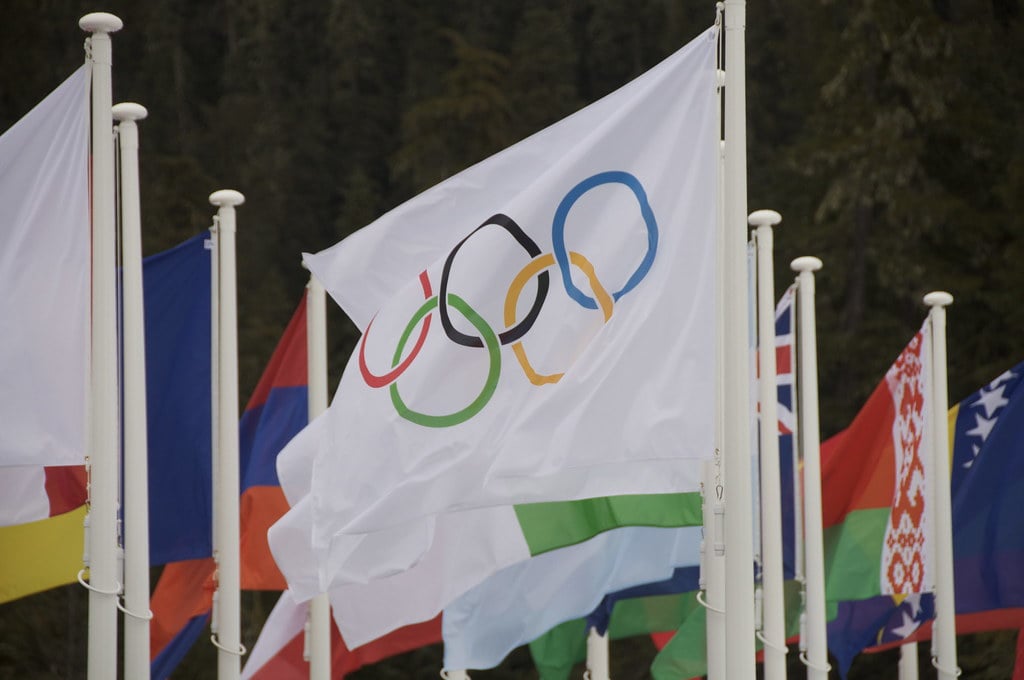
One of the most anticipated segments of the closing ceremony is the official handover to the next host city. The Olympic flag is lowered from its position of honor and carried to the center of the stadium.
It is then passed from the mayor of the current host city to the president of the International Olympic Committee, and finally to the mayor of the next host city. Even so, this exchange is about more than symbolism.
It represents the transfer of responsibility, expectation, and global attention. The Games do not end; they relocate.
With a single gesture, the Olympic narrative shifts forward, reminding audiences that the event is perpetual, always preparing for its next chapter.
Artistic Preview by the Next Host City
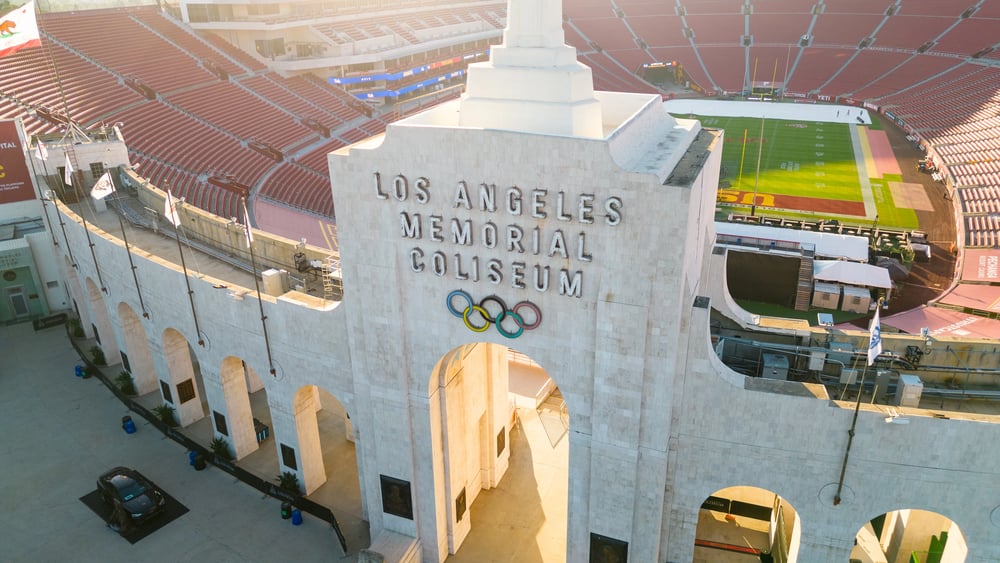
Following the flag handover, the next host city presents a short artistic segment. This performance offers a preview of the culture, creativity, and tone that will define the upcoming Games.
It may feature music, dance, visual storytelling, or contemporary interpretations of national identity. On the other hand, these previews are intentionally restrained.
They are not meant to explain or summarize the host nation. Instead, they function as an invitation.
In just a few minutes, the next host plants a seed of anticipation, contrasting the sense of goodbye in the stadium with a promise of what lies ahead.
Formal Addresses and Acknowledgements

The closing ceremony includes a series of official speeches, typically delivered by representatives of the organizing committee and the IOC. These addresses are brief by design, reflecting the ceremony’s reflective tone rather than the excitement of opening night.
That said, the speeches carry real weight. They acknowledge the athletes, volunteers, staff, and host communities who made the Games possible.
In a production defined by symbolism and performance, these words bring attention back to the human effort behind the scenes. They serve as a collective thank-you, spoken on behalf of millions who took part in making the event happen.
The Extinguishing of the Olympic Flame
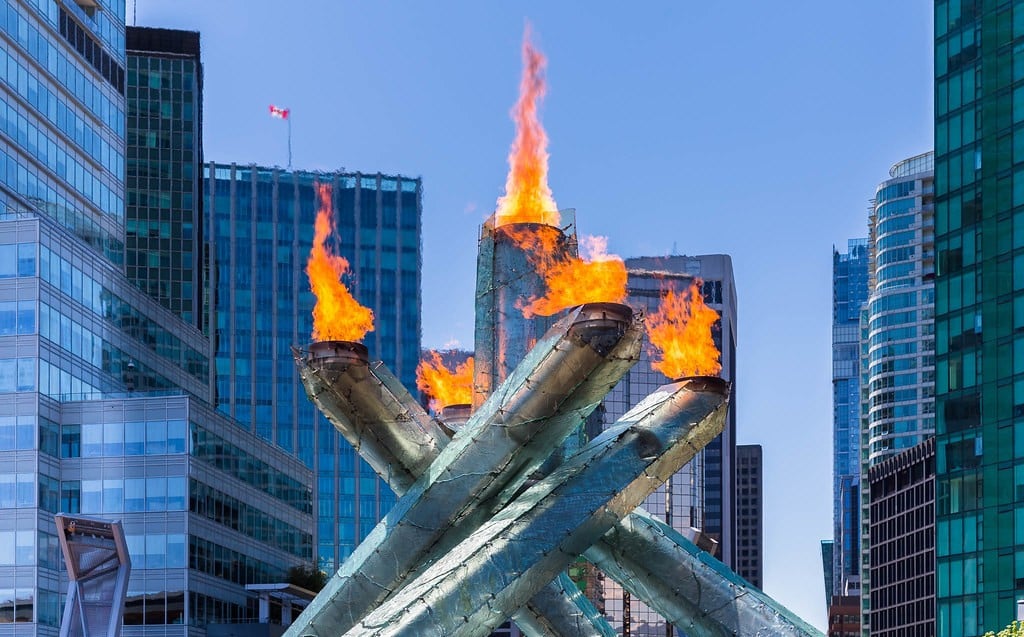
The extinguishing of the Olympic flame is often considered the emotional heart of the closing ceremony. Lit during the opening ceremony, the flame has burned throughout the Games as a constant symbol of continuity and presence.
When it is finally extinguished, the moment is calm and deliberate. There is no dramatic flourish or sudden darkness.
Instead, the flame is quietly put out, signaling that this chapter of the Games has ended. The act underscores the temporary nature of the Olympic experience.
Its power lies in its restraint, reminding viewers that meaning is often found in moments that end rather than begin.
Lowering of the Olympic Flag
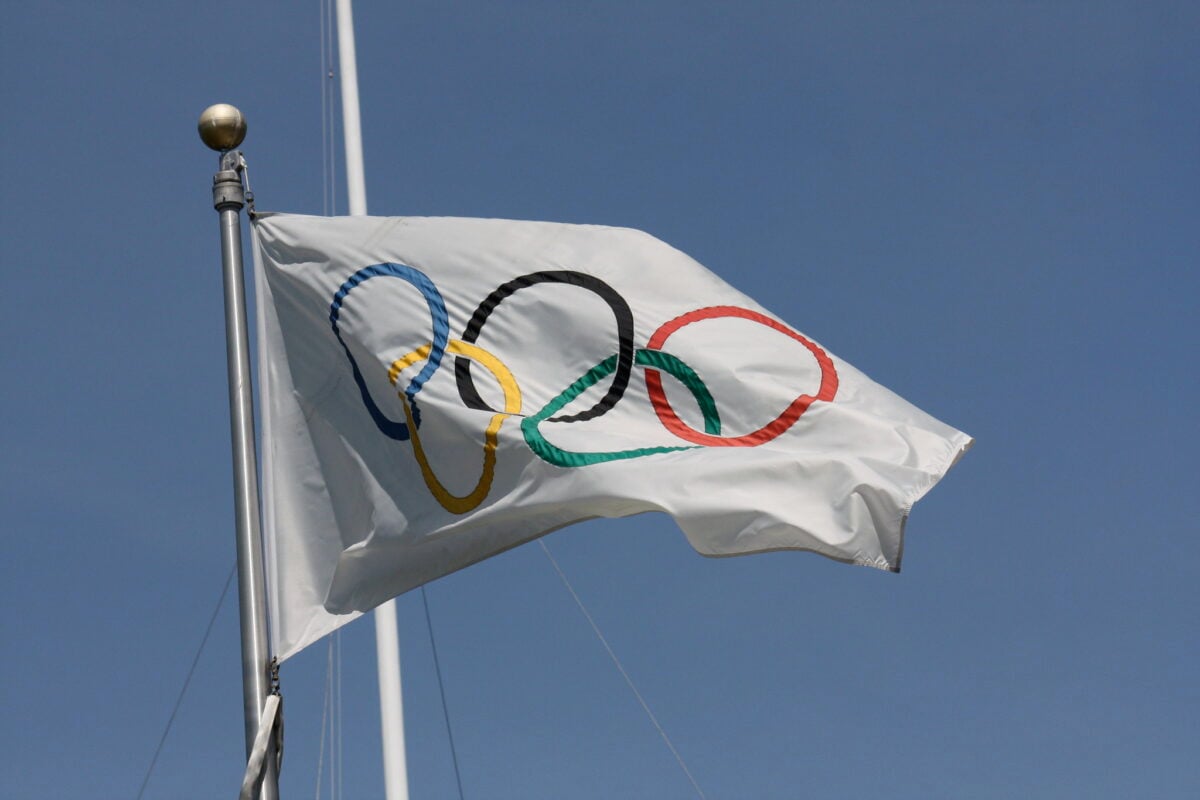
Alongside the flame, the Olympic flag is lowered from the stadium. While it may seem procedural, this act carries its own symbolism.
The flag has presided over every competition, ceremony, and record achieved during the Games. Lowering it marks the end of Olympic authority within the host city.
That authority will be raised again elsewhere, under different conditions and cultural contexts. The moment reinforces the idea that the Olympics are not owned by any one place, but entrusted to many over time.
The Athletes’ Celebration and Cultural Performance
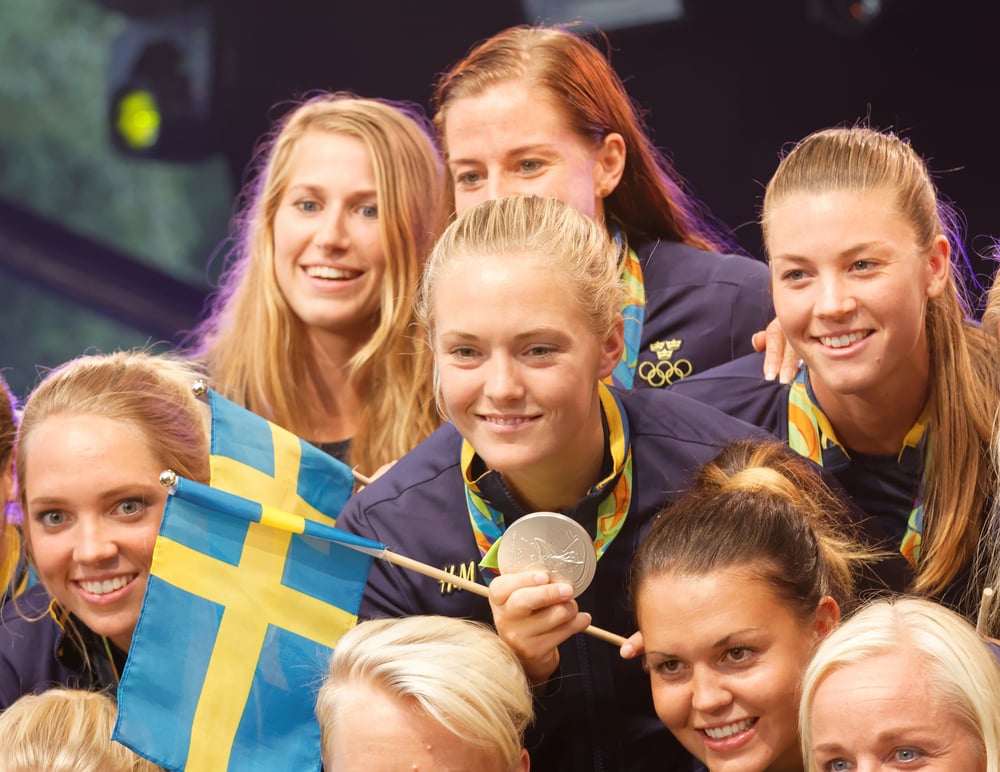
As the formal segments conclude, the ceremony often transitions into a more relaxed celebration. Music fills the stadium, performers and athletes mingle, and choreography becomes looser and more spontaneous.
This portion varies widely between host cities, reflecting local culture and artistic expression. Still, the underlying purpose remains consistent.
This is not a victory celebration for winners alone, but a shared release for everyone involved. Athletes dance, wave to crowds, and document the moment with photos.
The atmosphere feels lighter, signaling that the intense structure of competition has finally given way to freedom.
The Final Farewell and Stadium Exit
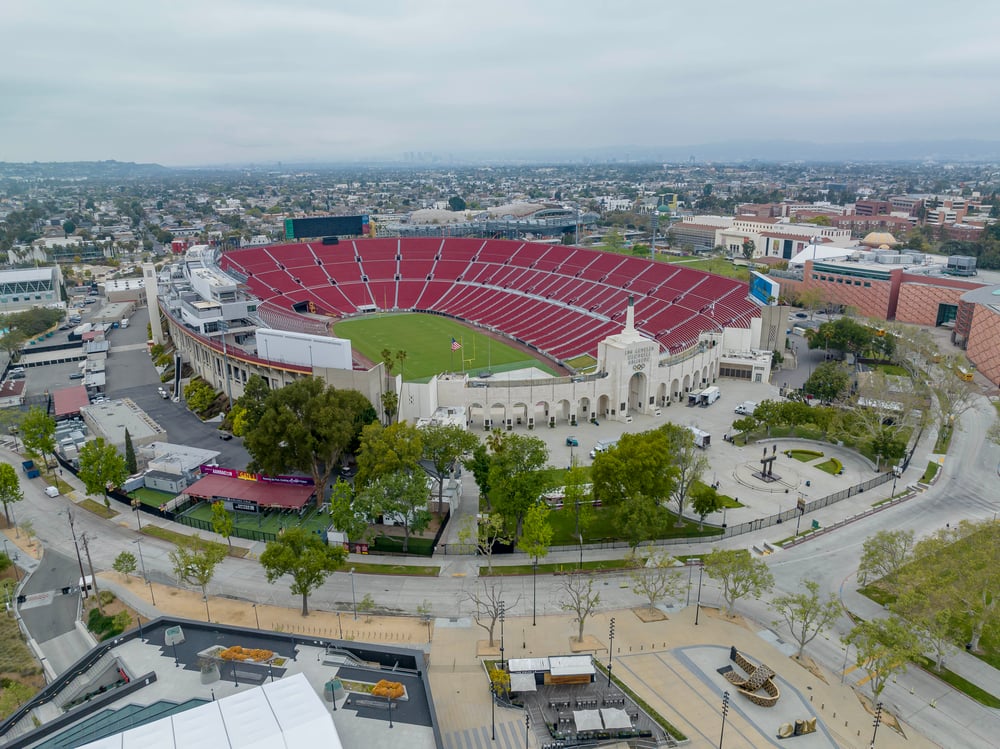
The closing ceremony does not end with a single, definitive moment. Instead, it fades out gradually.
Music continues, athletes begin to leave the field, and the stadium slowly empties. Broadcasts taper off rather than cut abruptly. That gradual ending mirrors the emotional experience of the Games themselves.
The Olympics do not disappear overnight. They linger in highlights, conversations, and memories.
The lack of a sharp conclusion allows audiences to adjust, acknowledging that something significant has ended without forcing a sudden goodbye.
Why the Closing Ceremony Still Matters
Back then, Olympic closing celebrations stuck to rules, nothing more. Little by little, they started showing feelings, not just formality.
Where the opener shouts dreams, the finisher holds space for what it took. Tradition remains, yet now it breathes alongside memory, weight, presence.
Not a launchpad – this one lands softly, full of what happened. Right now, everything moves quickly.
That moment of stillness? It counts. The final event lets people absorb what just happened, shaping days of effort into something everyone shares.
Even when the fire fades and the arena empties, the feeling sticks around. It lives on, passed along, waiting for another banner to lift and start it all over.
More from Go2Tutors!

- The Romanov Crown Jewels and Their Tragic Fate
- 13 Historical Mysteries That Science Still Can’t Solve
- Famous Hoaxes That Fooled the World for Years
- 15 Child Stars with Tragic Adult Lives
- 16 Famous Jewelry Pieces in History
Like Go2Tutors’s content? Follow us on MSN.