Largest Preserved Historical Estates in the US
Big homes crowd America’s landscape, yet genuine estates stand apart. Not merely sprawling residences with polished banisters and trimmed hedges.
These stretch across acres – former hubs where crops grew, factories hummed, or wealthy clans unwound through summers while quietly steering local fate. Remarkable estates stand out because they survive – kept whole, not carved up, rebuilt without being erased.
Scattered nationwide, such places show how money, design, and land came together long ago in grand fashion. A glimpse into America’s biggest historic properties shows land size weighs just as heavily as design.
Where sprawling grounds meet old-world craftsmanship, space defines legacy alongside structure.
Biltmore Estate
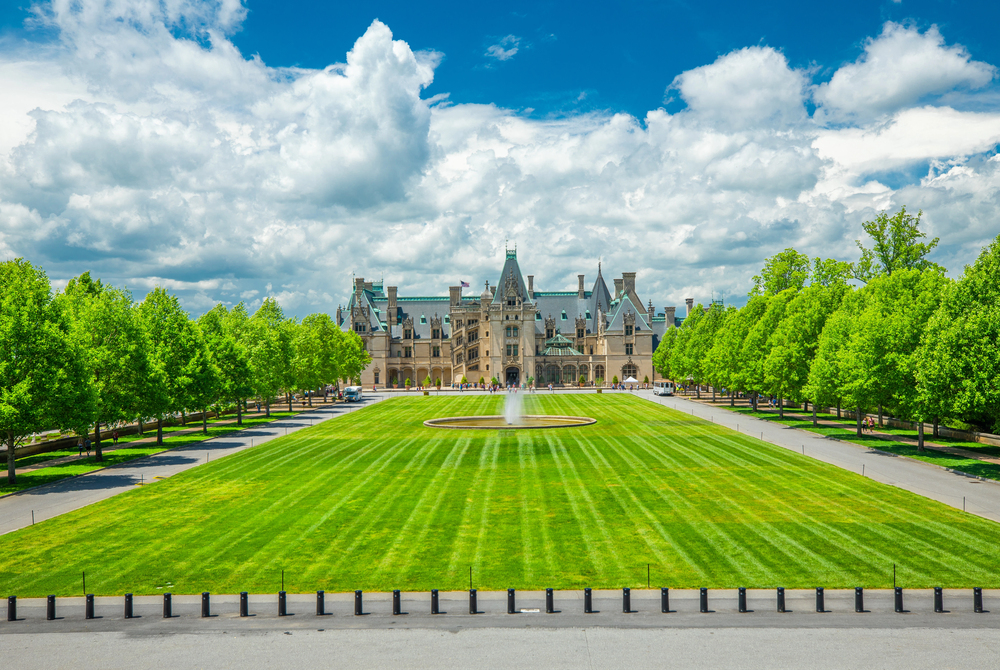
The Biltmore Estate remains the largest privately owned home in America and anchors an estate spanning roughly 8,000 acres today. Built by George Washington Vanderbilt II in the late 19th century, the mansion itself contains 250 rooms and sits within carefully designed gardens and forested land.
Originally encompassing more than 125,000 acres, the property was gradually reduced through land sales that later formed parts of Pisgah National Forest. Even at its current size, the preserved grounds reflect a Gilded Age vision of self-contained luxury and agricultural sustainability.
Oheka Castle Estate
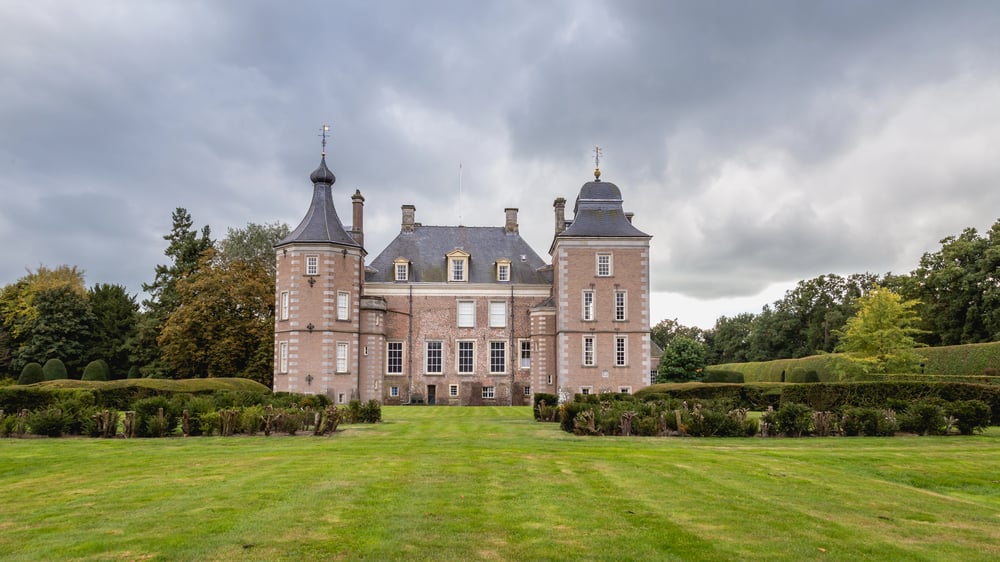
Located on Long Island, Oheka Castle once formed the centerpiece of a 443-acre estate. Completed in 1919 for financier Otto Hermann Kahn, it became one of the grandest country homes in the United States.
Though portions of the original acreage were subdivided over time, the core estate remains preserved and restored. Its formal gardens and sprawling lawns still convey the scale of early 20th-century wealth concentrated just outside New York City.
Hearst Castle Ranch Lands
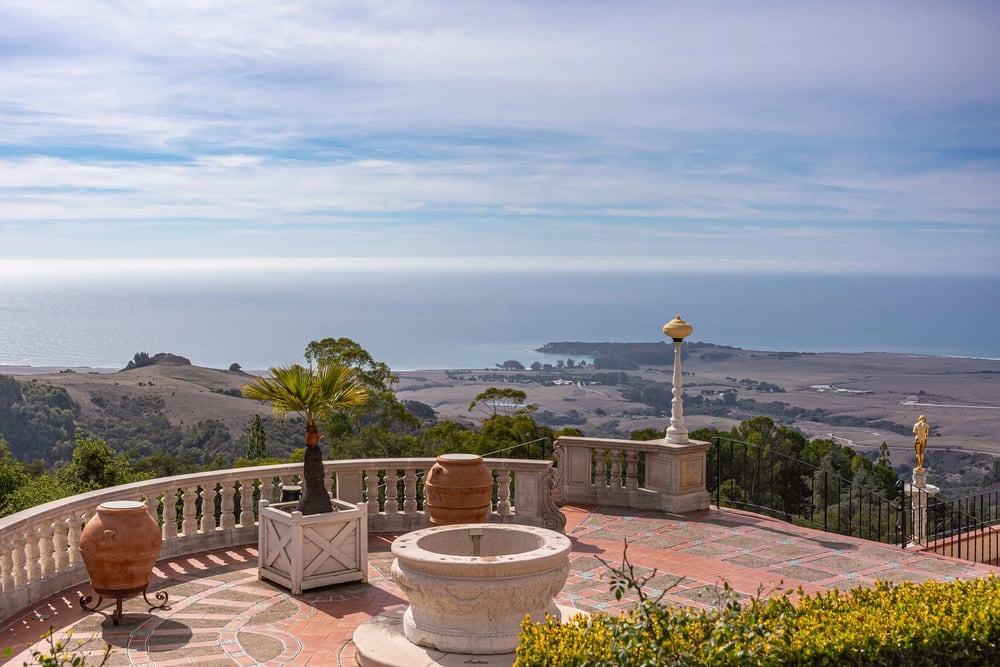
Perched above California’s central coast, Hearst Castle was once part of a ranch spanning more than 250,000 acres. Newspaper magnate William Randolph Hearst developed the hilltop mansion as a Mediterranean-style retreat within an immense working property.
While large portions of the ranch remain privately held or conserved, the castle complex itself is preserved as a state historical monument. The estate’s original scale illustrates how land ownership once functioned as both status symbol and economic enterprise.
Shelburne Farms
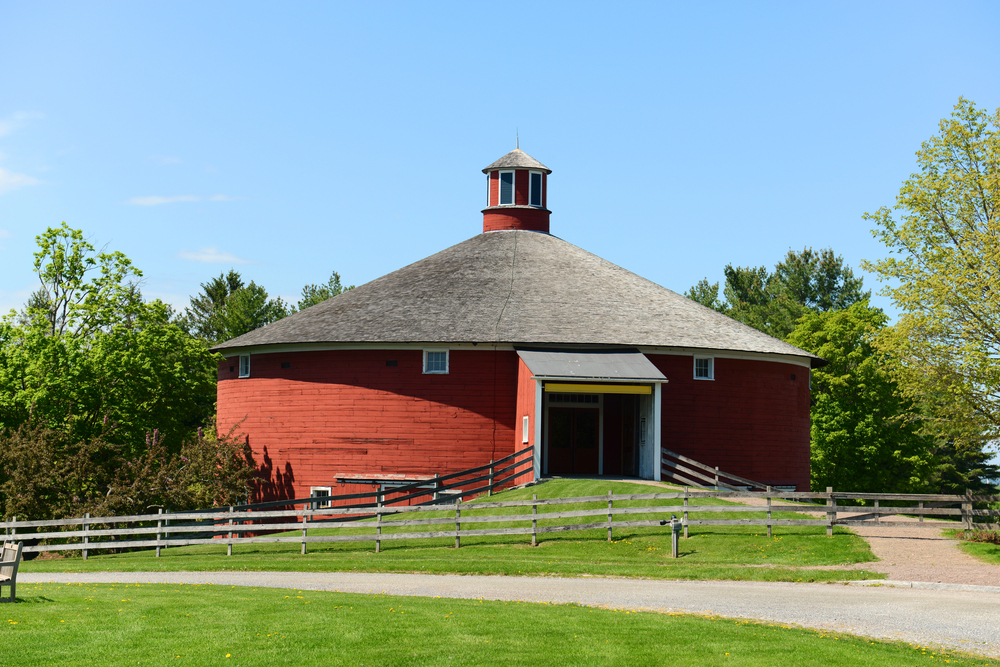
Shelburne Farms covers approximately 1,400 acres along the shores of Lake Champlain. Established in the late 19th century by the Webb family, the estate operated as a model agricultural property with an emphasis on progressive farming techniques.
Today, the property is preserved as a nonprofit educational center. The landscape — rolling pastures, woodlands, and shoreline — remains intact, demonstrating how estates could combine opulence with working agricultural purpose.
Mount Vernon
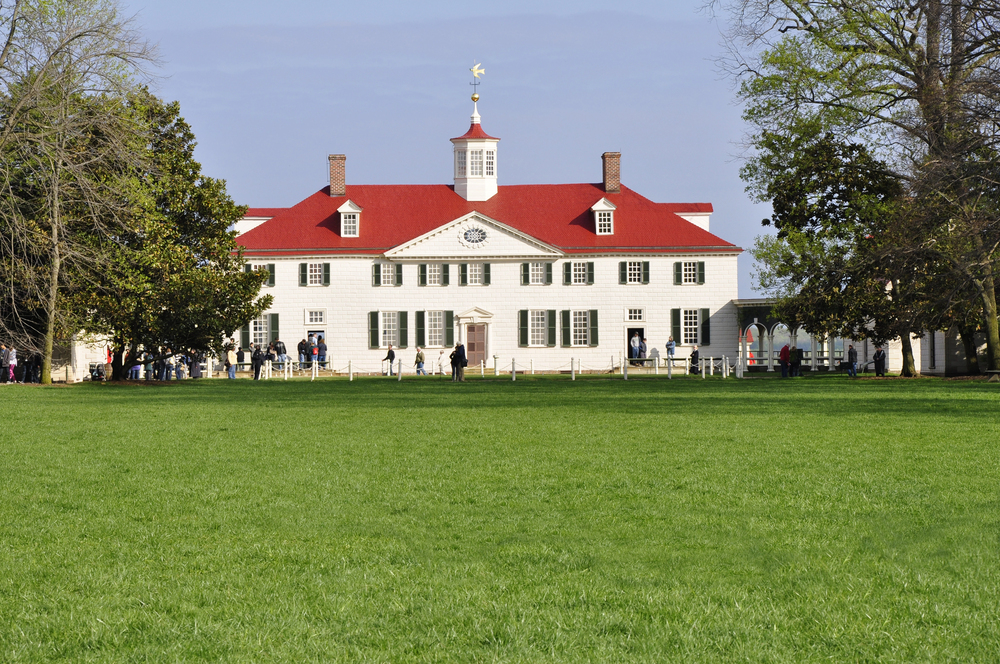
The estate of George Washington, Mount Vernon originally encompassed about 8,000 acres. While the preserved site today spans roughly 500 acres, it includes the mansion, outbuildings, gardens, and farmland central to Washington’s life.
Mount Vernon’s scale in the 18th century reflected both agricultural ambition and social standing. Its preservation allows visitors to understand how plantation estates once operated as complex economic systems.
Monticello
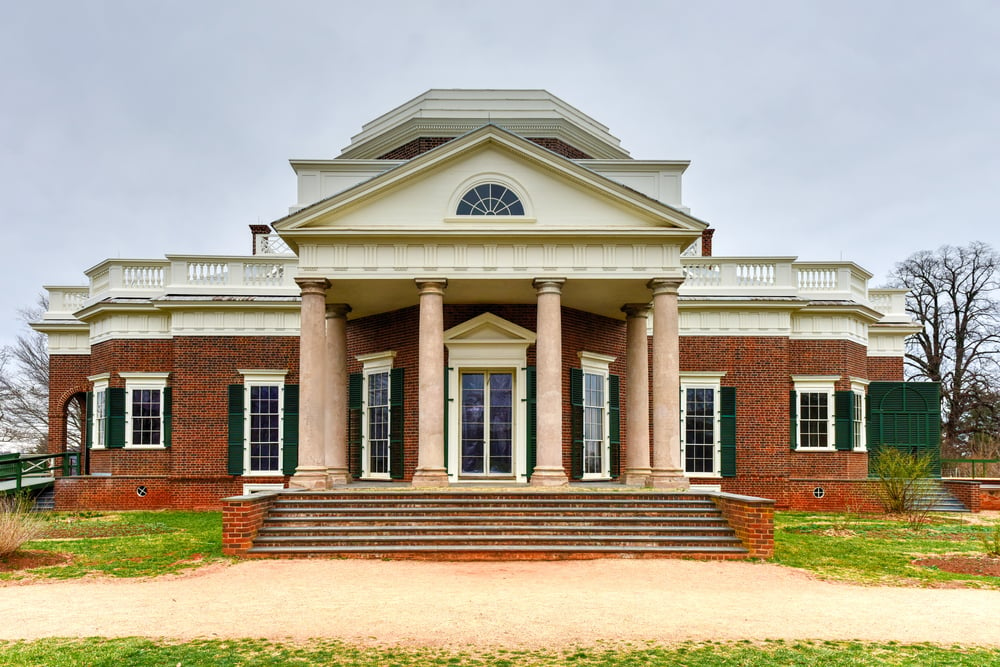
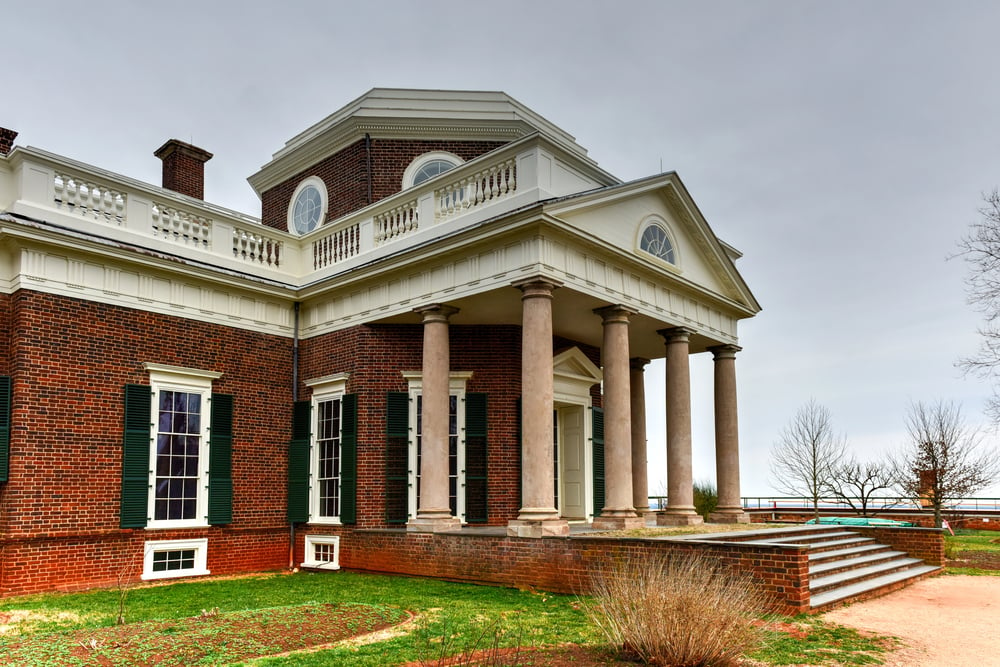
Monticello, the home of Thomas Jefferson, originally formed part of a 5,000-acre plantation. The preserved estate today includes roughly 2,500 acres, much of it protected through conservation easements.
Jefferson’s design integrates architecture with landscape, emphasizing views, gardens, and agricultural innovation. The preserved acreage reinforces how estates were conceived not merely as residences but as integrated environments.
Kykuit Estate
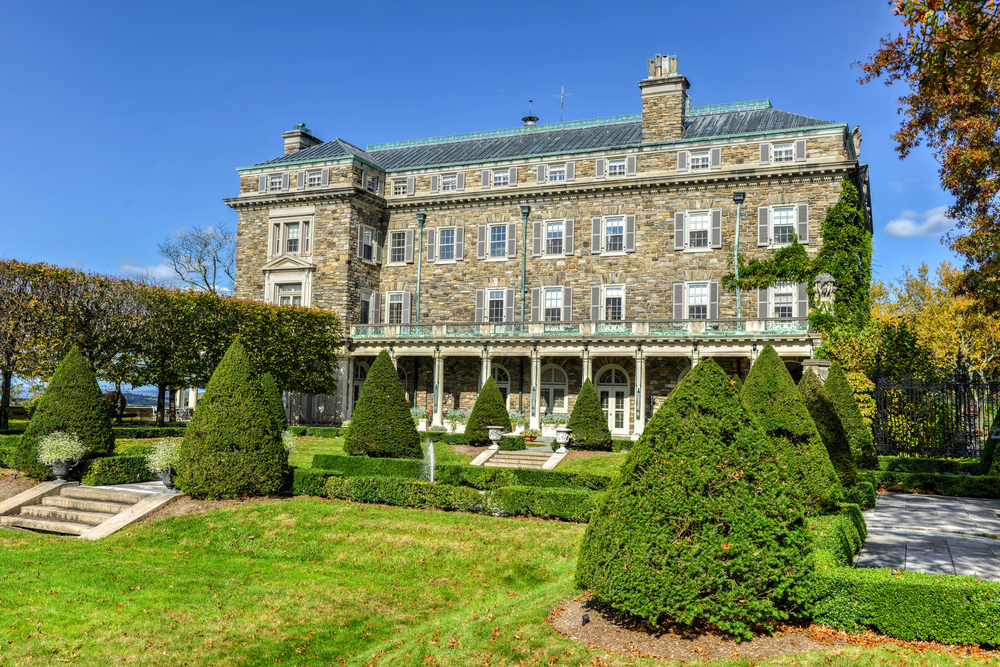
Kykuit served as the Rockefeller family’s country estate and originally spanned over 3,000 acres. The preserved core includes formal gardens, art collections, and wooded land overlooking the Hudson River.
While portions of the surrounding property were donated for parkland, the estate remains one of the most expansive preserved Gilded Age properties in the Northeast. Its scale reflects industrial-era fortunes translated into landscaped grandeur.
Winterthur Estate
In Delaware, Winterthur Museum, Garden and Library occupies approximately 1,000 acres of rolling countryside. Established by Henry Francis du Pont, the estate blends mansion, museum, and extensive gardens.
The property’s preservation emphasizes continuity. Rather than fragmenting into development, the estate evolved into a cultural institution, retaining both its acreage and architectural integrity.
The Breakers Estate Grounds
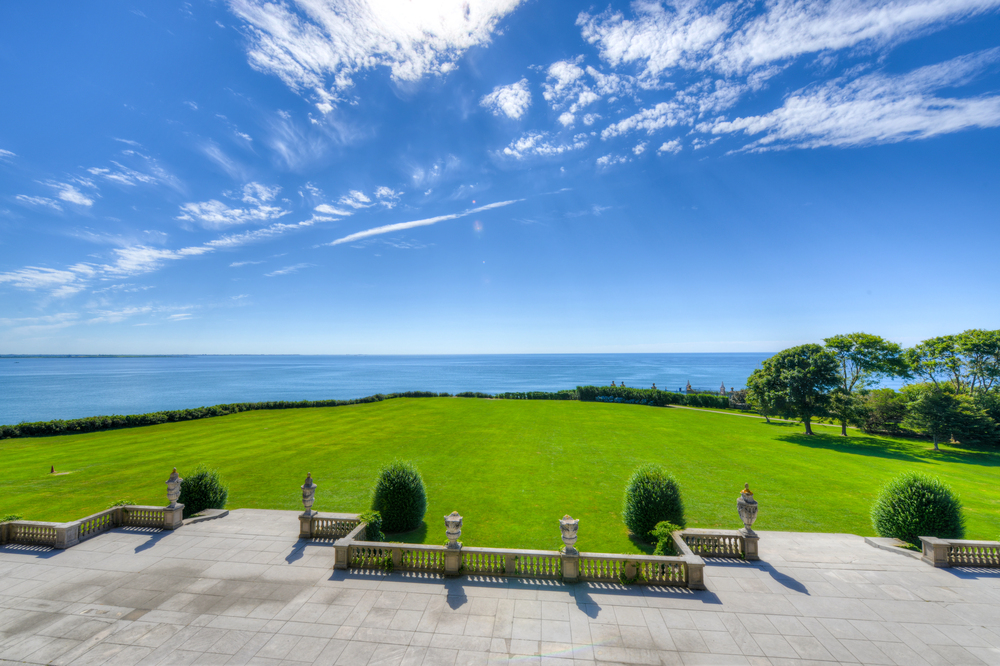
The Breakers may sit on a comparatively modest 13-acre parcel, yet its preserved grounds represent one of the most intact examples of Gilded Age coastal estate planning. Built by Cornelius Vanderbilt II, the mansion overlooks the Atlantic with sweeping lawns and terraces.
Though smaller in acreage than rural estates, its preservation underscores how location amplifies scale. Oceanfront land in Newport carried value far beyond its physical footprint.
Vizcaya Museum And Gardens
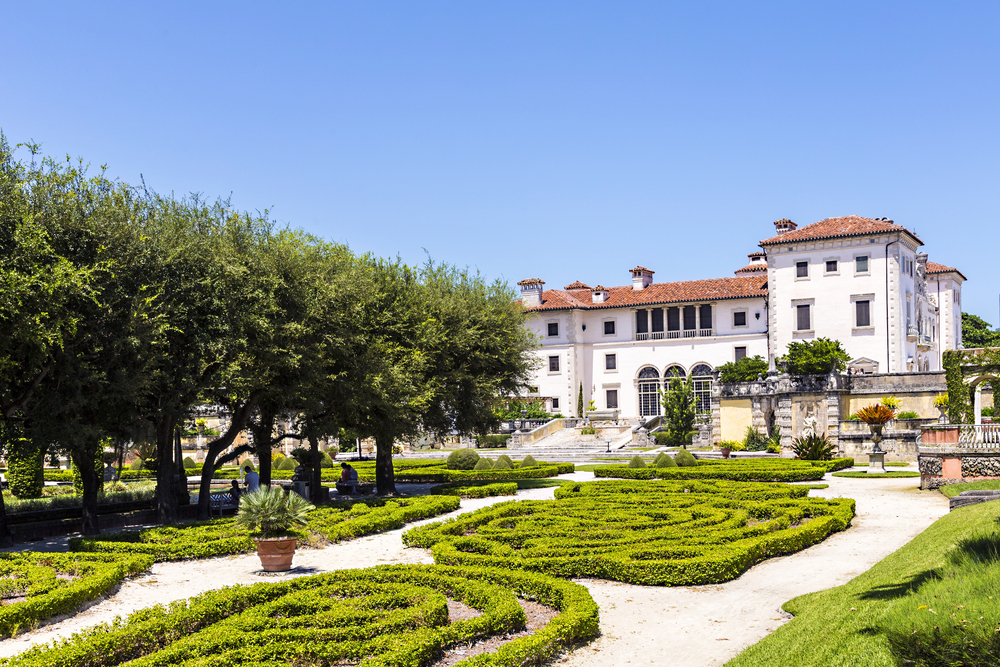
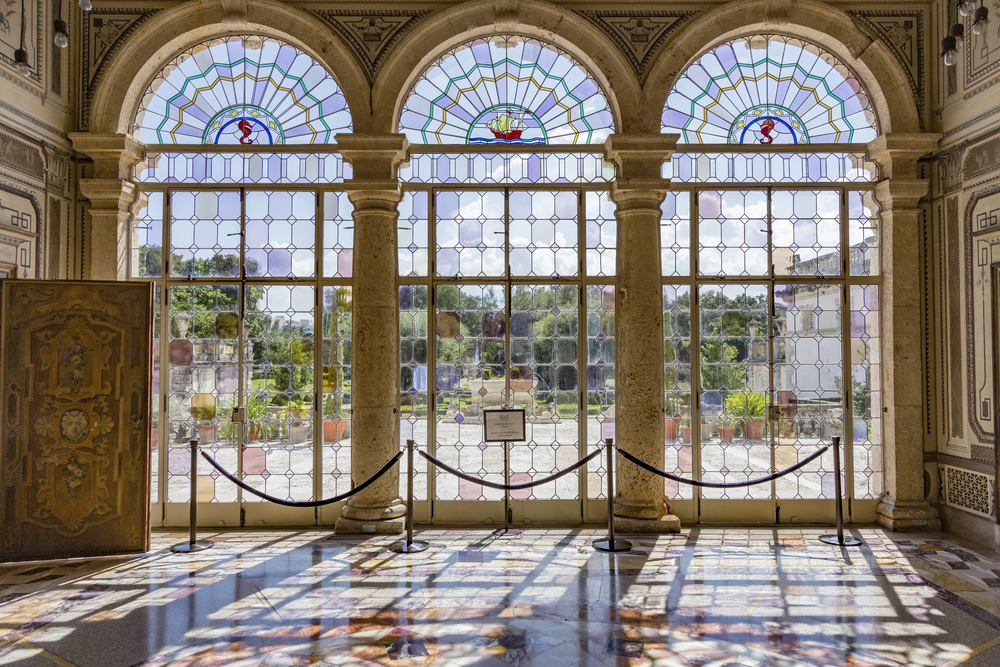
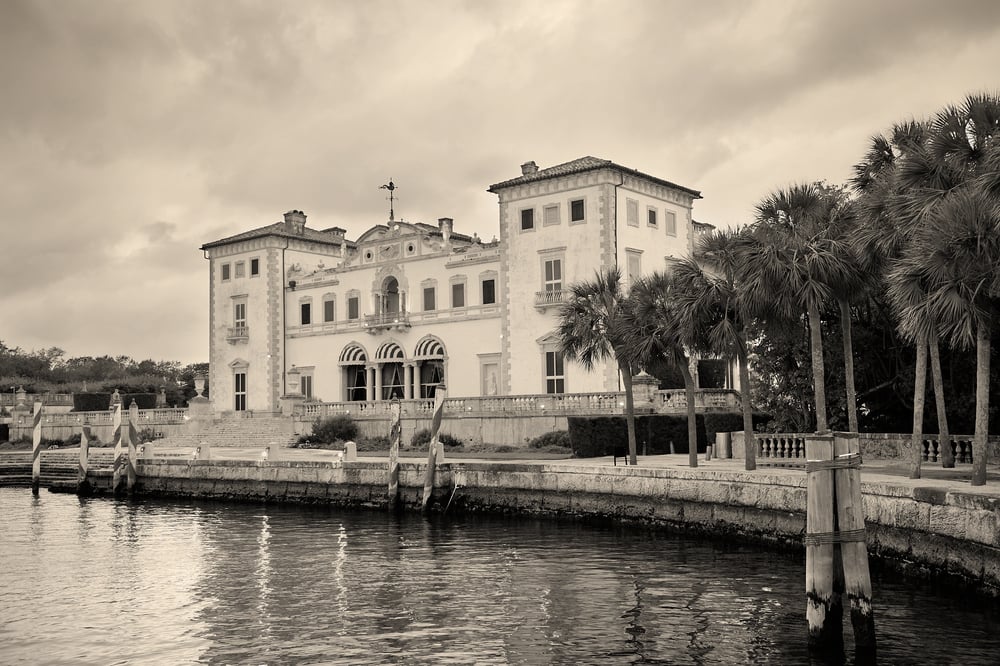
In Miami, Vizcaya Museum and Gardens encompasses roughly 50 acres along Biscayne Bay. Built in the early 20th century for industrialist James Deering, the estate fuses Mediterranean architecture with subtropical landscape design.
Its preserved waterfront acreage demonstrates how estates adapted to climate and regional aesthetics. The gardens, sculptures, and shoreline remain largely intact, offering a glimpse into South Florida’s early development.
The Grounds That Endure
Preserved estates represent more than architectural nostalgia. They illustrate how land once functioned as both private domain and public influence.
Large acreage provided economic output, social distance, and visual dominance. Over time, many estates were reduced, subdivided, or repurposed.
Those that remain intact do so through a combination of philanthropy, conservation policy, and cultural interest. Their survival is rarely accidental.
Why Scale Still Resonates
In modern America, sprawling private estates are rare within preserved historical frameworks. Zoning laws, taxation, and development pressures often encourage subdivision.
The estates that remain intact feel like time capsules, holding onto landscapes that might otherwise have disappeared beneath subdivisions or commercial corridors. Their size allows visitors to understand context.
A mansion alone cannot tell the full story. The surrounding acreage — farmland, forest, waterfront, or pasture — completes the picture.
Land, Legacy, And Preservation
Big old estates across America show how money used to mean owning huge plots of land. Back then, wide fields spoke of power just like grand houses did.
Still, it isn’t the history of who was kept out that matters most today. What counts now is who gets to walk through the gates.
Still standing, many serve today as museums, classrooms under open skies, or quiet garden paths. By holding on to both soil and stone, they hold fast to a way of seeing.
Once roaming vast tracts, people shaped ideas of forever within these borders. While everything shifts quickly around them, such places remain anchored – earth that remembers who walked it.
More from Go2Tutors!

- The Romanov Crown Jewels and Their Tragic Fate
- 13 Historical Mysteries That Science Still Can’t Solve
- Famous Hoaxes That Fooled the World for Years
- 15 Child Stars with Tragic Adult Lives
- 16 Famous Jewelry Pieces in History
Like Go2Tutors’s content? Follow us on MSN.