15 Trivia Facts About Emojis And Their Global Evolution
Every now and then, a small picture slips into our texts without us thinking twice. These bright little marks? They did not exist long ago.
Not even twenty years back were such images common at all. Still, they reshaped the way thoughts travel through screens.
A grin made of dots once started it all. Now fruits appear.
Flags show up too. Even gestures move across devices like whispers.
Different ages understand them just the same. Places far apart share their meaning anyway.
Hidden inside every smiley face lies a journey nobody saw coming. These tiny pictures changed the way we talk, though few noticed when it started.
A Japanese designer dreamed them up long before phones could even display colors properly. Symbols meant for quick notes somehow became part of daily speech across continents.
What began as simple icons now carry emotions words often fail to express.
Japan Created The Very First Emoji Set In 1999
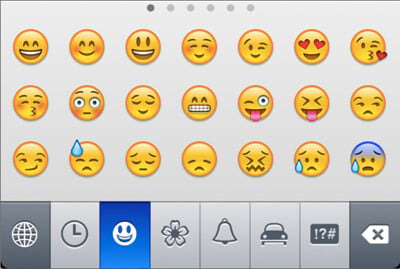
On a quiet afternoon long ago, a creator in Japan began sketching small pictures meant to speak without words. Working under NTT DoCoMo, Shigetaka Kurita shaped what would become the first set of 176 emojis.
Tiny they were – each only twelve pixels wide and tall – like dots seen through old screens. What guided his hand?
Symbols from skies before storms, marks in kanji script, signals posted along busy sidewalks in Tokyo. Simple tools, really, built so messages could move faster on early phone networks.
The Word ‘Emoji’ Has Nothing To Do With Emotion
Surprisingly few realize the term emoji has nothing to do with feelings. Picture plus character – that’s what it means, drawn straight from Japanese roots.
Even though “emotion” pops into minds instantly, it plays no part in the origin. Over time, confusion stuck around like static clinging, showing up everywhere.
Experts found themselves correcting the record again and again, decade after decade. Funny how sound-alikes can shape false beliefs so deeply.
Oxford Picks Emoji As Word Of The Year
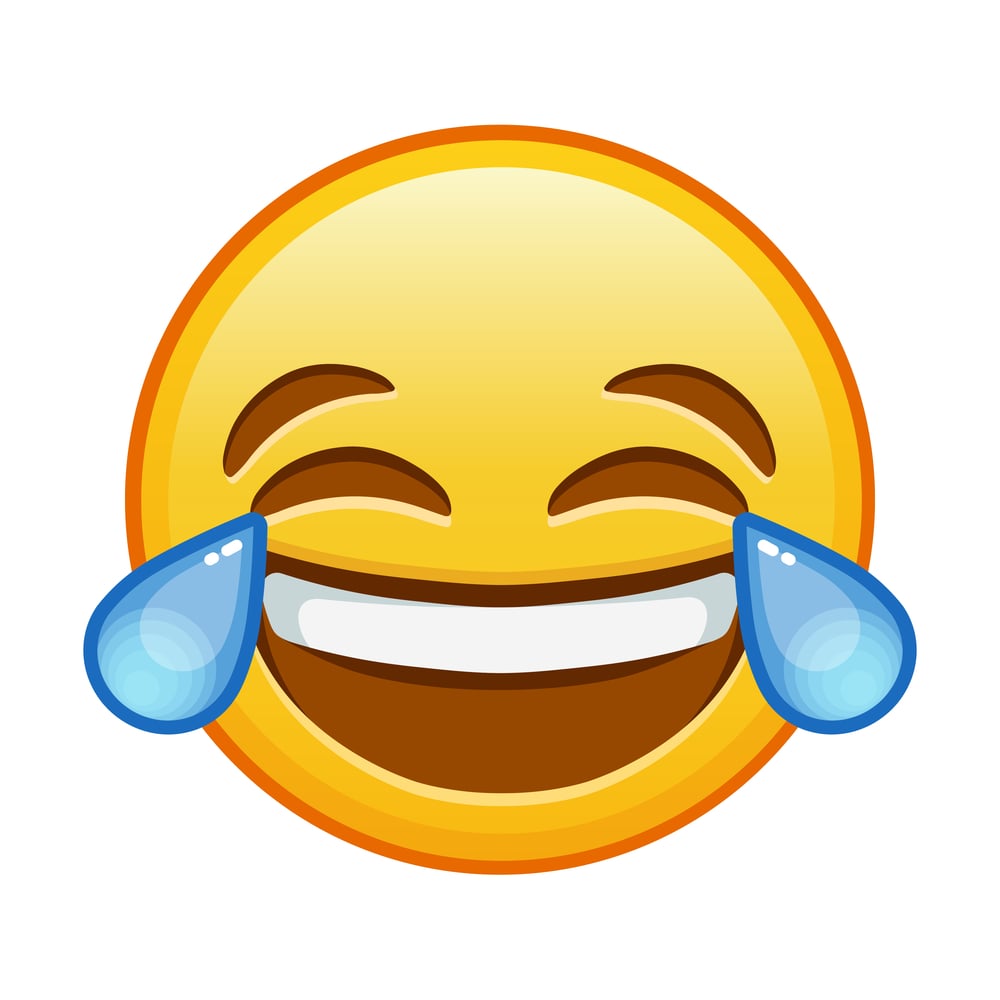
One day in 2015, Oxford Dictionaries picked the ‘Face with Tears of Joy’ emoji for Word of the Year. Not a single letter – just a picture took the crown.
Language lovers argued about it, yet people were already typing feelings more than words. Around the world, that smiley flooded messages far more than any other symbol.
It wasn’t just popular – it was everywhere.
Apple Nearly Killed The Gun Emoji
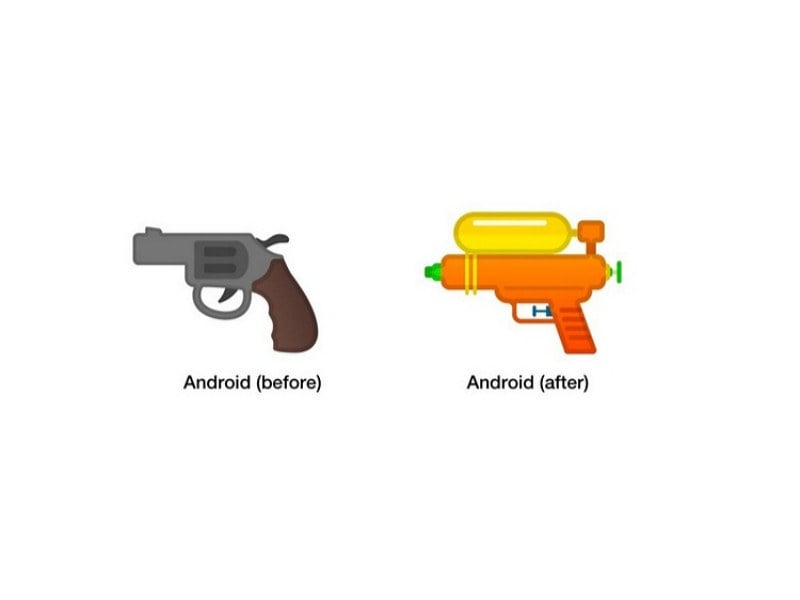
That year, Apple dropped the old-style pistol symbol, swapping it in favor of a cheerful green squirt gun. One by one, rival firms made similar moves – swapping serious weapons for playful alternatives.
Behind the scenes, activist voices had pushed hard for such shifts, arguing realism crossed a line. Still, some users frowned at the update, seeing it as unnecessary.
Yet the shift quietly revealed how deeply platforms shape the way we express ourselves.
Emojis Look Different Across Platforms

One person hits send on an iPhone, the smiley lands looking totally off on Android. Tech giants each sketch their own take on universal symbols – so what feels friendly here reads tense there.
That cheerful grin one meant? Over there, it plays out like someone wincing.
Misreads pile up quietly – at desks, in texts between partners – small image shifts stirring big mix-ups.
The Unicode Consortium Controls All Official Emojis
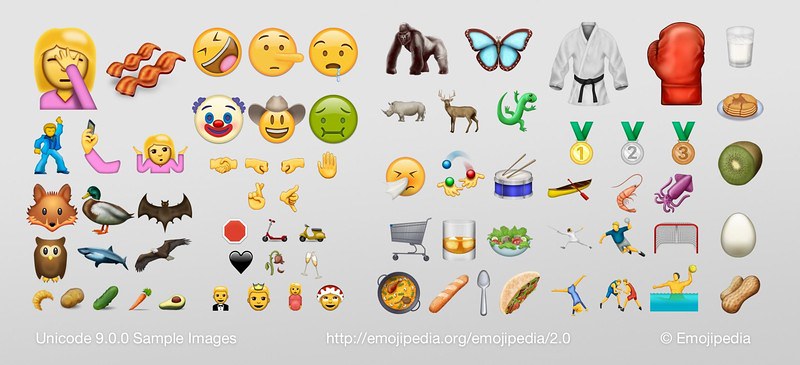
A non-profit organization called the Unicode Consortium decides which new emojis get added each year. They review hundreds of proposals and only approve a small fraction.
The process takes about two years from submission to appearing on phones. Anyone can submit an emoji proposal, though getting one approved requires detailed justification and evidence of potential usage.
The Poop Emoji Started As A Joke In Japan

That smiling pile of poop actually began as a playful character in Japanese mobile culture. It was meant to be cute rather than gross, which explains the happy face.
Western audiences initially found it weird, but it became one of the most popular emojis worldwide. Some people use it to express disappointment, while others just think it’s funny.
Emojis Have Been Used As Evidence In Court Cases

Prosecutors and defense attorneys have presented text messages with emojis as legal evidence in criminal trials. Courts have had to interpret what certain emoji combinations mean in context.
A knife emoji followed by an angry face, for example, was used in a threat case. Judges and juries now regularly deal with decoding these symbols during legal proceedings.
The Red Heart Wasn’t The First Heart Emoji

Yellow and blue hearts actually appeared before the classic red one in early emoji sets. The red heart became standard later when companies unified their designs.
Now there are over a dozen heart variations in different colors and styles. Each color has developed its own unofficial meaning in online culture, though these interpretations vary by region and age group.
Emojis Help People With Language Barriers Communicate

Travelers and international business people rely on emojis to bridge language gaps when words fail. A simple food emoji or directional arrow can convey meaning without translation.
Hotels and airports around the world have started using emoji-based signage alongside traditional text. Studies show that people process emoji images faster than written words, making them useful for quick communication.
Some Countries Have Pushed For Their Own Cultural Emojis
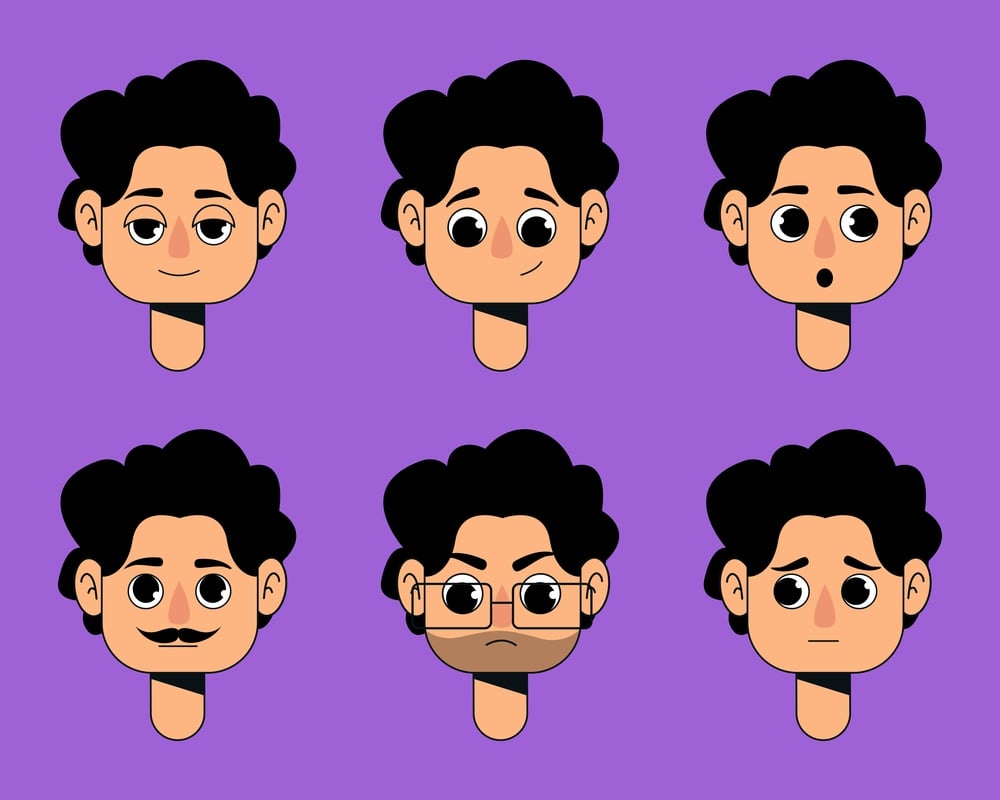
India successfully campaigned for adding the diya lamp, which is used during Diwali celebrations. Scotland fought for (and won) a ginger-haired person emoji.
These additions help make emoji sets more representative of global diversity. The approval process considers factors like how many people would use the symbol and whether it fills a gap in current offerings.
Politicians And Brands Jumped On The Emoji Trend

Companies started creating custom emoji keyboards to promote products and campaigns. Politicians began using emojis in social media posts to seem more relatable to younger voters.
Some brands even filed trademark applications for specific emoji designs. The trend reached a peak when entire marketing campaigns were built around emoji usage and interpretation.
Emoji Translation Jobs Actually Exist Now
Professional translators have expanded their services to include emoji interpretation for businesses. They help companies understand how emojis are perceived in different cultures before launching international campaigns.
What seems innocent in one country might be offensive in another. These specialists prevent costly mistakes and cultural missteps in global marketing efforts.
The Most Used Emoji Changes By Country
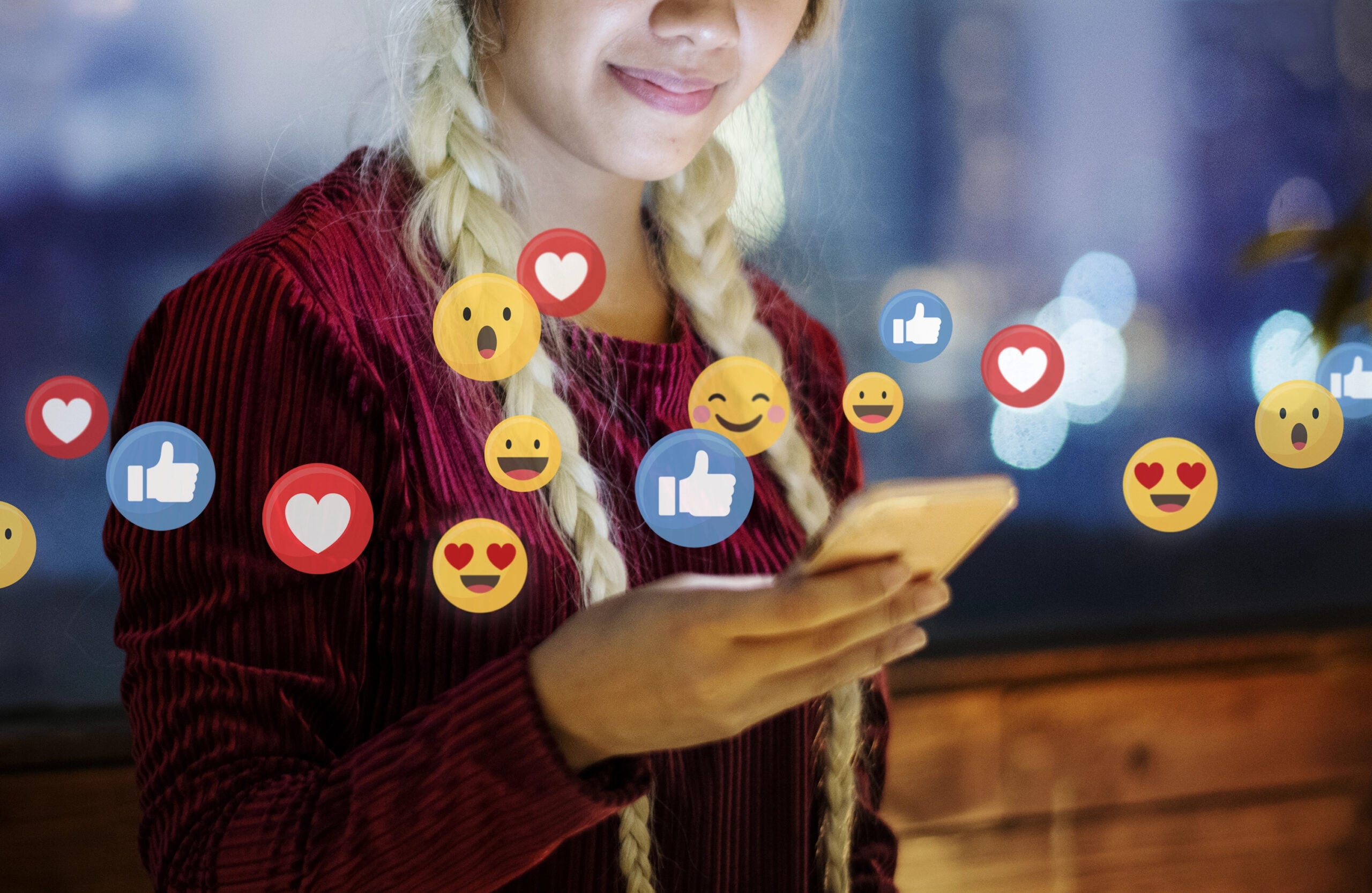
While the ‘Face with Tears of Joy’ dominates in many Western countries, other regions prefer different symbols. French users favor heart emojis more than most other nations.
Arabic-speaking countries use rose emojis frequently. These preferences reveal cultural differences in how people express emotions and ideas through visual symbols.
Scientists Study Emoji Usage To Understand Human Behavior
Researchers analyze billions of emoji messages to track emotional trends and social patterns. They’ve found that emoji use increases during major world events and holidays.
Studies have shown that people who use more emojis in messages tend to go on more dates, though correlation doesn’t mean causation. Universities now offer courses on digital communication that include emoji analysis as part of the curriculum.
Where Tiny Pictures Took Us
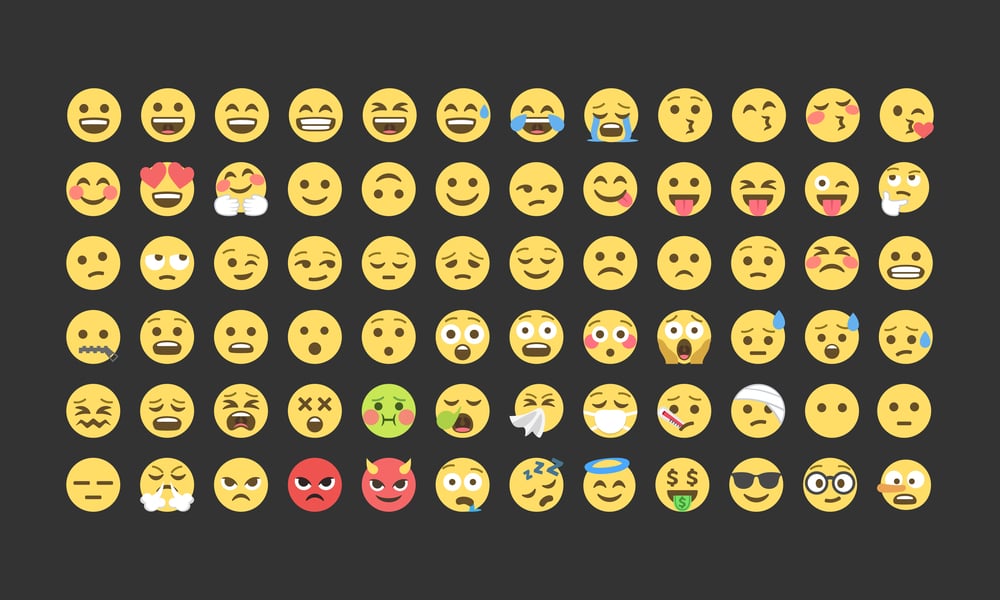
Those 176 simple images that started in Japan have grown into thousands of symbols used by billions of people every day. Emojis have changed from a quirky addition to text messages into a fundamental part of how humans communicate in the digital age.
They’ve influenced art, advertising, law, and even how people express their identities online. The little icons that many people initially dismissed as childish have proven themselves as a lasting feature of modern language.
More from Go2Tutors!

- The Romanov Crown Jewels and Their Tragic Fate
- 13 Historical Mysteries That Science Still Can’t Solve
- Famous Hoaxes That Fooled the World for Years
- 15 Child Stars with Tragic Adult Lives
- 16 Famous Jewelry Pieces in History
Like Go2Tutors’s content? Follow us on MSN.