Arctic Facts for International Polar Bear Day
Far off, the Arctic often seems empty – a silent sweep of snow above everything else on maps. Yet change rules here more than stillness, pushed forward by old patterns meeting new ones every few months.
On February twenty-seventh, people mark a day that points beyond bears alone – toward webs of life held together by frost, currents, and slow turning years. Not just ice and wind shape the Arctic.
Where land meets shifting skies, animals adapt while people live alongside change – sometimes gently, sometimes hard. What lies behind this day becomes clear when facing the raw truth of the north.
The ice tells stories older than words. Cold shapes every movement, every breath.
Life persists, though barely, under endless daylight or dark. Each footprint marks a fragile balance.
Meaning emerges not from speeches but from silence across frozen ground.
The Arctic Is An Ocean Surrounded By Land
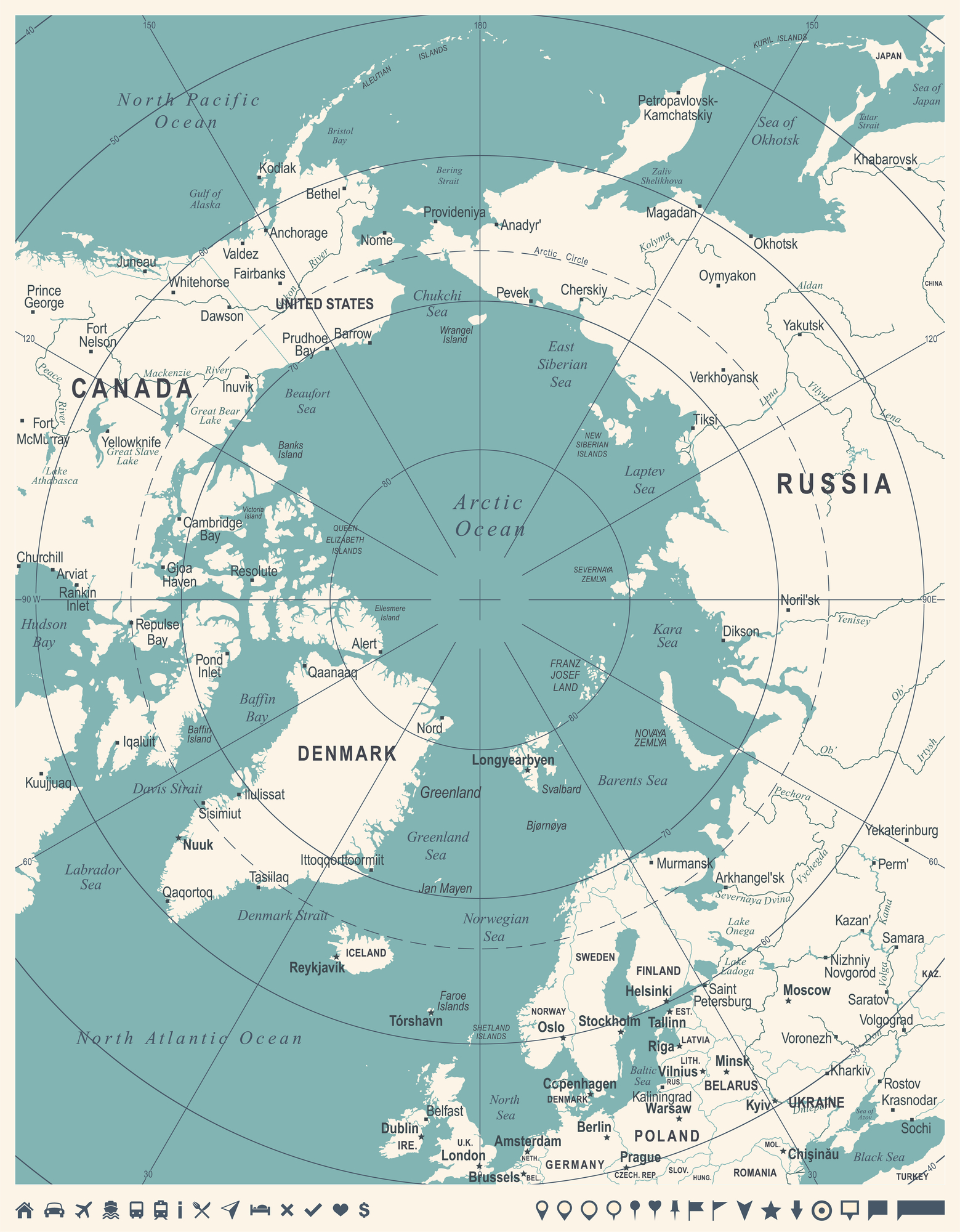
Unlike Antarctica, which is a continent surrounded by ocean, the Arctic is an ocean encircled by land. The Arctic Ocean sits at the center, bordered by North America, Greenland, Europe, and Asia.
Much of what people picture as solid white terrain is actually sea ice floating on water. This distinction matters.
Sea ice forms and melts with the seasons, expanding in winter and shrinking in summer. Polar bears depend on this floating platform to hunt, rest, and travel.
When the ice shifts, their entire world shifts with it.
Sea Ice Is The Arctic’s Foundation
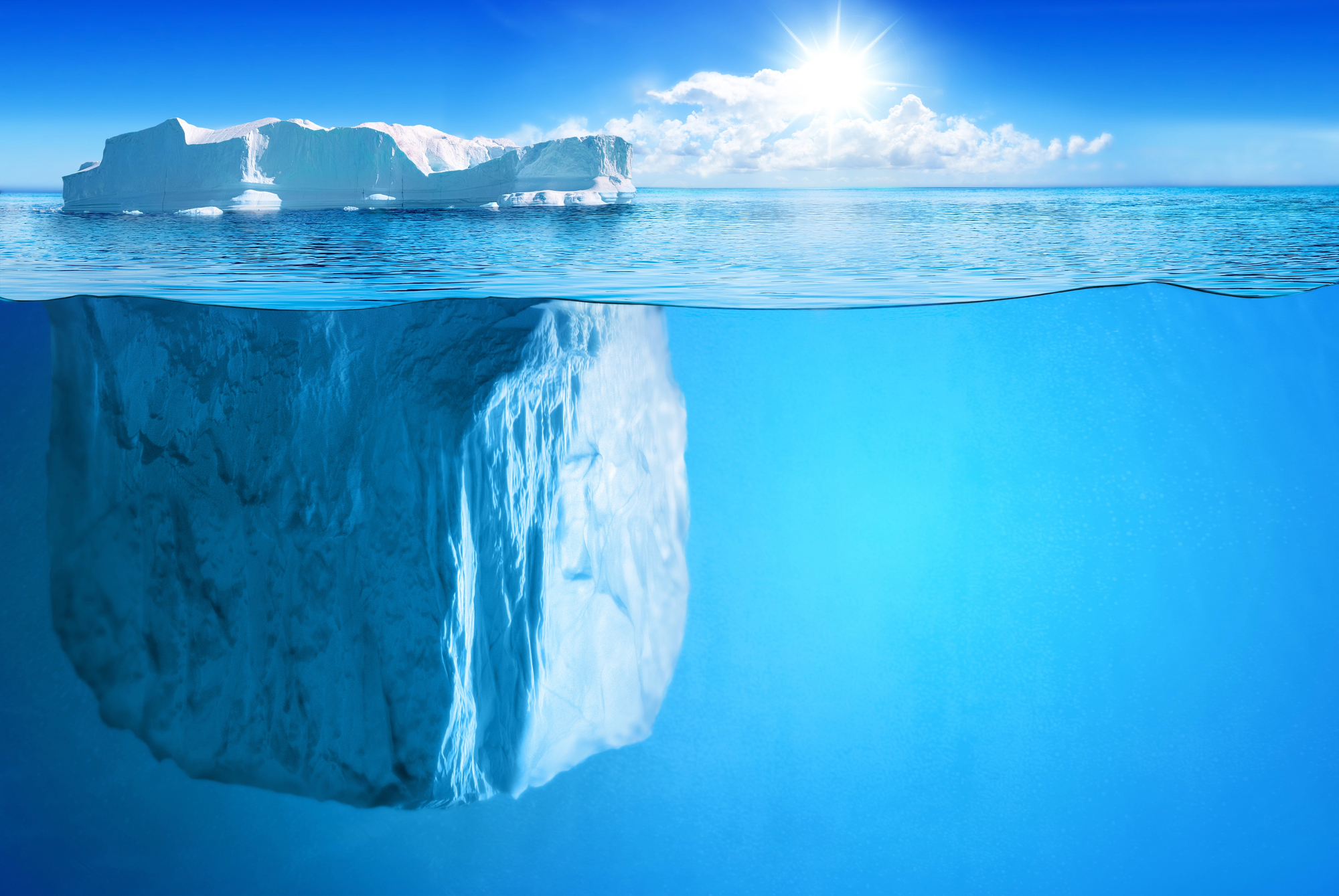
Sea ice is not just frozen water; it is the structural base of the Arctic ecosystem. It reflects sunlight back into space, helping regulate global temperatures.
It also provides critical habitat for algae, seals, and ultimately polar bears. Over the past few decades, satellite data has shown a steady decline in Arctic sea ice extent, particularly in late summer.
In some regions, ice that once lasted year-round now melts completely before reforming. For a species that relies on stable ice to hunt seals, shorter ice seasons translate into longer fasting periods.
Polar Bears Are Built For Extreme Cold
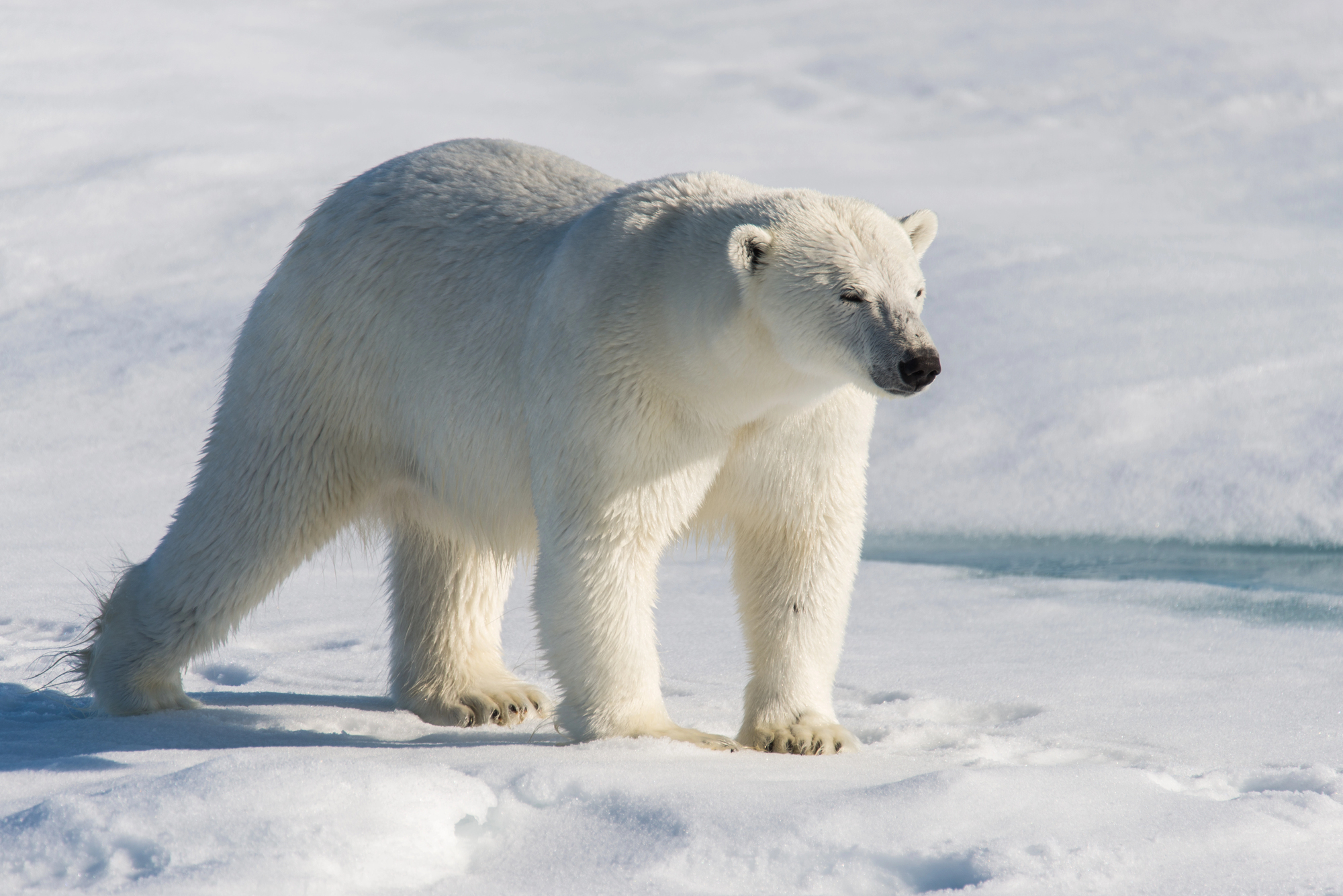
Polar bears are often described as white, but their fur is actually translucent, designed to trap and scatter light. Beneath that fur lies black skin, which absorbs heat from the sun.
They also carry up to four inches of fat, an insulating layer that keeps them warm in temperatures that can plunge below minus 40 degrees Fahrenheit. Even their paws are engineered for survival.
Wide and slightly rough, they act like snowshoes, distributing weight across thin ice. Small bumps on the soles provide traction, helping them grip slick surfaces.
Every part of their body reflects thousands of years of adaptation to one of the harshest climates on Earth.
They Are Powerful Long-Distance Swimmers
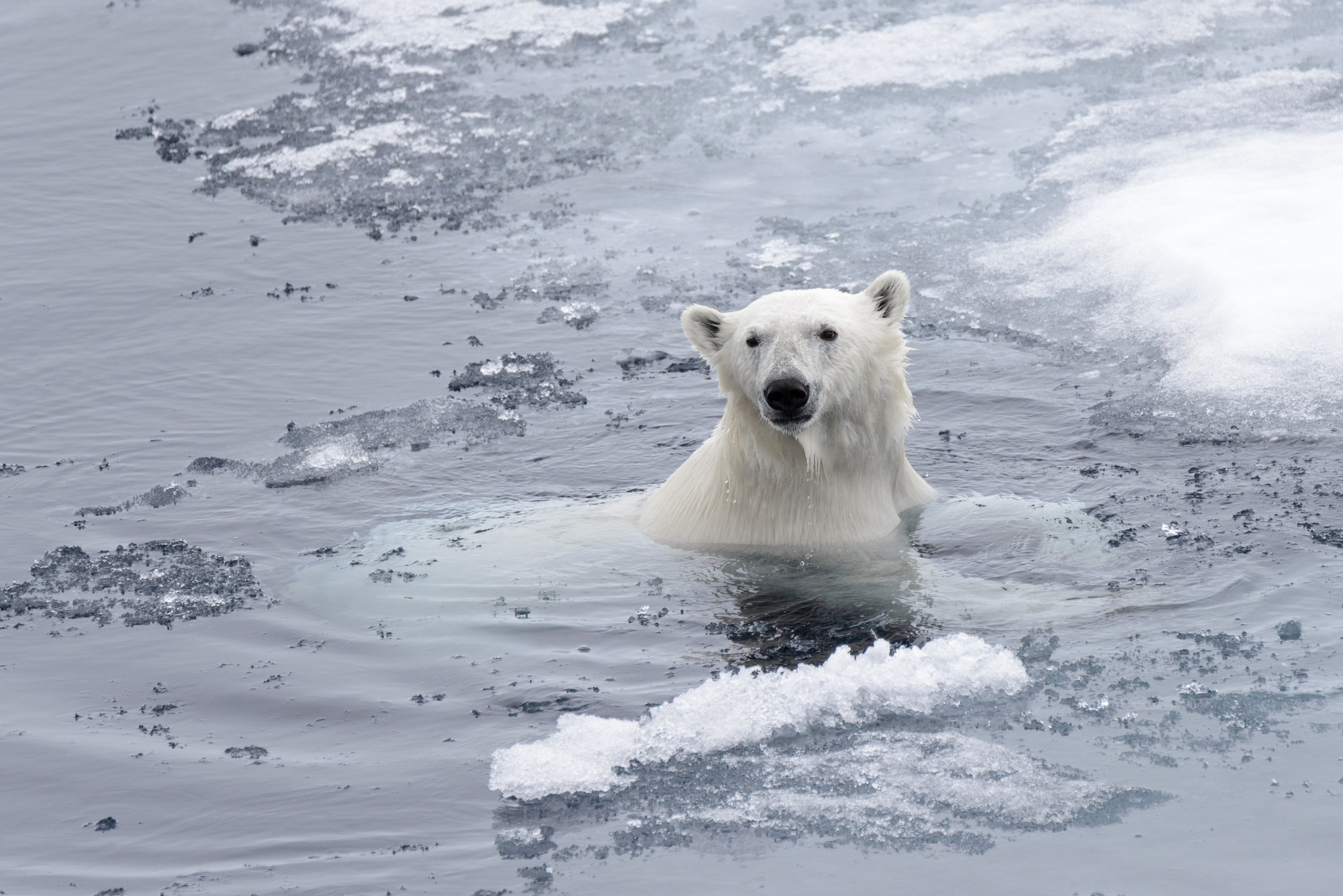
Polar bears are capable swimmers, often traveling between ice floes in search of food. Documented swims have stretched over 100 miles without a break.
Their large front paws function like paddles, propelling them steadily through icy water. Still, longer swims come with risks.
As sea ice retreats farther from shore, bears may need to cover greater distances to find stable platforms. Extended swimming can exhaust them and reduce survival rates, especially for cubs.
Strength alone does not offset the consequences of a changing landscape.
The Arctic Experiences Extreme Light Cycles
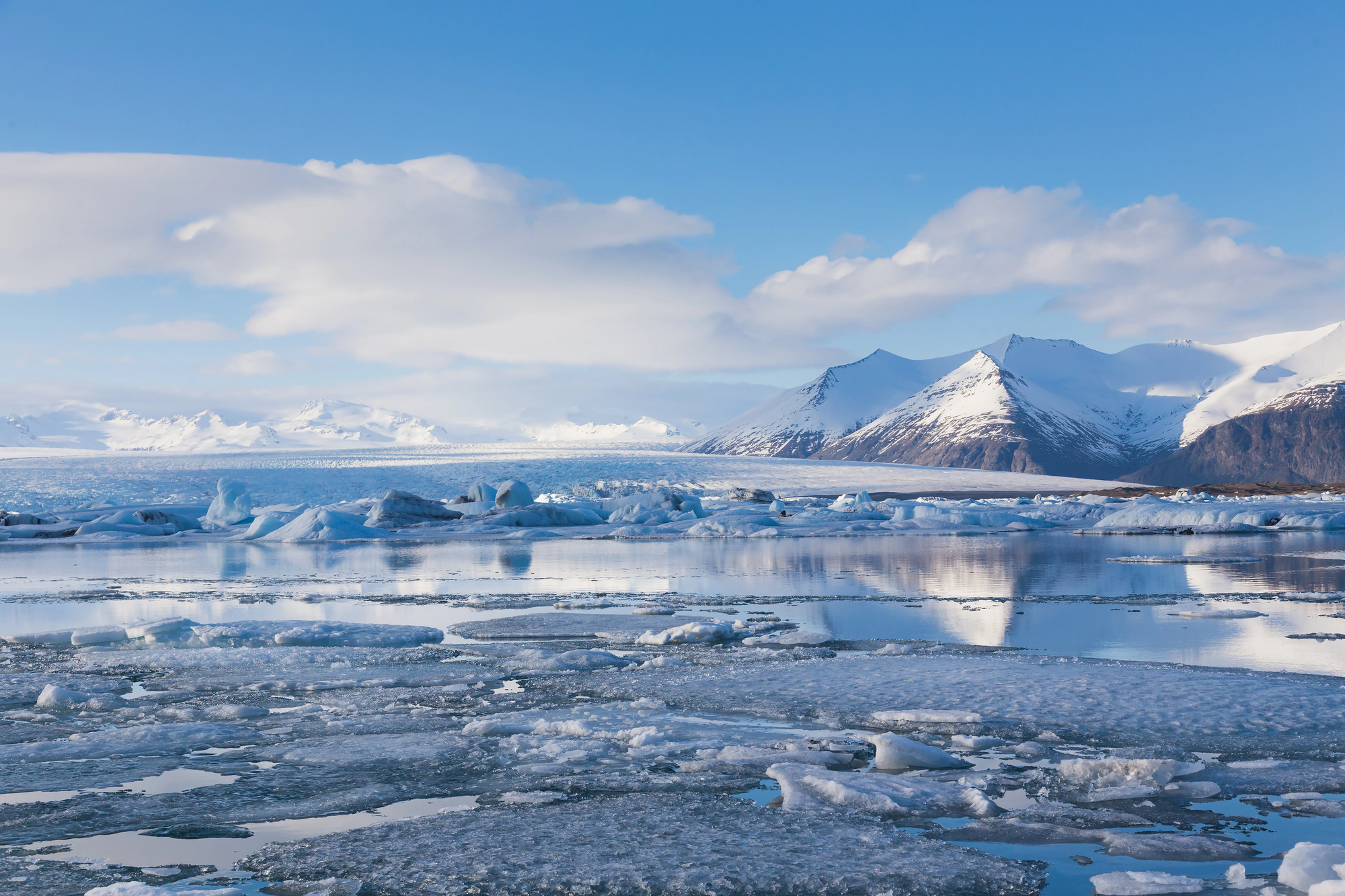
The Arctic’s position at the top of the globe creates dramatic seasonal shifts in daylight. In summer, some areas experience the ‘midnight sun,’ where the sun remains visible for 24 hours a day.
In winter, the opposite occurs, with extended periods of darkness known as polar night. These cycles influence everything from animal migration to human routines.
Polar bears adjust their hunting patterns according to light and ice conditions. For people living in Arctic communities, daily life follows rhythms shaped by months of brightness or shadow, rather than the typical sunrise-sunset schedule.
Indigenous Communities Have Lived Here For Thousands Of Years
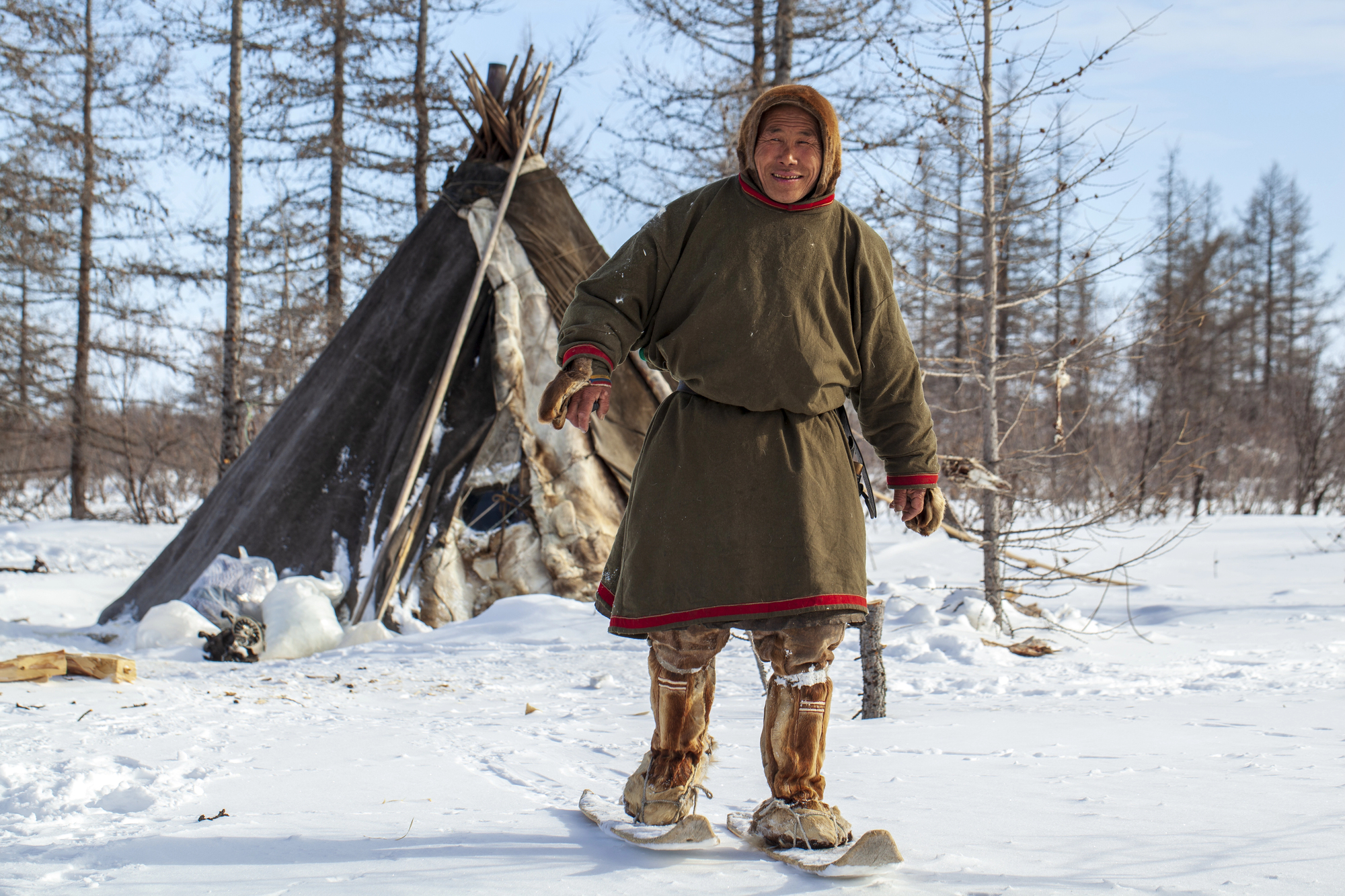
Long before modern climate discussions, Indigenous peoples thrived in the Arctic. Inuit communities across Alaska, Canada, and Greenland developed deep knowledge of sea ice, wildlife, and seasonal patterns.
Their survival depended on understanding subtle environmental cues. Polar bears hold cultural significance in many Arctic traditions, symbolizing strength and resilience.
International Polar Bear Day often highlights scientific research, but it also connects to generations of lived experience. Conservation conversations increasingly recognize that local knowledge is not supplemental; it is essential.
Polar Bears Rely Primarily On Seals
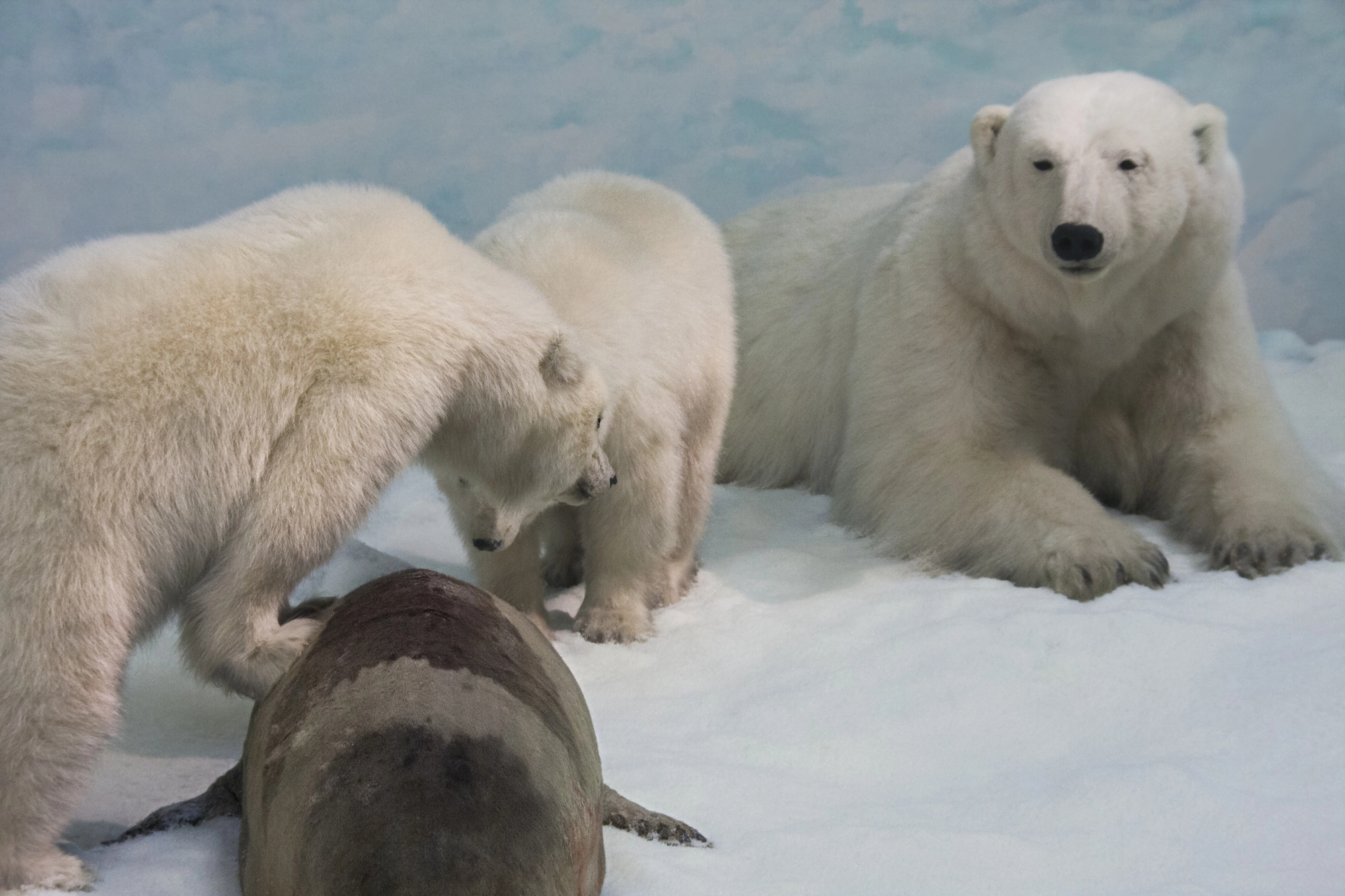
Despite their size, polar bears are specialized hunters. Their main prey is ringed and bearded seals, which they catch by waiting patiently at breathing openings in the ice.
This method requires stable sea ice and predictable seal activity. When ice breaks up earlier in the season, access to seals declines.
Bears may turn to alternative food sources on land, but these do not provide the same high-fat energy seals offer. The Arctic food web is tightly linked, and small shifts ripple outward.
The Arctic Is Warming Faster Than The Global Average
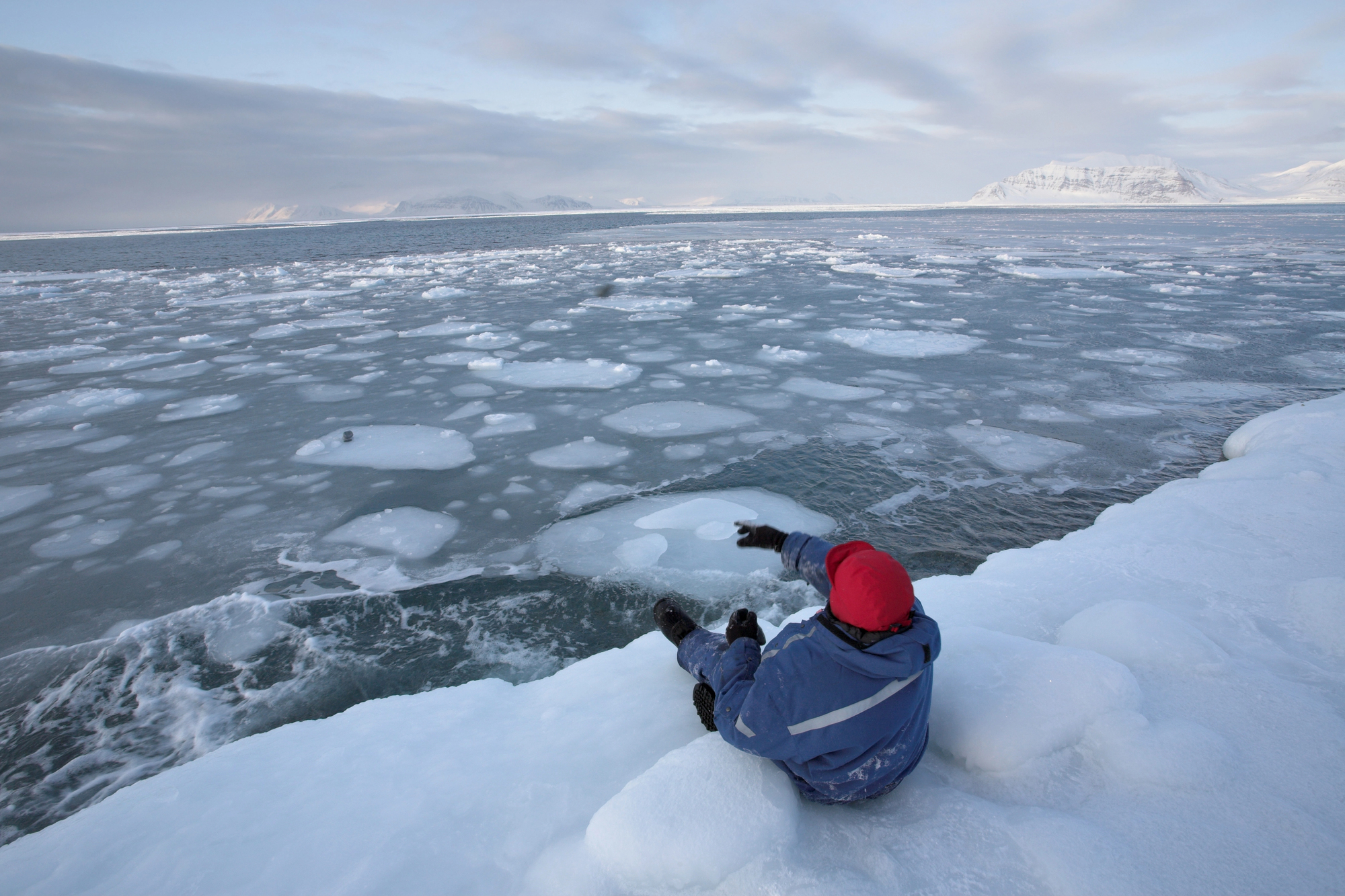
The Arctic is warming at roughly four times the global average rate, a phenomenon known as Arctic amplification. As sea ice shrinks, darker ocean water absorbs more sunlight, accelerating warming in a feedback loop.
This rapid change affects not only polar bears but the entire planet. Altered Arctic temperatures influence weather patterns far beyond the region, contributing to shifts in storms and seasonal extremes in North America and Europe.
What happens in the Arctic does not stay in the Arctic.
Polar Bear Populations Vary By Region
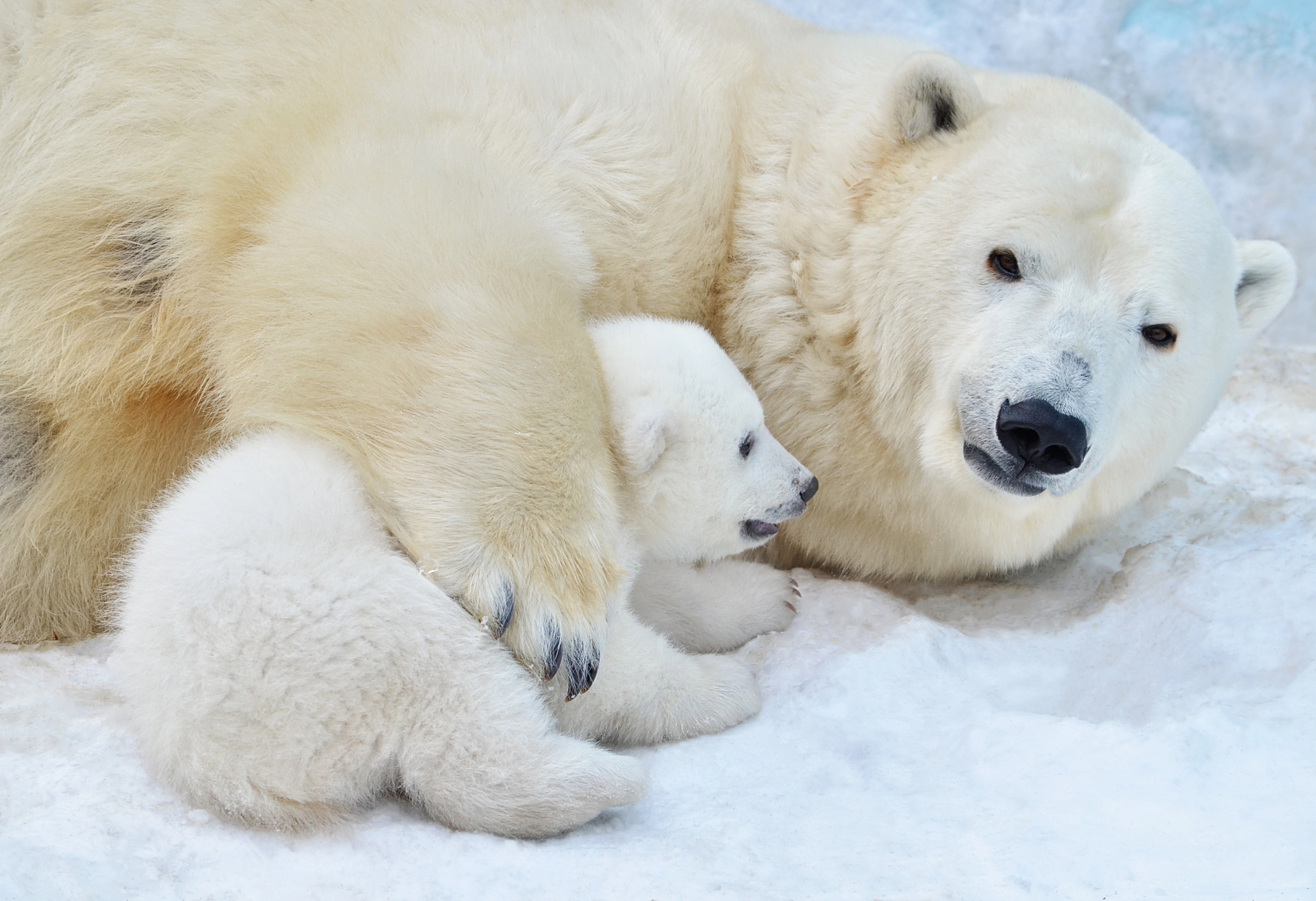
There are 19 recognized subpopulations of polar bears across the Arctic. Some are stable, while others are declining.
Population trends depend on local ice conditions, hunting regulations, and conservation measures. In certain areas, bears have adapted to seasonal ice loss better than expected.
In others, reduced access to food has led to lower body weights and fewer cubs surviving to adulthood. Broad generalizations overlook the complexity of regional differences, which is why ongoing monitoring remains crucial.
International Polar Bear Day Centers On Energy Awareness
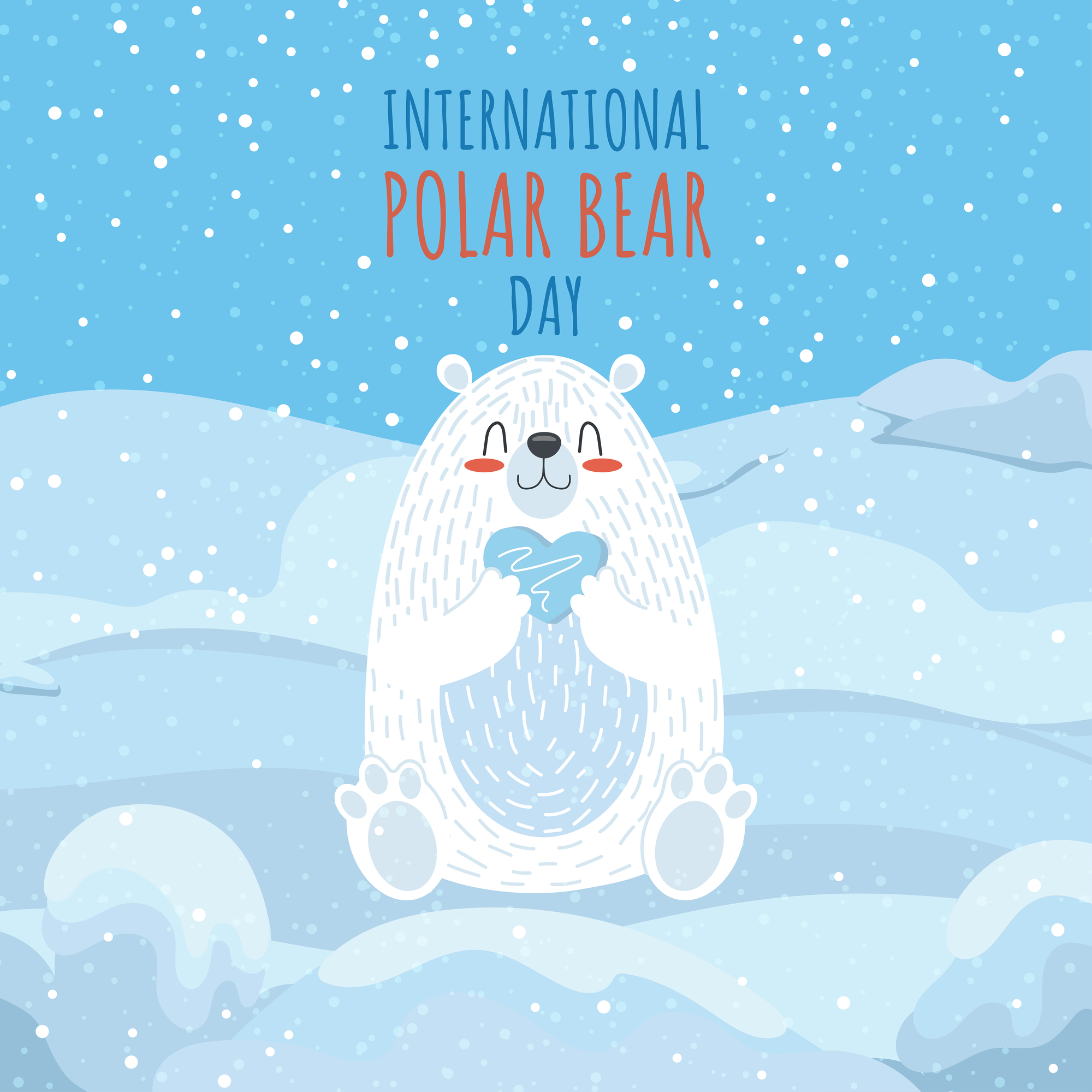
International Polar Bear Day was established by the conservation group Polar Bears International to coincide with the time of year when many mother bears are in dens with their newborn cubs. The day encourages energy conservation and actions that reduce greenhouse gas emissions.
The focus is practical rather than symbolic. Small choices around energy use, especially in colder months, directly relate to the conditions shaping Arctic sea ice.
The day serves as a reminder that distant ecosystems are linked to everyday decisions in homes and cities thousands of miles away.
The Arctic Ocean Is Becoming More Accessible
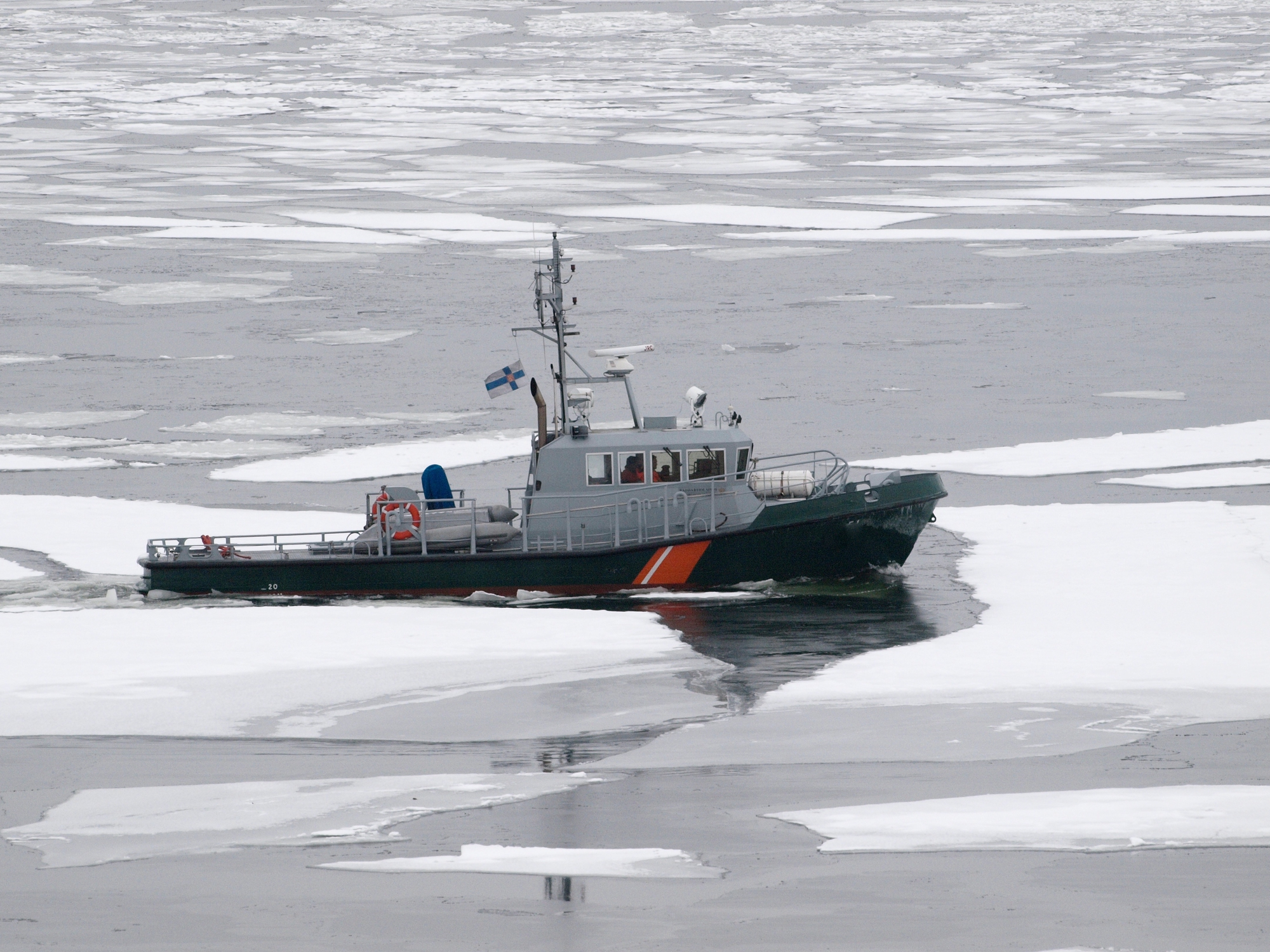
As sea ice diminishes, shipping routes through the Arctic are becoming more navigable during summer months. The Northern Sea Route along Russia’s coast and the Northwest Passage through Canada have seen increased traffic in recent years.
Greater access brings economic opportunity, but also environmental risk. Oil exploration, shipping accidents, and noise pollution introduce new pressures into a region already undergoing rapid transformation.
Managing these changes requires careful coordination among Arctic nations.
Conservation Efforts Span International Borders
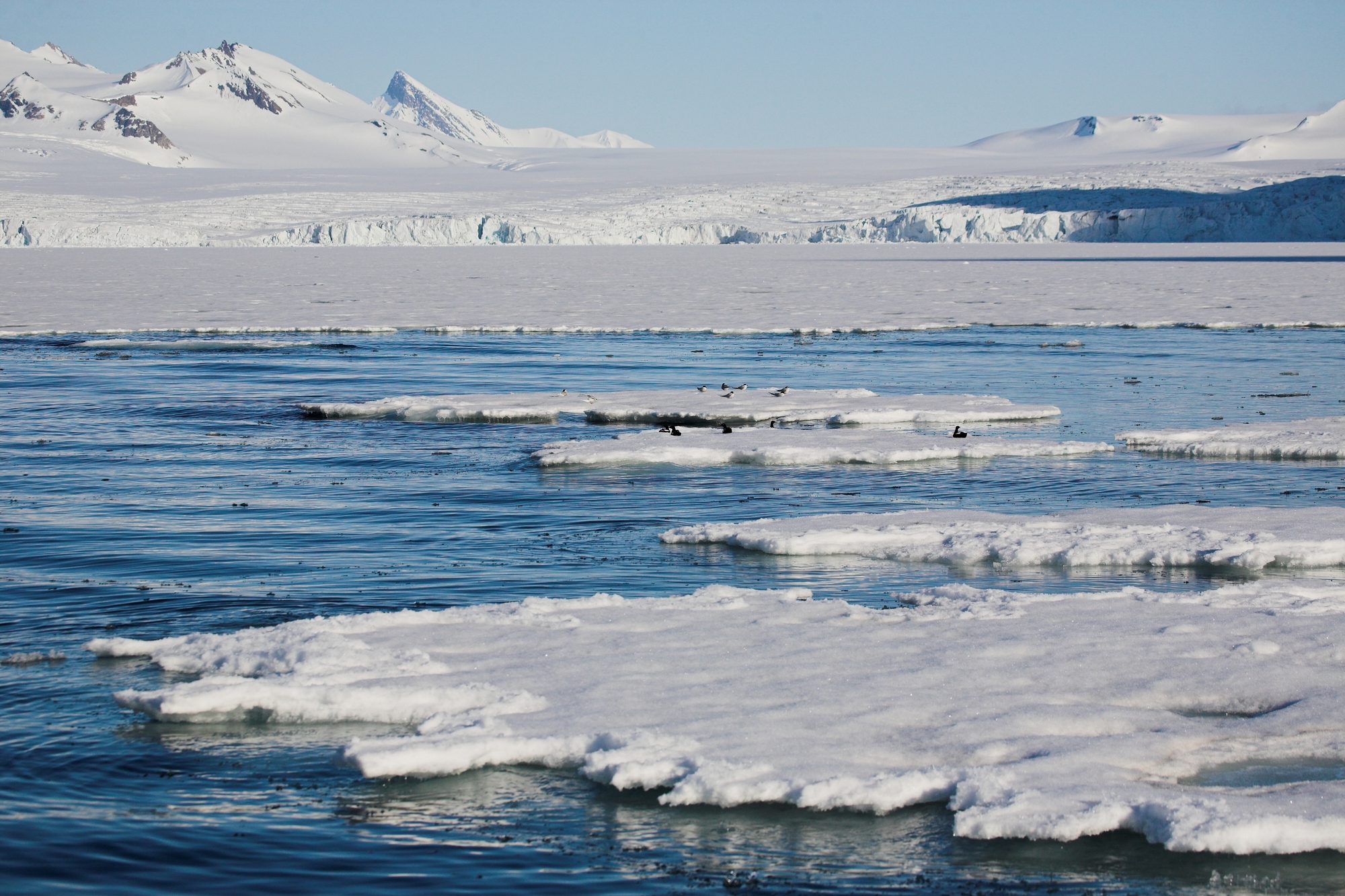
Polar bears roam across national boundaries, moving between territories in search of food and breeding areas. The 1973 Agreement on the Conservation of Polar Bears, signed by five Arctic nations, marked one of the earliest international wildlife treaties focused on a single species.
Since then, conservation strategies have expanded to include research, habitat protection, and sustainable management practices. Cooperation remains central.
The Arctic does not operate within political lines drawn on maps, and effective protection depends on shared responsibility.
The Arctic’s Future Is Still Being Written
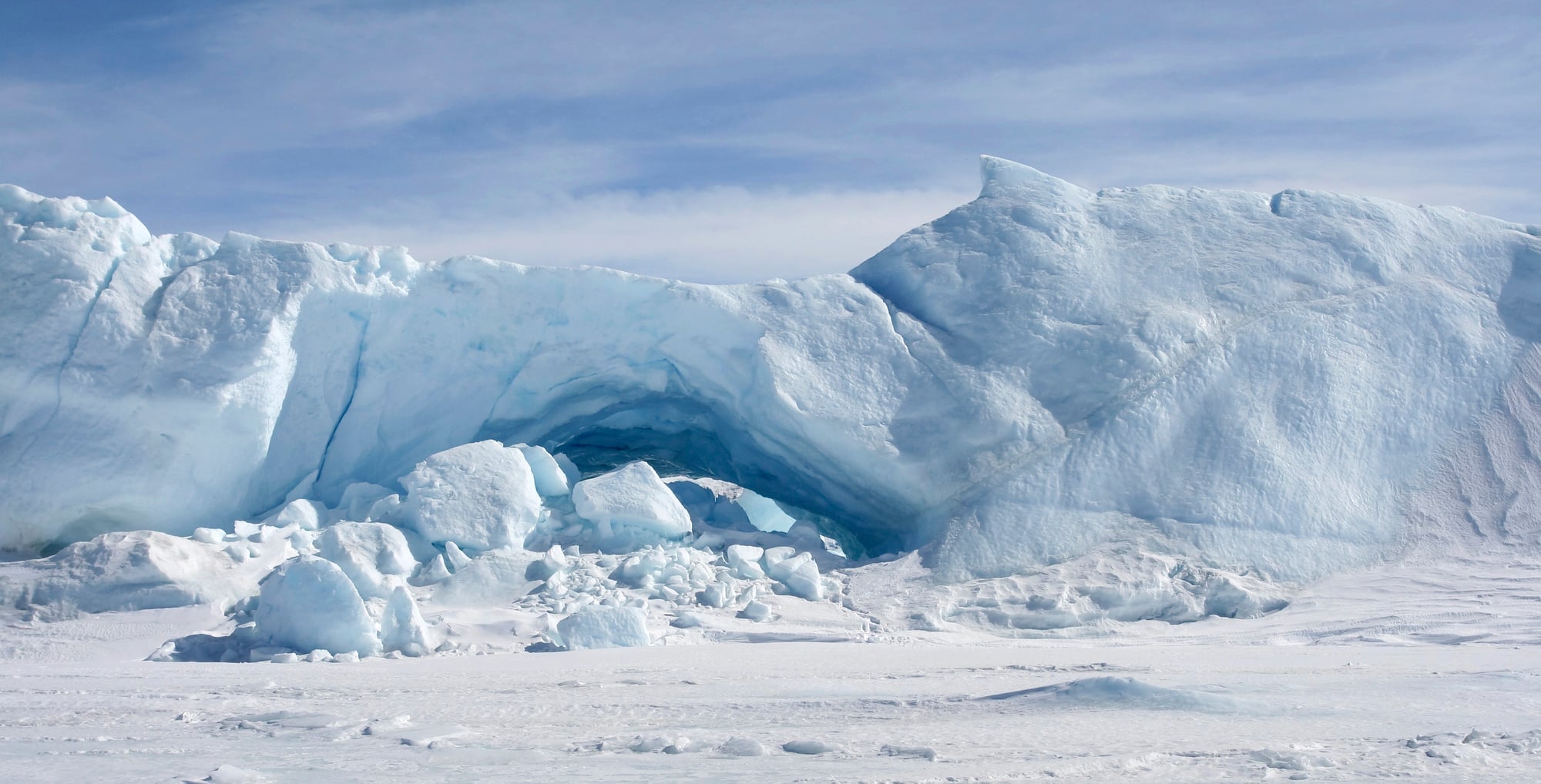
Despite headlines that often lean toward alarm, the Arctic story is not fixed. Scientific research continues to refine understanding of ice trends, bear behavior, and ecosystem responses.
Some regions show signs of resilience, while others highlight the urgency of mitigation. International Polar Bear Day is not simply about celebrating an iconic animal.
It is about recognizing a region in transition and acknowledging that its trajectory is shaped by collective choices. The Arctic has endured dramatic shifts before, but the pace of current change is historically unusual.
Why The Arctic Still Matters
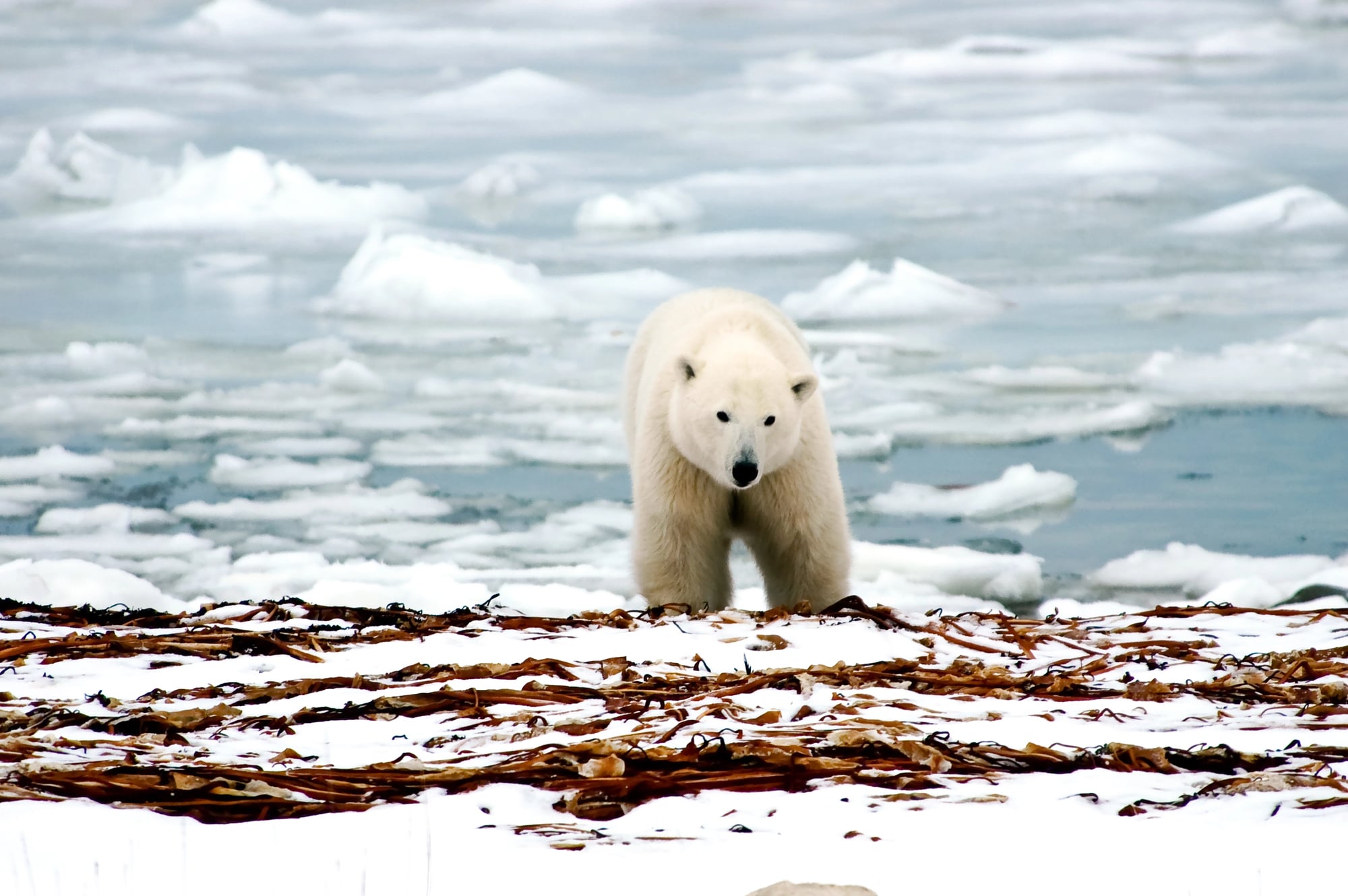
Out there beyond reach, the Arctic used to seem like a place you could forget. Now, seen from above, its shrinking frost gives proof – year after year – of shifts underway.
Not delicate oddities, yet tied tightly to solid sea ice, polar bears show what’s shifting in real time. Polar Bear Day links old times with today, quietly.
A creature built for frozen worlds stands as witness, showing us cold ground might not stay solid. Right now matters more than later when listening to what the North says through wind and thaw.
This tale keeps moving, shaped by choices made before it ends.
More from Go2Tutors!

- The Romanov Crown Jewels and Their Tragic Fate
- 13 Historical Mysteries That Science Still Can’t Solve
- Famous Hoaxes That Fooled the World for Years
- 15 Child Stars with Tragic Adult Lives
- 16 Famous Jewelry Pieces in History
Like Go2Tutors’s content? Follow us on MSN.