15 Time Magazine Persons Of the Year You Forgot
Time has been naming a Person of the Year since 1927, which means the list runs almost a hundred years deep. The famous ones get remembered — Churchill, Einstein, Martin Luther King Jr., Gorbachev.
But buried in the archive are selections that stopped the conversation at the time and then quietly disappeared from cultural memory. Some were groups rather than individuals.
Some were chosen for reasons that made complete sense in their year and very little sense decades later. And a few were so unexpected — or so deliberately infuriating— that they say more about the moment Time was living in than the person or thing being honoured.
Here are 15 that most people have completely forgotten.
Wallis Simpson (1936)
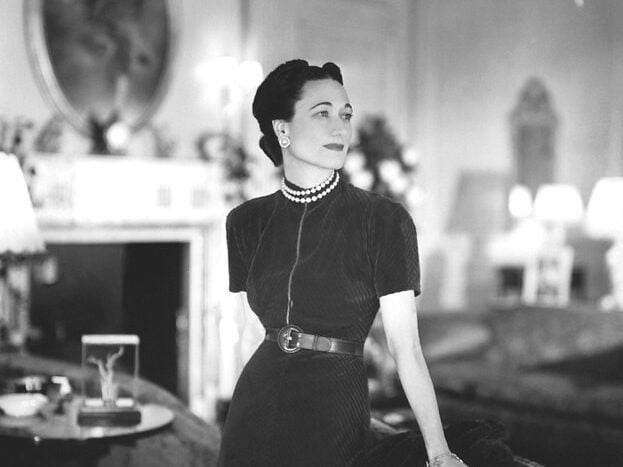
In 1936, Time made Wallis Simpson its first-ever female Person of the Year — not because she led a country or made a scientific discovery, but because her relationship with Edward VIII caused the British monarch to abdicate his throne. The editors framed it as a recognition of her extraordinary influence over world events.
She was an American divorcée, which was already scandalous. That she had destabilised the British monarchy made her, by Time’s definition, the person who had most shaped that year. Edward gave up the Crown.
She became the Duchess of Windsor. Time moved on.
History remembered the abdication more than it remembered her cover.
Haile Selassie (1935)
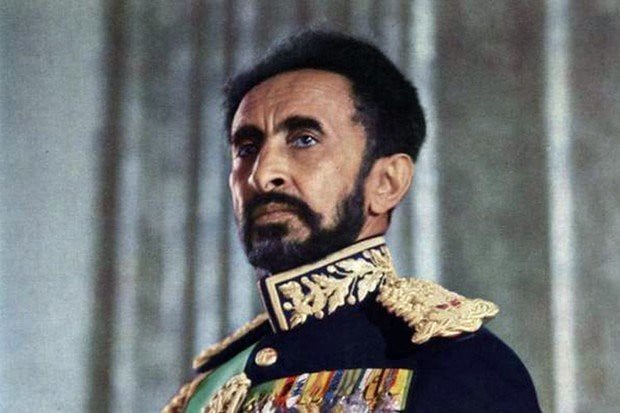
The Emperor of Ethiopia appeared on the cover after Italy invaded his country, an act of aggression that exposed the weakness of the League of Nations and signalled how ineffective the international community would be in the years leading to World War II. Selassie’s attempts to rally support — including a dignified speech to the League’s assembly in Geneva — drew global attention to both the man and the crisis.
He’s remembered today primarily within Rastafarian religion, where he holds a sacred status that has nothing to do with Time’s selection. In 1935, he was simply a head of state standing alone against a European military power, and that was enough.
Chiang Kai-shek and Madame Chiang Kai-shek (1937)
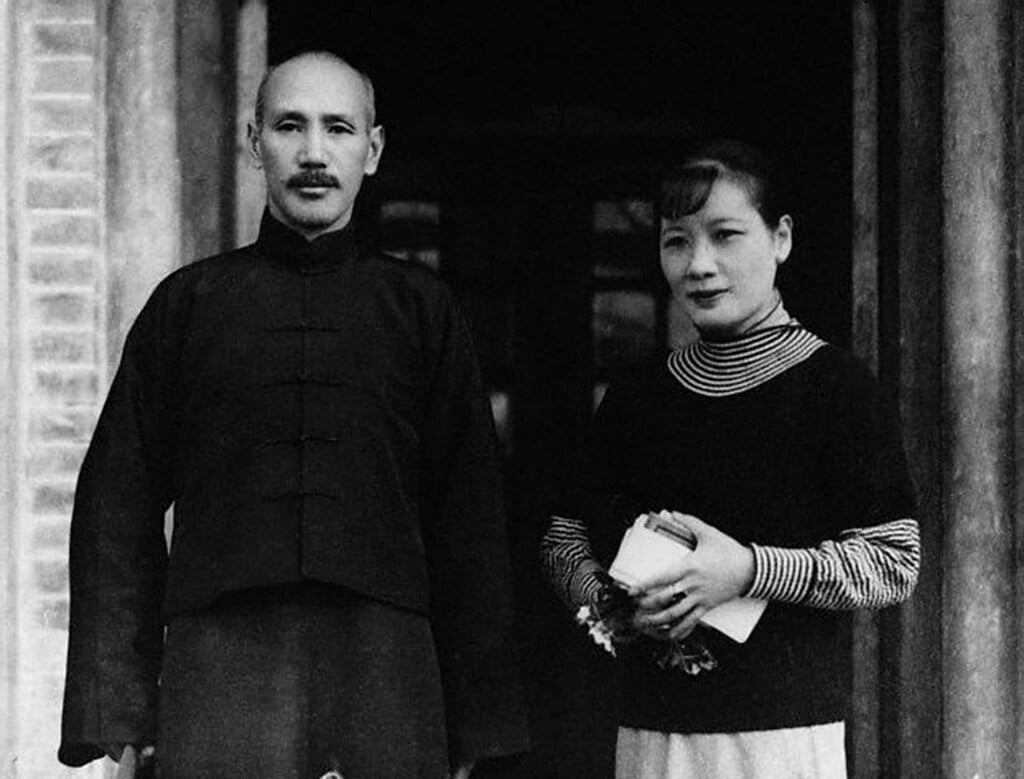
Time gave the honour to both the Chinese Generalissimo and his wife — the first couple to share the distinction — as China faced a full-scale Japanese invasion. Madame Chiang, born Soong Mei-ling and educated in the United States, was widely seen as the more strategically minded of the two, and her ability to navigate Western press and political opinion made her arguably the more influential figure of the pair.
She later toured the US and addressed Congress to considerable effect. The couple’s legacy in China is complicated by the civil war that followed and the eventual retreat to Taiwan.
The 1937 selection tends to be remembered only by historians.
The American Fighting-Man (1950)
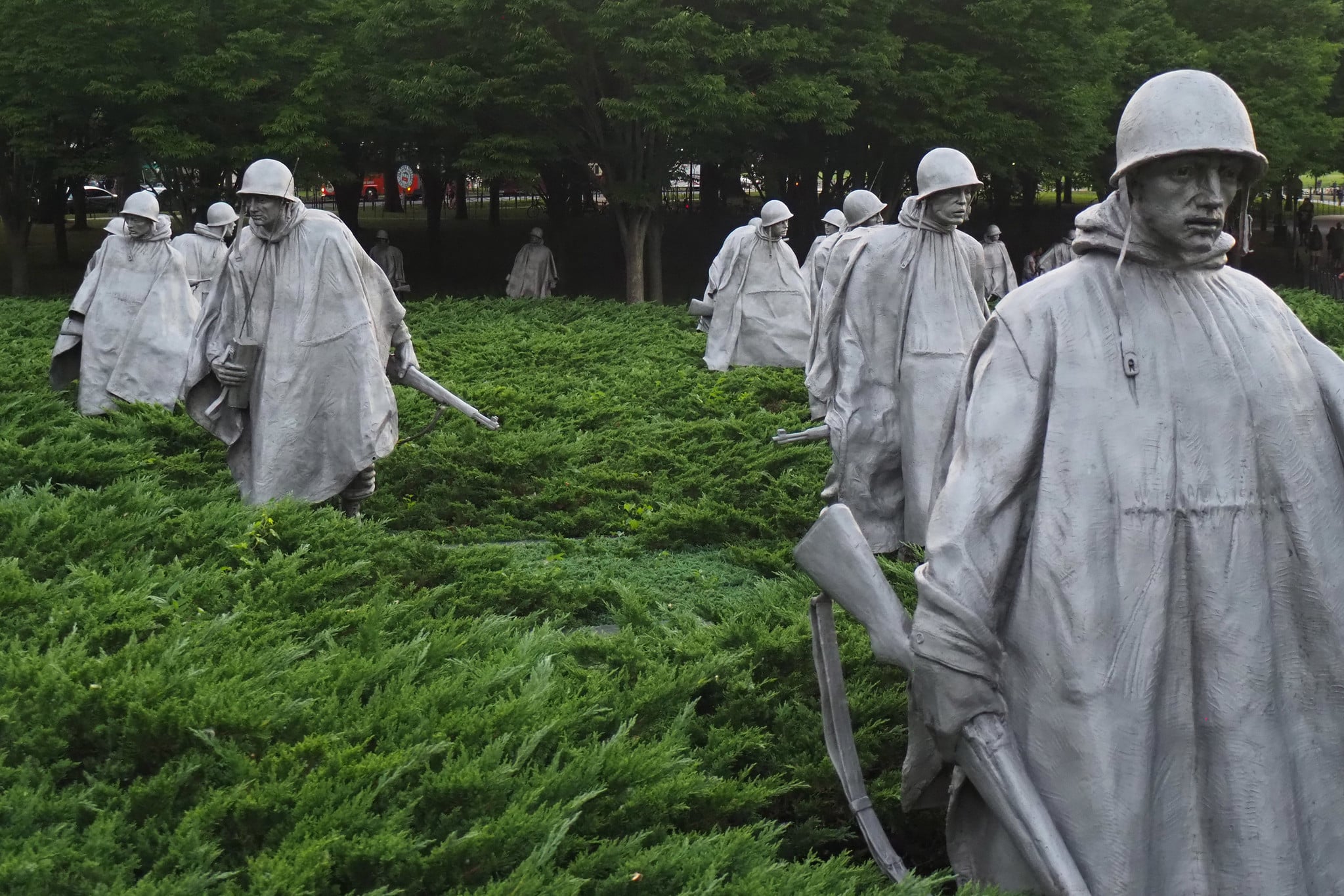
The year the Korean War began in earnest, Time chose not an individual but a type — the American soldier. The cover showed a composite illustration of a serviceman, representing the hundreds of thousands deployed to a conflict that was already being called difficult to explain to the public back home.
Korea was never given the retrospective weight of the wars that bracketed it. The soldiers who fought it became part of what historians later called the Forgotten War.
Time’s 1950 selection, in retrospect, has the same quality — acknowledged at the time, largely invisible since.
The Hungarian Freedom Fighter (1956)
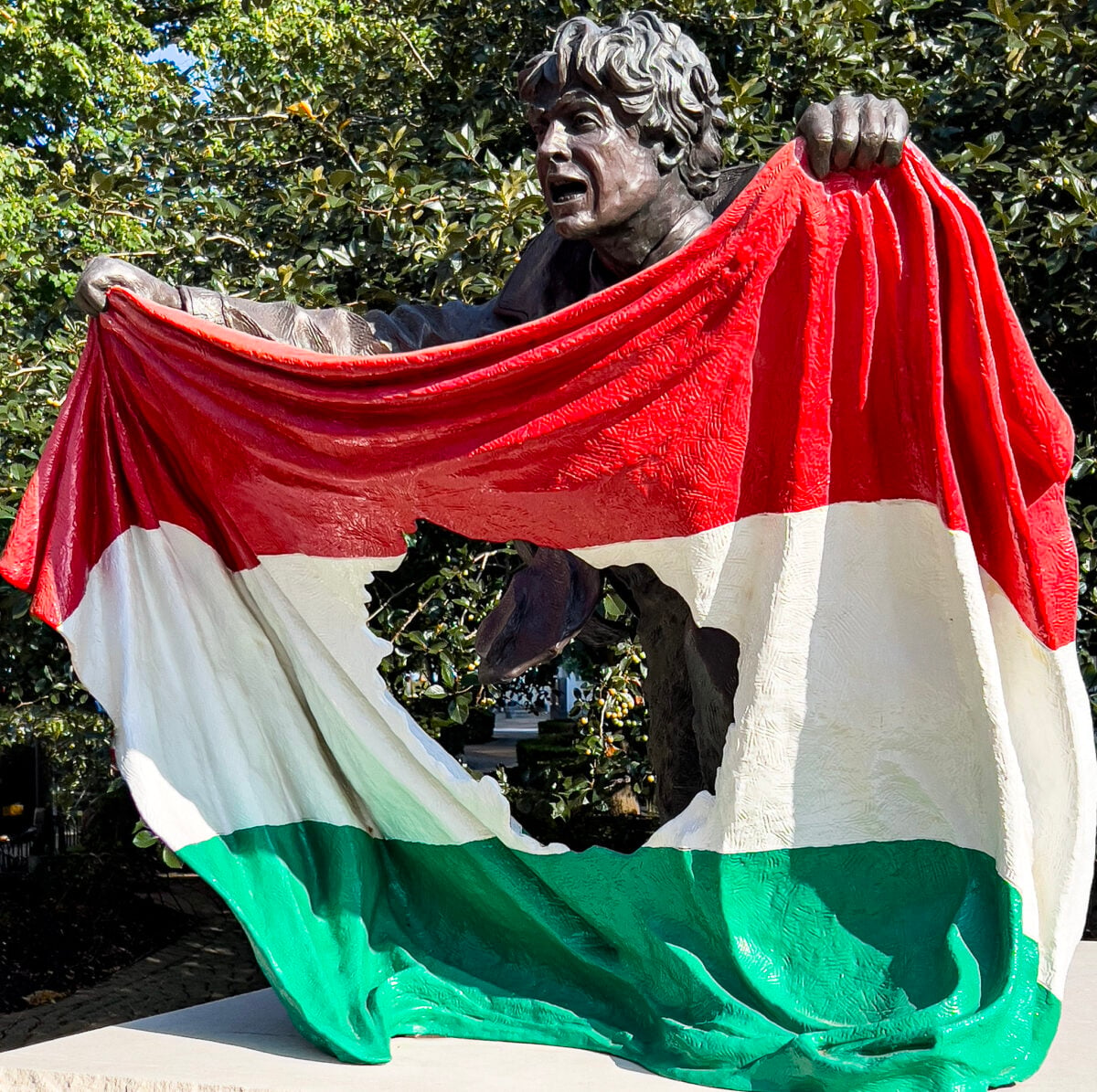
When Soviet tanks rolled into Budapest to crush the Hungarian uprising, the images of ordinary Hungarians throwing themselves against a military superpower captured the world’s attention. Time selected not a named individual but the anonymous figure of the freedom fighter — a young person, often a student, who had picked up a weapon against the USSR and lost.
The uprising failed. The freedom fighters were killed, imprisoned, or fled into exile.
Time’s choice was a rare instance of the magazine honouring defeat and the people who suffered it, rather than victory and the people who caused it.
U.S. Scientists (1960)

Fifteen scientists appeared on the cover in 1960 in a group selection designed to represent American scientific achievement during the Cold War space race. Among them were figures who would go on to lasting recognition — Linus Pauling, Edward Teller — but the selection as a whole was made as a collective statement about science as a national priority rather than individual genius.
The cover is dense with faces and the kind of confident mid-century optimism about where science was taking humanity that feels very specific to its era. Most of the fifteen names require a search engine now.
The Younger Generation (1966)
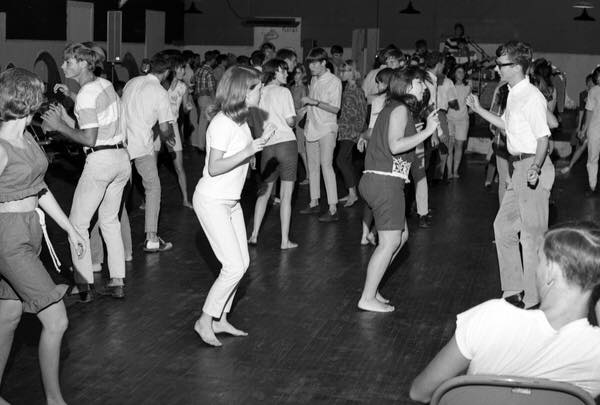
In 1966, Time chose not a person at all but a demographic: people under 25. The selection was partly a recognition of the enormous size of the baby boom generation now coming of age, and partly a response to the cultural upheaval they were causing — in music, politics, and attitudes toward pretty much everything that had come before.
The cover used an illustrated collage of young faces and bold typography. It reads now as a document of how the establishment press attempted to categorise and understand something it found genuinely disorienting.
The generation in question is now in its seventies.
The Middle Americans (1969)
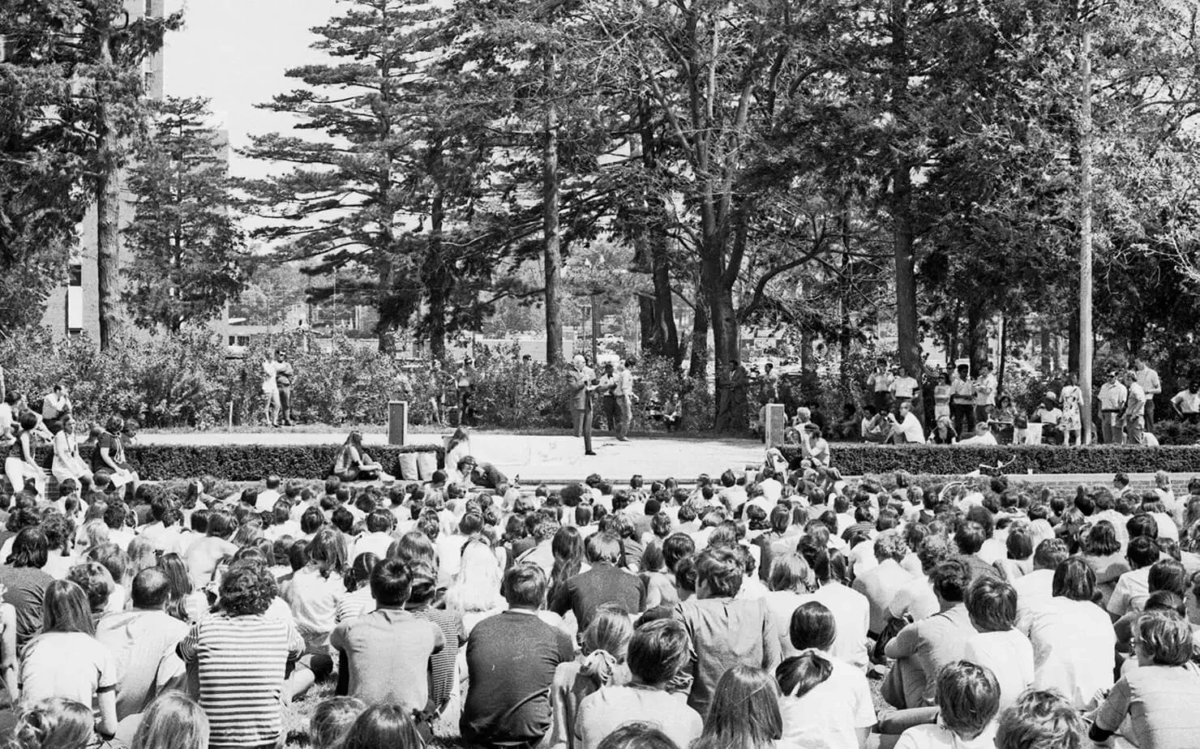
Three years after honouring the young generation, Time swung in the opposite direction. The Middle Americans — broadly, white working and middle-class Americans outside major cities who felt overlooked and resentful of the cultural changes happening around them — were chosen as a counterweight to the upheaval of the late 1960s.
It was one of Time’s more explicitly political selections, acknowledging a demographic that felt the country had lurched away from their values. The term “silent majority” was being used by Nixon at the same time.
The selection captured a tension in American life that didn’t go away.
King Faisal (1974)
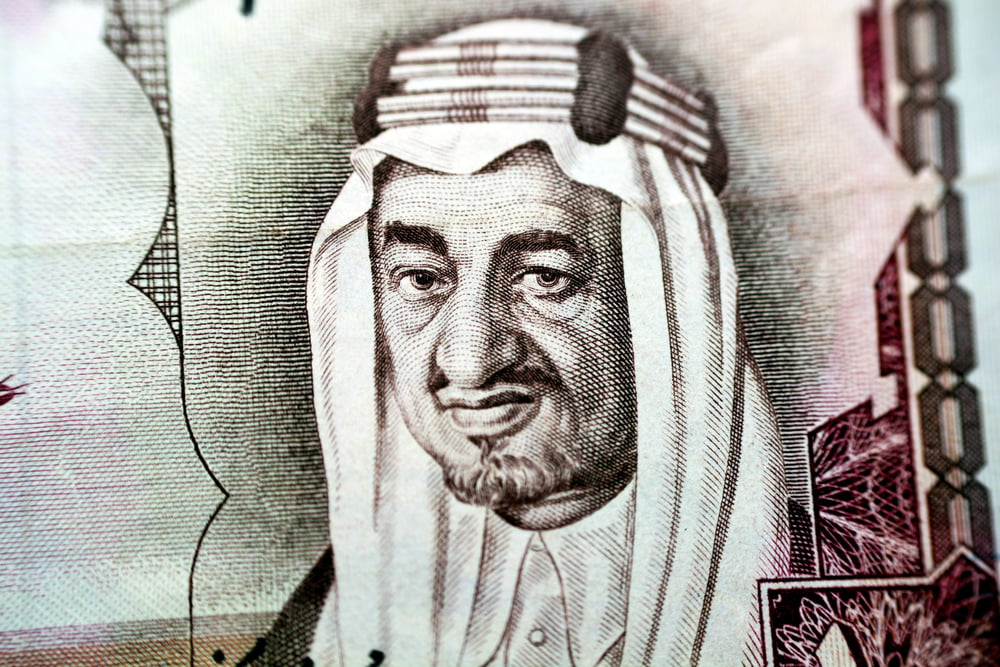
Saudi Arabia’s King Faisal was chosen in the year of the oil embargo, when OPEC’s decision to cut oil supplies to Western nations in response to support for Israel in the Yom Kippur War sent fuel prices through the roof and produced petrol queues stretching around city blocks across Europe and North America.
Faisal was the face of that decision. He was assassinated the following year. The oil shock he helped engineer changed Western economies, energy policy, and the geopolitical weight of the Gulf for decades.
The man at the centre of all of it is rarely the first name that comes up in those conversations now.
American Women (1975)

The year after King Faisal, Time chose American women collectively — recognising the women’s liberation movement and the legal and cultural changes it had produced in the preceding decade. The cover showed a group illustration of women in various roles and settings.
It was a broad selection covering an enormous amount of ground, which is perhaps why it hasn’t stuck as well as more specific choices. The movement itself continued.
The 1975 cover became a historical footnote rather than a landmark recognition, which tells you something about how these collective selections tend to age.
The Computer (1982)
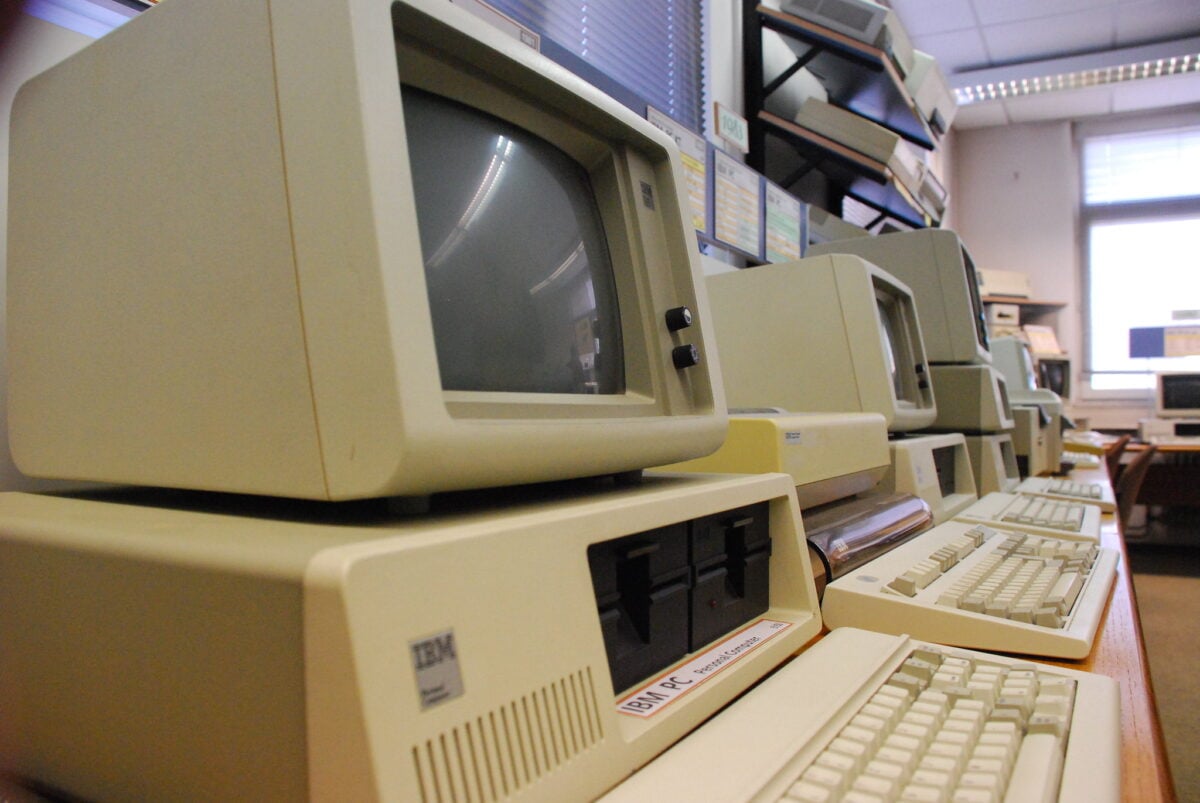
Time called it Machine of the Year, breaking from the “Person” framing entirely. The home computer — the IBM PC had launched the year before, and Apple was everywhere — was deemed to have had more influence on American life in 1982 than any individual human.
The cover showed a man sitting at a table, his face turned away from the camera, facing a glowing terminal. At the time it seemed prescient.
Looking back, it seems like something far short of what was actually coming. The computer changed more than Time’s editors could have imagined in 1982, which makes the selection feel almost quaint now.
The Endangered Earth (1988)

A globe swaddled in plastic stared from the cover. That was Time’s choice in 1988, slipping Earth into a spotlight usually saved for people.
The magazine tossed tradition aside, calling it Planet of the Year. Climate unease had begun to hum through public talk by then.
A wrapped world said what speeches could not. That moment cracked into view when the crisis could no longer be whispered about quietly.
Experts spent ages trying to sound the warning. Seeing it splashed across Time meant something else entirely.
A stark picture grabs hold even now. Most people have already lost track of the date.
The Whistleblowers (2002)

That year three women appeared together on the cover. First was Cynthia Cooper, who uncovered the deception at WorldCom.
Next came Coleen Rowley – her memo called out the FBI for ignoring signs before 9/11. Then there was Sherron Watkins, who raised alarms about false numbers at Enron long before it fell apart.
Truth often hides behind silence, but each of them stepped forward anyway. One by one they stood up, though it meant risking everything they’d worked for.
Recognition came slowly – Time’s choice showed how rare real courage is in systems built to stay quiet. Without someone stepping into the fire, some truths never see the light. Scandals fade from headlines: Enron, then WorldCom, soon forgotten.
Even faster, the people who exposed them vanish from view.
The Good Samaritans (2005)

That year, Bono appeared alongside Bill and Melinda Gates on the front of Time, spotlighting efforts outside government channels. His push to ease Africa’s debt burden stood next to the foundation’s moves against disease and lack of access.
The choice suggested something shifting – results once expected from states now coming from those with means and reach. Attention followed money, yet also purpose, persistence, and visibility.
What used to be diplomacy looked different when shaped by artists and donors. Some people questioned the choice right from the start – they saw praise for riches instead of service to others, feeling real impact at such levels only happens because money is gathered in few hands.
That doubt stuck around. The donors kept showing up just the same.
You (2006)

That same year YouTube began, and MySpace still led the online world. Time magazine picked “you” as its Person of the Year – the countless individuals creating content online.
A mirror-like square on the cover showed whoever held it. Ordinary people filled that frame.
Something seen as a sharp insight into real change might also have been a dodge, just avoiding names. Likely true to some degree.
Those places Time honored – MySpace, raw YouTube, first-draft blogs – are gone or unrecognizable today. Whoever claimed victory back then under that banner?
They’re elsewhere now, moving differently across the web.
The Ones That Captured a Year and Nothing Else

History often forgets moments that once felt overwhelming. One year a rebel stood tall, flames behind him, hope ahead.
Later on, the smoke cleared, and nobody looked back. A soldier saluted under gray skies while cameras clicked – important then, gone now.
The planet cracked open in photos, warnings everywhere, and everyone agreed it mattered. Still, time moved forward like a train switching tracks.
Some images stuck around. Others faded fast. Being right did not mean being remembered.
What sticks around longest isn’t always what we expect. Flipping old pages shows how sureness fades fast.
One era’s certainty becomes another’s footnote without warning. Editors pick milestones like they’re planting flags on solid ground – yet those markers shift.
Readers ahead might never recall today’s big names. Still, every twelve months brings fresh attempts to crown lasting significance, even if dust gathers quickly.
More from Go2Tutors!

- The Romanov Crown Jewels and Their Tragic Fate
- 13 Historical Mysteries That Science Still Can’t Solve
- Famous Hoaxes That Fooled the World for Years
- 15 Child Stars with Tragic Adult Lives
- 16 Famous Jewelry Pieces in History
Like Go2Tutors’s content? Follow us on MSN.



