Musicians Known for Hiding Their Identity
Something strange happens when you remove a face from music. The focus shifts entirely to the sound, the performance, the mystery itself.
Some artists figured this out early and built entire careers around anonymity. The reasons vary.
Some want creative freedom without the baggage of fame. Others use masks and personas to explore parts of themselves they can’t access otherwise.
A few just enjoy messing with people.
The French Robots Who Changed Dance Music
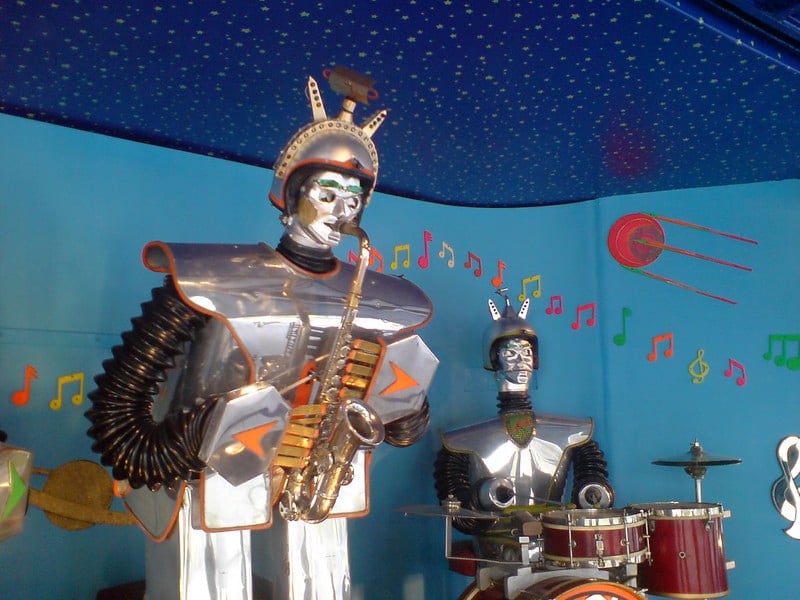
Daft Punk spent nearly three decades in matching helmets. Thomas Bangalter and Guy-Manuel de Homem-Christo became the helmets.
You couldn’t picture one without the other. The decision came from a specific place.
They wanted their music judged on its own merits, not on how they looked or who they dated. The robot personas gave them that distance.
When “One More Time” hit, nobody cared what the people inside the suits looked like. The music did all the talking.
They split up in 2021, but those helmets still define what electronic music can be when it prioritizes sound over celebrity.
The Marshmallow Head in Every Photo
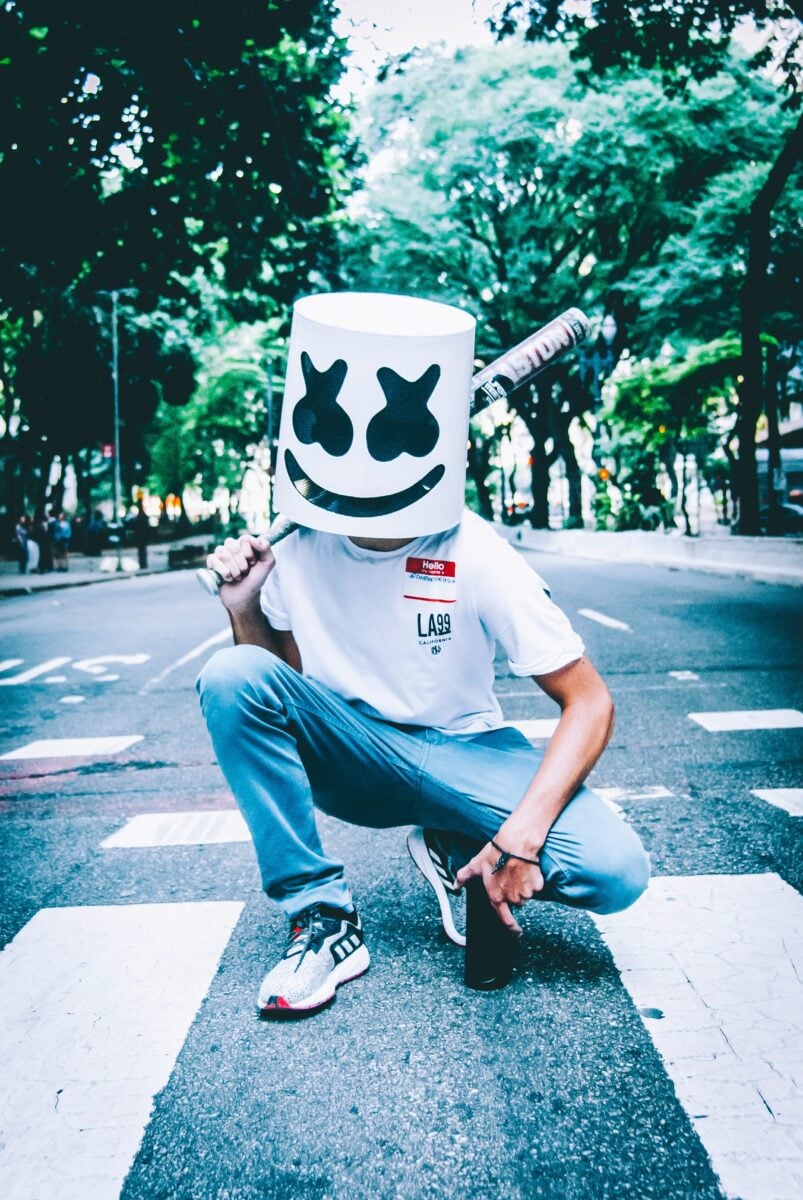
Marshmello took the mask concept and made it softer. Literally.
That giant marshmallow helmet became one of the most recognizable images in EDM. Chris Comstock plays the character, though he denied it for years.
The mask let him collaborate with major artists while maintaining the mystique. Kids love the character.
Parents don’t mind it. The branding works on every level.
His shows feature the helmet, bright colors, and music that hits hard without alienating casual listeners. The identity reveal barely mattered when it happened because the character had become bigger than the person.
The Mouse Who Hates Mickey
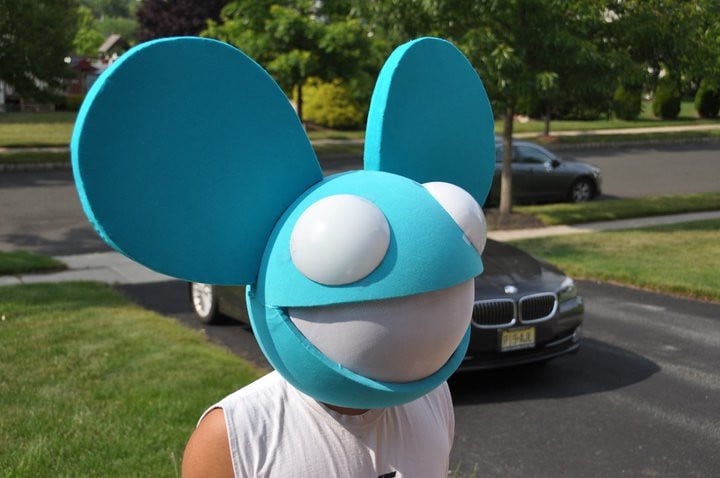
Deadmau5 wears a giant mouse head, but don’t mistake it for cute. Joel Zimmerman created the mau5head as a technical challenge first, a brand second.
The helmet has LED displays and changes for different performances. Some light up in sync with the music.
Others display pixel art or scrolling messages. The technology inside evolves constantly.
Zimmerman doesn’t hide his real identity. He talks openly online, shares opinions, gets into feuds.
The mouse head separates his stage presence from his everyday self without requiring total anonymity.
The Voice Hiding Behind the Wig

Sia started showing her face, then stopped. The blonde wig that covers her features became her trademark after years of traditional celebrity exposure wore her down.
Kate Isobelle Furler wanted to make music without the scrutiny. The wig gave her that option.
She performs with her back to the audience or has dancers like Maddie Ziegler perform in her place while she sings. Her voice carries the weight.
You don’t need to see her face to feel what she’s expressing. The decision to hide came from self-preservation, not gimmickry.
The Masked Villain of Hip-Hop
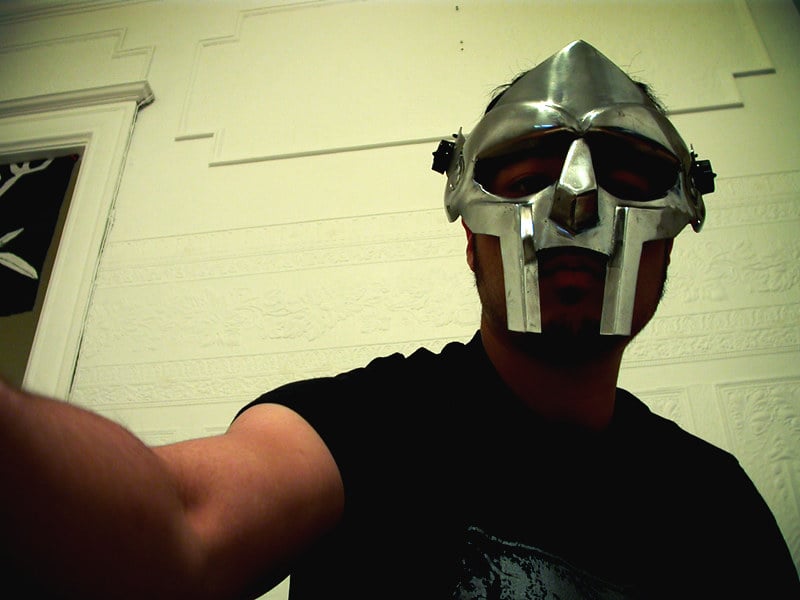
MF DOOM wore a metal mask inspired by Marvel Comics. Daniel Dumile built an entire mythology around the character, rapping about elaborate schemes and comic book plots.
The mask served multiple purposes. It referenced his favorite villain.
It protected his privacy. It let him send imposters to shows occasionally, which fans either loved or hated depending on their perspective.
DOOM passed away in 2020, but the mask lives on in hip-hop culture. Every underground rapper who prioritizes clever wordplay over image owes something to what he built.
The Cartoon Band That Felt Real
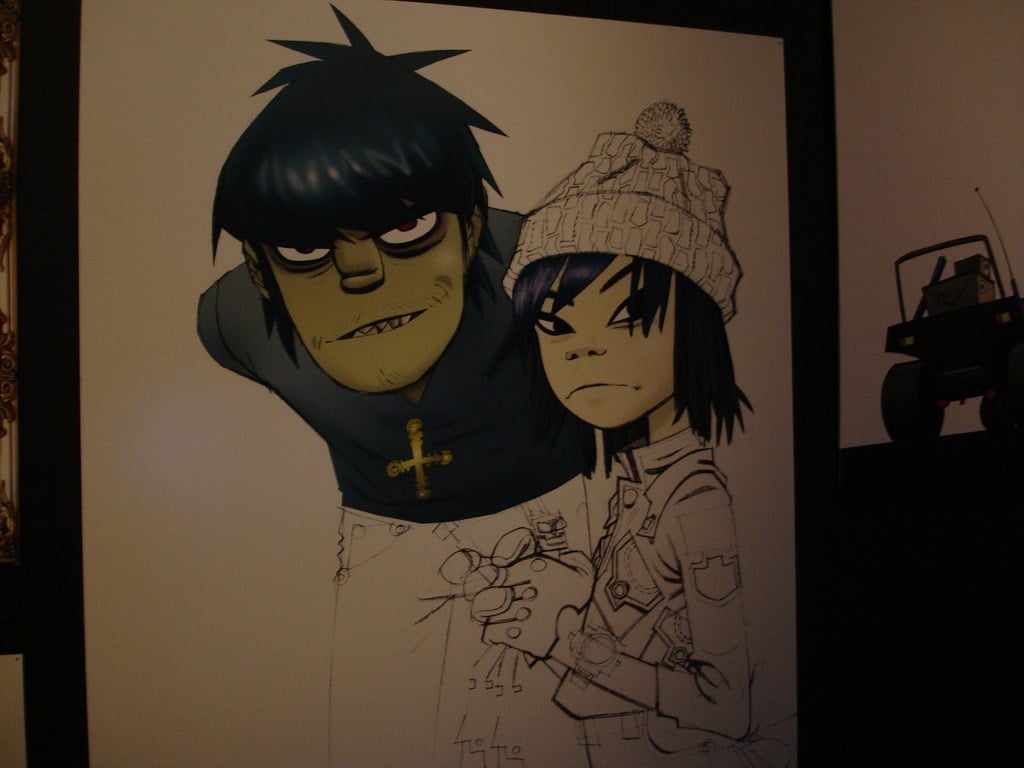
Gorillaz exist only as animations. Damon Albarn and Jamie Hewlett created four characters who would front the band while the humans stayed hidden.
The animated members have full backstories, relationships, and drama. They age across albums.
Fans connect with 2-D, Murdoc, Noodle, and Russel as if they were real people, which in a weird way, they are. The format lets collaborators shine without ego clashes.
When De La Soul or Little Simz appear on a track, they’re working with the cartoon characters, not competing with Albarn’s celebrity.
The Anonymous Collective Nobody Can Name
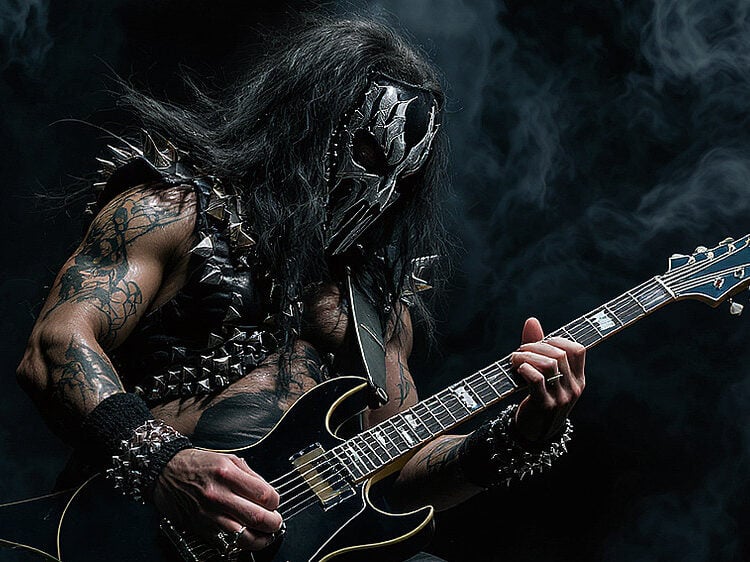
Sleep Token emerged from the UK with their identities completely obscured. The lead singer goes by Vessel.
The others use Roman numerals. They claim to worship a deity called Sleep and channel its messages through their music.
Whether you believe the mythology or see it as clever marketing, the music hits different when you can’t attach faces to it. Their shows feature elaborate staging and the same masks every time.
Fans respect anonymity. Nobody digs too hard into who they really are because breaking the spell would diminish the experience.
The Nine in Matching Jumpsuits
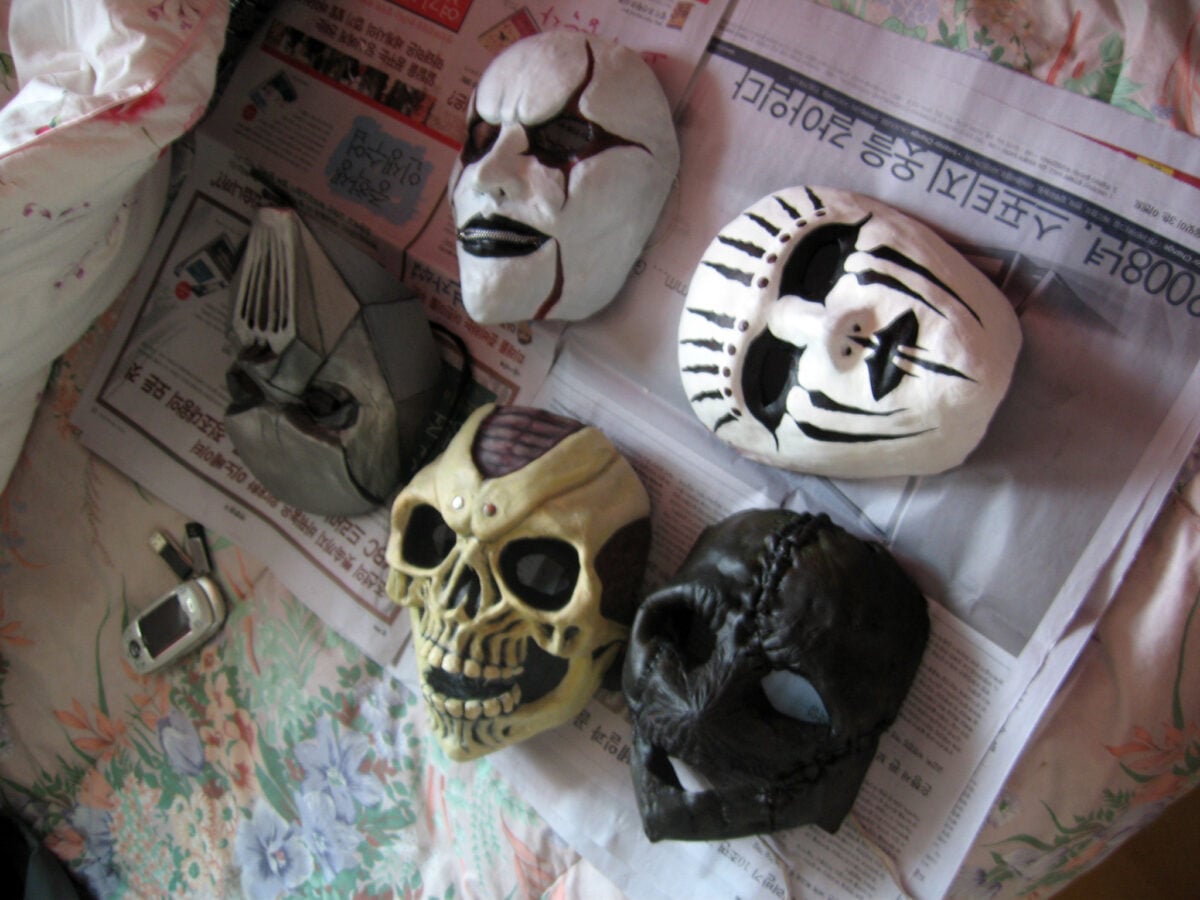
Slipknot multiplied the mask concept by nine. Each member wears distinct, often disturbing masks that change between album cycles.
The masks started as a way for nine guys from Iowa to look unified and threatening. Over time, they became individual characters.
Corey Taylor’s mask differs from Shawn Crahan’s, which differs from everyone else’s. Some members have revealed their faces in other projects.
The masks exist specifically for Slipknot, separating that heavy, chaotic version of themselves from everything else they do.
The Eyeball Heads Nobody Understands
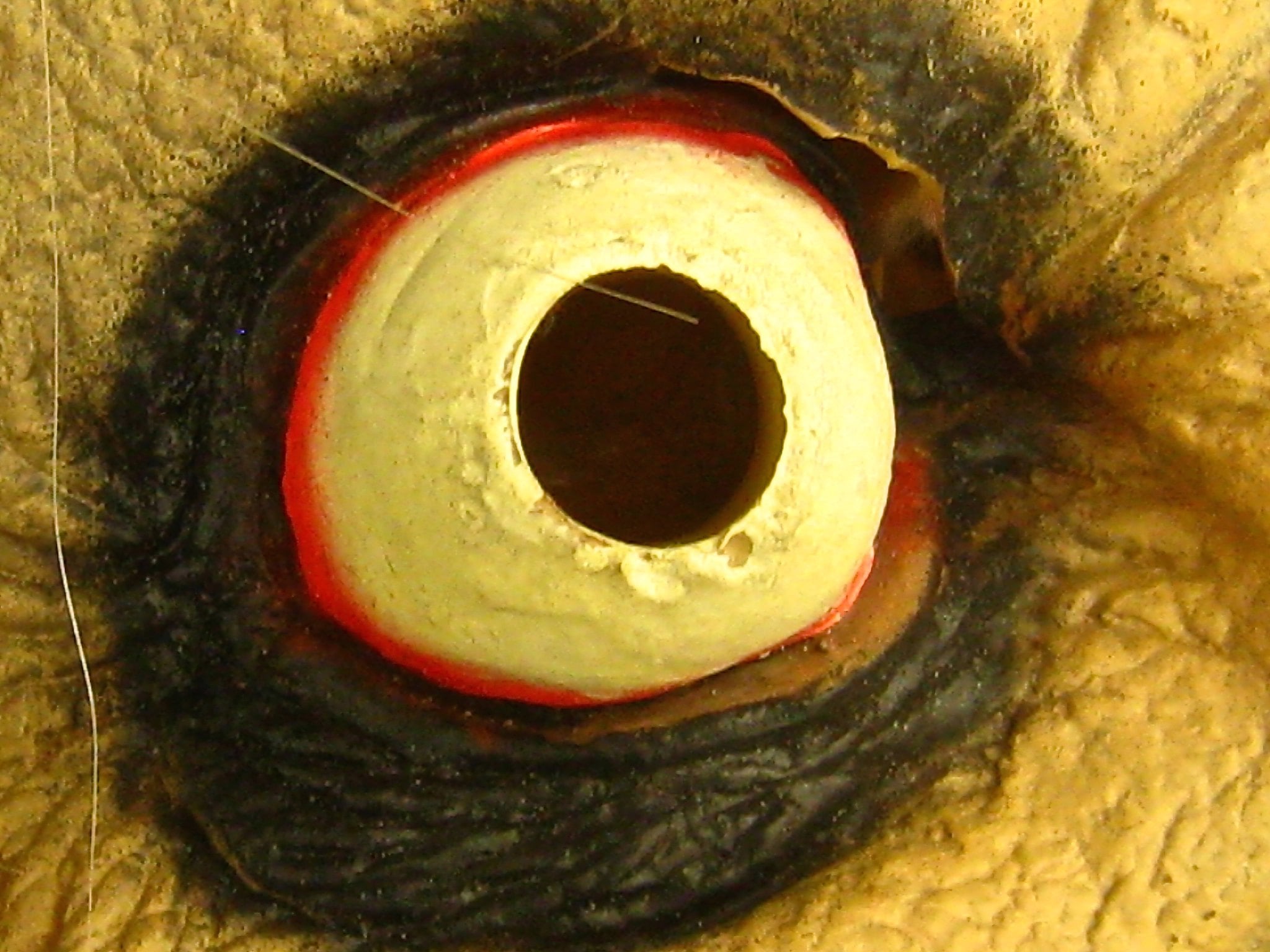
The Residents have operated since 1969 without revealing who they are. The eyeball masks and top hats define them, but their real identities remain speculation.
They’ve released over 60 albums. They’ve toured.
They’ve created films and multimedia projects. And somehow, nobody knows for certain who’s behind it all.
The mystery outlasted any single gimmick because The Residents never broke character. They committed to anonymity when it wasn’t cool or profitable, making them the original masked musicians in many ways.
The Producer Who Stayed Silent
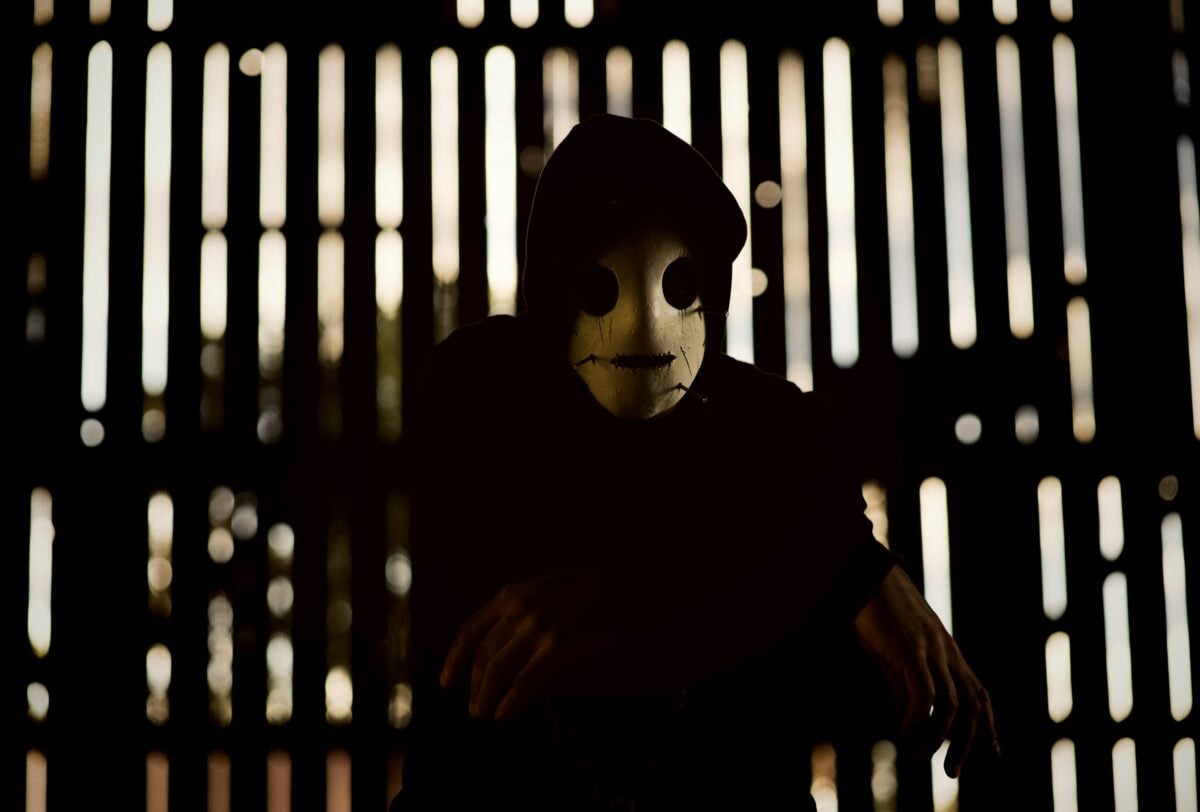
Burial changed dubstep from a dark room somewhere in London. William Bevan refused interviews, photos, and public appearances.
For years, even his name was speculation. His music sounds lonely, like rain on glass at 3am.
That aesthetic matches the anonymity perfectly. When you listen to “Archangel” or “Ghost Hardware,” you’re not thinking about who made it.
You’re just inside it. Bevan eventually confirmed his identity but still avoided the spotlight.
The music remains what matters, exactly as he intended from the start.
The Phantom Rapper Who Emerged From Nowhere

Little is known about BoJack, an enigmatic rapper who appeared online with a distorted voice and no face. The persona shifts between horror themes and introspective lyrics.
The lack of identity information forces you to focus on the wordplay and production. You can’t judge based on appearance, background, or connections.
The music stands or falls on its own. This approach attracts listeners who feel tired of the personality-driven nature of modern hip-hop.
Sometimes you just want bars without the baggage.
The Golden Mask in Deep House
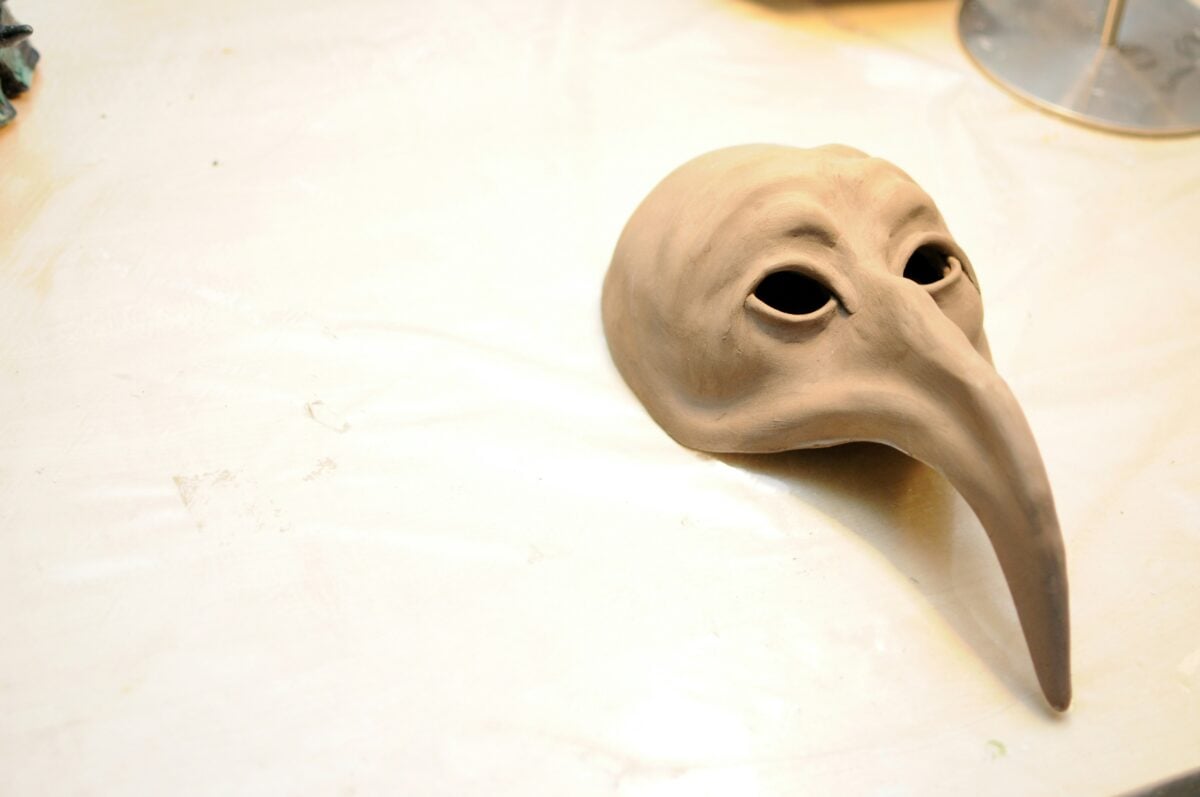
Claptone performs behind an ornate golden mask with a bird-like beak. The character emerged in 2012 and has headlined festivals worldwide without anyone confirming who’s underneath.
The mystery adds to the appeal in the house music scene. When everyone else uses their real name and face, anonymity becomes a statement.
The music leans into a deep, groovy house that makes you move rather than think. Fans have theories.
Some think it’s multiple DJs rotating. Others believe it’s one person protecting their identity.
Claptone never confirms or denies anything, keeping the conversation going indefinitely.
The Nameless Ghouls and Their Papa
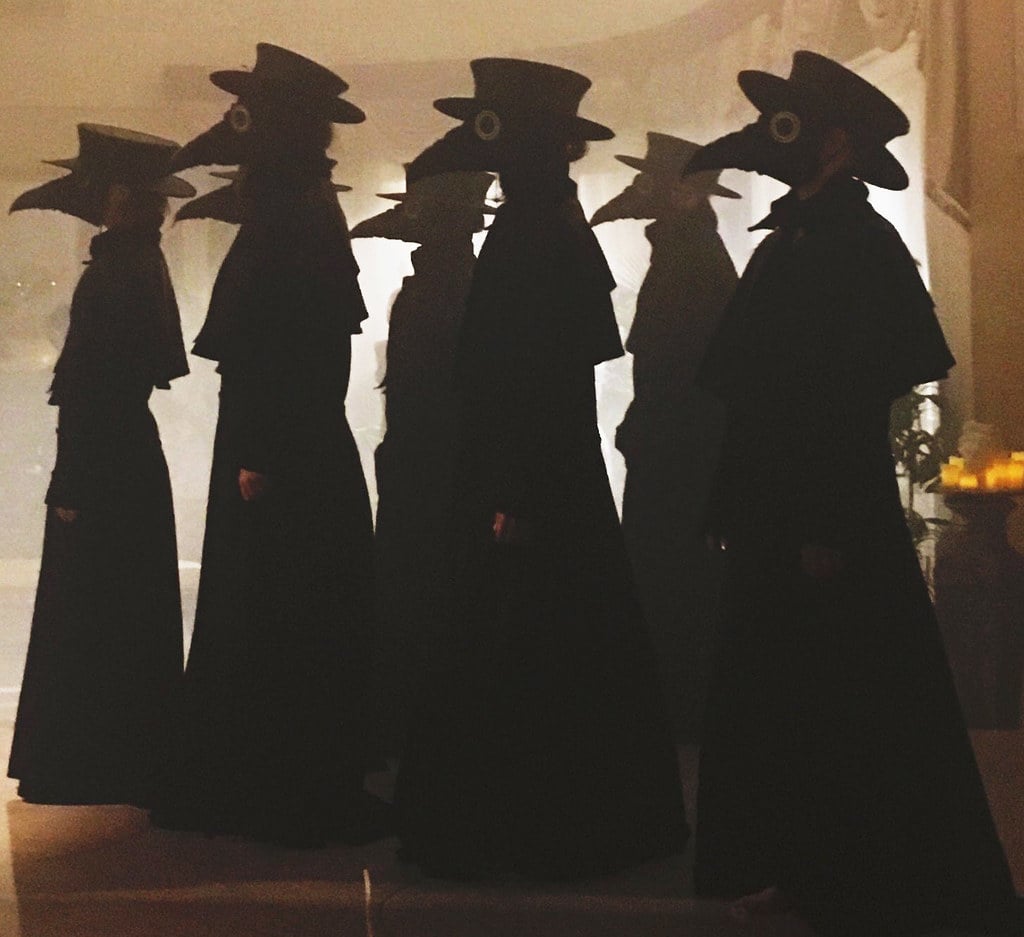
A shadow moves across the stage, one among many dressed the same – hooded, faceless. Each figure blends into the next, a row of silent twins under dim light.
Leading them stands a man painted like a corpse, draped in red fabric that trails behind him like spilled ink. A shift happens in Papa’s portrayal every time a new album comes around.
One performer steps in after another, shaping the so-called satanic pope with fresh intensity. Hidden behind masks, the band members keep their identities out of sight.
This wall between frontman fiction and real players stays solid. Only later did Tobias Forge step into the light as the mind behind it all, yet the show’s drama stayed unchanged.
What you see – the outfits, the masks – fits the tale Ghost follows.
The Sound Behind The Anonymity

Eventually, the disguise isn’t just a trick – it fits into the performance itself. Some performers learned that covering up often shows deeper truths than standing bare.
Without facial expressions, charm, or life details to fall back on, sound must do every bit of the work. Pressure shifts things.
Truth slips out when least expected. The bond with listeners transforms.
Not through a face from a video or a profile online. Through sound alone.
Performance only. A quiet unknown.
Every now and then, music thrives on just that.
More from Go2Tutors!

- The Romanov Crown Jewels and Their Tragic Fate
- 13 Historical Mysteries That Science Still Can’t Solve
- Famous Hoaxes That Fooled the World for Years
- 15 Child Stars with Tragic Adult Lives
- 16 Famous Jewelry Pieces in History
Like Go2Tutors’s content? Follow us on MSN.



