15 Words Created for Fictional Worlds
Language is one of the quieter achievements of great world-building. When an author, filmmaker, or game designer sits down to construct a reality from nothing, they eventually run into a problem — the real world’s words do not quite fit.
So they invent new ones. Some of these invented words are so well-crafted, so perfectly tuned to the thing they describe, that they escape their fictional homes and settle into everyday conversation.
Here are 15 of them worth knowing.
Muggle (Harry Potter)
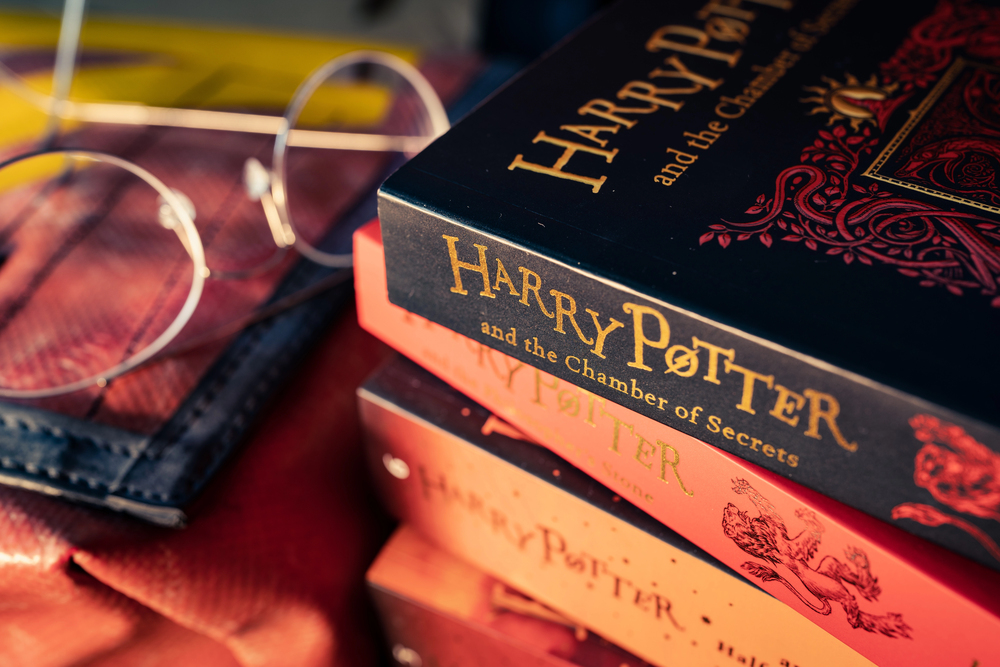
J.K. Rowling coined this one to describe people with no magical ability — ordinary humans living ordinary lives, completely unaware that witches and wizards exist alongside them. The word has a slightly soft, bumbling sound to it, which fits perfectly.
And it is now used outside the books to describe anyone who lacks a particular skill or is out of their depth in a specialist environment. Call someone a muggle in a tech office and they will know exactly what you mean.
Hobbit (The Lord Of The Rings)

Tolkien needed a word for a creature that was not quite human, not quite dwarf, and not quite anything else. He invented “hobbit” — a small, comfort-loving, pipe-enjoying creature with big hairy feet and an unexpected talent for adventure.
The word has since entered the Oxford English Dictionary, which is probably the closest a fictional being can get to becoming real.
Grok (Stranger In A Strange Land)
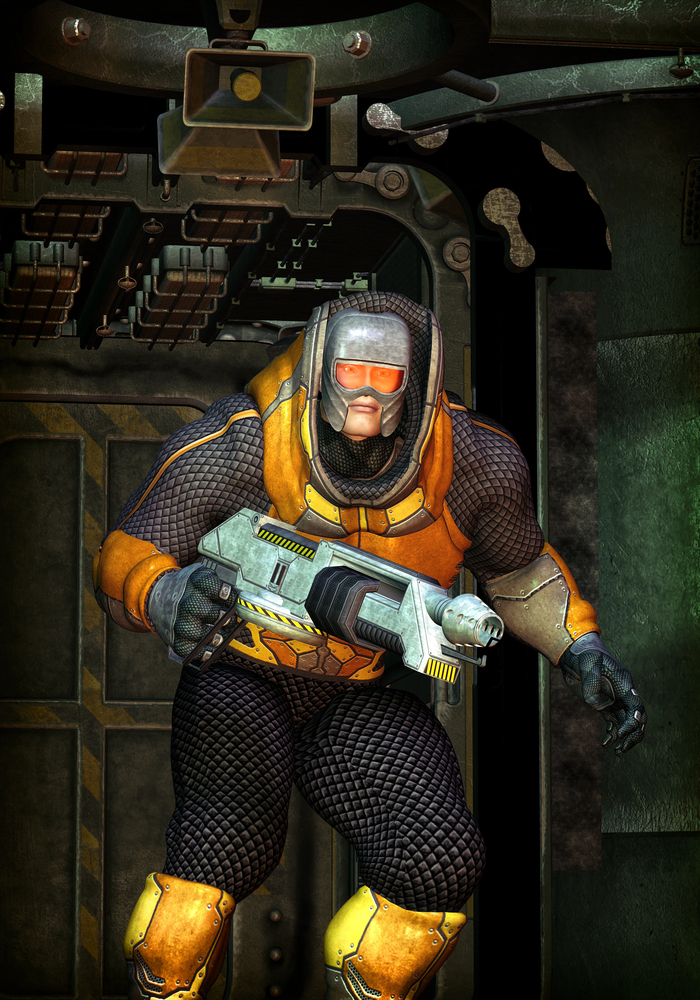
Robert Heinlein gave the world this one in his 1961 science fiction novel. It comes from Martian (the fictional kind) and means to understand something so completely that you become one with it — not just intellectually, but at a deep, almost spiritual level.
Silicon Valley adopted it enthusiastically in the 1990s and it never really left. You will still see it in developer forums and tech writing today.
Quidditch (Harry Potter)

Yes, it is a sport played on broomsticks in a world with magic. But Rowling’s invention has had a surprisingly real legacy.
Universities around the world formed actual quidditch teams — now rebranded as “quadball” — adapting the rules for players who keep one hand on a broomstick between their legs at all times. A word invented for a fictional sport became the name of a real competitive league.
Doublethink (Nineteen Eighty-Four)
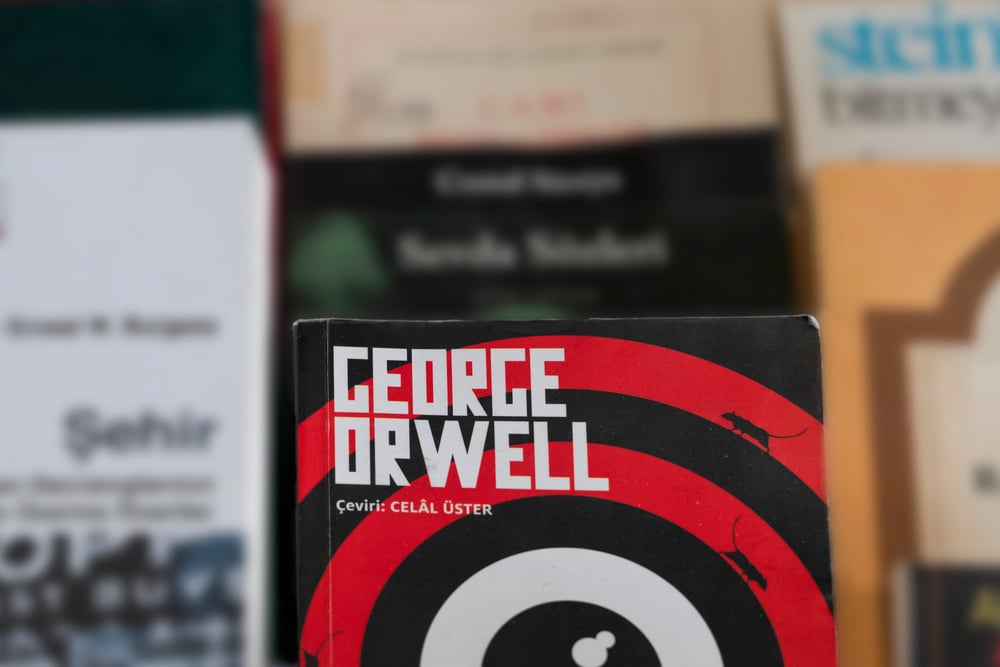
George Orwell added several words to the English language through this novel, but doublethink is one of the most enduring. It describes the act of holding two contradictory beliefs at the same time and accepting both as true — not out of confusion, but as a deliberate mental act.
Political commentators reach for this word constantly. It describes something that existed long before Orwell named it, which is usually the sign of a good coinage.
Newspeak (Nineteen Eighty-Four)
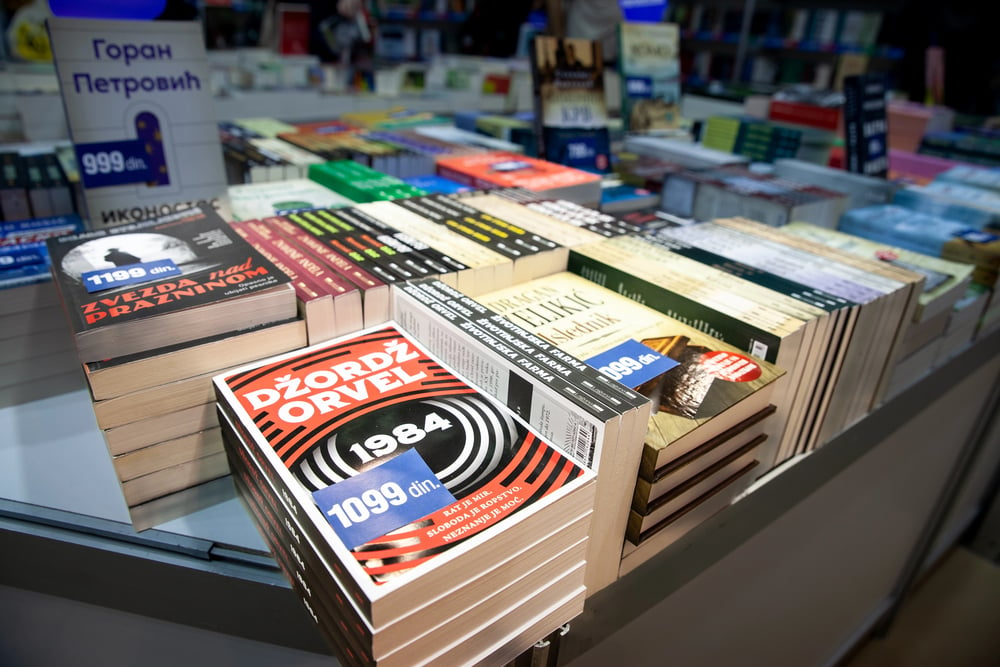
Another Orwell invention from the same book. Newspeak is the controlled, stripped-down language used by the totalitarian government in the novel to limit the range of thought.
The idea is simple and terrifying: if you remove words from a language, you remove the ability to think certain thoughts. The word is now used to describe any language deliberately designed to obscure meaning or manipulate understanding.
Fremen (Dune)

Frank Herbert built an entire culture around the desert planet Arrakis, and the Fremen are its people — hardened, deeply spiritual, and extraordinarily capable of surviving in an environment that would kill most others.
The word itself is spare and functional, like the people it describes. Herbert drew on Arabic vocabulary and Bedouin culture when constructing the Fremen language and customs, giving Dune a density that few science fiction worlds match.
Spice (Dune)

In Herbert’s universe, the spice melange is the most valuable substance in existence — it extends life, enables space travel, and opens the mind. The word “spice” was a deliberate choice.
It connected the fictional substance to real history, specifically the spice trade that drove colonialism and shaped the modern world. Herbert wanted readers to make that connection. The word does a lot of quiet work.
Kryptonite (Superman)
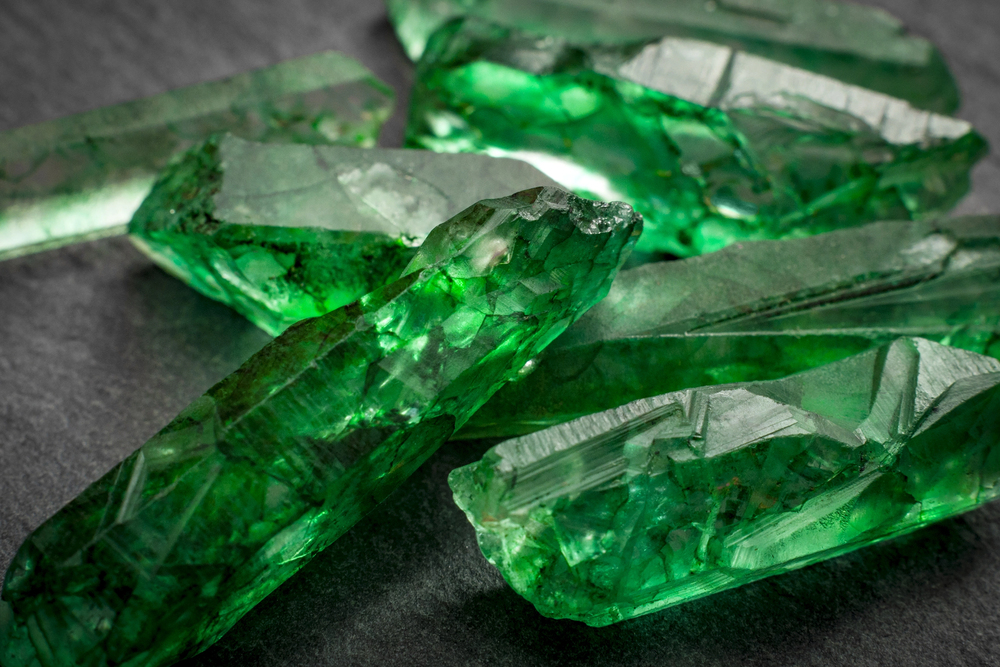
Superman first appeared in 1938, but kryptonite — the one substance that could weaken him — came a little later, introduced in a 1943 radio serial. The word built itself from Krypton, Superman’s home planet, plus the “-ite” suffix used for minerals.
It worked so well that it now appears in everyday conversation to describe anyone’s particular weakness or vulnerability. “Public speaking is my kryptonite” needs no explanation.
Borg (Star Trek)

The Borg are a collective of cybernetically enhanced beings who exist as a hive mind, forcibly assimilating other species into their consciousness. The name comes from “cyborg,” shortened and made singular and threatening.
The Borg gave the world “resistance is futile,” which became one of the most quoted phrases of the 1990s. The word also influenced how people think and talk about tech monoculture and the pressure to conform to dominant systems.
Mithril (The Lord Of The Rings)
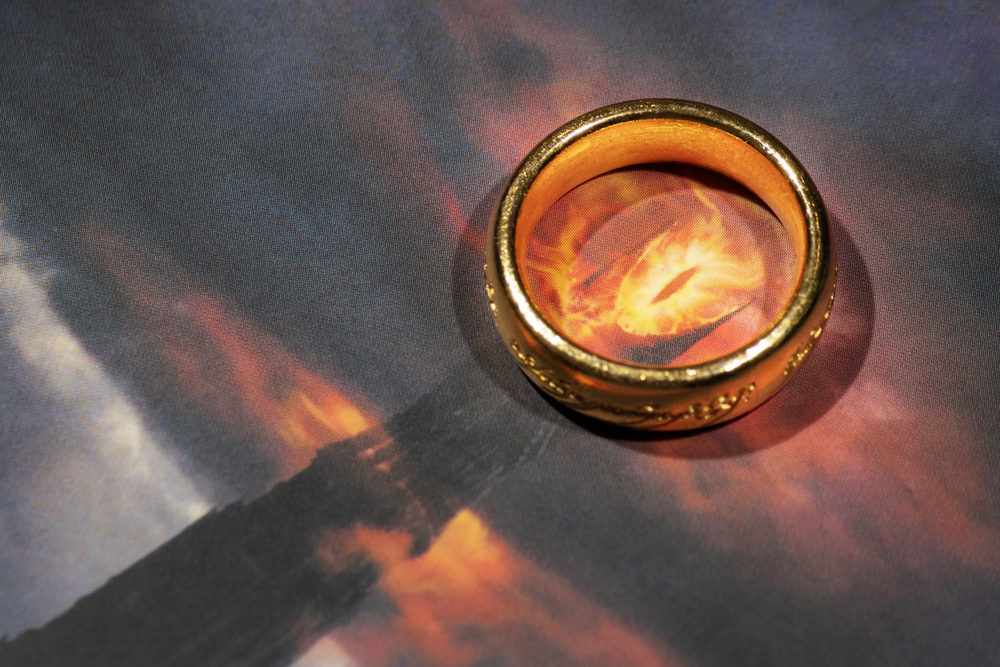
Tolkien’s legendary metal — lighter than steel, harder than anything, and worth a fortune. The word is built from Sindarin roots meaning “grey glitter.”
In the story, a coat of mithril mail saves Frodo’s life. The word has been borrowed by countless fantasy writers and game designers since, becoming a kind of shorthand for the finest, most precious material a world can produce.
Tribble (Star Trek)

Small, round, endlessly reproducing, and deeply soothing to humans — tribbles appeared in a single 1967 episode of Star Trek and never really went away. The name sounds exactly like what it describes: soft, gentle, a little ridiculous.
The episode became one of the most beloved in the franchise’s history. The word has passed into general use for anything that multiplies uncontrollably and becomes a nuisance despite being harmless.
Mellon (The Lord Of The Rings)
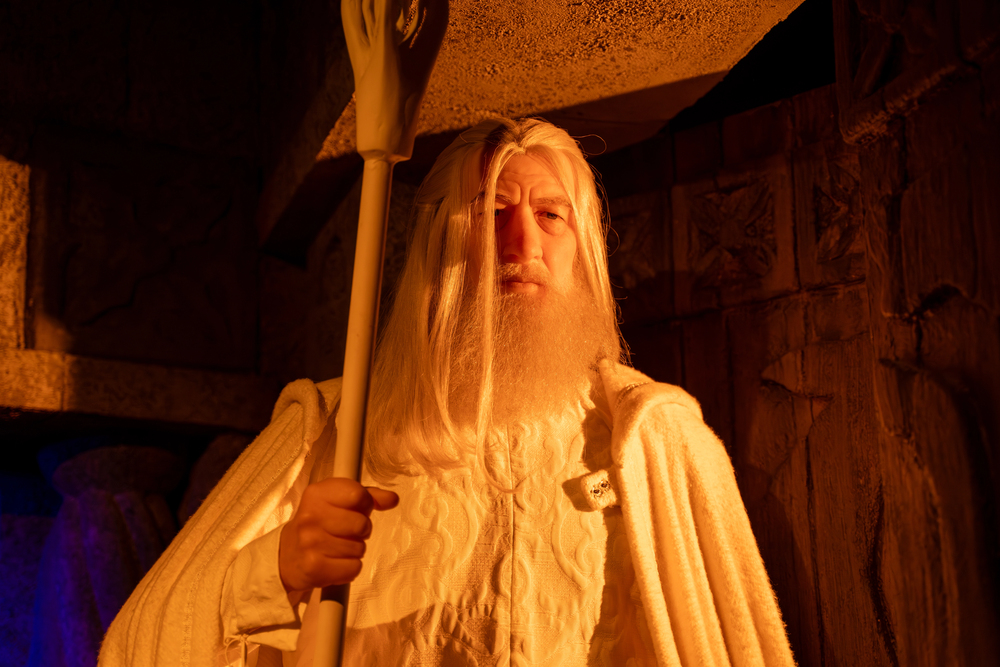
This one is brief but worth including. When Gandalf and the Fellowship stand before the doors of Moria, an inscription reads: “Speak, friend, and enter.”
The password is “mellon,” the Elvish word for friend. It is one of the most elegant puzzles in fantasy literature, and the word itself — soft, simple, almost tender — carries weight because of the moment it unlocks.
Warp (Star Trek)

Out of all possible labels, “warp” won the race for naming super-fast space movement. Long before Star Trek aired, bending space had been imagined, yet the show made the term common everywhere – both in stories and labs.
Scientists tossing around ideas like Alcubierre drives still borrow that same sci-fi lingo when sketching cosmic shortcuts. Even peer-reviewed studies sometimes slip in “warp,” showing how imagination paved the road. The phrase existed in tales well ahead of equations catching up.
Mordor (The Lord Of The Rings)
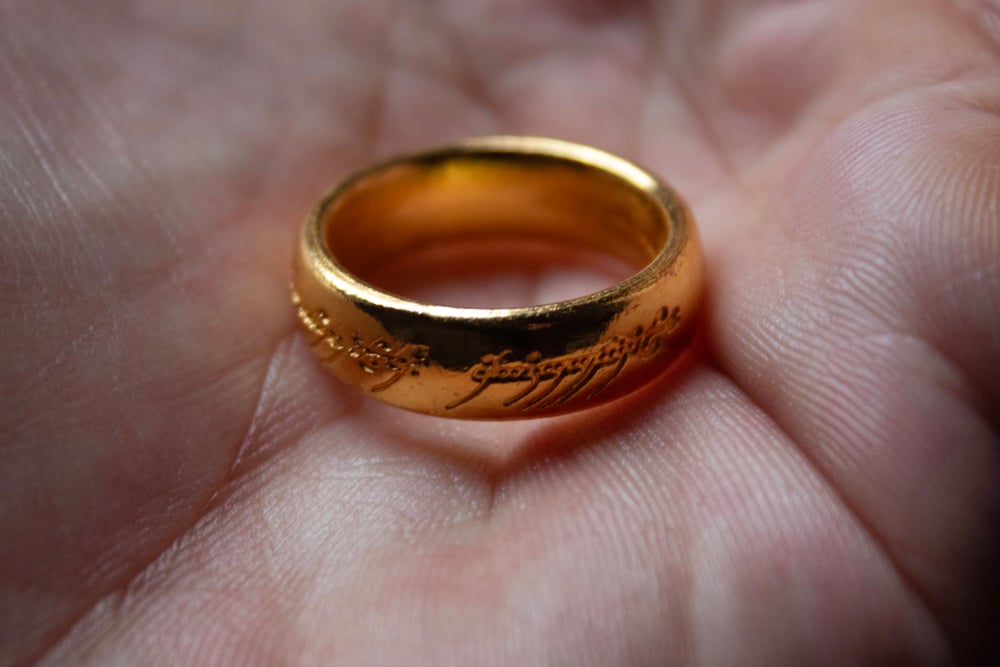
Tolkien constructed Mordor’s name from Old English roots — “mor” meaning dark or waste, combined with a Sindarin influence meaning black land. The name sounds like what it is: heavy, closed, final.
It is now used in casual speech to describe any place that feels oppressive, suffocating, or impossible to navigate. Office buildings, airports, and particularly bad commutes have all been called Mordor by people who have read the books. The word carries its meaning in its sound.
The Words That Outlive Their Worlds

Something sticks when it fills a gap. Not every made-up term outlives its story, even if millions loved the book or movie.
Often, staying power comes down to usefulness. A word might catch on because there was never a sharp way to say that thing until then – grok fits here, just like doublethink did.
Or sometimes the idea hits close enough to real experience – kryptonite, muggle – that people start borrowing it outside fiction. Survival leans less on fame, more on fit.
Words drift between tongues like wind through trees. Borrowing happens naturally, whether from street talk, science labs, or made-up noises kids shout during games.
Fiction joins that mix without effort. When writers shape new worlds, they often toss out fresh terms.
Some stick around long after the story ends.
More from Go2Tutors!

- The Romanov Crown Jewels and Their Tragic Fate
- 13 Historical Mysteries That Science Still Can’t Solve
- Famous Hoaxes That Fooled the World for Years
- 15 Child Stars with Tragic Adult Lives
- 16 Famous Jewelry Pieces in History
Like Go2Tutors’s content? Follow us on MSN.



