World’s Most Educated Countries
Education shapes nations in ways that go far beyond classroom walls. Countries that invest heavily in learning and make schooling a priority tend to see benefits across every part of society, from healthcare to innovation to economic stability.
Some nations have built education systems so strong that almost everyone graduates from high school, and huge percentages go on to earn college degrees or specialized training. Here are the countries leading the world when it comes to educated populations.
Canada
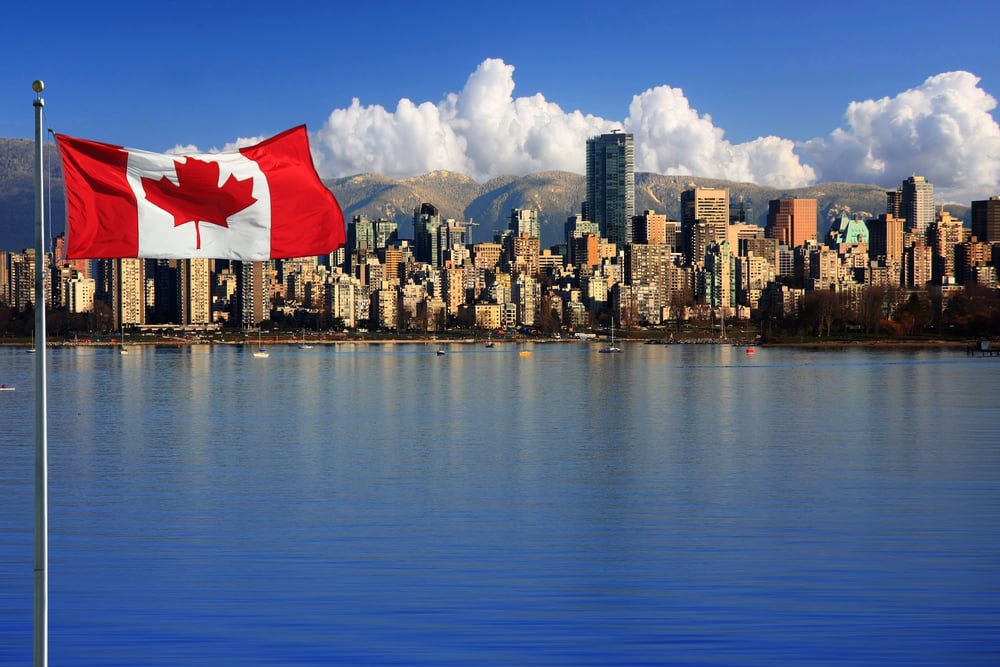
More than 60% of Canadian adults between 25 and 64 hold some form of higher education degree. The country welcomes immigrants with advanced degrees and makes college accessible through relatively affordable tuition compared to the United States.
Canada’s emphasis on bilingual education in many provinces adds another layer to student learning. Cities like Toronto and Vancouver attract international students who often stay and contribute to the country’s educated workforce.
Japan
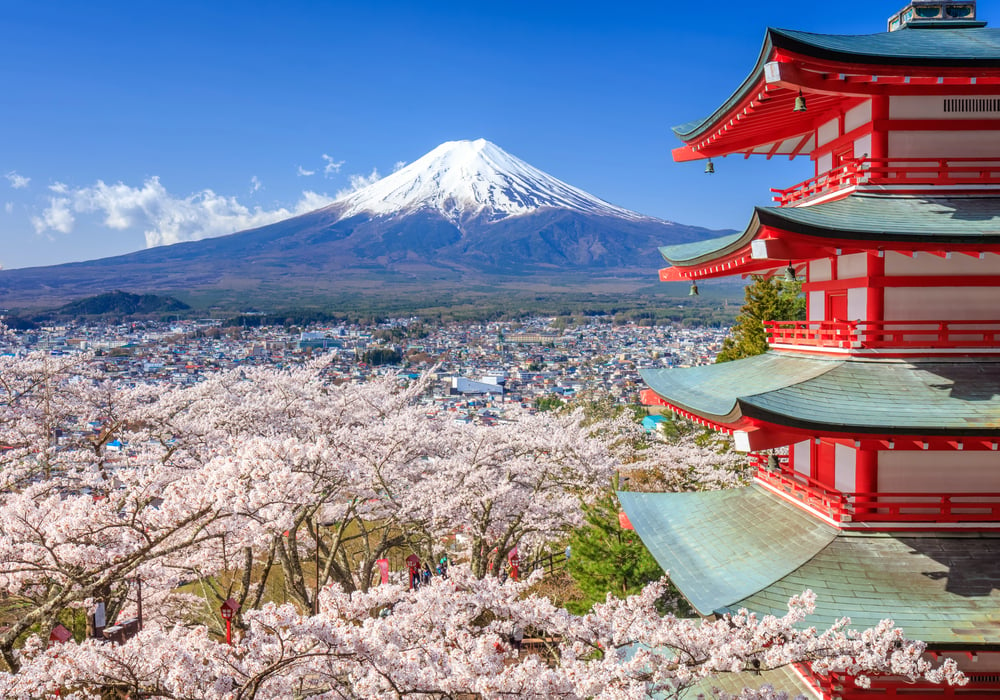
This island nation achieves a literacy rate of nearly 100% and pushes students through rigorous academic programs from elementary school onward. Japanese students consistently rank at the top in international math and science assessments.
The culture places enormous value on education, with families often investing significant resources in supplementary tutoring called ‘juku.’ University entrance exams remain intensely competitive, shaping students’ entire academic careers.
Israel
Despite its small size, Israel boasts one of the highest percentages of citizens with tertiary education in the world. The country invests heavily in STEM fields and has produced more startup companies per capita than any other nation.
Mandatory military service often includes technical training that carries over into civilian careers. Israeli universities attract students globally, particularly in fields like computer science and medical research.
South Korea
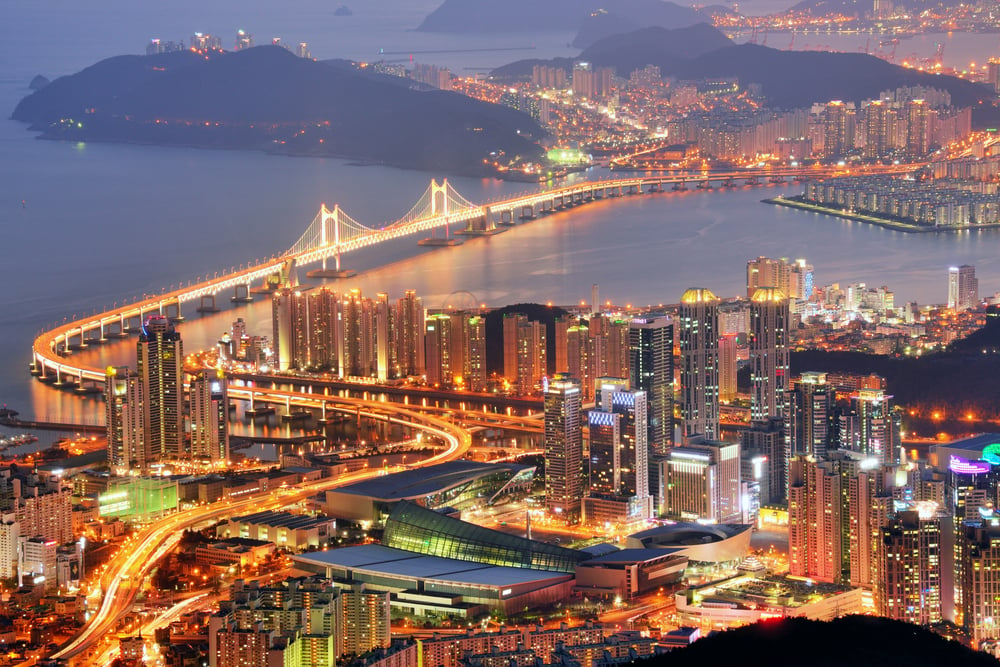
Korean parents famously prioritize education above almost everything else, creating a society where academic achievement opens doors to success. Students often study late into the night at private academies after regular school ends.
The country has transformed from one of the poorest nations after the Korean War to an economic powerhouse, largely through educational investment. Over 70% of young adults earn tertiary degrees, one of the highest rates anywhere.
United Kingdom
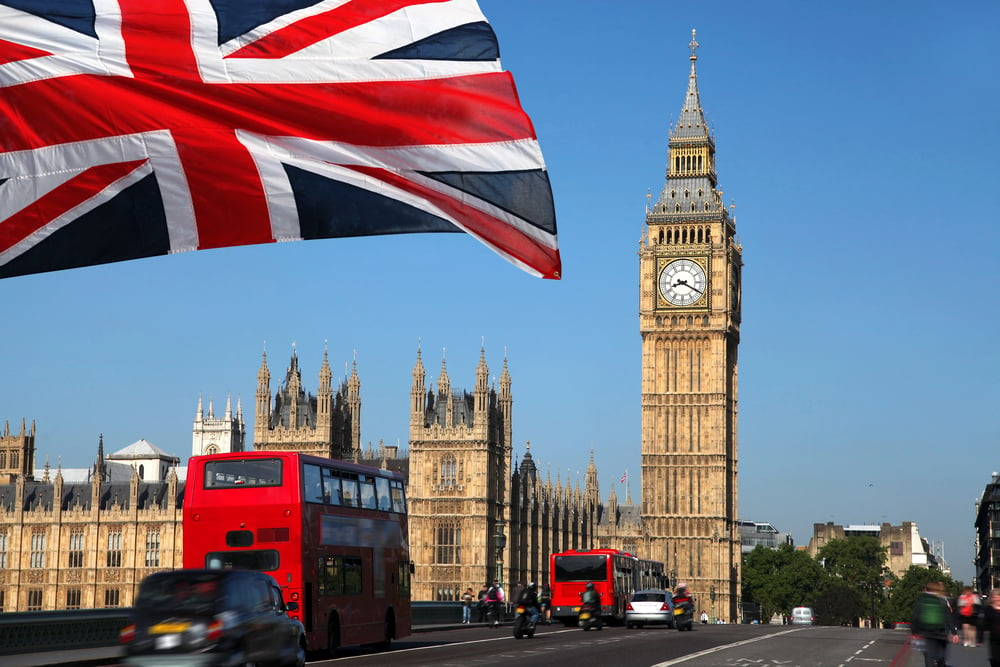
British universities like Oxford and Cambridge have set educational standards for centuries, but the country’s commitment to learning extends far beyond elite institutions. The UK has a literacy rate above 99% and strong vocational training programs alongside traditional academic paths.
Recent years have seen over 50% of young people pursuing higher education. The country’s education system influences former colonies worldwide through its legacy.
Finland
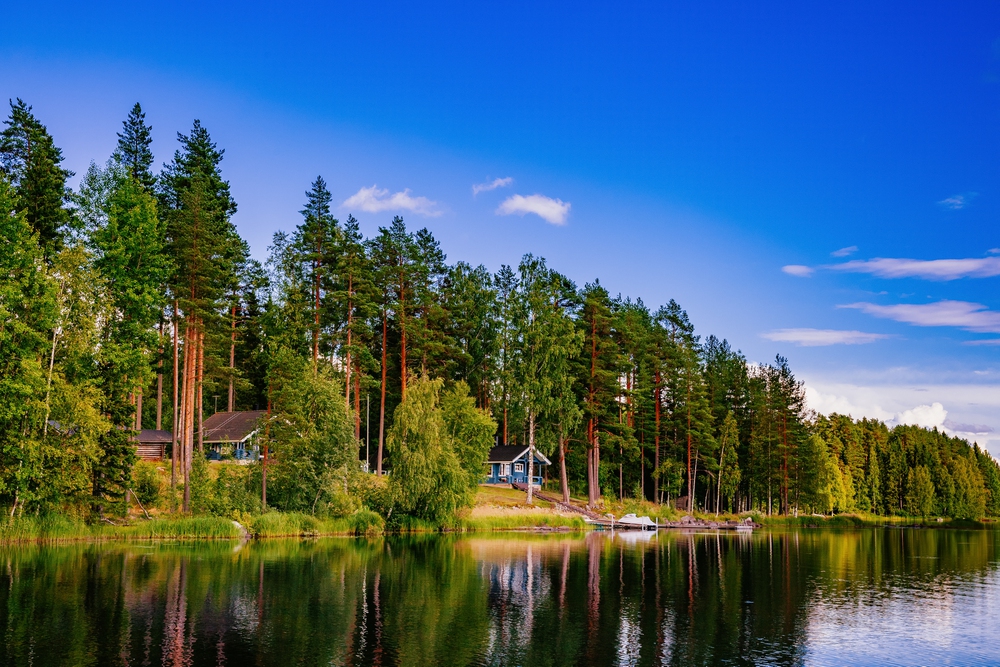
Finnish students spend fewer hours in class than most other developed nations yet consistently score at the top of international assessments. Teachers must earn master’s degrees and receive extensive training before entering classrooms.
The country eliminated standardized testing for most grade levels and focuses instead on holistic development. Education remains free through university level, removing financial barriers that limit learning elsewhere.
Australia
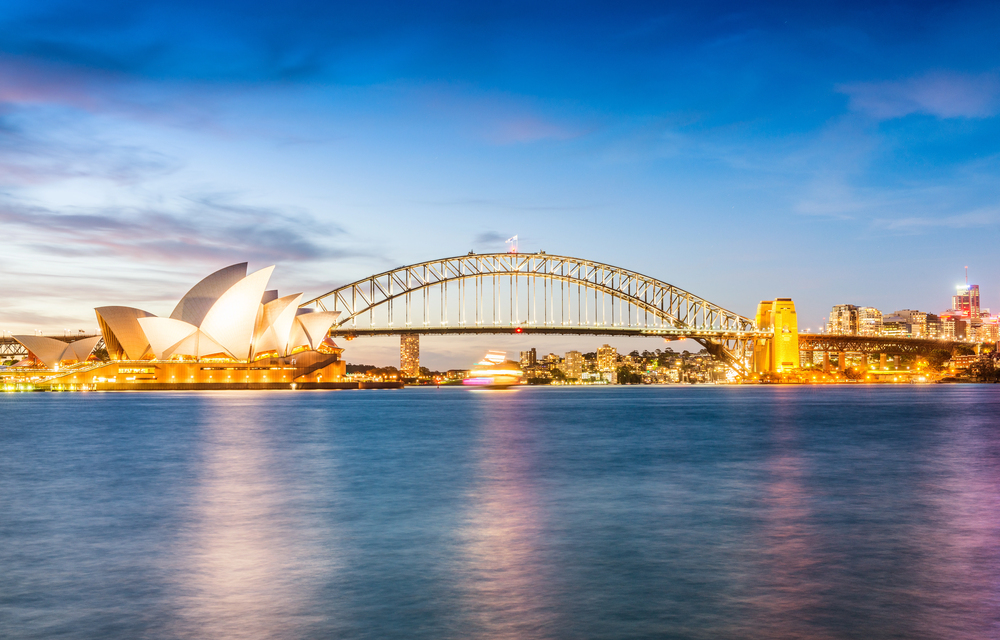
Australians pursue higher education at rates exceeding 50% of the adult population. The country’s universities attract hundreds of thousands of international students annually, making education a major export industry.
Strong vocational education programs provide alternatives to traditional university degrees. Geographic isolation hasn’t prevented Australia from building world-class research institutions across multiple cities.
Luxembourg
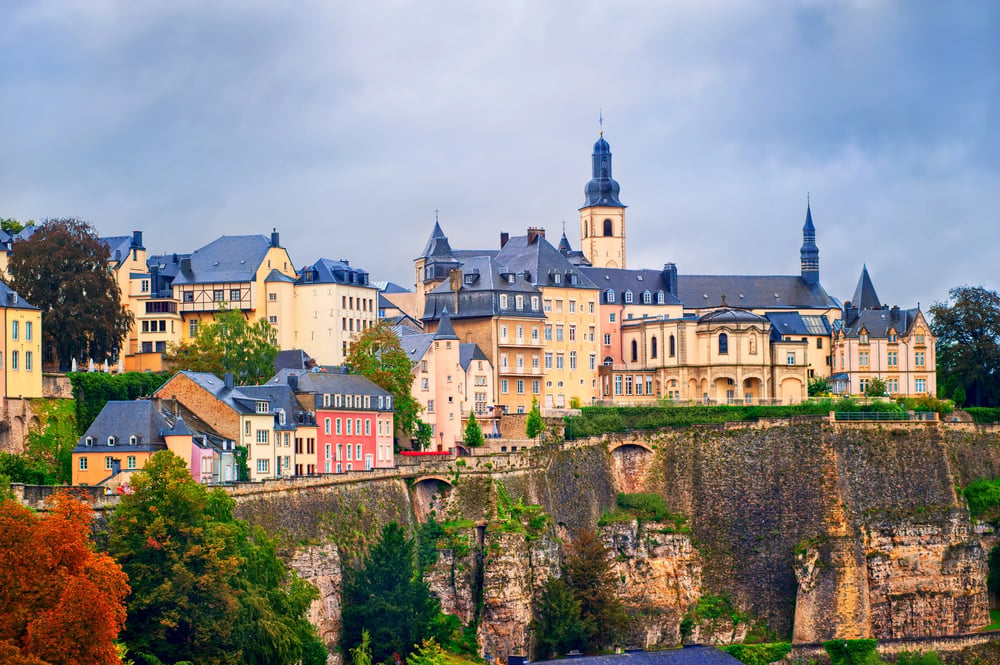
This tiny European nation invests more per student than almost any country on Earth. Students learn multiple languages as standard practice, with many becoming fluent in Luxembourgish, French, and German.
The country has the highest percentage of adults with tertiary education in the European Union. Small class sizes and individualized attention help students thrive academically.
Norway
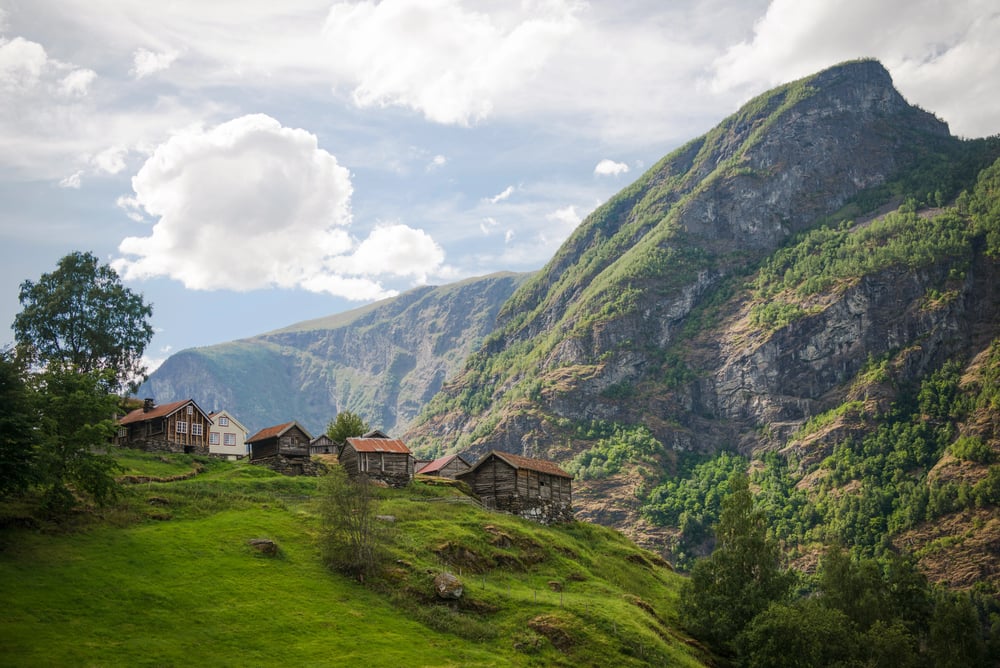
Norwegian education remains free even at the university level, funded through the country’s substantial oil revenues. Teachers earn competitive salaries and enjoy high social status.
The country emphasizes equal access to quality education regardless of family income or background. Norway’s focus on practical skills alongside academic knowledge prepares students for diverse career paths.
Ireland
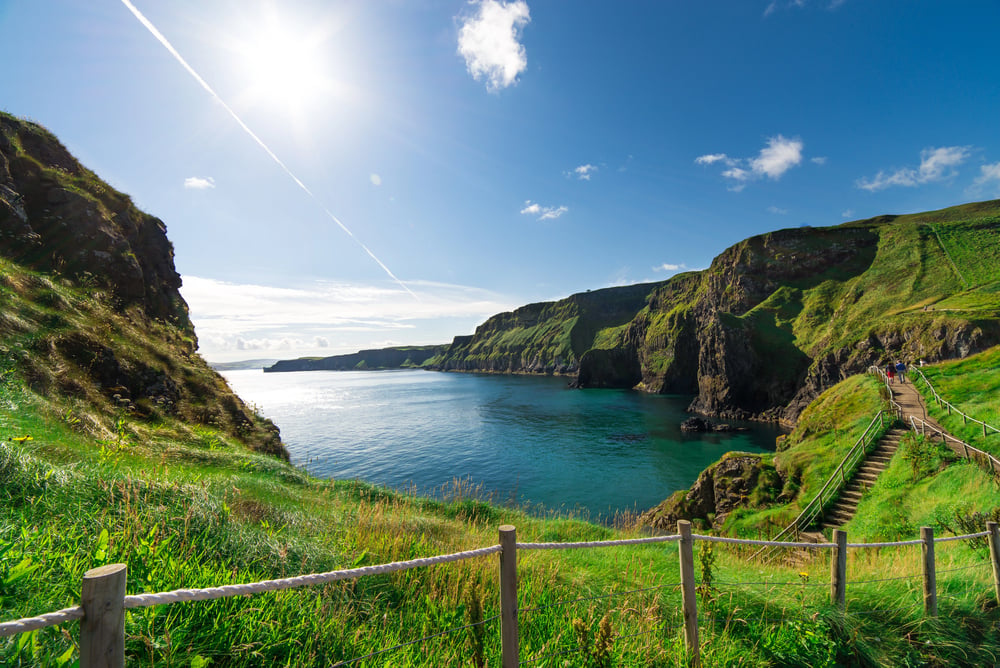
Ireland has transformed its economy through educational investment, moving from agricultural poverty to a tech hub in just a few generations. Over half of young Irish adults now complete tertiary education.
The country attracts major technology companies partly because of its educated workforce. Free primary and secondary education combines with relatively affordable university costs.
United States
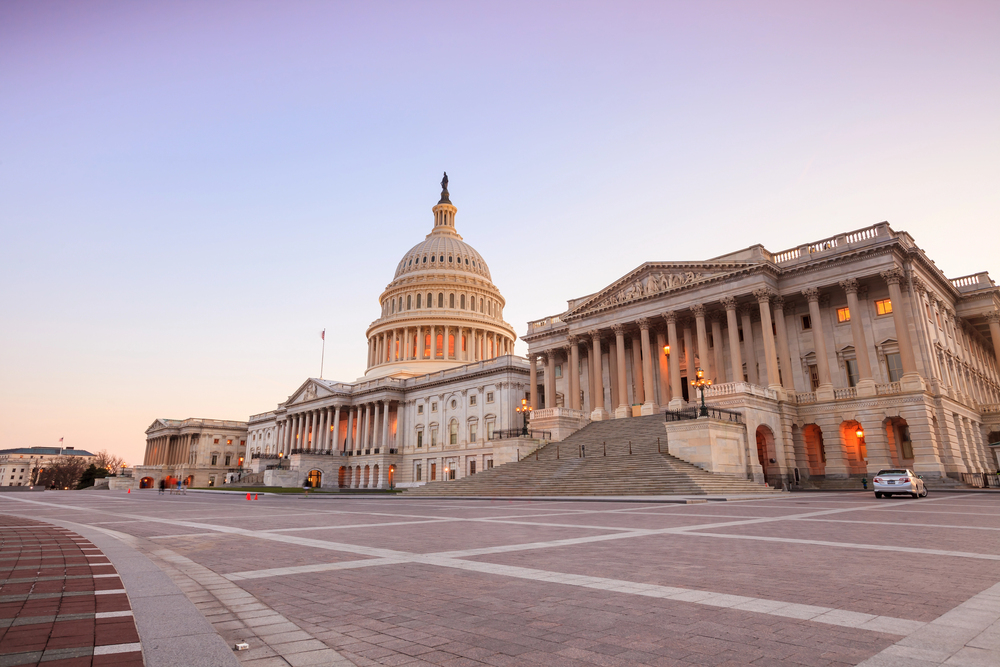
American higher education includes many of the world’s top-ranked universities, though access remains uneven. About 50% of adults have completed some form of tertiary education, including community colleges and vocational programs.
The country spends more per student than most nations, though results vary widely by state and district. Student debt has become a major challenge, with many graduates carrying loans for decades.
Netherlands
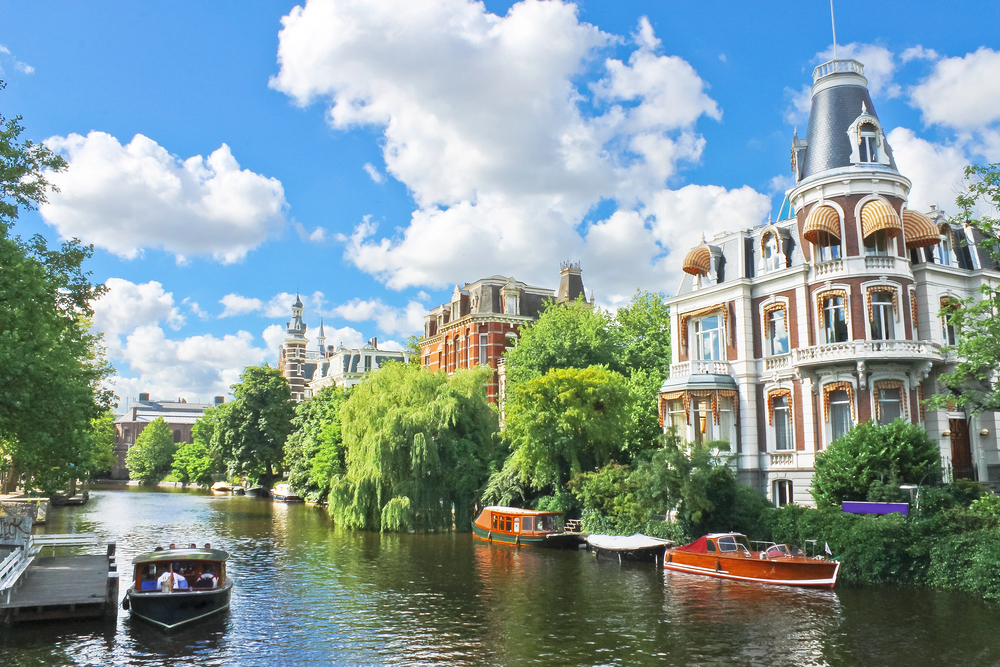
Dutch students benefit from a well-funded education system that emphasizes critical thinking over rote memorization. The country offers programs in English at many universities, attracting international students.
Over 45% of adults hold tertiary degrees, with strong vocational alternatives for those choosing different paths. Early tracking systems guide students toward appropriate educational levels based on abilities and interests.
Sweden
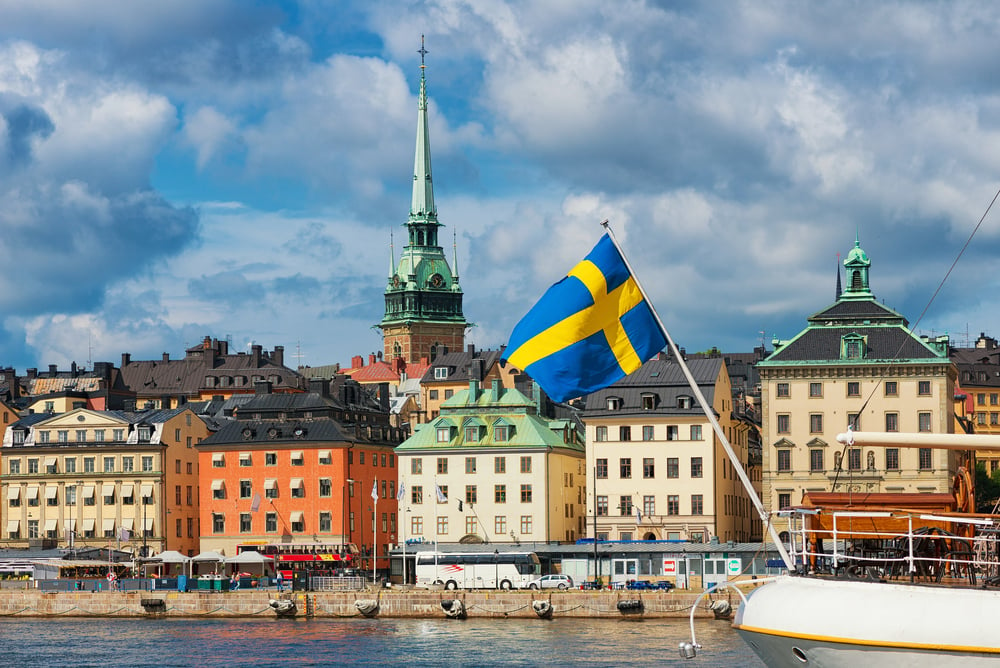
Swedish education policy focuses on equality, ensuring students in rural areas receive similar opportunities to those in cities. Universities charge no tuition for EU citizens, and the government provides stipends to students.
The country pioneered gender equality in education, with women now earning more degrees than men in many fields. Lifelong learning programs help adults continue education throughout their careers.
Switzerland
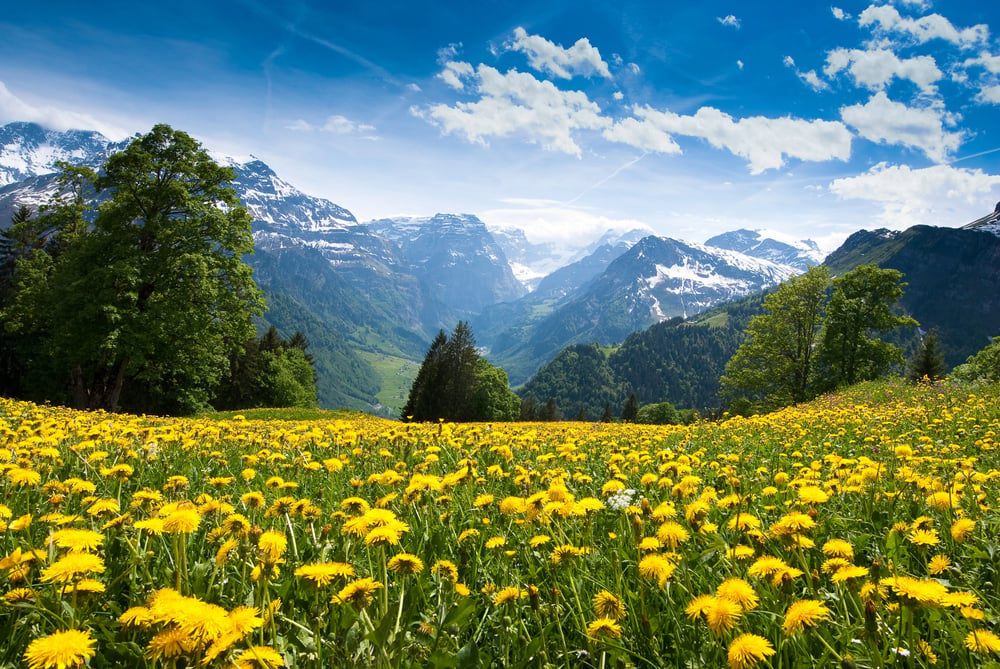
Swiss students often speak three or four languages fluently thanks to the country’s multilingual education system. The nation combines rigorous academic programs with highly respected apprenticeship systems.
Switzerland spends heavily on research and development, supported by universities that produce cutting-edge work. About 45% of adults complete tertiary education, with vocational training valued equally to university degrees.
Denmark
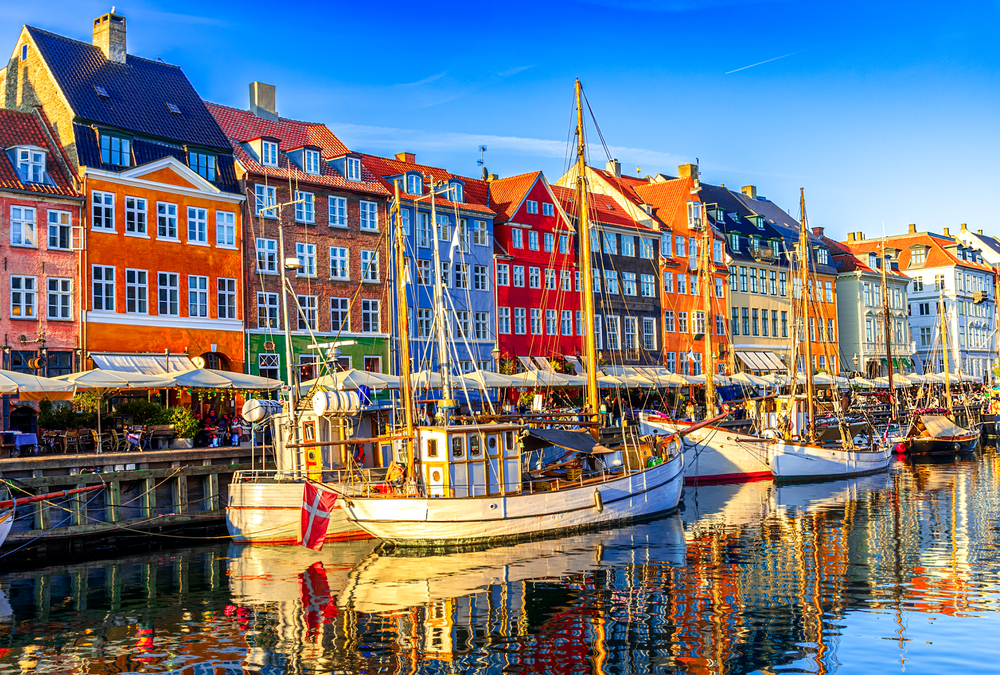
Danish education system considers the development of creativity and working together more important than competing. The students do not feel as much pressure as those in many other top, performing countries.
Besides offering free university education, the government also gives students living allowances. Teachers go through very comprehensive initial training and get professional development training all their working life.
New Zealand
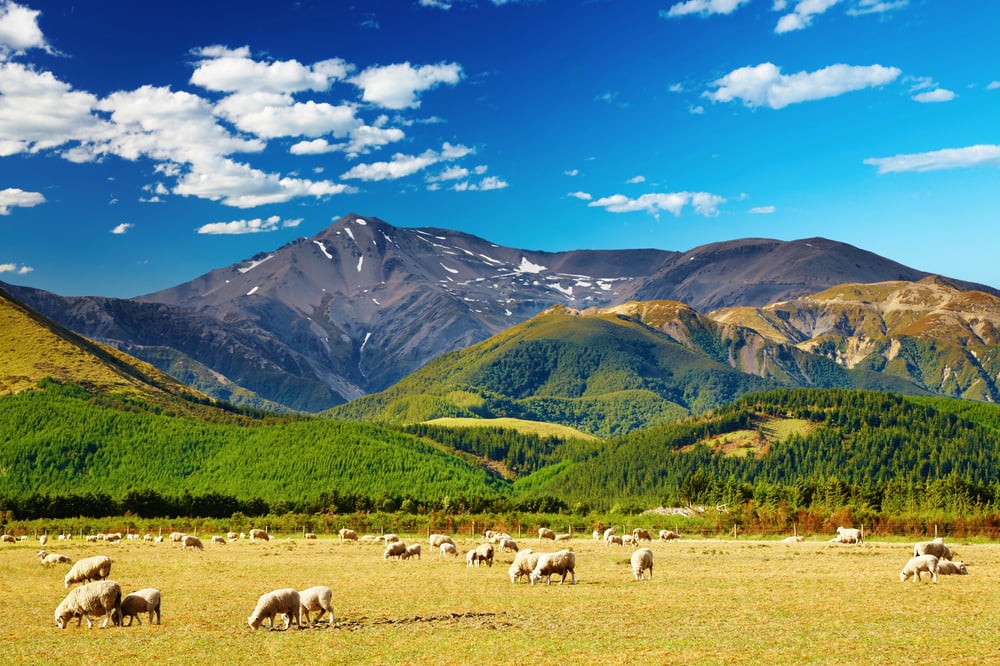
Besides integrating the British traditions, this Pacific country has incorporated the indigenous Maori perspectives in its education system. More than 40% of the adult population has a tertiary qualification and the percentage keeps increasing among the youth.
The country is a popular destination for overseas students through its quality programs and low cost facilities. The academic program is well balanced with the strong outdoor education and practical skills emphasis.
When Knowledge Becomes Culture
These three countries are a living testimony to the fact that education entails more than just creating physical infrastructure and recruiting personnel. The success is a result of cultural loyalty, steady funding, and the building up of intergenerational learning along with efficient systems.
The countries that consider education as an asset and not as a burden usually achieve gains in terms of innovation, health, and social harmony. The countries listed here may have different approaches to learning but they all agree on the fact that education of the greatest number is a way to ensure a stronger future for all.
More from Go2Tutors!

- The Romanov Crown Jewels and Their Tragic Fate
- 13 Historical Mysteries That Science Still Can’t Solve
- Famous Hoaxes That Fooled the World for Years
- 15 Child Stars with Tragic Adult Lives
- 16 Famous Jewelry Pieces in History
Like Go2Tutors’s content? Follow us on MSN.