17 Mountain Towns With Bizarre Local Ordinances
Mountain towns are known for their stunning views, fresh air, and laid-back vibes. But beneath that peaceful exterior lies a collection of local laws that would make even the most seasoned legal expert scratch their head. These communities have crafted ordinances that range from oddly specific to downright bewildering, often reflecting unique local histories or attempts to address very particular problems.
From regulations about roosters to rules about building snowmen, these mountain communities prove that small-town governance can get pretty creative. Here is a list of 17 mountain towns with ordinances that’ll make you wonder what exactly prompted their creation.
Aspen, Colorado
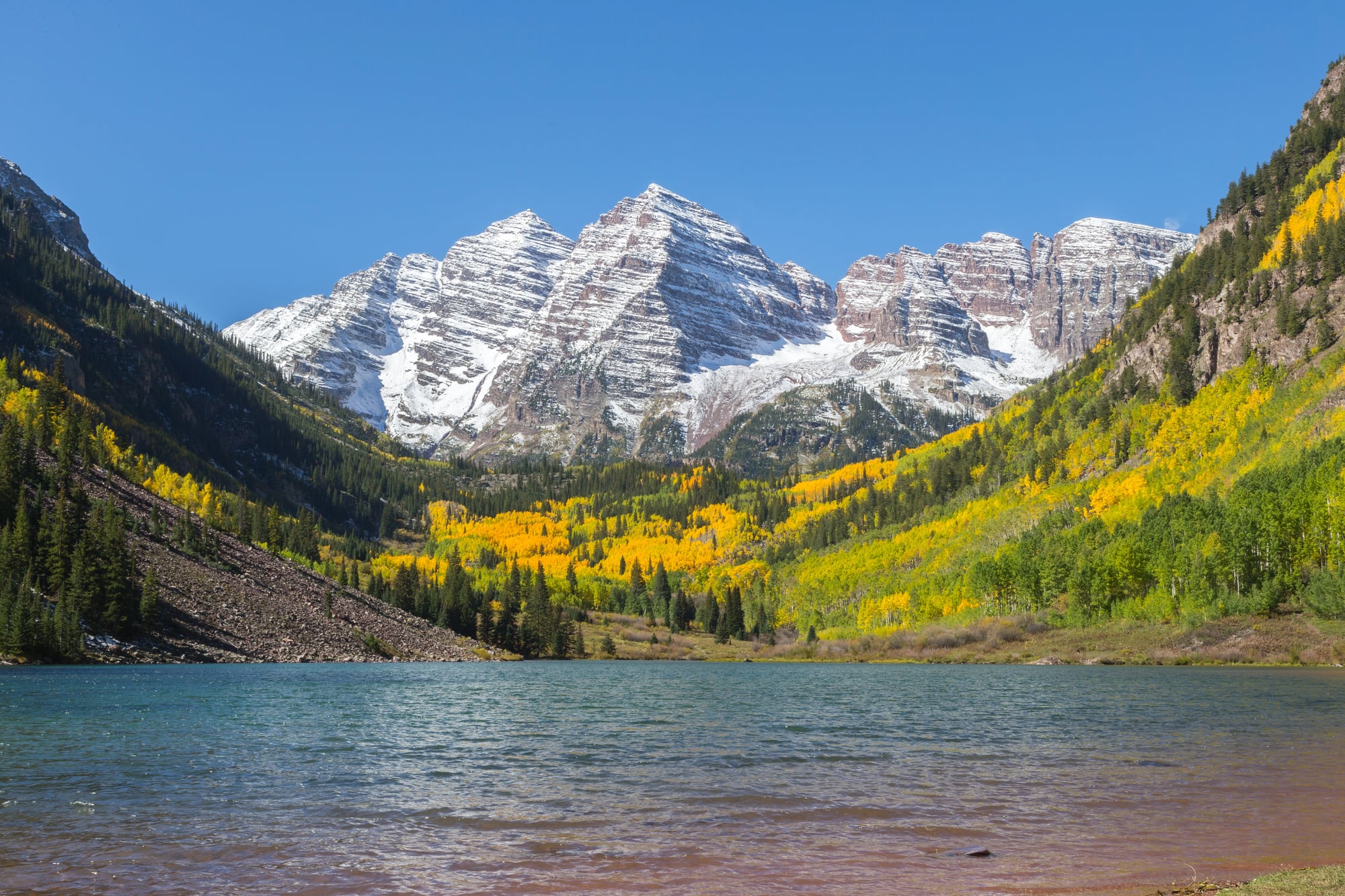
Aspen takes its reputation seriously, and that extends to some pretty specific rules about maintaining appearances. The town has an ordinance that prohibits homeowners from having peeling paint or deteriorating exteriors, with fines that can reach thousands of dollars.
This might seem reasonable for a luxury resort town, but the law gets oddly specific about color choices and architectural standards that must be approved by a design review board.
Park City, Utah

Park City has a law that requires all new construction to include adequate parking for sleighs and horse-drawn vehicles. While this sounds like something from the 1800s, it’s actually a modern ordinance designed to accommodate the town’s historic Main Street events and winter festivities.
The law also specifies hitching post requirements, though most people just use them for decoration these days.
Like Go2Tutors’s content? Follow us on MSN.
Telluride, Colorado

In Telluride, there’s an ordinance that makes it illegal to throw snowballs at people, buildings, or vehicles within the town limits. The law was passed after too many tourists got carried away during winter visits, leading to property damage and upset locals.
Violators can face fines up to $1,000, making it one of the most expensive snowball fights you’ll never want to have.
Jackson Hole, Wyoming

Jackson has a unique ordinance requiring all businesses to close their doors during the annual elk migration through town. While this sounds environmentally conscious, the law actually dates back to concerns about tourist safety rather than wildlife protection.
The town learned the hard way that mixing large antlered animals with gawking visitors creates some pretty dangerous situations.
Stowe, Vermont
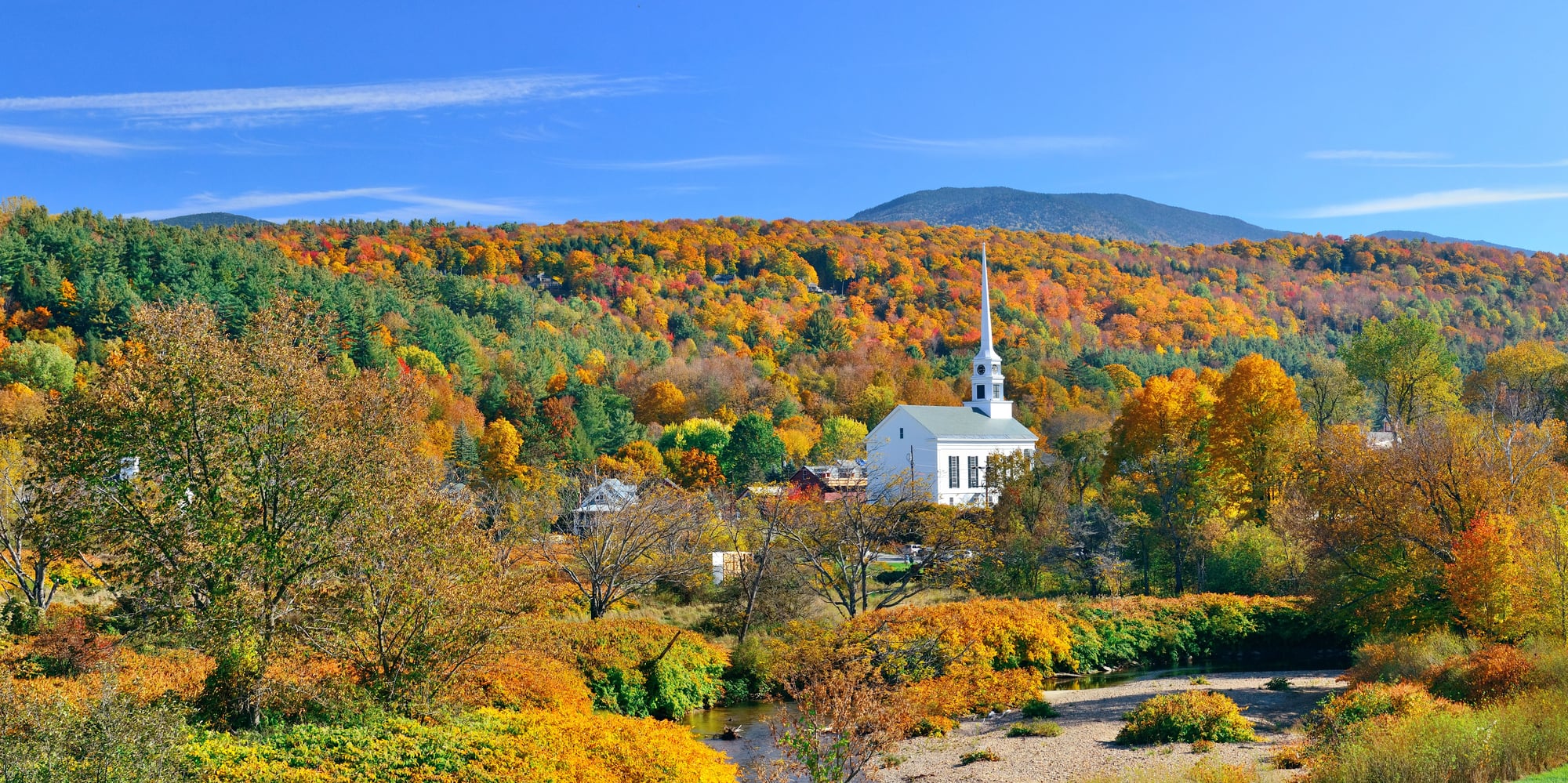
Stowe has an ordinance that prohibits the use of artificial snow machines on Sundays before 10 AM. The law was created after noise complaints from residents who wanted to enjoy peaceful Sunday mornings without the constant hum of snow-making equipment.
It’s a classic case of balancing tourism needs with quality of life for locals.
Like Go2Tutors’s content? Follow us on MSN.
Mammoth Lakes, California
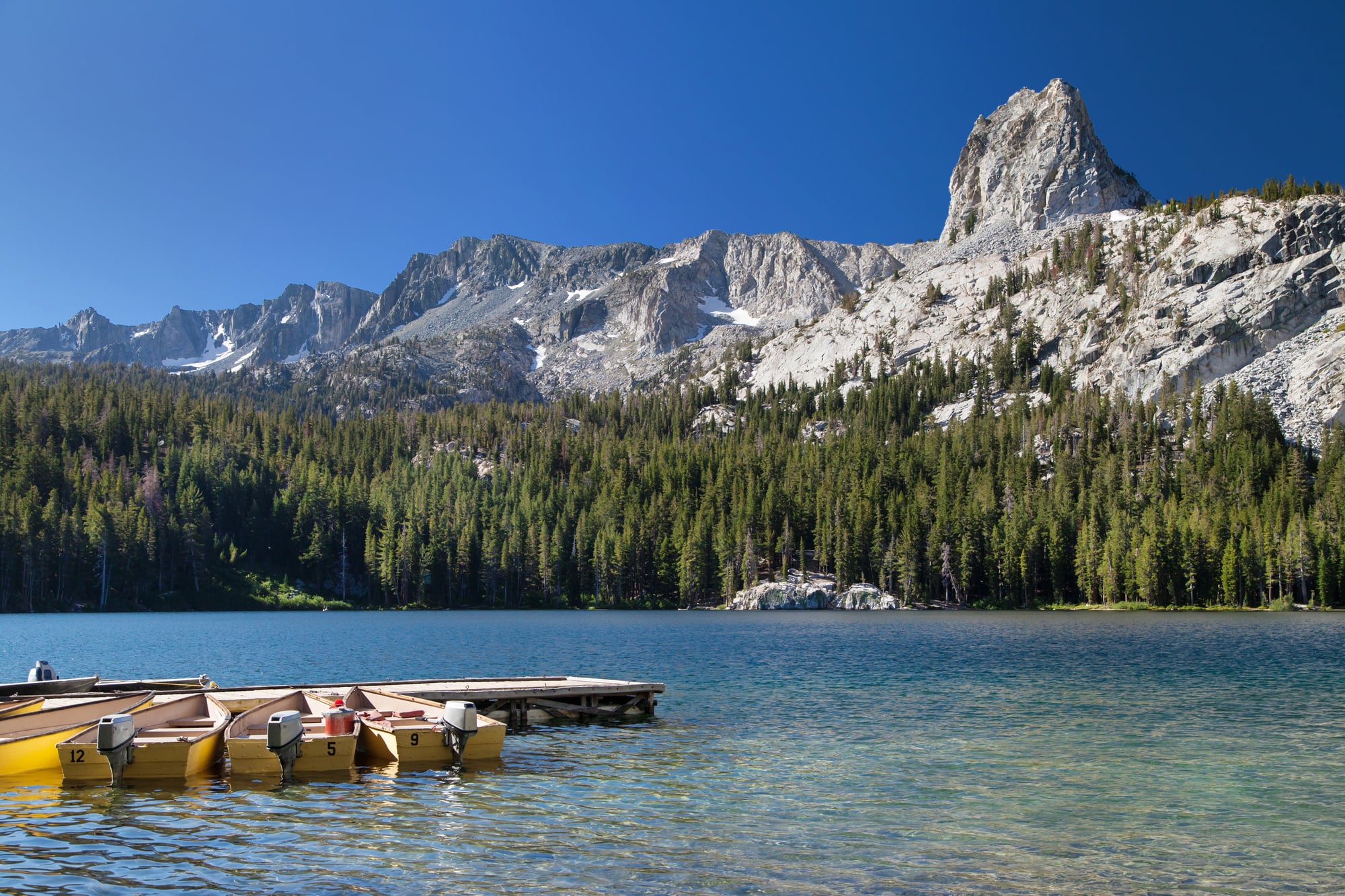
In Mammoth Lakes, there’s a bizarre ordinance that makes it illegal to have more than two roosters per residential property. The law doesn’t limit hens, just roosters, apparently because too many male chickens in one area create noise issues and territorial disputes.
It’s probably the only place where you need to count your roosters before moving in.
Breckenridge, Colorado
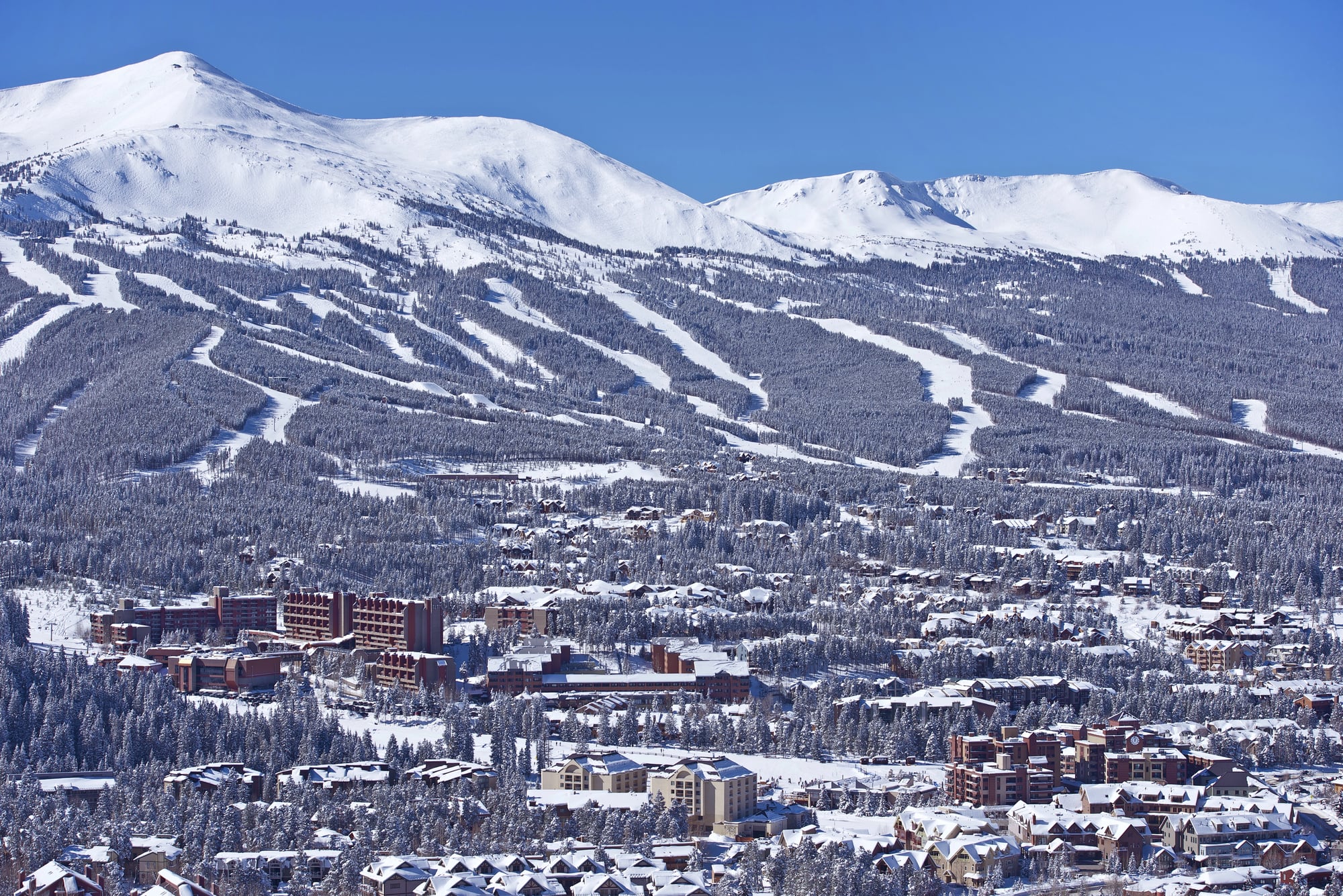
Breckenridge has an ordinance that prohibits anyone from building snowmen taller than three feet on public property. The law was created after some creative locals built massive snow sculptures that blocked sidewalks and created traffic hazards.
Now all public snowmen must be knee-high or shorter, though private property snowmen can still reach for the sky.
Gatlinburg, Tennessee
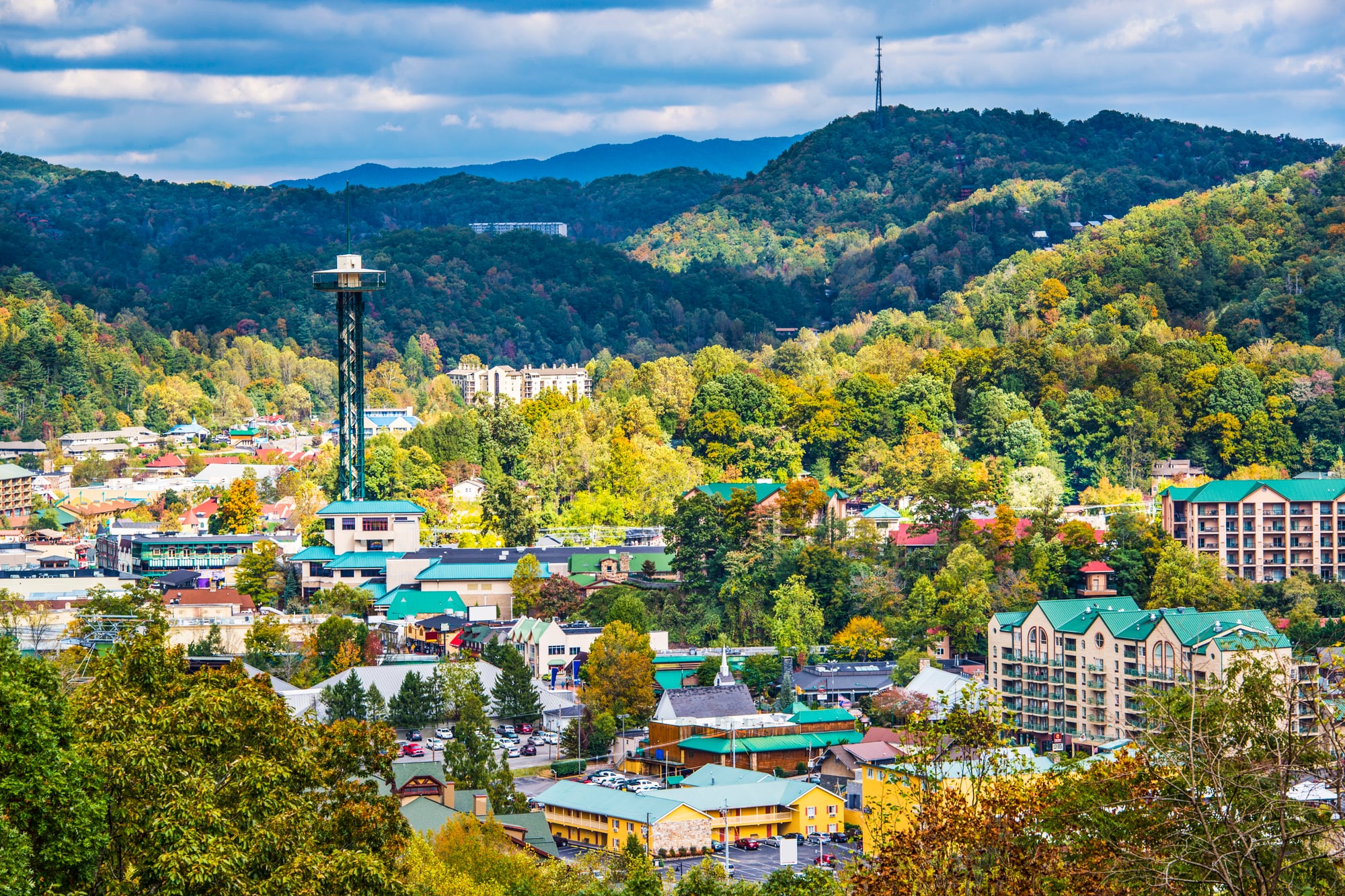
Gatlinburg requires all outdoor wedding ceremonies to have a designated ‘bear monitor’ present during the event. This isn’t as crazy as it sounds, given the town’s location near Great Smoky Mountains National Park, but it does mean someone at your mountain wedding needs to be officially watching for uninvited furry guests instead of focusing on the ceremony.
Like Go2Tutors’s content? Follow us on MSN.
Banff, Alberta
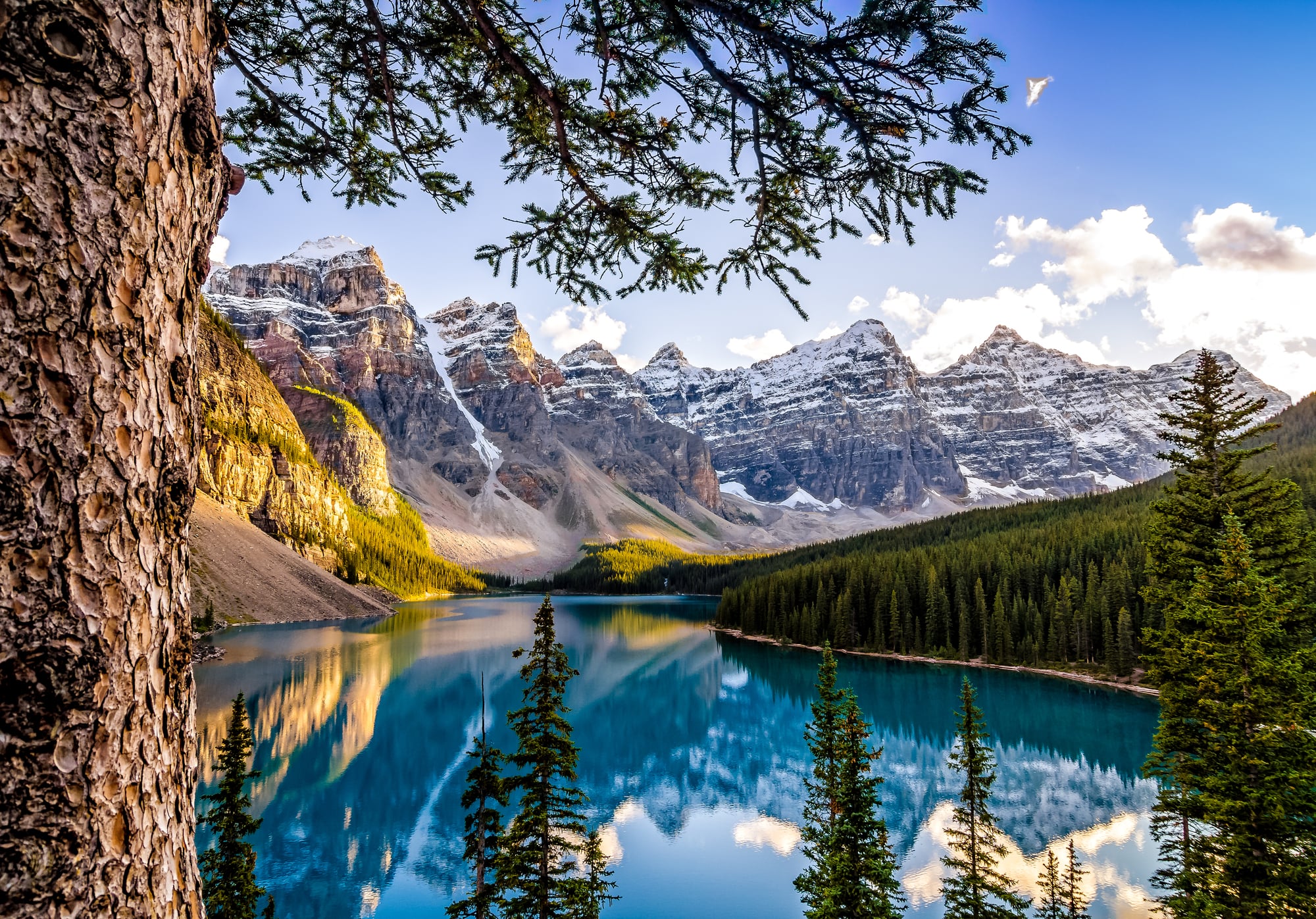
While technically in Canada, Banff’s ordinance about outdoor music deserves mention because it’s so specific. The town prohibits any amplified music outdoors that can be heard more than 50 feet away, except during designated festival times.
This means even acoustic guitars need to stay pretty quiet, making it possibly the most sound-conscious mountain town in North America.
Whistler, British Columbia
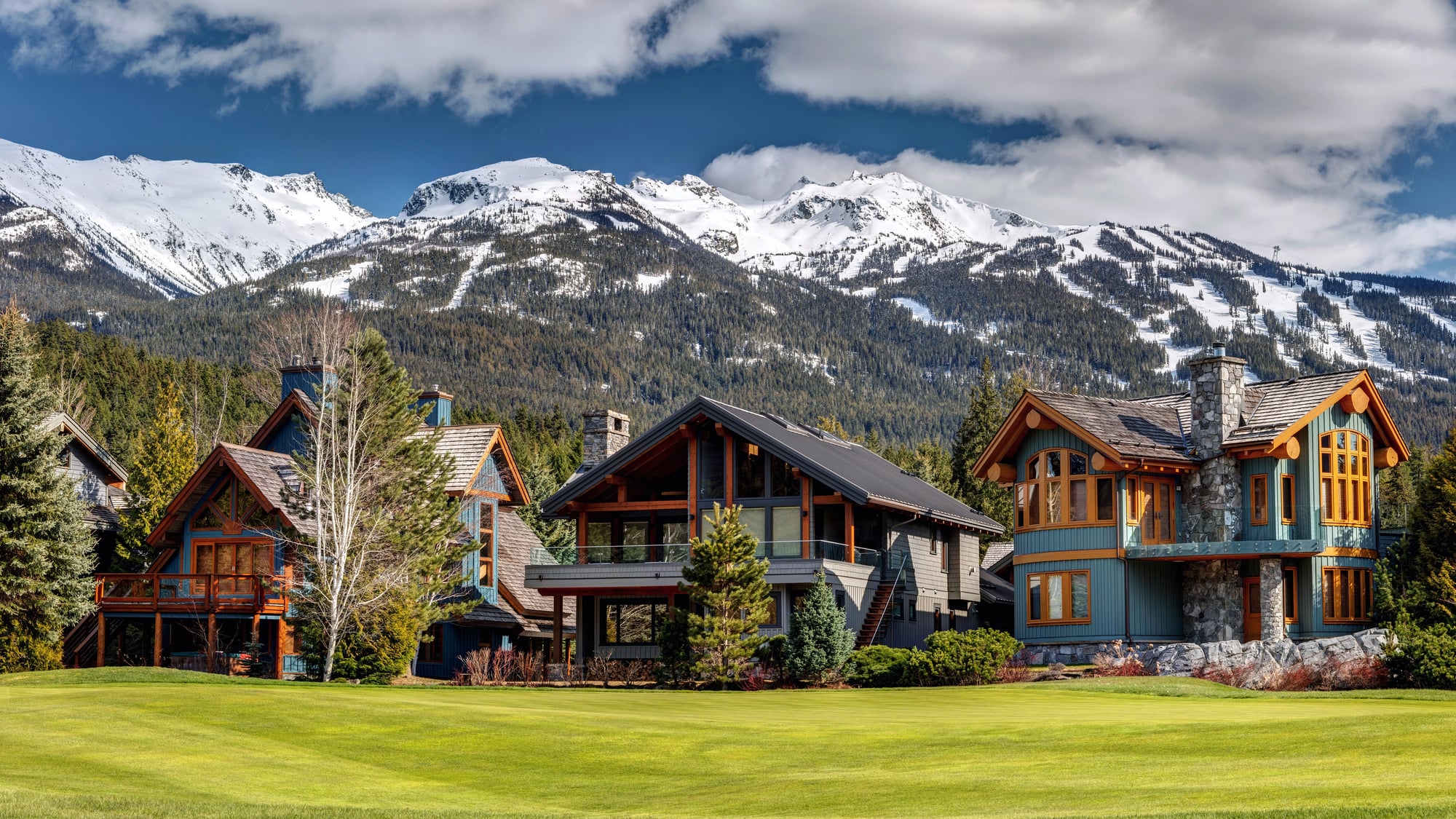
Whistler has an ordinance requiring all dogs to wear reflective gear during winter months when walking on or near ski slopes. The law was passed after several incidents where dogs became nearly invisible against the snow, creating safety hazards for both skiers and pets.
It’s probably the only place where your dog needs a safety vest for a winter walk.
Vail, Colorado
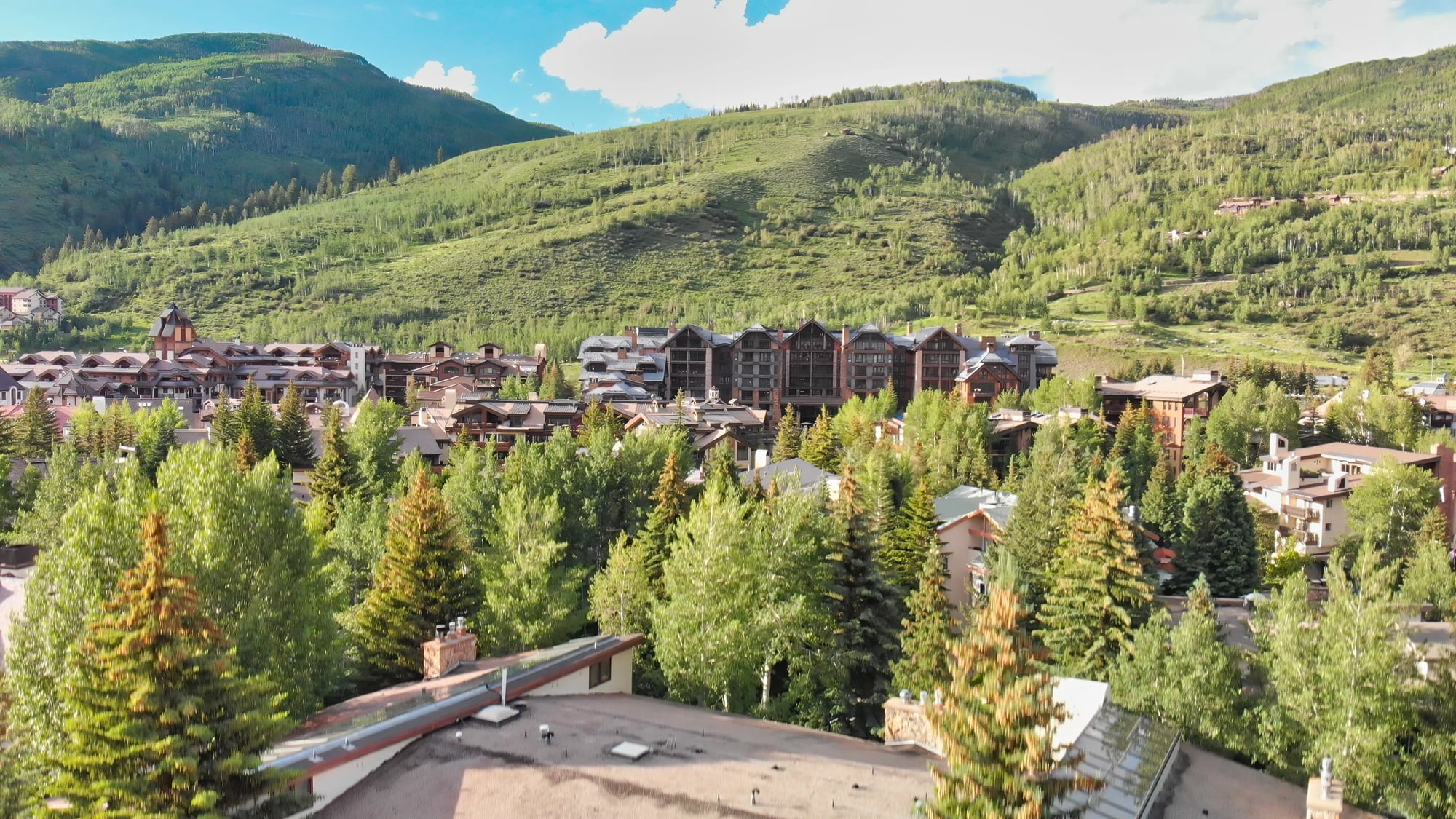
Vail has a law that prohibits anyone from wearing camouflage clothing in the main village area during peak tourist season. The ordinance was apparently created to maintain the town’s upscale image and prevent confusion during hunting season.
It’s one of the few places where your clothing choice could actually get you a citation.
Like Go2Tutors’s content? Follow us on MSN.
Sun Valley, Idaho
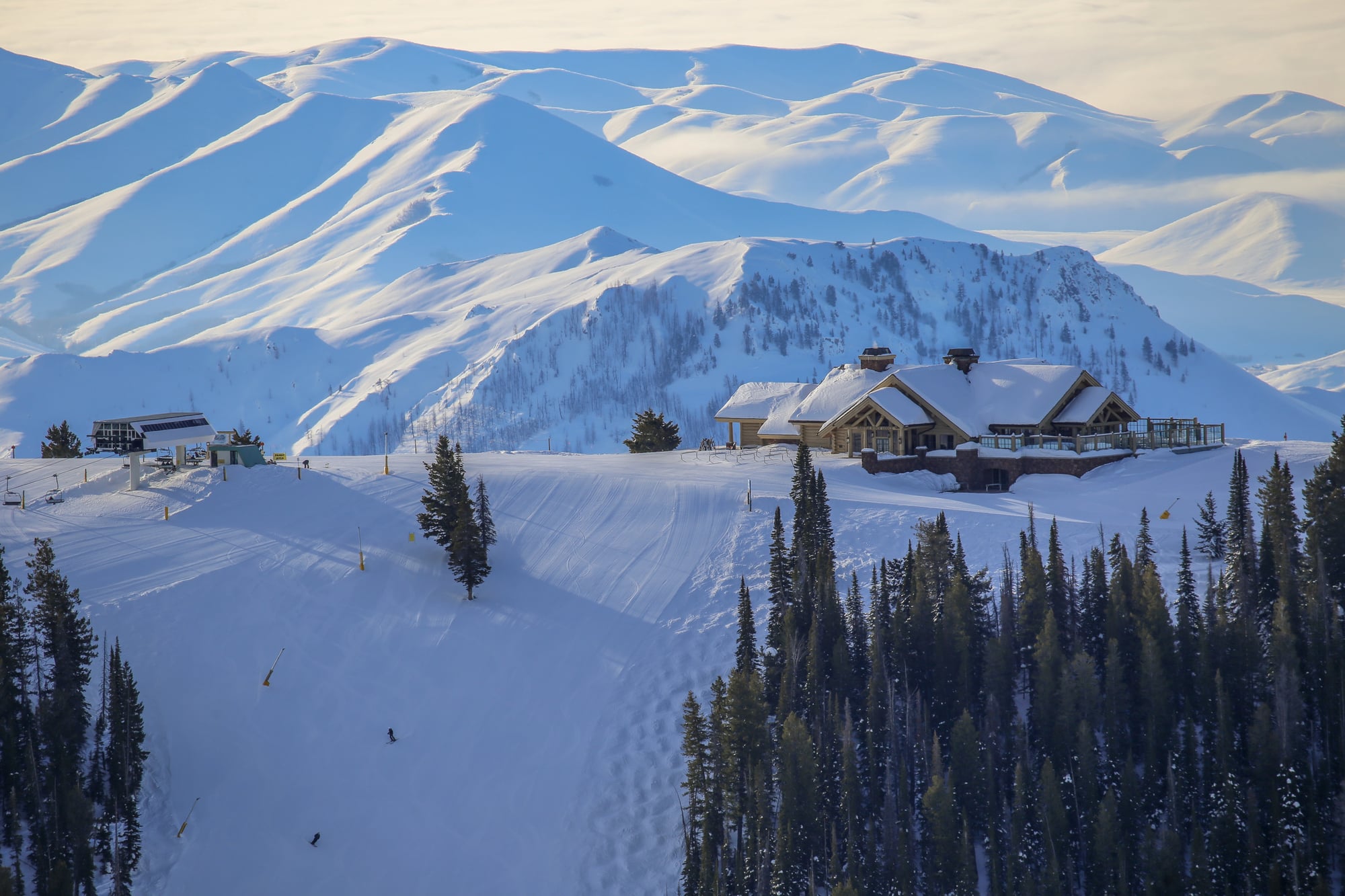
Sun Valley requires all residential properties to maintain their snow removal equipment in ‘parade-ready condition’ during the winter months. This means snow blowers, plows, and shovels must be clean and well-maintained at all times, presumably because you never know when the mayor might want to inspect your snow removal setup.
Steamboat Springs, Colorado
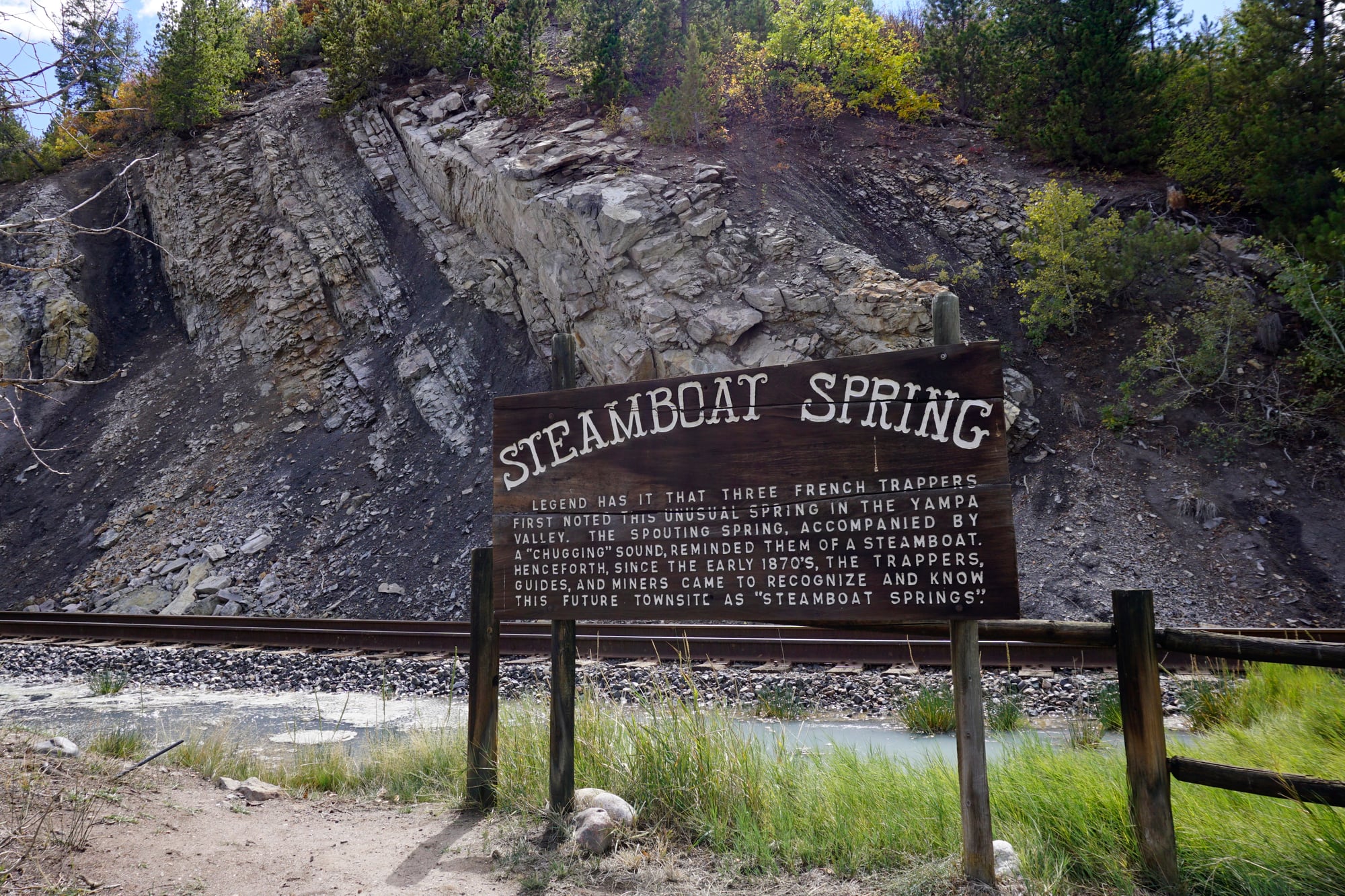
Steamboat Springs has an ordinance that makes it illegal to ski or snowboard down city streets, even when they’re covered in snow. While this seems like common sense, the law had to be created because some locals thought powder-covered roads were fair game for impromptu ski runs.
The town apparently draws the line at treating Main Street like a ski slope.
Crested Butte, Colorado
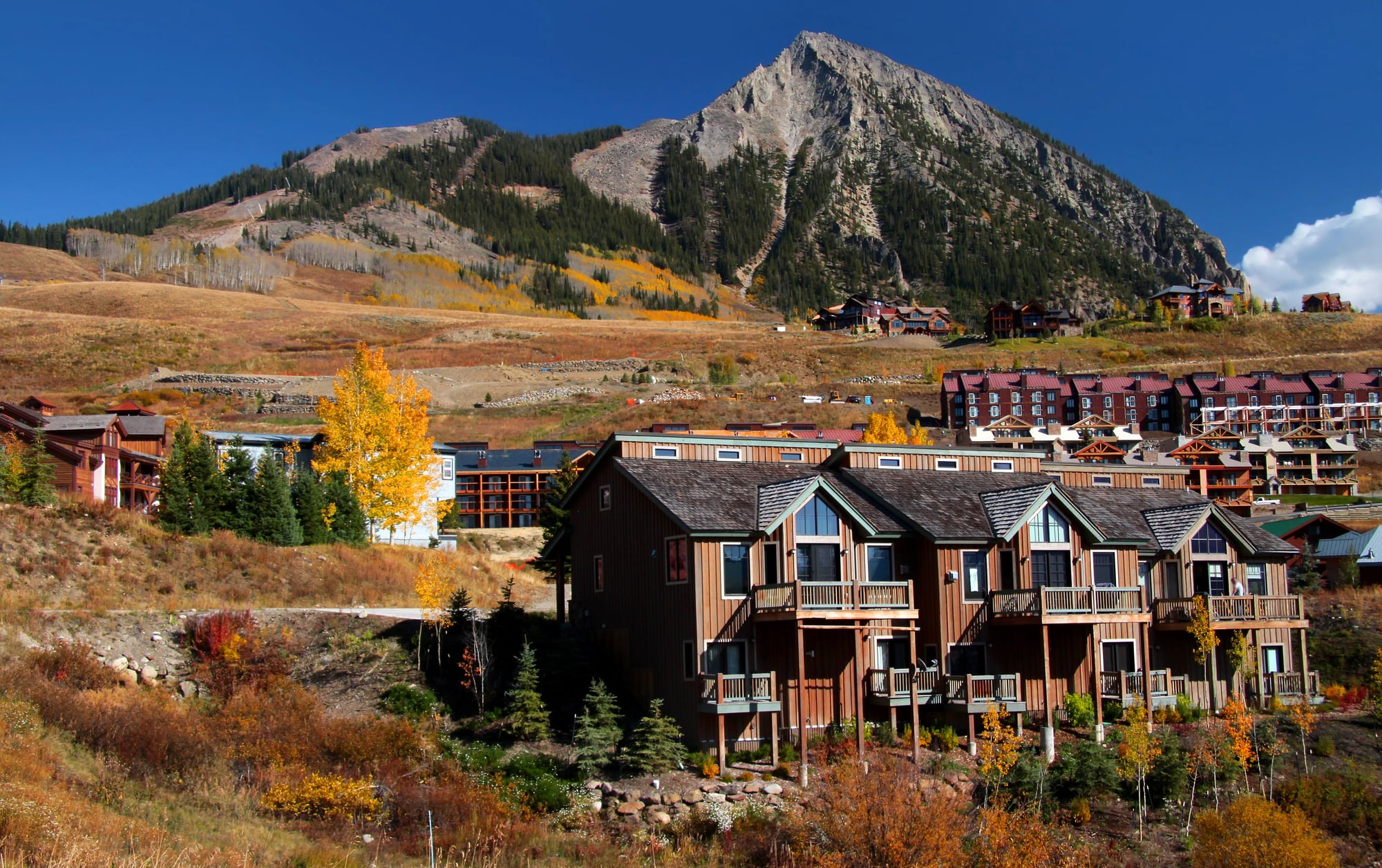
In order to preserve the town’s renowned wildflower displays, Crested Butte forbids the use of leaf blowers during the summer. The legislation acknowledges that the region’s breathtaking alpine blooms are a popular tourist destination and that the fragile ecosystem that produces those picturesque meadows can be harmed by mechanical disruptions.
Like Go2Tutors’s content? Follow us on MSN.
Killington, Vermont

Killington has a law requiring all outdoor hot tubs to be covered when not in use during the winter months. While this might seem like an energy conservation measure, it’s actually about preventing wildlife from using the warm water as a winter refuge.
Apparently, the town had issues with various animals treating uncovered hot tubs like their personal spas.
Big Sky, Montana
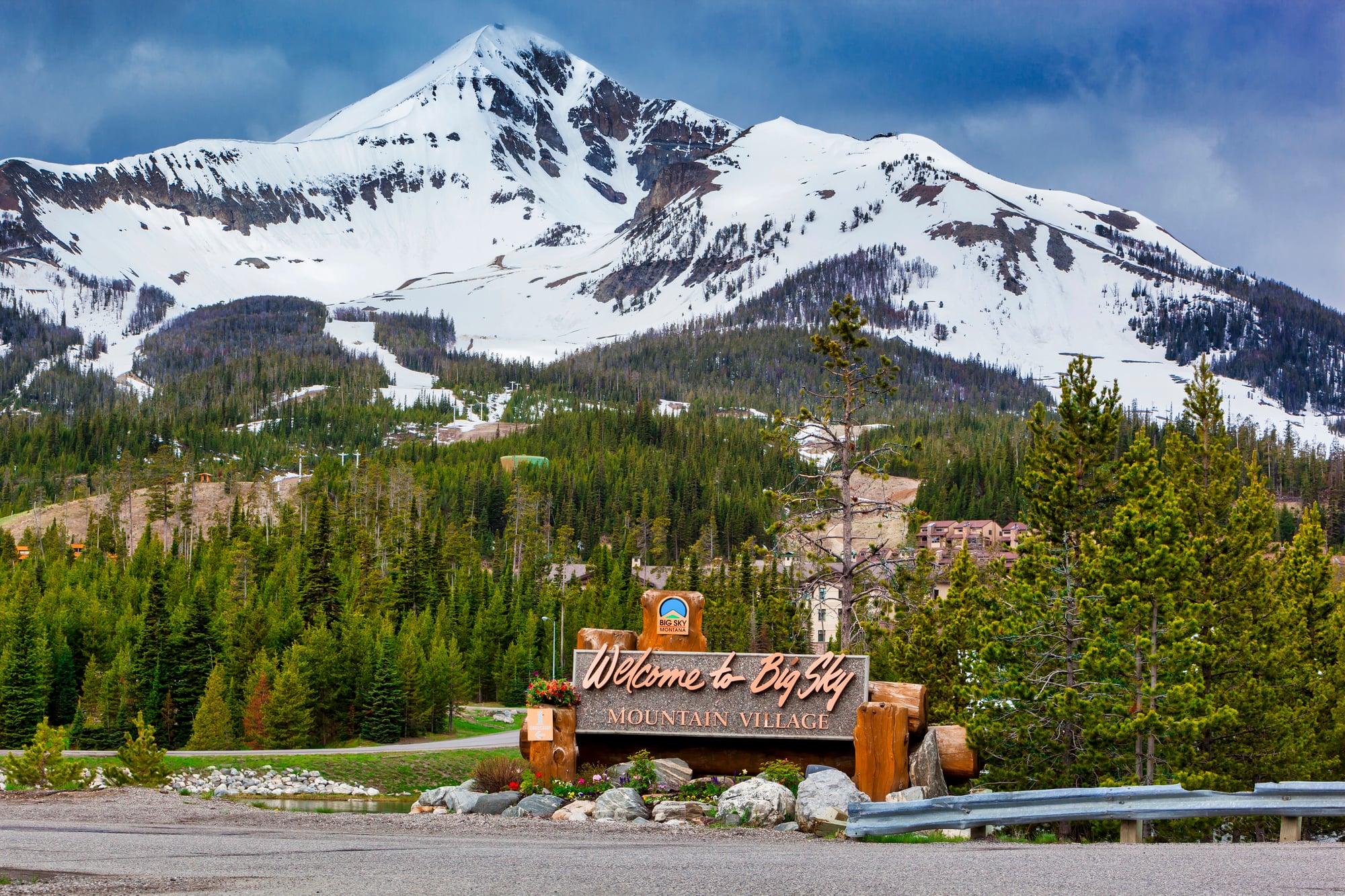
All new businesses must demonstrate that they have sufficient space to store winter gear all year round, according to Big Sky. This covers everything from ice melt to snow plows, and the town realized that companies that don’t prepare for winter cause issues for everyone, which is why the rule was put in place.
The law basically says, “Be prepared for snow or don’t bother opening.”
Deer Valley, Utah
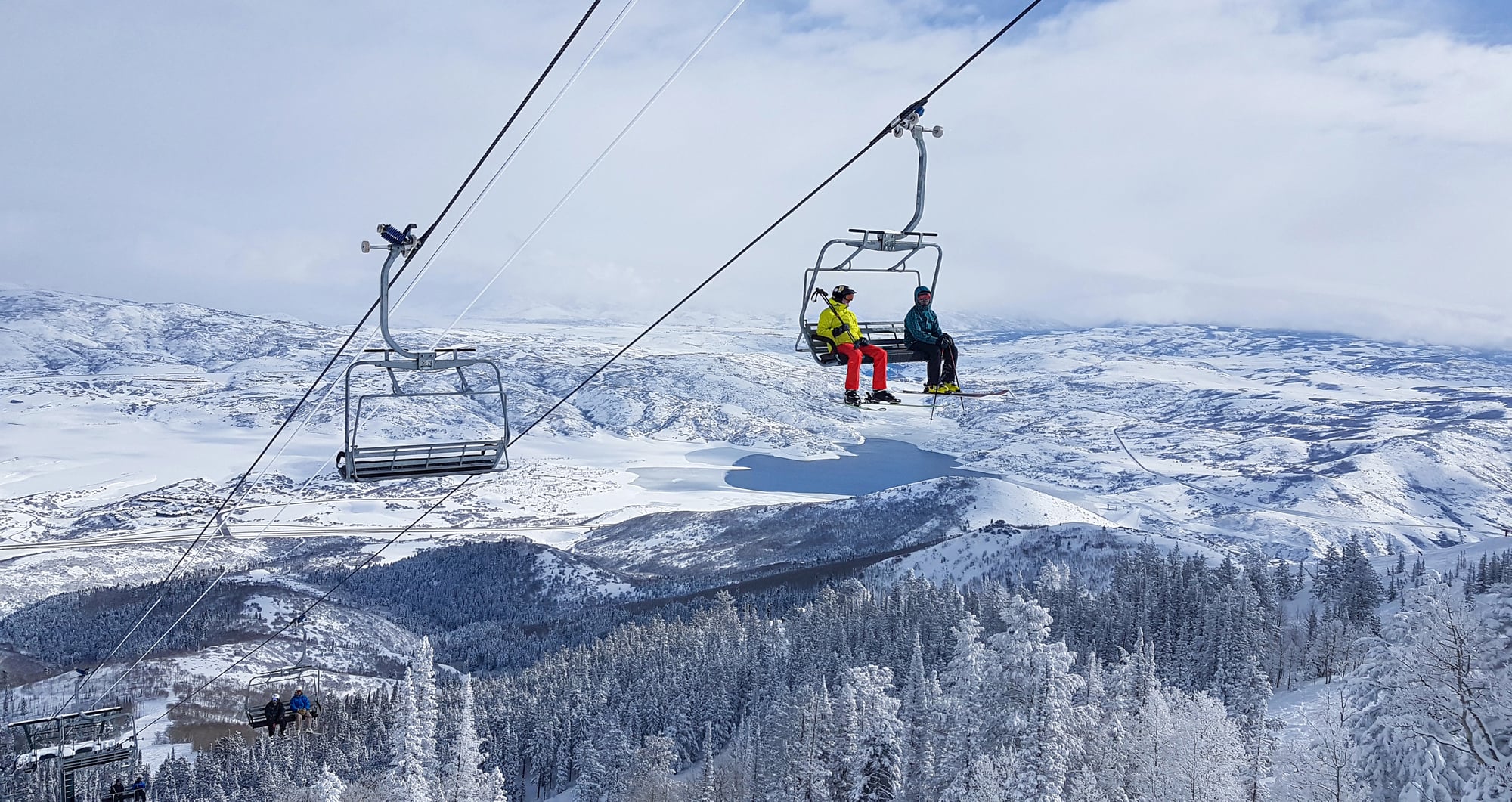
Deer Valley has an ordinance prohibiting anyone from teaching skiing or snowboarding on the mountain without wearing clothing that meets specific color and style requirements. The law ensures that all instructors maintain the resort’s upscale image, making it possibly the only place where your teaching outfit needs to pass a fashion inspection before you hit the slopes.
Like Go2Tutors’s content? Follow us on MSN.
When Quirky Laws Meet Mountain Living
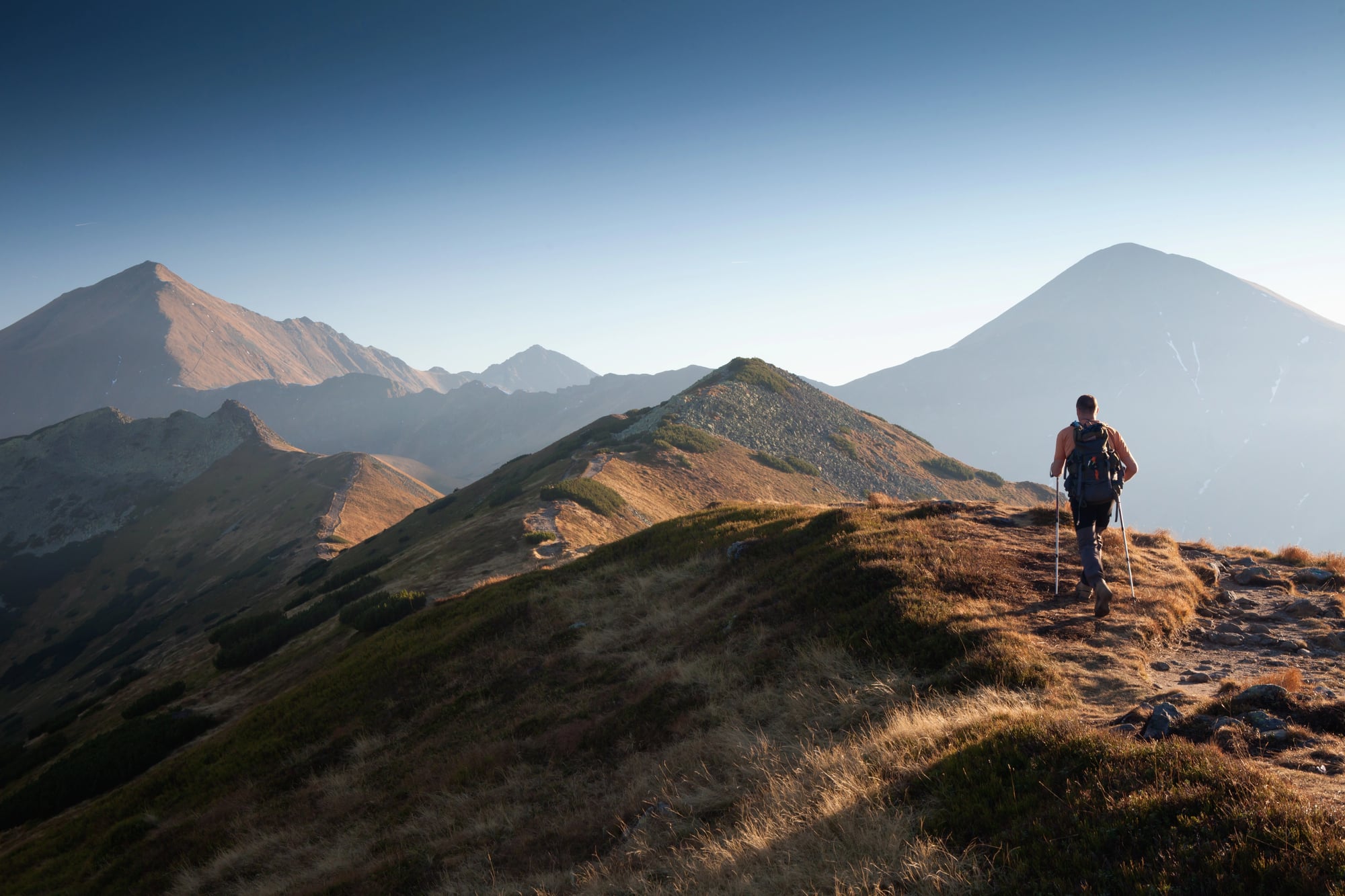
These peculiar laws highlight an intriguing aspect of mountain town life: the necessity of striking a balance between tradition, tourism, and pragmatism in areas where Mother Nature makes many decisions. Outsiders may find some of these regulations absurd, yet they frequently offer practical answers to issues that are exclusive to these distinct high-altitude communities.
These mountain towns have shown that sometimes the best governance comes from thinking outside the box, even if that box happens to be shaped like a three-foot-tall snowman. This is true whether it comes to managing wildlife interactions, maintaining resort images, or simply keeping the peace between locals and visitors.
More from Go2Tutors!

- 18 Unexpectedly Valuable Collectibles You Might Have Lying Around
- 20 Little-Known Historical Battles That Had Huge Consequences
- 20 Historical Artifacts That Scientists Can’t Explain
- 15 Inventions That Were Immediately Banned After Being Created
- 20 Actors Who Were Almost Cast in Iconic Roles
Like Go2Tutors’s content? Follow us on MSN.