Cities With Unique Environmental Solutions
Most cities face the same basic problems: too much waste, too much traffic, too much pollution. But a handful of places around the world have found genuinely unusual ways to deal with them.
Not just bike lanes and recycling bins — actually creative approaches that other cities have started paying attention to. Here are some worth knowing about.
Singapore Grows Its Green Vertically
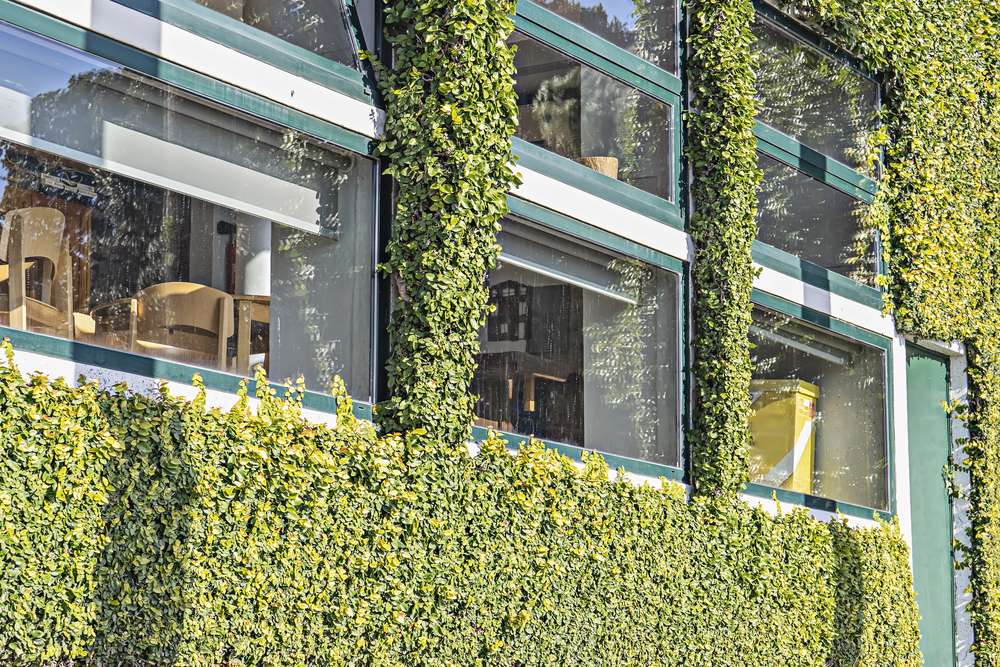
Space is scarce in Singapore, which is why the city started stacking its greenery upward instead of spreading it out. Buildings across the island are covered in plants — walls, rooftops, bridges.
The government calls it “biophilic design,” and it’s become part of the building code rather than just an architectural flourish. The plants reduce surface heat, absorb rainwater, and bring down indoor temperatures enough to reduce air conditioning use.
When your city is both dense and tropical, that combination matters a lot.
Copenhagen Treats Cycling as Infrastructure, Not a Hobby
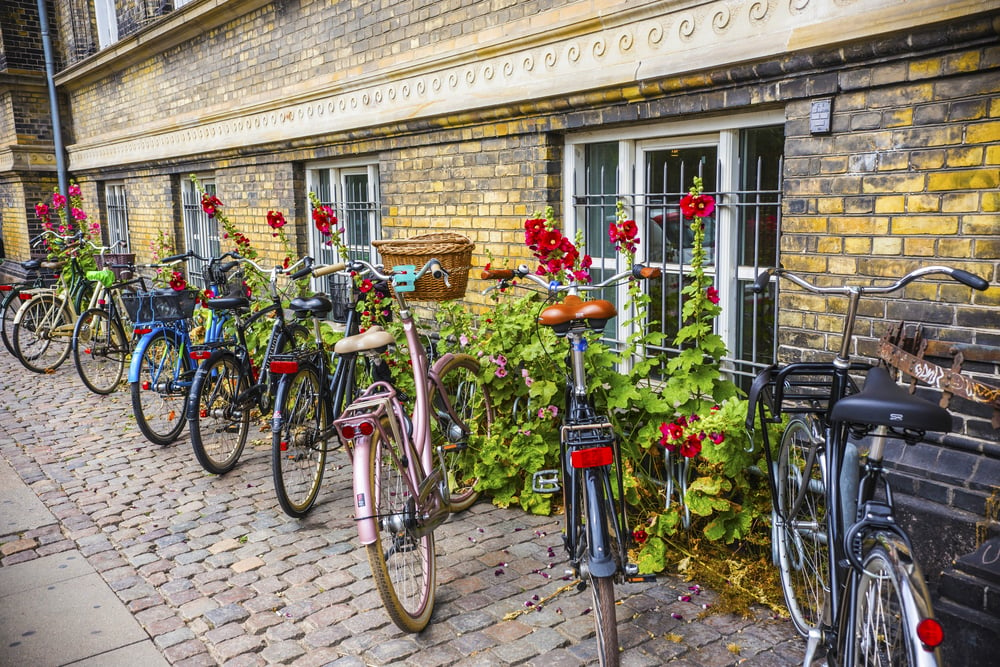
Over half of Copenhagen residents commute by bike every day. That number didn’t happen by accident.
The city spent decades building a network of wide, separated cycling paths that feel as natural to use as a road. Cyclists get their own traffic signals, their own lane priority, and in winter, the bike paths get plowed before the car lanes do.
The result is a city where cycling is the fastest option for most trips, not just the most virtuous one.
Medellín Ran Cable Cars to Its Hillside Neighborhoods
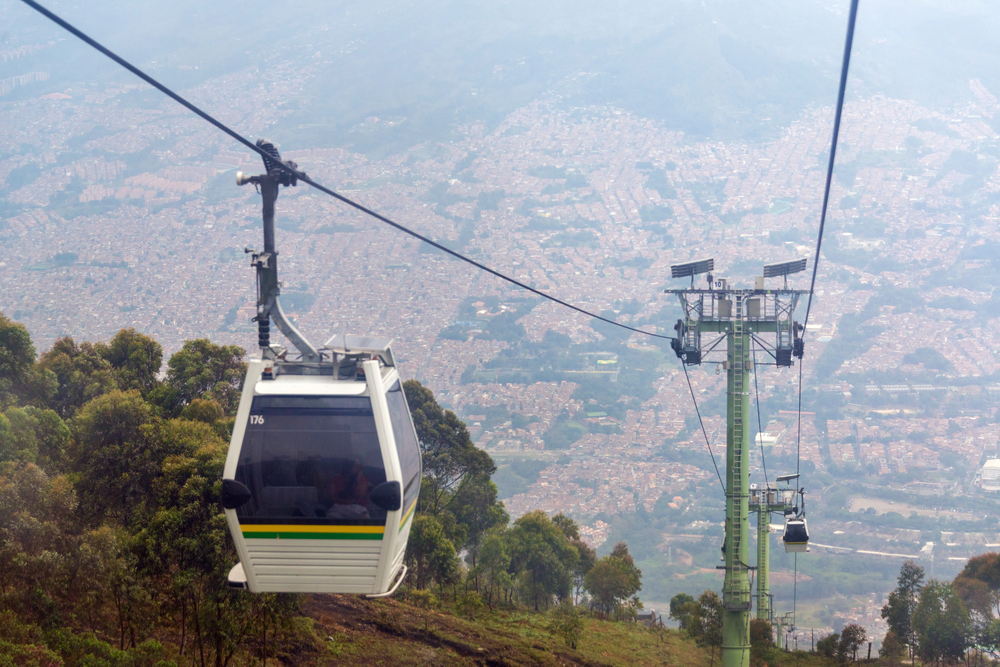
For years, Medellín’s hillside communities were cut off from the rest of the city. The terrain was too steep for roads to reach efficiently, which meant long walks to bus stops and economic isolation on top of geographic isolation.
The city’s answer was an aerial cable car system — gondolas that connect the hillside neighborhoods directly to the metro network below. It reduced commute times dramatically, cut emissions compared to bus routes, and brought those neighborhoods into the economic life of the city in a way that roads alone never managed.
Bogotá Shuts Down Its Streets Every Week
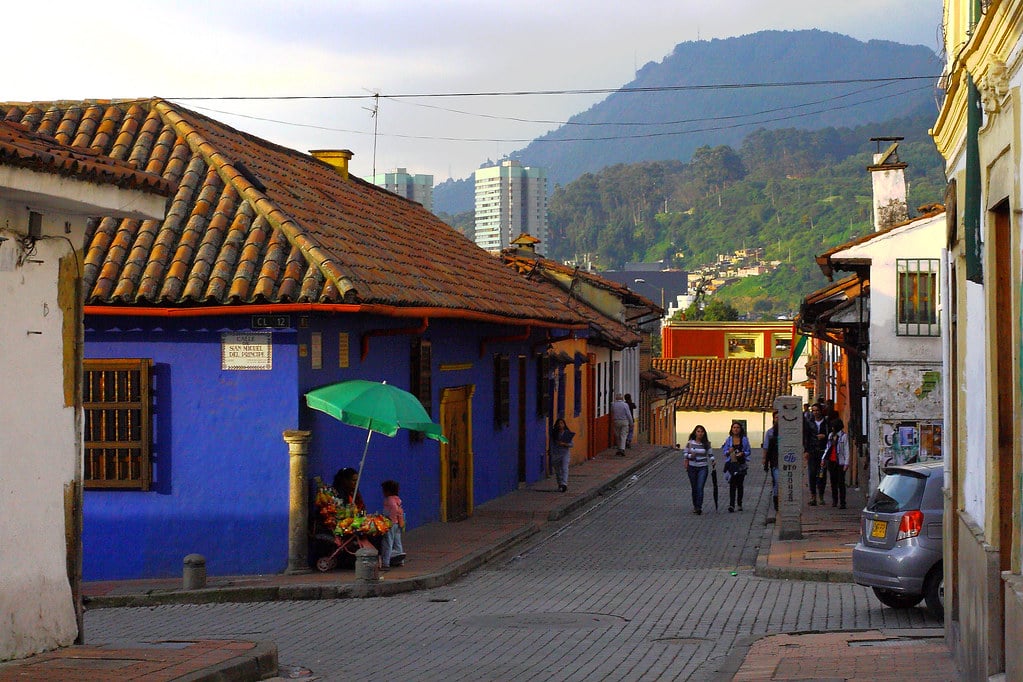
Every Sunday morning, Bogotá closes about 75 miles of its main roads to cars. Cyclists, joggers, families with strollers, and skaters take over entirely.
It’s called the Ciclovía, and it’s been running since 1974. Millions of people use it each week.
What started as an experiment has become one of the most-copied urban programs in the world, and Bogotá still does it with more scale and consistency than anyone who’s tried to replicate it.
Amsterdam Built Homes That Float
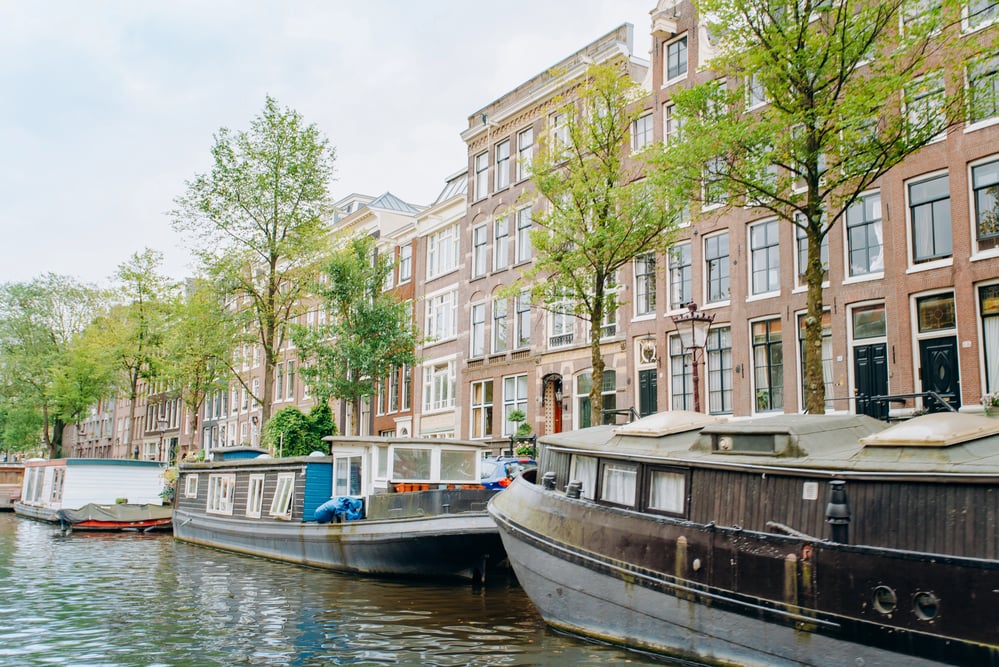
The Netherlands has always had a complicated relationship with water, but Amsterdam took it in an unexpected direction by letting people live on it. The city has hundreds of permanently moored houseboats, many of them connected to the municipal water and electrical grid, situated in former industrial canals.
More recently, entire floating neighborhoods have been planned and built with modern design standards — insulated hulls, solar panels, rainwater collection. Floating homes don’t require land, they adapt naturally to rising water levels, and they make use of waterways that would otherwise just be transit corridors.
Curitiba Figured Out Bus Transit Before Anyone Else
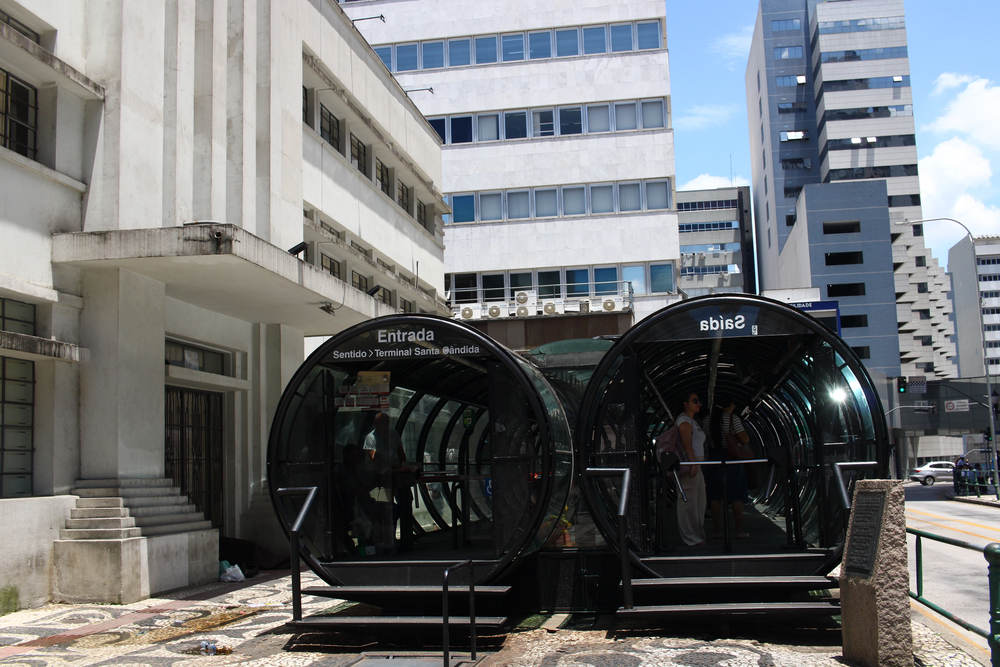
Back in the 1970s, the Brazilian city of Curitiba designed a bus rapid transit system that looked and functioned more like a subway than a traditional bus network. Passengers buy tickets before boarding at enclosed tube stations, buses run in dedicated lanes, and the whole system is coordinated like rail transit.
The city built its urban development along the transit lines so density followed the buses rather than the other way around. Curitiba did this on a fraction of what a metro system would have cost, and dozens of cities have since adapted the model.
Seoul Tore Out a Highway and Found a Stream Underneath
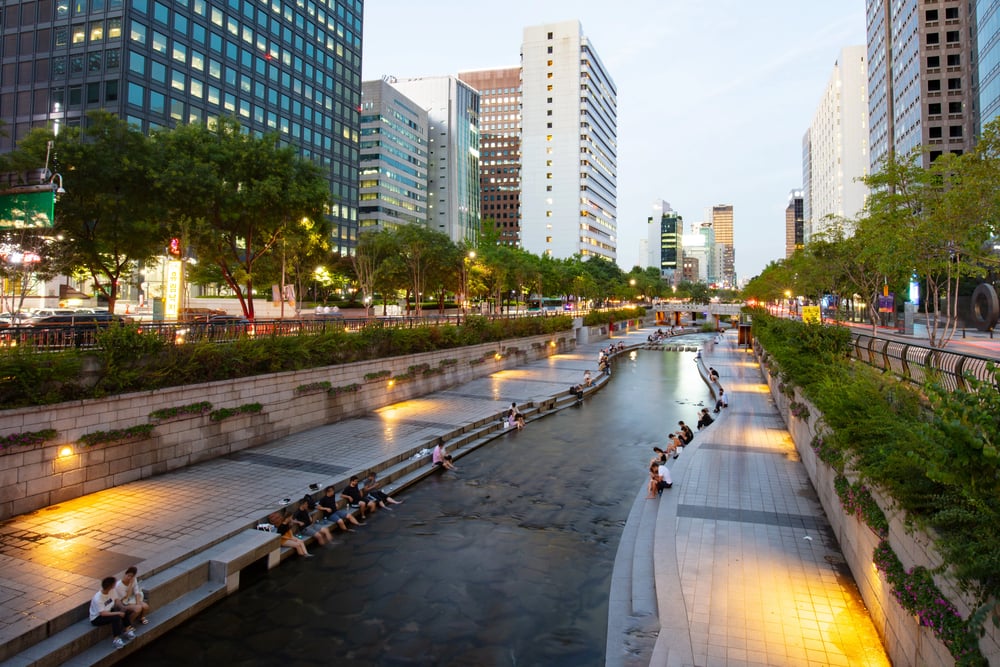
In 2005, Seoul demolished an elevated highway that ran through the center of the city and uncovered the Cheonggyecheon Stream, which had been buried under concrete for decades. The restoration brought back flowing water, green banks, and walking paths through the urban core.
Temperatures along the stream are measurably lower than nearby streets. The area became one of the most visited parts of the city, and the highway traffic simply redistributed without the gridlock critics predicted.
Seoul proved that removing urban infrastructure can sometimes improve a city more than adding it.
Vienna Heats Its City With What Other Cities Throw Away
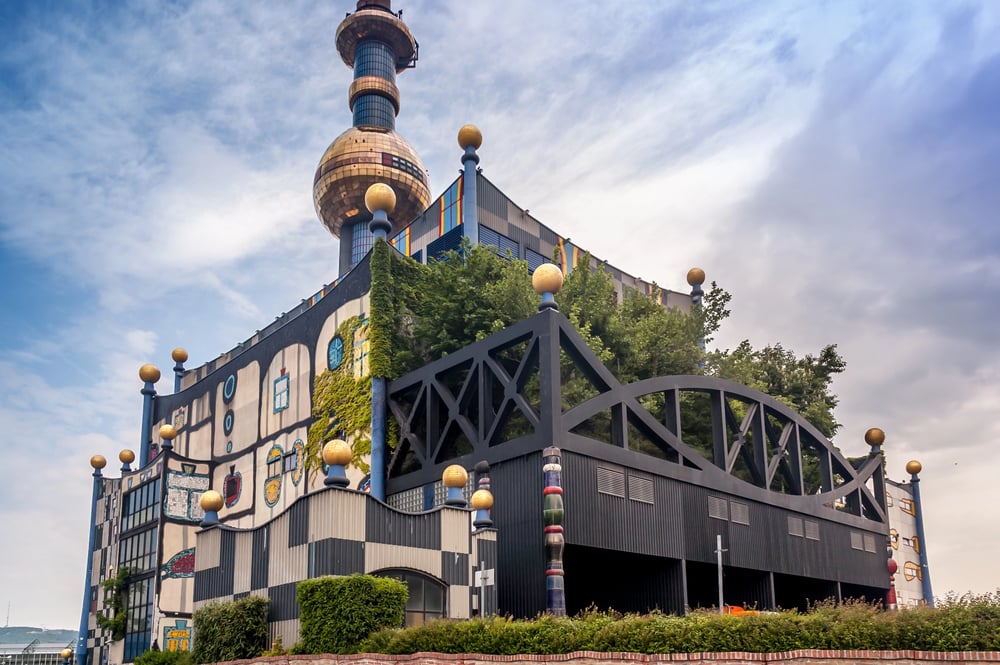
Vienna runs one of the largest district heating networks in Europe, and a significant portion of it is powered by waste heat from a massive municipal incinerator — the Spittelau plant, which was redesigned by artist Friedensreich Hundertwasser and sits in the middle of a residential neighborhood. The system pipes heat from the incineration process directly into homes and buildings across the city, so energy that would otherwise escape into the atmosphere gets used instead.
Around 30% of Vienna’s buildings are connected to the district heating grid.
Rotterdam Designed Squares That Absorb Floods
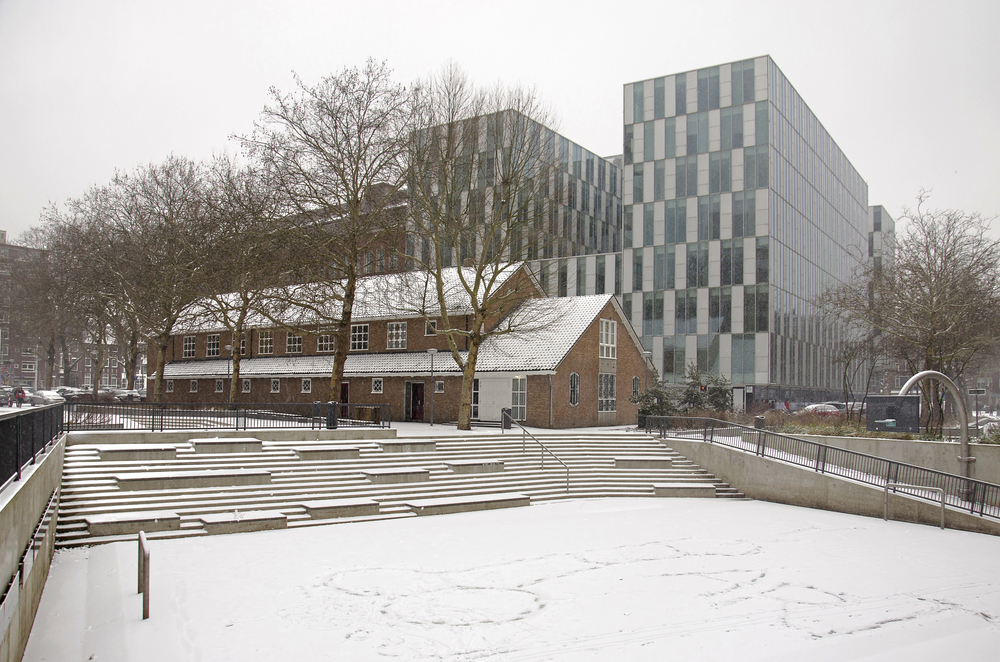
Much of Rotterdam sits below sea level, which means heavy rain is a real threat. The city’s answer wasn’t just bigger drains — it was public squares designed to function as water storage during storms.
The Benthemplein water square looks like a normal urban plaza most of the time, with steps, sports courts, and gathering spaces. When it rains heavily, the lower sections fill with water, holding it long enough for the drainage system to catch up.
The water is gone within 24 hours. The same space serves two purposes without sacrificing either one.
Masdar City Tried Something Entirely New
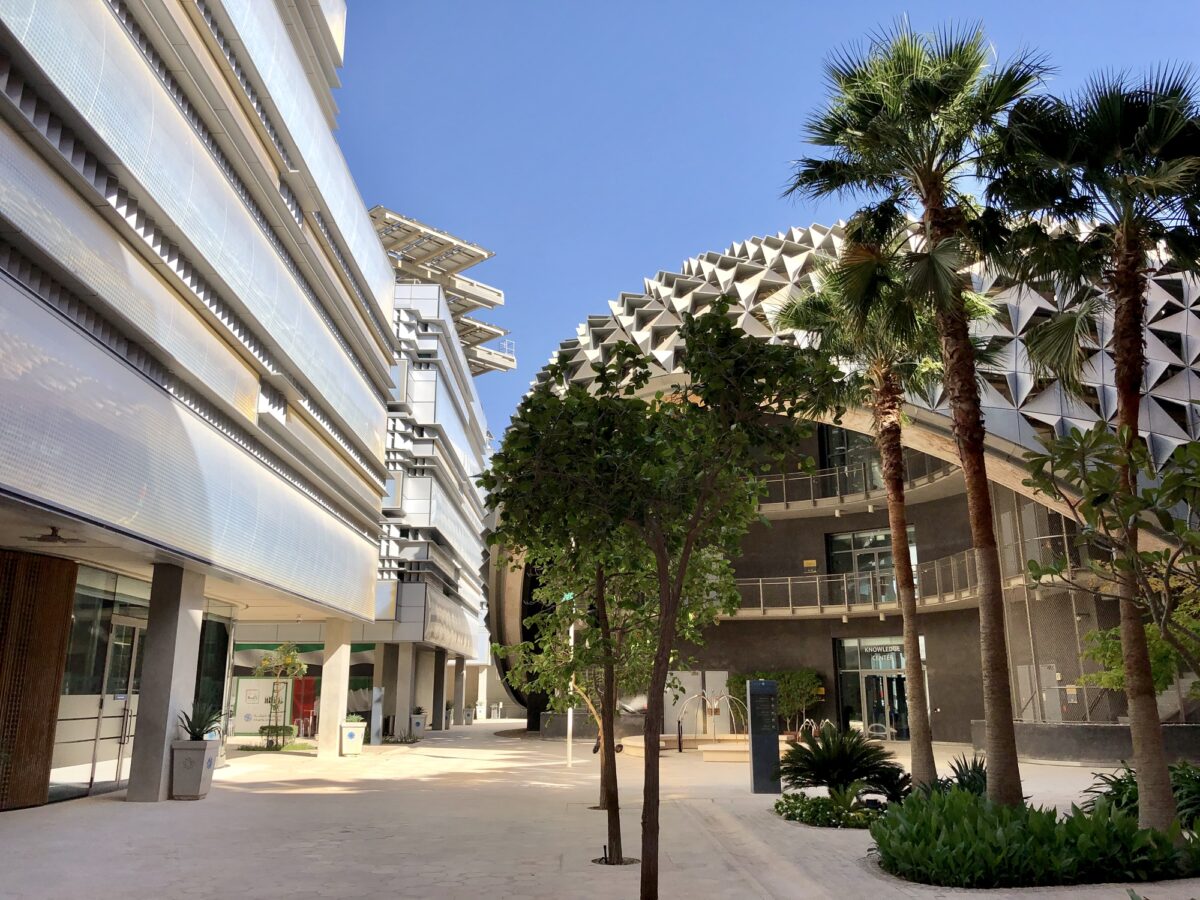
Out of nothing rose Abu Dhabi’s bold experiment – Masdar City, designed without tailpipe fumes from day one. Inside its borders, private cars have no place at all.
Travel happens through tiny self-driving electric carriers gliding beneath streets on hidden rails, moving people silently to their destinations. Though scaled down from early blueprints and still taking shape in parts, the web of transit works as promised.
Few spots globally can claim a downtown life fully shaped by walkability and clean mobility right from birth, not forced later onto crowded old roads.
Gothenburg Ferries Use Electric Power
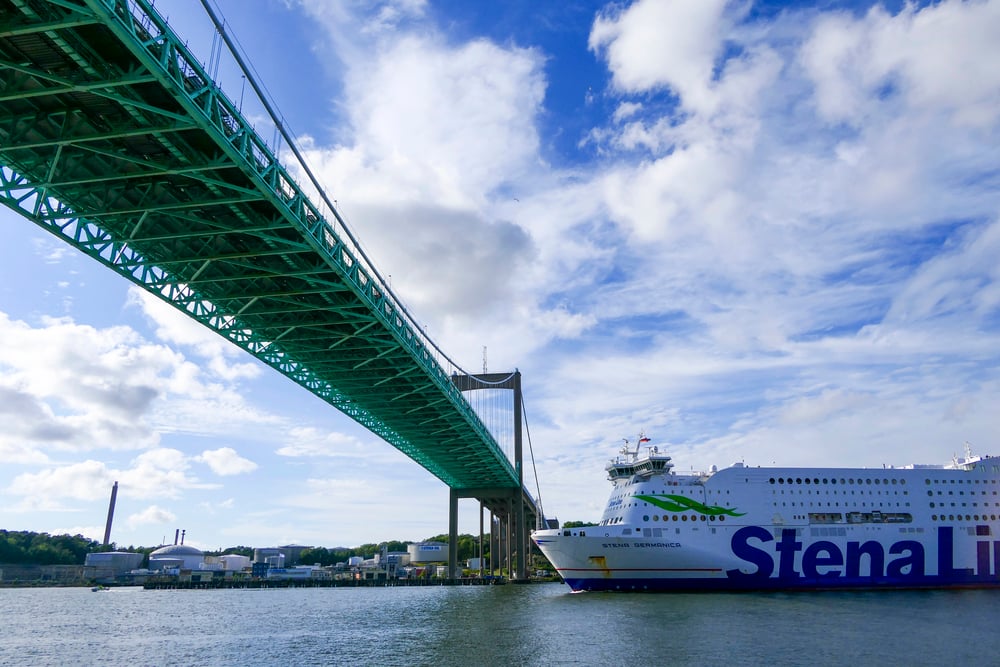
Ferries that once ran on diesel now glide silently through Gothenburg’s channels, powered entirely by electricity. Plugged in at docks after each trip, they recharge fast enough to keep up with busy schedules.
Thousands cross the water every day without adding fumes to the air. Setting up the power points along the shore proved simpler than expected.
Money spent running the fleet has gone down since the changeover. Nearby cities took note – some already copying the setup with plans of their own unfolding quietly.
Oslo Bans Fossil Fuels at Construction Sites

Building stuff messes up the air more than almost anything else in cities, yet folks hardly ever check there first when chasing cleaner skies. Oslo put it front and center.
Machines like diggers, lifts, and cement spinners on public builds must run clean – just electric juice or hydrogen gas now. Firms doing the work got little time to catch up.
That shift hit hard, moved quickly. Now Norway ranks among the top global hubs for electric construction gear.
A single urban purchasing policy sparked shifts across production lines far beyond its borders.
Zurich Lets The River Flow Through The City As A Place To Swim
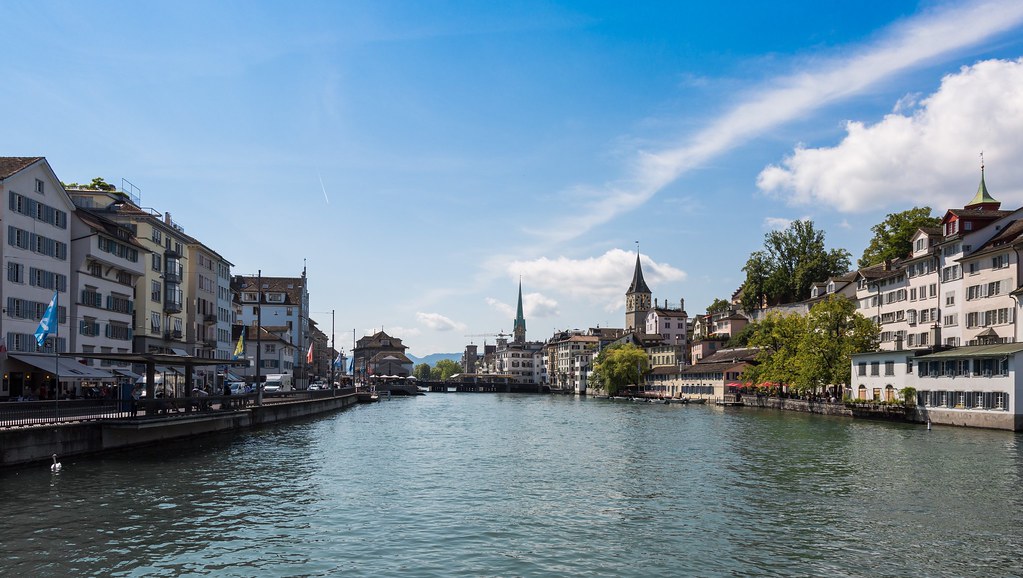
Down the heart of Zurich flows the Limmat River, yet it’s not just scenery – locals dive in. Not out near quiet edges, instead they leap from riverside docks known as badis, built straight over moving water.
Safety here comes from strict upkeep, so swimming isn’t risky. When warm days arrive, these wooden spots fill fast.
A city where workers and families float downtown shows what clean water can mean.
Where Cities Move Next

Not every fix works perfectly. Most needed years of steady effort before taking shape. Yet each has this in common: born from cities ready to test paths without clear guides.
Floating homes, hidden creeks, plazas that turn into skate zones when wet – once odd, now studied by others. One city tries.
Others reshape those lessons. This back-and-forth likely drives much real change in urban environments.
More from Go2Tutors!

- The Romanov Crown Jewels and Their Tragic Fate
- 13 Historical Mysteries That Science Still Can’t Solve
- Famous Hoaxes That Fooled the World for Years
- 15 Child Stars with Tragic Adult Lives
- 16 Famous Jewelry Pieces in History
Like Go2Tutors’s content? Follow us on MSN.