Marketing Fails That Became Viral Sensations
Some brands have spent millions on carefully planned campaigns only to watch them flop quietly. Others have made embarrassing, tone-deaf, or downright confusing moves and somehow ended up with more attention than any polished ad could have bought them.
It is a strange but very real corner of advertising history. Here is the thing, some of the biggest brand blunders ever recorded did not just survive the backlash.
Pepsi’s Protest Ad
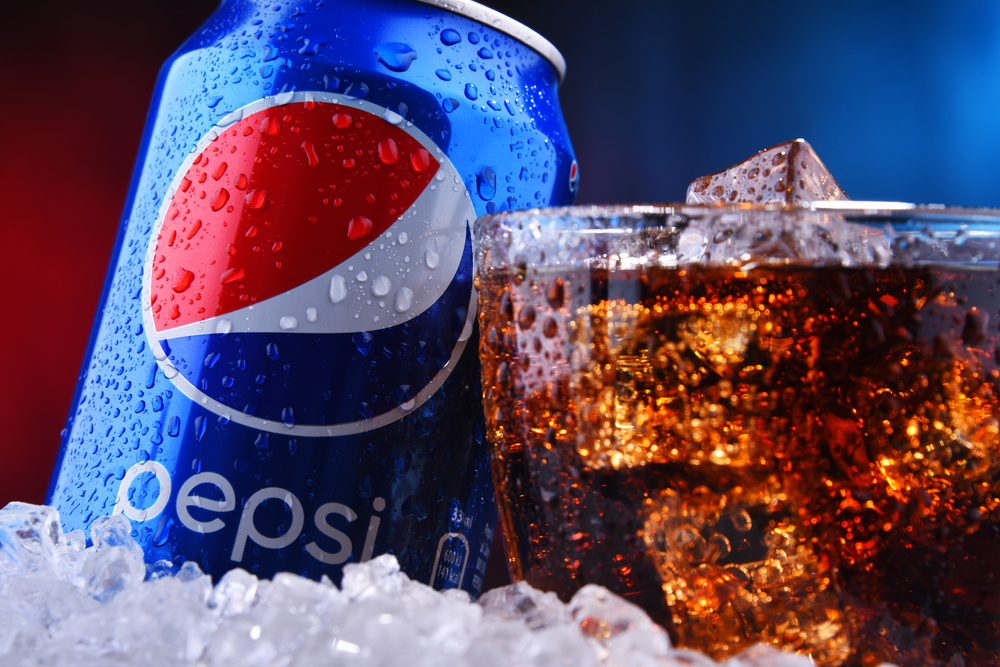
In 2017, Pepsi released a commercial featuring Kendall Jenner handing a can of Pepsi to a police officer at a protest, as though a soda could resolve social tension. The internet exploded with mockery almost instantly.
Pepsi pulled the ad within 24 hours, but the damage, or rather the exposure, was already done. The brand got more attention in those 48 hours than most campaigns dream of.
IHOP’s Name Change
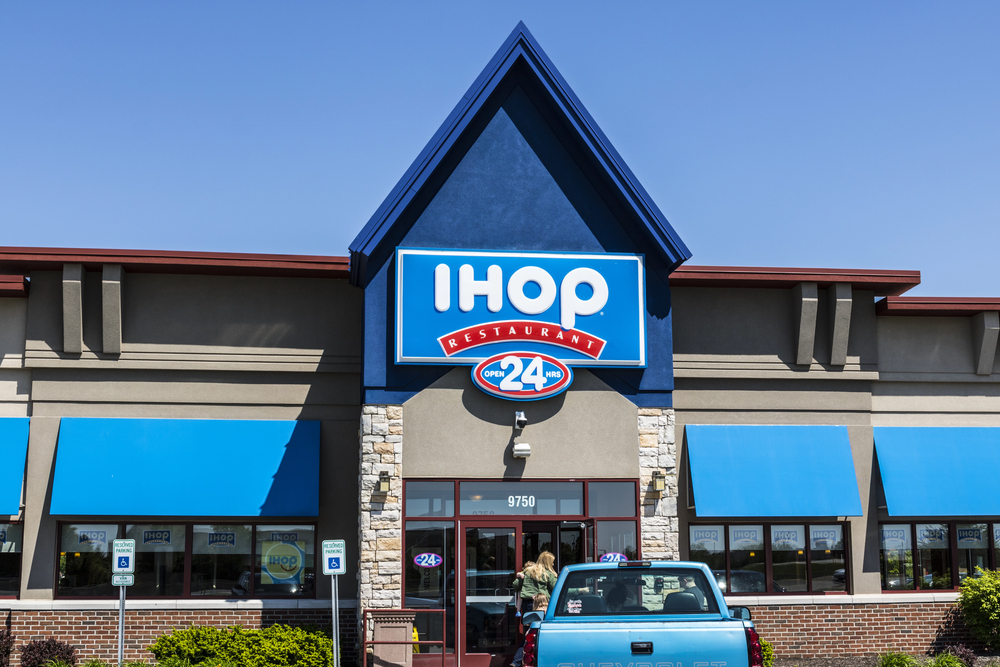
IHOP, the International House of Pancakes, announced it was changing its name to IHOb, with the ‘b’ standing for burgers. Nobody believed it.
Everyone talked about it. Twitter became a battleground of jokes, confusion, and fast food chains piling on with their own comebacks.
It turned out to be a publicity stunt, and it worked so well that IHOP’s burger sales reportedly quadrupled.
Dove’s Body Wash Packaging
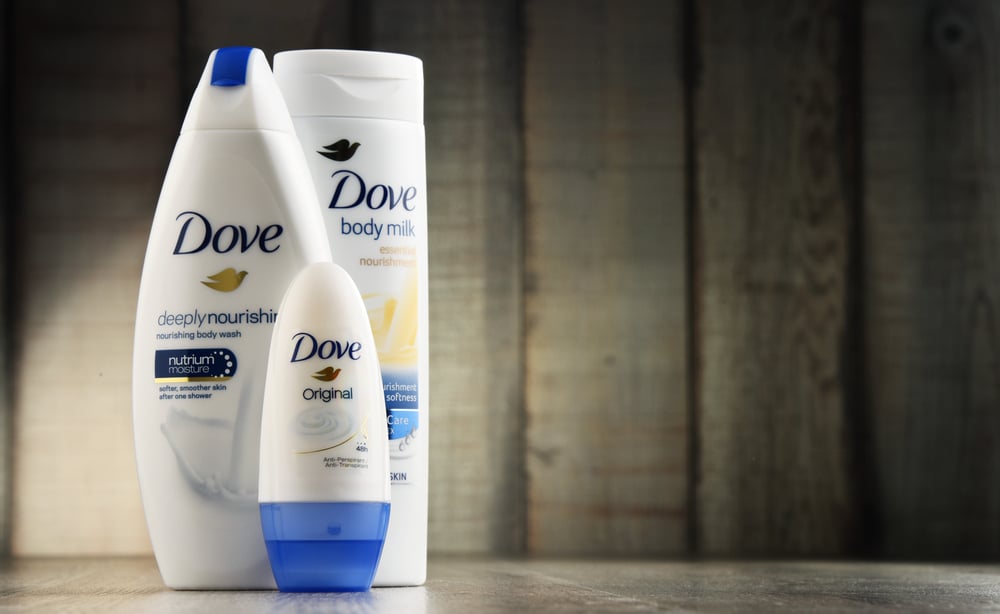
Dove released a set of limited-edition body wash bottles shaped to represent different body types. The idea was to celebrate body diversity, but the photos showed the bottles without any labels, and people found them strange and off-putting.
Social media had a field day comparing the bottles to abstract sculptures. The backlash was loud, but Dove’s name was everywhere, and the bottles became collector’s items.
Burger King’s ‘Women Belong In The Kitchen’ Tweet
On International Women’s Day 2021, Burger King UK opened with a tweet that read ‘Women belong in the kitchen.’ The plan was to follow it immediately with a thread about promoting women into culinary careers.
But many people only saw the first tweet before the follow-up loaded. The uproar was immediate and widespread.
The campaign still got people reading the full story, and the message about gender gaps in professional kitchens actually landed with a lot of people.
Snapple’s Giant Popsicle
In 2005, Snapple tried to promote its new line of frozen treats by constructing a 25-foot popsicle in New York City’s Union Square. The plan was to set a world record.
Instead, the summer heat melted the structure before it could even fully stand, flooding the square with a sticky river of kiwi-strawberry liquid. Emergency crews had to hose down the street.
The story ran everywhere, and Snapple got national news coverage for free.
Colgate’s Frozen Entrees
Colgate, the toothpaste brand, once launched a line of frozen meals. Yes, frozen meals.
The logic behind it remains puzzling to this day. Consumers found the combination of dental hygiene and food so weird that it became a classic case study in brand extension gone wrong.
The meals disappeared quickly, but the story has lived on in marketing textbooks and internet curiosity lists for decades.
Heinz’s Ketchup Label Error
Heinz once printed a QR code on its ketchup bottles that directed customers to an adult website instead of the intended Heinz page. The domain for the original Heinz campaign had expired and someone else had purchased it.
The story spread fast and widely, not because of outrage but because it was genuinely funny. Heinz responded with good humor, which softened the moment and made the brand look self-aware.
Mountain Dew’s ‘Dub The Dew’ Contest
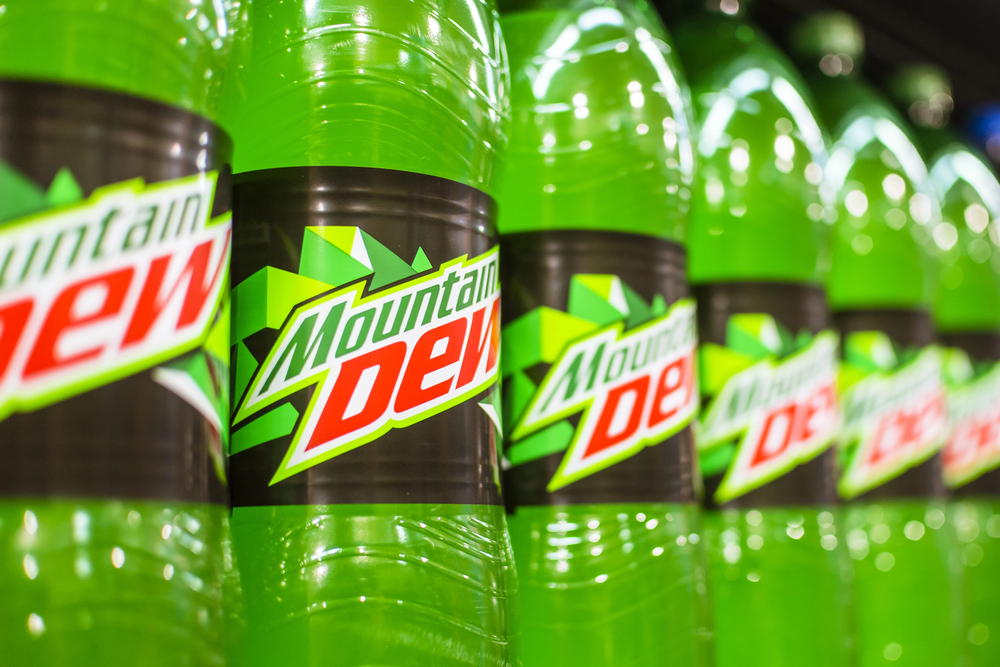
Mountain Dew launched an online contest asking the public to name a new apple-flavored drink. They invited people to vote and submit names.
The internet did exactly what the internet does. The top suggestions included names that were absurd, offensive, and completely unusable.
The contest was shut down, but the screenshots of the top entries spread everywhere. People talked about Mountain Dew for weeks without the brand spending another cent.
Skittles’ All-White Super Bowl Ad
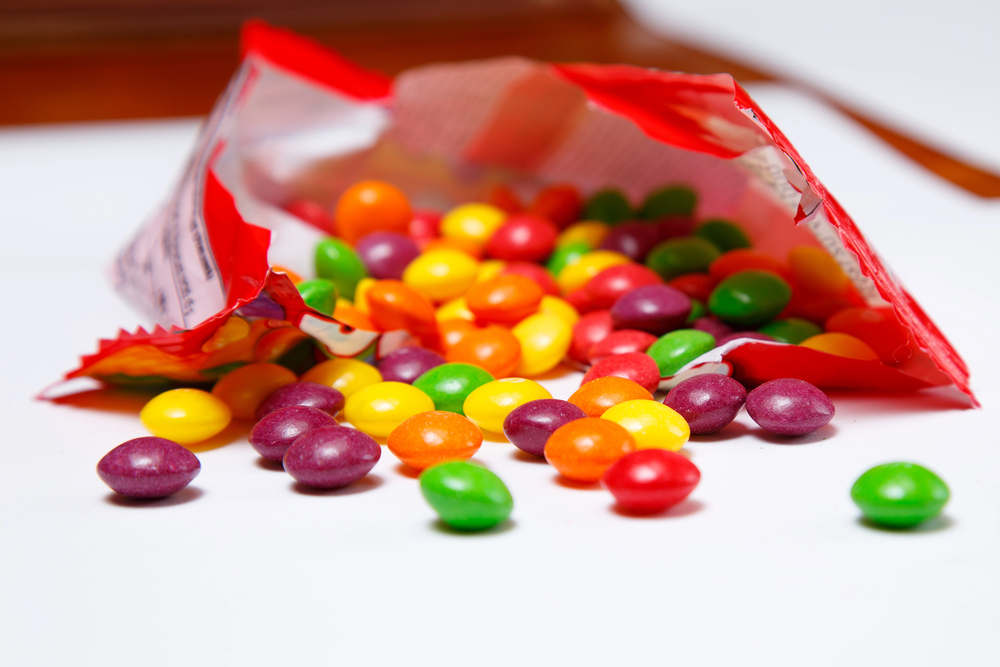
For Super Bowl 2018, Skittles decided not to air a traditional commercial. Instead, the brand created an ad that only one person, a teenager named Marcos Menendez, would ever watch.
The stunt was theatrical, odd, and very deliberate. The internet found the whole premise amusing and deeply curious.
People talked about Skittles more than brands who spent millions on actual airtime.
The New England Patriots Super Bowl Parade Boat Incident
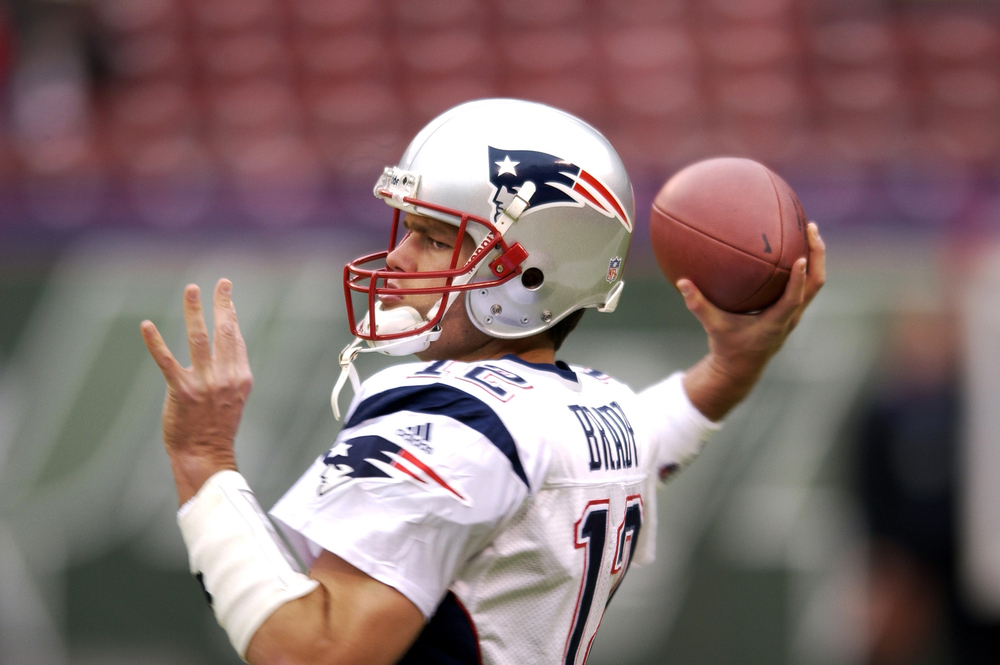
Though the Patriots set up a boat celebration in Boston, nobody saw how wild it’d get. Crowds swarmed the docks, vessels jammed together, movement slowed to nothing – cameras rolled through the confusion.
Footage of tangled boats floated across the internet fast. Yet each video carried names: team, city, title – all staying visible much past the finish line.
Starbucks Race Together Campaign
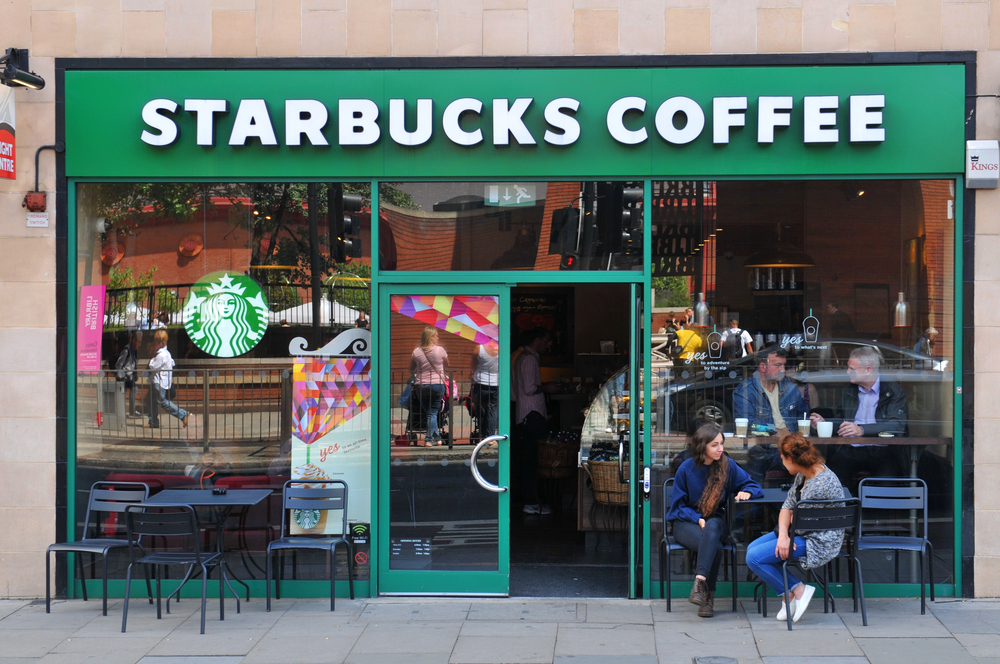
Back in 2015, baristas at Starbucks began scribbling ‘Race Together’ on drink containers – part of a push to get people talking about race across the U.S. Reaction came fast, though.
Many said the move felt out of touch, ill-timed, clumsy even, turning a routine coffee handoff into something strained.
Within days, the company pulled back on the store-level rollout. Still, questions lingered: Should companies step into heated public debates?
On that front, Starbucks found itself squarely in the spotlight.
Chevy’s User-Generated Ad Contest
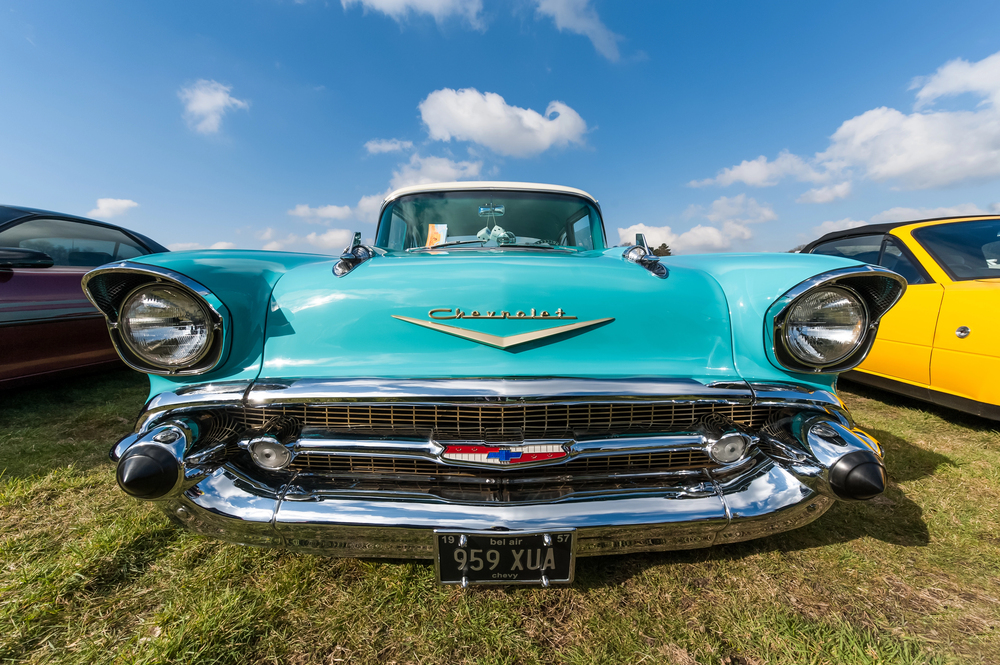
A contest launched by Chevy let anyone make ads for the Tahoe SUV through its website. Not every clip praised the car – quite a few pointed straight at its gas guzzling habits.
Online tools meant for promotion got turned into something else entirely. Some users focused on emissions, others mocked how much it drinks at the pump.
Instead of removing those messages, the company kept them live. The unfiltered response caught attention across social platforms fast.
What started as a standard ad push became unpredictable, raw, visible. Public honesty shaped the conversation more than polished slogans ever could.
Visibility grew simply because nothing was hidden. Reaction multiplied without any extra effort from the marketing team.
Real talk about the vehicle found space to breathe. No cleanup, no damage control – just openness meeting opinion head-on.
Attention followed naturally, not forced, not staged. People noticed mostly because the brand did not run from criticism.
Noise around the Tahoe surged, unplanned yet effective. Traditional advertising rarely stirs anything close to this volume.
Honesty, even when sharp, carried the story further. The moment stayed human, awkward edges included.
Coverage expanded while staying rooted in what actual users said. Unscripted moments proved louder than any script ever planned.
Coca-Cola’s ‘New Coke’
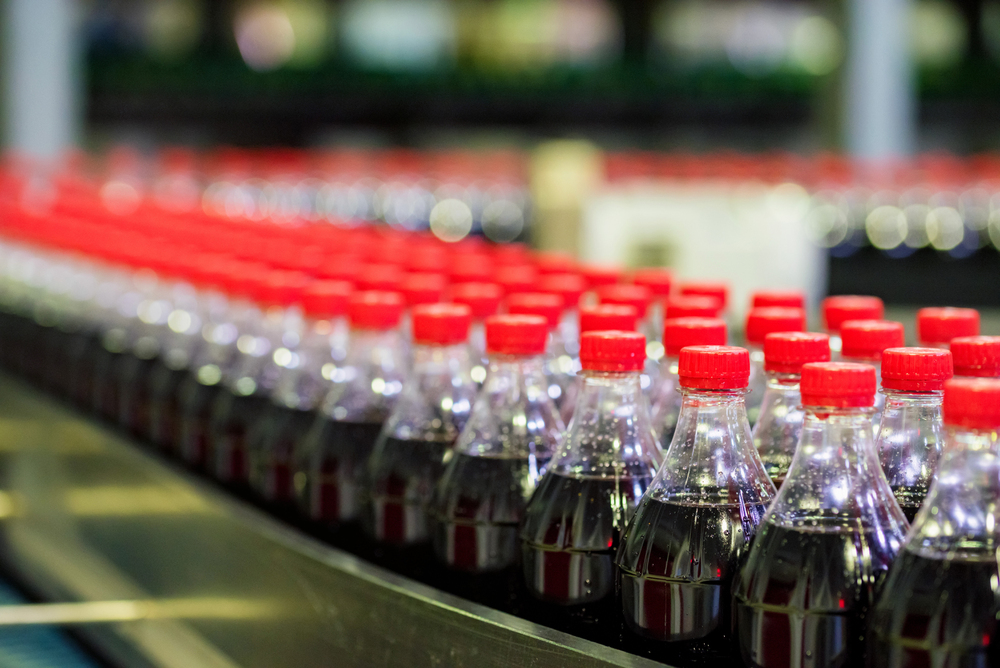
Back in 1985, Coca-Cola changed its longtime recipe, introducing a new version. That didn’t sit well with drinkers.
Mail flooded the offices. Some folks even held public demonstrations.
Others hoarded bottles of the old kind like treasure. Just 79 days later, the firm re-released the original under the name ‘Coca- Cola Classic’.
Since then, experts have argued – was it luck? A hidden plan?
Did fans simply need reminding what they already cherished? Regardless, one thing stuck: the name on the label felt more familiar, somehow tougher after all that.
American Airlines Unveils Unlimited First Class Pass
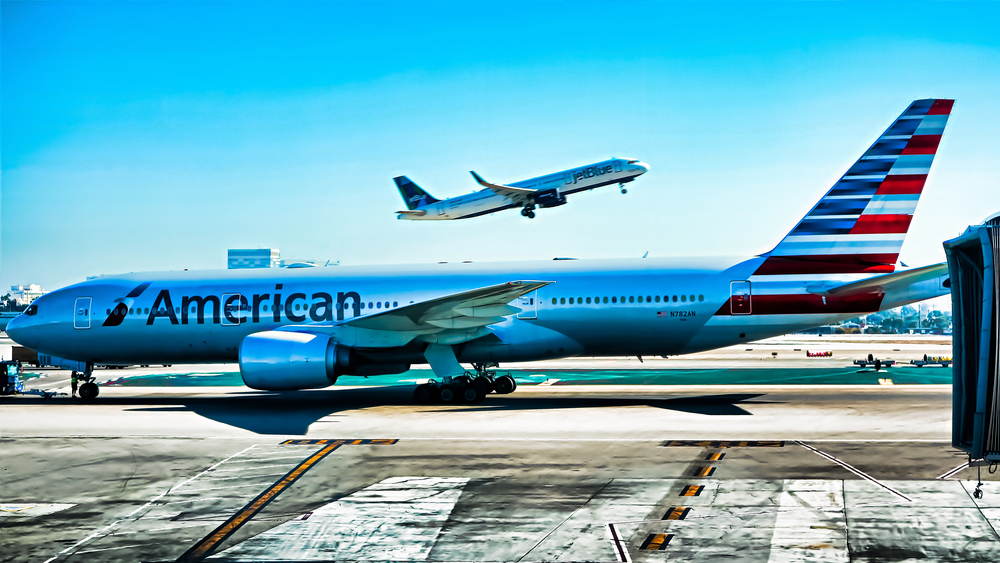
Back in the 1980s, American Airlines offered unlimited first-class travel for a single payment near $250,000. Aimed at rich travelers, it quickly drew people who flew constantly – sometimes several trips weekly on high-cost flights.
Because of their heavy usage, the company ended up losing vast sums. What started as a loyalty perk turned into a famous example of unintended consequences.
Over time, carriers clamped down on such deals and repurchased existing tickets. Even now, classrooms bring up the episode – not quite a victory, yet oddly satisfying for those who played the system well.
GAP’s Logo Redesign
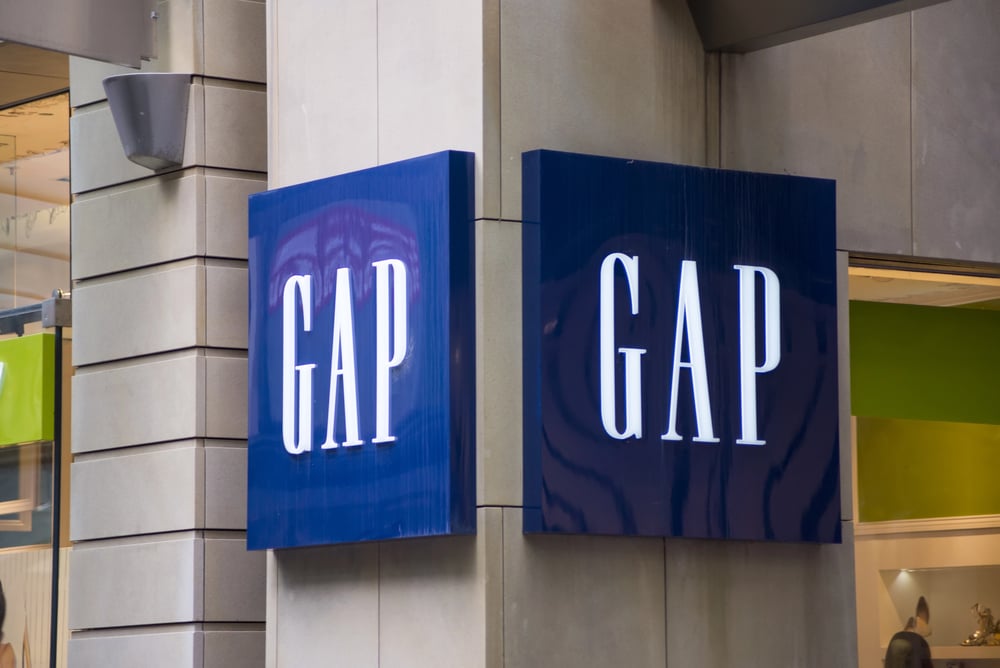
Back in 2010, without much fanfare, GAP shifted from its classic blue box emblem to a minimalist look – black lettering paired with a tiny shaded square. Reactions exploded across the web almost instantly.
Critics in design circles ripped into it hard. Shoppers voiced strong dislike, loud and clear.
By day six, the company folded, restoring the old logo fast. That sudden backtrack became a story by itself.
Searches for GAP spiked worldwide. Turns out, people guard their favorite brand symbols more fiercely than anyone guessed.
Right Now, Pages Keep Turning
Right now, pages keep turning. Words appear one after another. This tale refuses to finish. Each moment adds something new.
It grows without warning. Nothing feels complete yet.
When Things Fell Apart

When things fell apart, the ones still standing kept talking. Not vanishing made the difference.
A few cracked jokes, some spoke plainly, while fate handed others perfect moments by chance.
These cases prove attention wanders oddly. A trip can beat a race when eyes are watching.
If a name slips up loud enough tomorrow, it could begin its rise without meaning to.
More from Go2Tutors!

- The Romanov Crown Jewels and Their Tragic Fate
- 13 Historical Mysteries That Science Still Can’t Solve
- Famous Hoaxes That Fooled the World for Years
- 15 Child Stars with Tragic Adult Lives
- 16 Famous Jewelry Pieces in History
Like Go2Tutors’s content? Follow us on MSN.