Photos of abandoned Olympic villages you can explore today
The Olympics leave behind more than memories and medal counts. Every four years, massive villages spring up to house thousands of athletes, complete with dining halls, recreation centers, and residential complexes that feel like small cities.
Then the games end, the athletes go home, and these purpose-built communities face an uncertain future.
Some Olympic villages get converted into housing or repurposed for new uses. Others get demolished entirely.
But a surprising number simply sit there, frozen in time, slowly being reclaimed by nature or transformed into something entirely different from their original purpose. These abandoned sites offer a fascinating glimpse into Olympic history and the complex legacy of hosting the world’s biggest sporting event.
Athens Olympic Village
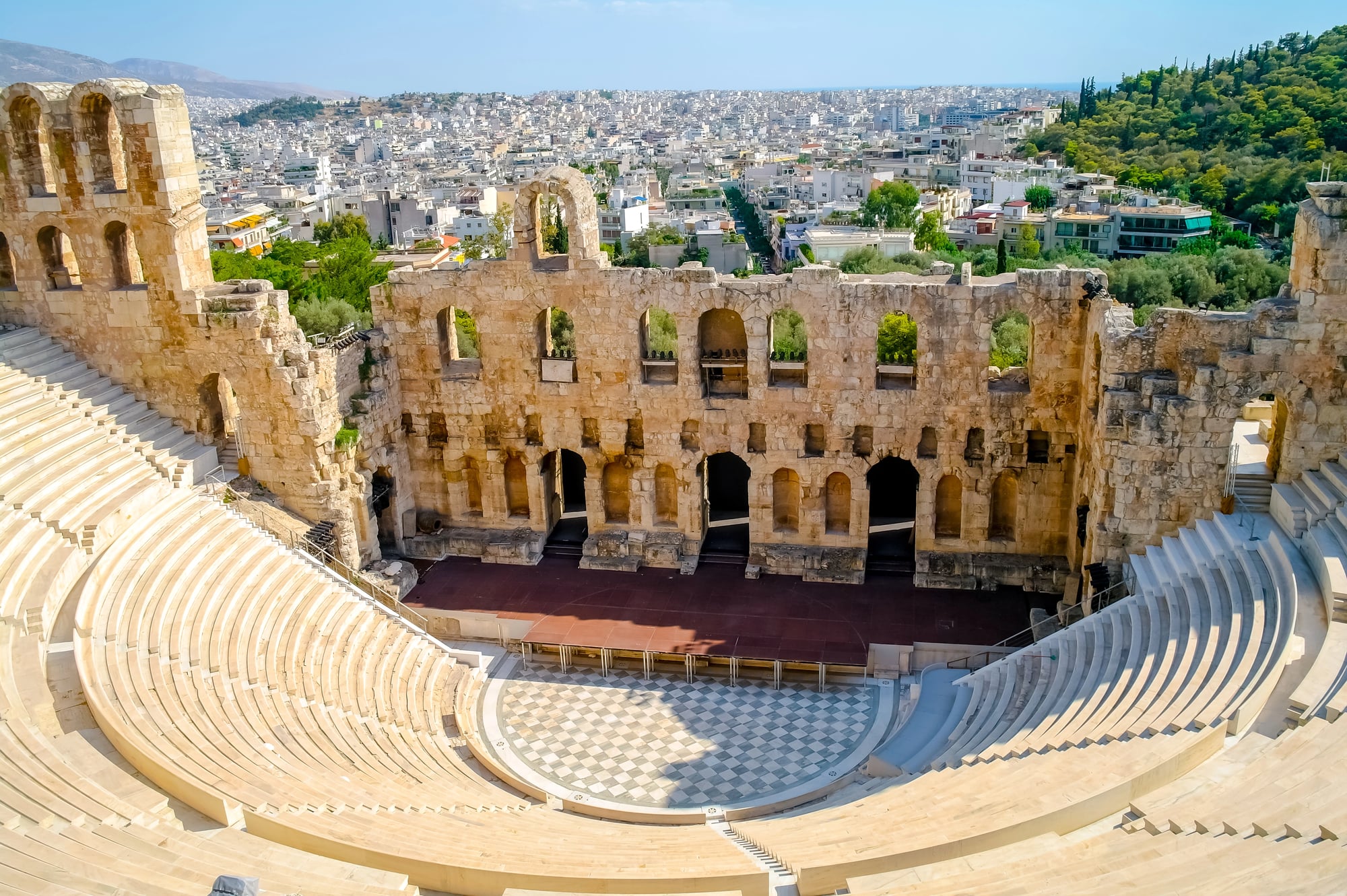
The Athens Olympics left behind a village that tells the story of economic boom and bust in miniature. Built to house over ,,, athletes and officials, the complex featured modern apartments, training facilities, and all the infrastructure needed for a small city.
The Greek government had ambitious plans to convert the village into affordable housing after the games. Those plans never materialized.
Today, much of the complex sits empty, with weeds growing through cracked walkways and graffiti covering walls that once displayed Olympic rings and inspirational messages.
Berlin Olympic Village
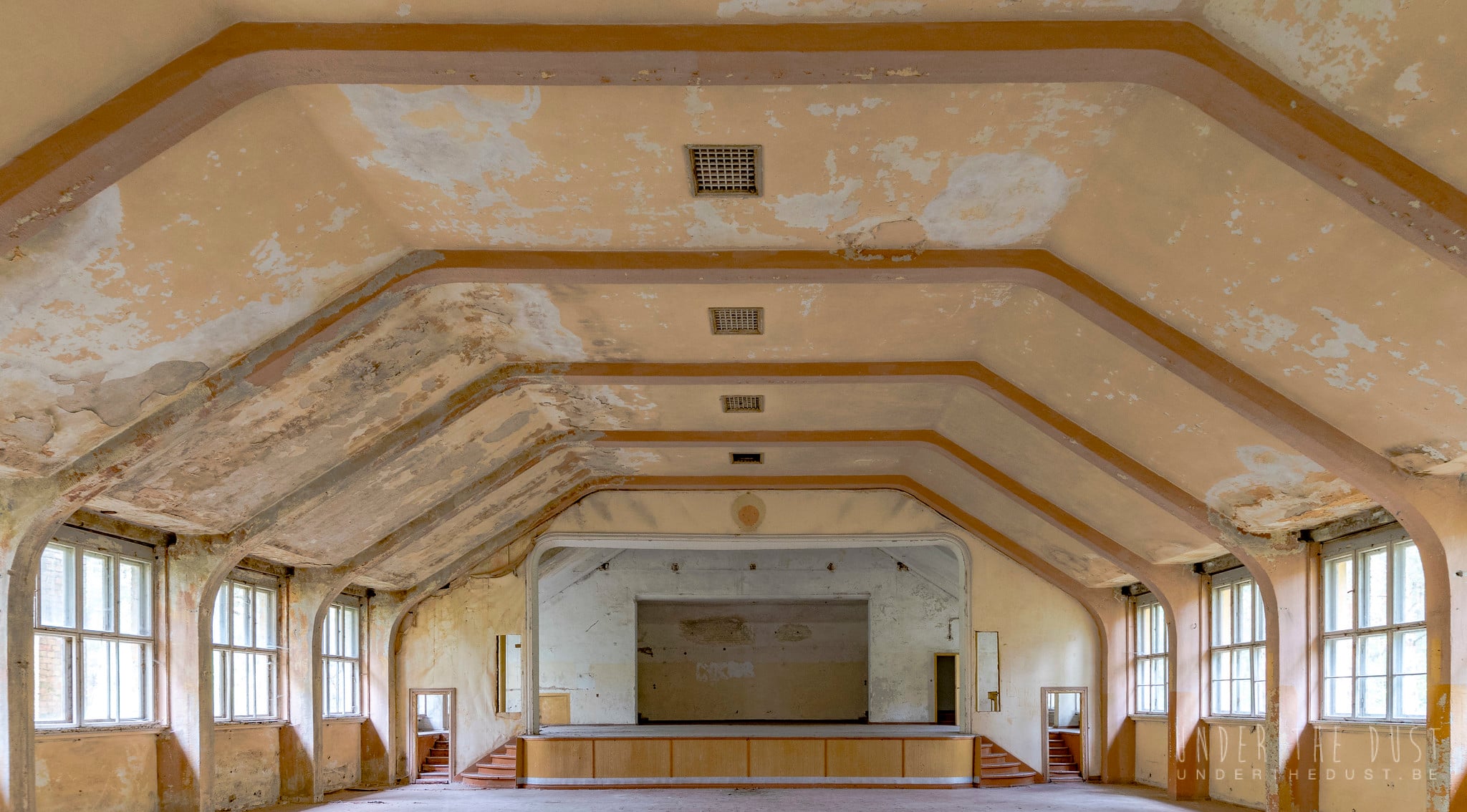
This isn’t your typical abandoned Olympic site — it’s a monument to a much darker chapter in history. Built for the Olympics, the Berlin village was designed to showcase Nazi ideology through architecture and urban planning.
After World War II, the Soviet Army occupied the site and used it as a military base until German reunification. The combination of Nazi propaganda, Soviet military presence, and decades of abandonment creates an atmosphere unlike any other Olympic ruins.
Parts of the complex have been restored as a museum, but large sections remain untouched, offering visitors a haunting walk through twentieth-century European history.
Sarajevo Olympic Village
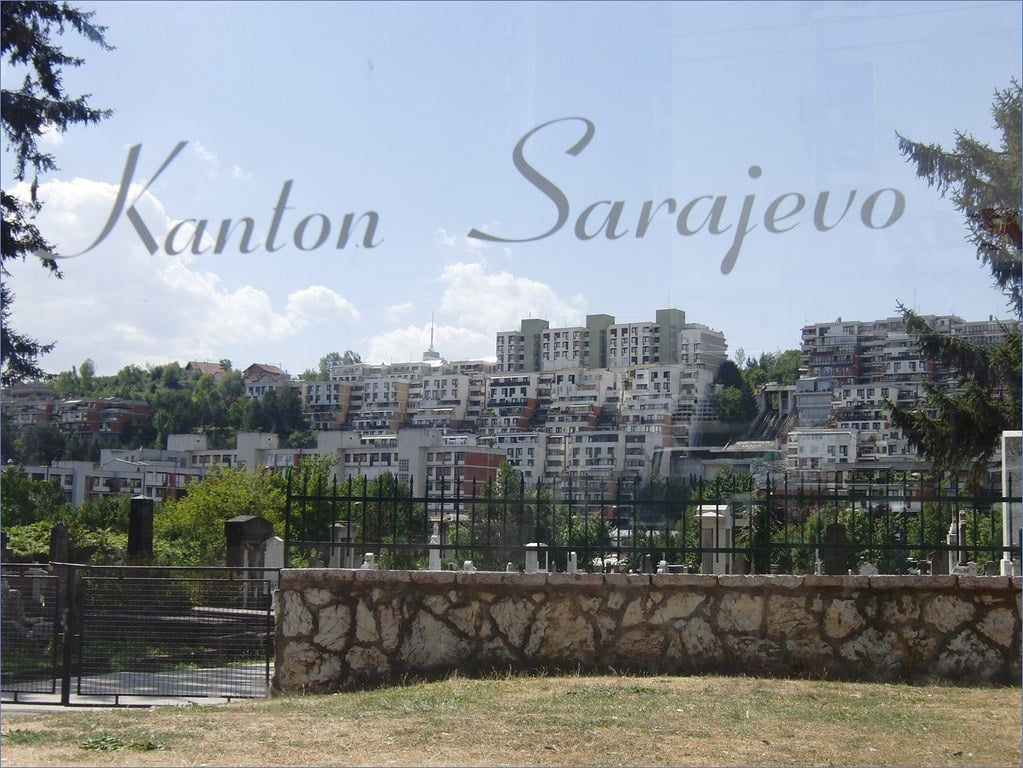
The story here breaks your heart if you let it. Sarajevo hosted the Winter Olympics in nineteen eighty four, and the mountain village built for Nordic events became a symbol of Yugoslav prosperity and international recognition.
Athletes from around the world trained and competed in facilities that represented the country’s hopes for the future.
A decade later, those same mountains became battlegrounds during the Bosnian War. The Olympic village along with many other Olympic sites from those games was damaged by artillery fire and abandoned as the region descended into conflict.
Today, you can walk through structures that once housed Olympic dreams and later witnessed some of Europe’s darkest modern moments. Nature is slowly reclaiming the buildings, but bullet marks and war damage remain visible throughout the complex.
Montreal Olympic Village
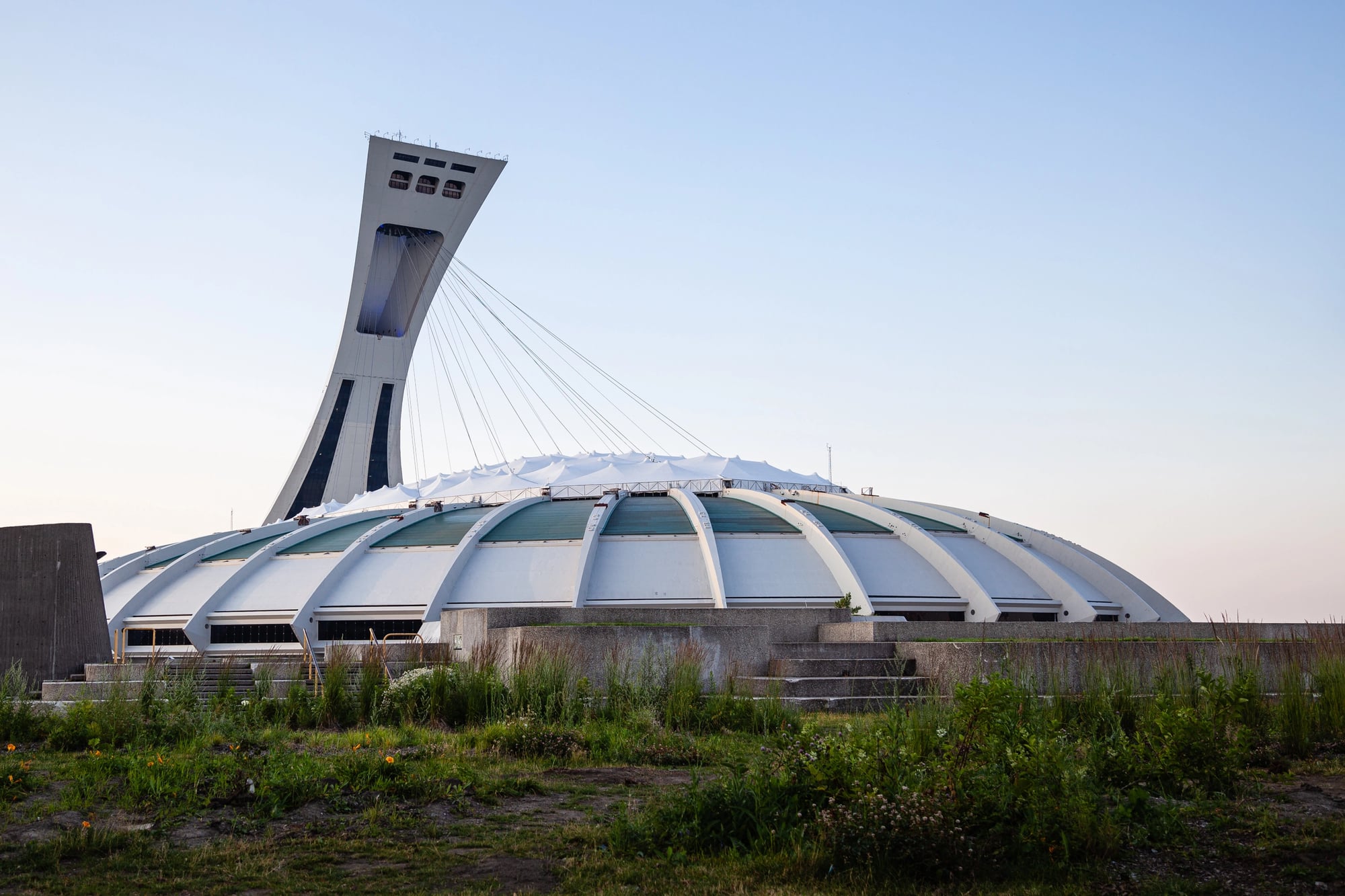
Montreal’s approach to their Olympic village was practical from the start. Built as residential towers in the Olympic Park area, the buildings were designed to be converted into apartments after the games ended.
The conversion happened, but not quite as planned. Cost overruns and construction issues plagued the project, and several buildings in the complex were never fully occupied.
Some sections have remained partially abandoned for decades, creating an odd situation where people live in some towers while others stand empty. The contrast between occupied and abandoned sections within the same complex makes this one of the more unusual Olympic village sites you can explore.
Cortina d’Ampezzo Olympic Village
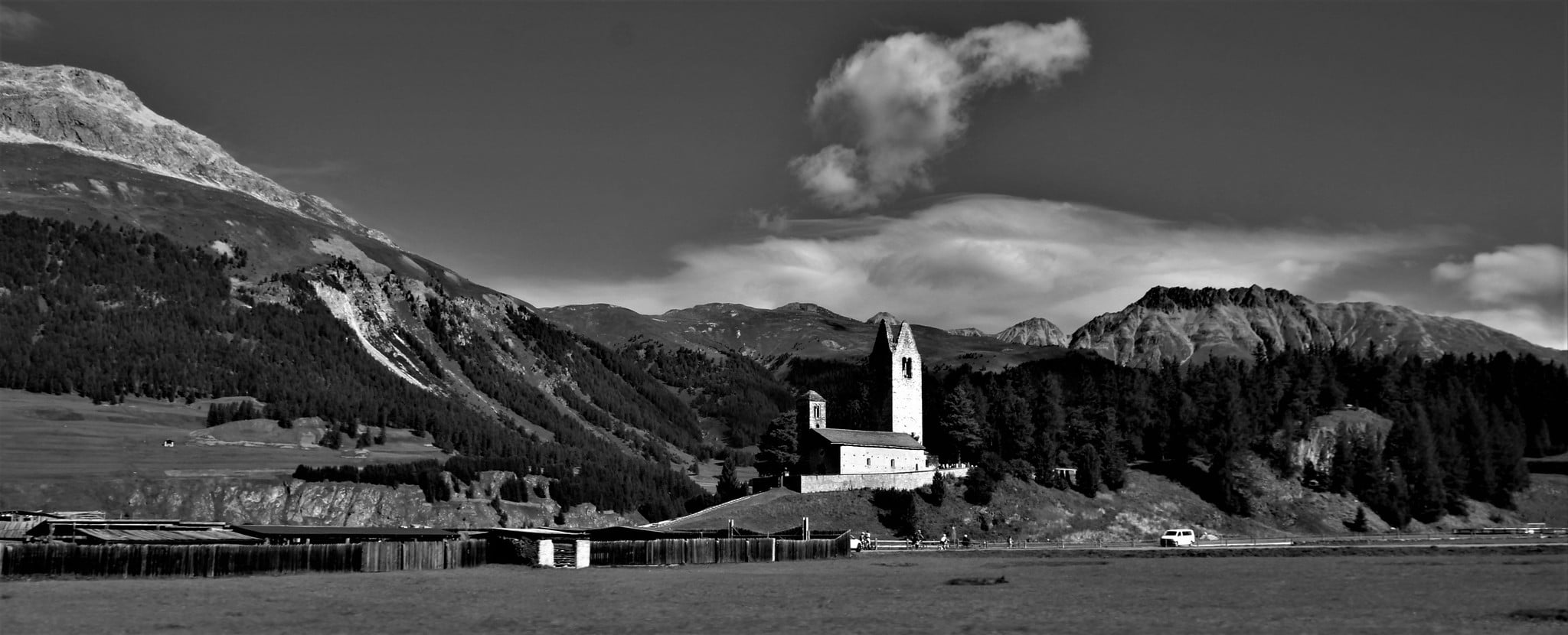
Set in the Italian Alps, this village from the Winter Olympics occupies some of the most beautiful real estate of any abandoned Olympic site. The mountain setting that made Cortina d’Ampezzo perfect for winter sports also makes it a stunning location for Olympic ruins.
Several buildings from the original village still stand, though they’ve been repurposed or abandoned in various ways over the decades.
The combination of Alpine architecture, mountain views, and Olympic history creates a unique atmosphere. Unlike some other abandoned villages, this one feels more like discovering forgotten pieces of a mountain town rather than exploring urban ruins.
Rome Olympic Village
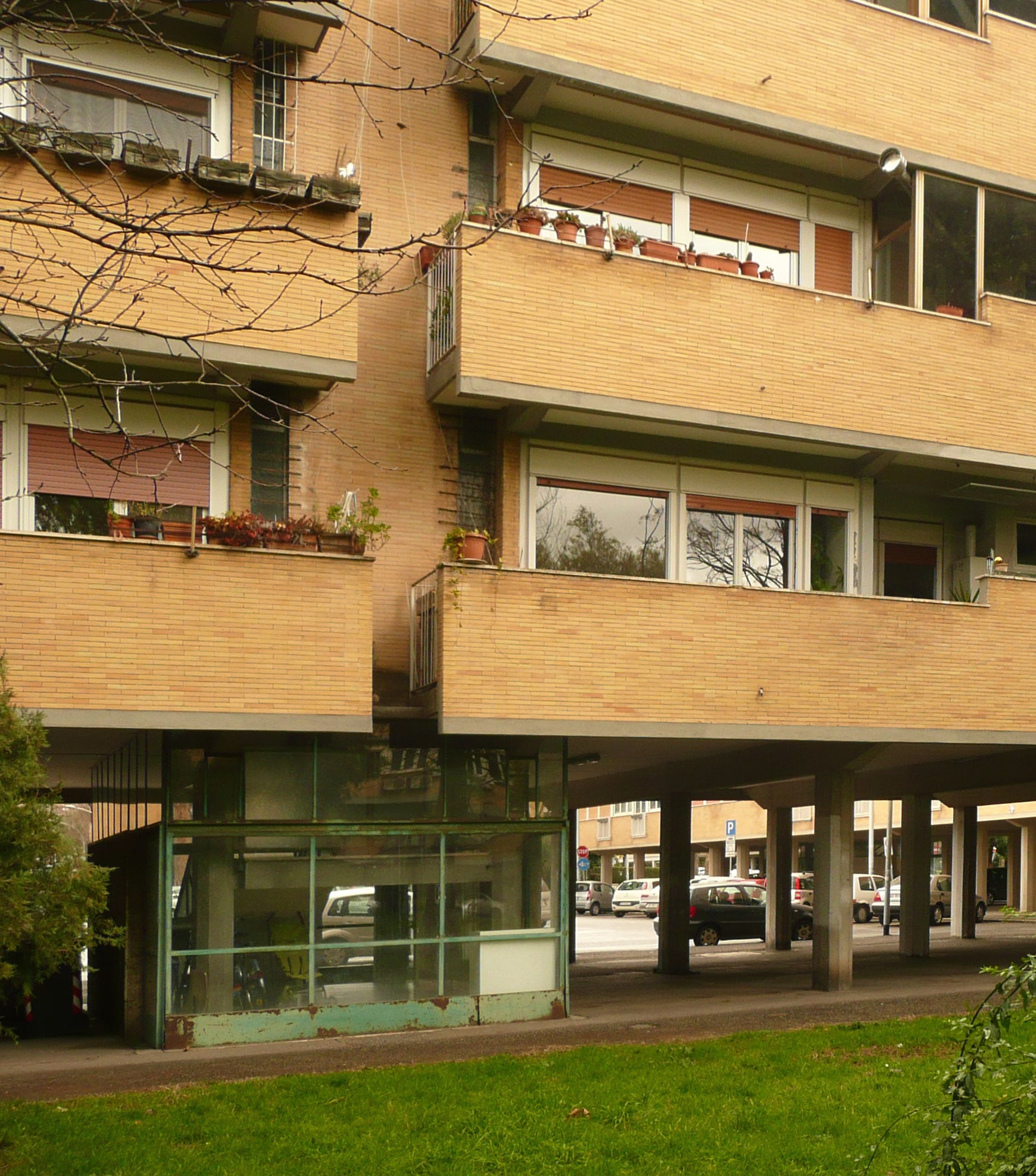
Rome hosted the Olympics in nineteen sixty, and their village reflects the architectural optimism of that era. Designed with modernist principles and built to showcase Italian design, the complex was meant to become a model residential development after the games.
Parts of that plan worked — some buildings were successfully converted to housing and remain occupied today. But several structures in the complex were never fully converted or were later abandoned.
These empty buildings sit alongside occupied ones, creating a patchwork of use and abandonment that tells the story of changing urban priorities over six decades.
Mexico City Olympic Village
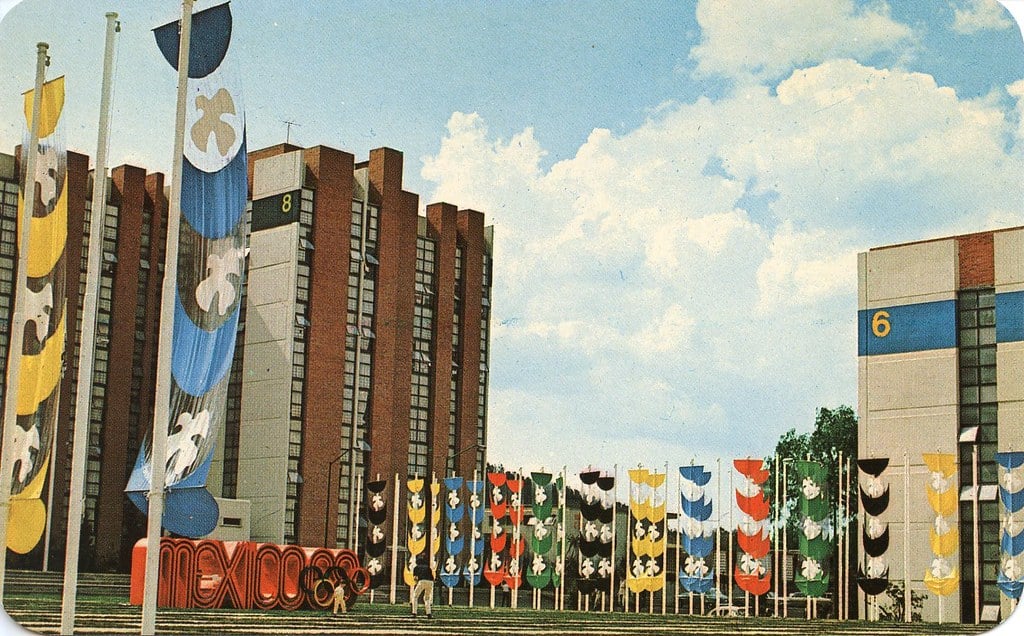
The Olympics in Mexico City produced a village that became caught up in the country’s complex political and social changes. Built during a time of rapid urban growth and political tension, the village was designed to represent Mexico’s modernization and international ambitions.
After the games, the complex faced the same challenges as much of Mexico City’s urban development from that period. Some buildings deteriorated due to maintenance issues, others were abandoned during economic downturns.
Parts of the complex became disconnected from the surrounding neighborhoods. Today, sections of the village sit empty while other parts remain in use, creating an uneven landscape of Olympic legacy and urban decay.
Calgary Olympic Village
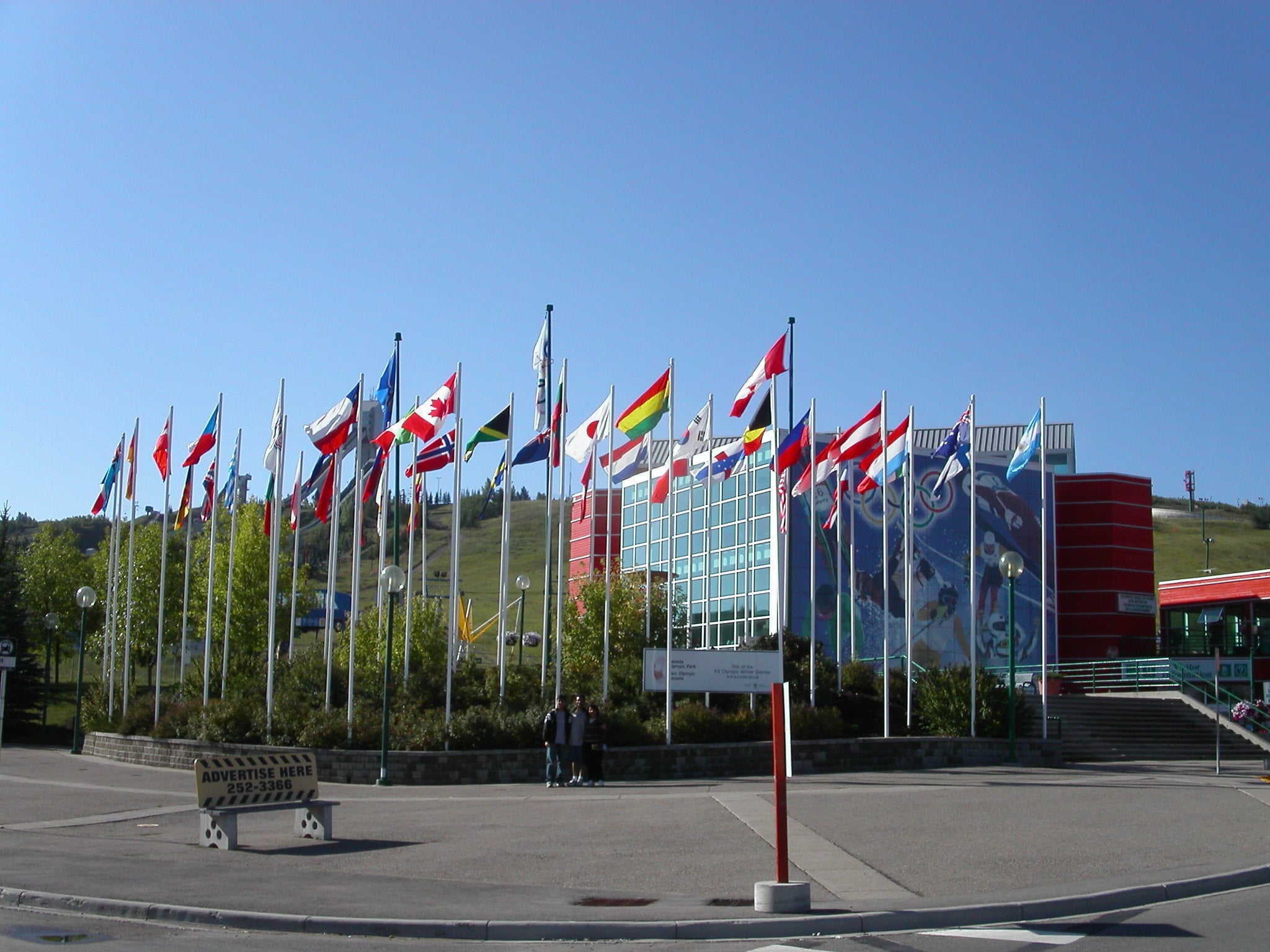
Calgary built their Winter Olympics village with the Canadian Rockies as a backdrop, and that setting remains spectacular even as parts of the complex have been abandoned. The village was designed to integrate with the natural landscape, using materials and architectural styles meant to complement the mountain environment.
Some of the village was successfully converted to other uses after the games, but several buildings never found new purposes.
These abandoned structures, surrounded by pine forests and mountain views, offer a different kind of Olympic ruins experience. The natural setting makes exploring these sites feel more like hiking through forgotten mountain developments than urban exploration.
Barcelona Olympic Village
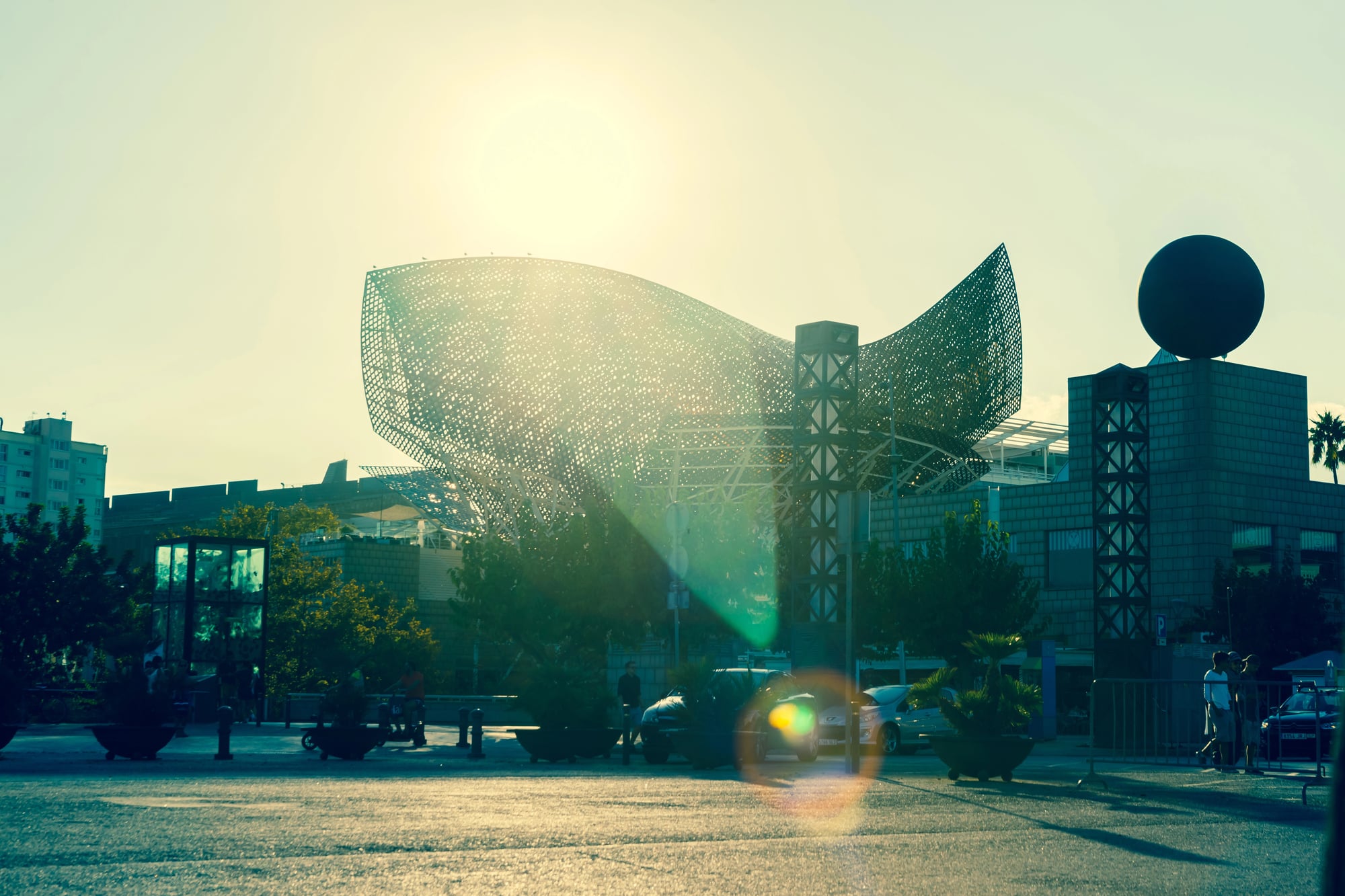
Barcelona’s Olympics village sits along the Mediterranean coast, and the seaside location influences everything about the site’s current condition. Built as part of the city’s massive urban renewal project for those games, the village was designed to become a desirable residential and commercial district after the Olympics ended.
Most of that transformation succeeded, but several buildings in the complex were never fully occupied or were later abandoned due to economic changes.
The coastal location means these abandoned structures face constant exposure to salt air and Mediterranean weather, creating unique patterns of decay and deterioration. The contrast between the successful parts of the village and the abandoned sections illustrates both the potential and the risks of Olympic development projects.
Lake Placid Olympic Village
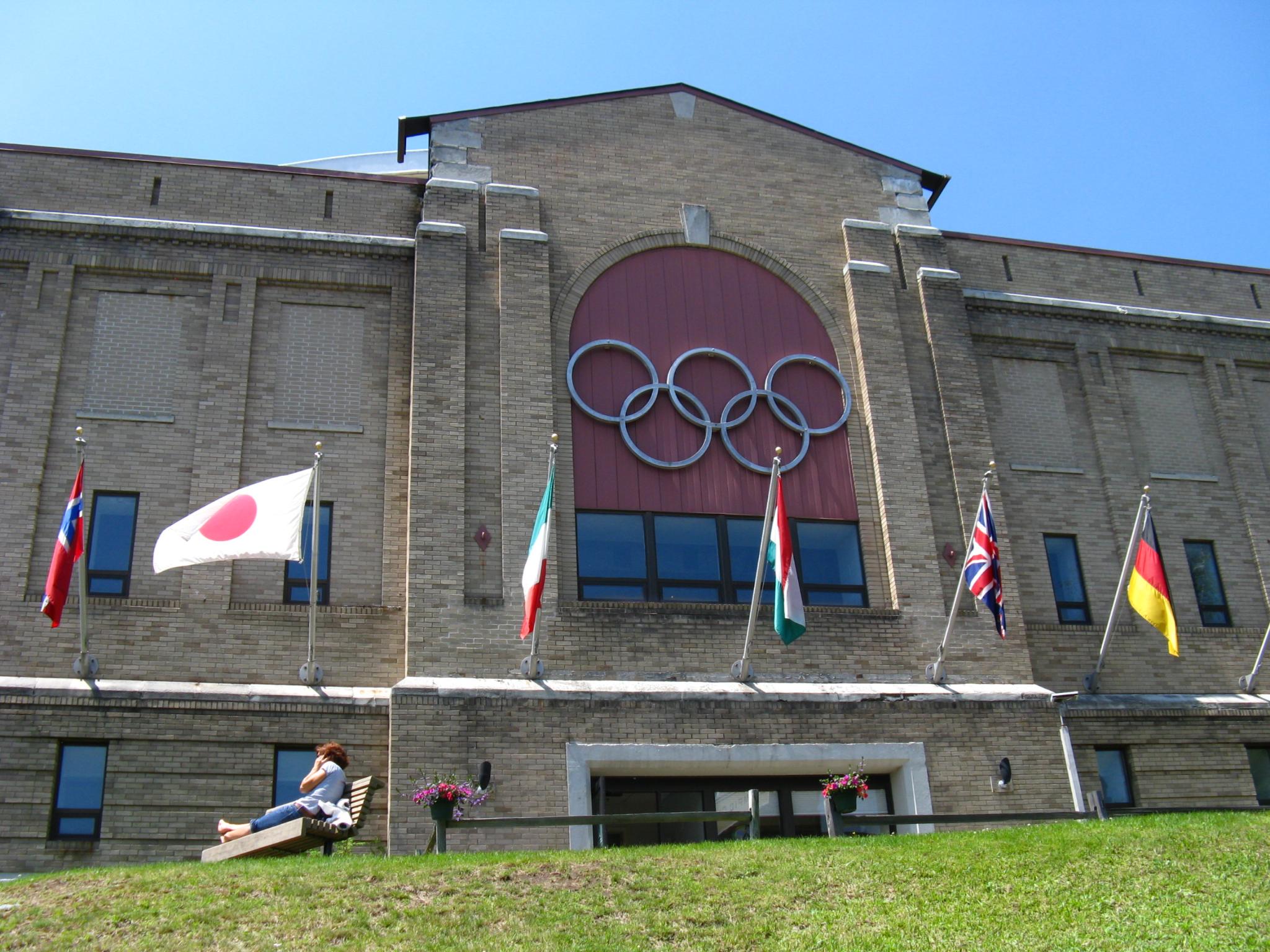
This village from the Winter Olympics occupies a unique position in American Olympic history. Built in the Adirondack Mountains of New York, the complex housed athletes during games that featured several iconic moments, including the “Miracle on Ice” hockey victory.
After the Olympics, the village faced the challenge that many Olympic sites encounter: how do you maintain facilities built for a specific two-week event in a location that doesn’t have ongoing demand for that scale of infrastructure.
Parts of the village were repurposed successfully, but several buildings have remained unused for decades. The mountain setting and the passage of forty plus years have created Olympic ruins that feel more like discovering abandoned summer camps than exploring urban decay.
Seoul Olympic Village
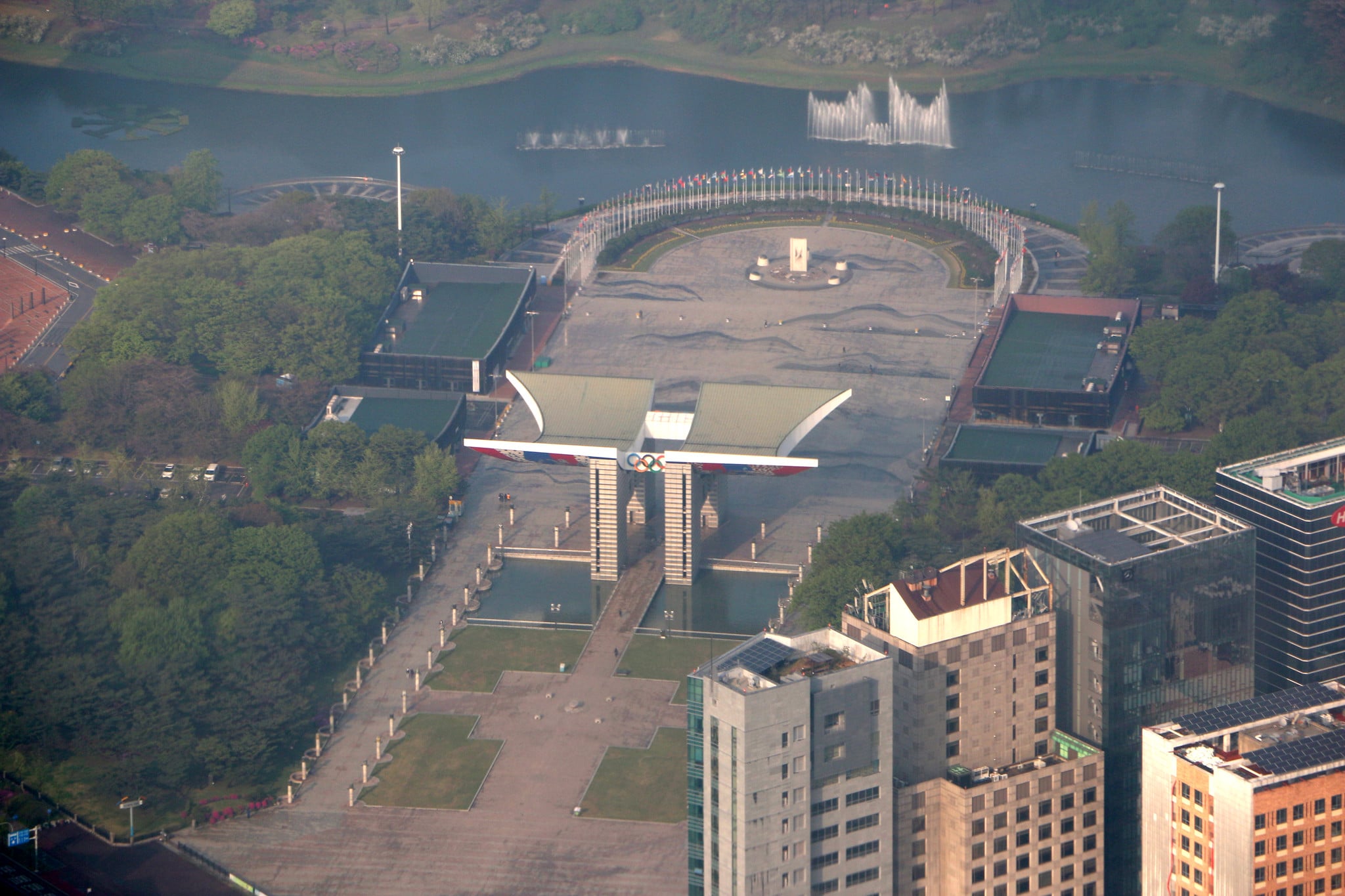
Seoul’s Olympics marked South Korea’s emergence as a modern industrial nation, and the Olympic village was designed to reflect that transformation. Built during the country’s rapid economic development, the complex showcased contemporary Korean architecture and urban planning.
The village’s post-Olympic story mirrors many aspects of South Korea’s development over the past three decades. Some buildings were successfully integrated into Seoul’s expanding urban landscape, while others became obsolete as the city grew and changed around them.
The abandoned sections of the village offer a snapshot of Korean architecture and urban design from the nineteen eighties, now slowly being overtaken by the vegetation and urban decay that affects unused buildings in Seoul’s humid climate.
Lillehammer Olympic Village
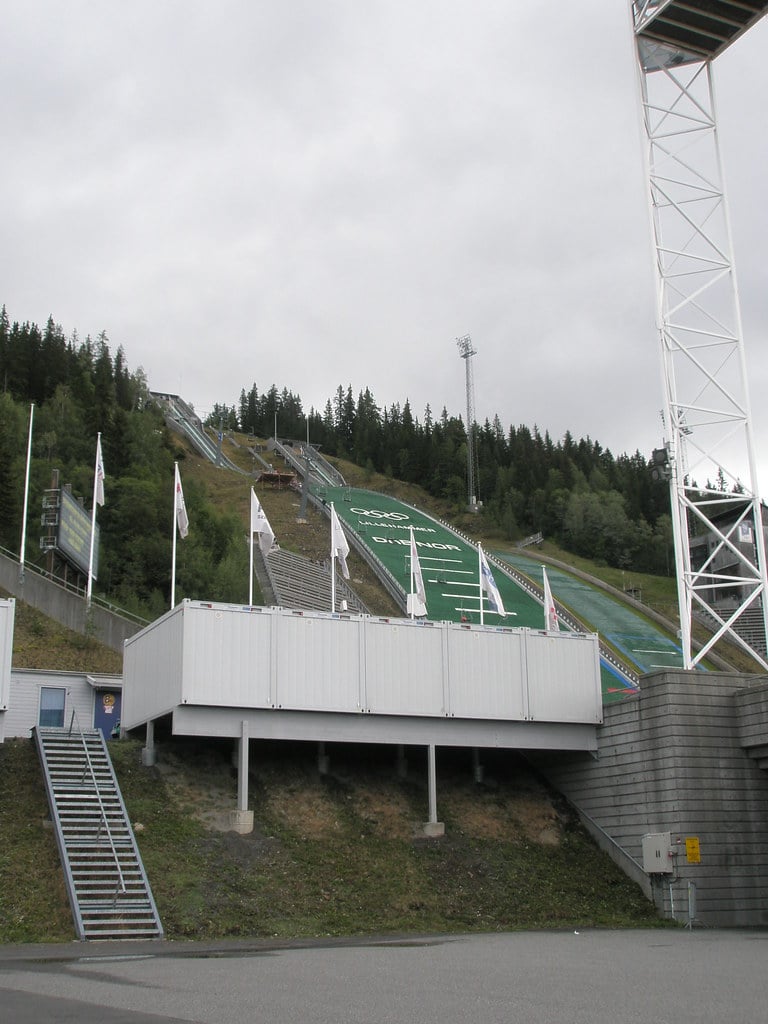
Norway’s Winter Olympics were notable for their emphasis on environmental sustainability and integration with the natural landscape. The Olympic village reflected these priorities, built with materials and designs meant to complement the Scandinavian forest setting.
The environmental focus didn’t prevent parts of the village from being abandoned after the games ended. Several buildings that housed athletes during those Olympics now sit empty, surrounded by the Norwegian forest that has slowly begun to reclaim the structures.
The combination of Scandinavian architecture, forest setting, and decades of abandonment creates Olympic ruins that feel distinctly Nordic — more like discovering forgotten logging camps than exploring urban decay.
Nagano Olympic Village
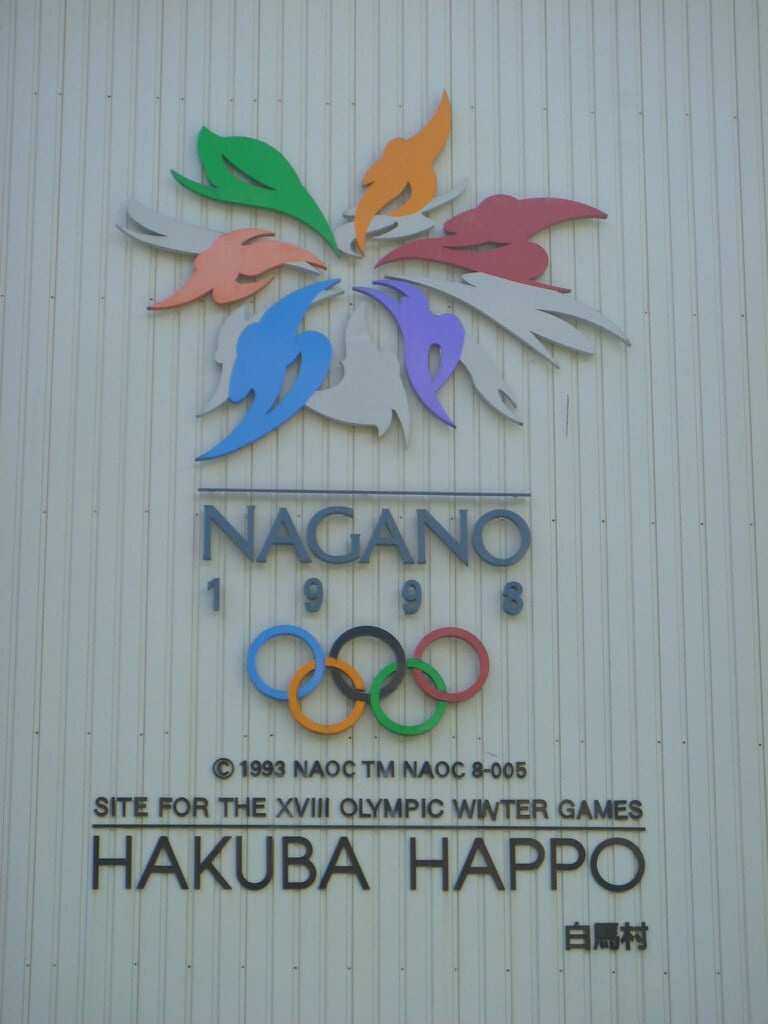
Japan’s approach to their Winter Olympics village reflected the country’s attention to detail and long-term planning. Built in the Japanese Alps, the complex was designed to showcase Japanese construction techniques and aesthetic principles while meeting international standards for Olympic housing.
Despite careful planning, several buildings in the village were never successfully repurposed after the games ended. These abandoned structures, built with Japanese architectural techniques but designed for international athletes, create an interesting fusion of styles and purposes.
The mountain setting and Japan’s climate mean that nature reclaims abandoned buildings in specific ways — the ruins feel distinctly Japanese, even as they decay.
Echoes in Empty Rooms
Walking through these abandoned Olympic villages connects you to something larger than sports history. These places were built to house dreams, to provide temporary homes for people pursuing lifetime goals, to serve as international meeting grounds where different cultures shared common purpose.
Now they serve as reminders that even the most ambitious projects have finite lifespans. The empty dining halls where athletes once gathered, the vacant rooms where nervous competitors tried to sleep before the biggest races of their lives, the common areas where friendships formed across language barriers — all of it remains, but transformed into something entirely different.
The villages didn’t fail. They fulfilled their purpose completely, then discovered that fulfilling your purpose doesn’t guarantee what comes next.
More from Go2Tutors!

- The Romanov Crown Jewels and Their Tragic Fate
- 13 Historical Mysteries That Science Still Can’t Solve
- Famous Hoaxes That Fooled the World for Years
- 15 Child Stars with Tragic Adult Lives
- 16 Famous Jewelry Pieces in History
Like Go2Tutors’s content? Follow us on MSN.