Objects First Invented For Space Travel
Space exploration has always been a challenge to engineers to think out of the box. When humans first started exploring space, they had to overcome challenges such as extreme weather, zero gravity, and a lack of daily comforts.
To overcome this, engineers had to come up with new materials, designs, and ways of looking at things to overcome these challenges. However, as time went by, many of these innovations found their way back to Earth.
What started as specialized equipment for people exploring space eventually became part of daily life, including items in our homes, offices, and even stores that sell clothes. Let’s take a look at some of the items that we use today that first started as part of space exploration.
Memory Foam
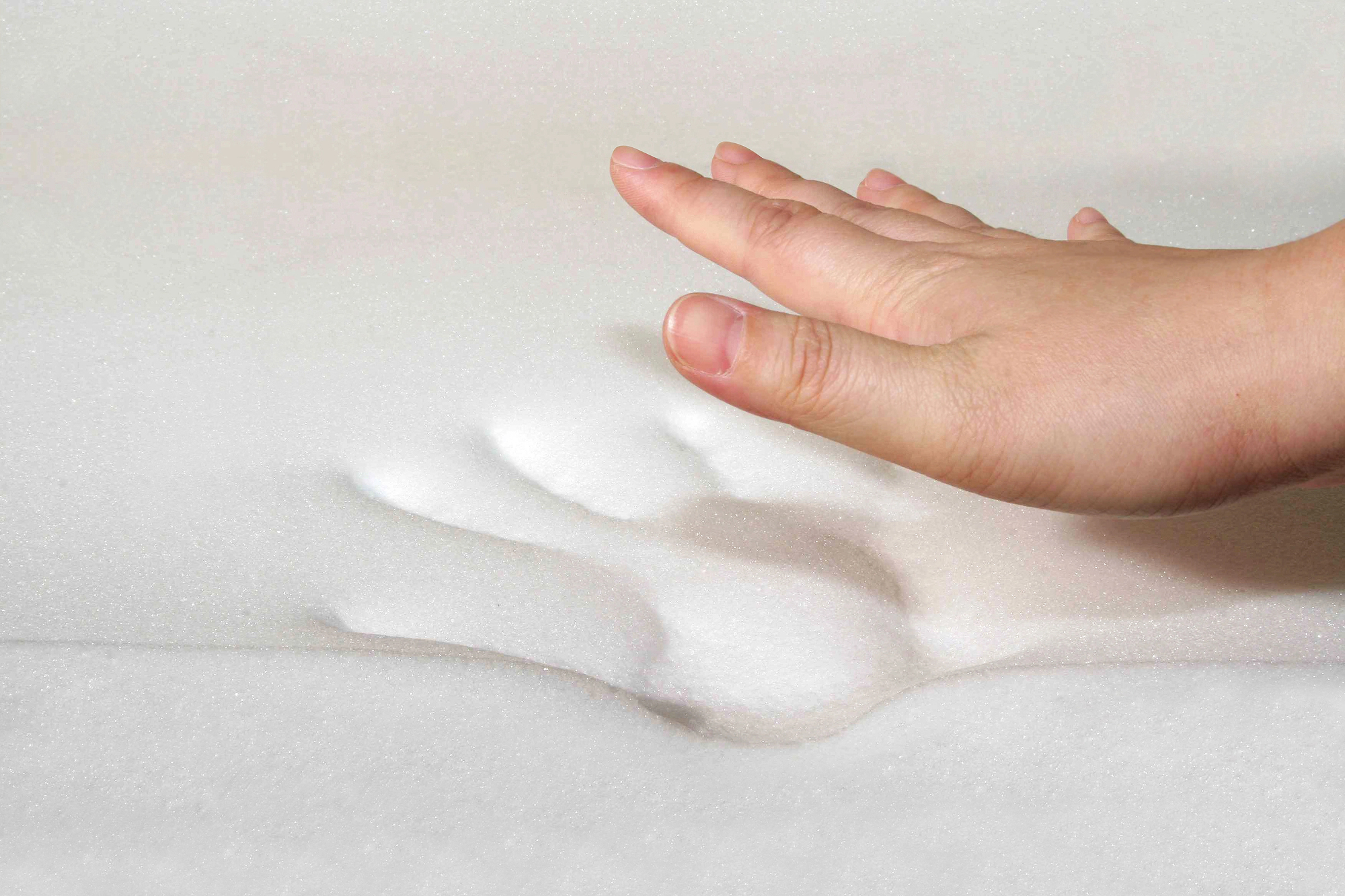
Memory foam is one of the most recognizable materials to come out of space-era research. It was originally developed in the 1960s to improve seat cushioning and crash protection for astronauts and pilots.
Engineers needed a material that could absorb impact while still providing comfort during long missions. The foam’s unique ability to conform to pressure and then slowly return to its original shape made it ideal for that purpose.
It distributed weight evenly, reducing strain on the body during high-pressure situations. That same quality eventually made memory foam popular in mattresses and pillows.
What began as a safety solution for space travel is now associated with a good night’s sleep.
Scratch-Resistant Lenses
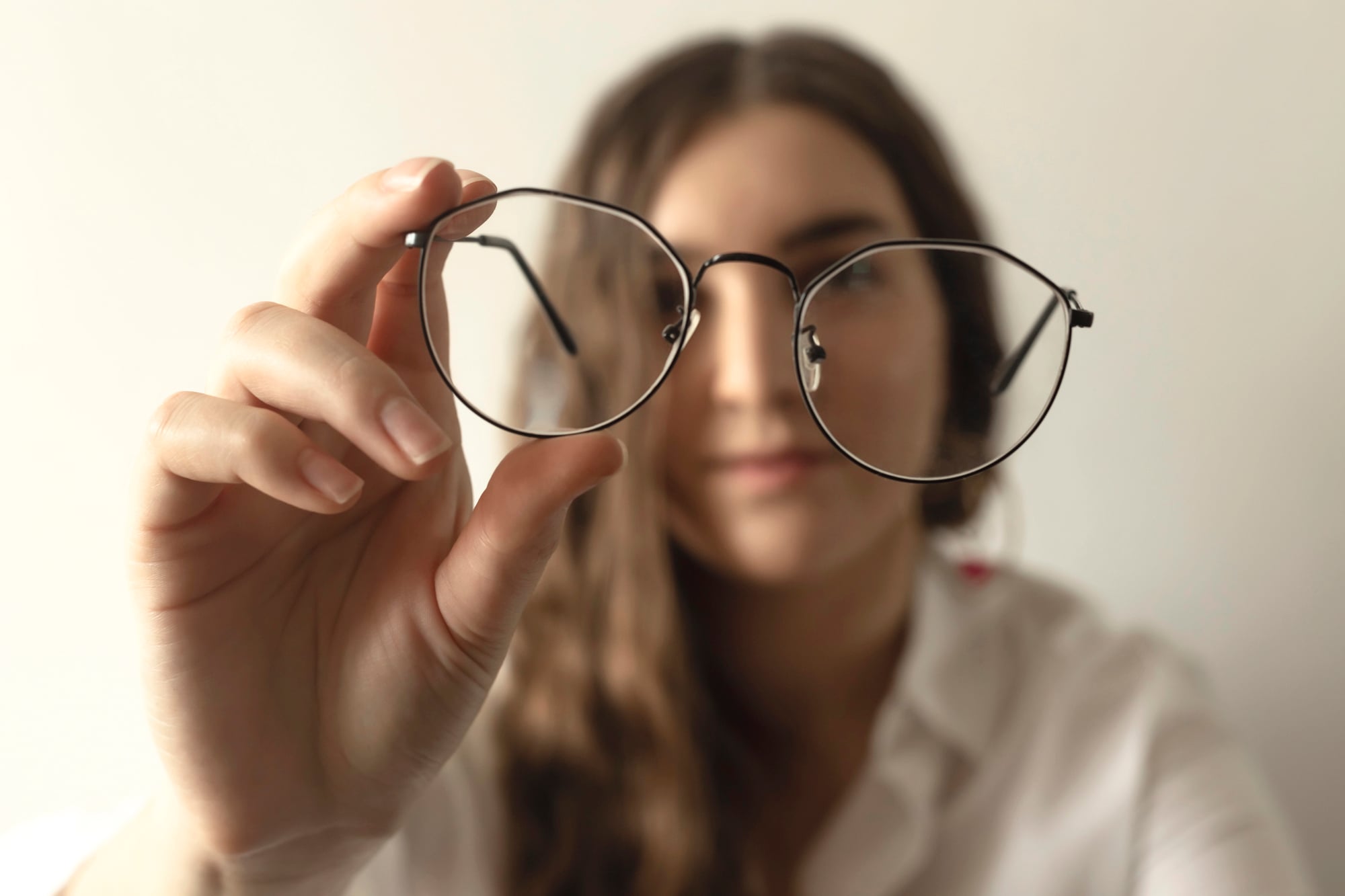
Modern eyewear owes a surprising debt to space research. Early space missions required helmet visors that could withstand debris, dust, and constant wear without scratching.
Engineers developed specialized coatings to protect these surfaces. Those coatings were later adapted for everyday use in eyeglasses and sunglasses.
The result was lenses that remained clearer for longer, even with regular handling. Still, the transition from astronaut helmets to reading glasses shows how practical space innovations can become.
A technology designed for survival in orbit now helps preserve vision clarity during everyday activities.
Portable Vacuum Cleaners
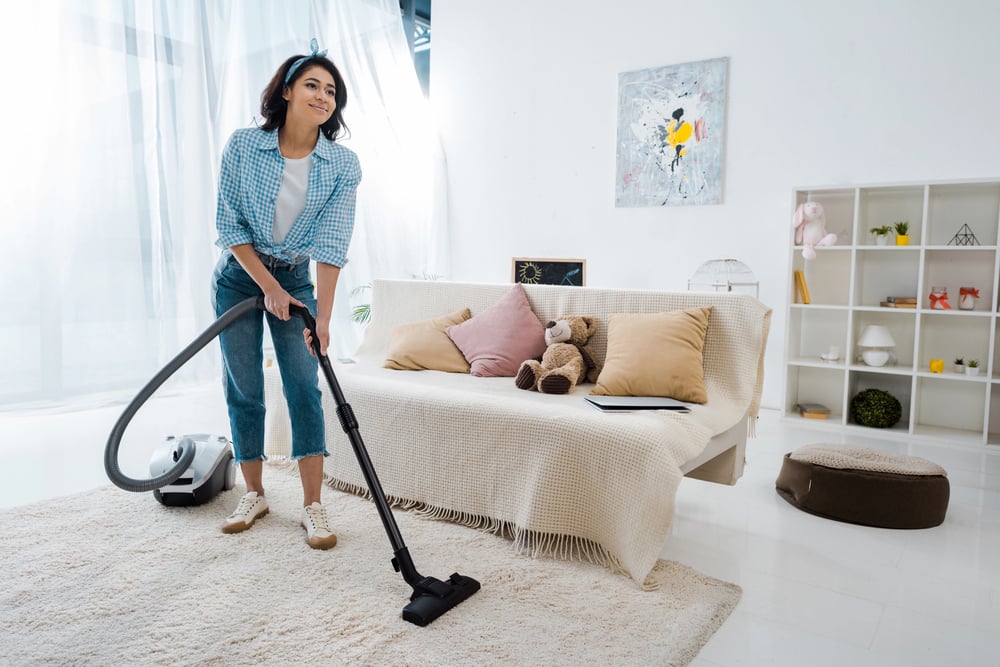
Portable vacuum technology took a leap forward thanks to space exploration. During the Apollo missions, engineers needed lightweight, efficient devices to collect samples from the Moon’s surface.
Traditional equipment was too bulky and impractical for use in a spacesuit. The solution was a compact, battery-powered vacuum system that astronauts could easily handle.
It needed to be powerful enough to gather dust while remaining portable. On the other hand, that same concept translated well into household cleaning tools.
Today’s cordless vacuum cleaners reflect the same principles of portability and efficiency first developed for space missions.
Freeze-Dried Food

Food preservation became a critical challenge for long-duration missions. Astronauts needed meals that were lightweight, compact, and capable of lasting extended periods without refrigeration.
Freeze-drying emerged as an effective solution. The process removes moisture while preserving flavor and nutrients, resulting in food that can be stored for years.
Astronauts simply added water to rehydrate their meals when needed. Even so, freeze-dried products quickly found a place beyond space travel.
Campers, hikers, and emergency preparedness kits rely on the same technology for its convenience and long shelf life.
Insulating Materials
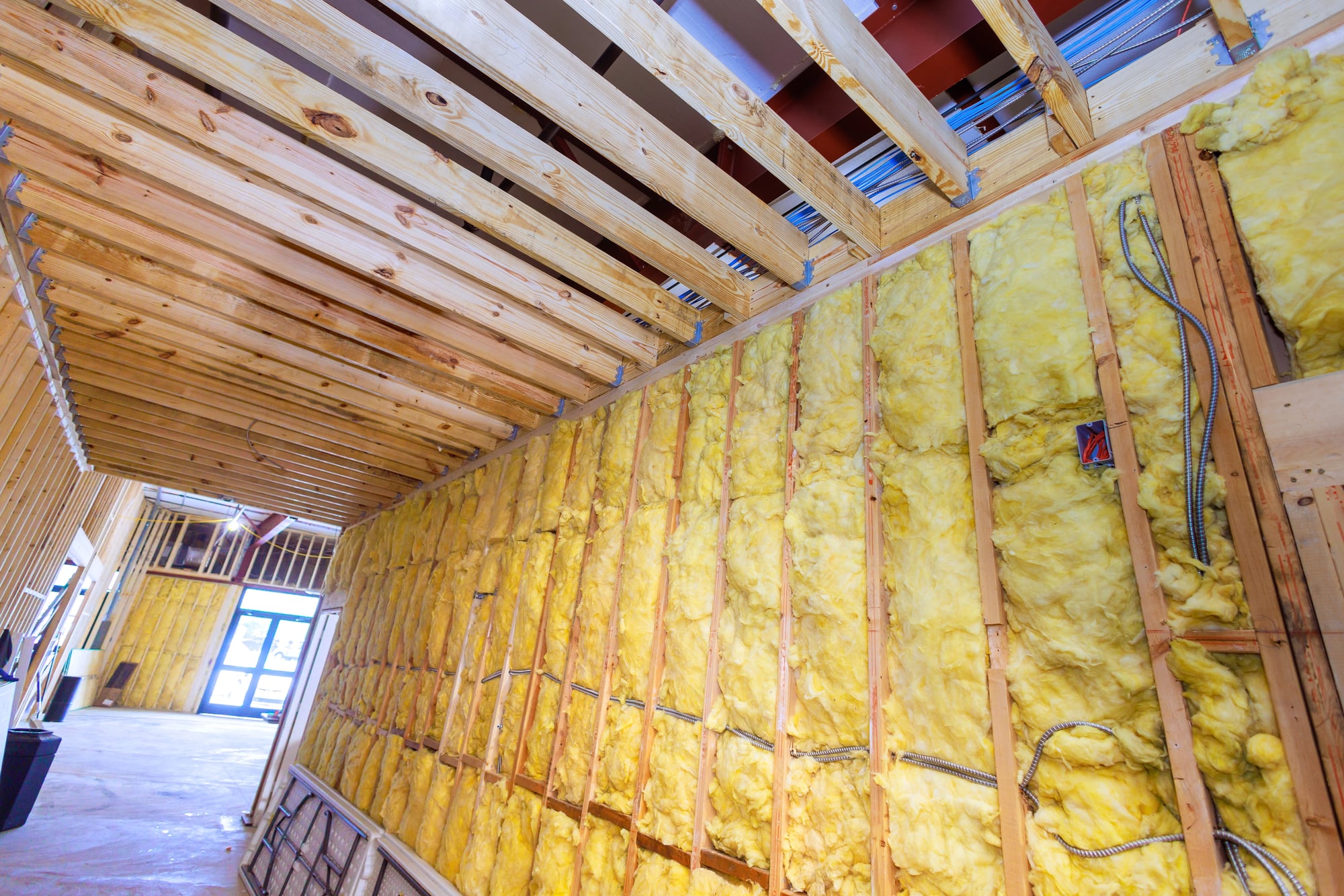
Spacecraft must endure extreme temperature changes, from intense sunlight to deep cold in the shadow of Earth or other celestial bodies. To manage this, engineers developed advanced insulating materials capable of reflecting heat and maintaining stable internal conditions.
These materials often appeared as thin, reflective layers designed to protect sensitive equipment. Over time, similar insulation techniques found their way into everyday products.
Today, insulating materials inspired by space technology appear in building construction, thermal blankets, and even food packaging. They help regulate temperature in ways that once seemed possible only in spacecraft.
Water Purification Systems
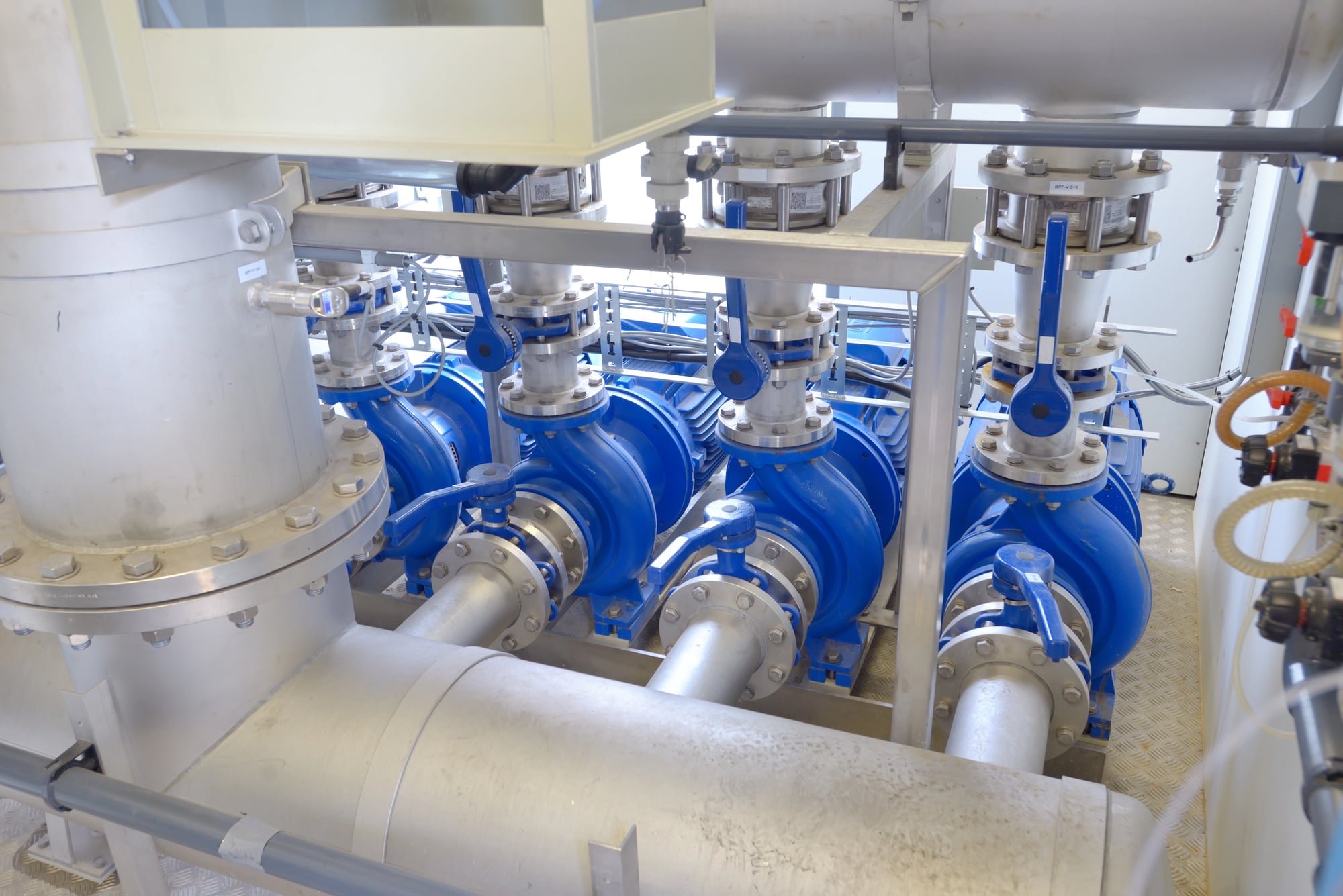
Clean water is essential in space, where every resource must be carefully managed. Early missions required systems capable of recycling and purifying water for repeated use.
Engineers developed compact filtration technologies to remove contaminants efficiently. These systems became increasingly sophisticated, eventually allowing astronauts to reuse water multiple times during long missions.
The focus was always on reliability and minimal waste. That said, similar purification technologies now serve communities on Earth.
Portable water filters and advanced treatment systems owe much to innovations originally designed for life in space.
Cordless Tools
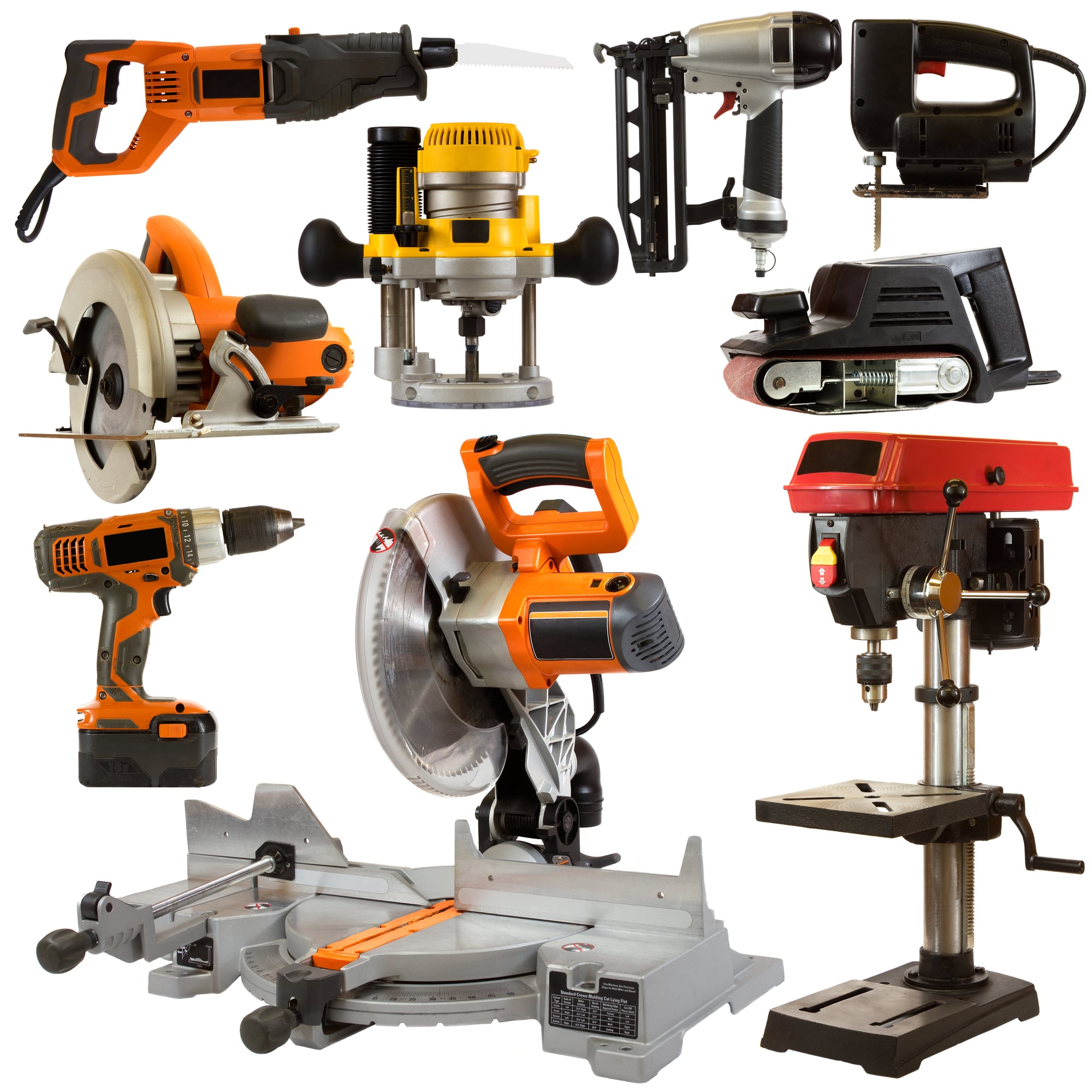
Cordless power tools gained significant momentum during space exploration programs. Astronauts needed tools that could operate without being tethered to power sources, especially during lunar missions where mobility was essential.
Engineers developed battery-powered drills and equipment that were both lightweight and durable. These tools needed to function reliably in extreme conditions, including temperature variations and reduced gravity.
Still, the benefits translated easily to everyday use. Cordless drills and other tools are now standard in homes and workshops, offering the same convenience and flexibility once required for space missions.
Athletic Footwear Technology

Space research has also influenced the design of modern athletic shoes. Engineers studying movement and impact in low-gravity environments contributed to advancements in cushioning and support systems.
Materials developed for space suits and equipment inspired new approaches to shock absorption in footwear. Designers incorporated these ideas into running shoes and sneakers to improve comfort and performance.
Even so, the connection between space travel and footwear may not be immediately obvious. Yet the focus on reducing strain and improving movement remains consistent across both fields.
Digital Thermometers
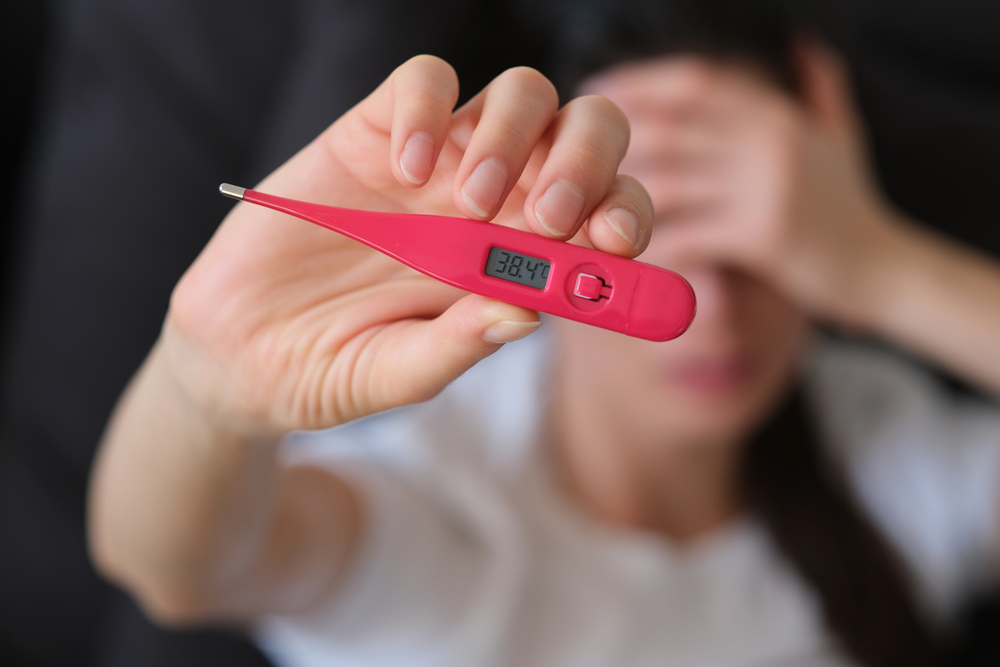
Accurate temperature measurement became crucial during space missions, where even small changes could affect equipment performance and astronaut safety. Engineers developed compact, precise sensors capable of delivering quick readings.
These innovations eventually led to the development of digital thermometers used in homes and medical settings. Compared to older methods, they offer faster and more reliable results.
On the other hand, the shift toward digital measurement reflects a broader trend in technology. Space exploration accelerated the move toward compact, efficient devices that deliver accurate information instantly.
Invisible Braces
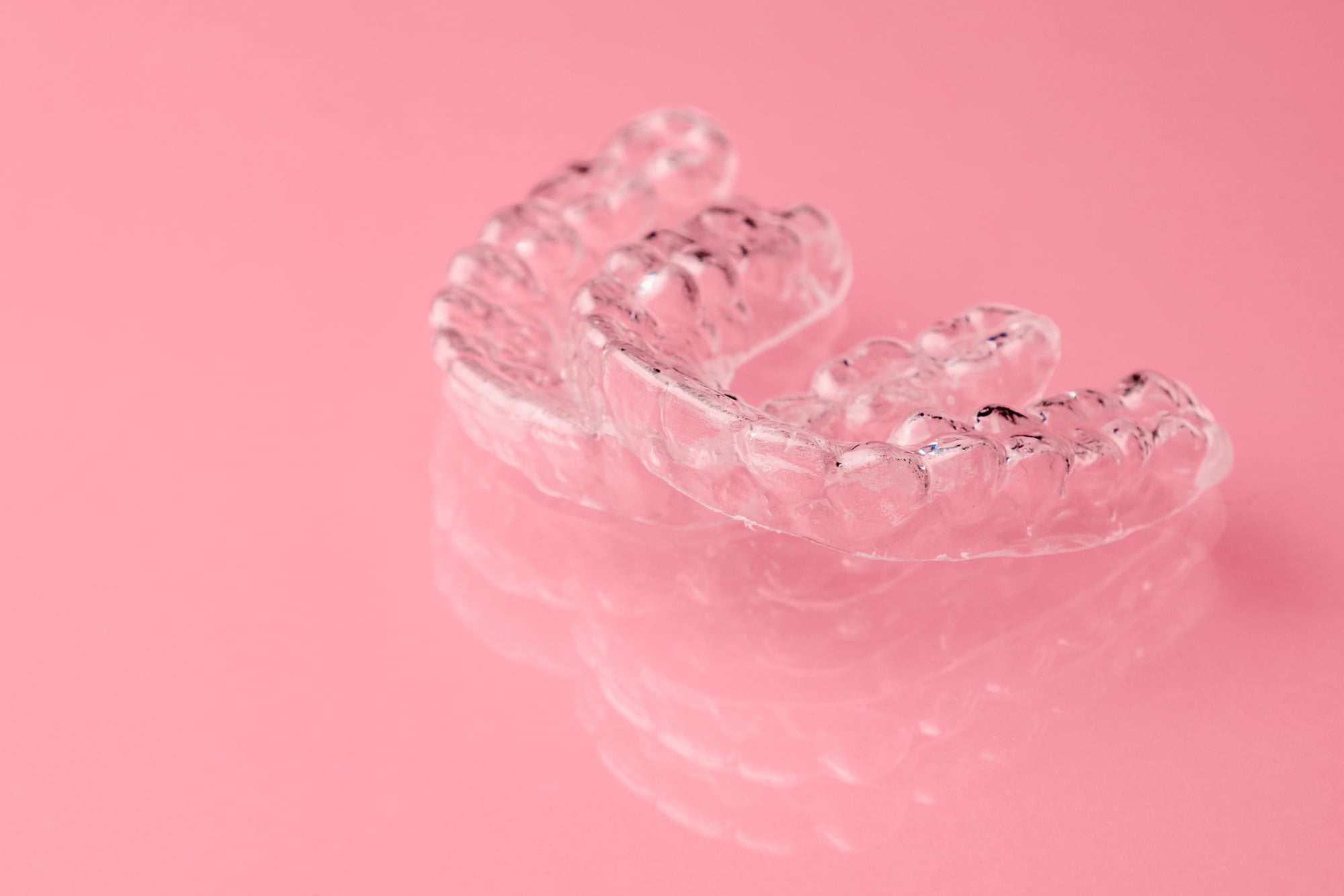
Advances in materials science during space research contributed to the development of transparent ceramic materials. These materials were originally designed for use in spacecraft components and sensors.
Dentistry later adapted the technology to create clear braces that offer a more discreet alternative to traditional metal options. The materials provide strength while remaining less noticeable.
Still, this crossover highlights how innovations often travel unexpected paths. A material created for high-tech equipment found its way into everyday healthcare solutions.
From Orbit To Everyday Life
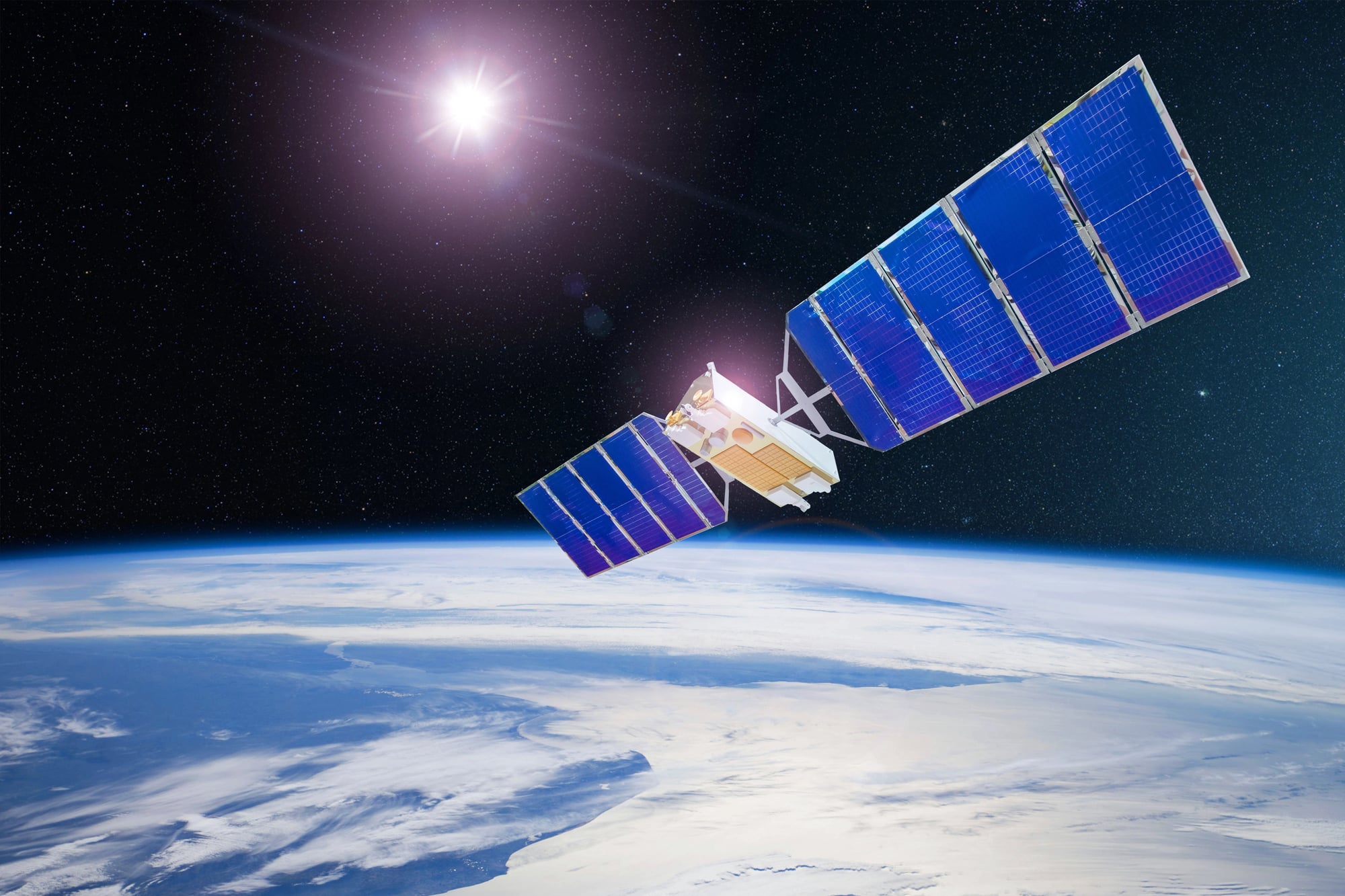
The impact of space exploration is not limited to space rockets and satellites. Many tools and products designed for space explorers have become an integral part of our daily lives.
From the comfort of a mattress to the ease of cordless power tools, space innovations have become an essential part of our daily routines. What started as a means to overcome challenges in space turned out to be equally useful in our own world.
Engineers designed tools for space explorers, only to find that they also helped us become more comfortable in our own homes. In this way, space travel has never been about merely exploration.
It is about making our world a better place, even as it takes us further away. Space travel is about making us realize that the further we go, the closer we become.
More from Go2Tutors!

- The Romanov Crown Jewels and Their Tragic Fate
- 13 Historical Mysteries That Science Still Can’t Solve
- Famous Hoaxes That Fooled the World for Years
- 15 Child Stars with Tragic Adult Lives
- 16 Famous Jewelry Pieces in History
Like Go2Tutors’s content? Follow us on MSN.