Food Trends Older People Grew Up With That Kids Today Find Weird
Food has always been a reflection of the era from which it originates, and there’s no better way to see this than through the meals of the past. What might have been considered modern, convenient, or even lavish at the time might seem utterly perplexing, or even strange, to the younger generation of the present.
Let’s take a closer look at the food trends of the past, which might seem strange to the kids of the present.
Gelatin-Based Dishes
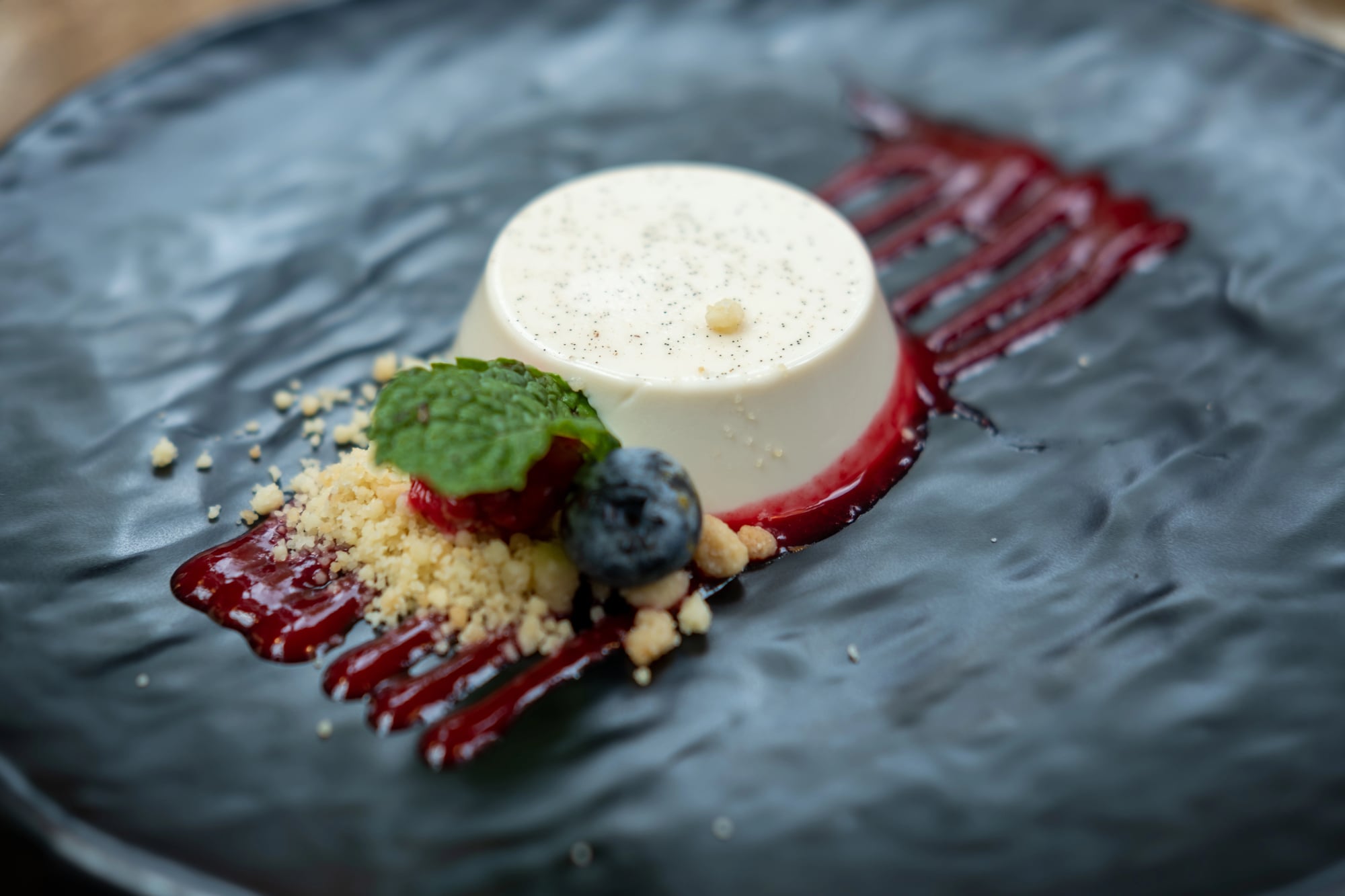
There was a time when gelatin wasn’t just for dessert — it was a centerpiece. Entire meals were suspended in shimmering molds, combining ingredients like vegetables, meats, and sauces into one unified structure.
These dishes, often called aspics, were seen as elegant and visually impressive, especially at dinner parties. The appeal made sense in context.
Refrigeration was becoming more common, and gelatin offered a way to preserve and present food in a novel way. Still, the idea of savory ingredients trapped in a wobbly, translucent block feels more puzzling than appealing to modern tastes, which tend to favor fresh and minimally processed foods.
Canned Everything
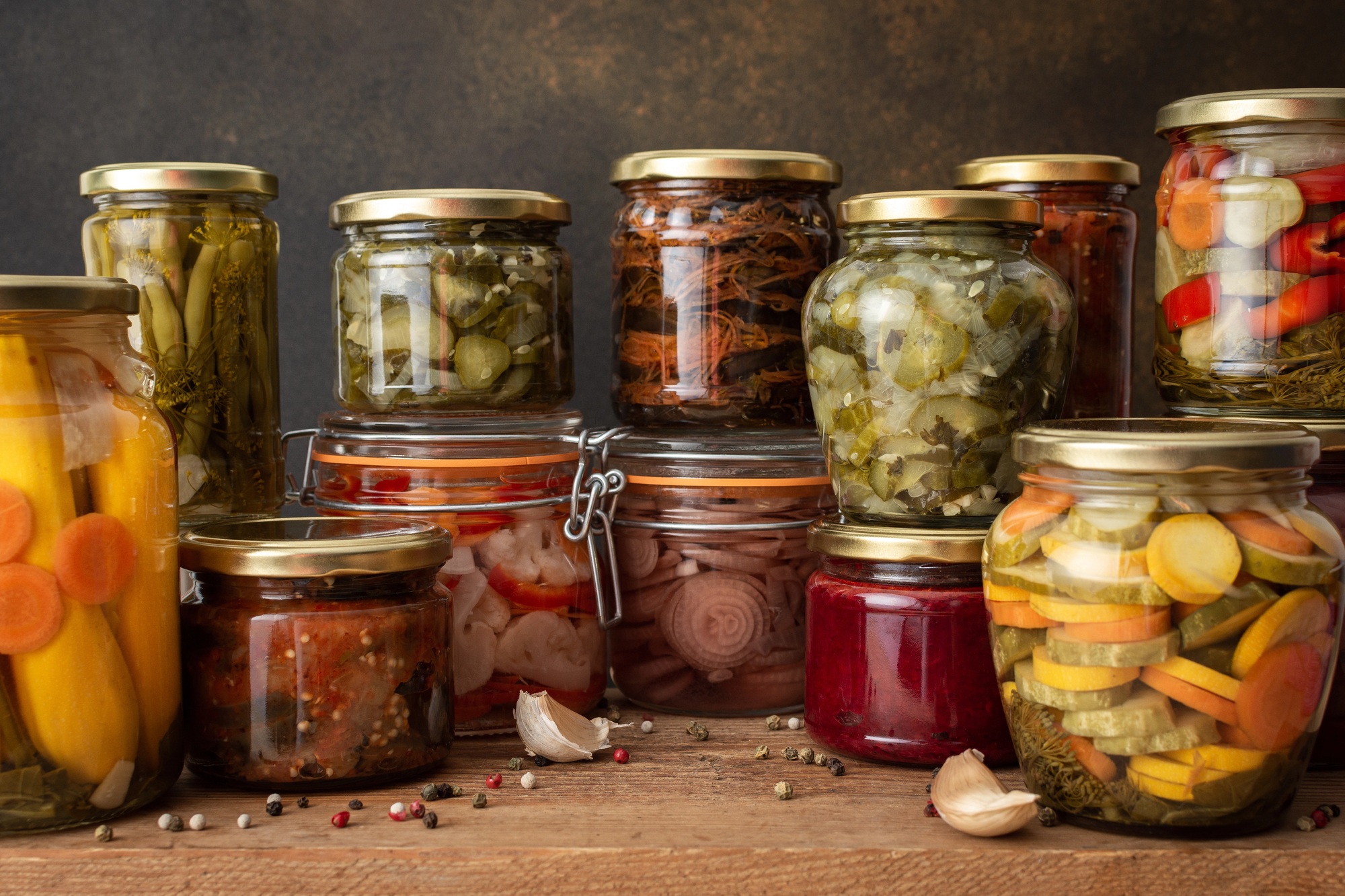
Convenience once came in the form of a can — and nearly everything could be found inside one. Vegetables, fruits, meats, and even full meals were preserved and stacked neatly in pantries across the country.
For many families, canned goods weren’t a backup option; they were the default. This trend grew alongside industrial food production, which promised longer shelf life and less time spent cooking.
While canned food is still around today, it no longer carries the same sense of novelty or status. Younger generations, raised on fresher options, often find the uniform texture and muted flavors a little underwhelming.
TV Dinners

The rise of television didn’t just change entertainment — it reshaped how people ate. Pre-packaged meals, neatly divided into compartments, became a staple for families gathered around the screen.
These ‘TV dinners’ offered convenience and a sense of modern living that felt exciting at the time. Each tray typically included a main dish, a side, and sometimes a dessert, all ready to heat and serve.
Today, the idea of eating a full meal off a tray in front of the television feels less like a novelty and more like a compromise. Still, it marked a turning point in how convenience and lifestyle began to influence food choices.
Powdered Drinks And Foods
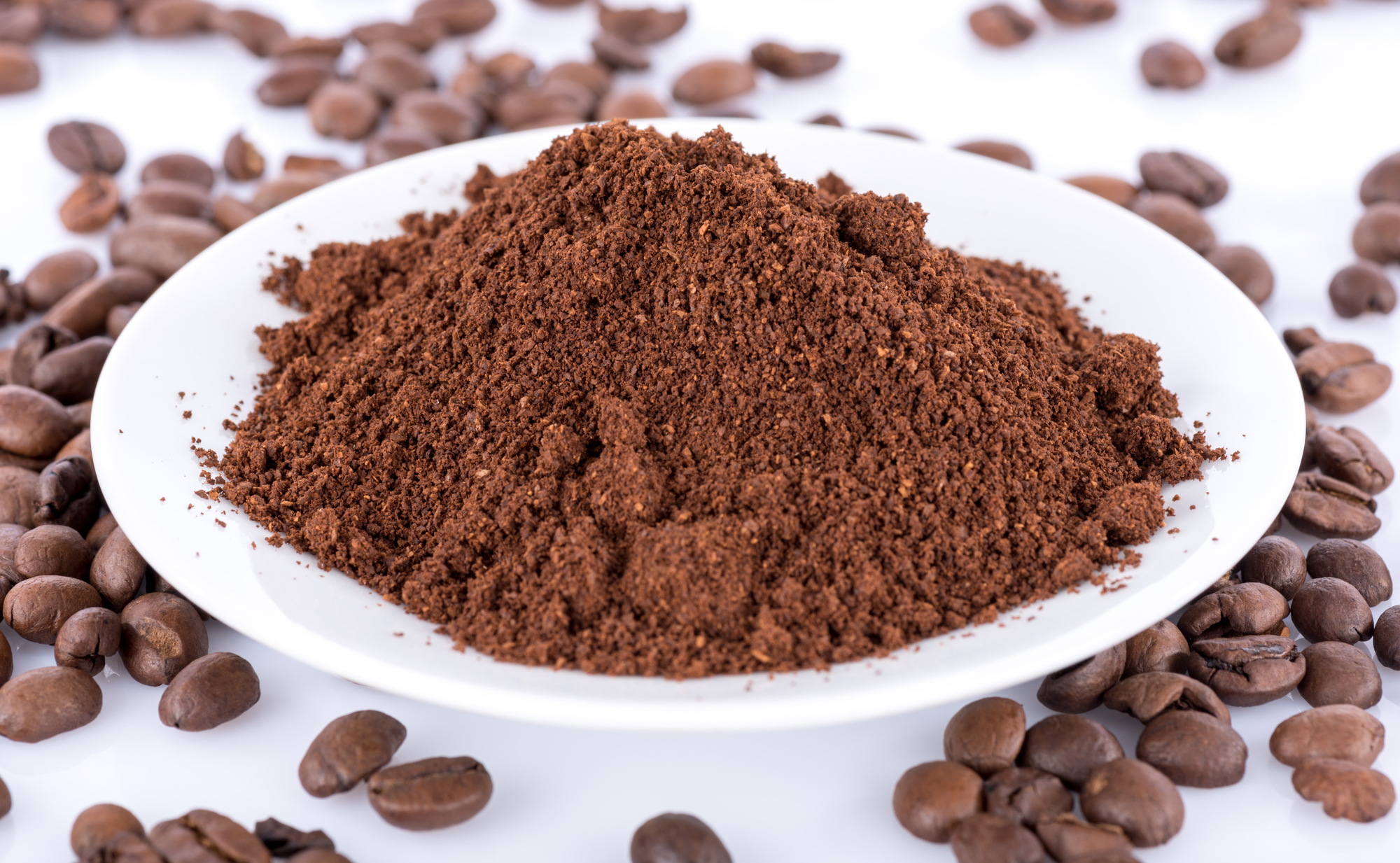
At one point, turning powder into something drinkable or edible felt almost futuristic. Products like powdered milk, instant coffee, and flavored drink mixes became household staples.
They were easy to store, quick to prepare, and often marketed as cutting-edge solutions for busy families. That said, the taste and texture rarely matched fresh alternatives.
Modern consumers, accustomed to higher-quality ingredients, often find these products lacking. Even so, they represented a major shift toward convenience and shelf stability, paving the way for many of the quick-prep foods still used today.
Meat And Fruit Combinations
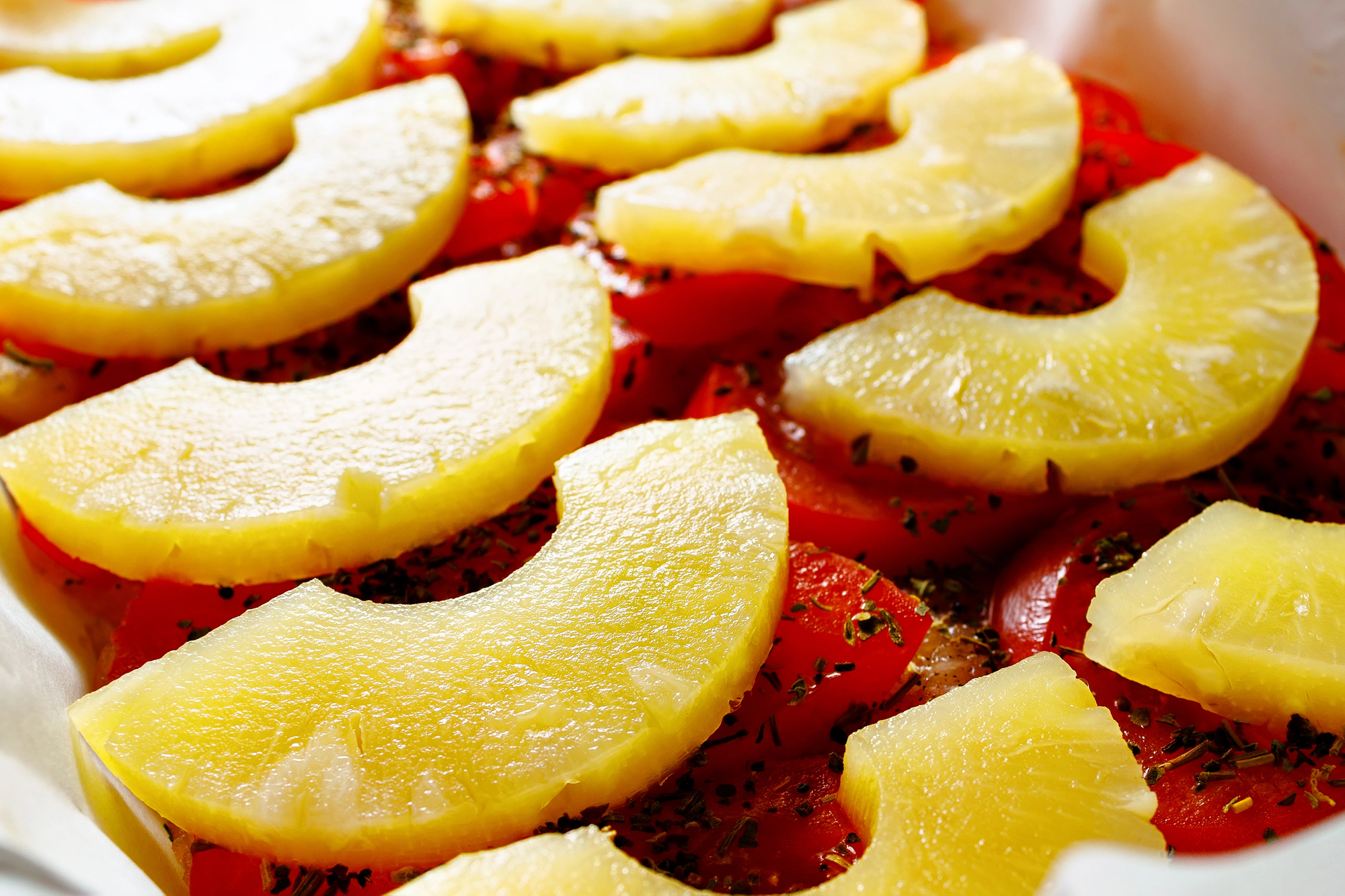
Pairing meat with fruit was once a popular way to create contrast and elevate simple dishes. Ham with pineapple, chicken with canned peaches, and other similar combinations were common at family dinners.
These meals aimed to balance savory and sweet flavors in a way that felt both creative and sophisticated. While sweet-and-savory pairings still exist, the older versions often relied heavily on canned or syrup-based ingredients.
This gave the dishes a distinctly processed feel that doesn’t align with current preferences for fresh, balanced flavors. For younger generations, the combinations can seem more confusing than appealing.
Margarine As A Staple

Margarine rose to prominence as a cheaper and, at the time, seemingly healthier alternative to butter. It became a household essential, used in everything from cooking to spreading on bread.
Many families grew up with margarine as the default, rarely questioning its place at the table. Over time, shifting views on nutrition changed how people saw it.
Butter regained popularity, and margarine lost some of its appeal. For kids today, the idea that margarine was once considered the better option can feel surprising, especially given the current emphasis on less processed ingredients.
Jell-O Salads

Closely related to gelatin dishes, Jell-O salads took things a step further by combining sweet flavors with unexpected add-ins. Ingredients like shredded carrots, cottage cheese, or even small pieces of fruit were mixed into brightly colored gelatin molds and served as side dishes.
These salads were especially popular at gatherings and celebrations, where presentation mattered just as much as taste. Today, the combination of textures and flavors can feel mismatched, particularly for those used to more clearly defined categories of sweet and savory foods.
Liver And Organ Meats
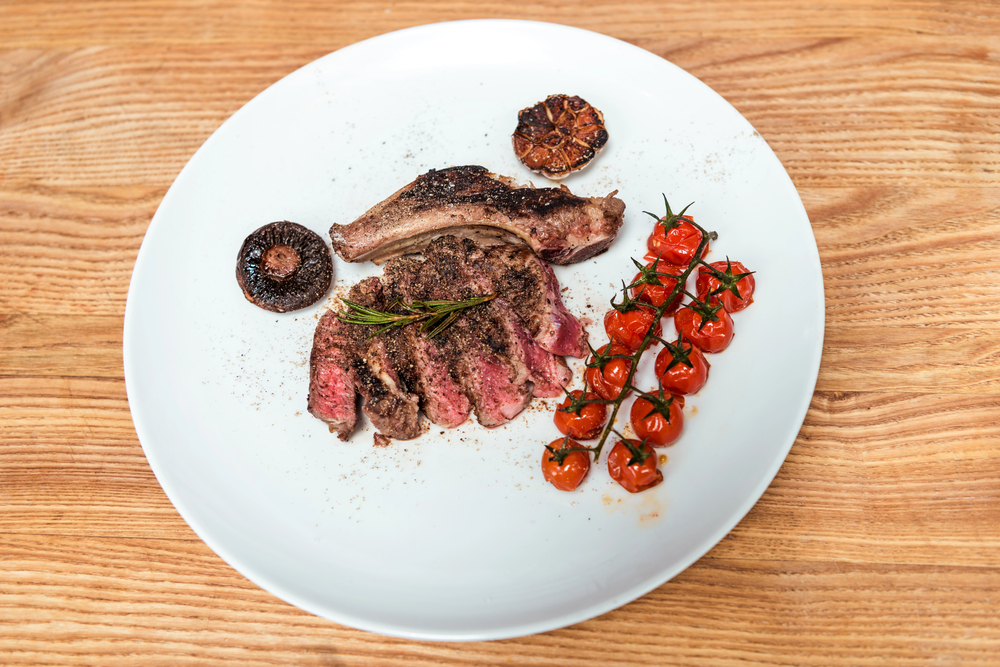
Organ meats were once a regular part of many diets, valued for both their affordability and nutritional content. Dishes featuring liver, kidneys, and other cuts were common in home cooking, especially during times when minimizing waste was essential.
Even so, tastes have shifted significantly. Many younger people are less familiar with these ingredients and may find their flavor and texture unusual.
What was once practical and widely accepted now feels more like a niche choice, often reserved for specific cuisines or acquired tastes.
Spam And Processed Meats

Highly processed meats, including canned options like Spam, were widely embraced for their convenience and long shelf life. They could be stored for extended periods and used in a variety of quick meals, making them a reliable option for busy households.
While these products are still available, their reputation has changed. Increased awareness around nutrition and processing has led many people to view them with more caution.
For younger generations, they often carry a sense of nostalgia rather than everyday appeal.
Boiled Vegetables As The Norm
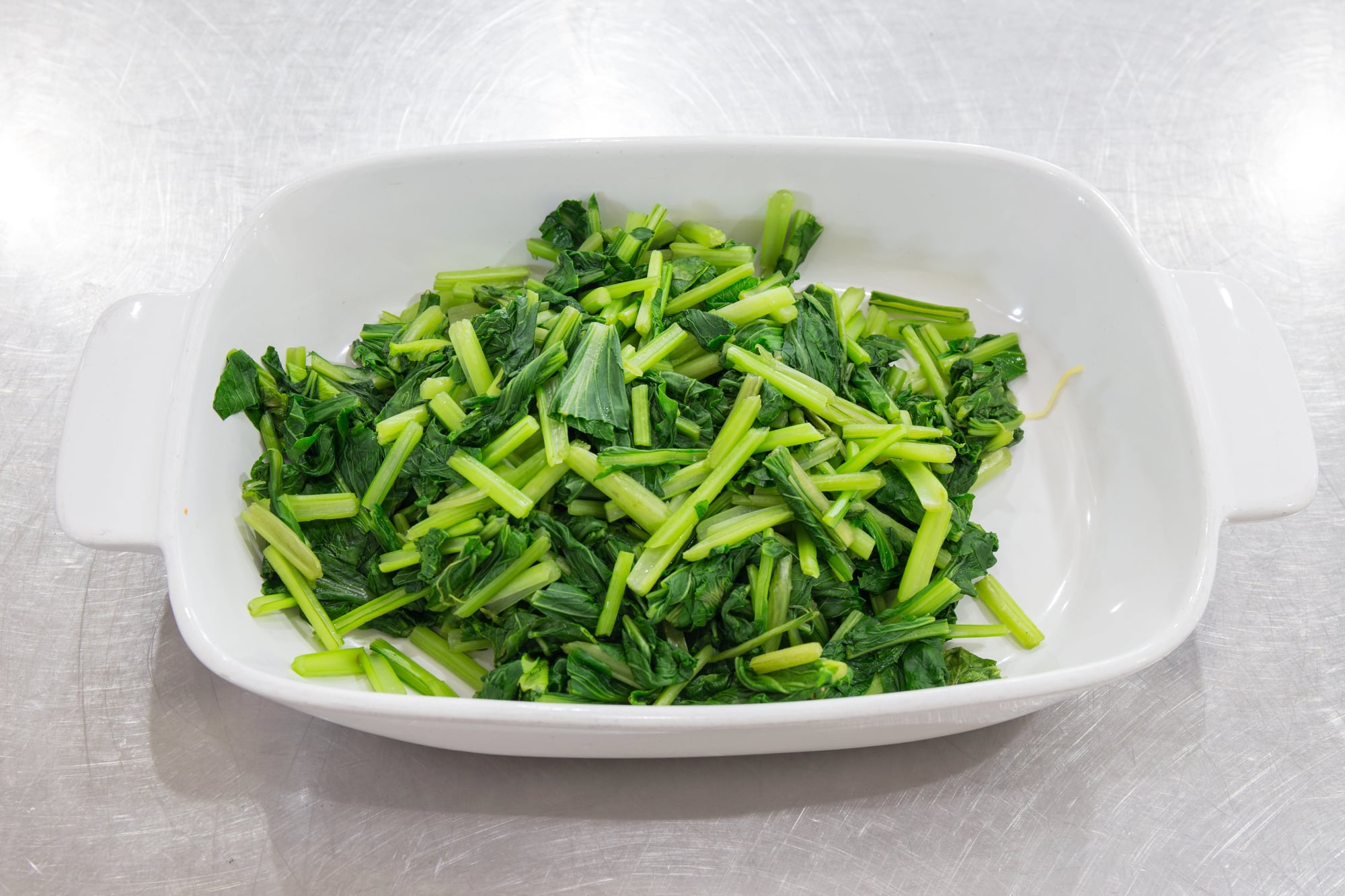
Vegetables were often prepared in the simplest way possible — boiled until soft. This method was practical and required little effort, making it a go-to choice for many households.
However, it often resulted in a loss of texture and flavor. Modern cooking tends to favor roasting, grilling, or steaming, which preserves more of the vegetable’s natural qualities.
As a result, the older approach can feel less appealing by comparison. Still, it reflects a time when convenience and reliability often took precedence over culinary experimentation.
When Food Reflected The Times
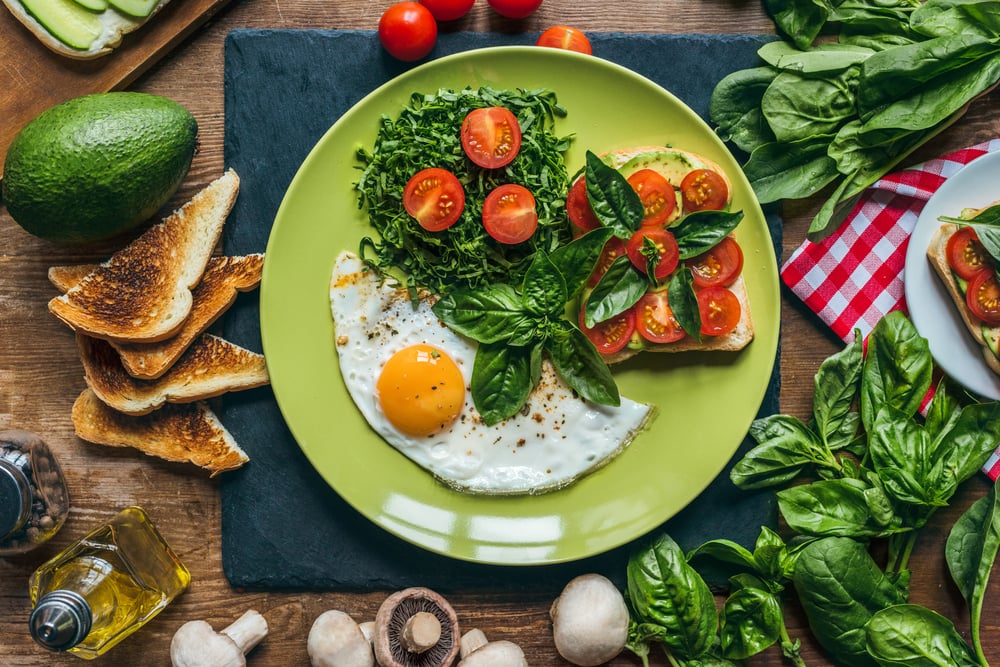
Looking back, it’s clear that these food trends represent something beyond the simple pleasure of eating. Instead, they represent a time defined by convenience, creativity, and a changing world, in which practicality was the driving force behind many food choices.
What was unconventional is now understandable, a product of the tools, knowledge, and world available at the time. It’s this new perspective, this new way of looking at things, that makes these food trends so fascinating.
What’s so fascinating about these food trends is how they demonstrate the pace of change and how food is connected to culture and progress. In many ways, current food trends will likely be just as foreign in the years to come.
More from Go2Tutors!

- The Romanov Crown Jewels and Their Tragic Fate
- 13 Historical Mysteries That Science Still Can’t Solve
- Famous Hoaxes That Fooled the World for Years
- 15 Child Stars with Tragic Adult Lives
- 16 Famous Jewelry Pieces in History
Like Go2Tutors’s content? Follow us on MSN.