Fascinating Historical Icons Who Rose from Poverty
There’s something deeply human about a story that starts at the bottom. Not because struggle is romantic — it isn’t — but because it shows what’s possible when a person refuses to be defined by their circumstances.
History is full of figures whose names now fill textbooks, museums, and currency, yet who started life with almost nothing. These aren’t feel-good myths.
They’re real, complicated people who experienced genuine hardship and still managed to leave marks that lasted centuries.
Abraham Lincoln Grew Up in a One-Room Log Cabin

Lincoln’s childhood was genuinely rough. His family lived in a dirt-floor cabin on the Kentucky frontier, and later moved to Indiana where conditions were no better.
His mother died when he was nine. Formal schooling amounted to less than a year of his entire life.
He taught himself to read by firelight, borrowing books from neighbors and walking miles to return them. He worked as a farmhand, a rail-splitter, a store clerk, and a flatboat operator before studying law on his own.
No university. No connections.
Just books and determination. By the time he reached the White House, he had lost businesses, suffered personal tragedies, and failed at several elections.
The presidency was not a straight line for him — it was the end of a very long, very crooked road.
Charlie Chaplin Was Raised in London Poorhouses
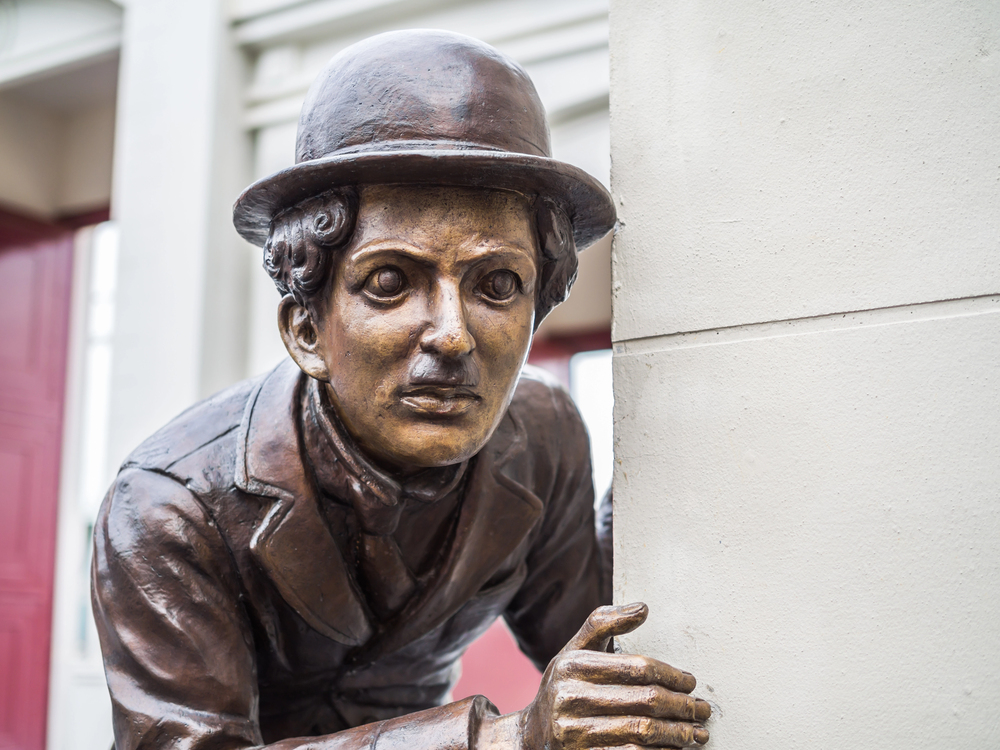
Before he became one of the most recognized faces in cinema history, Charlie Chaplin spent parts of his childhood in workhouses and on the streets of South London. His father was absent and an alcoholic.
His mother suffered from mental illness and was institutionalized multiple times. Charlie and his brother Sydney were sent to the Hanwell School for Orphans and Destitute Children — essentially a workhouse for kids.
He started performing on stage as a young child just to survive. That early desperation sharpened his instincts.
The physical comedy, the tramp character with his borrowed dignity — all of it came from someone who had personally experienced what it felt like to have nothing and still try to hold your head up.
Frederick Douglass Was Born into Slavery
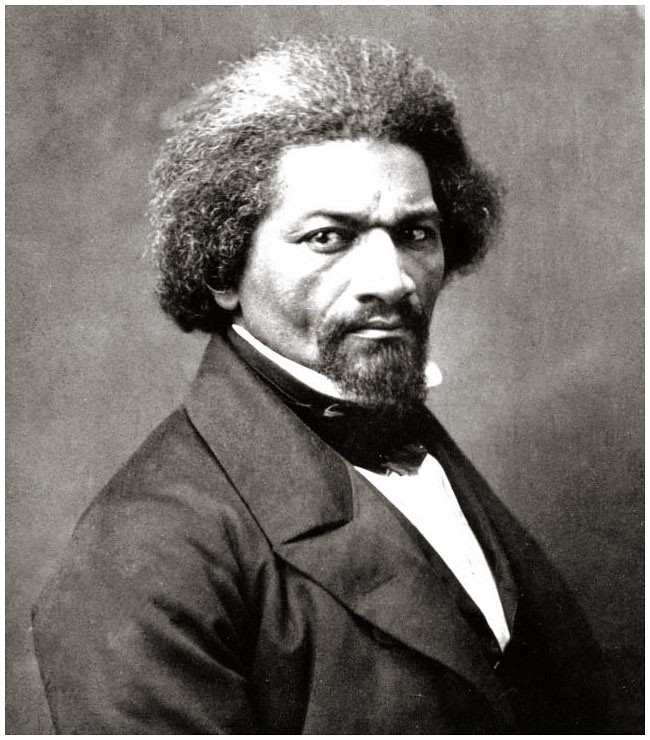
Frederick Douglass had no legal name, no family stability, and no freedom at birth. He was enslaved in Maryland, separated from his mother as an infant, and witnessed brutal violence as a child.
The law made it illegal to teach enslaved people to read — which only made him more determined to learn. He taught himself by trading bread for reading lessons with white children in the neighborhood.
He read newspapers, political pamphlets, anything he could find. After escaping north in 1838, he became one of the most powerful orators of the 19th century.
His autobiographies shook people who had convinced themselves that slavery was anything other than what it was.
Napoleon Bonaparte Came from a Minor, Nearly Broke Family
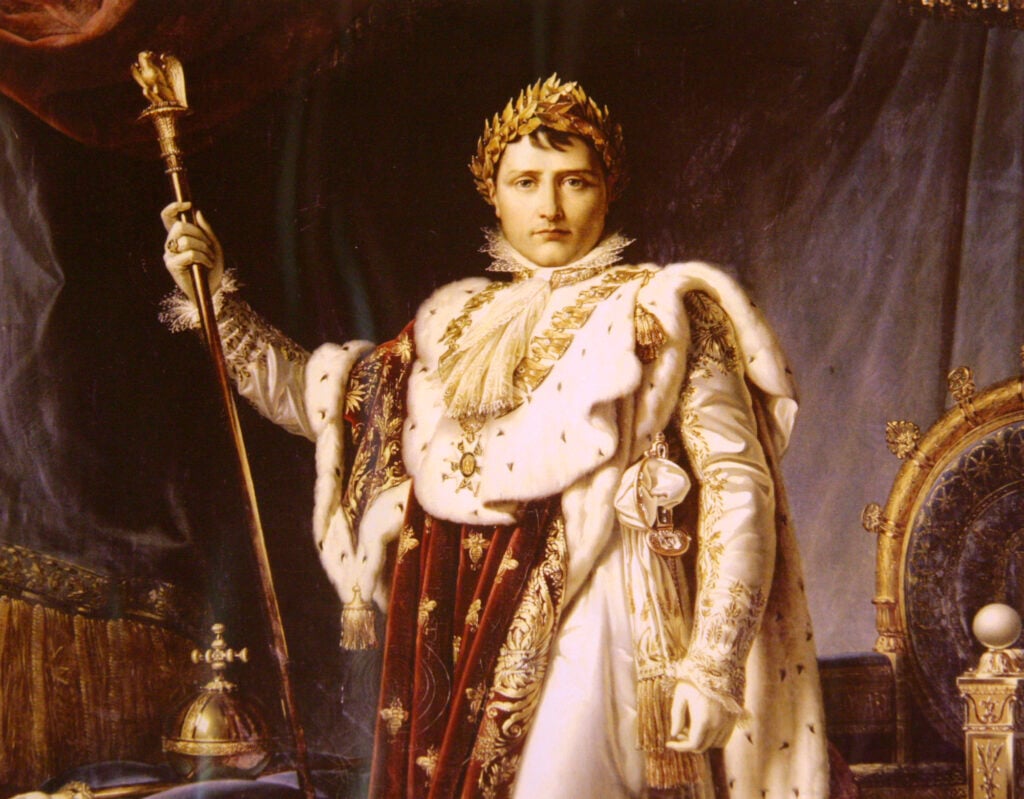
Napoleon is often thought of as a French figure, but he was born in Corsica just one year after France annexed the island. His family was of minor Italian nobility — meaning they had a title but very little money.
His father struggled to secure scholarships for his children because they couldn’t afford school fees otherwise. Napoleon attended military academy on a scholarship.
He was mocked by French classmates for his accent and his poverty. He graduated early, partly because he couldn’t afford to stay longer.
Within fifteen years, he was reshaping the map of Europe. Whatever you think of what he did with his power, the climb itself was extraordinary.
Andrew Carnegie Arrived in America with Almost Nothing
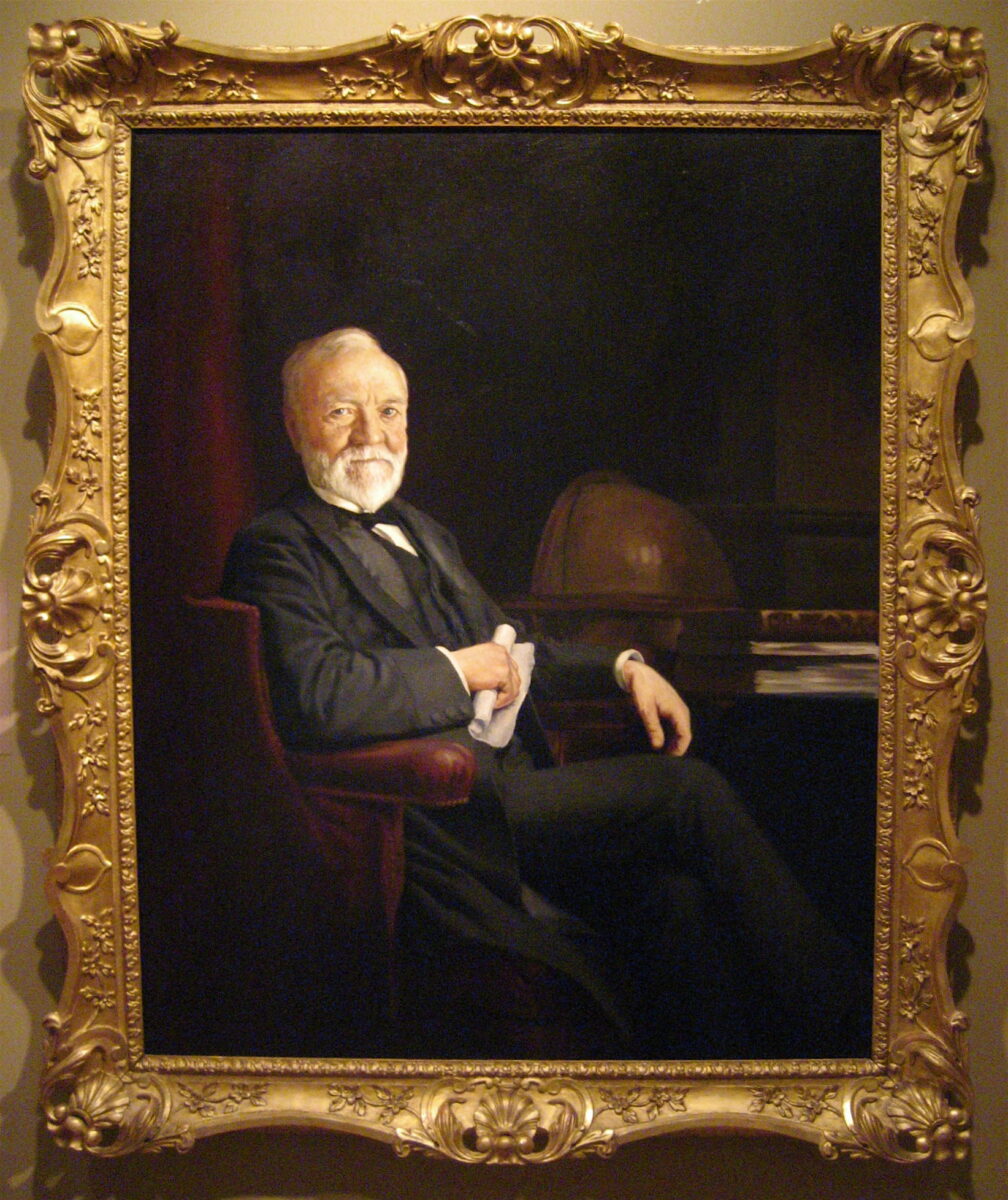
Carnegie was born in Dunfermline, Scotland, in a weaver’s cottage with one room. The family emigrated to the United States when he was thirteen because his father’s handloom weaving trade had been destroyed by industrial machines — a bitter irony given what Carnegie would later build.
He started working in a cotton factory at age thirteen for $1.20 a week. Then came a job as a telegraph messenger, where he memorized the city of Pittsburgh and learned to read Morse code by ear.
He climbed steadily, made smart investments, and eventually built the largest steel empire in American history. He also gave most of it away, funding over 2,500 public libraries around the world.
Harriet Tubman Escaped Slavery and Then Went Back
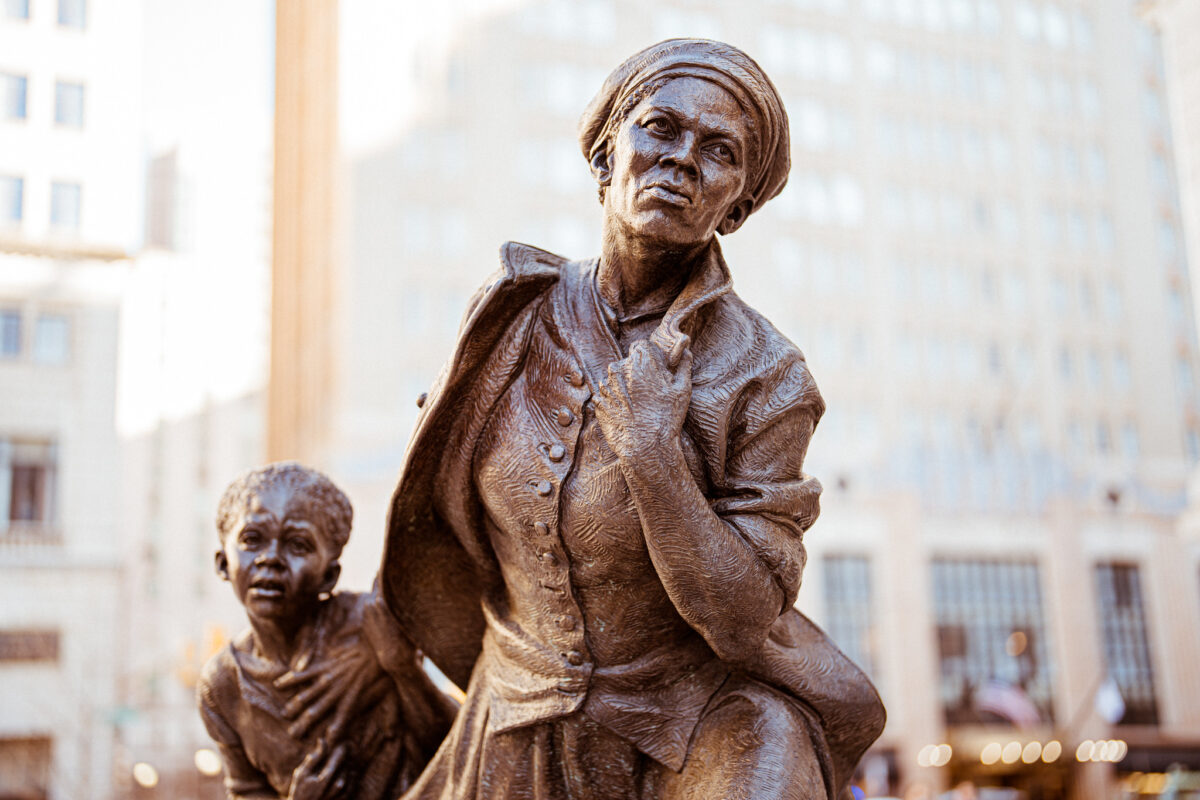
Born into slavery in Maryland around 1822, Harriet Tubman experienced violence, forced labor, and a severe head injury as a child that caused debilitating episodes for the rest of her life. When she escaped north in 1849, she could have stayed free and built a quiet life.
She went back. Thirteen times.
She personally led around 70 enslaved people to freedom through the Underground Railroad and reportedly never lost a passenger. During the Civil War, she served as a spy and a scout for the Union Army.
She later became an active voice for women’s right to vote. Every chapter of her life came from a place of having had nothing and deciding that wasn’t good enough for the people she loved.
Benjamin Franklin Was the 15th of 17 Children
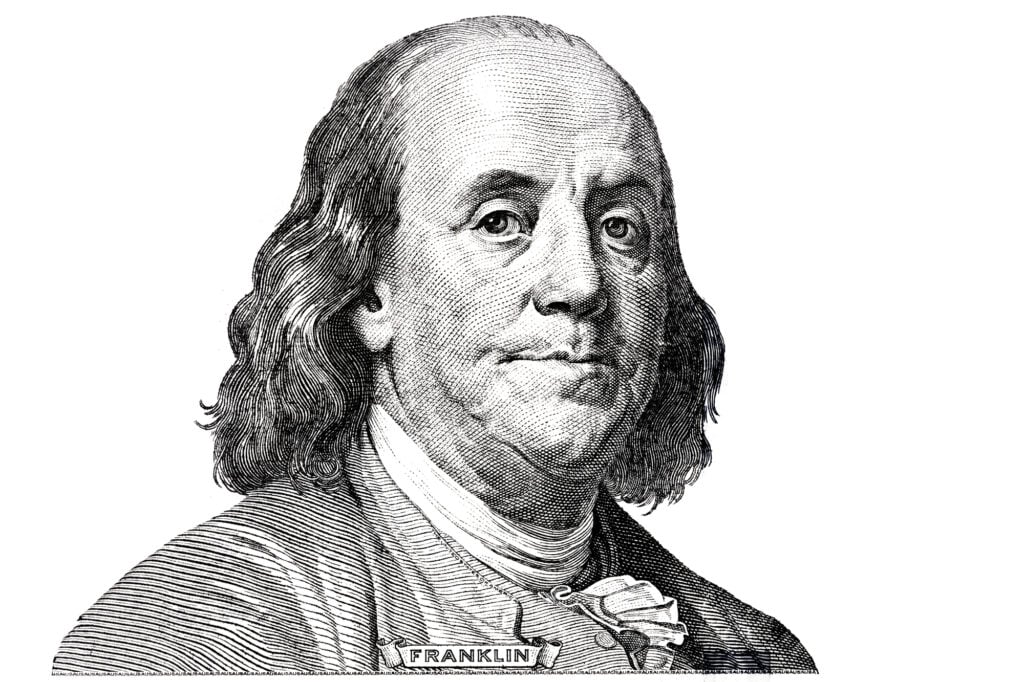
Franklin’s father was a candle and soap maker in Boston, and with seventeen children, there was no inheritance waiting for anyone. Franklin left school at ten to help in his father’s shop, then became an apprentice printer for his older brother at twelve.
The printing trade gave him access to books and ideas, and he devoured both. He eventually ran away to Philadelphia at seventeen with almost no money and built himself into a printer, writer, scientist, diplomat, and one of the founding architects of the United States.
His face is on the hundred-dollar bill — a fitting symbol, given he started with almost none.
Charles Dickens Worked in a Shoe Polish Factory as a Child

When Charles Dickens was twelve, his father was imprisoned for debt in Marshalsea Prison. The family moved in with him — as was common — but Charles was sent to work at a blacking factory, pasting labels on pots of shoe polish for ten hours a day.
He was paid six shillings a week. He never forgot it.
That factory, that shame, that sense of being abandoned by the adults who should have protected him — it drove everything he wrote. Oliver Twist, David Copperfield, Little Dorrit — these weren’t just stories.
They were what Dickens had seen with his own eyes, dressed up just enough to put on paper. His writing helped shift public opinion on child labor and poverty in Victorian England.
Nikola Tesla Arrived in New York with Four Cents

Tesla emigrated from Serbia to the United States in 1884 with a letter of recommendation, some poems he had written, and four cents in his pocket. He had no job, no place to stay, and no real contacts.
He found work as a ditch digger and did manual labor while pursuing his ideas. He eventually worked for Thomas Edison, though the relationship ended badly.
He later developed alternating current electrical systems that became the foundation of modern power grids. He died in a hotel room, alone and deeply in debt, in 1943.
The gap between what he contributed to the world and how the world treated him in return is one of history’s more uncomfortable contrasts.
Marie Curie Studied in Secret in Warsaw
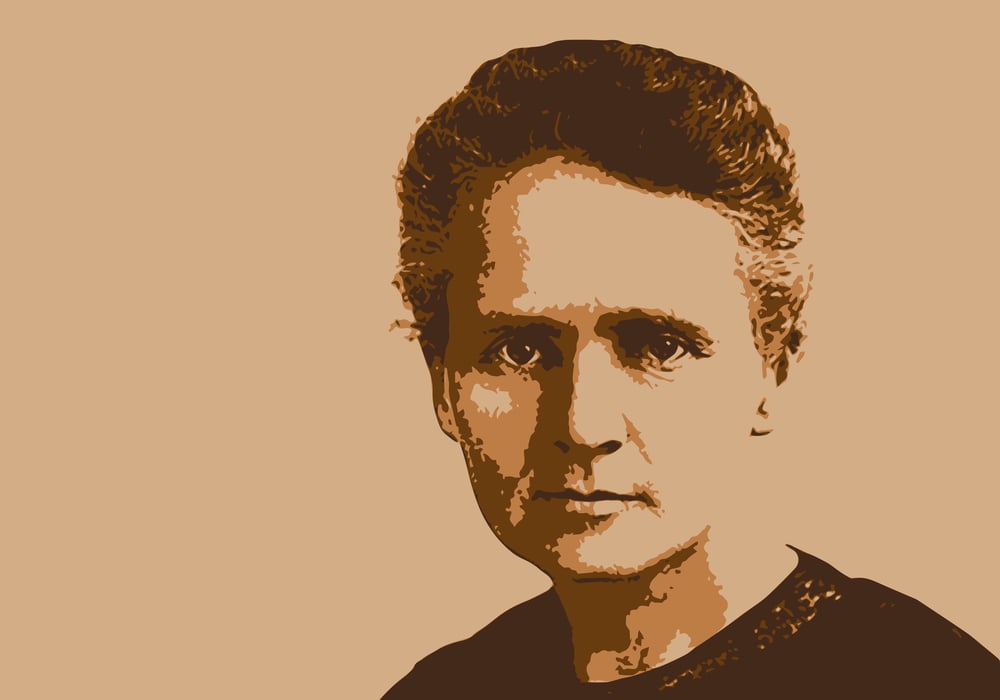
Marie Curie grew up in partitioned Poland under Russian rule, where higher education for women was illegal. She attended the “Flying University” — an underground network of educators who moved from apartment to apartment to avoid Russian authorities.
She and her sister made a pact: Marie would work to fund her sister’s medical education in Paris, and her sister would return the favor. She arrived in Paris at twenty-four, studied in freezing attic rooms, and sometimes fainted from hunger.
She became the first woman to earn a doctorate in physics in France, the first woman to win a Nobel Prize, and the only person in history to win Nobel Prizes in two different sciences. She did it while raising children, managing a laboratory, and fighting constant institutional resistance.
Elvis Presley Grew Up in Public Housing in Tupelo
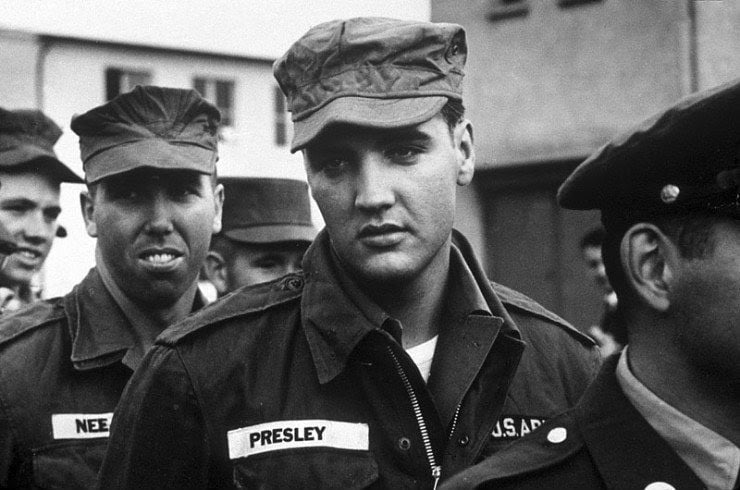
Elvis Presley was born in a two-room shotgun house that his father built with a $180 loan. Vernon Presley later went to prison for check fraud, and the family lost the house.
They moved frequently across Mississippi and eventually to Memphis, where they lived in a public housing project called Lauderdale Courts. Elvis was shy, deeply attached to his mother, and considered an outsider.
He drove a truck before he got his break. When he recorded his first songs at Sun Studio, he was barely twenty.
Within two years he had changed American music in a way that still echoes today. The kid from the housing project became one of the most famous entertainers who ever lived.
Sojourner Truth Was Born Enslaved and Spoke to Thousands
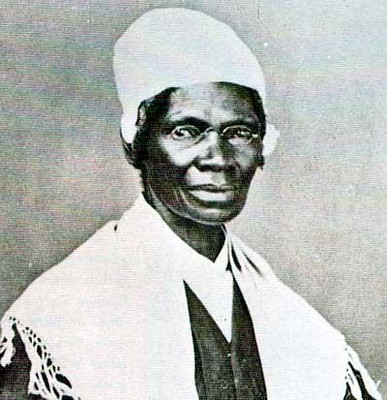
Isabella Baumfree — who later renamed herself Sojourner Truth — was born into slavery in New York around 1797. She was sold multiple times as a child, separated from her family, and subjected to harsh treatment throughout her early life.
She spoke Dutch as her first language and had to learn English. After New York abolished slavery in 1827, she walked away from her enslaver with her infant daughter.
She later successfully sued in court to reclaim her son — one of the first Black women in American history to win a case against a white man. She became a powerful speaker for abolition and women’s rights, addressing crowds across the country with a directness that left audiences stunned.
Howard Hughes Started Wealthy, but That’s Not the Whole Picture
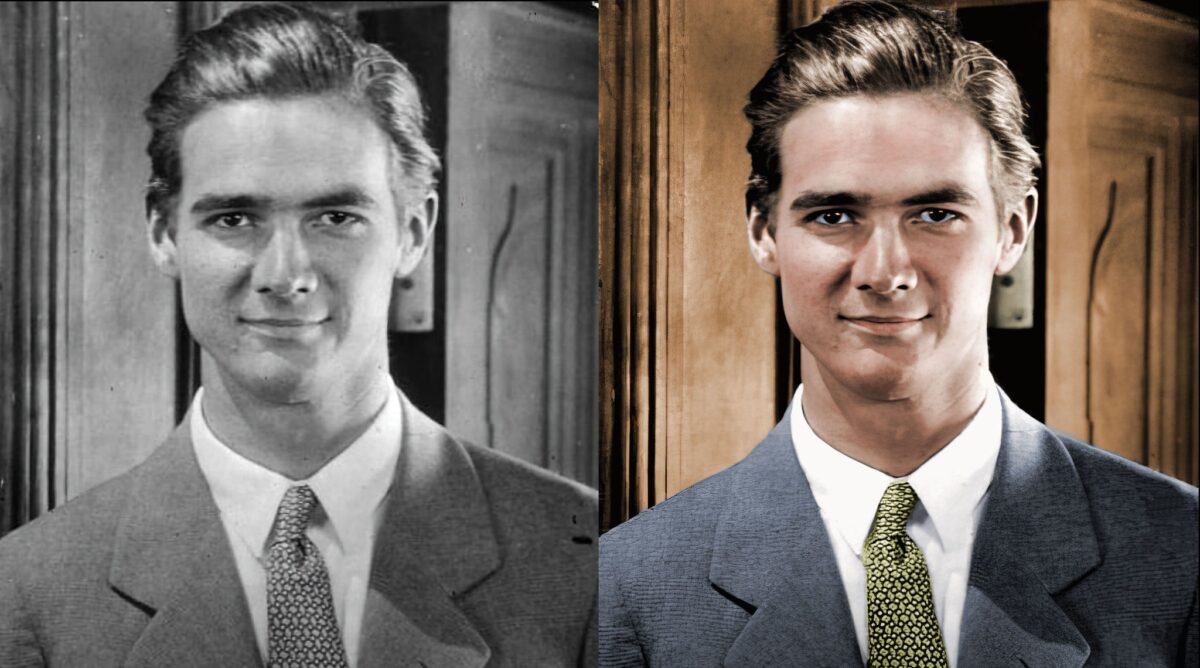
Hughes is often listed as someone born into privilege — and he was, relatively speaking. But the story of his rise to dominance in aviation and film involved something other figures here also had: an absolute refusal to accept the ceiling that others imagined for him.
He pushed beyond what people thought was technically possible at considerable personal risk. The more instructive figure from aviation history is Bessie Coleman.
Born to a sharecropping family in Texas in 1892, she could find no flight school in America that would accept a Black woman. She taught herself French and moved to France to earn her pilot’s license.
She returned home as the first Black woman to hold an international pilot’s license and barnstormed across America before her death in 1926. She had nothing handed to her — not the opportunity, not the training, not the stage.
Leonardo da Vinci Was Born Outside of Wedlock with No Legal Rights
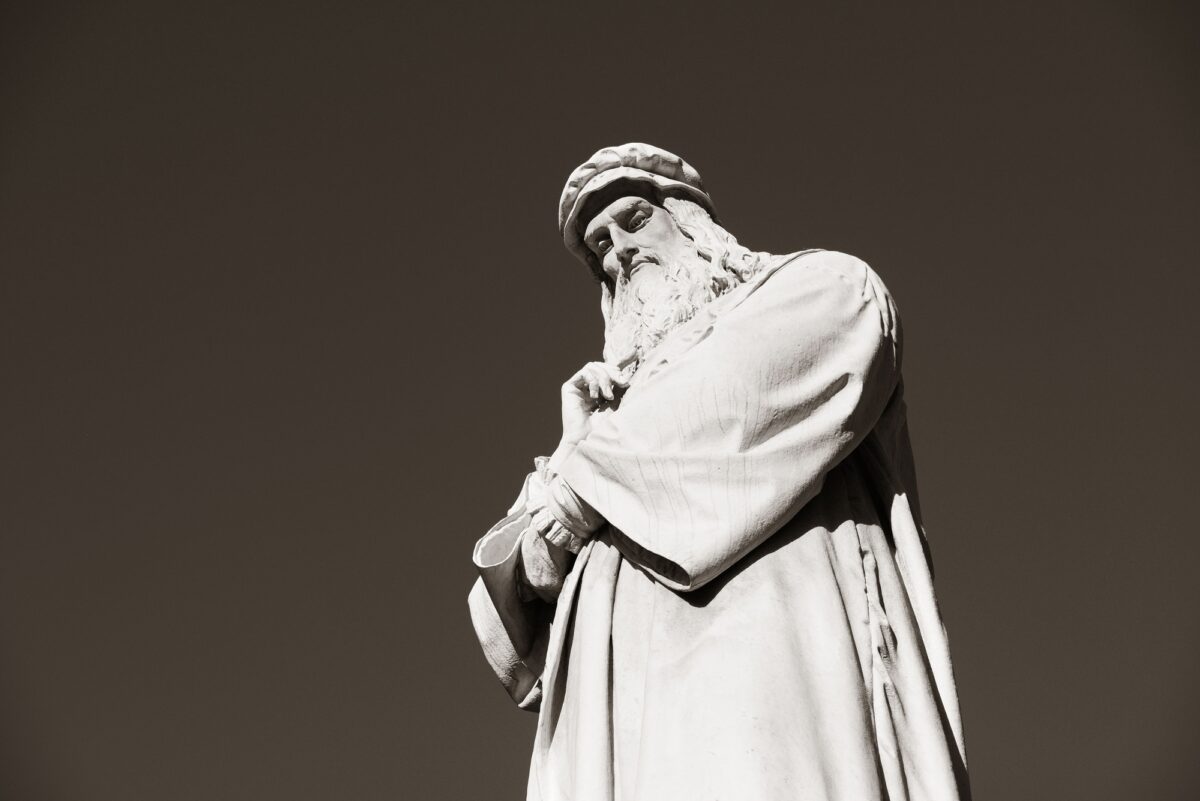
Leonardo da Vinci was born in 1452 as an illegitimate child in Tuscany. Under Florentine law, that meant he had almost no formal rights.
He couldn’t inherit from his father. He was barred from entering most professions, including law and medicine.
He had no path through traditional institutions. What he had instead was access to his grandfather’s library and an apprenticeship in the workshop of the artist Verrocchio.
He worked from observation, dissecting bodies to understand anatomy, studying water and birds for hours to understand motion. Everything he knew, he figured out by looking.
He produced work — in painting, engineering, anatomy, and dozens of other fields — that the world is still catching up to.
What These Lives Actually Tell You

These stories share something uncomfortable: none of them are clean. Lincoln’s rise didn’t erase his depression.
Douglass’s freedom didn’t deliver equality. Tesla died broke.
Curie’s work gave her radiation exposure that almost certainly contributed to her death. Poverty didn’t make these people great.
That idea is a bit too neat. What poverty did was force them to be resourceful, relentless, and often ruthless in their focus — because they had no margin for error.
What you take from their lives probably depends on what you’re looking for. If you want proof that circumstances don’t determine outcomes, it’s here.
If you want to be reminded that the world has always been structured to make certain people’s paths harder than others, that’s here too. Both things are true at once.
These people were remarkable. And the obstacles they faced were real, not character-building exercises.
The fact that some climbed over those obstacles doesn’t mean the obstacles should have been there.
More from Go2Tutors!

- The Romanov Crown Jewels and Their Tragic Fate
- 13 Historical Mysteries That Science Still Can’t Solve
- Famous Hoaxes That Fooled the World for Years
- 15 Child Stars with Tragic Adult Lives
- 16 Famous Jewelry Pieces in History
Like Go2Tutors’s content? Follow us on MSN.