15 Landmarks That Almost Ended Up Somewhere Else
Think about the most famous landmarks you know. The Statue of Liberty gazing across New York Harbor, Mount Rushmore carved into South Dakota granite, the Golden Gate Bridge spanning San Francisco Bay. These feel inevitable now, like they could never have existed anywhere else. But history is full of close calls and last-minute decisions that nearly sent these iconic structures to completely different locations. What if Lady Liberty had ended up in Egypt instead? What if the Hollywood sign had never made it to California at all?
Statue Of Liberty
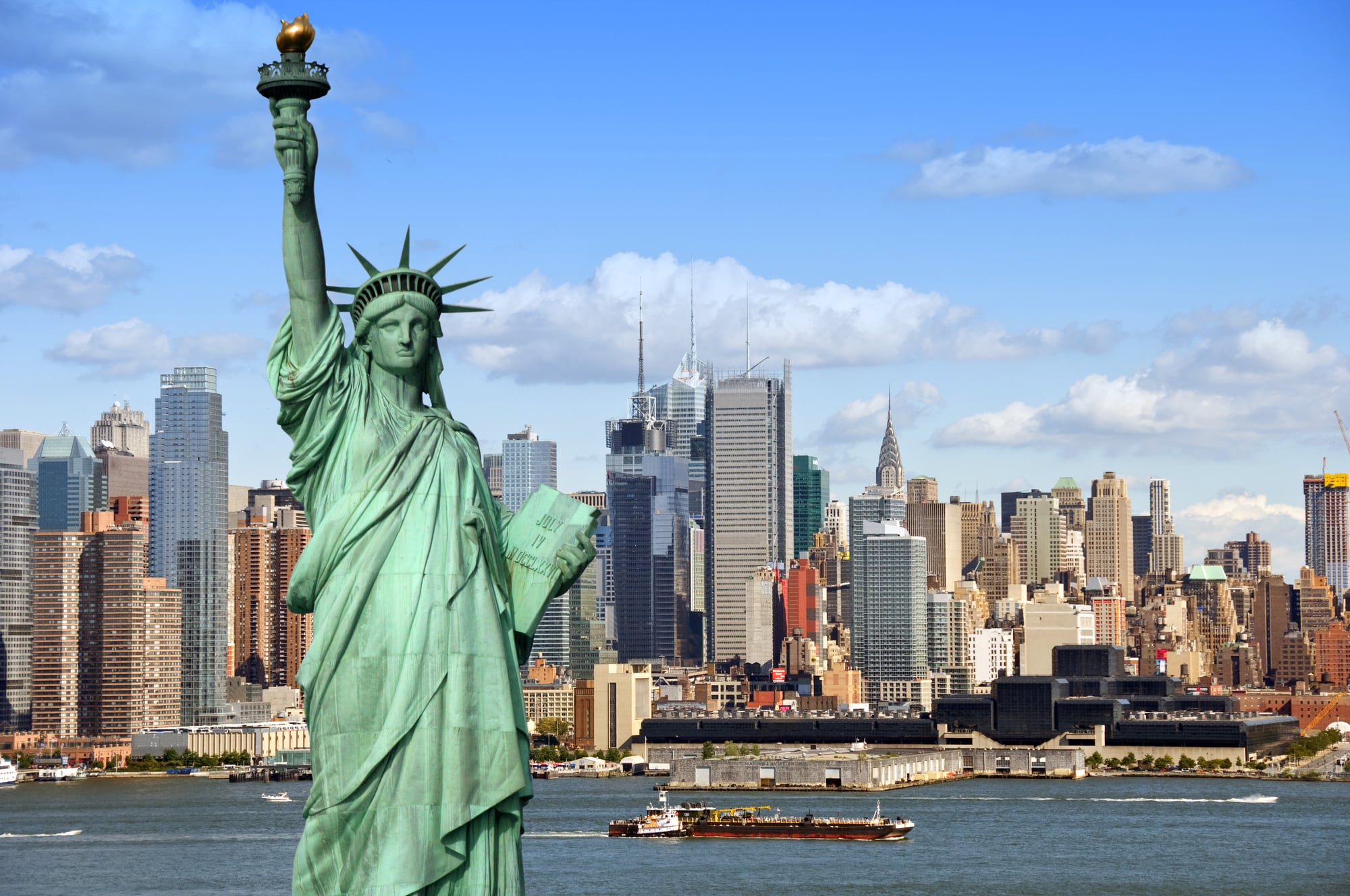
The Statue of Liberty wasn’t originally meant for America at all. French sculptor Frédéric Auguste Bartholdi first pitched his colossal lady to Egypt, hoping she’d stand guard at the entrance to the Suez Canal. The design back then featured a robed woman holding a torch, meant to represent “Egypt Bringing Light to Asia.” But the Egyptian government took one look at the massive price tag and passed.
So Bartholdi pivoted to America, where the statue found her true calling as a symbol of freedom rather than a lighthouse for ships. Egypt’s loss became America’s gain, though you have to wonder how different immigration stories might have sounded if Liberty had been welcoming people to Alexandria instead of New York.
Mount Rushmore
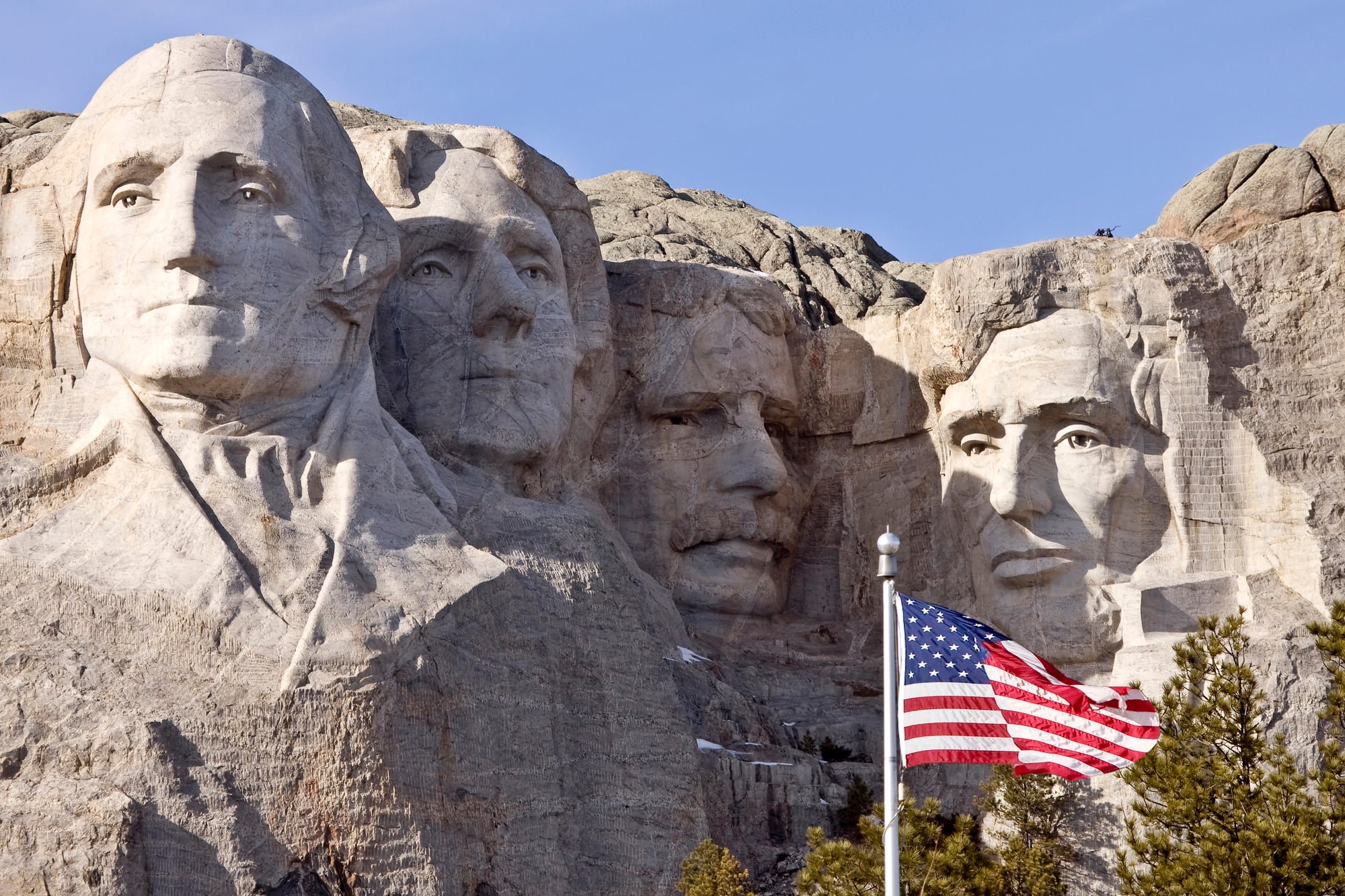
Mount Rushmore nearly ended up showcasing Western heroes instead of presidents. The original vision from South Dakota historian Doane Robinson called for carving famous frontier figures like Lewis and Clark, Sacagawea, and Buffalo Bill Cody into the Black Hills. The goal was simple: get tourists to visit South Dakota.
But sculptor Gutzon Borglum had bigger ideas. He pushed for presidents because they’d have national appeal, not just regional interest. Robinson eventually came around to the idea, though he probably never imagined the decades of controversy that would follow about carving into land sacred to the Lakota people.
Eiffel Tower
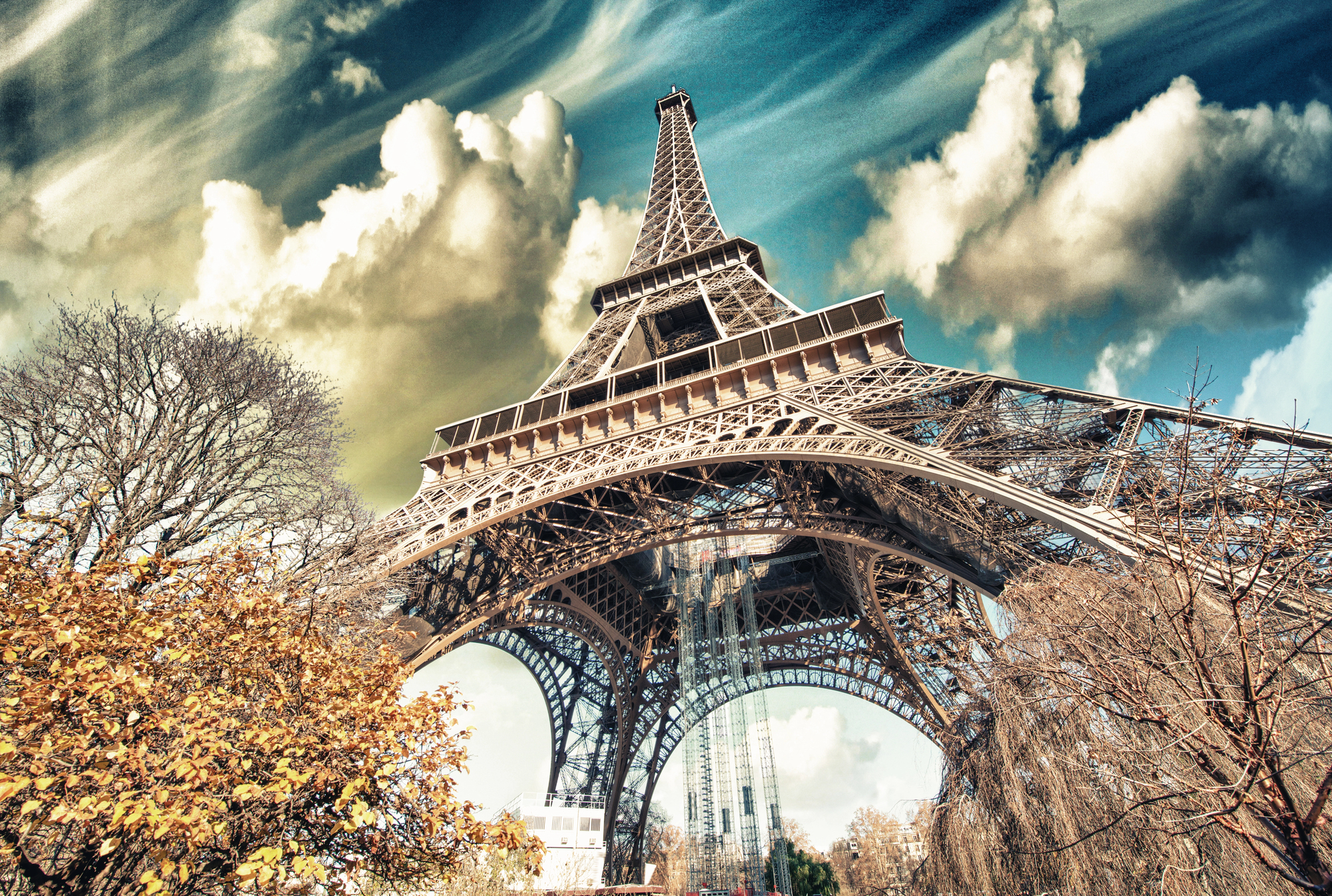
Before the Eiffel Tower became Paris’s iron lady, Gustave Eiffel shopped his design around like a traveling salesman with blueprints. Barcelona had first dibs on the tower for the 1888 Universal Exposition, but city officials thought the structure looked too bizarre and would clash with the local architecture. Their loss.
When Paris picked up the design for their 1889 Exposition Universelle, plenty of Parisians weren’t thrilled either — artists and writers signed petitions calling it an eyesore that would ruin the city’s skyline. And yet, here stands the tower more than 130 years later, while Barcelona got stuck with considerably less memorable exposition architecture. Sometimes the thing everyone hates becomes the thing they can’t imagine living without.
Hollywood Sign
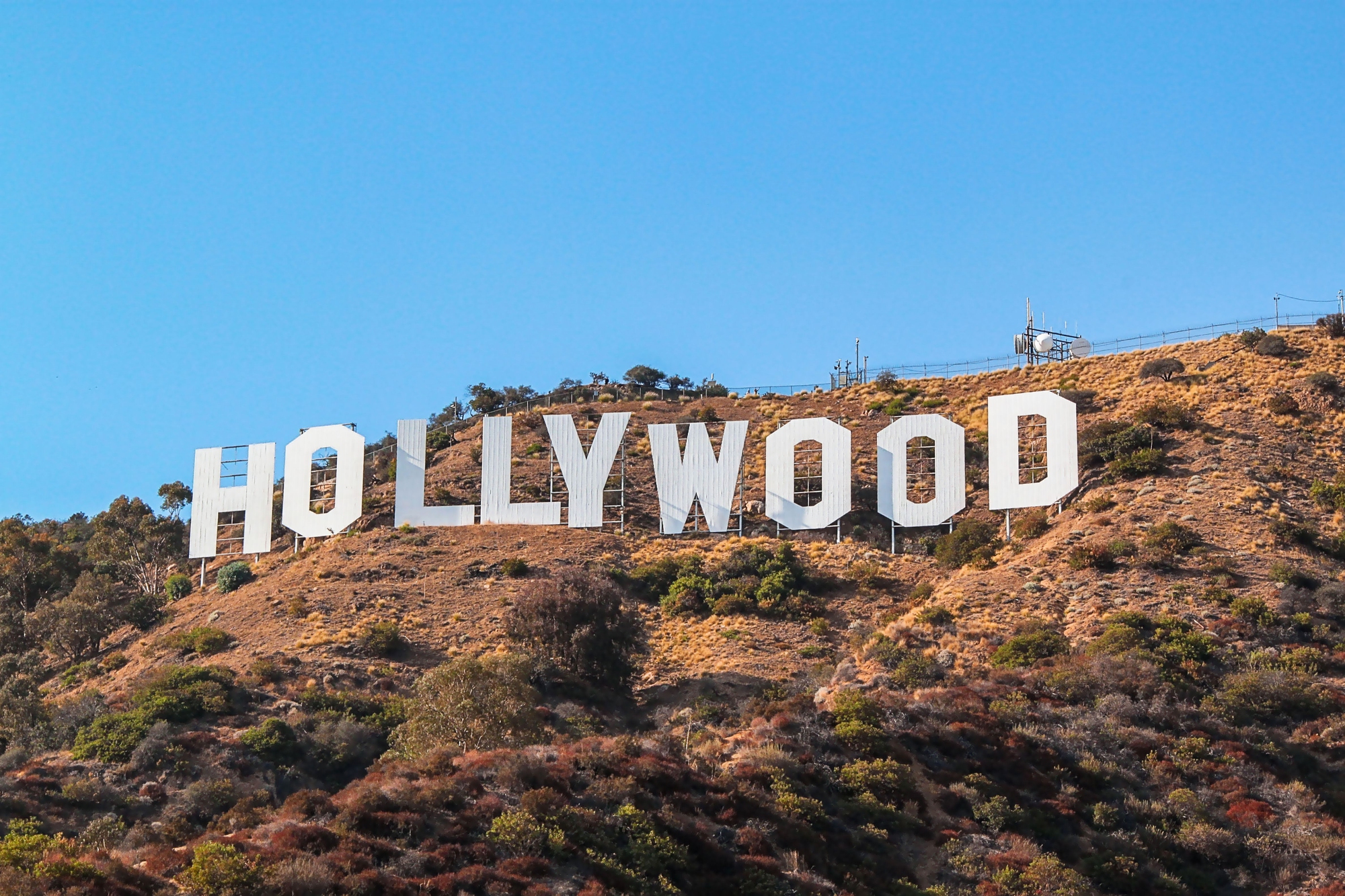
The Hollywood sign might never have made it to Hollywood if real estate developer Harry Chandler hadn’t been so determined to sell houses in the hills. The original plan called for a much less glamorous location in the San Fernando Valley, where land was cheaper and the engineering would be simpler.
But Chandler understood something about human nature: people want to live somewhere that feels special. Mount Lee in the Hollywood Hills offered better visibility from the city below, which meant better advertising for his “Hollywoodland” housing development (the “land” part got dropped in 1949). The sign worked exactly as intended, though probably not in ways Chandler expected — it became a symbol of entertainment dreams rather than suburban real estate.
Golden Gate Bridge
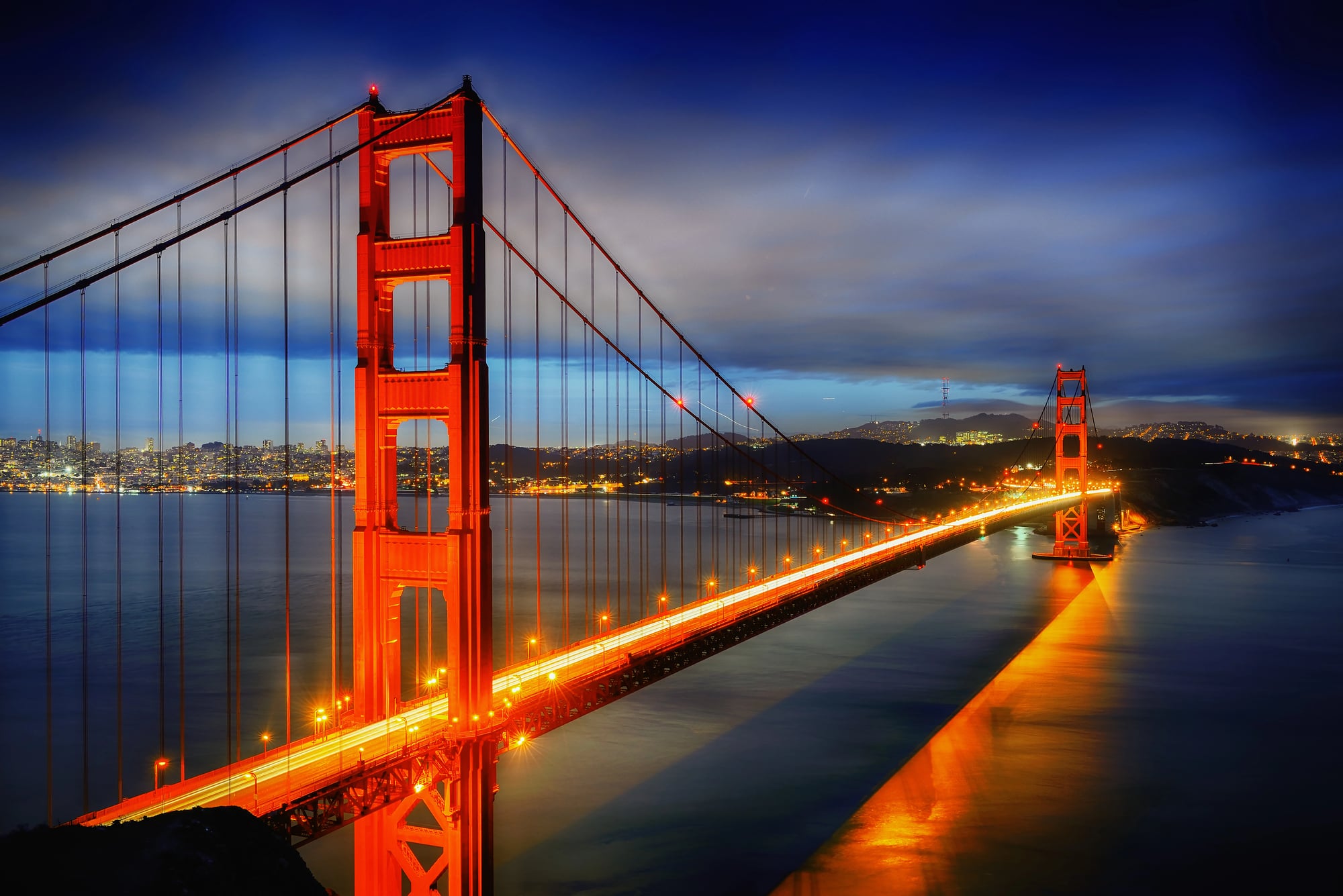
The Golden Gate Bridge almost landed in an entirely different bay. Early proposals for connecting San Francisco to Marin County included building the span across the much calmer waters of San Francisco Bay itself, where the conditions would be far less challenging than the choppy, windy Golden Gate strait.
Engineers worried about the Golden Gate location for good reason: fierce winds, deep water, frequent fog, and treacherous tides. But chief engineer Joseph Strauss pushed for the more difficult spot because it offered something the safer location couldn’t — a direct route between San Francisco and the North Bay that would actually be useful for commuters. Sometimes the harder path leads to the better destination.
Sydney Opera House
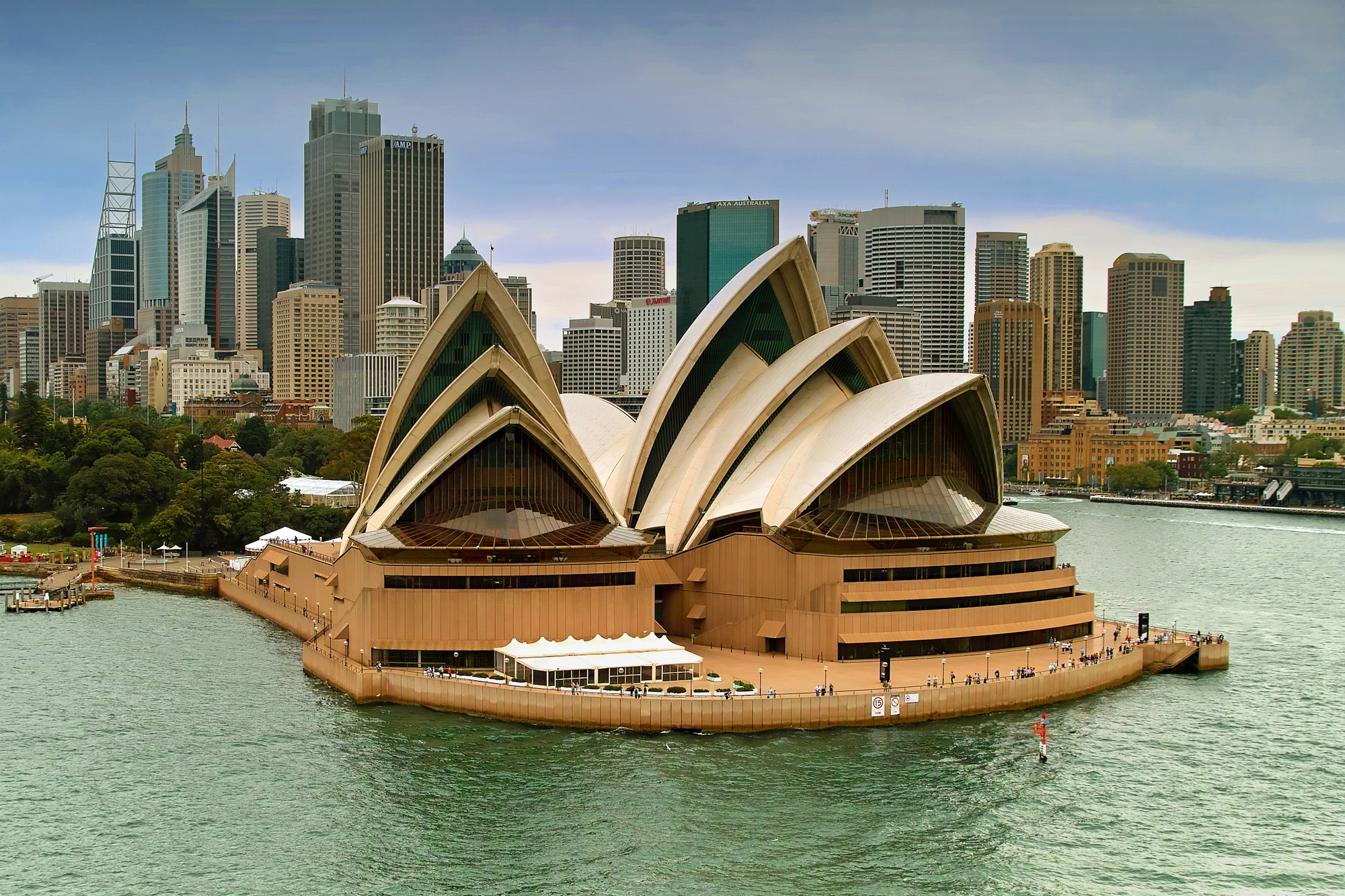
Sydney’s Opera House exists because Melbourne couldn’t get its act together. The original push for a world-class performing arts venue in Australia centered on Melbourne, which had been the country’s cultural capital and seemed like the obvious choice for such an ambitious project.
But Melbourne’s city government got bogged down in committee meetings and budget concerns while Sydney moved decisively. NSW Premier Joseph Cahill launched an opera house lottery to fund construction and committed to building something spectacular on Bennelong Point. Melbourne eventually built its own performing arts complex decades later, but by then Sydney had claimed the architectural prize that defines Australia’s image worldwide.
Space Needle
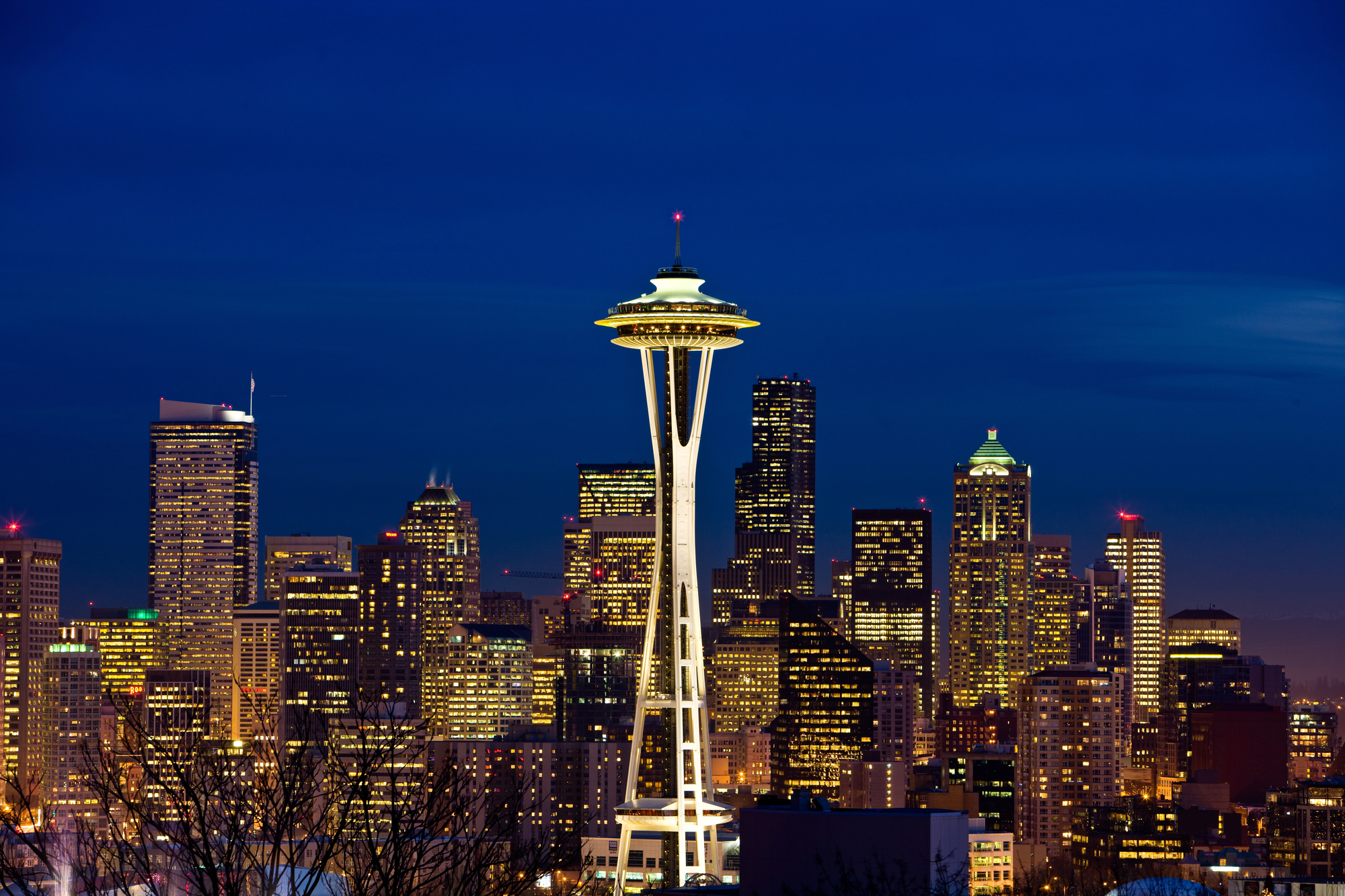
Seattle’s Space Needle nearly ended up in Tacoma instead, which would have been like putting the Statue of Liberty in Hoboken. The original concept for the 1962 World’s Fair called for splitting events between both cities, with the major attractions potentially landing in either location.
Tacoma had cheaper land and fewer zoning restrictions, practical advantages that appealed to budget-conscious planners. But Seattle’s Century 21 Exposition committee understood that a world’s fair needed to feel like it was happening somewhere significant, not in a smaller city that tourists might struggle to locate on a map. The Space Needle ended up anchoring Seattle’s skyline instead, helping transform the city into a major tourist destination.
Christ The Redeemer
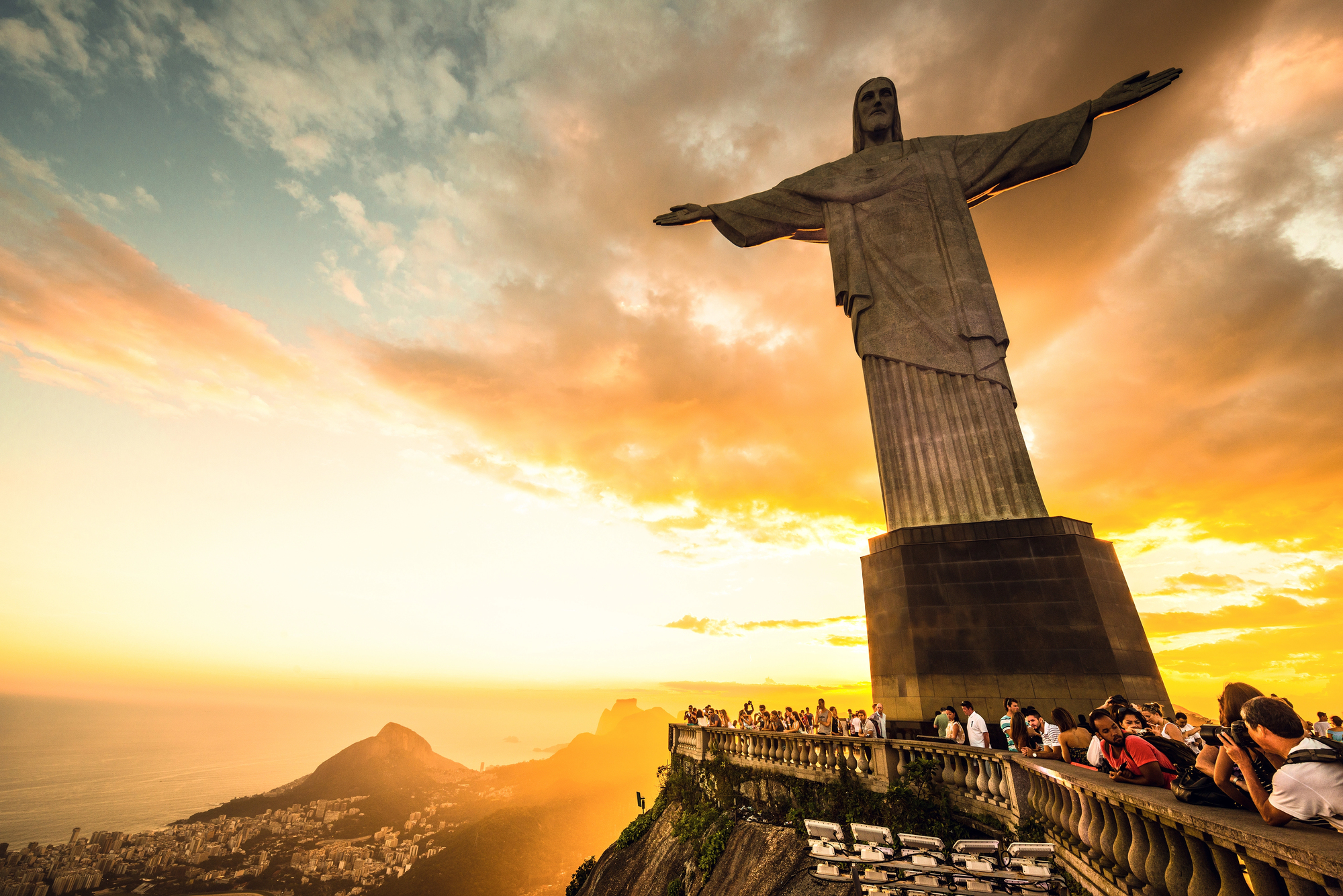
Rio de Janeiro’s Christ the Redeemer statue almost found a home in São Paulo instead, where the Catholic Church initially wanted to place a massive religious monument. São Paulo had more Catholics, more money, and stronger church organization — all logical reasons for choosing the city.
But Rio had Corcovado Mountain, which offered something São Paulo’s flatter terrain couldn’t match: a natural pedestal that would make the statue visible from everywhere in the city (and beyond, as it happens — the thing can be spotted from airplanes and cruise ships miles away, which wasn’t exactly an accident). Sometimes geography matters more than demographics. The statue became Rio’s calling card rather than just another religious monument in a big city.
Brandenburg Gate
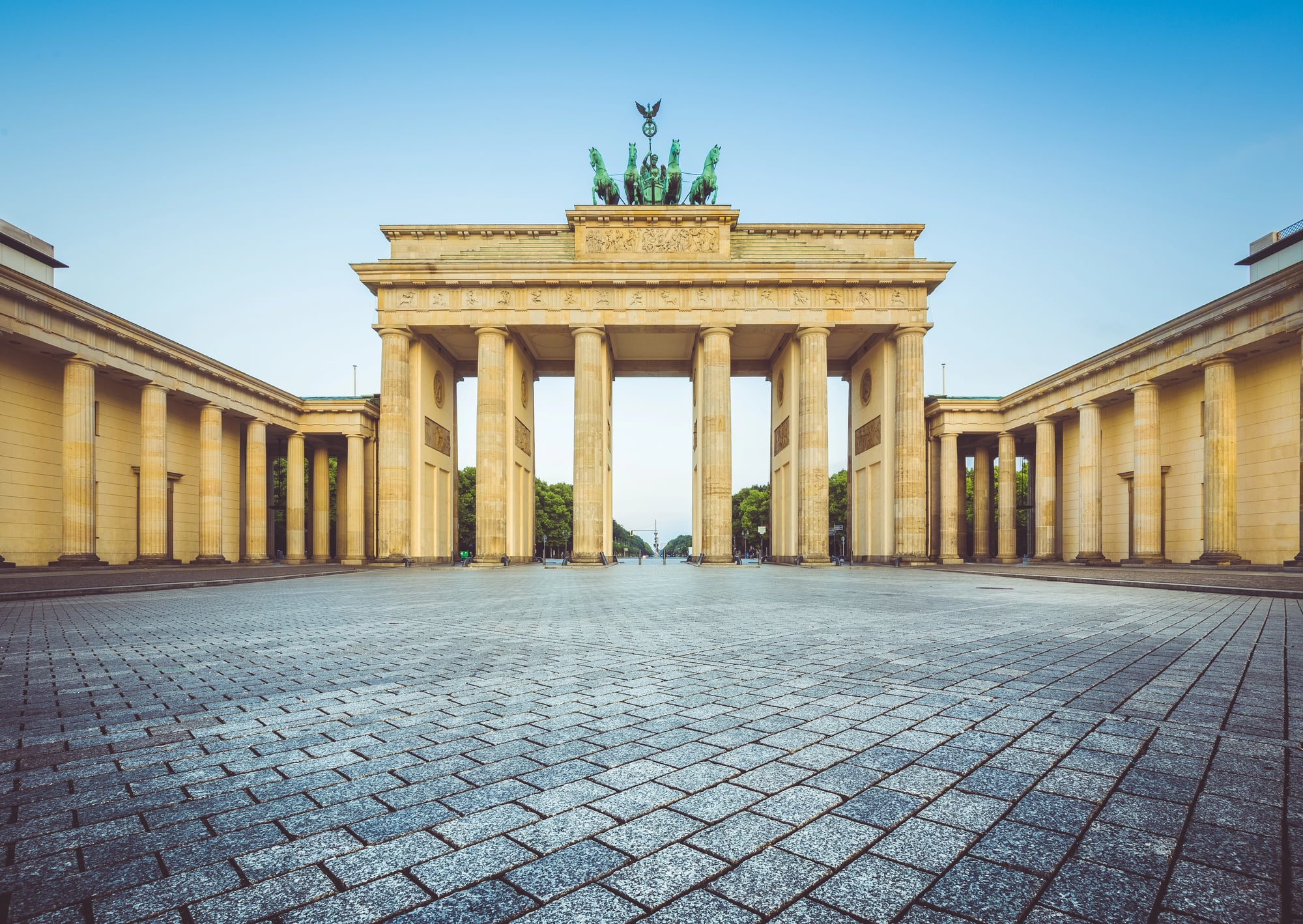
Berlin’s Brandenburg Gate was originally planned for a completely different part of the city, closer to what would become East Berlin’s center. The Prussian government wanted the triumphal arch positioned where it would serve as a more direct symbol of royal power, surrounded by palaces and government buildings.
But architect Carl Gotthard Langhans pushed for the current location at the western edge of Unter den Linden, arguing that the gate needed space to breathe and room for grand processions. His instincts proved remarkably prescient — the Brandenburg Gate’s position made it the perfect symbol of division during the Cold War, and later, of reunification when the Berlin Wall fell. A gate needs to stand between things to have meaning.
Big Ben
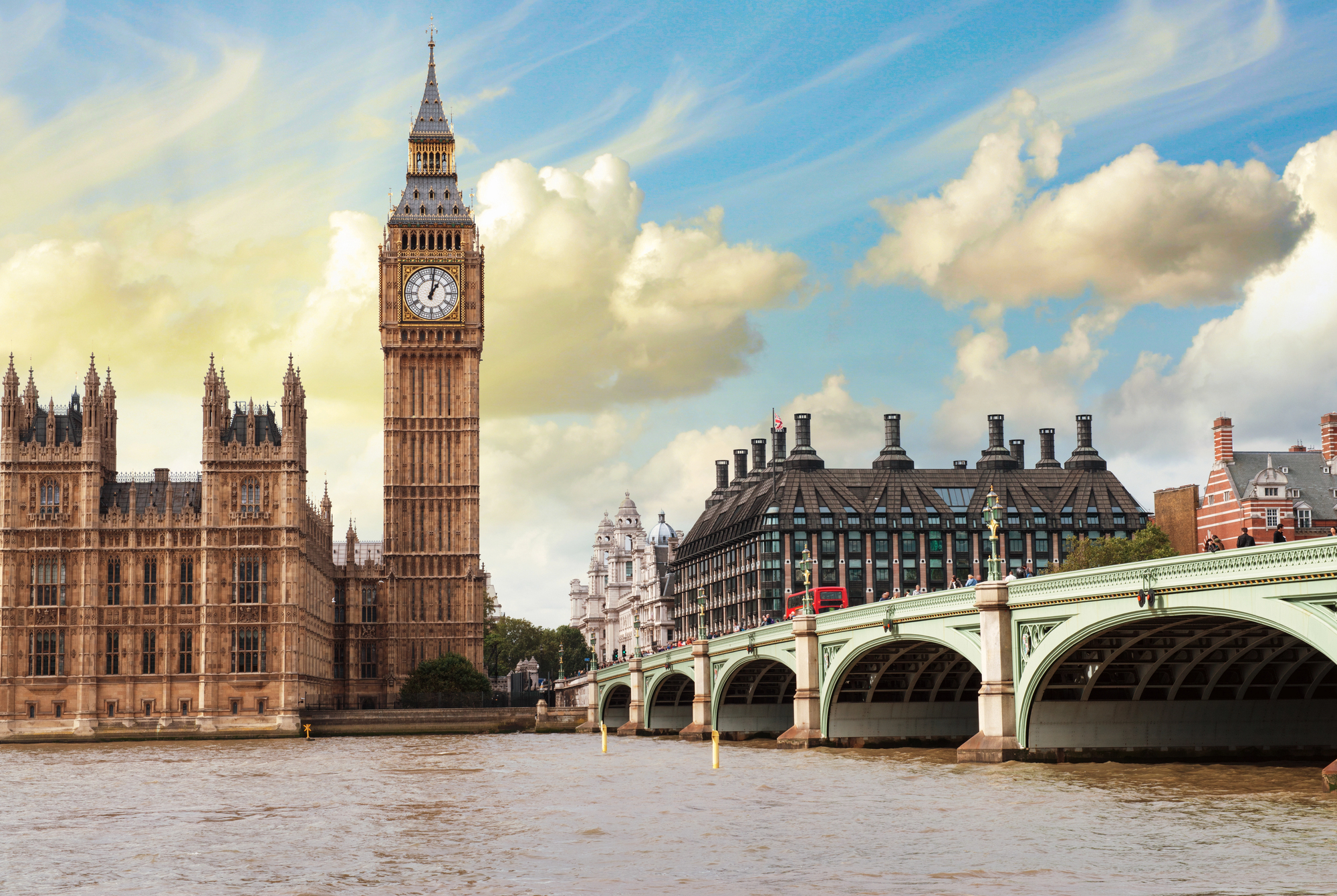
London’s Big Ben nearly ended up across the Thames in South London, where the original plans called for rebuilding Parliament after the devastating 1834 fire. The logic seemed sound: cheaper land, room for expansion, and a fresh start away from the cramped medieval layout of Westminster.
Parliament ultimately stayed put on the original site, partly due to tradition but mostly because moving would have meant starting over with centuries of established government procedures tied to specific locations. Big Ben’s familiar chimes now mark time for a nation from the heart of political power, not from some generic government complex across the river.
Gateway Arch
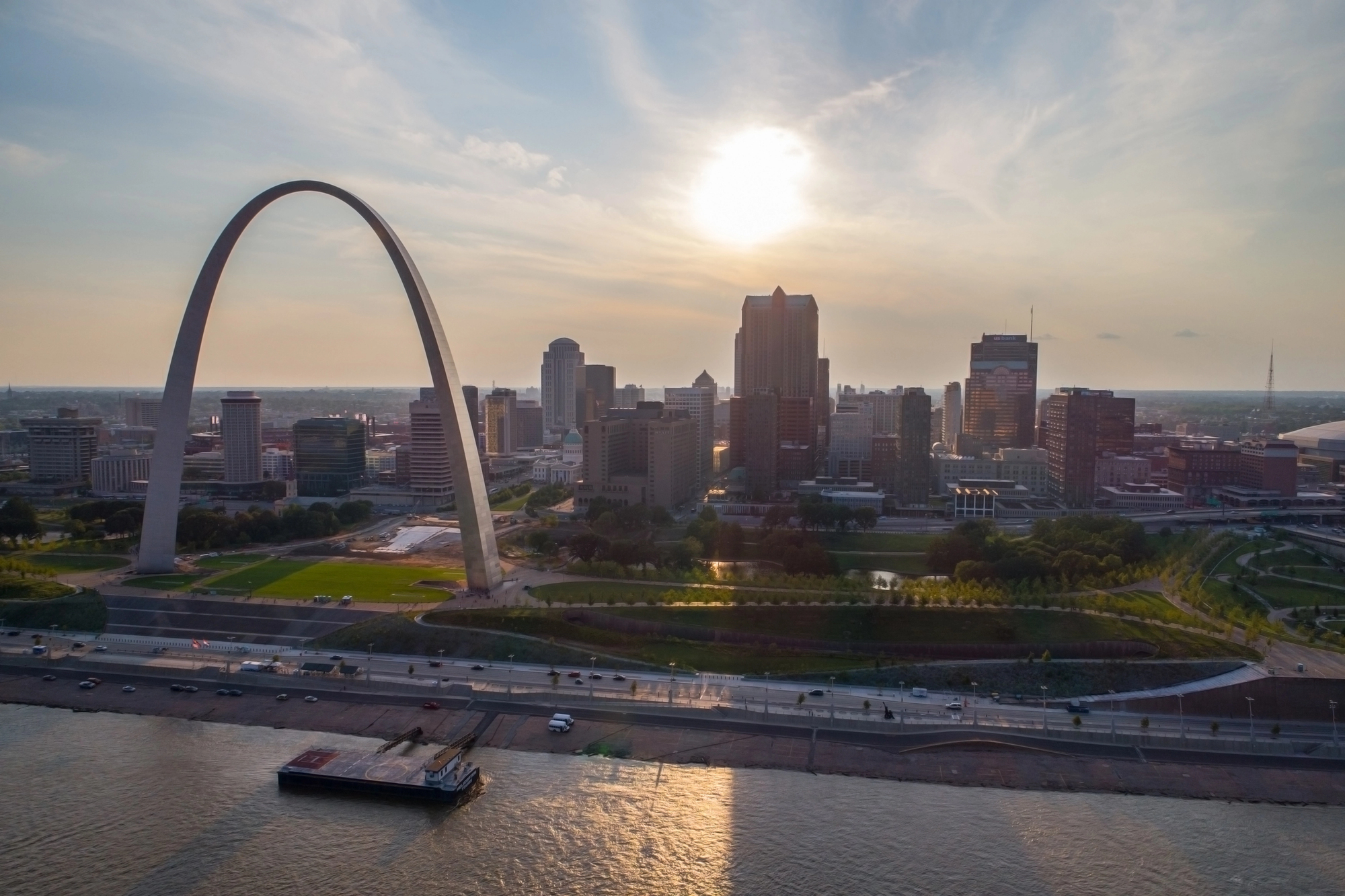
St. Louis won its Gateway Arch in what amounted to a nationwide competition, beating out several other cities that wanted to claim the title of “Gateway to the West.” Kansas City made a strong case based on its historic role as a jumping-off point for western expansion, while Chicago argued it was the real transportation hub of the Midwest.
But St. Louis had something the other cities lacked: a compelling waterfront location and a city government willing to clear prime real estate for the project. The arch works because it sits right on the Mississippi River, creating a symbolic gateway that actually looks like one. Sometimes the best argument is the most obvious one.
Leaning Tower Of Pisa
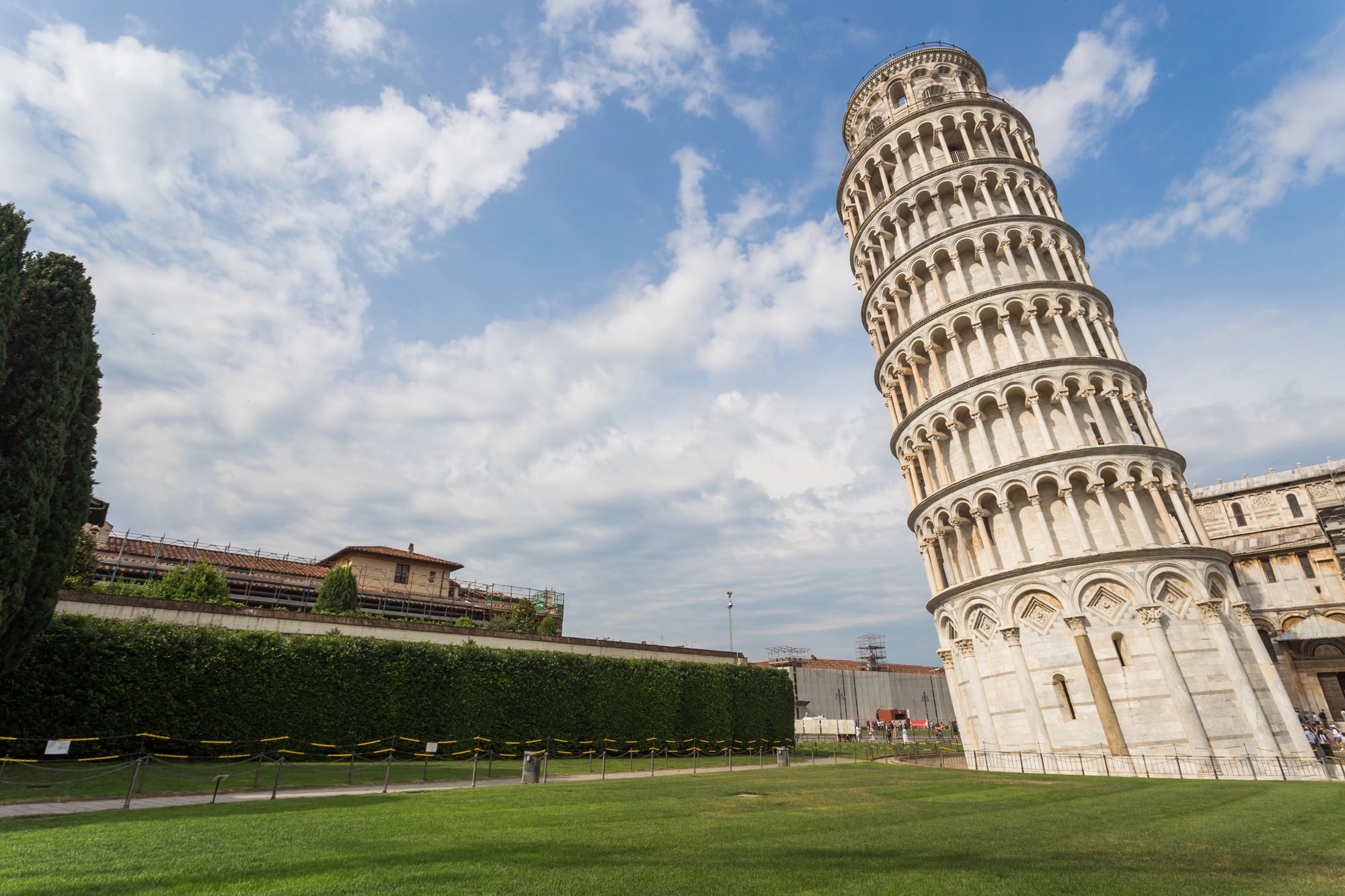
Pisa’s famous tower almost got straightened out and moved to firmer ground when architects realized the foundation was failing during construction in the 12th century. The sensible solution would have been to tear down the unstable structure and start over somewhere else in the city, on solid ground that wouldn’t cause the building to tilt.
Instead, medieval builders kept going, adjusting each level to compensate for the increasing lean. Their stubborn refusal to admit defeat created one of the world’s most recognizable landmarks. The tower that should have been demolished became the main reason anyone visits Pisa today, which probably says something about the value of embracing your flaws instead of hiding them.
Taj Mahal
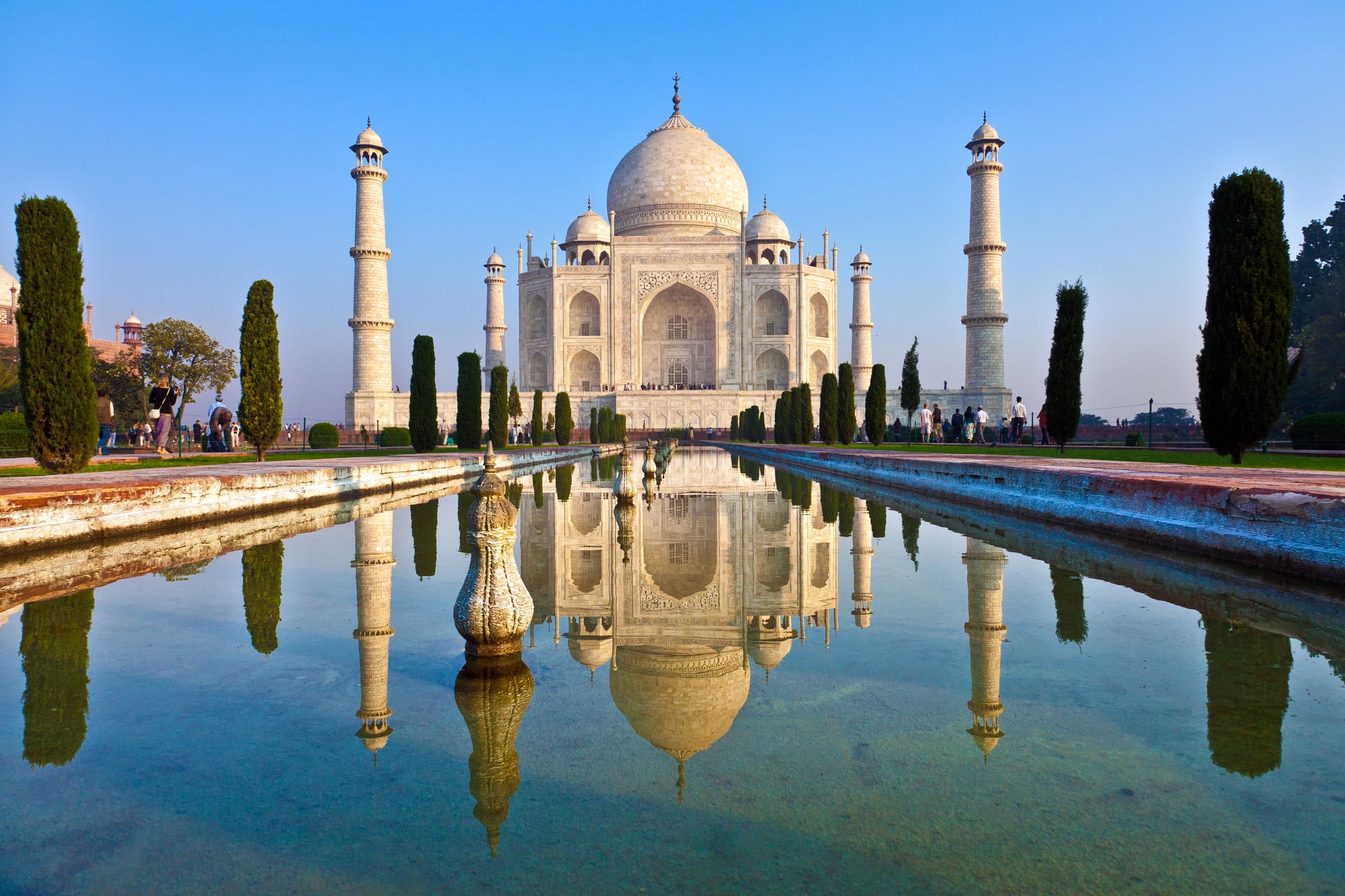
The Taj Mahal narrowly avoided being built in Agra’s crowded city center, where Mughal Emperor Shah Jahan initially wanted to construct the mausoleum for his wife Mumtaz Mahal. Court architects argued for the more accessible location that would have put the monument right in the middle of the bustling imperial capital.
But Shah Jahan ultimately chose the quieter spot along the Yamuna River, slightly outside the main city. The decision created the serene setting that makes the Taj Mahal feel otherworldly rather than just impressive. A monument to love probably shouldn’t have to compete with the sounds of daily commerce and government business.
Washington Monument
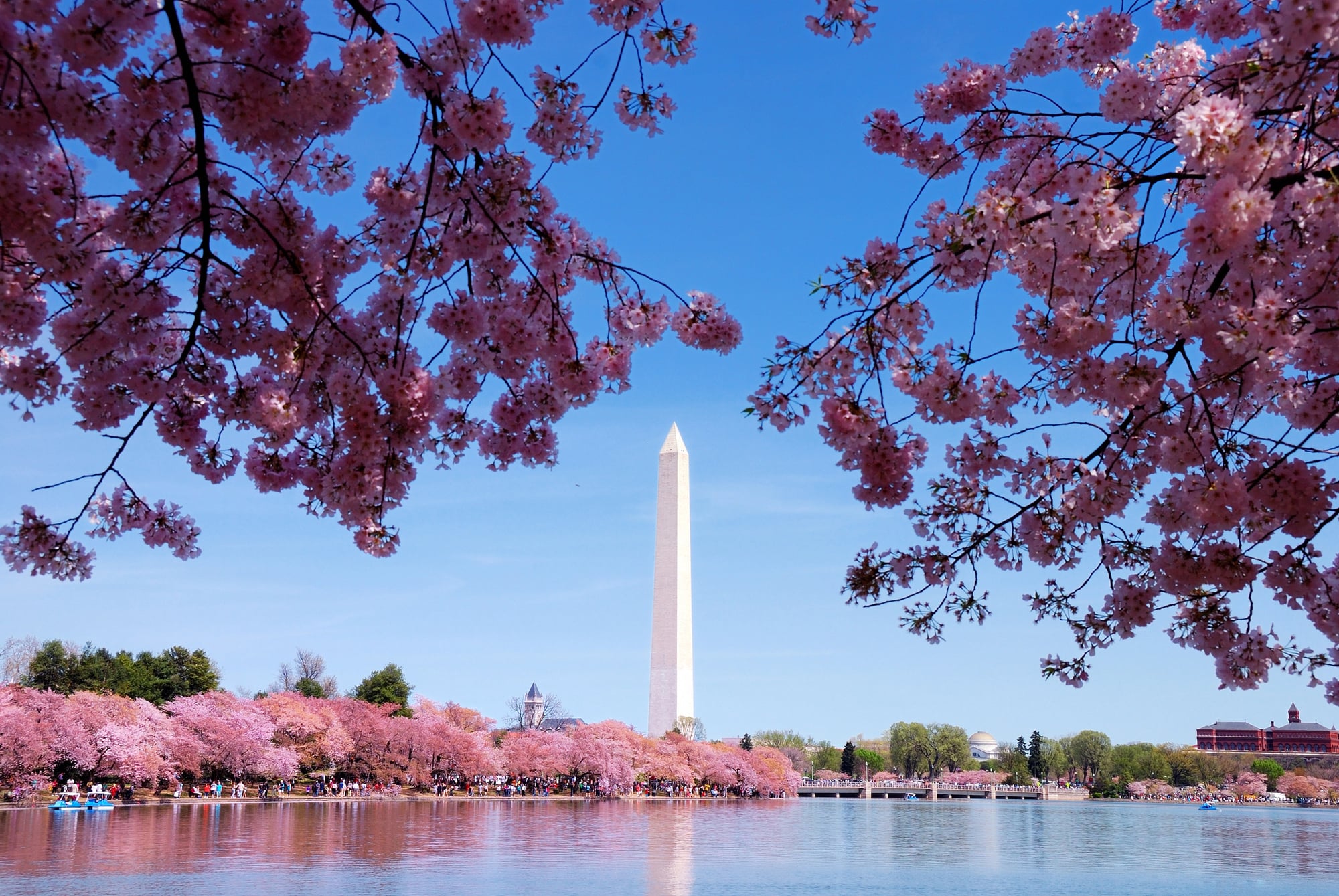
America’s Washington Monument almost ended up as part of a massive government complex in Philadelphia, where some politicians wanted to build a new national capital that would rival European cities in grandeur and scope. The Pennsylvania plan called for multiple monuments, broad boulevards, and government buildings that would make Washington, D.C., look small by comparison.
But the compromise that created D.C. stuck, and the Washington Monument found its home on the National Mall instead. The simple obelisk works better in the planned, spacious layout of Washington than it would have in Philadelphia’s denser, more organic city grid. Sometimes restraint beats ambition.
London Bridge
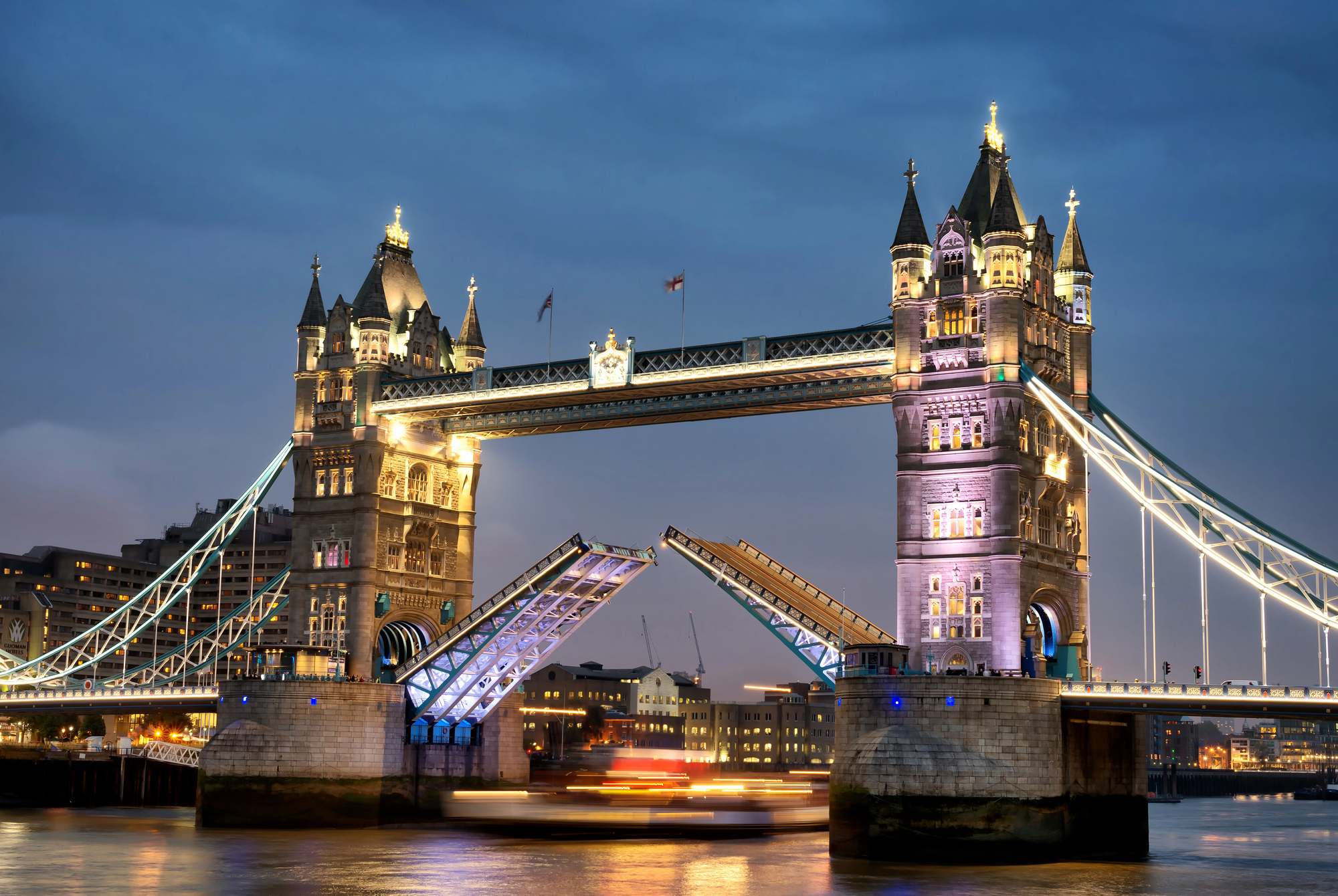
London Bridge (the one that actually fell down and got rebuilt) almost ended up staying in London instead of being sold to an American entrepreneur who moved it piece by piece to Arizona. When the City of London decided to replace the 1831 bridge in the 1960s, the original plan called for dismantling it and using the stone for other construction projects around the city.
Robert P. McCulloch bought the entire bridge and had it reconstructed in Lake Havasu City, Arizona, where it now serves as the centerpiece of a desert resort town. London got a modern, efficient bridge while Arizona got a piece of authentic British history that draws tourists to an otherwise unremarkable spot in the Sonoran Desert.
When Geography Wins
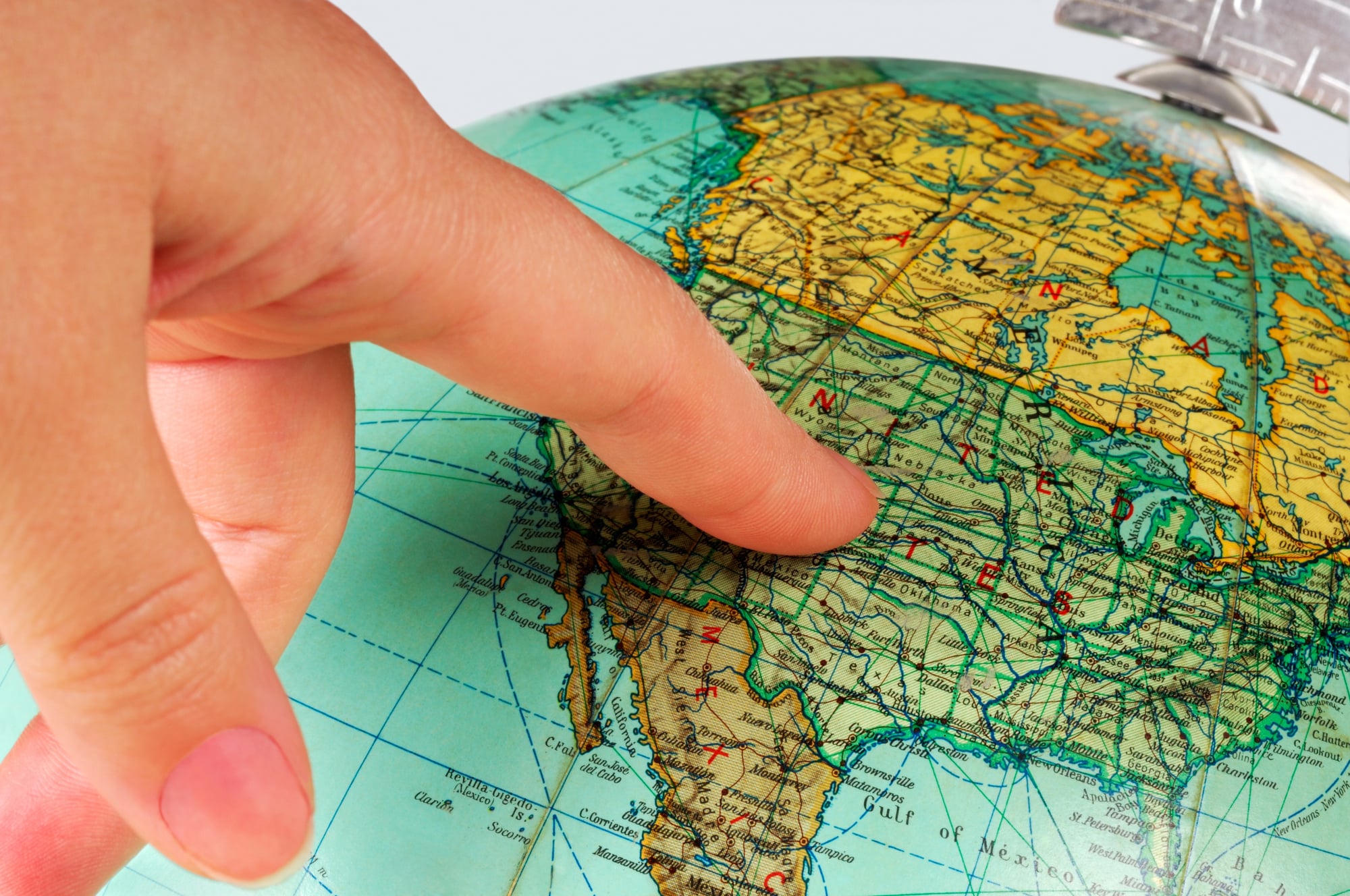
These stories share a common thread that goes beyond mere chance or political maneuvering. The landmarks that endure tend to be the ones that found their perfect match between human ambition and natural setting, between practical needs and symbolic power. Maybe the real lesson here isn’t about the roads not taken, but about recognizing when a place and a purpose align so perfectly that they seem inevitable in hindsight — even when they nearly went somewhere else entirely.
More from Go2Tutors!

- The Romanov Crown Jewels and Their Tragic Fate
- 13 Historical Mysteries That Science Still Can’t Solve
- Famous Hoaxes That Fooled the World for Years
- 15 Child Stars with Tragic Adult Lives
- 16 Famous Jewelry Pieces in History
Like Go2Tutors’s content? Follow us on MSN.