15 Photos of Life in Early American Shopping Malls
Shopping malls weren’t just places to buy things — they were tiny cities with their own weather, their own sounds, and their own strange rituals.
Between the 1950s and 1980s, these climate-controlled worlds became the unofficial town squares of suburban America, and the photographs from those early decades capture something that feels both familiar and completely foreign now.
The Grand Opening Crowds
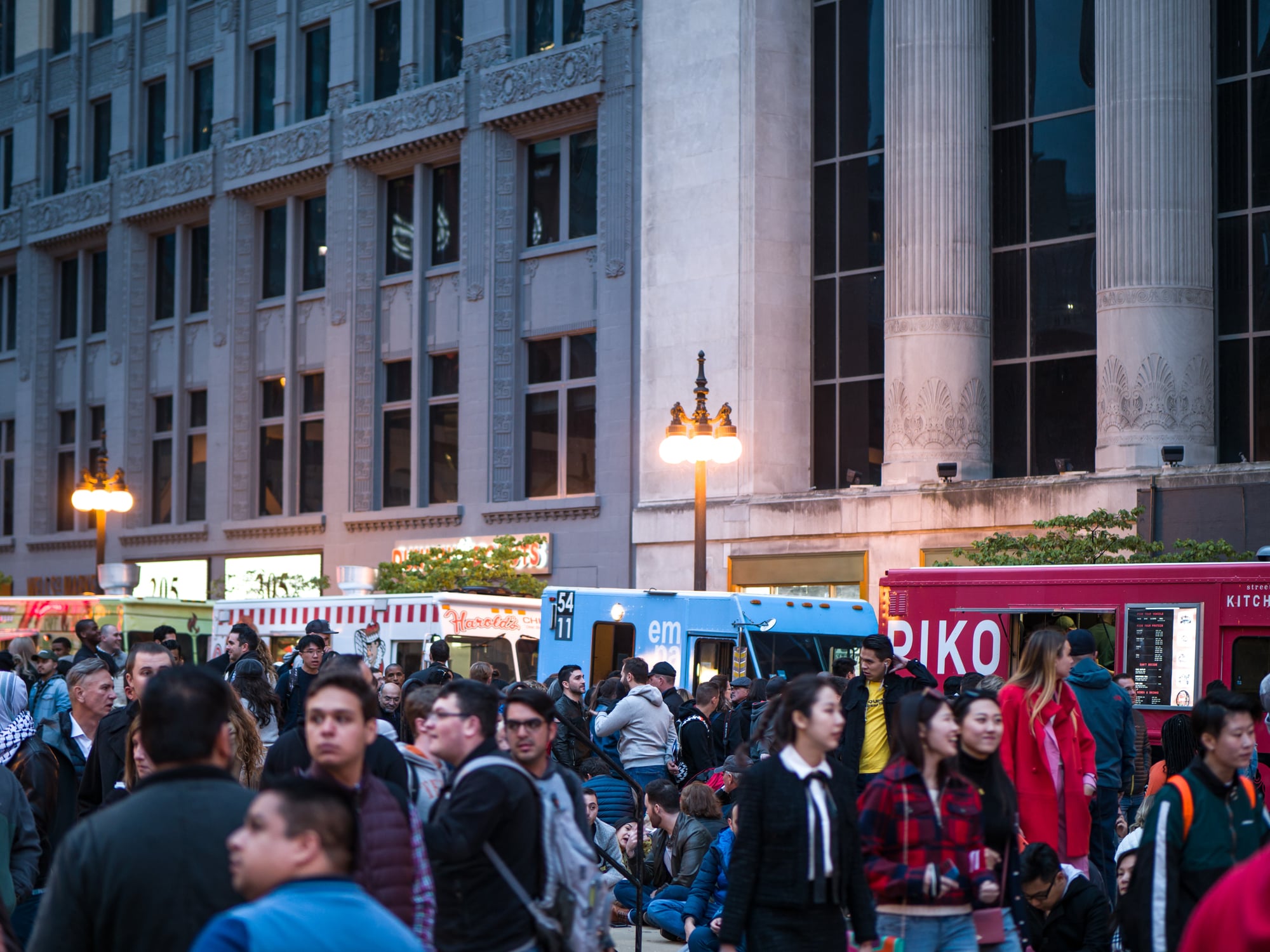
The ribbon-cutting ceremonies drew thousands. Families dressed in their Sunday best lined up outside gleaming storefronts, waiting for doors to open on what felt like the future itself.
Sears as the Anchor
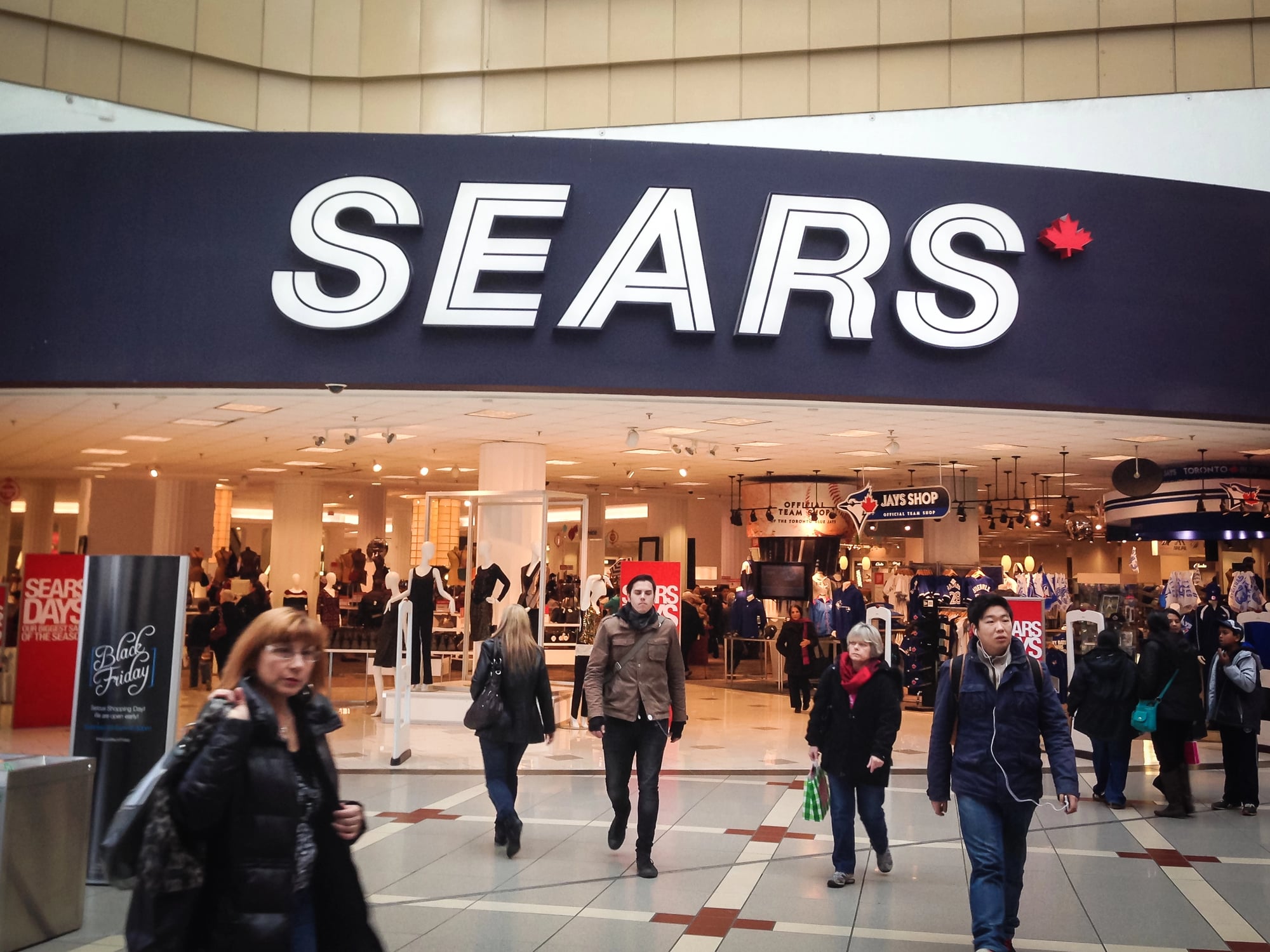
Sears wasn’t just a store — it was a promise that everything you needed existed under one massive roof. The wide aisles, the catalog pickup counters, and the tool displays that stretched toward cathedral ceilings made it feel less like shopping and more like pilgrimage.
The Central Fountain
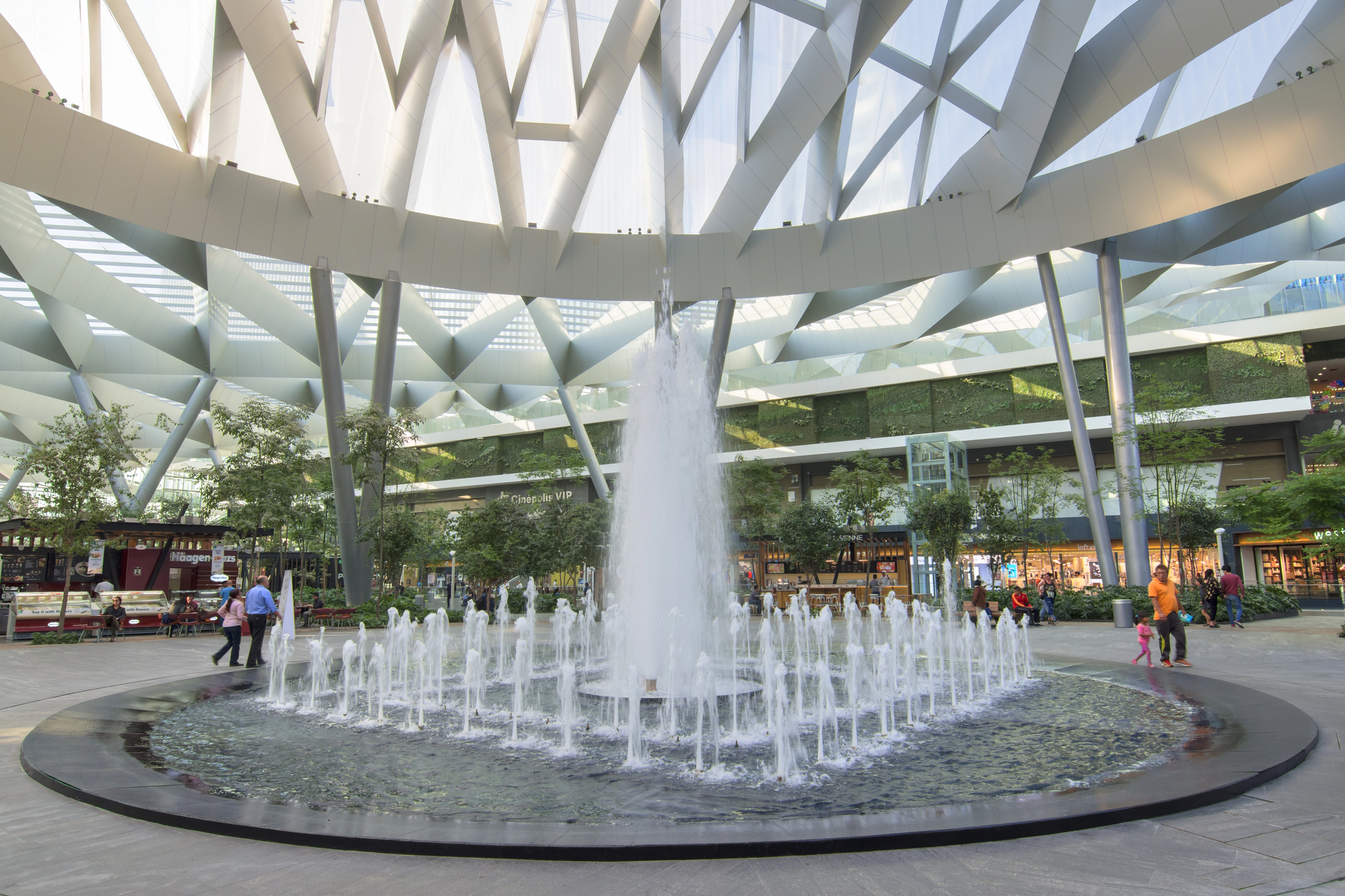
Every mall had to have a fountain, and not just any fountain — something with geometric shapes, colored lights, and coins scattered across the bottom like fallen stars (because apparently the mall fountain became the new wishing well, which says something about how quickly we adapt our superstitions to match our surroundings).People would sit on the edges with their shopping bags, watching the water cycle through its programmed routine, and somehow this felt like nature.
But it wasn’t nature, obviously. It was something stranger than nature — a place where the sound of falling water mixed with Muzak and the distant ringing of cash registers, where teenagers met after school and where mothers pushed strollers in slow circles, killing time between errands. And yet the fountain served its purpose: it gave you somewhere to look while you figured out where you were supposed to go next.
Orange Julius Stands
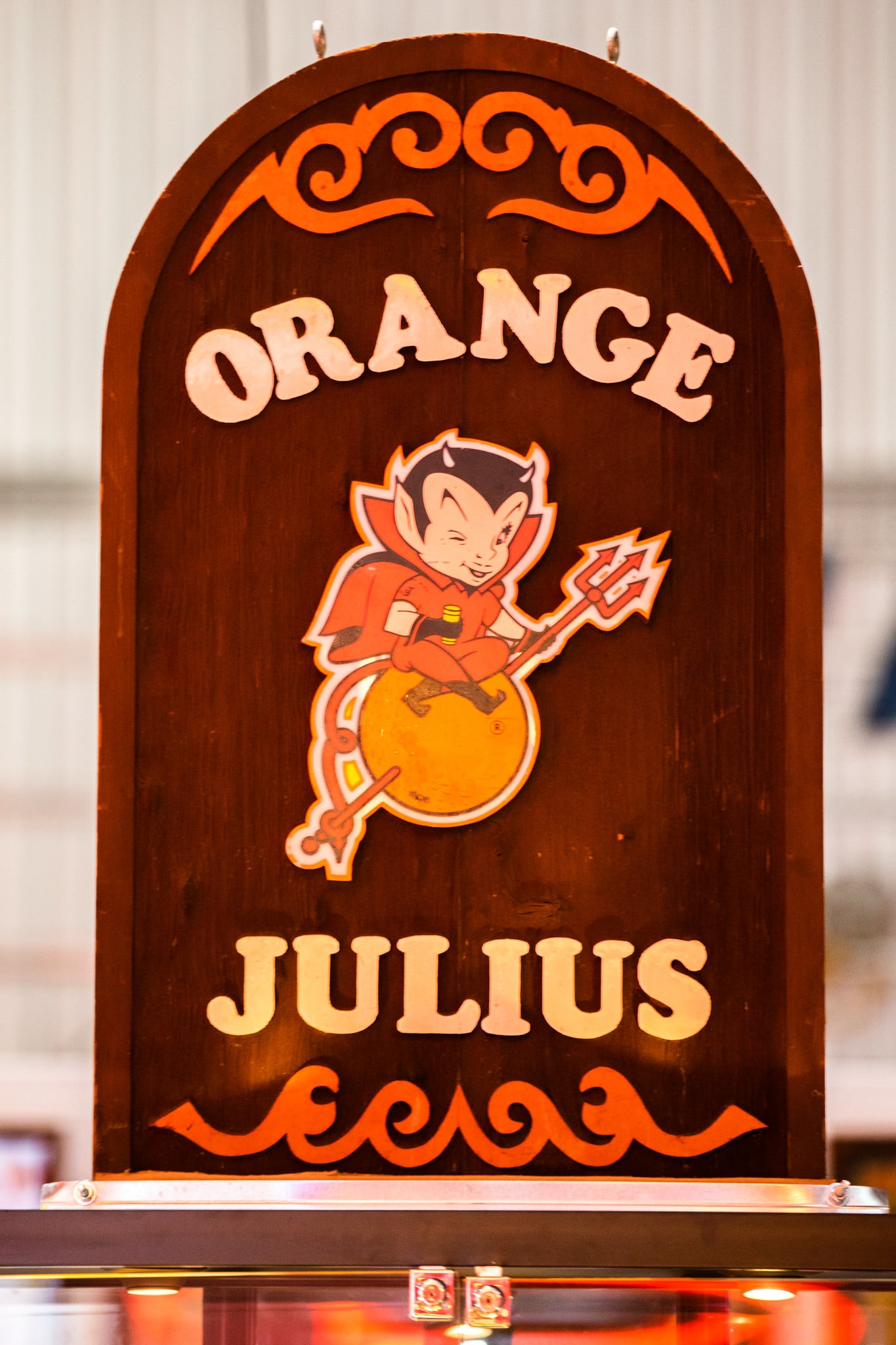
There’s something honest about a drink that doesn’t pretend to be anything other than what it is: sugary, orange, and served by teenagers who perfected the art of looking simultaneously bored and efficient. The blenders ran constantly, creating their own soundtrack.
The Pet Store Windows
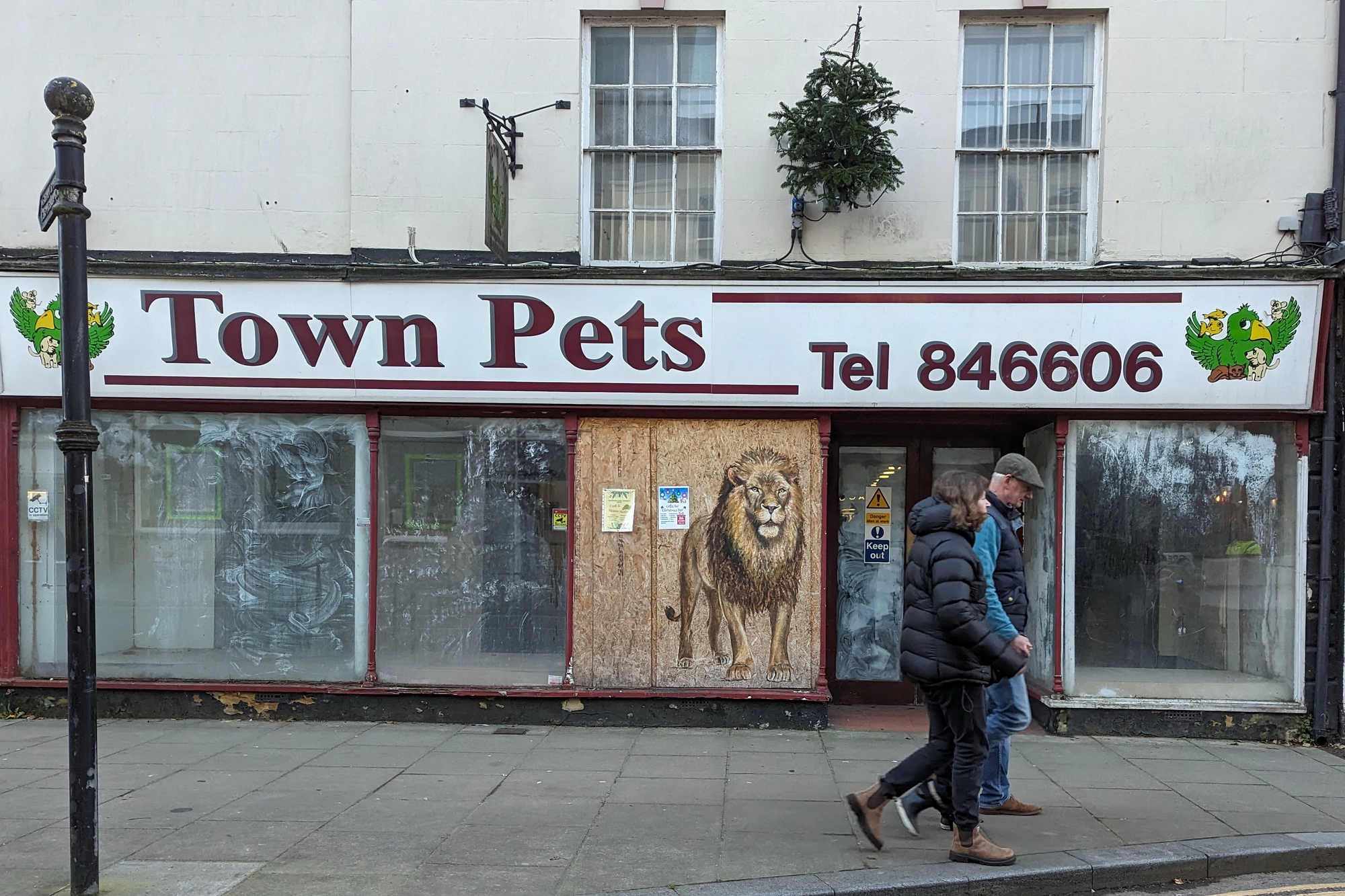
Nothing drew crowds quite like puppies sleeping in storefront windows under heat lamps. Children pressed their faces against the glass while parents calculated the monthly cost of love, usually deciding they’d think about it and come back next week.
Department Store Escalators
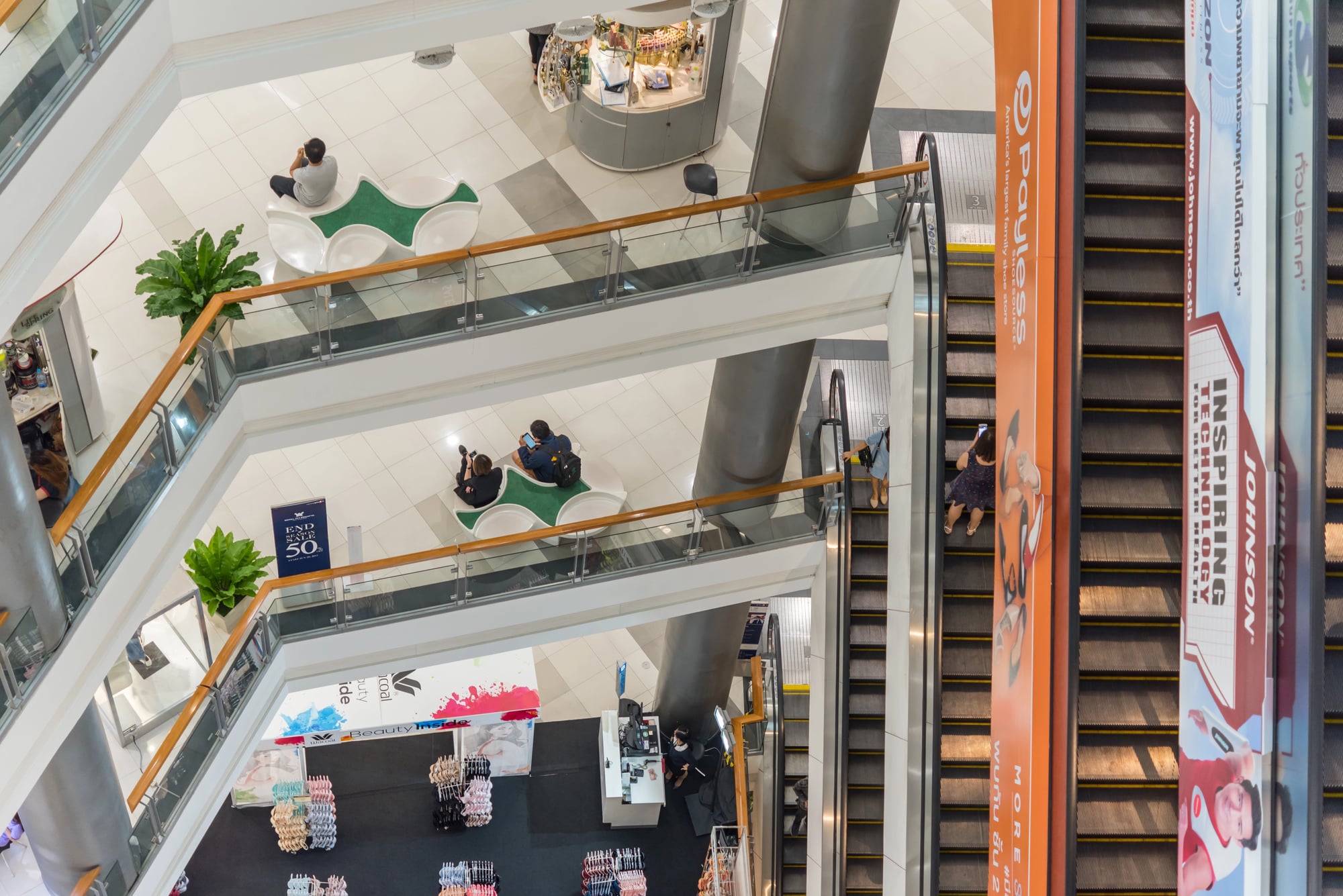
Riding the escalator to the second floor of JCPenney felt like ascending to another world — one where the carpet was thicker, the lighting softer, and everything cost slightly more for reasons that were never quite explained but somehow made perfect sense.
The Record Store Listening Stations
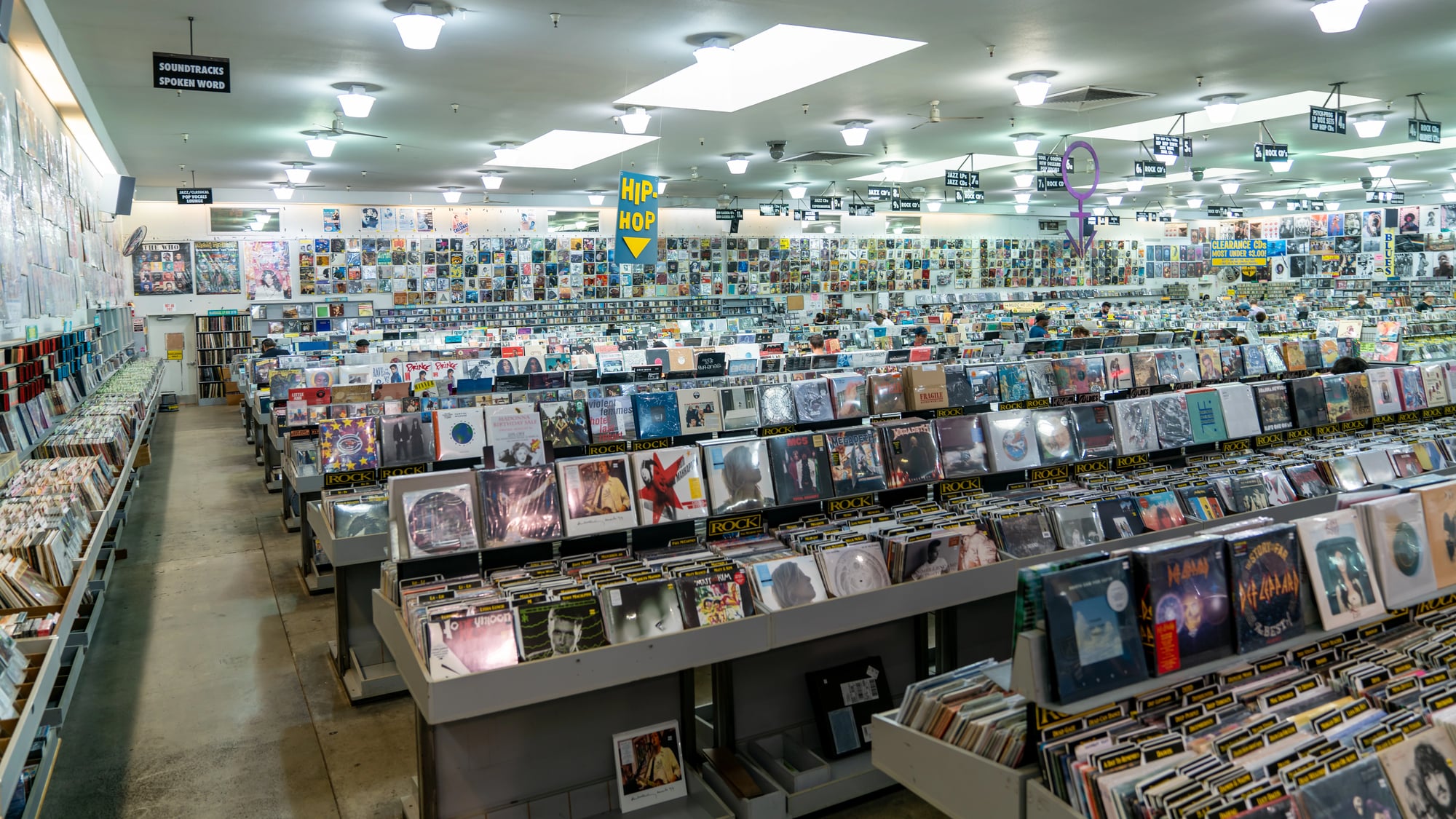
Record stores knew exactly what they were doing when they installed those individual listening stations (the ones with the chunky headphones that never sat quite right and always smelled faintly of someone else’s shampoo). You could spend an entire afternoon sampling albums, track by track, while the store clerk pretended not to notice you weren’t buying anything.
These stations created their own small ecosystem: teenagers discovering bands their parents had never heard of, parents trying to understand what their teenagers were discovering, and the occasional adult who’d put on headphones and suddenly look twenty years younger. Music has always been a time machine, but somehow it worked differently in those little booths.
Food Court Pioneers
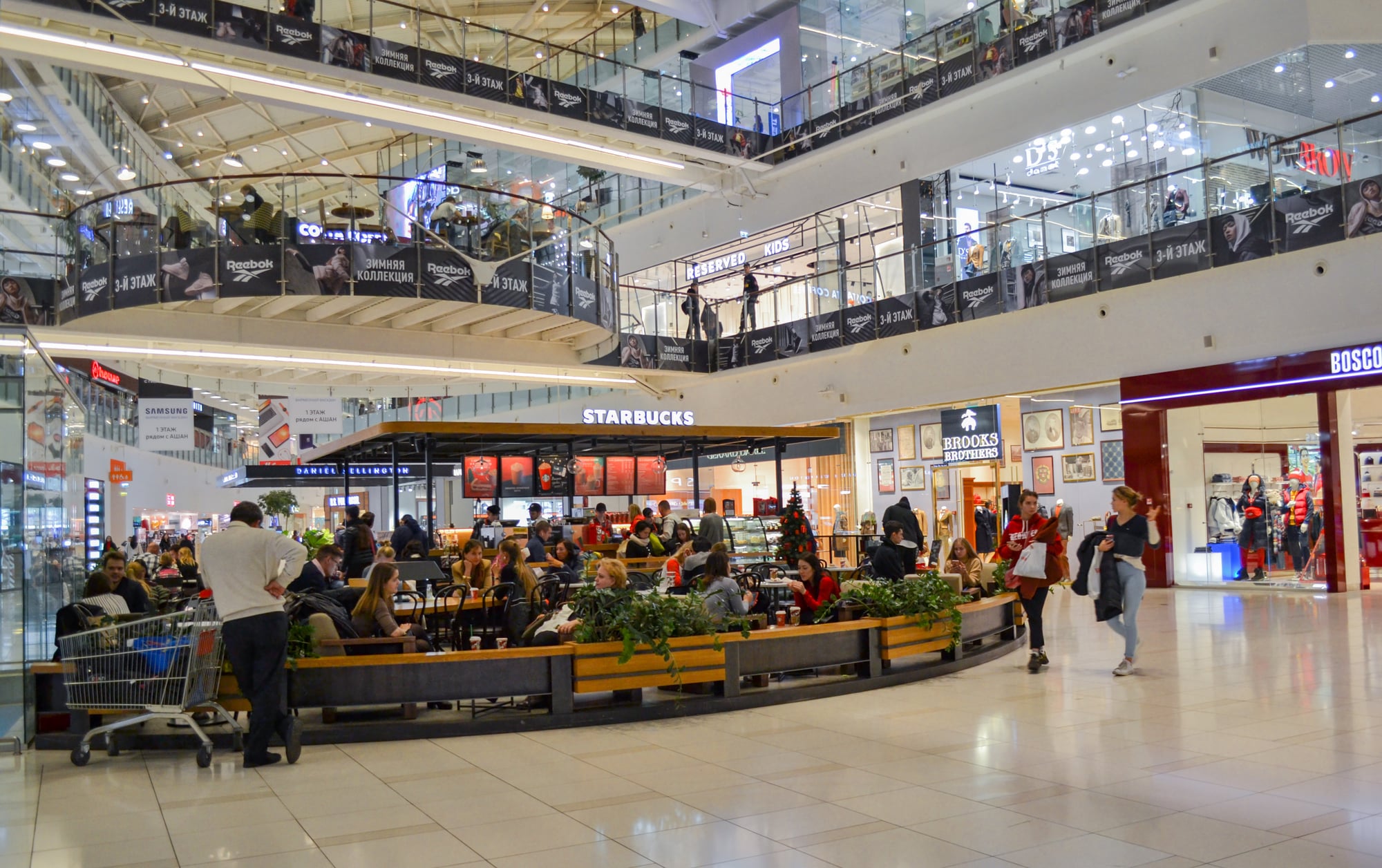
The first food courts were revolutionary. Four different restaurants in one space, with communal seating that forced strangers to share tables — it was like a United Nations of casual dining, minus the diplomacy.
The Toy Store Chaos
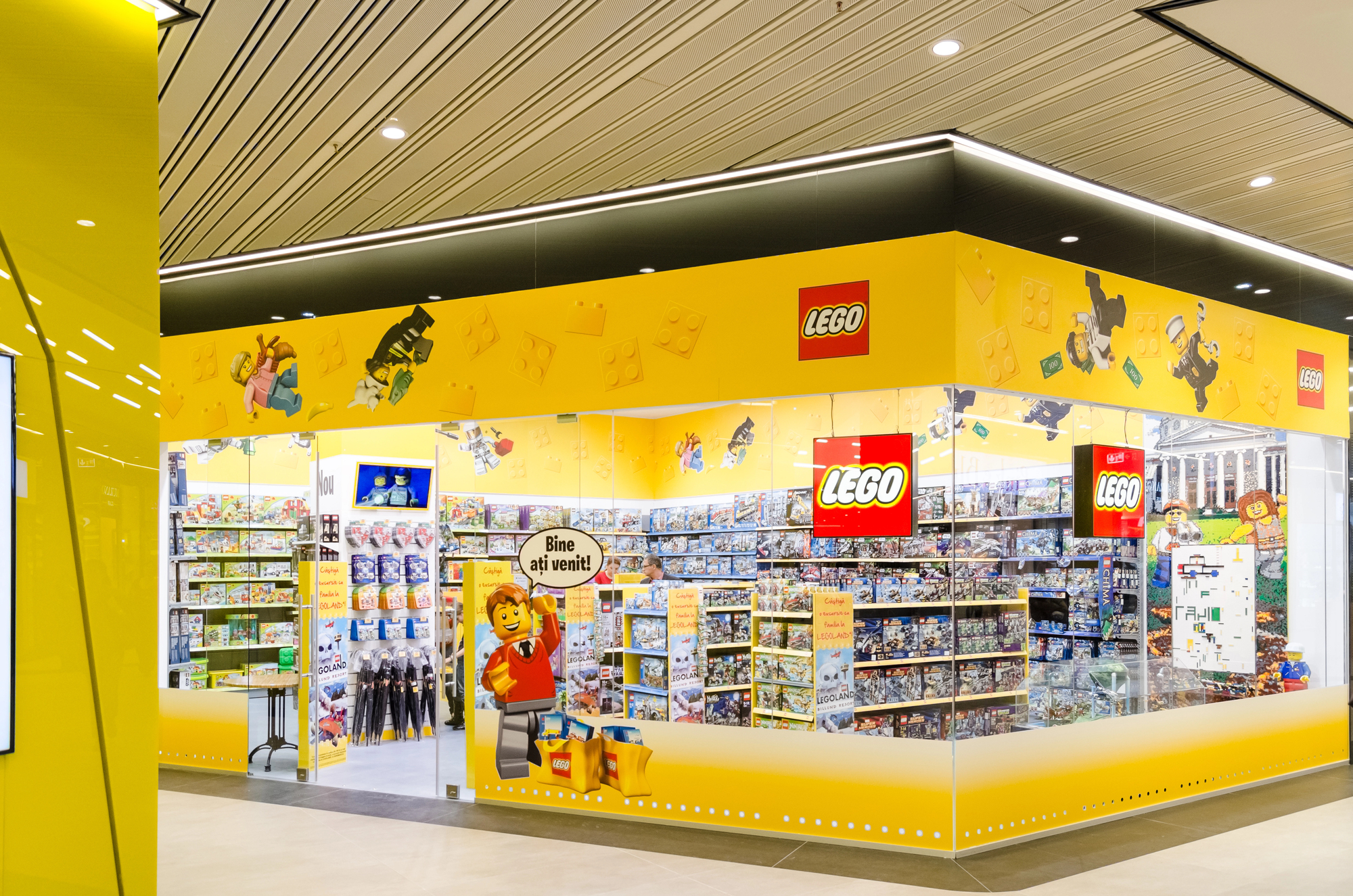
FAO Schwarz and Kay-Bee Toys created controlled chaos that somehow never spilled over into actual disaster. Aisles packed with children testing every button, lever, and sound effect while parents navigated around them with the practiced grace of air traffic controllers.
Saturday Morning Shoppers
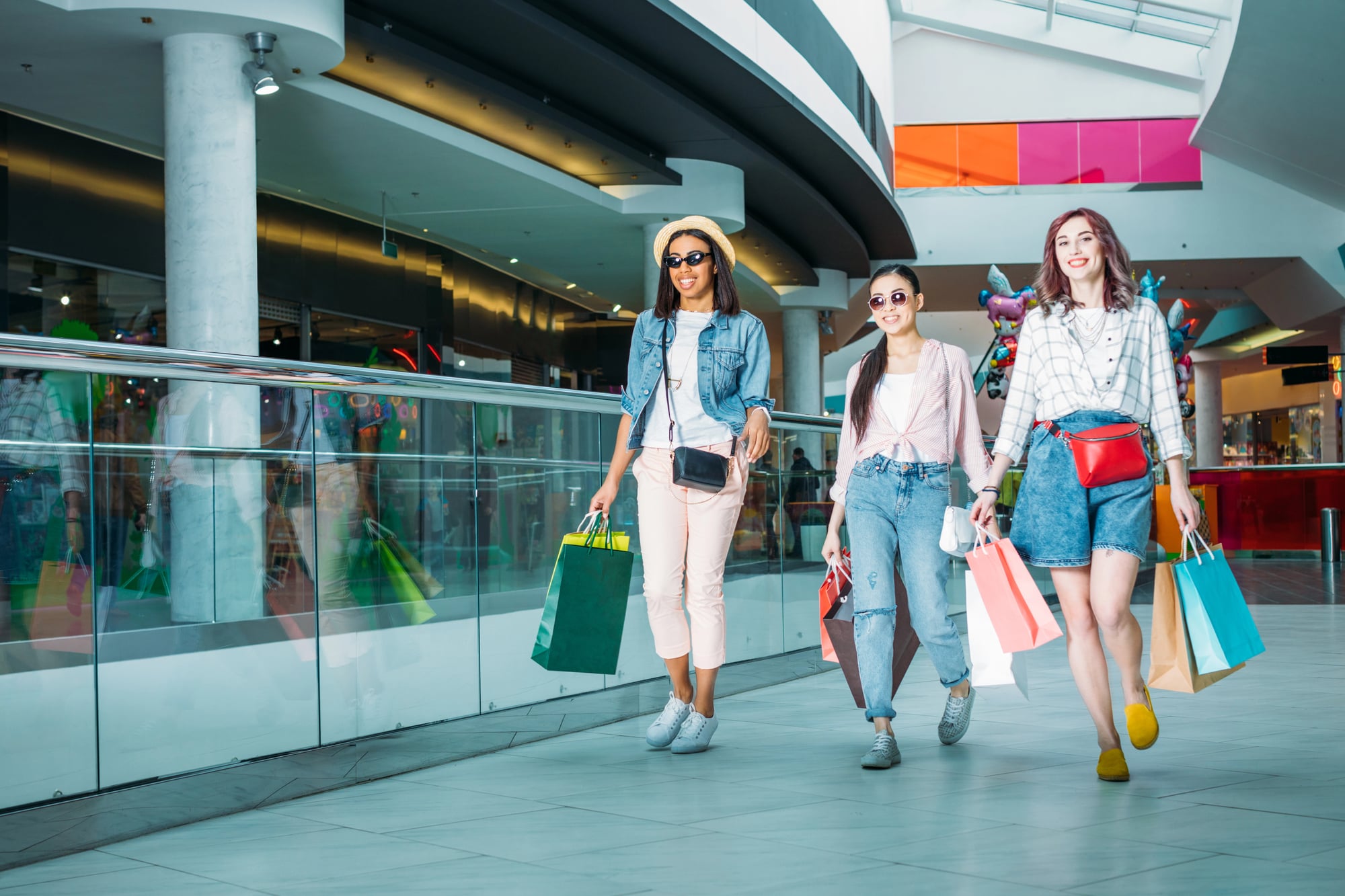
Weekend mornings belonged to families moving in slow formation from store to store (with the precision of a military unit and about half the enthusiasm). Fathers carried shopping bags and checked their watches. Mothers consulted handwritten lists. Children negotiated for toys with the persistence of seasoned diplomats.
The ritual was always the same: one parent would peel off toward the hardware store while the other headed to the children’s section, and somehow they’d meet back at the predetermined spot — usually the fountain — exactly when they said they would. No cell phones, no GPS tracking, just an unspoken understanding that 2:30 at the fountain meant 2:30 at the fountain.
Mannequin Fashion Shows
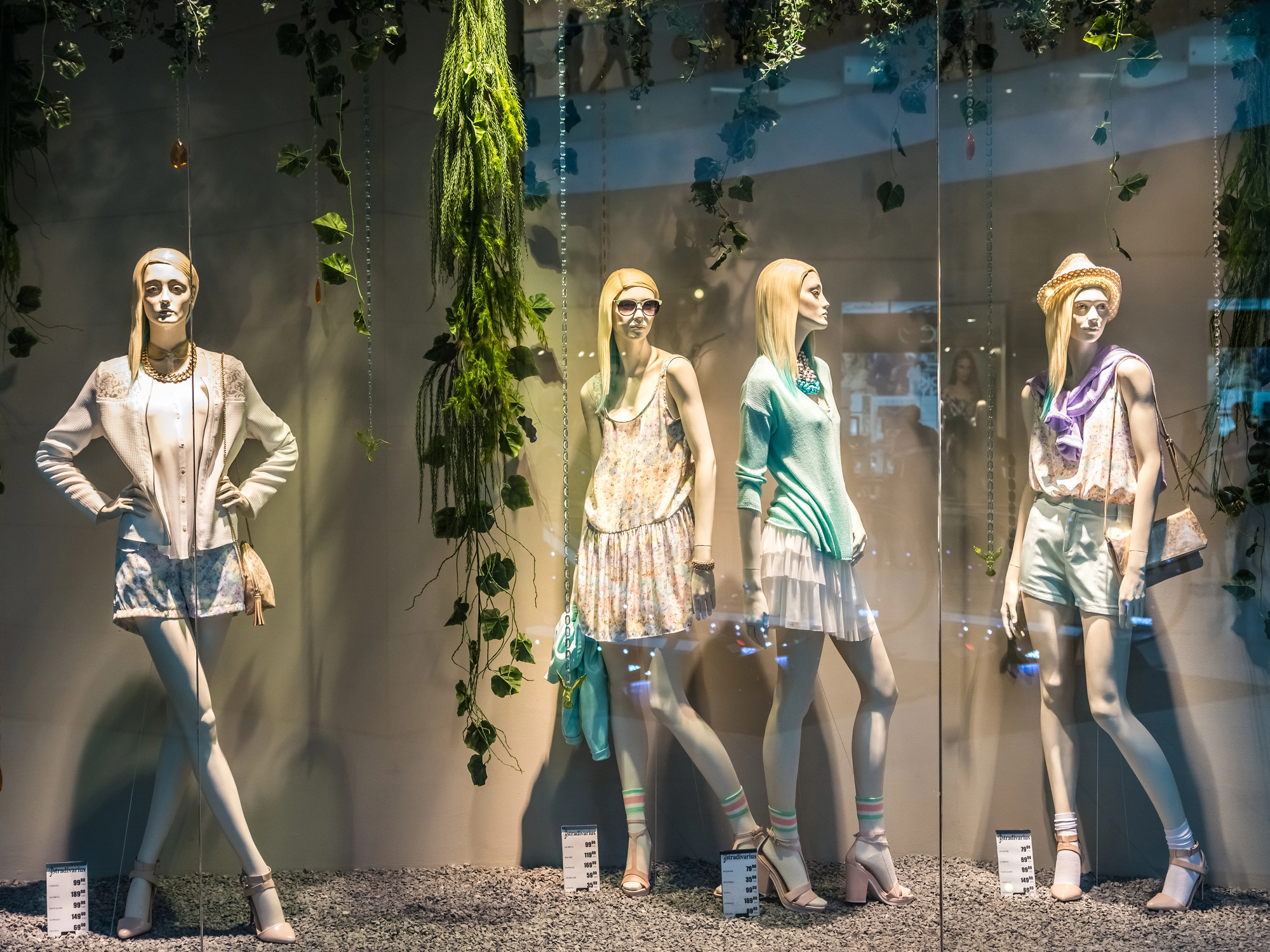
Storefront windows became stages where plastic models wore the latest trends with an confidence that real people could never quite match. These silent fashion shows ran 24 hours a day, updating seasonally like some kind of clothing calendar that dictated what normal was supposed to look like.
The Magic of Air Conditioning
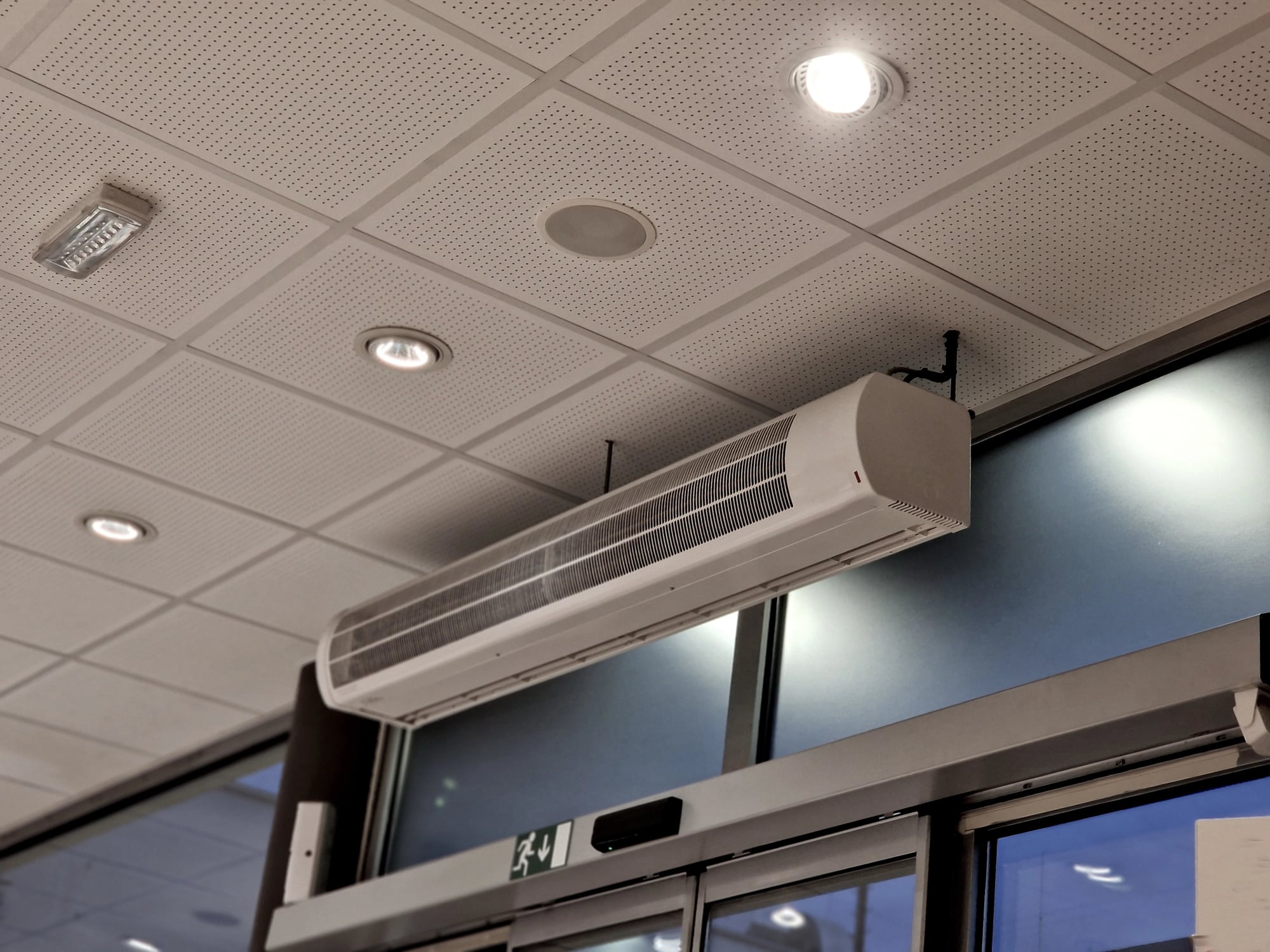
Walking into a mall during summer meant entering a climate that didn’t exist in nature — perfectly regulated, humidity-controlled, and consistent from store to store. The outside world became irrelevant once those glass doors closed behind you.
Photography Studios

Sears Portrait Studio and its competitors turned family photography into a mall experience, complete with fake backgrounds, uncomfortable poses, and the promise that this particular combination of forced smiles and studio lighting would somehow capture who you really were.
Teenagers Claiming Territory
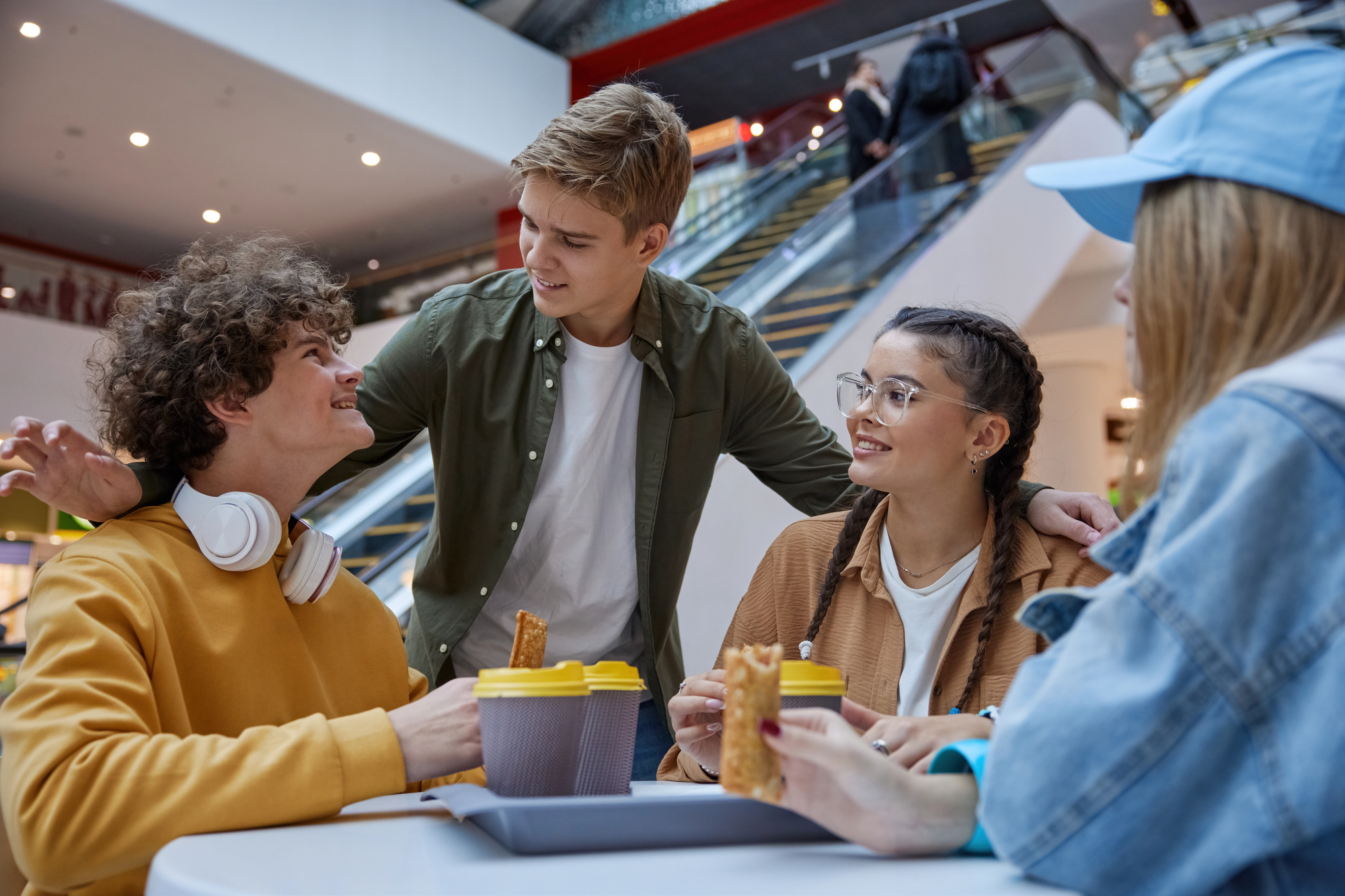
Every mall had its unofficial teenage zones — usually near the arcade or the record store — where kids would congregate after school, transforming commercial space into something that felt almost like a neighborhood. They bought nothing and everything, depending on allowance and mood.
The Christmas Transformation
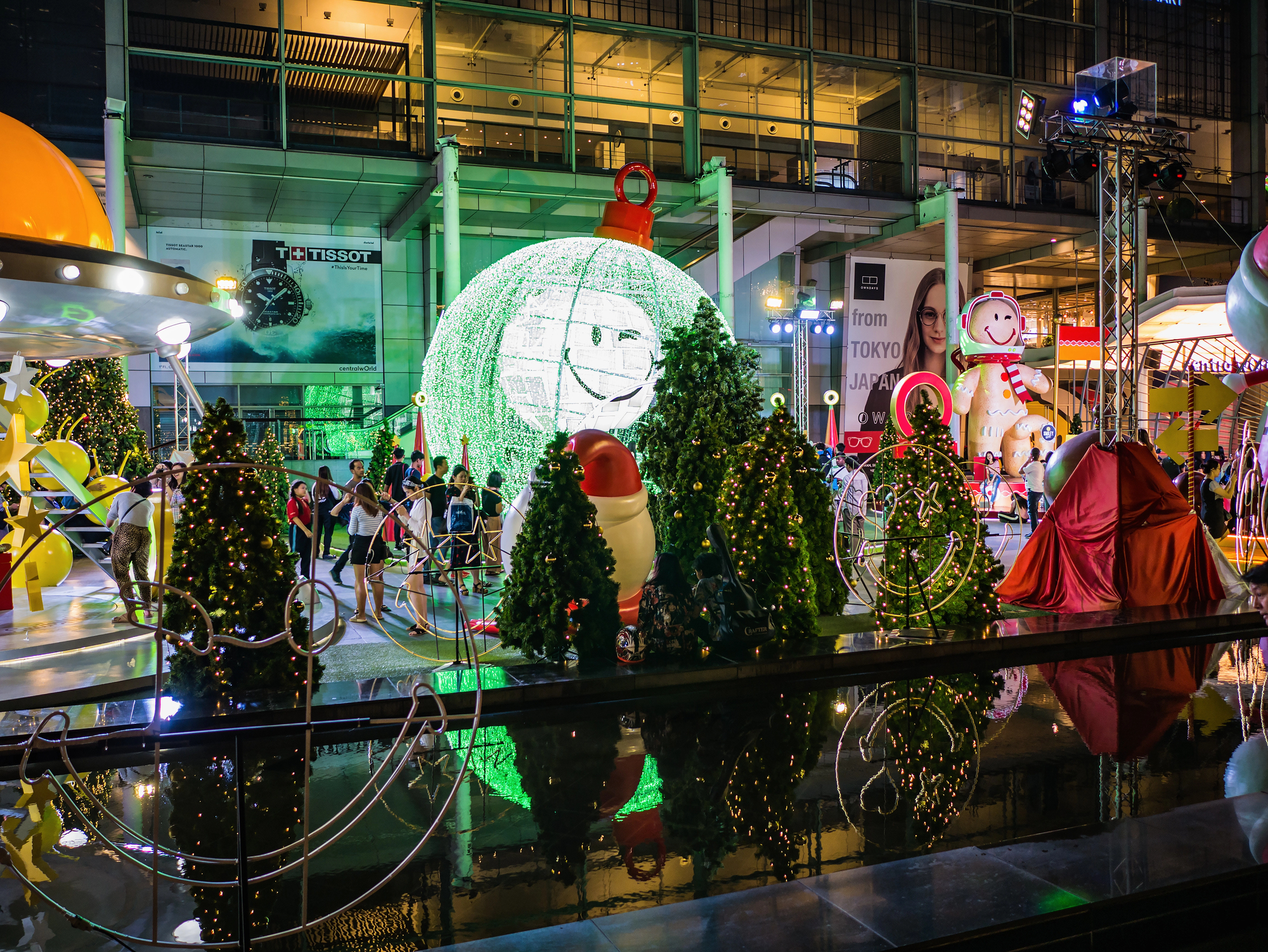
Holiday decorations turned malls into temporary winter wonderlands where Santa’s workshop coexisted with Victoria’s Secret, and somehow this combination didn’t feel strange at all. Children waited in line for photos while parents calculated gift budgets, and for a few weeks each year, the whole enterprise felt genuinely magical rather than merely commercial.
When Shopping Was an Event
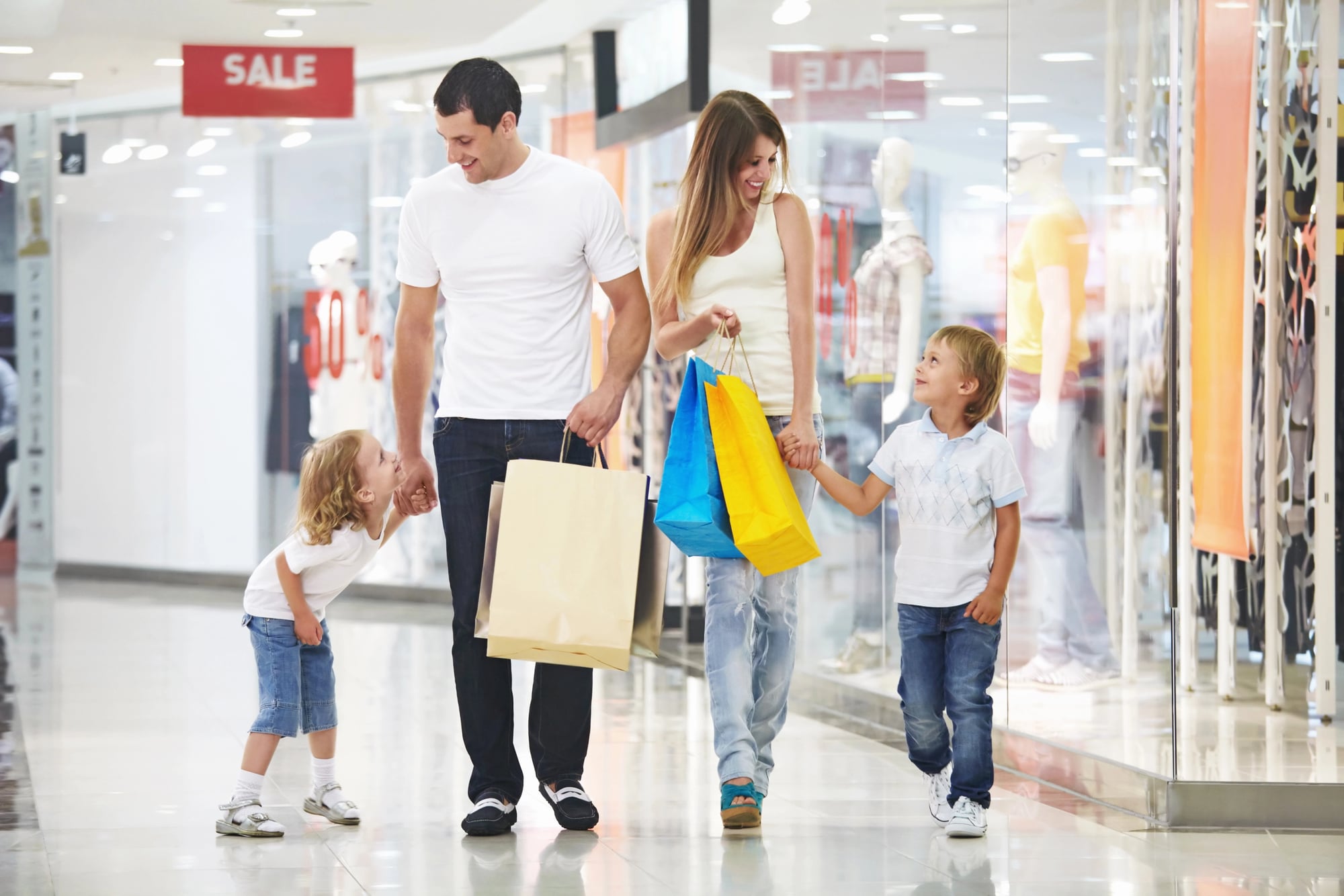
These photographs capture something that’s hard to explain to anyone who didn’t live through it: shopping malls weren’t just convenient — they were destinations. Getting in the car on Saturday morning to “go to the mall” felt like setting off on a small adventure, even if all you needed was a new pair of socks.
The mall contained possibilities that your own neighborhood couldn’t match, and every visit held the potential for small discoveries that made the drive worthwhile.
More from Go2Tutors!

- The Romanov Crown Jewels and Their Tragic Fate
- 13 Historical Mysteries That Science Still Can’t Solve
- Famous Hoaxes That Fooled the World for Years
- 15 Child Stars with Tragic Adult Lives
- 16 Famous Jewelry Pieces in History
Like Go2Tutors’s content? Follow us on MSN.