17 Fascinating Trivia Facts About Global Passports
Open one up, though, and hidden layers begin to show. At first sight, just a slim book – photo inside, space for entry marks.
Yet look again, details emerge: tiny choices in layout, colors chosen long ago, symbols speaking without words. Each page holds quiet clues about where it came from, how borders shift, who gets to move freely.
What seems basic carries weight when seen differently.
Passports do more than let you cross borders. Shaped by power struggles, they carry hints of who we are, what we fear, how we belong.
Little design choices whisper values most overlook. Practical needs mix with gestures that seem almost poetic.
As nations changed, so did these booklets – slowly shaped by machines, conflicts, movement.
Peek under the surface, then notice what slips by most eyes in global passports. Hidden details wait there, quietly tucked between covers.
Each country adds quirks you might miss at first glance. Flip one open, suddenly small wonders show up in corners.
Some clues link to history without saying a word. Others play tricks through design choices.
Look closely – meaning hides in sizes, fonts, even watermarks. These booklets carry secrets beyond borders they let you cross.
Passport Colors Aren’t Random
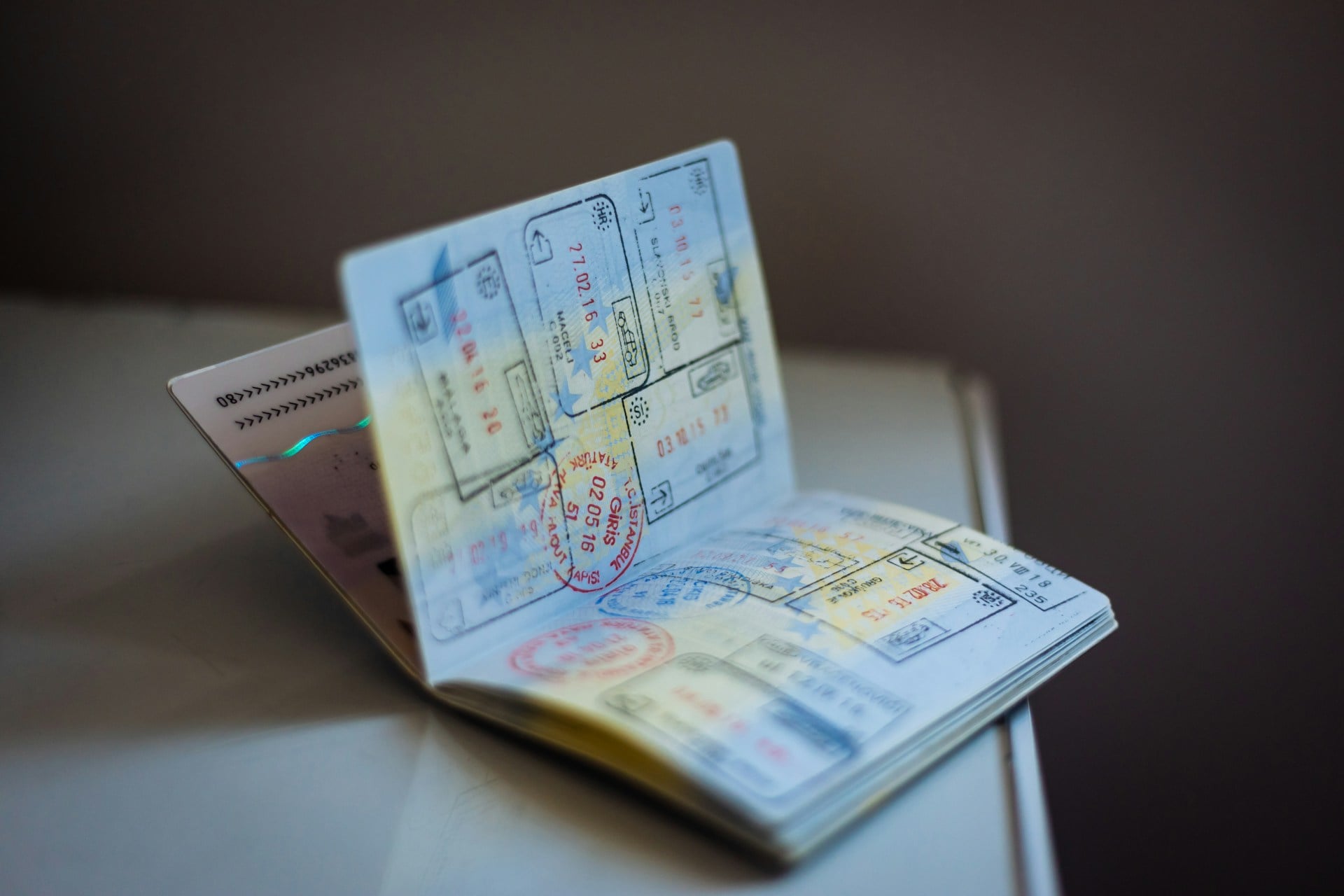
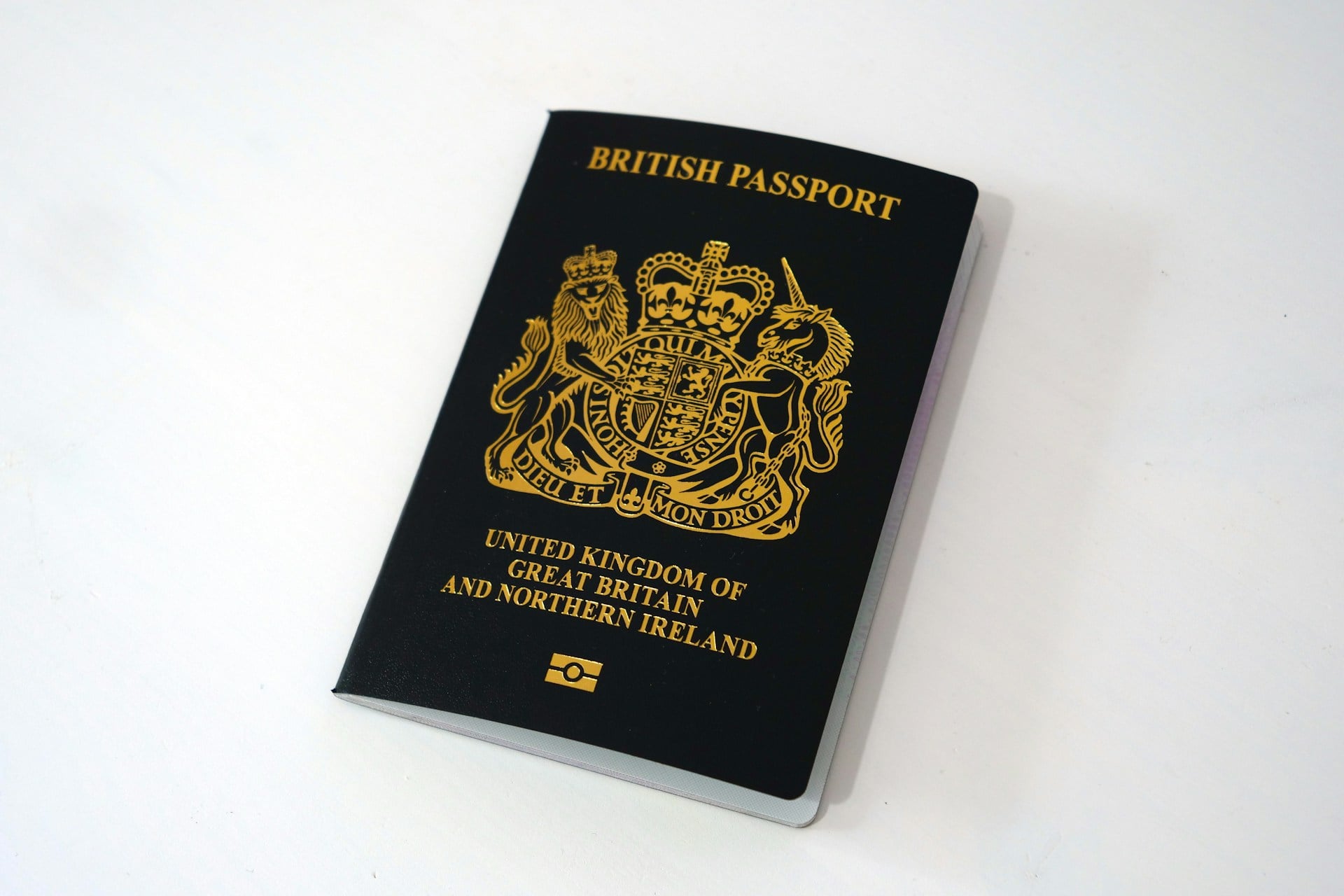
Most passports fall into a few main color groups—red, blue, green, and black—and those choices often reflect regional or political ties. European countries tend to use burgundy tones, while many Caribbean nations use blue.
Green is common in several countries with Islamic heritage, while black passports are often associated with durability and formality. Even so, there’s no strict rule—just patterns that have developed over time, shaped by history rather than regulation.
Some Passports Are More Powerful Than Others
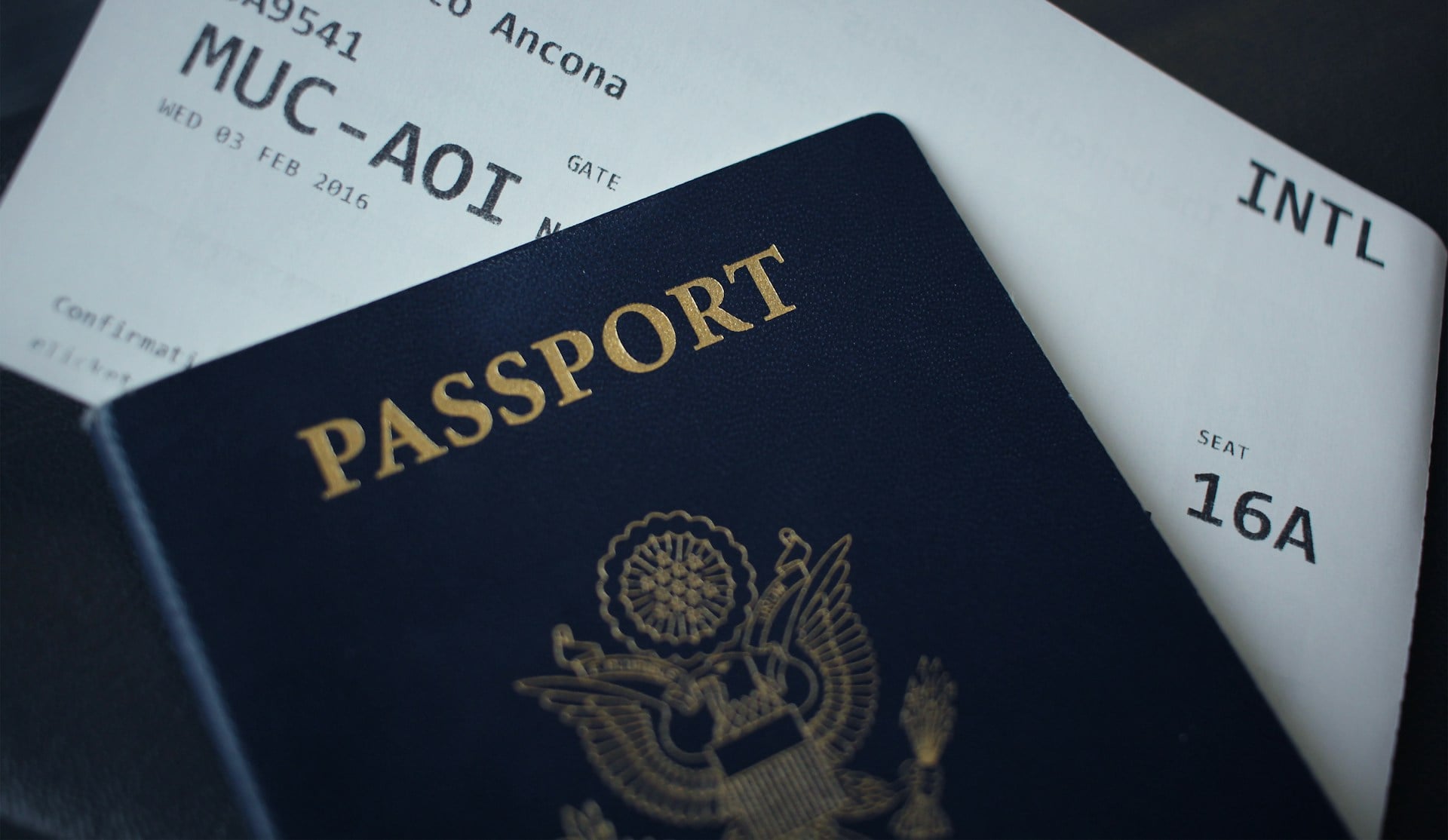
The ‘power’ of a passport usually refers to how many countries its holder can enter without needing a visa in advance. This varies significantly depending on diplomatic relationships.
Some passports allow access to well over 100 countries, while others require more preparation. Still, these rankings shift over time as policies change, reflecting how global relationships are never entirely fixed.
Passports Used To Be Simple Letters
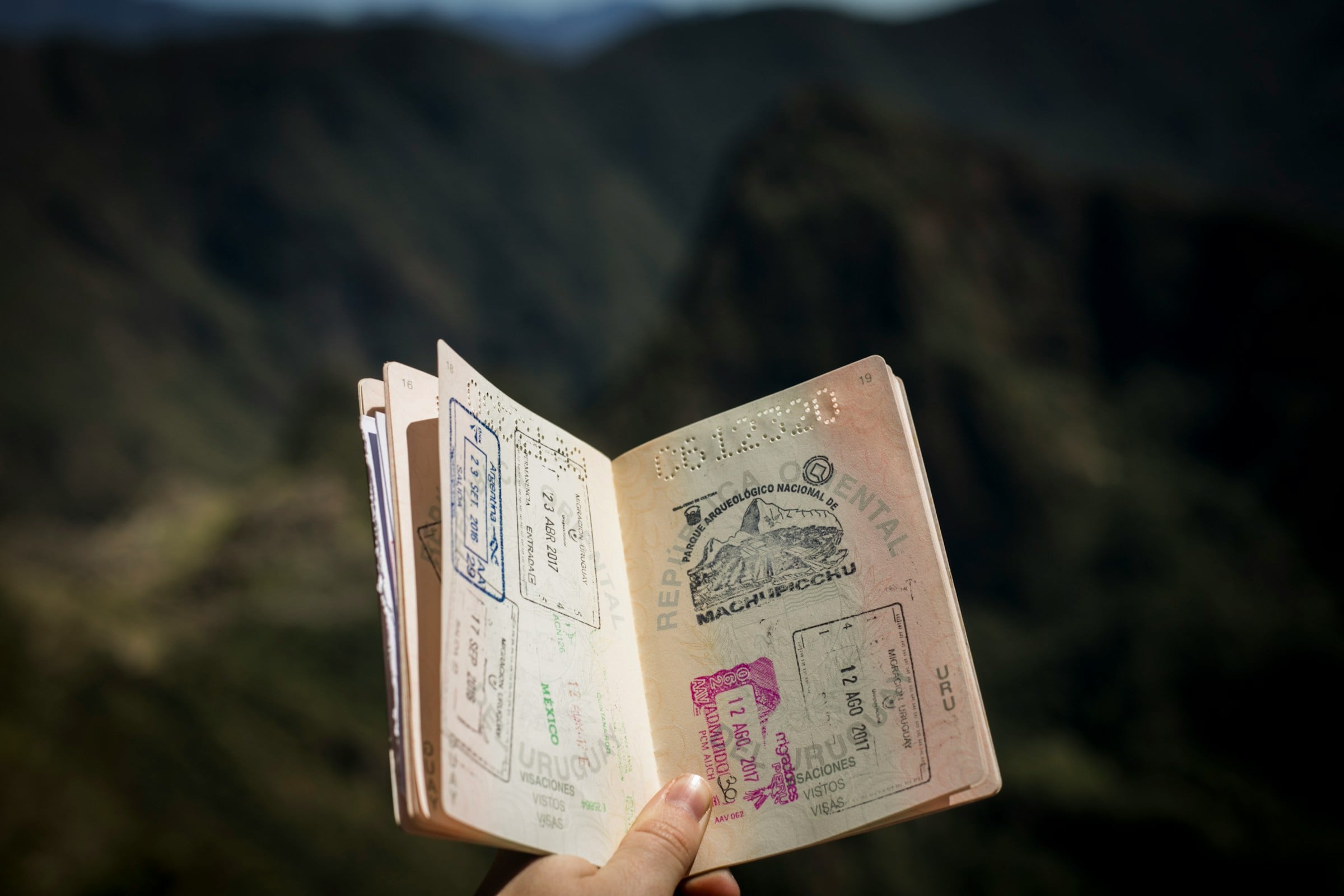
Before standardized booklets, passports were often just written letters requesting safe passage. They were issued by authorities but didn’t follow a fixed format.
These early versions relied more on trust than security features. As travel increased, the need for consistency and verification became more important, leading to the structured documents used today.
Many Passports Include Hidden Images
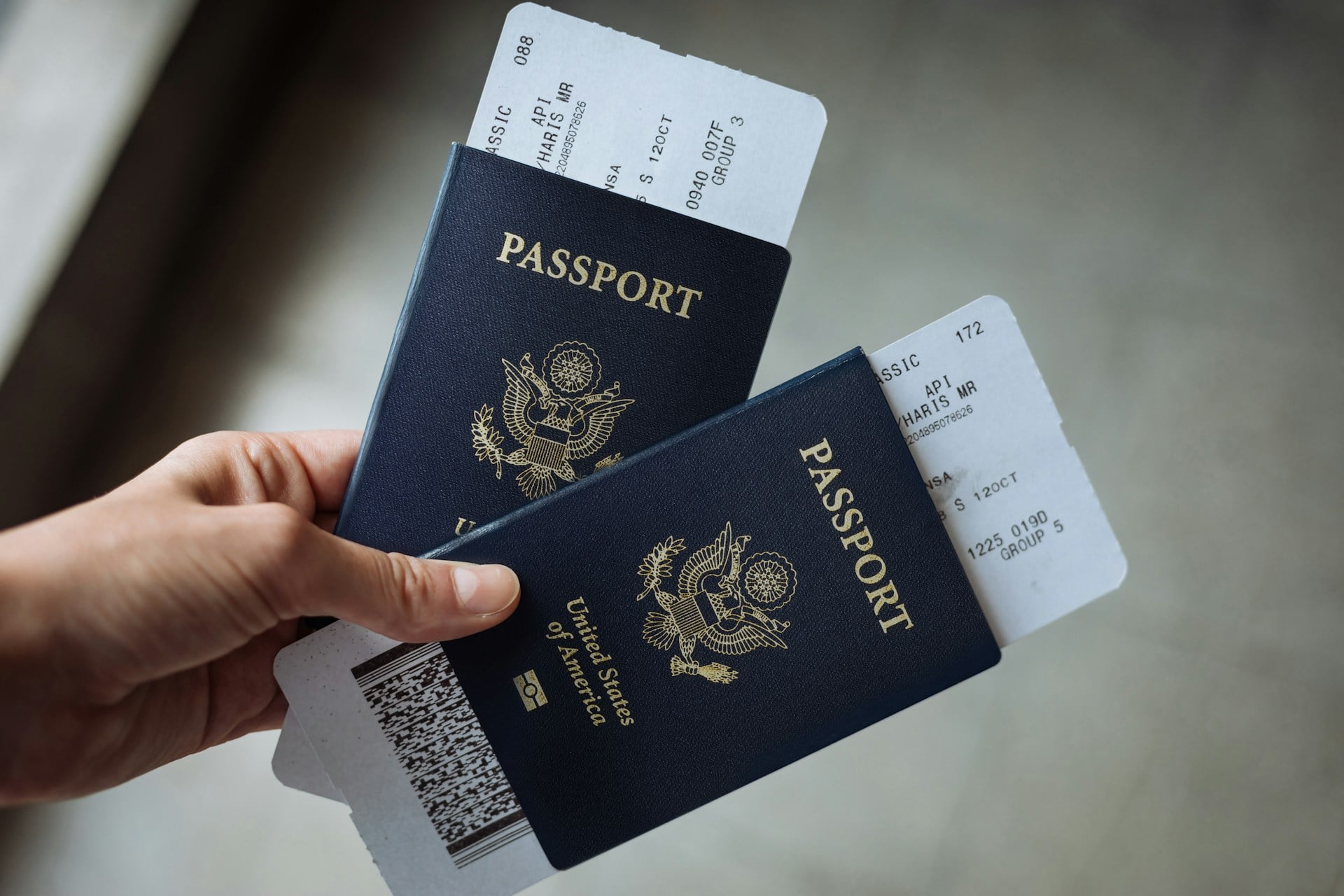
Modern passports often contain designs that are only visible under ultraviolet light. These can include national symbols, landmarks, or patterns that add an extra layer of security.
At first glance, the pages may look plain. Still, under different lighting, they reveal far more detail than expected, blending design with function in subtle ways.
The Size Of Passports Is Standardized
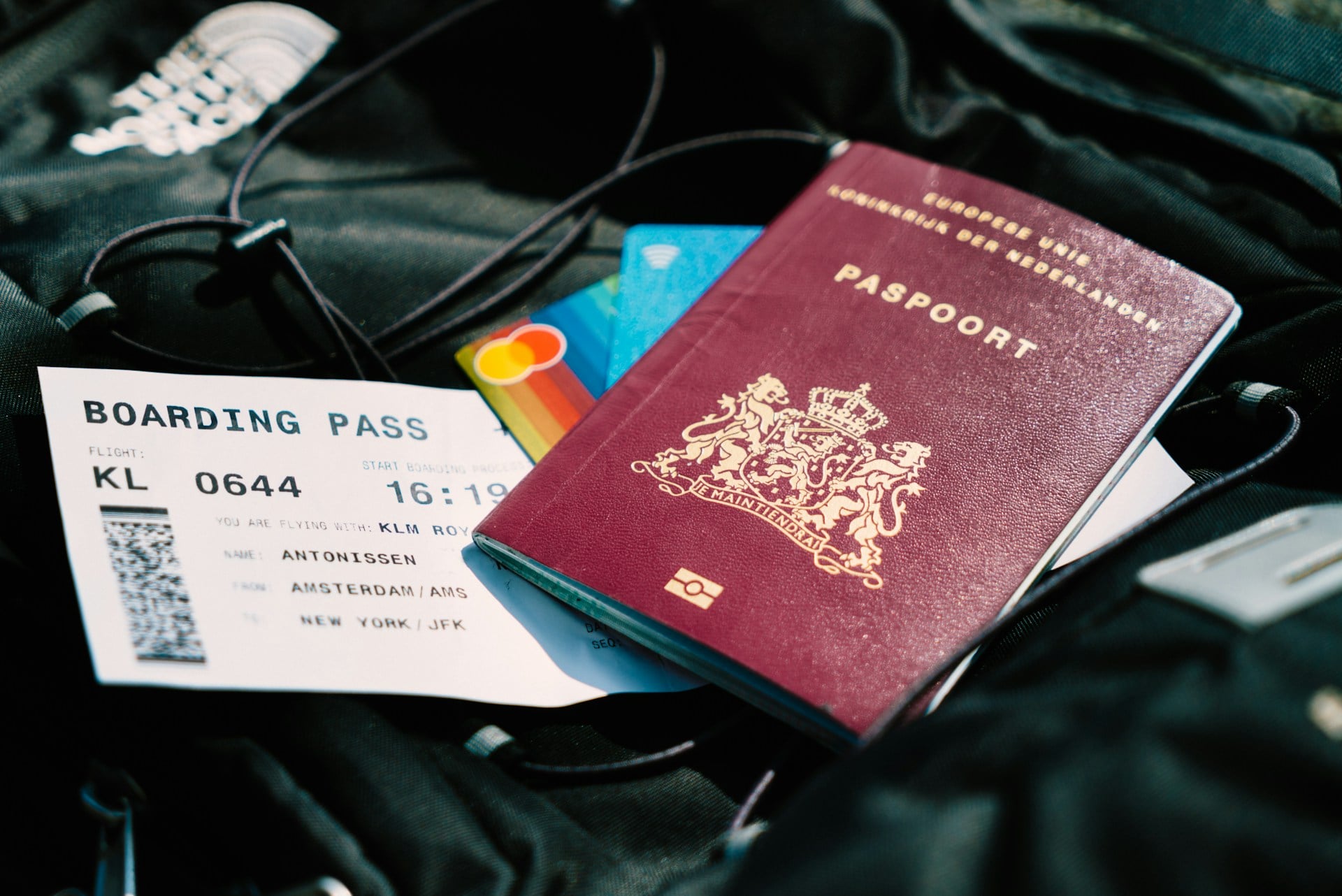
Most passports today follow a standard size set by international guidelines. This ensures they fit easily into scanning systems and border control processes.
While designs vary, the dimensions remain consistent. That uniformity helps streamline global travel, even as individual countries maintain their own visual identity.
Some Passports Are Rarely Issued
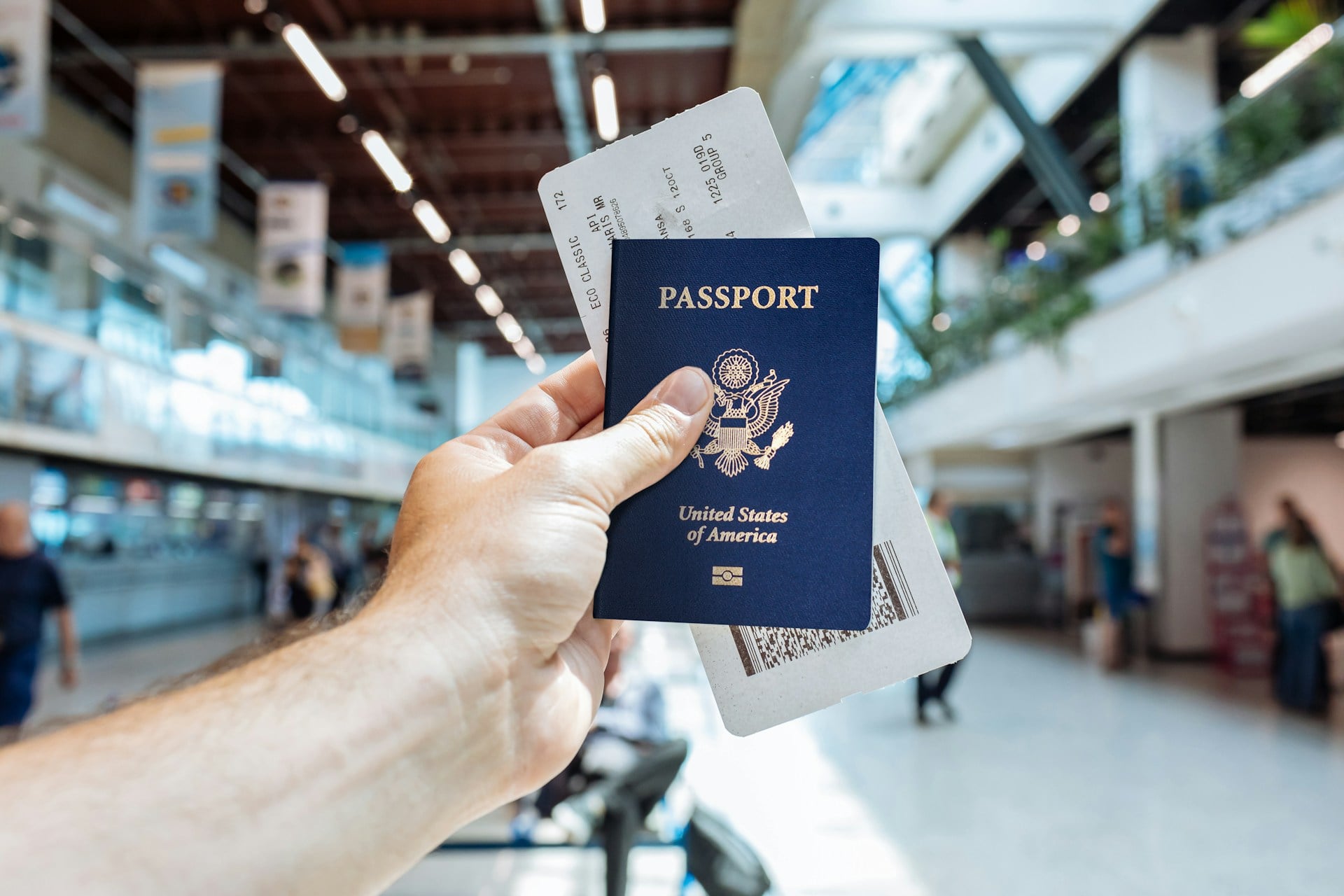
There are special types of passports that are not available to the general public. These include diplomatic and official passports, issued to government representatives.
They often come with different privileges and are used in specific circumstances. Even so, they remain relatively uncommon compared to standard passports, making them less familiar to most travelers.
Passport Photos Have Strict Rules
Taking a passport photo isn’t as simple as it seems. Most countries have detailed requirements regarding expression, lighting, and positioning.
Neutral expressions are usually required, and certain accessories are not allowed. These rules exist to ensure accurate identification, even if the final photo isn’t always flattering.
Some Countries Have Unique Page Designs
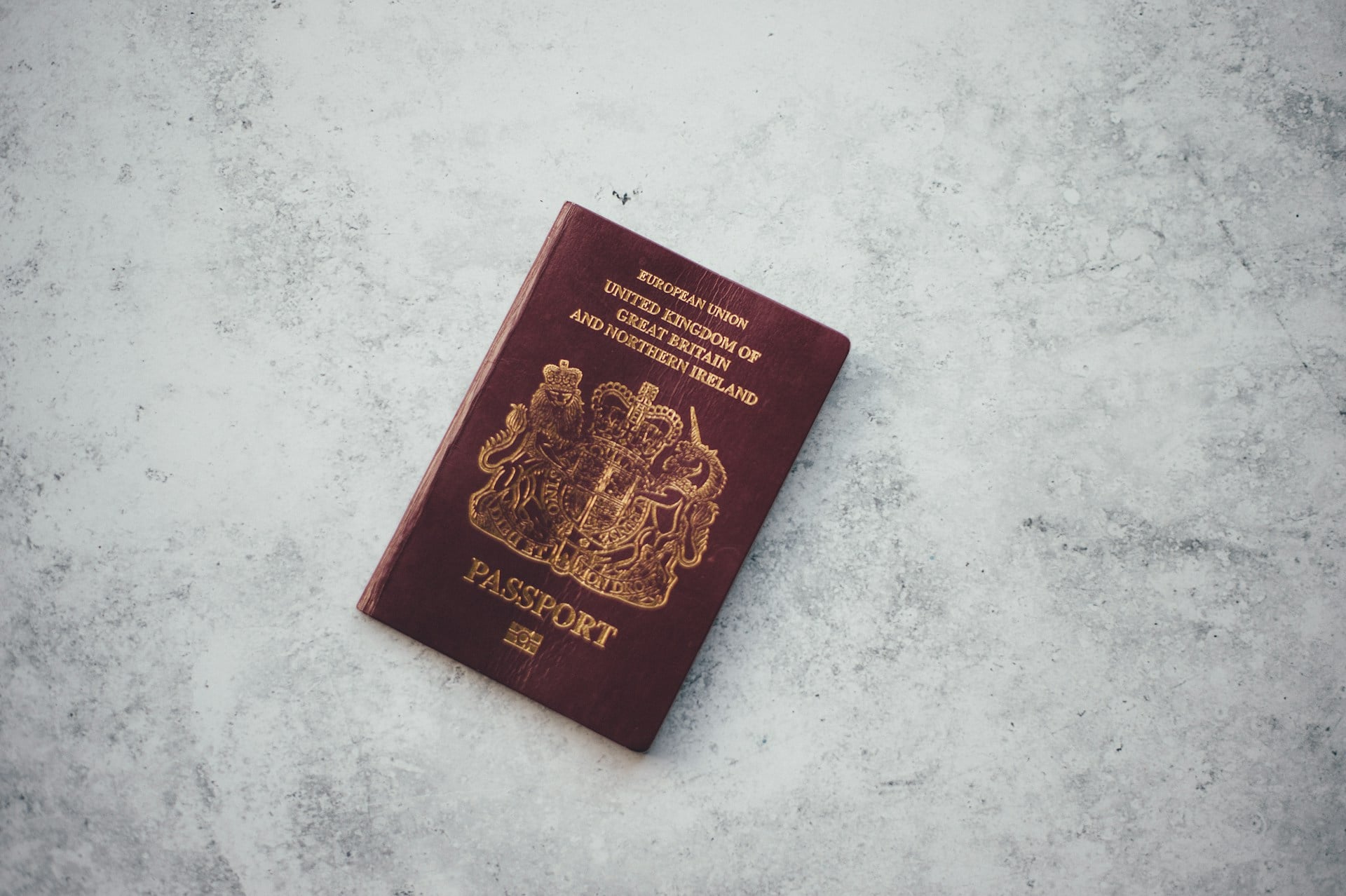
Beyond security features, many passports include detailed artwork throughout their pages. These designs often reflect national identity, history, or landscapes.
The artwork may not be immediately noticeable, but it adds a layer of character to the document. Still, it also serves a practical purpose by making forgery more difficult.
Passports Expire At Different Intervals
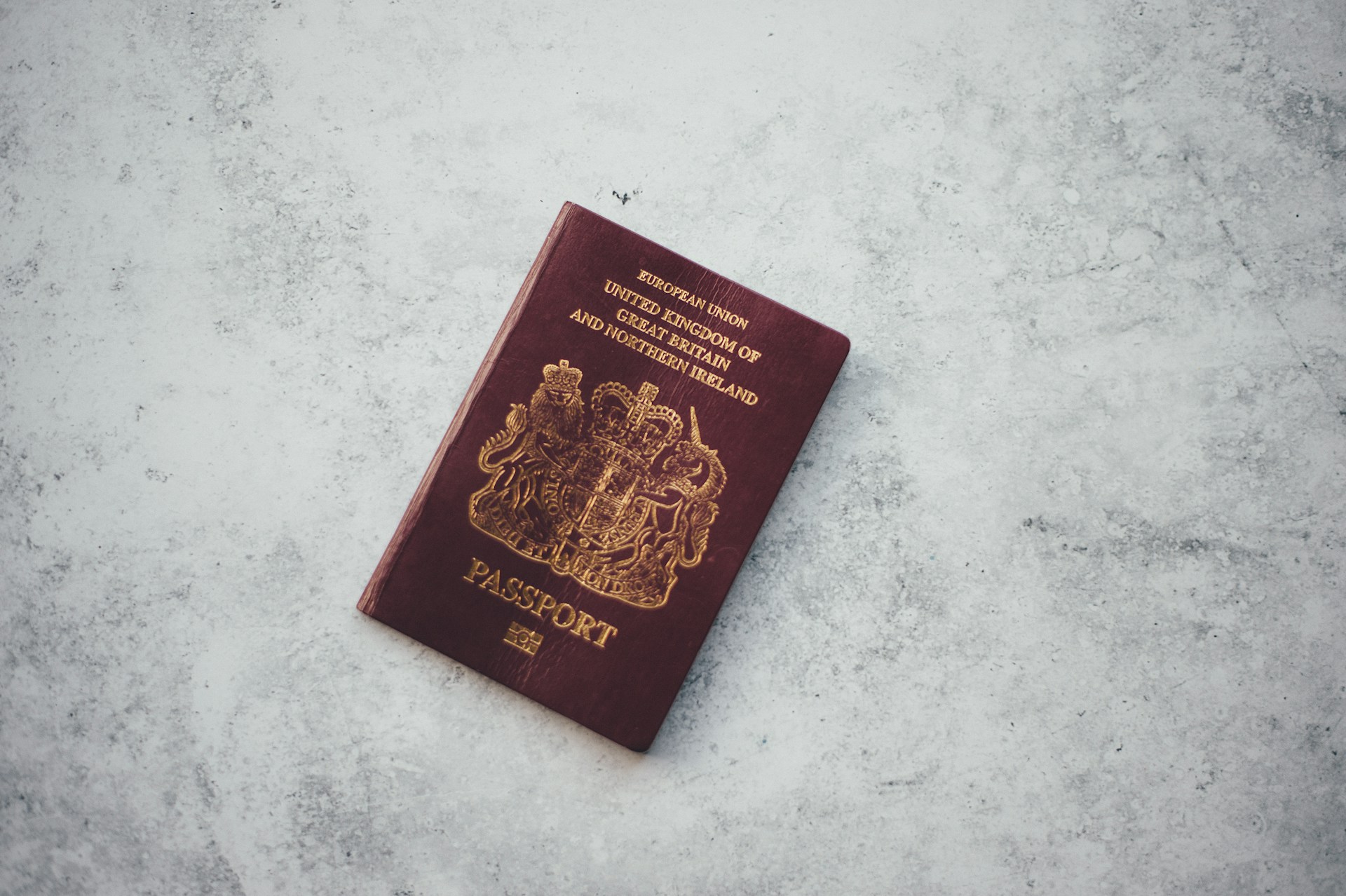
The validity of a passport depends on the issuing country and the holder’s age. Adult passports often last around ten years, while those for children may expire sooner.
This variation helps account for changes in appearance over time. Even so, renewal processes are generally straightforward, even if they can feel like an inconvenience.
Stamps Are Becoming Less Common
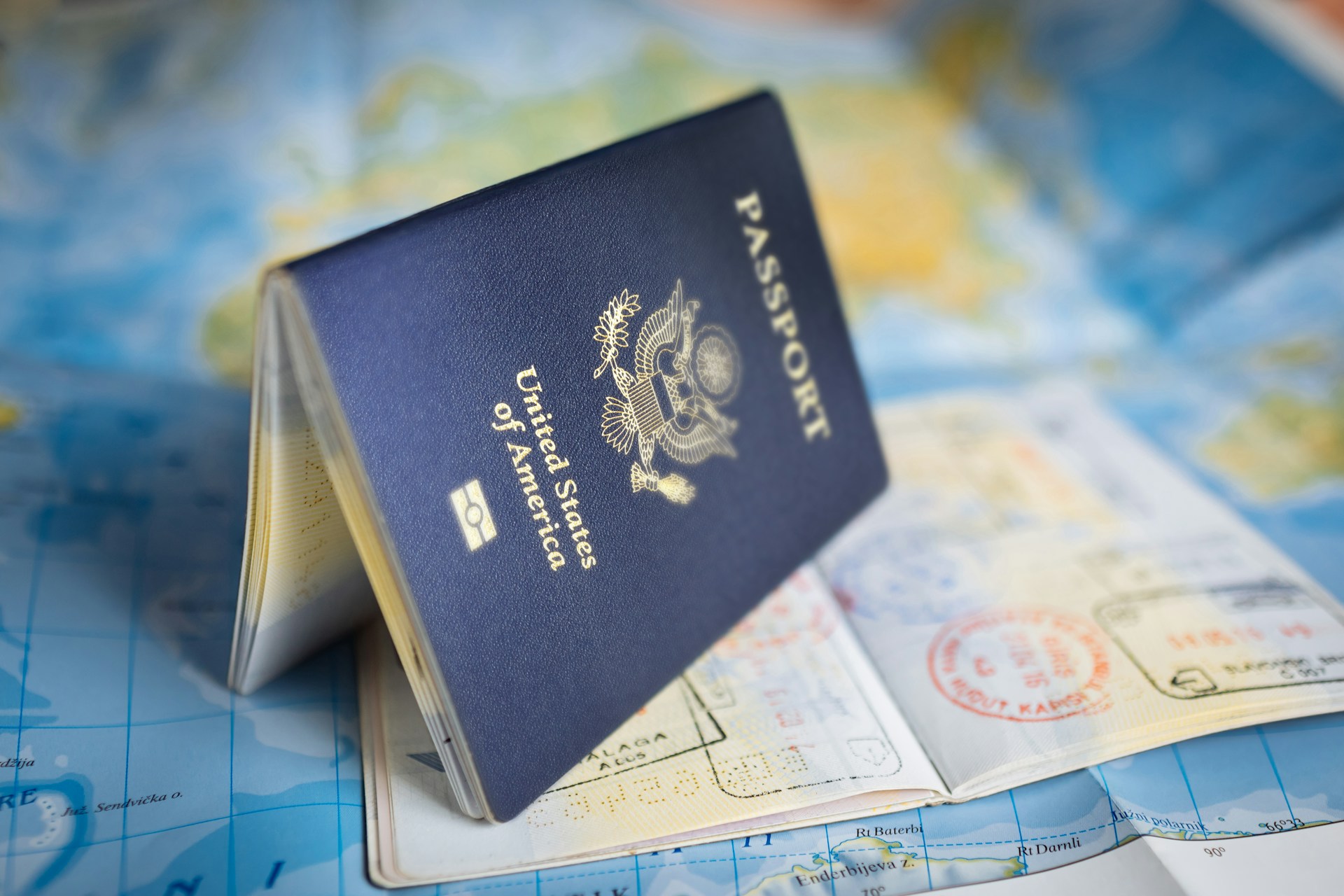
In many parts of the world, physical passport stamps are being replaced by digital records. Automated systems now track entries and exits more efficiently.
While stamps still exist, their role is gradually decreasing. That said, they remain a familiar part of the travel experience, often carrying a sense of memory for frequent travelers.
Some Passports Have More Pages Than Others
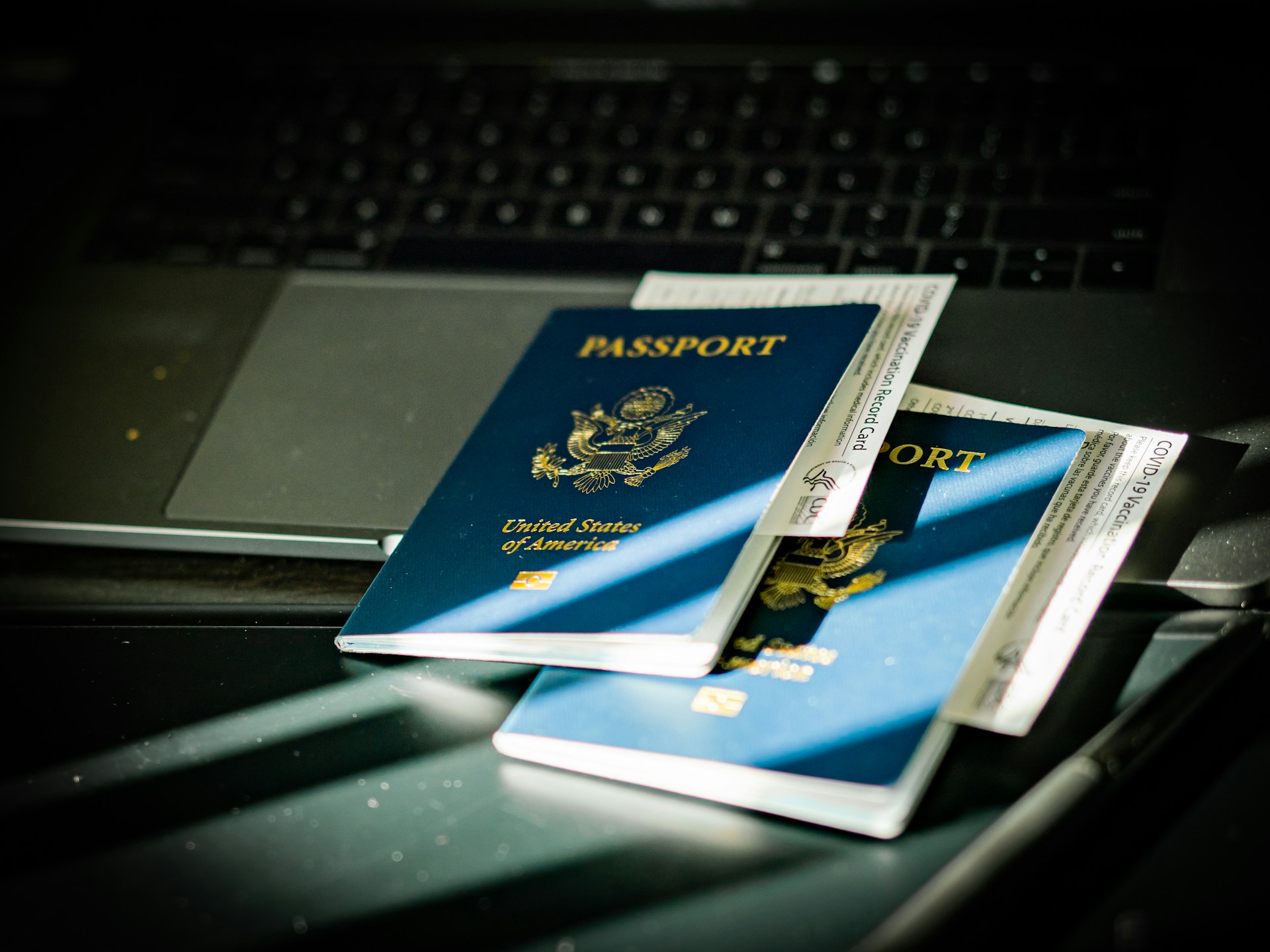
Frequent travelers may need passports with extra pages to accommodate visas and stamps. Some countries offer larger versions for this reason.
Running out of space can be inconvenient, especially on longer trips. Still, digital systems may reduce this need over time as physical documentation becomes less central.
Passports Can Be Replaced—But Not Instantly
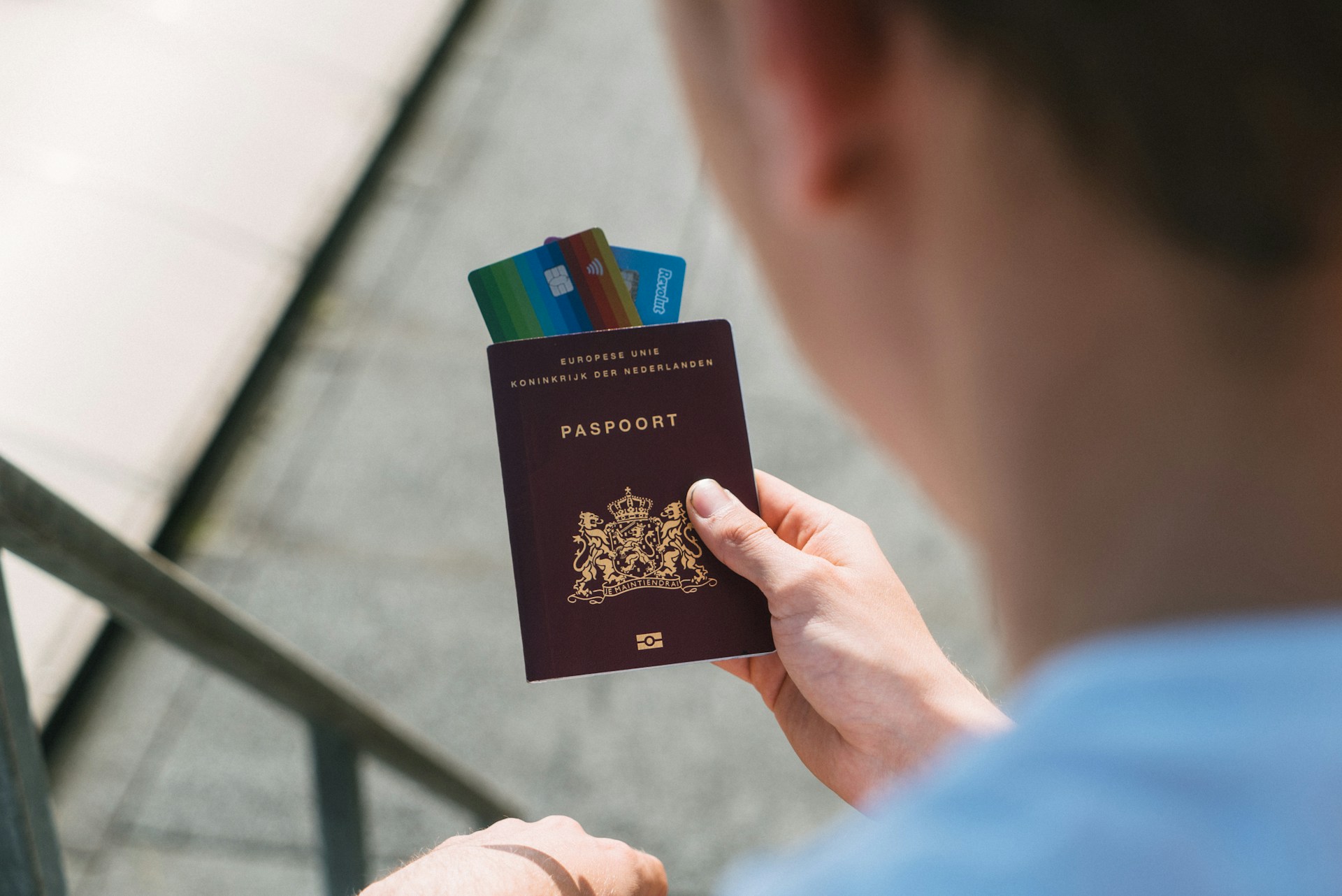
Losing a passport while traveling can create complications. Replacement is possible, but it usually requires visiting an embassy or consulate.
The process can take time, depending on location and circumstances. That said, systems are in place to help travelers resolve these situations and continue their journey.
Dual Citizenship Means Multiple Passports
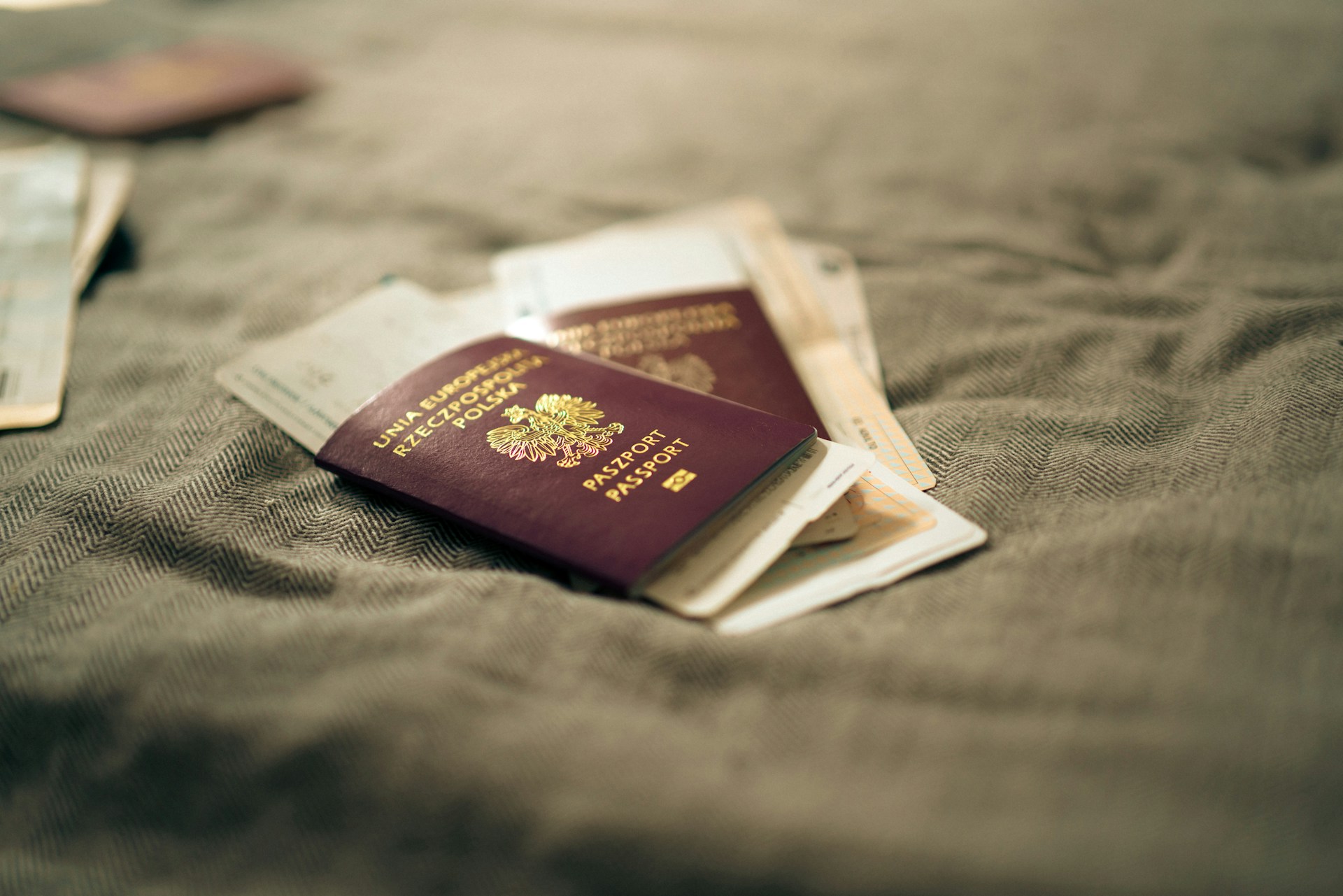
Some people hold passports from more than one country. This can provide greater flexibility when traveling, depending on visa agreements.
Still, managing multiple passports comes with its own responsibilities. Each one must be used correctly when entering or leaving specific countries, which can sometimes be confusing.
Passport Covers Don’t Determine Validity
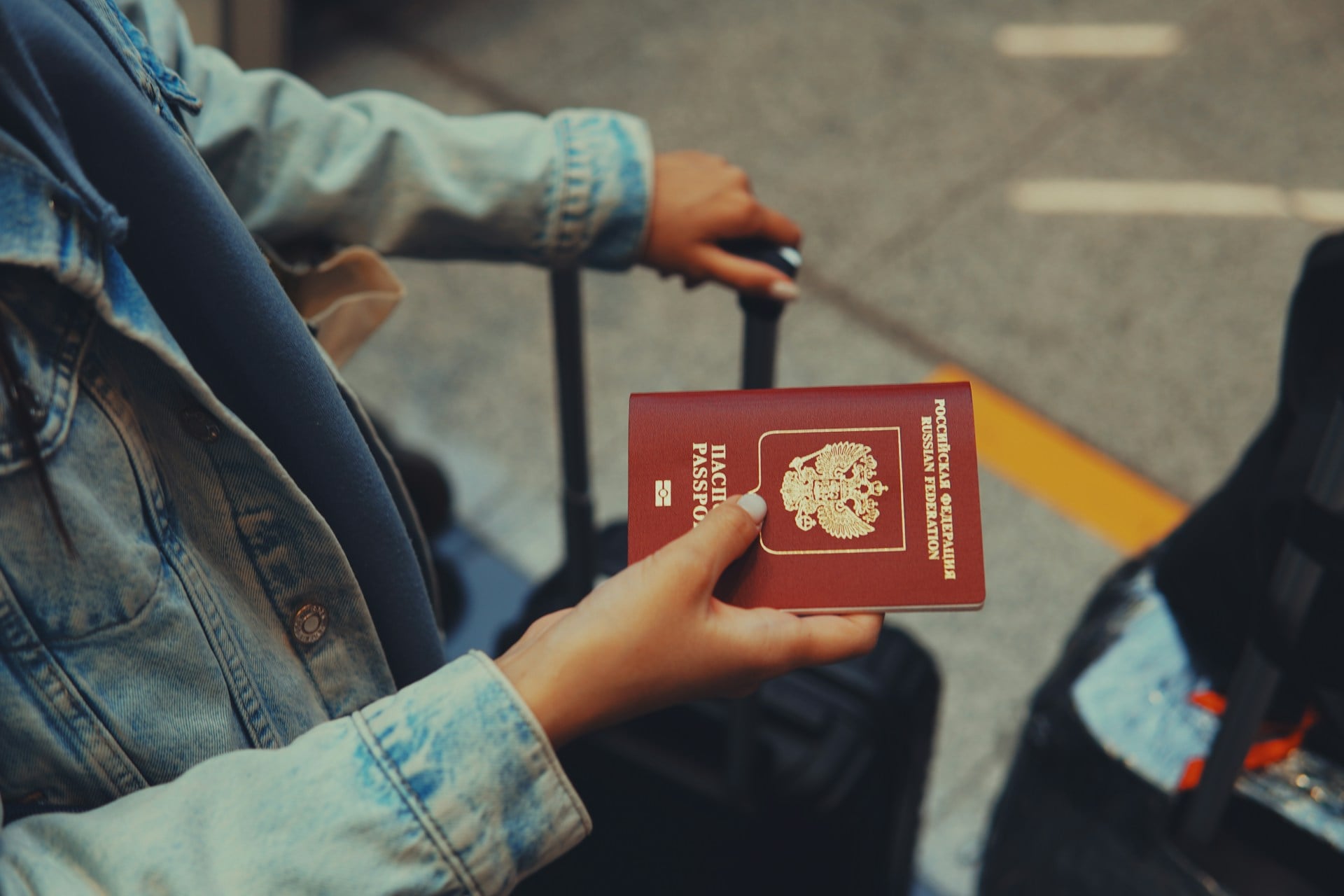
While passport colors often follow regional patterns, they don’t affect the document’s function. A passport’s validity comes from the issuing authority, not its appearance.
Even so, the design choices can still reflect identity and tradition. It’s a small detail that carries more meaning than it might seem at first glance.
Machine-Readable Zones Are Essential
At the bottom of the passport’s identity page, there’s a section filled with coded text. This machine-readable zone allows quick scanning at border control.
It speeds up processing and reduces the chance of error. Still, most travelers rarely notice it unless they take a closer look at the page.
Some Passports Include Microprinting
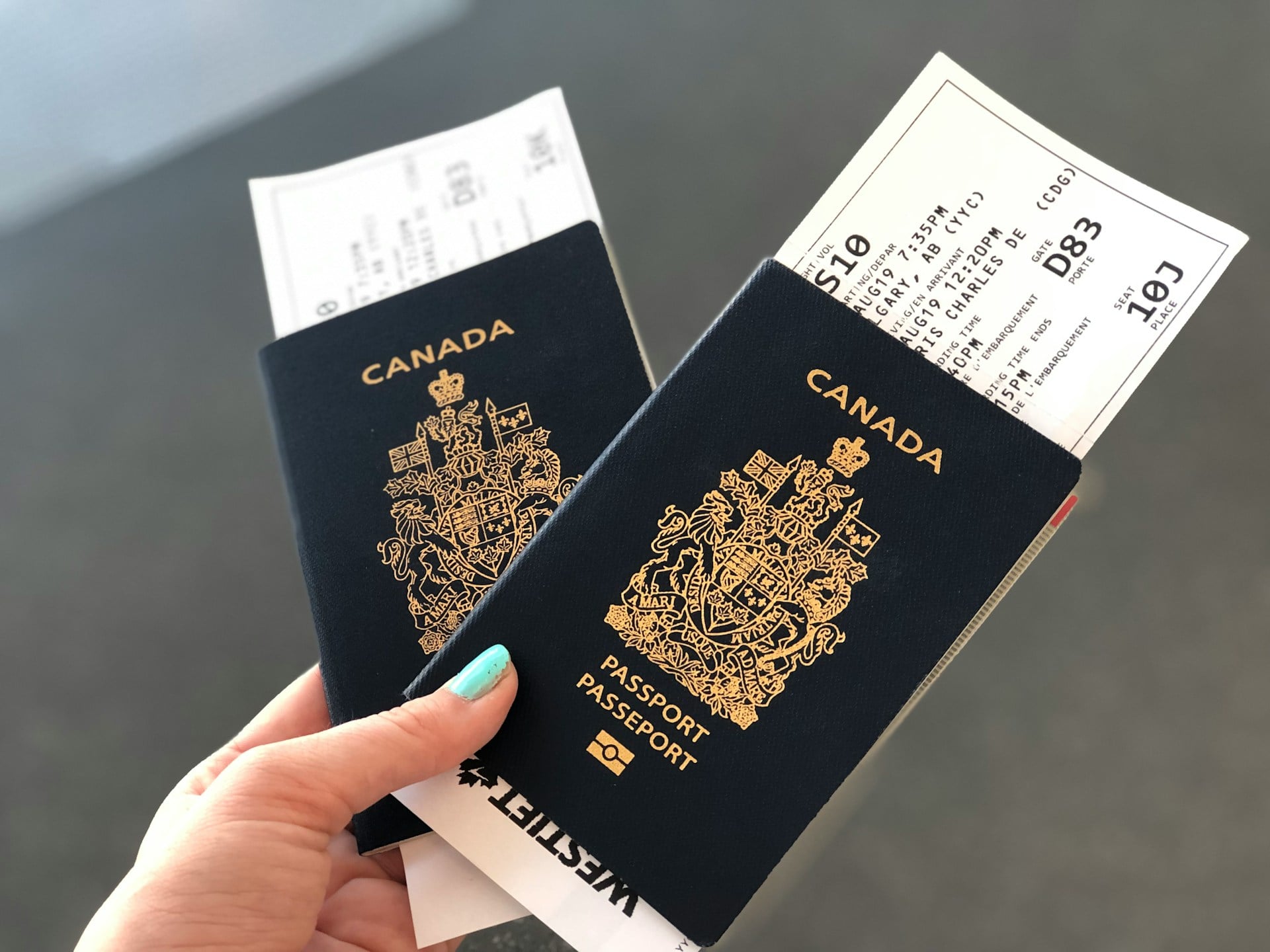
Microprinting is a security feature where extremely small text is printed on certain pages. It’s difficult to replicate without specialized equipment.
These details are almost invisible to the unaided eye. That said, they play an important role in preventing counterfeiting and maintaining document integrity.
Passports Reflect Global Relationships
Beyond their practical use, passports are shaped by international relationships. Visa agreements, access levels, and travel policies all depend on how countries interact.
This means a passport isn’t just a document—it’s a reflection of a country’s place in the world. Still, those relationships continue to evolve, sometimes quite quickly.
More Than Just A Travel Document
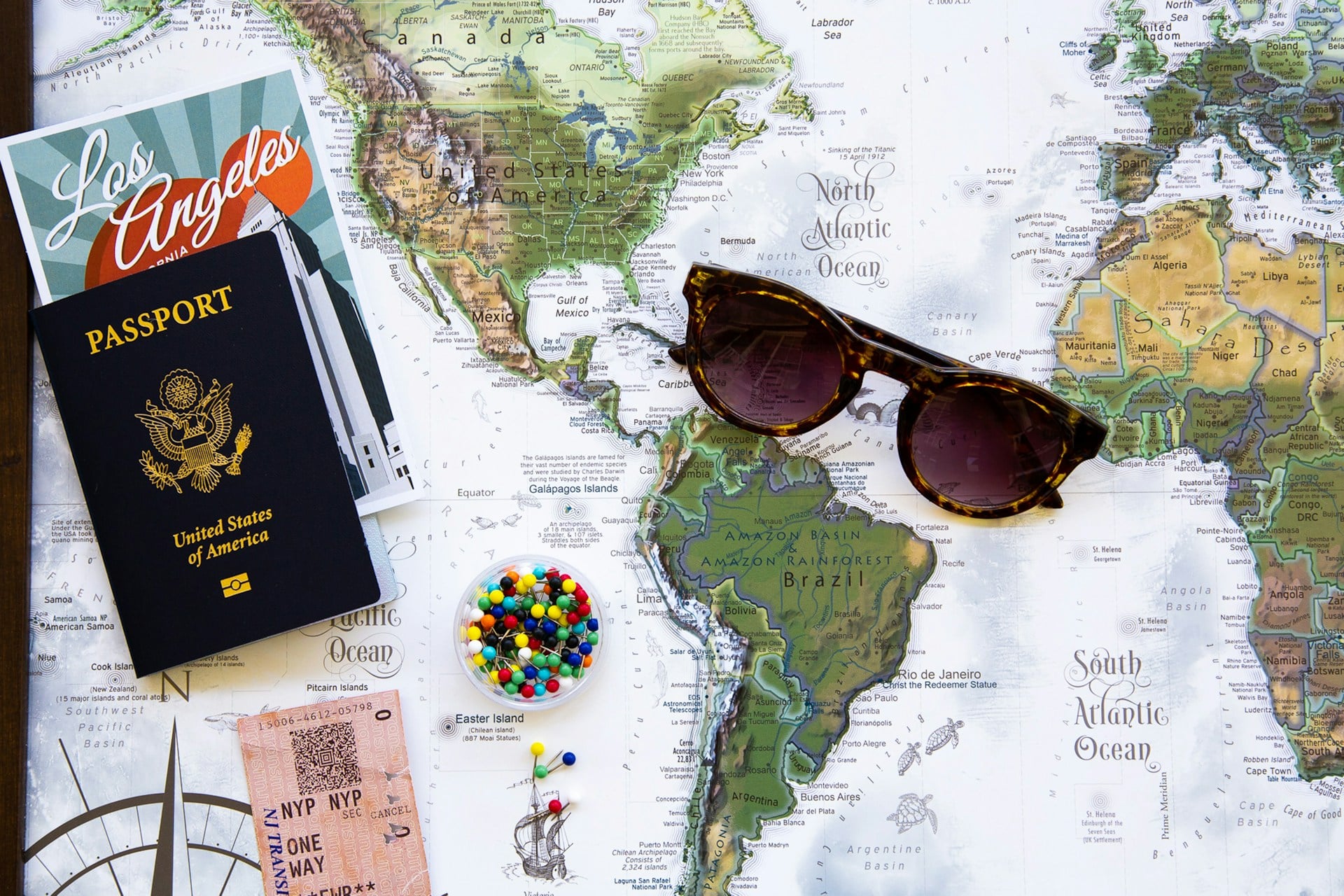
Not just a booklet for trips – passports hold deeper weight. Who you are, who lets you in, how nations link – all tucked between those pages.
Started as plain notes passed by hand, now filled with hidden marks and tech meant to stay ahead. As borders shifted, so did these small books, changing without fanfare to match global ties.
Borders shift under new tech tides, yet passports still hold steady at the core. Digital forms might take over someday; even so, their purpose – proving who you are, opening doors – probably won’t budge.
Most folks rarely give their passport a thought – yet it quietly guides global movement, shaping paths in silence, hidden in plain sight.
More from Go2Tutors!

- The Romanov Crown Jewels and Their Tragic Fate
- 13 Historical Mysteries That Science Still Can’t Solve
- Famous Hoaxes That Fooled the World for Years
- 15 Child Stars with Tragic Adult Lives
- 16 Famous Jewelry Pieces in History
Like Go2Tutors’s content? Follow us on MSN.