17 Obvious Historical Facts Everyone Learned in School
Remember those moments in history class when the teacher would announce a “fun fact” that somehow managed to be both obvious and fascinating? The kind of information that felt like common knowledge the moment you heard it, yet stuck with you long after the test was over.
These historical nuggets have a way of becoming part of our shared understanding of the world — the foundation upon which everything else gets built. Some of them challenged what you thought you knew, others confirmed suspicions you’d harbored since childhood, but all of them became part of the mental furniture that shapes how you see the past.
The Great Wall of China Wasn’t Built All at Once
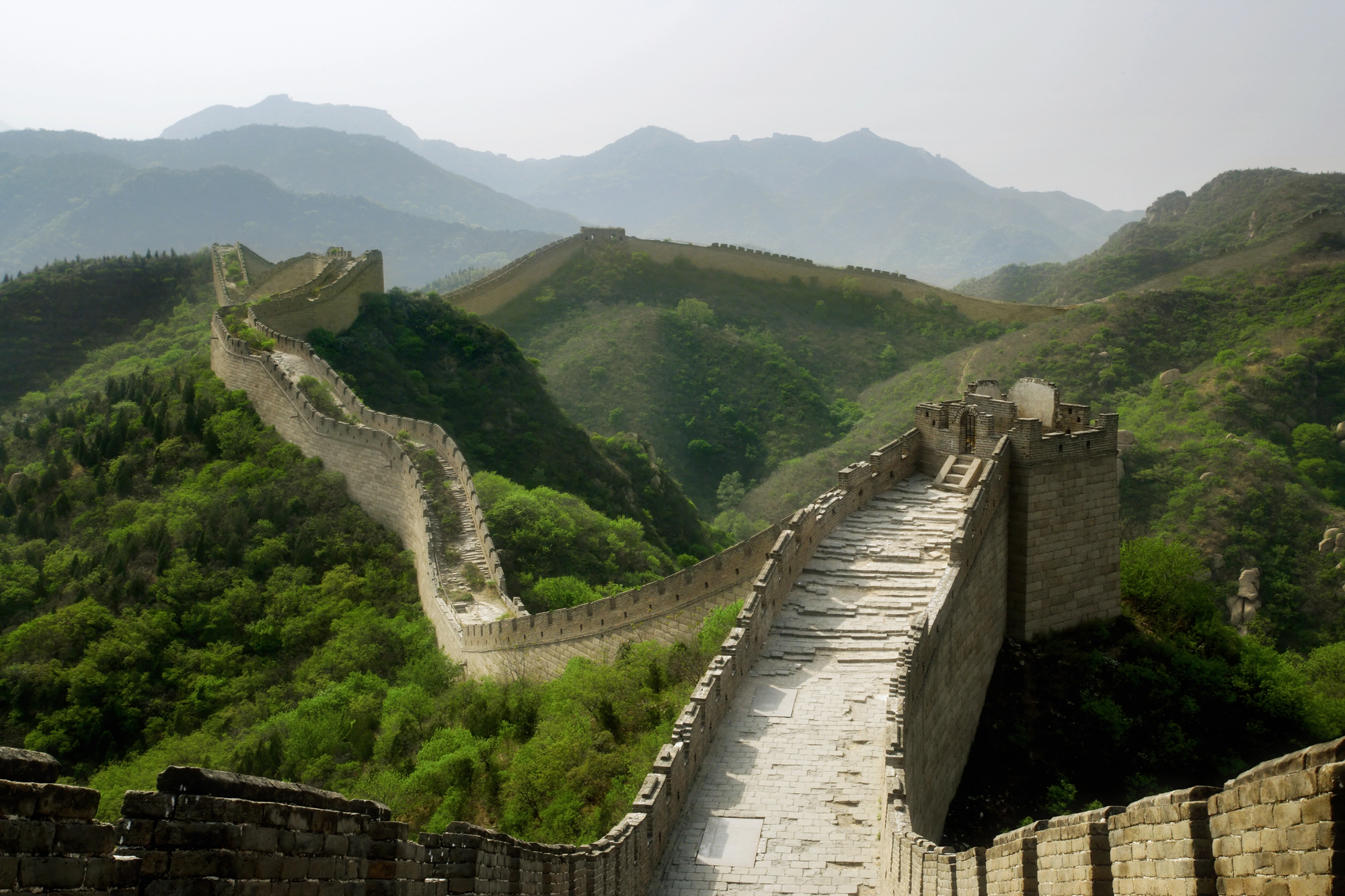
Dynasties came and went. Each one added their own sections, rebuilt crumbling parts, or let whole stretches fall into ruin.
The wall you picture from postcards? Most of that was built during the Ming Dynasty, centuries after people started calling it “great.”
Columbus Didn’t Discover America
Vikings got there first. So did the people who’d been living there for thousands of years before any European showed up.
Columbus gets credit for connecting two worlds that had been separate, but discovery? That’s not the right word.
The Titanic Was Supposed to Be Unsinkable
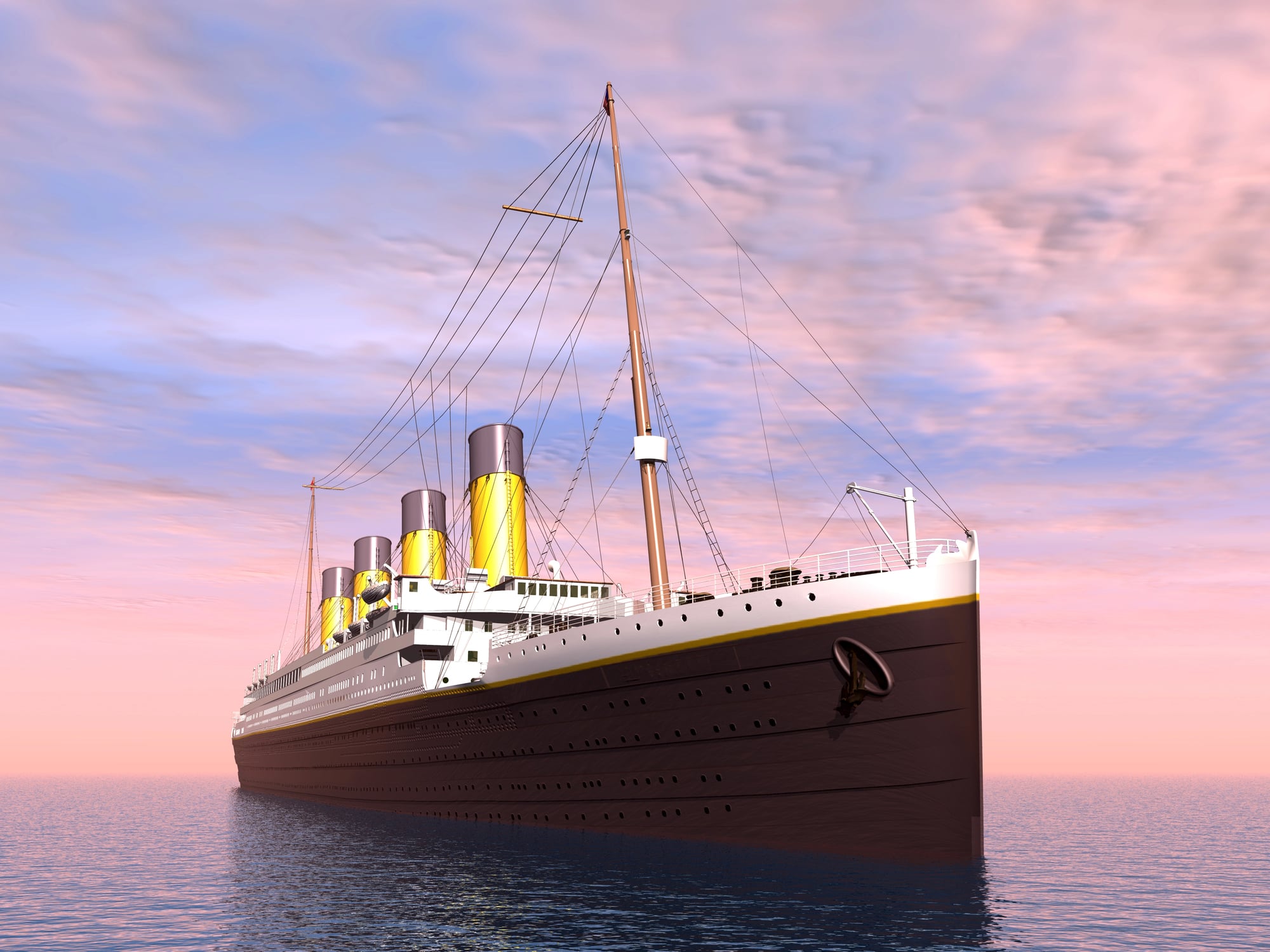
And yet there it was, sitting on the bottom of the North Atlantic just four days into its maiden voyage. The ship’s designers had created watertight compartments and used the best technology available in 1912.
Even the most advanced safety features have limits — something became painfully clear when the ship that couldn’t sink did exactly that, taking more than 1,500 people down with it.
Ancient Egyptians Built the Pyramids, Not Aliens
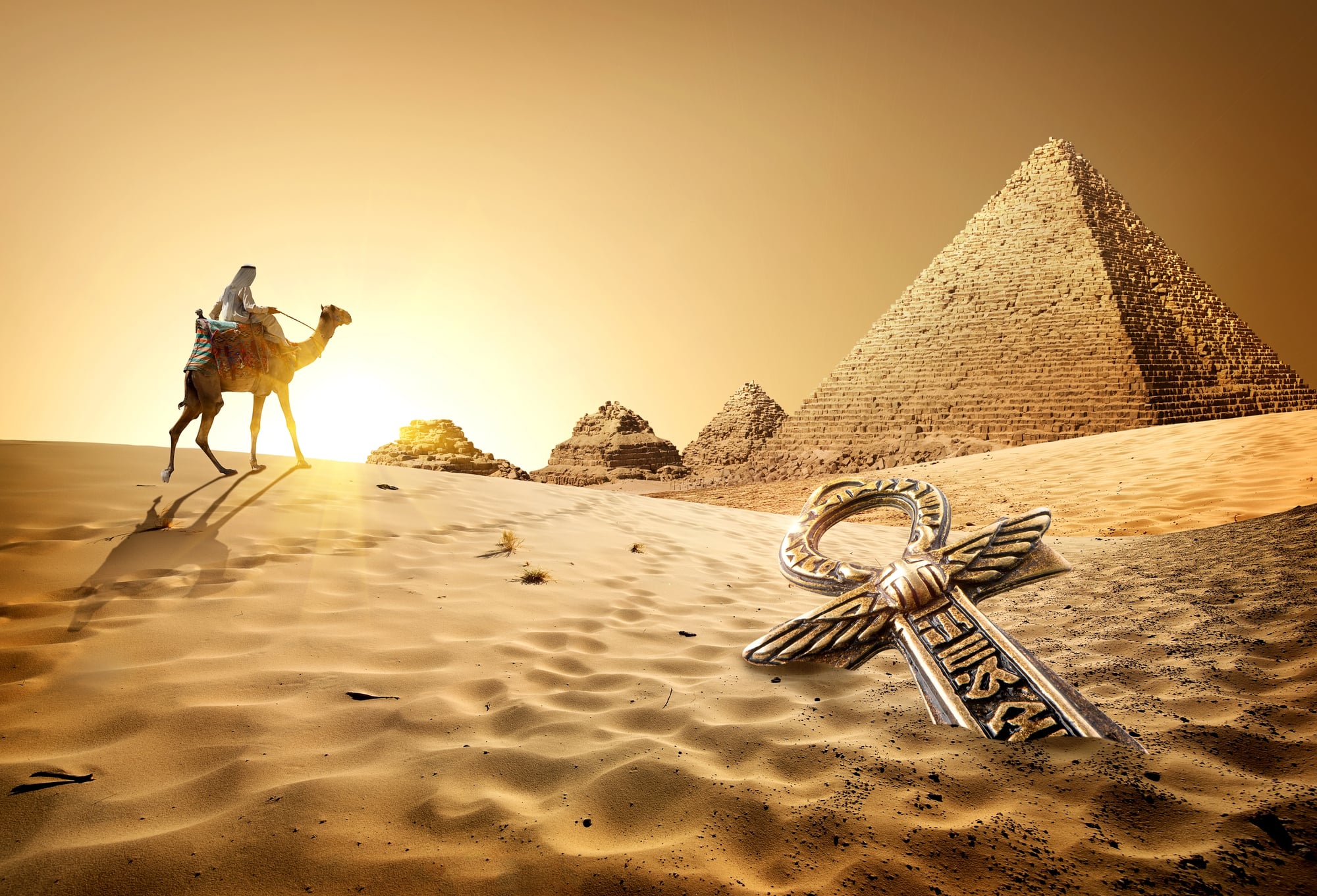
The evidence sits right there in the archaeological record: tools, ramps, worker villages, payroll records carved in stone. People love a mystery, but sometimes the most impressive explanation is also the most straightforward.
The pyramid builders were like master craftsmen working on a project that would outlast everything they’d ever known. Their tools were copper and stone, their blueprints were mathematical precision passed down through generations, and their motivation was a pharaoh’s promise of eternal life — no extraterrestrial intervention required.
Benjamin Franklin Never Served as President

He signed the Declaration of Independence, helped write the Constitution, served as an ambassador, and became one of the most famous Americans who ever lived.
But president? Never happened. Franklin died in 1790, just one year into George Washington’s presidency.
The Wild West Wasn’t That Wild
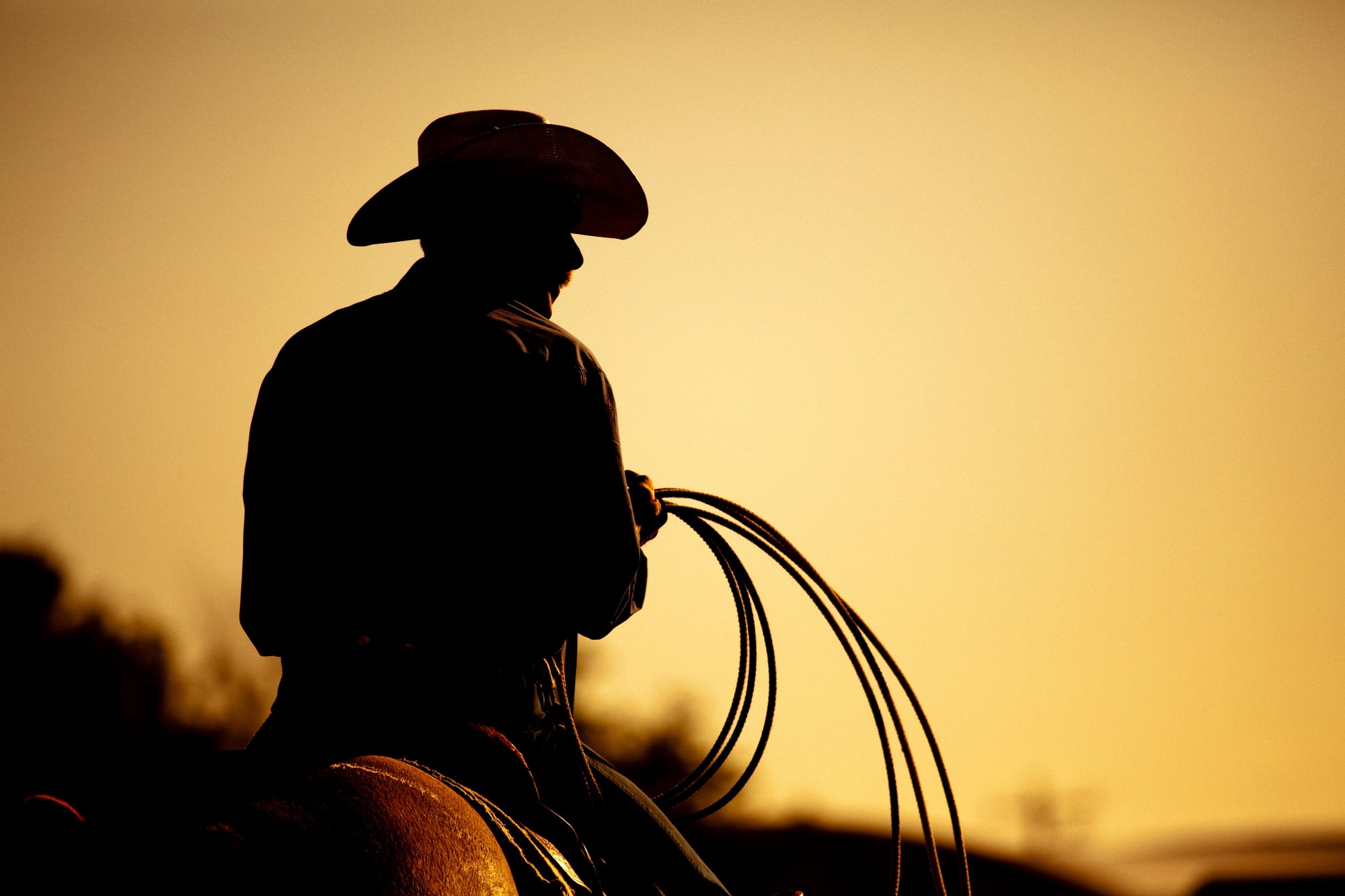
Hollywood created most of the mythology. Real frontier towns had strict gun control laws, and shootouts in the street were rare enough to make headlines when they actually happened.
Most cowboys spent their time moving cattle, not gunfighting.
Napoleon Wasn’t Short
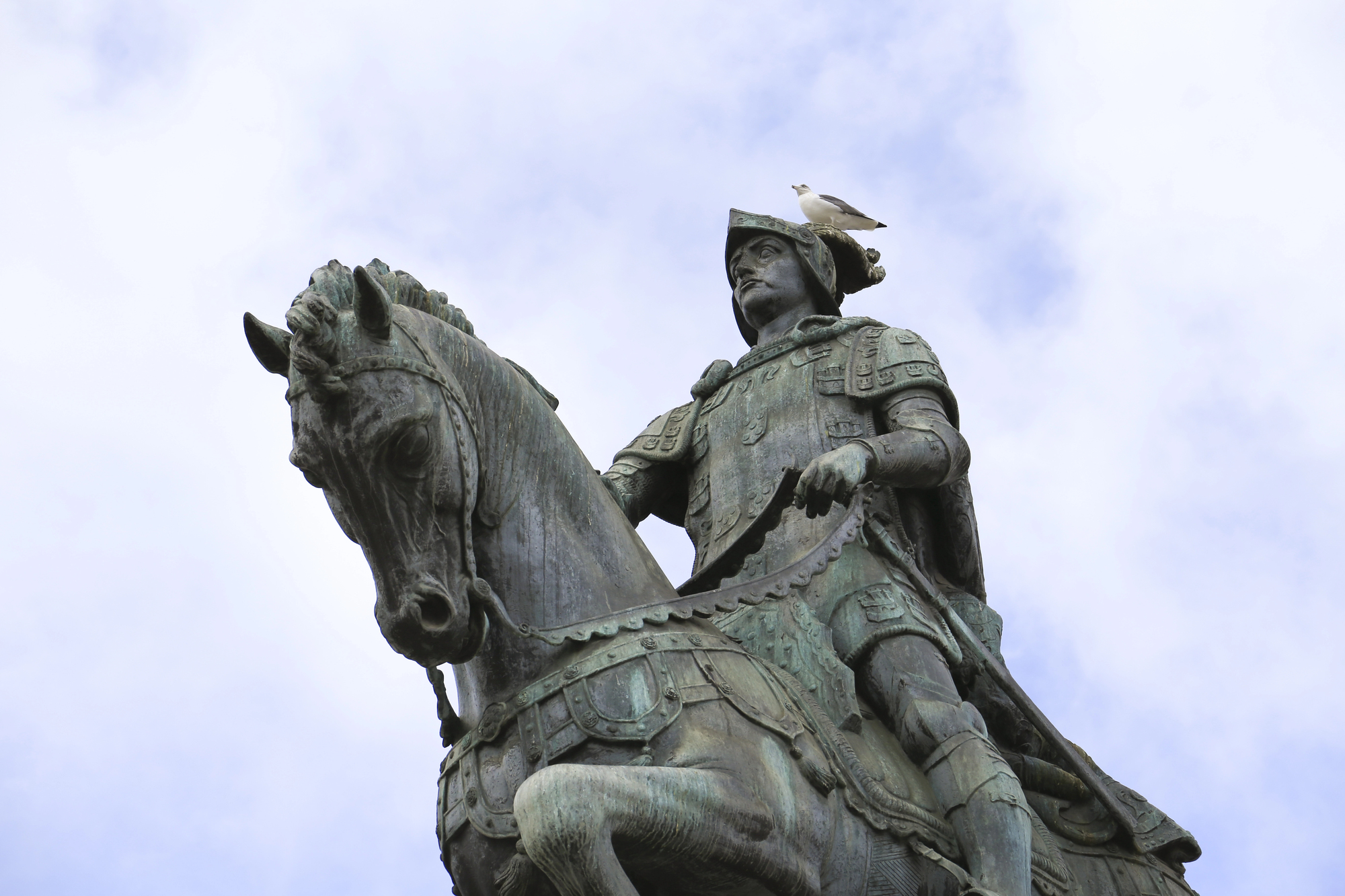
The confusion comes from different measurement systems and British propaganda that loved to mock the French emperor. Napoleon stood about 5’7″ — perfectly average for men of his era, maybe even slightly tall.
But the myth of the short man with a complex stuck around long after anyone bothered checking the actual measurements. History often preserves stories that feel true over ones that are factual.
The Boston Tea Party Was About Taxes, Not Tea

Colonists weren’t protesting the beverage. They were furious about being taxed without having any say in the matter.
Tea just happened to be the product that pushed everyone over the edge. Parliament kept passing laws affecting colonial life without including colonial voices.
George Washington’s Teeth Weren’t Wooden
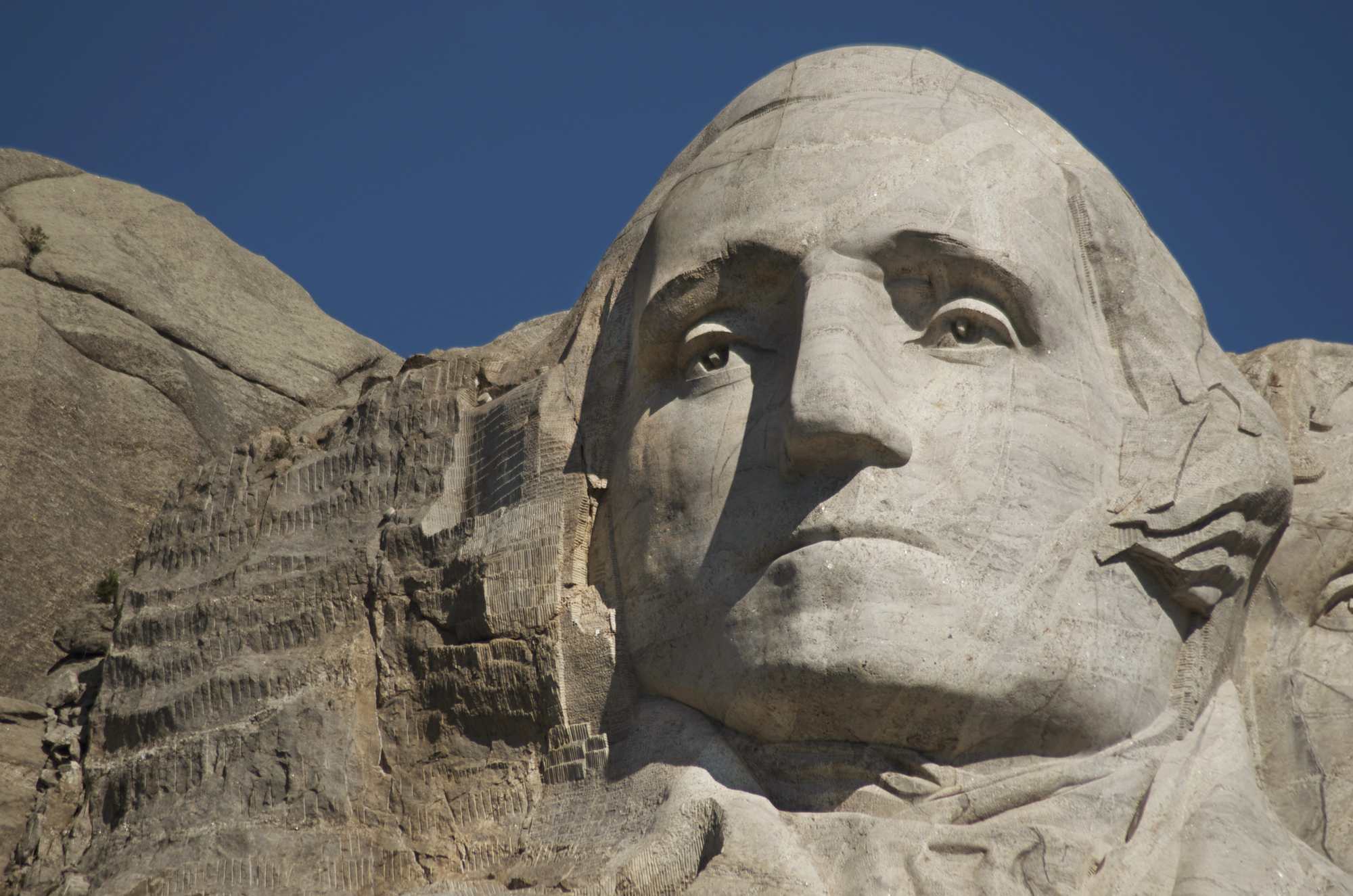
They were made from ivory, gold, lead, and teeth pulled from other humans — including enslaved people.
The wooden teeth story is easier to tell children, but the real version reveals more about medical practices and social inequalities of the time.
Vikings Wore Horned Helmets Only in Operas
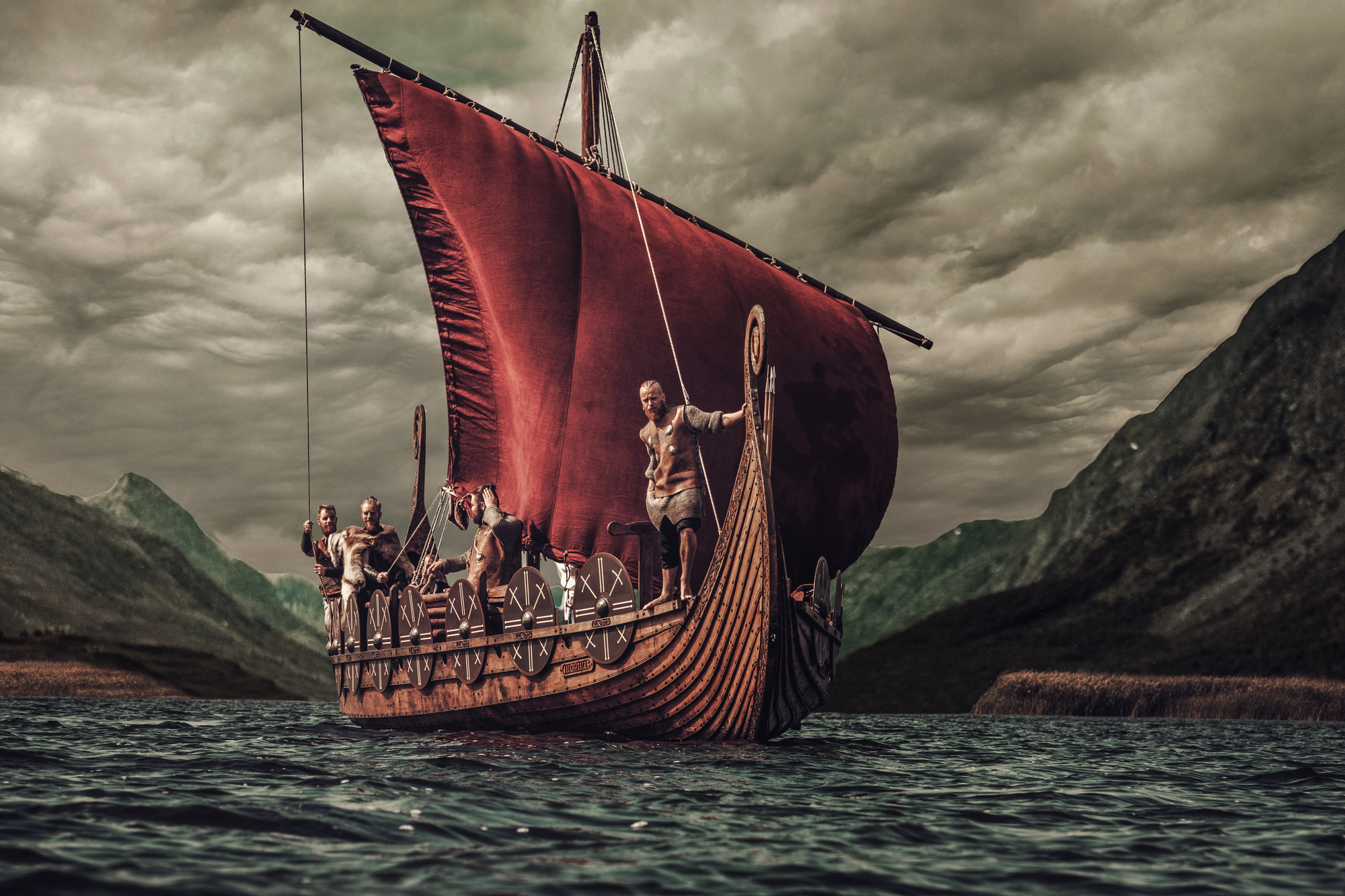
Real Viking helmets were simple and practical. The horned version comes from 19th-century romanticized artwork and Richard Wagner’s operas.
Horns would be a liability in actual combat, giving opponents something to grab onto. Vikings relied on intimidation, surprise attacks, and skill with weapons rather than theatrical flair.
The Pilgrims Didn’t Land at Plymouth Rock First
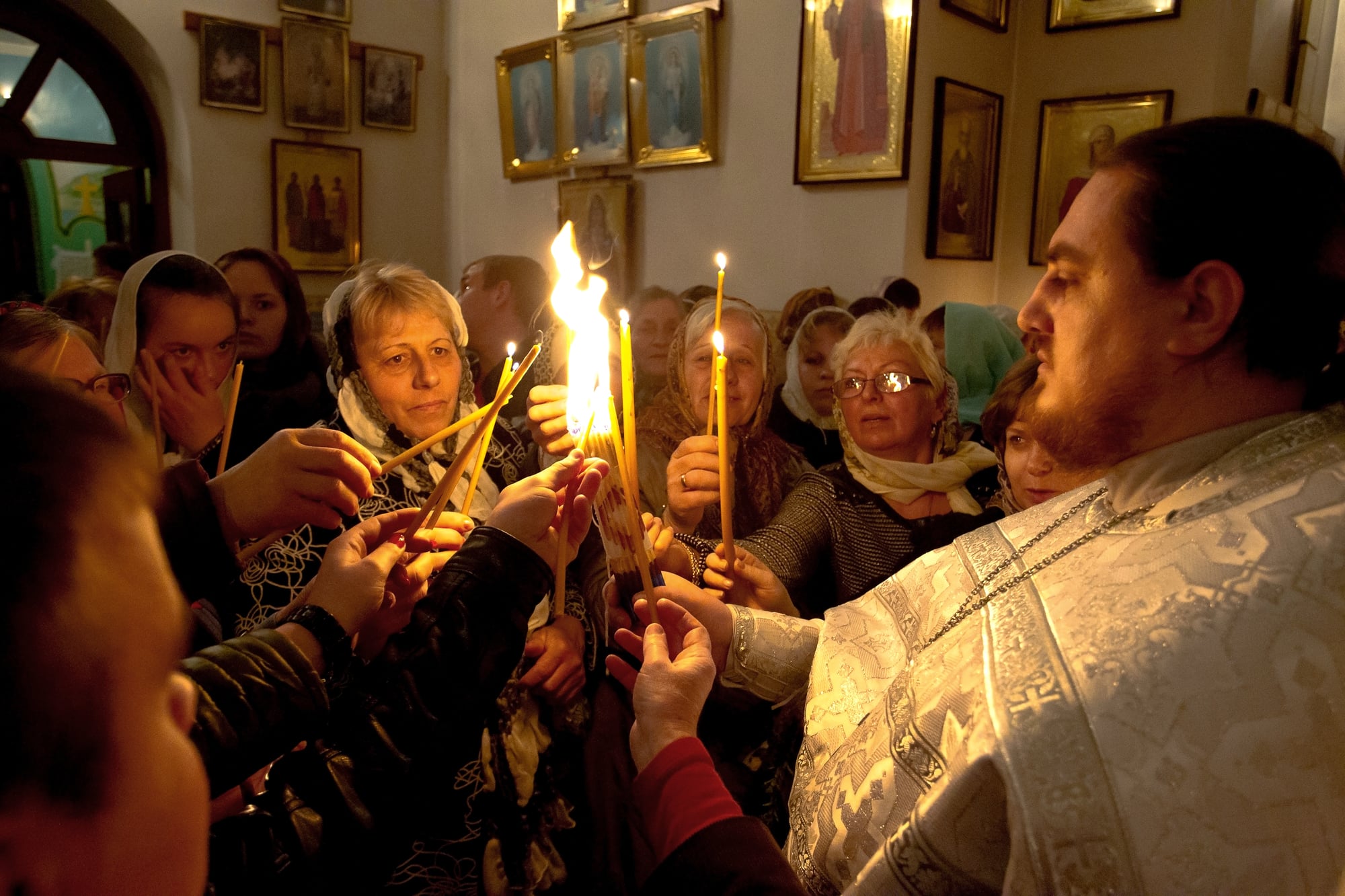
They spent weeks exploring the coast before settling on Plymouth.
The rock itself became a symbol much later when people decided the story needed a dramatic focal point. Most of the Pilgrims never even saw it.
Marie Antoinette Never Said “Let Them Eat Cake”

The phrase appears in Jean-Jacques Rousseau’s writings from before Antoinette even arrived in France. It was already a cliché illustrating aristocratic cluelessness.
The real Marie Antoinette was out of touch with ordinary French life, but she wasn’t the cartoon villain history remembers. The line stuck because it captured what people already believed about her character.
Paul Revere Didn’t Ride Alone
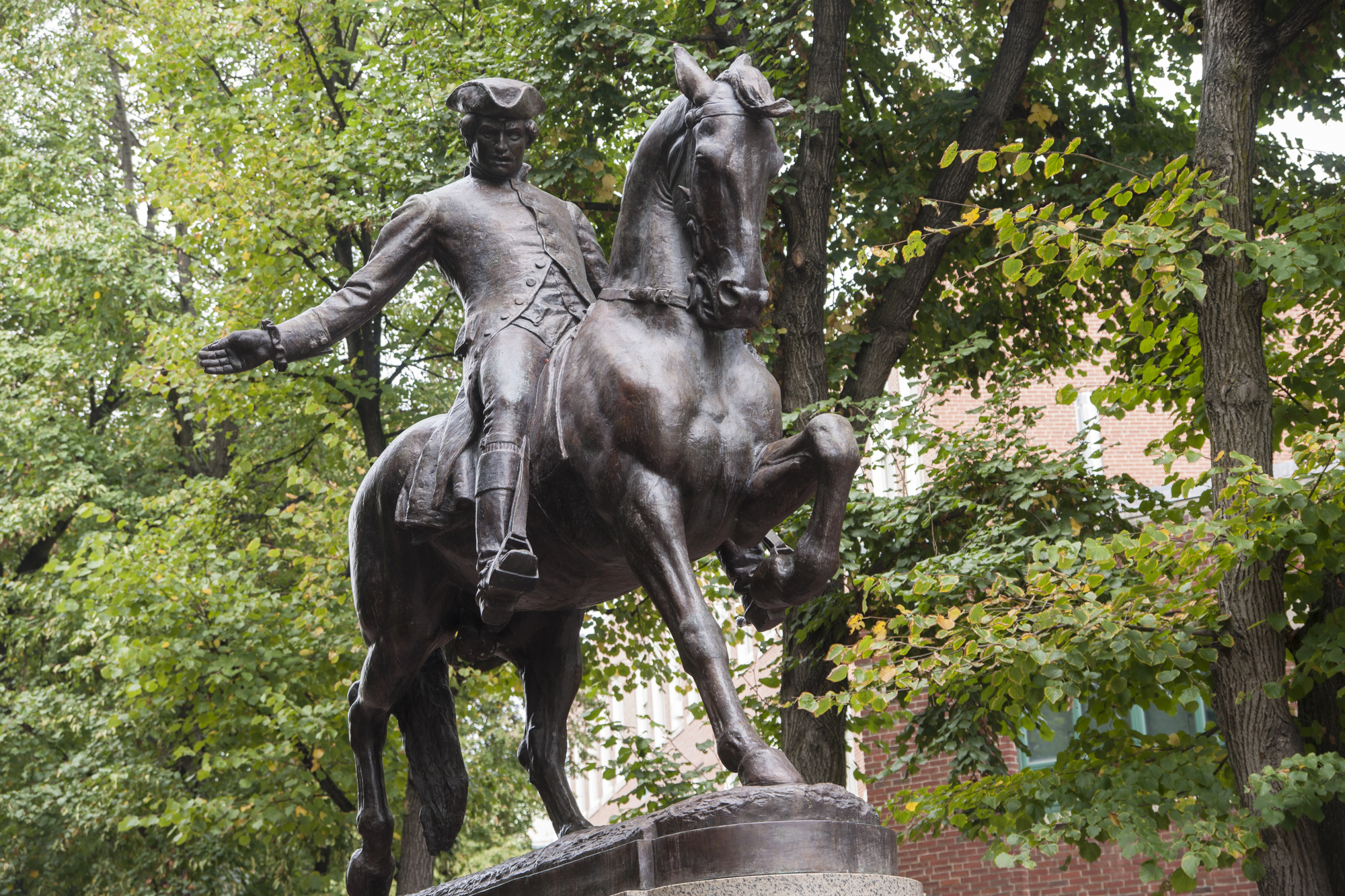
William Dawes and Samuel Prescott made the same journey that night, and Prescott was the only one who actually made it to Concord.
Revere got captured by British patrols partway through. But “Listen my children and you shall hear of the midnight ride of William Dawes” doesn’t have the same ring to it.
Betsy Ross Probably Didn’t Design the First American Flag
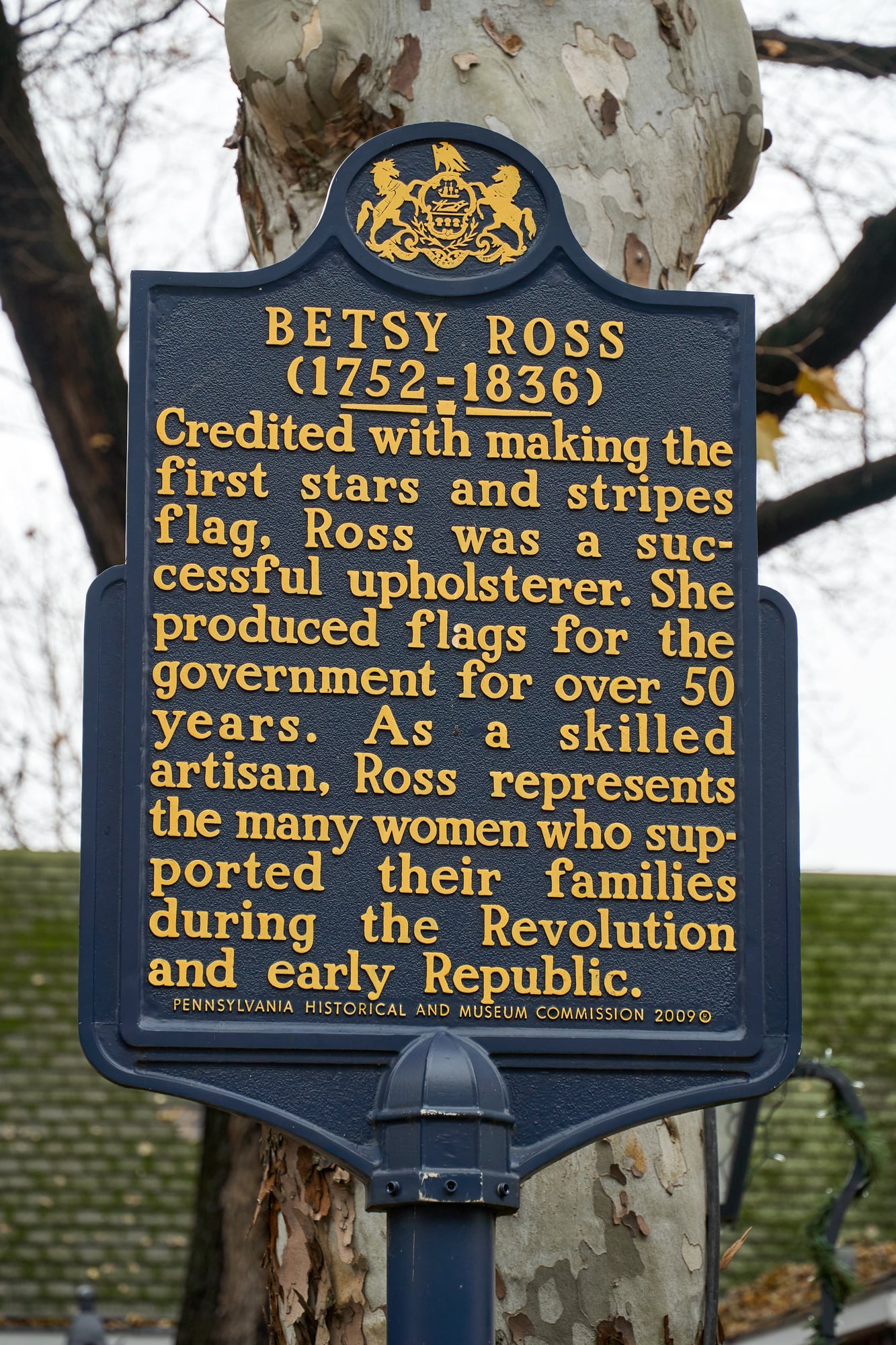
The story comes from her grandson’s account, told nearly a century after the supposed event. No contemporary records support the claim.
Ross was a skilled seamstress who likely made flags, but the design credit belongs to someone else — or no one in particular. Reality is messier, but founding myths need a human face.
The Liberty Bell Didn’t Crack on July 4th, 1776
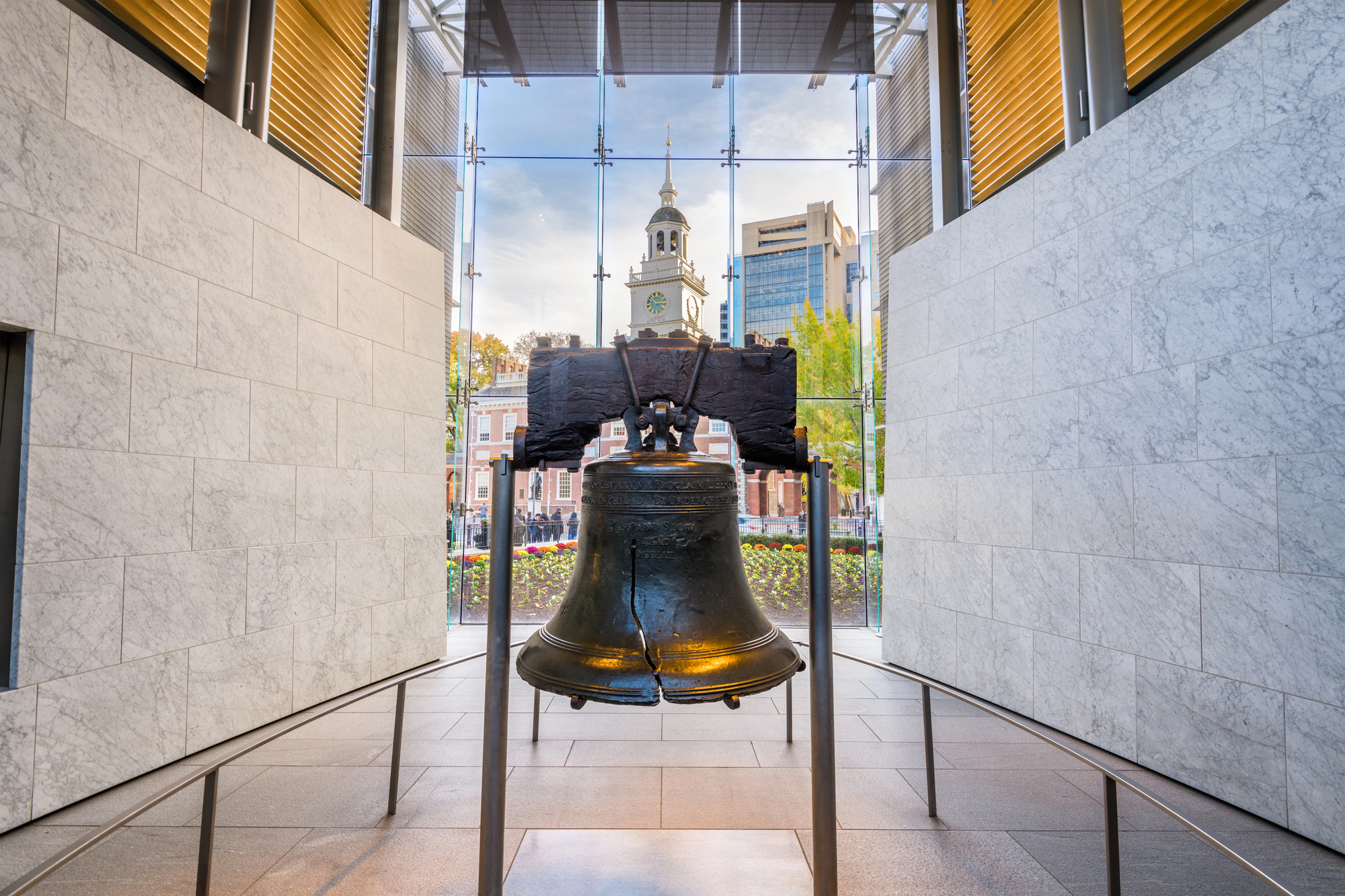
It cracked gradually over decades of use, with the final break coming sometime in the 1840s.
The bell was already 23 years old when the Declaration was signed. It had been ringing for all sorts of occasions long before independence became an issue.
Lincoln Didn’t Write the Gettysburg Address on a Train
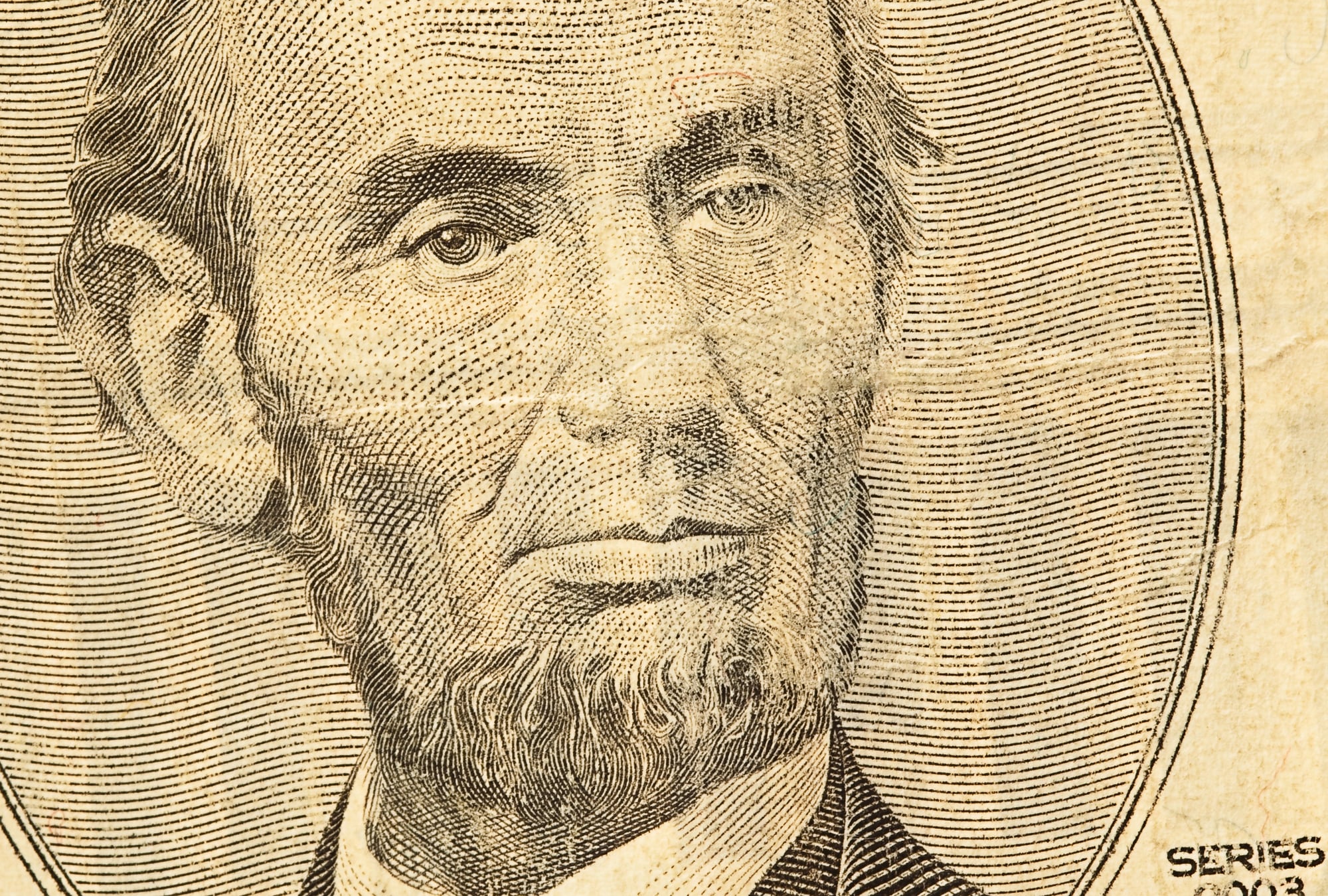
He worked on the speech for weeks before the dedication ceremony.
The idea that he scribbled it on an envelope during the train ride makes for a romantic story, but Lincoln was too careful a writer and skilled politician to wing something that important.
Thanksgiving Wasn’t Always the Fourth Thursday in November
Different states celebrated on different dates throughout the 19th century. Lincoln declared a national day in 1863, but it took Franklin Roosevelt’s 1939 proclamation to fix the date permanently.
The holiday had been bouncing around the calendar for decades, with each state picking whatever date felt right. Some years had multiple Thanksgiving celebrations depending on where you lived.
Looking Back Without Looking Away
These facts share something beyond their ubiquity in American classrooms. They remind us that the stories we inherit are often more appealing than the events that inspired them.
History gets smoothed down in the telling, complications get edited out, and messy human motivations get replaced with cleaner narratives. The real versions often reveal more about how change actually happens than the myths do.
More from Go2Tutors!

- The Romanov Crown Jewels and Their Tragic Fate
- 13 Historical Mysteries That Science Still Can’t Solve
- Famous Hoaxes That Fooled the World for Years
- 15 Child Stars with Tragic Adult Lives
- 16 Famous Jewelry Pieces in History
Like Go2Tutors’s content? Follow us on MSN.