15 Heartwarming Animal Rescues That Made Global News
The internet has a soft spot for animal rescue stories, and for good reason. Something about watching a creature get pulled back from the brink — whether it’s a dog trapped in a storm drain or a whale tangled in fishing nets — reminds us that kindness still exists in the world.
These aren’t just feel-good stories; they’re moments where human compassion meets animal resilience, creating something that resonates across continents and cultures. Over the years, certain rescue stories have captured global attention, spreading across social media platforms and news outlets until they become shared experiences.
The ones that stick aren’t always the most dramatic — sometimes they’re the quietest moments of connection between species, filmed on a shaky phone camera and uploaded without fanfare.
Winter The Dolphin
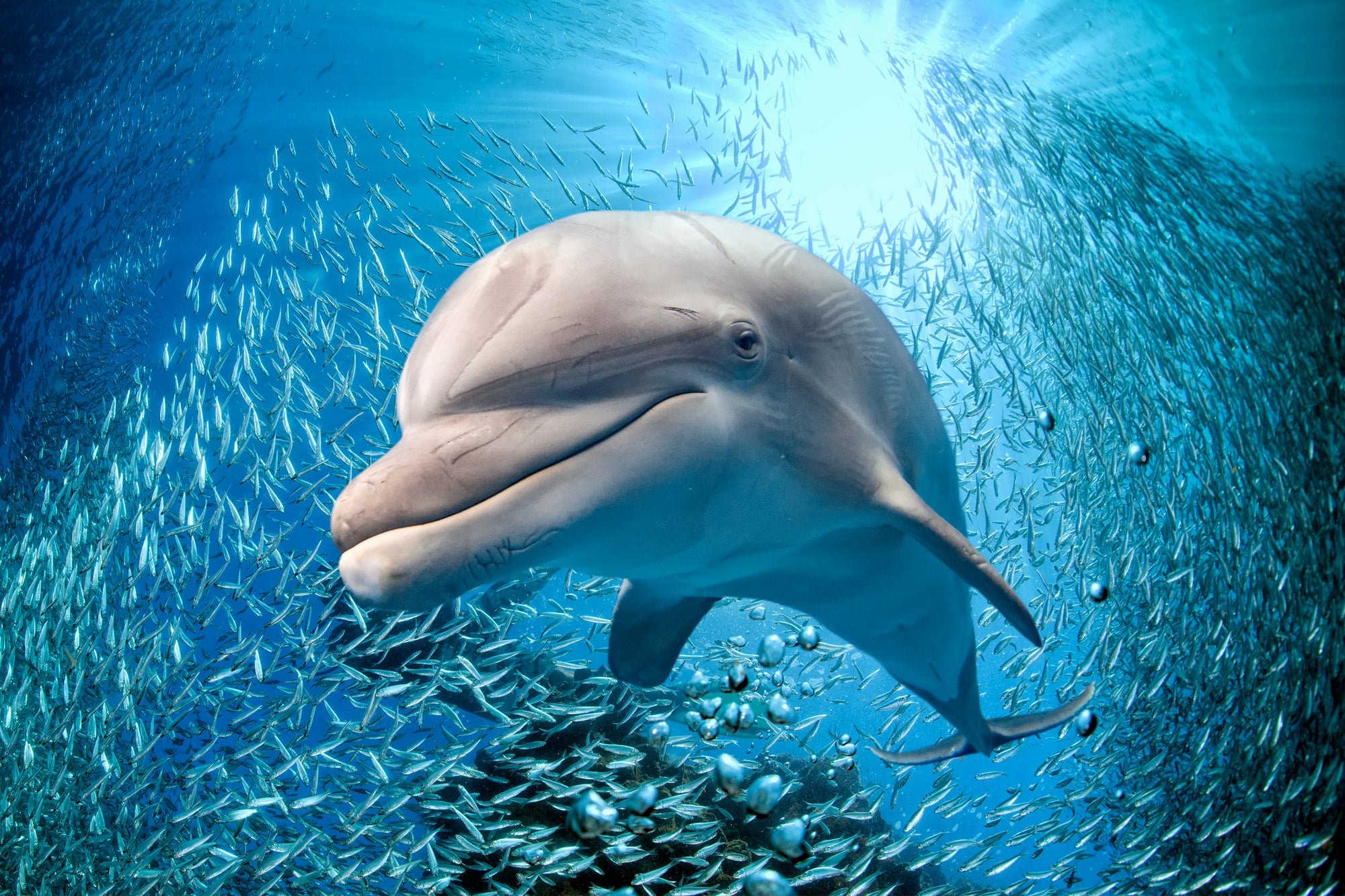
Winter lost her tail in a crab trap when she was just a calf. The injury should have killed her.
Instead, it launched a decade-long partnership between marine biologists, prosthetic experts, and one stubborn dolphin who refused to give up. The Clearwater Marine Aquarium team didn’t just save Winter — they reinvented how prosthetics work in water.
The tail they designed for her became a blueprint for human amputees. Winter taught researchers about movement, adaptation, and the kind of determination that doesn’t show up in textbooks.
She died in 2021, but the prosthetic techniques developed for her continue helping both animals and people navigate the world differently.
Fiona The Hippo
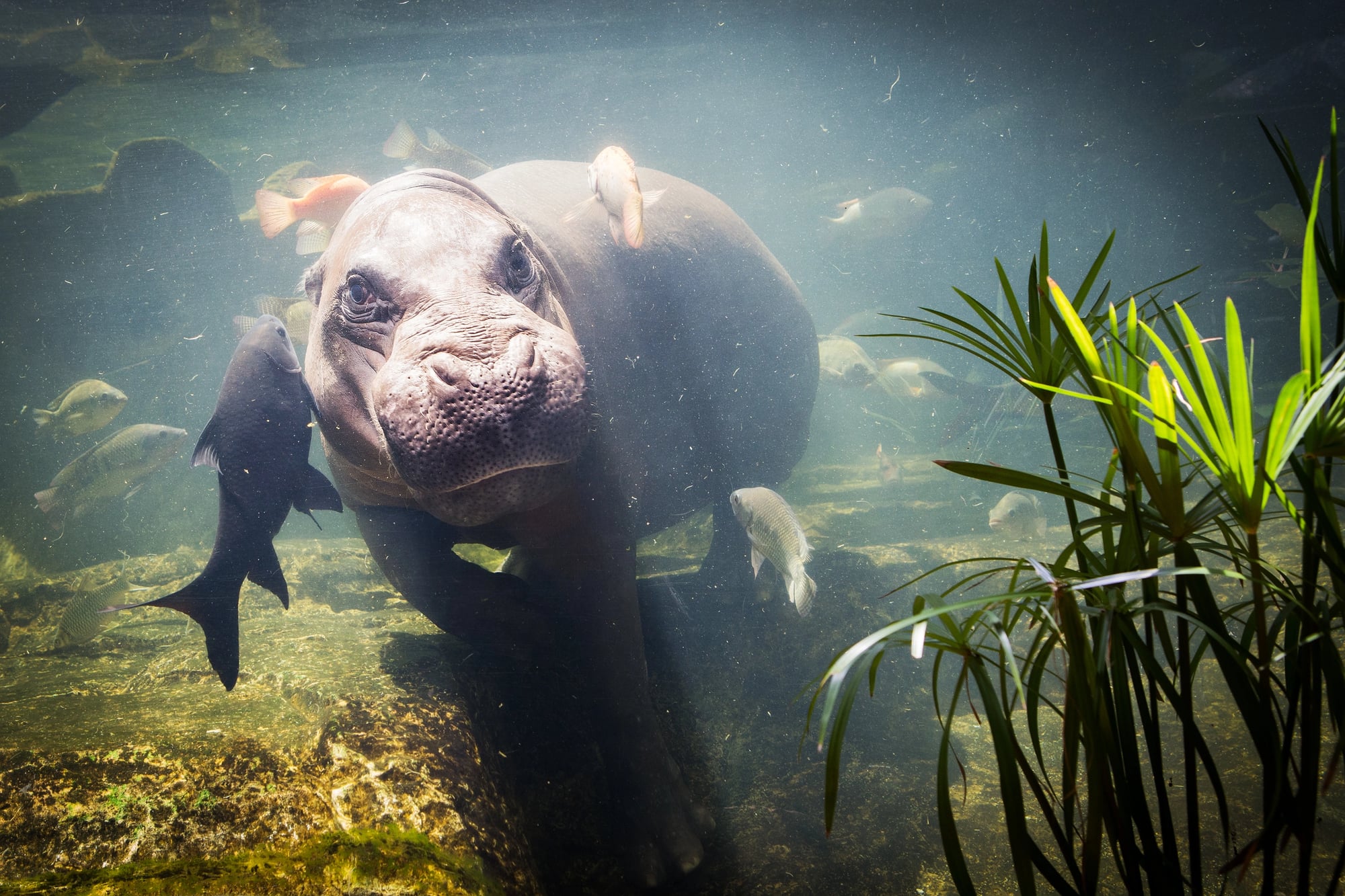
Premature hippos don’t usually survive in the wild, and Fiona was born six weeks early at the Cincinnati Zoo. She weighed 29 pounds when healthy hippo calves typically weigh twice that.
The odds were grim. But Fiona had other plans.
Her care team worked around the clock, bottle-feeding her and monitoring every gram of weight gain. Social media followed along as she learned to swim, play, and eventually grow into a full-sized hippo with a personality bigger than her enclosure.
Fiona’s story became a symbol of persistence, drawing visitors from around the world who wanted to see the hippo that refused to quit.
Keiko The Orca
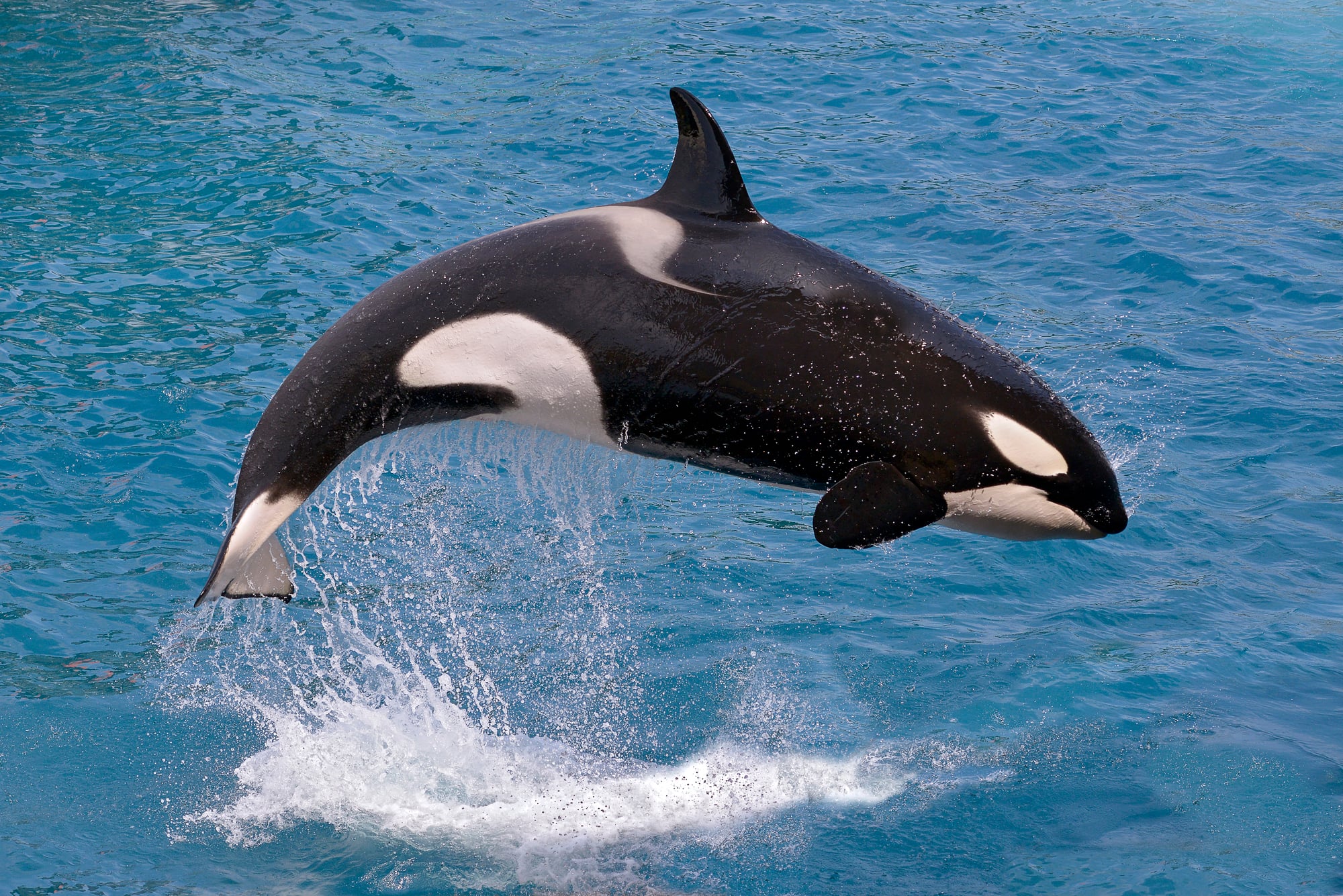
The whale from “Free Willy” lived in a cramped tank at a Mexican amusement park before his movie fame changed everything. Keiko’s real-life conditions were heartbreaking — a too-small pool, poor water quality, and isolation from other orcas.
Public pressure after the film led to the most expensive animal rescue in history. Keiko was moved to Oregon, then Iceland, in a gradual reintroduction to the wild that took years.
He never fully integrated with wild orcas, but he did swim free in Icelandic waters for the last years of his life. The rescue sparked ongoing debates about captive marine mammals and what freedom actually means for animals born in captivity.
The Thailand Cave Dogs
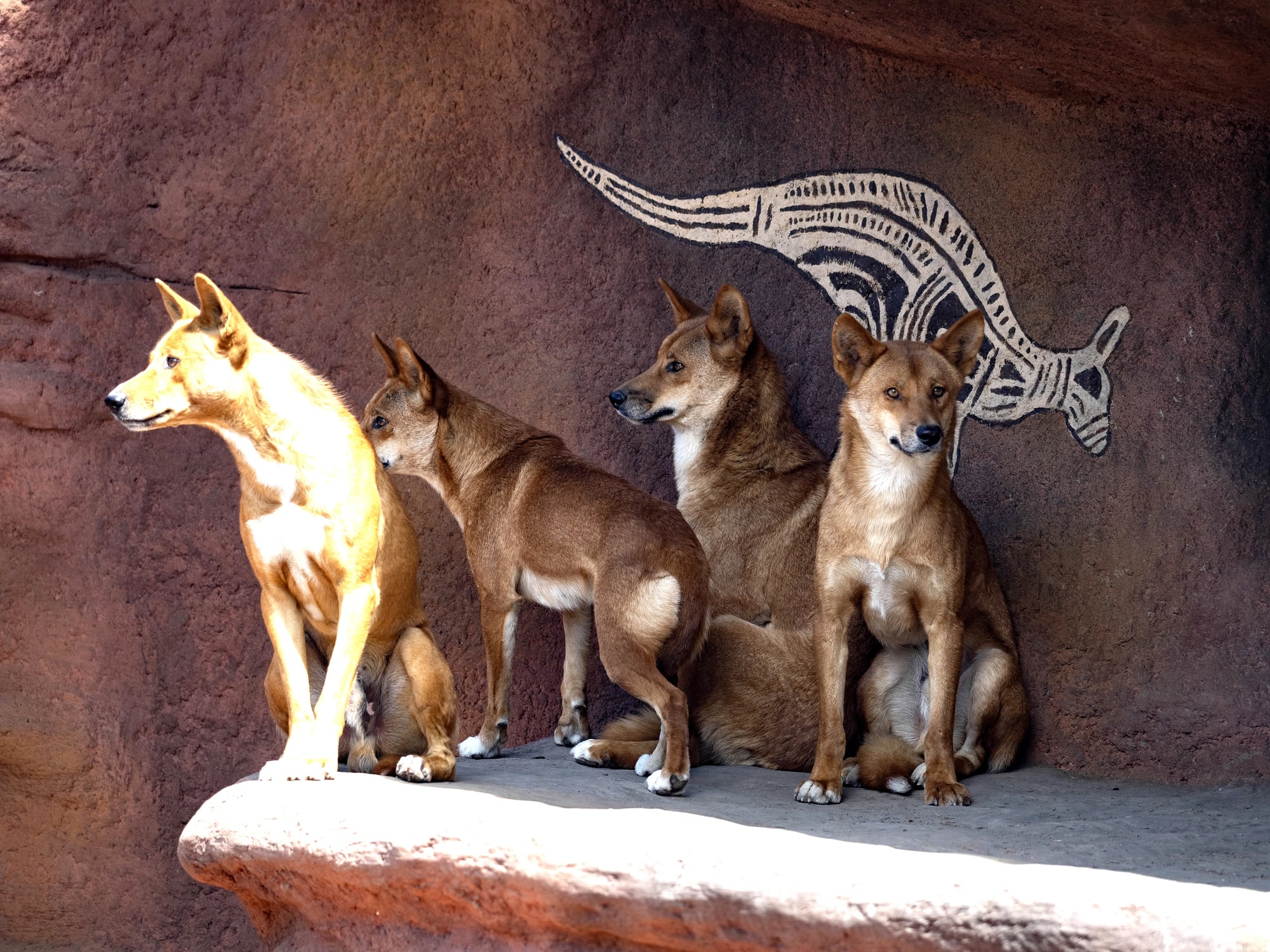
When rescue divers were mapping flooded caves in Thailand’s Tham Luang system months after the famous boys’ soccer team rescue, they found something unexpected: three dogs, alive, on a small air pocket deep underground. Nobody knew how long they’d been there or how they’d survived.
The dogs had somehow navigated the same treacherous cave system that nearly claimed human lives (and rescued teams had to use specialized equipment to navigate safely). The rescue operation required the same careful planning and diving expertise used for human rescues.
All three dogs survived and were adopted by members of the rescue team. Their story became a footnote to the larger cave rescue, but for animal lovers worldwide, it was proof that survival instincts can overcome impossible odds.
Christian The Lion
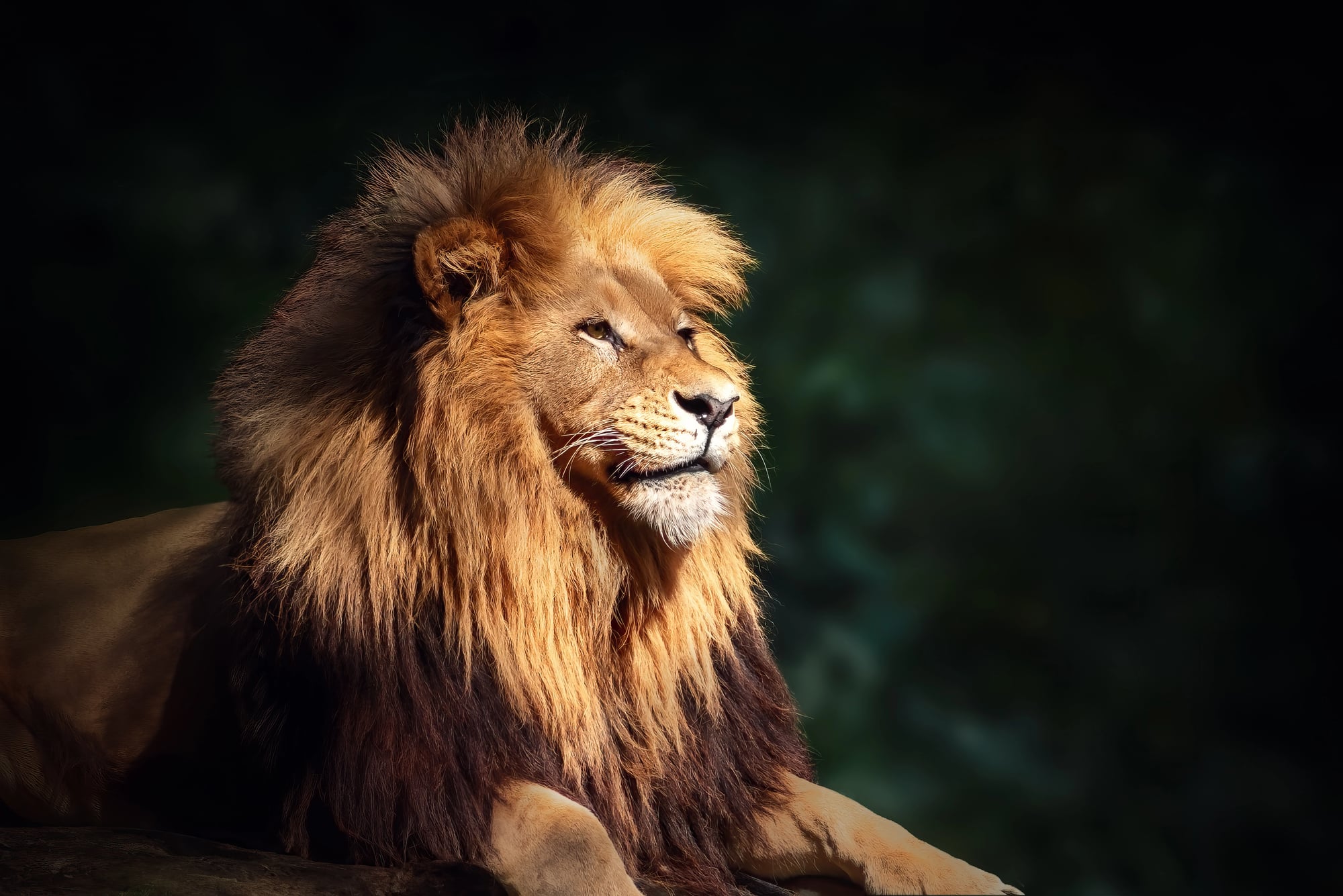
Two young men bought a lion cub from Harrods department store in London in 1969 — a transaction that sounds absurd now but was legal then. They raised Christian in their Chelsea apartment, taking him for walks and treating him like an oversized house cat.
When Christian outgrew city life, they contacted wildlife conservationist George Adamson, who agreed to help reintroduce the lion to the wild in Kenya. A year later, the young men returned to visit.
The reunion, filmed and later shared globally, shows Christian recognizing his former caretakers immediately, running to embrace them with obvious joy. The footage became one of the most-watched animal videos in internet history, though it also sparked important conversations about exotic pet ownership and wildlife conservation.
The Fukushima Farm Animals
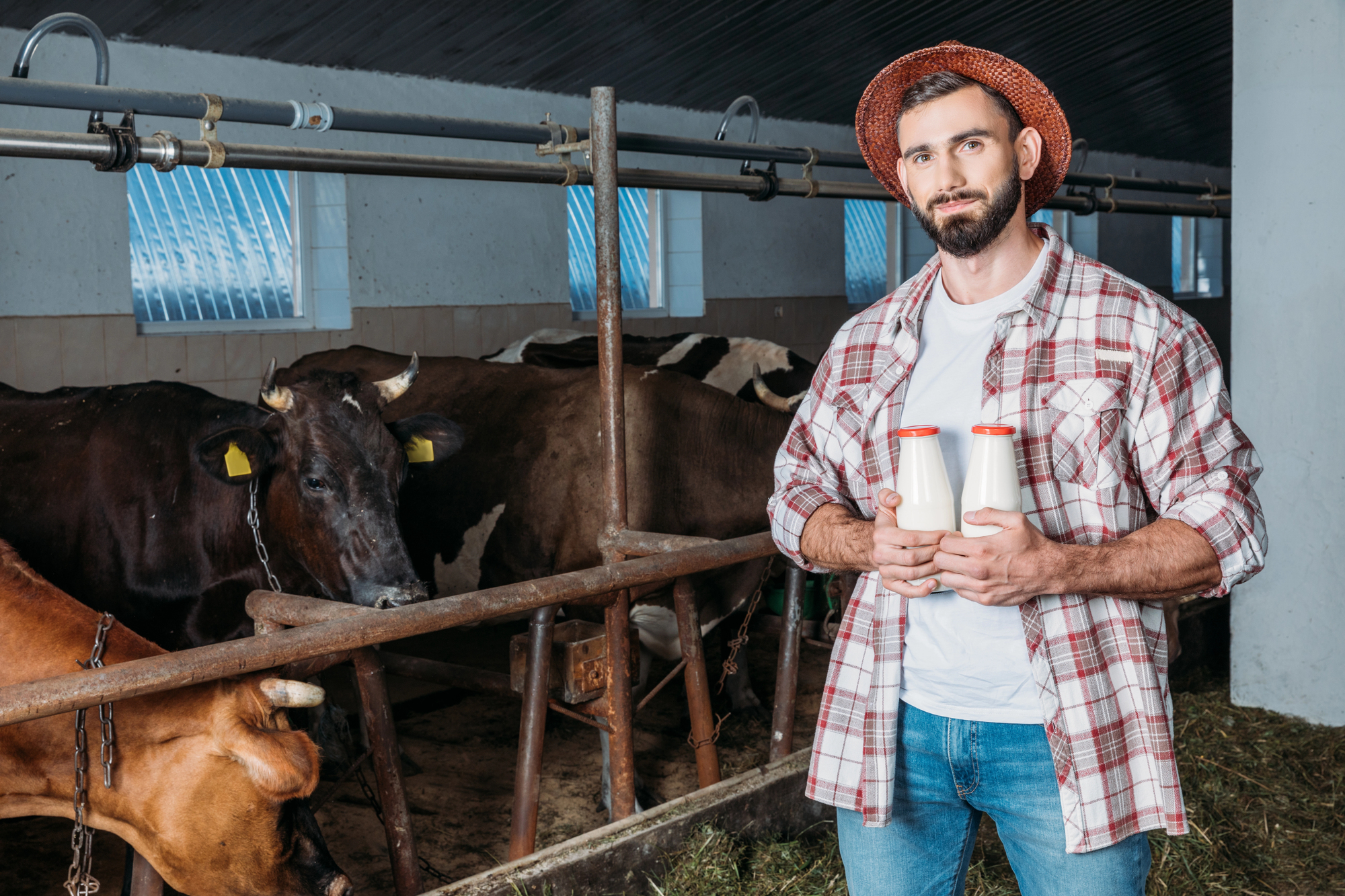
After the 2011 tsunami and nuclear disaster in Japan, the exclusion zone around Fukushima became an accidental wildlife sanctuary. Cows, pigs, chickens, and other farm animals left behind when residents evacuated faced radiation, starvation, and abandonment.
A handful of volunteers ignored government orders and entered the zone regularly to feed the animals. Some farmers returned illegally to care for their livestock, knowing the animals couldn’t be sold or consumed but refusing to let them starve.
The story highlighted the complex relationship between humans and the animals we depend on, and what responsibility looks like when systems collapse. Many of the animals survived and adapted, creating a strange ecosystem in one of the world’s most contaminated places.
Lily The Black Bear
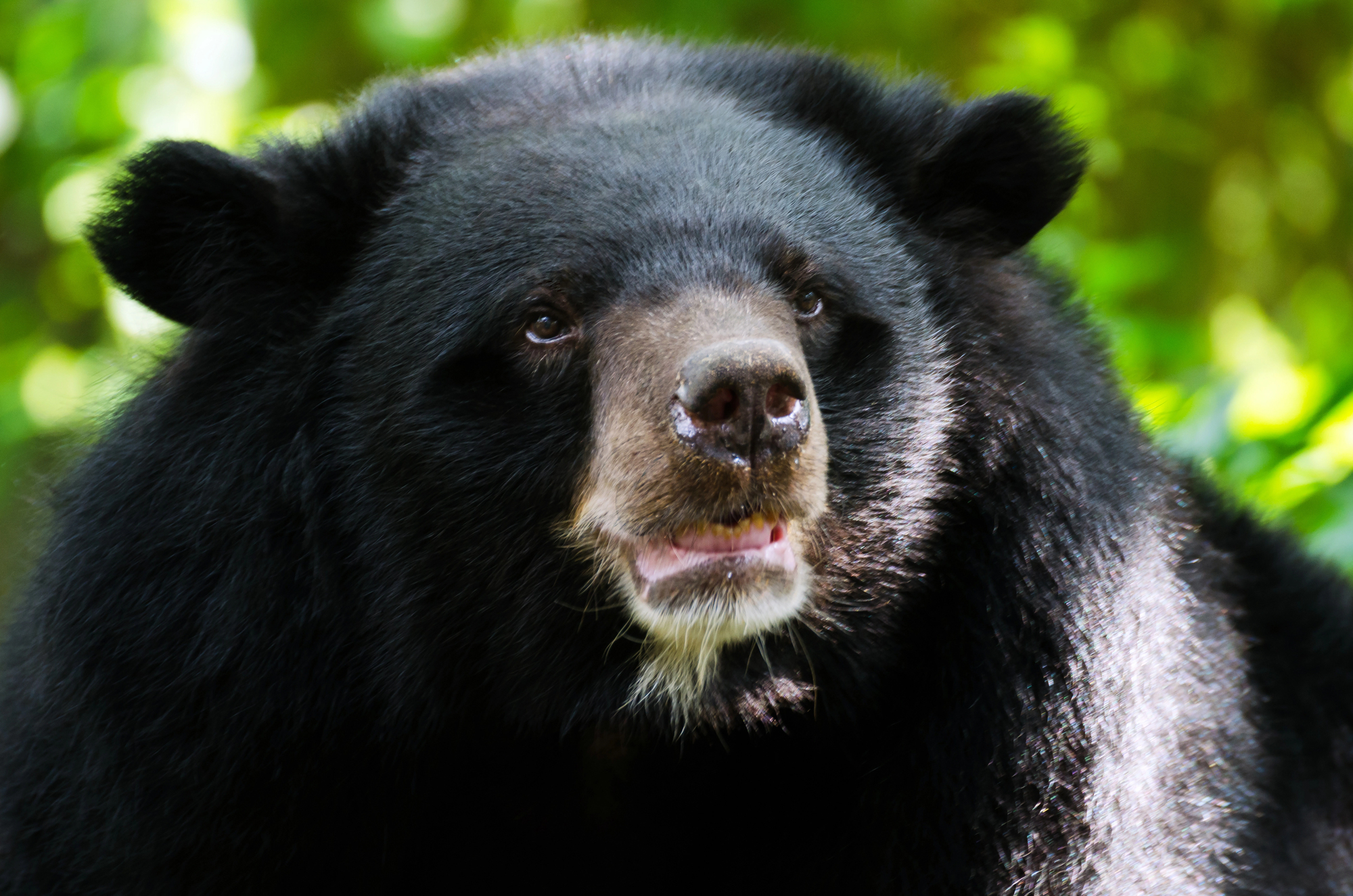
A black bear cub in New Hampshire suffered severe burns to her paws during a forest fire, leaving her unable to walk properly. Wildlife officials found her dehydrated and malnourished, with infected wounds that should have been fatal.
The rehabilitation process took months. Veterinarians treated her burns while animal behaviorists worked to keep her wild instincts intact.
Lily learned to walk again, though the scarring on her paws remained visible. Her release back into the wild was filmed and broadcast globally, but the real story was the careful balance between providing medical care and preserving the wildness that would keep her alive in the forest.
Lily was tracked for years after her release and successfully raised cubs of her own.
The Przewalski’s Horses

These horses went extinct in the wild in the 1960s. The last wild herds disappeared from Mongolia, and only a handful survived in zoos worldwide.
Most people assumed they were gone forever. But a small group of conservationists spent decades carefully managing the captive population, maintaining genetic diversity and planning for an eventual return to the wild.
In the 1990s, horses were reintroduced to Mongolia’s steppes. The program worked — slowly, carefully, with setbacks and small victories.
Today, wild Przewalski’s horses run free in their native habitat again. The rescue took fifty years and involved zoos, governments, and local communities working together across continents.
Bob The Street Cat
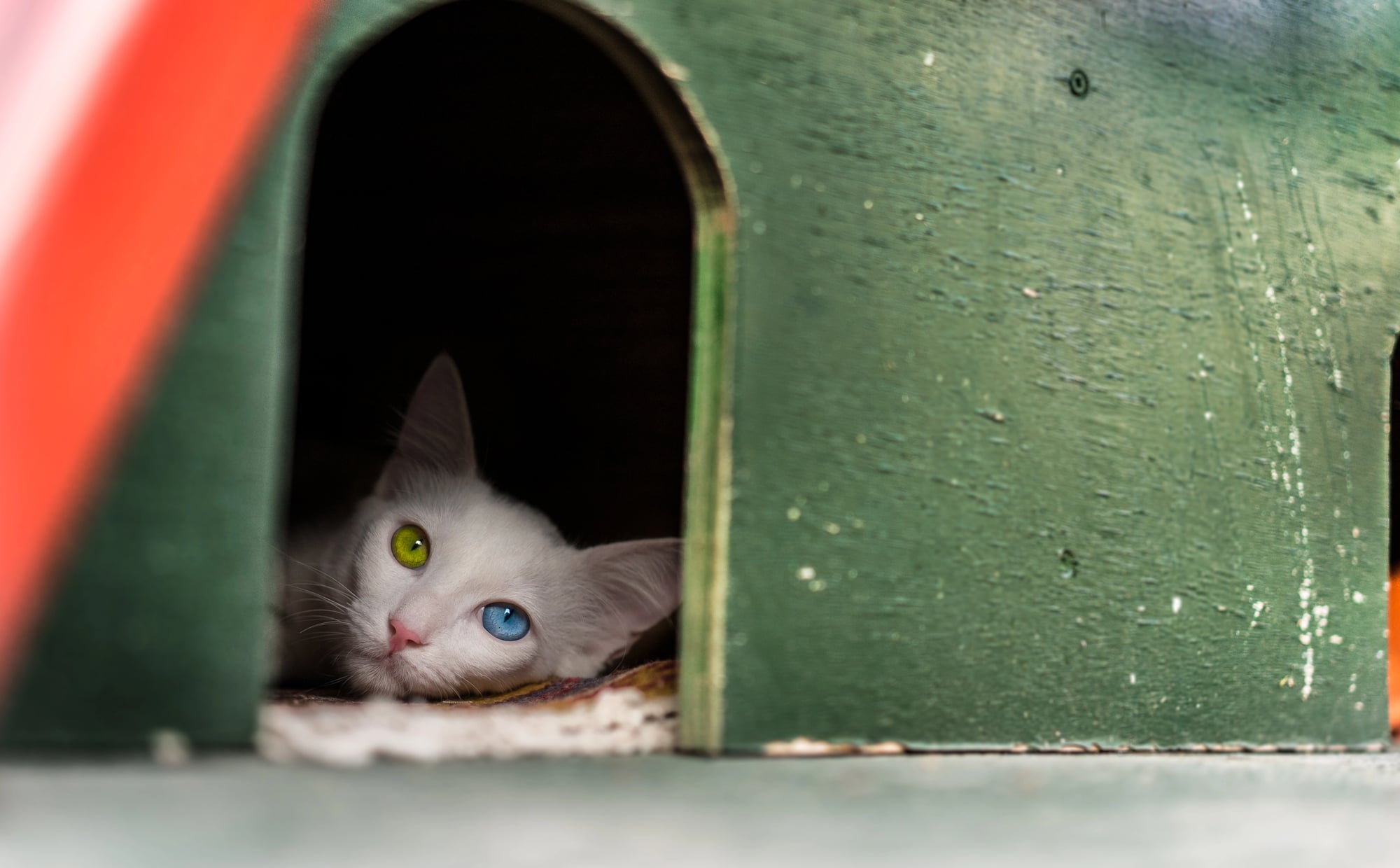
James Bowen was homeless and battling addiction when he found an injured orange tabby cat outside his London apartment. He spent his last £30 on veterinary care for the cat he named Bob, and Bob decided to stay.
Bob accompanied James everywhere — on the bus, to his job selling magazines, through the streets of London. The cat’s presence changed how people interacted with James, and slowly, his life stabilized.
Their story became a bestselling book and later a film, but the real impact was personal: Bob gave James a reason to get clean and stay clean. When Bob died in 2020, memorial flowers appeared across London from people whose lives had been touched by the story of a man and his cat choosing each other.
The Elephant Sanctuary Rescues
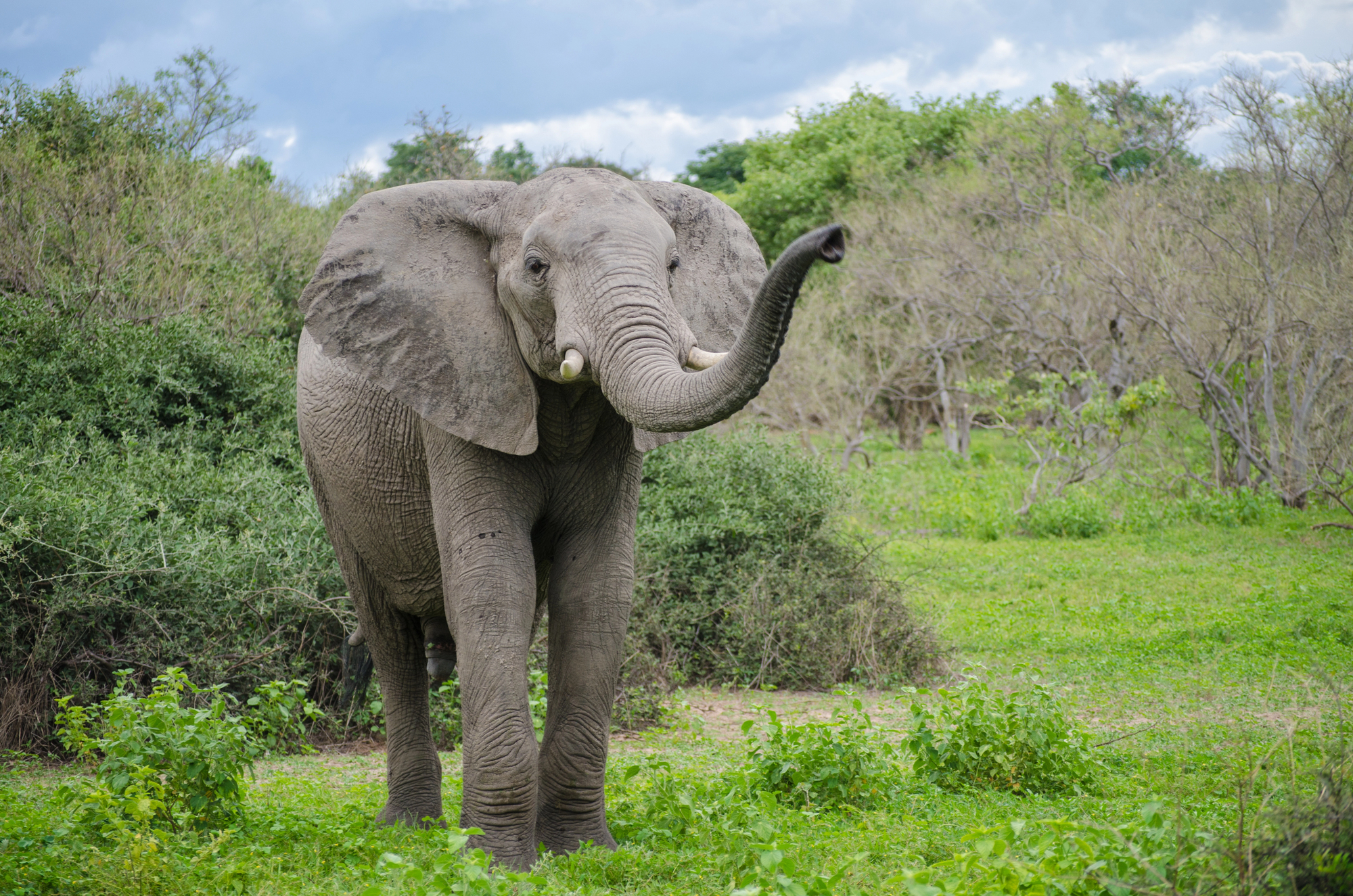
Mae Bua Loy spent decades giving elephant rides to tourists in Thailand before being rescued by an elephant sanctuary. She arrived blind, with foot problems from walking on concrete, and psychological trauma from years of confinement.
Her recovery became a template for elephant rehabilitation worldwide. Mae Bua Loy learned to trust humans again, formed friendships with other rescued elephants, and spent her final years in a forest environment.
Her story went viral partly because of dramatic footage of her rescue, but the lasting impact was educational: millions of people learned about the hidden costs of elephant tourism and the complex needs of these intelligent animals.
The Australian Bushfire Koala Rescues
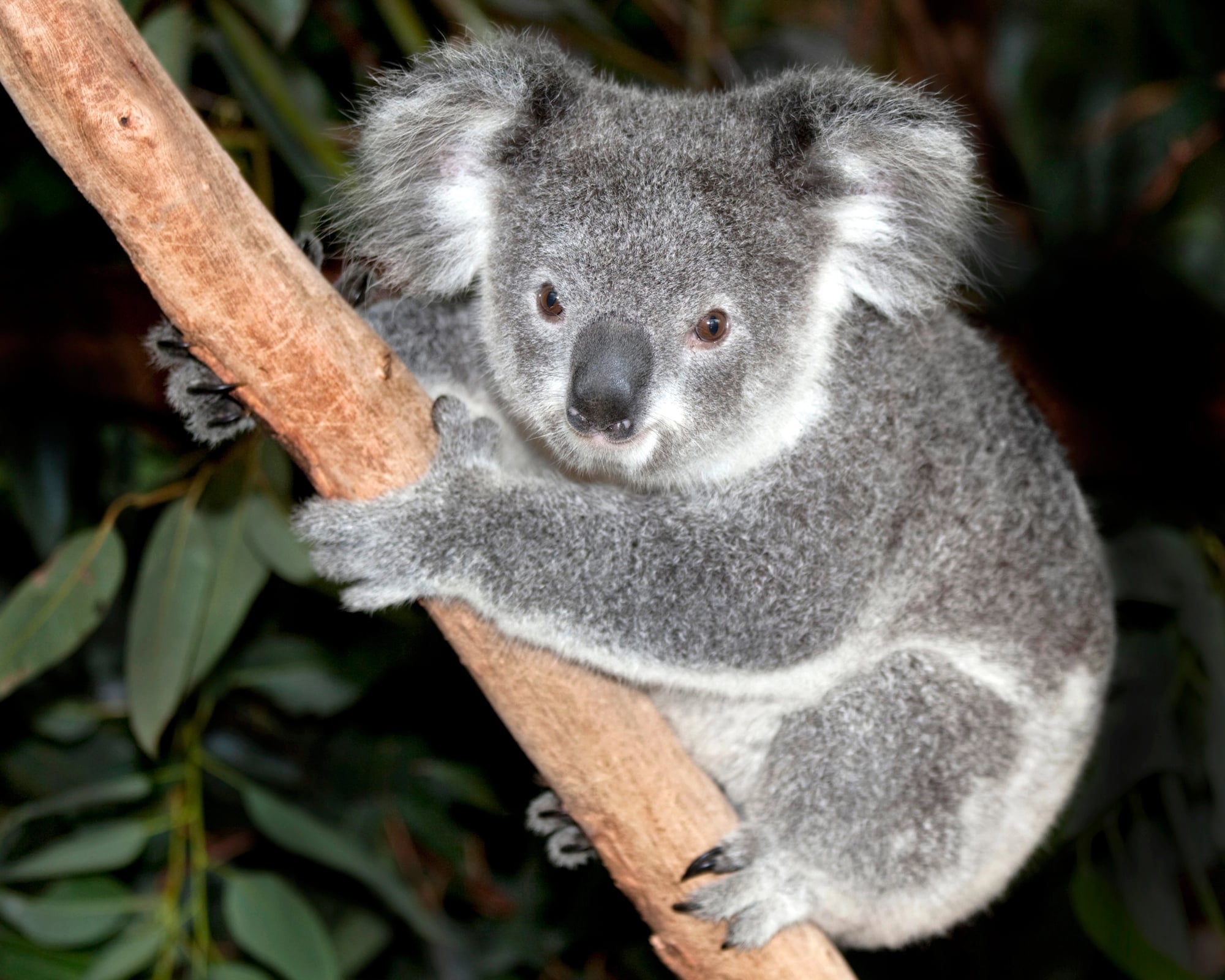
During Australia’s devastating 2019-2020 bushfire season, a video of a woman stopping her car to rescue a koala went viral worldwide. The koala, later named Lewis, had severe burns and was walking directly through the flames.
Lewis didn’t survive his injuries, but the footage sparked a global response. Donations poured in for koala rescue organizations, temporary wildlife hospitals were established, and volunteers from around the world traveled to Australia to help with rescue efforts.
The bushfires killed an estimated three billion animals, but the rescue efforts that followed showed how quickly humans can mobilize when wildlife faces crisis.
The Oil Spill Penguin Cleanings
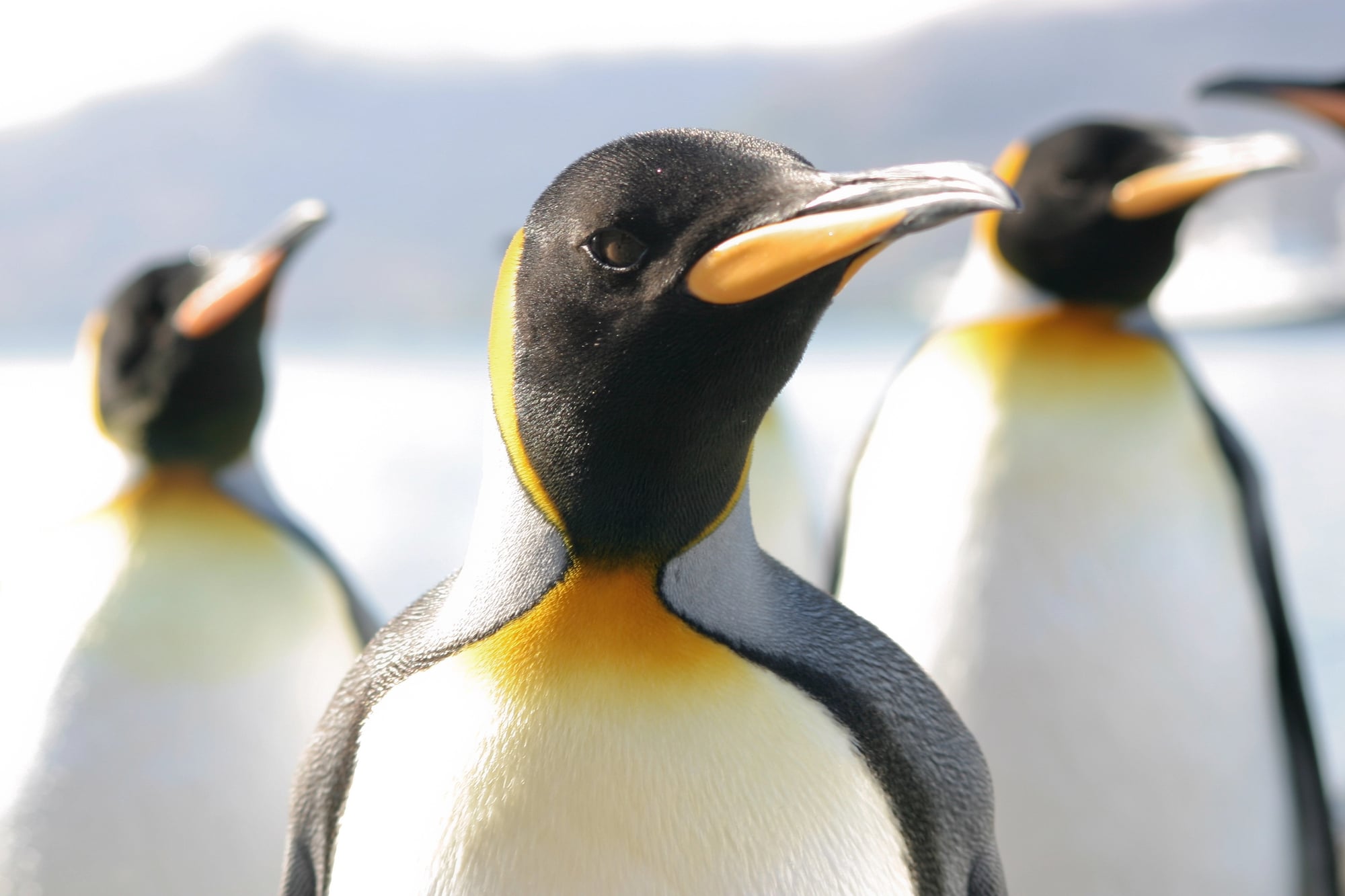
After the 2000 Treasure oil spill off South Africa’s coast, 40,000 penguins were coated in crude oil. The rescue operation, involving 12,500 volunteers from around the world, stands as one of the largest coordinated wildlife rescues ever attempted.
Each penguin had to be caught, cleaned, fed, and rehabilitated individually. The process took months.
Volunteers worked around the clock, and the majority of the penguins survived and were released back to their colonies. The operation proved that large-scale wildlife rescue was possible with enough coordination and dedication.
It also established protocols that are still used in oil spill responses worldwide.
Scarlett The Cat
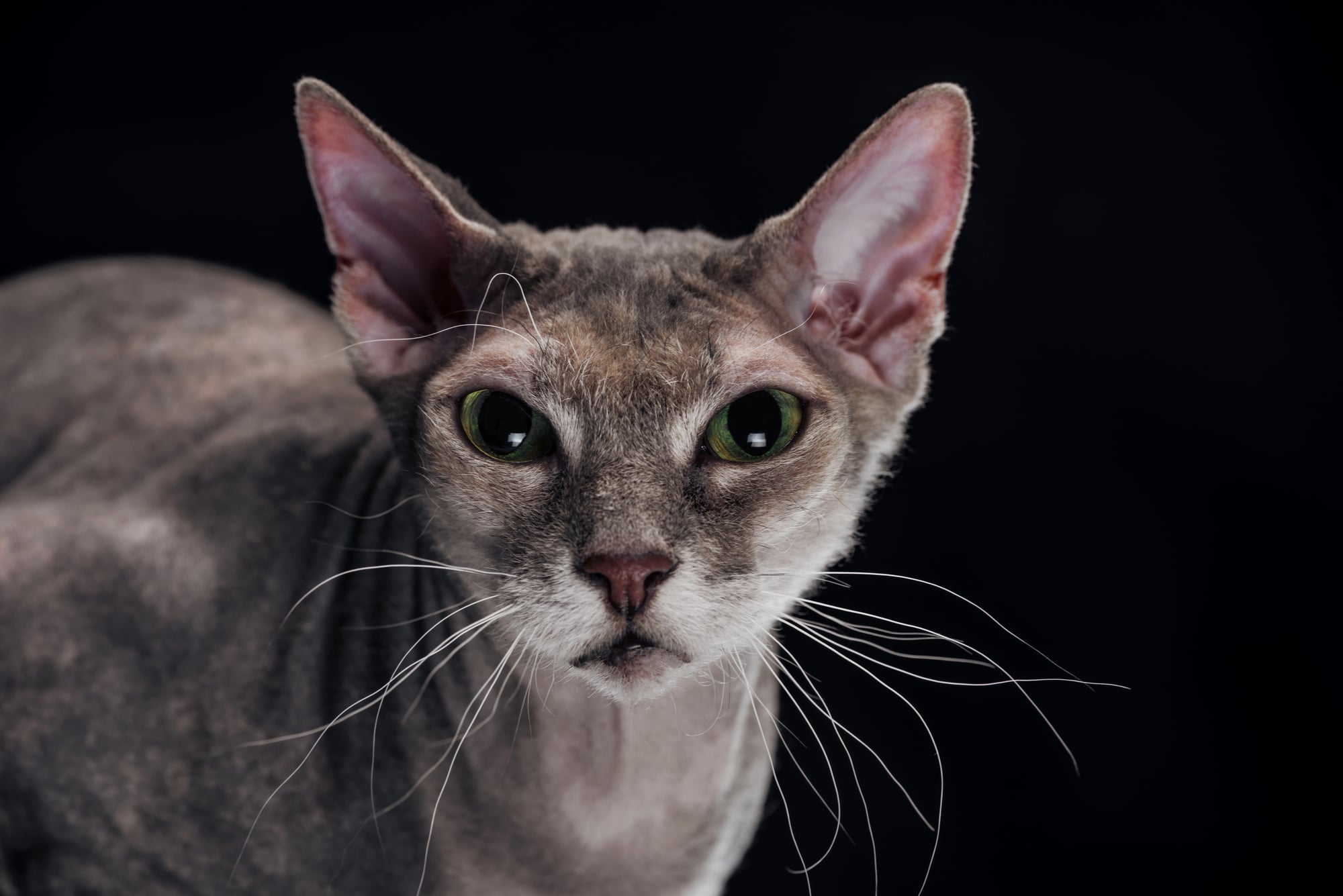
A stray cat in Brooklyn ran into a burning building five times to rescue her kittens, suffering severe burns in the process. Firefighters found her lying next to her kittens, touching each one with her nose to make sure they were alive despite being unable to see through her burned eyes.
Scarlett’s story made international news, and adoption offers poured in from around the world. She recovered from her injuries and lived comfortably with her new family for years.
Her kittens all survived and were adopted. The story became a symbol of maternal instinct and sacrifice that transcended species, inspiring books, articles, and countless retellings.
The Beluga Whale Rescue
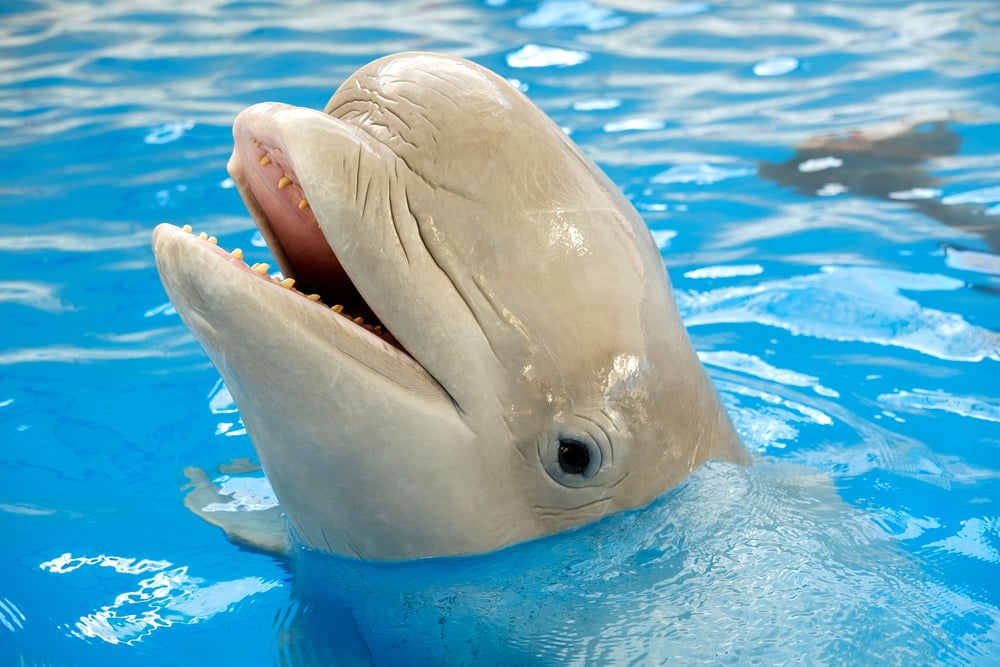
Two beluga whales became trapped in sea ice near a village in northern Canada, with the ice closing in around them and cutting off their route to open water. Local residents organized a rescue operation using chainsaws and boats to cut breathing holes and guide the whales to safety.
The rescue took days of careful work, with villagers taking shifts to keep the breathing holes open and prevent the whales from panicking. When the whales finally reached open water, the entire community celebrated.
The story highlighted the connection between indigenous communities and Arctic wildlife, and how traditional knowledge and modern technology can work together in conservation efforts.
The Zanesville Animal Escape
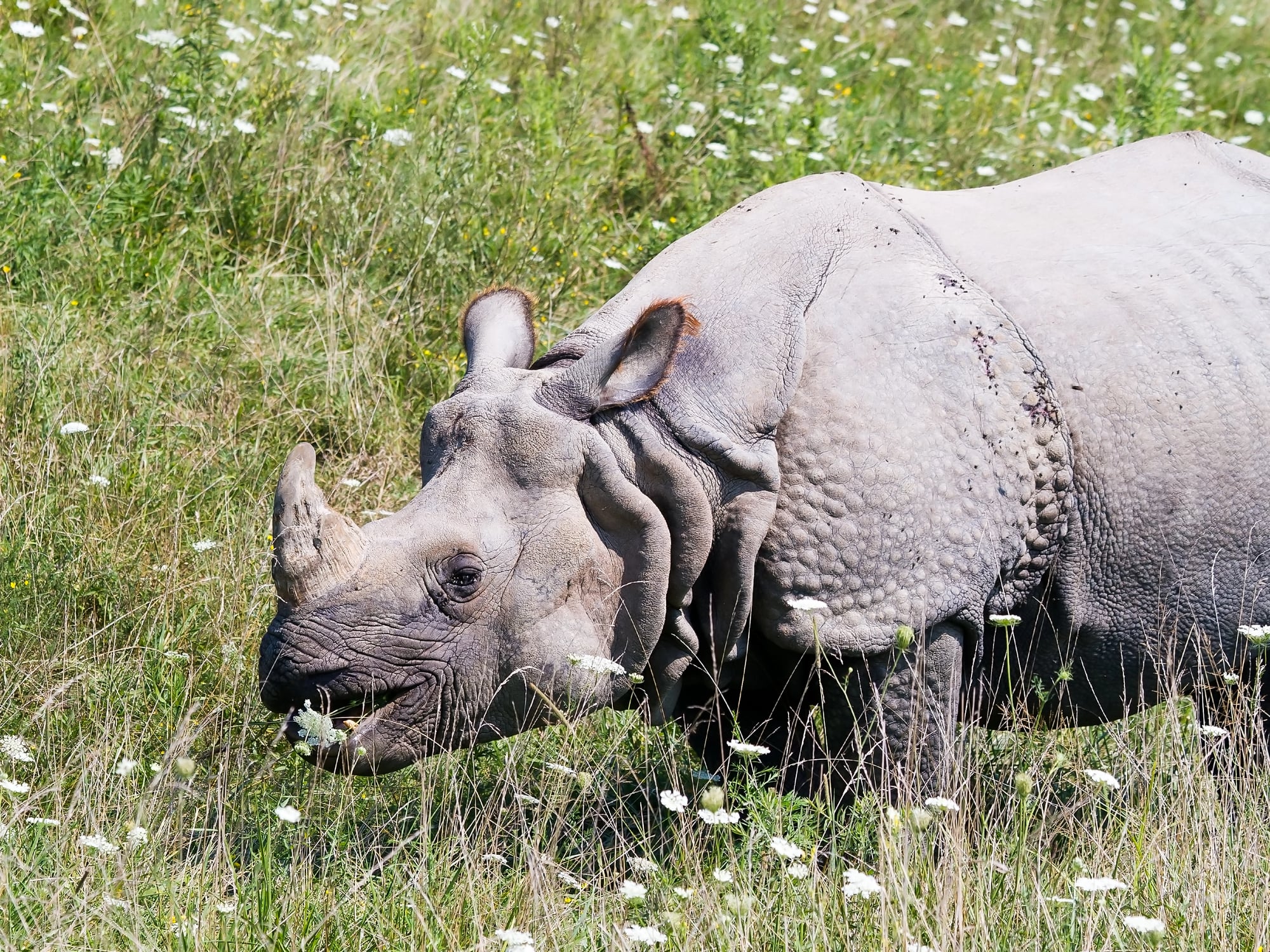
When dozens of exotic animals escaped from a private preserve in Ohio following the death of their owner, law enforcement faced an unprecedented crisis. Lions, tigers, bears, and other dangerous animals roamed the countryside near a populated area.
Most of the animals had to be killed for public safety, but a few were tranquilized and rescued. The survivors were relocated to reputable sanctuaries, and the incident sparked changes in exotic animal ownership laws across the United States.
While tragic in many ways, the rescue of the surviving animals and the legal changes that followed showed how a crisis can lead to better protections for both animals and communities.
Stories That Shape How We See The World

Animal rescue stories stick with us because they’re about more than just saving individual creatures. They’re about the moments when compassion overrides convenience, when people risk their own safety for animals that can’t ask for help, and when entire communities mobilize around the simple idea that life — any life — has value.
These stories spread globally because they remind us of something essential about who we want to be as a species sharing this planet with others.
More from Go2Tutors!

- The Romanov Crown Jewels and Their Tragic Fate
- 13 Historical Mysteries That Science Still Can’t Solve
- Famous Hoaxes That Fooled the World for Years
- 15 Child Stars with Tragic Adult Lives
- 16 Famous Jewelry Pieces in History
Like Go2Tutors’s content? Follow us on MSN.