16 Surprising Facts About Electric Cars
Electric cars feel like the future, but they’re already here — and they’re nothing like what most people expect. The reality is stranger, more practical, and occasionally more frustrating than the glossy marketing suggests.
Behind the smooth acceleration and silent operation lies a collection of quirks, capabilities, and contradictions that even enthusiasts discover by accident.
They’re Actually Older Than Gasoline Cars
Electric vehicles dominated city streets in the early 1900s. By 1900, electric cars outsold gasoline cars in America.
They were quieter, cleaner, and didn’t require the dangerous hand-crank starting that could break your arm if the engine backfired. The first electric car hit the road in 1881, when French inventor Gustave Trouvé tested an electric tricycle on the streets of Paris.
Henry Ford’s Model T didn’t arrive until 1908. Electric cars had a 27-year head start and lost anyway.
Regenerative Braking Can Power Your House
So you drive down a hill and your car becomes a power plant. The electric motor reverses its role, turning kinetic energy back into electricity.
Most drivers know this extends range, and the effect is real — a Tesla Model S descending a long mountain grade can recover several kilowatts of charge, meaningfully extending your range before you reach the bottom. Going downhill literally pays you back.
They Can Drive Underwater (Sort Of)
Electric cars don’t need air to run, which creates some unexpected possibilities that combustion engines (with their constant need to breathe) simply can’t match. The electric motor operates in a sealed unit, and the battery pack sits protected in a waterproof case designed to handle far worse conditions than a typical rainstorm or even a shallow flood.
Tesla CEO Elon Musk once claimed (and later demonstrated) that a Model S could function as a boat for short periods — the car’s buoyancy and sealed electric systems allowing it to float and propel itself through water up to the door handles. While this isn’t recommended (and voids the warranty), it reveals something fundamental about electric architecture: when you remove the need for combustion, you remove many of the traditional vulnerabilities that water presents.
And yet. Most people still panic about driving through puddles.
The “Tank” Is Everywhere and Nowhere
Unlike gasoline, which demands a single large container, electricity gets stored in thousands of small cells distributed throughout the vehicle. A Tesla Model S contains over 7,000 individual battery cells.
Each one about the size of a AA battery. This distribution changes everything about crash safety, weight balance, and repair costs.
Damage one section and the car might lose 5% of its range. Damage a gas tank and the car becomes undrivable.
They’re Essentially Smartphones on Wheels
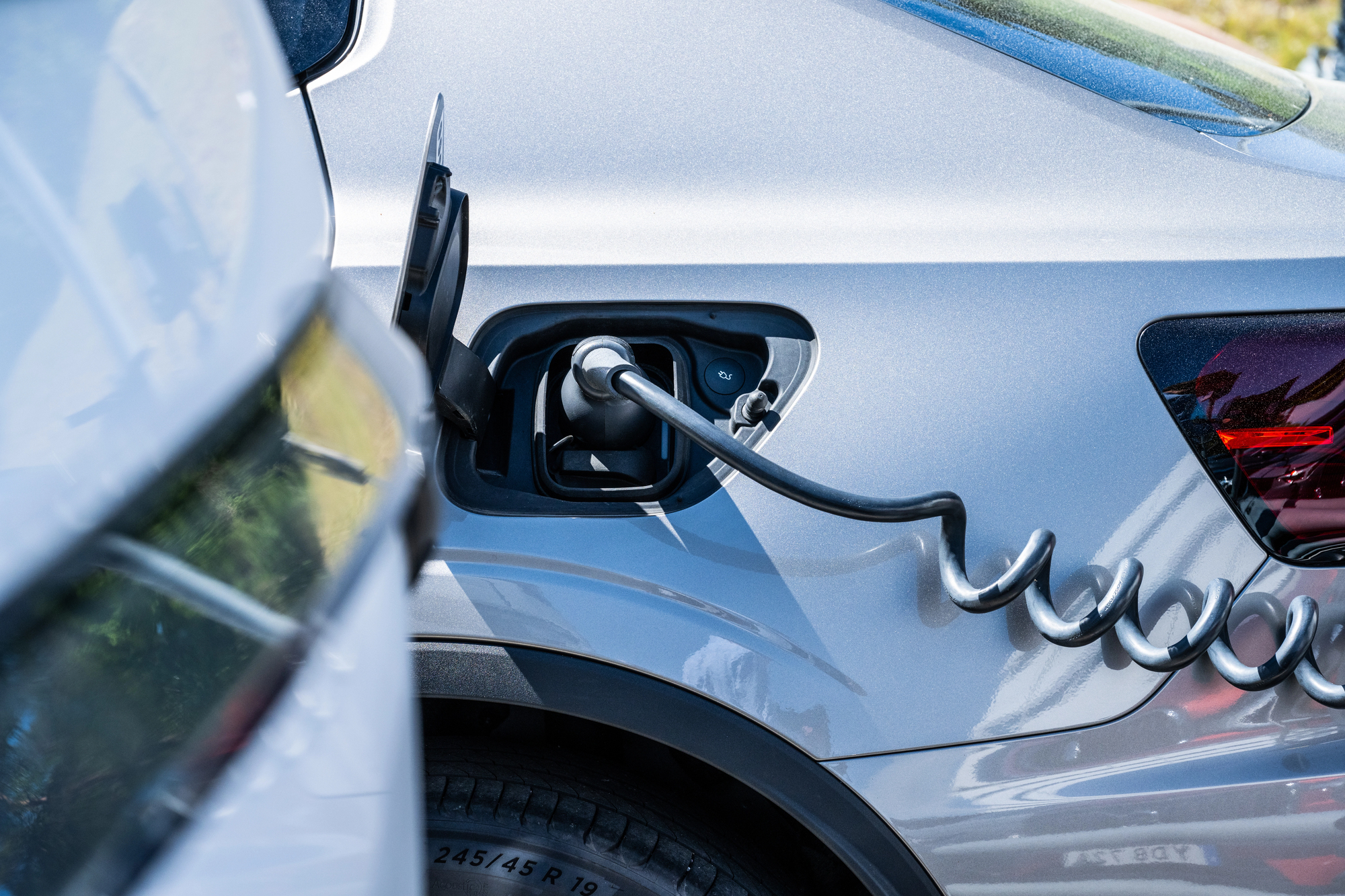
Electric cars receive software updates that improve performance, add features, and sometimes increase driving range overnight. Your car literally becomes more capable while parked in your driveway.
Tesla has pushed updates that increased acceleration, improved braking distance, and added entirely new features like “Camp Mode.” The car you bought isn’t the same car you own six months later.
Cold Weather Is Their Kryptonite
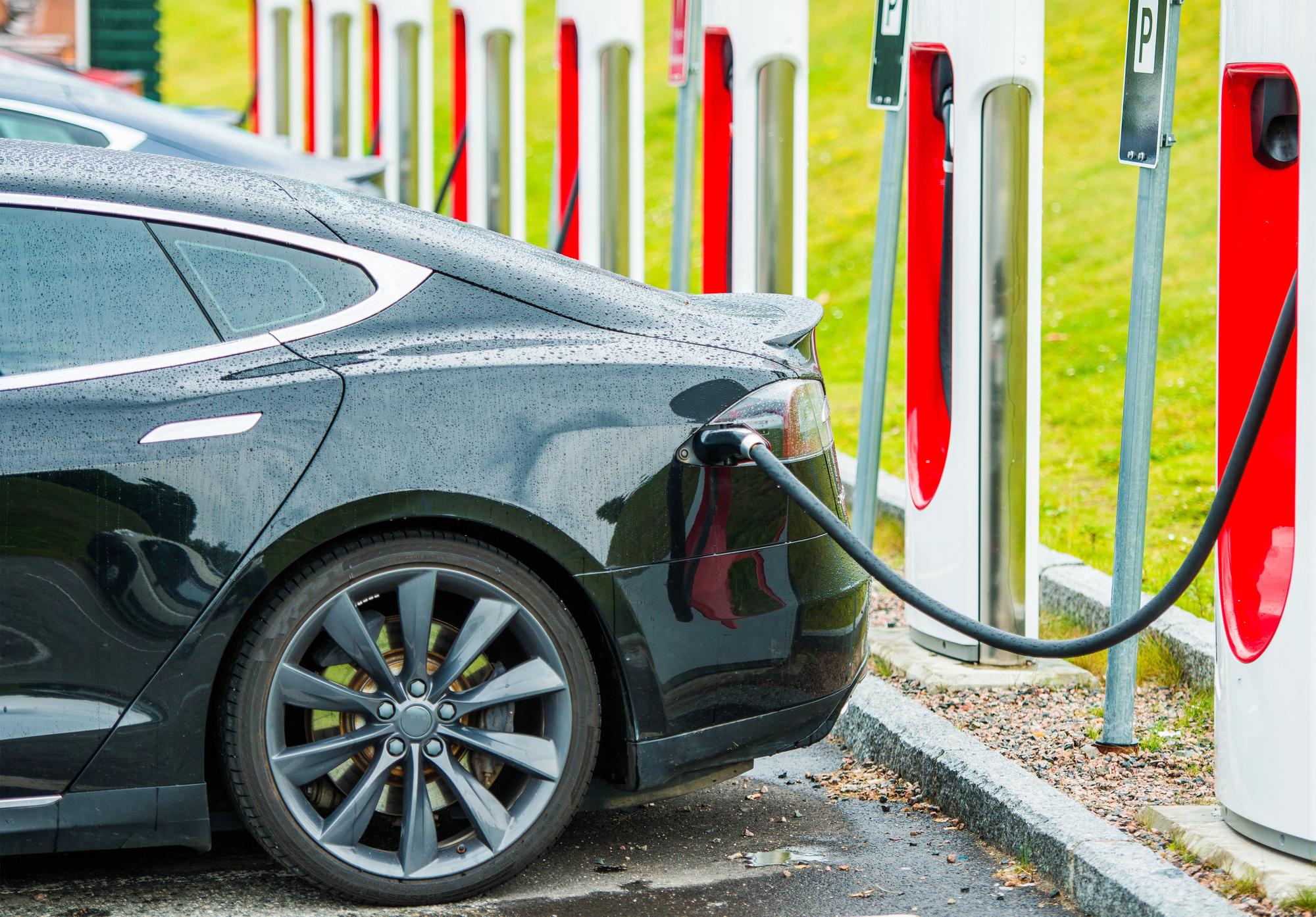
Electric car batteries are like people who grew up in California — they function adequately in mild conditions and struggle dramatically when things get harsh. In freezing temperatures, the chemical reactions that generate electricity slow to a crawl, reducing range by 30% or more before you even turn on the heat (which, unlike in gasoline cars, draws directly from the same battery that moves the vehicle forward).
But here’s the thing about cold weather limitations: they’re predictable in a way that gasoline problems aren’t. Your electric car will tell you exactly how much range you have under current conditions.
A gas car with a failing fuel pump or dirty injectors will leave you guessing until it leaves you walking. The honesty is brutal but reliable.
Charging Isn’t Always About Speed
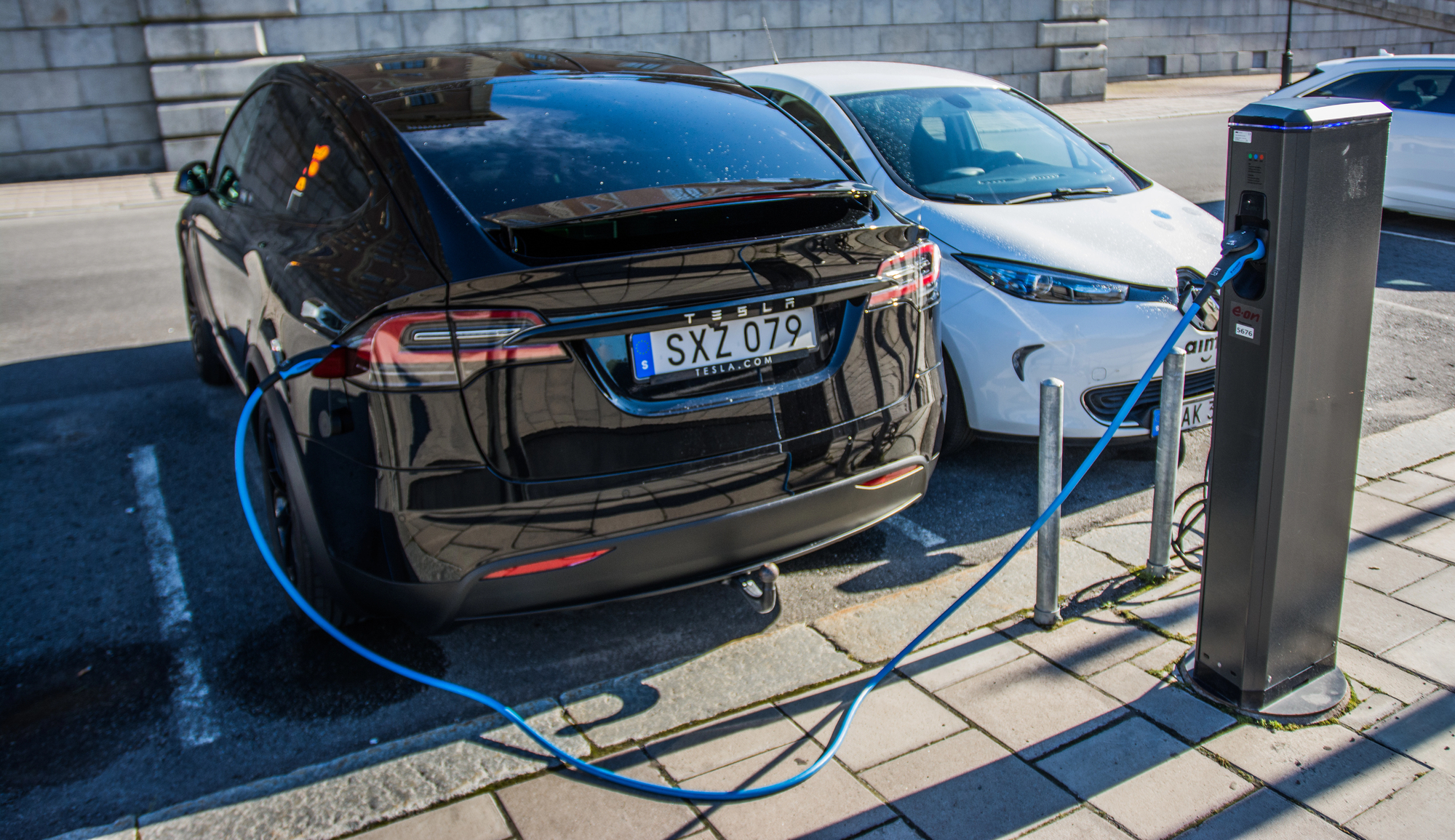
The fastest charging stations aren’t always the smartest choice. Rapid charging generates heat, which degrades battery chemistry over time.
Most electric car owners charge slowly at home overnight, treating their car like a phone that plugs in while they sleep. Fast charging works best for road trips.
Slow charging works best for battery longevity. The car is smarter than most owners about which to choose when.
They Can Outlast the Original Owner by Decades
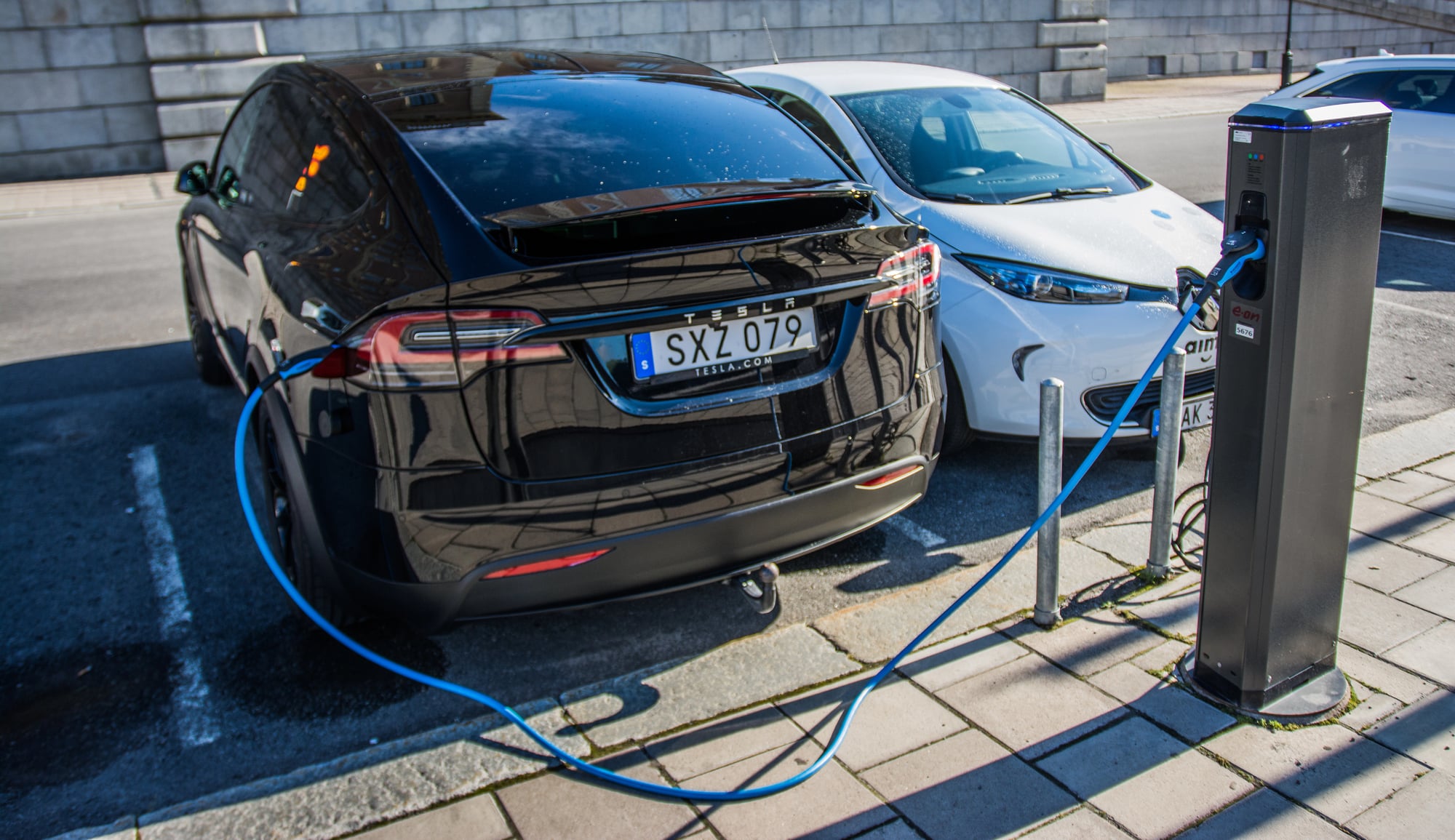
Electric motors contain exactly one moving part compared to thousands in a combustion engine, which creates a durability gap that’s almost comical to consider. Tesla taxis in certain markets have logged over 400,000 miles with minimal maintenance — mostly tire rotations and cabin air filter changes — while their gasoline counterparts require engine rebuilds, transmission replacements, and the constant attention that comes with managing controlled explosions happening 2,000 times per minute.
The battery pack (the component everyone worries about) typically outlasts the rest of the vehicle. When an electric car finally dies, it’s usually from the same things that kill any car: rust, accidents, or electronic systems unrelated to propulsion.
The part that makes it electric often survives longest. Which says something about our assumptions regarding what breaks first.
Maintenance Schedules Are Embarrassingly Simple
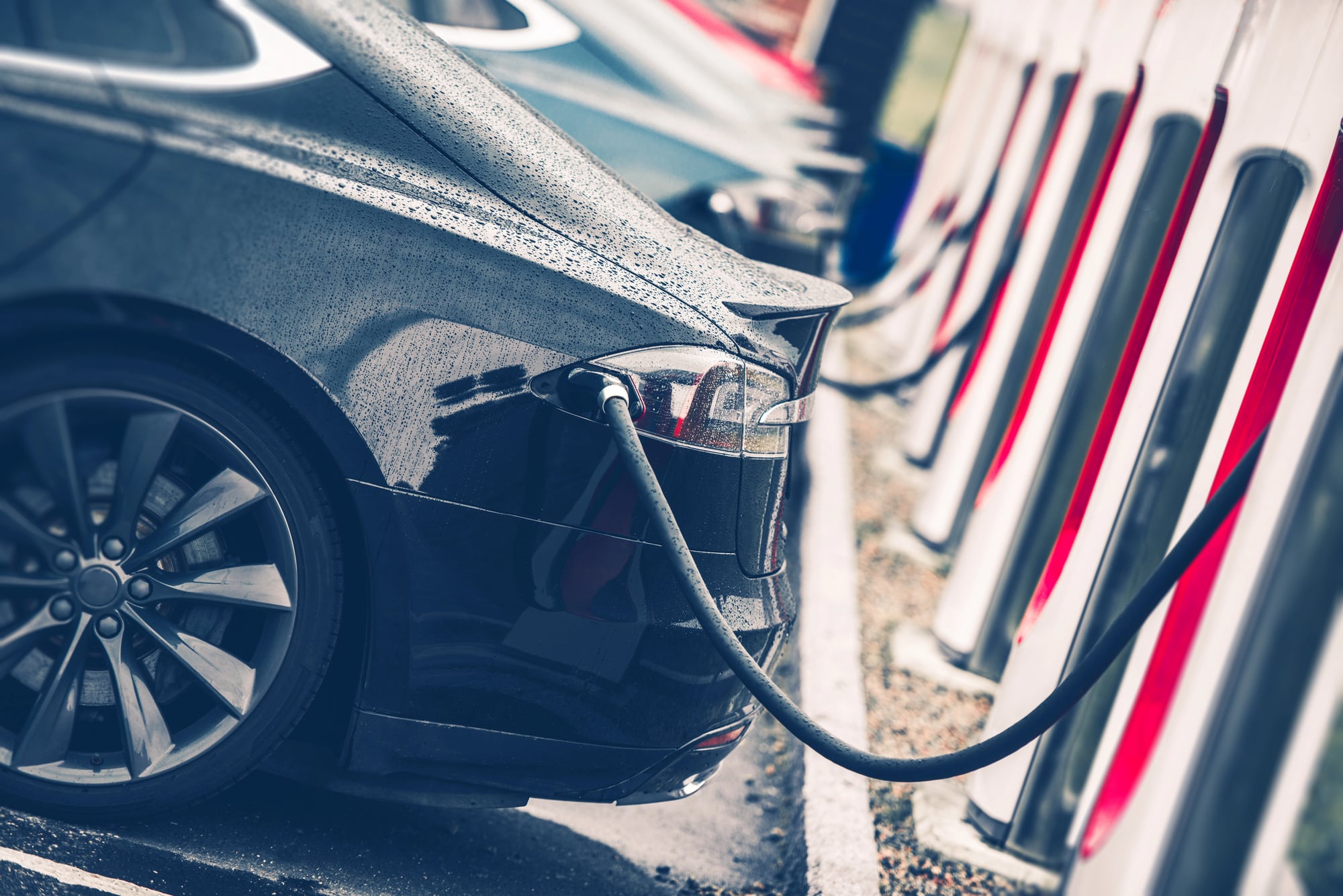
Electric cars don’t need oil changes, spark plug replacements, timing belt adjustments, or transmission flushes. The maintenance schedule reads like a checklist for a toaster: rotate tires, replace cabin filter, check brake fluid occasionally.
Some electric cars go 25,000 miles between scheduled services. The service mostly involves software updates and visual inspections. Mechanics are slowly becoming IT support with hydraulic lifts.
They Change How You Think About Fuel
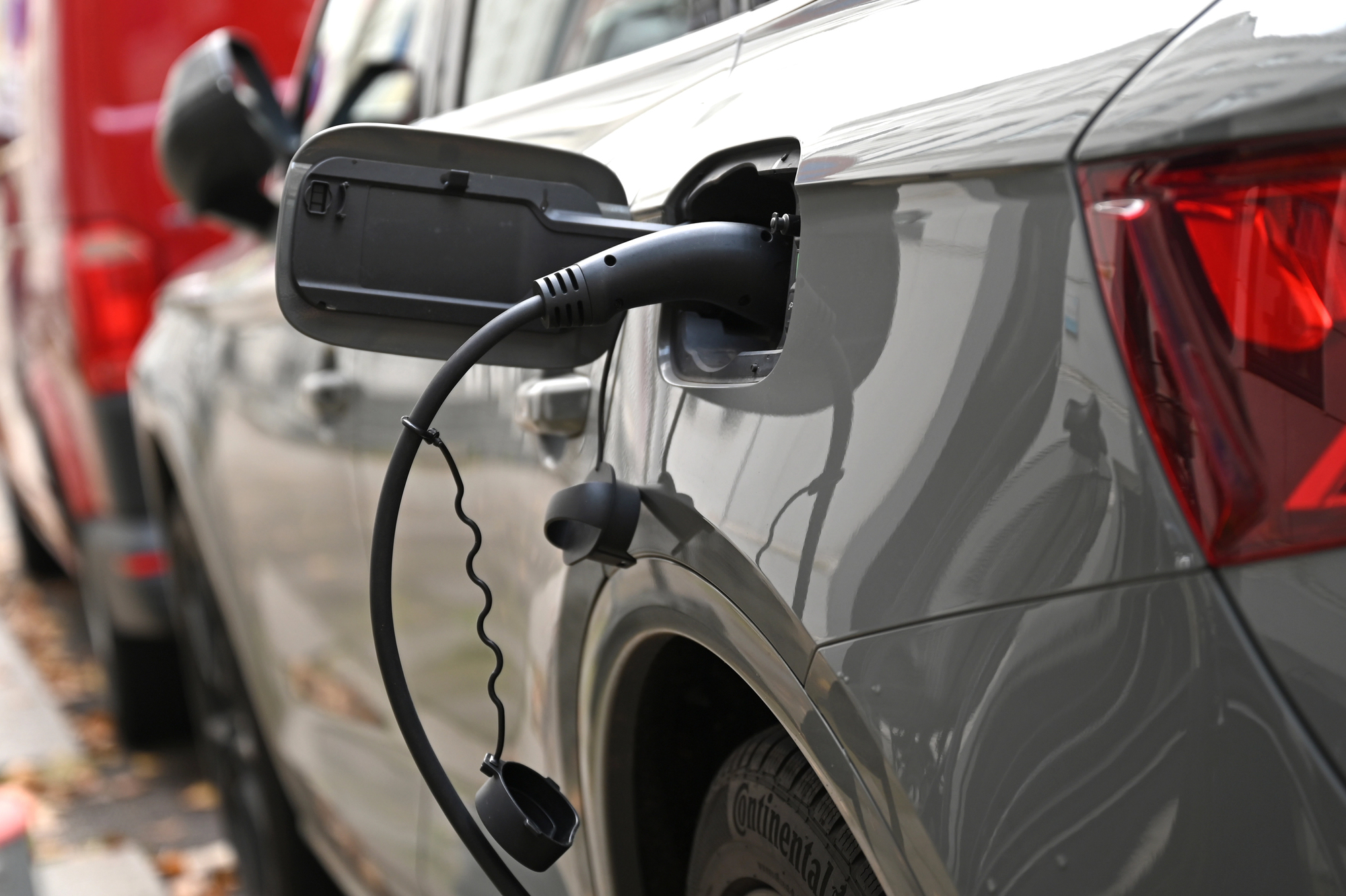
Charging at home means starting every day with a “full tank,” which flips the entire relationship with fuel stops. Instead of running low and then filling up, you plug in when you arrive and unplug when you leave.
Public charging becomes strategic rather than desperate. You charge while shopping, eating, or working — activities you’d do anyway.
The fuel stop as a dedicated errand starts to feel primitive.
Peak Performance Doesn’t Require Peak Maintenance
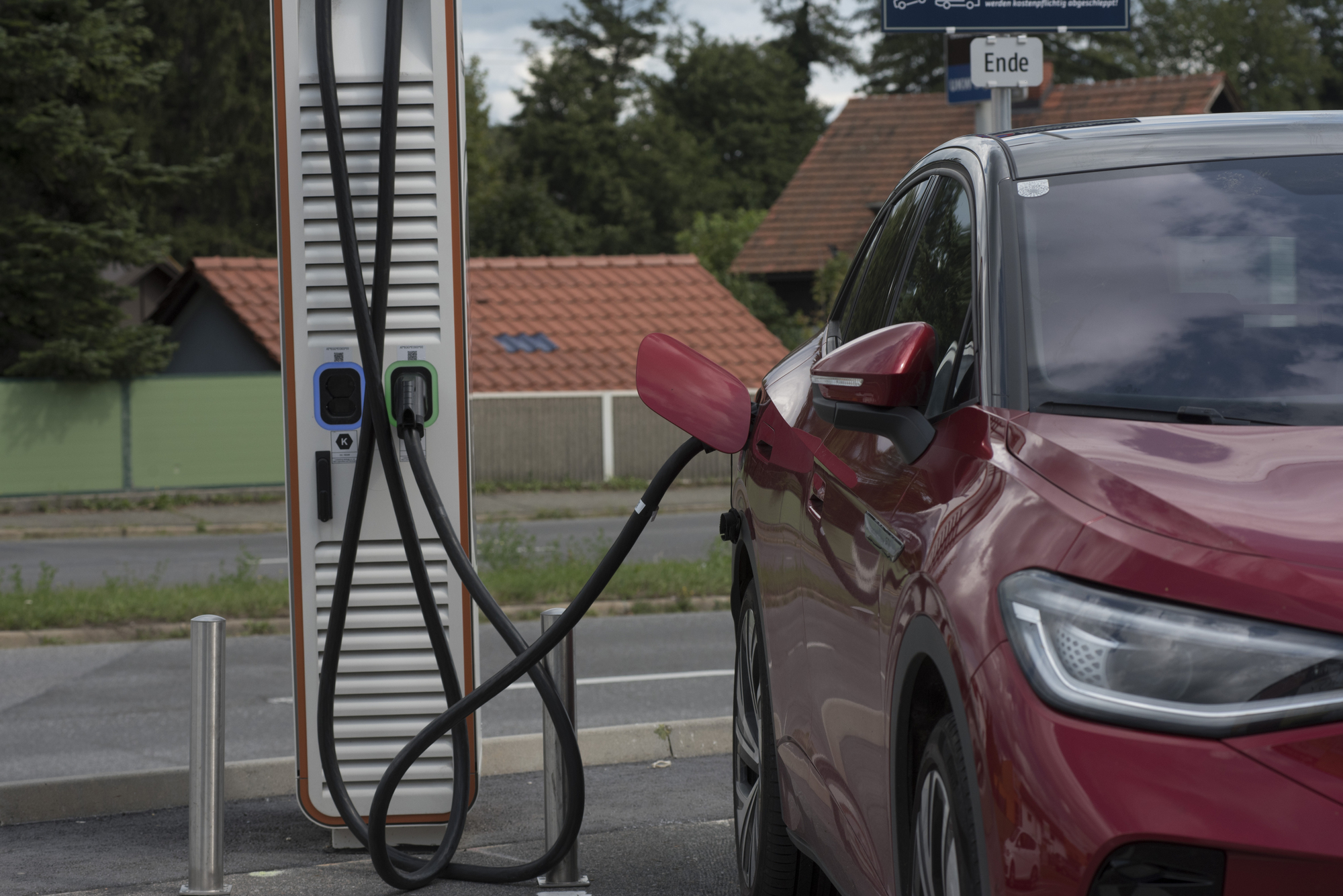
Unlike combustion engines, which deliver maximum power only when everything is perfectly tuned, electric motors provide instant, full torque from zero RPM regardless of maintenance intervals, operating temperature, or minor component wear. A poorly maintained gasoline sports car becomes a shadow of its former self; an electric car with 100,000 miles accelerates exactly like it did on day one (assuming the battery still holds adequate charge).
This consistency creates an unexpected psychology around performance: there’s no gradual decline to ignore, no “well, it’s not as quick as it used to be” rationalization that lets you postpone expensive repairs. The car works at 100% until something breaks completely, then it doesn’t work at all.
Binary rather than gradual. Which turns out to be oddly refreshing in a world where most things slowly disappoint you.
The Sound of Speed Is Silence
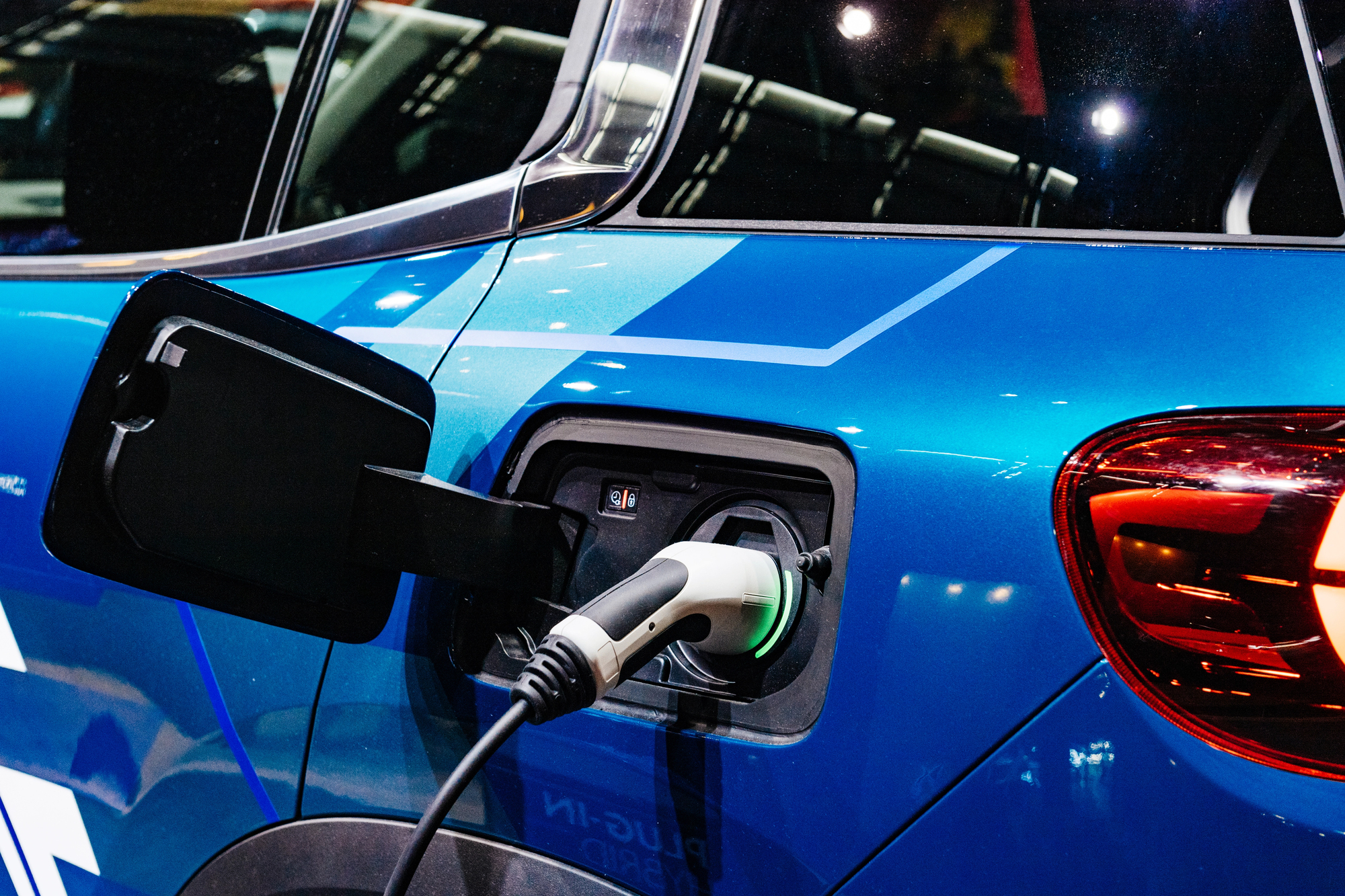
Electric cars are legally required to make artificial noise at low speeds to warn pedestrians. Above 20 mph, wind and tire noise provide enough audio cues, but in parking lots, they’re whisper-quiet.
Some manufacturers let you choose your low-speed sound. You can make your electric car sound like a spaceship, a traditional engine, or something entirely synthetic.
The future of automotive sound design is surprisingly customizable.
Range Anxiety Has an Evil Twin
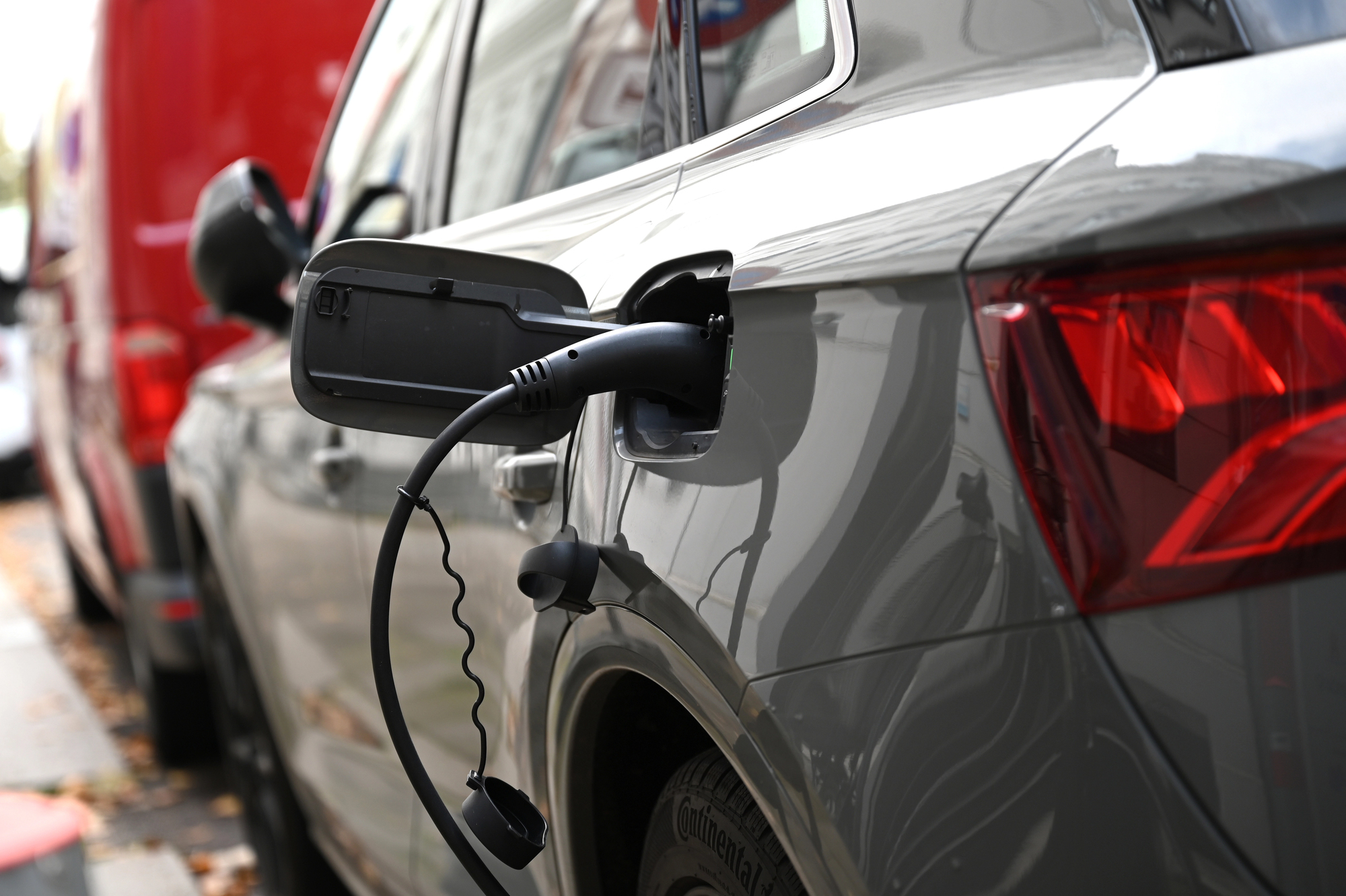
“Charging anxiety” — the fear of being stuck at a broken charging station — affects electric car owners differently than range concerns. You can’t carry a spare charger like you can carry a gas can.
This anxiety decreases with experience, not infrastructure improvements. Veteran electric car owners learn backup plans, alternative routes, and charging etiquette.
New owners panic about everything until they don’t.
They’re Accidentally Teaching Better Driving Habits
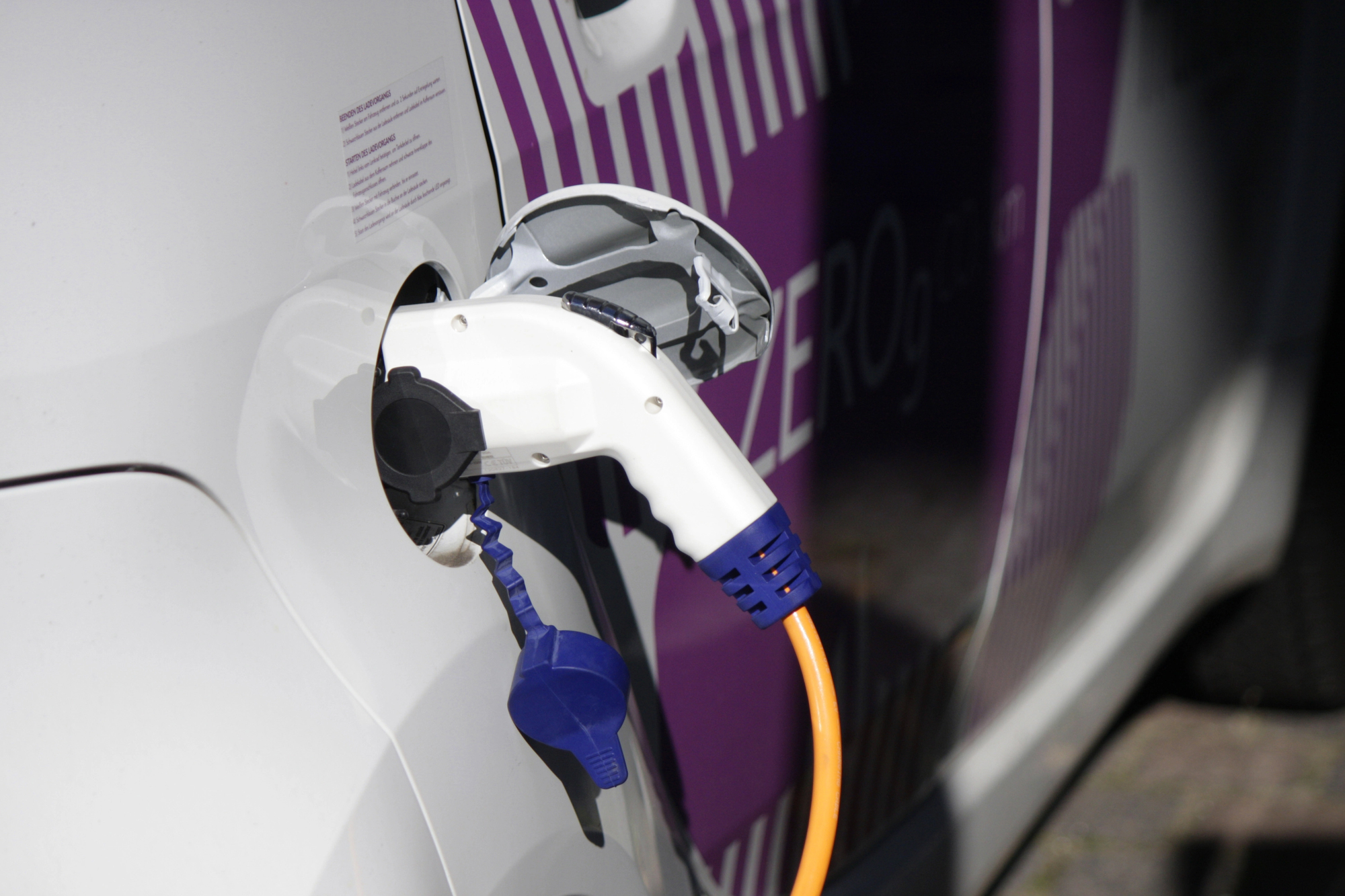
Electric cars display real-time efficiency feedback that makes you hyperaware of how driving behavior affects energy consumption. Aggressive acceleration, excessive speed, and rapid braking immediately show up as reduced range.
This gamification of efficiency turns many drivers into hypermilers without trying. The car trains you to drive smoother, plan better, and waste less — habits that make you a better driver in any vehicle.
Preconditioning Is Their Secret Superpower
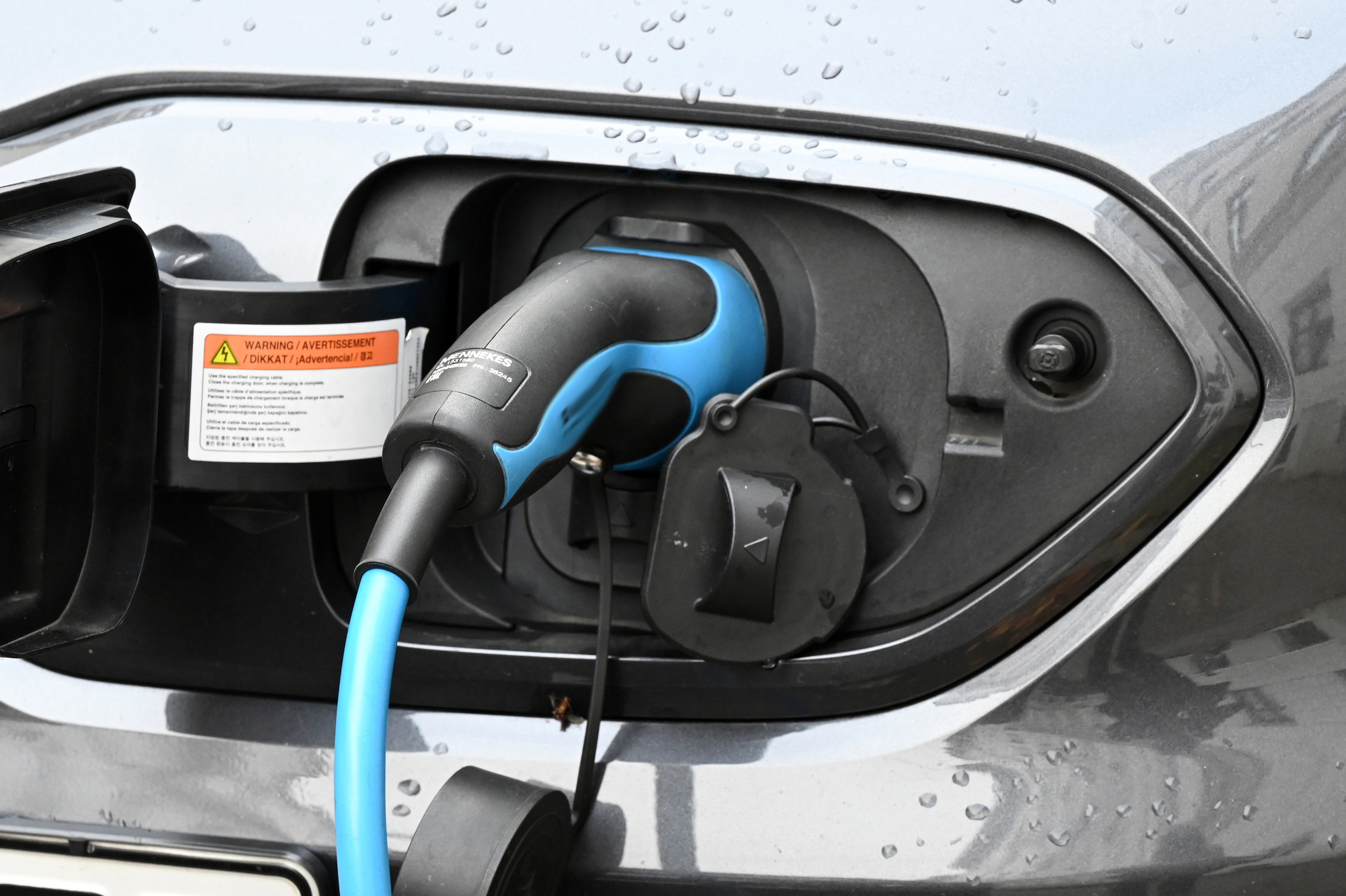
Electric cars can warm up or cool down while plugged in, using grid electricity instead of battery power for climate control. Your car is the perfect temperature before you get in, and you haven’t spent any driving range on comfort.
This feature transforms winter and summer driving. No more scraping ice or sitting in a furnace. The car prepares itself based on your schedule, drawing power from your house instead of its own reserves.
Battery Replacement Isn’t the End of the World
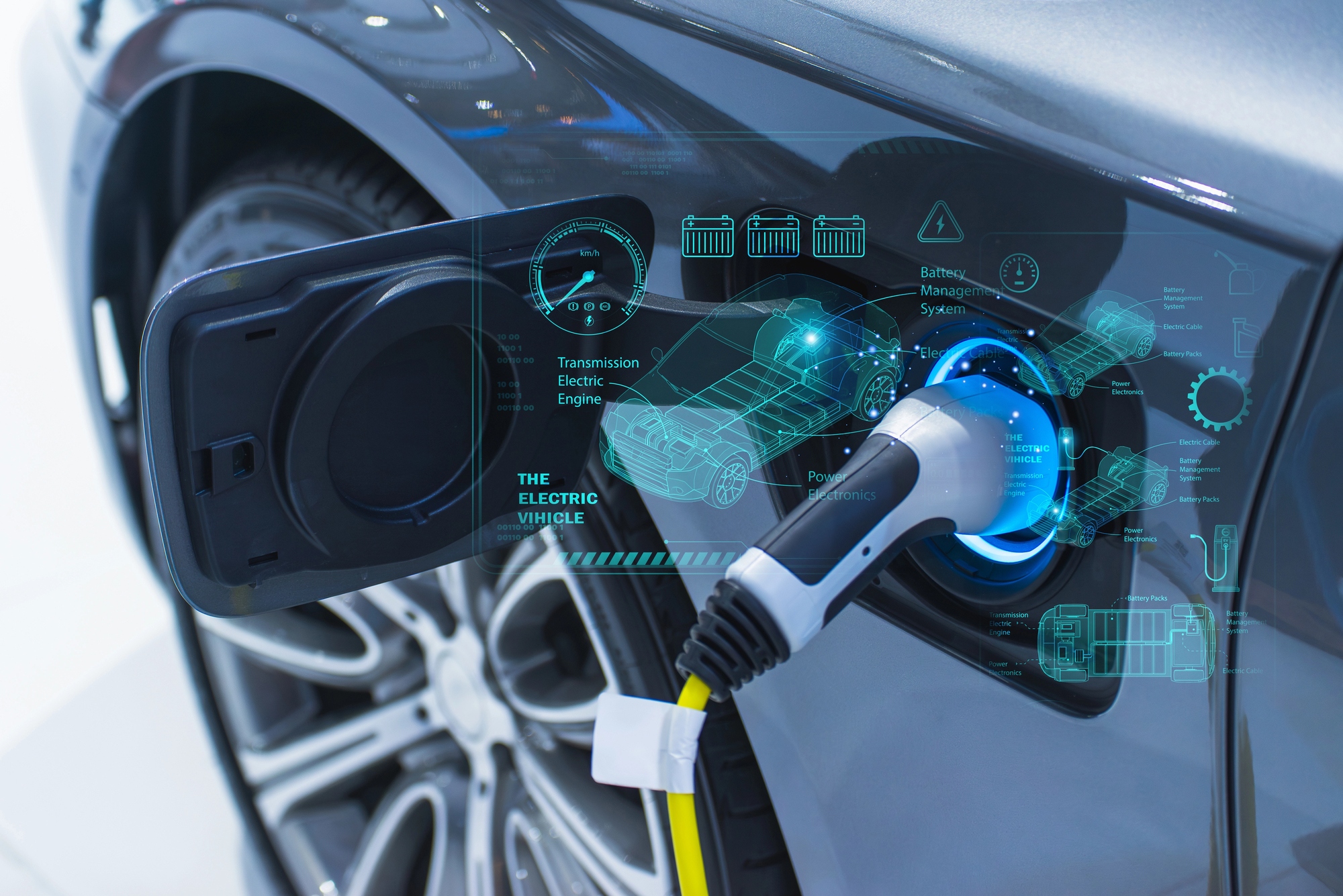
The most feared electric car repair — battery replacement — costs less than a traditional engine rebuild and happens far less frequently than expected. Most electric car batteries retain 80% capacity after 100,000 miles.
When replacement finally happens, the old battery pack usually gets recycled into home energy storage or grid-scale applications. Your car battery enjoys several afterlives before reaching actual recycling.
The Math of Modern Mobility
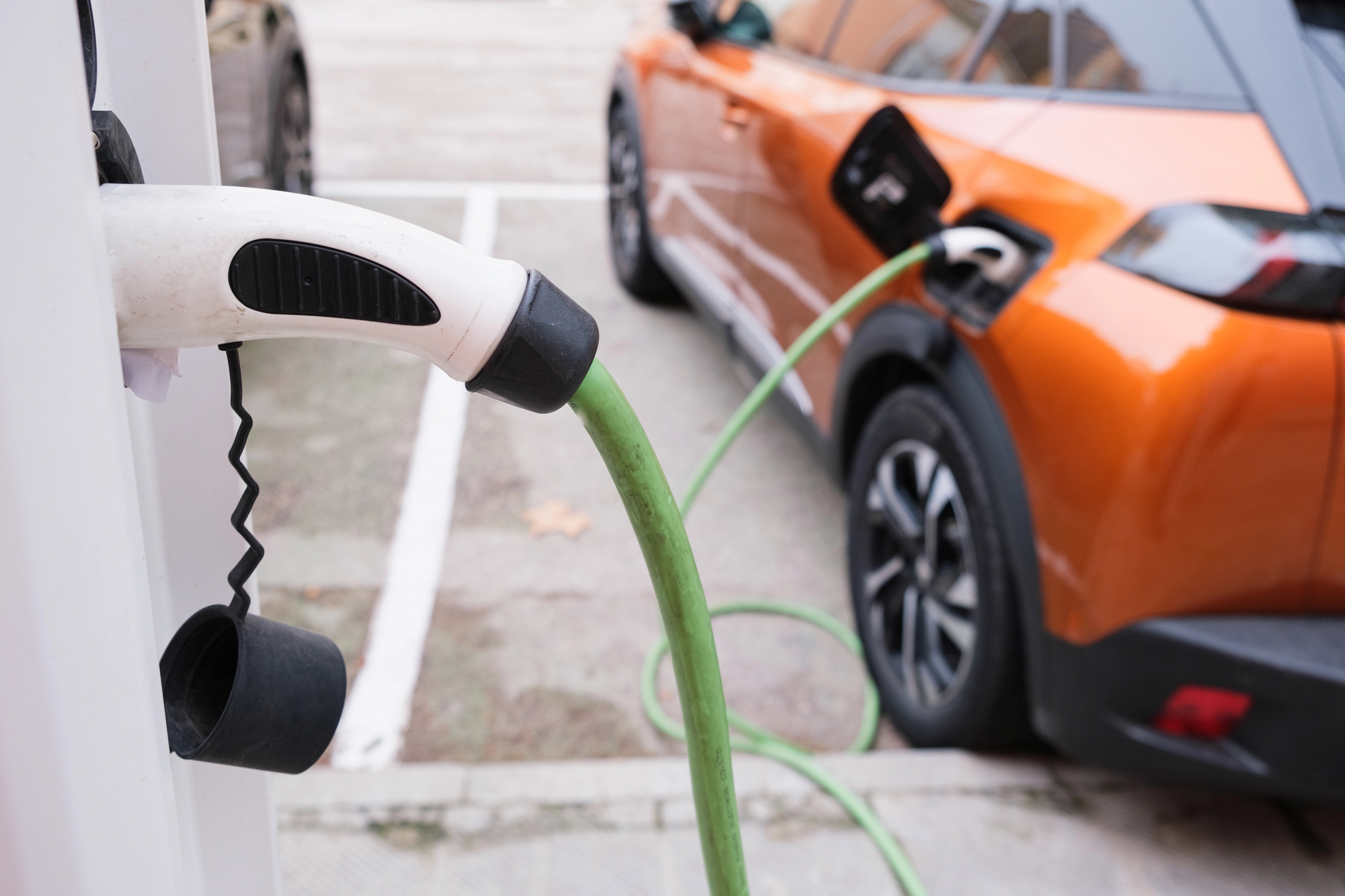
Electric cars represent something more fundamental than a different way to power transportation — they’re a complete rethinking of what a vehicle can be. When you remove the constraints of combustion, you discover possibilities that nobody was looking for because they seemed impossible under the old rules.
Cars that get better over time, fuel that costs pennies per mile, maintenance schedules measured in years rather than months. The surprising facts aren’t really about the technology. They’re about how quickly something that seemed futuristic becomes ordinary, and how ordinary assumptions dissolve when the underlying system changes completely.
More from Go2Tutors!

- The Romanov Crown Jewels and Their Tragic Fate
- 13 Historical Mysteries That Science Still Can’t Solve
- Famous Hoaxes That Fooled the World for Years
- 15 Child Stars with Tragic Adult Lives
- 16 Famous Jewelry Pieces in History
Like Go2Tutors’s content? Follow us on MSN.