15 Unexpected Historical Details About Early Currency
Money feels permanent, as if coins and bills have always existed in their familiar forms. Yet currency has taken shapes that would puzzle anyone today — from enormous stone wheels to carefully counted cacao beans.
The history of what humans have used to trade reveals creativity born from necessity, cultural values embedded in everyday exchange, and the stubborn human need to assign worth to the world around us.
Salt Blocks As Portable Wealth
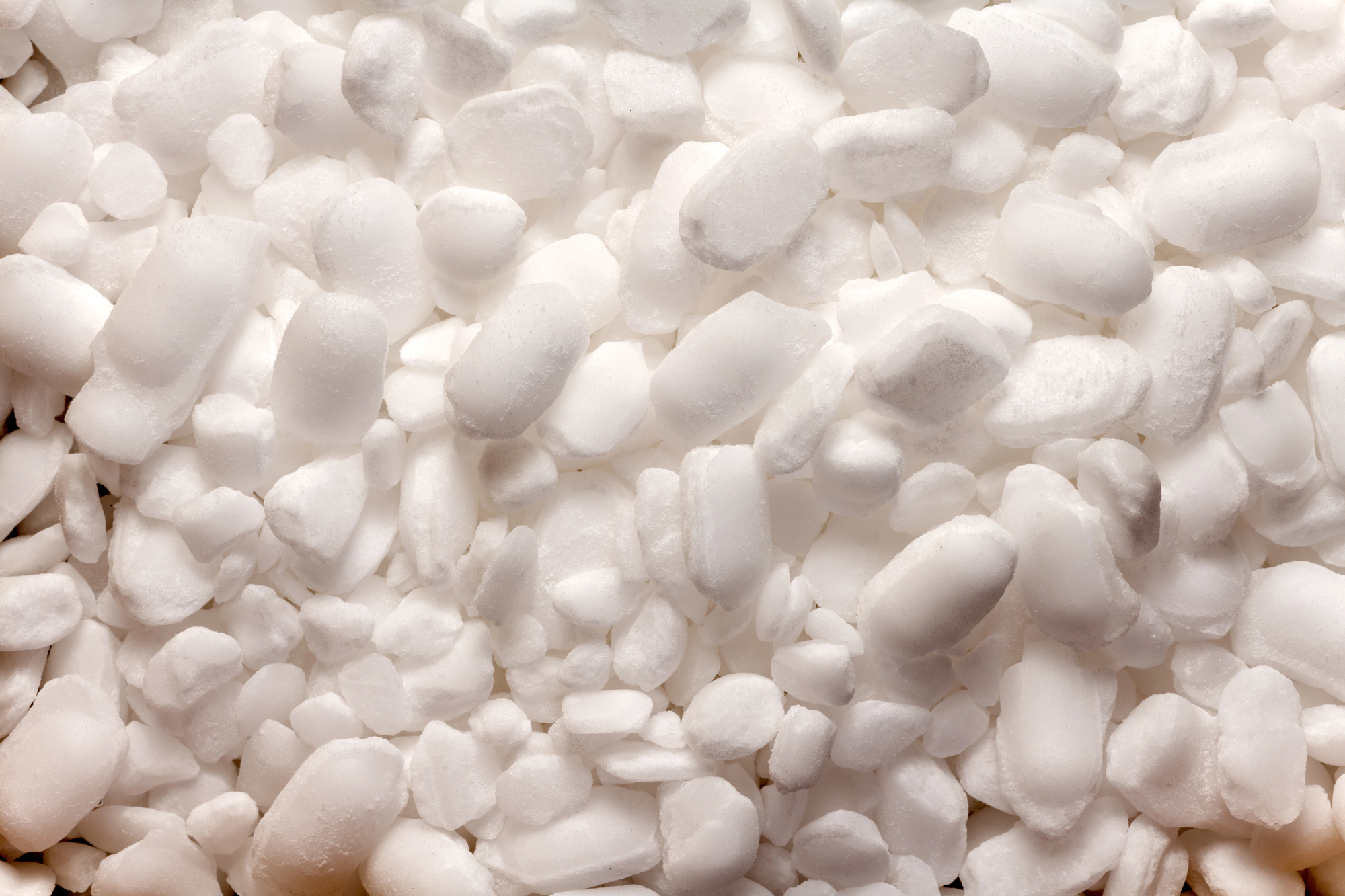
Salt was currency. Not metaphorically — literally.
You could walk into markets across Africa, Asia, and Europe carrying blocks of salt and walk out with anything you needed.
The logic was flawless. Salt preserved food, which meant it preserved life.
Everyone needed it, few places produced it, and it lasted indefinitely if kept dry.
Cacao Beans With Counterfeit Problems
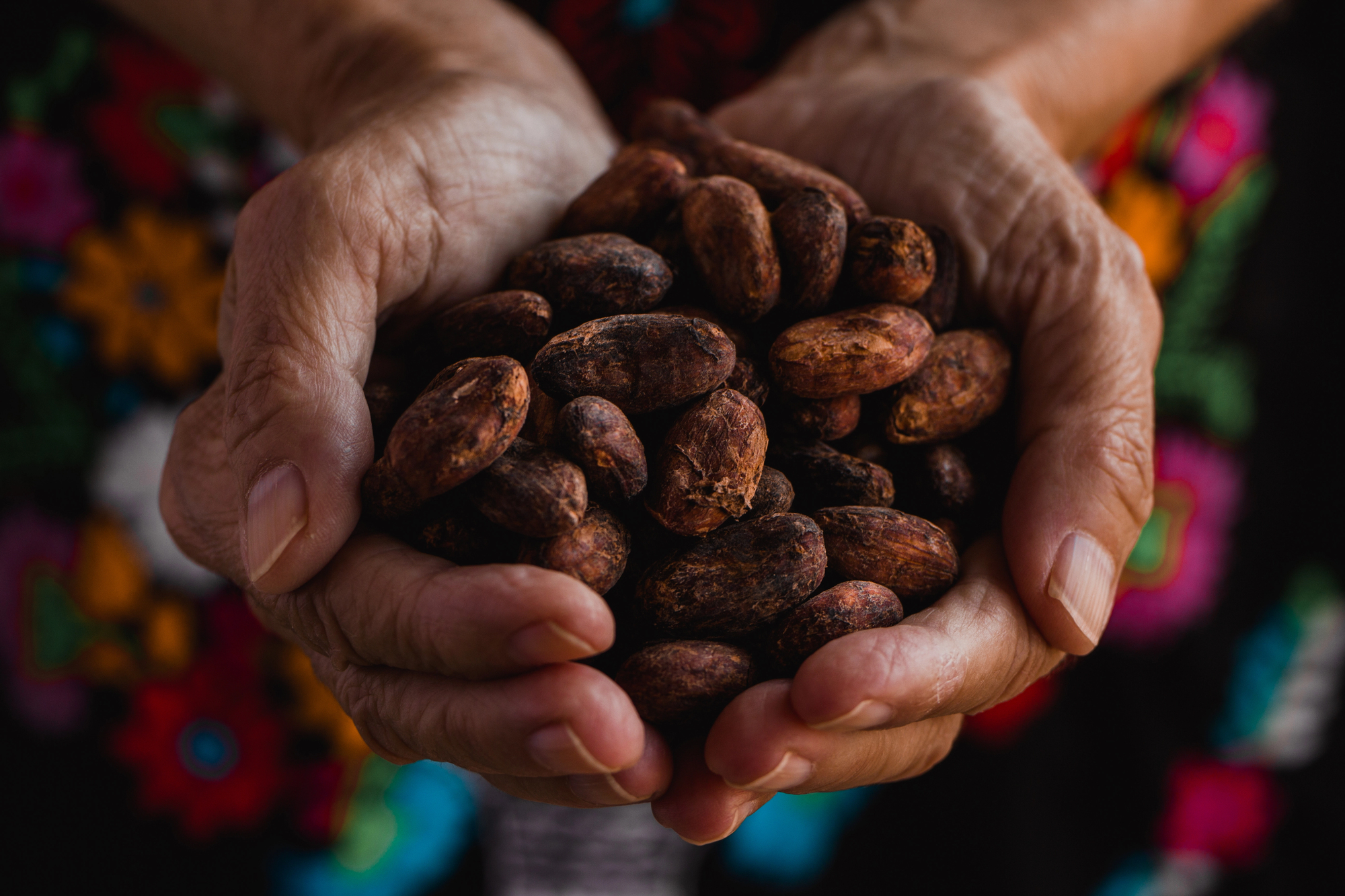
The Aztecs built their economy on chocolate. Cacao beans served as small change — a tomato cost one bean, a turkey cost 200.
Counterfeiting became an immediate problem.
Clever merchants would hollow out beans, fill them with clay, and seal them back up. The world’s first currency fraud involved fake chocolate.
Some things never change.
Stone Money Too Heavy To Steal
On the island of Yap, currency came in the form of limestone discs — some as large as twelve feet across and weighing several tons. These rai stones couldn’t be moved easily (and often weren’t moved at all), but ownership could transfer through elaborate social agreements that everyone in the community understood and acknowledged.
The system worked on pure social consensus: when someone “spent” a stone, the entire community simply agreed that ownership had changed, even if the stone itself never budged from its spot.
And here’s where it gets interesting (because the logistics were just the beginning) — the value of each stone depended not just on size, but on the story of how it was acquired: stones quarried from distant islands and transported under dangerous conditions were worth more than those obtained easily. The riskier the journey, the greater the value.
So the currency literally carried its history within its worth.
But the most remarkable part came during storms or accidents when stones were lost at sea during transport. Even then, if everyone agreed that the stone had existed and belonged to someone, it retained its value despite being at the bottom of the ocean.
Invisible money, centuries before digital currency.
Cowrie Shells As Global Standard
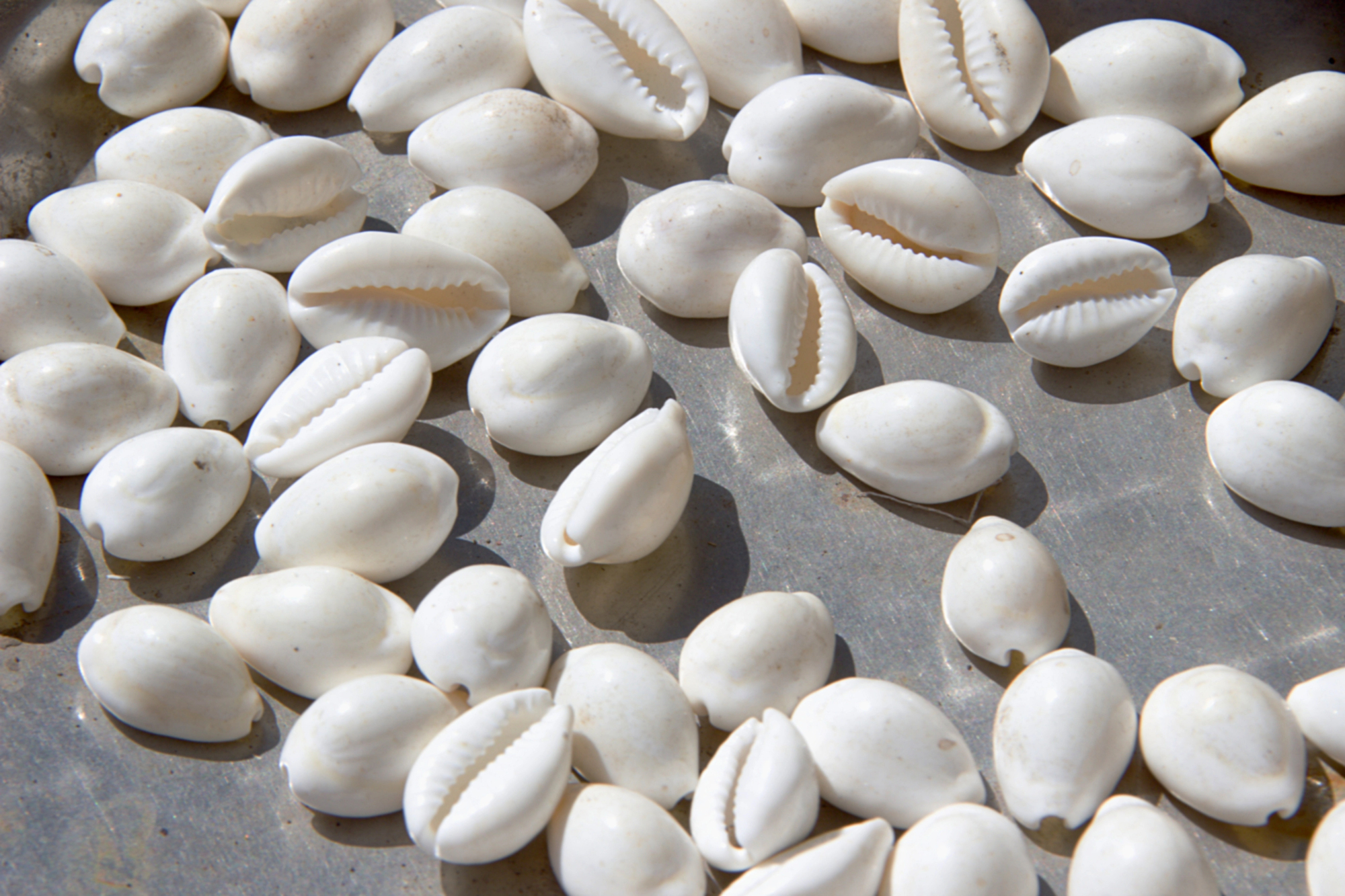
Cowrie shells dominated international trade for over a thousand years. These small, glossy shells from the Indian Ocean became the world’s most widespread currency, accepted from West Africa to China.
They were perfect for the job — durable, portable, impossible to counterfeit, and naturally limited in supply.
A handful could buy a meal, a bag could buy livestock.
Tea Bricks For Remote Trading
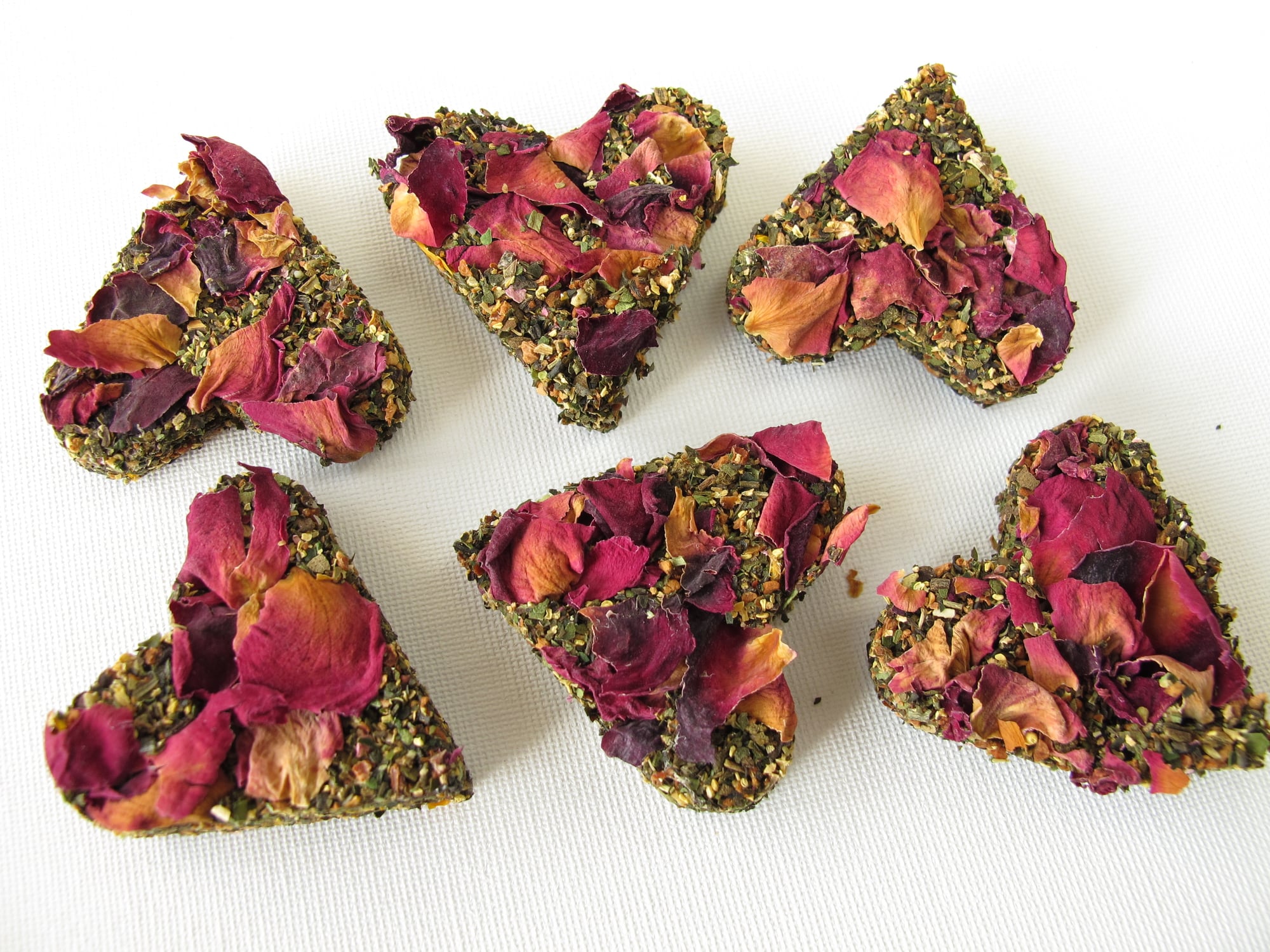
Compressed tea leaves formed bricks that served as currency across Tibet, Mongolia, and parts of China. Tea money solved multiple problems at once — it was valuable, portable, and edible in emergencies.
The bricks came in standard sizes with official stamps.
Merchants could trade them like coins or brew them like tea. When currency doubled as survival rations, it rarely lost value.
Iron Bars Before Iron Tools

In ancient Sparta, iron bars served as money — but here’s the twist: they were deliberately made useless for anything else. The bars were heated to red-hot temperatures and then quenched in vinegar, making the iron brittle and impossible to forge into weapons or tools.
This wasn’t accidental design.
The Spartans wanted currency that couldn’t be converted into military advantage by enemies, and they wanted money that was heavy and inconvenient enough to discourage the accumulation of wealth that might corrupt their warrior society. The bars were so cumbersome that storing any significant amount required dedicated space, making obvious displays of wealth physically impossible to hide.
The system reflected something deeper about how Spartans viewed money: it should facilitate necessary trade without encouraging the kind of wealth that created social division.
Currency as social engineering, metallurgy as philosophy.
Tobacco As Colonial Cash

Tobacco leaves became legal tender in Virginia, Maryland, and North Carolina for over 150 years. You could pay taxes, buy land, or settle debts with properly cured tobacco.
The system required official tobacco warehouses where leaves were inspected, graded, and stored.
Warehouse receipts circulated as paper money, backed by actual tobacco sitting in government-controlled facilities.
Whale Teeth Among Pacific Islands
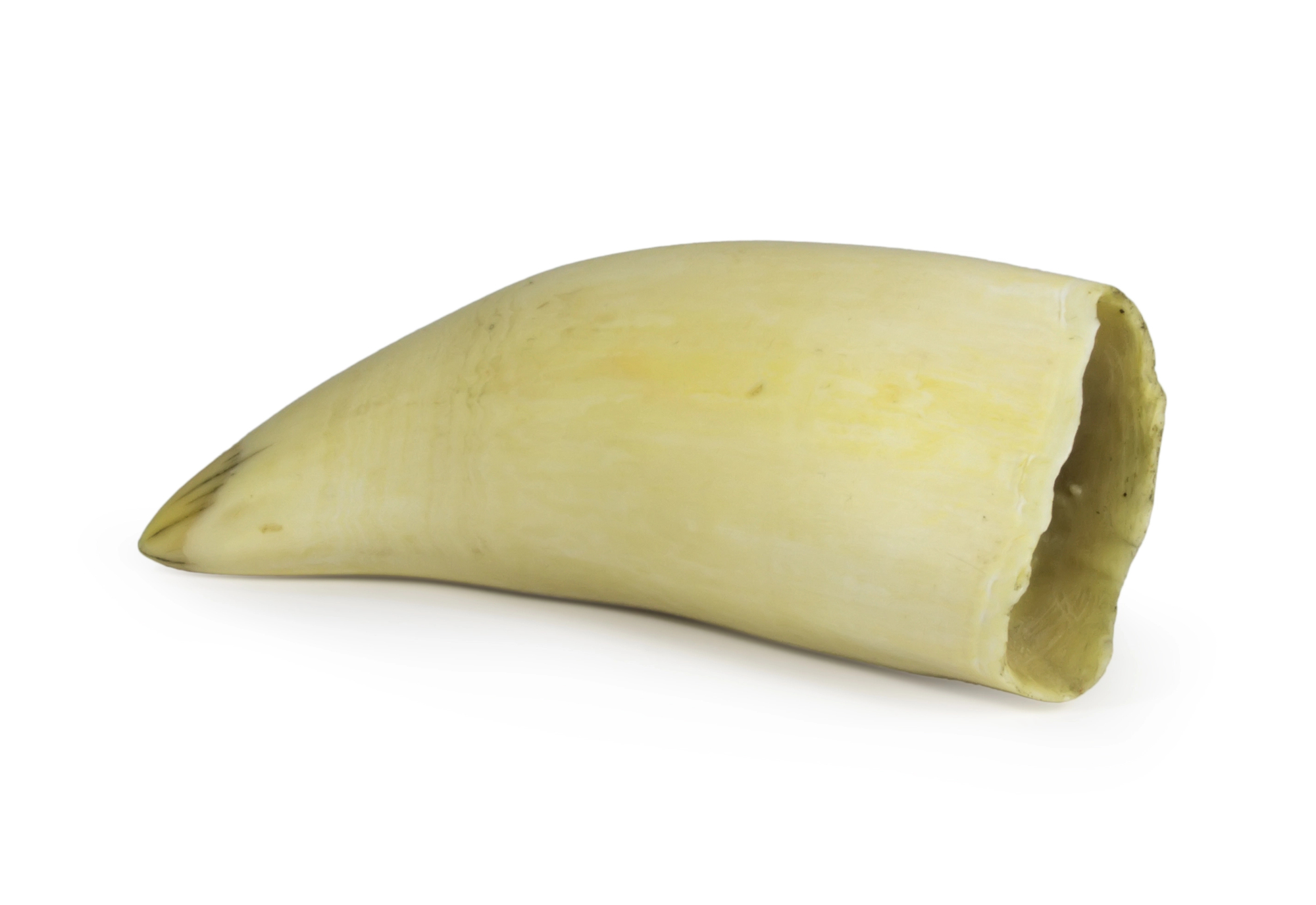
Sperm whale teeth became precious currency across Fiji and other Pacific islands, valued not just for their rarity but for their spiritual significance. The teeth, called tabua, represented life force and ancestral power in addition to economic value.
Only certain whales produced teeth suitable for currency.
The teeth had to be perfect — no cracks, proper size, correct color. A single tooth could purchase a canoe or serve as a dowry.
Knife Money With Sharp Edges
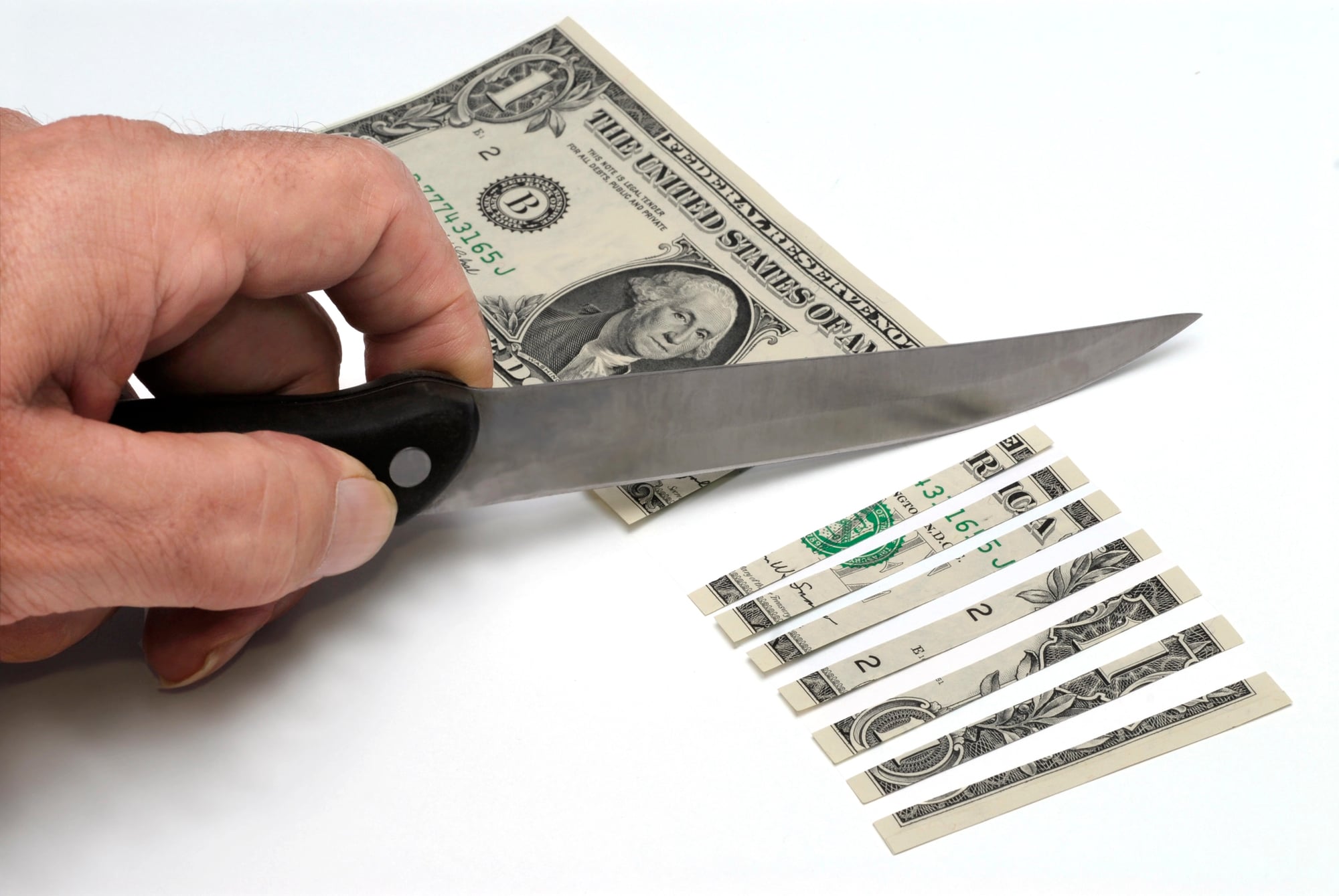
Ancient China developed currency shaped like miniature knives, complete with handles and functional blades. These knife coins maintained the practical form of actual knives while serving as standardized money.
The progression made sense: people traded real knives, then knife-shaped bronze pieces that could still cut, then purely symbolic knife money that referenced the original tool.
Function became form became symbol.
Salt Bars With Purity Standards
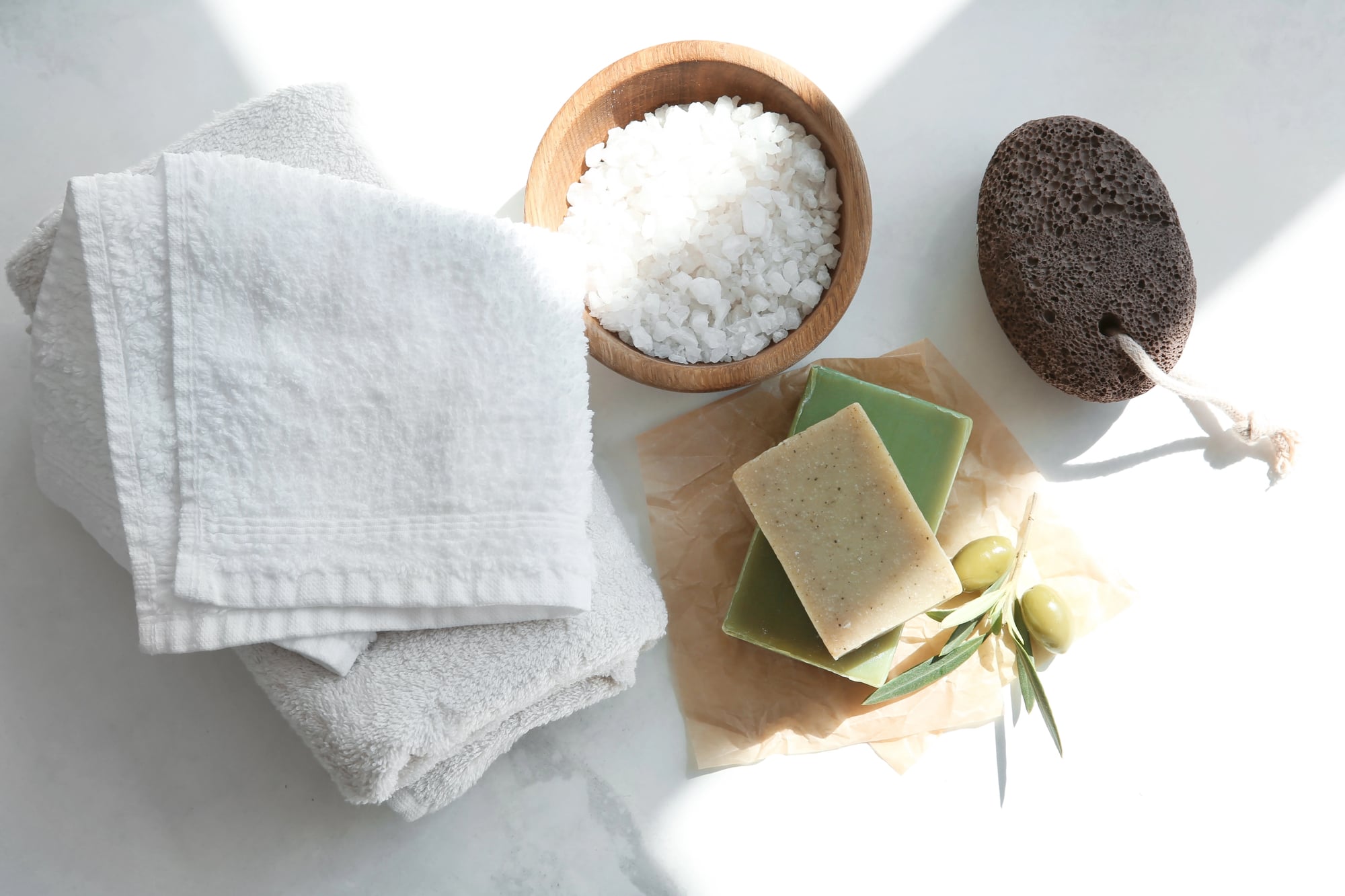
Beyond loose salt, many societies developed standardized salt bars with official markings guaranteeing purity and weight. These bars required sophisticated quality control — too much impurity rendered them worthless, while proper bars commanded premium prices.
The word “salary” derives from the Latin salarium, which was itself rooted in sal (salt) — reflecting how central salt was to ancient economies.
The phrase “worth his salt” captured the genuine premium placed on this essential commodity.
Feather Money From Santa Cruz
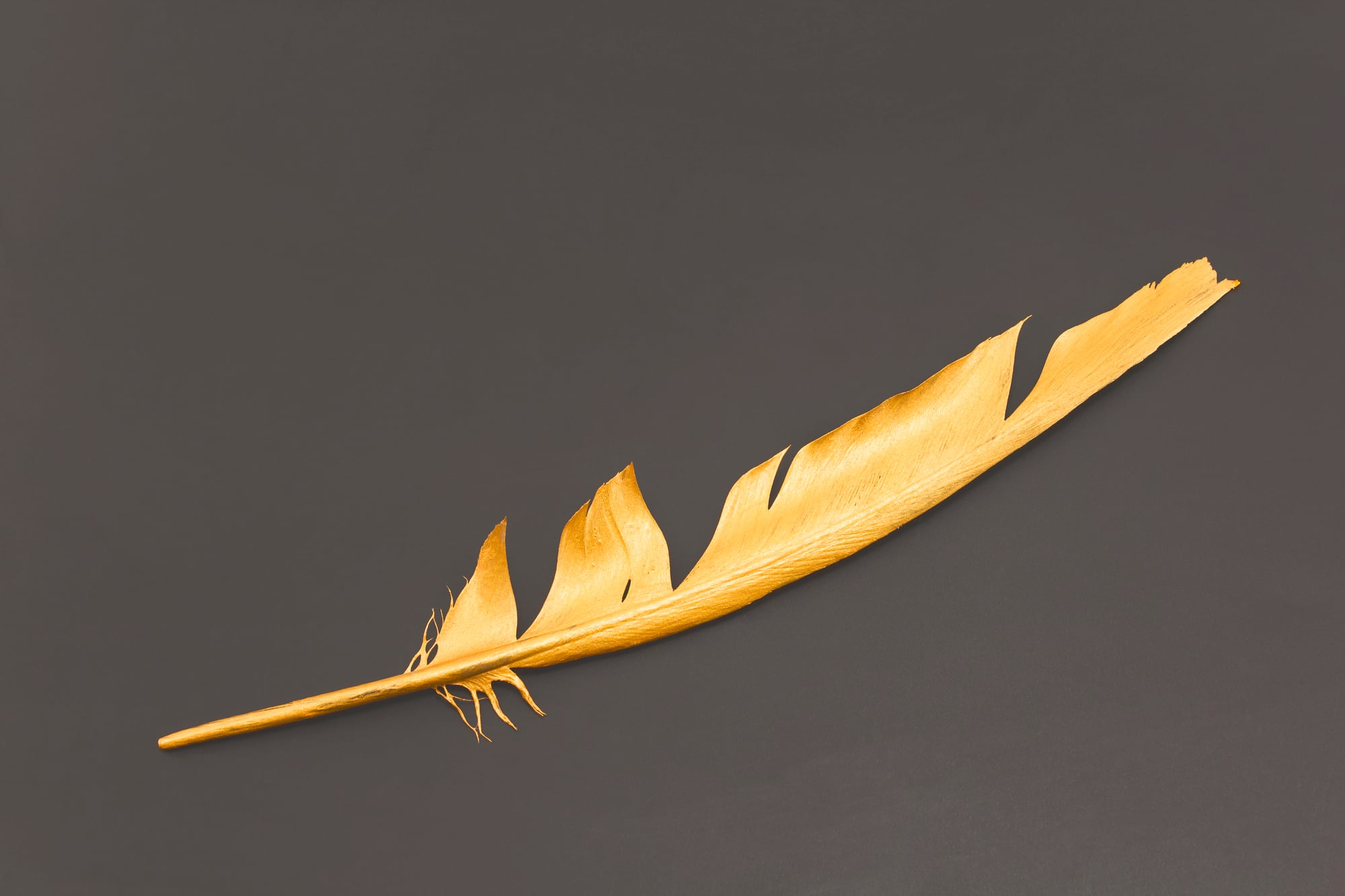
The Santa Cruz islands developed currency made from tiny red feathers glued to coils of fiber. Creating a single feather coil required hundreds of individual feathers from specific birds, making the money extraordinarily labor-intensive to produce.
The feathers had to come from particular species caught during certain seasons.
One coil represented weeks of hunting, processing, and assembly work. The currency literally contained the time and skill needed to create it.
Large Copper Sheets In Africa

Parts of Africa used large copper crosses and sheets as currency, with standardized shapes that allowed for easy stacking and transport. The copper katanga crosses of Central Africa became so standardized that they remained in use well into the 20th century.
These crosses served multiple purposes — currency, raw material for tools, and status symbols.
Wealthy individuals could melt them down for practical use or keep them as monetary reserves.
Beads With Complex Valuations

Glass beads served as currency across much of Africa and the Americas, but the valuation systems reached extraordinary complexity. Different colors, sizes, patterns, and manufacturing origins created intricate exchange rates that varied by region and season.
European traders spent years learning local bead currencies before they could engage in profitable exchange.
A blue bead might be worthless in one village and precious in another fifty miles away.
Rice As Measured Wealth
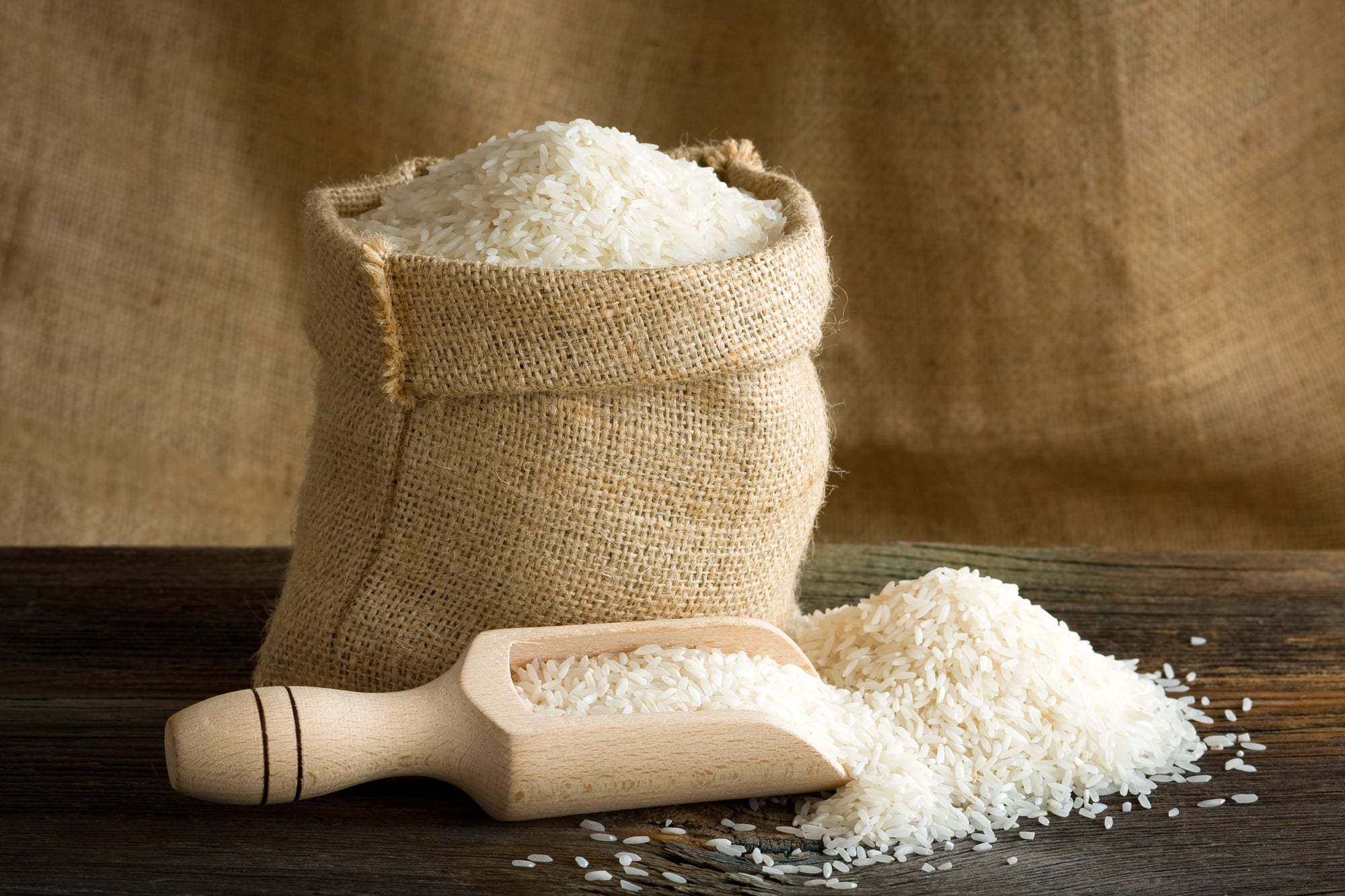
In feudal Japan, wealth was measured in koku — the amount of rice needed to feed one person for one year. Land values, salaries, and taxes were all calculated in rice equivalents, even when actual rice wasn’t exchanged.
The system created an intuitive sense of value.
Everyone understood what a year’s worth of rice meant for survival, making economic calculations transparent and meaningful.
Cattle Before Coins
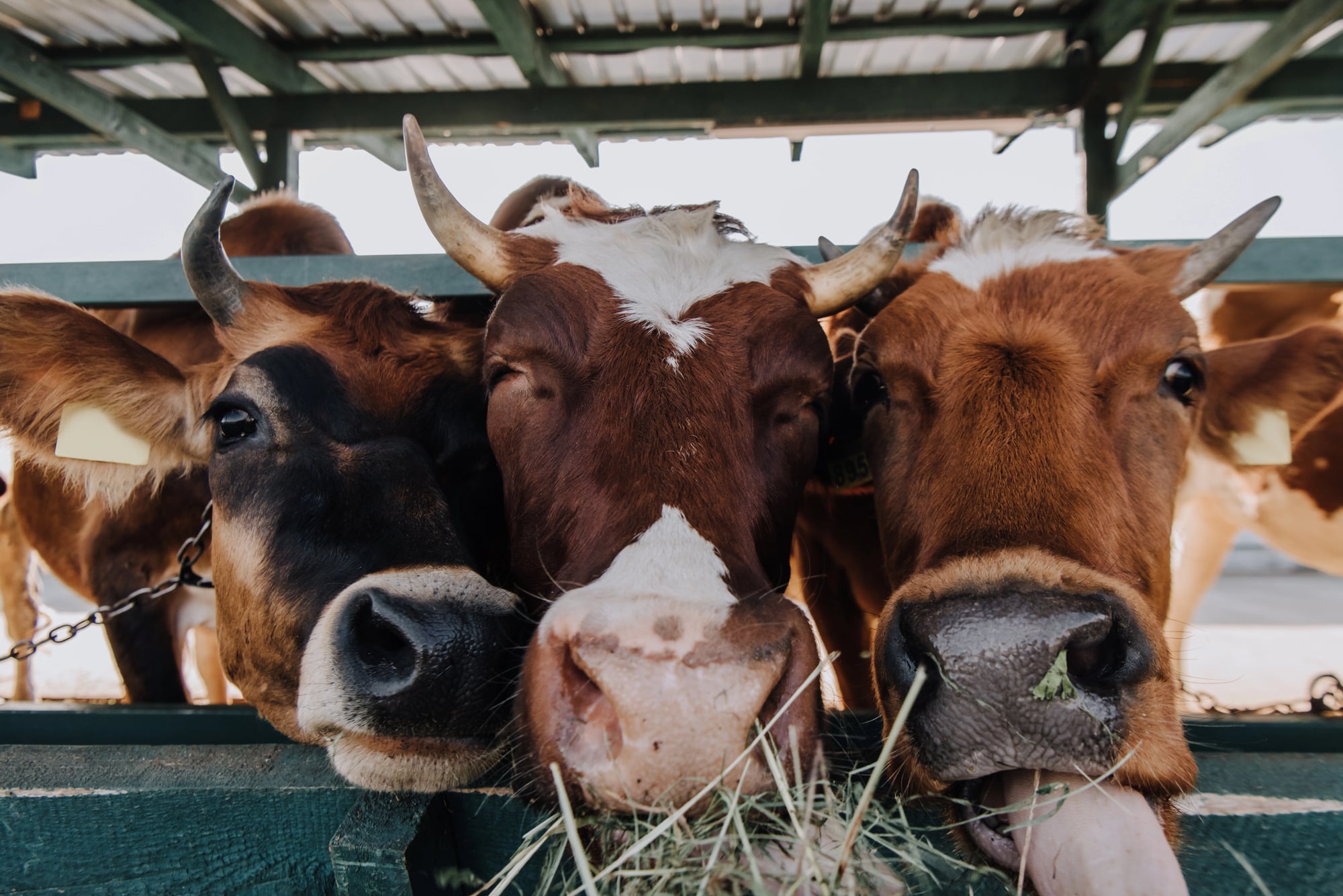
Livestock served as currency across many ancient civilizations, with cattle representing the gold standard of biological money. The Latin word for money, pecunia, derives from pecus, meaning cattle.
Cattle currency had built-in features that modern money lacks: it reproduced itself, provided food and labor while serving as savings, and its value was immediately apparent to everyone.
The downside, of course, was that your savings could die of disease or walk away.
When Money Tells Stories

These early currencies reveal something that modern money obscures: the intimate connection between value and human needs. Salt preserved life, tea provided comfort, cattle offered security, and even decorative shells carried meaning beyond their practical use.
Each currency system reflected the values, challenges, and creativity of its society.
The Spartans made money inconvenient to prevent wealth accumulation, while the people of Yap made it so permanent that storms couldn’t destroy it. These weren’t primitive systems stumbling toward modern efficiency — they were sophisticated solutions to the fundamental problem of how humans assign and exchange value in a complex world.
More from Go2Tutors!

- The Romanov Crown Jewels and Their Tragic Fate
- 13 Historical Mysteries That Science Still Can’t Solve
- Famous Hoaxes That Fooled the World for Years
- 15 Child Stars with Tragic Adult Lives
- 16 Famous Jewelry Pieces in History
Like Go2Tutors’s content? Follow us on MSN.