Engineering Marvels Behind Iconic Skyscrapers
You look up at a skyscraper and see glass and steel reaching toward the clouds. What you don’t see are the hundreds of engineering decisions that keep that building standing.
These structures push the limits of what’s possible, and each one required engineers to solve problems that had never been solved before.
The Foundation That Holds Everything
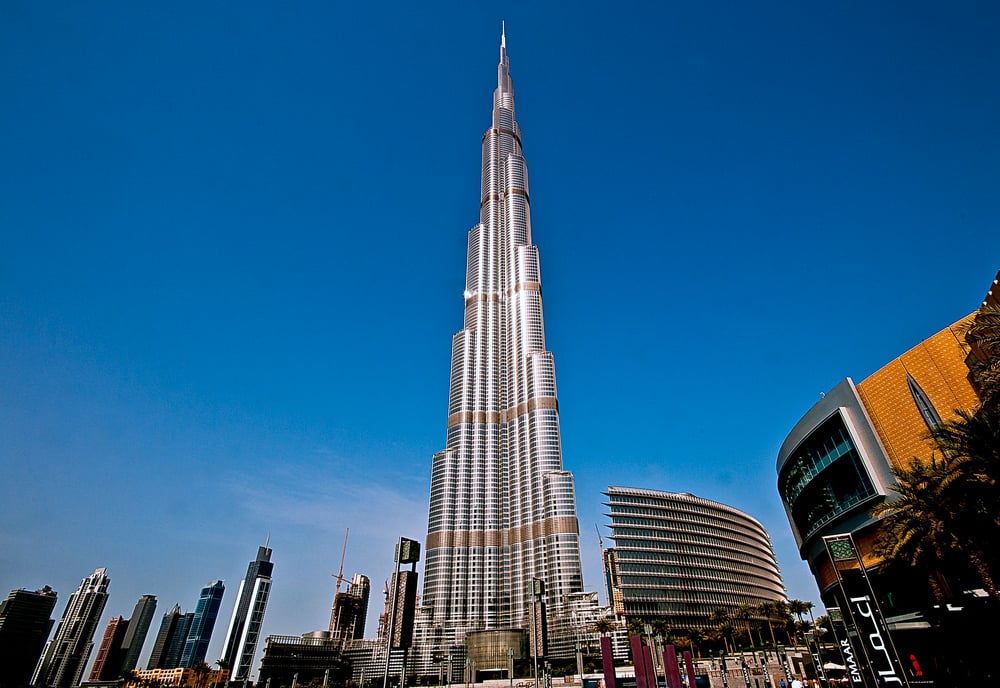
Burj Khalifa in Dubai sits on a foundation that goes 164 feet underground. The concrete pile cap weighs 110,000 tons.
Engineers had to deal with desert sand that couldn’t support a traditional foundation, so they drilled deep into more stable rock layers. The foundation took a year to build before any vertical construction even started.
This wasn’t just about going deep. The pile cap had to distribute the building’s weight evenly across 192 piles.
Each pile was tested to ensure it could handle the load. Without this foundation, the world’s tallest building would sink into the sand.
Wind and the Art of Standing Still
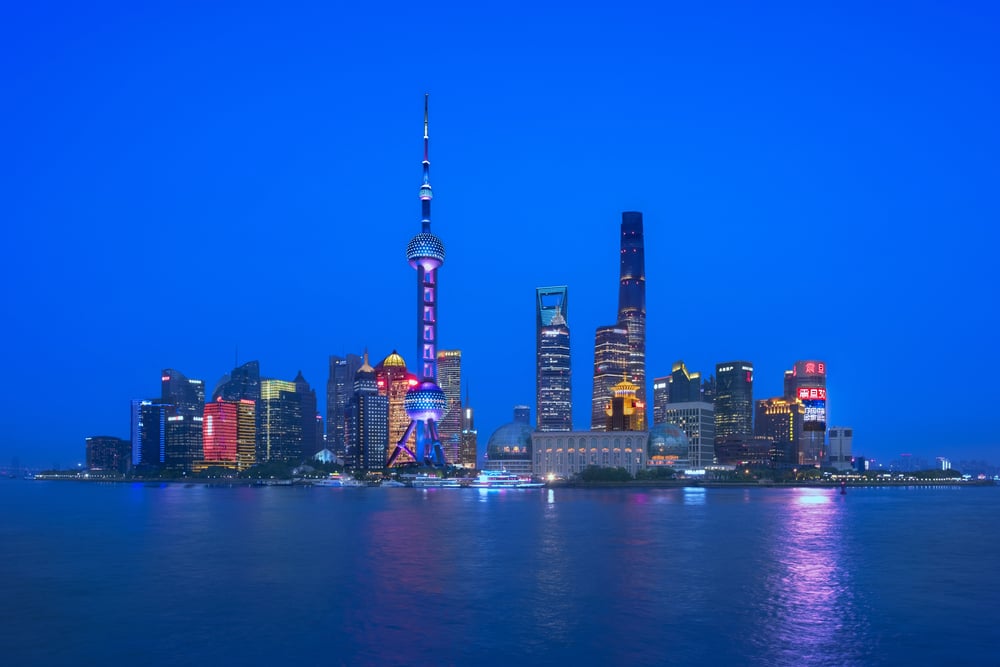
Shanghai Tower twists as it rises 2,073 feet into the air. That twist isn’t decorative.
The building’s curved shape reduces wind loads by 24% compared to a rectangular tower. Engineers used computational fluid dynamics to test thousands of design variations before settling on this spiral form.
Wind can create vortexes that make tall buildings sway. The Taipei 101 tower houses a 660-metric-ton tuned mass damper suspended between floors 87 and 92 that counteracts this movement.
This massive pendulum swings in the opposite direction of the building’s sway, reducing movement by up to 40% and keeping occupants comfortable even during typhoons.
Steel Skeletons That Flex
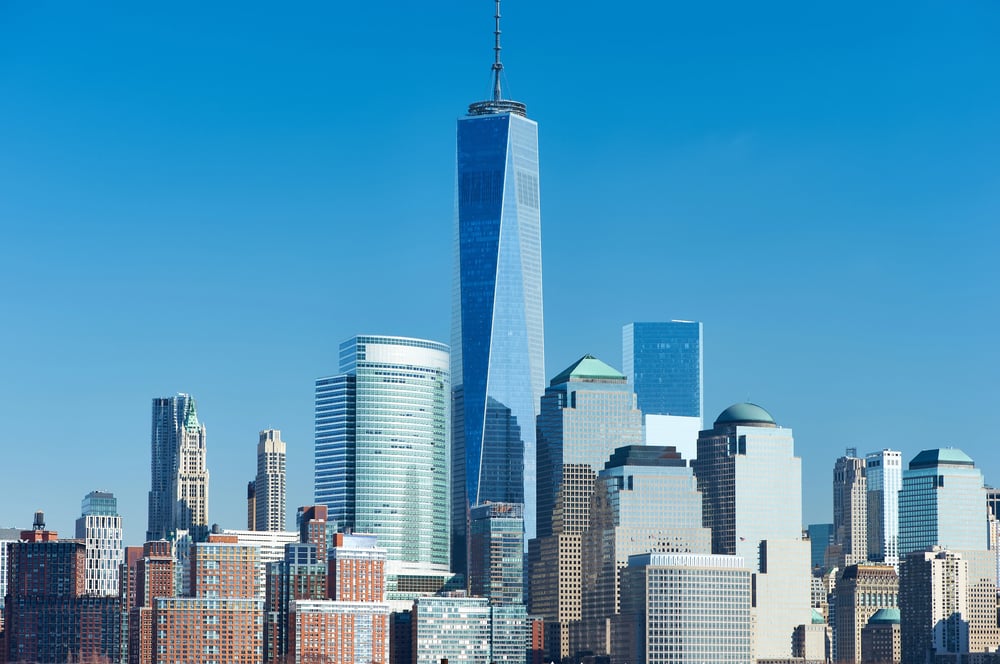
One World Trade Center uses 200,000 tons of structural steel. The building’s core contains 2-foot-thick concrete walls reinforced with steel bars.
This hybrid system provides both strength and flexibility. Modern skyscrapers need to bend without breaking.
Engineers design them to sway several feet at the top during high winds. The key is controlling that movement so it happens slowly enough that people inside don’t feel it.
Too rigid and the building cracks. Too flexible and everyone gets motion sickness.
Elevator Systems That Defy Gravity

The elevators in the Burj Khalifa travel at 36 feet per second. They use special hydraulic systems to prevent ear pressure problems as passengers ascend 160 floors.
The building has 57 elevators and 8 escalators, all coordinated by computer systems that predict traffic patterns. Double-deck elevators in places like Taipei 101 carry passengers on two levels simultaneously.
This cuts down on the number of elevator shafts needed, freeing up valuable floor space. The control systems track every car in real time, constantly optimizing routes to reduce wait times.
Glass That Can Take a Beating

The Willis Tower’s ledge juts out from the 103rd floor, made of three layers of half-inch glass laminated together. Each ledge can support five tons.
The glass can withstand extreme temperature changes and high winds without cracking. Engineering these transparent structures requires calculating stress points, thermal expansion, and impact resistance.
The glass in modern skyscrapers often has special coatings that reflect heat while letting light through, reducing cooling costs by up to 40%.
Earthquake-Proofing Through Movement

The Transamerica Pyramid in San Francisco sits on a foundation that can slide during earthquakes. The building’s unique shape helps it absorb seismic energy.
Its pyramid form means less mass at the top, reducing the force that accumulates during ground shaking. Tokyo’s skyscrapers use viscous dampers and oil dampers placed throughout the structure to absorb earthquake energy.
These dampers work like shock absorbers, converting seismic motion into heat. The building moves during an earthquake, but the dampers dissipate much of that energy before it reaches the occupants.
Pumping Water a Quarter Mile Up

Getting water to the top of a skyscraper requires more than just strong pipes. The Burj Khalifa uses a staged pumping system where water is pushed to intermediate tanks, then pumped again to higher levels.
The system includes 213 miles of piping and can deliver 660,000 gallons of water daily. Pressure management is critical.
Too much pressure and pipes burst. Too little and the upper floors run dry.
Engineers install pressure-reducing valves at strategic points, creating zones that maintain safe water pressure throughout the building.
Cooling and Heating the Uncoolable

The Petronas Towers in Malaysia use ice storage systems that freeze water at night when electricity is cheaper, then use that ice to cool the building during the day. This cuts cooling costs by 30%.
Central air systems in tall buildings must account for the stack effect, where warm air rises and creates pressure differences between floors. Engineers design systems that balance airflow across all levels, ensuring comfortable temperatures everywhere from the lobby to the penthouse.
Construction in the Sky

Building the Empire State Building took 410 days. Workers assembled the steel frame at a rate of four and a half stories per week.
The construction sequence was precise: steel workers erected the frame, masons built the exterior walls, and electricians and plumbers followed close behind. Modern skyscrapers use jump forms that climb the building as it rises.
These self-lifting platforms eliminate the need for external scaffolding. Prefabricated components arrive on site ready to install, reducing construction time and improving quality control.
Fire Safety at Extreme Heights
The One World Trade Center includes three separate emergency stairwells with walls thick enough to withstand explosions. The building’s high-strength concrete core provides both structural support and fire resistance, creating a protected path to ground level.
These materials give the building hours of fire protection without additional coatings. Smoke extraction systems create positive pressure in stairwells, keeping them clear during evacuations.
Sprinkler systems are zoned to activate only where needed, preventing water damage to unaffected floors. These systems are tested regularly and must meet standards far exceeding typical buildings.
Communication Networks That Never Stop

Modern skyscrapers contain thousands of miles of fiber optic cable. The Burj Khalifa has its own telecommunications infrastructure, essentially functioning as a vertical city with its own area codes and network management.
Redundant systems ensure connectivity never fails. Multiple internet providers, backup generators for telecom equipment, and distributed network nodes mean that even if one system fails, others take over seamlessly.
This infrastructure is as critical as the plumbing or electrical systems.
Sustainability Through Engineering

The Bank of America Tower in New York was one of the first skyscrapers to achieve LEED Platinum certification. It captures rainwater for reuse, generates some of its own power through a cogeneration plant, and uses materials with high recycled content.
Floor-to-ceiling windows maximize natural light, reducing the need for artificial lighting. Efficient HVAC systems recover heat from exhaust air to warm incoming fresh air.
These features aren’t just environmentally friendly. They reduce operating costs by millions annually.
The Math Behind the Magic

Every skyscraper is a collection of calculations. Engineers use finite element analysis to model how every component will behave under different conditions.
They simulate earthquakes, hurricanes, fires, and even terrorist attacks to ensure the building can withstand extreme scenarios. Load paths trace how forces travel through the structure.
Dead loads from the building’s own weight, live loads from occupants and furniture, wind loads, seismic loads all get calculated and combined. The steel and concrete are sized to handle these forces with safety margins built in.
Where Engineering Meets the Clouds

Standing at the base of a skyscraper, you’re looking at years of calculations, innovations, and problem-solving. These buildings exist because engineers figured out how to make steel strong enough, concrete stable enough, and systems smart enough to work at heights that seemed impossible a century ago.
The next generation of skyscrapers will push even higher, incorporating new materials like carbon fiber and new technologies like AI-controlled systems. But the fundamental challenge remains the same: how do you build something that reaches toward the sky and stays there, safely, for decades to come.
More from Go2Tutors!

- The Romanov Crown Jewels and Their Tragic Fate
- 13 Historical Mysteries That Science Still Can’t Solve
- Famous Hoaxes That Fooled the World for Years
- 15 Child Stars with Tragic Adult Lives
- 16 Famous Jewelry Pieces in History
Like Go2Tutors’s content? Follow us on MSN.