15 Differences Between Android and Apple Devices People Overlook
The eternal debate between Android and Apple users has been raging for over a decade. Most people know the obvious differences—price points, app stores, design philosophies.
But beneath the surface arguments about which camera is better or which interface feels smoother, there are subtle distinctions that shape how you actually live with these devices. These overlooked differences don’t make headlines, but they quietly influence your daily experience in ways you might not even realize.
File Management Systems
Android treats files like a computer does. Apple treats them like they don’t exist unless an app needs them.
You can plug an Android phone into any computer and browse its storage like a flash drive. Drop files anywhere, organize folders however you want, access downloads directly.
Apple hides the file system behind curtains and expects you to trust that everything is where it should be.
Default App Flexibility
So you prefer Chrome over Safari. On Android, Chrome becomes your browser—period.
Every link, every web request goes through Chrome without asking. On iOS, even when you set Chrome as default, some links still mysteriously open in Safari.
Apps can ignore your preference whenever they feel like it. The system respects your choice until it doesn’t.
Notification Behavior
There’s something almost archaeological about Android notifications—they pile up like sediment, each one a small artifact of something that happened (whether that was five minutes ago or last Tuesday, and you’re never quite sure which without checking the timestamp). Apple notifications, by contrast, feel more like houseguests: they arrive with purpose, announce themselves clearly, and then either get dealt with or politely fade away without cluttering the space.
Android assumes you want to keep everything until you explicitly say otherwise. Apple assumes you want things tidy and makes decisions about what stays visible based on what it thinks matters most right now.
Sideloading Applications
Android doesn’t care where your apps come from. Apple thinks the App Store is the only safe neighborhood in town.
You can install apps from anywhere on Android—third-party stores, direct downloads, sketchy websites your cousin recommended. Apple locks this down completely unless you jailbreak, which voids everything and makes your phone about as welcome at the Genius Bar as a wet dog.
Hardware Diversity
Here’s the thing about choice: Android offers so much of it that picking a phone becomes like navigating a restaurant menu written in three languages with no pictures. There are budget phones that cost less than dinner for two, flagship devices that rival laptops in price, phones with styluses, phones with keyboards that slide out (yes, still), phones built for gaming, phones designed to survive nuclear winter, and phones so specialized they seem designed for people whose jobs you can’t quite identify.
And then—just when you think you’ve seen everything—Samsung releases something with a screen that folds in half, because apparently we needed phones that could also cosplay as flip notebooks. But here’s what nobody tells you about infinite choice: it’s exhausting.
Apple gives you three or four models in carefully selected colors, and somehow that feels like a relief rather than a limitation.
Customization Depth
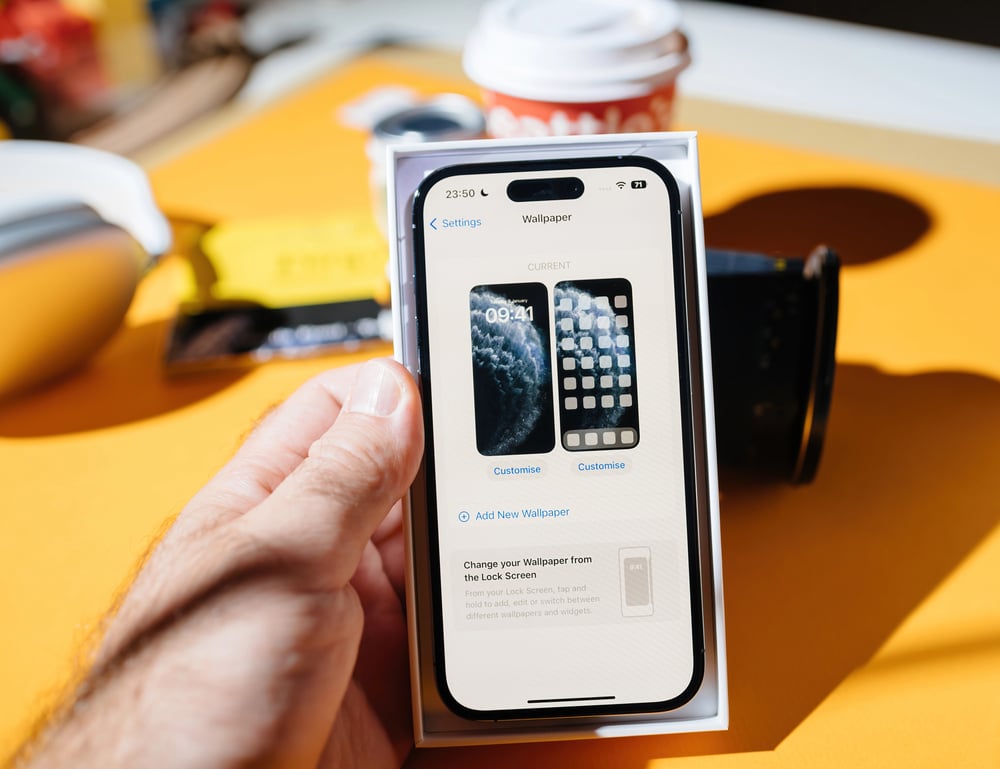
Apple gives you wallpapers and widget arrangements. Android gives you the ability to rebuild the entire interface from scratch.
Want your home screen to look like Windows 95? Android can do that. Want every app icon to be a tiny picture of your cat? Also possible.
Apple lets you move icons around and change the wallpaper, then acts like that’s revolutionary.
Cross-Device Integration
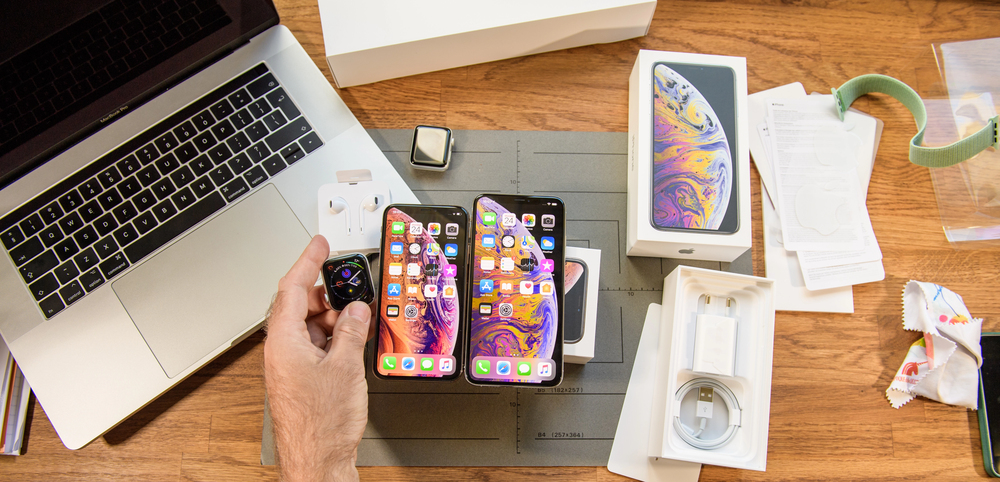
The way Apple devices recognize each other feels almost telepathic—copy text on your phone and it appears ready to paste on your laptop without any visible handshake or negotiation between the two. Answer a call on your watch while your phone charges in another room.
Start an email on one device and finish it on another without thinking twice about where it lives or how it got there. Android devices can share files and sync data across brands, but it requires more deliberate setup and never quite achieves that seamless invisibility that makes Apple’s ecosystem feel less like connected devices and more like different windows into the same digital space.
Battery Management Philosophy
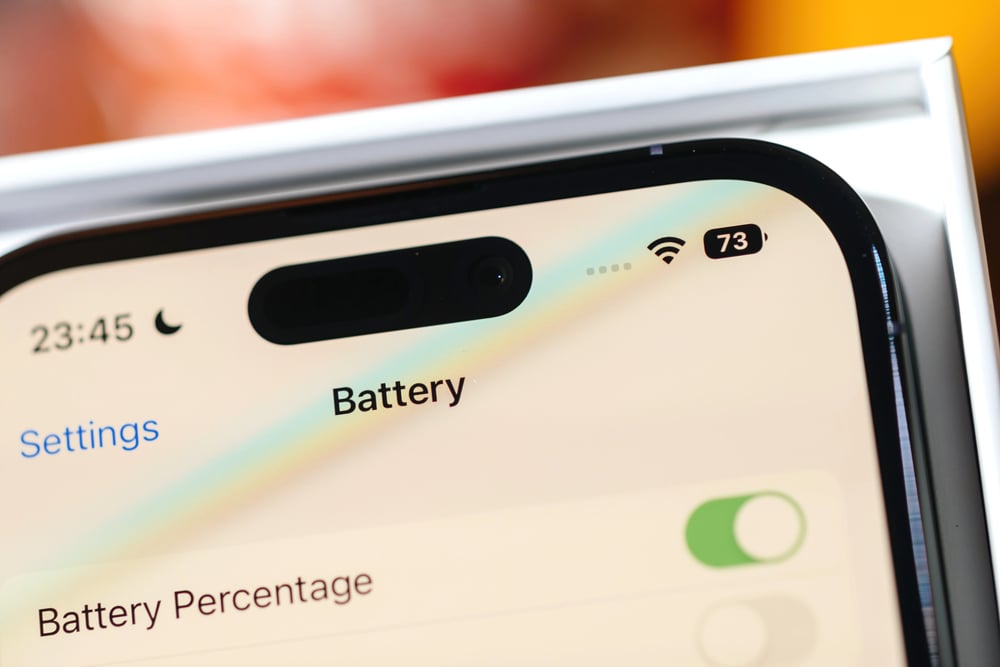
Apple manages your battery like an overprotective parent. Android trusts you to figure it out yourself.
iOS throttles performance when the battery degrades, dims the screen based on usage patterns, and makes a hundred small adjustments you never see. Android shows you which apps are draining power and lets you decide what to do about it—even if that decision ruins your battery life.
Update Distribution
So here’s how Android updates work: Google releases them, phone manufacturers modify them, carriers test them, and maybe—maybe—your phone gets the update six months later. Unless it doesn’t.
Apple releases an update on Tuesday. Every compatible iPhone gets it on Tuesday.
The fragmentation isn’t just technical; it’s philosophical. Android treats updates like suggestions.
Apple treats them like homework assignments.
Voice Assistant Integration
There’s something stubborn about the way Siri lives in your iPhone—always there when summoned, but never quite stepping out of Apple’s carefully maintained boundaries, like a helpful but slightly formal houseguest who knows not to rearrange your furniture. Google Assistant, meanwhile, seems to have made itself completely at home across every corner of Android, not just answering questions but anticipating them, offering suggestions you didn’t ask for, and generally behaving less like a tool you activate and more like a persistent companion who’s always paying attention to what you might want next.
Siri feels polite and contained. Google Assistant feels intrusive and indispensable in roughly equal measure.
Storage Expansion Options
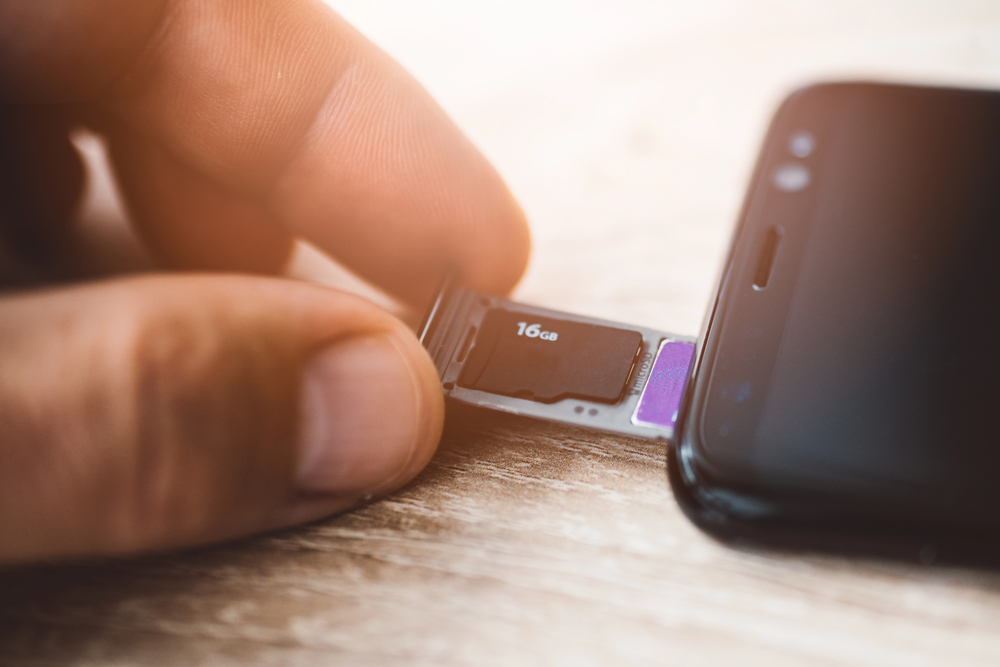
Android phones often include microSD card slots. Apple thinks 128GB should be enough for everyone, and if it isn’t, you should have bought the more expensive model.
You can add a terabyte of storage to many Android devices for less than fifty dollars. Apple charges premium prices for every additional gigabyte and acts like removable storage is a security risk rather than a convenience.
Repair and Maintenance Access
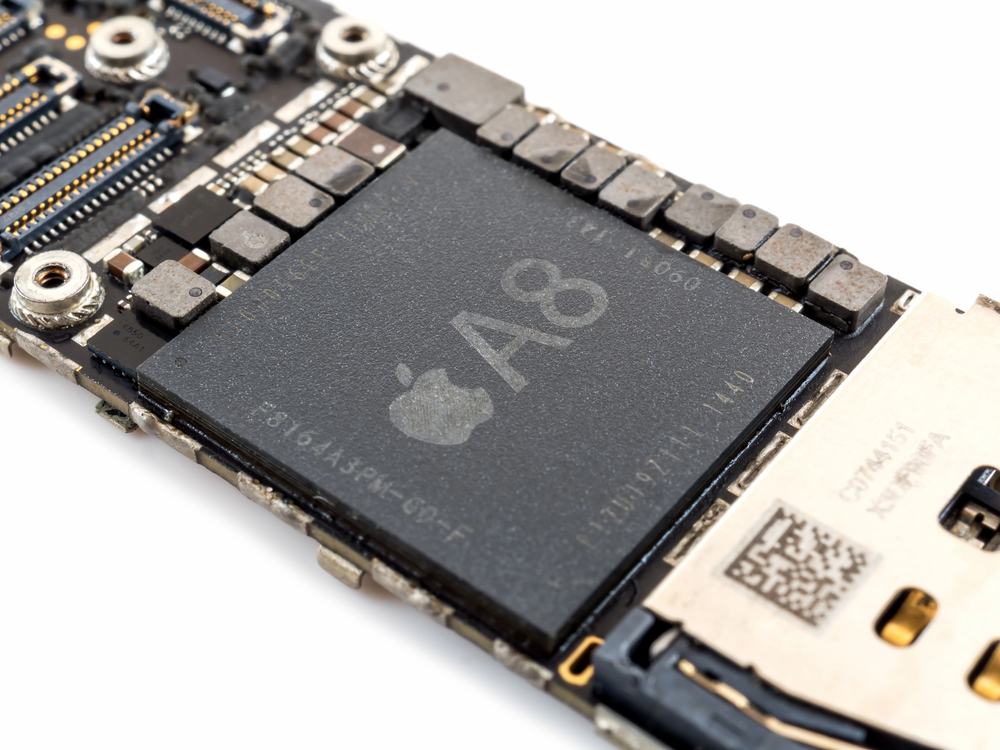
Apple designs phones like sealed environments that only certified technicians should open. Android manufacturers generally don’t lose sleep if you want to replace your own battery.
Getting an iPhone repaired through unofficial channels can trigger software locks and warning messages. Android devices rarely punish you for seeking third-party repairs, though the quality of those repairs varies wildly.
App Store Policies and Restrictions
The App Store feels like a museum gift shop—everything has been carefully curated, nothing offensive or experimental makes it to the shelves, and the prices reflect the premium location. Google Play feels more like a sprawling marketplace where you might find exactly what you need next to something you definitely don’t want, and the lack of strict gatekeeping means developers can push boundaries that Apple would never allow.
Apple rejects apps for being too similar to built-in functions or not meeting design guidelines. Google mostly cares that apps aren’t actively malicious.
The result is that iOS apps tend to feel more polished and consistent, while Android apps can be more innovative and weird.
Privacy Settings Granularity
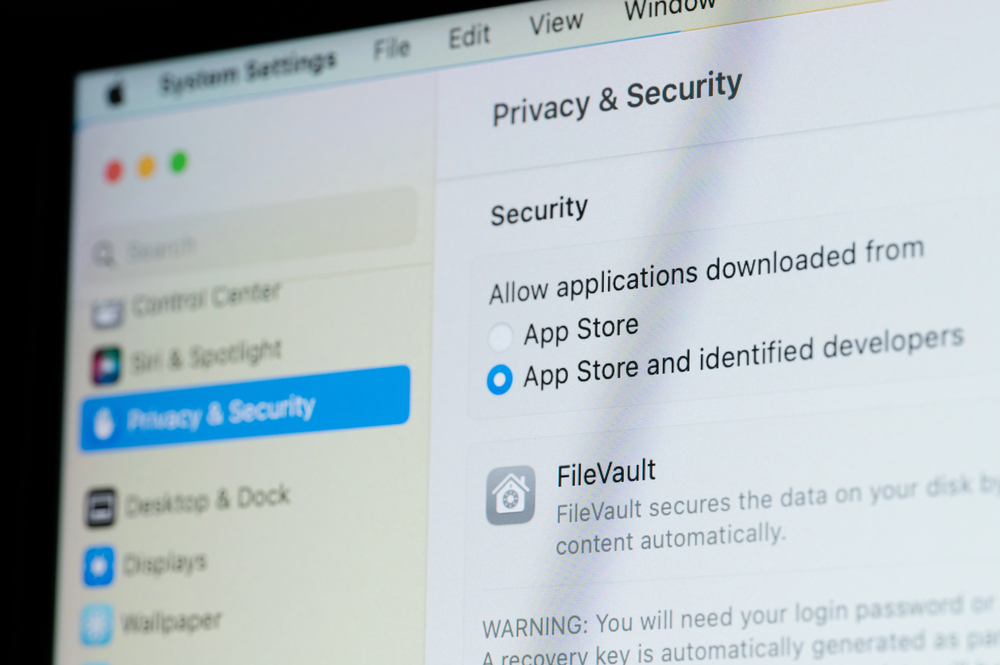
iOS gives you big, obvious privacy toggles that work exactly as advertised. Android gives you seventeen different ways to control location sharing and assumes you want to understand the difference between them all.
Apple’s privacy settings feel designed by people who think privacy should be simple to manage. Android’s privacy settings feel designed by people who think privacy is complicated and you should know that.
Price and Market Positioning
Android spans every price range from “costs less than lunch” to “costs more than rent.” Apple starts expensive and goes up from there.
You can get a perfectly functional Android phone for under $200 that does everything most people need. The cheapest new iPhone costs three times that and Apple acts like they’re doing you a favor.
The budget Android market creates competition that simply doesn’t exist in Apple’s world.
The Choice That Chooses You

Maybe the real difference isn’t technical at all. Maybe it’s that Android assumes you want control over your digital life, even if that control comes with complexity and occasional frustration.
Apple assumes you want your technology to work seamlessly, even if that means accepting limitations you might not have chosen yourself. Neither approach is wrong, but they reflect fundamentally different beliefs about what people want from their devices—and what they’re willing to give up to get it.
More from Go2Tutors!

- The Romanov Crown Jewels and Their Tragic Fate
- 13 Historical Mysteries That Science Still Can’t Solve
- Famous Hoaxes That Fooled the World for Years
- 15 Child Stars with Tragic Adult Lives
- 16 Famous Jewelry Pieces in History
Like Go2Tutors’s content? Follow us on MSN.