17 Facts About Coachella And Music Festivals
Music festivals have become cultural landmarks, and few carry as much influence as Coachella. What started as a modest gathering in the California desert has evolved into a phenomenon that shapes fashion, music trends, and social media feeds worldwide.
These events offer more than just live performances — they create temporary cities where art, commerce, and human connection collide in ways that leave lasting impressions on everyone involved.
Coachella Started As A Rebellion Against Ticketmaster

Pearl Jam’s 1994 boycott of Ticketmaster left fans without access to major venues. Concert promoter Paul Tollett saw an opportunity.
He organized shows at smaller venues, building relationships with artists who felt constrained by the corporate festival circuit. That rebellious spirit directly led to Coachella’s creation in 1999.
The Festival Loses Money Most Years
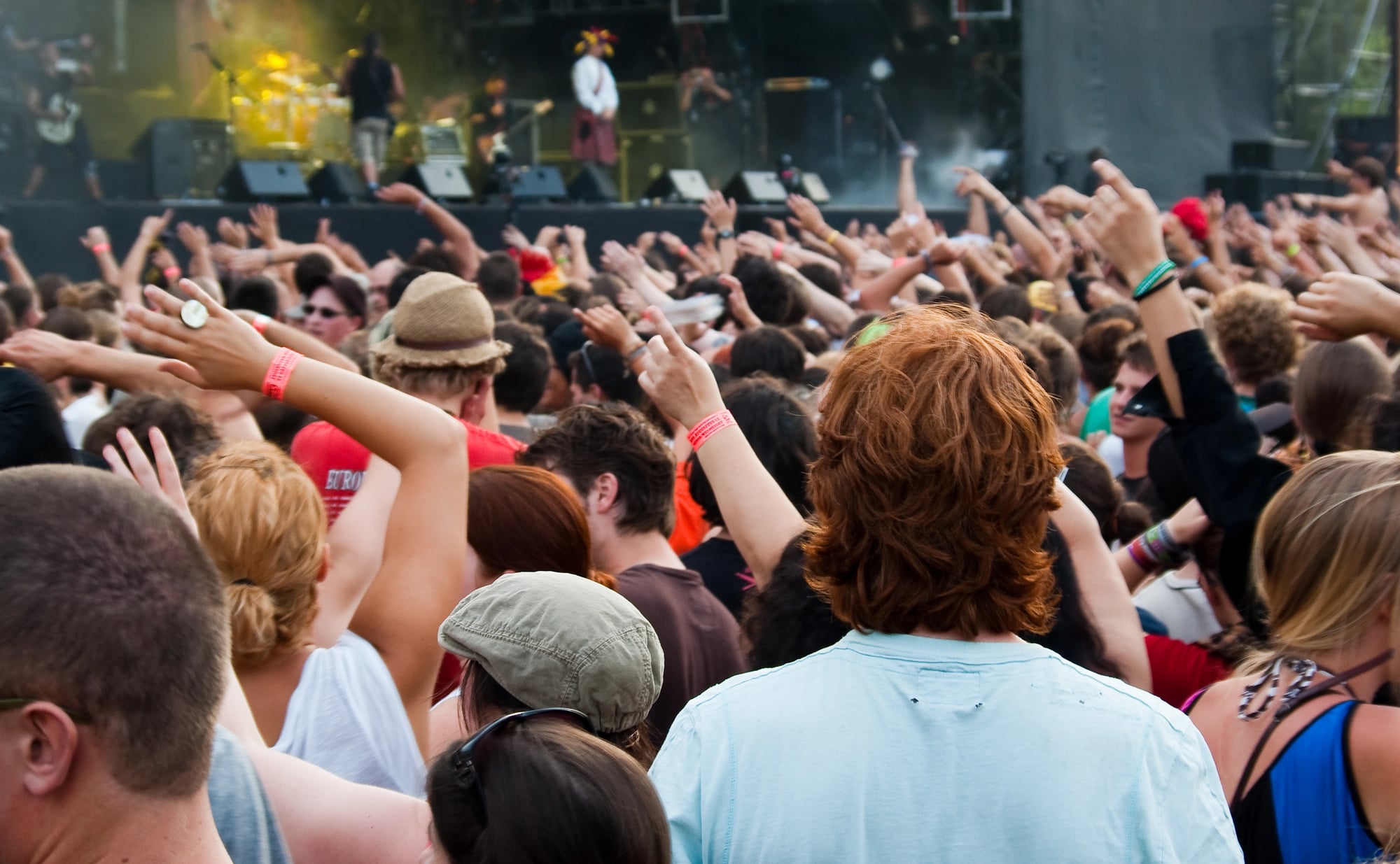
Here’s something that might surprise you (and definitely surprised early investors): Coachella operates at a financial loss during most years, with profits coming primarily from merchandise, sponsorship deals, and the broader ecosystem it creates rather than ticket sales alone. The real money comes from everything except the music — which explains why a water bottle costs eight dollars and a simple t-shirt runs forty-five, but it also explains how the festival manages to book headliners who command seven-figure fees while maintaining ticket prices that, while expensive, aren’t completely prohibitive for devoted fans.
The economics work because Coachella has become something larger than a music festival: it’s a brand, a lifestyle statement, and a marketing platform that generates revenue streams twelve months a year. But the actual event? Most years, it’s a beautiful, expensive loss leader.
Desert Conditions Create Unique Sound Challenges
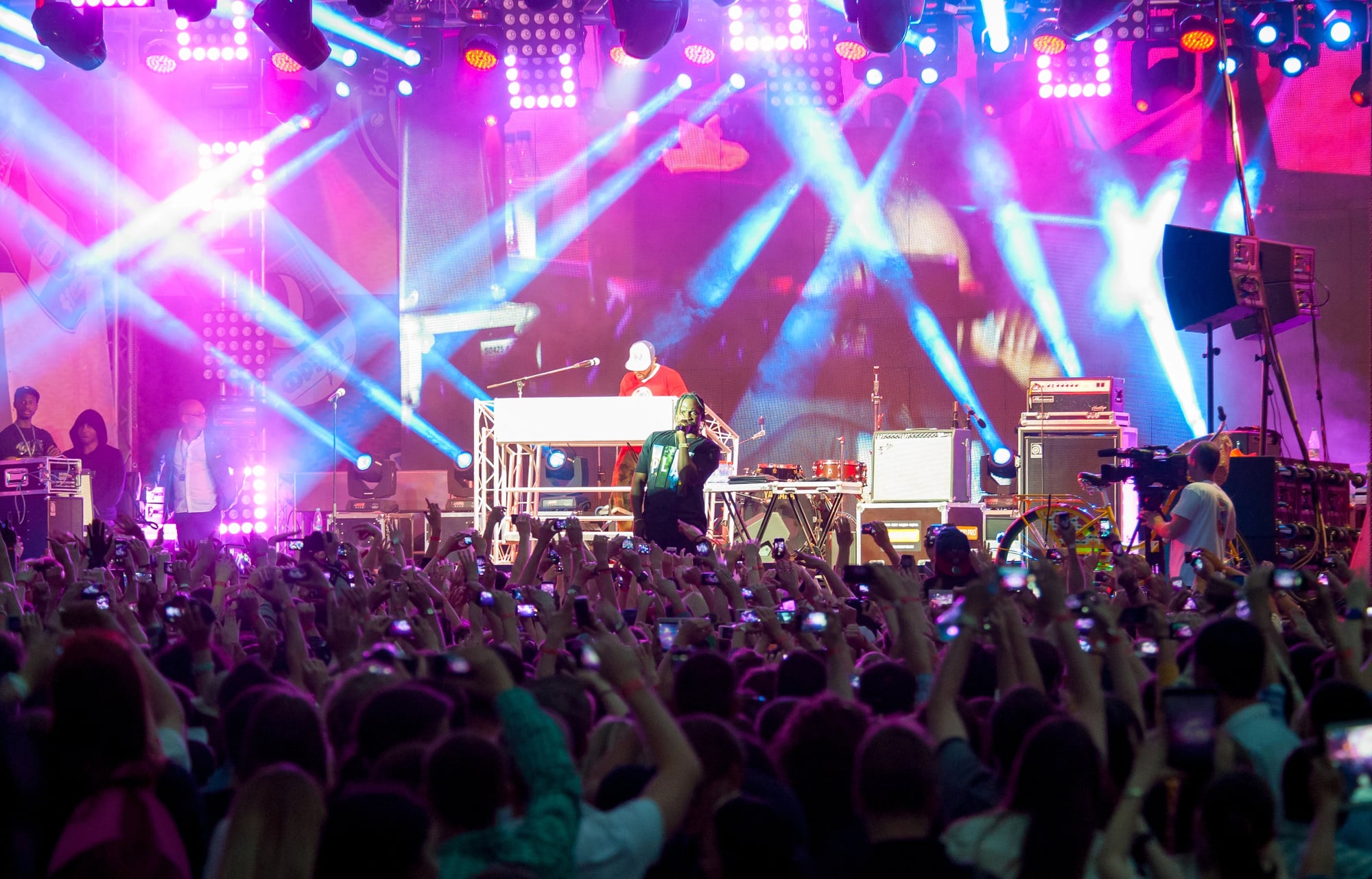
Sound behaves differently in desert air. The dry atmosphere and temperature fluctuations between day and night create acoustic conditions that engineers spend months preparing for.
Bass frequencies carry differently. Wind patterns change throughout the day. Equipment that works perfectly in humid climates can fail completely when exposed to fine desert sand and dramatic temperature swings.
Instagram Changed Everything After 2012

Before Instagram reached critical mass, festivals were about music first. After 2012, they became visual experiences designed for sharing.
Coachella adapted faster than its competitors, creating art installations specifically engineered for social media moments. The giant rotating prism wasn’t built for artistic expression — it was built for your feed.
The Festival Owns Its Venue
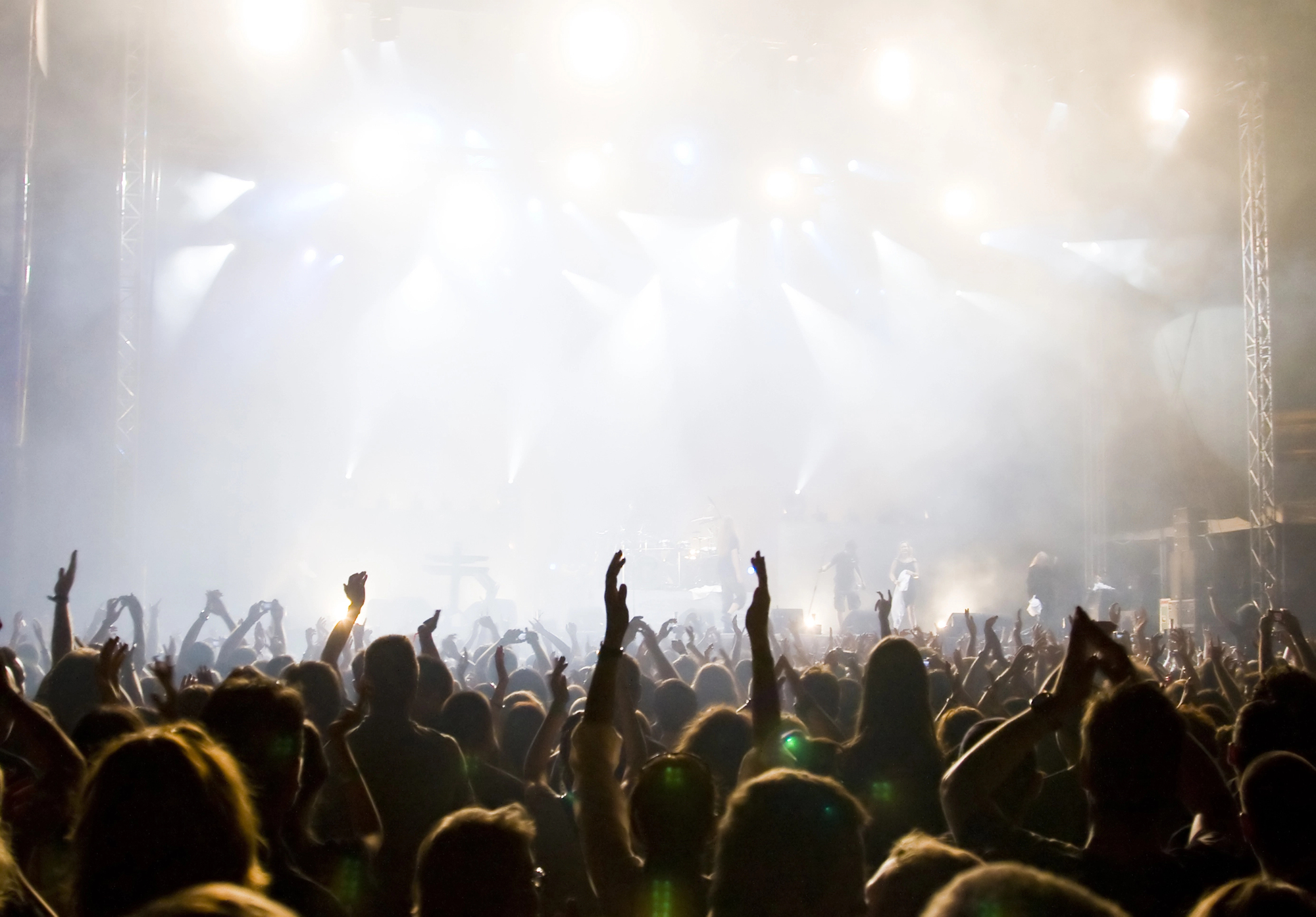
Unlike most major music festivals that rent space from unaffiliated owners, Coachella’s organizers have a long-term exclusive arrangement with the Empire Polo Club, giving them a level of control over the venue year-round that most festivals can only dream of achieving. This means they control every aspect of the experience year-round, from infrastructure improvements to the exact positioning of stages relative to art installations relative to food vendors — a level of environmental control that most festivals can only dream of achieving, and which explains why the event feels so meticulously orchestrated compared to festivals that are essentially renting someone else’s backyard for the weekend.
So when you notice that the beer garden placement seems perfectly calculated to create foot traffic past the merchandise tents, or that the art installations are positioned to create natural gathering spots that don’t interfere with sound from the main stages — that’s not accident. That’s ownership.
Festival Fashion Became A Billion-Dollar Industry
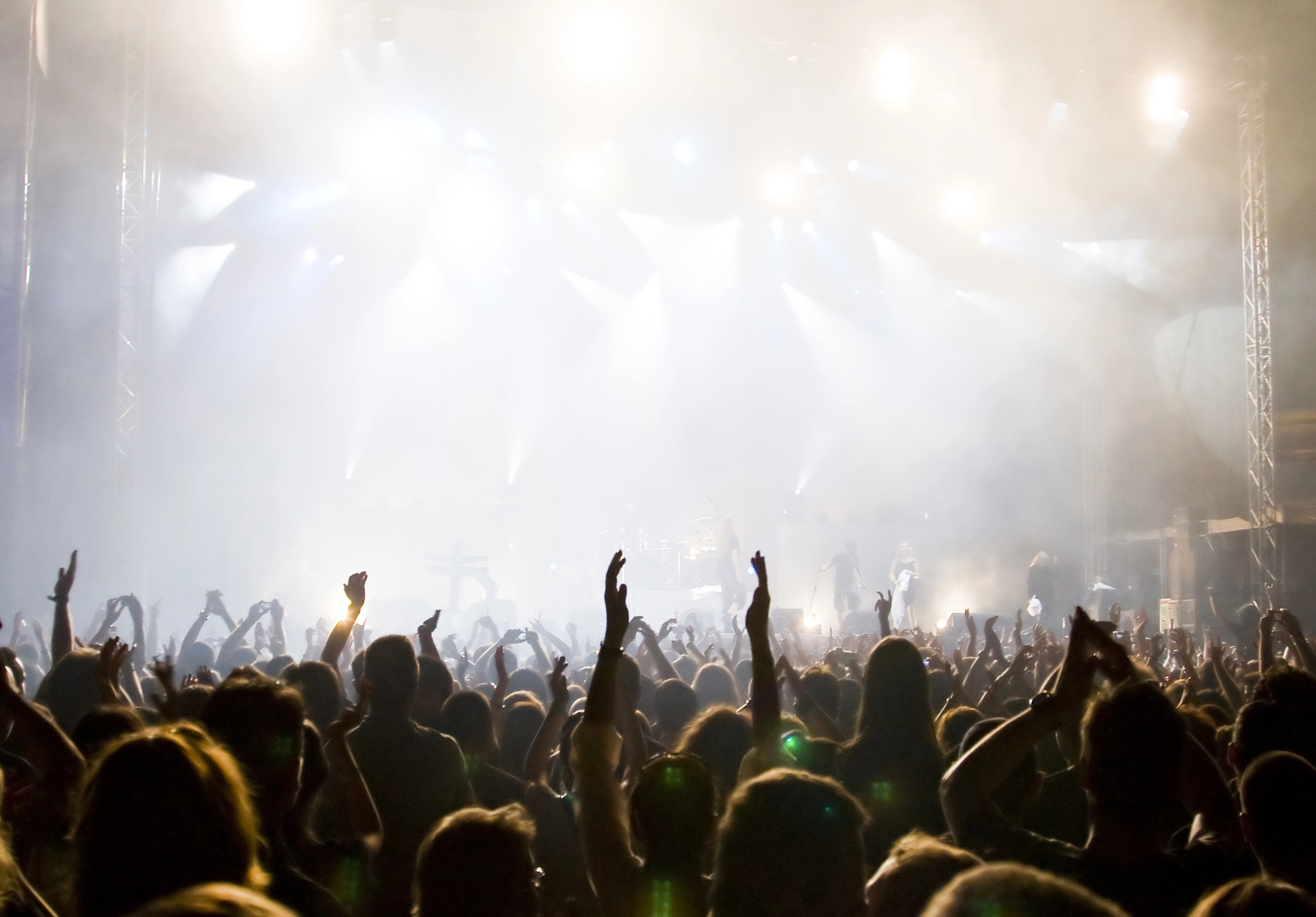
Flower crowns weren’t a thing before Coachella. Neither were temporary tattoos as accessories or wearing boots with sundresses.
The festival accidentally created a fashion category that now generates over a billion dollars in annual retail sales globally. Major brands launch entire “festival collections” based on trends that emerge from a single weekend in Indio.
The Camping Experience Is Deliberately Uncomfortable
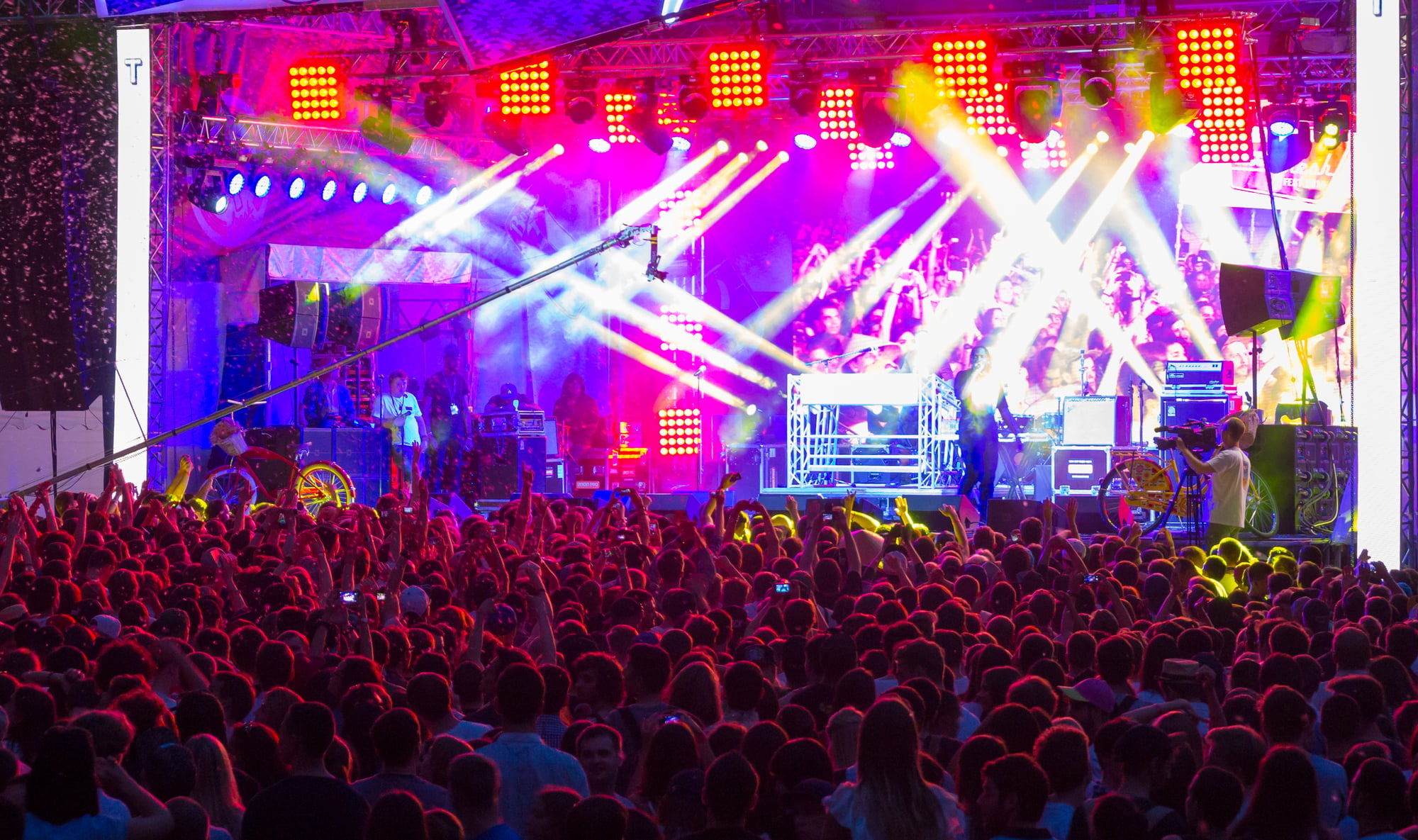
The festival could offer better camping facilities, but it chooses not to. Shared bathrooms, limited shower access, and minimal amenities push campers toward day passes, hotel bookings, and premium camping upgrades.
Discomfort is a business model, not an oversight.
Sound Curfews Are Stricter Than Most Cities
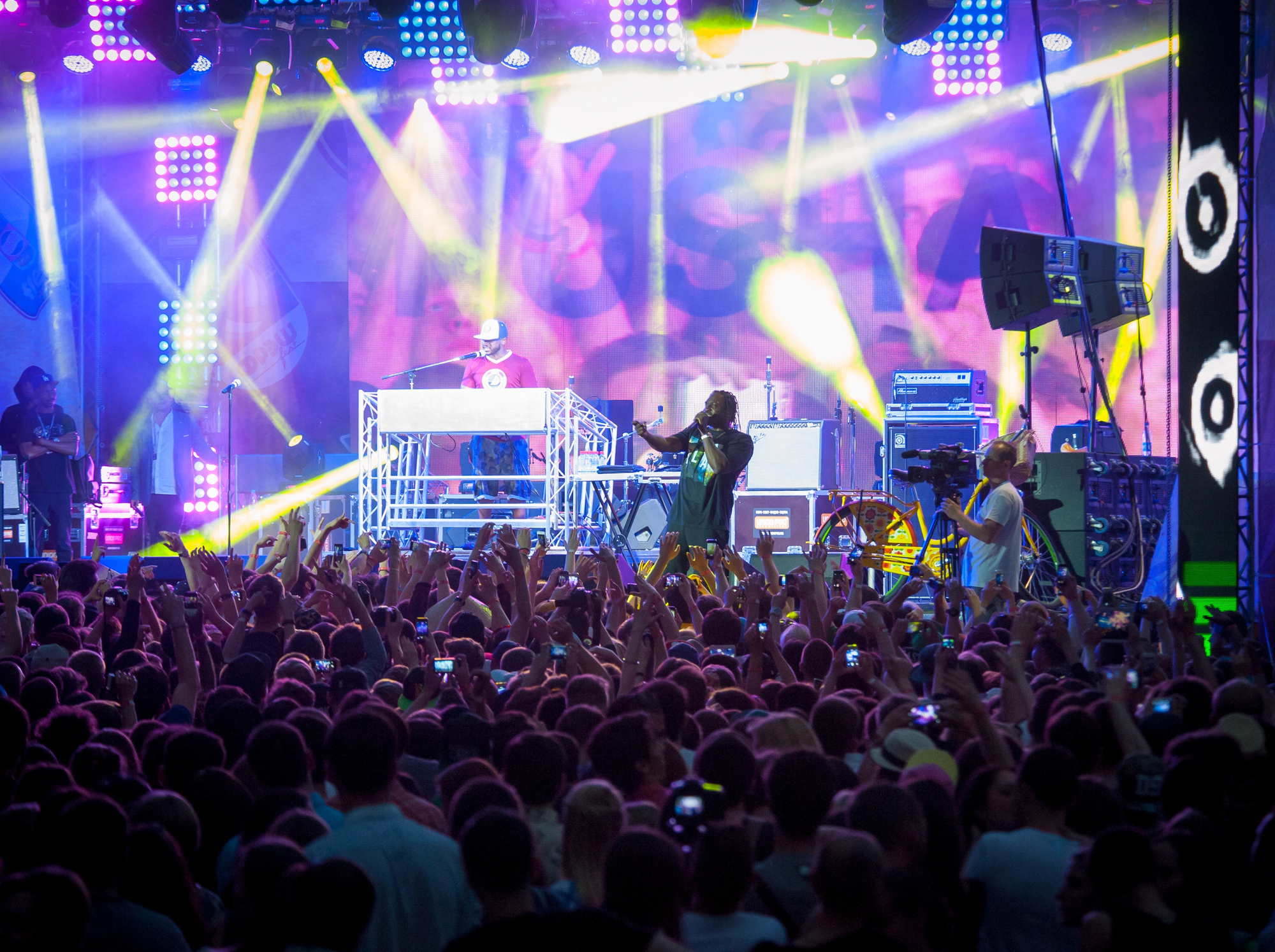
Music must stop by 1 AM due to agreements with surrounding communities. This makes Coachella quieter than many urban areas after midnight.
The silence feels strange after hours of constant noise, like being inside a movie theater after the credits roll and the lights come up — suddenly you remember there’s a world outside this constructed experience. The curfew creates an artificial ending that forces hundreds of thousands of people back into regular time, which might be the most jarring transition of the entire weekend.
Artists Are Contractually Banned From Other Festivals
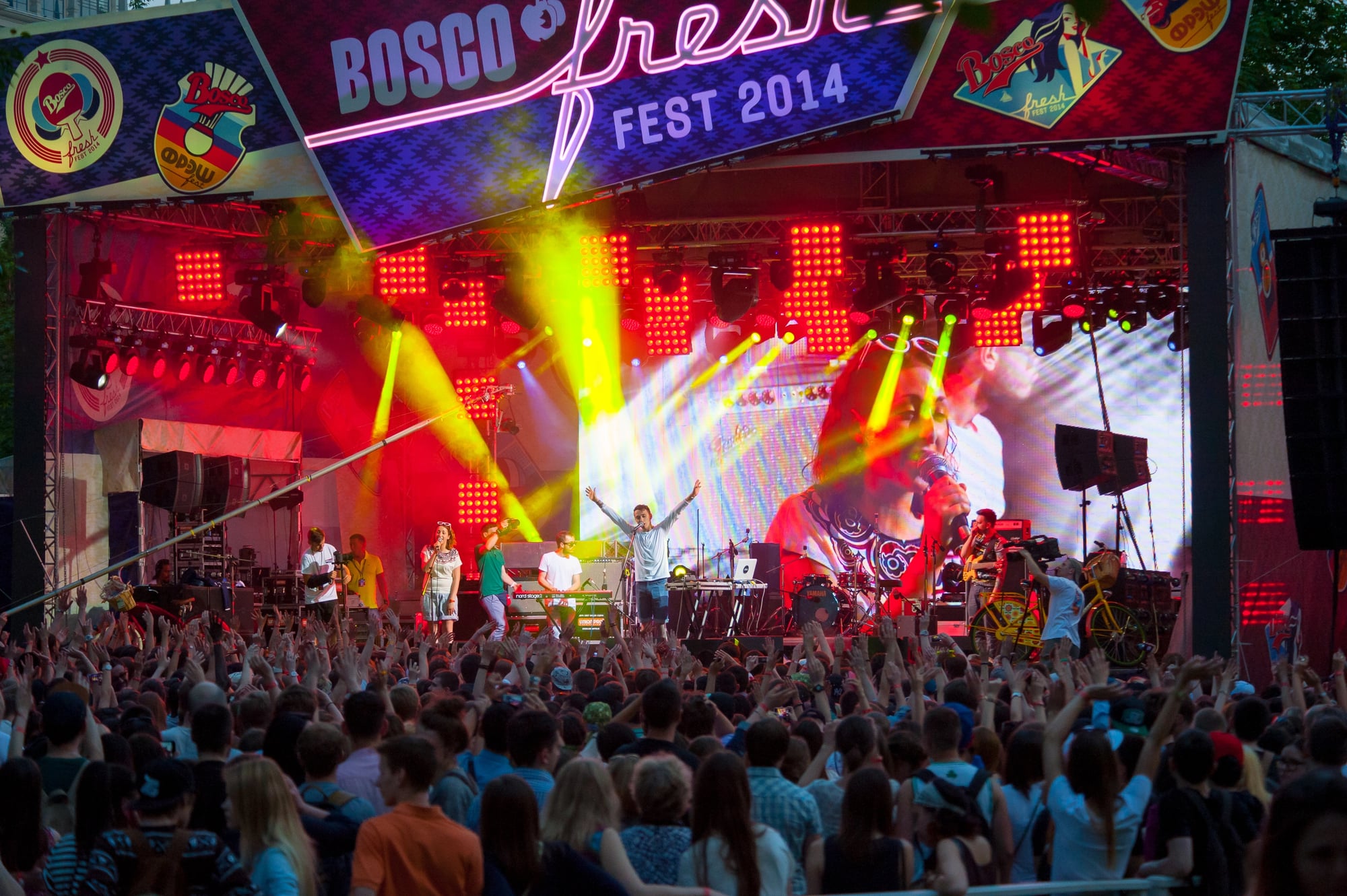
Coachella’s radius clause prevents headliners from performing at competing festivals for months before and after the event. Some contracts extend the restriction to cover most of North America and parts of Europe.
Break the clause, and the financial penalties can exceed the original performance fee.
The Art Installations Cost More Than Most Bands

That sculptural piece you walked past without thinking about it? It likely cost more to commission, transport, and install than the mid-tier band you specifically bought tickets to see.
Art budgets at Coachella regularly exceed music budgets, which tells you something important about what the festival has become versus what it started as.
Weather Disasters Are More Common Than You’d Think
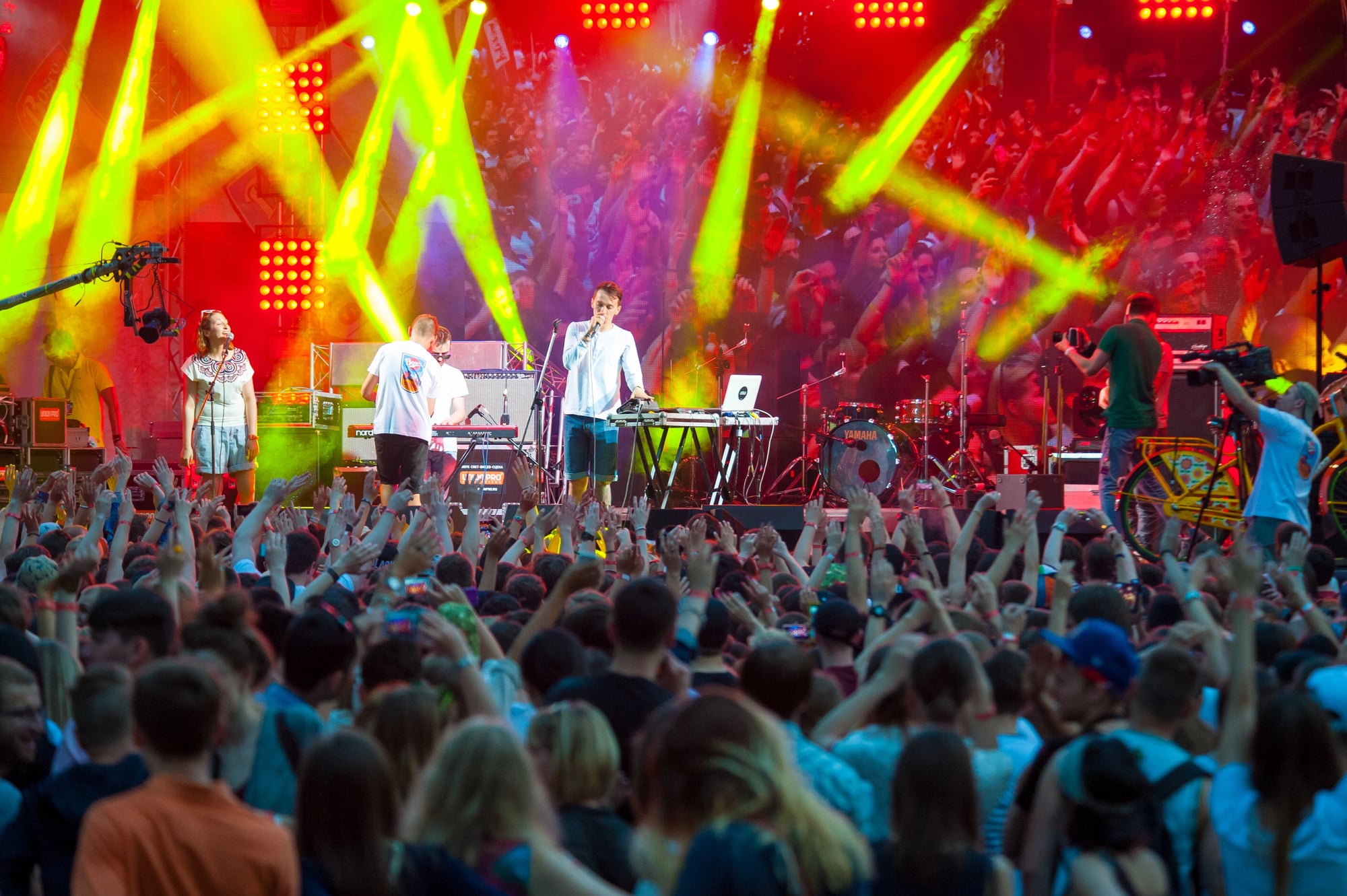
The desert seems stable, but it’s not. Dust storms have shut down stages mid-performance. High winds have toppled installations.
Unexpected rain has turned the grounds into mud fields that required festival-goers to abandon shoes and cars. Weather insurance for Coachella costs more than most festivals’ entire operating budgets, because when nature decides to interrupt, the financial losses run into the tens of millions within hours. And yet people keep coming back, partly because the possibility of chaos makes the experience feel more authentic — which is ironic for an event that’s otherwise engineered down to the last detail.
Food Vendors Pay Six-Figure Fees Just For The Right To Sell
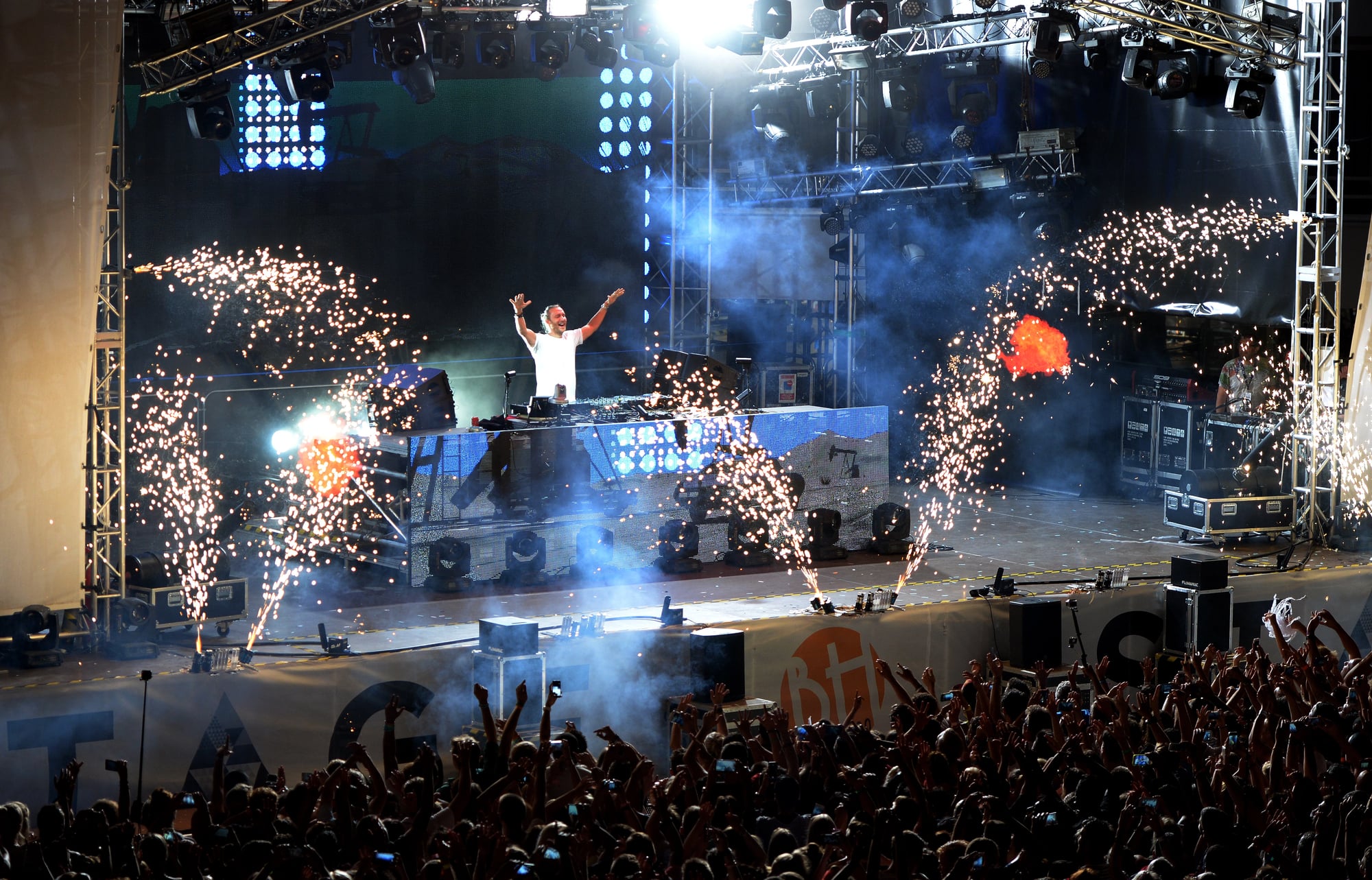
Before a single taco is sold, food vendors pay massive upfront fees for prime locations within the festival grounds. The best spots near main stages can cost more than $200,000 just for the rental.
That’s why festival food is expensive — vendors are paying rent that most restaurants couldn’t afford for an entire year.
The Festival Employs More People Than Some Cities
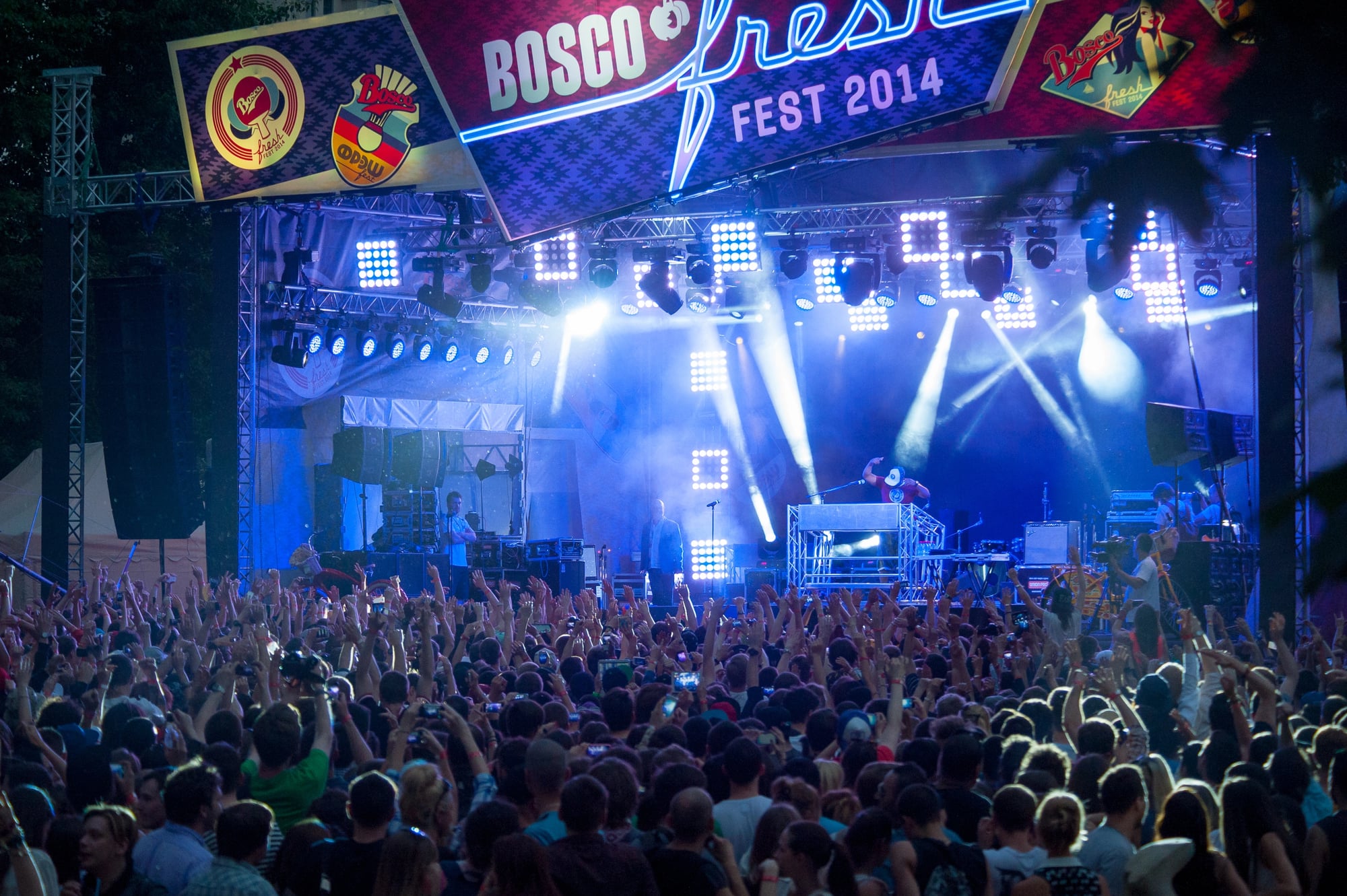
During festival weekends, Coachella becomes one of the largest employers in the region. Security, food service, technical crews, and cleanup staff create a temporary workforce larger than the permanent population of many nearby towns.
Most workers are brought in from outside the area because local labor pools can’t support an event this size.
Celebrities Pay Full Price For Tickets
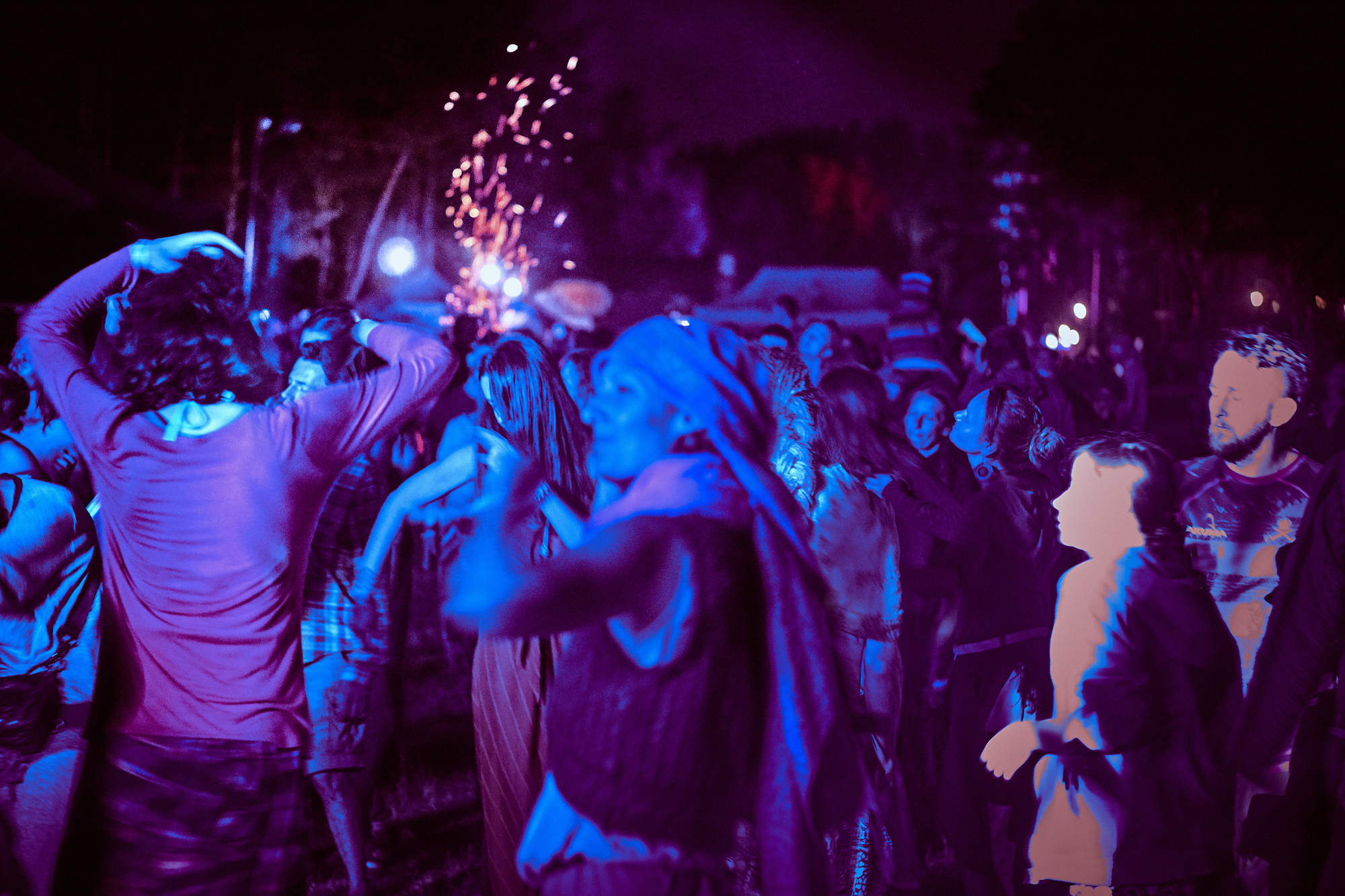
Famous faces in the VIP areas bought their access just like everyone else. While artists and industry professionals receive complimentary admission, celebrities from other fields pay premium prices for exclusive areas.
The festival makes more money from a single celebrity’s VIP package than from dozens of regular ticket sales.
The Ferris Wheel Was Never Meant To Be Permanent
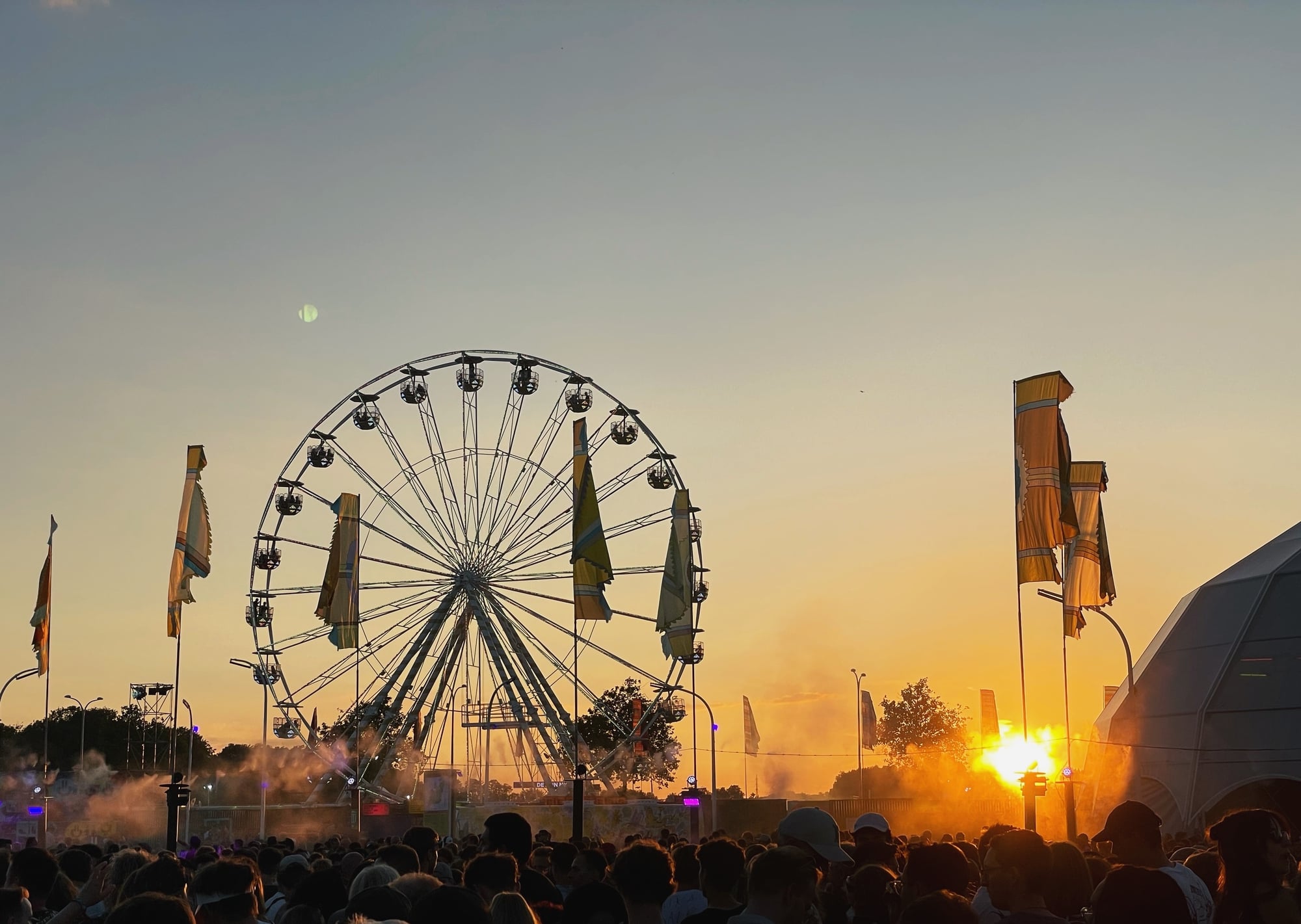
What became Coachella’s most recognizable visual landmark was originally planned as a single-year installation. Social media response was so strong that removing it would have felt like demolition.
Sometimes the most important decisions happen because removing something feels harder than keeping it.
Live Streams Generate More Revenue Than Ticket Sales
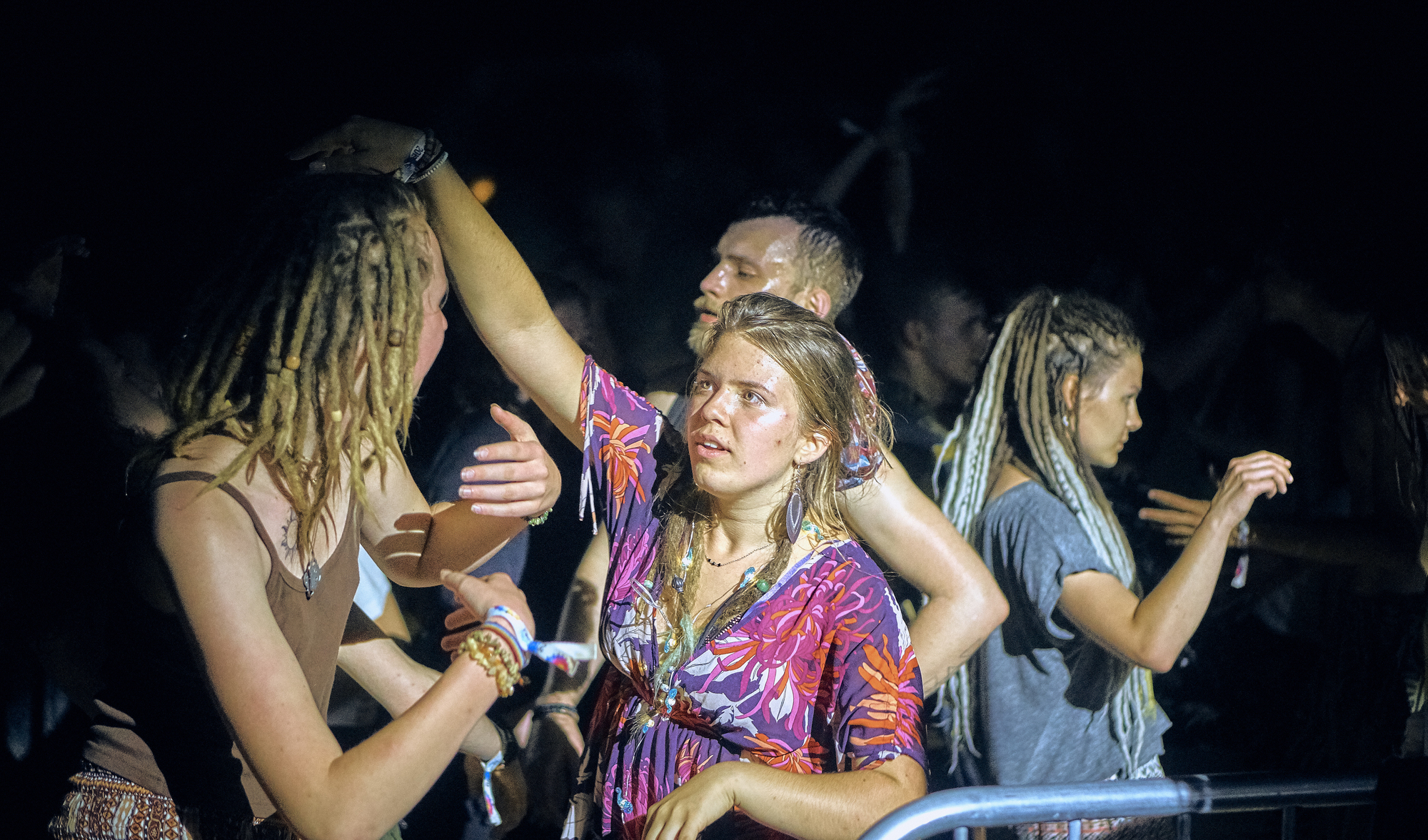
Millions of people watch Coachella from home, creating advertising and sponsorship opportunities that dwarf gate receipts. The festival you attend in person is essentially a very expensive television production that happens to sell tickets.
The real audience isn’t in the desert — they’re watching on their phones, which explains why camera angles often feel more important than crowd experience.
Local Residents Leave Town During Festival Weekends
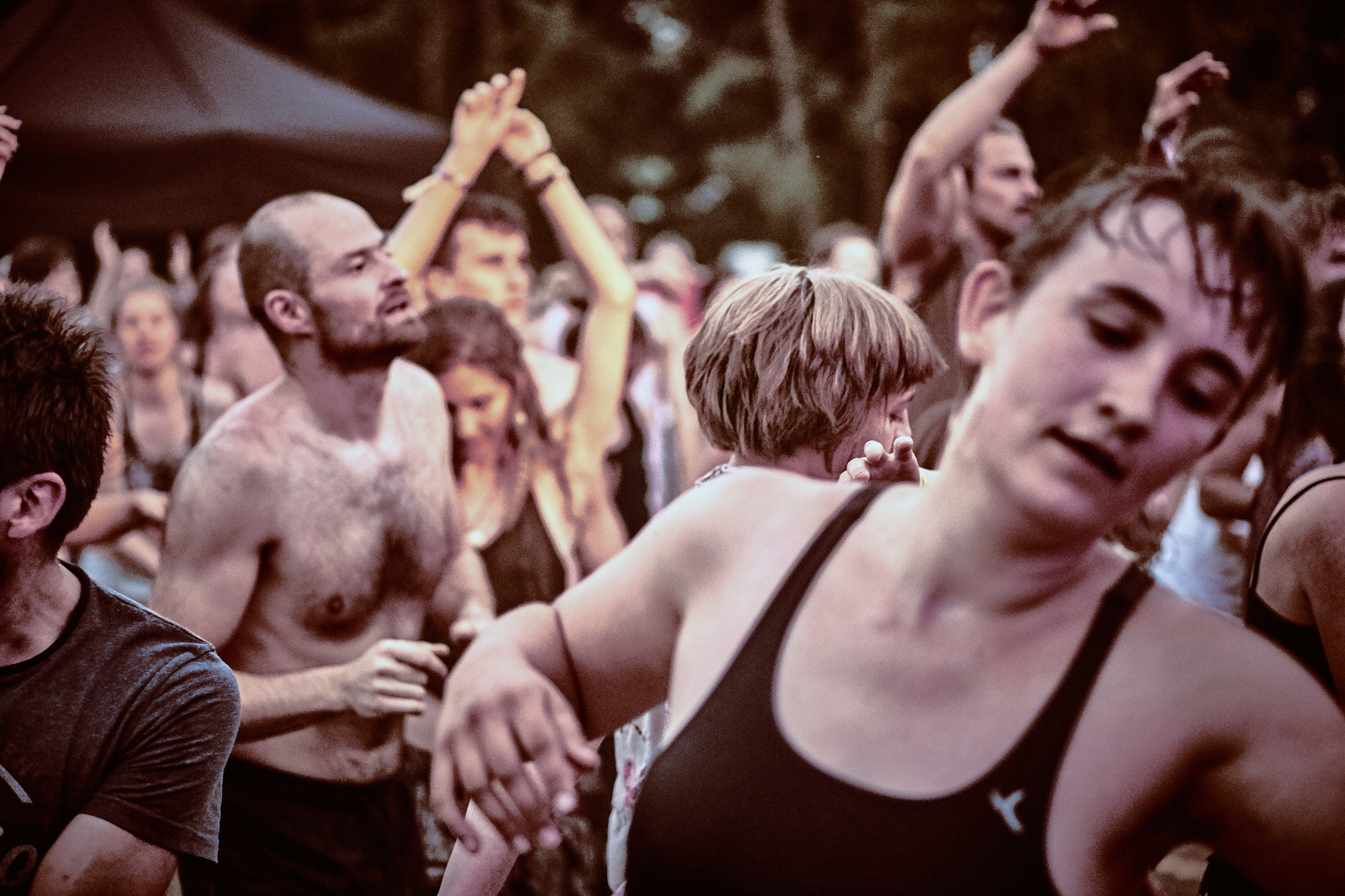
People who live near the Empire Polo Club often rent out their homes to festival-goers and temporarily relocate. The rental income from two weekends can cover several months of mortgage payments.
Entire neighborhoods empty out as locals turn their proximity to Coachella into their own economic opportunity.
The Magic Lives In The Contradictions
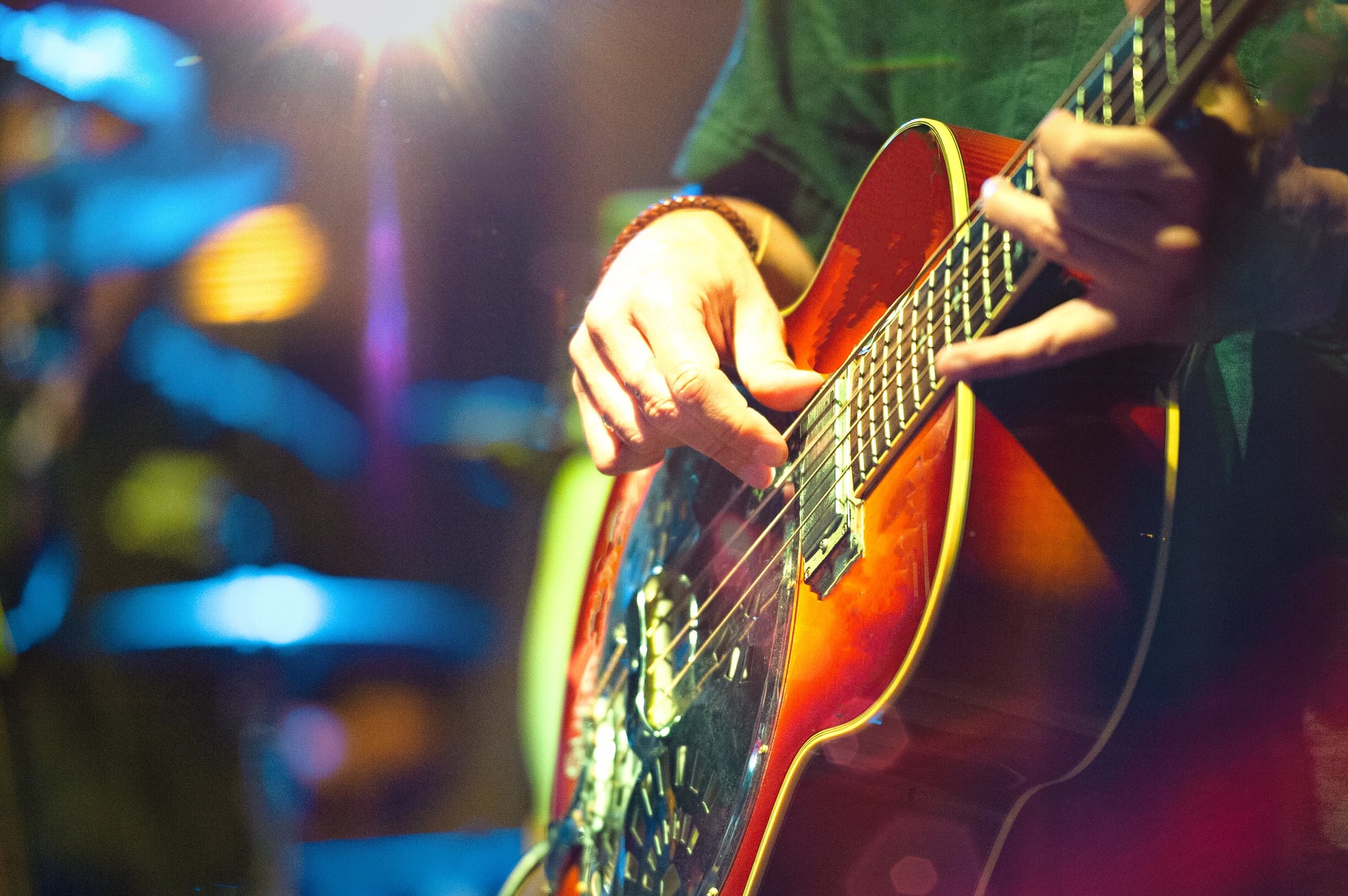
Music festivals reveal something about our relationship with authenticity that’s worth noticing. We travel thousands of miles to experience something “real” in an environment that’s completely artificial, surrounded by people performing versions of themselves they’ve carefully constructed for the occasion.
The most genuine moments happen in spaces designed by committees, while the most manufactured experiences somehow create actual connections between strangers. Coachella succeeds because it doesn’t resolve these contradictions — it amplifies them. The result is something that feels both deeply commercial and surprisingly human, which might be the most accurate reflection of contemporary culture we have. These events work because they give us permission to be both cynical about the machinery and moved by the music, sometimes within the same song.
More from Go2Tutors!

- The Romanov Crown Jewels and Their Tragic Fate
- 13 Historical Mysteries That Science Still Can’t Solve
- Famous Hoaxes That Fooled the World for Years
- 15 Child Stars with Tragic Adult Lives
- 16 Famous Jewelry Pieces in History
Like Go2Tutors’s content? Follow us on MSN.