15 Surprising Things Astronauts Can Do In Space That You Can’t On Earth
Space changes everything about how the human body works. What seems impossible down here becomes routine up there, and the most basic activities transform into something entirely different.
Astronauts live in a world where physics operates by different rules, where water floats in perfect spheres and tears never fall down your cheeks.
These aren’t party tricks or novelty acts. They’re genuine adaptations to an environment where microgravity creates the sensation of weightlessness, where up and down lose all meaning, and where the simplest tasks require completely new approaches.
Some of these abilities are practical necessities. Others are just the strange, wonderful byproducts of living 250 miles above Earth.
Sleep While Floating
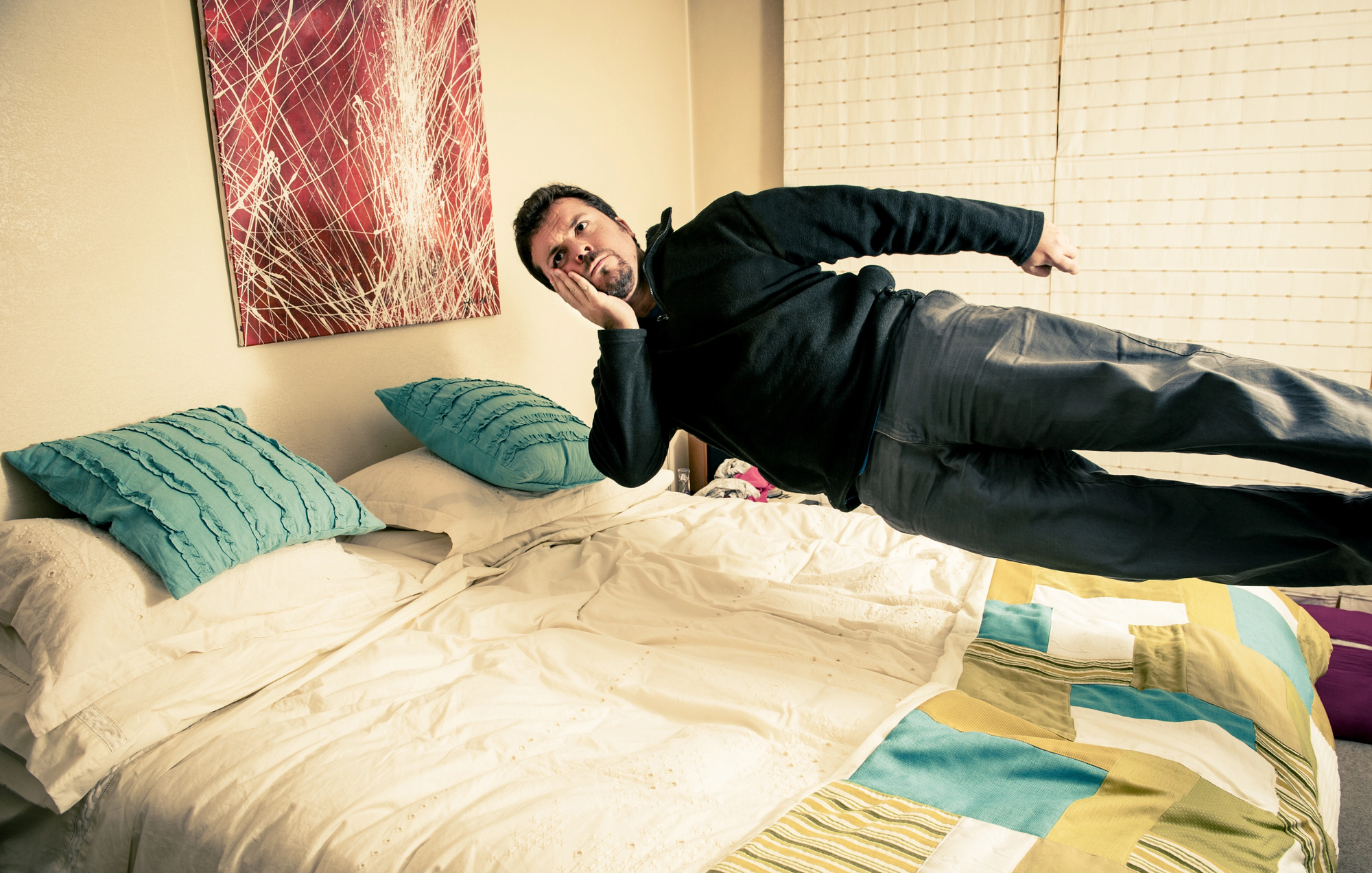
Astronauts strap themselves to walls to sleep. No bed, no pillow, no lying down.
They zip into sleeping bags attached to whatever surface is convenient and drift off while their bodies float in position.
The straps aren’t just for comfort. Without them, air currents from the ventilation system would push sleeping astronauts around the space station.
They’d wake up bumping into equipment or floating in the middle of a room with no way to push off and get moving again.
Cry Tears That Stick To Your Eyes
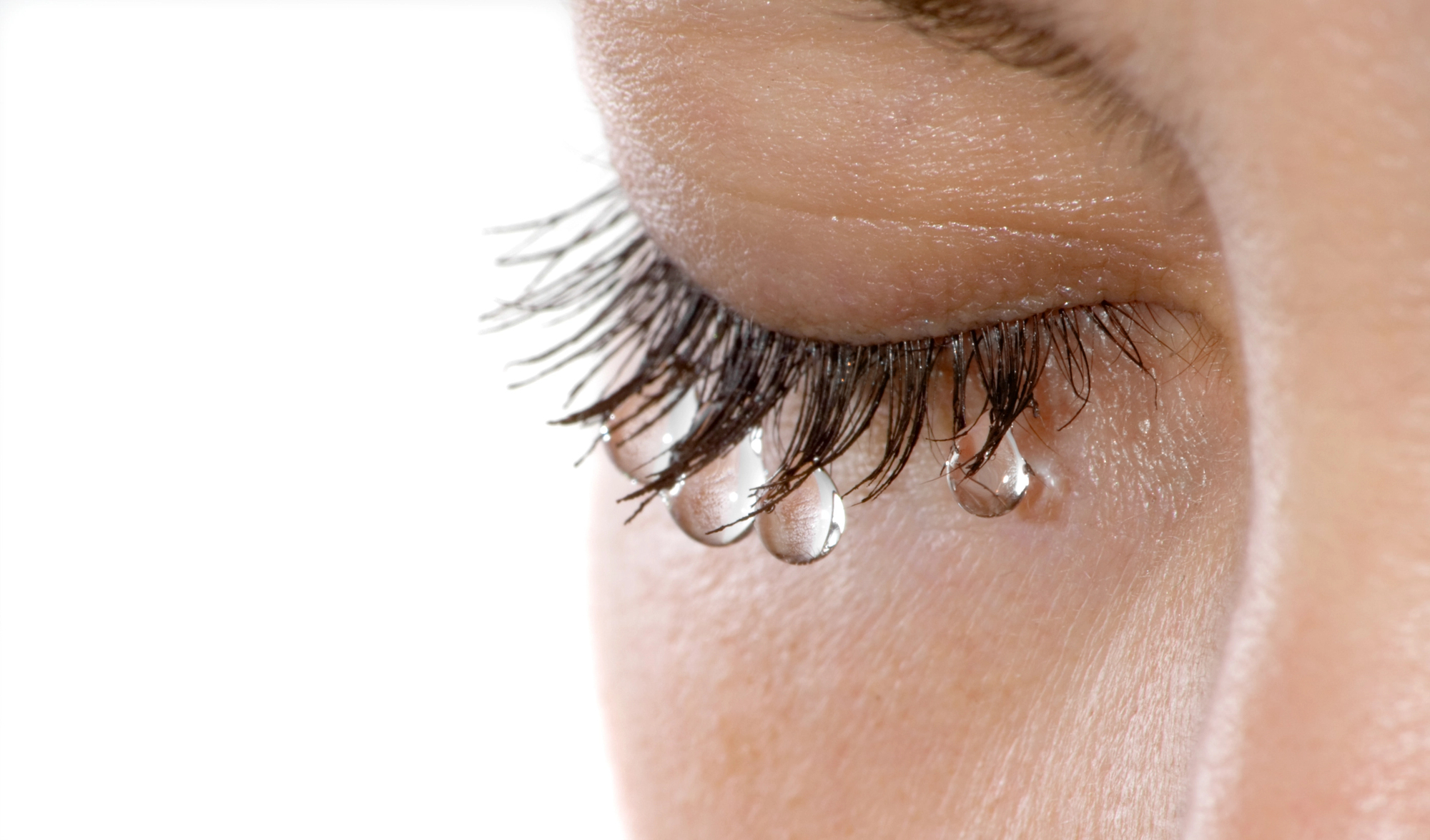
Tears in space don’t fall. They form bubbles around your eyes and stay there, growing larger until surface tension breaks them apart or someone wipes them away.
Astronauts describe it as wearing liquid goggles that blur their vision and refuse to clear.
The emotional release that comes with crying works the same way it does on Earth, but the physical experience becomes strange and uncomfortable.
Those tears aren’t going anywhere on their own. And the salt can irritate your eyes since it concentrates instead of draining away naturally.
But space doesn’t care about your feelings. It just changes how they work.
Drink Floating Spheres Of Water
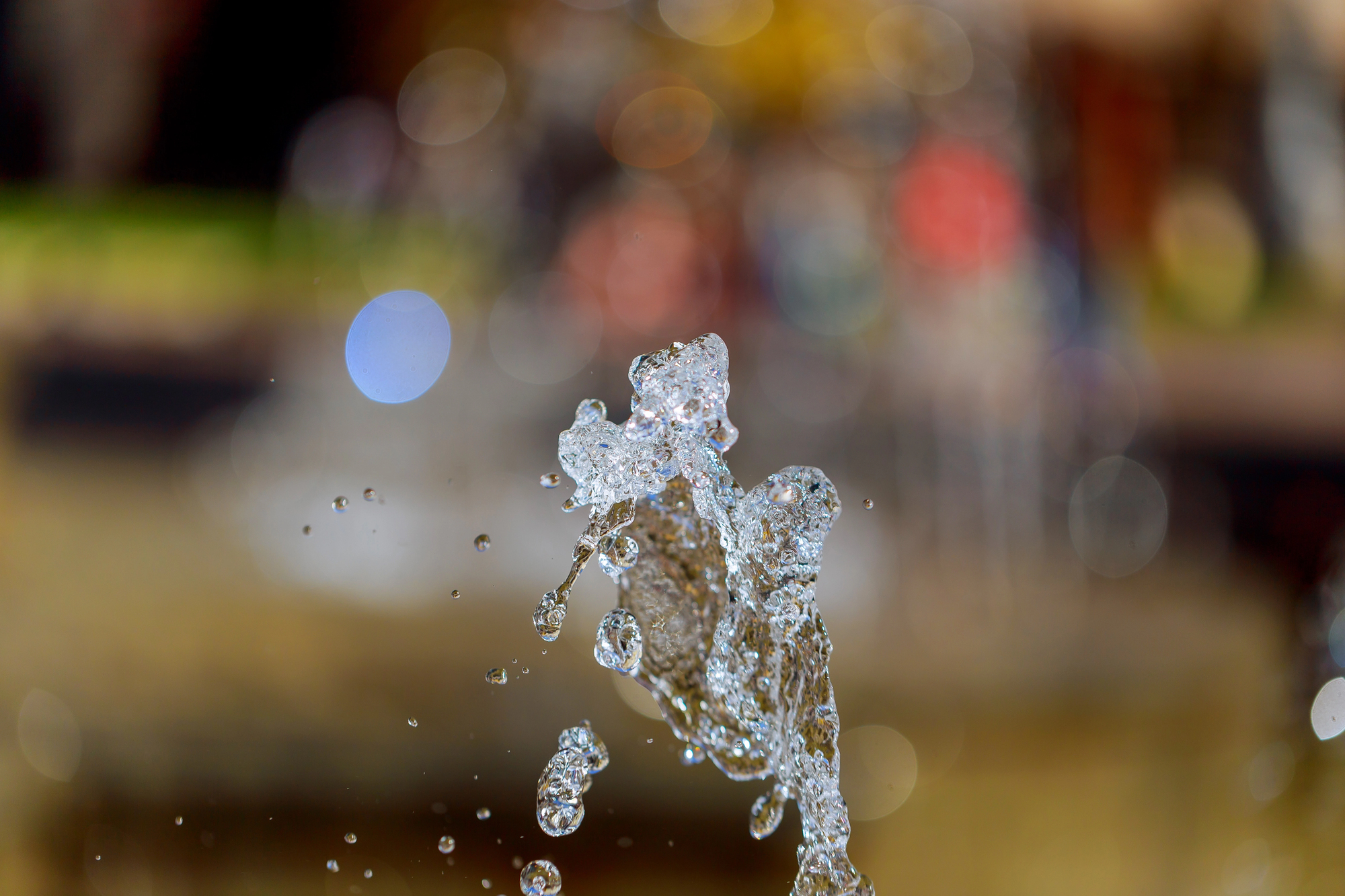
Water in space forms perfect spheres that drift through the air like glass marbles. Astronauts can catch these floating orbs with their mouths, or carefully guide them to their lips using surface tension.
The water clings to their mouths and flows in, defying every instinct about how drinking should work.
This isn’t just a neat trick – it’s sometimes necessary. When water escapes from containers or condenses from the air, it doesn’t puddle on the floor like spilled liquid on Earth.
It hovers, waiting. Learning to consume these floating spheres becomes a practical skill, though most astronauts prefer the more conventional approach of squirting water directly from pouches into their mouths.
Spin Indefinitely Without Getting Dizzy
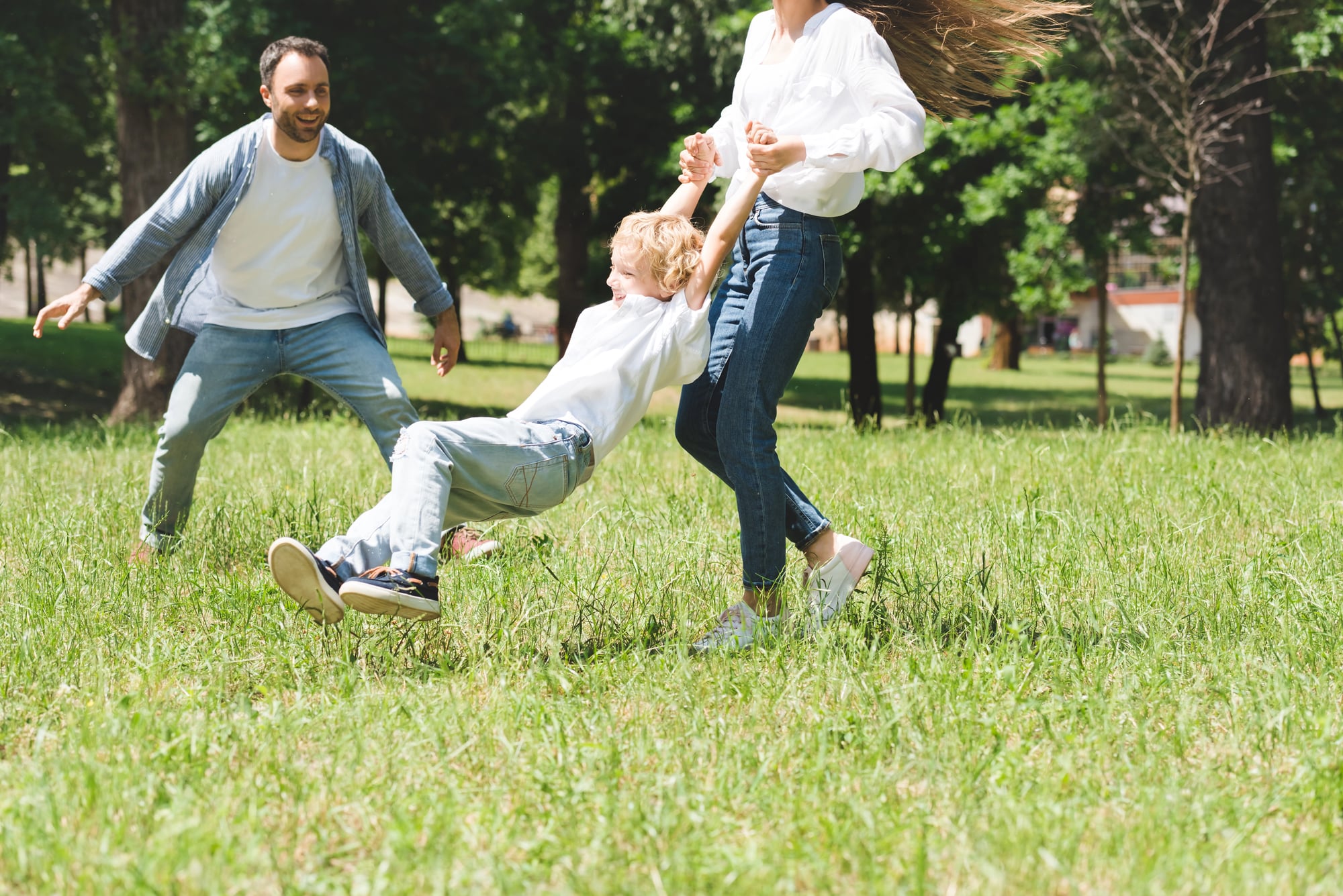
Without friction from the ground or air resistance to slow rotation, an astronaut who starts spinning in space will continue spinning at the same rate until something stops them.
An astronaut who starts spinning in space will continue spinning at the same rate until something stops them.
Their inner ear adapts to this constant motion, so the dizziness that would normally build up never fully develops.
Do Somersaults That Never End
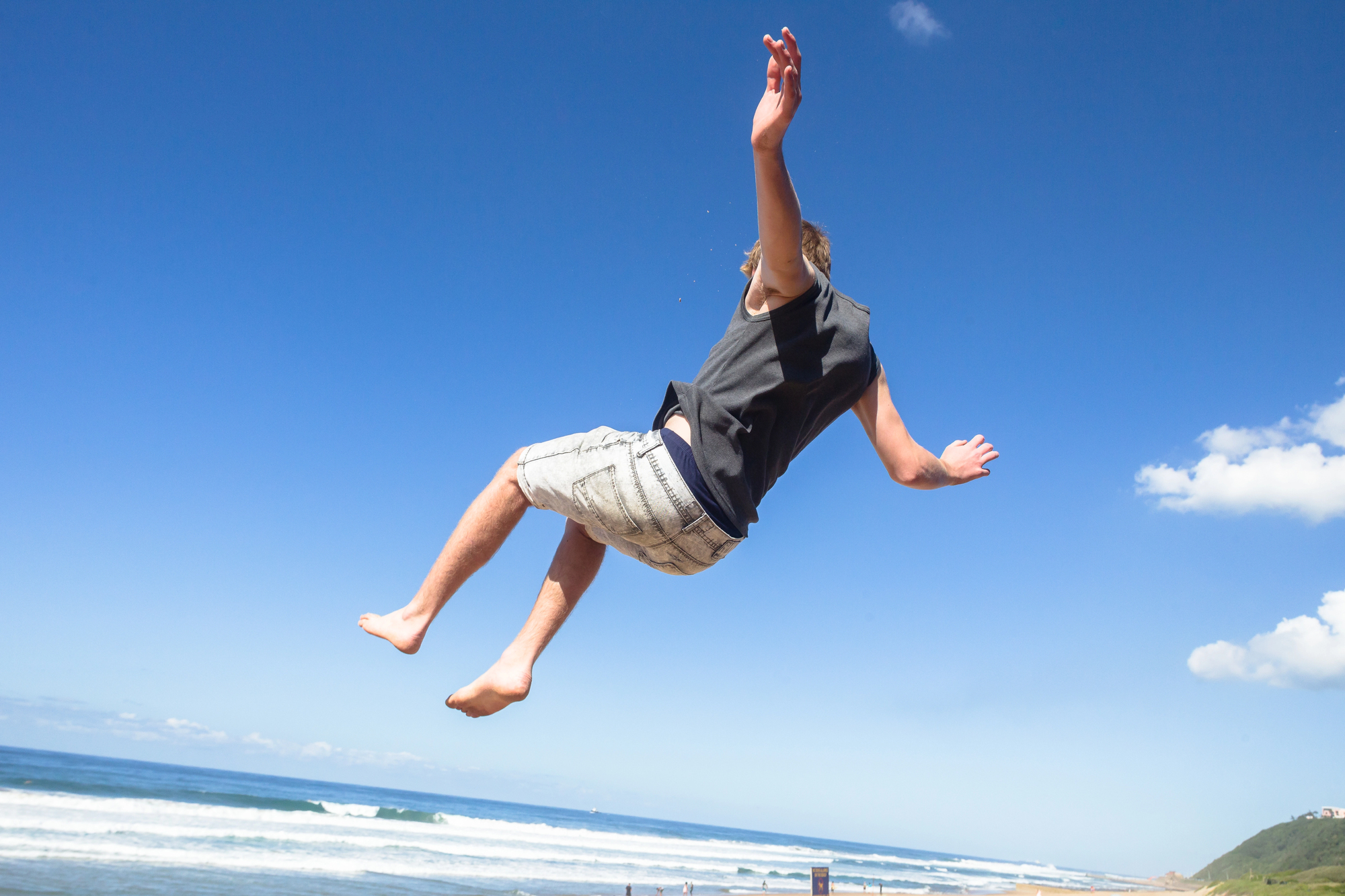
Momentum carries differently in microgravity. Push off gently from one wall while rotating, and that rotation continues across the entire space station.
Astronauts can perform slow, graceful somersaults that last the length of their journey from one module to another, timing their rotation to land feet-first wherever they’re going.
This transforms movement into something closer to dance than walking. Every push, every twist, every change in body position affects trajectory in ways that seem choreographed.
The space station becomes a stage where physics performs differently, where human movement takes on qualities it could never possess under the weight of Earth’s gravity.
Even mundane trips to retrieve tools become exercises in controlled flight.
Lift Objects That Weigh Thousands Of Pounds
Everything in space is weightless, including massive equipment that would require cranes or teams of people to move on Earth. Astronauts routinely handle components weighing thousands of pounds using just their fingertips.
A gentle push can send a refrigerator-sized piece of equipment drifting across the station.
The catch? Mass still exists, even when weight disappears. Those heavy objects still resist acceleration and are difficult to stop once they start moving.
Astronauts learn to respect the inertia of massive equipment even when it floats as easily as a feather.
Eat Food That Hovers In Front Of Their Mouth
Astronauts can place a piece of food in midair and leave it there while they do other things. The food waits patiently, suspended in space, until they’re ready to eat it.
Surface tension and careful positioning can keep liquids hovering just outside their mouths, ready to be consumed when convenient.
Walk On Walls And Ceilings

There’s no up or down in space, which means every surface can serve as a floor. Astronauts use handholds and foot restraints to walk along walls and across ceilings as easily as moving along what would traditionally be considered the floor.
The space station becomes a three-dimensional living space where orientation depends entirely on which way the astronaut chooses to face.
So they do. And it works perfectly fine until their Earth-trained brains try to make sense of it all.
But space corrects those assumptions quickly enough.
Change Direction Mid-Flight With Tiny Movements
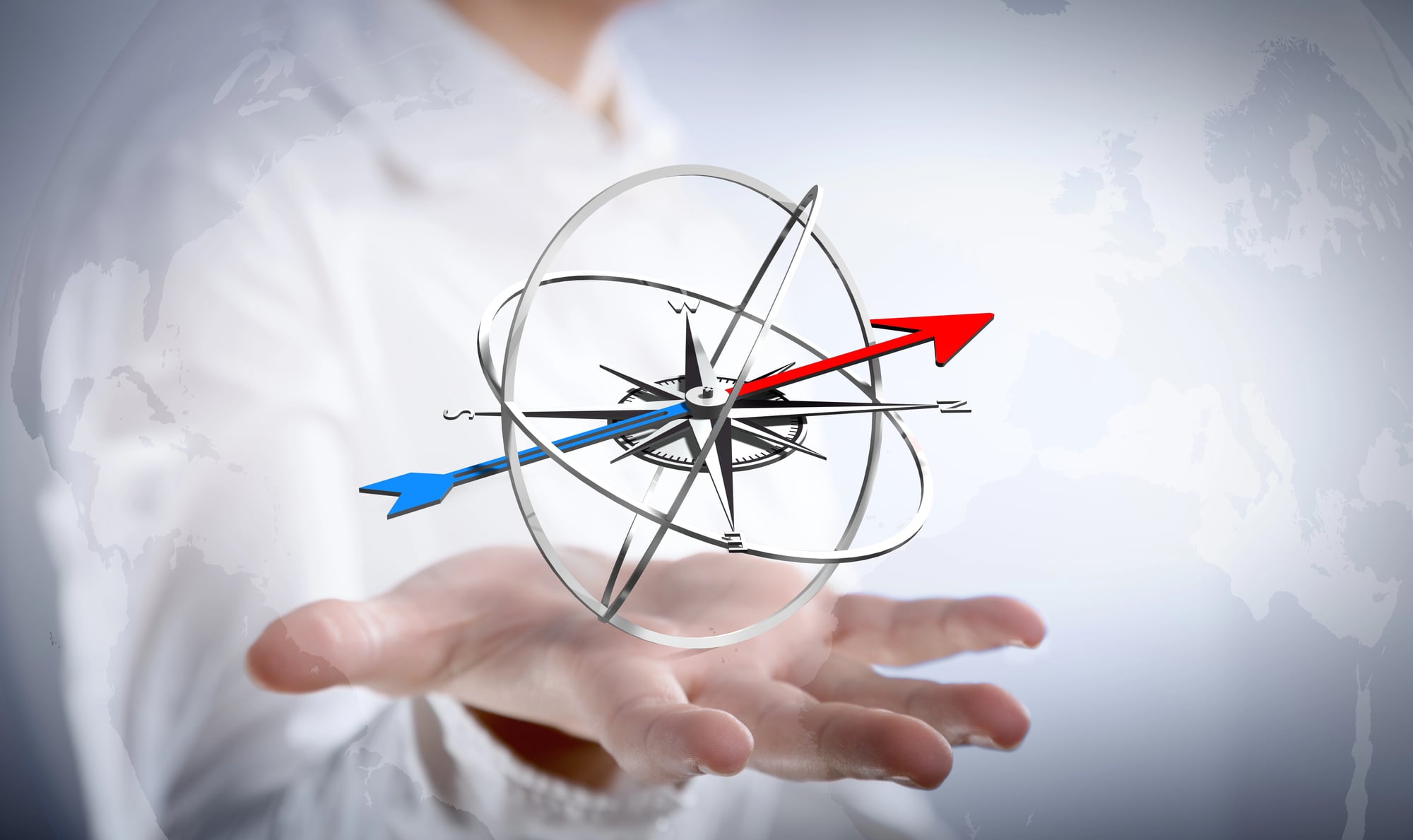
In microgravity, the smallest adjustments create significant changes in trajectory. Astronauts can alter their path through the space station by slightly adjusting their arm position or twisting their torso while in motion.
These tiny corrections redirect their entire body, allowing precise navigation through tight spaces.
This level of control exists because there’s no gravity to override subtle movements. Every gesture, every shift in weight distribution, every repositioning of limbs affects where an astronaut ends up.
It’s like being able to steer yourself through the air using nothing but body language – each motion carries meaning and consequence that would be invisible on Earth, where gravity dominates and drowns out the delicate physics of human movement in three dimensions.
Experience Their Spine Expanding
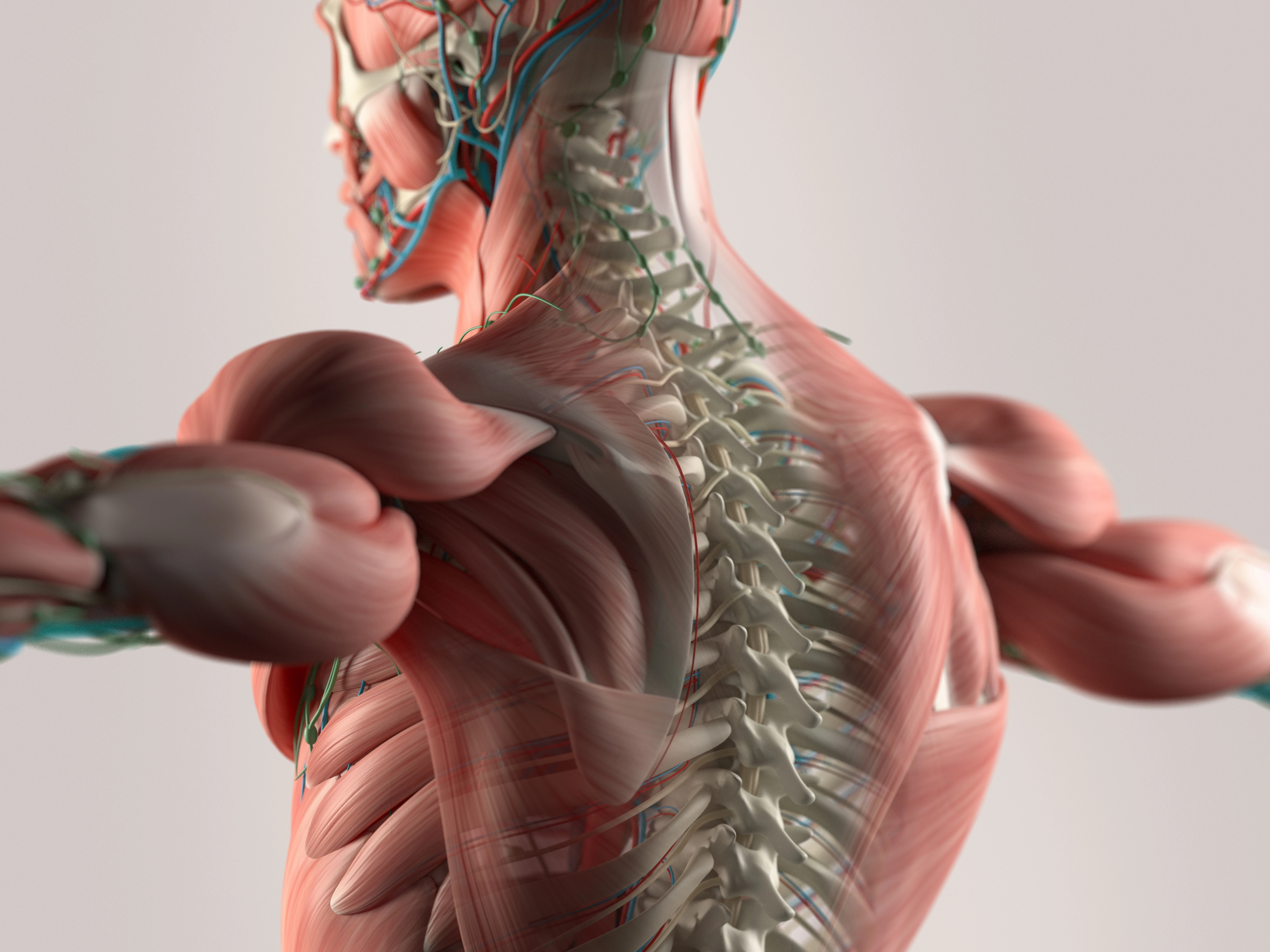
Astronauts grow taller in space. Without gravity compressing their spines, the cartilage between vertebrae expands and their overall height increases by about two inches.
This isn’t temporary posture improvement – it’s actual physical elongation that changes how their bodies fit in spaces designed for Earth-sized proportions.
The expansion happens gradually over the first few weeks in space. Astronauts report that their spacesuits fit differently, that they can reach things that were previously just out of range, and that their perspective on familiar spaces shifts as their eye level rises.
When they return to Earth, gravity compresses them back to their original height, but the experience of being physically taller remains one of the more surreal adaptations to life in microgravity.
Push Off From Objects Using Just Their Breath

Exhaling forcefully in one direction creates enough momentum to move an astronaut in the opposite direction. This only works when they’re completely free-floating with nothing to grab onto, but in those situations, controlled breathing becomes a legitimate form of propulsion.
It’s slow and inefficient, but it works when no other options exist.
Watch Their Hair Float In Slow Motion

Hair in space moves like it’s underwater, drifting and swaying with air currents and head movements. Long hair spreads out in all directions, creating halos around astronauts’ heads that shift and flow with their motions.
Every turn of the head sends hair floating gracefully through the air, following physics that look impossible to Earth-bound eyes.
This creates practical problems alongside the visual spectacle. Hair gets in astronauts’ faces constantly, interferes with equipment, and can float into sensitive instruments.
Most astronauts with long hair spend considerable time managing it, tying it back, or simply accepting that it will behave more like a living thing than something attached to their scalp.
The vanity of Earth-based hair care becomes irrelevant when your hair has its own agenda and the physics to pursue it.
Juggle One Orb Indefinitely

Throw an orb in space and it travels in a straight line until something stops it. This means astronauts can “juggle” a single object by throwing it, floating over to where it will be, catching it, throwing it again, and repeating the cycle.
The orb’s predictable trajectory makes it possible to plan these interceptions with perfect timing.
Traditional juggling with multiple objects works too, but the timing is completely different. Objects don’t fall in arcs – they travel in straight lines at constant speeds.
This removes the gravitational acceleration that gives Earth juggling its rhythm, replacing it with something more geometric and precise.
Feel Their Face Puff Up Permanently

Fluid that normally pools in astronauts’ legs redistributes upward in microgravity, causing their faces to swell and giving them a puffy appearance.
This isn’t immediate bloating that resolves quickly — it develops within the first days in space and persists for much of their stay, though the body partially adapts over time.
Their faces become rounder, their features less defined, and their expressions subtly different from how they appear on Earth.
Their faces become rounder, their features less defined, and their expressions subtly different from how they appear on Earth.
Blow Bubbles That Never Pop
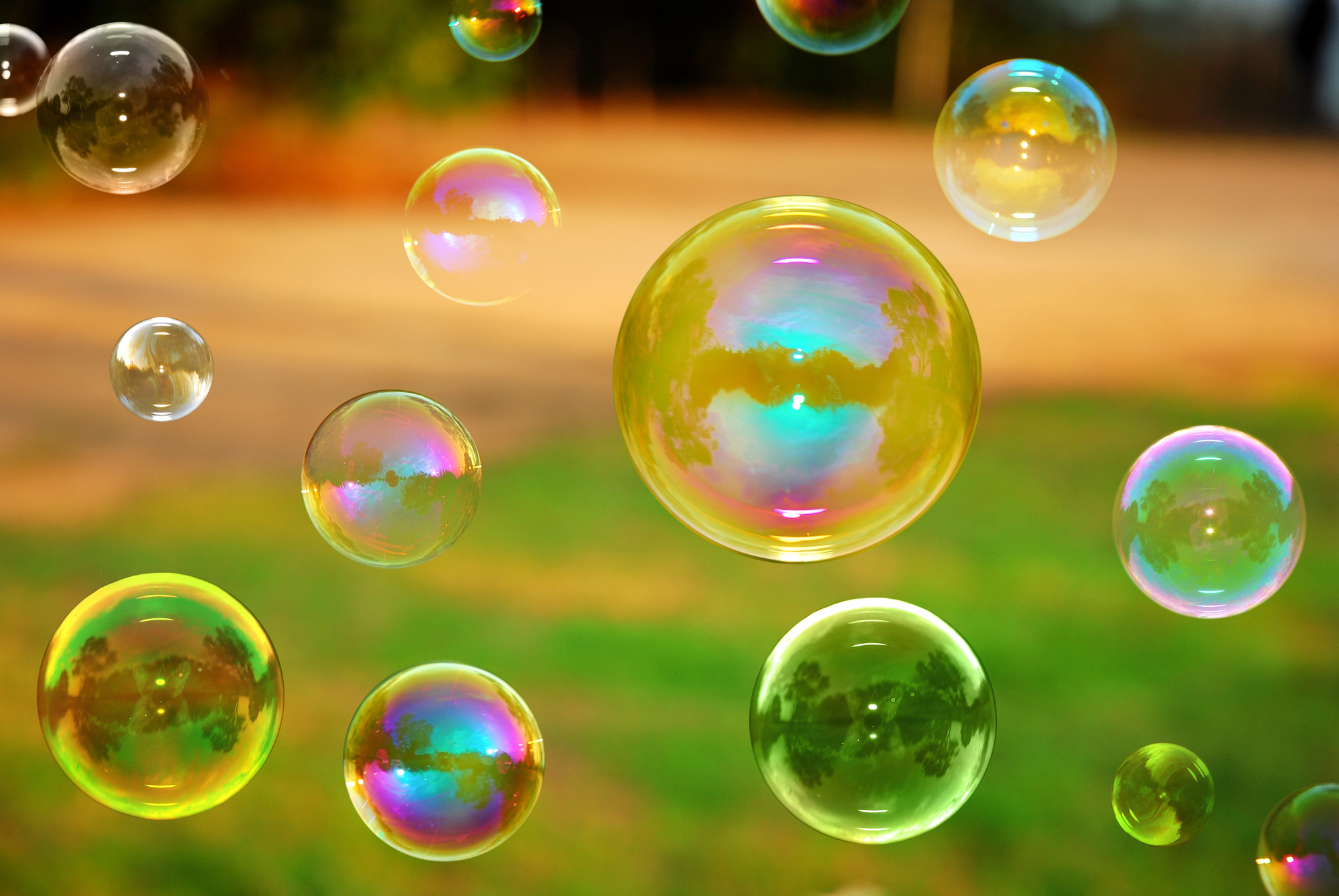
Soap bubbles in space can last for hours or even days without breaking. Without gravity pulling them down or causing them to drain and thin out, bubbles maintain their structure indefinitely.
They float through the space station like tiny spherical windows, refracting light and maintaining perfect shapes until something physically disturbs them.
These aren’t fragile Earth bubbles that pop at the slightest touch. Space bubbles are more resilient, thicker-walled, and stable enough that astronauts can gently push them around without breaking them.
They become temporary decorations that drift through the station until air currents eventually guide them into contact with a surface.
The View From Up There
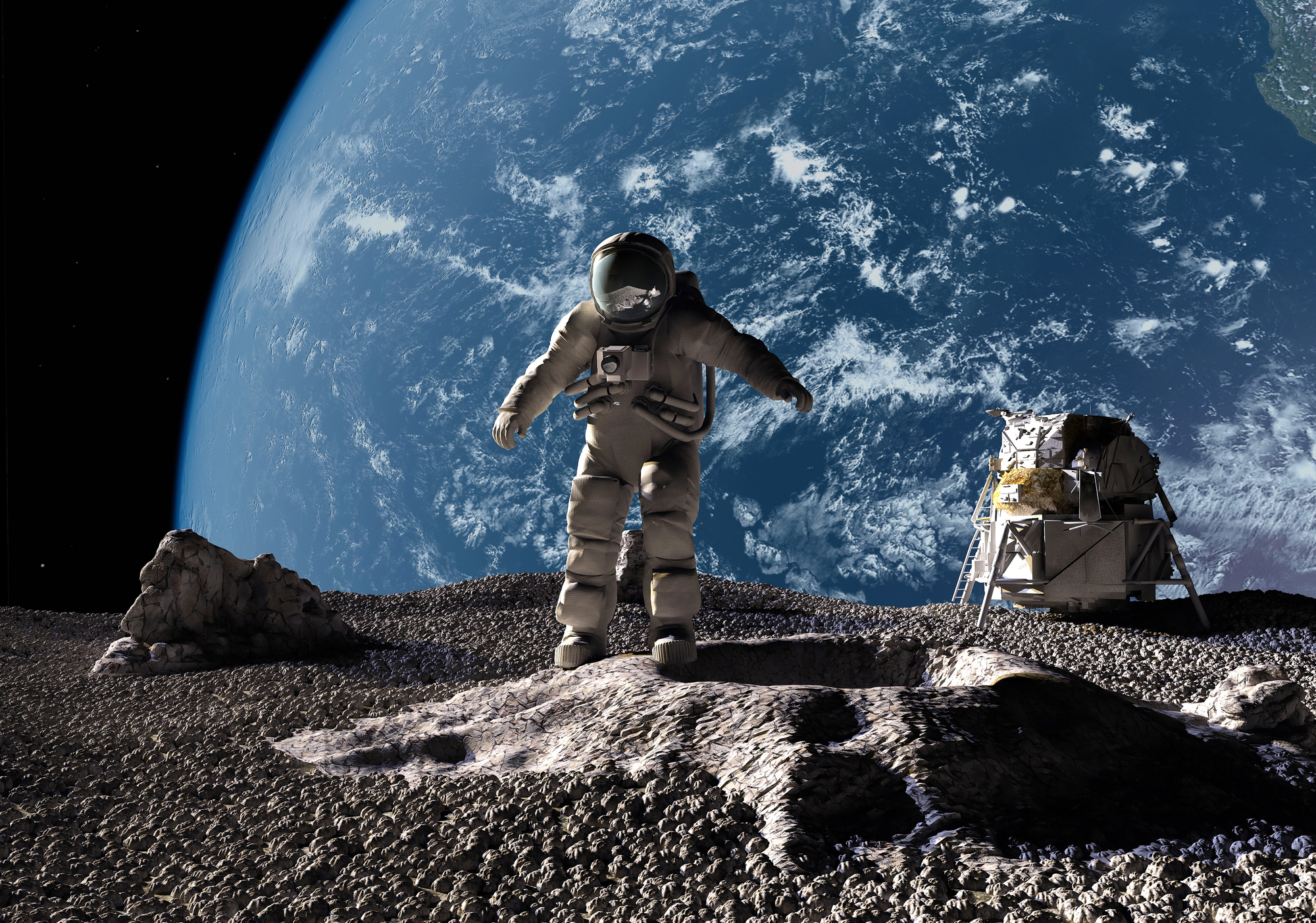
Living without gravity isn’t just about the practical adaptations or the physics tricks. It’s about inhabiting a version of human existence that strips away assumptions built into every moment of Earth life.
The way astronauts move, eat, sleep, and exist in space reveals how much of what feels natural and inevitable about being human is actually just accommodation to the particular physics of one planet.
These abilities don’t make astronauts superhuman. They make them differently human – adapted to an environment where the rules changed completely, and they learned to live by new ones.
When they return to Earth, most of these capabilities disappear within days or weeks. Gravity reclaims them, compresses their spines, grounds their hair, and makes their tears fall properly again.
More from Go2Tutors!

- The Romanov Crown Jewels and Their Tragic Fate
- 13 Historical Mysteries That Science Still Can’t Solve
- Famous Hoaxes That Fooled the World for Years
- 15 Child Stars with Tragic Adult Lives
- 16 Famous Jewelry Pieces in History
Like Go2Tutors’s content? Follow us on MSN.