Weird Things Discovered Frozen Deep in Antarctica
Antarctica holds secrets that most people will never see. Beneath miles of ice and snow, researchers have stumbled across discoveries that challenge what anyone thought possible on Earth.
The continent preserves things in ways that nowhere else can — perfectly, indefinitely, as if time stopped the moment they were buried. Some of these finds are ancient beyond comprehension.
Others are more recent but no less startling. What they share is an ability to survive in conditions that would destroy almost anything else, waiting centuries or millennia for someone to dig them up.
Ancient Forests
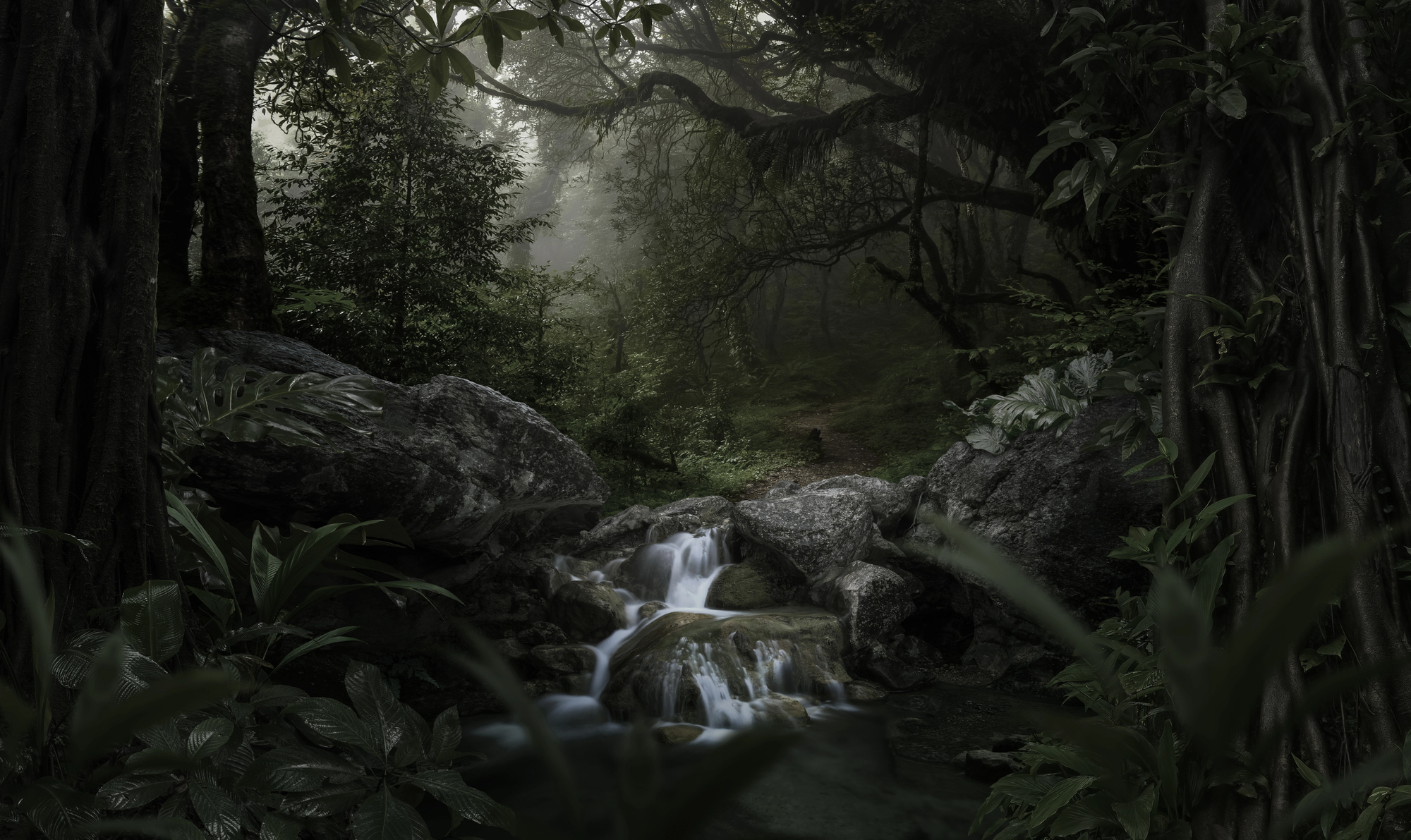
Trees once grew where nothing but ice exists now. Researchers have found fossilized forests buried beneath Antarctic ice, complete with roots, trunks, and leaves preserved in stunning detail.
These aren’t scattered fragments — they’re entire woodland ecosystems. The trees date back roughly 260 million years.
Back then, Antarctica sat in a completely different position on the globe, enjoying a temperate climate that supported lush vegetation.
Meteorites by the Thousands
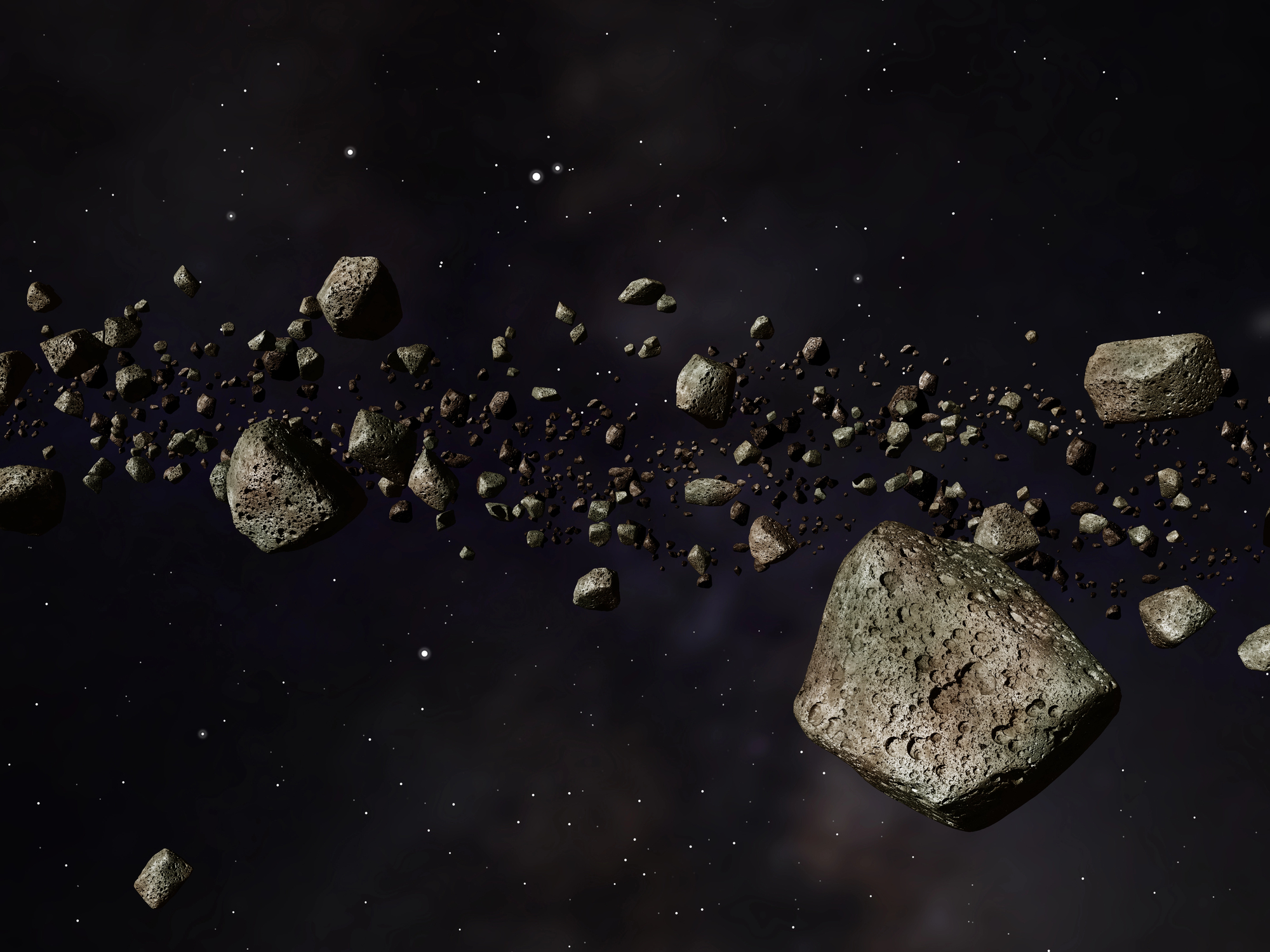
Antarctica is a meteorite collector’s dream. The white ice makes space rocks easy to spot, and the cold preserves them perfectly.
Scientists have recovered over 60,000 meteorites from the continent — more than from the rest of the world combined. Some of these rocks originated on Mars.
Others came from the Moon. A few represent materials that formed before the solar system even existed, carrying information about the universe that predates Earth itself.
Blood Falls
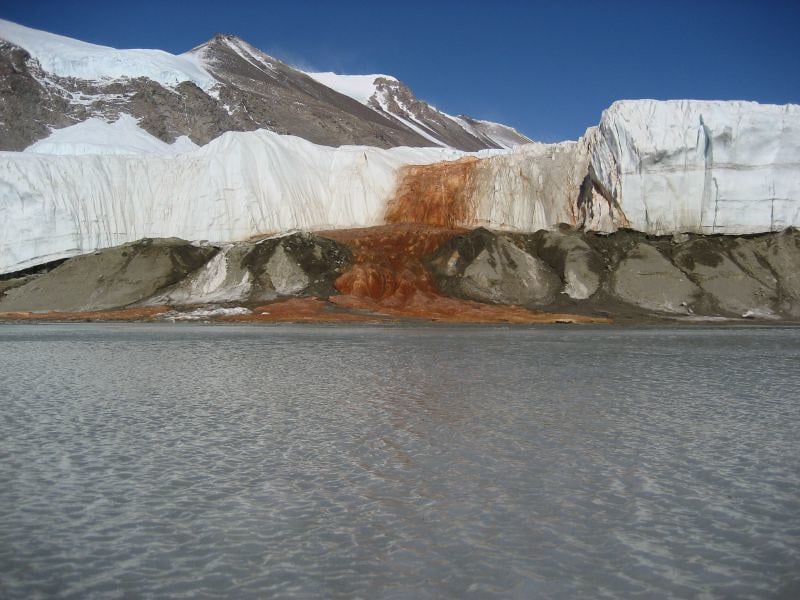
A waterfall that bleeds red sounds like something from a horror movie, but it’s real. Blood Falls in East Antarctica pours crimson water down a glacier face, creating one of the most unsettling sights on the continent.
The red color comes from iron oxide — rust, essentially — but the water itself is far more interesting than its appearance. It contains microbes that have been isolated from sunlight and oxygen for millions of years, surviving in conditions that scientists once thought were impossible for life.
These organisms have evolved completely different metabolic processes, using sulfur and iron instead of sunlight to generate energy. And the ecosystem they’ve created is entirely self-contained, operating under the ice like a hidden world that runs on completely different rules than anything else on Earth.
So these microbes aren’t just surviving in impossible conditions — they’re thriving, which raises uncomfortable questions about where else life might be hiding in places we’ve written off as dead.
Fossilized Whale Skeletons
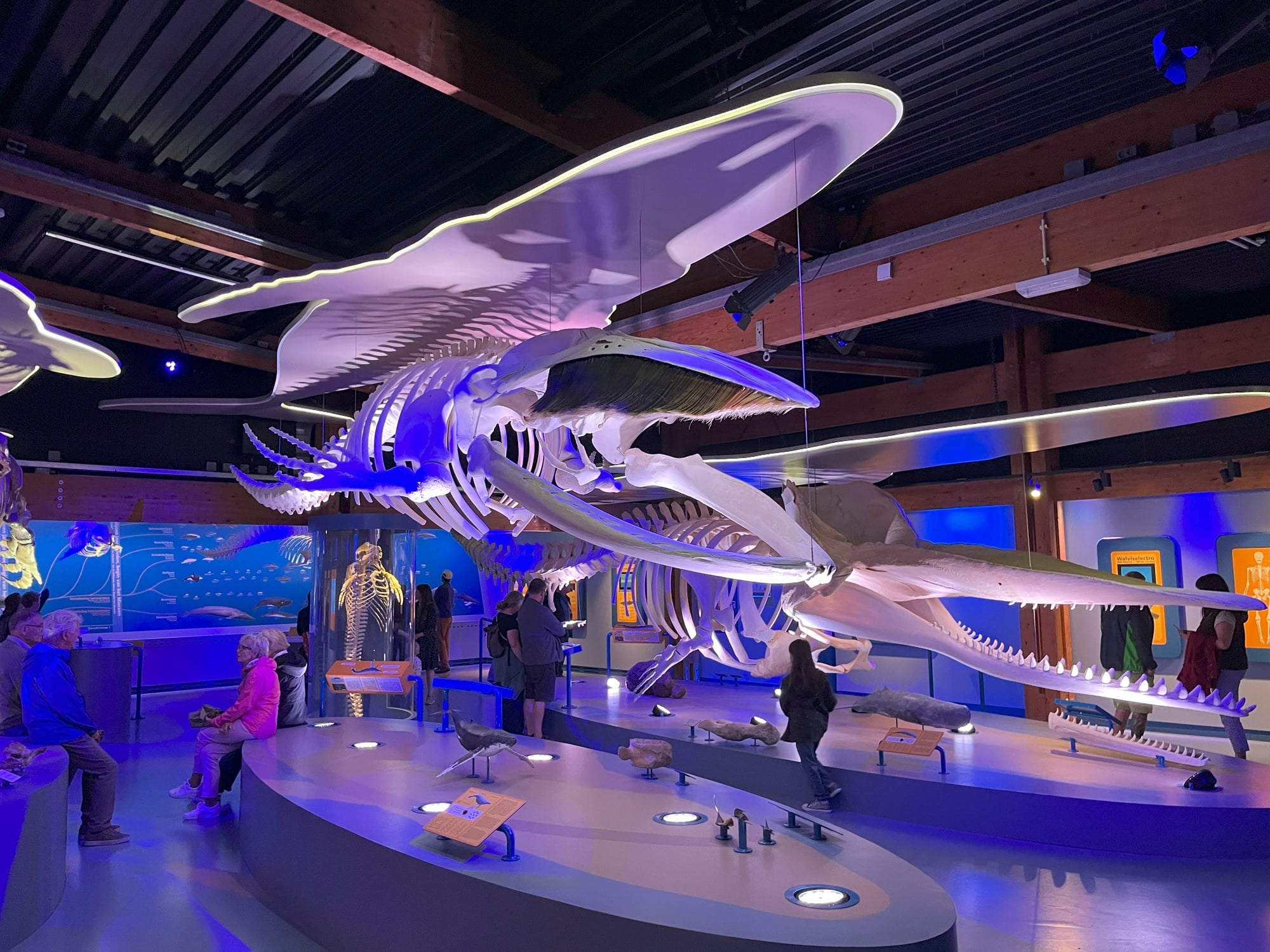
Whales died in Antarctica long before humans arrived to document them. Their skeletons, preserved in ice, tell stories about ancient ocean ecosystems and climate patterns that existed millions of years ago.
Some of these whale fossils are enormous — larger than any whale species alive today. Others represent species that went extinct so long ago that their bones are the only evidence they ever existed.
Prehistoric Penguin Bones
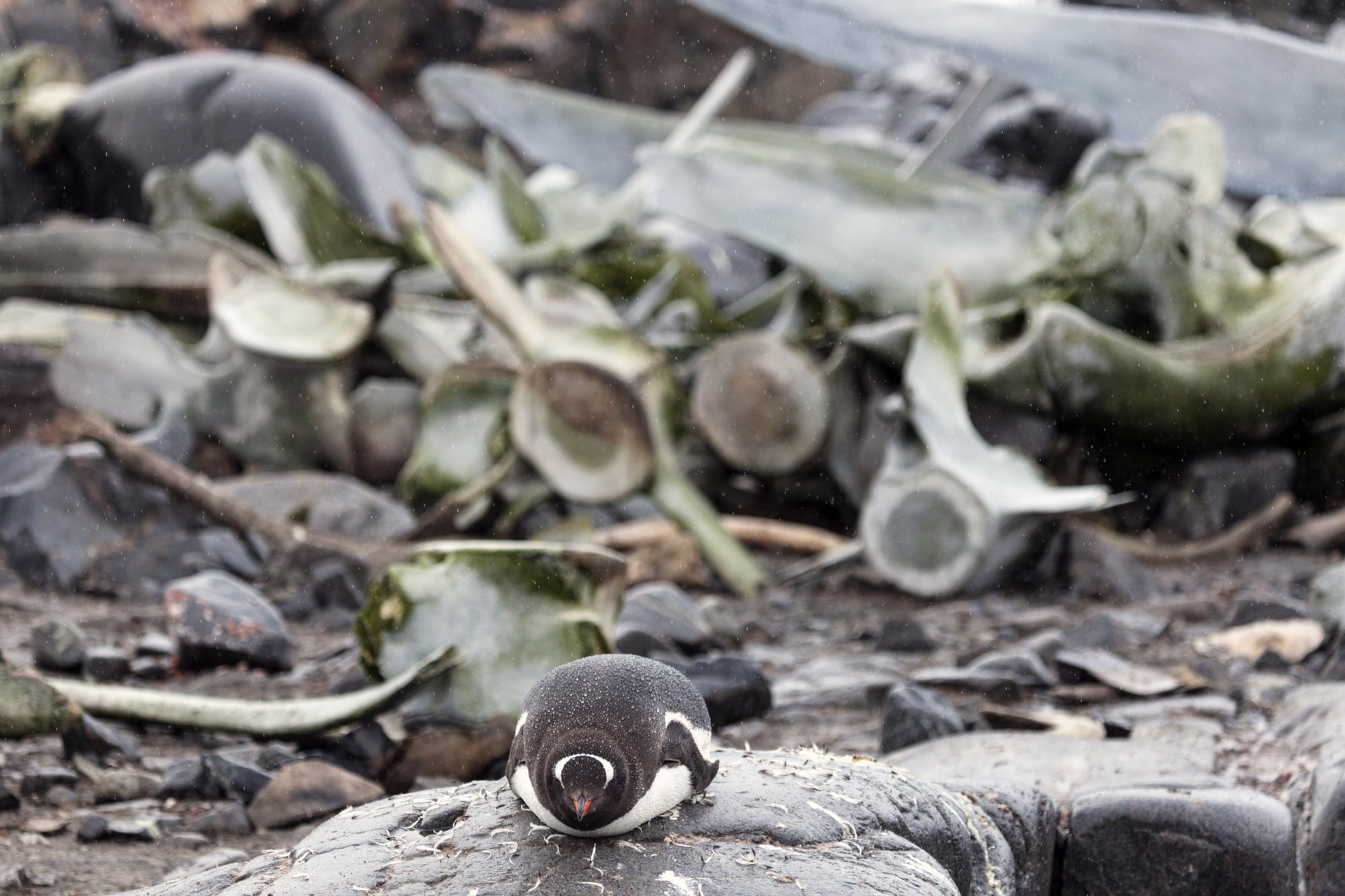
Today’s penguins are impressive, but their ancestors were giants. Fossil evidence shows that prehistoric penguins stood over six feet tall and weighed as much as adult humans.
These ancient penguins lived in Antarctica when the continent was warmer and less icy. Their bones reveal details about evolution, migration patterns, and how species adapt to dramatic climate changes over geological time.
Abandoned Research Stations
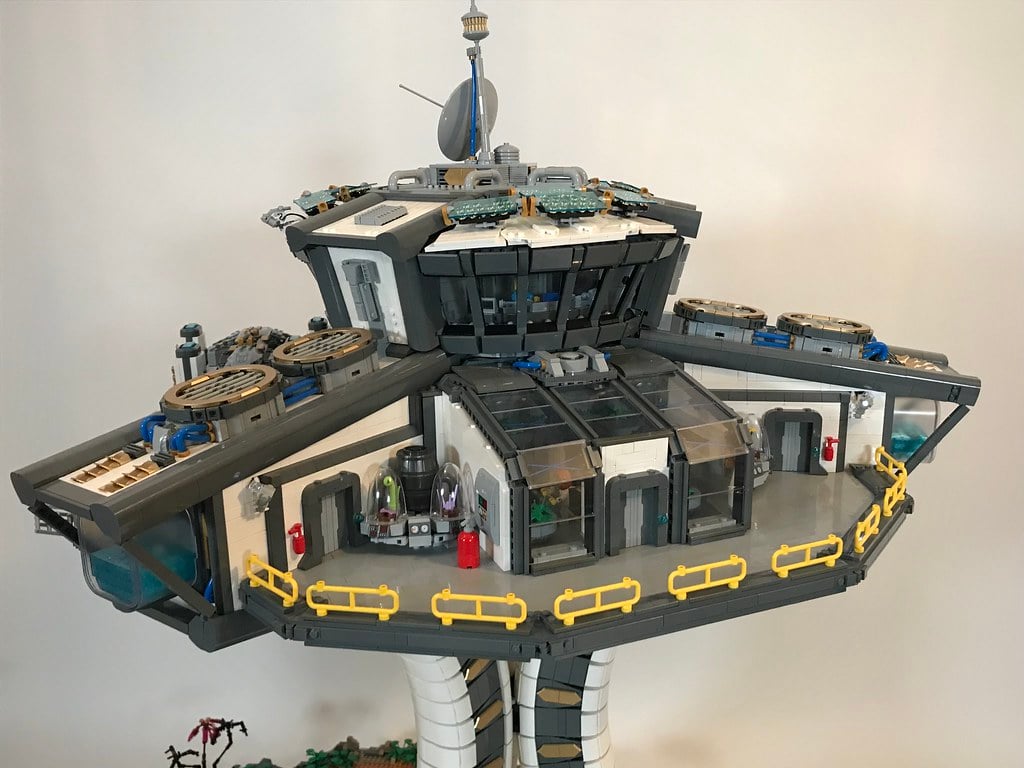
Human settlements in Antarctica don’t last long when they’re abandoned. The ice preserves them, but not kindly.
Researchers have discovered stations left behind decades ago, complete with equipment, personal belongings, and food supplies frozen exactly as they were left. Some of these sites look like their occupants just stepped out for a moment.
Others show the slow violence of ice expansion, with buildings crushed and equipment scattered. The preservation is perfect enough that researchers can reconstruct daily life at these stations, down to what people were eating and what experiments they were running when they left.
Massive Underground Lakes
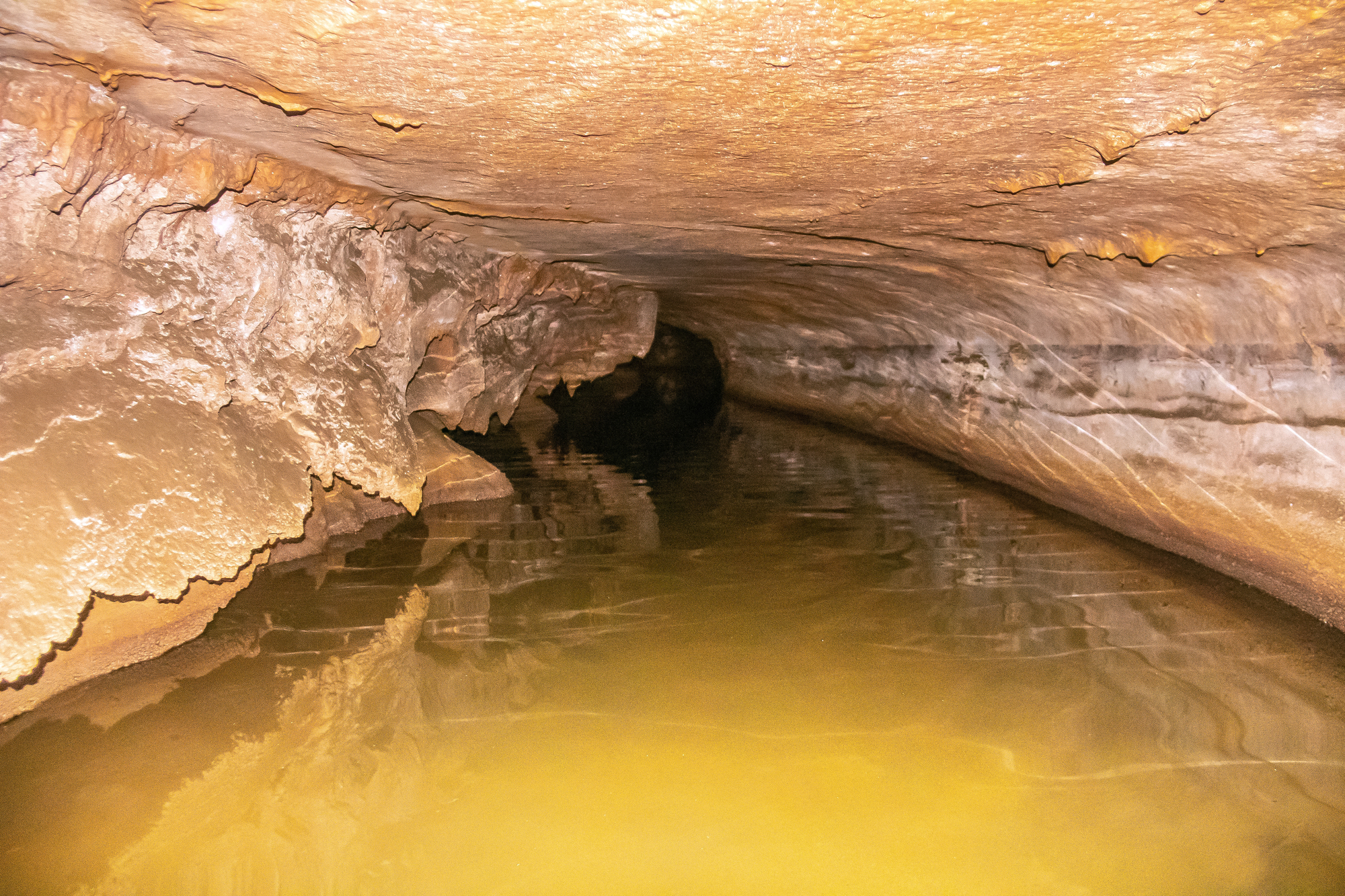
Lake Vostok sits beneath two miles of ice and contains more water than Lake Ontario. For millions of years, this lake existed in complete darkness, isolated from the surface world by an ice sheet that never melted.
The lake maintains liquid water through geothermal heat from below. Its isolation makes it one of the most pristine environments on Earth — and potentially one of the most alien.
Scientists believe the lake may contain life forms that evolved independently from everything else on Earth (assuming they’re brave enough to drill down and find out, which remains a subject of considerable debate given the risk of contaminating something that’s been untouched for millions of years).
But the discovery proves that liquid water — and potentially life — can exist in places that seem completely impossible.
Perfectly Preserved Insects
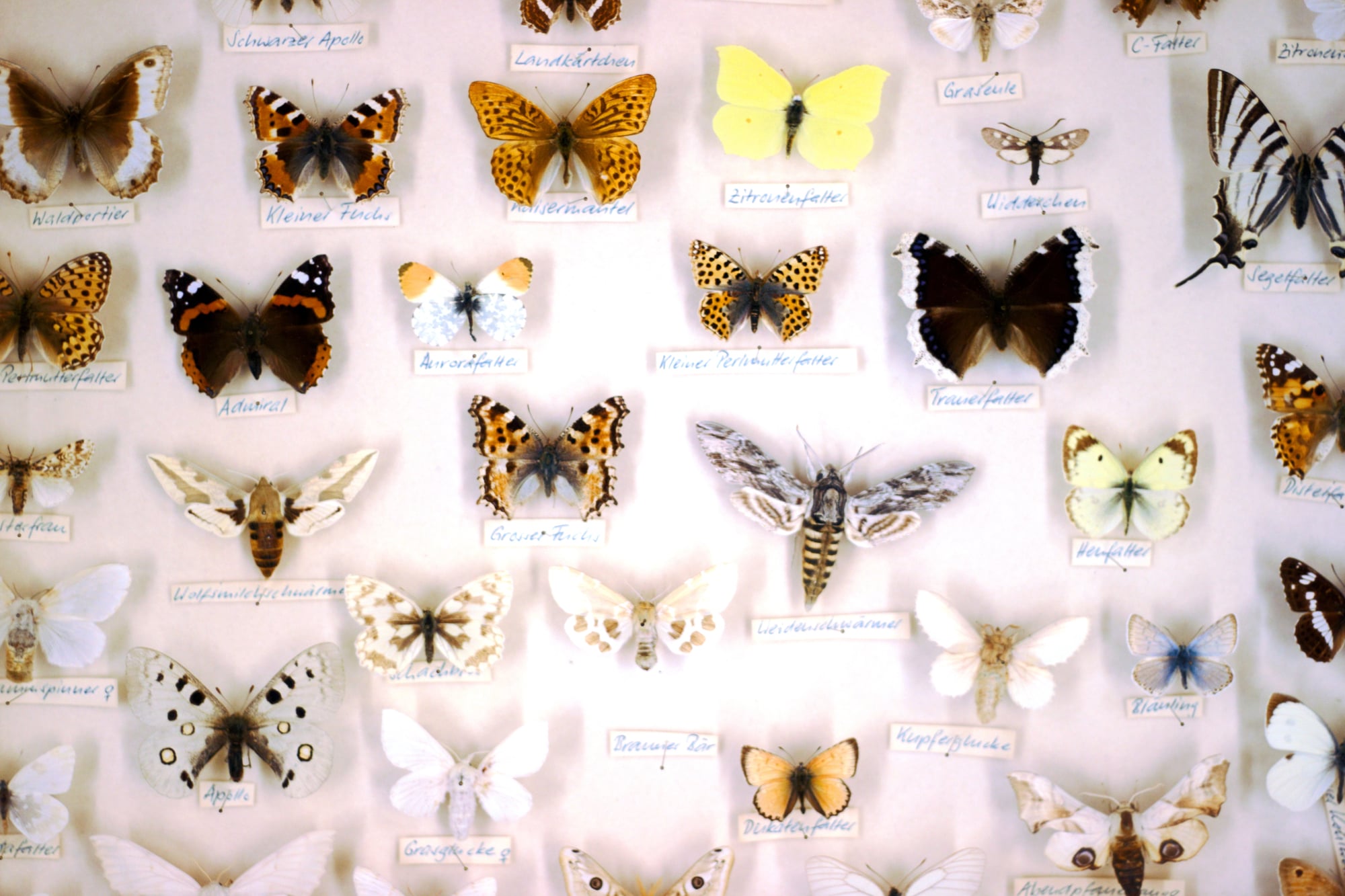
Insects don’t belong in Antarctica, but researchers have found them there anyway — frozen solid and preserved in perfect detail. These specimens likely arrived as stowaways on research equipment or supplies, then died quickly in the extreme cold.
The preservation is remarkable. Individual wing scales, antennae, and even internal organs remain intact after decades in the ice.
These accidental time capsules provide researchers with perfect specimens for study, captured at the moment of death.
Ancient Pollen and Spores
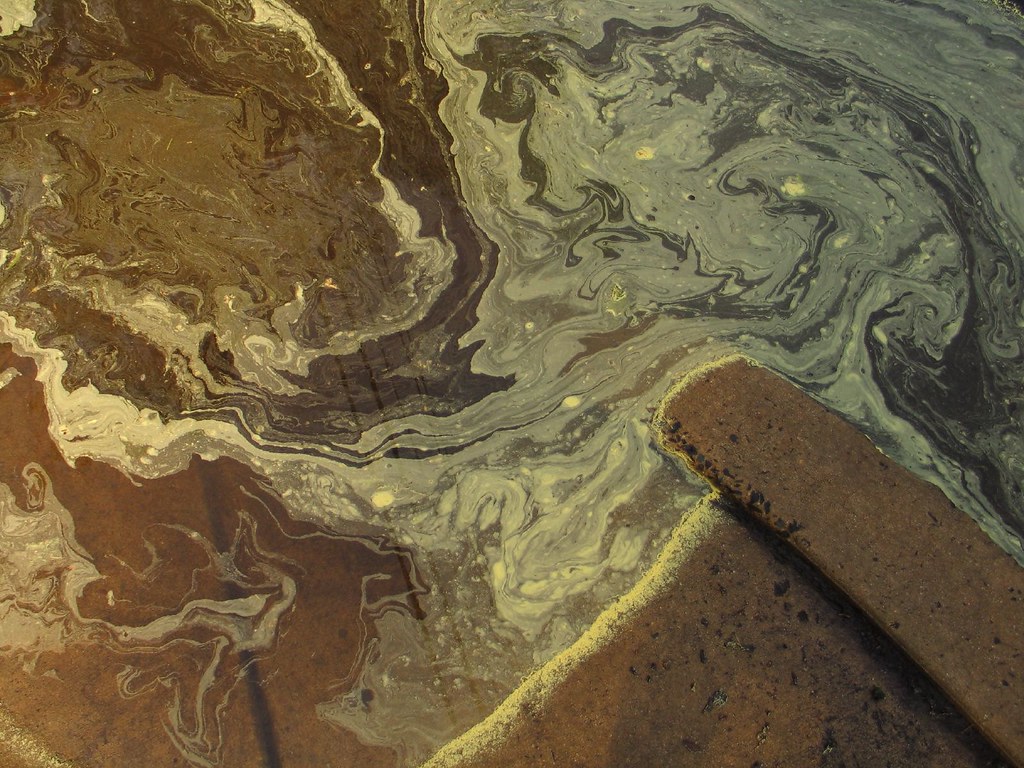
Pollen grains and plant spores have survived millions of years in Antarctic ice. Each grain tells a story about what plants were growing, what the climate was like, and how ecosystems changed over time.
This biological archive stretches back further than almost any other climate record on Earth. By analyzing pollen trapped in ice cores, scientists can reconstruct not just temperatures and precipitation patterns, but entire ecosystems that disappeared millions of years ago.
Crashed Aircraft
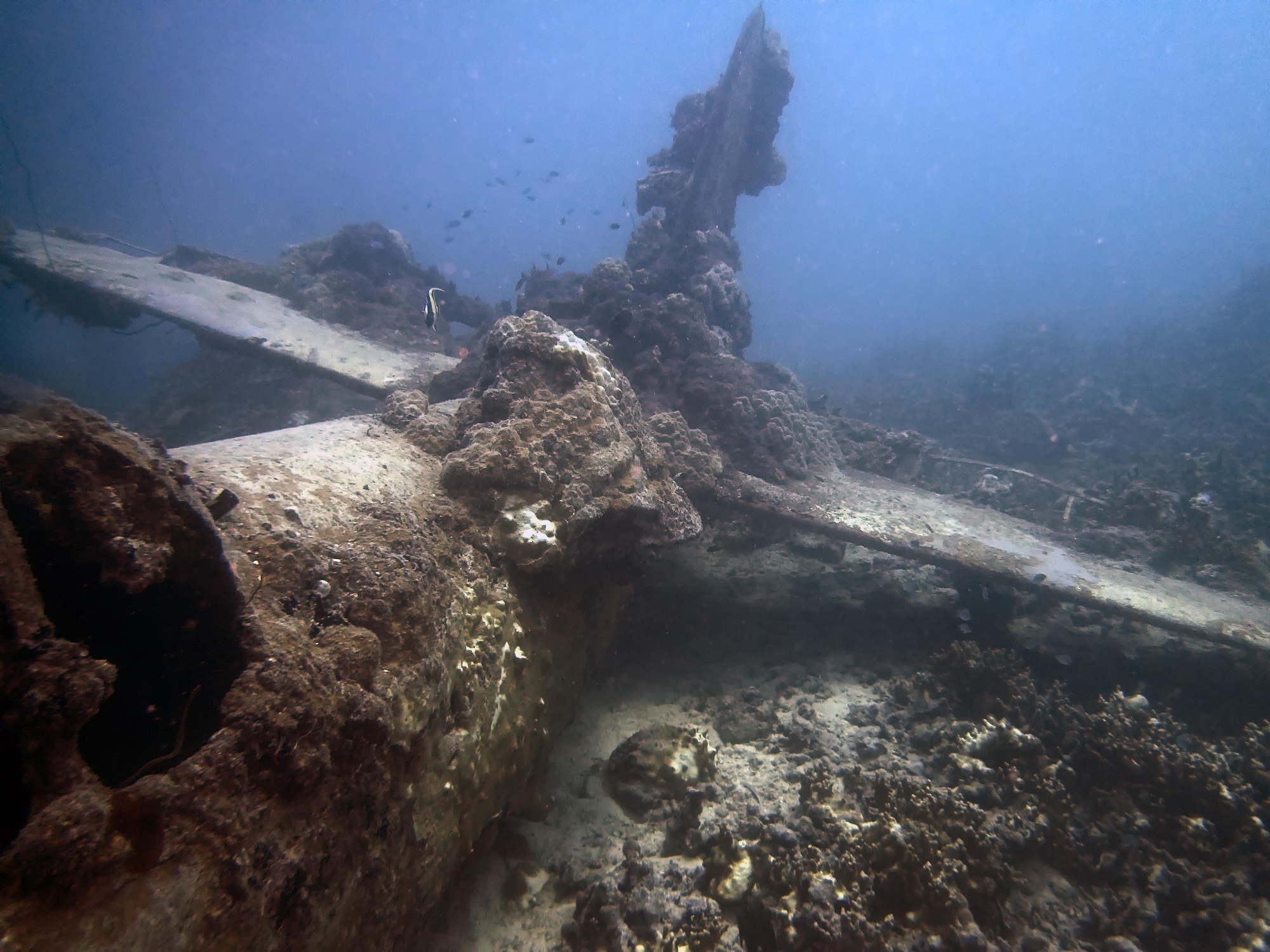
Antarctica has claimed aircraft over the decades, and the ice preserves them completely. Wreckage from planes that crashed decades ago remains scattered across the ice, protected from rust and decay by the extreme cold.
Some crashes are recent enough that investigators can still examine them for clues about what went wrong. Others are historical artifacts, representing early attempts to explore and map the continent when aviation technology was far less reliable than today.
Volcanic Glass
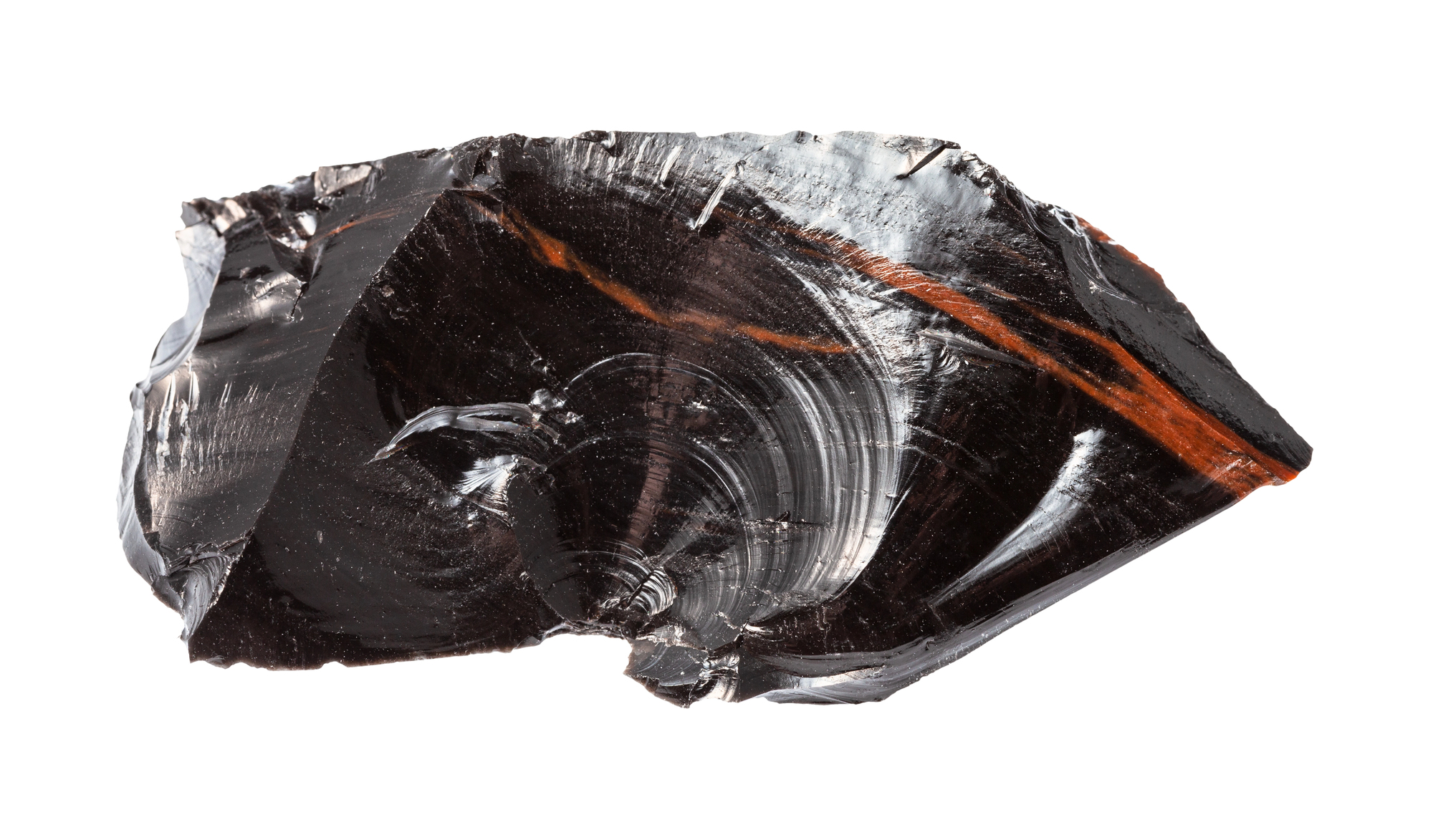
Active volcanoes exist beneath Antarctic ice, and they’ve left behind deposits of volcanic glass that tell stories about eruptions that happened under miles of frozen water. This glass forms under extremely unusual conditions — when lava meets ice at tremendous pressure.
The resulting formations are unlike volcanic glass found anywhere else on Earth. They provide insights into how ice sheets interact with geological activity, and what happens when fire meets ice under extreme pressure.
Preserved Wooden Artifacts
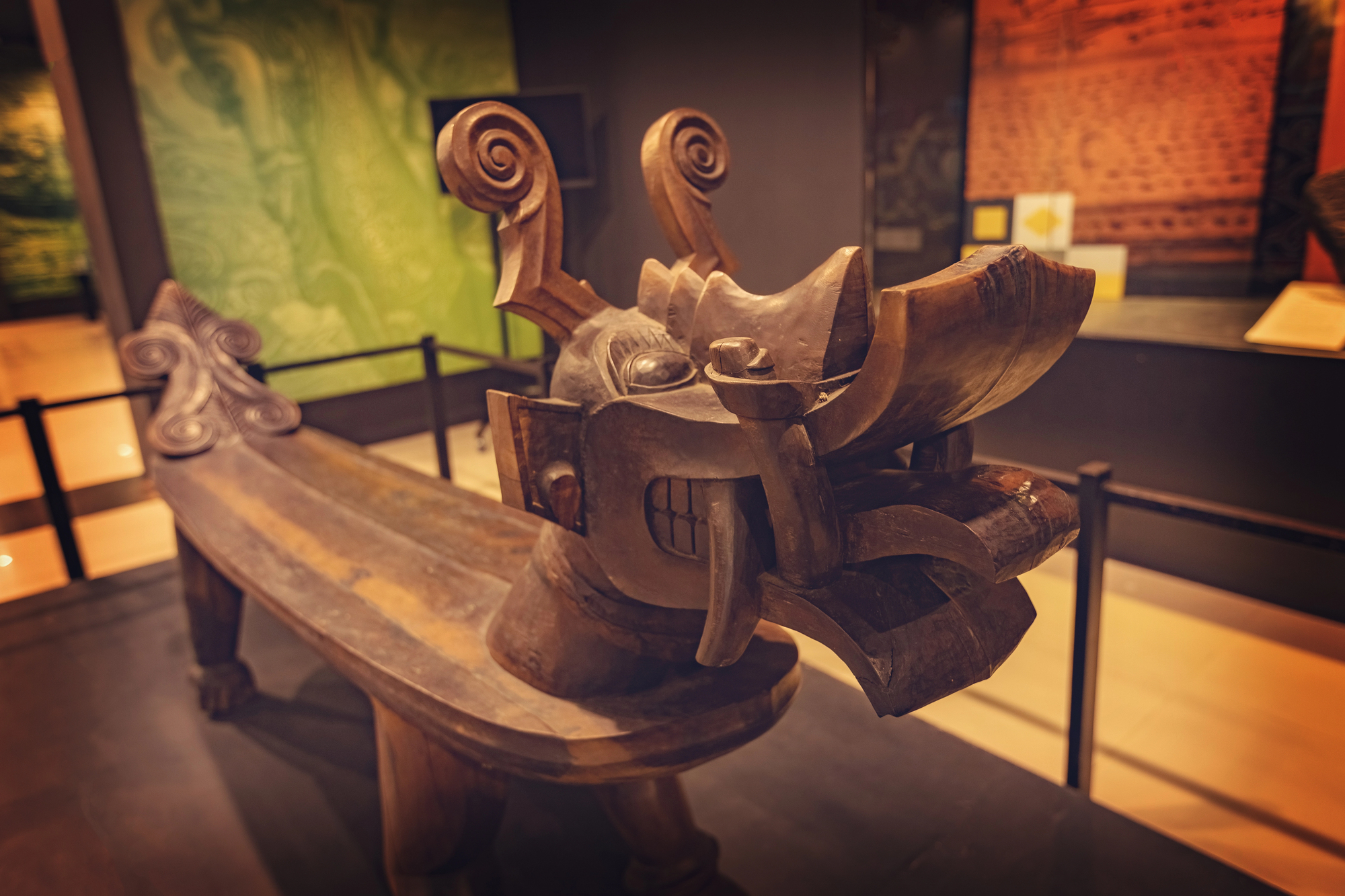
Wood doesn’t grow in Antarctica, but wooden artifacts have been found there — preserved perfectly by the cold. These range from equipment left by early explorers to structural materials from abandoned research stations.
The preservation is so complete that researchers can identify the type of wood, where it likely came from, and even tool marks from when it was cut and shaped. Some pieces retain their original color and texture after decades in the ice.
Microorganisms in Ancient Ice
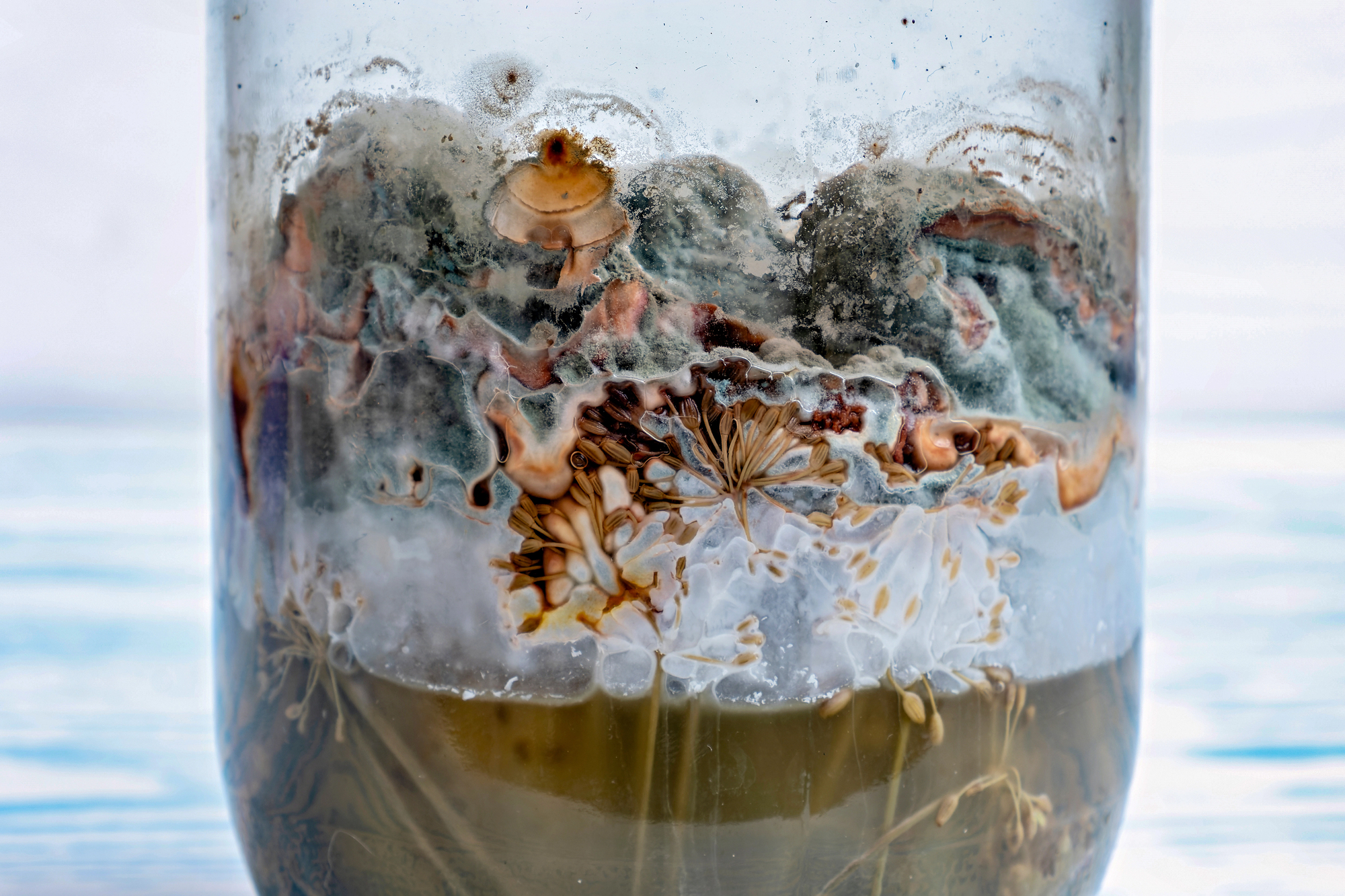
Ice cores contain microorganisms that have been frozen for hundreds of thousands of years. When thawed carefully in laboratory conditions, some of these organisms come back to life.
These ancient microbes provide living examples of how life existed in different eras. They’ve survived longer than most civilizations, trapped in ice and waiting for someone to find them and wake them up.
Ancient Air Bubbles
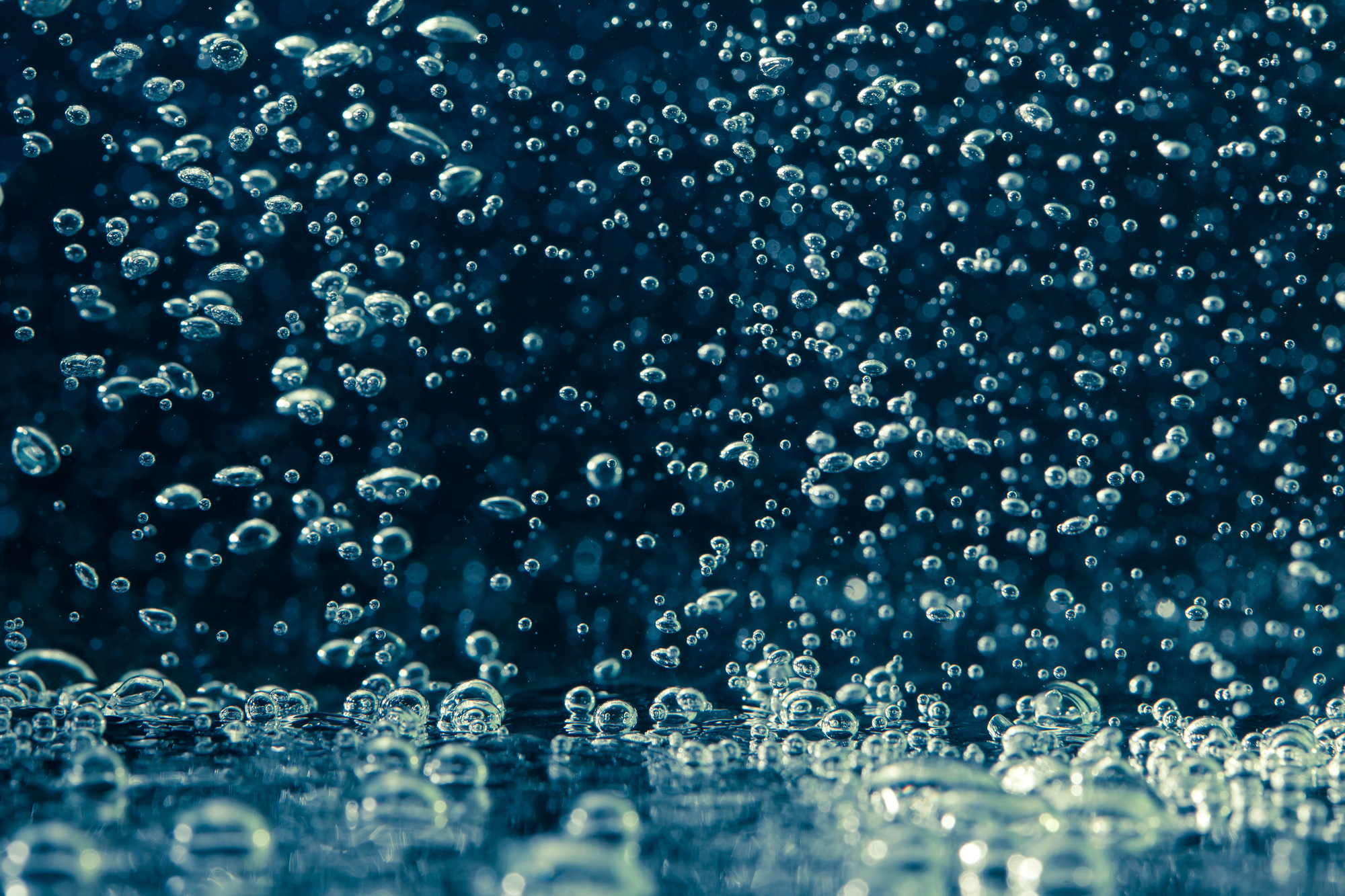
Ice traps air as it forms, creating tiny time capsules of ancient atmospheres. Researchers can extract these air bubbles and analyze them to determine what Earth’s atmosphere was like thousands of years ago.
The air contains information about carbon dioxide levels, volcanic eruptions, and even cosmic events that affected Earth’s atmosphere. Each bubble is a snapshot of a specific moment in atmospheric history, preserved with perfect fidelity.
Where Cold Keeps Secrets
The strangest thing about Antarctica isn’t any single discovery — it’s the continent’s role as an accidental museum, preserving things that would have vanished anywhere else on Earth. The ice doesn’t discriminate.
It saves ancient forests and modern trash with equal thoroughness, creating a record that spans millions of years and tells stories that researchers are still learning how to read.
Every drilling project and excavation reveals something unexpected. The continent holds more secrets than anyone imagines, buried under ice that may never melt.
What’s already been found suggests that the strangest discoveries are still waiting, frozen and patient, for someone to dig deep enough to find them.
More from Go2Tutors!

- The Romanov Crown Jewels and Their Tragic Fate
- 13 Historical Mysteries That Science Still Can’t Solve
- Famous Hoaxes That Fooled the World for Years
- 15 Child Stars with Tragic Adult Lives
- 16 Famous Jewelry Pieces in History
Like Go2Tutors’s content? Follow us on MSN.



