15 Foods That Are Actually Illegal Somewhere in the World
Food seems like one of those universal constants — something every culture embraces in its own way. But travel far enough, and what sits comfortably on your dinner plate might land you in serious legal trouble.
Some of these bans make perfect sense when you dig into the reasoning. Others feel like bureaucratic overreach that missed the point entirely.
Either way, these restrictions exist, and breaking them carries real consequences.
Foie Gras
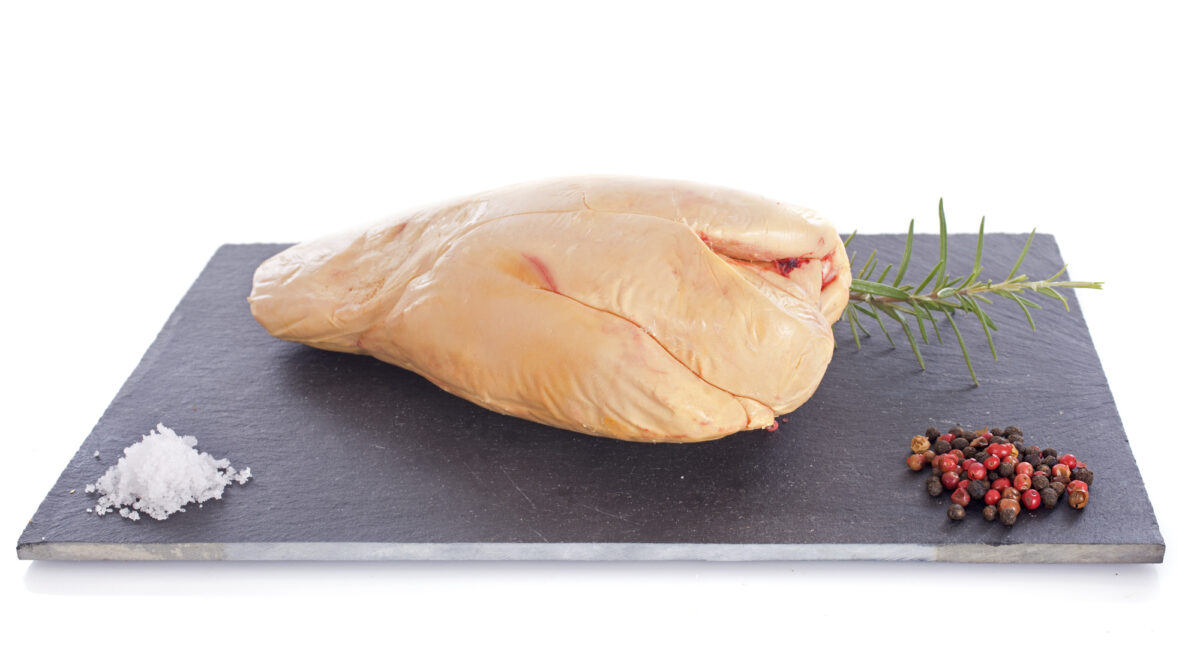
Foie gras production is banned in California, New York City, and several European countries. The fattened duck liver delicacy requires force-feeding birds through a tube.
Animal welfare groups consider it torture. Restaurants caught serving it face hefty fines.
Kinder Eggs
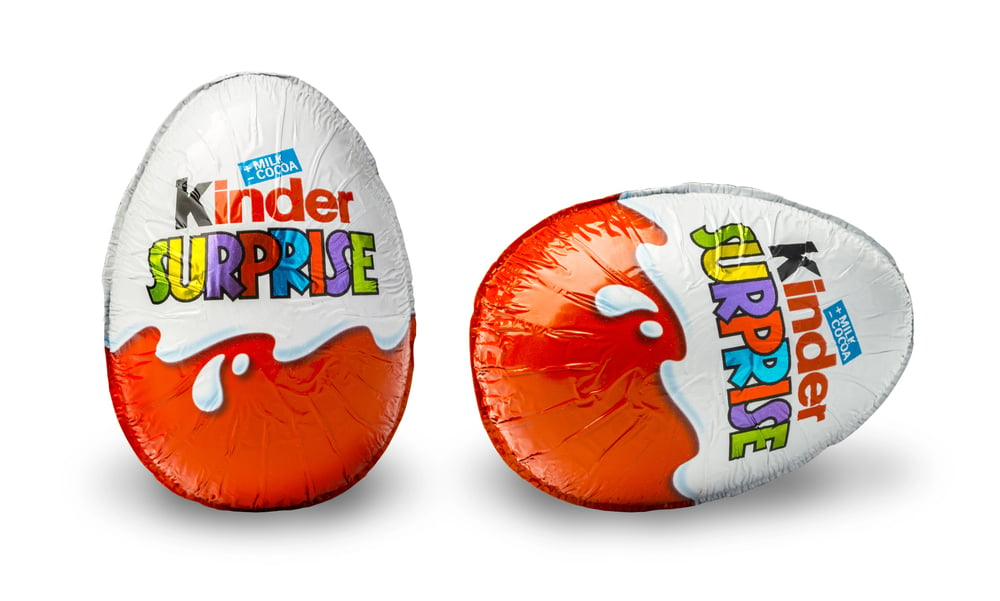
The United States banned Kinder Eggs for decades due to a 1938 law prohibiting non-food items inside edible products. Customs agents confiscate them at borders.
The small toy inside poses a choking hazard, according to the FDA. Kinder Joy eggs — a modified version — are now legal.
Horse Meat
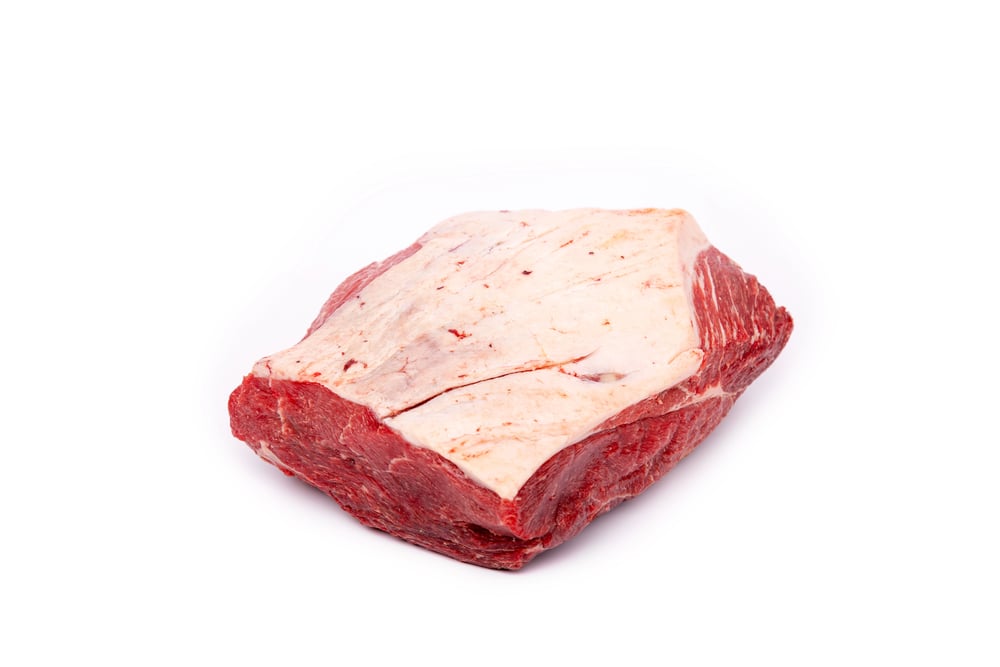
Horse meat is effectively unavailable for commercial purchase in the United States, though it’s eaten in parts of Europe and Asia (and here’s where things get complicated, because cultural food taboos often masquerade as health regulations when lawmakers need justification). There is no federal law explicitly banning consumption — but Congress has repeatedly defunded USDA inspections of horse slaughter facilities since 2007, making commercial sale impossible.
The de facto ban isn’t about safety — horse meat is perfectly edible — but rather stems from Americans viewing horses as companions rather than livestock. So we protect animals we’ve decided are noble while factory-farming the ones we’ve deemed acceptable.
Interesting moral geography, that.
Unpasteurized Milk
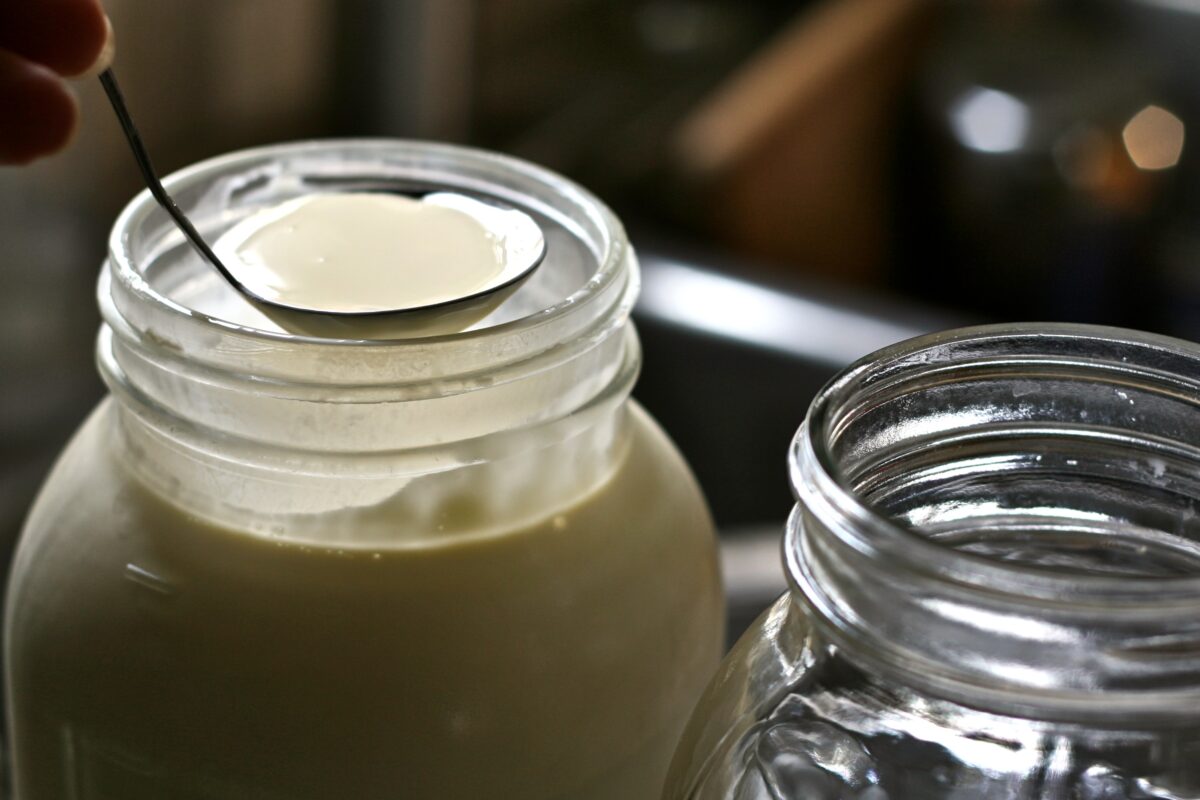
Raw milk sales exist in this strange legal limbo where the same product that sustained humans for millennia now requires clandestine transactions (as if calcium were cocaine). Twenty-one US states prohibit raw milk sales entirely.
Farmers who sell it directly risk losing their licenses. Health officials cite bacterial contamination risks, though raw milk advocates argue pasteurization destroys beneficial enzymes and nutrients.
The debate resembles a custody battle where both sides claim to know what’s best for your digestive system.
Shark Fin
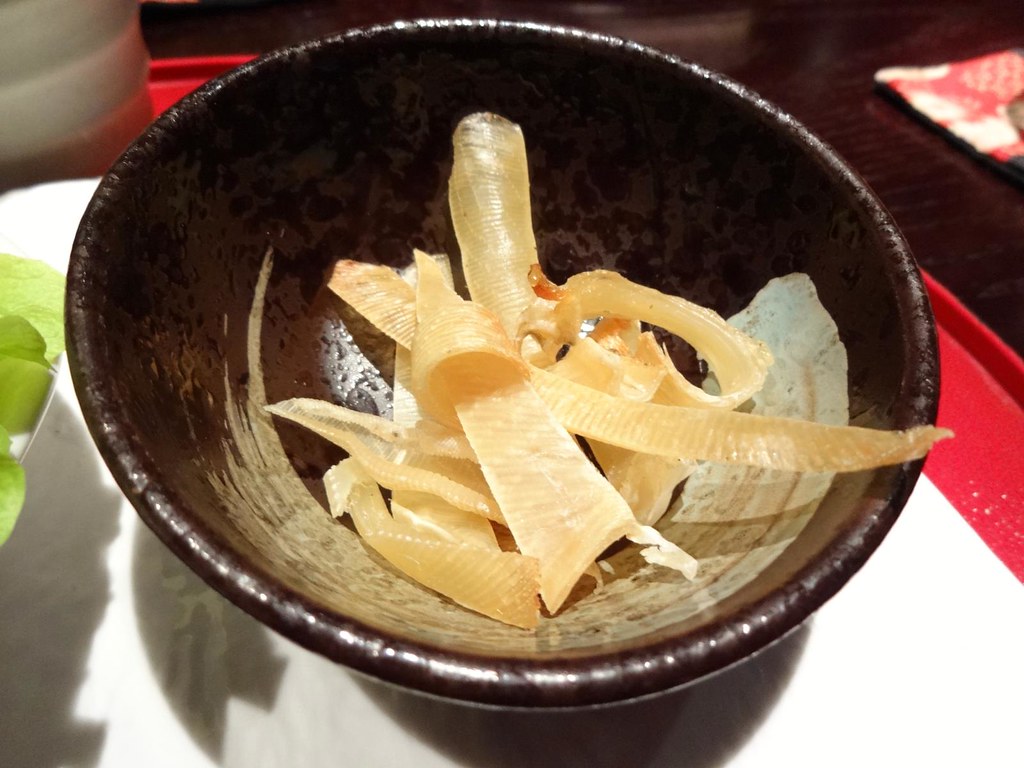
Shark finning is illegal in over a dozen US states and the European Union. The practice involves cutting off fins and discarding the shark back into the ocean.
Restaurant owners face criminal charges for serving shark fin soup. Conservation groups pushed for these bans as shark populations plummeted.
Blood Sausage
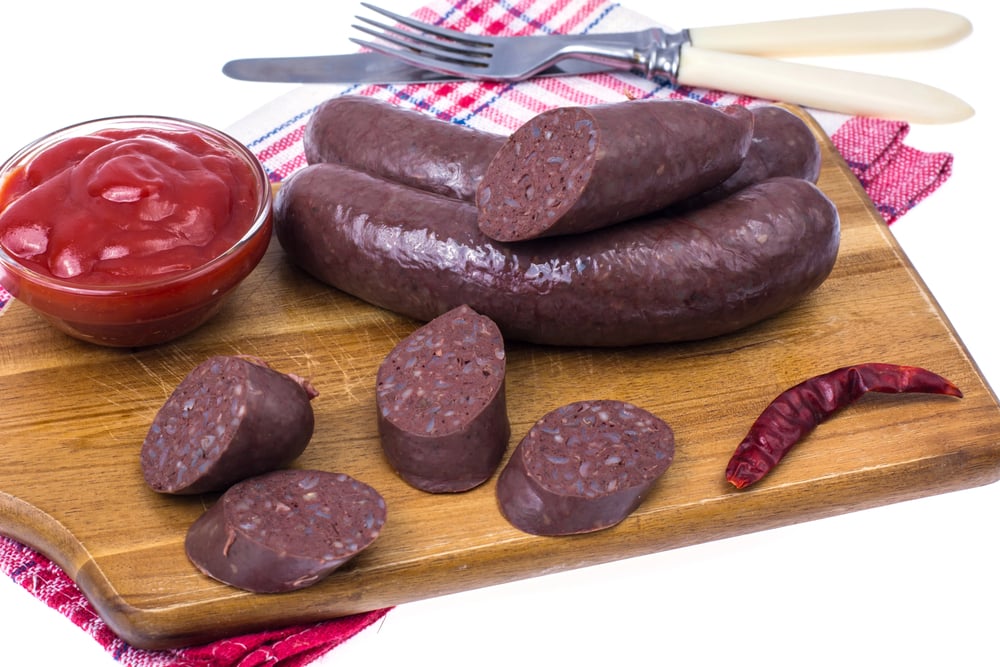
Black pudding and blood sausage are prohibited imports in the United States due to USDA regulations against blood-based foods (though you can apparently buy products containing every other conceivable animal part without raising regulatory eyebrows). The ban exists officially for health reasons, but plenty of countries consume blood sausage safely.
Canada allows it. So does most of Europe. American squeamishness about blood as food isn’t universal — it just got codified into law.
Which is saying something about how cultural preferences become official policy when nobody’s paying attention.
Absinthe
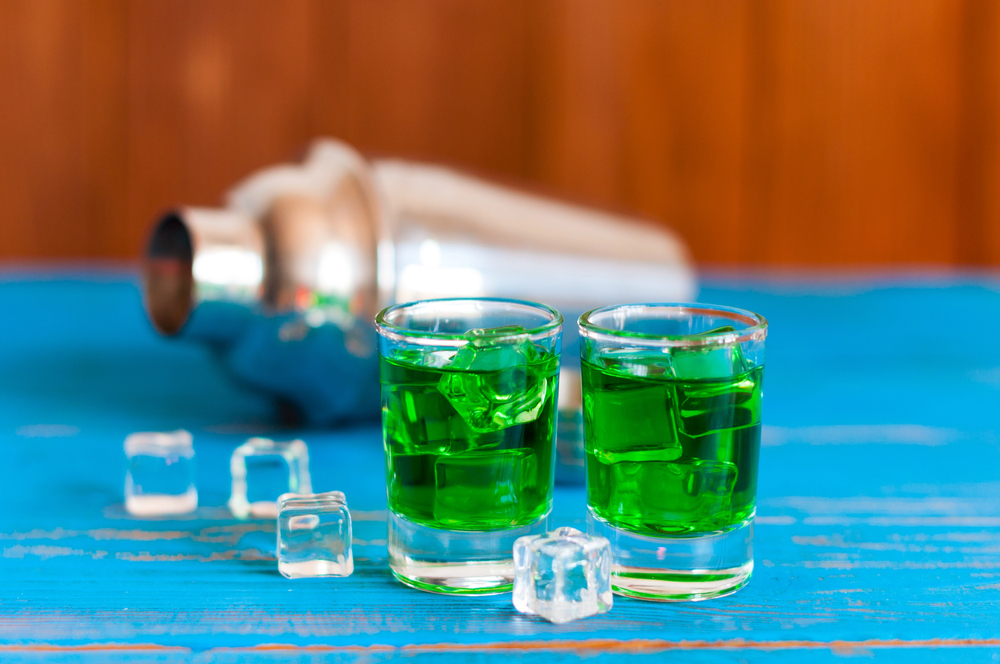
Traditional absinthe was banned in many countries for nearly a century due to thujone, a compound in wormwood that supposedly caused hallucinations and madness. The “Green Fairy” terrified authorities who blamed it for social problems.
Modern versions with reduced thujone levels are now legal in most places. The original ban was likely more about moral panic than actual health risks.
Casu Marzu
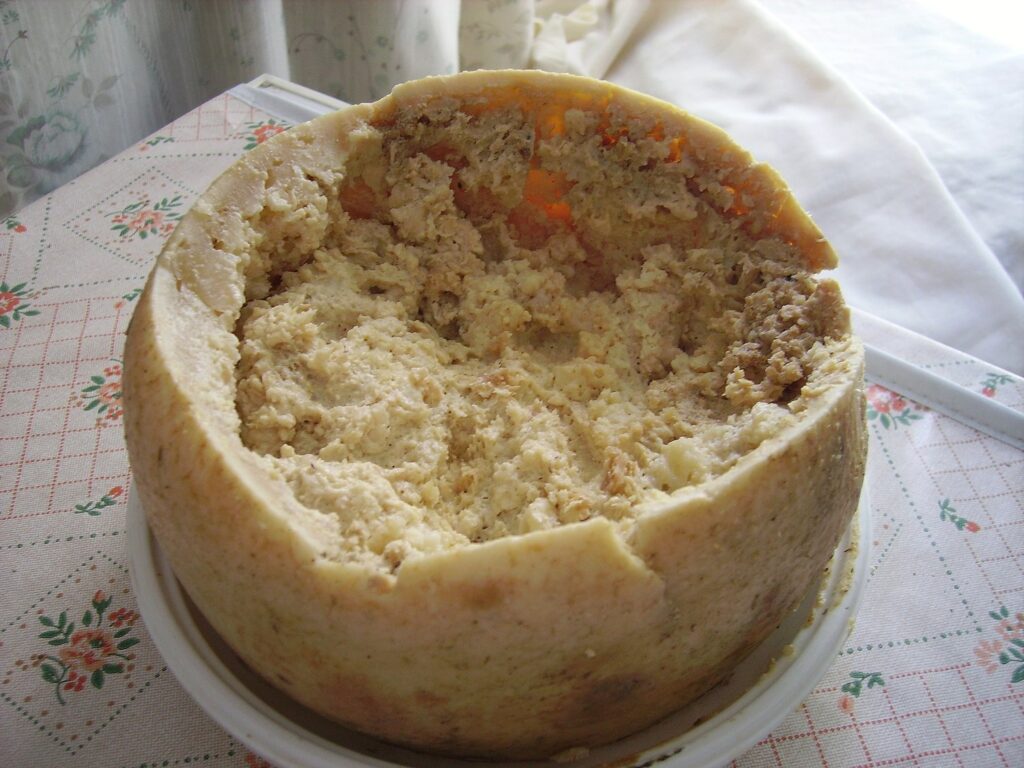
This Sardinian cheese contains live maggots — and that’s the point, not a storage accident. The European Union banned its commercial sale due to food safety regulations, though locals continue making it traditionally (because bureaucrats in Brussels apparently never consulted actual Sardinians about what constitutes acceptable cheese).
The maggots create the cheese’s distinctive flavor through their digestive process. Sardinians have eaten it for centuries without dropping dead en masse.
But regulations are regulations, even when they ignore centuries of evidence.
Beluga Caviar
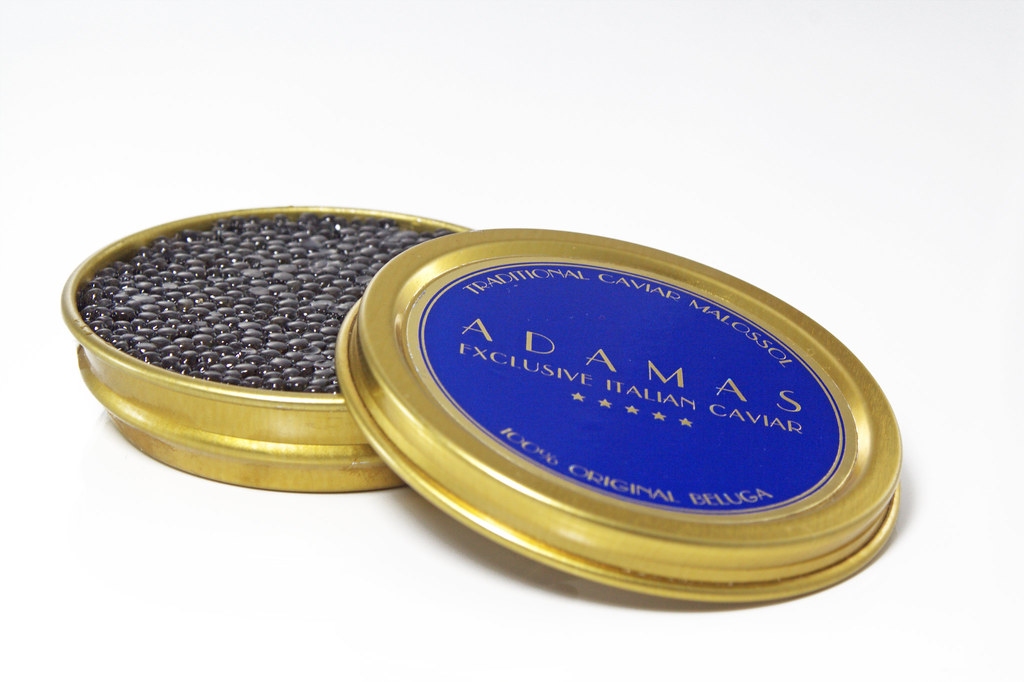
The United States banned beluga caviar imports in 2005 to protect endangered Caspian Sea sturgeon. The fish takes decades to mature, making it vulnerable to overfishing.
Possession of illegally imported beluga caviar carries serious penalties. Other sturgeon varieties remain legal but expensive.
Durian Fruit
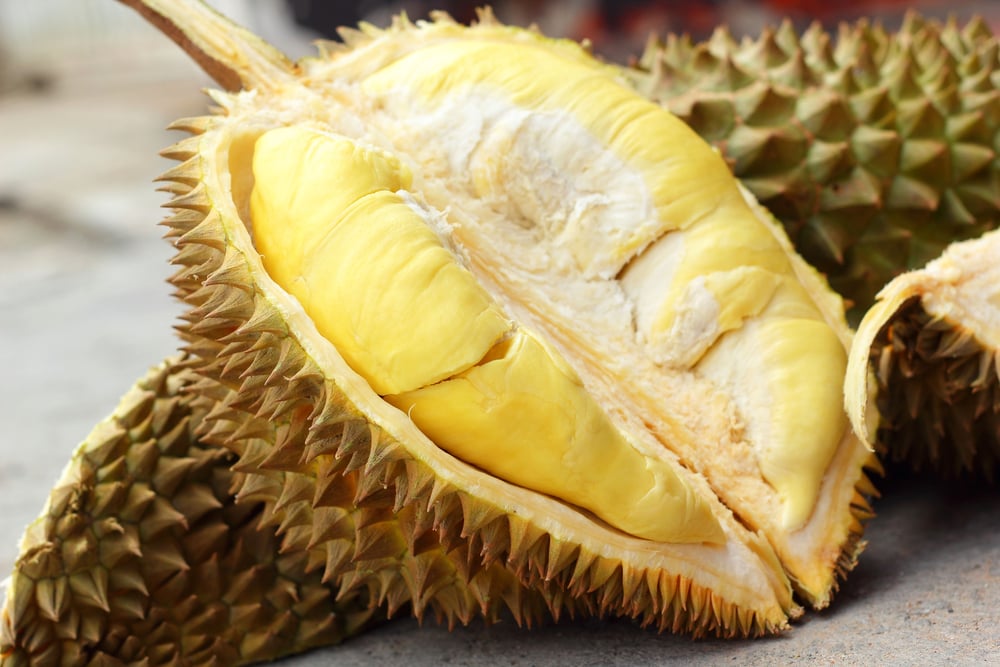
Singapore bans durian fruit on public transportation and in many hotels due to its overwhelmingly pungent smell. The fruit’s odor has been compared to rotting onions mixed with turpentine.
Violators face fines. Some buildings post “No Durian” signs alongside anti-cig warnings.
Sassafras
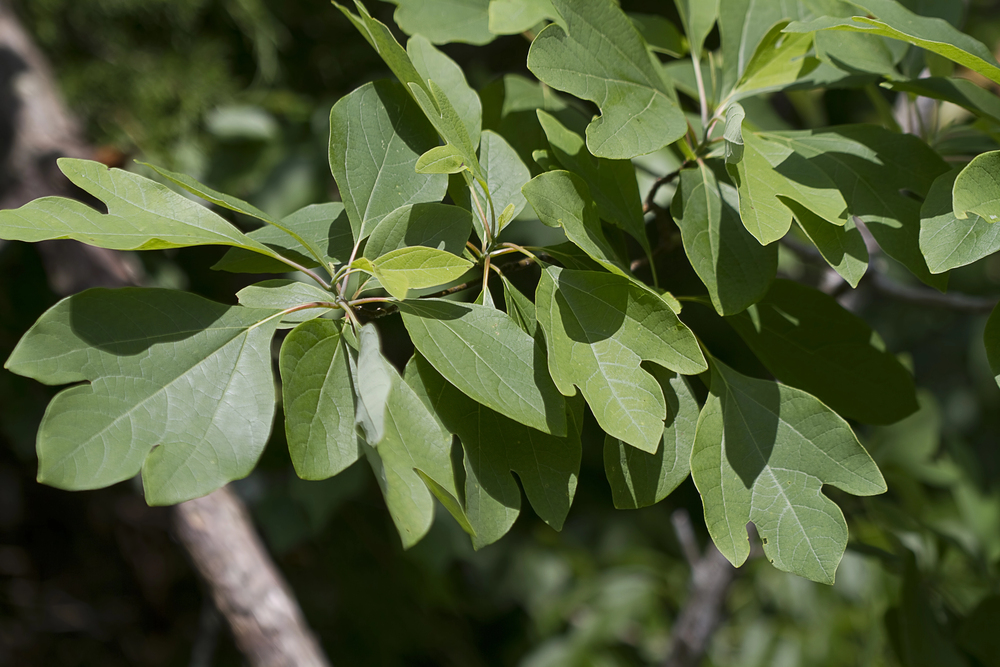
The FDA banned sassafras root and safrole oil in foods and beverages after studies linked safrole to liver cancer in rats. Traditional root beer contained sassafras before the ban.
Modern root beer uses artificial flavoring instead.
Samosas
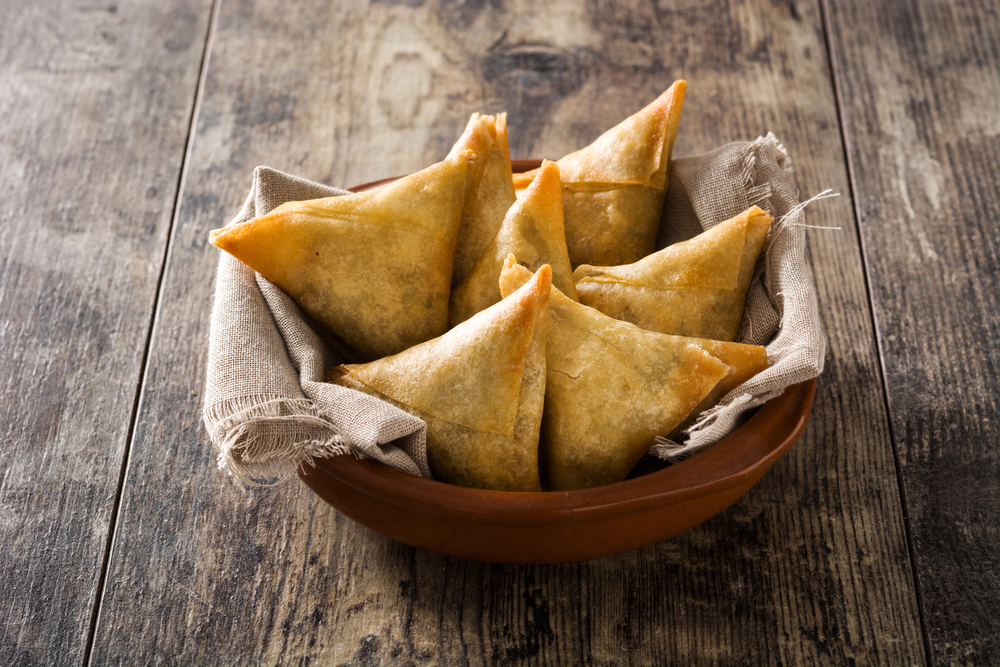
Somalia banned samosas in 2011, claiming the triangular pastries resembled the Christian Trinity and offended Islamic values. The ban was part of broader restrictions by the militant group Al-Shabaab.
Vendors caught selling samosas faced punishment. The ban has since been lifted in government-controlled areas.
Chewing Gum
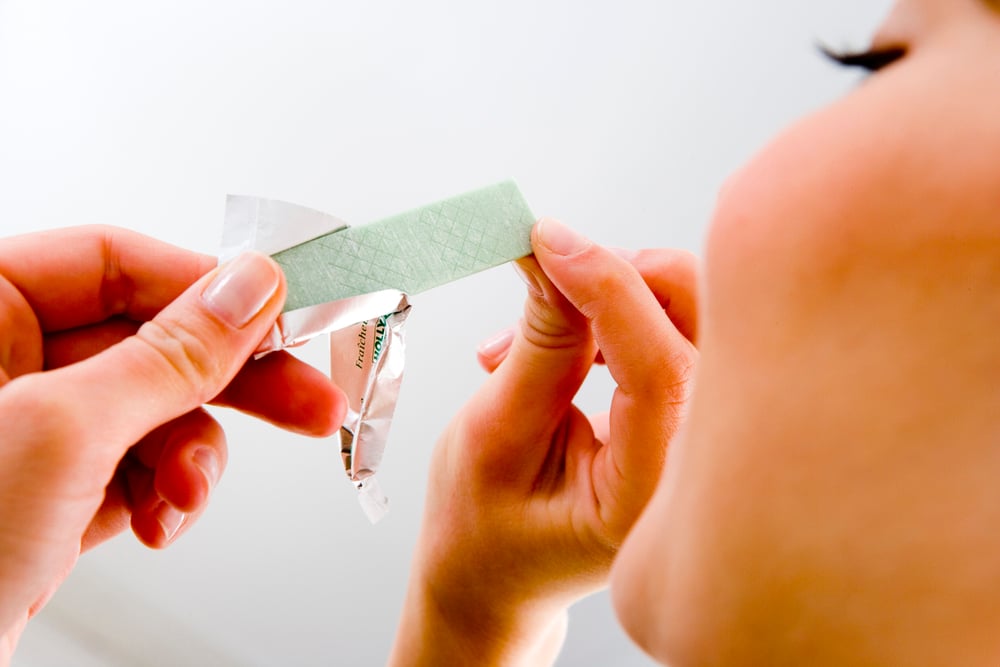
Singapore maintains one of the world’s strictest chewing gum bans (and before anyone claims this is about cleanliness, plenty of messier things remain perfectly legal there). The ban started in 1992 after gum stuck on subway sensors caused train delays.
Bringing gum into the country for personal use is technically illegal, though enforcement is inconsistent. Therapeutic gum is available by prescription only.
The whole thing feels like using a sledgehammer to fix a watch — effective, perhaps, but missing several obvious middle-ground solutions.
Poppy Seeds
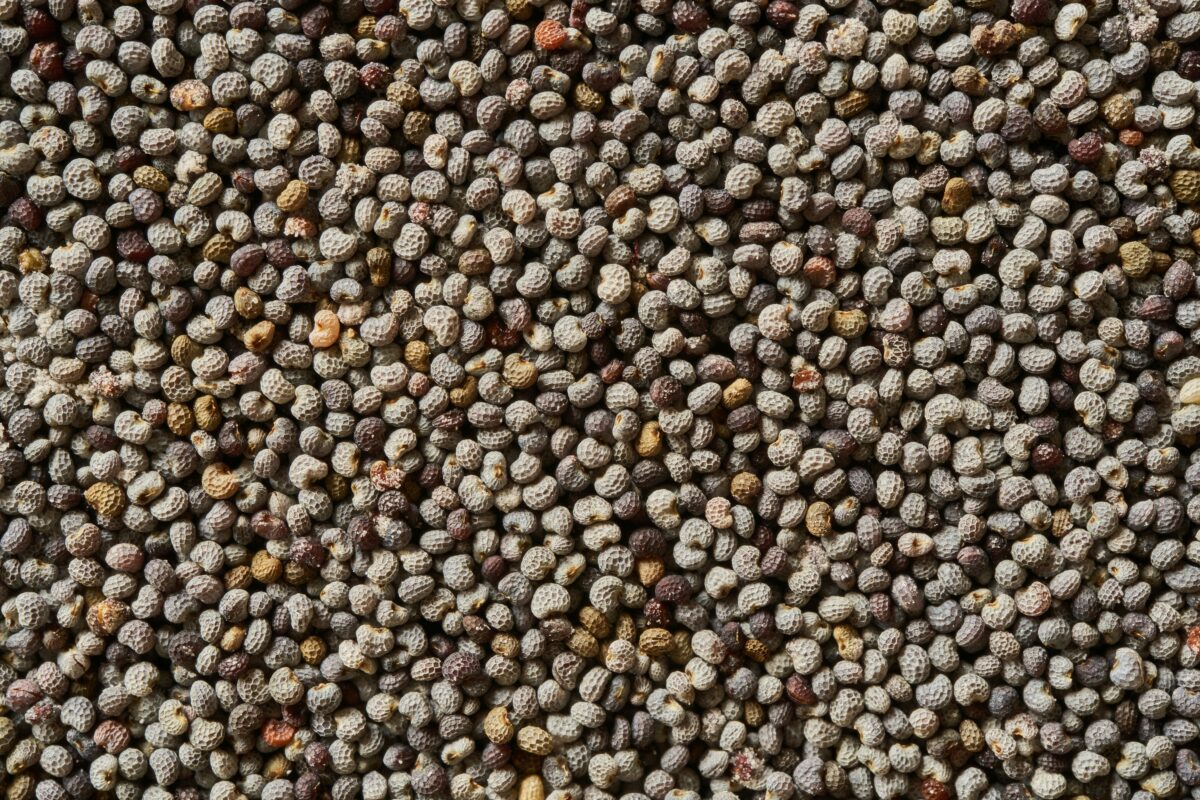
The United Arab Emirates and Saudi Arabia ban poppy seeds because they can produce trace amounts of opiates. Airport security confiscates bagels and muffins containing poppy seeds.
Drug tests can show positive results from poppy seed consumption. The ban extends to poppy seed oil and any foods containing them.
Haggis
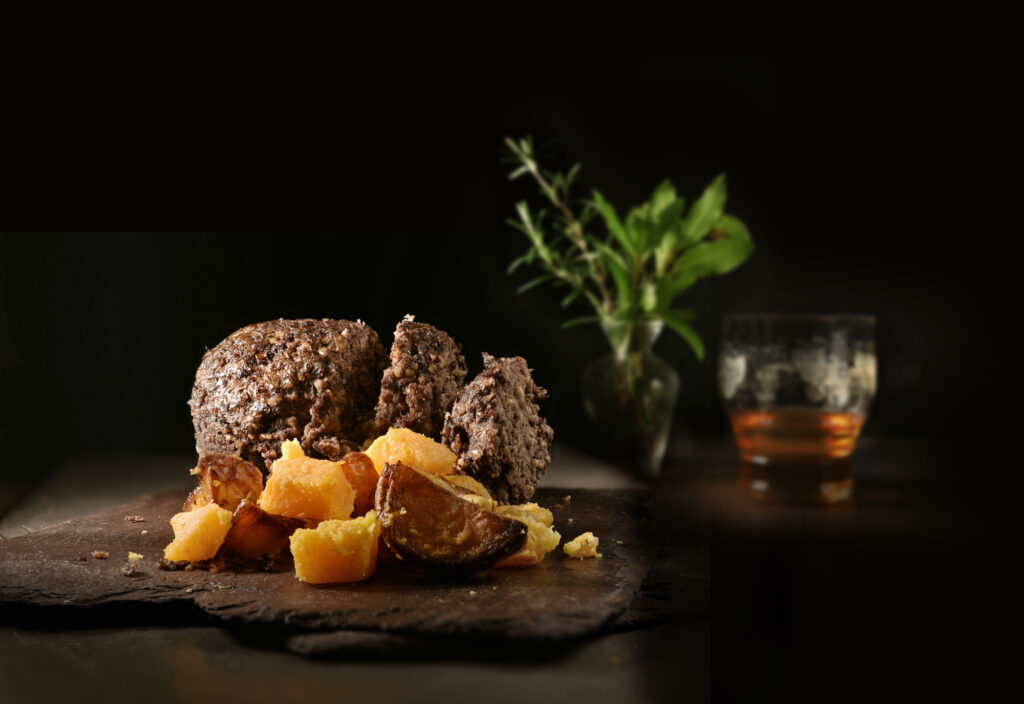
The United States banned authentic Scottish haggis imports since 1971 due to the inclusion of sheep lungs. USDA regulations prohibit lung tissue in food products. Scottish haggis makers cannot export their traditional recipes to America.
Modified versions without lung are available but purists argue they miss the authentic flavor.
When Food Becomes Politics
Food laws reveal more about societies than their creators probably intended. These bans often start with legitimate concerns — animal welfare, public health, cultural sensitivity — but become bureaucratic artifacts that outlive their original purpose.
What ends up illegal isn’t always what’s most dangerous. Sometimes it’s just what scared the right people at the right moment in legislative history.
More from Go2Tutors!

- The Romanov Crown Jewels and Their Tragic Fate
- 13 Historical Mysteries That Science Still Can’t Solve
- Famous Hoaxes That Fooled the World for Years
- 15 Child Stars with Tragic Adult Lives
- 16 Famous Jewelry Pieces in History
Like Go2Tutors’s content? Follow us on MSN.



