Political Slogans That Became Famous for All the Wrong Reasons
The perfect political slogan captures the zeitgeist, rallies supporters, and propels candidates to victory. It becomes part of the national conversation, repeated in living rooms and workplaces across the country.
But sometimes, slogans take on a life entirely different from what their creators intended. Instead of inspiring confidence, they invite mockery.
Rather than demonstrating strength, they reveal weakness. These phrases become cultural punchlines, historical footnotes that politicians would rather forget but can never quite escape.
The most memorable political slogans aren’t always the successful ones — they’re often the disasters that taught everyone else what not to say.
Dewey Defeats Truman
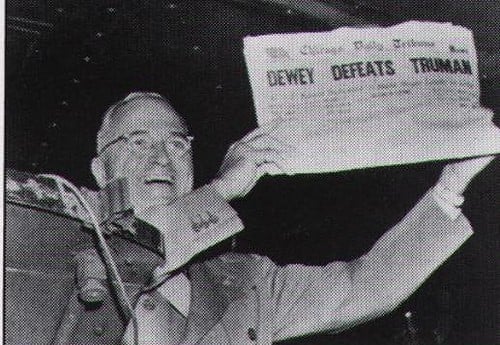
The Chicago Daily Tribune didn’t just print a slogan — they printed certainty. “Dewey Defeats Truman” became the most famous headline that never should have been, frozen forever in that photograph of Harry Truman holding up the newspaper with a grin that said everything.
Nobody expected Truman to win. The polls, the pundits, the party insiders all pointed toward Thomas Dewey.
So confident was the Tribune that they went to print early, banking on what seemed inevitable. Truman’s upset victory turned their premature celebration into a monument to journalistic overconfidence.
Mission Accomplished
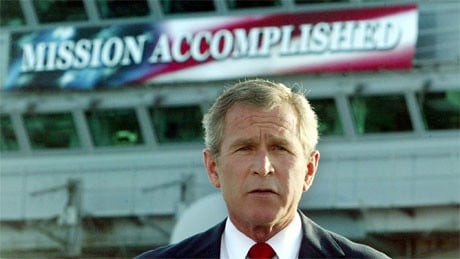
George W. Bush stood on that aircraft carrier deck in 2003, backdrop banner declaring “Mission Accomplished” behind him. The Iraq War was over, or so the staging suggested.
The years that followed made that banner look like a cruel joke. What was meant to signal decisive victory became a symbol of premature celebration and miscalculation.
Every subsequent casualty, every insurgent attack, every piece of bad news from Iraq reflected back on those two words. The mission, as it turned out, had barely begun.
I Am Not a Crook
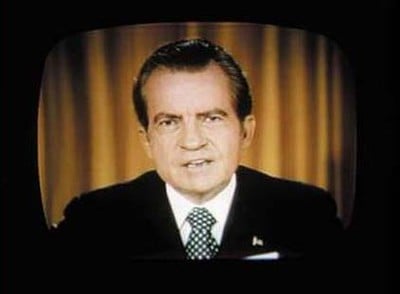
When a president feels compelled to deny criminal behavior (and uses those exact words to do it), the denial often becomes more memorable than whatever prompted it in the first place. Nixon’s 1973 declaration — “I am not a crook” — was supposed to restore confidence, but instead it crystallized doubt into something quotable, something that would follow him long after he’d left office in disgrace.
The phrase carried an odd desperation, like someone protesting too much at a dinner party where nobody had actually accused them of anything yet. But Nixon was responding to mounting pressure, and his choice of words revealed more vulnerability than strength.
And when he resigned less than a year later, those four words became his unofficial epitaph — not because they were untrue in some technical sense, but because they captured a moment when the presidency itself felt small and defensive. So the slogan meant to restore dignity instead preserved the very impression it was trying to dispel.
Even now, decades later, any politician’s vigorous denial of wrongdoing gets measured against Nixon’s awkward standard.
Please Clap
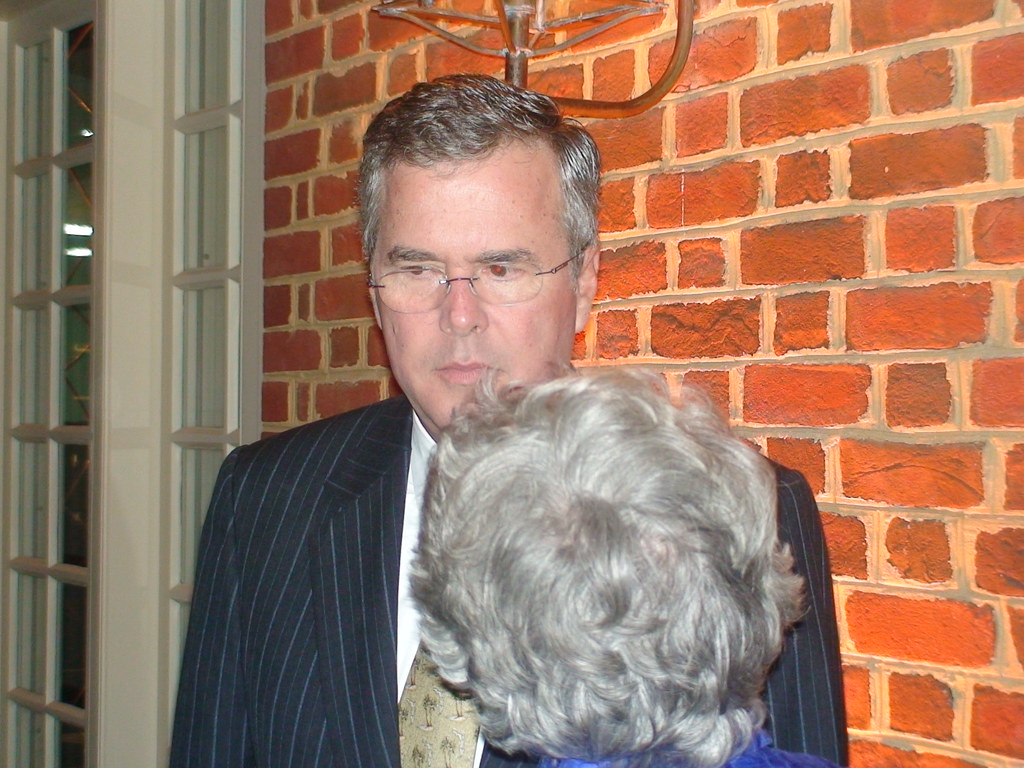
Jeb Bush asking — literally asking — a crowd to applaud during his 2016 campaign wasn’t technically a slogan. More like an accidental moment of honesty about how political theater is supposed to work.
The pause after his statement stretched too long. The silence became uncomfortable.
So Bush filled it with two words that revealed everything wrong with his campaign. He was supposed to inspire enthusiasm, not request it.
Those two words became shorthand for a candidate who couldn’t generate the energy his campaign needed. Every subsequent lukewarm reception got measured against that moment when Bush had to coach his audience through their own response.
I Have a Scream
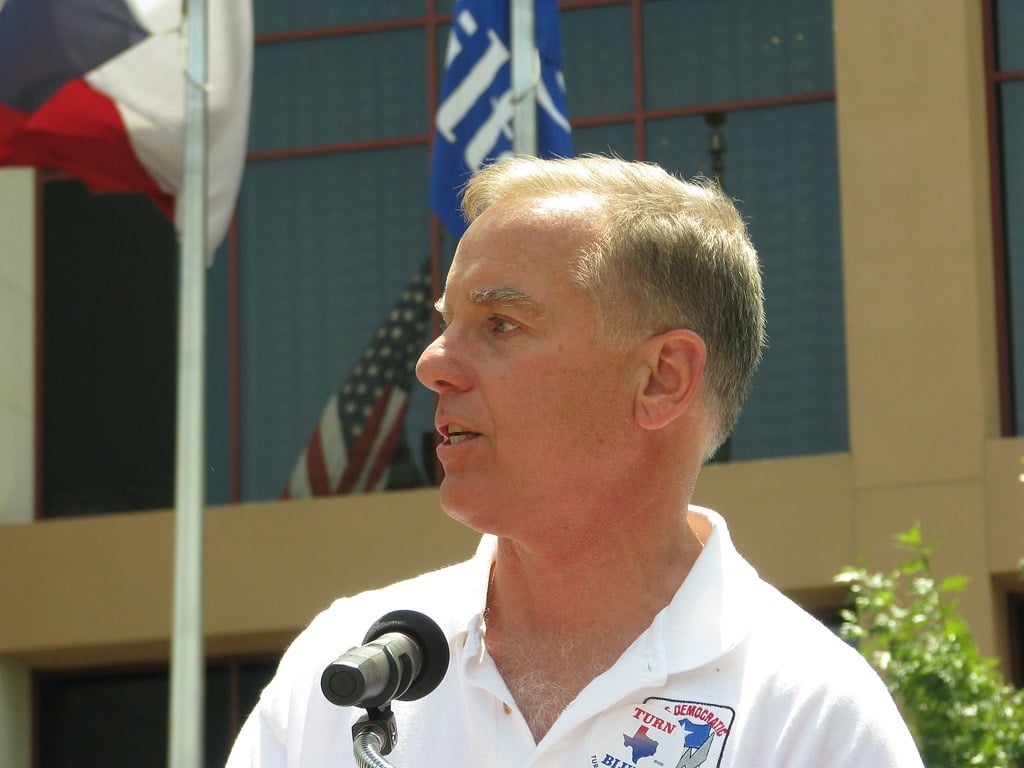
Howard Dean’s 2004 presidential campaign was gaining momentum until that night in Iowa. His concession speech — meant to rally supporters after a third-place finish — ended with a scream that television microphones amplified into something that sounded unhinged.
Dean was trying to project energy and optimism (the campaign had been quite successful at generating grassroots enthusiasm through innovative online organizing, which was relatively new at the time). But the isolated audio made him sound like someone losing control rather than someone ready to lead.
The “Dean Scream” played on repeat, becoming late-night comedy material and effectively ending his presidential hopes. The incident revealed how a single moment, amplified by media coverage, can overshadow months of serious campaigning.
Dean’s policy positions and organizational skills became footnotes to fifteen seconds of audio that made him seem unpresidential.
You’re Likable Enough, Hillary

Barack Obama’s 2008 debate comment wasn’t a planned slogan, but it functioned like one — a phrase that captured a campaign dynamic and stuck around long after the moment passed. Hillary Clinton had just acknowledged that Obama was “very likable,” then added “I don’t think I’m that bad,” with a self-deprecating laugh.
Obama’s response — “You’re likable enough, Hillary” — was supposed to sound gracious but landed as condescending instead. The phrasing suggested he was grading her personality and finding it acceptable, barely.
Coming from the younger candidate to the more experienced one, it carried an undertone of dismissal that female politicians face routinely but male politicians rarely have to navigate. The comment became a talking point about Obama’s sometimes aloof demeanor and the different standards applied to male and female candidates.
Clinton supporters heard it as confirmation of what they already suspected about how she was being treated. Obama supporters defended it as harmless.
But everyone remembered it, which meant it had done its job as an unintentional slogan — crystallizing a moment that revealed something about both candidates and the dynamics between them.
Binders Full of Women
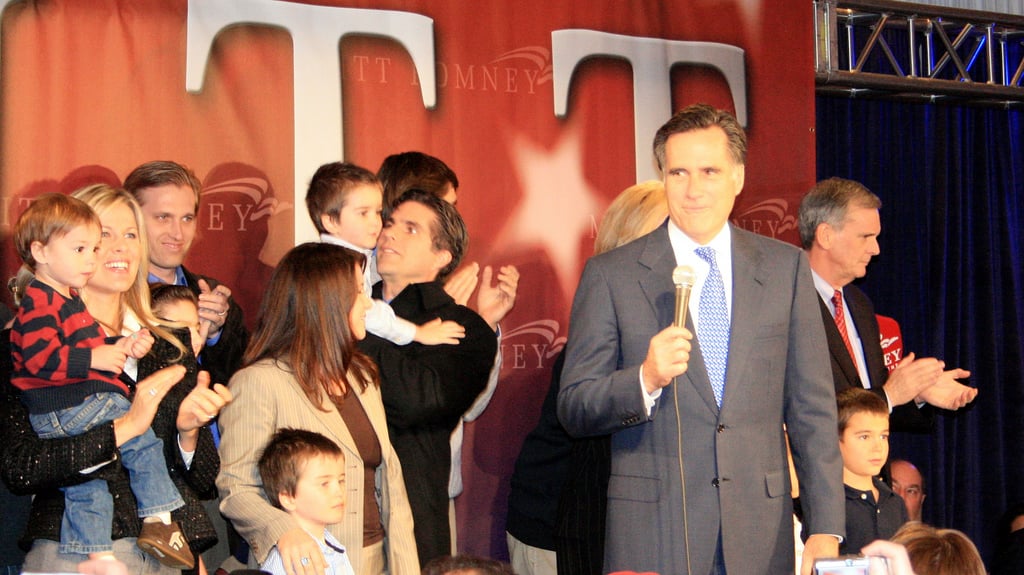
Mitt Romney’s 2012 debate answer about workplace diversity spawned an instant meme and perfectly captured his campaign’s tone-deafness about how normal people actually talk. Asked about pay equity, Romney explained how, as Massachusetts governor, he’d sought qualified female candidates and received “binders full of women.”
The phrase sounded like women were baseball cards being collected and filed away. It reduced human beings to paperwork and made Romney sound like someone who had never had an unscripted conversation about gender in the workplace.
The internet immediately turned “binders full of women” into a joke, creating fake social media accounts and satirical images. Romney was actually describing a real program that had successfully increased female representation in his administration.
But his clinical, corporate language made a reasonable policy sound weird and impersonal. The phrase became shorthand for a candidate who seemed out of touch with how ordinary people experience the world.
Lock Her Up
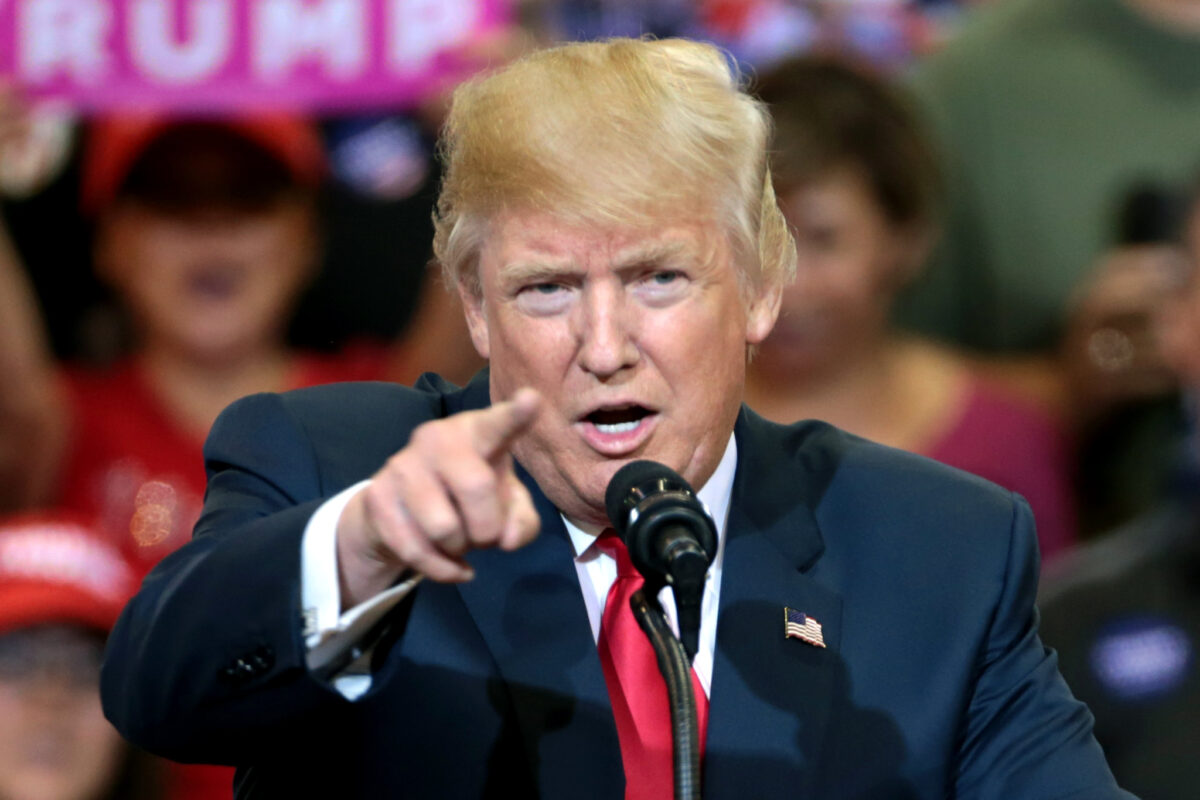
“Lock Her Up” became the signature chant of Donald Trump’s 2016 campaign rallies, referring to Hillary Clinton and her email server. What made it problematic wasn’t the political criticism — campaigns always attack their opponents — but the explicitly authoritarian nature of the demand.
Chanting for your opponent’s imprisonment crosses a line that American politics had generally respected, even during bitter campaigns. It suggested that winning an election wasn’t enough; the loser needed to be punished through the criminal justice system.
The chant caught on precisely because it was transgressive, because it said what Trump supporters felt but previous candidates had avoided saying. The slogan became famous for the wrong reasons because it revealed an appetite for political revenge that made many Americans uncomfortable, regardless of their feelings about Clinton.
Even some Trump supporters worried about the precedent being set. When political opponents become criminals simply for opposing you, democracy starts looking fragile.
Corporations Are People
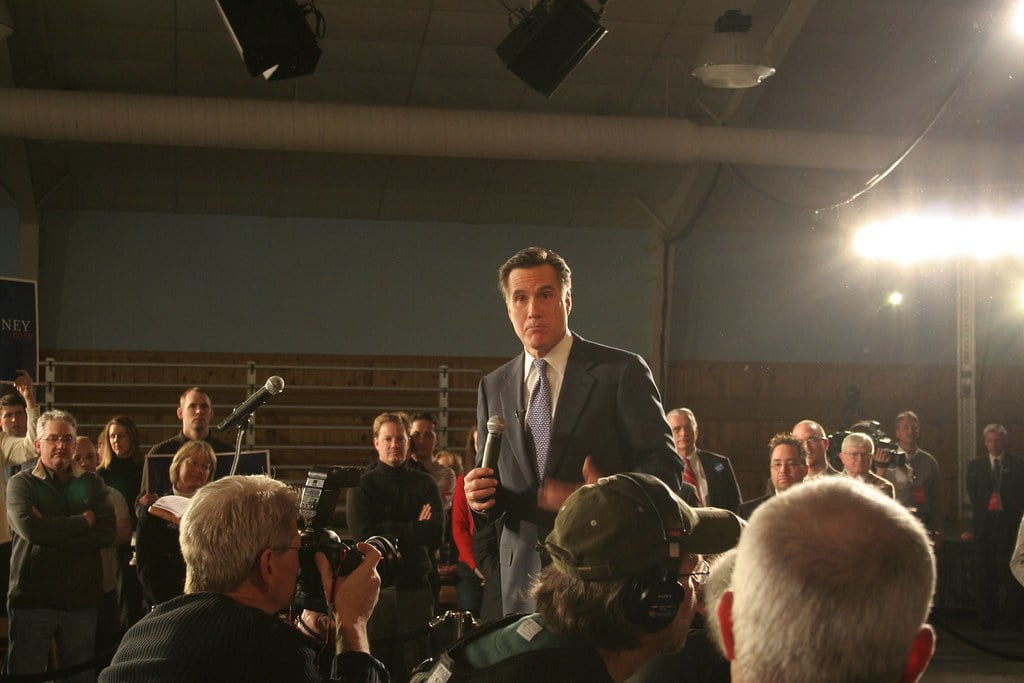
Romney’s 2011 comment at the Iowa State Fair wasn’t meant to be a slogan, but it functioned as one for his critics. Heckled about taxing corporations instead of individuals, Romney responded that “corporations are people, my friend” because they’re made up of people.
The legal point was defensible — corporations are legal entities composed of shareholders, employees, and customers. But the phrasing sounded like Romney thought ExxonMobil had feelings and Goldman Sachs needed emotional support.
At a time when many Americans blamed corporate excess for economic problems, defending corporations as “people” seemed particularly obtuse. Romney’s comment became a Democratic talking point about Republican priorities.
It reinforced the narrative that Romney cared more about boardrooms than living rooms, more about stock prices than unemployment lines. The phrase followed him throughout the 2012 campaign, appearing in attack ads and debate responses.
Covfefe
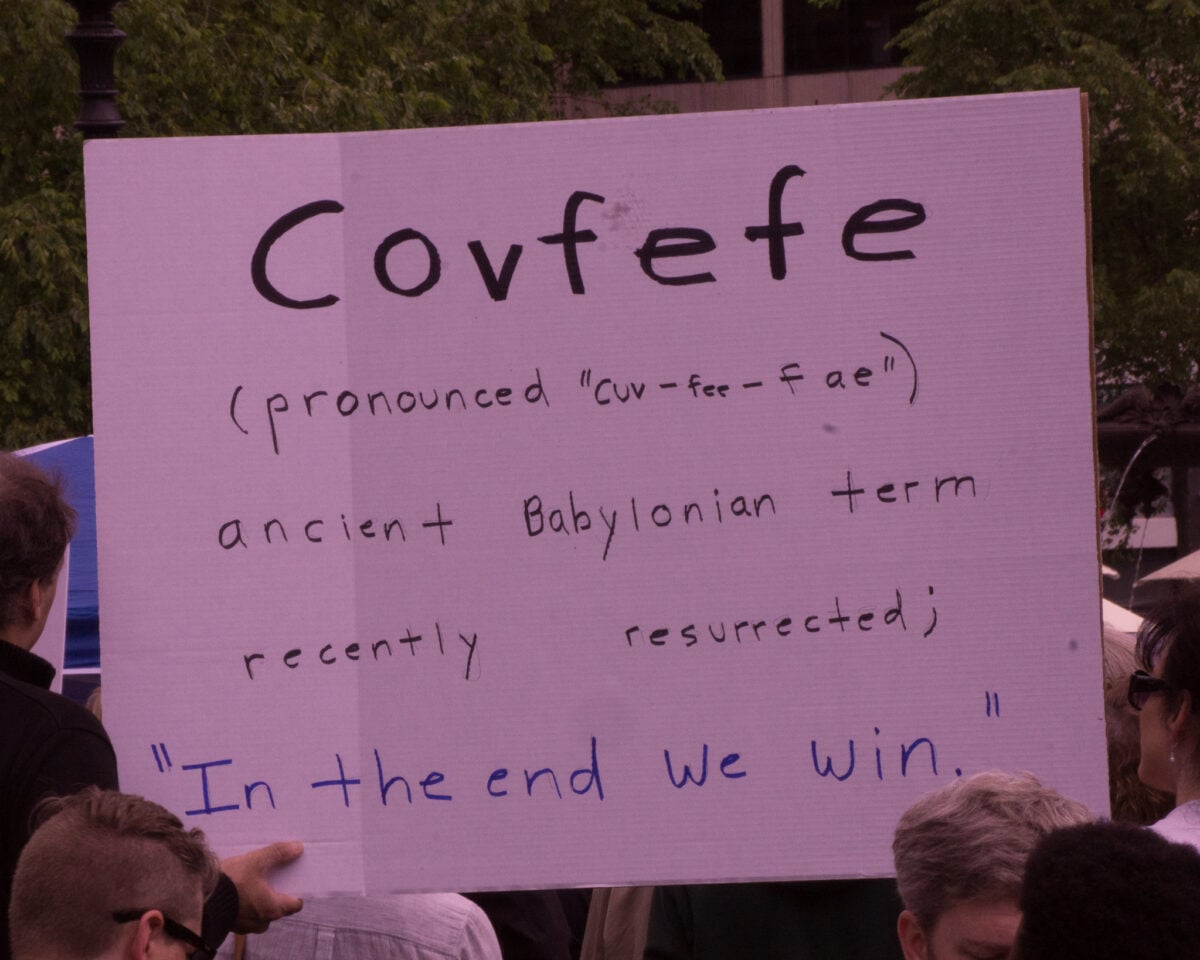
Trump’s 2017 late-night tweet — “Despite the constant negative press covfefe” — broke the internet not because it was controversial but because nobody could figure out what it meant. The tweet appeared to be unfinished, posted accidentally before Trump could complete his thought or correct what was probably a typo.
The mystery word “covfefe” immediately became a meme, with people creating their own definitions and using it as a hashtag. Trump’s staff spent the next day trying to explain what happened, with Press Secretary Sean Spicer bizarrely claiming that “the president and a small group of people know exactly what he meant.”
What made “covfefe” famous for the wrong reasons wasn’t its political content — there wasn’t any — but what it suggested about impulse control and attention to detail. Presidents are supposed to measure their words carefully, especially in writing.
A gibberish tweet posted at midnight suggested someone who wasn’t doing that.
Four More Years
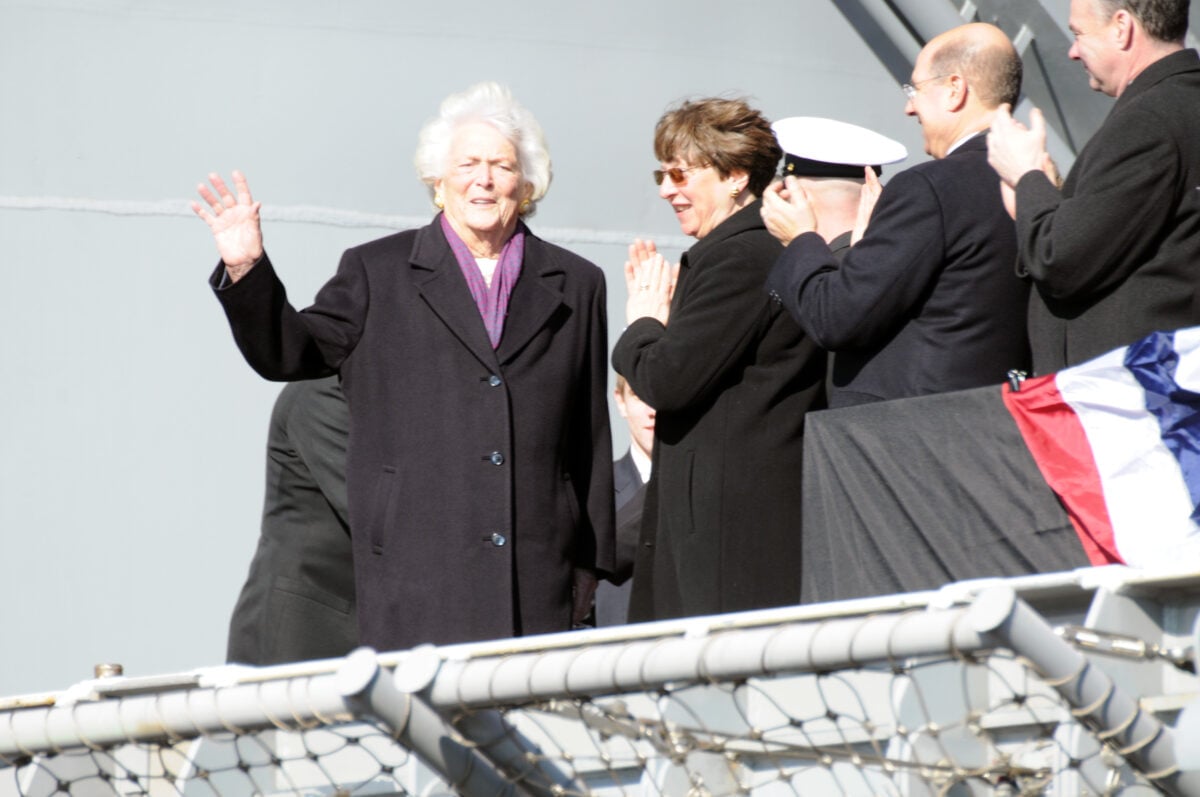
George H.W. Bush’s 1992 re-election slogan should have been safe and straightforward. “Four More Years” is about as conventional as campaign messaging gets — a simple request for continuity from an incumbent president.
But Bush was running during a recession, and “four more years” started sounding like a threat rather than a promise. Four more years of economic stagnation, four more years of feeling disconnected from everyday Americans’ concerns, four more years of a president who seemed genuinely surprised to discover grocery store price scanners during a campaign photo opportunity.
Bill Clinton’s team turned Bush’s slogan against him, making “four more years” sound like punishment rather than reward. The phrase that was supposed to emphasize Bush’s experience instead highlighted his growing irrelevance.
Sometimes the most conventional political language becomes the most damaging when the political moment shifts underneath it.
Read My Lips: No New Taxes
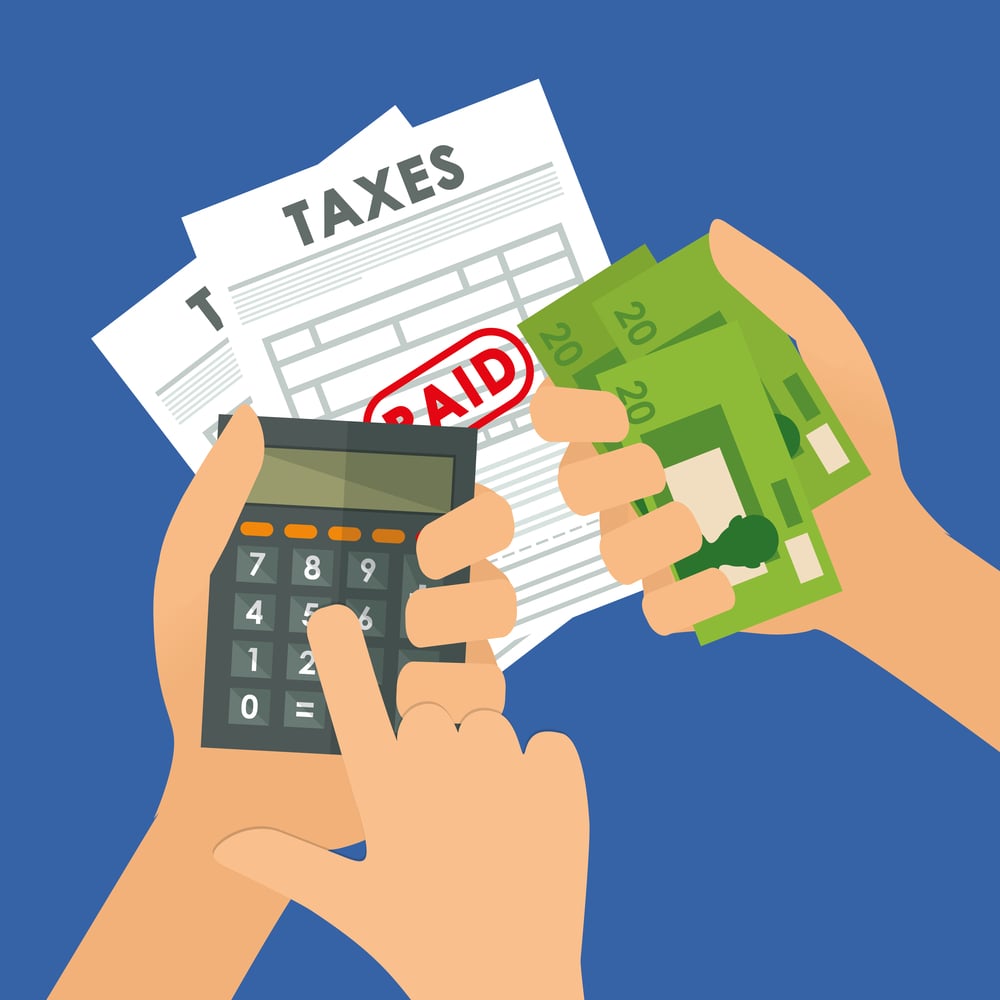
Bush’s 1988 convention speech contained the most emphatic tax pledge in modern political history. “Read my lips: no new taxes” was supposed to reassure conservative voters worried that Bush might govern as a moderate.
The dramatic phrasing — the visual metaphor, the absolute certainty — made it impossible to forget. Two years later, facing budget pressures, Bush agreed to a tax increase as part of a bipartisan deficit reduction deal.
The policy might have been necessary, but it made his convention promise look like either a lie or evidence that he couldn’t control his own administration. Republican primary voters never forgave him.
Pat Buchanan used Bush’s broken tax pledge as the foundation of his 1992 primary challenge. The slogan became famous for all the wrong reasons because it was too definitive, too memorable, too quotable.
Bush had given his opponents the exact words they needed to describe his reversal. “Read my lips” became shorthand for political promises that couldn’t be trusted.
America First
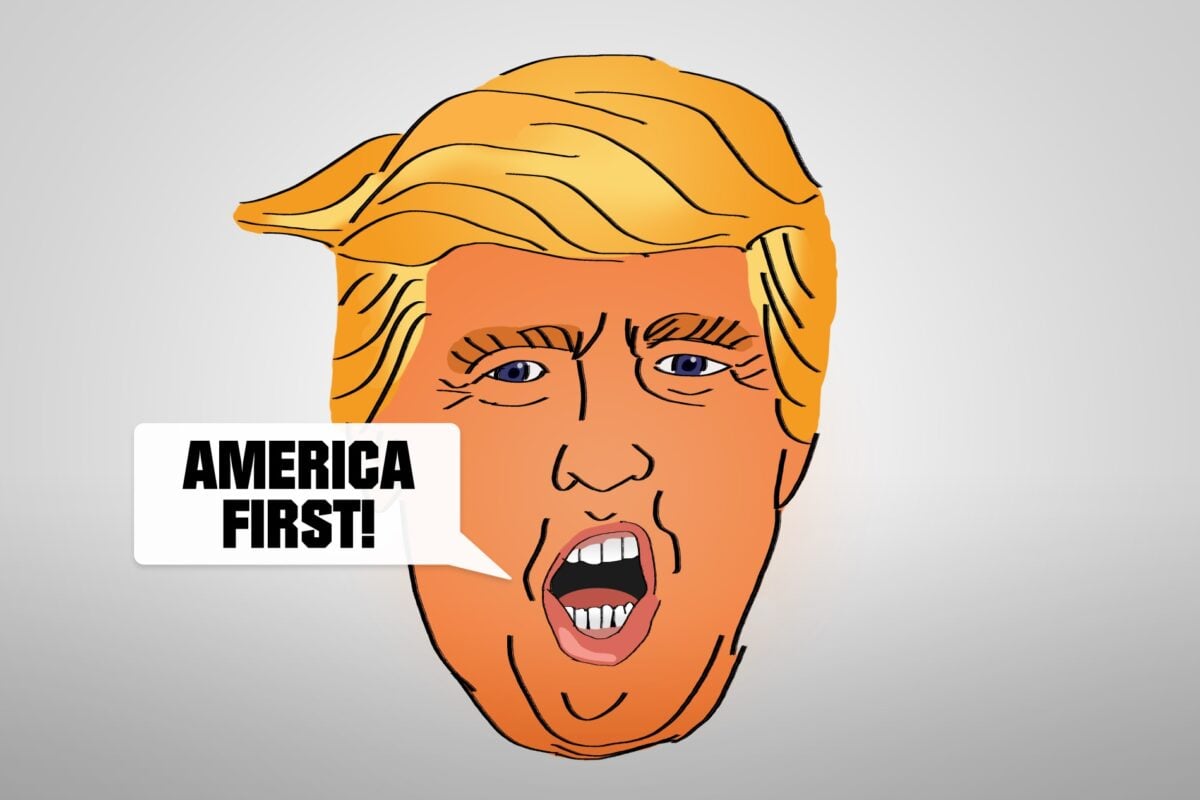
Trump’s signature slogan wasn’t originally controversial — putting your own country’s interests first sounds reasonable enough. But “America First” carried historical baggage that made many Americans uncomfortable once they remembered where they’d heard it before.
The phrase was closely associated with the 1940s isolationist movement that opposed U.S. entry into World War II. The original America First Committee included some legitimate voices concerned about foreign entanglements, but it also attracted Nazi sympathizers and antisemites who saw the slogan as code for something uglier.
Trump’s use of “America First” revived those historical echoes, intentionally or not. Critics heard dog whistles about racial and religious minorities.
Supporters heard patriotic common sense. The slogan became famous for the wrong reasons because it meant different things to different audiences, and the darker interpretations were historically grounded, not just partisan speculation.
When the Words Turn
Political slogans live or die based on timing, context, and the gap between intention and perception. The most successful ones capture what voters already feel but haven’t quite articulated.
The disasters — these memorable failures — reveal the opposite: candidates who misread the moment, misunderstood their audience, or simply got caught saying what they actually thought instead of what they meant to project. These phrases become famous for all the wrong reasons precisely because they tell the truth about something their creators wanted to hide: uncertainty, arrogance, desperation, or simple human fallibility in a profession that demands the appearance of constant competence.
More from Go2Tutors!

- The Romanov Crown Jewels and Their Tragic Fate
- 13 Historical Mysteries That Science Still Can’t Solve
- Famous Hoaxes That Fooled the World for Years
- 15 Child Stars with Tragic Adult Lives
- 16 Famous Jewelry Pieces in History
Like Go2Tutors’s content? Follow us on MSN.