17 Facts About Dark Skies and Light Pollution
Stand outside on a clear night in most cities, and you’ll see maybe a dozen stars scattered across what should be a cosmic tapestry. Your grandparents could see thousands from the same spot.
This isn’t nostalgia talking — it’s measurable loss, happening faster than we realize. The night sky that guided human civilization for millennia has become an endangered experience, and most people don’t even know what they’re missing.
The Milky Way Is Invisible To Most Americans
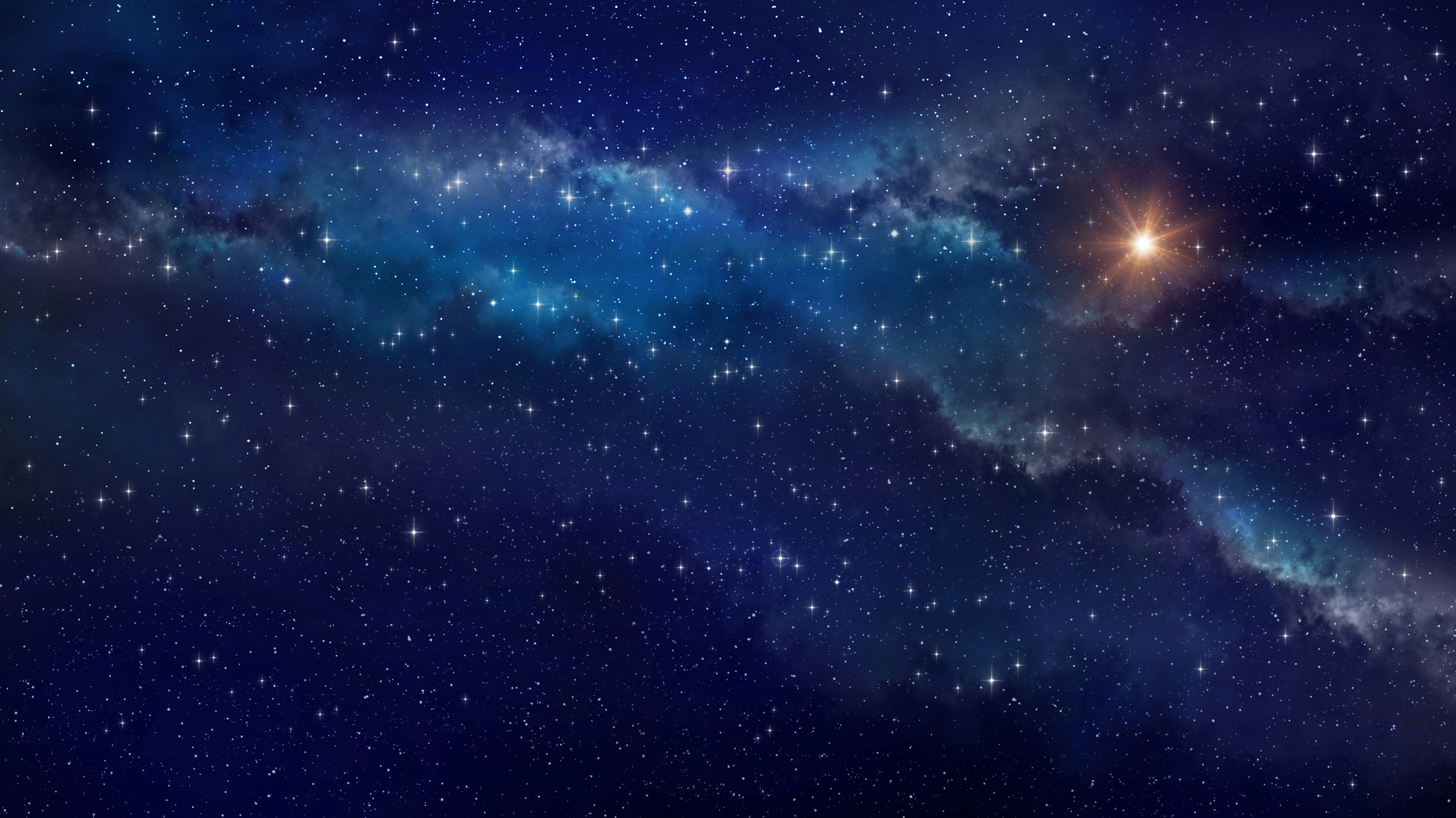
Eighty percent of people living in the United States can’t see the Milky Way from their homes. The galaxy that contains our entire solar system — 400 billion stars arranged in a spiral arm stretching across the night sky — has been erased by streetlights and shopping centers.
Light Pollution Grows By Two Percent Every Year

The problem accelerates. Each year brings more development, more outdoor lighting, more sky glow creeping outward from cities like spilled paint on black canvas.
What took decades to obscure now disappears in years.
Artificial Light At Night Disrupts Sleep In Profound Ways
Your circadian rhythm doesn’t distinguish between streetlights and sunrise (though it probably wishes it could, given how much more pleasant sunrise tends to be). Blue light from LED streetlamps tricks your brain into thinking it’s dawn at midnight, suppressing melatonin production and leaving you staring at the ceiling wondering why sleep feels impossible.
And here’s what’s particularly frustrating: even a small amount of light pollution can throw off your internal clock — we’re not talking about sleeping next to a stadium, just the ambient glow that drifts through bedroom windows in most suburban neighborhoods. So your restless nights might have less to do with stress or caffeine than with the fact that your city decided every corner needed to be lit like a landing strip.
Humans evolved sleeping under stars, not under the orange haze of sodium vapor lamps.
Sea Turtle Hatchlings Navigate By The Wrong Light
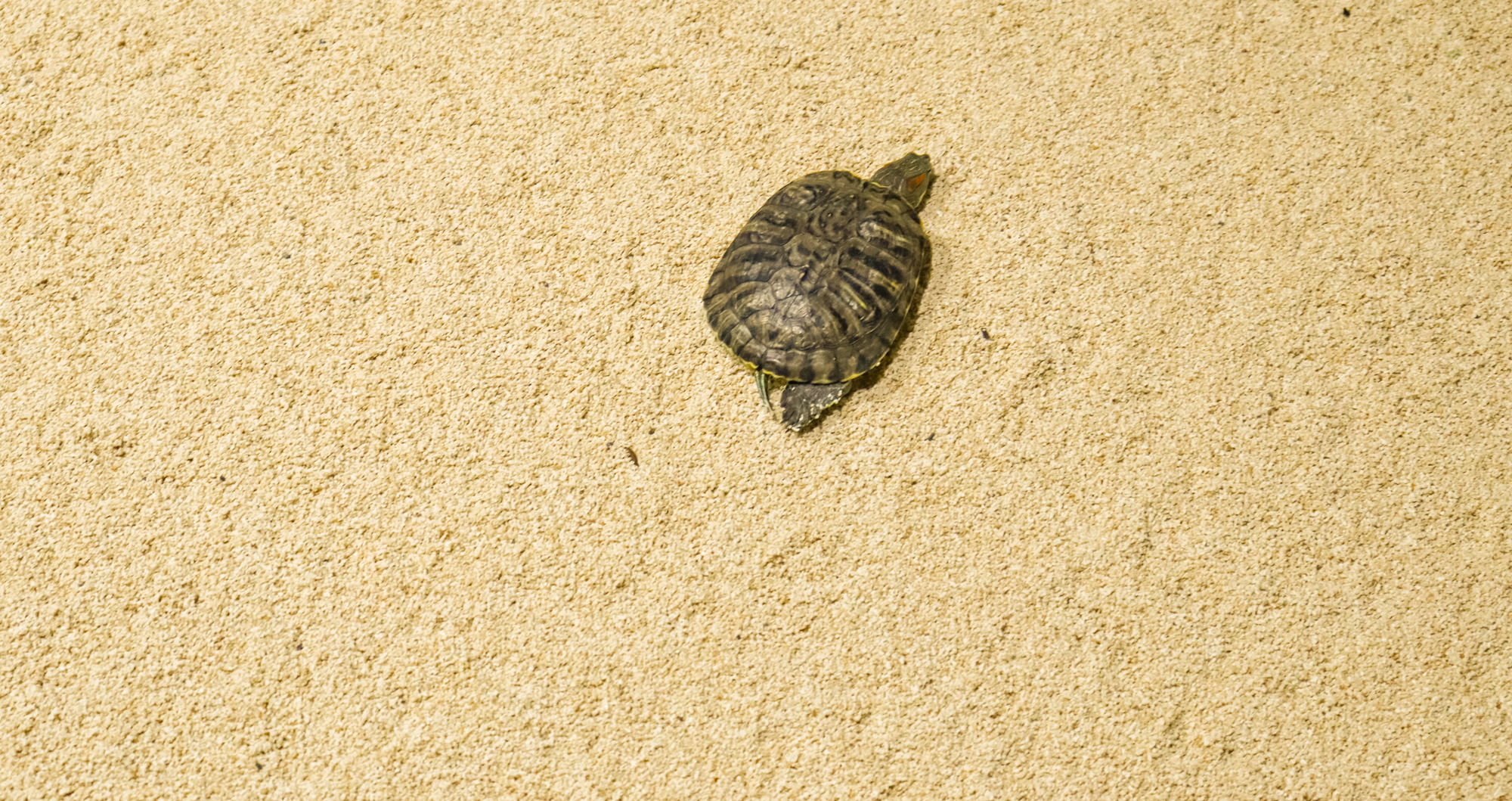
Picture this: for millions of years, baby sea turtles have used a simple but elegant navigation system — they hatch on the beach and crawl toward the brightest thing on the horizon, which has always been moonlight reflecting off the ocean. Foolproof system.
Worked perfectly. Then humans decided beachfront property needed decorative lighting, restaurants, hotels blazing with neon and floodlights.
Now the hatchlings crawl toward the Holiday Inn instead of the sea. They die on parking lots and hotel lawns, following an ancient instinct that no longer points toward survival.
Dark Sky Reserves Exist To Protect Natural Darkness
Some places fight back with the dedication of people protecting an endangered species — which, in a way, they are. Dark Sky Reserves represent areas where communities have agreed to strict lighting ordinances, shielding fixtures, and turning off unnecessary lights after certain hours.
These aren’t just parks or wilderness areas; they’re entire regions that have committed to preserving something most places have already lost. The Gold Tier reserves meet standards so rigorous that standing in one feels like stepping backward in time, to when night actually meant darkness.
LED Lights Make Light Pollution Worse
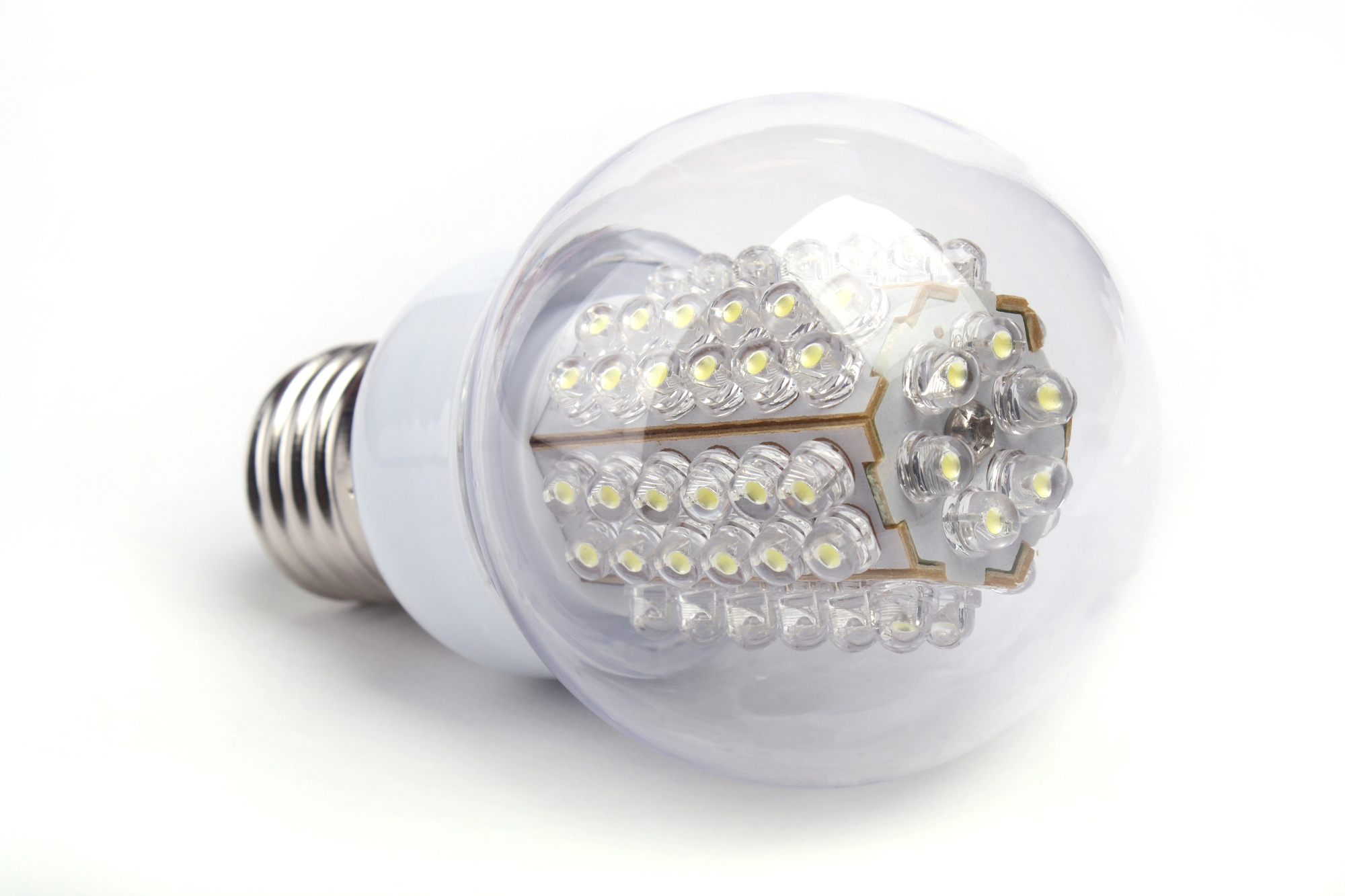
LEDs save energy and last longer than traditional bulbs. They’re also terrible for dark skies.
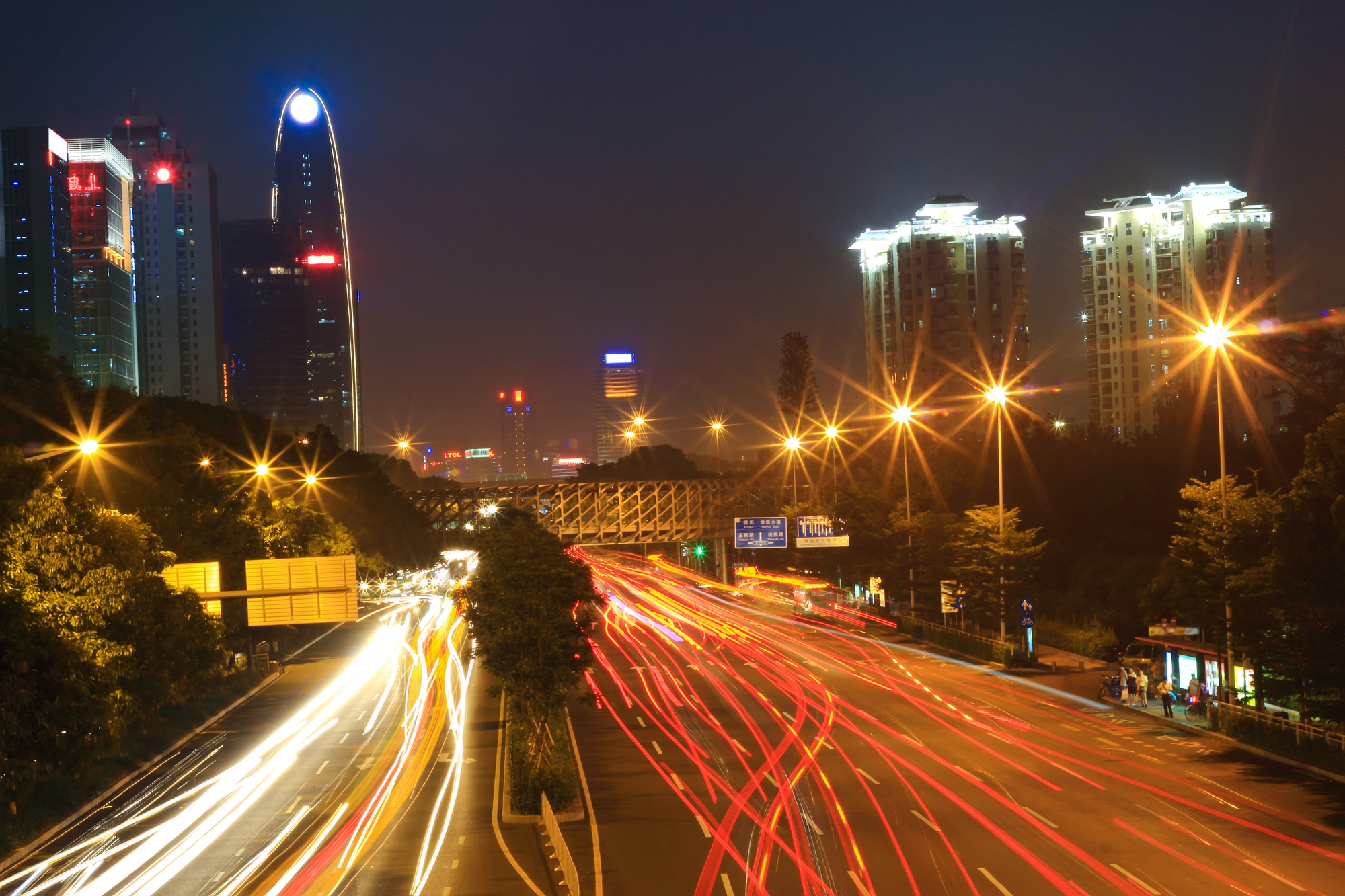
Most LED streetlights emit blue-rich white light that scatters more in the atmosphere than the warm yellow glow of older sodium lamps, creating more sky glow per watt.
The switch to LEDs was supposed to be an environmental victory. Instead, many cities installed brighter lights because LEDs were cheaper to operate, canceling out any benefit to the night sky.
Insects Die By The Billions Around Artificial Lights

Artificial lighting kills more insects than pesticides in some areas. Moths, beetles, and other nocturnal insects spiral around streetlights until they die from exhaustion or become easy prey.
Scientists call it the “vacuum cleaner effect” — lights sucking insects out of the ecosystem.
This isn’t just unfortunate for the insects. It’s catastrophic for the birds, bats, and spiders that depend on them for food.
Migrating Birds Become Disoriented By City Lights
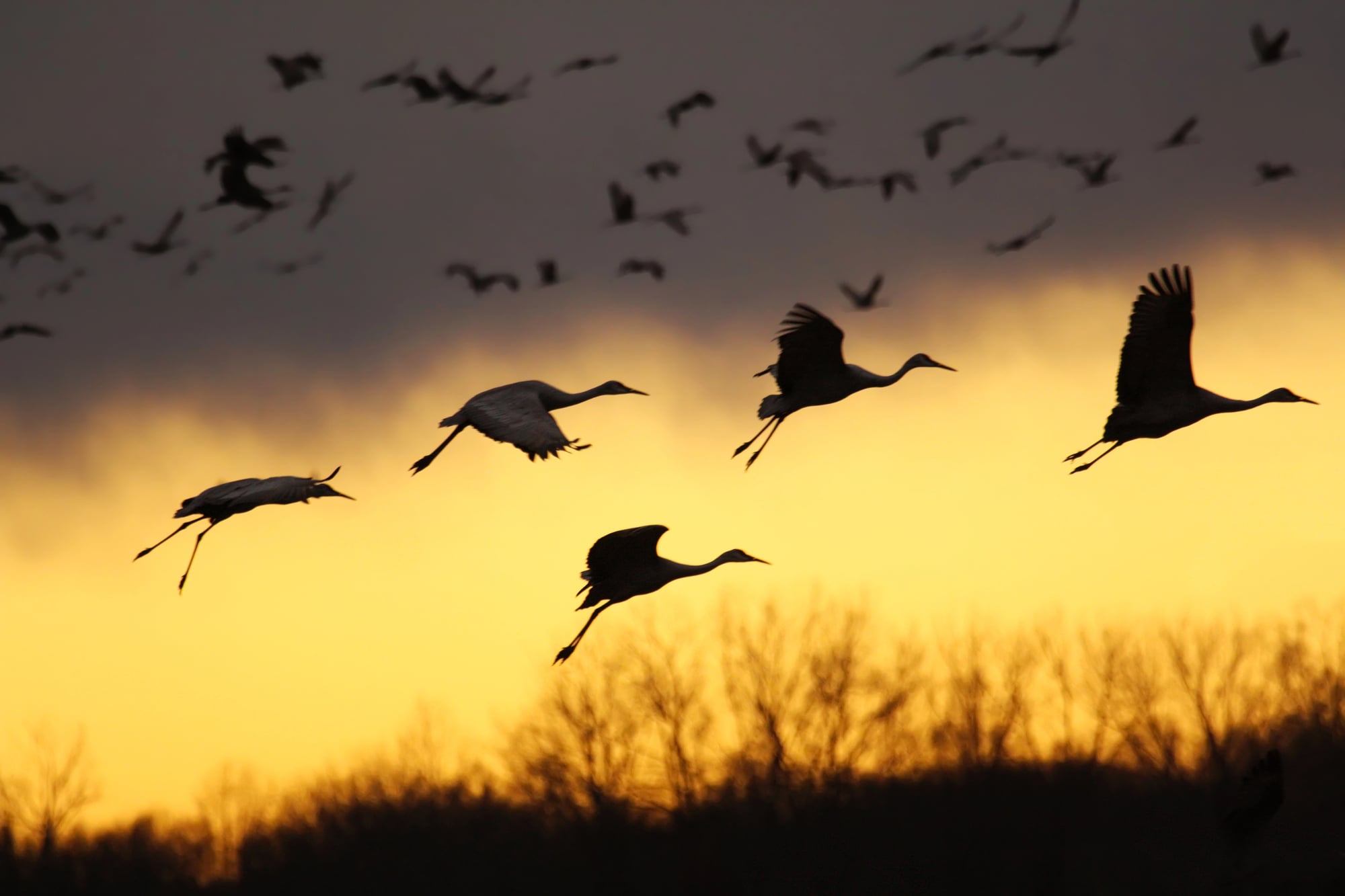
There’s something heartbreaking about watching a natural system break down in real time, and bird migration under light pollution feels exactly like that. Millions of birds that have followed the same flyways for generations now find themselves pulled off course by the glow of cities, circling office buildings and communication towers until they either crash into windows or collapse from exhaustion.
The birds aren’t making navigation errors — they’re responding to artificial lights the same way they’ve always responded to stars and moonlight, except now those cues lead them into glass walls instead of across continents.
During peak migration nights, volunteers gather at the base of skyscrapers to collect injured birds, a necessary kindness that also serves as a grim accounting of how thoroughly we’ve scrambled the signals these animals depend on.
The International Space Station Sees Light Pollution From 250 Miles Up
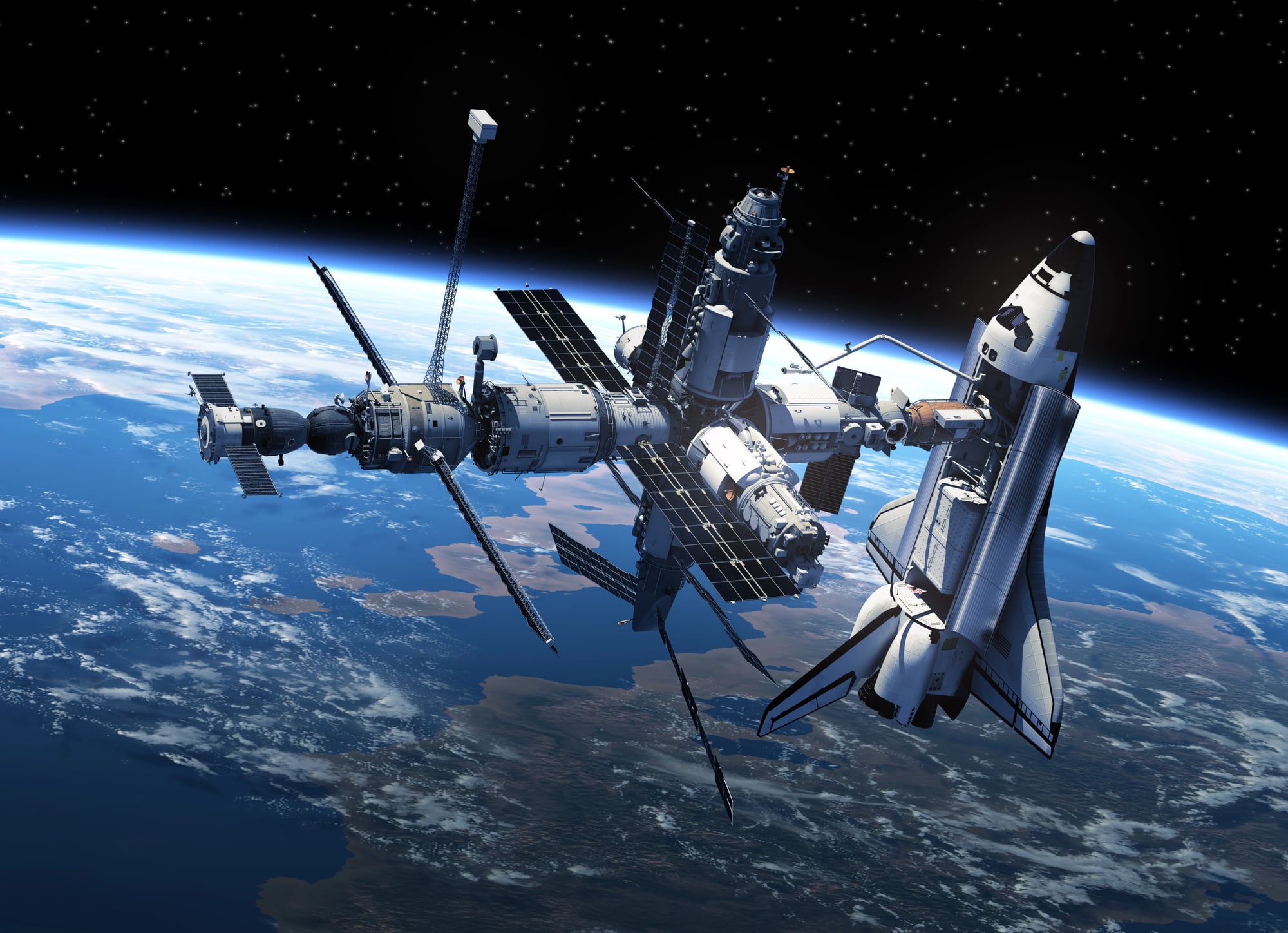
Astronauts photograph Earth’s night side and the bright patches keep growing. Cities appear as white blobs surrounded by orange halos that stretch for miles.
Some metropolitan areas are so bright they’re visible through cloud cover from orbit.
NASA uses these images to study light pollution trends. The view from space makes it clear that artificial light doesn’t stay put — it spreads outward like ripples in a pond, turning rural areas into suburbs of distant cities.
Observatories Must Move Farther From Cities Every Few Decades
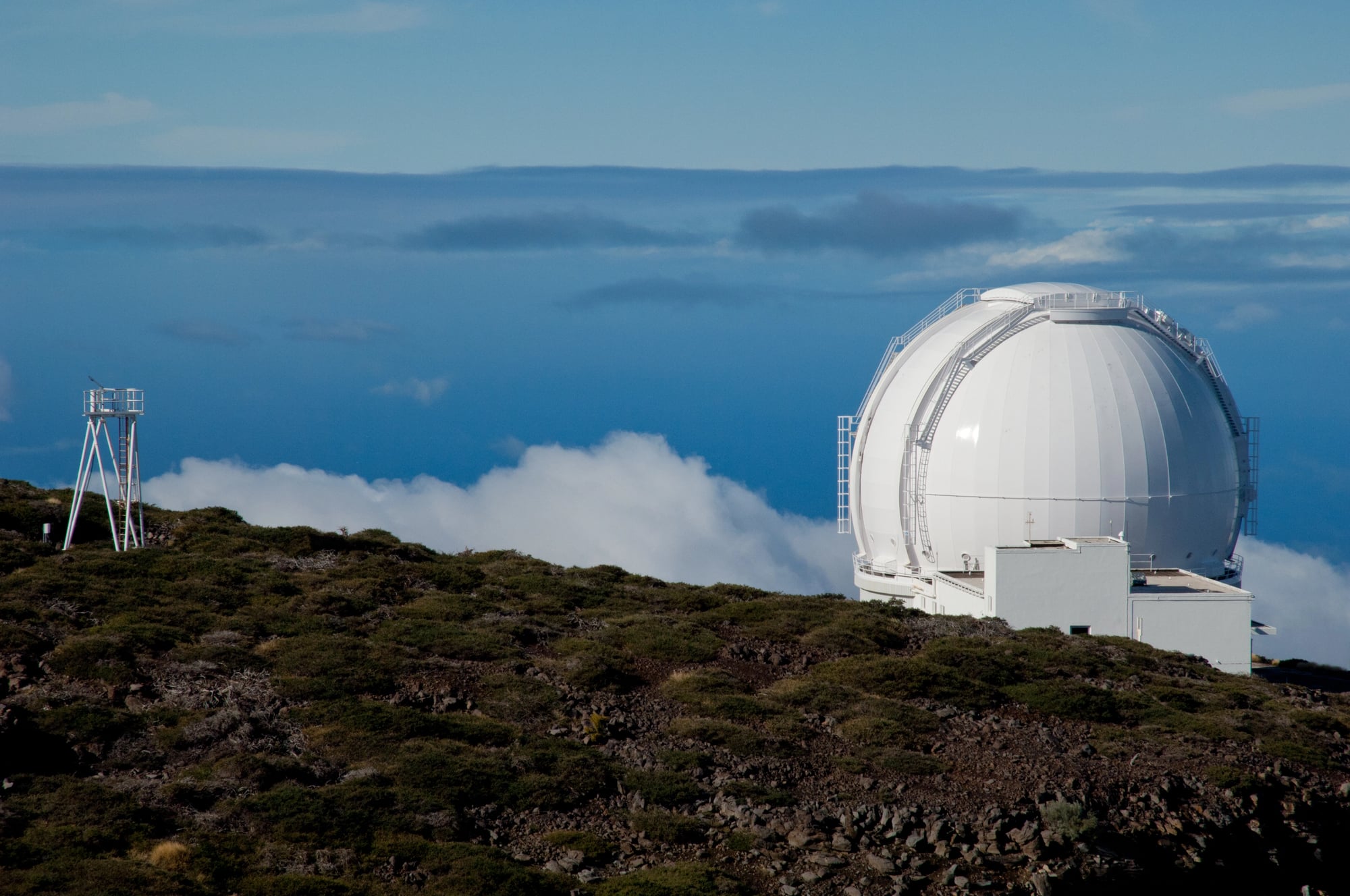
Professional astronomers play a losing game of retreat. Observatories built in remote locations find themselves surrounded by development within a generation.
Mount Wilson Observatory, which Edwin Hubble used to discover that the universe is expanding, now sits under the light dome of Los Angeles and can barely function for serious research.
New observatories get built in increasingly remote locations — mountaintops in Chile, islands in the Pacific — not just for better weather, but to escape the growing reach of artificial light.
Red Light Preserves Night Vision Better Than White Light

Here’s something that makes perfect sense once you know it but seems counterintuitive until then: red light doesn’t destroy your night vision the way white or blue light does, which means you can read a map or check equipment without spending the next twenty minutes waiting for your eyes to readjust to darkness. Astronomers figured this out long ago (red flashlights are standard equipment at star parties), but the principle applies to anyone who needs to see in the dark — whether you’re camping, walking at night, or just trying to navigate your house without waking everyone up.
And yet most outdoor lighting blazes away in blue-white LED glory, obliterating night vision and making it harder to see anything that isn’t directly illuminated.
Red lighting would let people see what they need to see while preserving everyone’s ability to actually use their eyes in low-light conditions. But red lights look strange to most people, so we stick with lighting that actively makes nighttime vision worse.
Some Cities Have Started Light Curfews
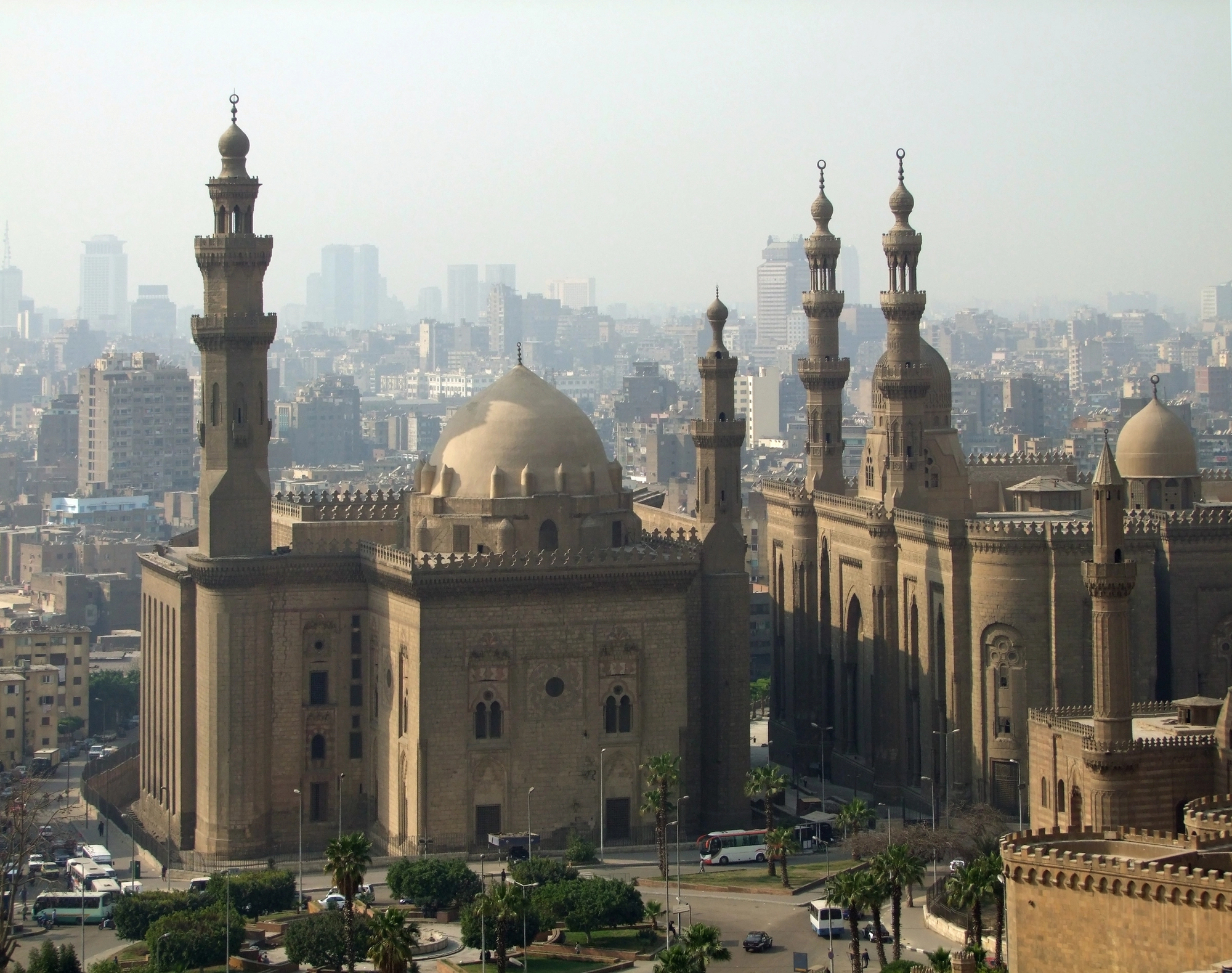
Tucson, Arizona, turns off decorative lighting after 11 PM. Flagstaff has banned neon signs and requires outdoor lights to be fully shielded.
These aren’t small hippie towns making symbolic gestures — these are real cities with real economies that decided dark skies matter enough to change how they light their streets.
The policies work. Tucson’s sky glow has decreased even as the city has grown.
Flagstaff became the world’s first International Dark Sky City in 2001.
Light Pollution Costs Billions In Wasted Energy
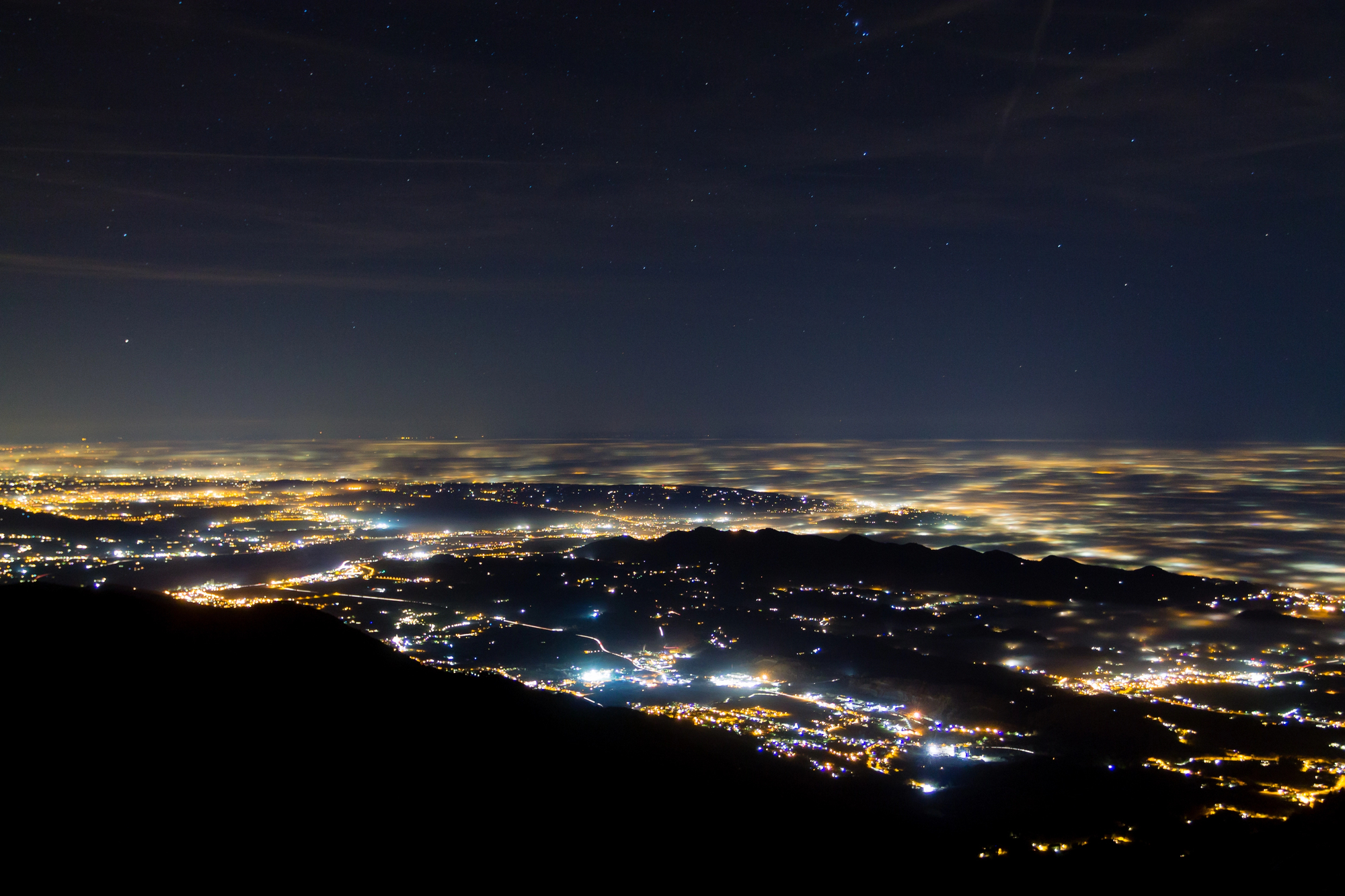
About thirty percent of outdoor lighting in the United States serves no useful purpose. It’s either poorly aimed, overly bright, or illuminates areas that don’t need to be lit.
That wasted light costs Americans three billion dollars per year in electricity bills.
The same light that obscures the stars also represents massive energy waste — electricity generated, transmitted, and used to light up empty parking lots and the undersides of clouds.
Certain Animals Hunt By Darkness, Not Light
Darkness isn’t the absence of something useful — it’s habitat, as essential to some species as water or shelter. Bats navigate by echolocation partly because they evolved to hunt when their prey couldn’t see them coming, but artificial lighting disrupts both predator and prey behavior in ways that ripple through entire food webs.
Owls that hunt by sound find their hearing less effective near highways lit by LED floodlights.
Nocturnal pollinators avoid well-lit areas, which means some plants that depend on night-blooming flowers and moths or bats for reproduction are slowly disappearing from urban edges.
These aren’t just minor adjustments to animal behavior — they’re fundamental changes to ecological relationships that developed over millions of years. What we call light pollution, nocturnal animals experience as habitat destruction.
The Night Sky Connects Cultures Across History
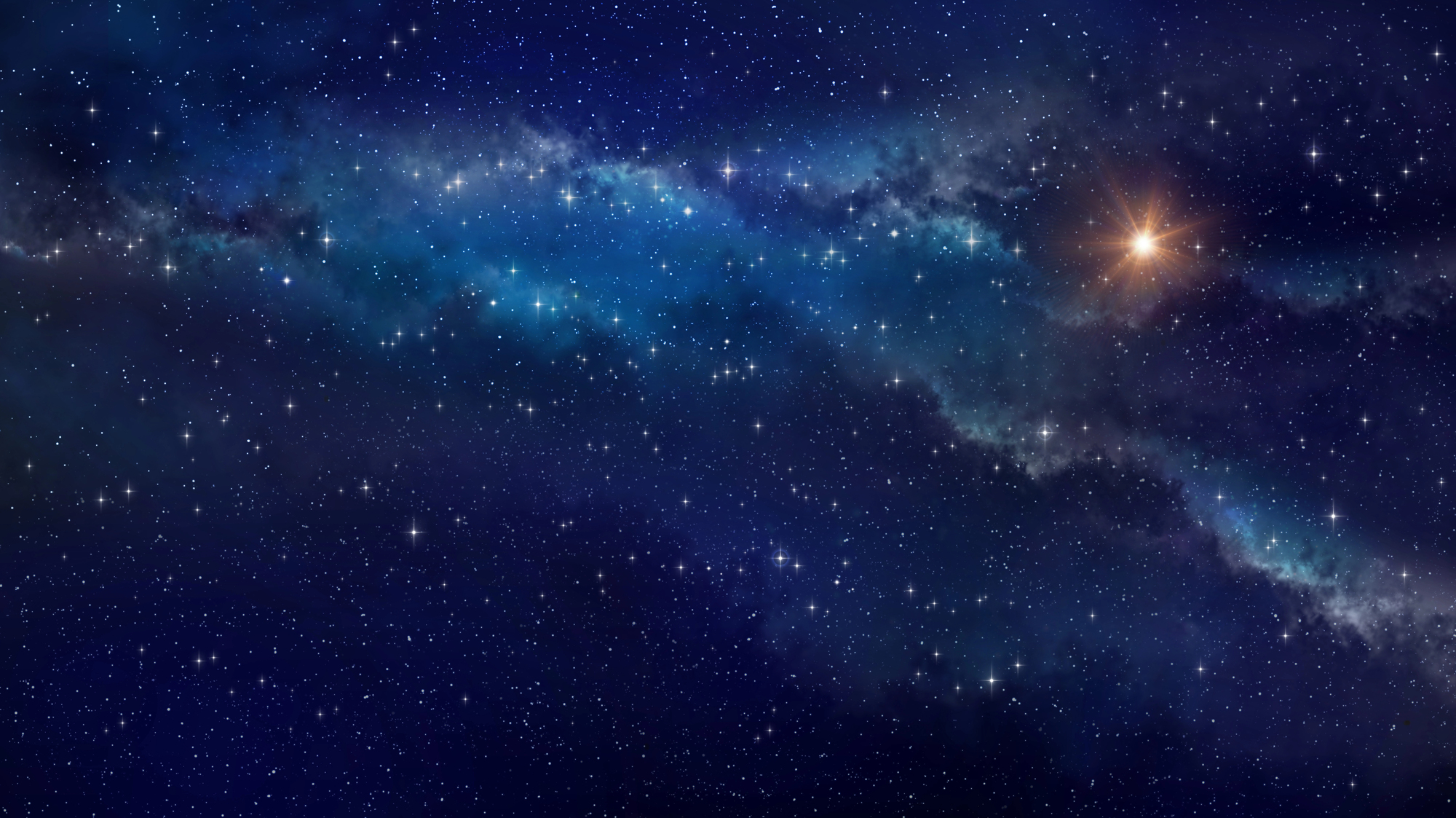
Every human civilization has stories written in the stars. The same constellations that guided Polynesian navigators across the Pacific inspired Greek myths and Lakota legends.
Indigenous astronomy traditions contain thousands of years of careful observation encoded in oral histories.
Light pollution doesn’t just hide stars — it severs the connection between current generations and this shared human heritage.
Children growing up in cities miss out on the same sense of cosmic perspective that shaped every culture before ours.
You Can Measure Light Pollution With A Smartphone
Apps like Light Pollution Map and Sky Quality Meter turn smartphones into instruments for measuring sky brightness. Citizen scientists use these tools to document light pollution levels and track changes over time.
The data reveals patterns that aren’t visible to casual observation — how light pollution spreads along highways, how different types of lighting affect sky glow, and which neighborhoods have the darkest skies within driving distance.
Dark Skies Are Still Accessible To Most People
Despite all this grim news about disappearing stars, truly dark skies remain within reach of most Americans — you just have to drive for them. International Dark Sky Association maps show that even residents of major metropolitan areas can usually find Bortle Class 4 or better skies within a two-hour drive.
The difference between suburban sky glow and genuine darkness is startling enough to feel like traveling to another planet.
Under truly dark skies, the Milky Way casts shadows, satellites trace silent paths between constellations, and the night sky regains the three-dimensional depth that city dwellers never experience.
It’s not the same as having dark skies in your backyard, but it’s proof that the night sky hasn’t disappeared entirely — it’s just been pushed to places that require some effort to reach.
Finding Light In The Darkness
The night sky survived ice ages, volcanic winters, and countless other catastrophes that make human civilization look like a recent experiment. It will outlast our current approach to outdoor lighting too.
Cities that have implemented thoughtful lighting policies prove that people don’t have to choose between safety and stars — they just need to be more careful about how they light their communities.
The solutions exist. The technology exists.
What’s missing is the widespread recognition that darkness, like clean air and clean water, is worth protecting.
But that recognition is growing, one dark sky preserve and one shielded streetlight at a time.
More from Go2Tutors!

- The Romanov Crown Jewels and Their Tragic Fate
- 13 Historical Mysteries That Science Still Can’t Solve
- Famous Hoaxes That Fooled the World for Years
- 15 Child Stars with Tragic Adult Lives
- 16 Famous Jewelry Pieces in History
Like Go2Tutors’s content? Follow us on MSN.