15 People Considered the Undisputed Greatest in Their Field
Some people transcend their professions. They don’t just excel — they redefine what excellence means, leaving behind a legacy so towering that their names become synonymous with the very thing they did.
These individuals didn’t simply reach the top of their fields; they became the standard by which everyone else gets measured. Finding truly undisputed greatness is rare.
Most fields have debates, competing claims, generational divides. But certain figures stand apart, their dominance so complete and their impact so profound that even their harshest critics grudgingly acknowledge their supremacy.
Here are fifteen people who achieved that rarest of distinctions: being universally recognized as the greatest to ever do what they did.
Michael Jordan
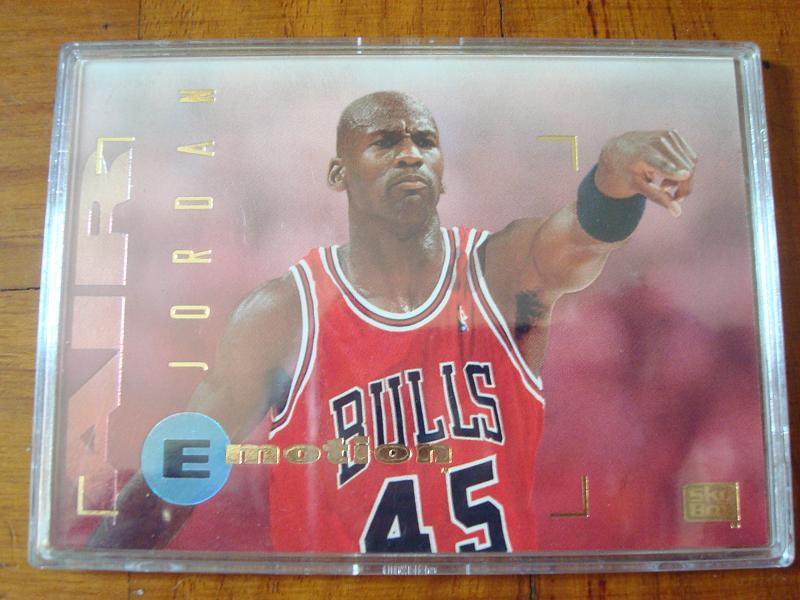
Basketball had plenty of great players before Jordan showed up. It had more after he left.
But there’s something different about how people talk about Jordan — not as one of the greats, but as the measuring stick itself. Six championships.
Six MVPs. The clutch gene everyone talks about but few actually possess. Jordan didn’t just win games; he won them in ways that felt inevitable and impossible at the same time.
The orb would find him in the final seconds, and somehow, you already knew what was going to happen. Even players who came after him — LeBron, Kobe, Durant — get compared to Jordan, never the other way around.
That’s not an accident. When your sport stops asking “who’s the best” and starts asking “who’s closest to Jordan,” you’ve reached a different level entirely.
Basketball became his game, and everyone else has been playing catch-up ever since.
William Shakespeare
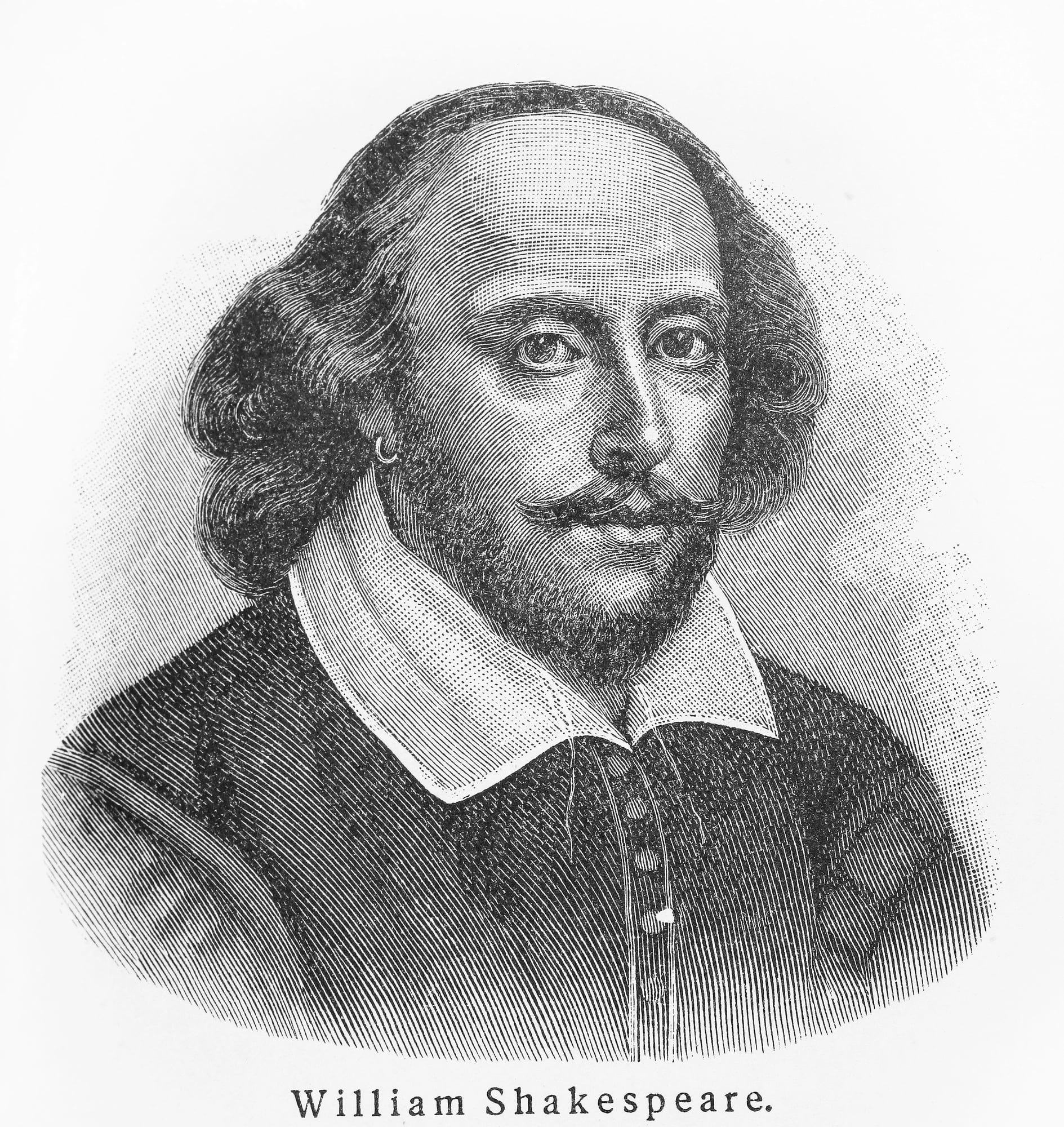
The man wrote in a language that barely resembles modern English, lived over 400 years ago, and somehow his words still cut straight to the bone. Shakespeare didn’t just write plays and poems (though he certainly wrote plenty of both, sometimes borrowing plots wholesale from other writers — which tells you something about his confidence).
He rewrote the rules of what language could do. Consider this: he invented roughly 1,700 words that we still use today, words like “assassination,” “lonely,” and “uncomfortable” — concepts that apparently needed Shakespeare to give them proper names.
And this was a writer working for rowdy crowds who threw food when they got bored, not literary scholars stroking their chins in university halls. So he had to be good enough to keep butchers and bakers entertained while simultaneously crafting lines that would make professors weep centuries later.
Which is exactly what he did, night after night, play after play. But here’s what really sets Shakespeare apart from every other writer who ever lived: his characters feel more real than most actual people.
Hamlet’s indecision, Lady Macbeth’s guilt, Iago’s manipulation — these aren’t just literary devices, they’re psychological blueprints that therapists still reference. He somehow managed to capture the entire spectrum of human behavior and package it into iambic pentameter that rolls off the tongue like music.
Even people who claim to hate Shakespeare can usually quote him without realizing it (“break the ice,” “heart of gold,” “wild goose chase” — all his). The English language belongs to Shakespeare more than it belongs to England.
Albert Einstein
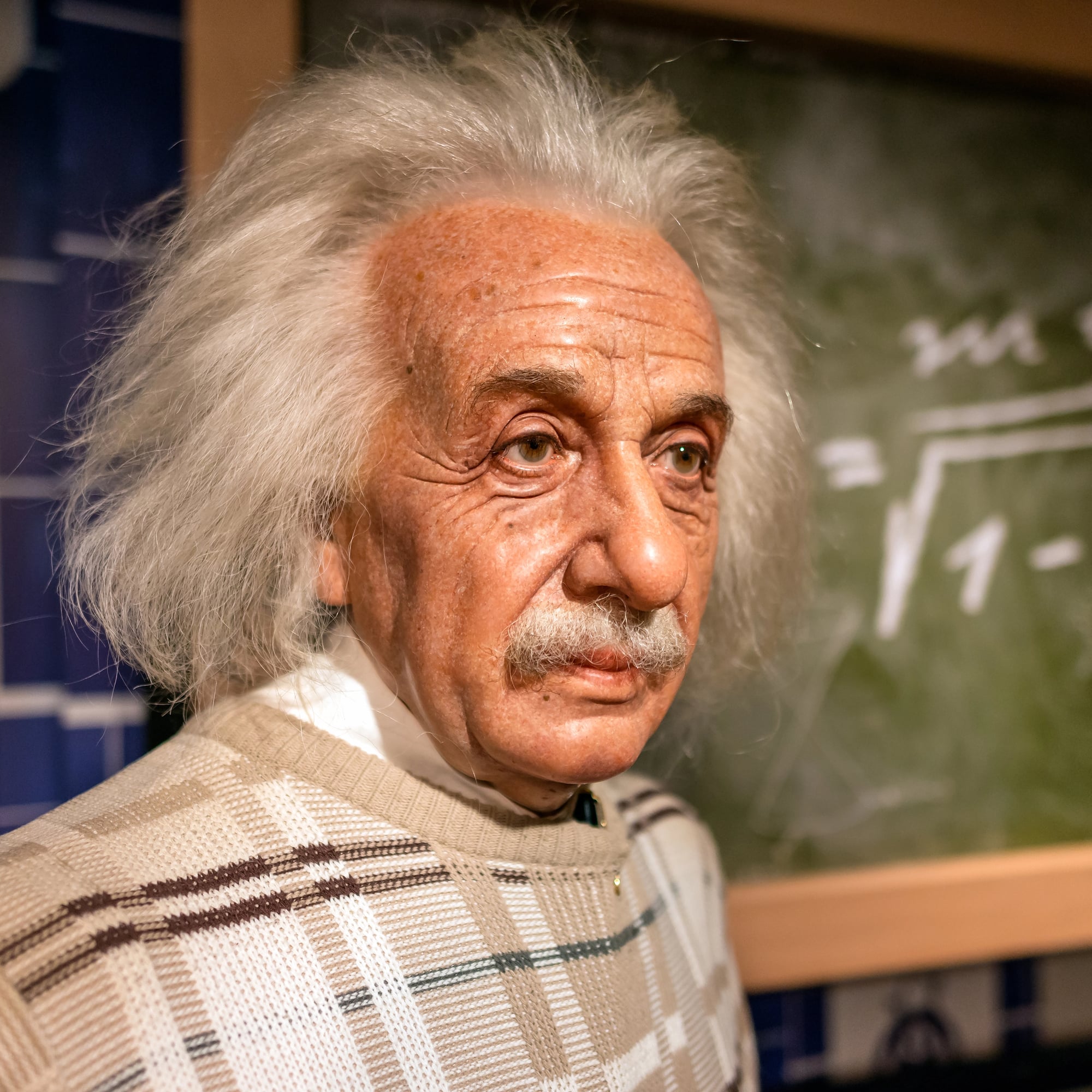
Physics is a field where being wrong gets you forgotten quickly. Einstein was right so often about things that seemed impossible that other scientists spent decades just trying to catch up to what he’d already figured out.
The theory of relativity wasn’t just another scientific breakthrough — it was a complete rethinking of how space and time work. Time slows down when you go really fast.
Space bends around massive objects. The speed of light is the universal speed limit, and nothing gets to break that rule. These ideas sounded like science fiction when Einstein proposed them.
Turns out they were just science. Einstein’s equations are still predicting things we’re only now able to detect.
Gravitational waves, the great abyss, the expansion of the universe — all of it traces back to math he worked out with a pencil and paper over a century ago. That’s not just being ahead of your time.
That’s seeing around corners that other people didn’t even know existed.
Babe Ruth
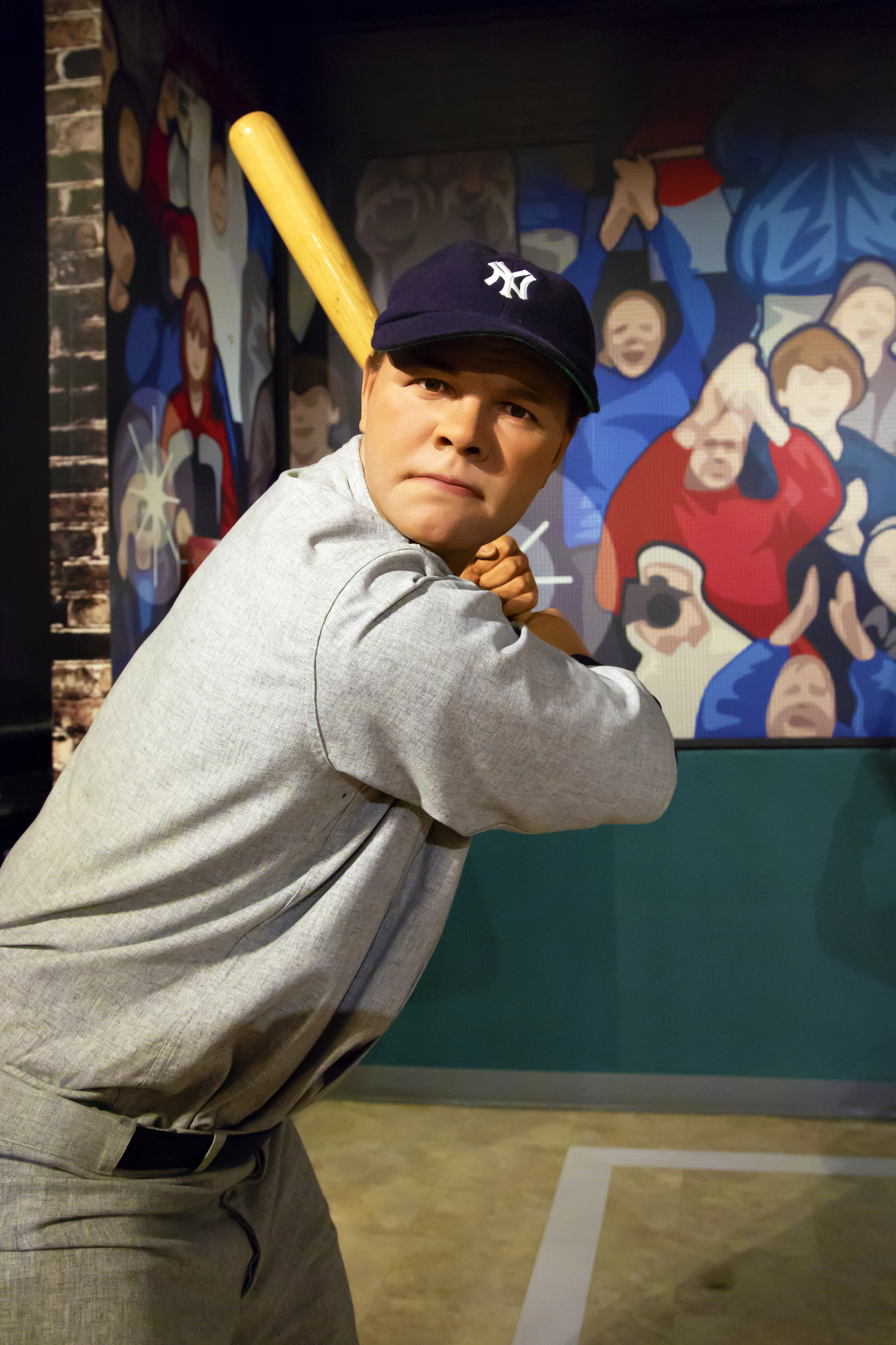
Baseball keeps meticulous records, which makes Ruth’s dominance even more startling. The numbers don’t lie, and they tell a story that doesn’t make sense until you remember that Ruth was essentially playing a different game than everyone else.
In 1920, Ruth hit 54 home runs. No big deal, except that 54 home runs was more than any entire team had hit that year (except his own).
He wasn’t just the best power hitter in baseball — he was a one-man home run machine in an era when most players were still trying to slap singles through the infield. Ruth took the sport’s most difficult skill and made it look as routine as catching a fly orb.
The statistics pile up like snowdrifts. He led the American League in home runs twelve times.
His career slugging percentage (.690) is a number that modern players, with all their advanced training and analytics, still chase but rarely reach. And here’s the thing that really separates Ruth from every other great hitter: he changed how the game was played.
Before Ruth, baseball was about manufacturing runs one base at a time. Ruth proved you could just hit the orb over the fence instead.
Revolutionary concepts usually take time to catch on. Ruth’s approach became the foundation of baseball strategy overnight.
Leonardo da Vinci
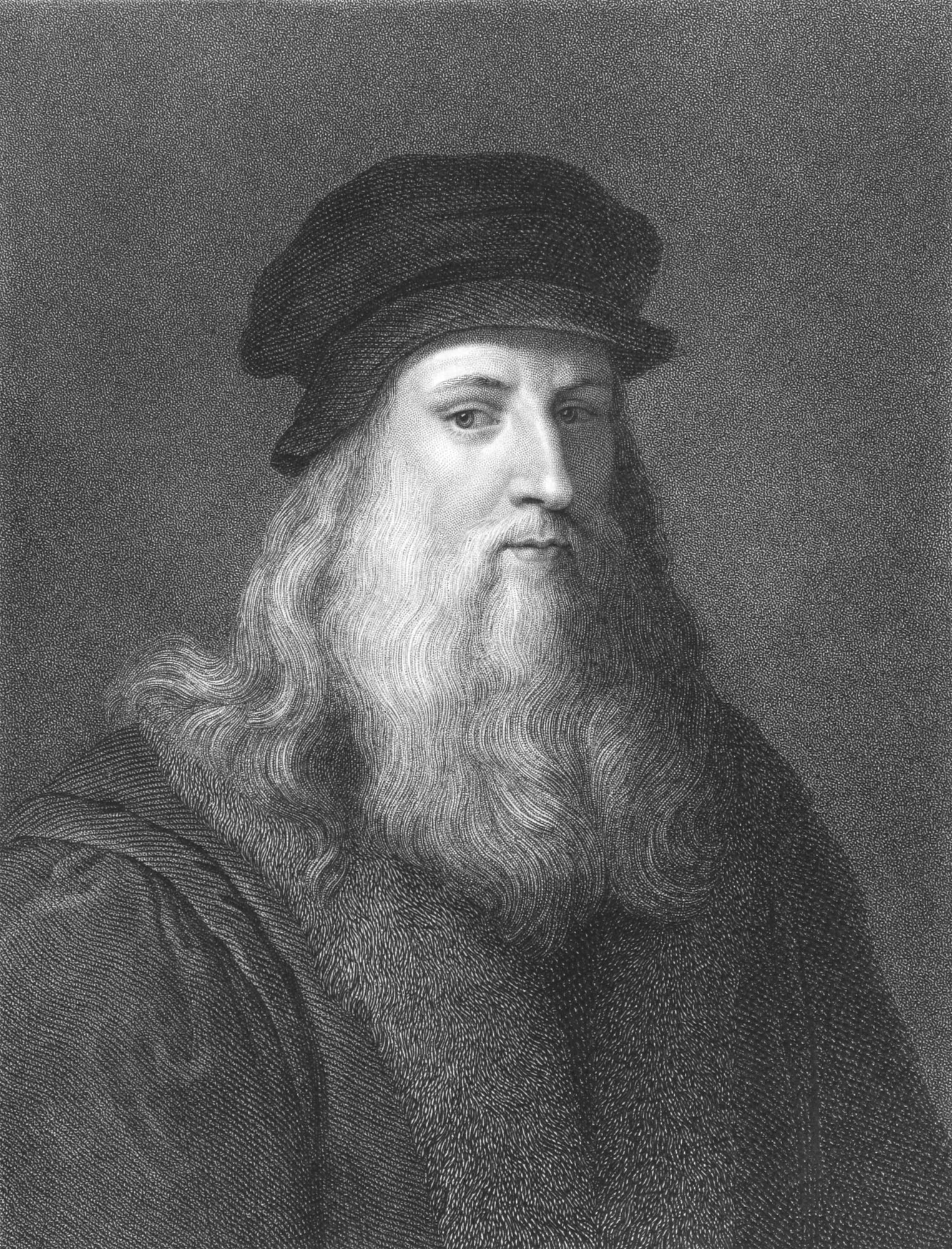
The Renaissance produced plenty of talented people, but Leonardo stands alone because he refused to stay in his lane. Painter, inventor, scientist, engineer, anatomist — he collected professions the way other people collect hobbies.
The Mona Lisa and The Last Supper would be enough to secure any artist’s legacy. But Leonardo also designed helicopters, tanks, and submarines centuries before the technology existed to build them.
He studied human anatomy by dissecting corpses, creating drawings so accurate that medical students still use them today. His notebooks read like a collaboration between Michelangelo and Isaac Newton, if those two had somehow shared the same brain.
Leonardo saw connections where other people saw separate subjects. Art informed his science; science improved his art.
He understood that the human eye worked like a camera obscura, so he painted light and shadow with mathematical precision. He studied bird flight to design flying machines, then used that knowledge of aerodynamics to make his painted figures look like they were actually moving through space.
Everything connected to everything else in Leonardo’s mind, and the results speak for themselves.
Mozart
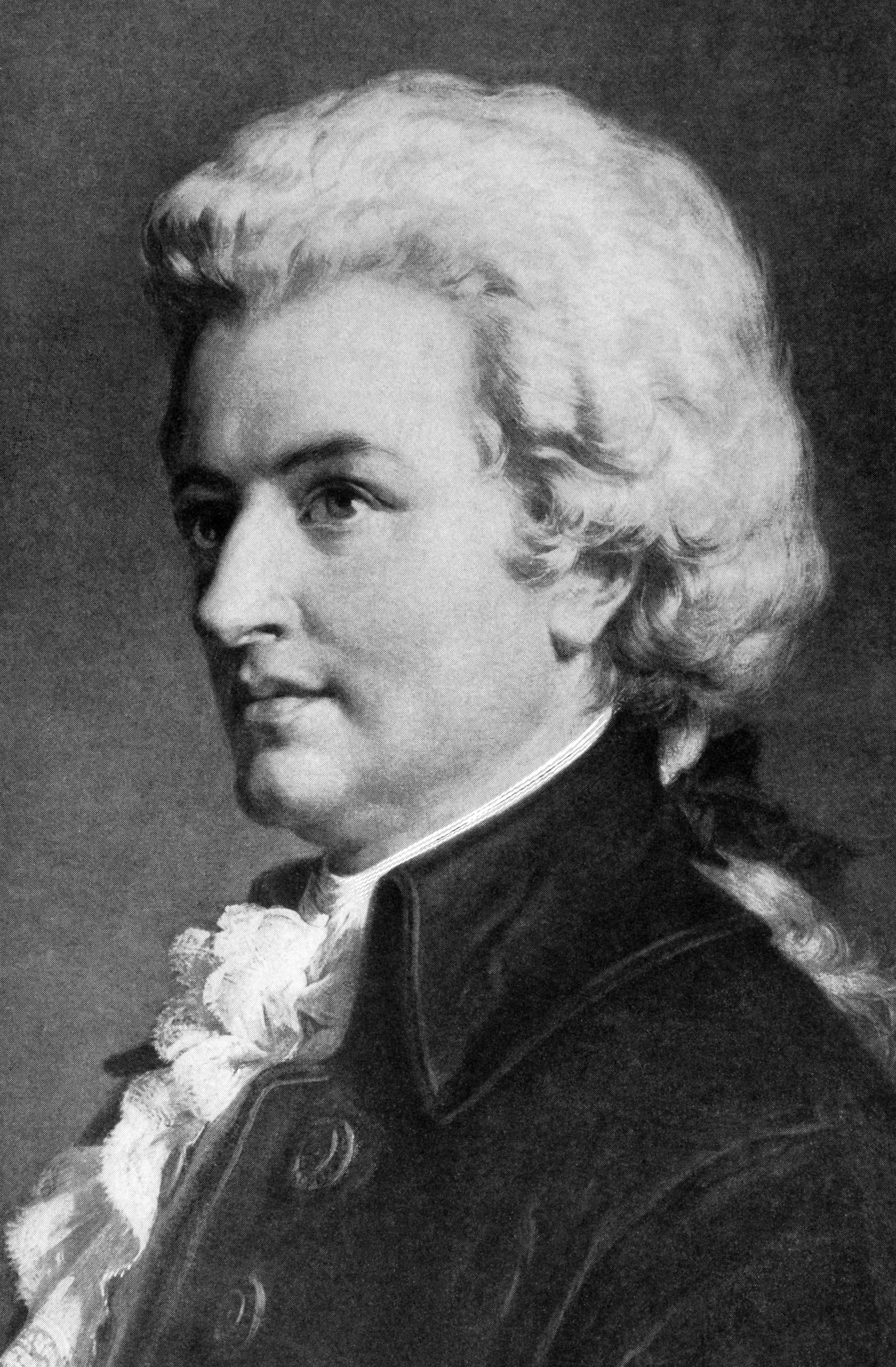
Classical music is full of composers who wrote beautiful pieces. Mozart wrote beautiful pieces faster than most people can copy sheet music.
He composed over 600 works in 35 years, which breaks down to roughly one significant piece every three weeks for his entire adult life. And these weren’t rough drafts or sketches — Mozart’s manuscripts show almost no corrections.
He heard complete symphonies in his head, then wrote them down like he was taking dictation from some divine source. The music itself defies easy description because it sounds simple until you try to play it, at which point you discover that Mozart built mathematical complexity into melodies that feel as natural as breathing.
His operas are funny and tragic simultaneously. His symphonies can be playful and profound within the same movement.
He wrote music that children can hum along with and trained musicians spend decades trying to master. That combination of accessibility and sophistication remains unmatched.
Pelé
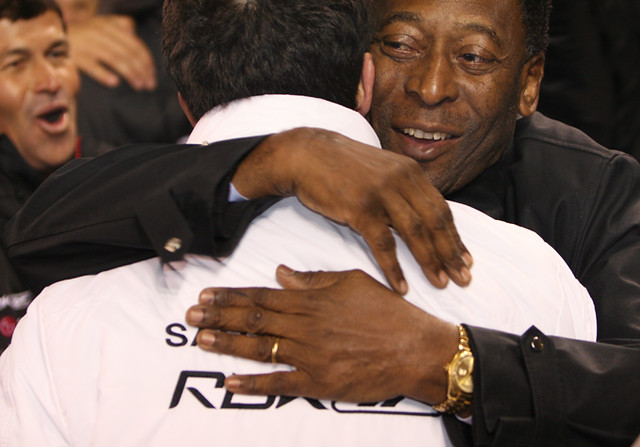
Soccer is the world’s game, played by more people in more countries than any other sport. Pelé was the best at the world’s game, which makes him the best at what more humans care about than any other athletic competition.
Three World Cups. Over 1,000 career goals. The ability to do things with a soccer orb that looked like they violated the laws of physics.
Pelé could score from impossible angles, create opportunities where none existed, and make the most difficult skill look effortless. Defenders knew exactly what he was going to do and still couldn’t stop him.
But Pelé’s impact extended beyond statistics. He turned soccer into art, transforming a sport that could be grinding and tactical into something beautiful to watch.
When Brazil played, people who didn’t care about soccer suddenly found themselves caring. Pelé was the reason why.
He made the game bigger than itself, and soccer has been chasing that magic ever since.
Marie Curie

Science in the early 1900s wasn’t exactly welcoming to women, which makes Curie’s achievements even more remarkable. She didn’t just break barriers — she obliterated them while simultaneously rewriting the foundations of chemistry and physics.
Two Nobel Prizes in different fields. The discovery of polonium and radium.
The first woman to win a Nobel Prize, the first person to win Nobel Prizes in multiple sciences, and still the only person to achieve that particular double. Curie essentially created the field of radioactivity research, coining the term itself and developing the techniques that other scientists still use today.
She worked with materials so dangerous that her laboratory notebooks remain radioactive over a century later. Anyone who wants to study her original research has to sign a waiver and wear protective equipment.
Curie knew the risks — she suffered from radiation sickness for years — but kept working because the science was too important to stop. That level of dedication to knowledge, combined with her groundbreaking discoveries, places her in a category by herself.
Johnny Cash
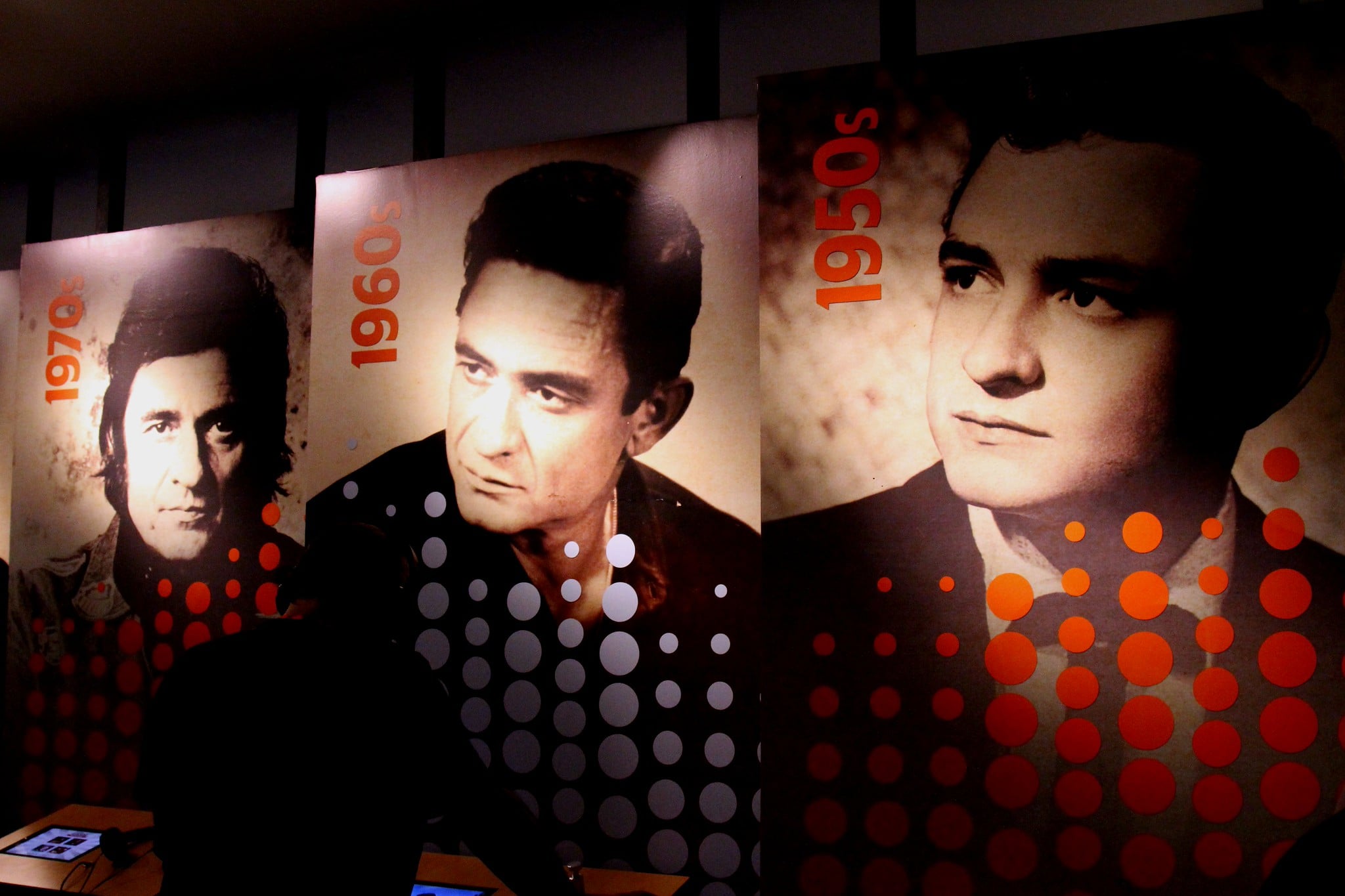
Country music has produced countless great singers, but Cash transcended the genre entirely. His voice could make a grocery list sound profound, and his songs carried weight that most writers spend entire careers trying to achieve.
The Man in Black didn’t just sing about pain and redemption — he embodied them. His voice sounded like it had lived through everything he was singing about, which it often had.
Prison concerts, drug addiction, spiritual struggle, love, loss — Cash transformed personal experience into universal truth. His cover of “Hurt” remains one of the most devastating pieces of music ever recorded, made more powerful by the knowledge that he was essentially singing his own eulogy.
Cash’s influence extends far beyond country music. Rock stars, hip-hop artists, and folk singers all claim him as an inspiration.
He proved that authenticity matters more than technical perfection, and that the best songs come from the deepest places. In a business built on image and artifice, Cash was relentlessly, sometimes uncomfortably real.
Vince Lombardi

Football coaching is about strategy, motivation, and game management (among other things, naturally). Lombardi excelled at all three, but his real genius was making winning feel inevitable.
Nine years as a head coach. Six division titles. Five NFL championships, including the first two Super Bowls.
A winning percentage (.740) that no other coach with comparable tenure has matched. The Super Bowl trophy bears his name, which tells you everything you need to know about how his peers viewed his legacy.
Lombardi didn’t just win games — he created a culture where losing became unthinkable. His players talked about him with a mixture of fear and reverence that bordered on religious devotion.
He demanded perfection not because he was cruel, but because he understood that excellence was a habit that had to be practiced daily. “Winning isn’t everything — it’s the only thing” sounds like a cliché until you realize that Lombardi actually lived that way, and his teams reflected that single-minded focus.
The Green Bay Packers were a struggling franchise when Lombardi arrived. He turned them into a dynasty so dominant that they defined an entire era of professional football.
That transformation didn’t happen by accident. It happened because Lombardi understood something about human motivation that most people never figure out: you can make people achieve more than they thought possible if you convince them that anything less than their best is unacceptable.
Aretha Franklin
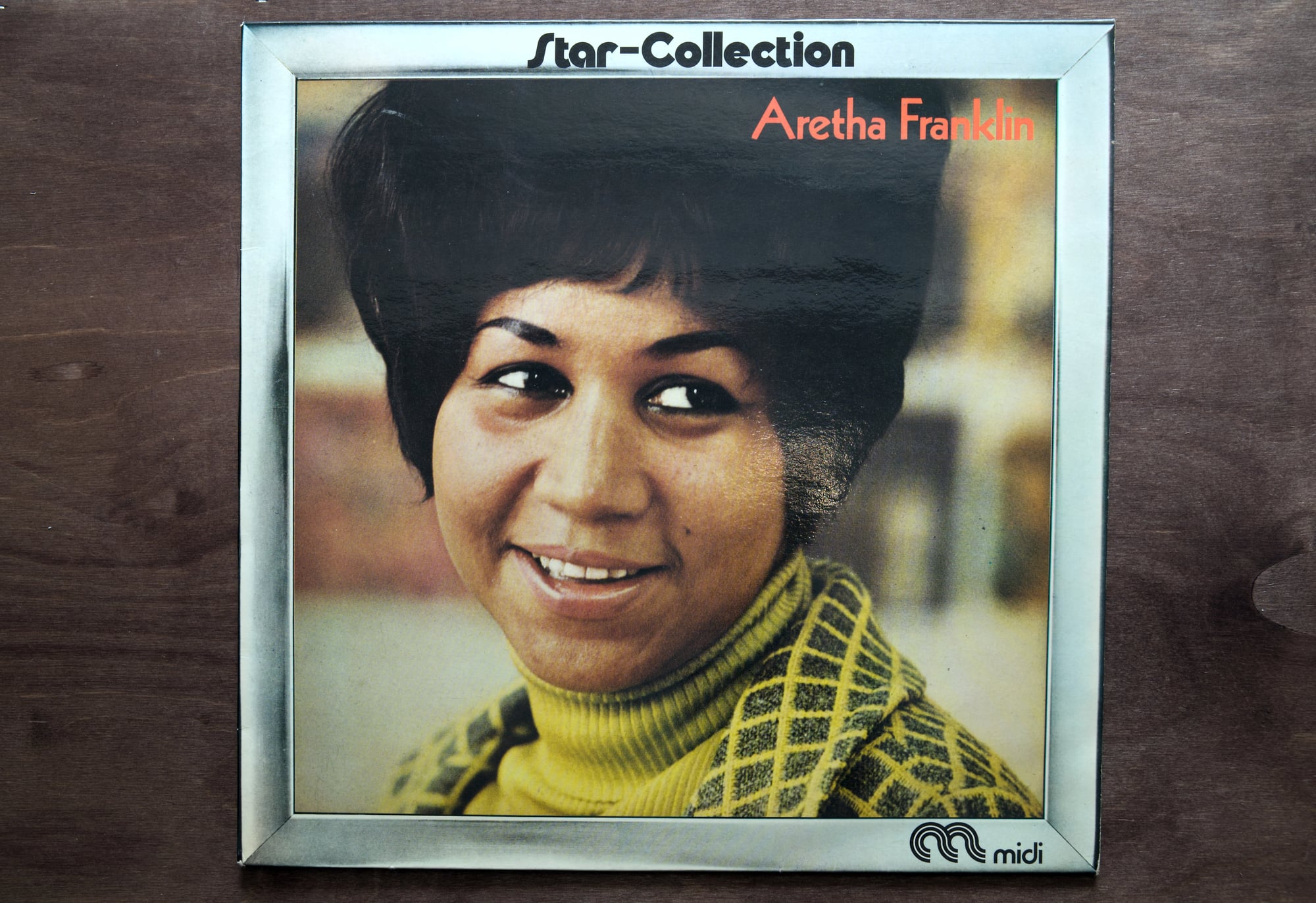
The Queen of Soul earned her title by doing something no other singer could match: she made every song sound like a personal testimony. Franklin didn’t just perform music — she inhabited it, transforming notes and lyrics into pure emotion that reached straight into listeners’ hearts.
That voice could handle anything. Gospel, soul, pop, jazz, blues — Franklin made it all sound natural, like she was born to sing in every genre simultaneously.
“Respect” became an anthem not just because of the lyrics, but because Franklin’s delivery made you believe every word came from her own experience. She could make a simple demand sound like a revolution.
Twenty Grammy Awards. Eighteen number-one R&B hits. One of the most decorated artists in Rock and Roll Hall of Fame history.But the statistics don’t capture what made Franklin special.
She sang with a spiritual intensity that other artists spend their entire careers trying to find. When Franklin stepped up to a microphone, something sacred happened.
Every performance felt like church, even when she was singing about heartbreak or desire. That combination of technical mastery and emotional honesty is why people still call her the Queen, and why no one else has seriously challenged for the title.
Charlie Chaplin
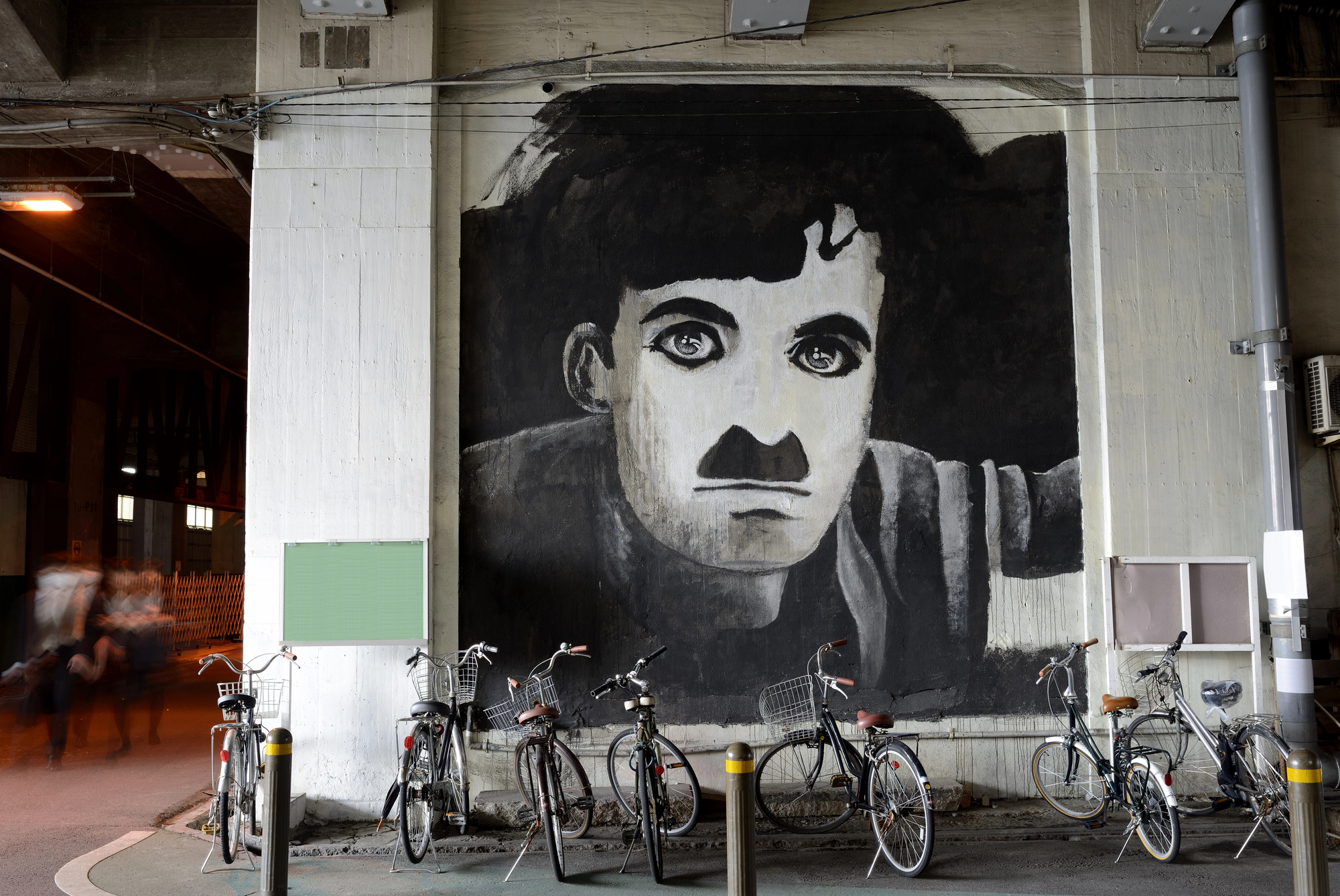
Silent films required a different kind of acting. Without dialogue, performers had to communicate everything through movement, expression, and timing.
Chaplin didn’t just master this art form — he perfected it. The Little Tramp character became one of the most recognizable figures in entertainment history.
Bowler hat, cane, mustache, and those distinctive shuffling steps — Chaplin created a visual language that needed no translation. His films were funny and heartbreaking simultaneously, often within the same scene.
He could make audiences laugh at poverty while simultaneously making them understand its dignity. Chaplin wrote, directed, produced, and starred in his own films, maintaining creative control when most actors were simply hired hands.
He understood that comedy worked best when it came from real emotion, not just physical gags. His films remain funny nearly a century later because Chaplin tapped into something universal about human nature.
Physical comedy is timeless when it’s done right, and nobody has ever done it more right than Chaplin.
Muhammad Ali
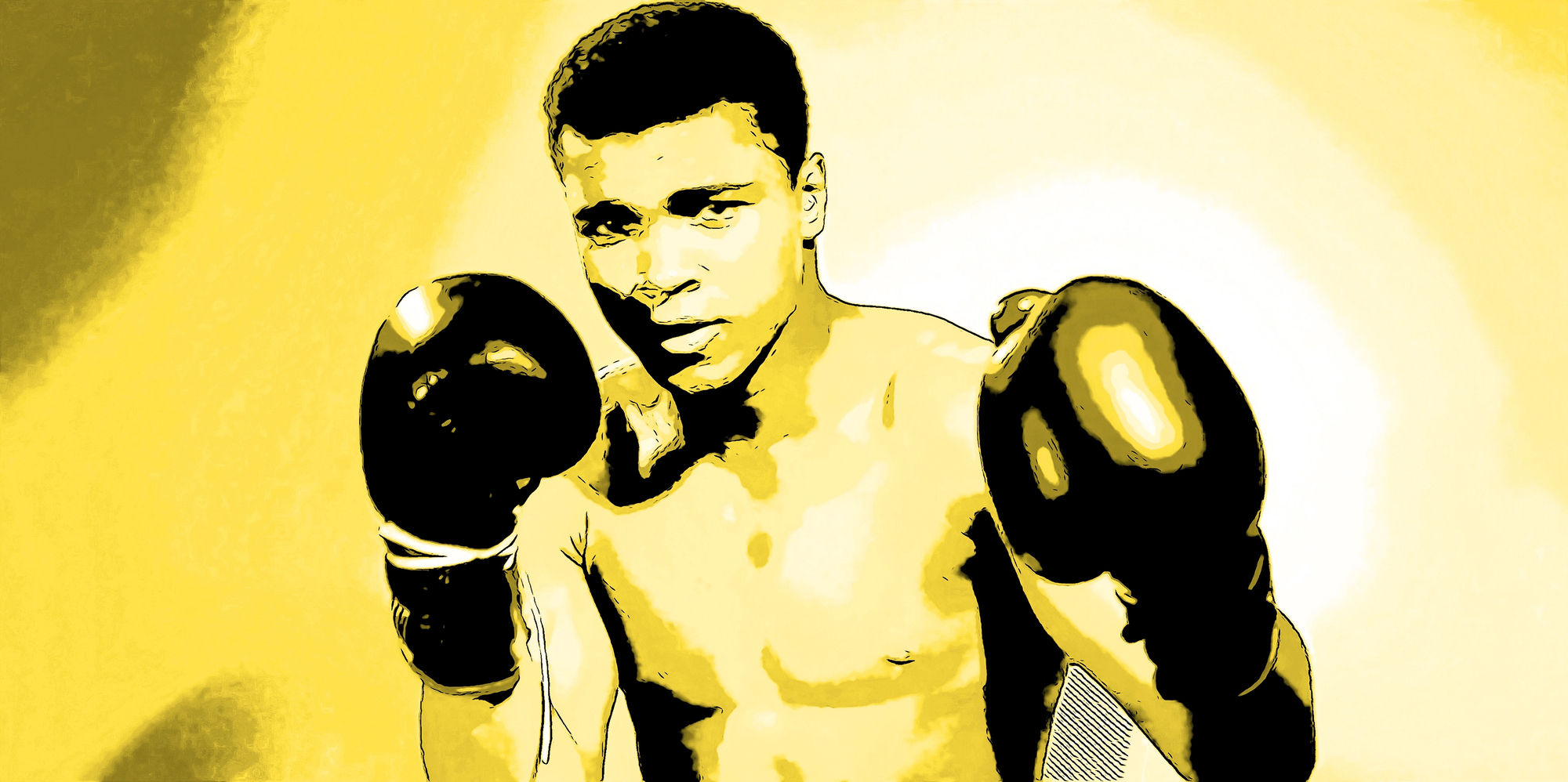
Boxing is a brutal sport that usually chews up its heroes. Ali somehow transcended the brutality and became something larger — part athlete, part poet, part social conscience.
Three heavyweight titles. Olympic gold medal. Victories over every great fighter of his era.
But Ali’s greatness extended beyond what he did in the ring. He changed his name, converted to Islam, and refused military service during Vietnam, sacrificing the prime years of his career for his principles.
Most athletes avoid controversy. Ali courted it, understanding that his platform came with responsibilities larger than sports. “Float like a butterfly, sting like a bee” wasn’t just clever wordplay — it was an accurate description of Ali’s fighting style.
He moved like no heavyweight before or since, dancing around opponents who couldn’t touch him, then landing combinations that ended fights. He made boxing look like performance art, then backed up his showmanship with results.
Ali talked constantly, but he never wrote checks his fists couldn’t cash. That combination of athletic brilliance and social courage created a legacy that extends far beyond boxing.
Michelangelo

The Sistine Chapel ceiling remains one of humanity’s greatest artistic achievements. Michelangelo painted it lying on his back, neck craned upward, for four years.
The physical discomfort alone would have defeated most people. Michelangelo used it as motivation to create something that still leaves visitors speechless.
But the ceiling was just one project among many. David stands as the pinnacle of Renaissance sculpture, a marble figure so lifelike that tourists still expect it to move.
The Pietà captures grief and grace in stone, making the impossible weight of loss somehow beautiful. Michelangelo didn’t just work in marble and paint — he transformed them into something approaching the divine.
He lived to be 88 in an era when most people died before 40, working almost until his final day. Art was not a career for Michelangelo — it was a calling, and he answered it with an intensity that bordered on obsession.
The results speak for themselves. Five centuries later, people still travel halfway around the world to see what he created. That’s not just artistic achievement.
That’s immortality.
Stanley Kubrick

Films are collaborative efforts involving hundreds of people. Kubrick somehow managed to make every movie feel like it came from a single, obsessive vision.
His control over every aspect of production was legendary, and the results justify his reputation. 2001: A Space Odyssey, A Clockwork Orange, The Shining, Full Metal Jacket — each film is completely different, yet unmistakably Kubrick.
He reinvented himself with every project while maintaining a visual and thematic consistency that other directors spend careers trying to find. Kubrick understood that movies could be art without sacrificing entertainment value.
The perfectionism stories are famous. Hundreds of takes for a single scene. Sets built and rebuilt until they matched his vision exactly.
Actors pushed to psychological breaking points to achieve authentic performances. Most directors with Kubrick’s methods would be dismissed as tyrants.
Kubrick’s films are so good that his obsessiveness seems reasonable in retrospect. When the final product reaches that level of quality, it’s hard to argue with the process.
Lives That Rewrote the Rules

These fifteen individuals didn’t just excel in their chosen fields — they fundamentally changed what those fields could be. They set standards that remain unmatched decades or centuries later, creating legacies so complete that their names became synonymous with greatness itself.
What connects them isn’t just talent, though they all had that in abundance. It’s the willingness to push beyond what anyone thought possible, to risk everything in pursuit of something that had never been done before.
They understood that true greatness requires more than competence or even excellence — it demands the courage to attempt the impossible and the persistence to make it real. Their stories remind us that the highest levels of human achievement come from those who refuse to accept limitations, who see boundaries as suggestions rather than rules.
In their own ways, each proved that individual brilliance can reshape entire fields of human endeavor. That may be the most inspiring lesson of all.
More from Go2Tutors!

- The Romanov Crown Jewels and Their Tragic Fate
- 13 Historical Mysteries That Science Still Can’t Solve
- Famous Hoaxes That Fooled the World for Years
- 15 Child Stars with Tragic Adult Lives
- 16 Famous Jewelry Pieces in History
Like Go2Tutors’s content? Follow us on MSN.