The Weirdest Things Archaeologists Have Ever Dug Up
Archaeology sounds dignified until you realize most of it involves crouching in dirt, brushing sand off mysterious objects, and trying to explain why a 2,000-year-old toilet is actually a significant historical find. The glamorous Indiana Jones version skips over the part where you spend three weeks carefully excavating what turns out to be an ancient chamber pot.
But sometimes archaeologists hit the jackpot of weird. Not gold or jewels — those are almost boring by comparison.
The truly memorable discoveries are the ones that make you wonder what exactly our ancestors were thinking, and whether humans have always been this strange.
Ancient Roman Multitool
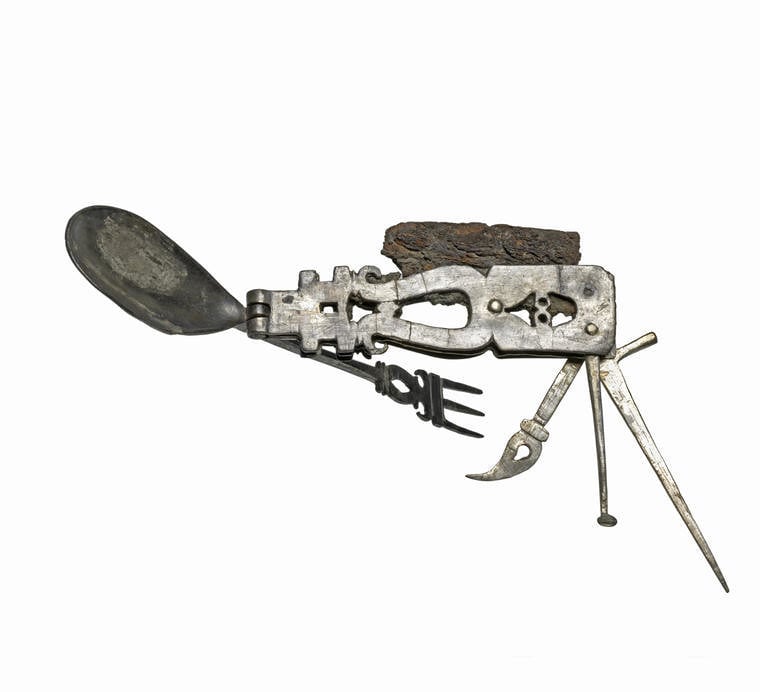
Swiss Army knives have nothing on this thing. Archaeologists found a 1,800-year-old Roman implement that folds out into a knife, spoon, fork, pick, and spike.
It’s basically the world’s first camping utensil, except Romans weren’t camping — they were conquering half the known world while eating with style.
Babylonian Customer Complaint Tablet
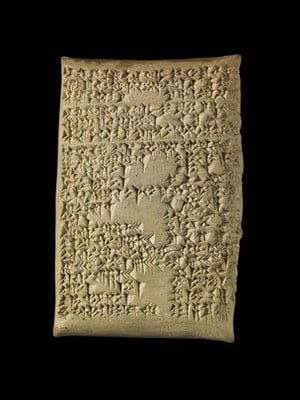
Ea-nasir was apparently the worst copper merchant in ancient Babylon.
Archaeologists discovered an entire collection of clay tablets — basically Mesopotamian Yelp reviews — complaining about his terrible customer service and low-quality copper.
One particularly angry customer wrote the equivalent of a 4,000-year-old one-star review, demanding a refund and threatening never to do business with Ea-nasir again.
The tablets were found in what was likely Ea-nasir’s house, which means he kept every single complaint letter he ever received (a decision that modern businesses might want to reconsider, given how this worked out for his historical reputation).
And here’s the thing that makes this discovery genuinely unsettling: the complaints are so familiar they could have been written yesterday.
So the next time you’re dealing with a frustrating return policy or waiting on hold for customer support, remember that this exact aggravation has been plaguing humanity for literally thousands of years.
Medieval Leather Swimwear

Sometimes archaeology resembles a costume party where nobody told the archaeologists what the theme was.
This particular find — a 1,500-year-old leather two-piece outfit discovered in London — sits in that strange category of artifacts that resist easy explanation.
Museums carefully describe it as “undergarments” but the cut and design suggest something either more practical or more decorative than typical medieval clothing.
The leather shows remarkable preservation, which tells you something about London’s climate and soil conditions.
But the real mystery lives in the details: the careful stitching, the deliberate shaping, the fact that someone took time to craft this particular garment.
Roman Dodecahedron
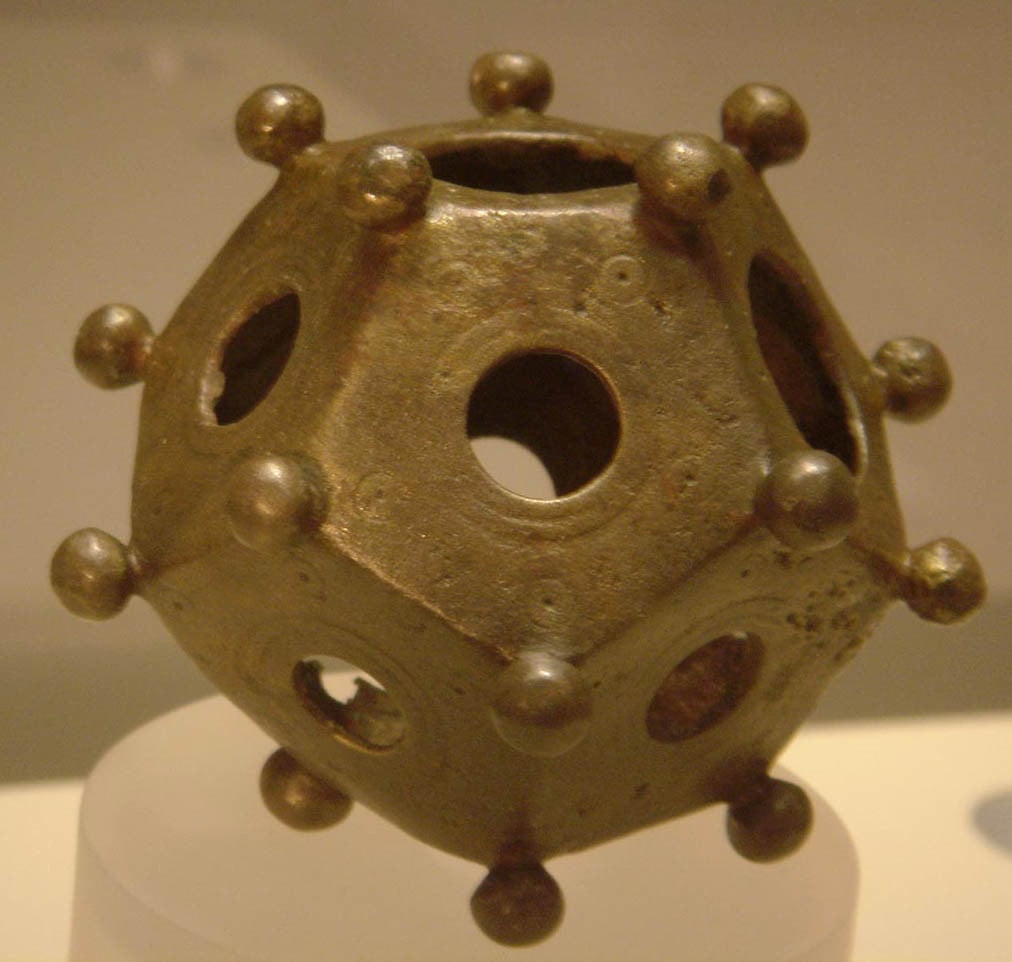
Nobody knows what these things are for.
Roman bronze dodecahedrons — twelve-sided objects with openings and knobs — keep turning up across Europe, and archaeologists have been guessing about their purpose for over 200 years.
Theories include measuring devices, military tools, religious objects, or children’s toys.
The frustrating part is how common they are.
This wasn’t some rare ceremonial item — Romans were mass-producing these things.
Whatever they did, it was important enough to make thousands of them.
Yet somehow the knowledge of their purpose vanished completely from the historical record.
Antikythera Mechanism
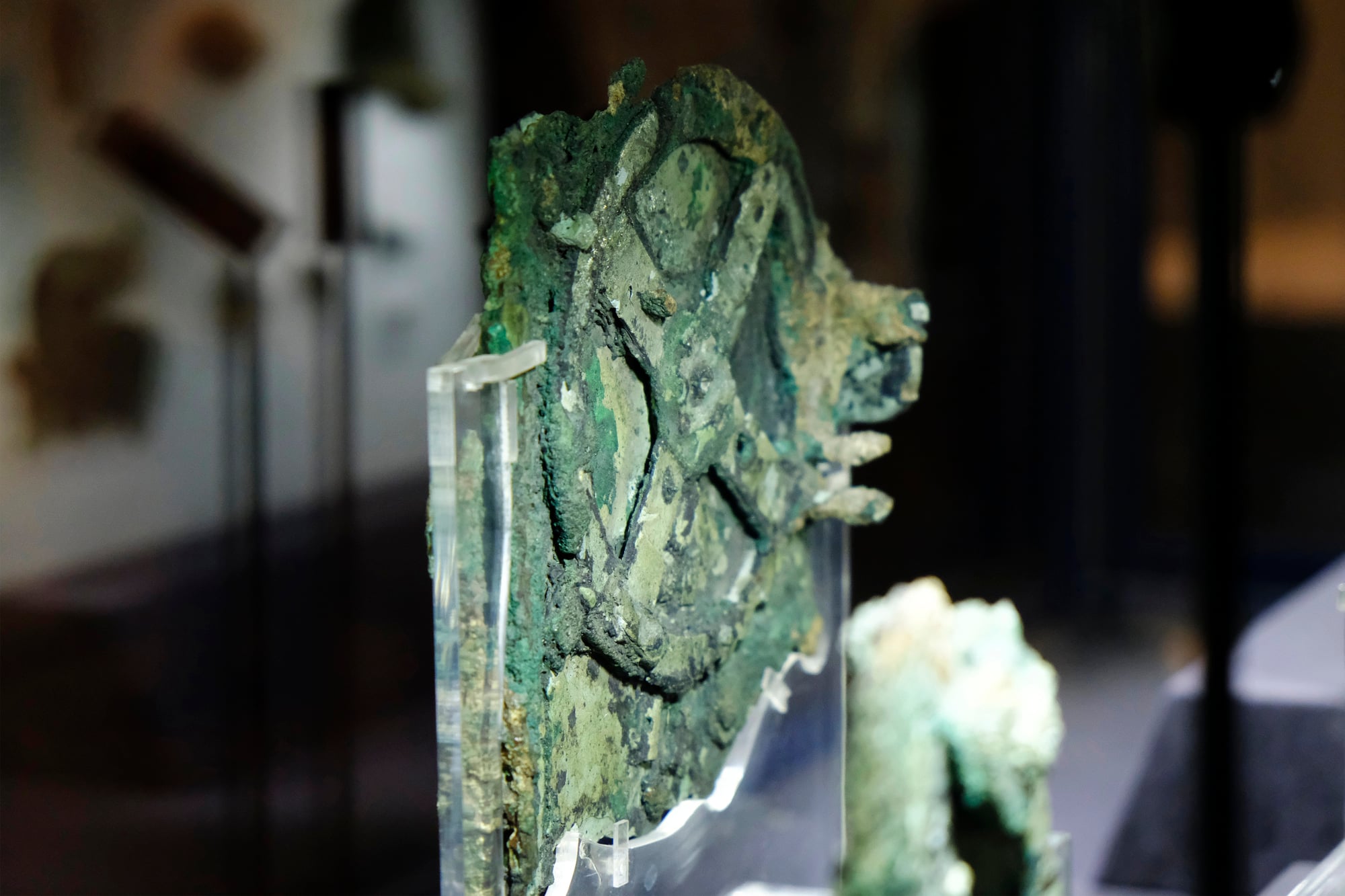
This thing shouldn’t exist, but there it was, sitting at the bottom of the Mediterranean Sea for 2,000 years.
The Antikythera mechanism is essentially an ancient Greek computer — a bronze device with dozens of interlocking gears that could predict eclipses, track planetary movements, and calculate the timing of the Olympic Games.
It’s more complex than any known technology from that era, and nothing comparable appears again in the archaeological record for over a millennium.
The mechanism forces you to reconsider what ancient civilizations were capable of.
But here’s what really gets to you about this discovery: if the Greeks could build this level of mechanical complexity in the first century BCE, what else were they building that simply hasn’t survived?
And how much technological knowledge has humanity lost and rediscovered multiple times throughout history?
Bone Ice Skates
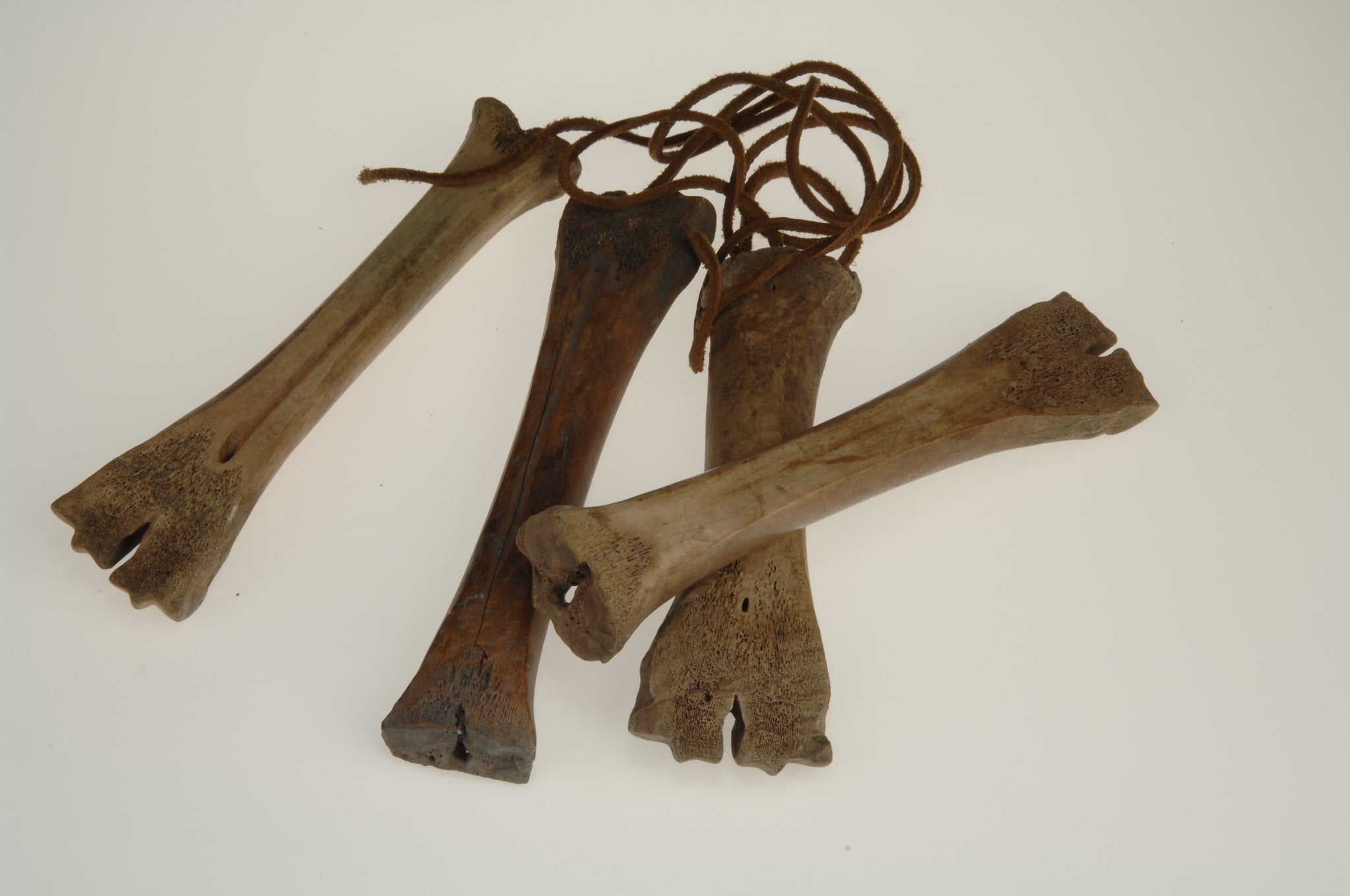
Vikings weren’t content with just longships and raids — they also invented ice skating.
Archaeologists found bone skates throughout Scandinavia, carved from horse and cattle leg bones.
Users would strap them to their feet and push themselves across frozen lakes with sticks.
These weren’t recreational.
Winter transportation in medieval Scandinavia meant finding ways to cross frozen terrain efficiently.
Bone skates were practical technology, even if the sight of a Viking gliding across a frozen lake while carrying an axe seems almost absurd by modern standards.
The Screaming Mummies

Egyptian mummification was supposed to be peaceful — eternal rest with all the proper rituals and preparations.
So when archaeologists find mummies with their mouths frozen open in what looks like a scream, it raises uncomfortable questions about what went wrong during the burial process.
Some of these mummies show signs of hasty preparation or unusual positioning that suggests either incompetence or something more deliberate.
The screaming expression could be natural muscle contraction after death, but several cases show evidence that the mouth was deliberately held open during mummification.
Which means someone wanted these people to look like they were screaming for eternity.
That level of vindictiveness requires planning.
And the fact that multiple examples exist suggests this wasn’t isolated cruelty but possibly an actual burial practice reserved for people who had seriously angered someone important.
London’s Fatberg Cross-Section
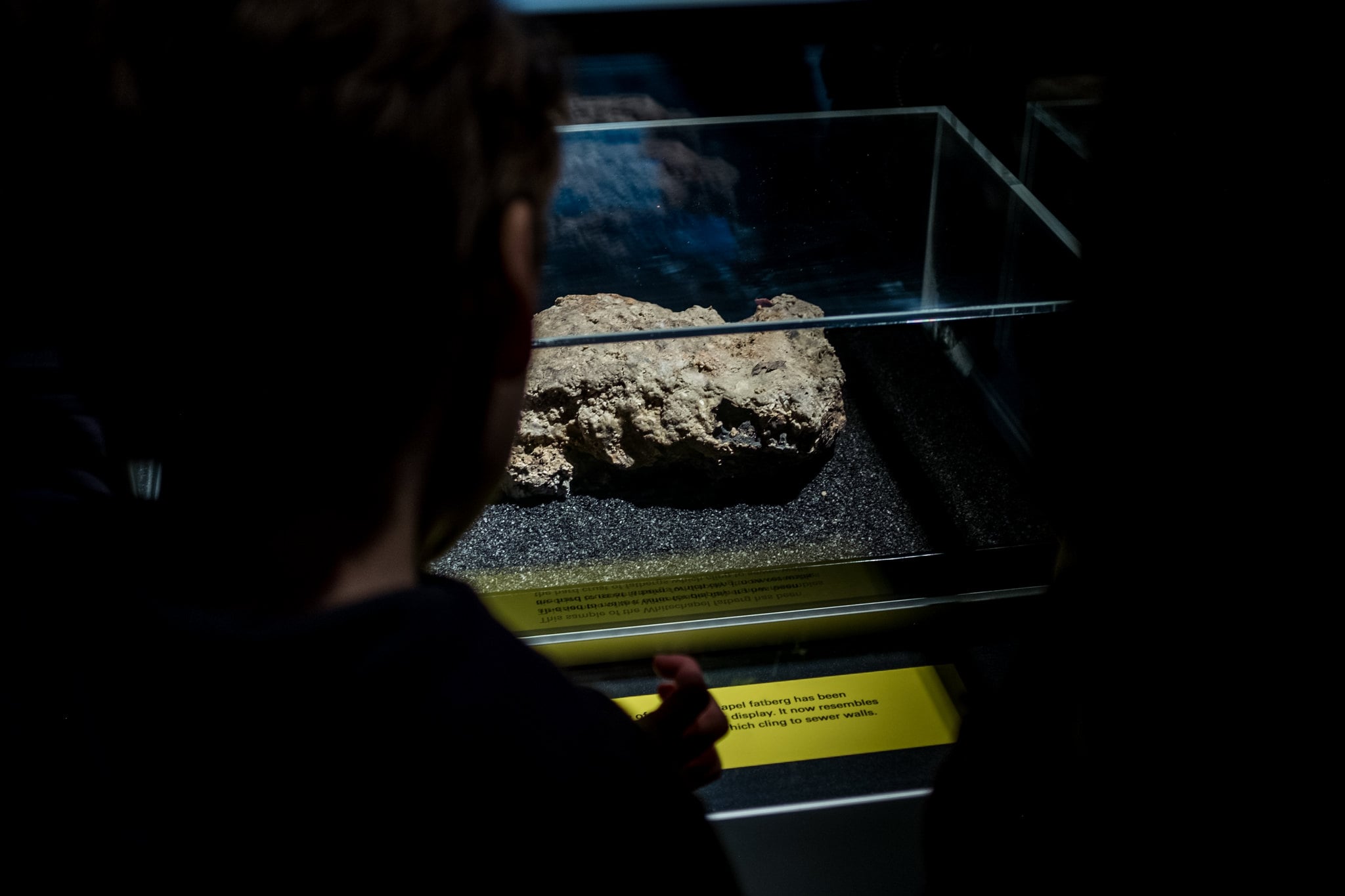
Modern archaeology isn’t just ancient civilizations — sometimes it’s what gets stuck in sewer systems.
London’s fatbergs (massive clumps of cooking grease, wet wipes, and other non-biodegradable waste) preserve contemporary artifacts the way volcanic ash preserved Pompeii.
Archaeologists studying cross-sections of these underground deposits find everything from Victorian coins to modern smartphones, creating an accidental timeline of urban life.
The fatbergs grow like geological formations, with distinct layers corresponding to different eras of London waste management.
It’s gross but scientifically valuable — a perfect snapshot of what people actually threw away.
Roman Curse Tablets
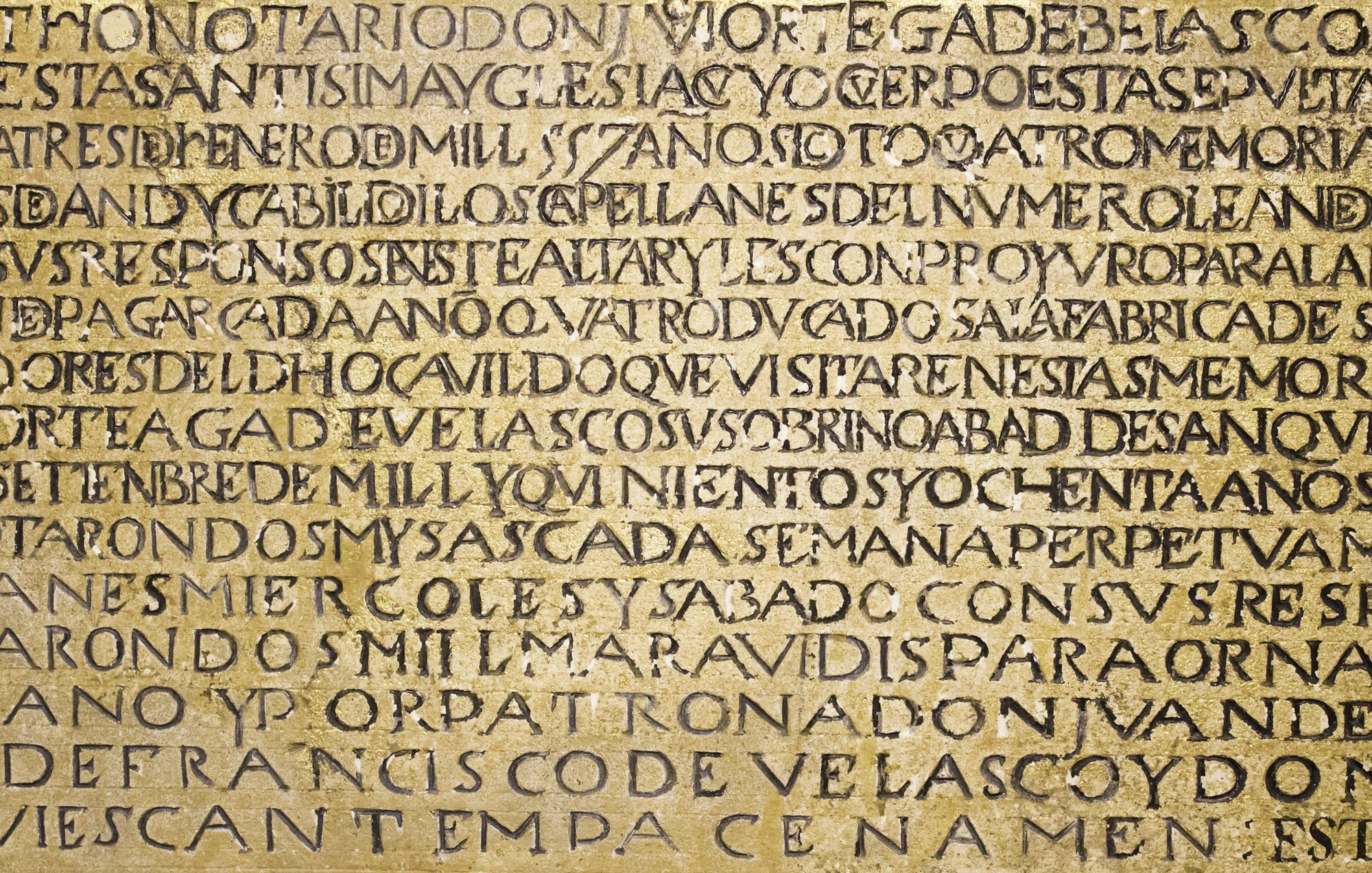
Romans took their grudges seriously, and archaeology has the receipts.
Bath, England, yielded hundreds of lead curse tablets where Romans asked their gods to punish people for various offenses — mostly theft, but also adultery, business disputes, and general personal animosity.
The curses are wonderfully specific.
One asks the goddess Sulis Minerva to make someone’s intestines rot unless they return a stolen pair of gloves.
Another requests that a thief be unable to urinate until they confess.
Romans clearly believed their gods had both the time and inclination to handle petty criminal justice.
The Staffordshire Hoard’s Pommel Collection
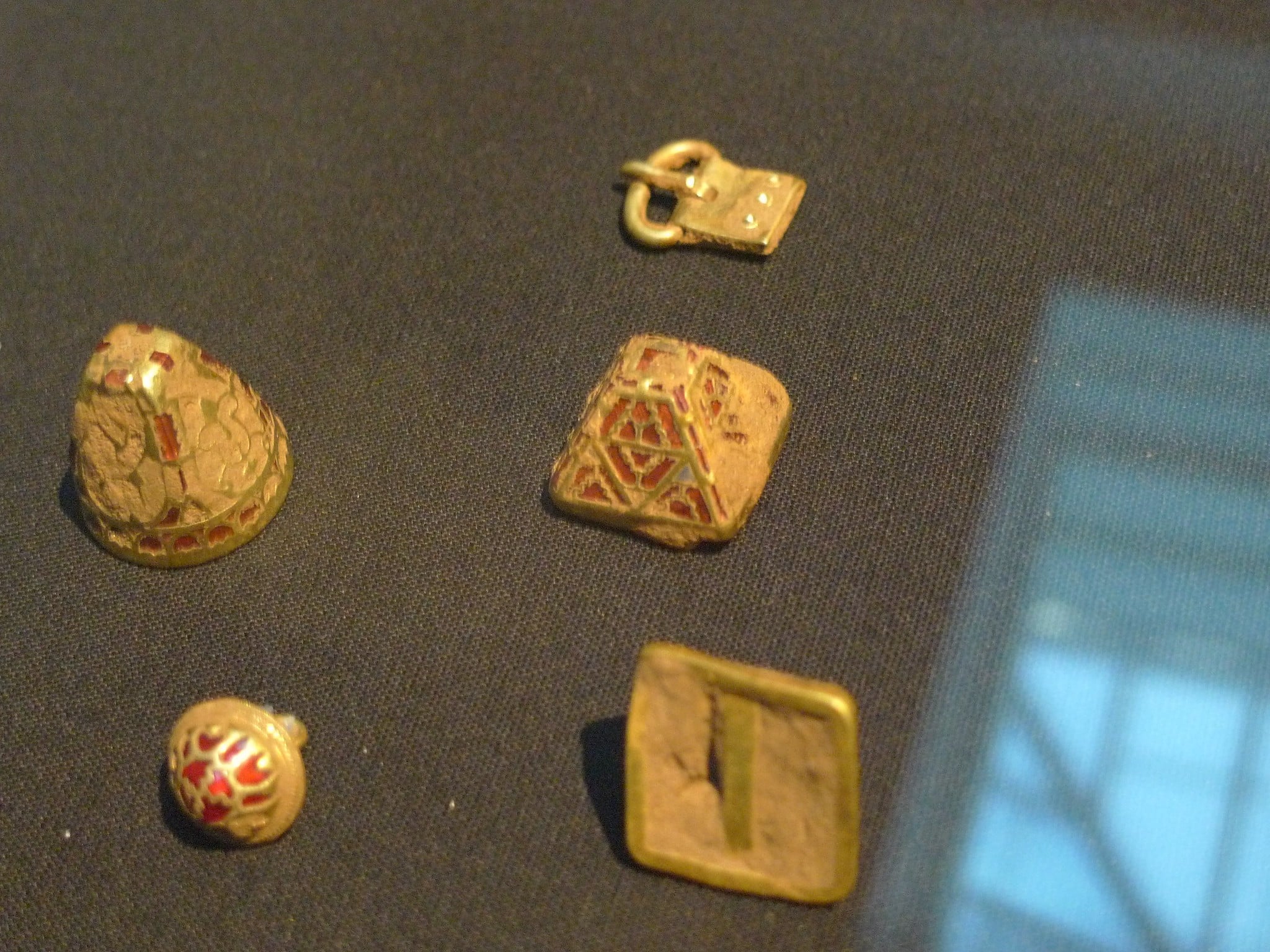
The largest collection of Anglo-Saxon gold ever found includes dozens of sword pommels — decorative caps that sit at the end of sword handles.
But here’s the strange part: the pommels were deliberately removed from their swords before burial.
Someone went through the effort of disassembling hundreds of weapons just to bury the decorative parts.
This wasn’t random treasure hiding.
The careful selection suggests ritual significance, but nobody can figure out what kind of ceremony involves collecting sword pommels while discarding the actual weapons.
Ancient Chewing Gum

Neolithic people in Finland chewed birch bark tar 5,000 years ago, leaving behind what amounts to prehistoric chewing gum complete with tooth marks.
DNA analysis reveals not just who was chewing (a young woman with dark hair and blue eyes) but what she had been eating (hazelnuts and duck) and what bacteria lived in her mouth.
This accidental preservation gives archaeologists more detailed information about daily life than most intentional burial goods.
Chewing gum turns out to be an excellent time capsule, preserving biological data that normally disappears from the archaeological record.
The Antler Headdresses of Star Carr

Twenty-one red deer antler headdresses from 11,000 years ago raise questions about Mesolithic Britain that nobody expected to be asking.
The antlers were modified for wearing — lightened, smoothed, and fitted with attachment points — but nobody knows why.
Shamanic rituals, hunting disguises, and seasonal ceremonies are all possibilities, but the craftsmanship suggests these weren’t casual items.
Someone invested serious time in creating wearable antler sets.
Roman Surgical Tools Found in Pompeii
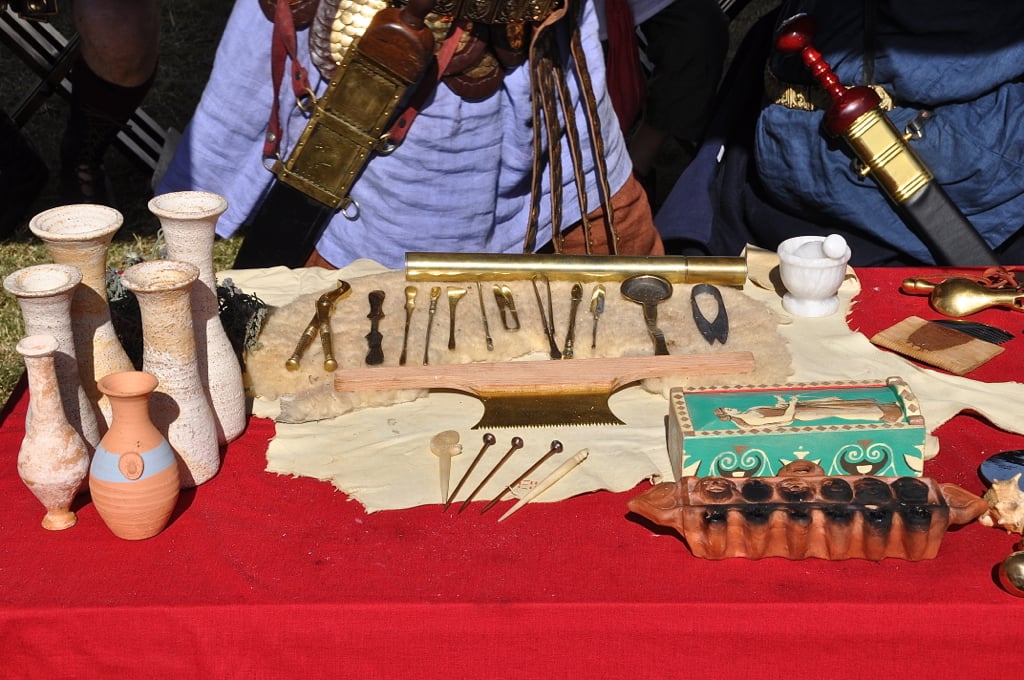
Pompeii preserved a complete Roman surgical kit that looks disturbingly modern.
Scalpels, forceps, bone levers, and speculum — the basic tools haven’t changed much in 2,000 years.
Romans were performing cataract surgery, removing kidney stones, and setting complex bone fractures with remarkable success rates.
The surgical instruments were found alongside medical texts describing procedures that wouldn’t be out of place in a modern operating room.
Roman medicine was apparently far more advanced than most people realize.
Echoes in the Earth
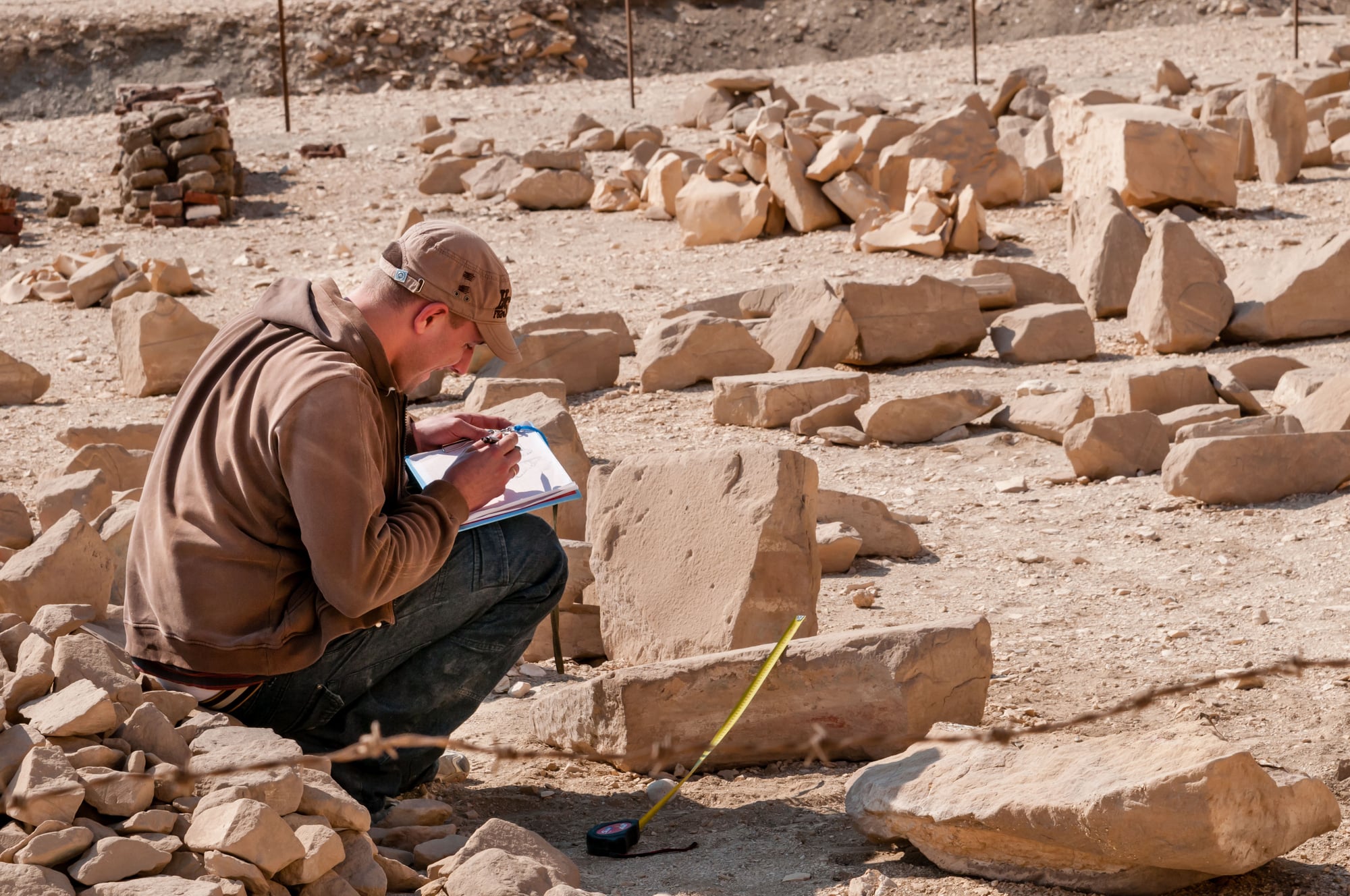
The strangest discoveries often aren’t objects but questions — gaps in understanding that reshape how we think about the past.
Every weird artifact forces archaeologists to admit how much they don’t know about the people who came before us, and how many assumptions about ancient life turn out to be wrong.
These finds remind us that humans have always been complicated, creative, and slightly ridiculous.
We’ve been complaining about bad customer service, playing with complex technology, and chewing gum for thousands of years.
The only thing that’s really changed is the materials we use to document our weirdness.
More from Go2Tutors!

- The Romanov Crown Jewels and Their Tragic Fate
- 13 Historical Mysteries That Science Still Can’t Solve
- Famous Hoaxes That Fooled the World for Years
- 15 Child Stars with Tragic Adult Lives
- 16 Famous Jewelry Pieces in History
Like Go2Tutors’s content? Follow us on MSN.