17 Items to Toss Because They’ll Never Be Valuable
That shoebox in the closet isn’t hiding treasure. The stack of magazines under the bed won’t fund retirement.
And those commemorative plates your aunt collected? They’re worth exactly what someone paid for them at the gas station in 1987. The promise of future value has convinced millions of people to hoard items that will never appreciate.
Marketing campaigns and wishful thinking created entire categories of “collectibles” that collect nothing but dust. Time to face reality and reclaim some space.
Old magazines
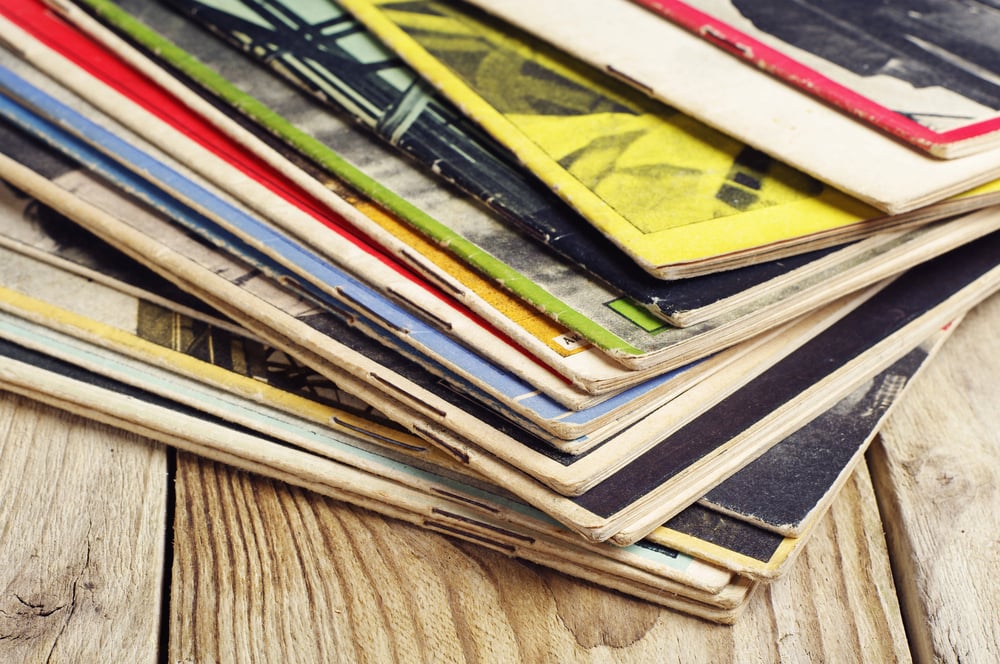
Magazines rot. The paper yellows, the binding falls apart, and nobody wants to read outdated articles about topics that stopped mattering decades ago.
Even issues from major publications rarely gain value unless they feature genuinely historic moments. Keep the recipes if you want them. Toss the rest.
Beanie Babies
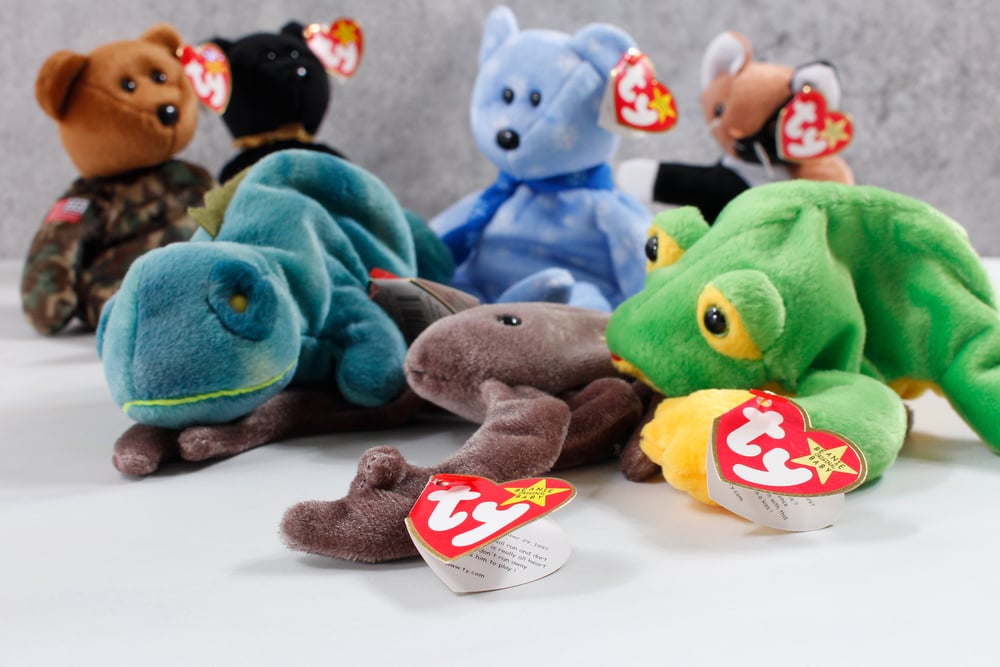
The Beanie Baby market collapsed so thoroughly that it became a cautionary tale about manufactured collectibles, and yet people still cling to their collections hoping for a miraculous comeback that will never arrive (because the fundamental economics haven’t changed, and they never will). The few truly valuable Beanie Babies are so rare and specific that if you owned one, you’d already know it.
Everything else? Mass-produced toys. Most of them aren’t even in good enough condition to donate.
And frankly, even mint-condition common Beanie Babies from the height of the craze are worth less now than they were twenty years ago, which tells you everything about their trajectory as investments.
Sports cards from the 1980s and 1990s
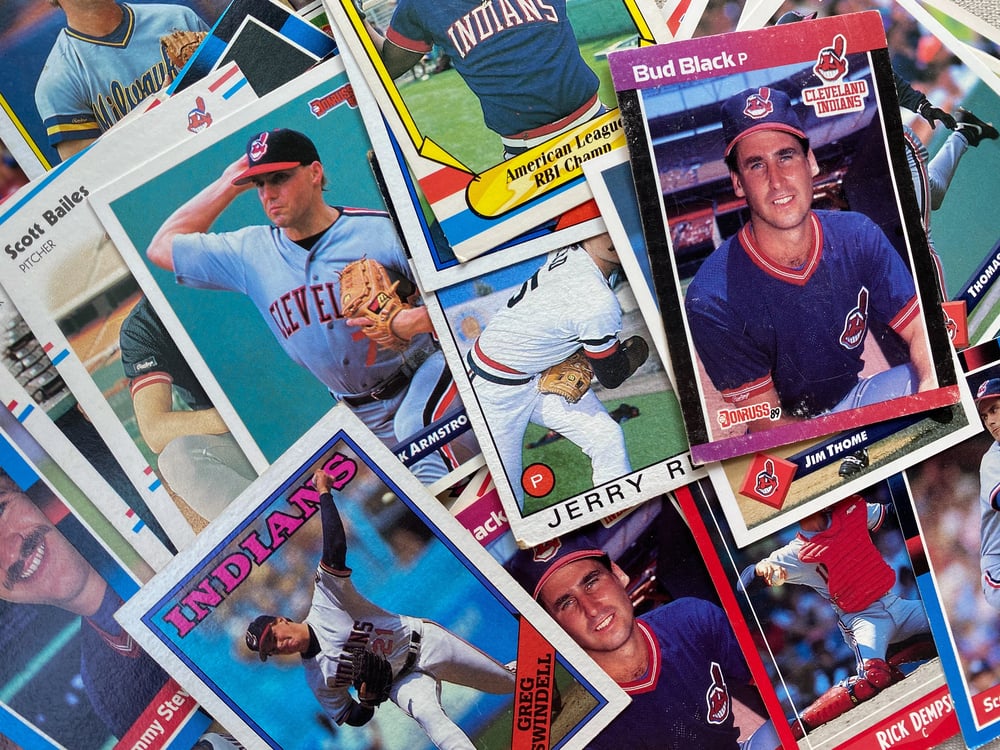
Sports cards were like currency on playgrounds for generations—trading them felt serious, meaningful, as if each card carried the weight of future possibility. Children studied stats, memorized rookie years, and handled cards with the reverence of archivists.
The ritual mattered more than anyone realized at the time. Then companies flooded the market.
Print runs exploded, and what had once been scarce became abundant. The cards are still there, still glossy, still featuring the same players.
But the scarcity that created value vanished under an avalanche of supply that never stopped coming.
Happy Meal toys
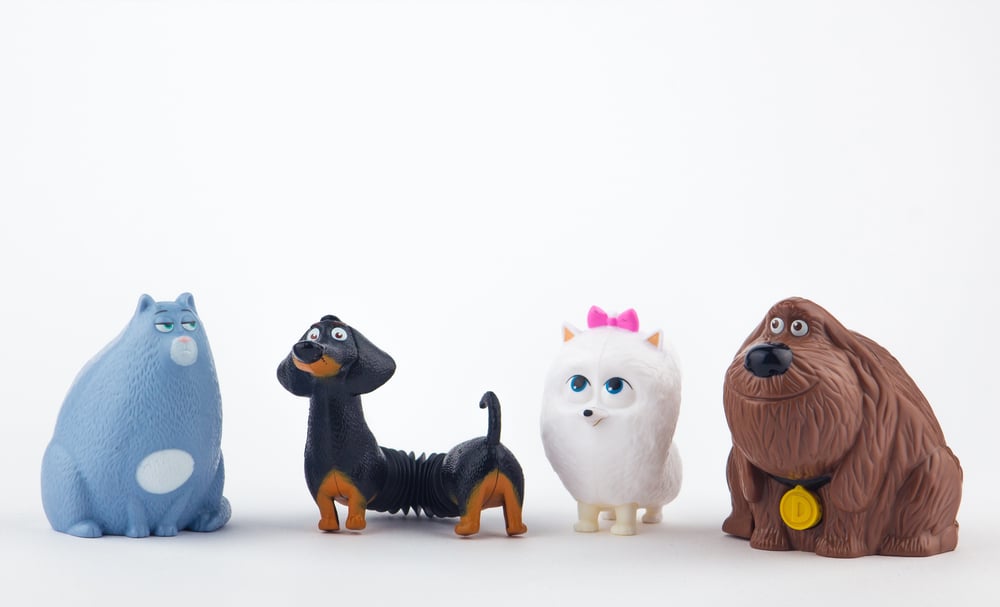
McDonald’s produced billions of these plastic trinkets. Supply and demand work the same way for Happy Meal toys as they do for everything else.
When something exists in massive quantities, it doesn’t become valuable just because time passes. The toys were designed to be disposable entertainment for children.
They succeeded at that purpose perfectly.
Mass-produced collectible plates
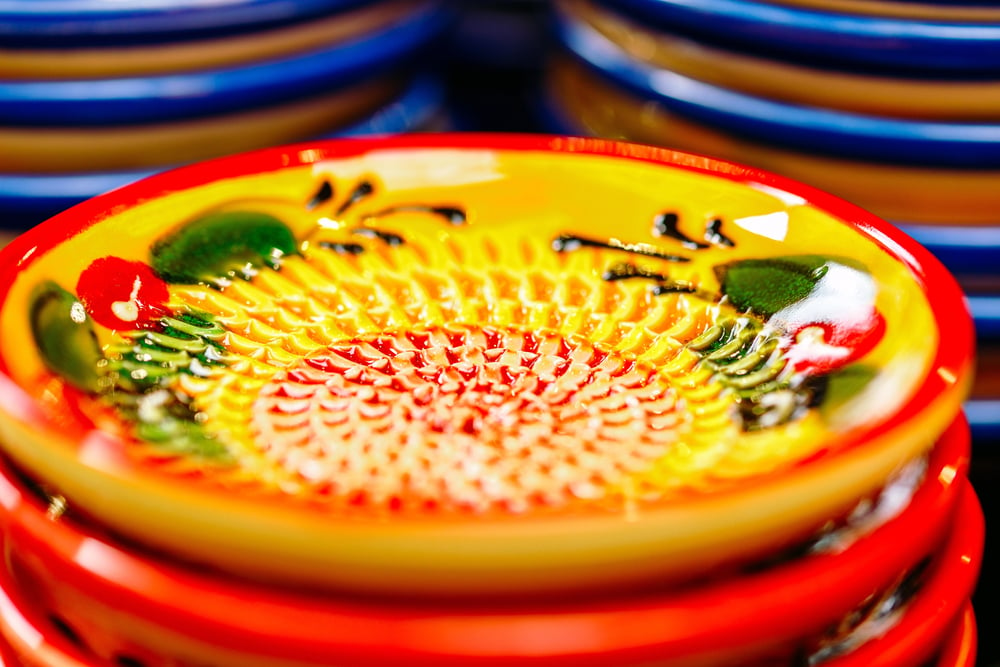
Collectible plates aren’t collectible. The word “limited” on the certificate means nothing when the limit is 50,000 pieces.
Companies created entire industries around items that were marketed as valuable rather than items that actually became valuable. Real collectors know the difference.
These plates were sold to people who wanted to feel like collectors without understanding what makes something worth collecting. The certificates of authenticity are worth exactly as much as the plates themselves.
Costume jewelry

Cheap jewelry doesn’t age into expensive jewelry—it just becomes old cheap jewelry, tarnished and brittle, the gold plating worn thin in spots that reveal the base metal underneath. Even pieces that seemed sophisticated when purchased show their true nature after years of exposure to air and moisture.
The clasps break, stones fall out, chains snap at the thinnest links. Fashion jewelry served its purpose when it was worn and enjoyed.
But fashion, by definition, doesn’t last. The styles that seemed timeless in one decade look dated in the next, and dated jewelry has no market unless it’s genuinely vintage and well-made.
Most costume jewelry is neither.
VHS tapes of common movies
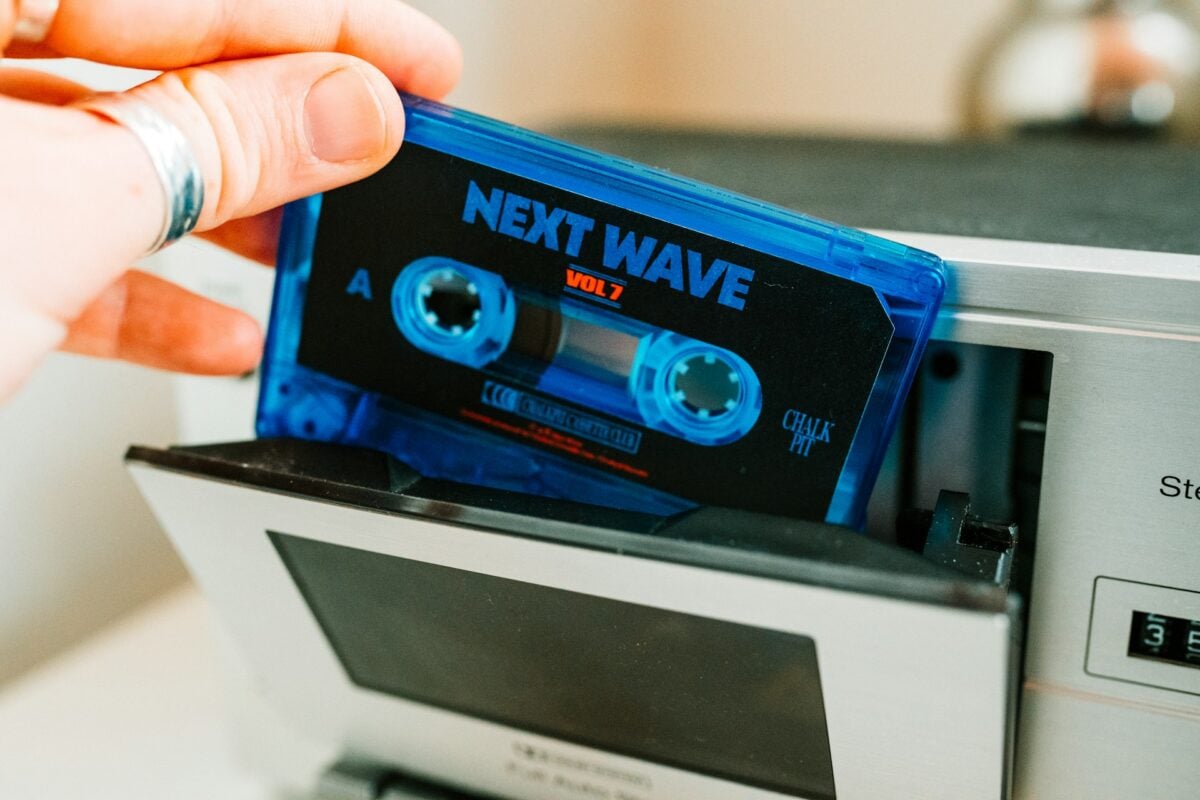
VHS tapes of popular movies are worthless. Everyone owned these titles, which means they’re everywhere.
The format is obsolete, the picture quality is poor by current standards, and streaming services offer better access to the same content. Disney movies, action films, comedies from the 1980s and 1990s—none of it matters.
The tapes take up space and serve no purpose that isn’t better served by digital alternatives. Even nostalgia has limits, and most people’s nostalgia doesn’t extend to dealing with rewinding and poor picture quality.
Franklin Mint collectibles
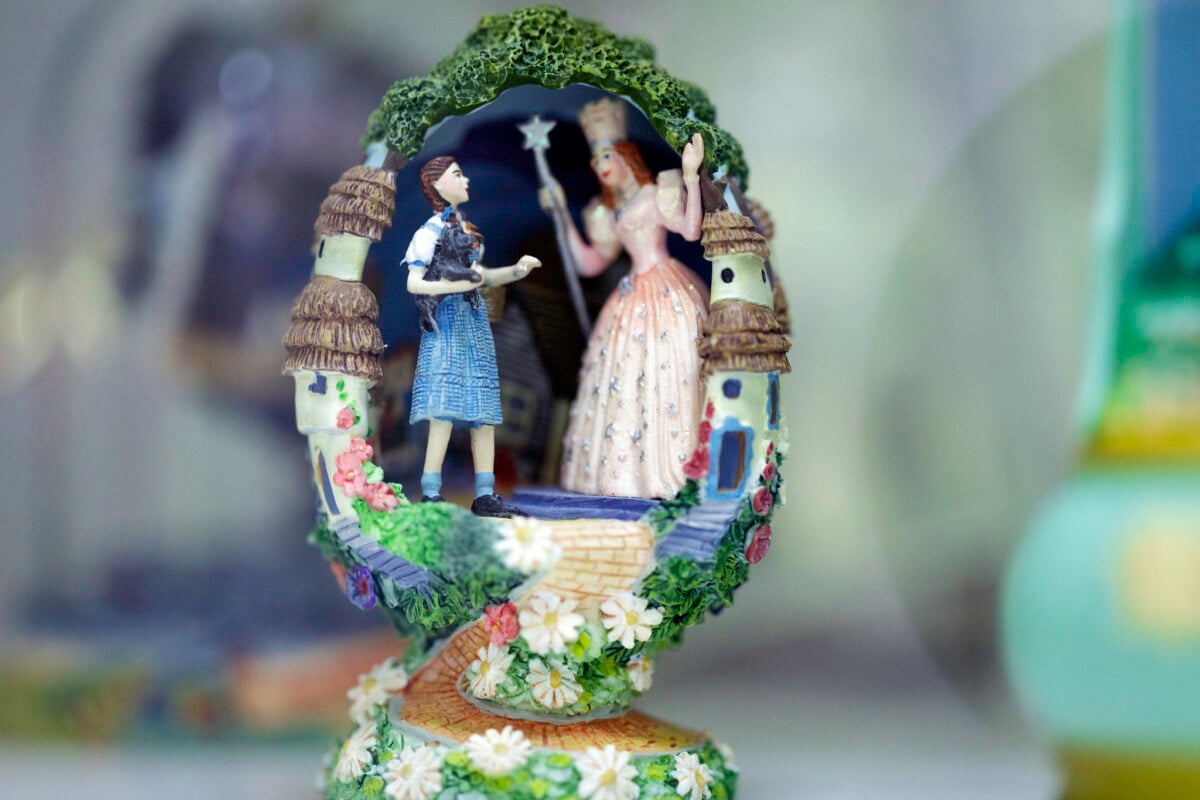
The Franklin Mint understood something profound about human psychology: people want to own things that feel important, even if they’re not, and they’ll pay premium prices for objects that come with fancy packaging and official-sounding documentation. The company turned this insight into a business model that lasted decades.
Coins, dolls, plates, miniature cars—all marketed with the same promise of exclusivity and future value. The items themselves were often well-made.
The marketing materials looked legitimate. But exclusivity means nothing when thousands of people buy the same “limited edition” item, and future value doesn’t materialize just because someone says it will.
The Franklin Mint created beautiful objects that were worth exactly what people paid for them, and no more.
CD collections of mainstream artists
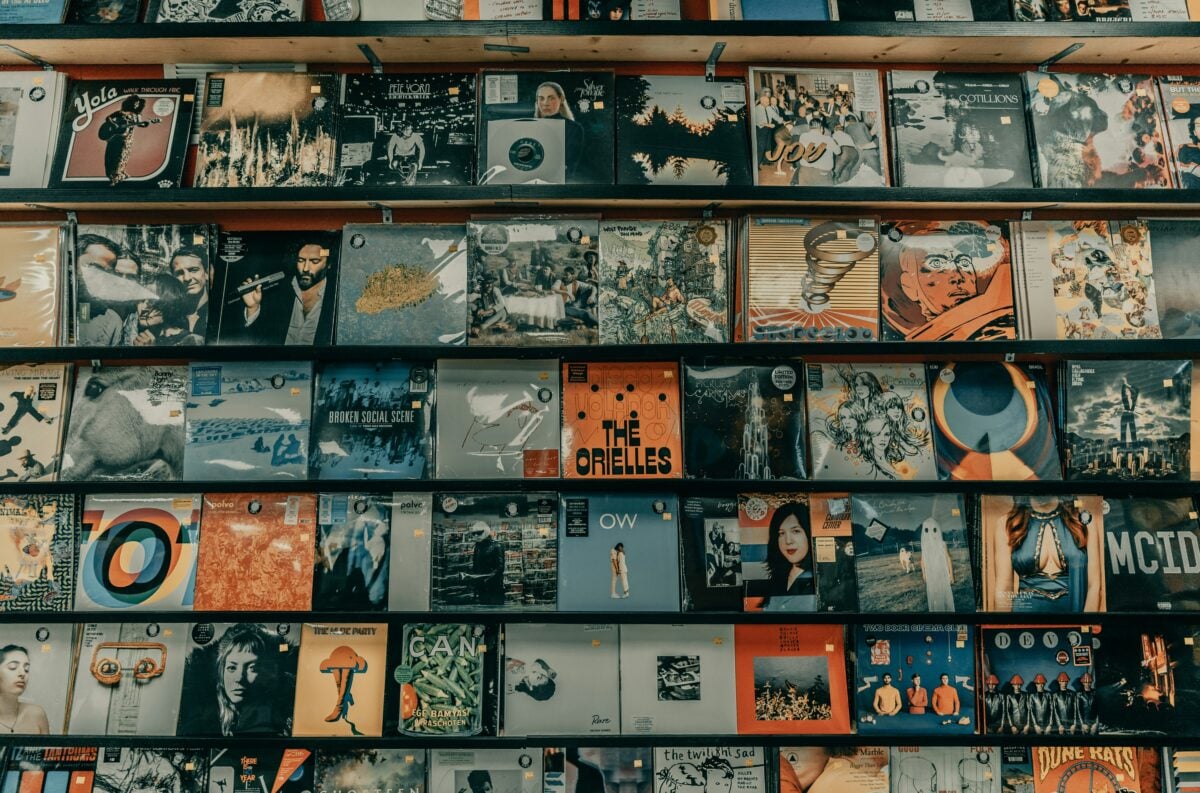
CDs scratched easily and became unplayable, but that doesn’t make surviving copies valuable. The opposite happened: streaming killed demand for physical media of common albums.
Nobody needs to own a CD of a popular artist when every song is available instantly online. Even rare pressings or special editions don’t command meaningful prices unless they’re genuinely scarce.
Most CD collections contain exactly the albums everyone else owned, which makes them replaceable rather than collectible.
Porcelain dolls from department stores
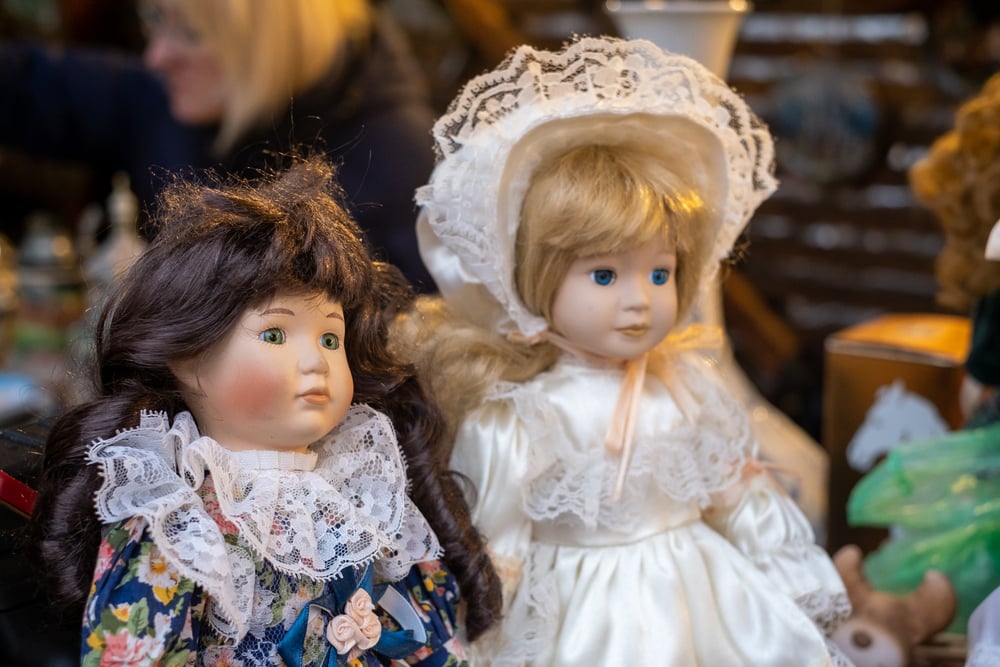
Department store porcelain dolls were mass-produced items sold to look expensive rather than items that actually were expensive. The porcelain is low-quality, the clothing is machine-made, and the faces are molded rather than hand-painted.
Real antique dolls have value because they’re genuinely old and were made by hand when labor was cheaper than mass production. Modern porcelain dolls mimic the appearance of valuable dolls without possessing any of the qualities that made the originals valuable.
They’re decorative objects that served their purpose when someone enjoyed looking at them.
Commemorative coins from TV ads
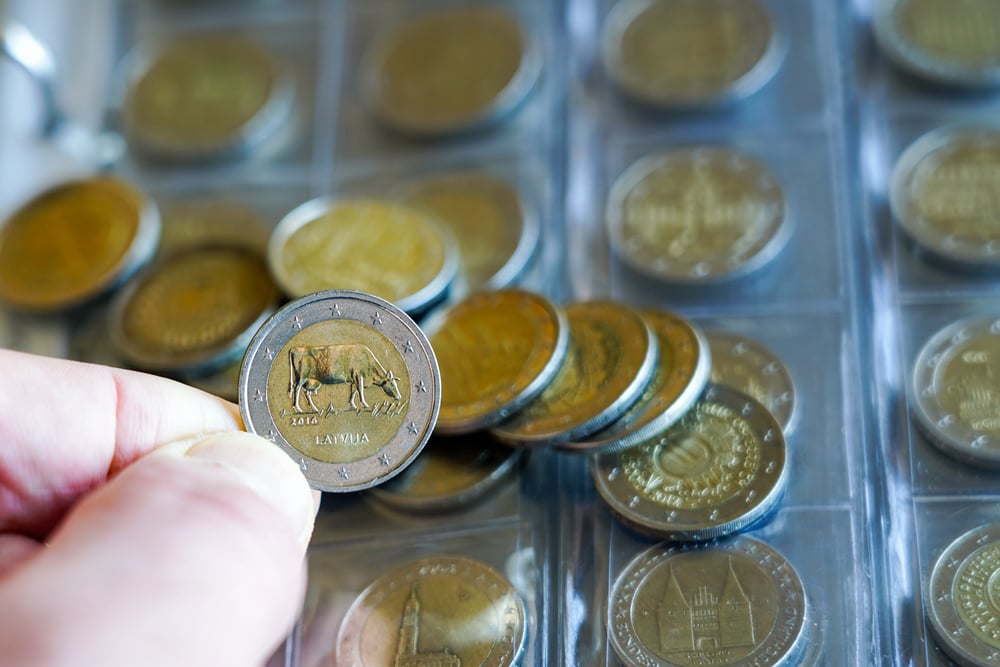
Television commercials turned coin collecting into impulse purchasing, and the results were predictable: coins that looked valuable but weren’t, marketed to people who wanted to collect something without understanding what makes coins worth collecting. The advertisements emphasized the gold plating, the limited mintage, and the historical significance.
But gold plating isn’t gold, limited doesn’t mean scarce when the limit is generous, and historical significance doesn’t transfer to cheaply made replicas. Real coin collectors buy coins based on rarity, condition, and precious metal content.
Commemorative coins from TV ads usually have none of these qualities. They have face values that are less than what people paid for them, and secondary market values that are even lower.
Figurines from mall kiosks
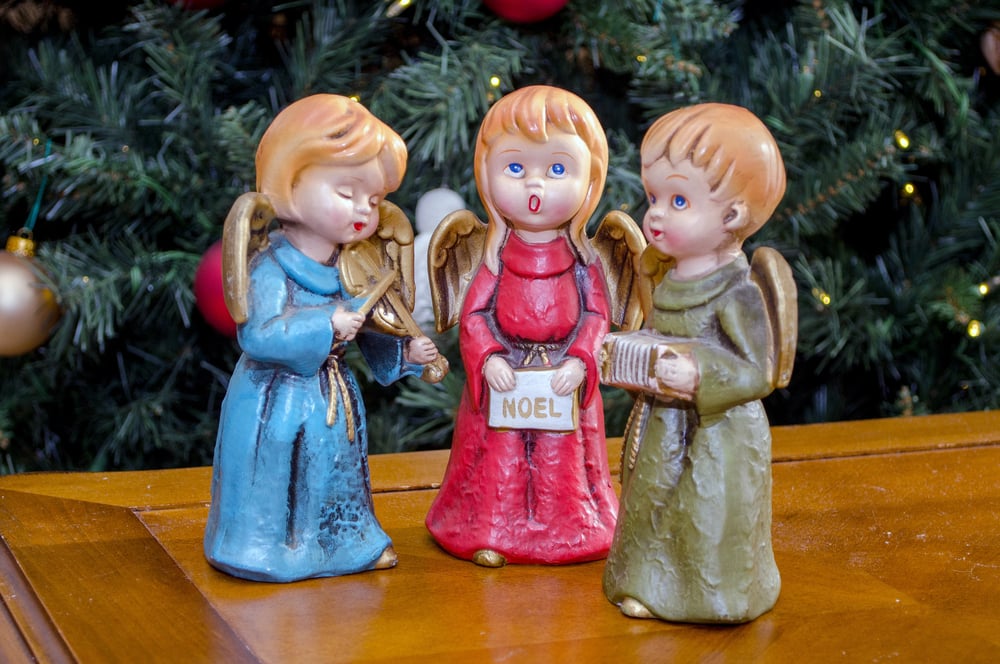
Mall kiosks sold figurines the way grocery stores sell magazines at checkout—impulse purchases designed to catch your eye in the moment rather than items meant to hold lasting value. Dragons, wizards, animals, angels: all cast from the same molds, painted with the same techniques, sold in quantities that made them common rather than special.
The figurines weren’t made to last. The paint chips, the details blur, and the materials degrade over time.
They were meant to look appealing on a shelf for a few years, not to become family heirlooms. Most served that purpose perfectly well, which means they succeeded as decorative objects even if they failed as investments.
Cookbooks from the 1970s and 1980s
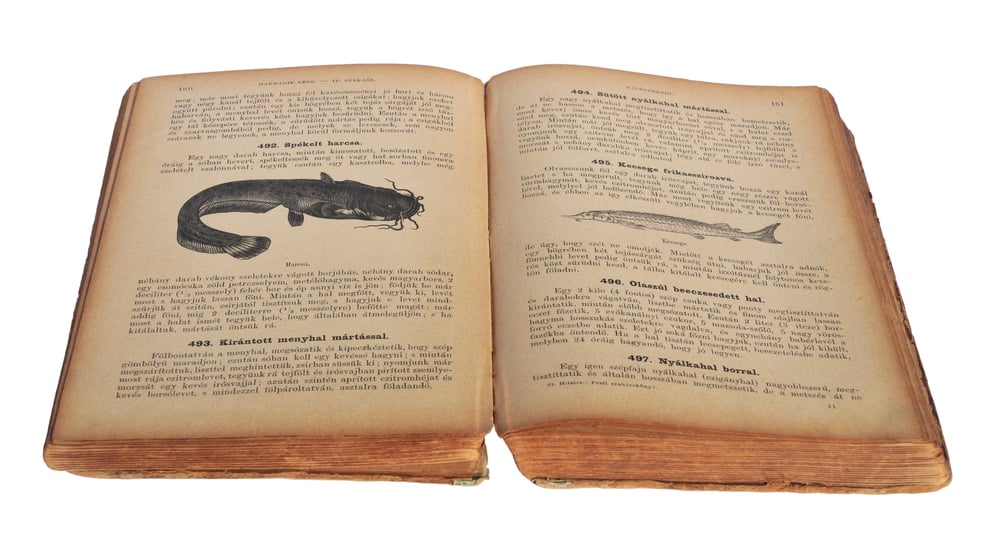
Cookbook publishing exploded in the late 20th century, which means most titles from that era exist in large quantities—spiral-bound community cookbooks, celebrity chef collections, diet trend compilations, all printed in numbers that made them widely available rather than scarce. The recipes that were worth keeping got copied or memorized.
The books themselves accumulated stains, lost pages, and generally showed the wear of being used for their intended purpose. Food trends change faster than almost anything else in culture.
What seemed sophisticated in 1982 looks dated now, and dated cookbooks have no particular appeal unless they represent genuine historical significance. Most don’t.
Collector spoons
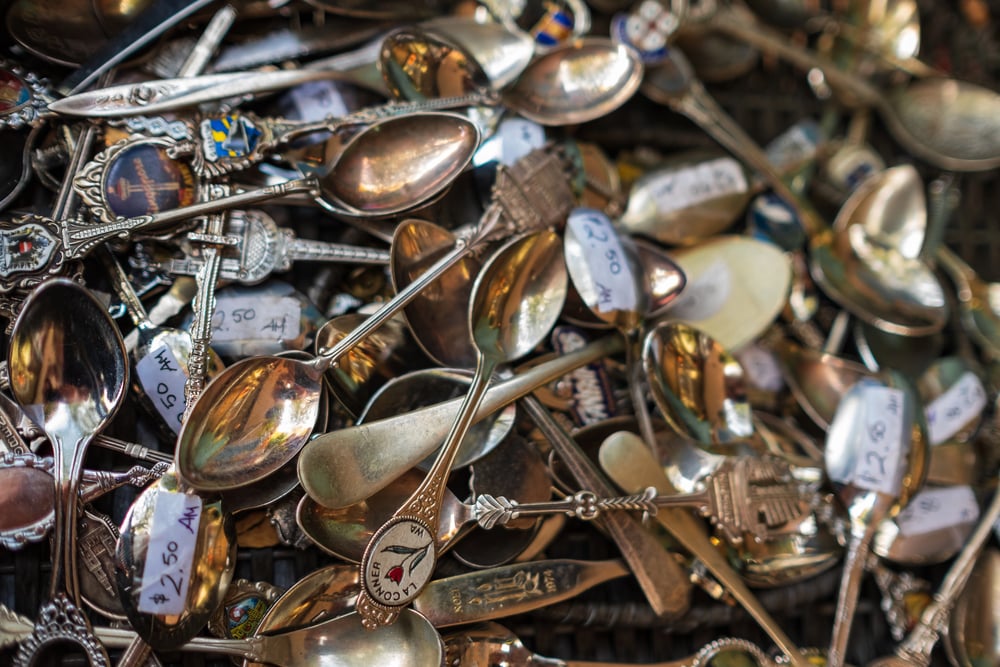
Souvenir spoons were sold at every tourist destination for decades. Gift shops, roadside attractions, national parks—all offered spoons as affordable mementos that felt more substantial than postcards.
The spoons accumulated in kitchen drawers and display cases, representing trips and experiences rather than valuable objects. The spoons served their purpose as reminders of places visited.
But memory doesn’t translate into monetary value, and tourist souvenirs remain tourist souvenirs regardless of age. They’re mass-produced items that were never meant to appreciate, and they haven’t.
Cassette tapes
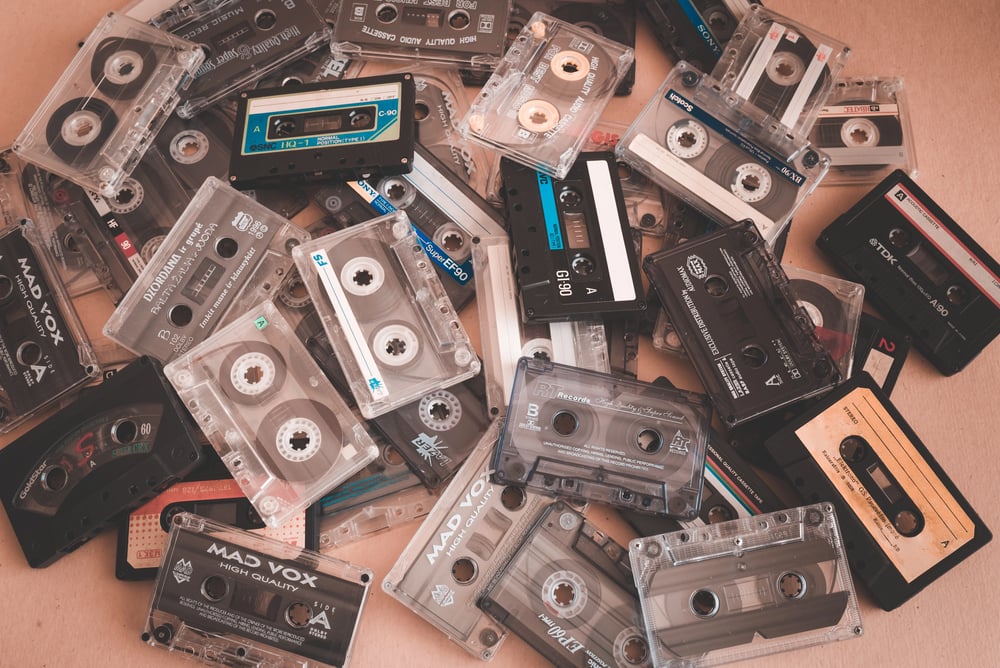
Cassette tapes offered worse sound quality than vinyl records and less convenience than CDs. They served as a transitional format that lasted longer than it should have because it was cheap and portable.
Home recordings degraded over time, commercial releases weren’t mixed to take advantage of the format’s strengths, and the physical tapes stretched and warped with use. Vinyl records made a comeback because they offered something digital formats couldn’t match.
Cassette tapes offer nothing that isn’t better provided by streaming services, and nostalgia only goes so far when the user experience is genuinely inferior.
Trinket boxes
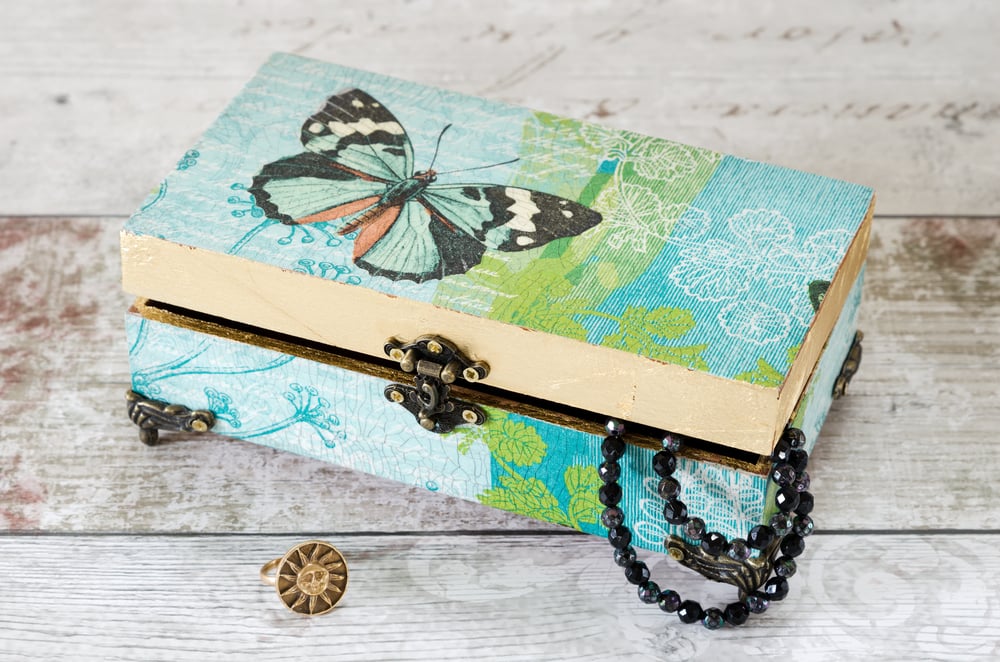
Small decorative boxes multiplied in homes like rabbits—music boxes, jewelry boxes, souvenir boxes, gift boxes that seemed too nice to throw away. They accumulated in bedrooms and on dressers, each one meant to hold something small and precious.
But most ended up holding nothing at all, or collecting loose change and forgotten earrings. The boxes were functional when they served a purpose.
Once they became purely decorative, they became clutter. Mass-produced trinket boxes have no inherent value beyond their utility, and utility that isn’t being used is just wasted space.
Novelty mugs
— Photo by mkopka
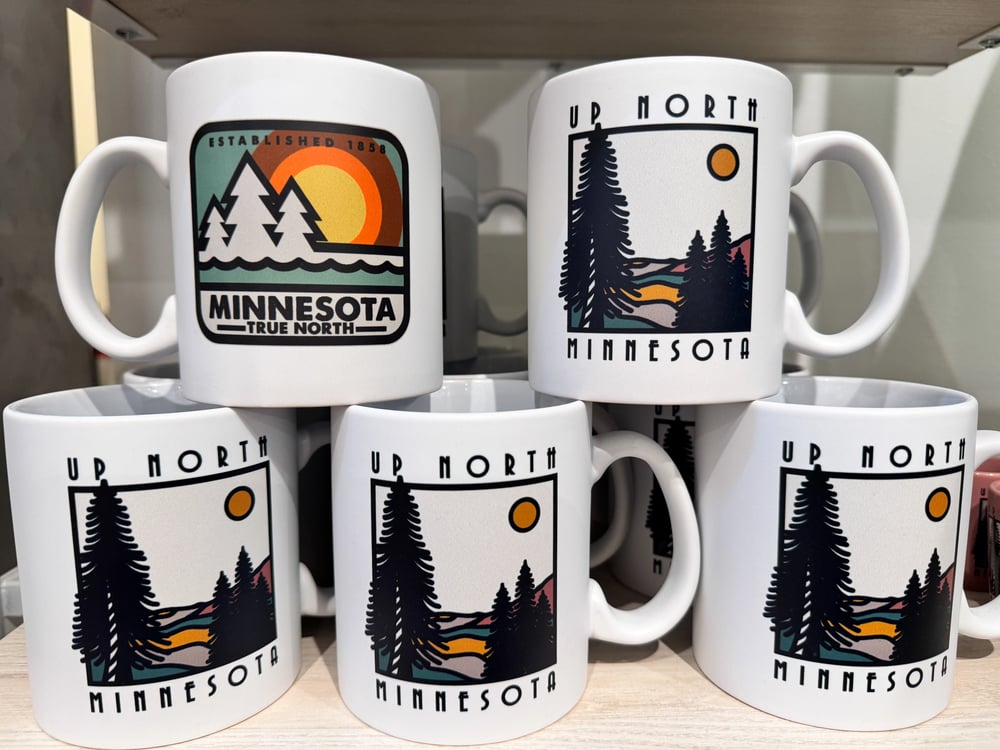
Coffee mugs are utilitarian objects that work or don’t work. The funny sayings, cartoon characters, and souvenir designs don’t affect their function as vessels for hot beverages.
Most novelty mugs end up in the back of cabinets because they’re awkward to hold, poorly designed, or just not as comfortable as the regular mugs people actually use. The novelty wears off quickly.
The humor becomes stale, the references become dated, and what’s left is an oddly shaped mug that doesn’t pour well and takes up cabinet space that could be used for mugs that actually get used.
Clearing space for what matters
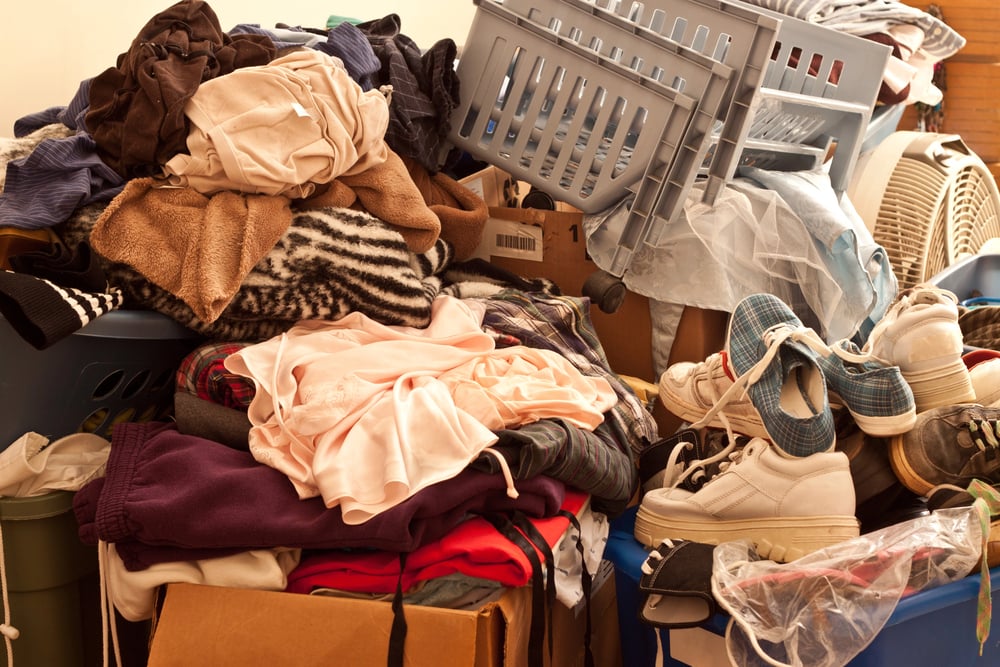
The promise of future value turned ordinary objects into burdens. Storage units overflow with items that will never justify the monthly rental fees.
Closets disappear under collections that nobody wants to inherit. Value comes from utility, scarcity, or genuine historical significance.
Most household collectibles have none of these qualities, which means they’re just taking up space that could be used for things that actually matter. The freedom that comes from letting go of false hopes about appreciation and investment returns is worth more than the imaginary future value of items that were never going to be worth keeping.
More from Go2Tutors!

- The Romanov Crown Jewels and Their Tragic Fate
- 13 Historical Mysteries That Science Still Can’t Solve
- Famous Hoaxes That Fooled the World for Years
- 15 Child Stars with Tragic Adult Lives
- 16 Famous Jewelry Pieces in History
Like Go2Tutors’s content? Follow us on MSN.