Iconic Fashion Moments from the Roaring 20s
The 1920s didn’t just change fashion — they rewrote the entire script. After years of wartime austerity and Victorian restraint, women suddenly found themselves with shorter hemlines, looser silhouettes, and a freedom of movement that would have scandalized their mothers.
This wasn’t just about clothes getting more comfortable or practical. It was about identity, rebellion, and the intoxicating possibility that you could reinvent yourself simply by changing what you wore.
The decade produced fashion moments so bold and influential that designers still mine them for inspiration a century later, and certain looks remain instantly recognizable as pure 1920s magic.
The Drop Waist Revolution
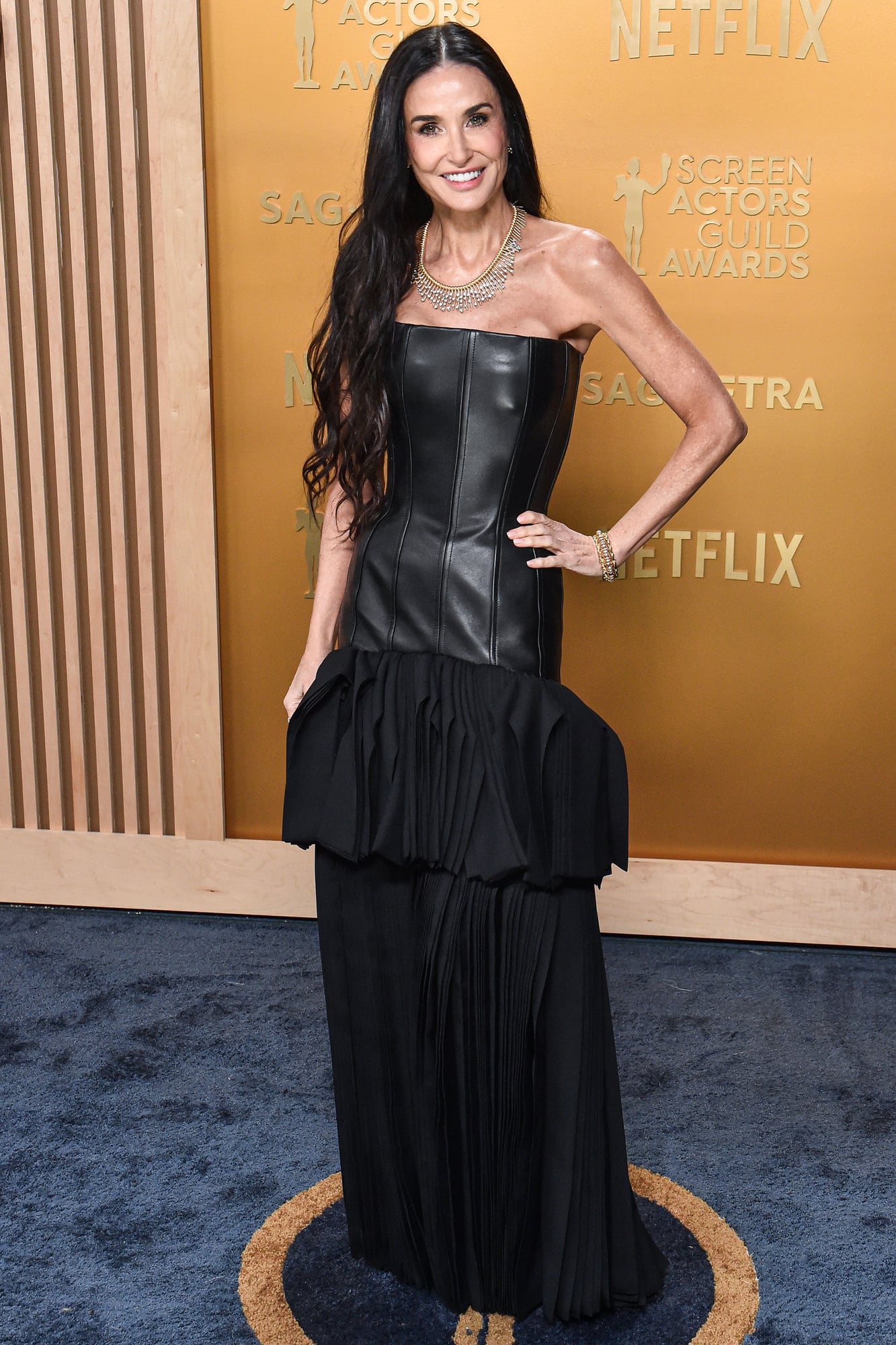
Drop waist dresses changed everything. No more cinched waists or hourglass silhouettes — just a straight line from shoulder to knee with the waistline sitting at the hips.
Women could breathe, dance, and move without feeling like they were trapped in their own clothing.
This wasn’t just a style choice. It was a declaration of independence from the corseted past.
Coco Chanel’s Little Black Dress
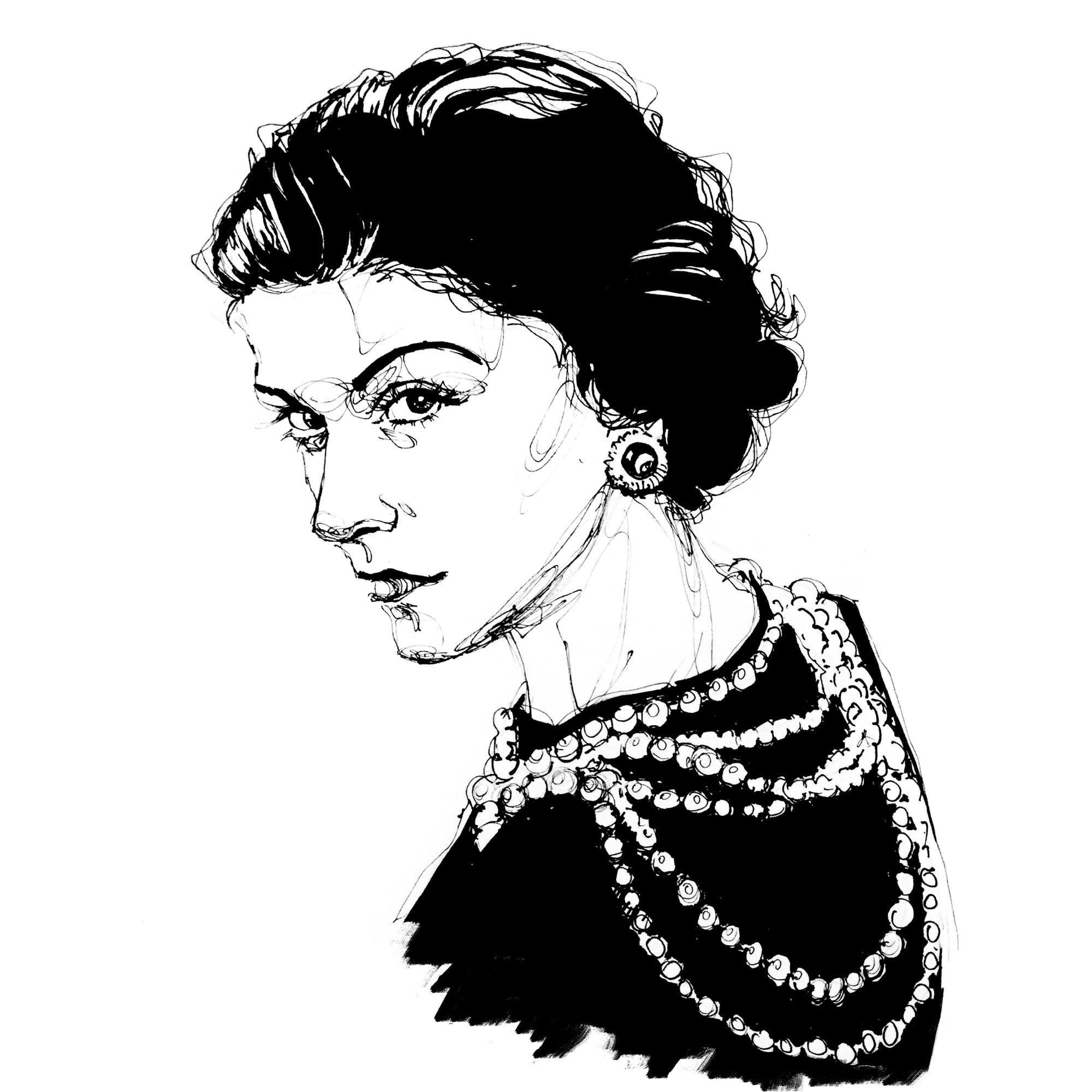
When Vogue featured Chanel’s simple black dress in 1926, they called it “Chanel’s Ford” — predicting it would become as universal and timeless as the Model T.
They weren’t wrong. The dress was elegant without being fussy, sophisticated without being stuffy.
Chanel had taken black — previously reserved for mourning or servants — and made it chic. Revolutionary doesn’t begin to cover it.
The Flapper Bob Haircut
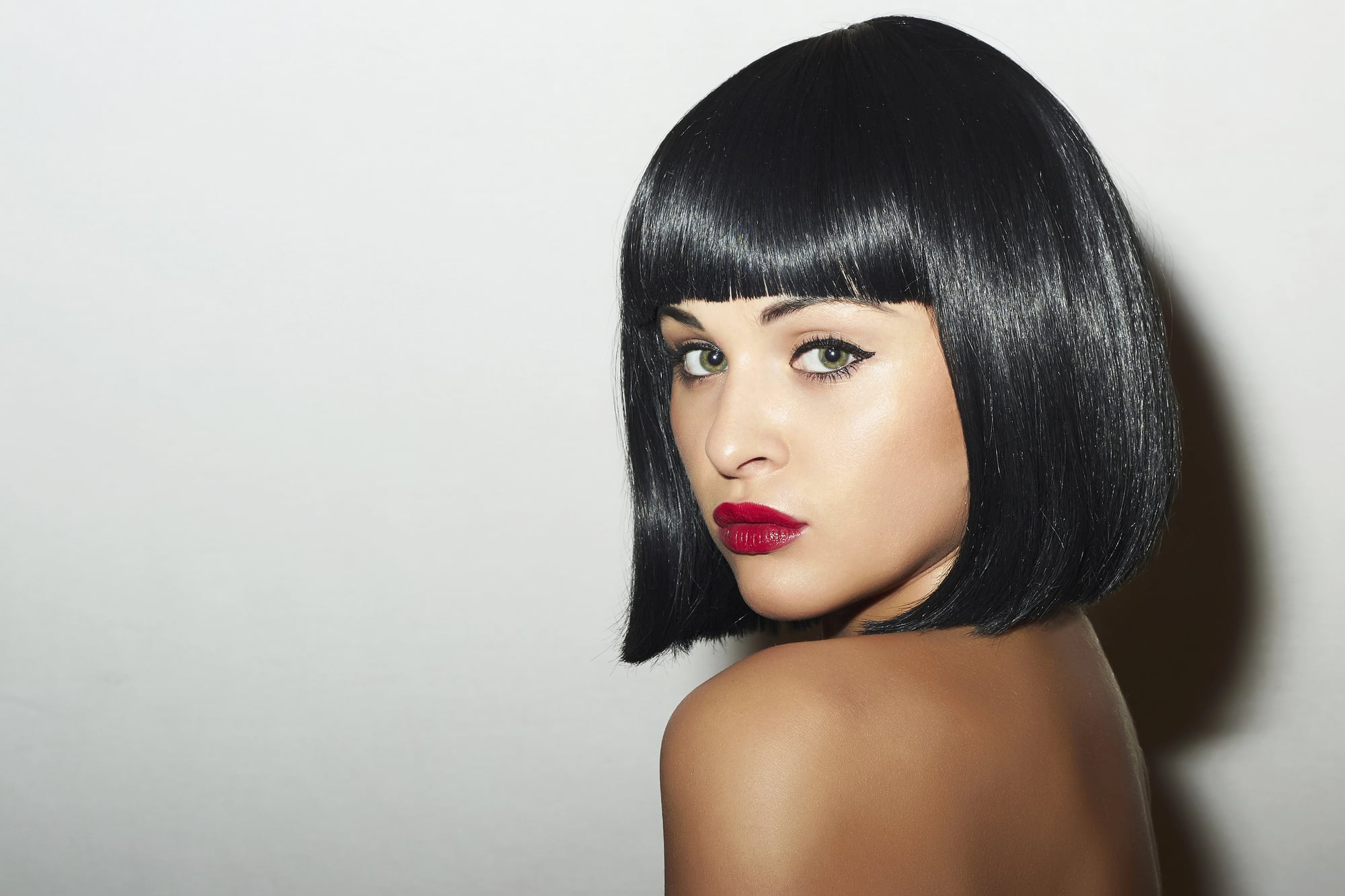
Here’s the thing about cutting off all your hair in 1920: it wasn’t reversible, and everyone knew it. When women walked into salons asking for the bob (or its even more daring cousin, the shingle cut), they were making a statement that couldn’t be taken back with a change of clothes.
Hair that had been a woman’s “crowning glory” for centuries suddenly became this sleek, geometric frame that said everything about rejecting the past — and doing it with style.
The bob wasn’t just practical for the new lifestyle of dancing until dawn and working in offices; it was a physical manifestation of the era’s restless energy, a way of carrying rebellion right there on your head where everyone could see it. And the maintenance, which required regular trips to the salon and constant styling, meant this wasn’t a one-time decision but a daily commitment to modernity.
Beaded Evening Gowns
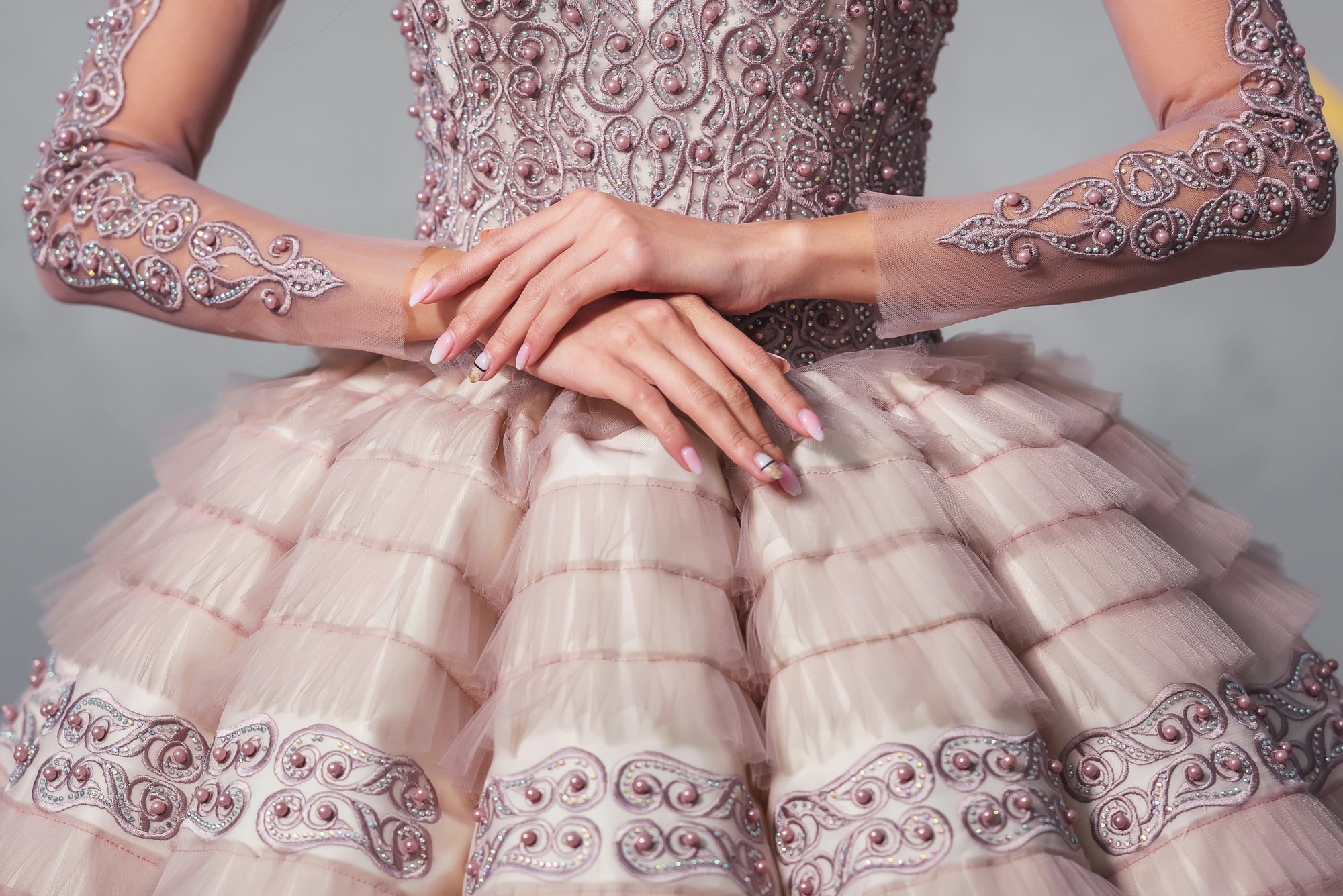
Beaded dresses caught light like nothing before them. Every movement created a shimmer that seemed designed for the jazz age’s love affair with nightlife and dancing.
These weren’t just dresses — they were wearable disco orbs.
The craftsmanship was extraordinary. Thousands of tiny beads hand-sewn into geometric patterns that moved and flowed with the wearer.
Pure glamour.
Men’s Oxford Bags
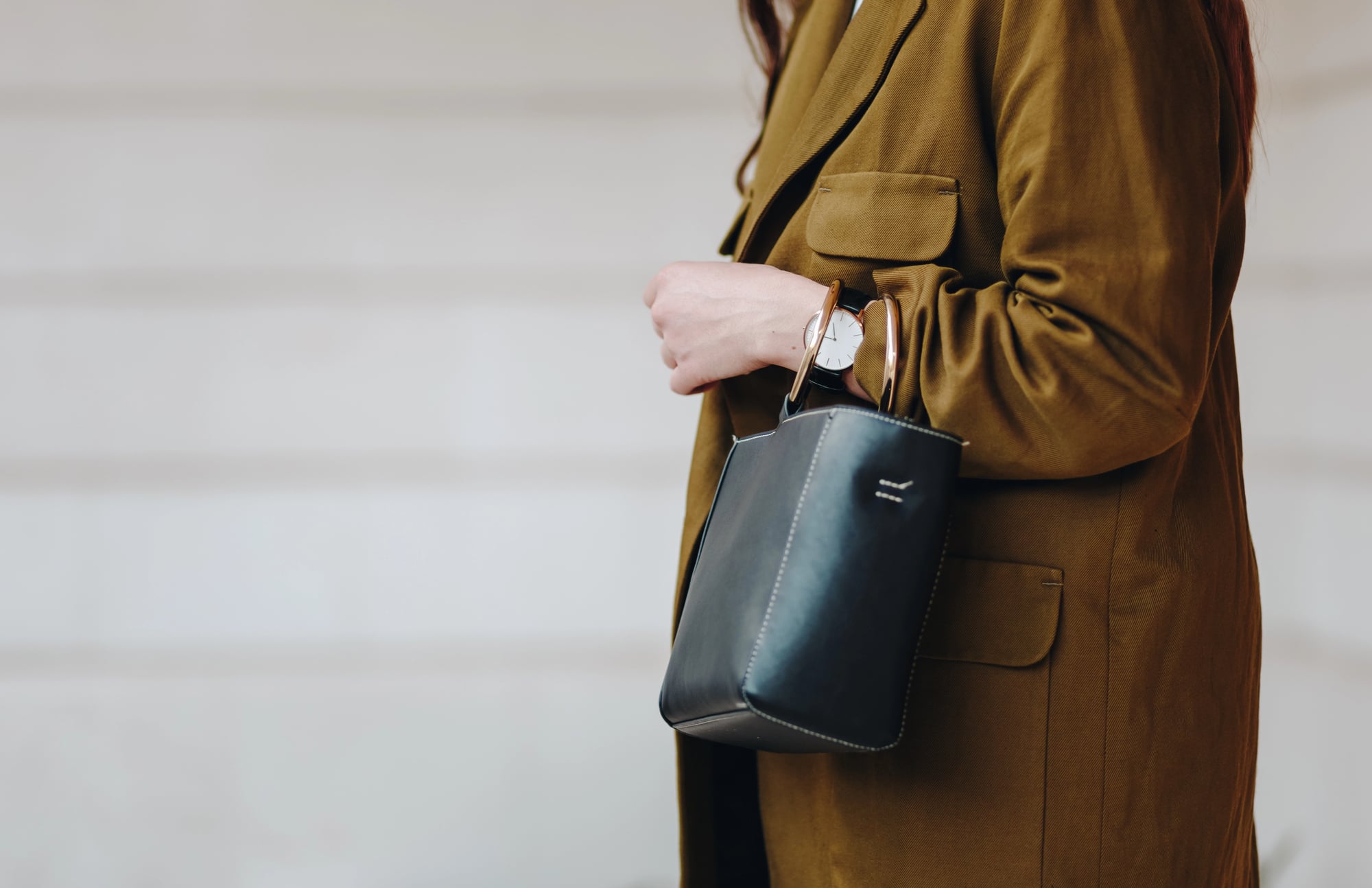
Oxford bags were ridiculous and everyone knew it. These trousers were so wide they could practically double as skirts, with some versions measuring 44 inches around the ankle.
Students at Oxford University started wearing them to hide their knickerbockers underneath — a way to circumvent dress codes while making a fashion statement.
The trend caught on because it was audacious. In an era of rebellion, why not rebel through trouser width?
The Headband And Hair Accessories
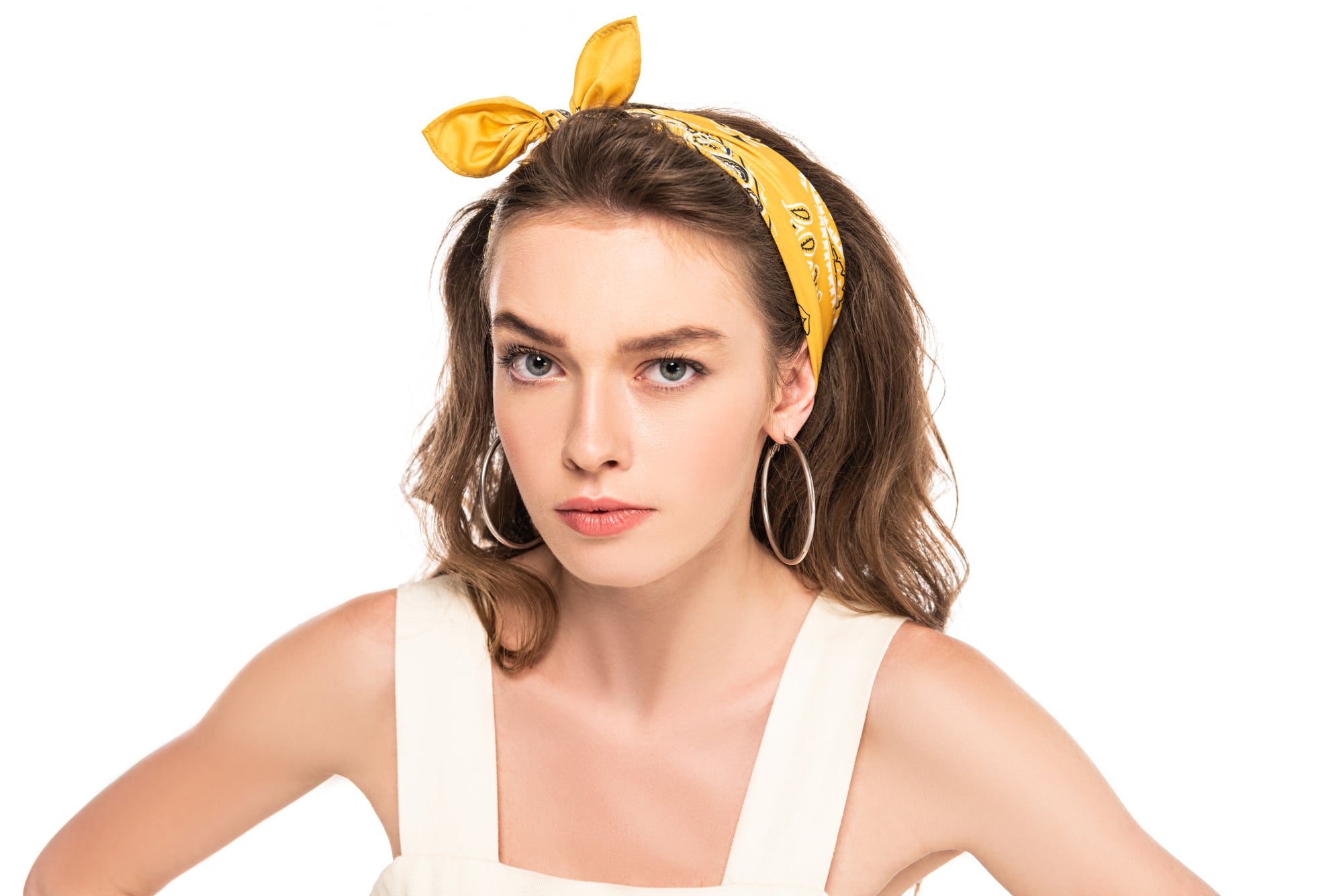
Think of a garden gate swinging shut after years of being propped wide open — that’s what happened when women discovered headbands and decorative hair accessories in the 1920s. The severe, pinned-up styles of previous decades suddenly gave way to these delicate, ornate pieces that seemed to float around newly shortened hair like jewelry for the head.
Beaded headbands, feathered bandeaux, and jeweled clips didn’t just accessorize the bob; they transformed it into something almost ethereal, catching light and movement in ways that made even the simplest hairstyle feel ceremonial.
There was something almost ceremonial about putting on a beaded headband — like crowning yourself for a night of dancing or an afternoon of jazz.
Pearl Necklaces As Rebellion
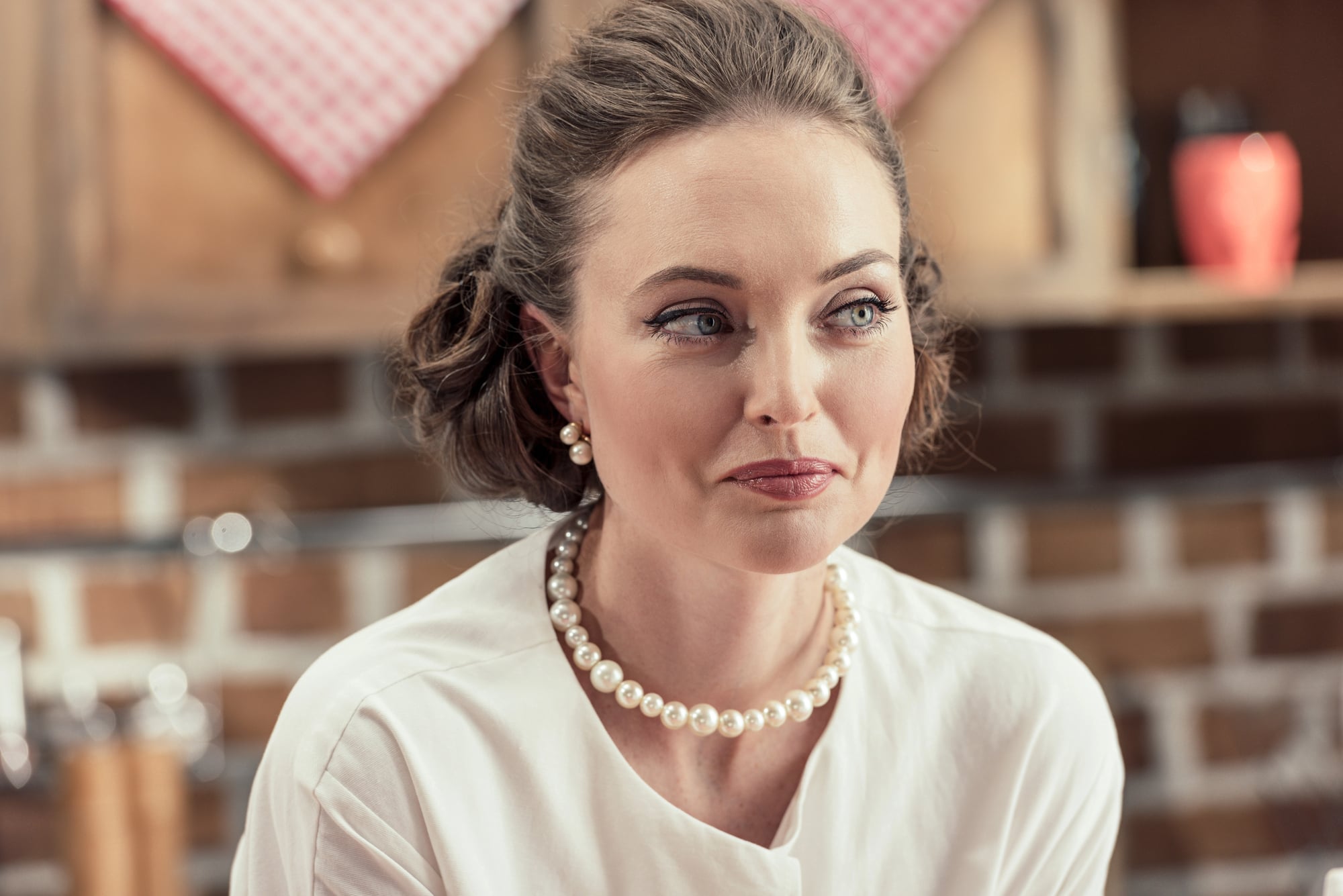
Long pearl necklaces became the unofficial uniform of the modern woman. Worn in ropes that could be knotted, twisted, or left to swing freely, they represented accessible luxury — elegant enough for evening but casual enough for day.
Coco Chanel popularized the look, and soon every woman wanted that effortless sophistication.
Pearls had never been so cool.
The T-Bar Shoe
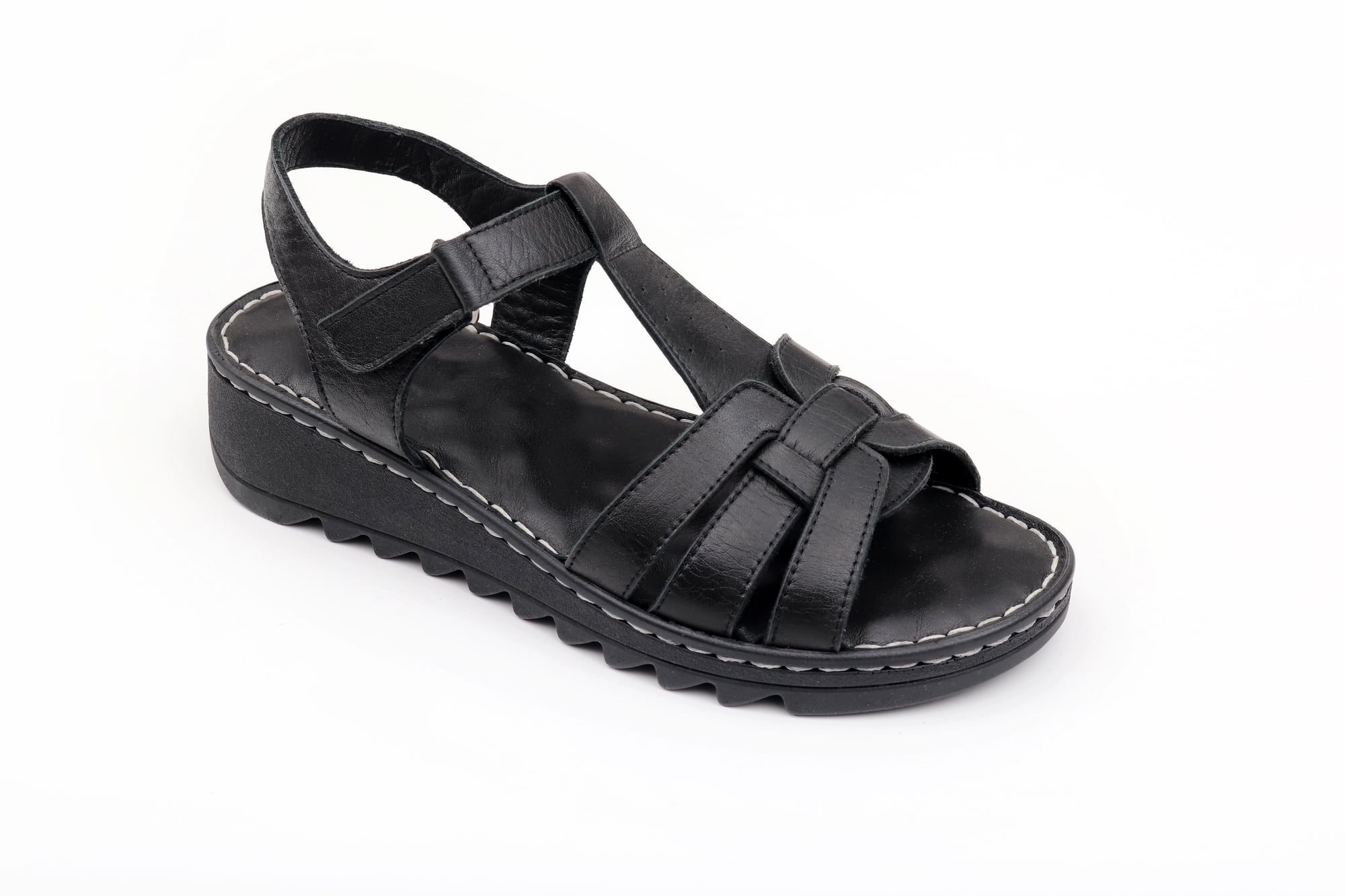
T-bar shoes were built for dancing. The strap across the instep kept them secure during the Charleston and other energetic dances that defined the era.
But they were also undeniably feminine — a perfect balance of practicality and style.
These shoes announced that their wearer was ready for anything the night might bring.
Cloche Hats
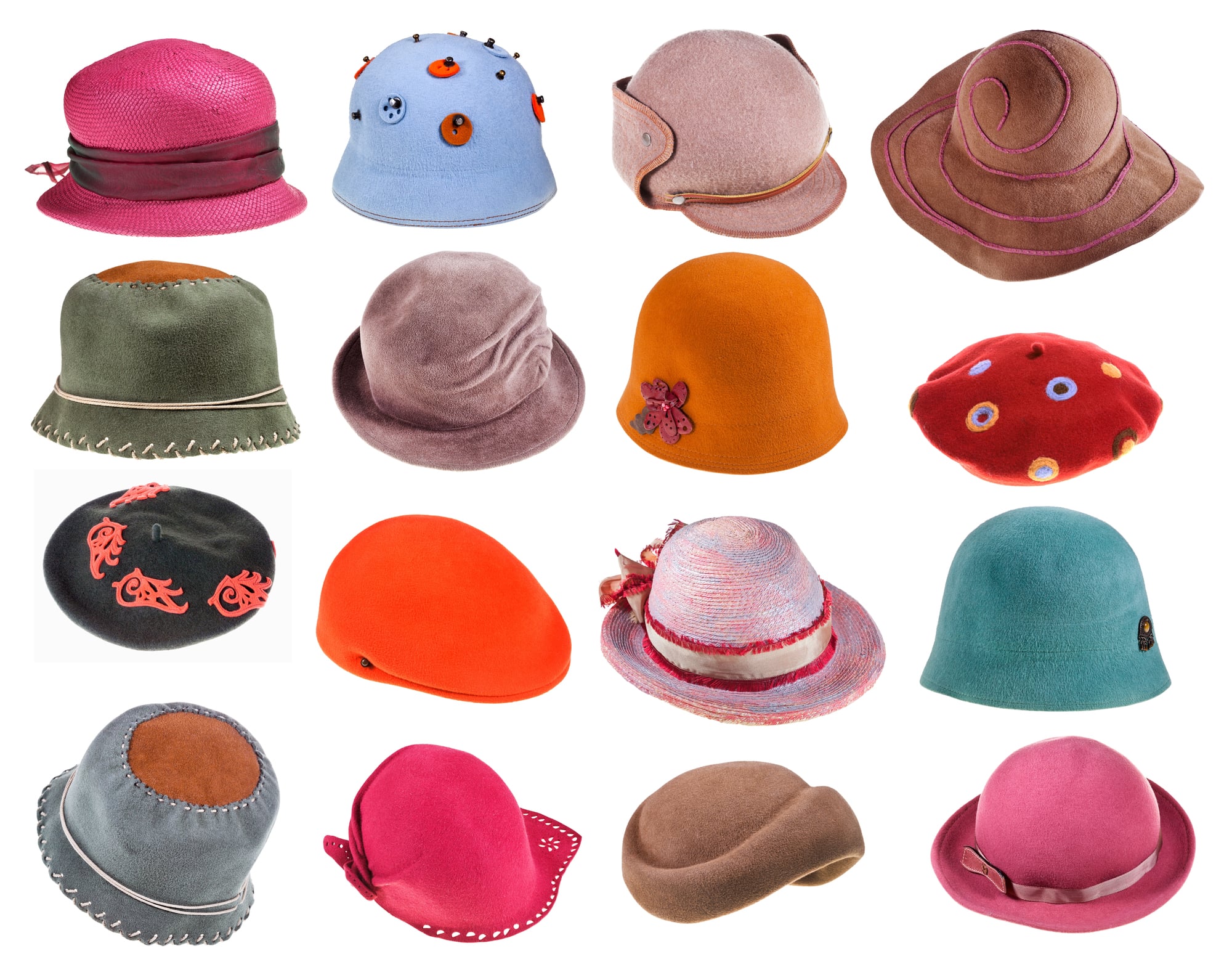
The cloche hat was designed for the bob haircut and the fast-paced lifestyle that came with it. Pulled down low over the eyes, it created an air of mystery while staying put during all the movement that modern life demanded.
It was the perfect accessory for women who were going places — literally and figuratively.
Art Deco Jewelry
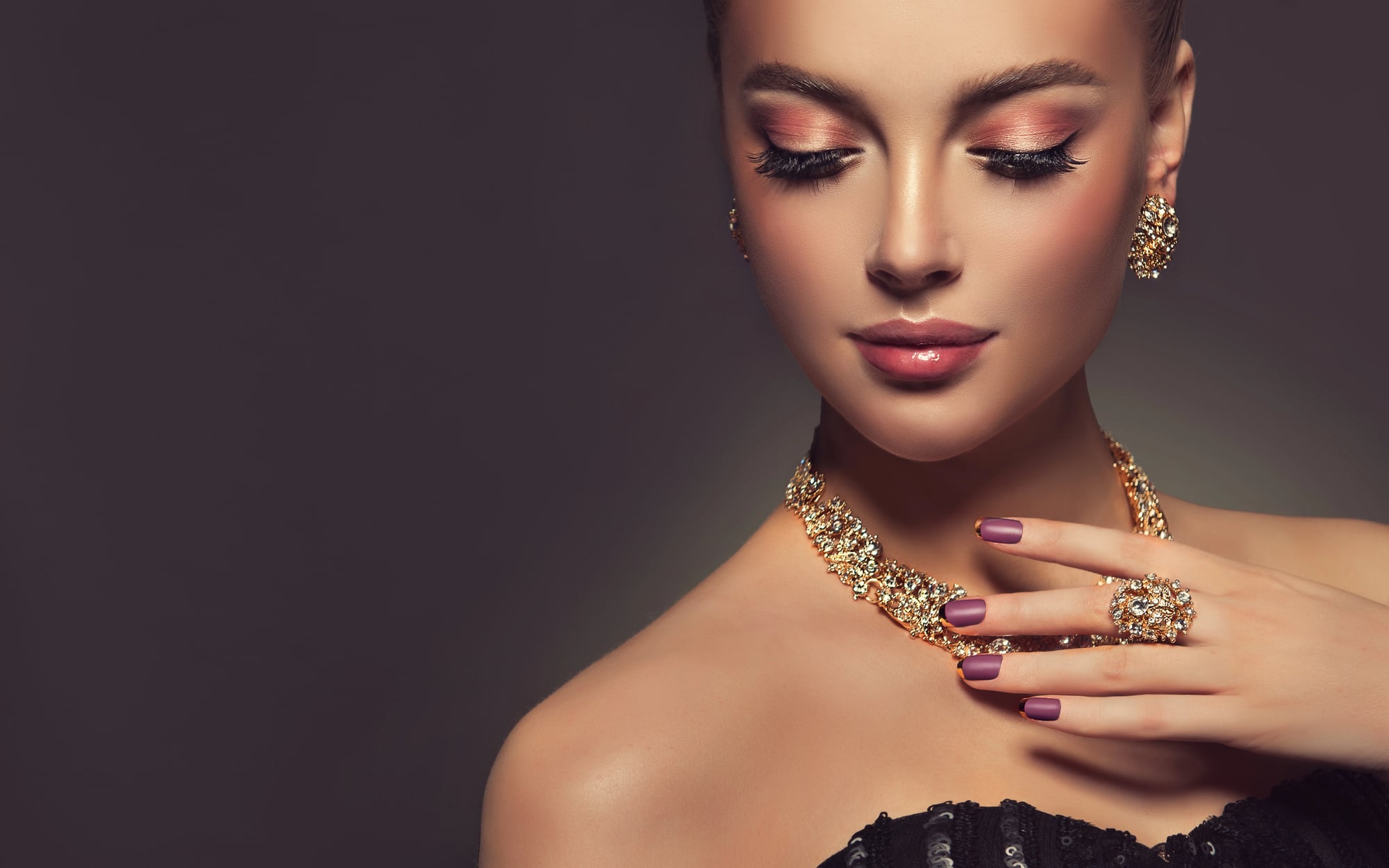
Jewelry in the 1920s abandoned curves for sharp angles and geometric patterns. Art Deco pieces featured bold lines, contrasting colors, and materials like onyx and coral that had rarely been used in fine jewelry before.
This wasn’t your grandmother’s jewelry. It was modern, angular, and unapologetically bold.
The Raccoon Coat
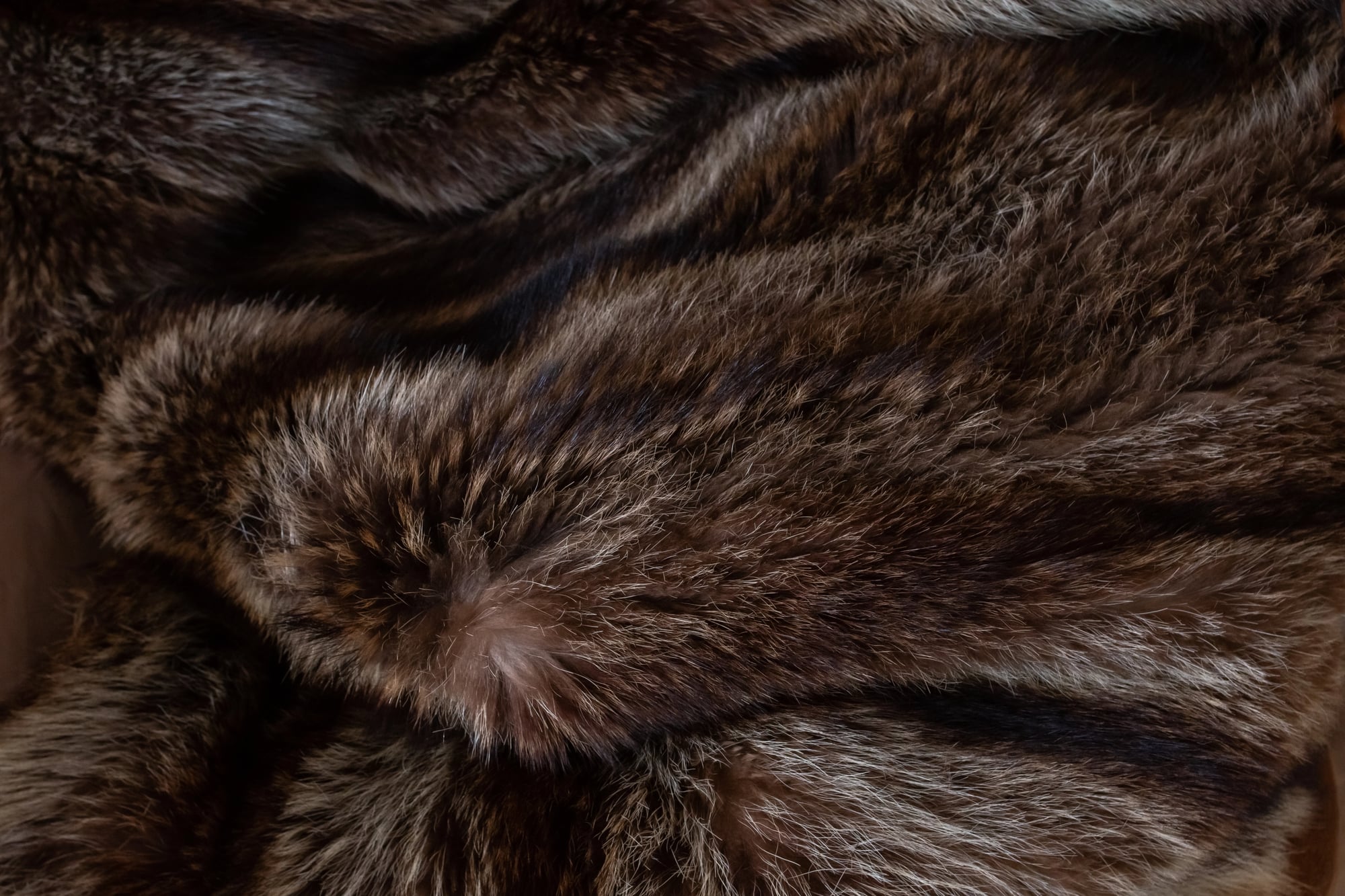
Raccoon coats were the height of collegiate fashion, worn by both men and women who wanted to signal their youth and freedom. These massive, furry coats were impractical and expensive, which made them perfect status symbols for the rebellious younger generation.
Nothing said “I’m young and I don’t care what you think” quite like a raccoon coat.
Knitted Sportswear
The rise of knitted clothing reflected the era’s new priorities: comfort, movement, and versatility. Coco Chanel championed jersey fabric, creating elegant pieces that moved with the body instead of restricting it.
This was revolutionary. Fashion had finally caught up with women’s actual lives.
Evening Bags And Purses
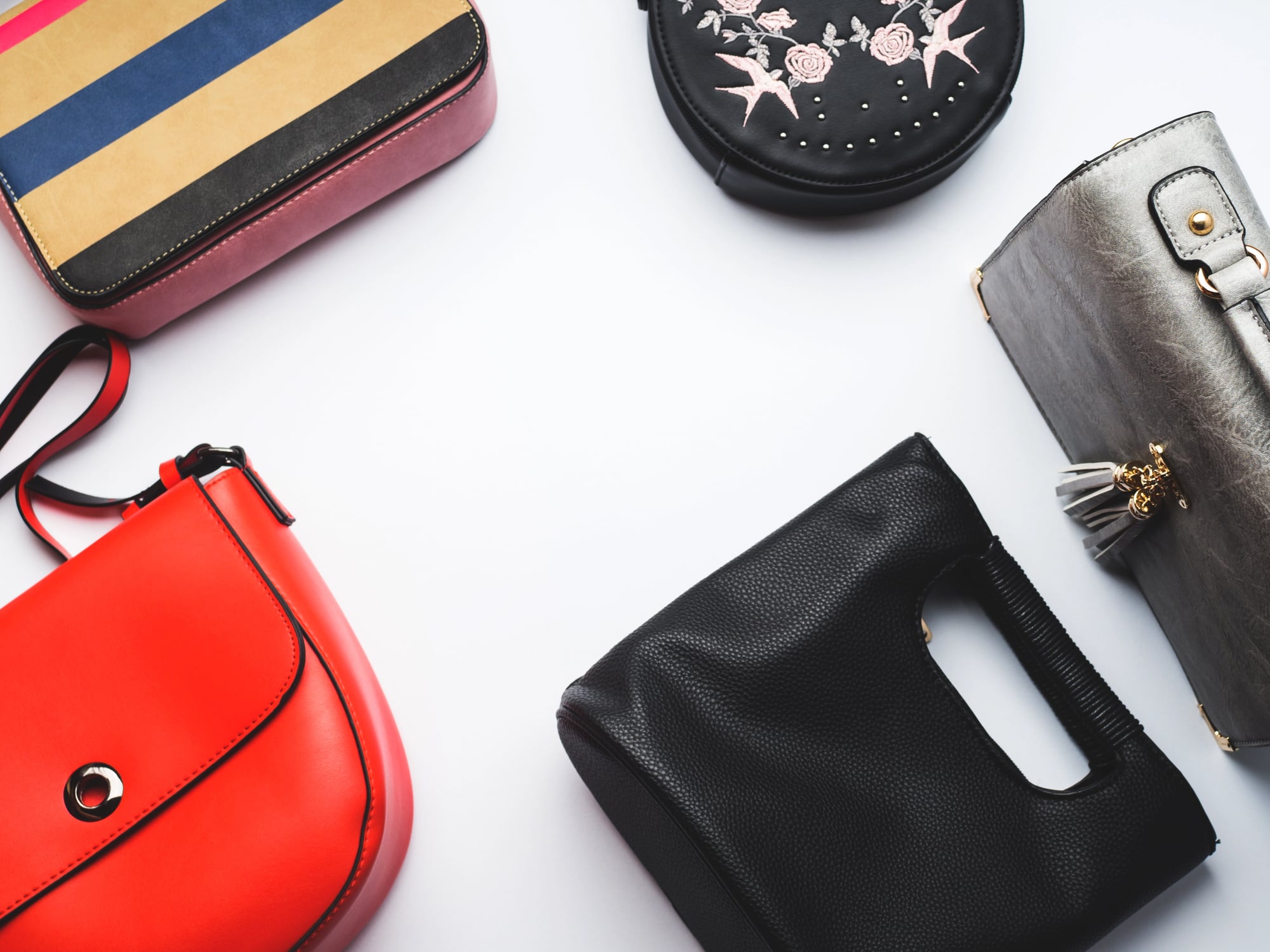
The 1920s introduced the concept of the evening bag as essential accessory. These small, often beaded or metallic purses were designed to carry just the essentials — lipstick, powder, and perhaps a cig case.
They perfectly captured the era’s streamlined aesthetic while acknowledging women’s increasingly public social lives.
When Style Becomes History
The fashion of the 1920s wasn’t just about looking good — it was about looking forward. Every shortened hemline, every discarded corset, every geometric pattern represented a rejection of the past and an embrace of an uncertain but exhilarating future.
These weren’t just clothes; they were costumes for a generation that was rewriting the rules of what it meant to be modern, liberated, and stylish.
The fact that we still recognize these looks instantly, still find inspiration in their bold simplicity, suggests they captured something essential about the relationship between fashion and freedom that transcends any particular era.
More from Go2Tutors!

- The Romanov Crown Jewels and Their Tragic Fate
- 13 Historical Mysteries That Science Still Can’t Solve
- Famous Hoaxes That Fooled the World for Years
- 15 Child Stars with Tragic Adult Lives
- 16 Famous Jewelry Pieces in History
Like Go2Tutors’s content? Follow us on MSN.