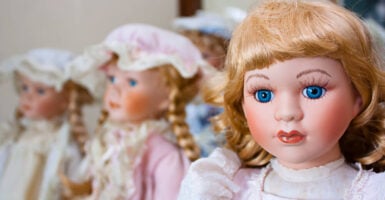
Images Of Vintage Dolls Worth a Small Fortune
There’s something quietly unsettling about discovering that the dusty doll tucked away in your grandmother’s attic might be worth more than your car. These porcelain faces and cloth bodies, once cherished playthings, have transformed into serious collectibles that command astronomical prices at auction houses worldwide.
What makes these particular dolls so valuable isn’t just their age — it’s the perfect storm of craftsmanship, rarity, and the stories they carry from decades past.
The world of vintage doll collecting operates by its own mysterious rules, where a small chip can slash value in half, but original clothing can multiply it by ten.
Understanding which dolls have crossed from sentimental keepsakes into investment territory requires knowing the makers, the years, and the tiny details that separate the extraordinary from the merely old.
Jumeau Bebe Dolls
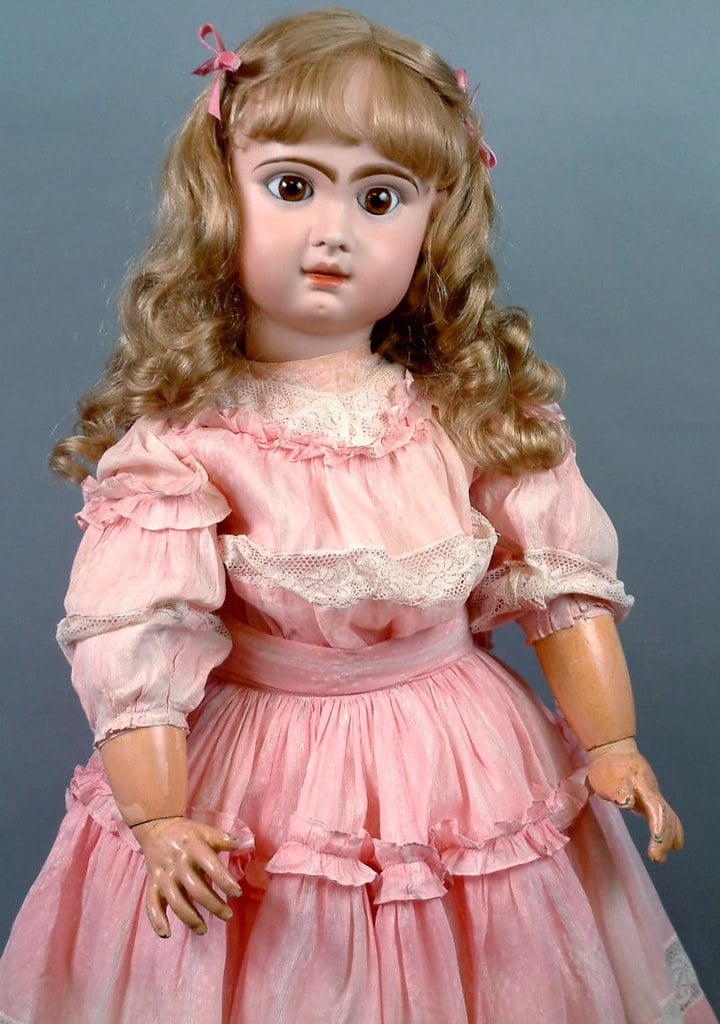
Jumeau dolls don’t apologize for being expensive. A pristine example sells for $15,000 without breaking a sweat.
The French company knew what they were doing when they created these bisque beauties in the 1870s.
The red “Tete Jumeau” stamp on the back of the head tells you everything.
That mark alone can turn a flea market find into a retirement fund contribution.
German Kammer & Reinhardt Character Babies
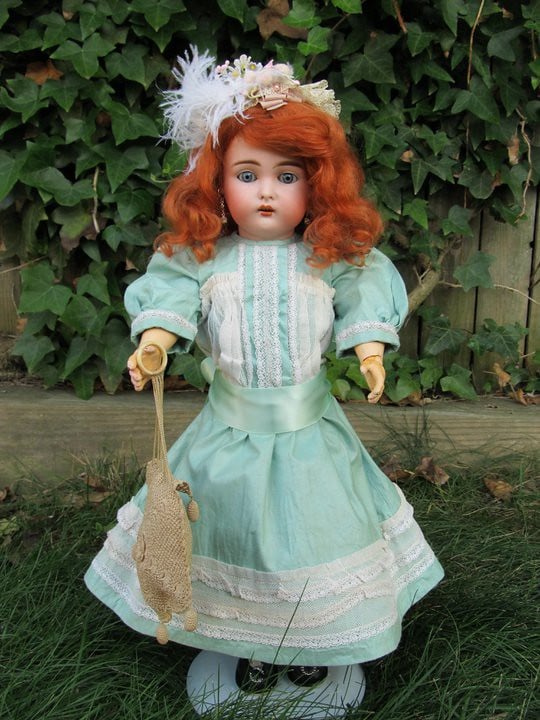
Think of these dolls as tiny monuments to obsessive German engineering, except instead of precision machinery, the obsession focused on capturing the exact way a real infant’s cheek dimples when they smile (which, considering these were created between 1909 and 1930, required a level of attention to human expression that bordered on the scientific).
The company assigned numbers to each face mold — and collectors have memorized them all like baseball statistics, because a K&R 114 “Gretchen” can fetch $8,000 while her less popular siblings languish at a tenth of that price.
But here’s what makes these particular dolls worth studying: they were among the first to abandon the idealized adult features that had dominated doll-making for decades.
Instead, they captured something more honest.
The pouty lips and asymmetrical features weren’t accidents.
They were revelations.
And the market has never stopped rewarding that honesty.
Steiff Dolls With Button In Ear
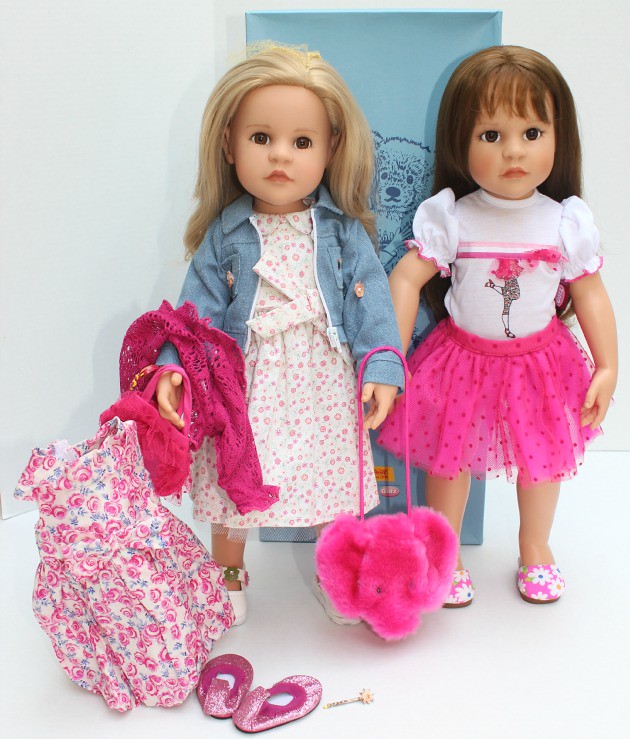
There’s a reason people hunt through estate sales looking specifically for that tiny metal button lodged in a doll’s ear — it’s the equivalent of finding a first edition signature on a book you thought was just old.
Steiff, the German company famous for teddy bears, produced felt dolls that now sell for $3,000 to $12,000, depending on condition and rarity.
The button isn’t just a maker’s mark; it’s proof of authenticity in a market flooded with reproductions.
What separates valuable Steiff dolls from expensive teddy bears is the faces.
Hand-painted features that somehow managed to be both stylized and remarkably human.
Each one feels like a small portrait rather than mass production.
French Fashion Dolls
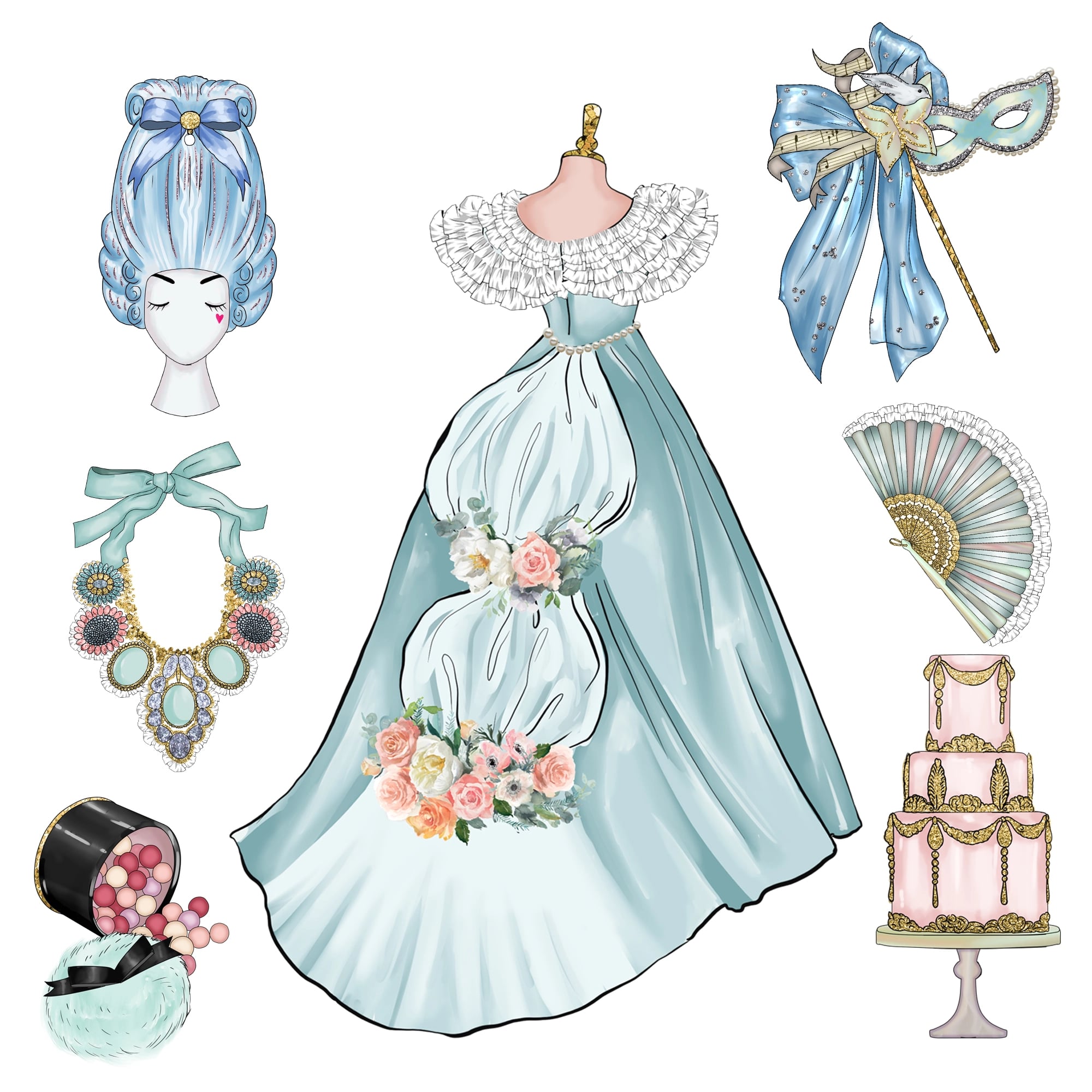
French fashion dolls represent the peak of 19th-century excess applied to children’s toys.
These weren’t meant for rough play — they were meant to showcase the latest Parisian styles to wealthy families across Europe and America.
The elaborate wardrobes often cost more than the doll itself.
A complete Parisienne with original trunk and clothing collection can sell for $25,000.
The clothing matters as much as the doll.
Maybe more.
Each tiny buttonhole was hand-sewn, each miniature bustle properly structured.
To be fair, when your target market is European royalty, cutting corners isn’t really an option.
Madame Alexander Composition Dolls
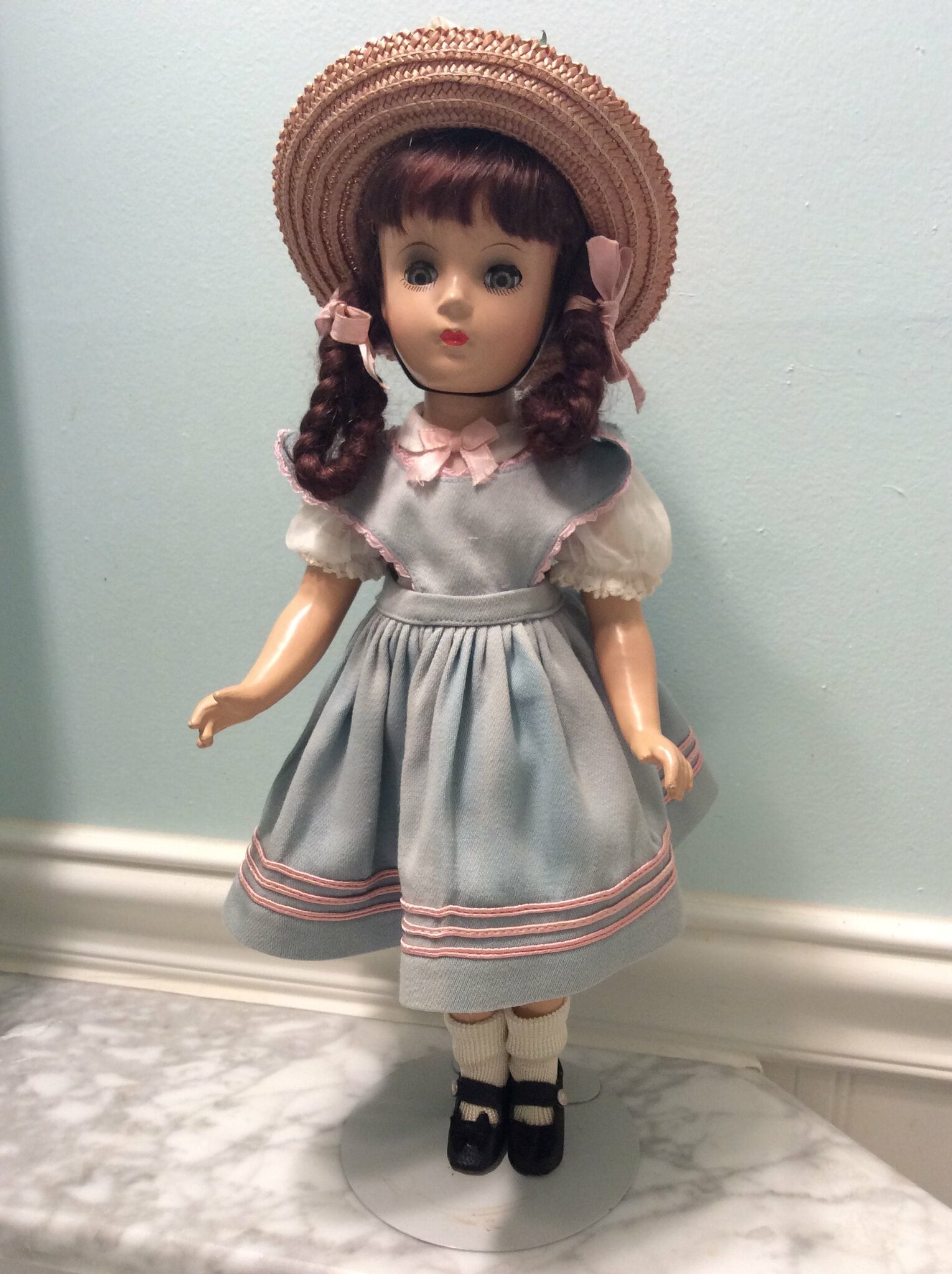
Before Madame Alexander became a department store staple, the company created composition dolls in the 1930s and 1940s that were small masterpieces of American doll-making.
These weren’t the later plastic versions — composition dolls were made from a mixture of sawdust, glue, and other materials that created a surprisingly durable surface for detailed painting.
The “Wendy Ann” face is the holy grail.
Perfect examples with original clothing and minimal crazing (those tiny cracks that appear in old composition) sell for $2,000 to $5,000.
The company’s attention to facial painting was extraordinary for mass production, which explains why collectors still chase them decades later.
Simon & Halbig Bisque Heads
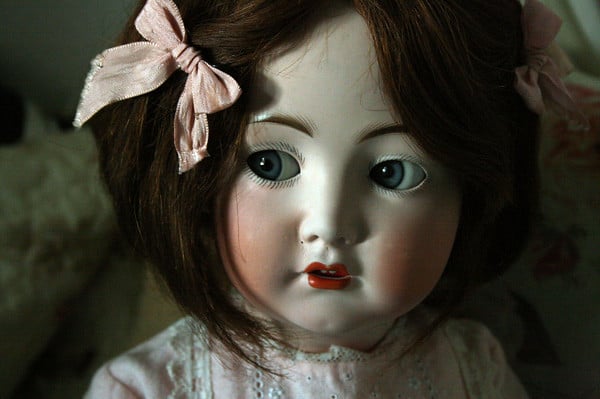
The partnership between Simon & Halbig and various German doll companies created some of the most technically perfect bisque heads ever produced, and when you see one in person, the craftsmanship feels almost defiant — as if the artisans were determined to prove that factory production didn’t have to mean compromising on the small details that make a face seem alive rather than merely decorative.
The company operated from 1869 to 1930, and during that time, they developed techniques for firing bisque that created an almost luminous quality to the finished heads (which is why serious collectors insist on examining potential purchases under natural light, since artificial lighting can hide the subtle variations in color and texture that separate the exceptional from the merely good).
What’s remarkable about Simon & Halbig dolls is how the company managed to maintain artistic standards while producing thousands of heads for export worldwide.
The most valuable Simon & Halbig dolls feature closed mouths and glass eyes.
Open-mouth versions are more common and therefore less valuable.
A perfect closed-mouth example can reach $8,000 or more.
Bru Jne & Cie Fashion Dolls
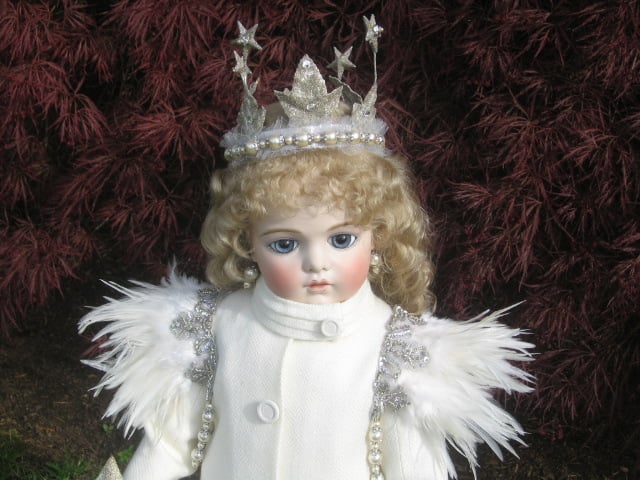
Bru dolls occupy the throne of French doll-making.
These aren’t just collectibles — they’re artifacts of an era when creating the perfect child’s companion required the same level of artistry typically reserved for fine portraiture.
The company’s attention to proportion and expression resulted in dolls that seem perpetually on the verge of speaking.
Original Bru dolls in exceptional condition have sold for more than $30,000 at auction.
The leather bodies, when intact and original, add significant value.
The face painting technique Bru developed created a depth of expression that their competitors never quite matched.
Armand Marseille Dream Baby
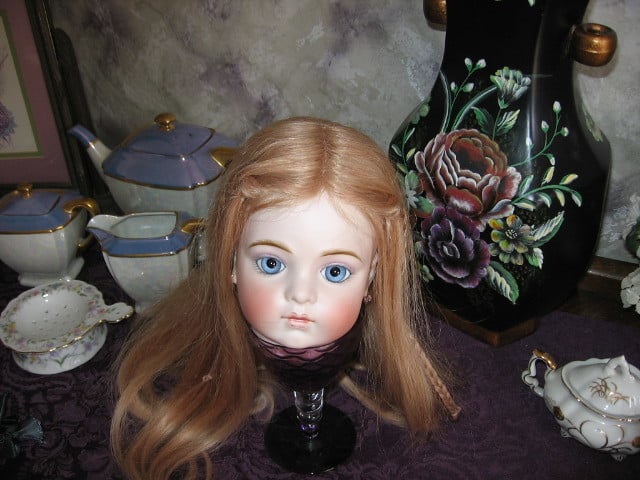
Armand Marseille’s “Dream Baby” dolls prove that sometimes the most valuable collectibles are the ones that were originally designed to be affordable.
The German company mass-produced these character babies starting in 1924, making them accessible to middle-class families across America and Europe.
What makes Dream Baby dolls worth collecting now is their remarkable survival rate in good condition.
Parents bought them as sturdy play dolls, but many were cherished enough to be preserved.
Perfect examples with original clothing sell for $800 to $2,000, depending on size.
The larger versions are more valuable, which goes against the usual collectibles rule about rarity.
Lenci Felt Dolls
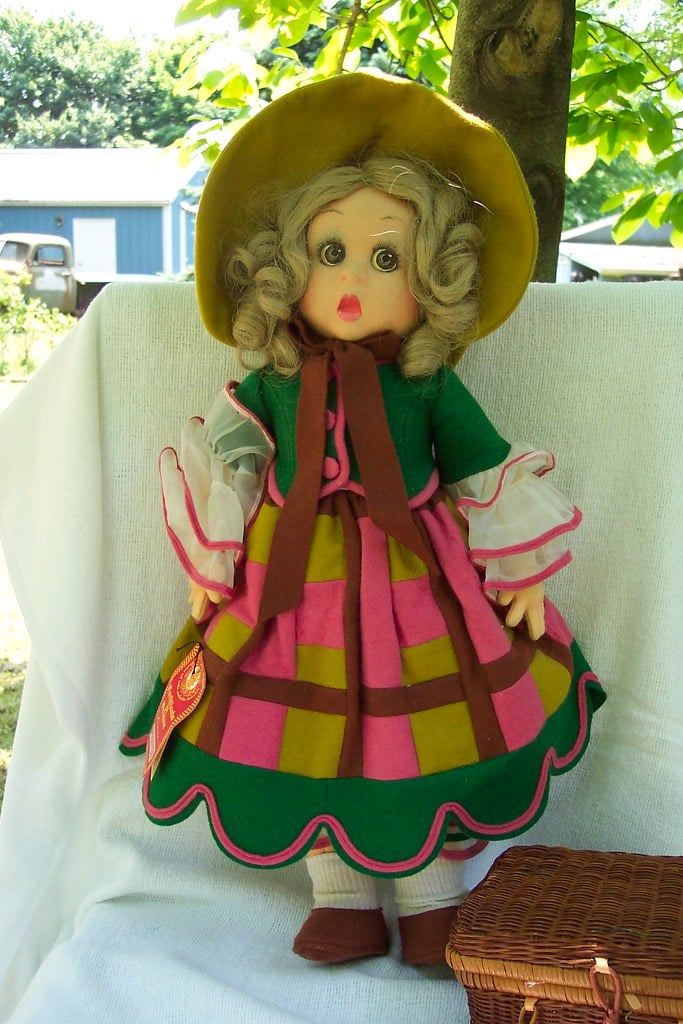
Italian artistry meets childhood whimsy in these felt dolls that somehow managed to capture personality in a way that more realistic dolls often missed, and when Enrico Scavini founded Lenci in 1919, the goal wasn’t to create the most lifelike dolls possible — it was to create dolls that children would form emotional attachments to, which required a completely different approach to design and construction (the felt construction allowed for softer, more embraceable bodies, while the pressed felt heads could accommodate exaggerated features that read as charming rather than grotesque).
The company’s signature look — large eyes, pouty expressions, and elaborate regional costumes — became instantly recognizable to collectors, though finding examples in truly excellent condition requires patience since felt doesn’t age as gracefully as bisque or composition.
Original Lenci dolls with documented provenance sell for $2,000 to $8,000.
The regional costume dolls are particularly sought after, especially if the clothing remains bright and unfaded.
Reproductions exist, but they lack the subtle craftsmanship details that distinguish authentic Lenci work.
Shirley Temple Dolls By Ideal
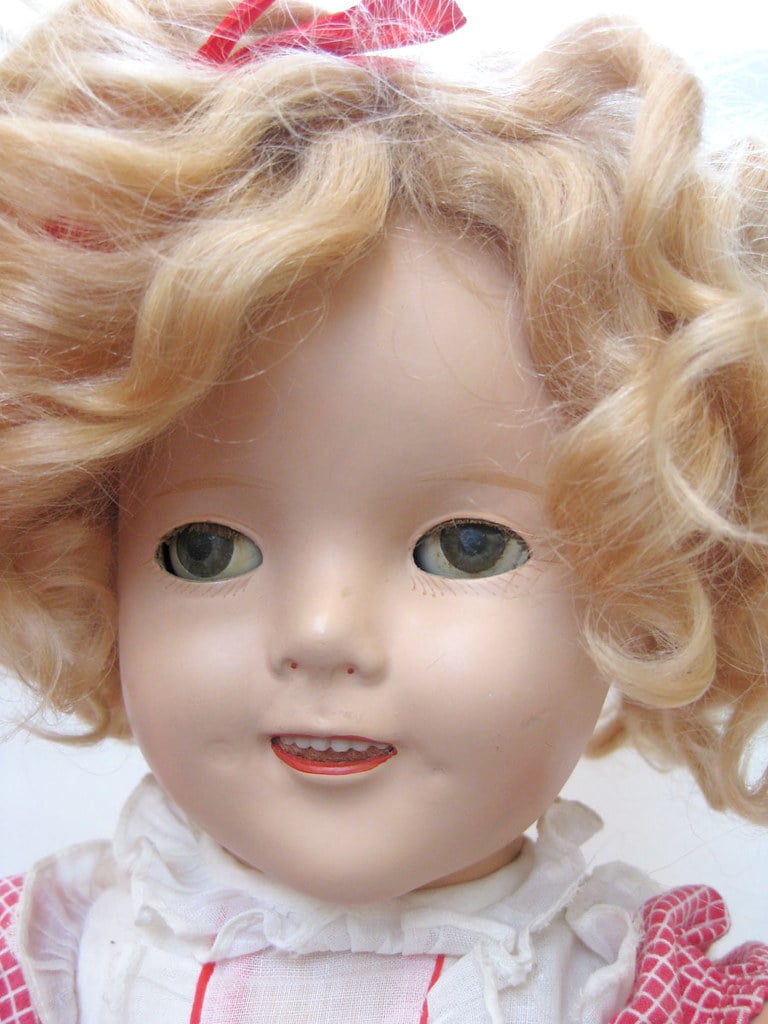
The Ideal Toy Company struck gold when they secured the rights to produce Shirley Temple dolls in 1934.
These composition dolls captured the child star at the height of her fame and became instant bestsellers.
What makes them valuable today is the combination of Hollywood nostalgia and superior craftsmanship.
Perfect Shirley Temple dolls with original clothing and bright, uncrazed composition sell for $1,500 to $4,000.
The larger sizes are more valuable, and finding one with the original pin is like discovering a missing piece of Americana.
The facial painting on these dolls was exceptional for mass production — each one actually resembles the famous child actress.
Kestner Character Children
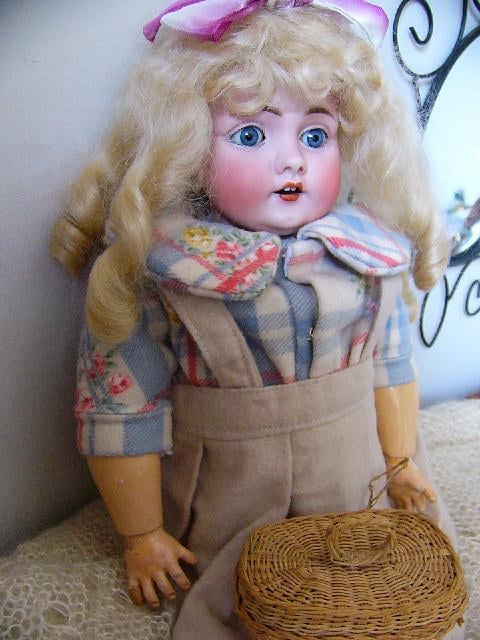
Kestner understood that children’s dolls didn’t need to look like miniature adults.
Their character children, produced in the early 1900s, featured realistic child proportions and expressions that set them apart from the more formal bisque dolls of the era.
The company’s attention to anatomical accuracy was remarkable.
High-quality Kestner character children with glass eyes and original bodies sell for $3,000 to $8,000.
The company’s mark — “J.D.K.” — appears on the back of the head, though some earlier examples are unmarked.
The bisque quality on Kestner dolls is consistently excellent, with a warm, natural tone that enhances the realistic features.
Effanbee Patsy Dolls
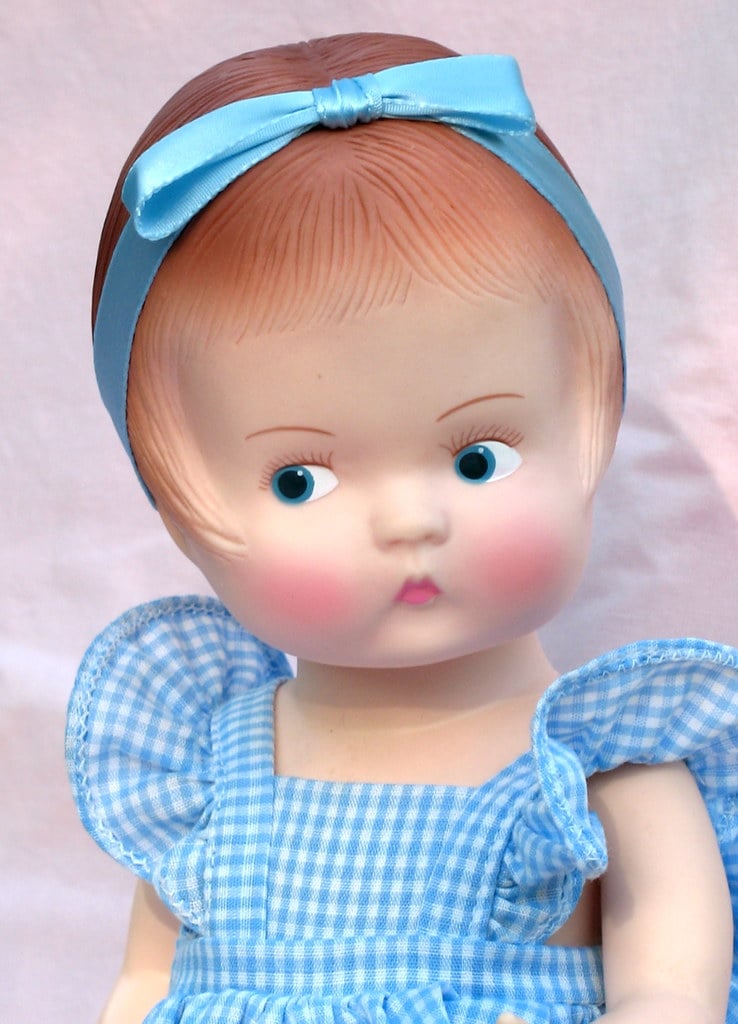
Effanbee’s Patsy revolutionized American doll manufacturing in 1928, and the reason these composition dolls still command serious prices isn’t just nostalgia — it’s because the company understood something fundamental about what children wanted in a doll that their competitors had missed entirely (the all-composition construction made Patsy dolls virtually indestructible compared to the fragile bisque imports, while the realistic child proportions meant little girls could share clothes with their dolls, creating a play experience that felt more interactive than previous generations had experienced).
The marketing was genius too: Effanbee created an entire world around Patsy, complete with furniture, additional clothing, and even a fictional backstory that made each doll feel like a complete character rather than just a toy.
And collectors today pay premium prices for any piece of that world that survived intact.
Complete Patsy dolls with original clothing and minimal crazing sell for $800 to $2,500.
The Patsy Joan and Patricia larger versions command higher prices.
Finding original tagged clothing adds significant value since the fabric patterns were distinctive and hard to replicate convincingly.
Gebruder Heubach Character Dolls
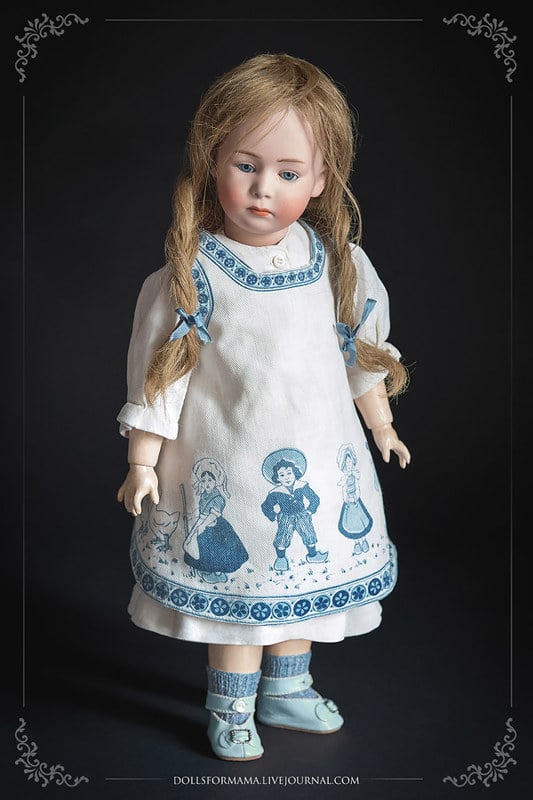
Gebruder Heubach specialized in character dolls that captured specific moods and expressions rather than idealized beauty.
Their “Piano Baby” figures and character children featured exaggerated expressions that somehow managed to be charming rather than cartoonish.
The company’s bisque work was technically superior.
These dolls appeal to collectors who appreciate artistic expression over conventional prettiness.
Perfect examples sell for $2,000 to $6,000, with rare character faces commanding higher prices.
The company often left their dolls unmarked, making attribution challenging but potentially rewarding for knowledgeable collectors.
A.T. (Andre Thuillier) Dolls
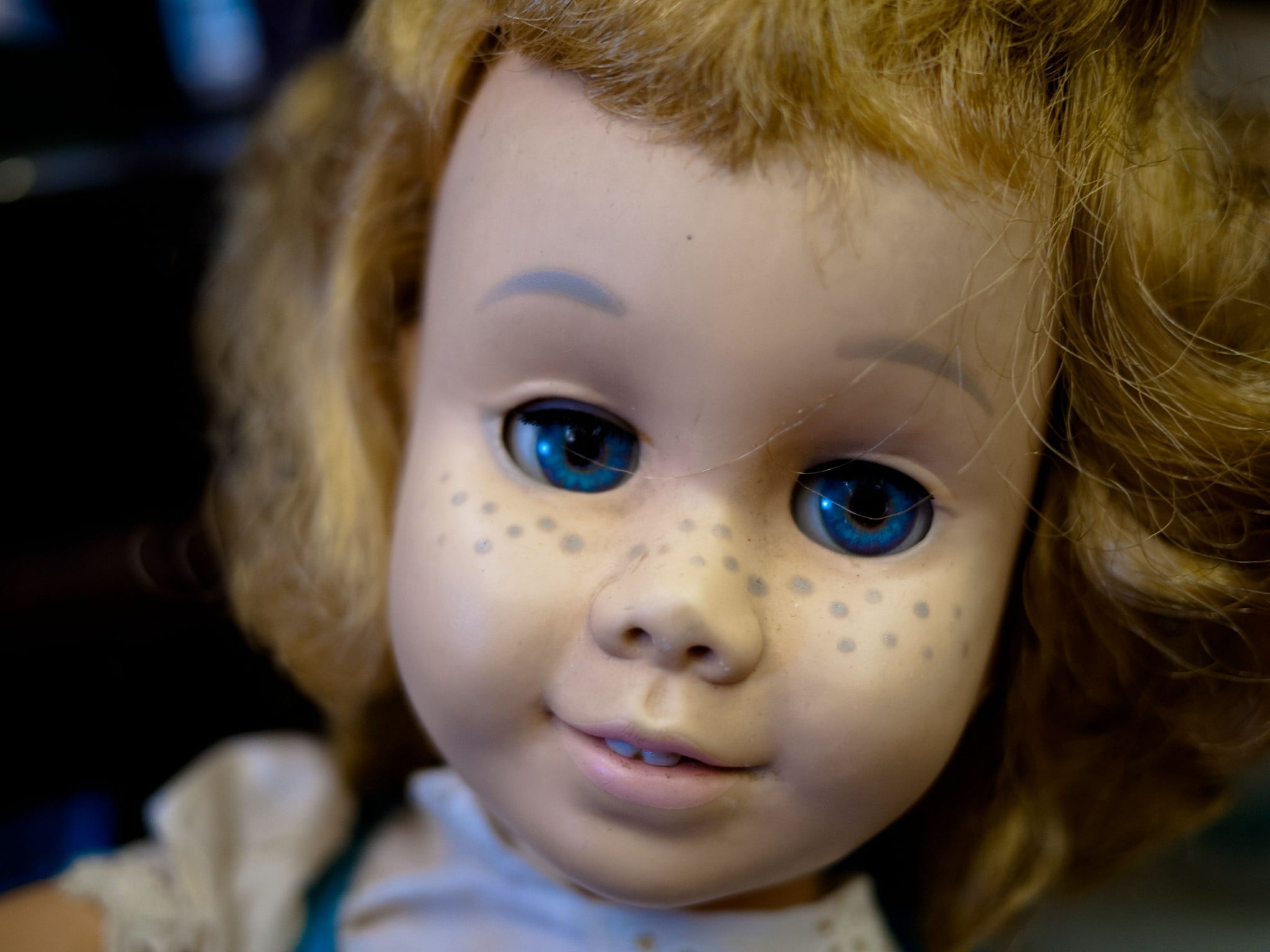
A.T. dolls represent the pinnacle of French doll artistry, though the company operated for less than a decade in the 1870s and 1880s.
These rare dolls feature exceptional bisque heads with distinctively large eyes and sophisticated facial painting.
The short production period makes authentic A.T. dolls extremely rare.
When an authentic A.T. doll appears at auction, serious collectors take notice.
These can sell for $40,000 or more in exceptional condition.
The rarity factor drives much of the value, but the artistic quality justifies the prices.
Each A.T. doll feels like a small sculpture rather than a mass-produced toy.
The Stories These Faces Tell
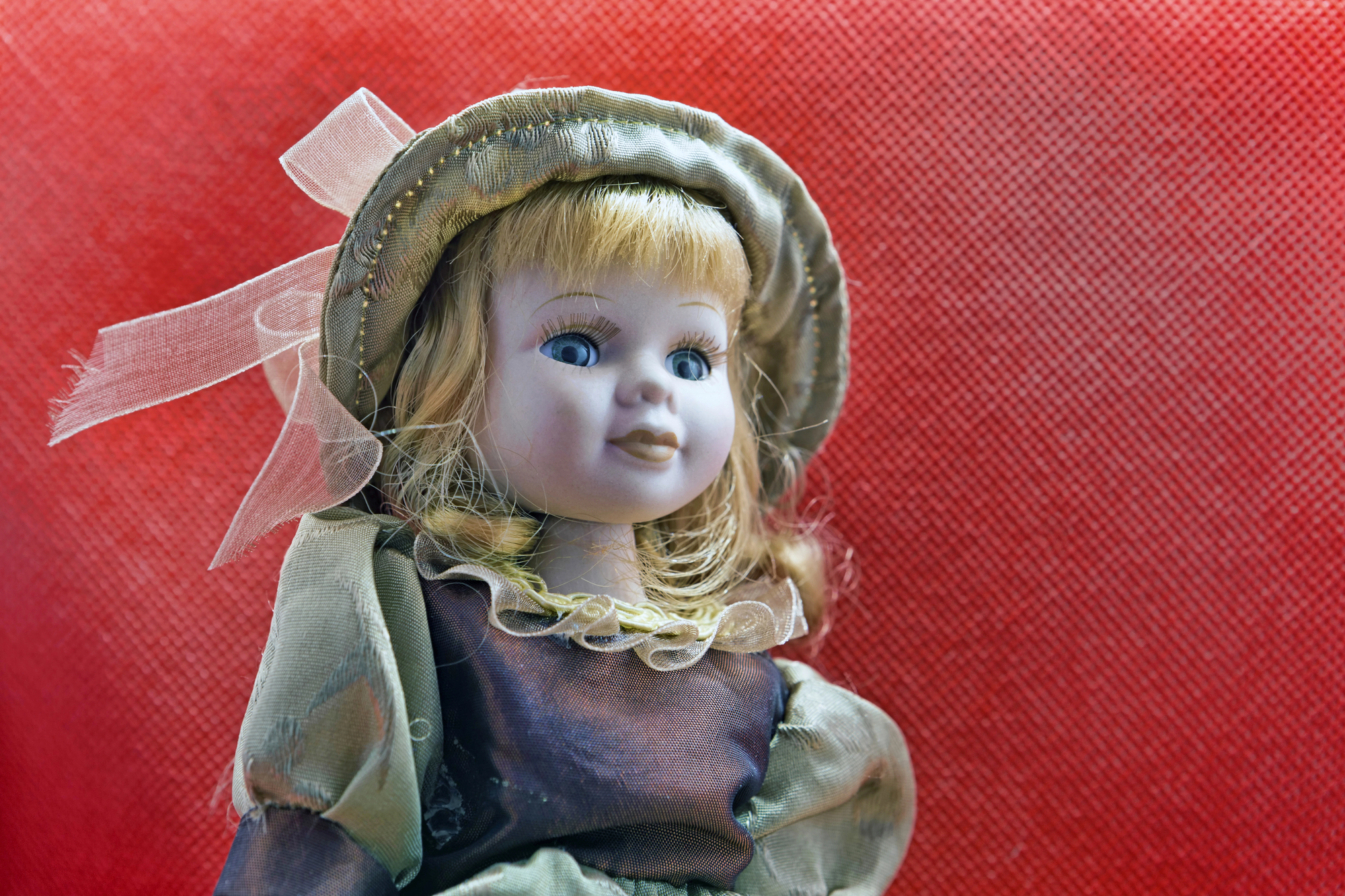
Walking through a serious vintage doll collection feels less like browsing antiques and more like wandering through a portrait gallery where each subject happens to be frozen in childhood forever.
These aren’t just toys that survived the decades — they’re time machines disguised as playthings, carrying with them the fingerprints of children who dressed them carefully for tea parties, whispered secrets to their painted ears, and tucked them into miniature beds with the same tenderness they hoped to receive themselves.
The real fortune isn’t always the dollar amount these dolls command at auction.
Sometimes it’s the moment when you realize that the careful preservation of a child’s beloved companion created something accidentally profound — a reminder that the impulse to nurture and protect beautiful things transcends generations, and that the market value simply reflects what people have always known: some things are too precious to let disappear.
More from Go2Tutors!

- The Romanov Crown Jewels and Their Tragic Fate
- 13 Historical Mysteries That Science Still Can’t Solve
- Famous Hoaxes That Fooled the World for Years
- 15 Child Stars with Tragic Adult Lives
- 16 Famous Jewelry Pieces in History
Like Go2Tutors’s content? Follow us on MSN.