Rarest Colored Gemstones Sold to Elite Collectors
The world of rare colored gemstones operates in shadows most people never see. While diamonds grab headlines and fill jewelry store windows, a different market thrives behind closed doors — one where billionaires compete for stones so rare that fewer than a dozen exist worldwide.
These aren’t the gems you’ll find at your local jeweler. They’re geological miracles, formed under conditions so specific that nature produces them perhaps once in a millennium.
The prices reflect that scarcity. A single carat can command more than most people’s homes, and the buyers aren’t fazed by eight-figure price tags.
They’re collecting pieces of Earth’s history, stones that took millions of years to form and may never be found again.
Bixbite
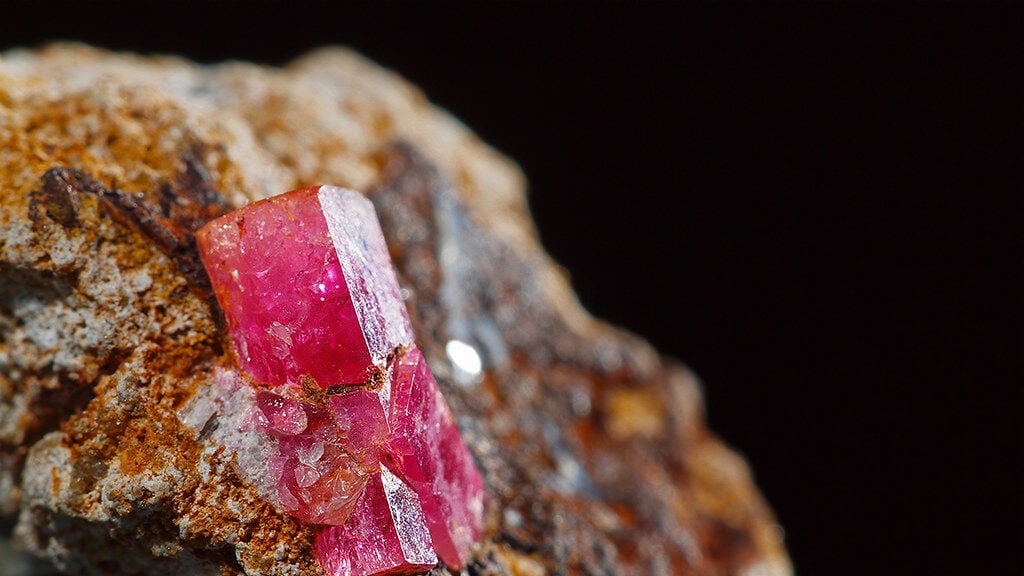
Red beryl doesn’t care about your budget. The Utah mountains produce maybe a few hundred carats per year — on good years.
Most pieces are too small or too included for cutting, which means gem-quality stones exist in quantities you can count on your fingers.
The Bixbite Corporation controls most of the known deposits. They’re not exactly rushing to flood the market.
Painite

Painite spent decades as the world’s rarest mineral. Only three crystals were known to exist until the early 2000s, when a Myanmar mine started producing small quantities.
Even now, gem-quality specimens are essentially mythical.
The British Museum owns one of the original three crystals discovered in the 1950s (and they weren’t exactly looking to sell it back then, nor are they now). When auction houses do manage to acquire a specimen, bidding starts in the hundreds of thousands.
For a stone most people have never heard of — which is exactly why collectors want it.
Jeremejevite
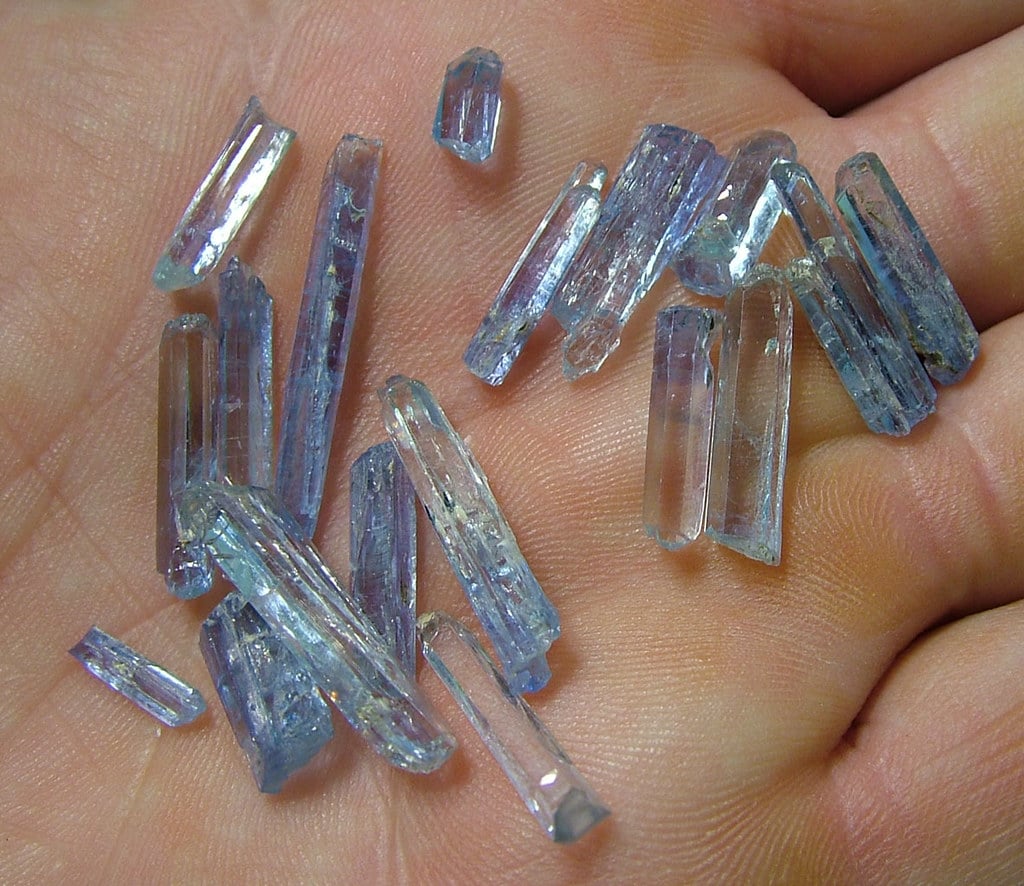
Like watching someone solve a puzzle in complete silence, jeremejevite forms in conditions so particular that finding it feels less like mining and more like archaeology. The crystals grow in granite pegmatites where boron-rich fluids have nowhere else to go, so they concentrate and wait.
Sometimes for geological ages.
Namibia produces the clearest specimens, though “produces” overstates things — a few crystals emerge each year, most no larger than a fingernail. And when they do appear (because the conditions aligned perfectly, because the chemistry was exactly right, because a dozen other factors fell into place), they’re almost always claimed before they leave the mine.
The collectors who pursue jeremejevite aren’t shopping around; they’re waiting for word that another crystal has appeared, checkbook ready.
But here’s what makes this stone genuinely precious: it doesn’t announce itself. Jeremejevite looks like quartz until you test it, which means countless specimens probably got dismissed as worthless crystal over the decades.
The knowledge that extraordinary things can hide in plain sight — that’s what drives the hunt.
Taaffeite
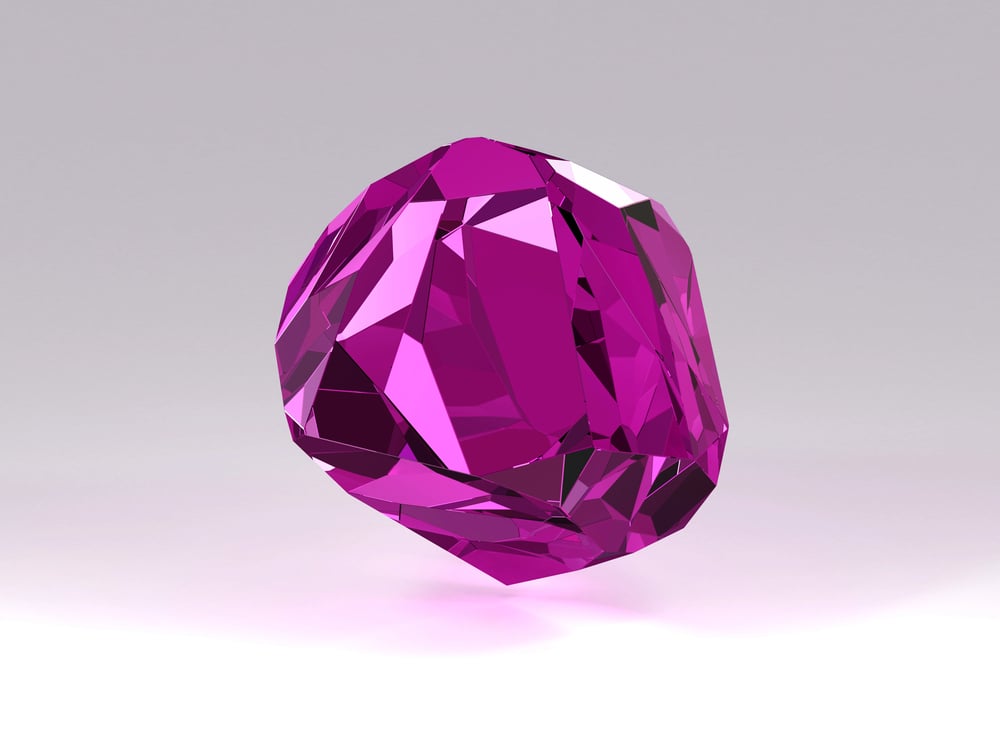
Taaffeite shouldn’t exist according to gemological rules that held firm for centuries. Richard Taaffe discovered his namesake stone in 1945 by accident — he thought he was examining a cut spinel until testing revealed something unprecedented.
The stone breaks every assumption about how beryllium and magnesium should behave in crystal structures. It also happens to be rarer than painite and harder to identify, which means most specimens sit in collections labeled as something else entirely.
Smart money says there are taaffeite stones sitting in estate jewelry collections right now, misidentified and undervalued by decades.
Ceylon produces the occasional crystal, but “occasional” means maybe one or two per year that are suitable for cutting.
Poudretteite
The math on poudretteite is brutal. The Poudrette Quarry in Quebec produced exactly 300 crystals over thirty years of operations.
Most were too small or too fractured for gem use, which left maybe two dozen cuttable stones. The quarry closed in 2019.
That’s it. No new deposits have been discovered, despite extensive searching in similar geological formations.
Collectors aren’t just buying rare stones — they’re buying the last of something that may never be found again.
And yet, the stone itself is almost impossibly beautiful: pale pink with an internal fire that makes diamonds look ordinary. Nature saved its best work for its final performance.
Current specimens trade privately, when they trade at all. Most owners simply hold them, understanding that scarcity this absolute only increases with time.
Red Diamonds
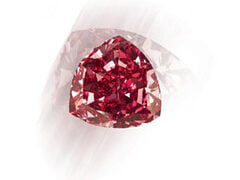
Like finding a flaw in a perfect system, red diamonds exist because something went wrong during formation — and that mistake created the most coveted stones on Earth. The Argyle mine in Australia produced most known specimens before closing permanently in 2020, which means the existing supply represents everything there will ever be.
The chemistry behind the color remains partially mysterious. Unlike other fancy colored diamonds where trace elements create hues, red diamonds get their color from plastic deformation in the crystal lattice — essentially, the diamond was stressed during formation in exactly the right way.
The process is so rare that fewer than 30 gem-quality red diamonds are known to exist.
The largest, the Moussaieff Red, weighs 5.11 carats and last sold privately for an undisclosed sum that industry insiders place north of $20 million. Most red diamonds weigh less than one carat, which makes them more valuable per carat than any other gemstone.
They’re not just rare — they’re finite in a way that defies the normal rules of supply and demand. When the last known red diamond changes hands, that’s it.
And collectors know this. They’re not buying stones; they’re buying the end of a geological era.
Jadeite
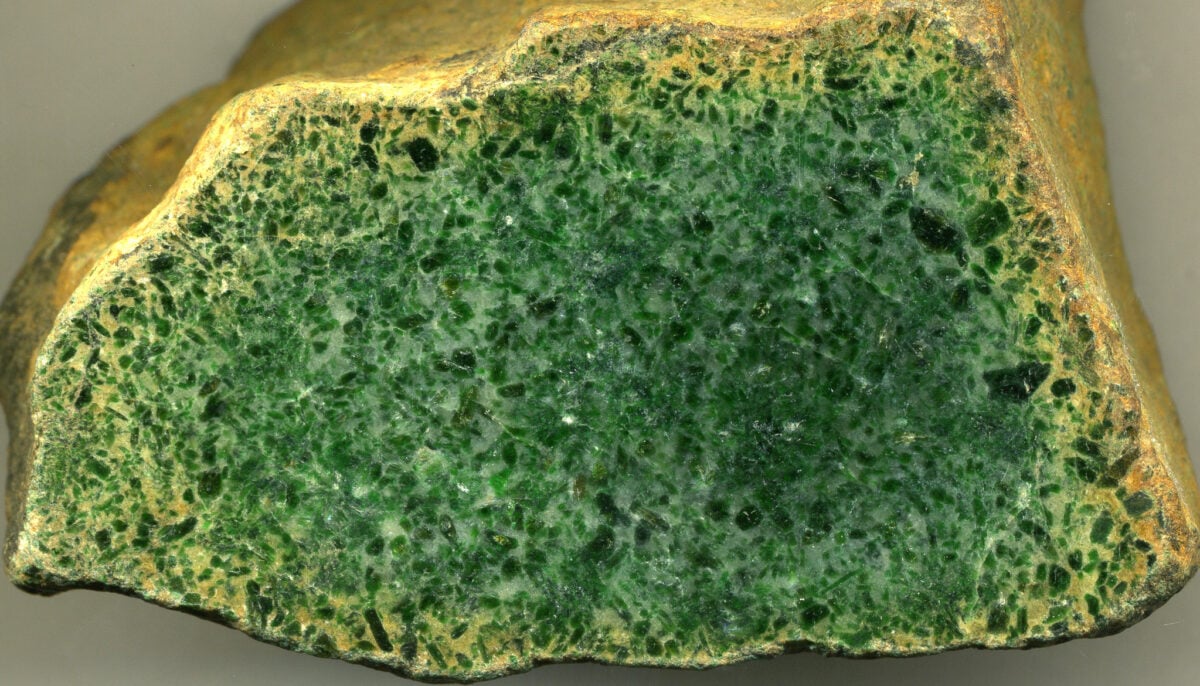
Imperial jadeite operates in a market where cultural significance multiplies rarity into something approaching religious fervor. The finest material comes exclusively from Myanmar’s Kachin State, where political instability means supply depends as much on geopolitics as geology.
The best pieces — those with the electric green color that seems to glow from within — command prices that make other rare stones look reasonable. A single bangle sold at Sotheby’s for $27.4 million, setting records that still stand.
The buyer, according to auction house sources, didn’t even blink at the price.
Chinese collectors drive most demand, viewing top-quality jadeite as cultural patrimony rather than mere gemstones. They’re not just acquiring rare minerals; they’re preserving pieces of cultural identity that took centuries to mine and may take centuries more to replace.
Alexandrite
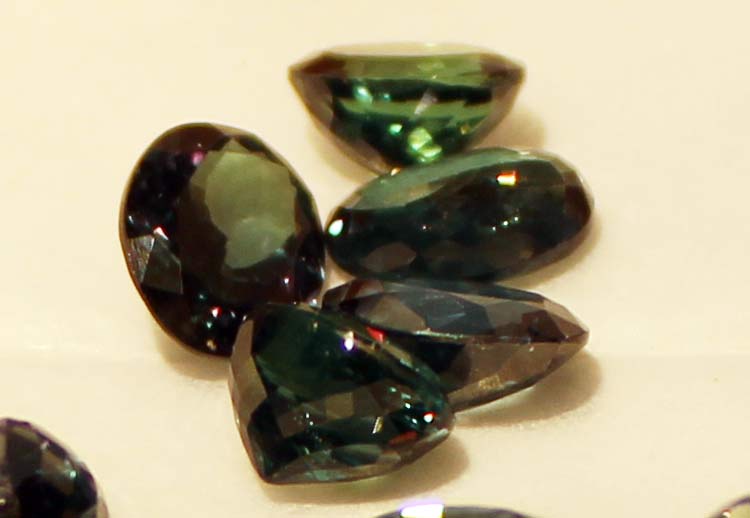
Alexandrite reads like a gemological riddle that nature solved once and then forgot the answer to. The original Russian deposits in the Ural Mountains produced stones with color change so dramatic that they seemed to contain two different gems depending on lighting — emerald green in daylight, ruby red under incandescent light.
Those deposits exhausted themselves decades ago. Modern alexandrite comes from Brazil, Sri Lanka, and a few other locations, but nothing matches the quality of those early Russian stones.
The difference is immediately obvious to anyone who knows what to look for: vintage Russian alexandrite doesn’t just change color, it transforms completely. The effect is so striking that gemologists created a specific term — “Russian change” — to describe it.
Estate pieces with documented Russian provenance sell for multiples of modern stones, assuming they come to market at all. Most sit in private collections where they’ve remained for generations, passed down like family heirlooms too valuable to risk selling.
The owners understand that once sold, stones like these don’t come back.
Paraiba Tourmaline
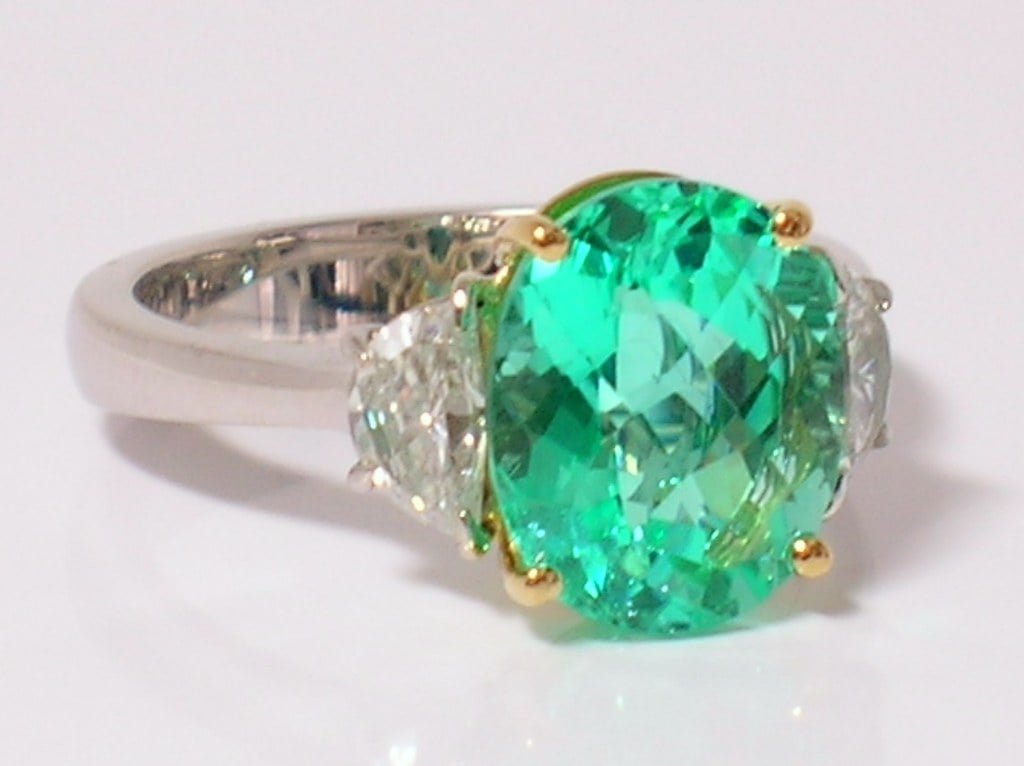
The Paraiba region of Brazil produced something unprecedented in the late 1980s: tourmalines in colors that didn’t exist elsewhere in nature. Electric blue, neon green, vivid turquoise — all caused by copper content that created internal luminescence unlike anything gemologists had seen.
The deposit was tiny and exhausted quickly, but not before a few thousand carats reached the market. Similar material was later discovered in Mozambique and Nigeria, but collectors distinguish between geographic origins with the precision of wine connoisseurs discussing vintage years.
Brazilian Paraiba commands premiums that make the African material look affordable.
The finest specimens — those with the most intense neon saturation — trade privately among a small group of collectors who track each stone’s history and provenance. These aren’t just rare gems; they’re artifacts from a brief geological moment when copper-rich fluids created colors that nature apparently decided were too extraordinary to repeat.
Black Opal
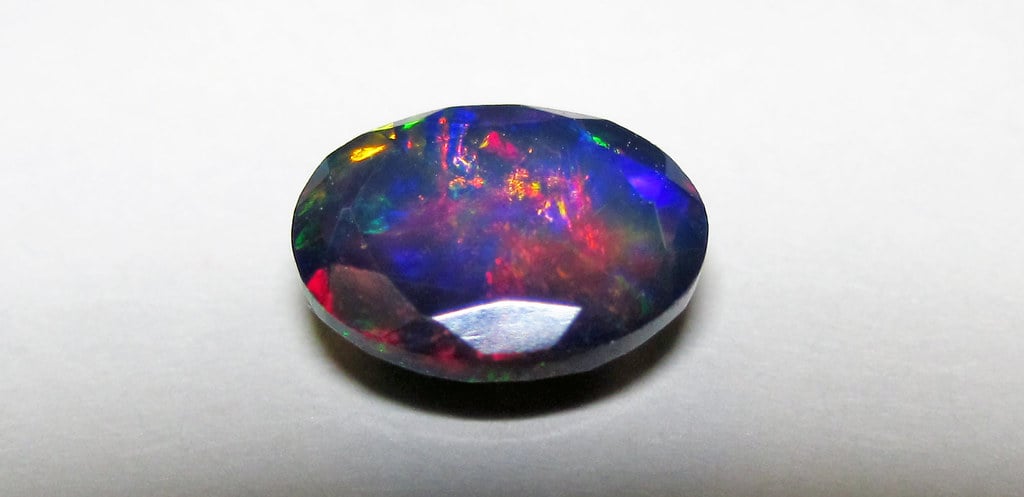
Lightning Ridge in Australia produces black opals that seem to contain entire galaxies within their dark bodies — flashes of color that move and shift as light hits them from different angles. The phenomenon is called play-of-color, but that clinical term fails to capture the effect of watching fire dance inside stone.
The best pieces display what miners call “harlequin” pattern — broad flashes of pure color arranged in geometric patterns that look almost deliberately designed. These stones are so rare that Lightning Ridge’s annual output of gem-quality harlequin opals can be counted on one hand.
Aboriginal legend holds that opals formed where the rainbow touched the earth, and watching a fine black opal under proper lighting makes the mythology seem reasonable. The colors appear and disappear with each slight movement, creating an internal light show that no photograph can capture adequately.
Collectors buy them understanding that opal’s beauty can only be experienced in person — which makes ownership less about investment and more about private access to one of nature’s most spectacular displays.
Current market prices reflect both rarity and the fact that opal mining at Lightning Ridge is becoming increasingly difficult. The easy deposits were exhausted decades ago, and modern mining requires expensive equipment to reach deeper levels where quality material may or may not exist.
Padparadscha Sapphire
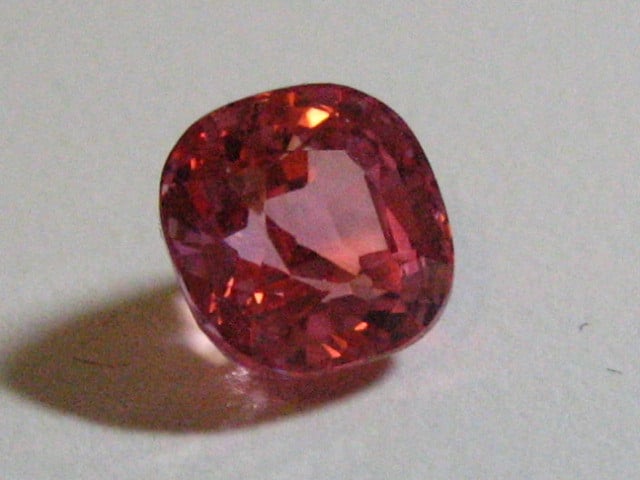
Pink-orange sapphire gets called padparadscha only when the color falls within extremely narrow parameters — too pink and it’s just pink sapphire, too orange and it becomes fancy sapphire. The name comes from the Sinhalese word for lotus blossom, and the color match has to be precise enough that gemological laboratories argue about individual stones.
Ceylon produces most padparadscha sapphire, though “produces” suggests regularity that doesn’t exist. Fine specimens appear unpredictably, and most require heating to develop the proper color balance.
Unheated stones with natural padparadscha color are so rare that they exist primarily in museum collections and old estate pieces that predate modern enhancement techniques.
The gemological politics surrounding padparadscha create additional complexity for collectors. Different laboratories use slightly different color standards, which means a stone certified as padparadscha by one lab might be classified differently by another.
Serious collectors often obtain multiple certifications for important pieces, understanding that the name itself adds significant value beyond the stone’s inherent rarity.
Benitoite
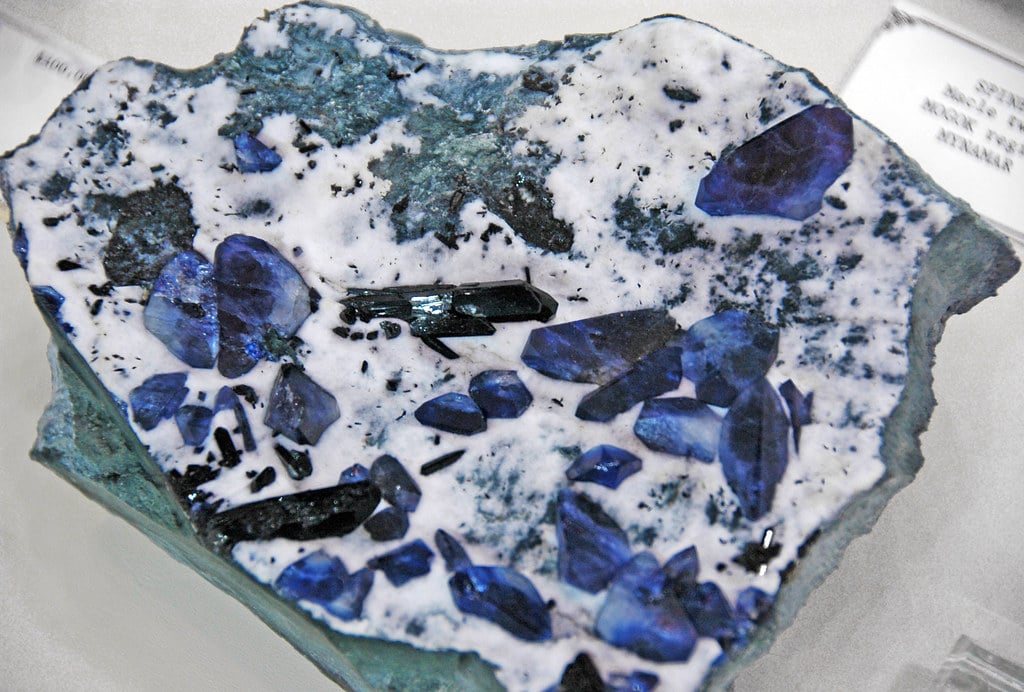
California’s state gem exists in exactly one location worldwide — the Benitoite Gem Mine in San Benito County, which closed to commercial mining in 2006. That’s it.
No other deposits have been discovered despite extensive geological surveys of similar formations.
The mine produced fewer than 3,000 carats of gem-quality benitoite over its entire operational history. Most stones were small — under one carat — and many had inclusions that made them unsuitable for high-end jewelry.
Clean specimens over two carats are so rare that they’re considered museum pieces rather than commercial gems.
Benitoite fluoresces brilliant blue under shortwave ultraviolet light, creating an otherworldly glow that seems almost artificial. The effect is so distinctive that it serves as a diagnostic test for authenticity, though given the stone’s rarity, counterfeits are more curiosity than serious concern.
Grandidierite
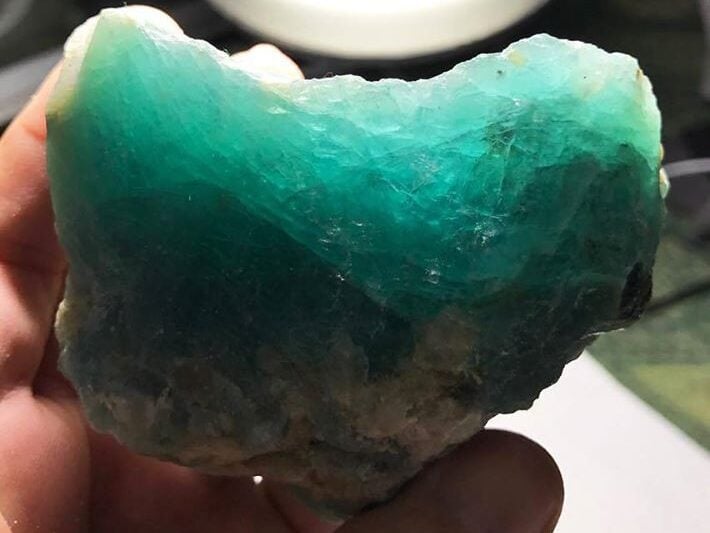
Madagascar produces grandidierite in quantities so small that most gemologists have never seen a specimen in person. The blue-green pleochroism — the way color shifts from different viewing angles — creates an optical effect that photographs can’t capture accurately.
Fine specimens show distinct color zones that change from blue to green to colorless depending on crystal orientation. Cutting requires precise attention to these optical axes to maximize color display, which means much of the rough material gets wasted during faceting.
A skilled cutter might produce one marketable gem from several pieces of rough.
Recent discoveries in Madagascar have increased supply slightly, but “increased supply” means dozens of stones per year rather than single specimens. The material remains so rare that most reaches private collectors before hitting retail markets.
Auction houses occasionally offer smaller specimens, but the truly fine pieces — those with the most dramatic pleochroism and highest clarity — trade privately among collectors who track each stone’s cutting history and previous ownership.
A Finite Beauty
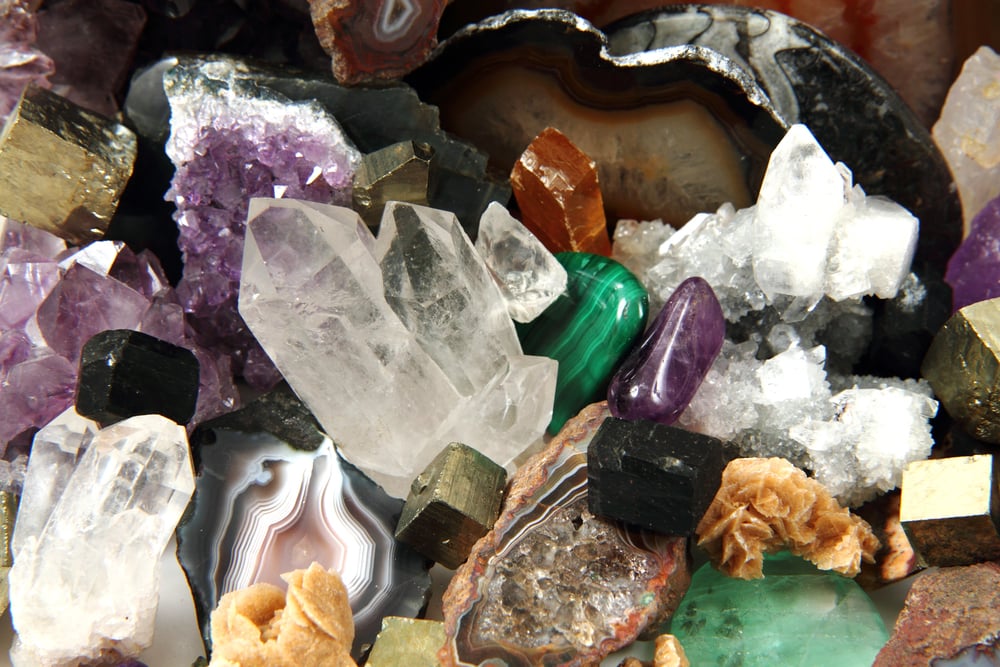
The market for these stones operates outside normal economic rules because scarcity creates its own logic. When supply is measured in dozens rather than thousands, traditional concepts of market forces become irrelevant.
Collectors aren’t buying commodities; they’re acquiring pieces of Earth’s history that took millions of years to form and may never be found again.
The mine closures and deposit exhaustions that define this market aren’t temporary setbacks — they’re permanent endings. Each sale potentially represents the last chance to own something that nature spent geological ages creating and produced in quantities too small to satisfy even modest demand.
That finality transforms collecting from hobby into preservation, making private owners the custodians of beauty too rare to risk losing.
More from Go2Tutors!

- The Romanov Crown Jewels and Their Tragic Fate
- 13 Historical Mysteries That Science Still Can’t Solve
- Famous Hoaxes That Fooled the World for Years
- 15 Child Stars with Tragic Adult Lives
- 16 Famous Jewelry Pieces in History
Like Go2Tutors’s content? Follow us on MSN.