Historic Sanitation Systems Preventing Massive Plague
The smell would have hit you first. Not the glamorous version of history taught in textbooks, but the raw reality of cities where waste flowed through streets and drinking water came from the same rivers where people dumped their refuse.
Yet somehow, scattered across time and geography, certain civilizations figured out something crucial: keeping human waste away from human mouths wasn’t just about comfort—it was about survival.
These weren’t accidents or lucky guesses. The societies that thrived for centuries had one thing in common: they took sanitation seriously before they understood why it mattered.
Their sewers, aqueducts, and waste management systems didn’t just make life more pleasant—they prevented the kind of massive disease outbreaks that could wipe entire populations off the map.
Roman Aqueduct Networks
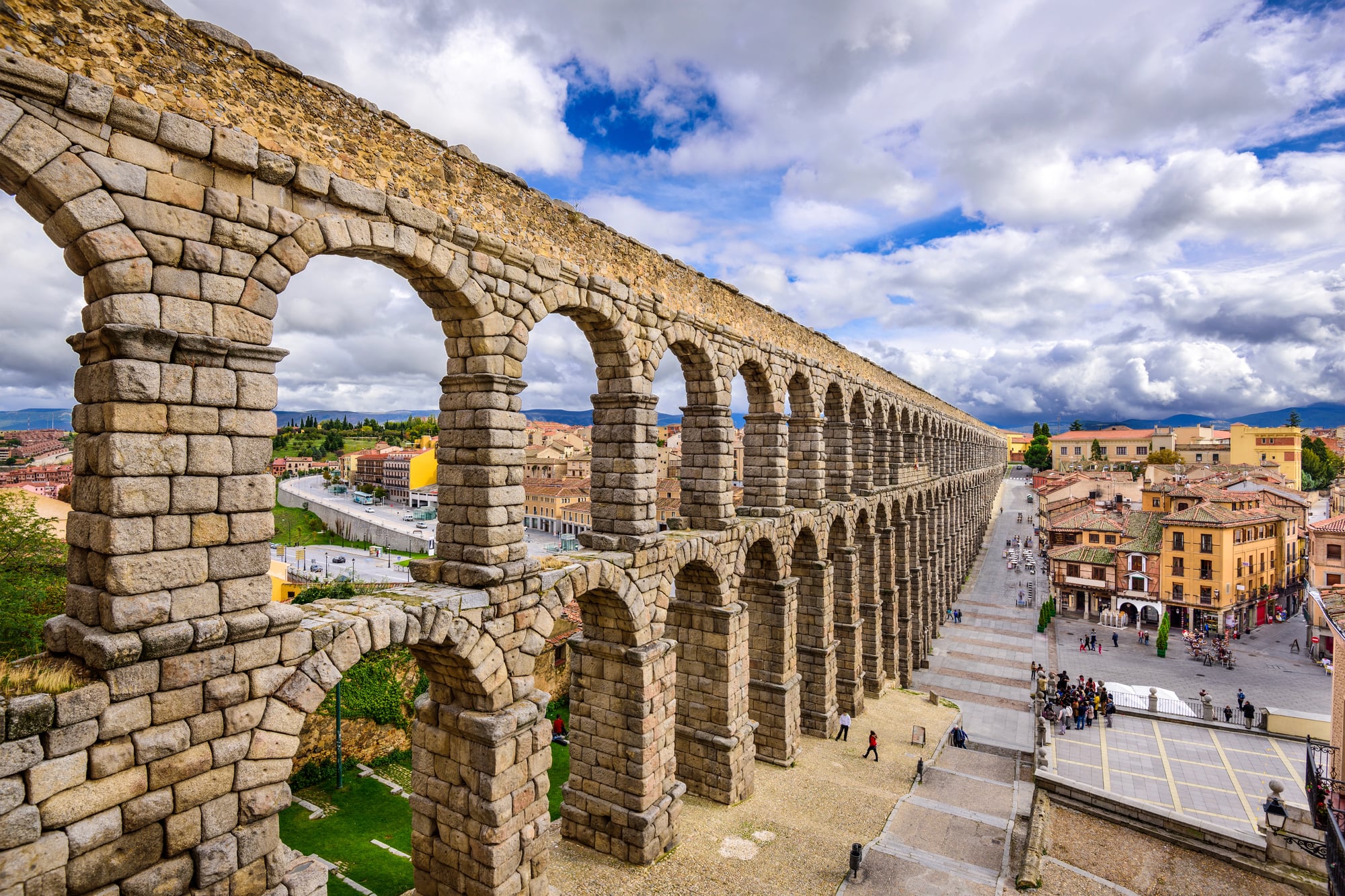
Rome built water systems that still make modern engineers pause and take notes. Eleven major aqueducts carried fresh water from mountain springs across hundreds of miles, using nothing but gravity and precise engineering.
The water flowed through covered channels, stayed separate from waste, and reached the city clean enough to drink.
Most cities today can’t match what Rome accomplished two thousand years ago. Their system delivered over 300 gallons of fresh water per person daily—more than many modern cities provide.
Medieval Islamic Hospital Drainage

The medieval Islamic world understood something that took Europe centuries longer to figure out (and this was happening while European cities were drowning in their own filth, which seems almost deliberately ironic when you consider how advanced Islamic medicine had become by the 9th century). Hospitals in Baghdad, Cairo, and Cordoba weren’t just places where people went to die with dignity—they were clean, systematically organized institutions where waste flowed away from patients through carefully planned drainage systems that separated contaminated water from fresh supplies with an attention to detail that would make modern infection control specialists nod with approval.
And yet these same principles, which saved countless lives in the Islamic world, wouldn’t reach European medical practice for another four hundred years.
The Bimaristan hospitals had running water, proper sewage systems, and separate wards for different diseases. So patients with stomach ailments weren’t sharing space—or waste systems—with surgical patients.
Indus Valley Civilization Sewers
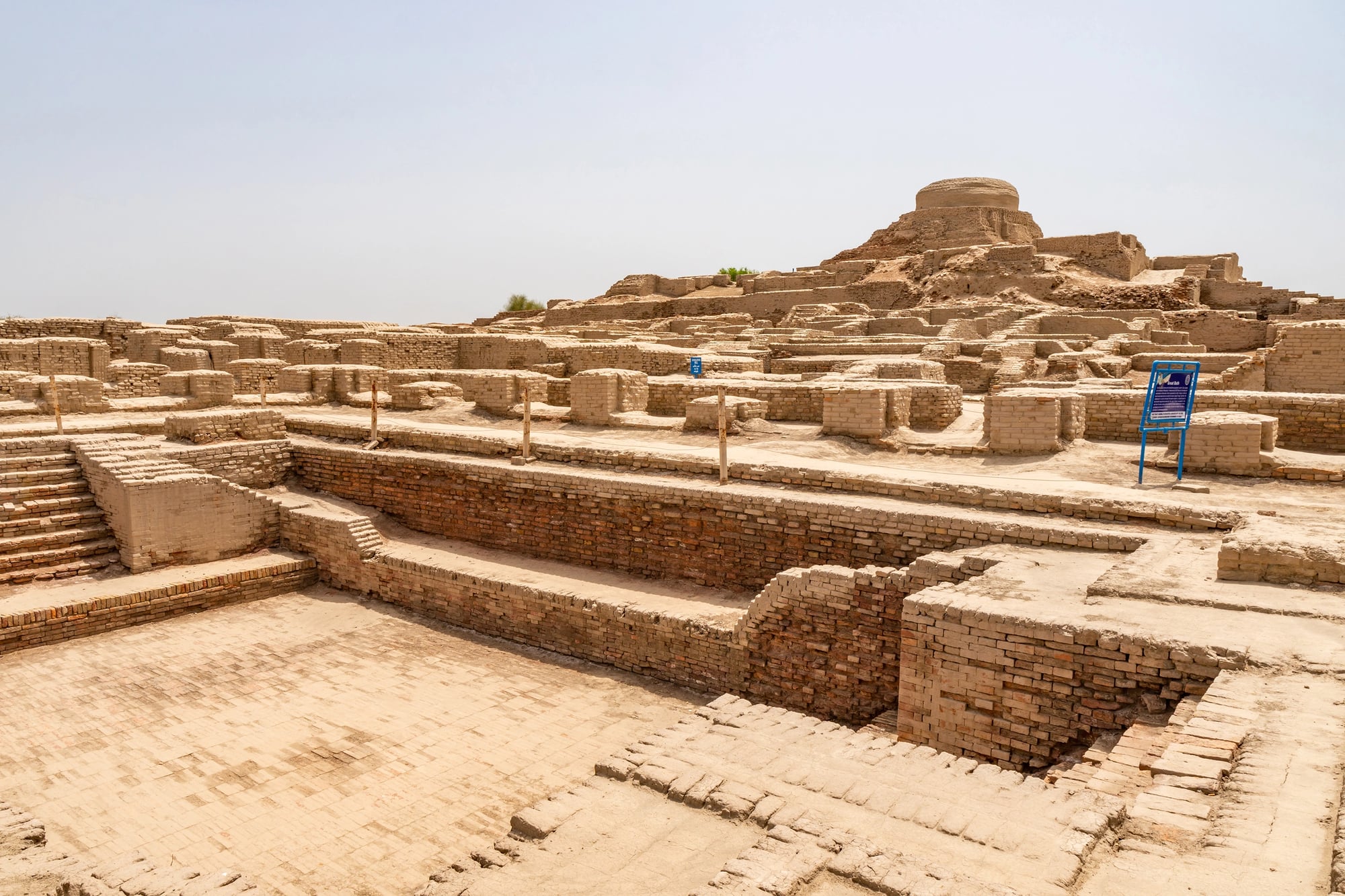
The Harappan cities of 4,500 years ago had something most of the world wouldn’t see again for millennia: every house connected to a covered sewer system. Mohenjo-daro and Harappa weren’t just well-planned—they were obsessively clean.
Individual homes had private toilets that connected to municipal sewers. The whole system was covered, maintained, and designed to carry waste far from living areas.
This wasn’t primitive engineering. This was sophisticated urban planning that understood disease prevention through environmental design.
Chinese Waste Management Under the Tang Dynasty
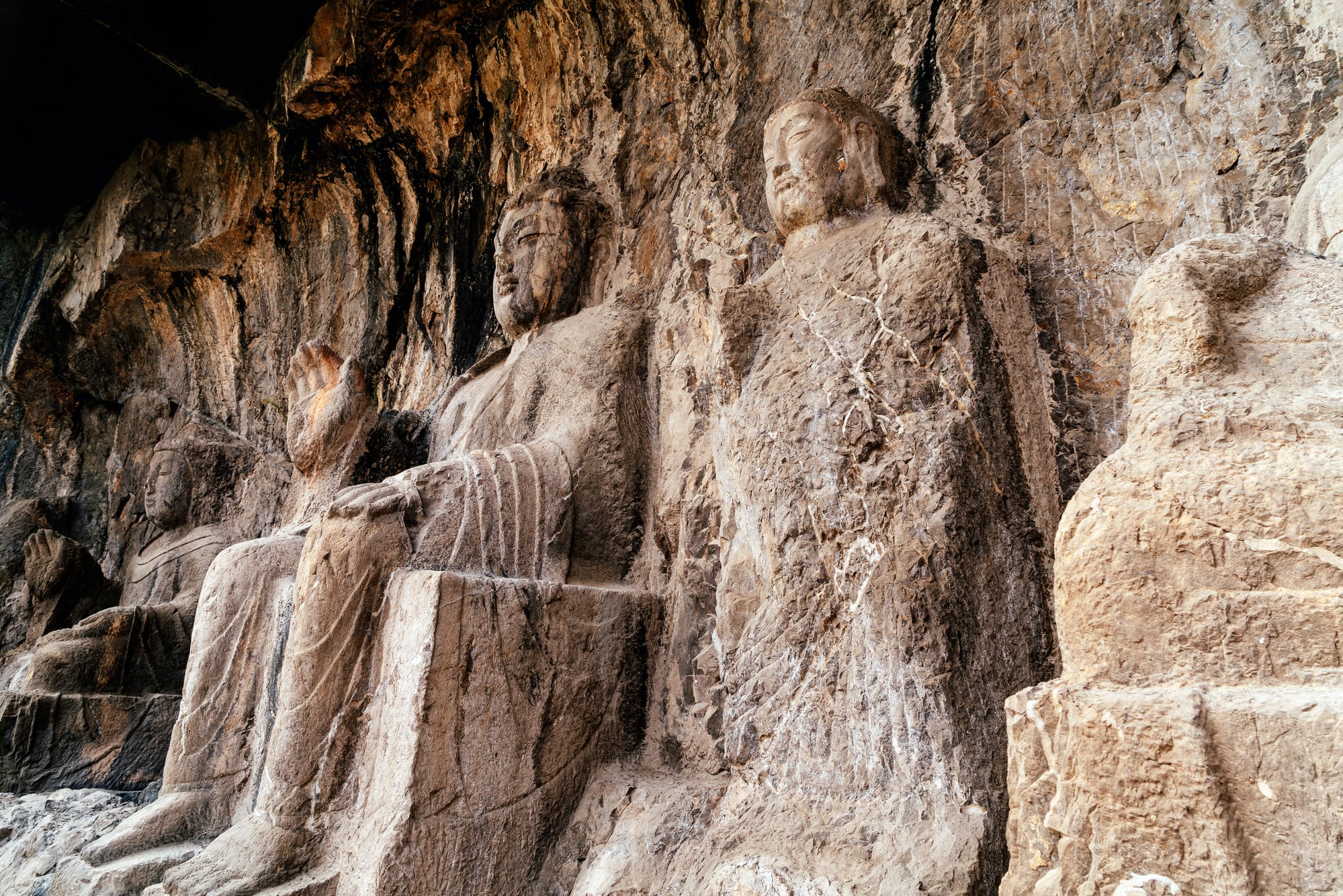
There’s a particular stubborn brilliance to how Tang Dynasty cities handled human waste—they turned a health crisis into agricultural gold through systems so methodical they bordered on the compulsive. Every neighborhood had designated waste collectors who arrived on schedule, carted everything to processing areas outside city limits, and transformed what other civilizations saw as a problem into fertilizer that fed the empire.
The whole operation ran like clockwork because it had to: Chinese cities were dense, populations were growing, and everyone understood that waste flowing through streets meant death flowing through communities.
The Tang understood recycling before the word existed. Nothing got wasted because waste itself became valuable.
Cities stayed clean, farms stayed fertile, and diseases that plagued other civilizations barely registered in Chinese urban centers.
Minoan Palace Drainage at Knossos
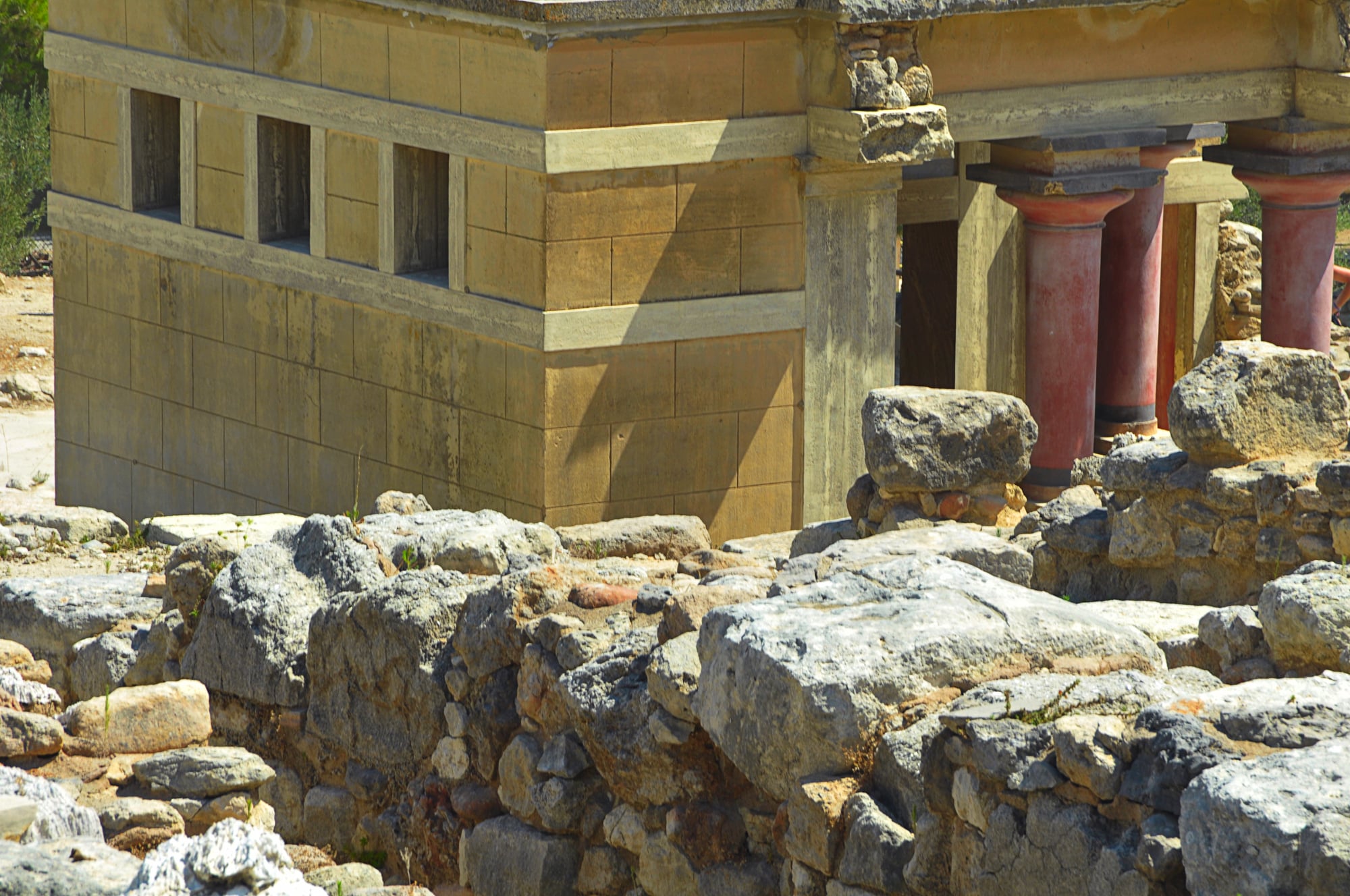
The Minoan palace at Knossos had flushing toilets. Not primitive latrines or pits in the ground, but actual toilets connected to a sophisticated drainage system with settling tanks and outflow channels that carried waste away from the complex.
This was 3,700 years ago. The system included terracotta pipes, inspection chambers, and cisterns positioned above the toilets from which water could be released via levers to flush waste.
While most of the ancient world was figuring out basic agriculture, the Minoans were building bathroom facilities that wouldn’t look out of place in a modern home.
Inca Terraced Sanitation Systems
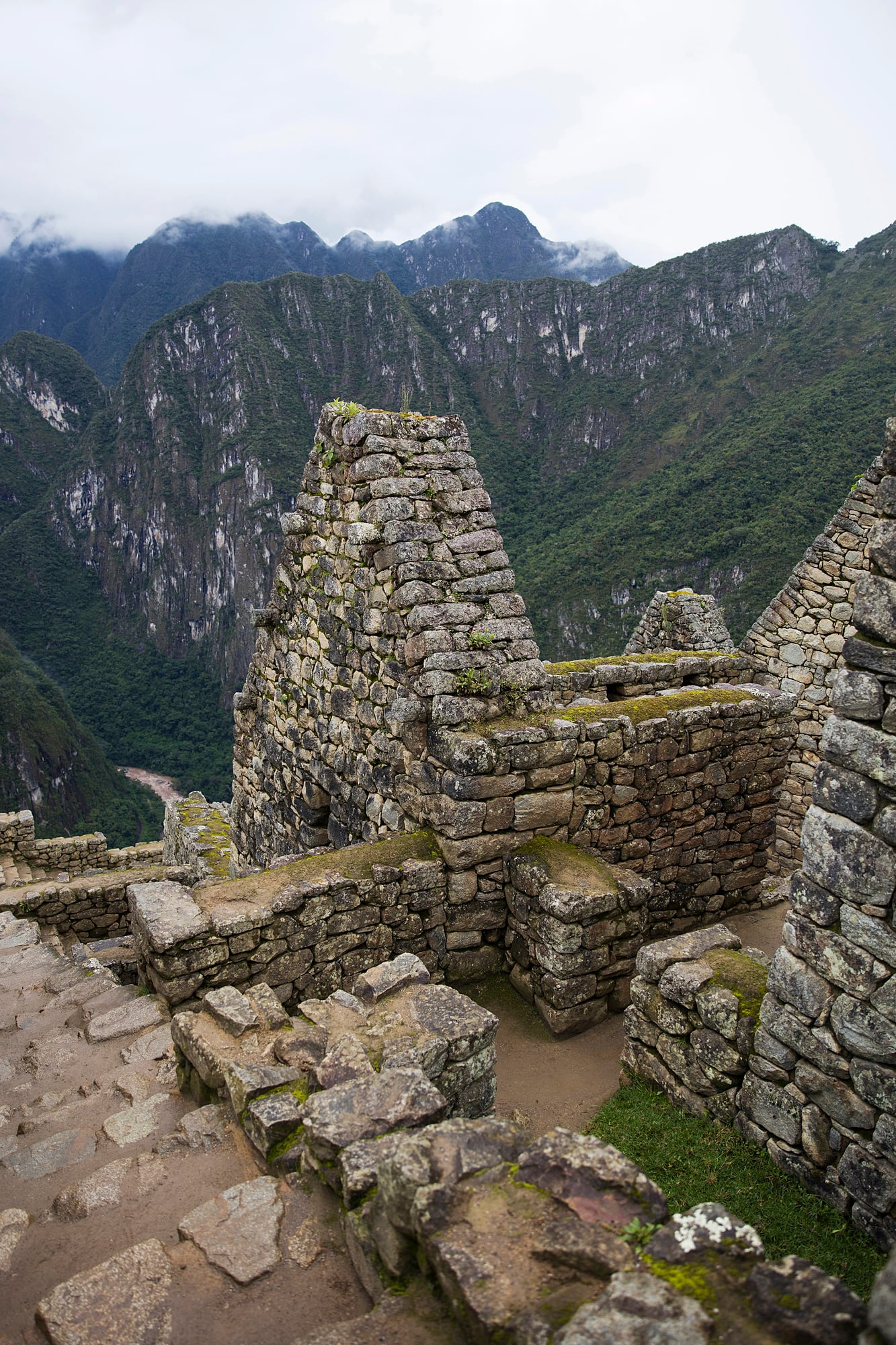
The Inca built cities on mountainsides and somehow managed to keep them cleaner than most flat-ground settlements. Their terraced systems didn’t just prevent erosion—they channeled waste and water in ways that kept contamination away from food and drinking supplies.
Machu Picchu had drainage systems built into every level of the city. Water flowed down through carefully planned channels, waste got processed at designated areas far from residential zones, and the whole system worked with gravity instead of fighting it.
Japanese Traditional Toilet Culture
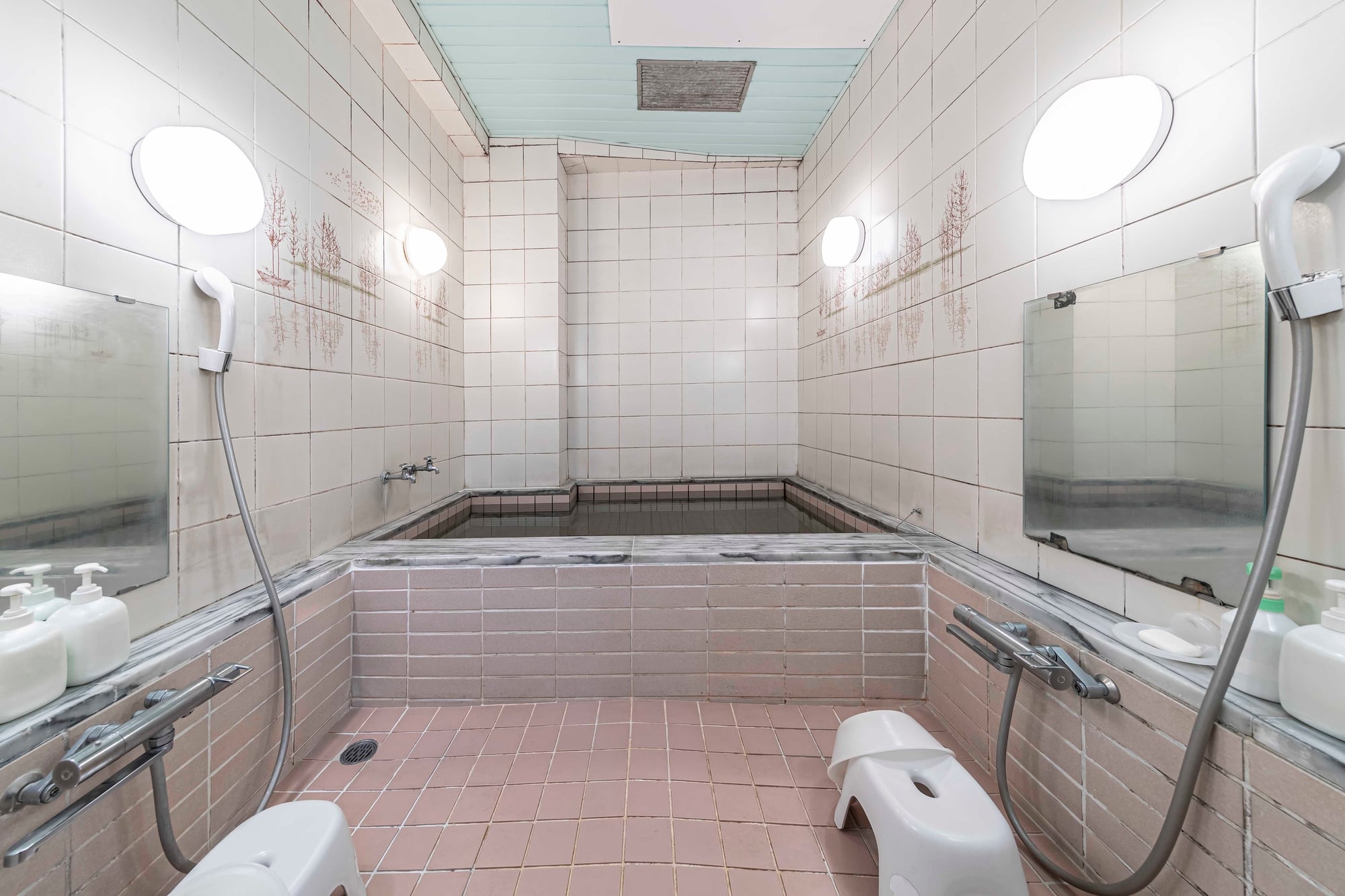
Japanese cities developed waste collection systems that other cultures found baffling but couldn’t argue with the results. Human waste got collected, processed into fertilizer, and sold back to farmers in a circular economy that kept cities clean and fields productive.
The night soil collection system meant waste never accumulated in urban areas. Regular collection, proper processing, and agricultural reuse created a closed loop that prevented the kind of waste buildup that bred disease in other civilizations.
Persian Qanat Water Systems
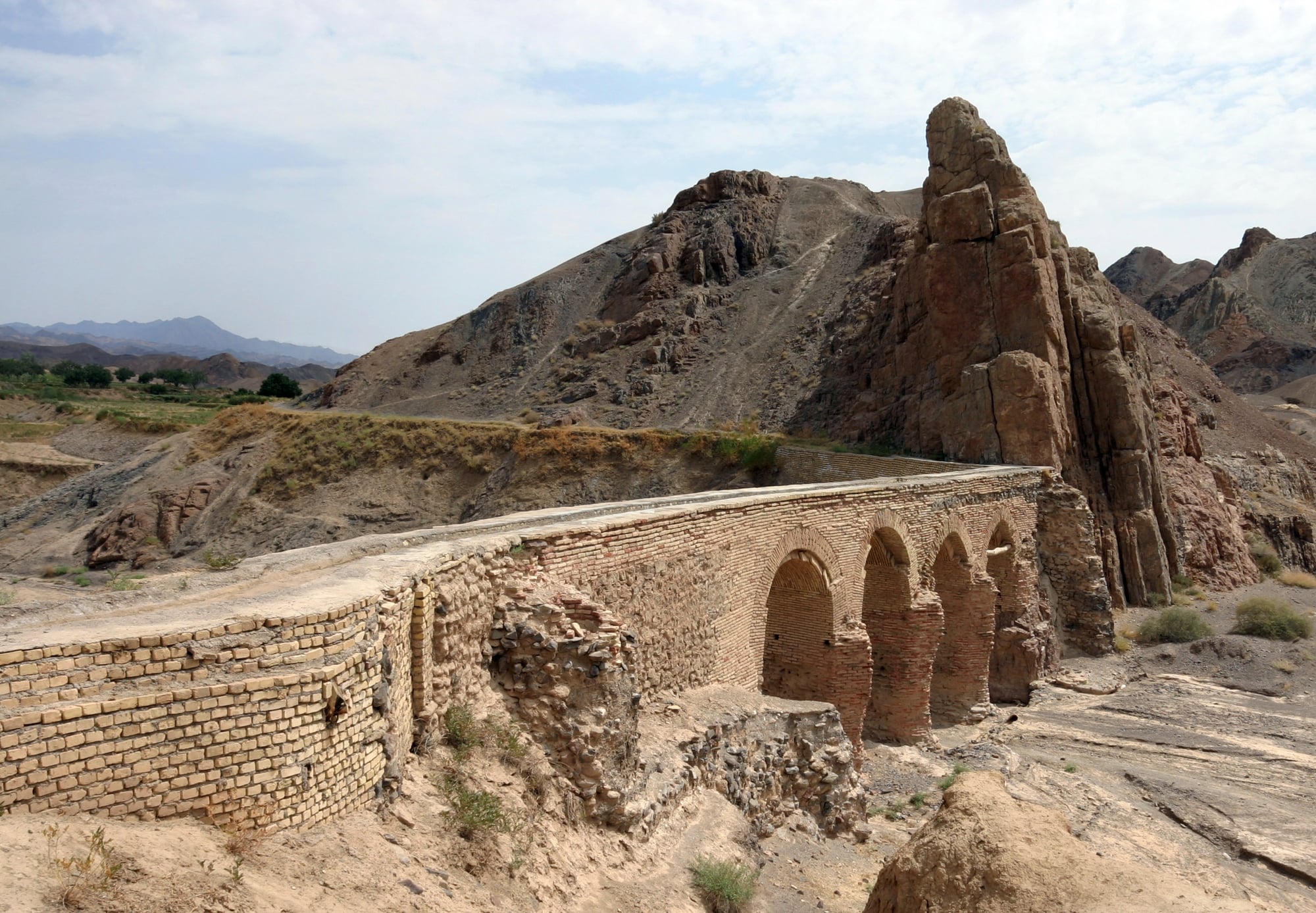
Persia solved the problem of clean water in desert regions through underground channels that carried fresh water from mountain sources to cities without contamination. The qanat system kept water flowing and clean across hundreds of miles.
Underground channels meant water stayed cool, clean, and separate from surface contamination. The engineering required to maintain proper gradients over such distances without modern tools represents precision that modern contractors would struggle to match.
Roman Public Latrines
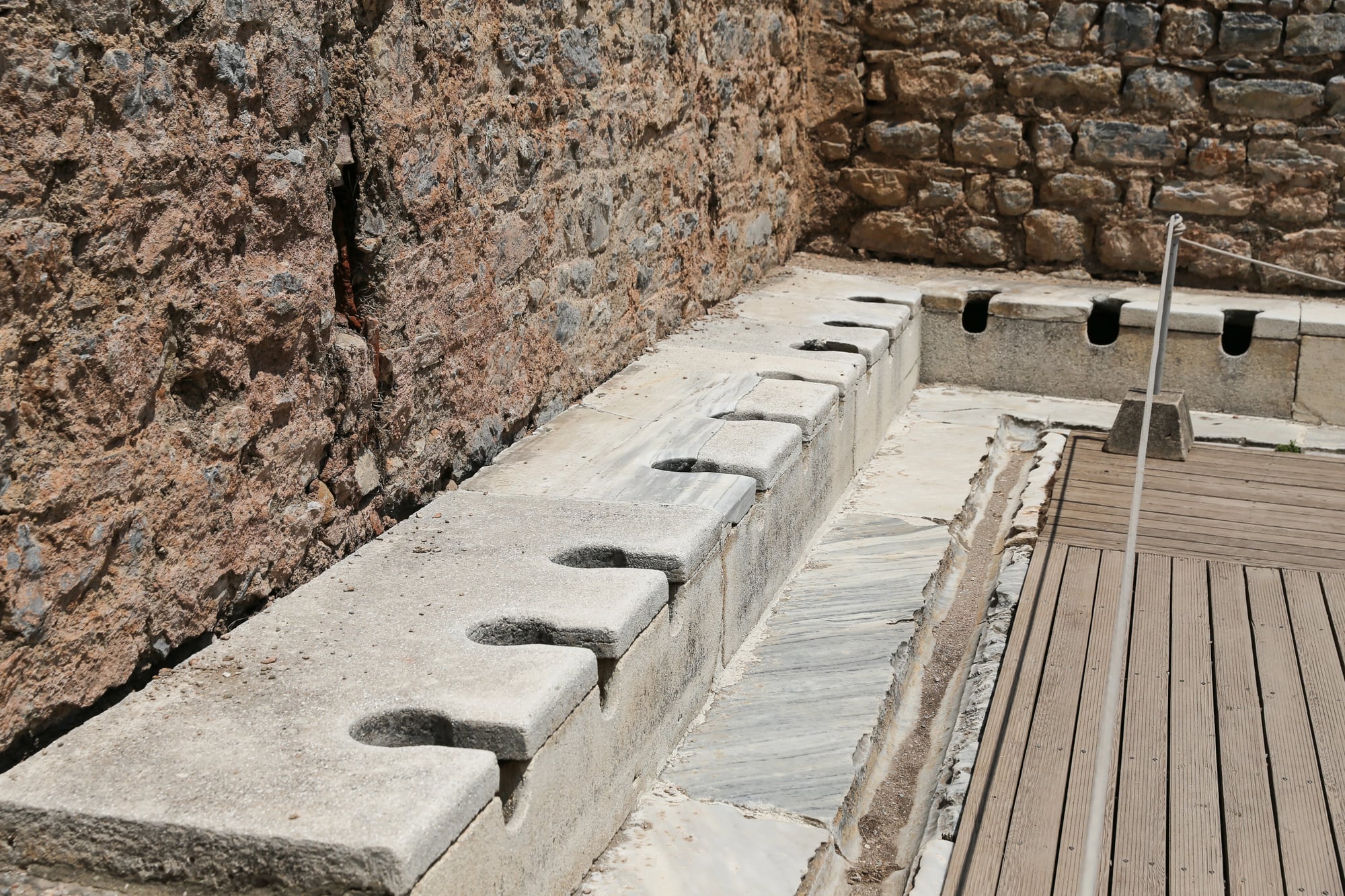
Roman public bathrooms weren’t just functional—they were social spaces with sophisticated waste removal systems. The Cloaca Maxima, Rome’s great sewer, carried waste away from the city so efficiently that public latrines could handle large populations without creating health hazards.
Fresh water flowed constantly through the facilities, waste got flushed away immediately, and the whole system stayed clean enough that people treated visits as social occasions. This wasn’t just engineering—it was understanding that sanitation and social life didn’t have to be mutually exclusive.
Aztec Tenochtitlan Waste Management
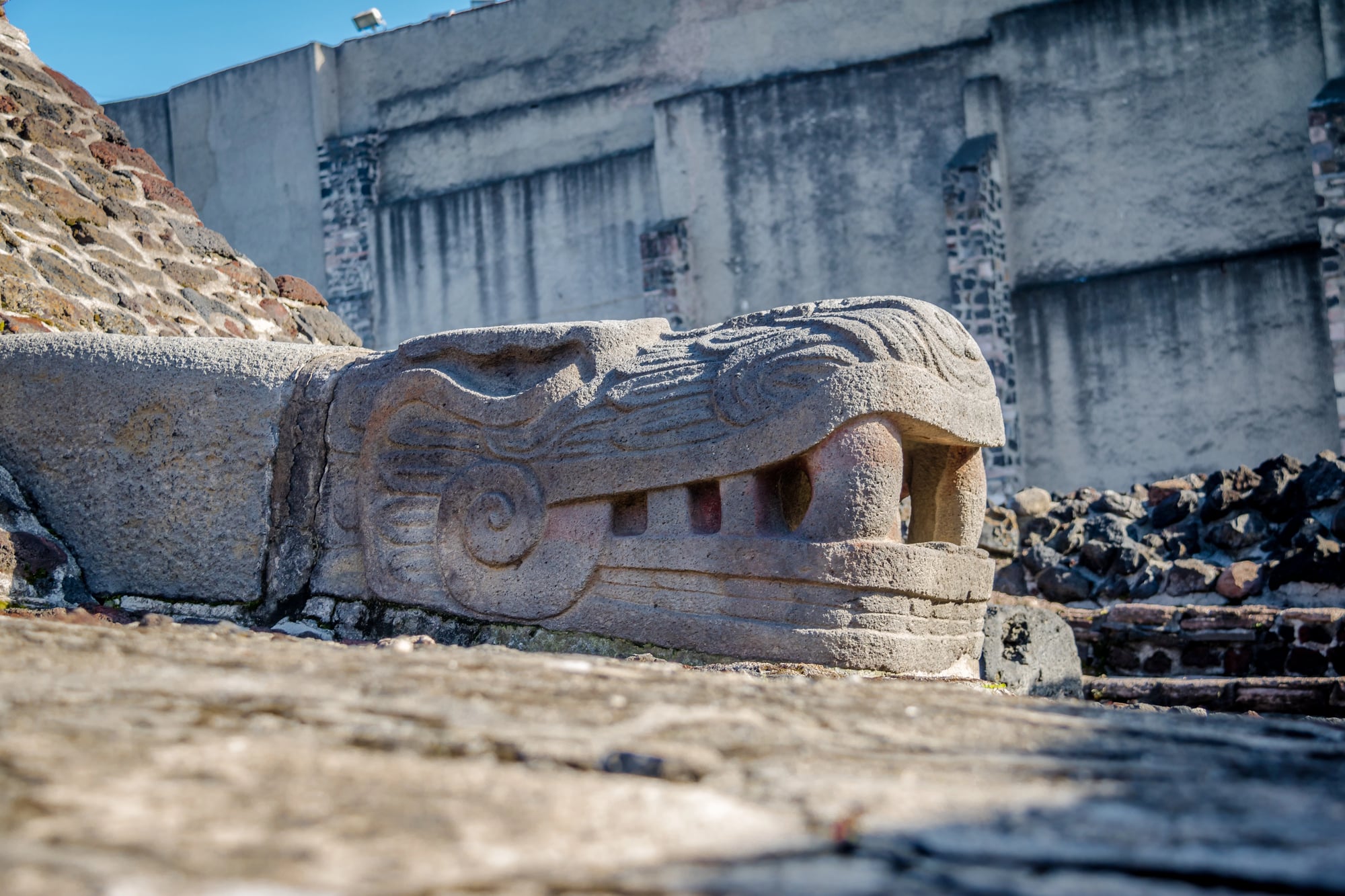
Building a major city in the middle of a lake presents obvious sanitation challenges, but the Aztecs turned geographic constraints into systematic advantages through waste management that kept lake water clean while supporting a population larger than most European cities. Designated areas for waste disposal, regular collection systems, and careful separation of drinking water from contaminated areas meant Tenochtitlan stayed remarkably healthy despite population density that should have bred epidemic diseases.
Spanish conquistadors noted the cleanliness with surprise—their own cities were filthy by comparison.
The floating gardens system meant human waste got processed into agricultural fertilizer without contaminating water supplies. The whole city functioned as an integrated system where waste became resource and sanitation became agriculture.
Victorian London’s Great Stink Solution

London’s 1858 Great Stink forced the city to build a sewer system that finally separated drinking water from waste disposal. The Thames had become an open sewer, cholera was killing thousands, and the smell had become unbearable even by 19th-century standards.
Joseph Bazalgette’s sewer system intercepted waste before it reached the Thames, carried it downstream, and treated it before disposal. The system ended cholera outbreaks in London and became the model for modern urban sanitation.
Sometimes it takes a crisis to force proper engineering.
Medieval Monastery Sanitation

Monasteries developed sanitation systems that kept religious communities healthy when secular cities were drowning in filth. Running water, proper drainage, and systematic waste disposal weren’t luxuries—they were necessities for communities that couldn’t afford disease outbreaks.
The plans for monastery construction always included detailed water and waste management systems. Fresh water came from protected sources, waste flowed away from living areas, and the whole system got maintained as a religious duty.
Clean living was literally next to godliness.
Ancient Greek Urban Planning
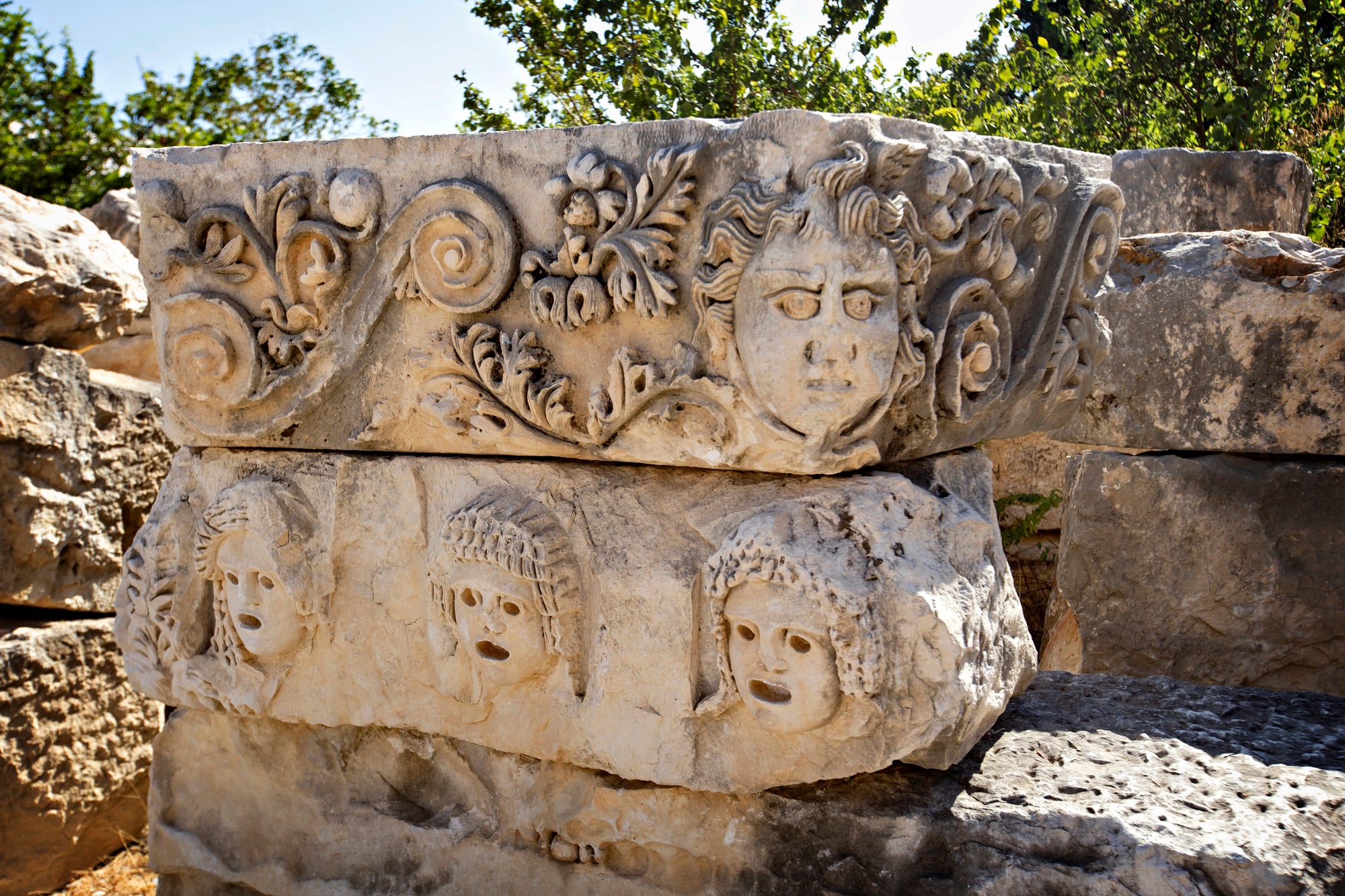
Greek cities built sanitation into their urban planning from the beginning. Proper drainage, waste removal systems, and clean water supplies weren’t afterthoughts—they were foundational elements of city design.
The grid system of Greek cities included designated areas for waste processing, water channels that stayed separate from sewage, and public facilities that served large populations without creating health hazards. This was systematic thinking applied to practical problems with results that lasted for centuries.
When Clean Water Becomes Legacy
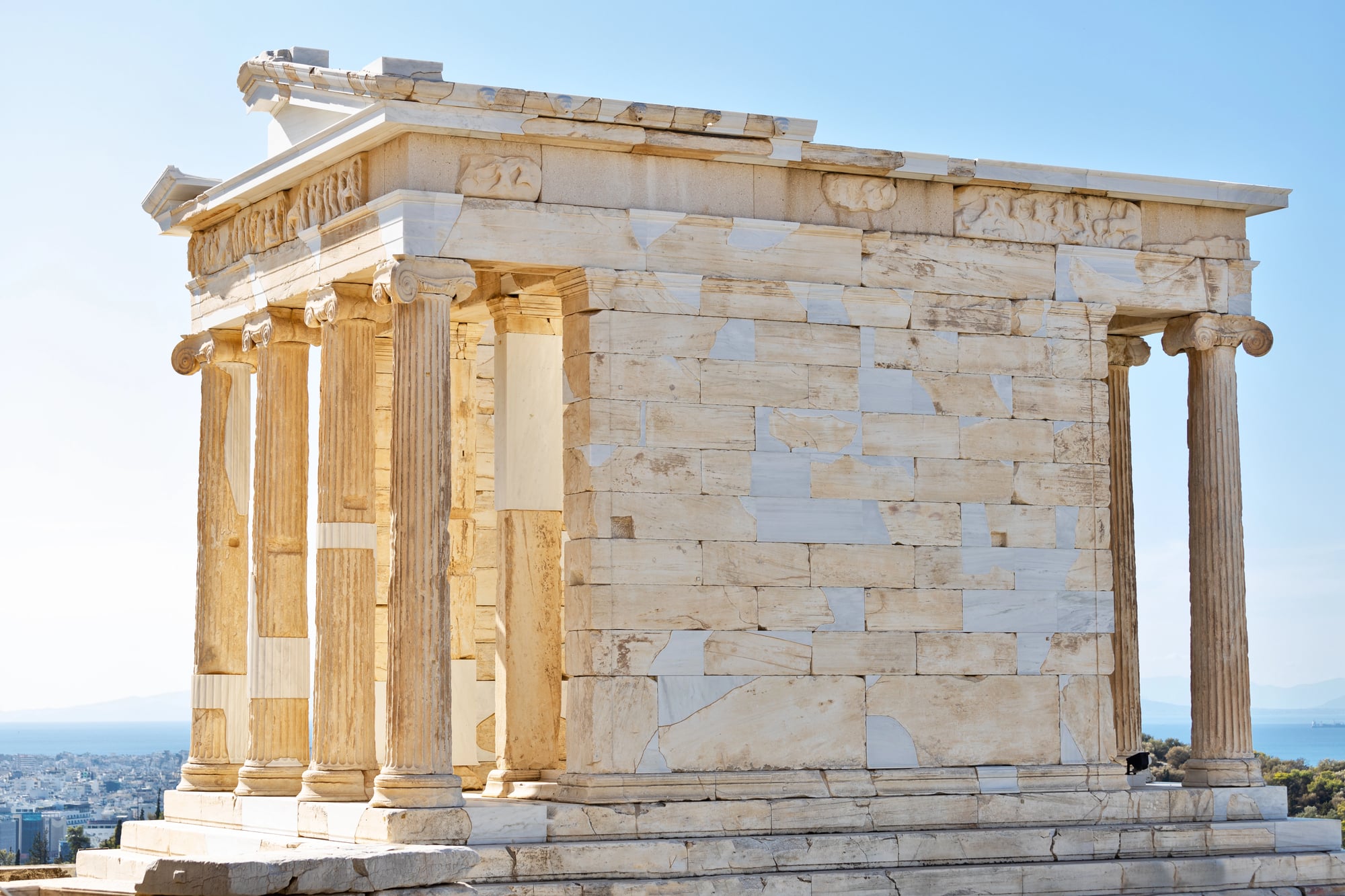
These ancient systems share something modern cities often miss: they understood that preventing disease meant thinking about water and waste as connected problems requiring systematic solutions. The civilizations that built sophisticated sanitation systems survived and thrived.
The ones that didn’t often disappeared entirely, leaving behind archaeological evidence of what happens when public health becomes an afterthought.
The engineering details matter less than the underlying recognition that clean water and proper waste disposal aren’t luxuries or conveniences—they’re the foundation of civilization itself. Every pipe, channel, and drainage system represented someone understanding that keeping human waste away from human communities wasn’t just about comfort or convenience, but about survival on a scale that determined whether societies flourished or vanished from history entirely.
More from Go2Tutors!

- The Romanov Crown Jewels and Their Tragic Fate
- 13 Historical Mysteries That Science Still Can’t Solve
- Famous Hoaxes That Fooled the World for Years
- 15 Child Stars with Tragic Adult Lives
- 16 Famous Jewelry Pieces in History
Like Go2Tutors’s content? Follow us on MSN.