17 Strange Disappearances in the Alcatraz Prison Era
The fortress on the bay held many secrets, but some of the strangest weren’t about the famous escape attempts everyone remembers. During Alcatraz’s federal prison years from 1934 to 1963, people simply vanished — not just inmates, though they certainly did, but guards, workers, visitors, and locals who got too close to something they shouldn’t have seen.
The official records tell one story. The whispered accounts from those who worked there tell quite another.
These disappearances weren’t always dramatic. Sometimes a person would finish their shift, walk toward the dock, and never make it to the boat.
Other times, someone would be there for morning count and gone by evening, with no explanation that satisfied anyone who asked. The cold waters around the island claimed some, but others seemed to dissolve into the fog itself, leaving behind only questions that the Bureau of Prisons preferred not to answer.
Frank Morris (Before the Famous Escape)
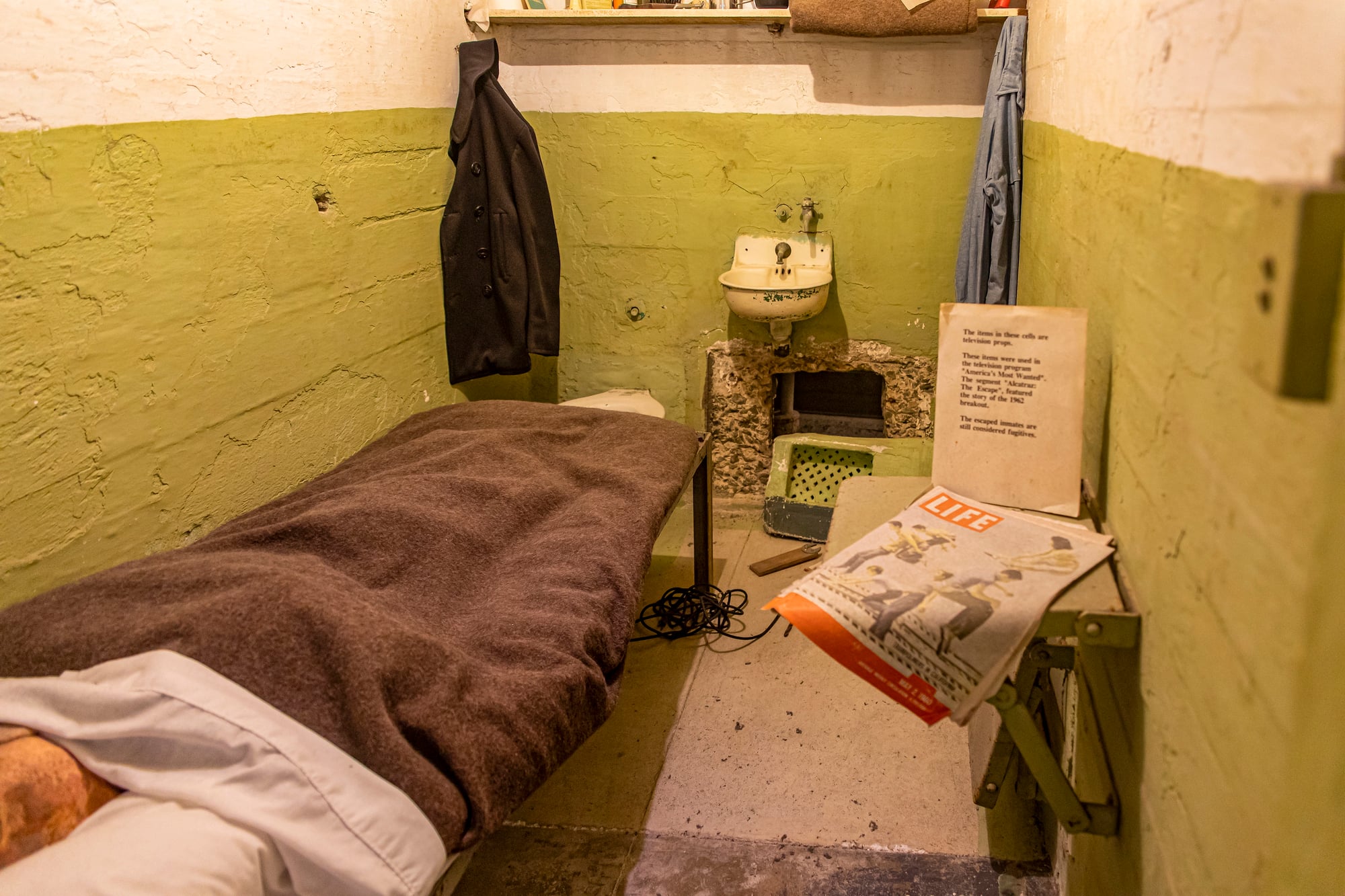
Frank Morris disappeared twice from Alcatraz, though most people only know about the second time. The first vanishing happened in 1960, two years before his legendary raft escape with the Anglin brothers.
Morris was serving time for bank robbery when he simply wasn’t there for evening count one Tuesday in March. The guards found him three days later in a section of the prison that had been sealed off since 1943.
He was unconscious, dehydrated, and had no memory of how he got there. When pressed for details, Morris claimed he’d been “visiting the old warden” — but the old warden had died in 1947.
The incident was buried in paperwork and Morris was moved to isolation. Two years later, he disappeared again, this time for good.
Eleanor Rossi
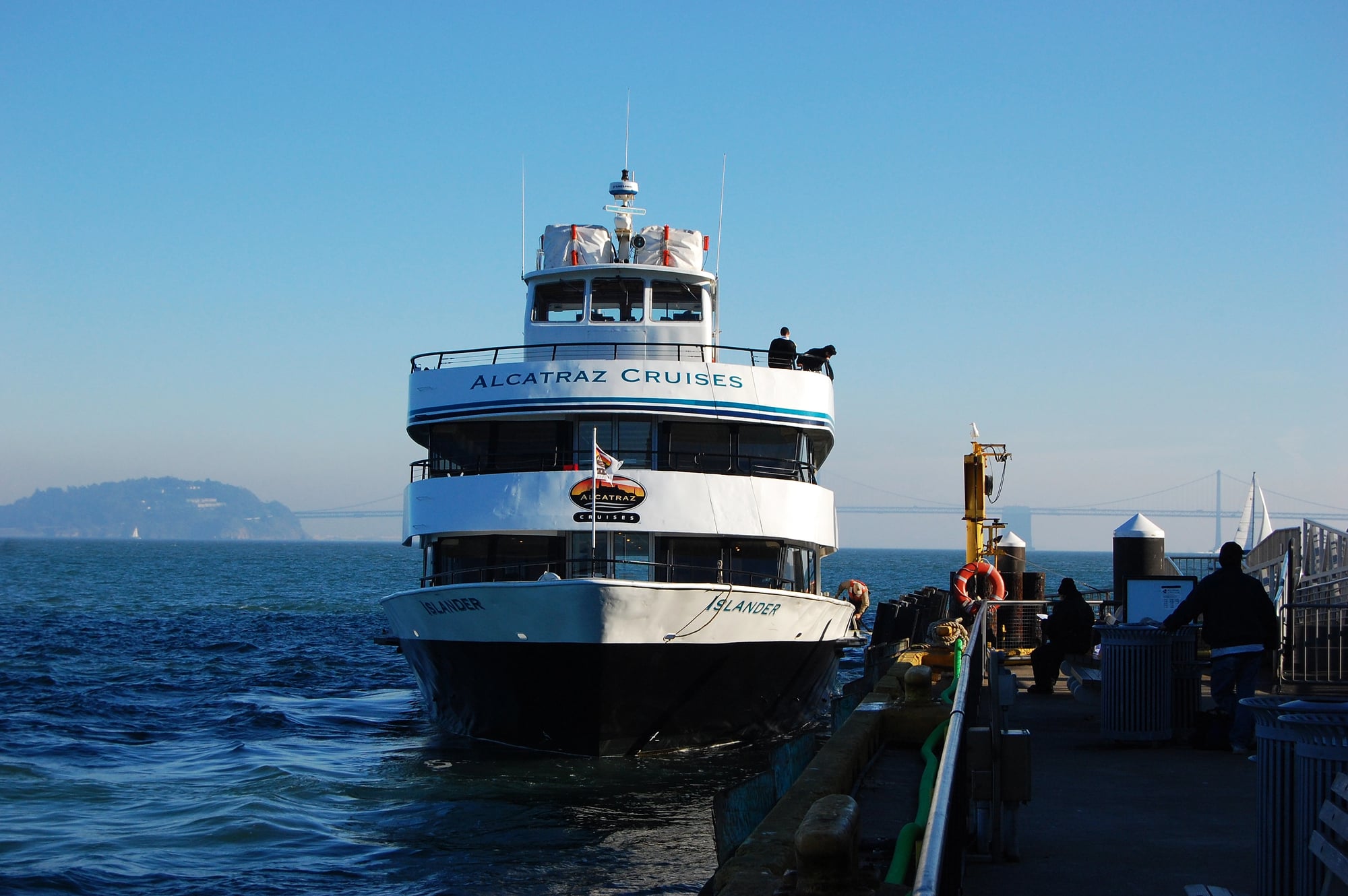
If you worked the Alcatraz ferry in 1952, you knew Eleanor Rossi — and if you knew Eleanor, you knew she never missed her 4:30 departure back to San Francisco (she had dinner waiting at home, she’d say, and her husband got worried). So when Eleanor finished her shift in the prison laundry on October 15th and didn’t show up at the dock, the boat waited.
And waited.
They found her laundry cart at the bottom of the service elevator, still full of clean uniforms. Her purse sat on her workstation, untouched.
Her coat hung on its usual peg. But Eleanor had vanished somewhere between folding the warden’s shirts and walking forty yards to catch her ride home.
The search lasted three weeks. The mystery lasted forever.
Robert Stroud’s Canaries

The Birdman of Alcatraz had his privileges stripped when he arrived in 1942, but somehow Robert Stroud kept getting canaries. Not officially — the prison banned pets entirely — yet guards regularly heard singing from his cell block.
When they investigated, they’d find nothing (Stroud would be reading or writing, innocent as Sunday morning, and the silence would stretch like a held breath until they walked away).
Then the birds started dying. Guards would find tiny yellow bodies in the exercise yard, always in perfect condition, always in groups of three.
Seventeen dead canaries appeared over six months in 1943. Stroud swore he had nothing to do with it.
And the singing from his cell continued, even after Stroud was transferred to solitary confinement. Even after he died in 1963, some guards claimed they could still hear it on quiet nights.
Tommy Chen

Tommy Chen ran the kitchen like a small empire — every meal timed to the minute, every ingredient accounted for, every prisoner fed without incident (which, considering he was feeding murderers and bank robbers, was saying something). His staff respected him because Tommy never played favorites and never backed down from trouble.
His supervisors respected him because the kitchen ran without problems. So when Tommy didn’t show up for the breakfast shift on September 8, 1955, everyone knew something was seriously wrong.
The investigators found his apartment exactly as he’d left it: coffee still warm in the pot, newspaper folded to the crossword puzzle, front door unlocked. His ferry pass was missing, suggesting he’d made it to the dock for the early morning transport.
But the ferry operator swore Tommy never boarded. Security footage showed him walking toward the dock at 5:47 AM, then nothing.
Tommy Chen had simply stepped out of existence somewhere between the guard station and the water.
The Christmas Choir
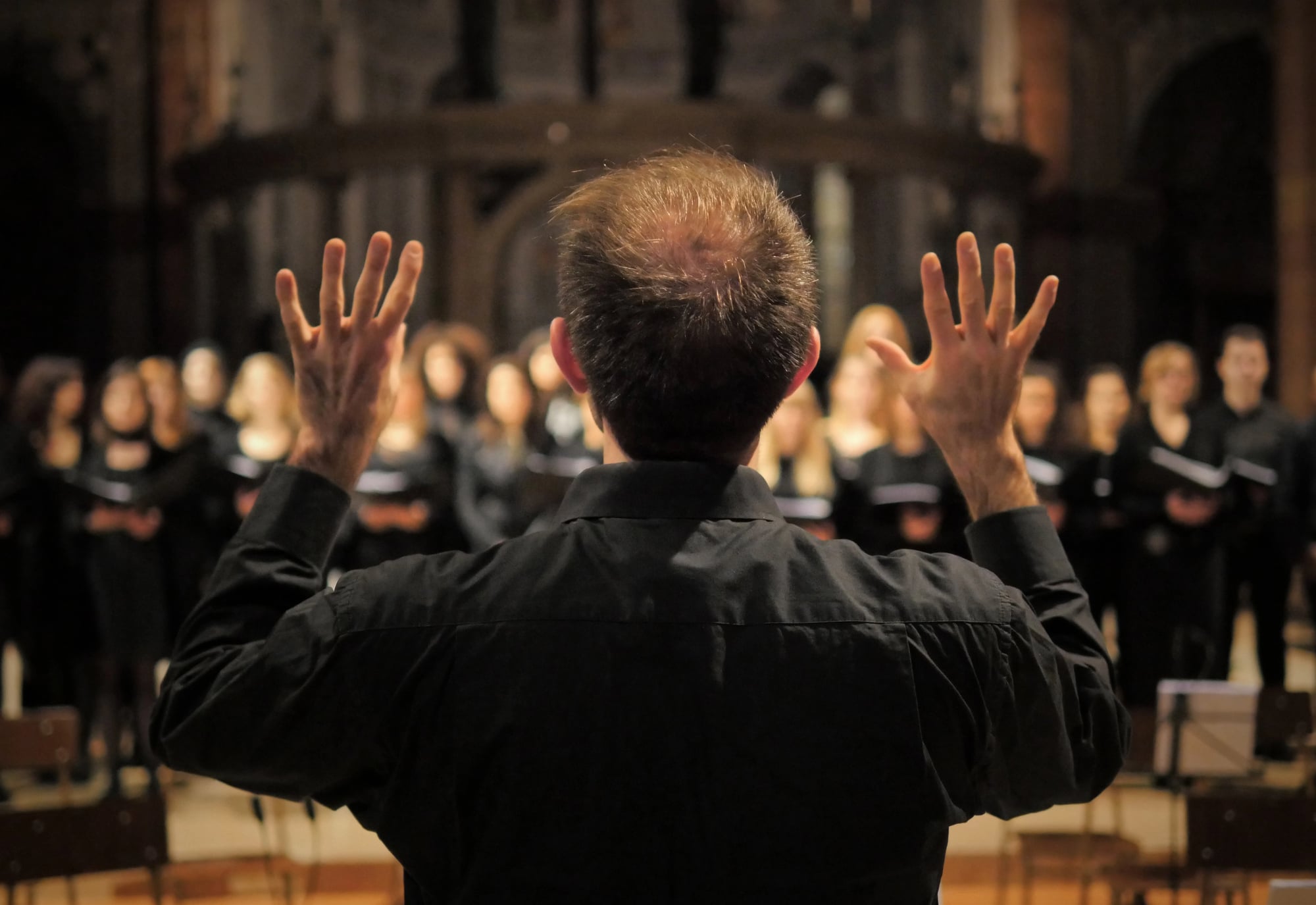
December brings a particular kind of loneliness to a prison, especially one surrounded by frigid water and holiday lights twinkling across the bay from family dinners you can’t attend. So when Chaplain William Anderson organized a Christmas choir in 1948, even the hardest inmates signed up.
Twelve men spent weeks practicing carols for the Christmas Eve service.
On December 23rd, the entire choir vanished during evening recreation time. Not escaped — vanished.
Their cells were undisturbed, the chapel was empty, and the guards swore no one had passed through the checkpoints. The search turned up nothing until three days later, when a fisherman found twelve sets of prison uniforms washed up on Angel Island, arranged in a perfect circle around a single sheet of music.
The men were never found.
The page was “Silent Night,” written in handwriting that matched none of the missing prisoners.
Detective Ray Martinez
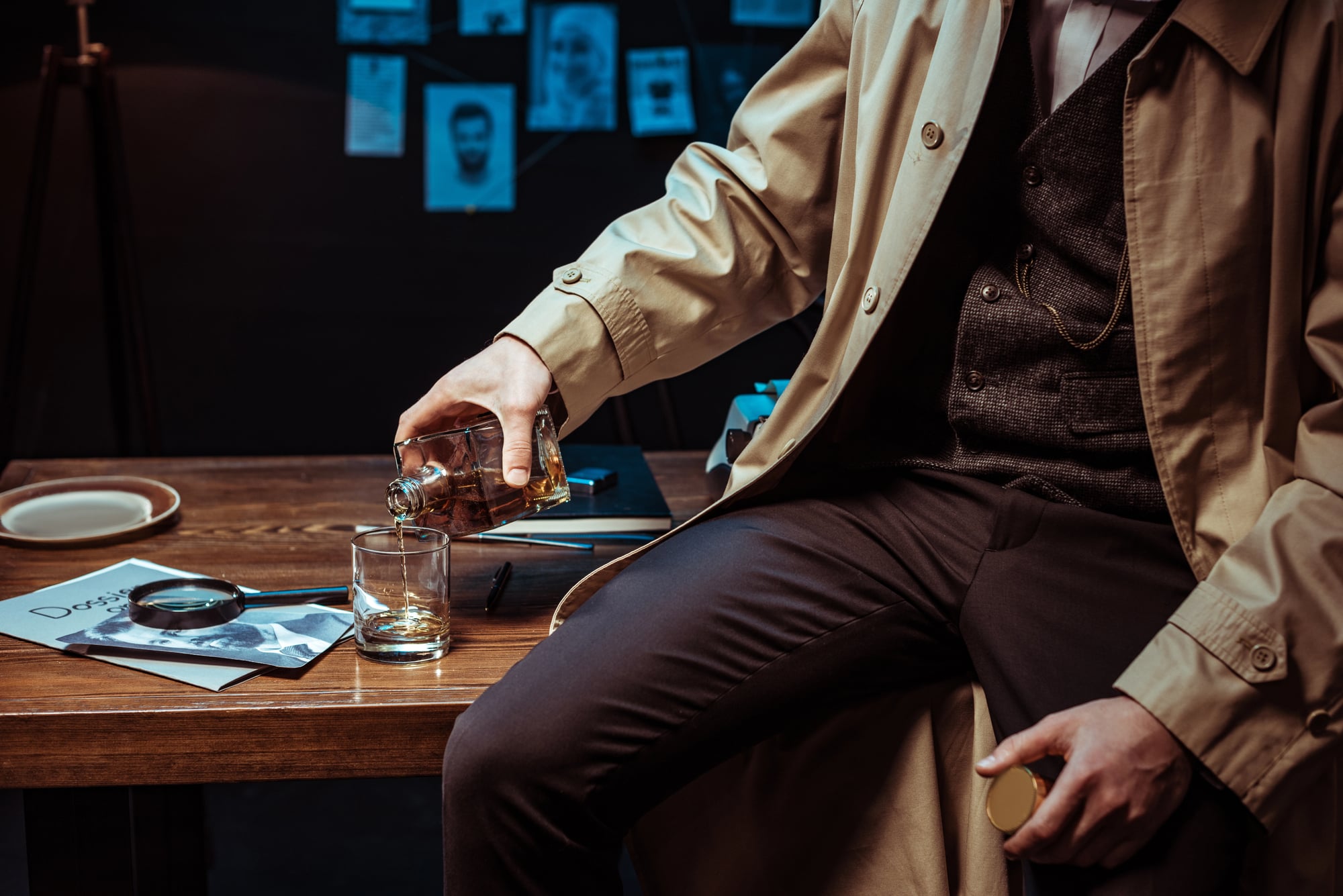
Some cases stick with investigators long after the files get closed, growing heavier instead of lighter as the years pass (and for Detective Ray Martinez of the San Francisco Police Department, the Alcatraz disappearances had become that kind of burden). Martinez wasn’t officially assigned to the prison — city cops had no jurisdiction on federal property — but three of his cases had connections to the island, and he’d started asking questions nobody wanted to answer.
In January 1957, he took a civilian tour of Alcatraz to see the place for himself. He never made it back to the city.
The tour guide remembered Martinez asking detailed questions about the old army bunkers beneath the prison. Other tourists recalled him taking notes and photographs.
But when the ferry docked in San Francisco that evening, Martinez wasn’t on board. The National Park Service claimed he’d never taken the tour at all, and his name appeared on no official visitor logs.
Martinez’s partner found his notebook three weeks later, floating near Pier 33. The pages contained detailed sketches of underground tunnels that didn’t appear on any official Alcatraz blueprints.
Sarah Williams and the Telegram

Working as a telegraph operator in 1954 meant handling all kinds of messages — family updates, legal communications, official prison business — and Sarah Williams had seen enough to know when something didn’t add up. When she started receiving telegrams addressed to prisoners who had died years earlier, she made the mistake of mentioning it to her supervisor.
The telegrams kept coming, always late at night, always for dead prisoners. The messages were brief and cryptic: “Package delivered,” “Weather holding,” “See you soon.”
Sarah began keeping copies, thinking she’d uncovered some kind of code system. On March 12, 1954, she worked the night shift alone to monitor the incoming messages.
The next morning, her chair was still warm but Sarah was gone.
They found her message log on the desk, open to a page with a single entry: “Message received. Going home now.” The timestamp showed 3:33 AM.
But the telegraph machine had been disconnected since midnight.
The Anglin Twins (Not Those Anglins)
Before Clarence and John Anglin became famous for their 1962 escape attempt, a different set of Anglin twins — distant cousins, as it turned out — worked construction on Alcatraz maintenance projects in 1950. Danny and David Anglin were civilian contractors, hired to repair the prison’s aging electrical system.
They vanished on a Tuesday morning in October, somewhere between the main cellblock and the generator room. Their tools were found arranged in neat rows, as if they’d stopped mid-job to attend to something urgent.
Their work truck sat in the prison garage with the keys in the ignition. But Danny and David had disappeared as completely as if they’d never existed.
The electrical problem they’d been hired to fix resolved itself the day they vanished. The lights that had been flickering for months suddenly worked perfectly, and continued working for the rest of the prison’s operational life.
Warden’s Assistant Margaret Cole
Margaret Cole knew everyone’s secrets at Alcatraz because handling the warden’s correspondence meant reading between the lines of every letter, memo, and official report that crossed his desk (and in a place like Alcatraz, the space between the lines held more truth than what was actually written). She’d been the warden’s assistant for eight years when she disappeared in June 1959, right in the middle of typing his monthly report to the Bureau of Prisons.
Guards found her typewriter still warm, a half-finished sentence still in the machine: “The recent incidents in the lower levels require immediate attention from—” Margaret’s coffee cup sat beside the typewriter, still steaming.
Her purse remained in the desk drawer. But Margaret was gone, and nobody could finish her sentence because nobody else knew what incidents she was referring to.
The warden claimed ignorance and had the unfinished report destroyed. He hired a new assistant the next day, a young man who lasted exactly three weeks before requesting a transfer to a federal prison in Kansas.
The Fisherman Who Knew Too Much
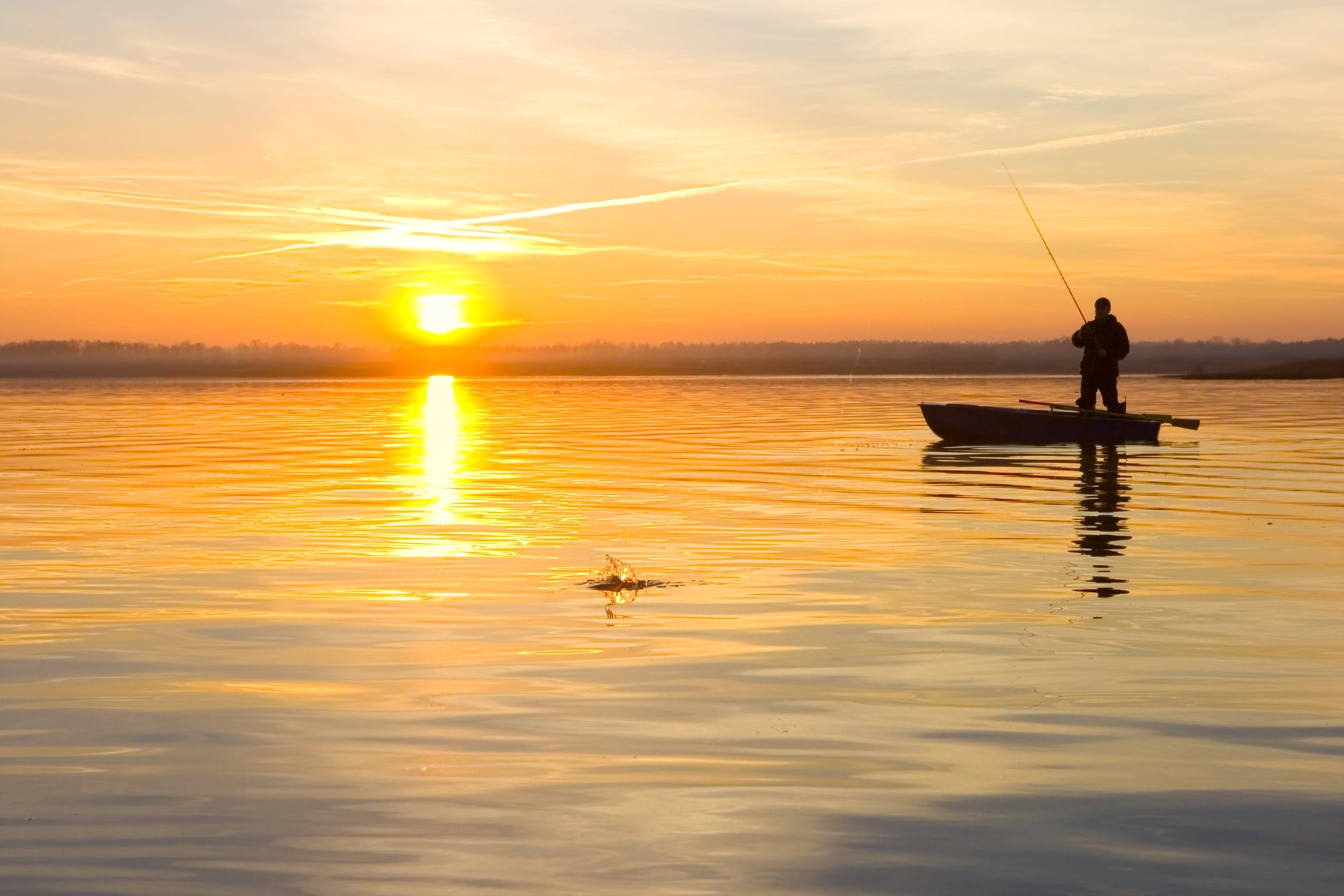
Some people have a talent for being in the wrong place at precisely the wrong time, and Giuseppe Torrino was one of those people. He ran a small fishing boat out of Fisherman’s Wharf and had a habit of dropping his nets a little too close to Alcatraz when the fish were running well.
On the morning of August 3, 1961, he radioed the Coast Guard to report “something strange” in the waters near the prison.
The Coast Guard told him to move along. Giuseppe said he would, right after he investigated what he’d seen.
That was the last transmission anyone heard from him. They found his boat three hours later, engine running, nets down, fresh coffee in the galley.
Giuseppe was nowhere aboard.
The Coast Guard report listed the incident as an accidental drowning. But Giuseppe was an experienced swimmer who’d fallen overboard dozens of times in forty years of fishing.
And his life jacket was still hanging on its hook, unused.
Dr. Harrison’s Research

Prison doctors see things that would make most people lose sleep, but Dr. James Harrison had been treating violent criminals for fifteen years before he arrived at Alcatraz in 1956 — nothing should have surprised him anymore. Yet something about his work at the island prison began to change him.
He started staying late, conducting research he wouldn’t discuss with his colleagues.
In his final months at Alcatraz, Harrison submitted strange requests to the medical supply office: equipment for measuring electromagnetic fields, unusual pharmaceuticals, recording devices. His assistant later described finding him in the prison infirmary at all hours, taking notes about “unusual physiological responses” in certain inmates.
On November 18, 1958, Dr. Harrison failed to report for his morning rounds. His office showed signs of a struggle — overturned chairs, scattered papers, broken glass.
But no blood, no obvious signs of violence. His research notes had been removed so thoroughly that even the impressions left on his notepad had been erased.
The Night Janitor’s Discovery

Cleaning a prison at night requires a particular kind of courage — walking empty corridors where dangerous men sleep just behind steel bars, working alone with only the sound of your footsteps and the occasional snore or nightmare cry from the cells. Miguel Santos had been doing the job for three years when he started noticing things that didn’t belong in his carefully ordered routine.
Doors that should have been locked were standing open. Floors he’d mopped spotless the night before showed muddy footprints in the morning.
Equipment appeared in storage rooms where it had never been kept. Miguel began carrying a small notebook, documenting the irregularities.
On February 14, 1962, he discovered something in the basement that made him call his supervisor immediately.
The call lasted exactly forty-seven seconds before the line went dead. Guards found Miguel’s cleaning cart in the basement, along with his notebook.
The final entry read: “They’re not all accounted for.” Miguel Santos was never seen again, and the night janitor position remained unfilled for the rest of Alcatraz’s operational life.
The Photographer’s Final Assignment

Life Magazine sent photographer Jack Kellerman to Alcatraz in 1954 to document daily life in America’s most famous prison. The assignment should have taken three days — shoot some atmospheric photos of cells and guards, interview a few officials, file the story.
But Kellerman became obsessed with what he called “the architecture of secrets.”
He kept finding spaces in the prison that didn’t match the official blueprints. Corridors that led nowhere, rooms that weren’t on any schematic, staircases that seemed to serve no purpose.
His editor received increasingly strange phone calls from Kellerman, who claimed he was uncovering “something bigger than a prison story.”
On his final day at Alcatraz, Kellerman was photographing the lower levels when he simply vanished. His camera was found near the old army bunkers, empty of film.
Every photograph he’d taken during his week at Alcatraz had been exposed to light, rendering them completely blank. The Life Magazine story never ran.
The Reverend’s Confession

Prison chaplains hear confessions that would break most people’s faith, but Reverend Thomas Pike had twenty years of experience ministering to violent criminals before he arrived at Alcatraz in 1960. He was prepared for stories of murder, robbery, violence.
He wasn’t prepared for the inmate who confessed to crimes that hadn’t happened yet.
Pike began documenting what he called “temporal confessions” — detailed accounts of future events that later came to pass exactly as described. The inmate who confessed knew things about the prison that even the guards didn’t know, described incidents that wouldn’t occur for months or years.
On Easter Sunday, 1963, Reverend Pike conducted his final service at Alcatraz. After the inmates returned to their cells, he was seen walking toward the chapel with a thick folder under his arm.
He never emerged. The chapel was searched thoroughly, but Pike had vanished.
His confession notes were never found, though several guards reported hearing typing sounds from the empty chapel for weeks afterward.
The Federal Inspector’s Report
When the Bureau of Prisons sent Inspector William Crawford to evaluate Alcatraz for possible closure in 1962, he was expected to file a routine report about aging infrastructure and operational costs. Crawford had inspected dozens of federal facilities and knew what to look for: maintenance issues, security concerns, budget inefficiencies.
But Crawford’s investigation took an unusual turn when he began interviewing former employees who’d requested transfers from the island. Their stories shared common elements that didn’t appear in any official reports: unexplained sounds, structural anomalies, incidents that were scrubbed from the records.
Crawford’s preliminary report raised questions that his superiors found disturbing. When he requested an extension to investigate further, he was told to submit his findings immediately and return to Washington.
Instead, Crawford sent a telegram saying he needed “just one more day to confirm what I’ve discovered.” He was never heard from again.
His final report was classified and sealed, not to be opened until 2045.
The Seamstress Who Saw Everything

Prison uniforms don’t mend themselves, and for twelve years, Agnes Murphy handled all the textile work at Alcatraz — patching torn shirts, replacing buttons, hemming pants for new arrivals. Her sewing room overlooked the exercise yard, and from her window, Agnes had watched every escape attempt, every fight, every strange occurrence that the guards preferred not to discuss.
Agnes was meticulous about her work and equally meticulous about what she observed. She kept detailed notes about unusual activities, tucked between the pages of her sewing patterns.
Guards changing shifts at odd hours, maintenance crews working in areas that didn’t need repair, visitors who arrived without passing through normal security procedures.
In March 1963, just months before Alcatraz closed, Agnes disappeared during her lunch break. Her sewing machine was still running, thread trailing from a half-finished repair job.
Her observation notes had been removed so completely that even the indentations on her desk blotter had been sanded smooth. The official explanation was early retirement, but Agnes never collected her pension.
Bobby “The Fish” Tetrault

Some prisoners adapt to Alcatraz by becoming invisible — keeping their heads down, following the rules, serving their time without incident. Bobby Tetrault took the opposite approach.
He knew everyone’s business, heard every rumor, and somehow always ended up in the middle of whatever was happening on the island.
Bobby claimed he could predict when escapes were being planned, when guards were taking bribes, when officials were covering up incidents. Other inmates called him “The Fish” because he seemed to know things that were swimming just beneath the surface.
In 1961, Bobby started telling people he’d discovered “the real reason they built this place.”
On July 4th weekend, 1961, during the annual holiday lockdown, Bobby vanished from his cell. The lock was still secure, the bars showed no signs of tampering, and the cell window was too small for a human body.
But Bobby was gone, leaving behind only a note tucked under his mattress: “Found the door. Don’t look for me.”
Where the Stories Lead
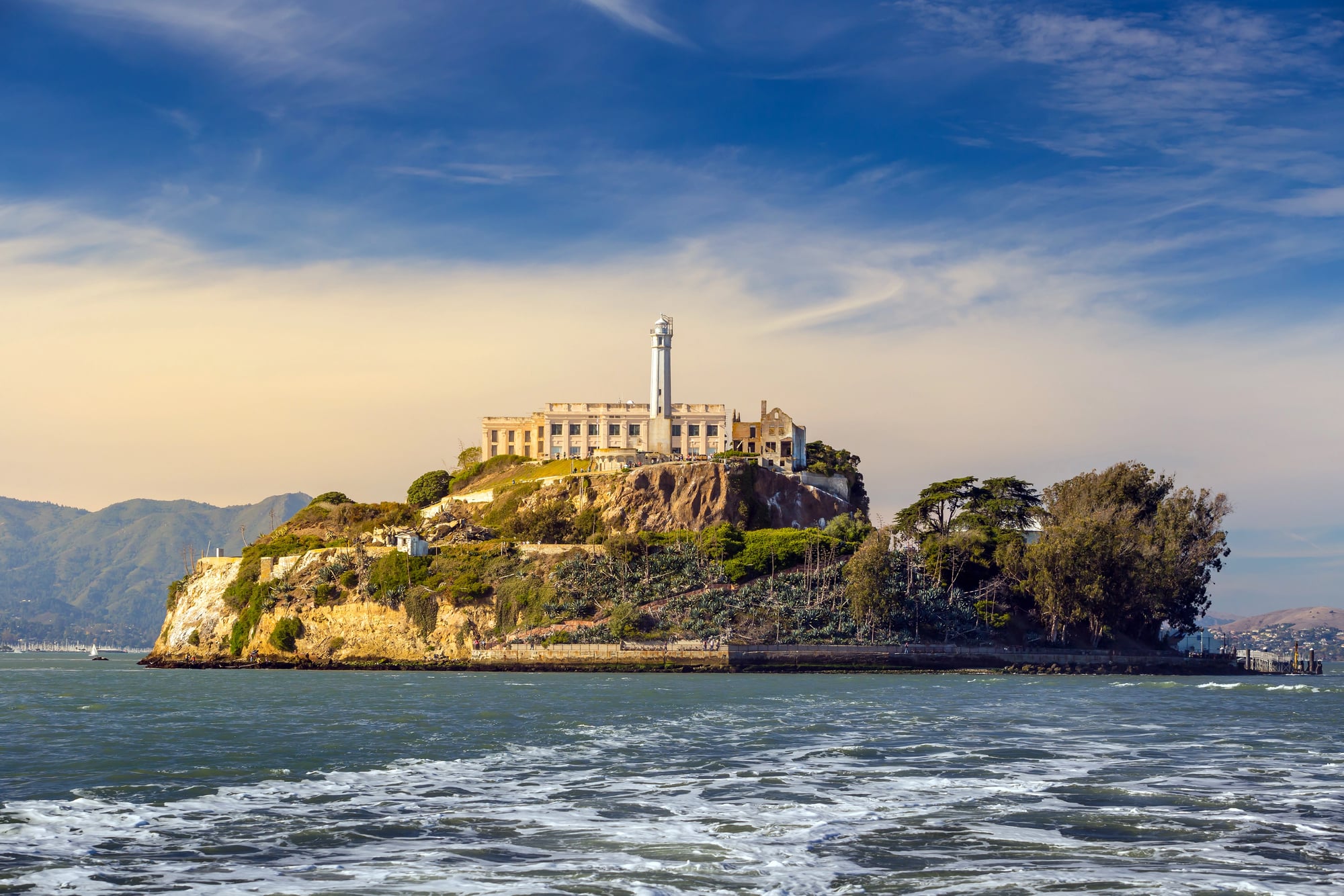
The thing about disappearances is they create a hunger that facts can’t satisfy. Every missing person leaves behind a shape in the world — an absence that feels heavier than presence ever did.
At Alcatraz, those absences accumulated like sediment, layer upon layer of unanswered questions that the official histories never quite managed to bury.
Maybe that’s why the prison closed when it did. Not just because of the famous escapes everyone remembers, but because too many people had vanished into its fog-wrapped mysteries.
The federal government could handle bank robbers and murderers. But it couldn’t handle secrets that grew stronger every time someone tried to expose them.
The island sits empty now, visited by tourists who come to see the cells and hear stories about Al Capone. But on certain foggy mornings, when the bay is still and the city feels far away, you can almost see them — all the disappeared ones, still walking the corridors of America’s strangest prison, still keeping secrets that were never meant to be
More from Go2Tutors!

- The Romanov Crown Jewels and Their Tragic Fate
- 13 Historical Mysteries That Science Still Can’t Solve
- Famous Hoaxes That Fooled the World for Years
- 15 Child Stars with Tragic Adult Lives
- 16 Famous Jewelry Pieces in History
Like Go2Tutors’s content? Follow us on MSN.