Concerts With the Most Expensive Tickets
Music fans have always been willing to spend money to see their favorite artists live. But somewhere along the way, concert tickets transformed from an affordable night out into a luxury purchase that requires serious financial planning.
The stories behind some of these astronomical prices reveal a complex mix of demand, dynamic pricing systems, and the once-in-a-lifetime nature of certain performances.
The Record-Breaking Led Zeppelin Reunion
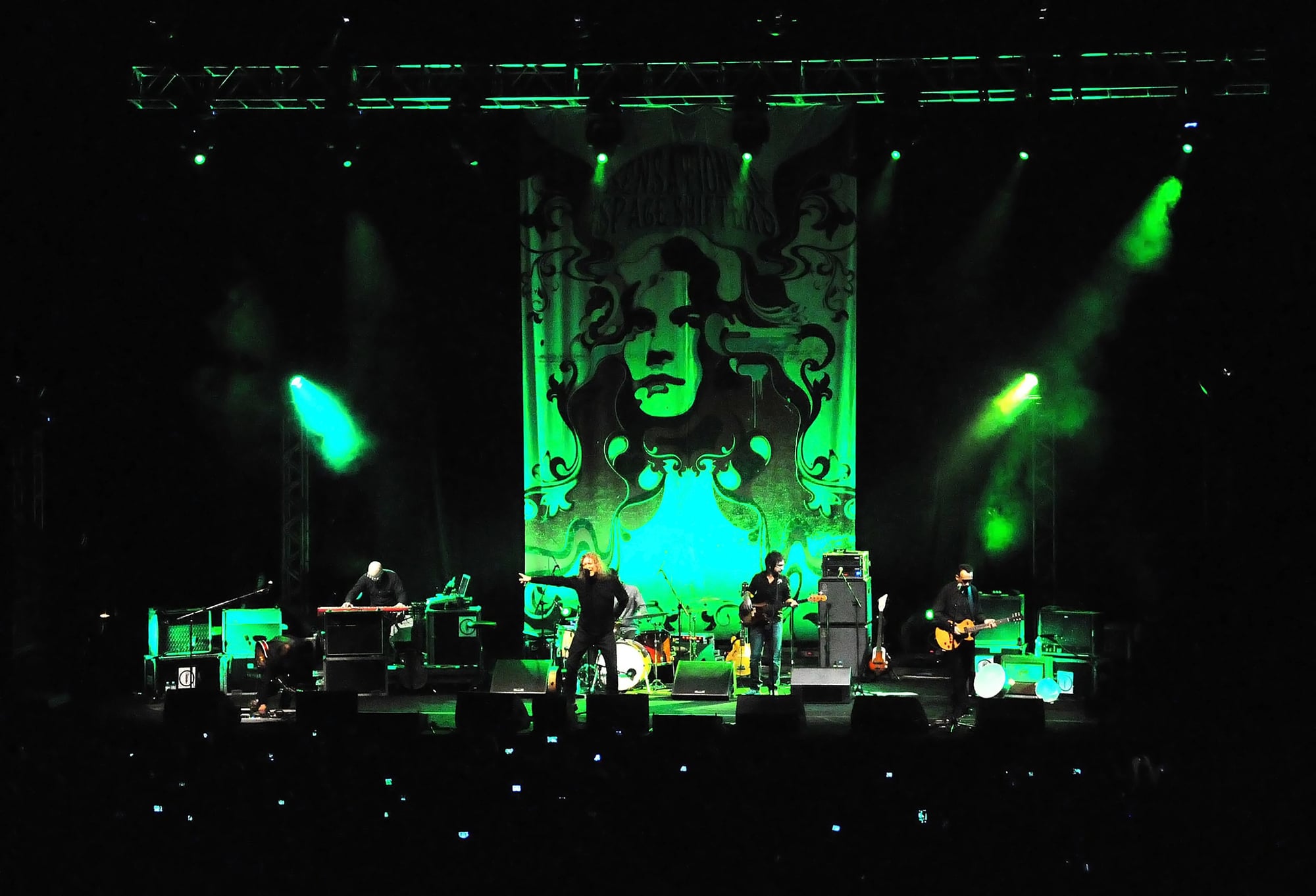
When Led Zeppelin reunited in 2007 for a tribute concert at London’s O2 Arena, ticket demand reached unprecedented levels. The band hadn’t performed together in 27 years, and more than 20 million people requested tickets for a venue that held only 20,000.
At a charity auction for BBC’s Children in Need, a 25-year-old man from Scotland paid $168,000 for two tickets. That works out to $84,000 per seat.
He got to meet the band during rehearsals and sat in the front row for the entire performance. The buyer later said the experience was worth every penny, and given how rarely Led Zeppelin performs, he was probably right.
The concert became the only show in history to attract over 20 million ticket requests. The website crashed from 80,000 applications per minute.
Face value tickets ranged from around $250 to over $3,500, but the charity auction created the highest single ticket price ever documented.
Taylor Swift’s Era-Defining Tour
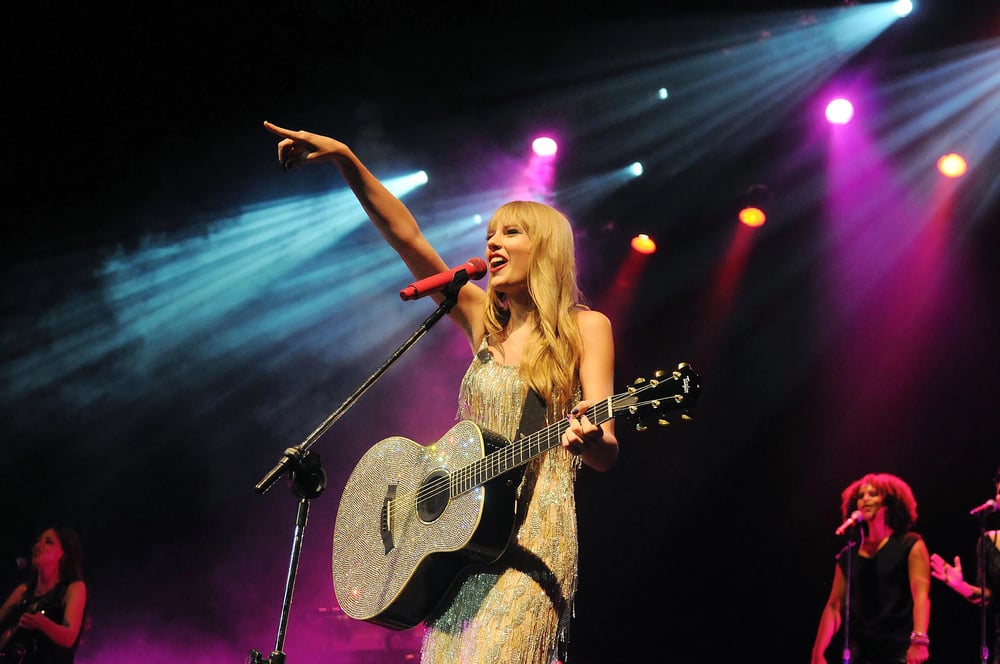
The Eras Tour became the highest-grossing tour in history, surpassing $1 billion in revenue. Face value tickets started at a modest $49 and went up to $499, but the real story played out on resale markets.
Premium seats regularly sold for several thousand dollars. Some VIP packages reached $7,000.
The demand was so intense that it crashed Ticketmaster’s website and led to congressional hearings about ticketing practices.
What made these prices stick was the tour’s scope. Swift performed a three-hour show covering her entire catalog, with elaborate staging and costume changes.
For many fans, this felt like the concert of a lifetime. They paid accordingly.
Bruce Springsteen And The Dynamic Pricing Debate

When tickets for Springsteen’s 2023 tour went on sale, fans who’d followed him for decades found themselves priced out. Some tickets reached $5,000 due to Ticketmaster’s dynamic pricing system, which adjusts prices based on real-time demand.
The controversy hit especially hard because Springsteen built his career on championing working-class Americans. A longtime fan magazine called Backstreets even shut down in protest, unable to justify covering concerts their readers couldn’t afford to attend.
Springsteen eventually addressed the backlash. At 73 years old, he explained that he wanted to charge what his peers were charging.
He pointed out that most tickets were more affordable, in the $200 range, and that only a small percentage reached four figures. His defense was straightforward but didn’t satisfy everyone.
Some tickets climbed to $4,000 or more before Ticketmaster adjusted the system.
The argument from his camp was simple. If scalpers were going to charge these prices anyway, why shouldn’t the artist and venue capture that value?
It’s a reasonable business position that felt deeply uncomfortable coming from the Boss.
Adele’s Las Vegas Residency
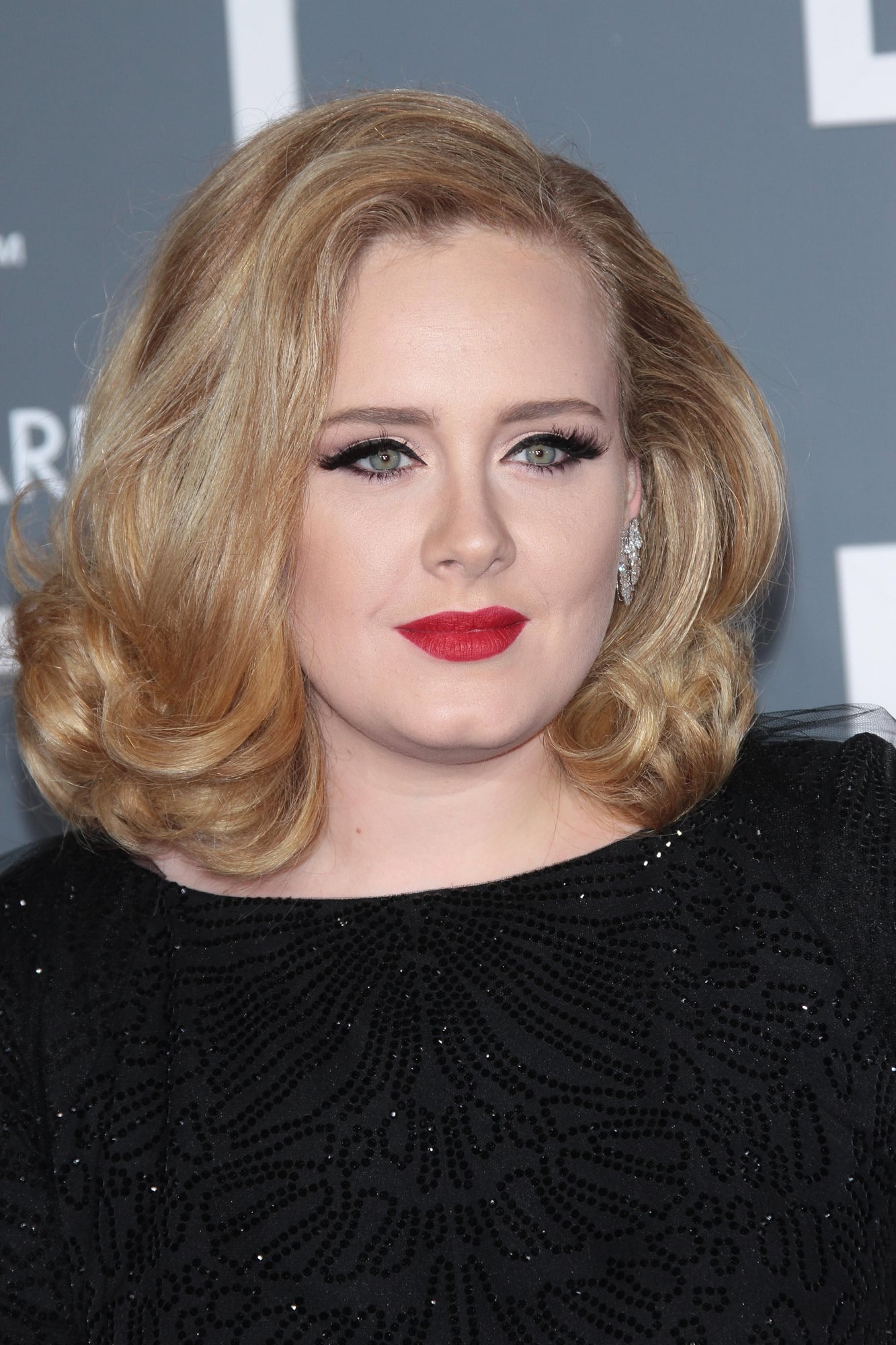
Adele’s extended residency at Caesars Palace became one of the most expensive regular concert series in recent memory. Original face value tickets ranged from $130 to $971, but resale markets told a different story.
By the final shows in late 2024, average resale prices exceeded $4,800. The cheapest available tickets started around $2,000.
Some premium seats sold for over $7,000. Fans expressed confusion about why prices remained so high for a residency that had been running since 2022.
The announcement that Adele planned to take an extended break after the residency ended drove prices even higher. If this was truly the last chance to see her for years, people reconsidered what they were willing to spend.
Demand remained strong through the final performance.
Beyoncé’s Renaissance World Tour
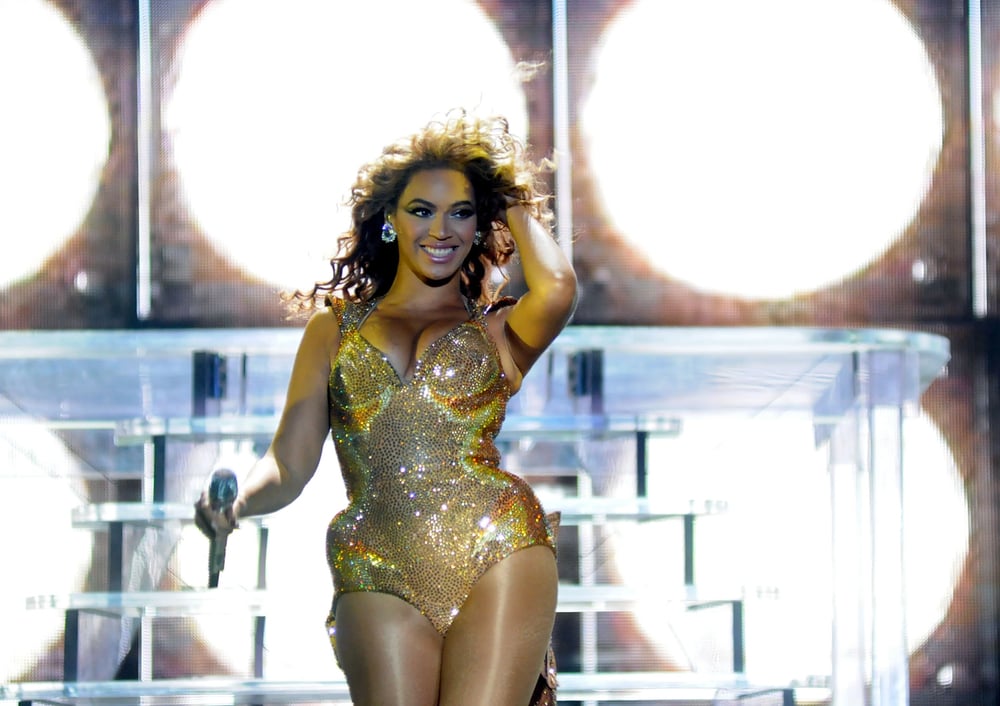
When Beyoncé tours, expectations run high. The Renaissance Tour in 2023 delivered on those expectations with a production that felt more like performance art than a standard concert.
Tickets reflected that ambition. Average seats cost around $350.
Better seating ran between $900 and $3,000. In major cities, front-row access could reach $5,000.
The production included elaborate choreography, multiple costume changes, and staging that pushed technical boundaries.
Fans accepted these prices because Beyoncé concerts have become cultural moments. Missing one means missing out on conversations, social media content, and shared experiences that define pop culture.
That social pressure, combined with genuine artistic merit, keeps demand high enough to sustain premium pricing.
The Rolling Stones Keep Rolling In Revenue
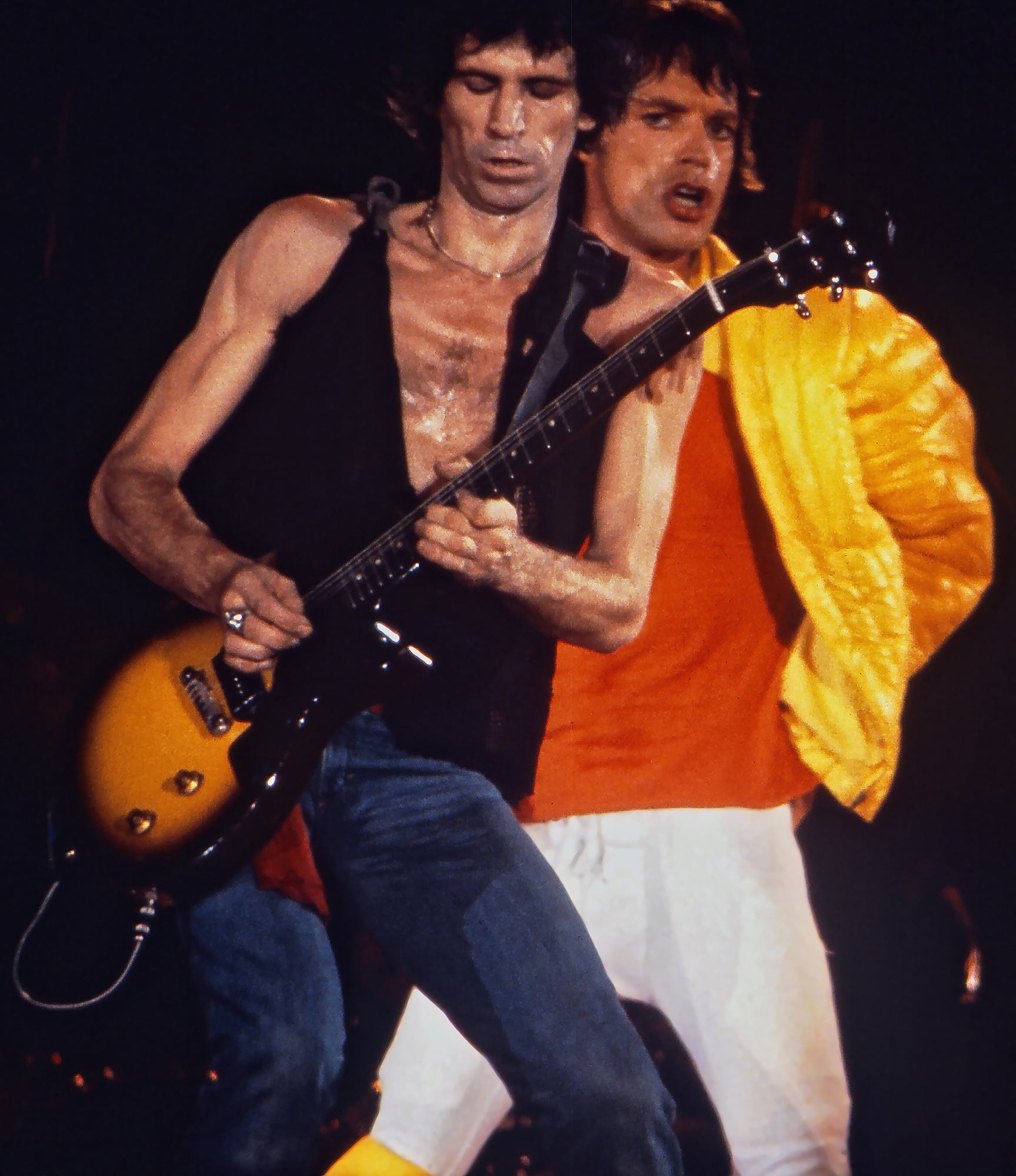
The Stones have been charging premium prices for decades. Their 50 & Counting Tour in 2012 marked the band’s 50th anniversary with ticket prices to match the occasion.
By the time the tour wrapped, some seats had sold for tens of thousands of dollars in resale markets.
The band’s A Bigger Bang Tour set records as the most profitable tour of its time, generating over $558 million in inflation-adjusted revenue. Recent tours have only pushed prices higher as the band members age and each tour feels potentially like the last one.
Die-hard fans justify the expense by pointing to the band’s place in rock history and the uncertainty about how many more chances they’ll get to see the original members perform together. That calculation changes when you’re watching musicians in their 70s and 80s.
Coldplay’s Spherical Ambitions
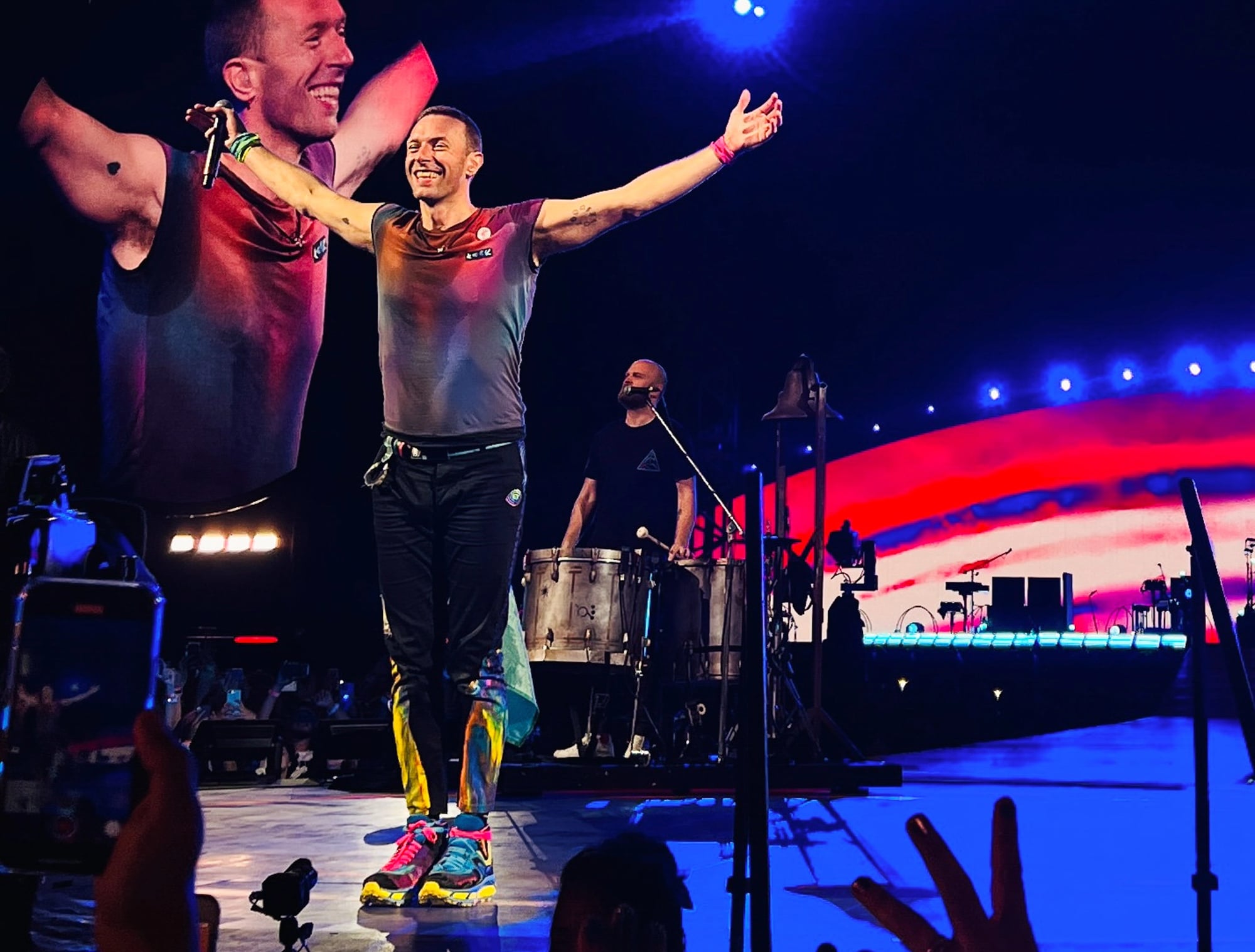
Coldplay’s Music of the Spheres World Tour set new standards for concert production. The elaborate staging, environmental commitments, and massive scale justified ticket prices that ranged from $90 to over $3,200.
The tour generated over $1 billion in revenue, putting it among the highest-grossing tours ever. Fans paid premium prices not just for the music but for an experience that felt immersive and visually stunning.
The investment in production quality gave promoters justification for charging more.
Madonna’s Celebration Tour
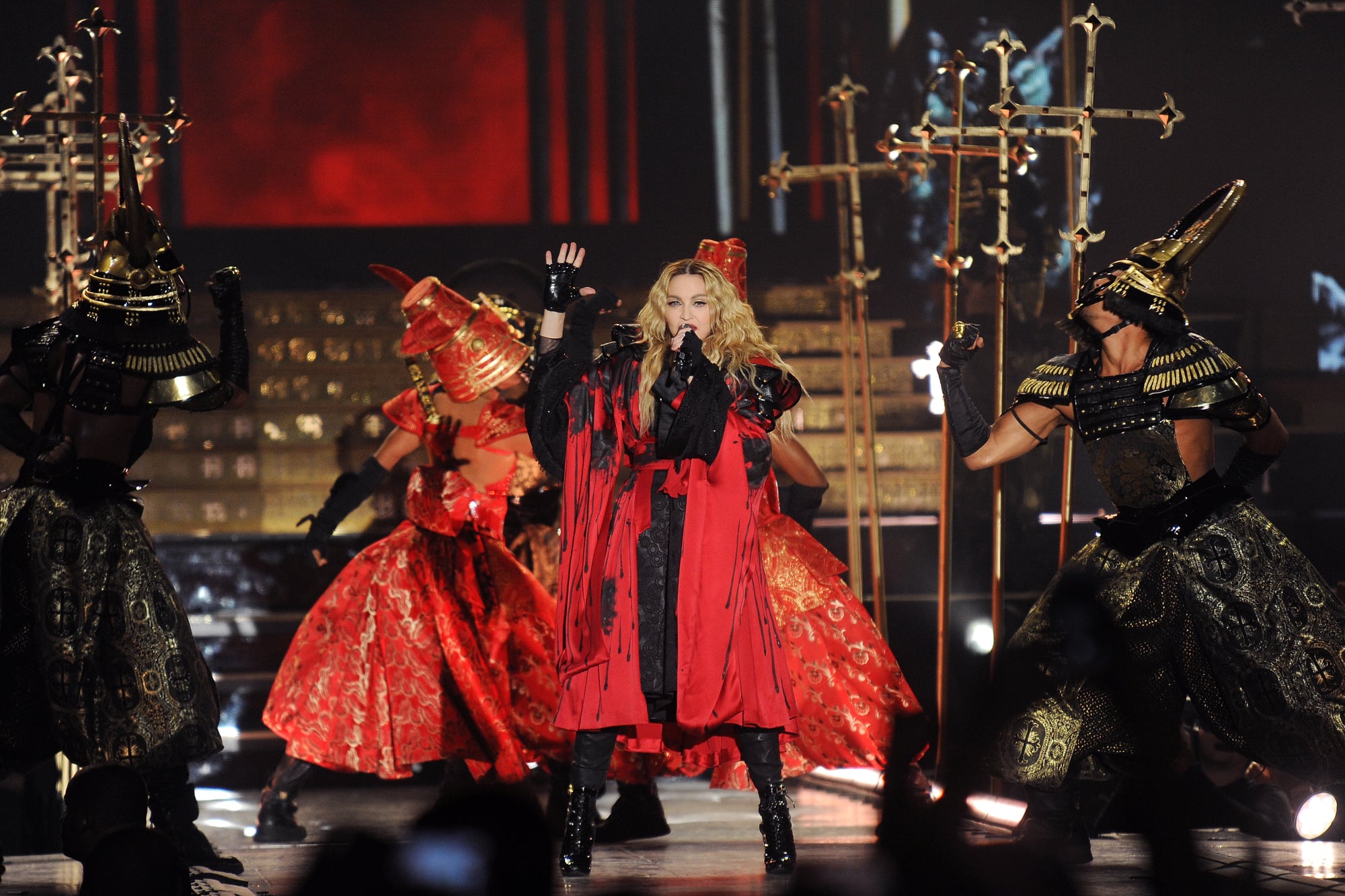
Madonna’s concerts have always commanded high prices, dating back to her Blond Ambition tour in 1990. The recent Celebration Tour, which recounted her entire music catalog, saw tickets start at $300 for decent seats in major cities, with VIP packages exceeding $700.
At this point in her career, Madonna’s shows function as theatrical productions that happen to include music. The multi-act structure, fashion elements, and controversial staging keep audiences engaged for hours.
Fans pay for spectacle as much as songs.
Michael Jackson’s Final Curtain Call
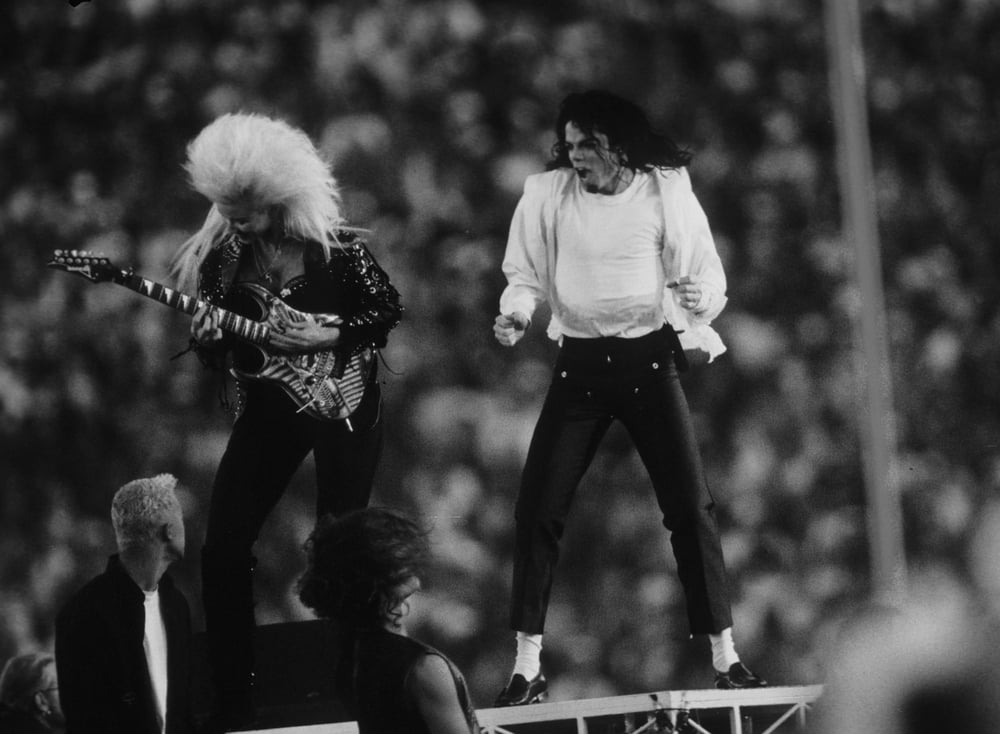
Jackson’s 2009 tour, marketed as his Final Curtain Call, featured some of the most expensive tickets of that era. Average prices hit $105, but VIP packages exceeded $1,100.
Once initial sales ended, resale markets saw prices climb to $35,000 for premium packages.
The tour never actually happened because Jackson died during rehearsal preparations. But the ticket prices revealed just how much demand existed for a performer at Jackson’s level, even late in his career.
Billie Eilish’s Atmospheric Appeal

Eilish commands surprisingly high prices given her relatively stripped-back production approach. Base tickets for tours like Happier Than Ever start around $120 to $250, but premium floor seats regularly hit $400 or more after fees and resale markups.
The high prices stem partly from how rarely she tours and how quickly shows sell out. Young audiences treat her concerts as communal experiences, driving up demand.
Her atmospheric staging and emotional intensity create an environment that feels worth the premium.
Sabrina Carpenter’s Rising Prices

Carpenter represents a newer phenomenon where mid-tier pop artists command prices once reserved for superstars. Her Short and Sweet Tour sees tickets range from around $60 to over $400 in competitive markets.
The VIP packages tell the story of modern concert economics. A Team Sabrina Preshow Party Package retails at over $330 and includes early entry, a preshow party, and merchandise.
Resale markets push prices even higher as fans compete for sold-out shows in smaller venues.
Oasis And Dynamic Pricing Backlash
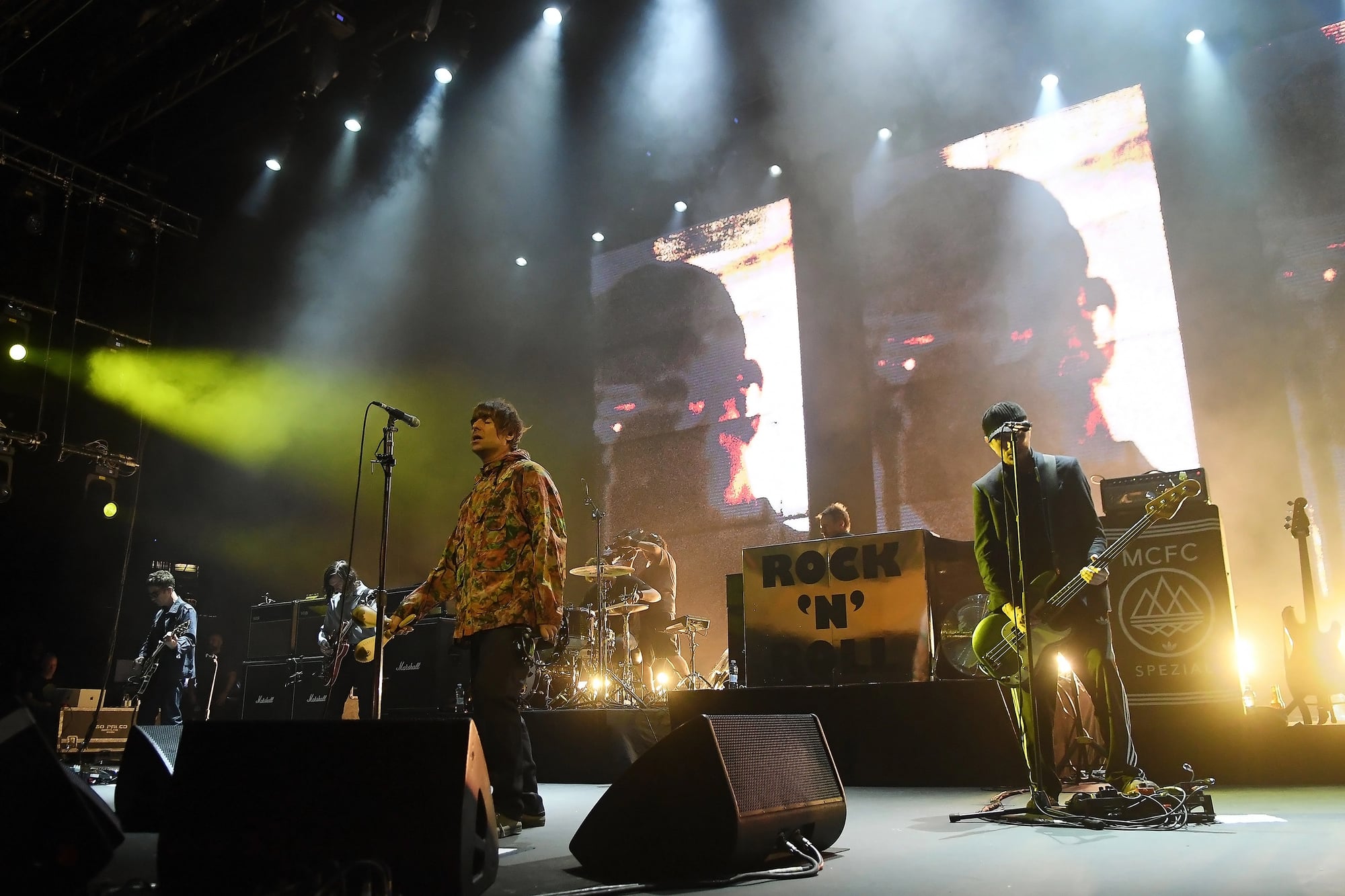
When Oasis announced their 2025 reunion tour, decades of pent-up demand met modern ticketing technology. The result was chaos.
Dynamic pricing pushed tickets from an expected $148 to over $300 for many fans who reached the front of virtual queues.
The backlash was immediate and intense. Fans who grew up with Oasis in the 1990s found themselves priced out of a reunion they’d waited years to see.
The British government launched an investigation into the pricing practices.
The band claimed they weren’t aware dynamic pricing would be used for UK and Ireland shows. They promised not to use it for North American dates.
But the damage to their working-class image was done.
The Economics Behind The Prices
Several factors drive modern ticket prices to these extremes. Dynamic pricing algorithms adjust costs in real time based on demand, often faster than fans can process what’s happening.
Artists and promoters argue this captures value that would otherwise go to scalpers and bots.
Venue capacities haven’t increased significantly, but populations and wealth have grown. More people competing for the same number of seats naturally drives prices up.
Artists also earn less from recorded music than they once did, making touring revenue more critical to their business models.
The rise of social media creates additional pressure. Concerts become content creation opportunities and social currency.
People aren’t just paying to hear music anymore. They’re paying to participate in cultural moments they can share online.
When The Music Stops Mattering
Shows turning fancy hits hard. Fans stuck outside now, after years of backing their favorite acts.
When tickets cost so much, different faces fill the seats. Regular folks fade out, while wallets call the shots.
Who gets in shifts, without saying it aloud.
Still, a few creators resist what’s happening now. Meanwhile, some accept it simply because that is how things sell today.
Whether tunes ought to reach everyone freely – or whether makers should grab income while they’re able – keeps sparking talk among musicians.
It stands out now – going to concerts costs in ways people never expected. Not if tickets climb higher matters most, instead, when do loyal listeners decide it just doesn’t feel worth it anymore.
The Last Note

What a ticket costs today matches desire, not fairness. Unsettling?
Yes. Real?
Absolutely. Fans dropping huge sums on one concert show how deep music pulls – yet how uneven that pull can feel.
When money blocks the door most firmly, connection slips away quietly. Still, under darkened stadium ceilings, with silence breaking into sound, there’s always someone ready to spend without counting.
More from Go2Tutors!

- The Romanov Crown Jewels and Their Tragic Fate
- 13 Historical Mysteries That Science Still Can’t Solve
- Famous Hoaxes That Fooled the World for Years
- 15 Child Stars with Tragic Adult Lives
- 16 Famous Jewelry Pieces in History
Like Go2Tutors’s content? Follow us on MSN.



