World’s Spiciest Dishes
Some people like a little kick in their food, while others want their taste buds to feel like they’re under attack. Around the globe, certain dishes have earned legendary status for bringing tears to eyes and making even the bravest eaters reach for a glass of milk.
These aren’t your average spicy meals with a gentle tingle. Here are some of the hottest dishes that people actually eat and somehow enjoy.
Phaal curry from India
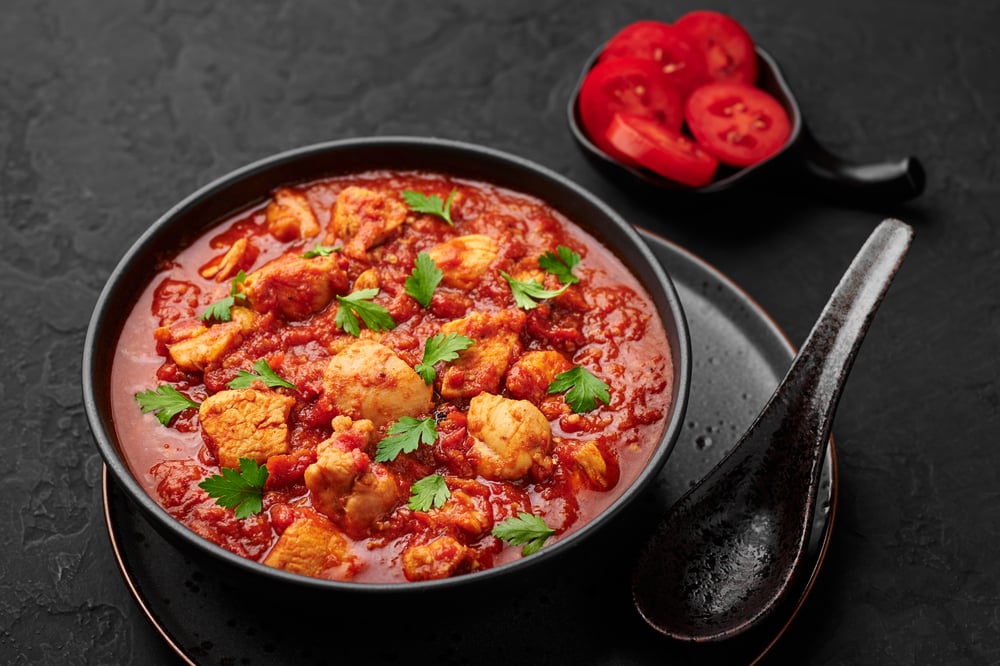
Phaal curry makes traditional vindaloo look like child’s play, using a combination of ghost peppers and scotch bonnets that clock in at over one million Scoville units. British-Indian restaurants created this dish as a challenge for customers who claimed nothing was too hot for them.
The sauce is so intense that some restaurants make diners sign a waiver before serving it. Chefs wear gloves and masks while preparing phaal because the fumes alone can irritate the eyes and throat.
Sichuan hot pot from China
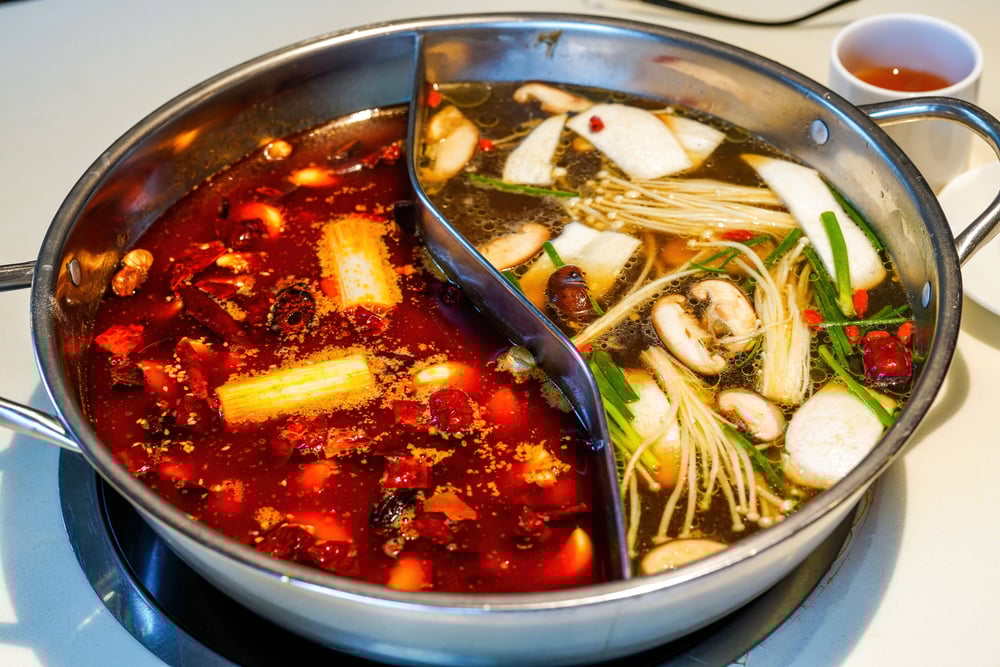
Sichuan hot pot dumps handfuls of dried chilies and Sichuan peppercorns into a bubbling oil bath that numbs the mouth while simultaneously setting it on fire. The peppercorns create a tingling sensation that feels like tiny electric shocks on the tongue.
Diners cook raw meat and vegetables in the fiery broth, which only gets spicier as the meal goes on. The red oil floating on top contains so much capsaicin that it stains everything it touches a deep orange color.
Jerk chicken from Jamaica
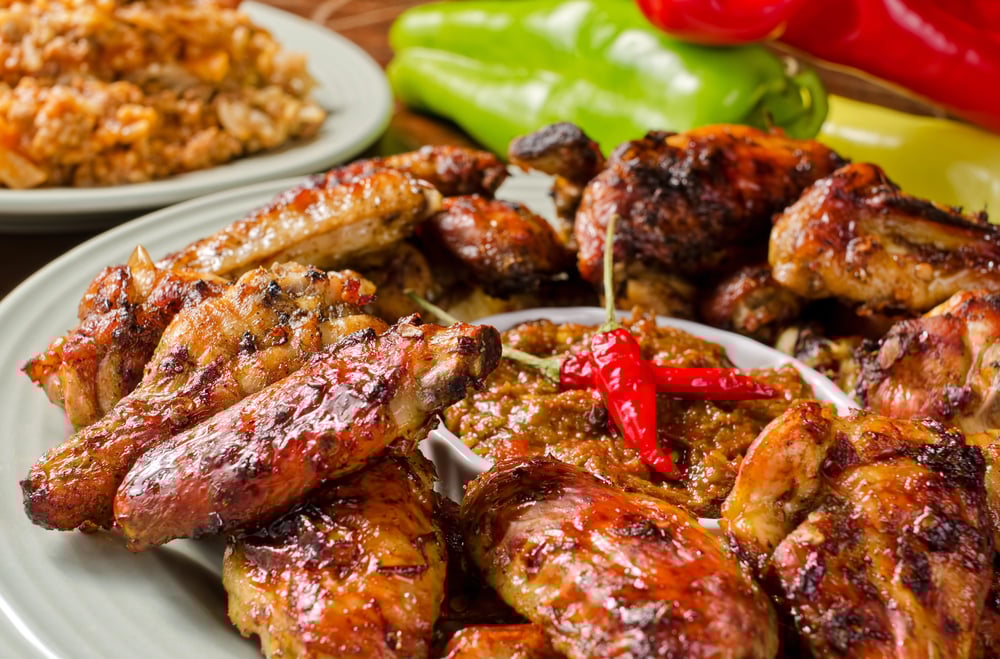
Jamaican jerk chicken gets its brutal heat from scotch bonnet peppers, which are about 40 times hotter than a jalapeño. The traditional preparation involves marinating the meat overnight in a paste made from these peppers, along with allspice and other seasonings.
Cooks grill the chicken over pimento wood, which adds a smoky flavor that somehow makes the heat even more intense. The finished dish is charred on the outside and packed with enough spice to make most people’s foreheads start sweating after just one bite.
Killer wings from Buffalo
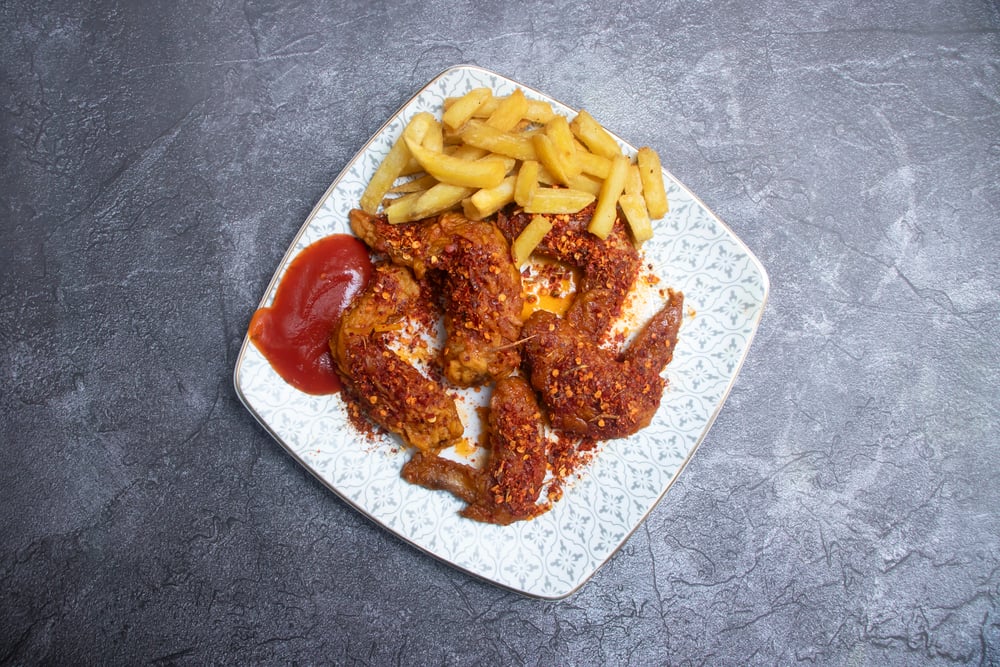
Buffalo wing joints across America started a trend of serving ‘killer’ level wings that use extract-based hot sauces with no actual flavor, just pure heat. These sauces often contain pure capsaicin extract mixed with the hottest peppers available, creating something that tastes more like paint thinner than food.
Many restaurants require customers to sign liability waivers and won’t serve these wings to anyone under 18. The experience is less about enjoying a meal and more about proving something to friends or the internet.
Laab from Thailand and Laos
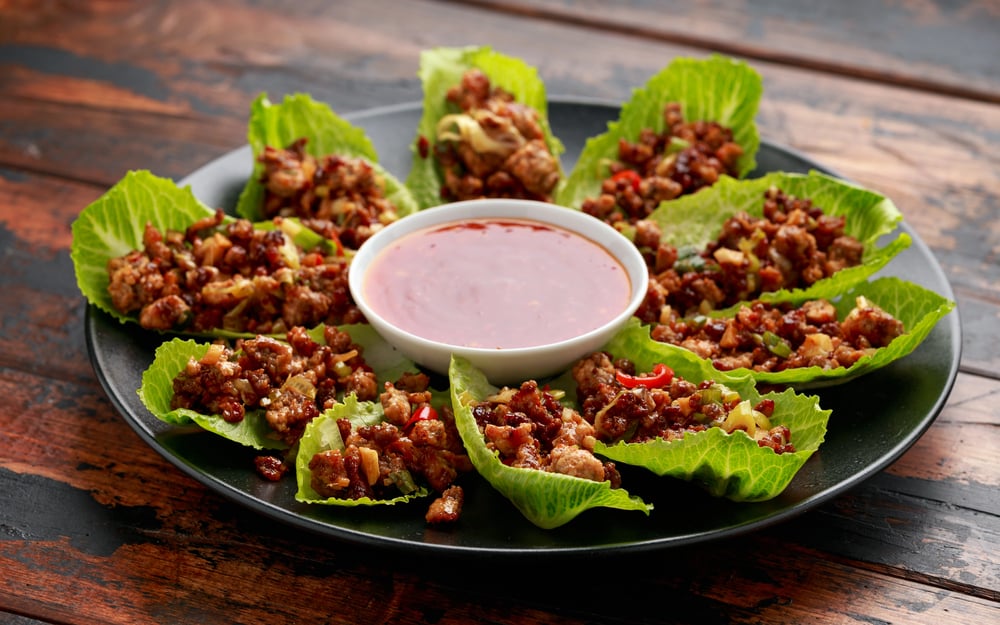
Laab uses a ridiculous amount of Thai bird’s eye chilies mixed with minced meat, herbs, and toasted rice powder. The small size of these peppers fools people into thinking they’re mild, but they contain concentrated heat that hits fast and hard.
Traditional recipes call for so many chilies that the meat mixture turns reddish from all the pepper oils. Locals eat this dish with sticky rice, which barely helps calm the burning sensation in the mouth.
Vindaloo from Goa
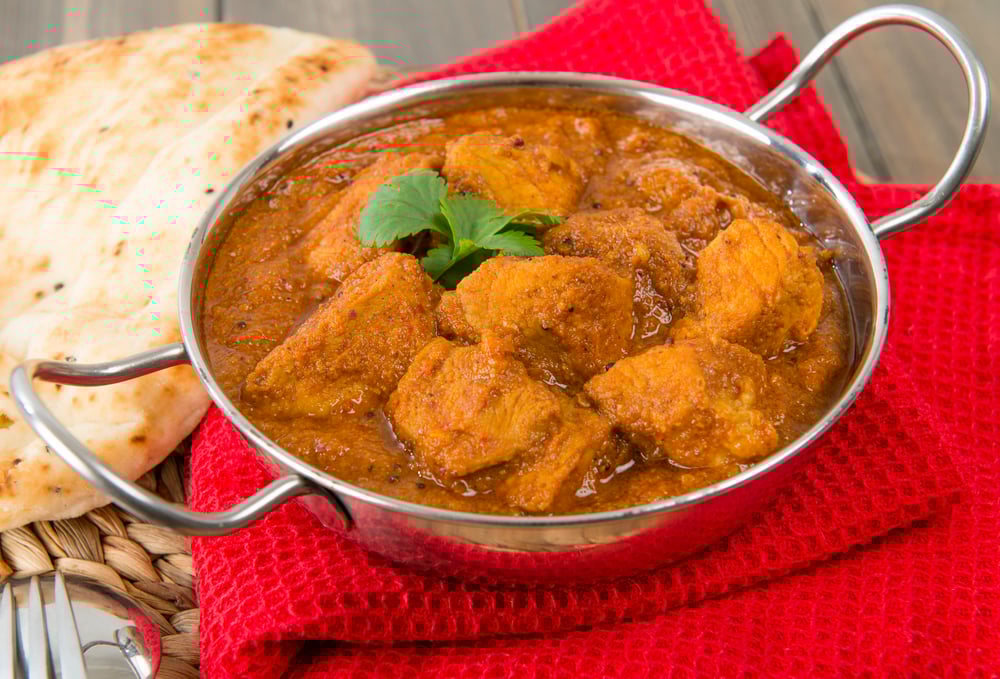
Goan vindaloo originated as a Portuguese dish but transformed into something much fiercer when Indian cooks added local Kashmiri chilies and other hot peppers. The vinegar-based marinade helps the capsaicin penetrate deep into the meat, ensuring every bite delivers maximum heat.
Restaurants in Goa serve this curry so hot that tourists often can’t finish their plates. The dish gets spicier as it sits, so leftovers the next day are even more intense than the fresh version.
Otak-otak from Southeast Asia
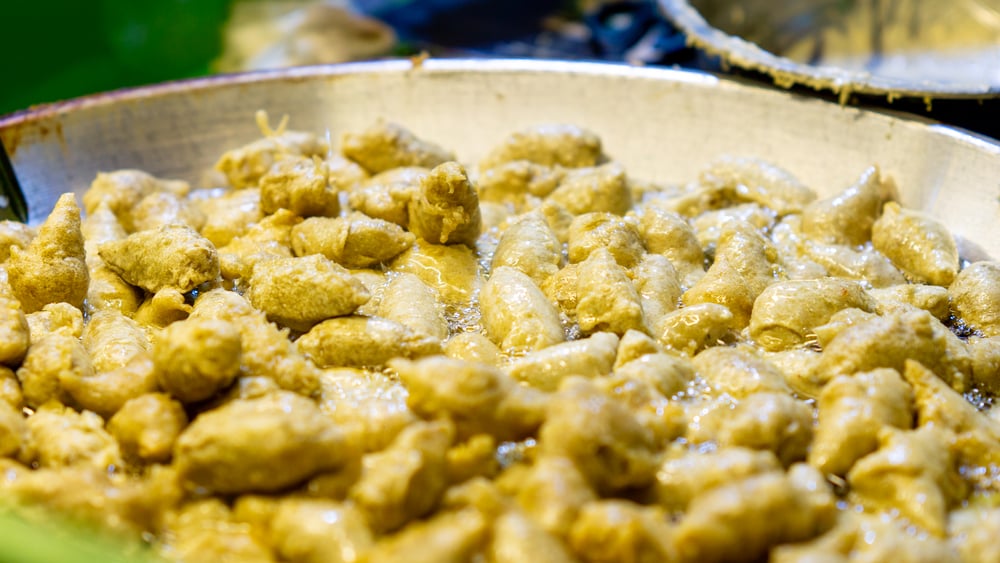
This grilled fish cake from Malaysia, Singapore, and Indonesia hides its heat inside a banana leaf wrapper that gets charred over hot coals. The fish paste contains enough bird’s eye chilies to make the mixture bright orange before it even hits the grill.
Street vendors use different pepper varieties depending on the region, with some versions containing up to 20 chilies per serving. The banana leaf helps contain the spice oils, but once someone unwraps it, the intense aroma hits immediately.
Cau cau from Peru
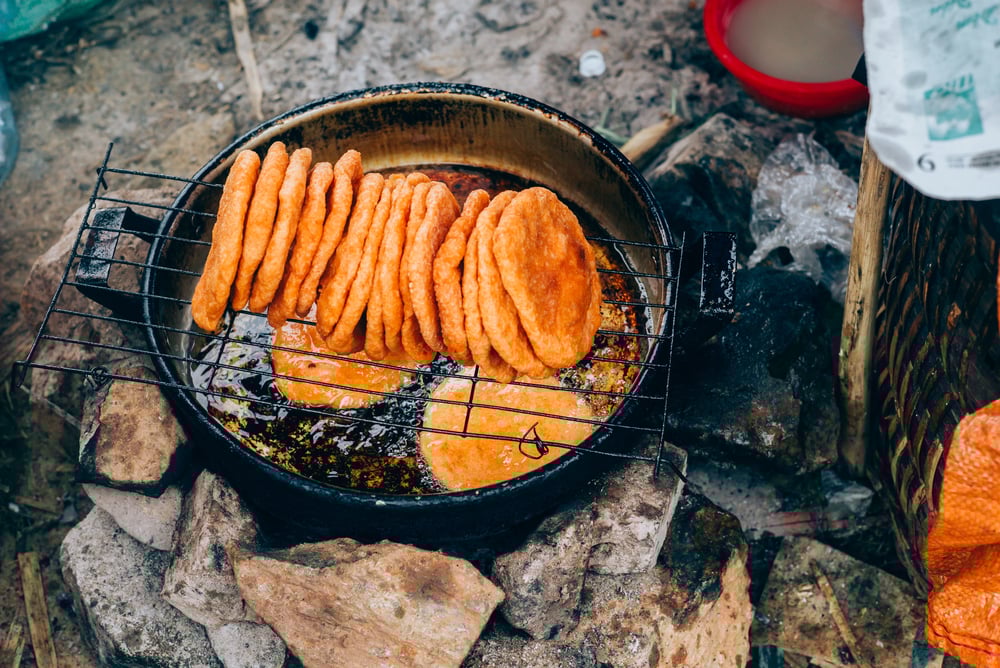
Cau cau combines tripe with aji amarillo peppers in quantities that would make most people nervous about eating organ meat. The dish originated in Lima’s working-class neighborhoods where cooks needed to make cheap cuts of meat taste interesting.
Modern versions sometimes use even hotter aji panca or rocoto peppers for people who want extra fire. The gelatinous texture of the tripe holds onto the spicy oils, creating pockets of intense heat throughout the stew.
Buldak from South Korea
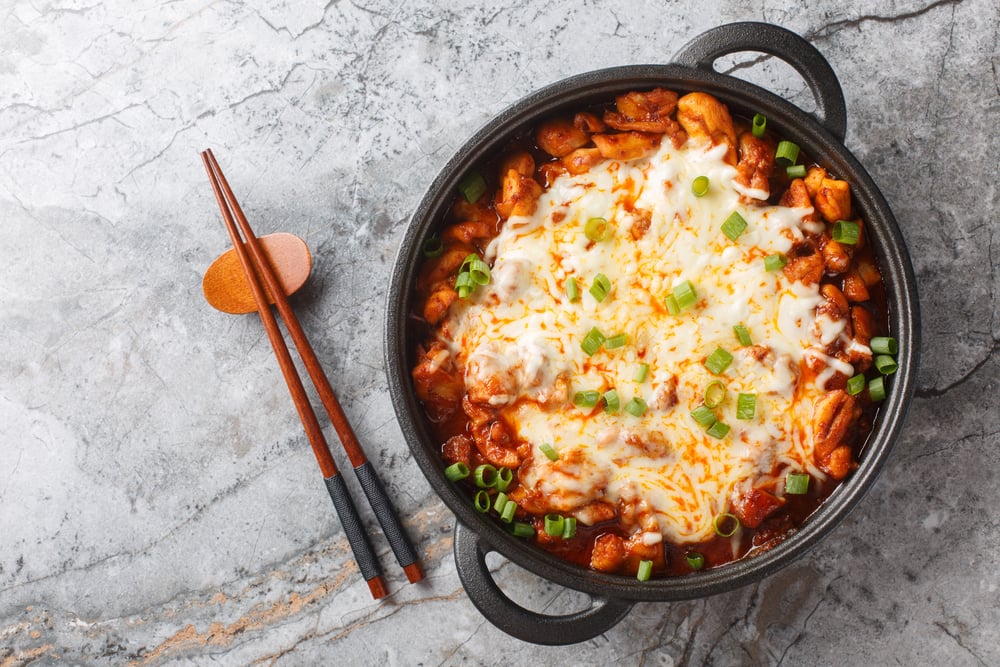
South Korea’s ‘fire chicken’ lives up to its name by coating pieces of meat in a sauce made from gochugaru pepper flakes and gochujang paste. The bright red color warns diners about what’s coming, but nothing really prepares someone for the first bite.
Korean convenience stores sell instant noodle versions of this dish that have become famous online for making people cry on camera. The cheese that many restaurants add on top provides only temporary relief before the heat returns stronger than before.
Peri peri chicken from Mozambique and Portugal
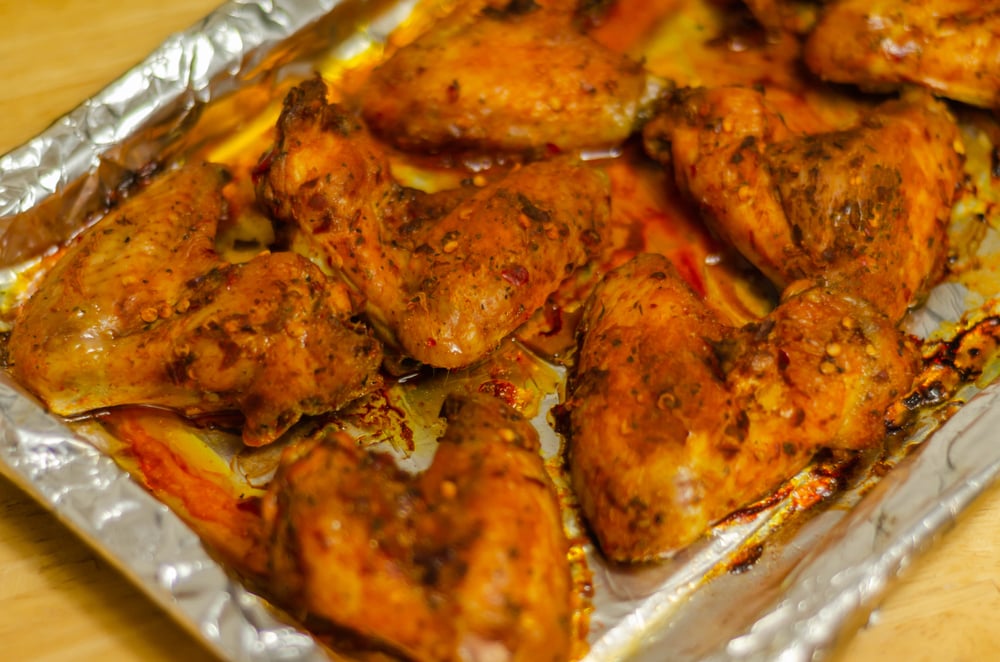
Peri peri sauce uses African bird’s eye chilies that Portuguese colonizers brought back from their territories in southern Africa. The marinade soaks into the chicken for hours, ensuring the heat reaches all the way to the bone.
Restaurants offer different spice levels, but even the medium version makes most people reach for water. The lemon and garlic in the sauce provide bright flavors that make the burning sensation somehow more noticeable.
Mapo tofu from Sichuan
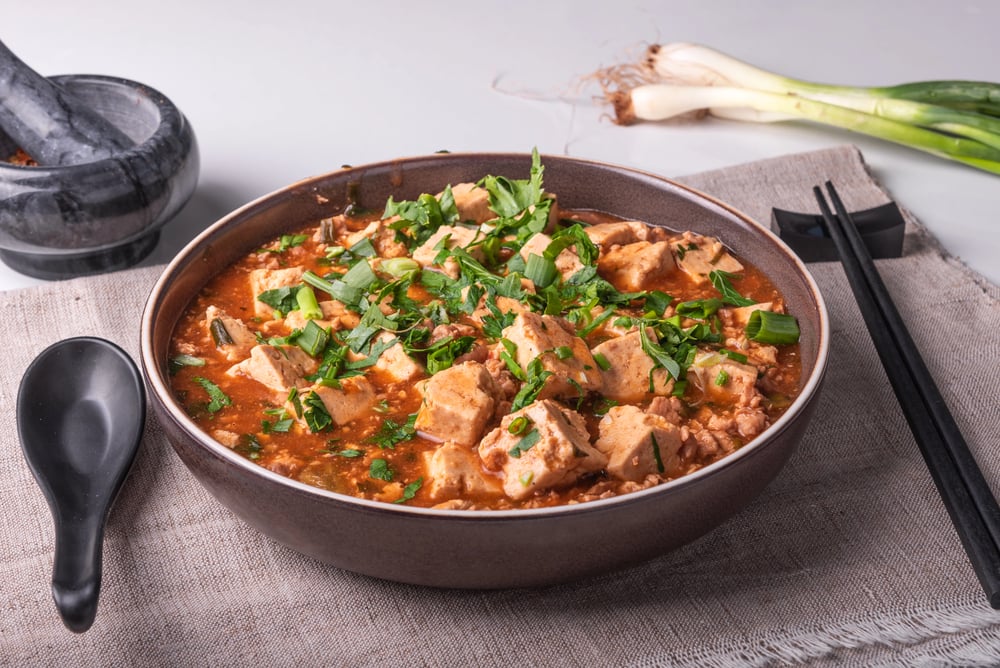
This Chinese dish drowns soft tofu in a sauce loaded with dried chilies, chili oil, Sichuan peppercorns, and fermented bean paste. The numbing effect from the peppercorns combined with the burning from the chilies creates a confusing sensation that locals call ‘mala.’
Authentic versions use so much oil that it pools at the bottom of the bowl in a bright red layer. The soft texture of the tofu provides no defense against the aggressive spicing.
Diablo burrito from Mexico
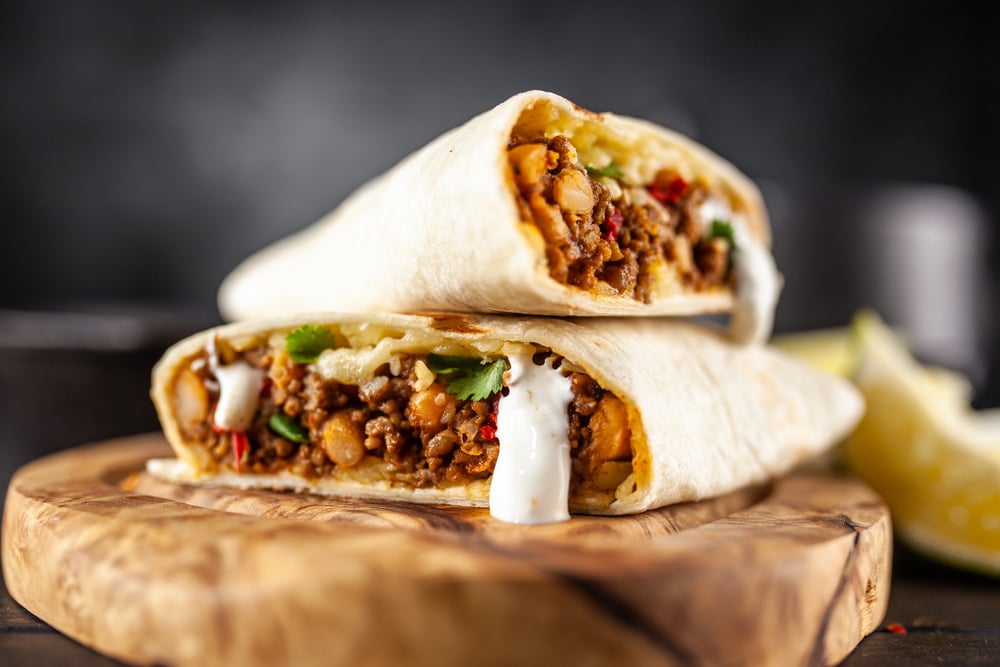
Mexican restaurants in border towns started making these monster burritos filled with habanero salsa, jalapeños, and ghost pepper flakes. The name means ‘devil’ for good reason, as the combination of different pepper types creates layers of heat that keep building.
Some places add hot sauce to the rice and beans themselves, so there’s no escape from the spice. The flour tortilla does nothing to protect against the assault of capsaicin waiting inside.
Colombo curry from Martinique
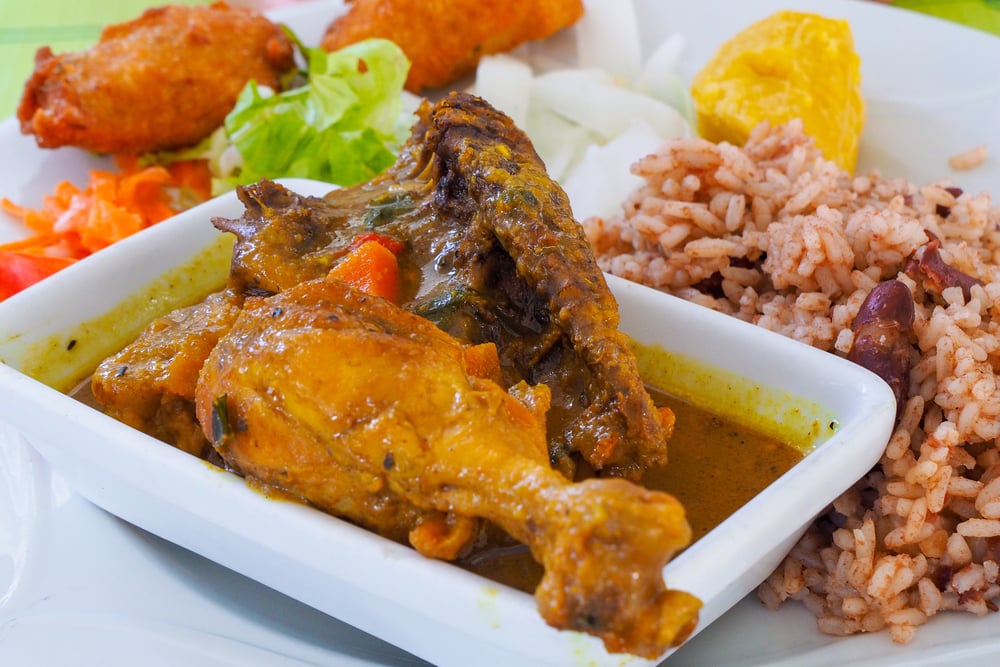
This Caribbean curry combines scotch bonnet peppers with Indian spices in amounts that would shock people from either culture. French colonial influences mixed with African and Indian cooking traditions to create something uniquely intense.
The curry powder used in Martinique contains extra chili compared to versions from India. Locals serve this with rice and fried plantains, but even those starchy sides can’t fully tame the heat.
Neua pad prik from Thailand
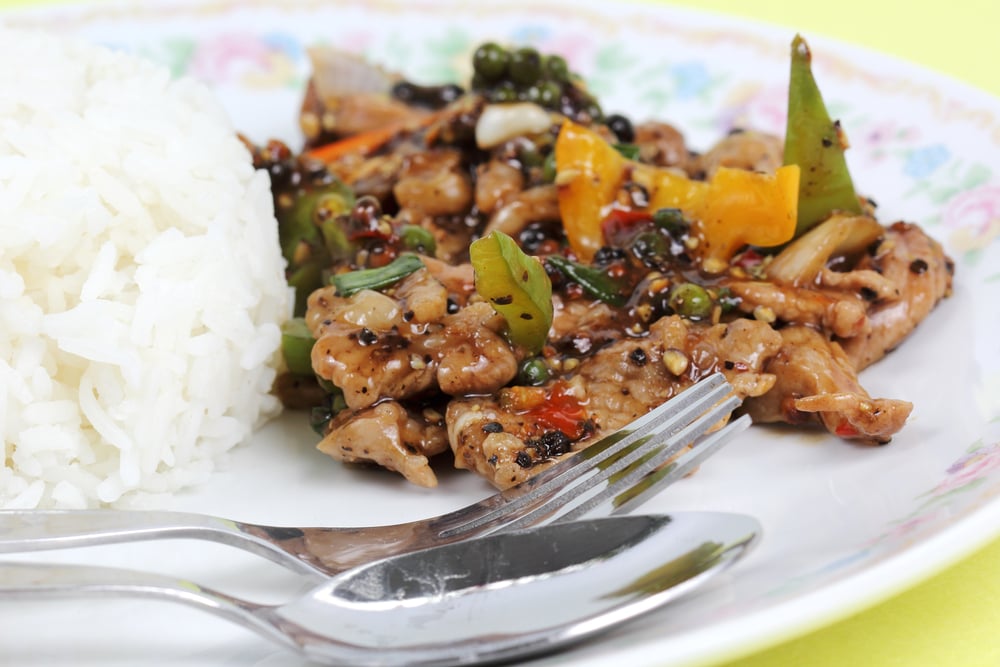
Thai restaurants cook this stir-fried beef dish over extremely high heat, which actually intensifies the flavor of the chilies and makes them spicier. The quick cooking method seals the pepper oils onto the meat in a way that slow-cooked dishes can’t match.
Cooks add both fresh and dried chilies at different stages of cooking for maximum impact. The basil leaves mixed throughout provide a brief moment of coolness before the next wave of heat arrives.
Doro Wat From Ethiopia
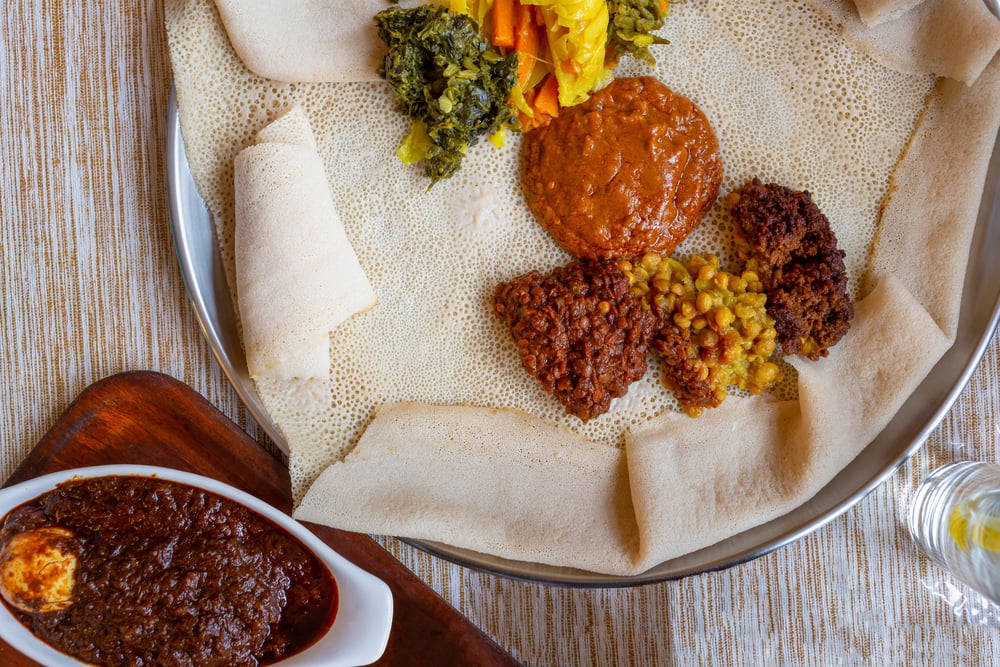
Spices like fenugreek and cardamom join dried chilies in Ethiopia’s doro wat, forming a bold mix called berbere. Hours of slow cooking let the chicken soak up deep warmth until tenderness takes over.
Some traditional versions pile in so much berbere it might scare someone used to milder food. Once thickened, the sauce clings tight, turning rich and intense. Injera arrives beside it, ready to pull away some fire – though each mouthful stays sharp. Heat wins, even after soaking.
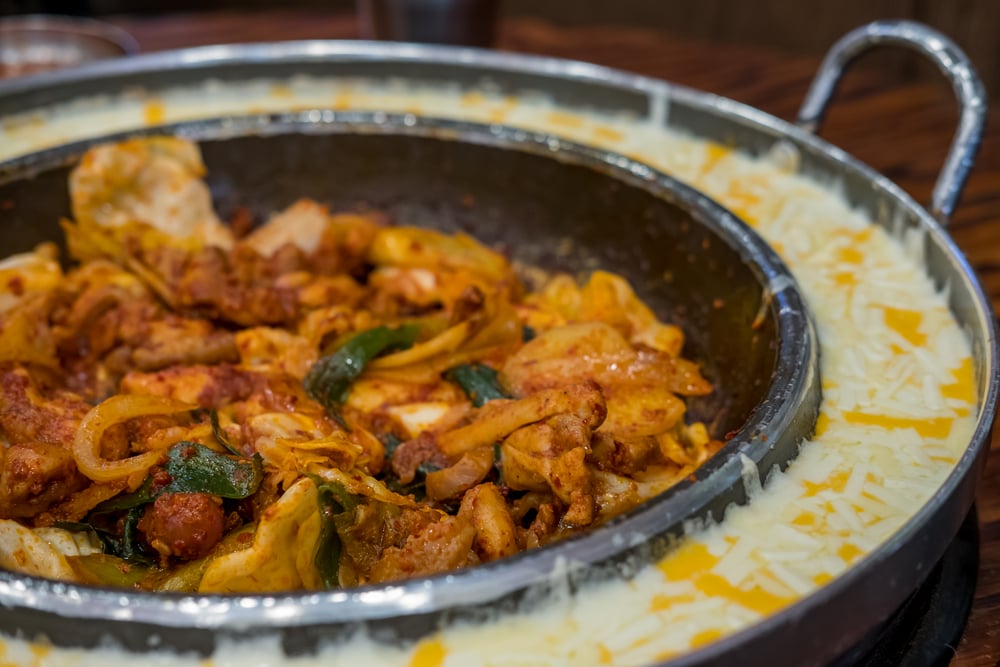
Dakgalbi From South Korea
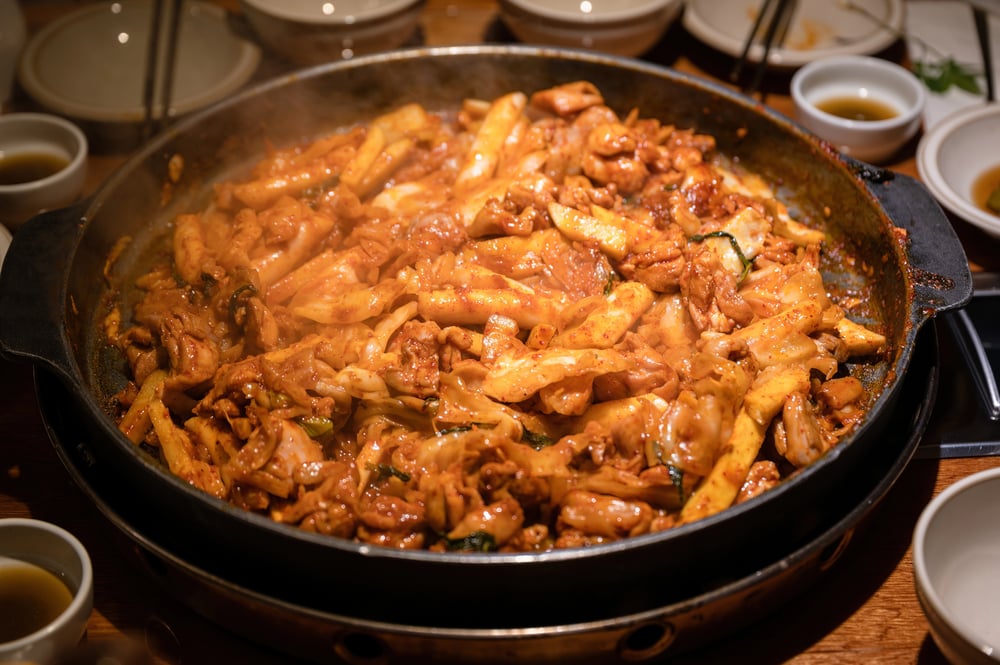
Chicken sizzles alongside veggies, drenched in a sticky red paste made from gochujang, all bubbling on a metal tray set before you. As the mix heats up, sweetness deepens – so does the burn, thanks to concentrated pepper punch.
Spicier cuts come loaded with fresh chilies and dusted with extra chili flakes, pushing fire beyond the base level. A pool of gooey cheese nearby offers a cool pause, though each bite after feels hotter than the last.
The burning truth about spice tolerance
Spicy meals reveal how global cuisines make fiery flavors an everyday thing. To folks used to gentle tastes, such heat might feel impossible – yet for others, it’s simply what dinner looks like on any given night.
That burn comes from capsaicin, which tricks the body but leaves taste receptors unharmed. Tolerance grows with practice, alt
More from Go2Tutors!

- The Romanov Crown Jewels and Their Tragic Fate
- 13 Historical Mysteries That Science Still Can’t Solve
- Famous Hoaxes That Fooled the World for Years
- 15 Child Stars with Tragic Adult Lives
- 16 Famous Jewelry Pieces in History
Like Go2Tutors’s content? Follow us on MSN.