15 Languages That Have No Written form
Language is one of humanity’s most remarkable achievements, yet not all languages tell their stories through written symbols. Across remote villages, dense forests, and isolated communities, thousands of languages exist purely in the spoken word — passed down through generations like precious heirlooms that can only be held in memory.
These oral traditions represent some of the world’s most endangered linguistic treasures, carrying unique ways of understanding reality that could disappear forever when their last speakers are gone.
Jedek

This Malaysian language stayed hidden from linguists until 2017. The 280 speakers in remote Peninsular Malaysia kept their distinct tongue to themselves for generations, using Malay or Thai when outsiders visited.
Jedek belongs to the Aslian family but stands apart from its relatives. No one bothered creating a writing system because the community remained small and isolated.
Taushiro

One man in the Peruvian Amazon carries an entire language in his memory. Amadeo García speaks Taushiro fluently, making him possibly the last person on Earth who can.
The language once thrived along remote tributaries where writing materials were scarce and oral tradition ruled. García occasionally teaches phrases to family members, but Taushiro’s future looks grim.
Kawésqar

Patagonian winds carry the last whispers of this nomadic language from Chile’s southern channels. Fewer than ten elderly speakers remain, most of them women who remember when their families moved between islands in bark canoes.
The Kawésqar people lived on water more than land. Their language contains dozens of words for different types of waves and weather patterns that landlubbers never needed to distinguish.
Pite Sami

This Scandinavian language clings to life in a few Swedish villages near the Norwegian border. Maybe 50 people can speak it fluently, and most conversations happen between grandparents and their confused grandchildren.
Pite Sami never developed its own writing system, unlike some of its Sami cousins. The language captures reindeer herding knowledge that GPS systems and modern farming techniques have made largely irrelevant.
Chulym

Somewhere in Siberia, fewer than 40 people still dream in Chulym. This Turkic language once spread across a much wider territory before Russian expansion pushed it into remote corners of the taiga forest (and Russian schools finished what geography started, teaching children that their ancestral tongue was a relic better left buried under more “practical” languages like Russian).
The speakers who remain are mostly elderly, carrying within their conversations an entire way of organizing reality around seasonal migrations, traditional fishing techniques, and a relationship with the northern landscape that industrial civilization has largely abandoned.
The irony is particularly sharp here: Chulym belongs to the Turkic family, relatives of which have produced rich written traditions, epic poetry, and extensive literature. But this particular branch remained oral, perhaps because the communities were too small and scattered to develop the critical mass necessary for a writing culture, or perhaps because the practical demands of survival in harsh northern climates left little energy for the luxury of literacy.
Vod

Estonian marshlands hold onto this Finno-Ugric language with the grip of someone trying not to drown. Eight fluent speakers remain, scattered across villages that used to buzz with a distinct linguistic identity.
Vod resembles Estonian enough that casual listeners might miss the difference. But the speakers know better — their language carries stories and concepts that don’t translate cleanly into their more successful linguistic neighbors.
Njerep
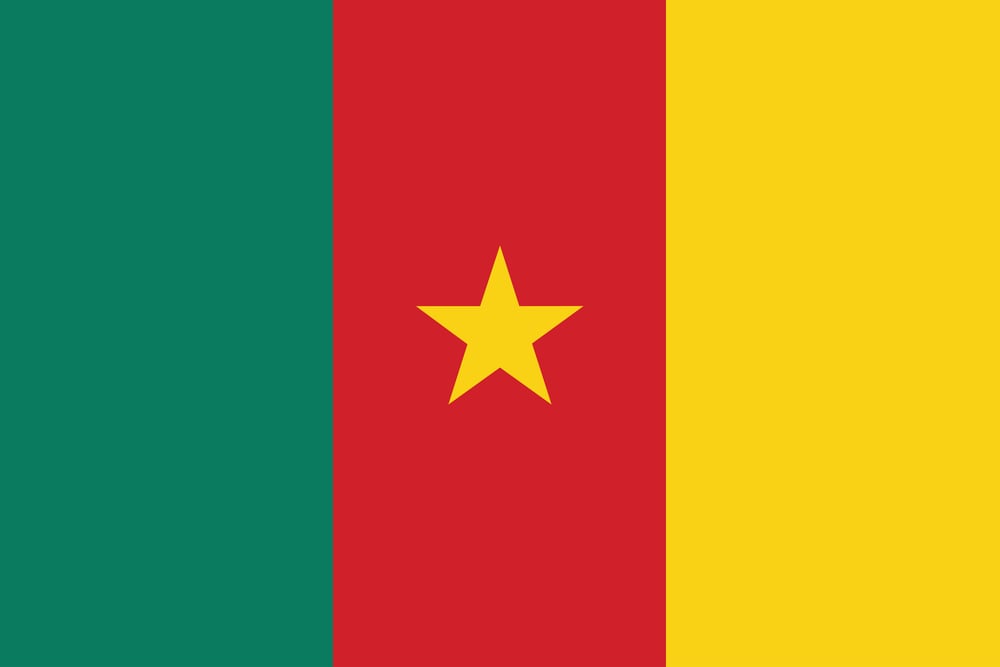
Four people in Cameroon can still speak Njerep fluently. The language belongs to the Bantoid family but developed its own peculiar grammar and vocabulary in isolation.
Linguists only discovered Njerep in the 1990s, by which point it was already circling the drain. The speakers use other local languages for daily communication, saving Njerep for private family conversations that outsiders aren’t meant to understand.
Ainu
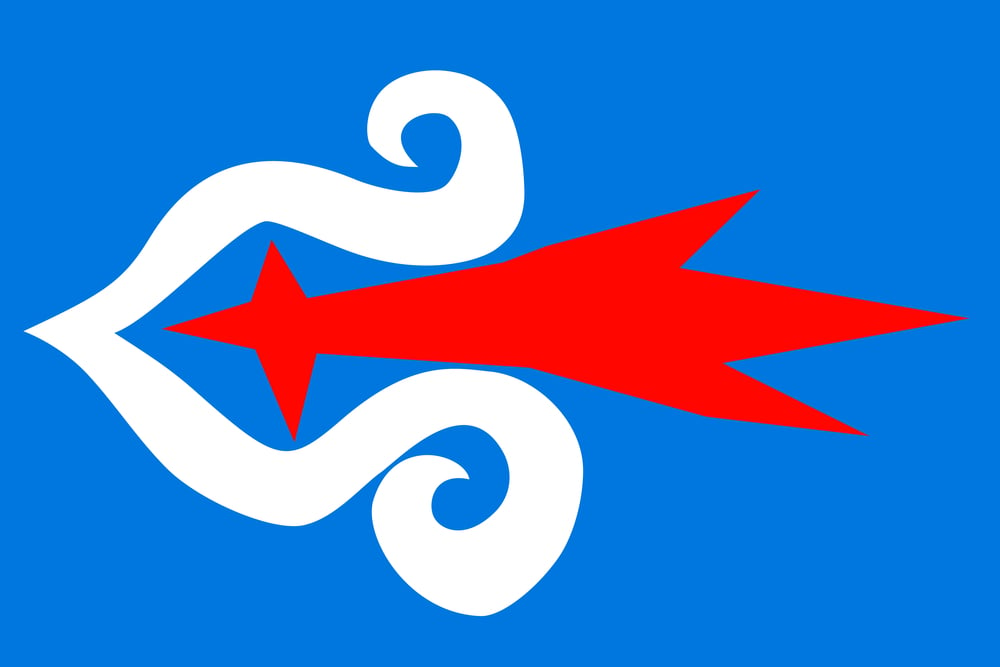
The relationship between languages and political power becomes uncomfortably clear when you examine what happened to Ainu in northern Japan — a language that thrived for centuries before Japanese authorities decided it represented an inconvenient reminder of indigenous identity that didn’t fit their national narrative (so they banned it in schools, discouraged it in public, and systematically dismantled the cultural practices that kept it alive, leaving behind a handful of elderly speakers and a generation of Japanese citizens who grew up ashamed of their linguistic heritage). Perhaps ten native speakers remain, most of them quite elderly, though recent revival efforts have sparked new interest among younger Ainu people who are learning it as a second language.
What makes Ainu particularly fascinating linguistically is its isolation — it appears unrelated to Japanese, Korean, Chinese, or any other major language family in the region, suggesting that it represents an ancient layer of human settlement that got buried under waves of more recent arrivals. And yet, for all its historical significance and linguistic uniqueness, Ainu never developed a writing system until modern linguists created one, remaining stubbornly oral even as the literate world pressed in around it.
The revival efforts face a peculiar challenge: how do you resurrect a language that was never written down, when the people who remember it naturally are disappearing faster than new speakers can be trained?
Dumi

Nepal’s mountains echo with this dying Tibeto-Burman language. Three elderly women in remote villages represent Dumi’s last hope, though they rarely have anyone to talk to in their native tongue.
The women code-switch constantly between Dumi and Nepali, sometimes forgetting which language they started a sentence in. Their grandchildren understand fragments but can’t respond fluently.
Liki
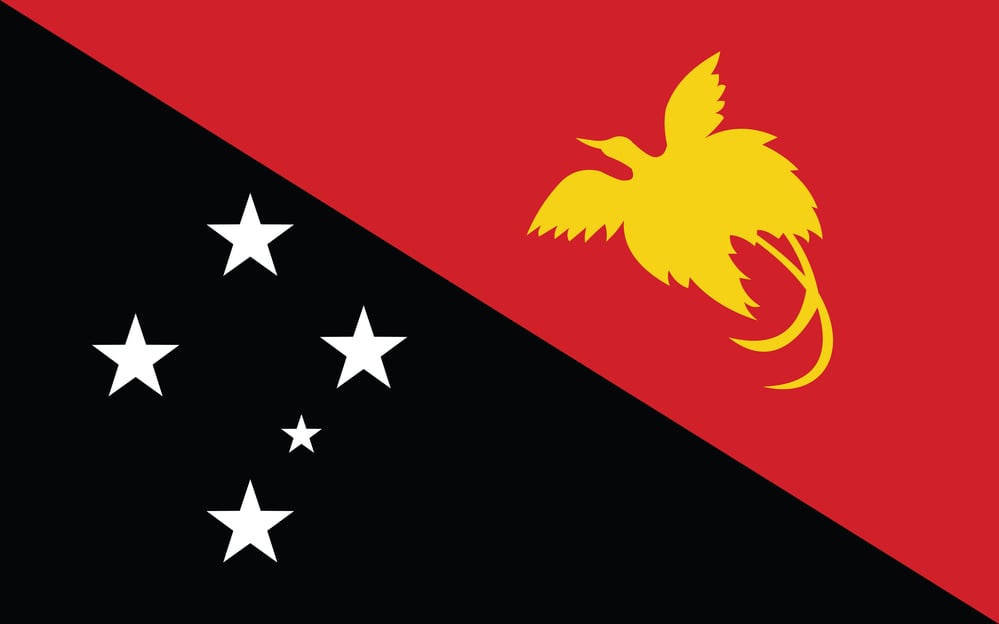
This Papuan language survives in the memories of about 11 people scattered across remote Indonesian villages. Most speakers are over 60, and their children grew up speaking Indonesian instead.
Liki contains intricate systems for describing kinship relationships that Indonesian handles with clumsy approximations. When the last speakers die, these social concepts die with them.
Resígaro
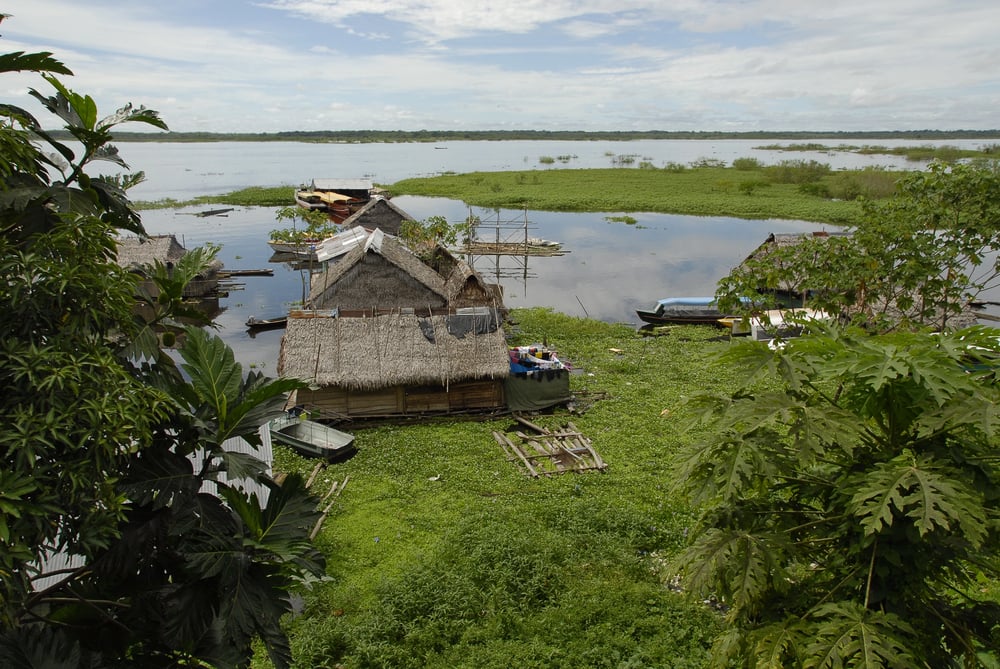
The Amazon basin holds linguistic secrets that may never surface. Resígaro represents one of them — a language down to perhaps two elderly speakers in Peru who remember when their community was larger and more self-contained.
Missionaries and government schools pushed Spanish and Portuguese into indigenous communities, making traditional languages seem obsolete. Resígaro speakers adapted by becoming multilingual, but their children skipped the ancestral tongue entirely.
Mudburra

Australian Aboriginal languages face unique extinction pressures, and Mudburra exemplifies the crisis — fewer than six fluent speakers remain scattered across the Northern Territory, carrying within their conversations an understanding of landscape, seasonal cycles, and cultural protocols that took thousands of years to develop (and which settler culture has spent barely two centuries systematically destroying through policies designed to “civilize” Aboriginal children by cutting them off from their linguistic roots). The speakers still living learned Mudburra as their first language, but their children and grandchildren grew up in a world where English offered more obvious economic advantages and social acceptance.
Aboriginal languages like Mudburra encoded relationships with specific places — not just geographic locations, but sacred sites, seasonal camping grounds, and traditional hunting territories that contained layers of meaning invisible to casual outsiders. So when the language disappears, it takes with it not just words but entire ways of inhabiting the landscape that can’t be recovered through dictionaries or linguistic reconstruction.
Chemehuevi
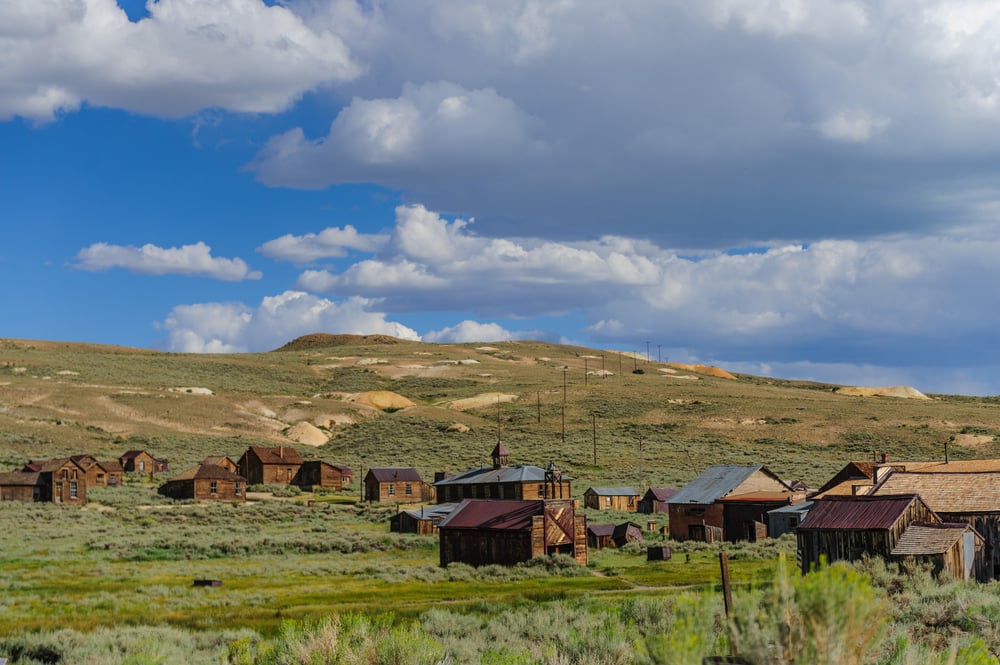
Southern California and Nevada deserts once rang with this Numic language. Today maybe three elderly speakers remain, carrying memories of a time when their people moved seasonally across territories that are now divided by state lines and private property.
Chemehuevi belongs to the Uto-Aztecan family, related to languages spoken across a vast geographic range. But this particular branch developed in isolation, creating unique vocabulary for desert survival that modern life has made irrelevant.
Yagan
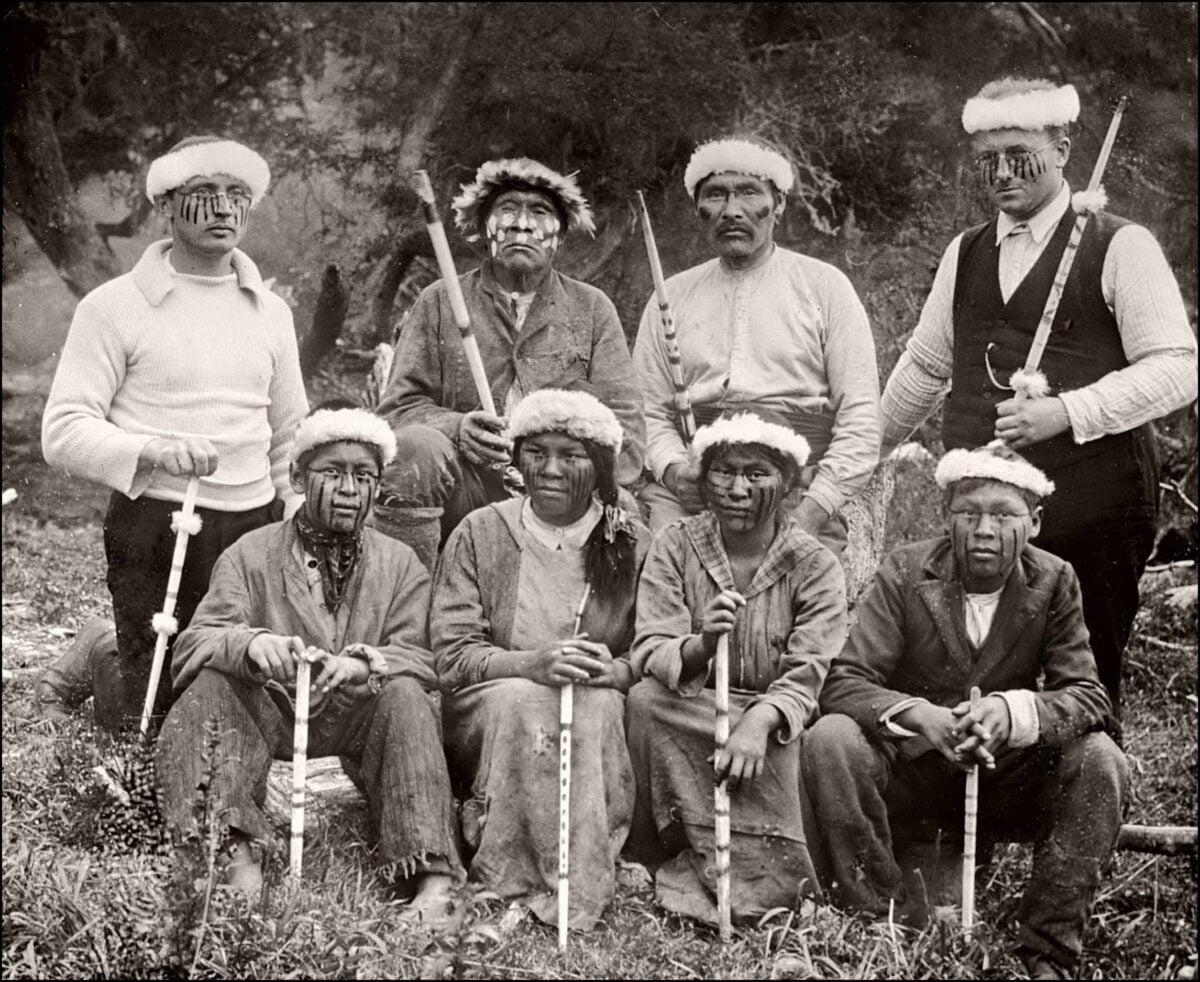
Tierra del Fuego’s harsh climate preserved this language longer than Spanish colonization preserved its speakers. Cristina Calderón was the last known fluent speaker of Yagan, passing away in 2022 after spending decades documenting the language. With her death, Yagan became functionally extinct as a native language.
The Yagan people lived as nomadic sea travelers, moving between islands in bark canoes. Their language contained precise terminology for maritime conditions that land-based cultures never needed to develop.
Ongota
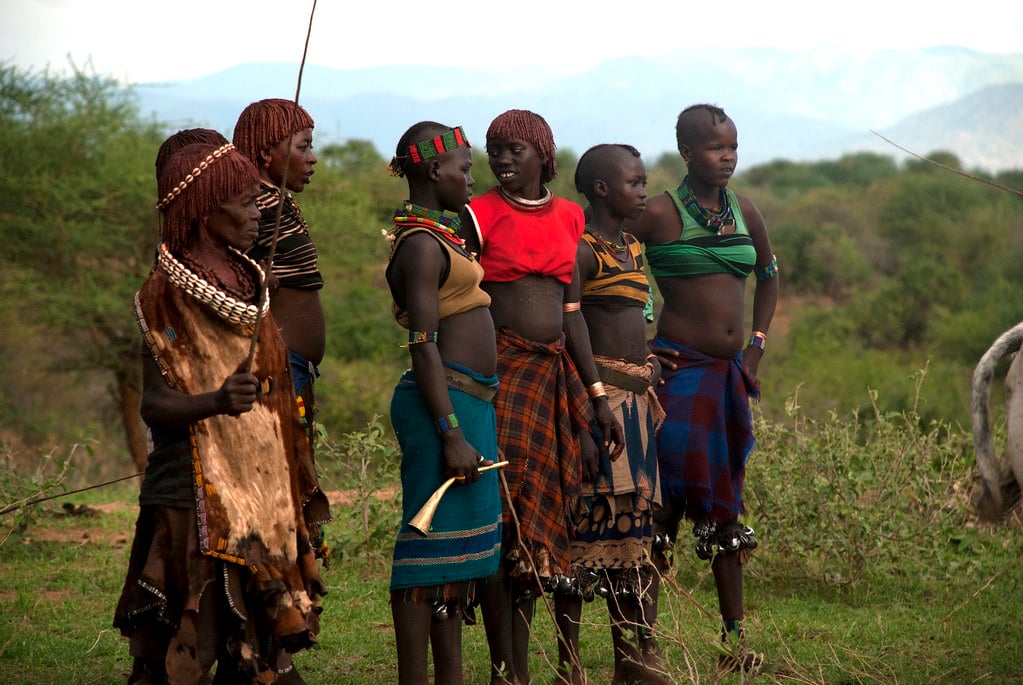
Ethiopia’s Omo Valley holds onto this language-isolate with about eight speakers scattered across a region where dozens of languages compete for attention. Ongota doesn’t clearly belong to any major African language family, making it a linguistic puzzle that may never be solved.
The speakers use other local languages for most daily communication, reserving Ongota for specific cultural contexts that outsiders don’t often witness.
The Last Conversations

These languages dissolve at different speeds, but they all face the same quiet ending. The last fluent speakers often find themselves talking to linguists instead of neighbors, turning intimate family languages into academic specimens.
There’s something both noble and heartbreaking about elderly people patiently teaching their childhood words to strangers with recording equipment, knowing their grandchildren have already chosen more practical ways of speaking. The absence of writing systems didn’t doom these languages — political pressure, economic displacement, and cultural disruption did that work.
The oral tradition simply meant there were fewer ways to slow down the inevitable.
More from Go2Tutors!

- The Romanov Crown Jewels and Their Tragic Fate
- 13 Historical Mysteries That Science Still Can’t Solve
- Famous Hoaxes That Fooled the World for Years
- 15 Child Stars with Tragic Adult Lives
- 16 Famous Jewelry Pieces in History
Like Go2Tutors’s content? Follow us on MSN.