Stunning Photos of 15 of the World’s Most Unique Beaches
When most people picture a perfect beach, they imagine pristine white sand stretching endlessly beside turquoise waters. But scattered across the globe are beaches that defy every expectation — places where nature decided to get creative with color, texture, and form.
These extraordinary shores prove that paradise comes in countless variations, each one more surprising than the last.
From volcanic black sand that absorbs the sun’s heat to beaches carpeted in shells or even glass, these destinations remind us that our planet still holds plenty of surprises for those willing to seek them out.
Pink Sands Beach, Bahamas
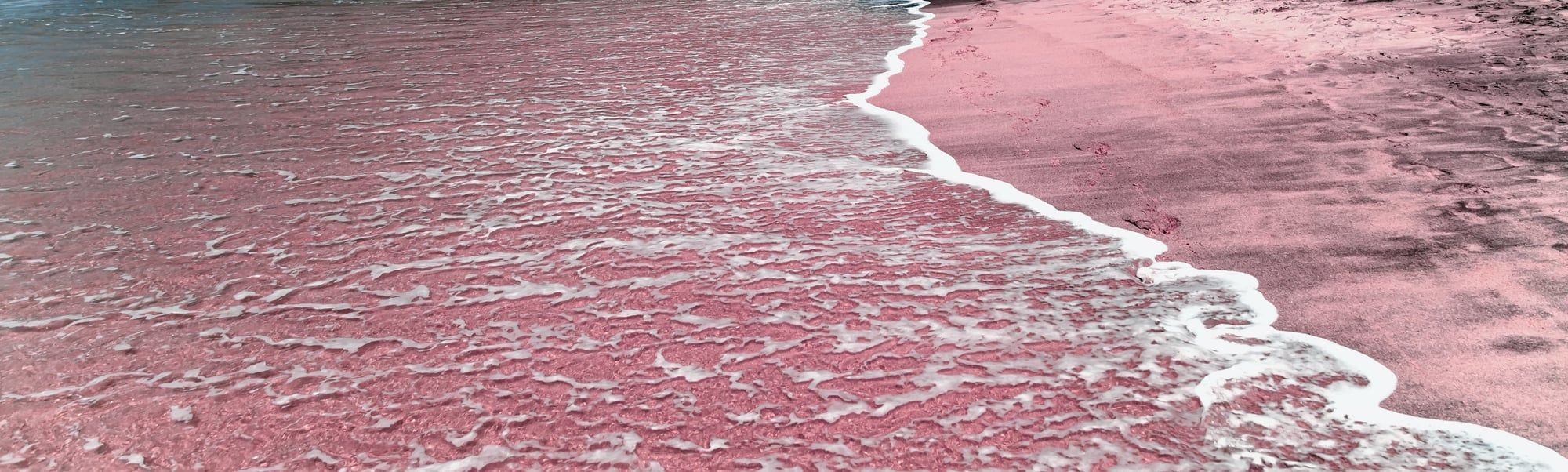
The sand here glows like crushed coral jewelry. It doesn’t happen by accident.
Microscopic organisms called foraminifera — tiny creatures with bright pink and red shells — wash ashore and mix with the white sand.
The effect is subtle until you really look at it. Then the entire beach transforms into something that belongs in a fairy tale.
Reynisfjara, Iceland
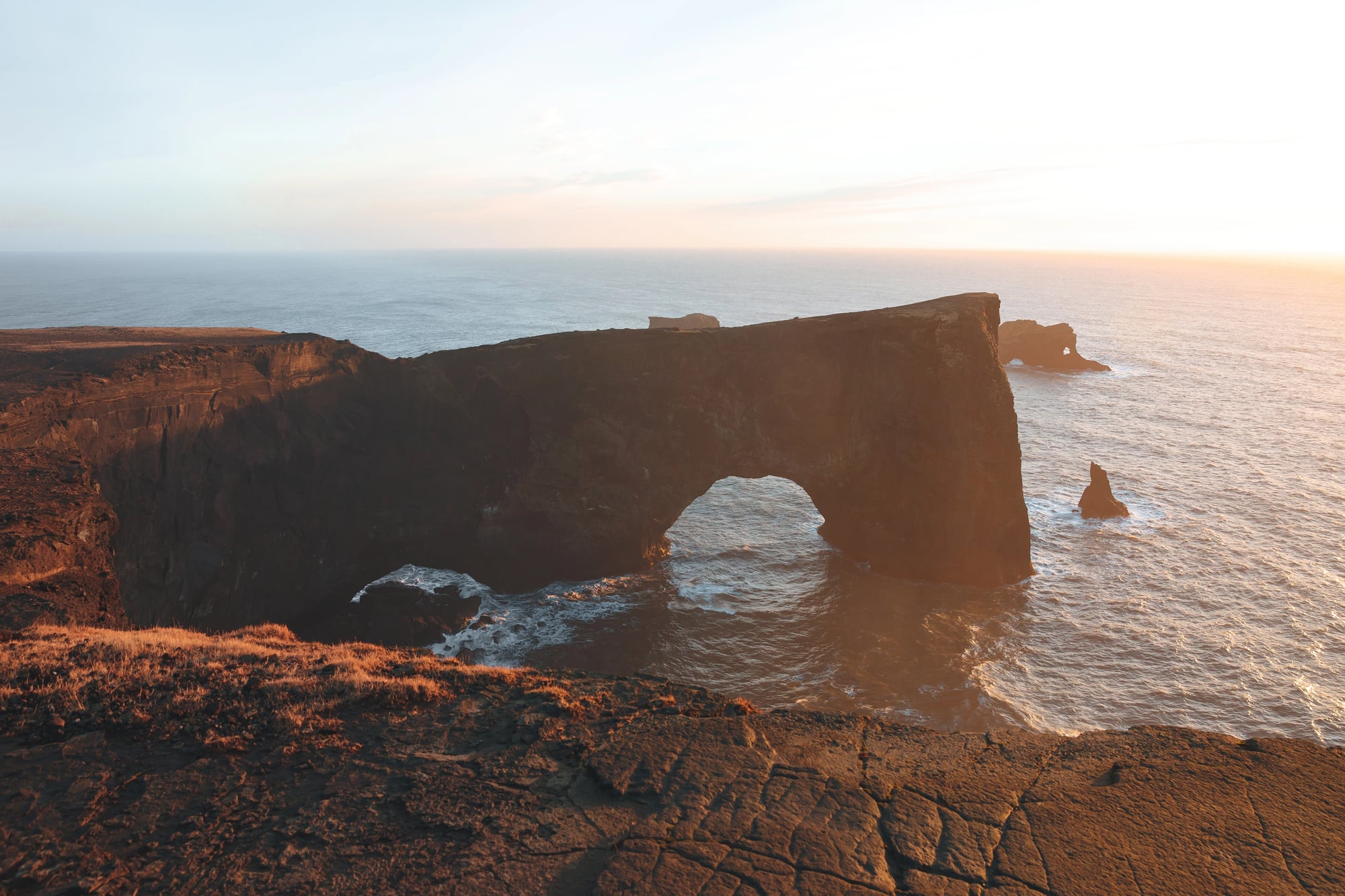
There’s something unsettling about walking on sand that looks like crushed charcoal, especially when towering basalt columns rise from the shoreline like the remnants of some ancient cathedral (which, in geological terms, they basically are). Reynisfjara forces you to recalibrate your understanding of what a beach can be — and once you’ve seen those black waves rolling onto darker sand, every other coastline feels slightly incomplete by comparison.
The Atlantic crashes against this volcanic shore with a violence that seems personal, as though the ocean has a particular grudge against Iceland’s southern coast.
And maybe it does, considering how the waves here can turn deadly without warning. But that’s what makes standing on this beach feel like witnessing something that wasn’t quite meant for human eyes — the raw mechanics of a planet still figuring itself out.
Glass Beach, California
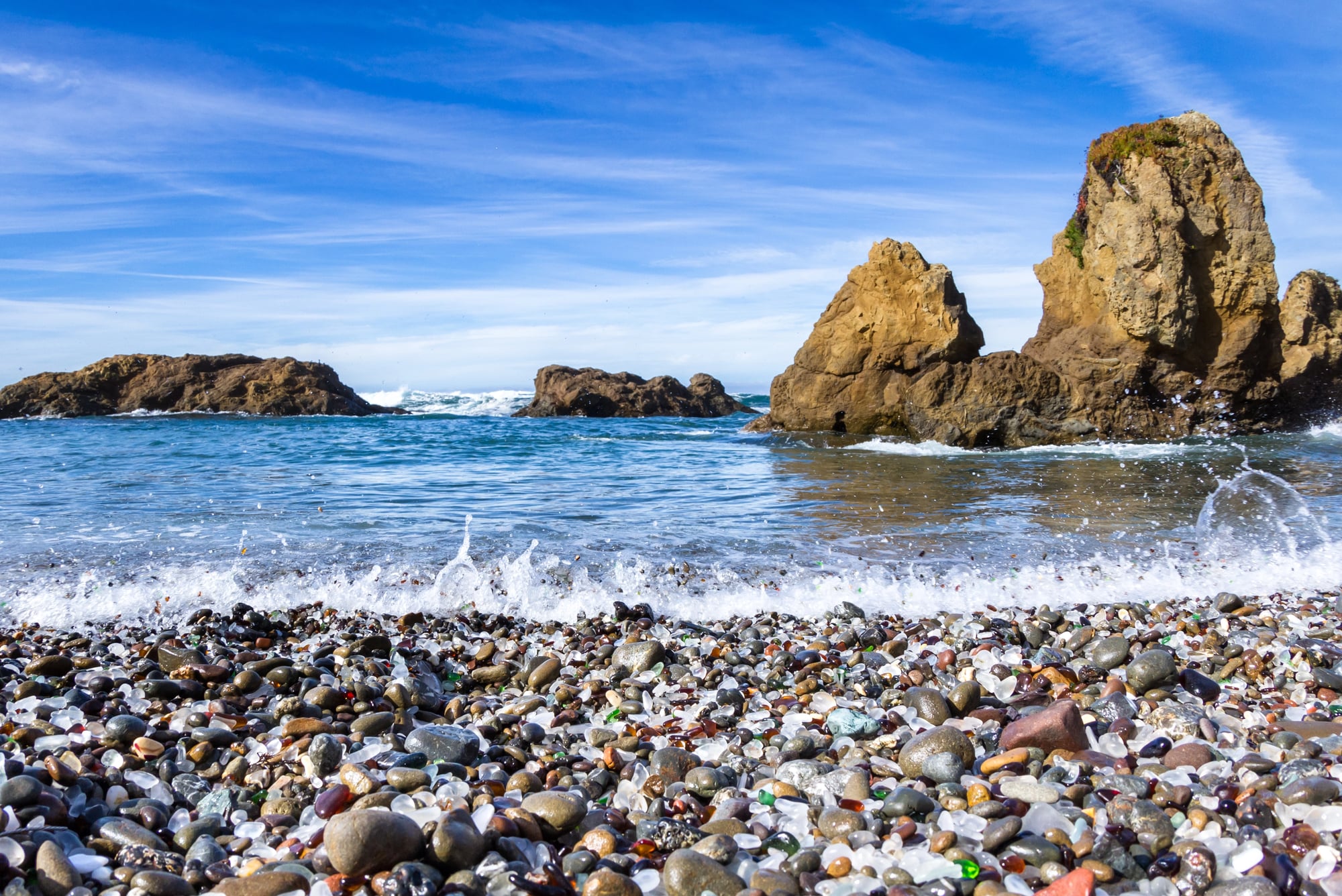
Every piece of sea glass scattered across this Fort Bragg coastline started as someone’s discarded bottle or jar — decades of human carelessness transformed by the ocean into something unexpectedly beautiful. The waves spent years tumbling sharp fragments against rocks and sand until the edges softened and the surfaces became frosted, like nature’s own jewelry-making process playing out on a massive scale.
Walking here feels like discovering buried treasure, except the treasure is everywhere. Green, brown, and clear pieces catch the light, while rarer blue and red fragments hide among the ordinary stones.
The irony isn’t lost — this beauty exists because of pollution, yet the result is more striking than most pristine beaches.
Nature has a talent for taking human mistakes and making them into something worth photographing.
Papakolea Beach, Hawaii
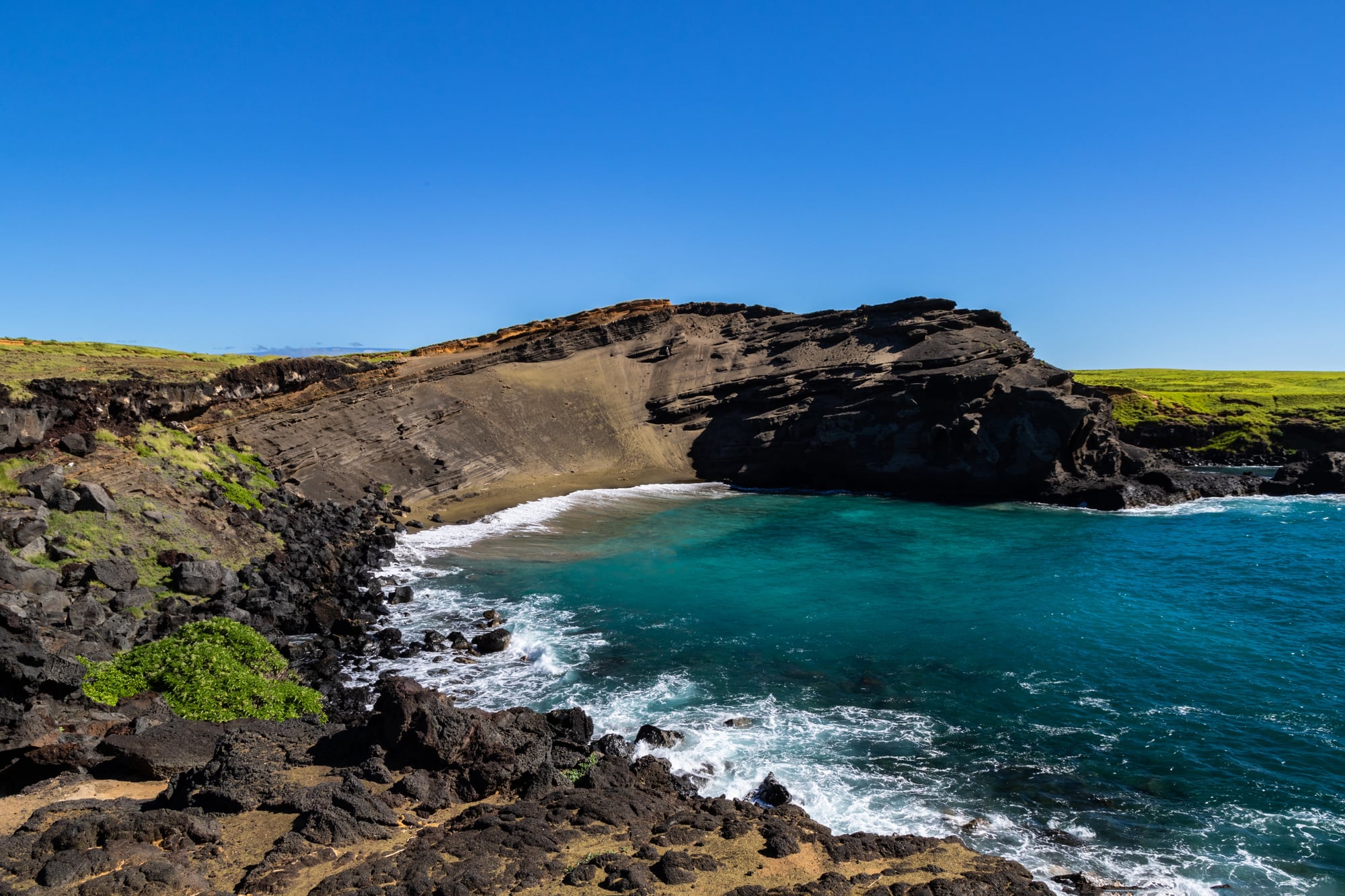
Green sand beaches exist because sometimes volcanoes decide to get fancy with their mineral deposits. This one earned its color from olivine crystals — heavy enough to stay put while lighter materials wash away.
The result looks like someone scattered emeralds across the shore.
Getting here requires a hike that discourages casual tourists. Fair enough.
Some beaches should make you work for them.
Bowling Beach, California
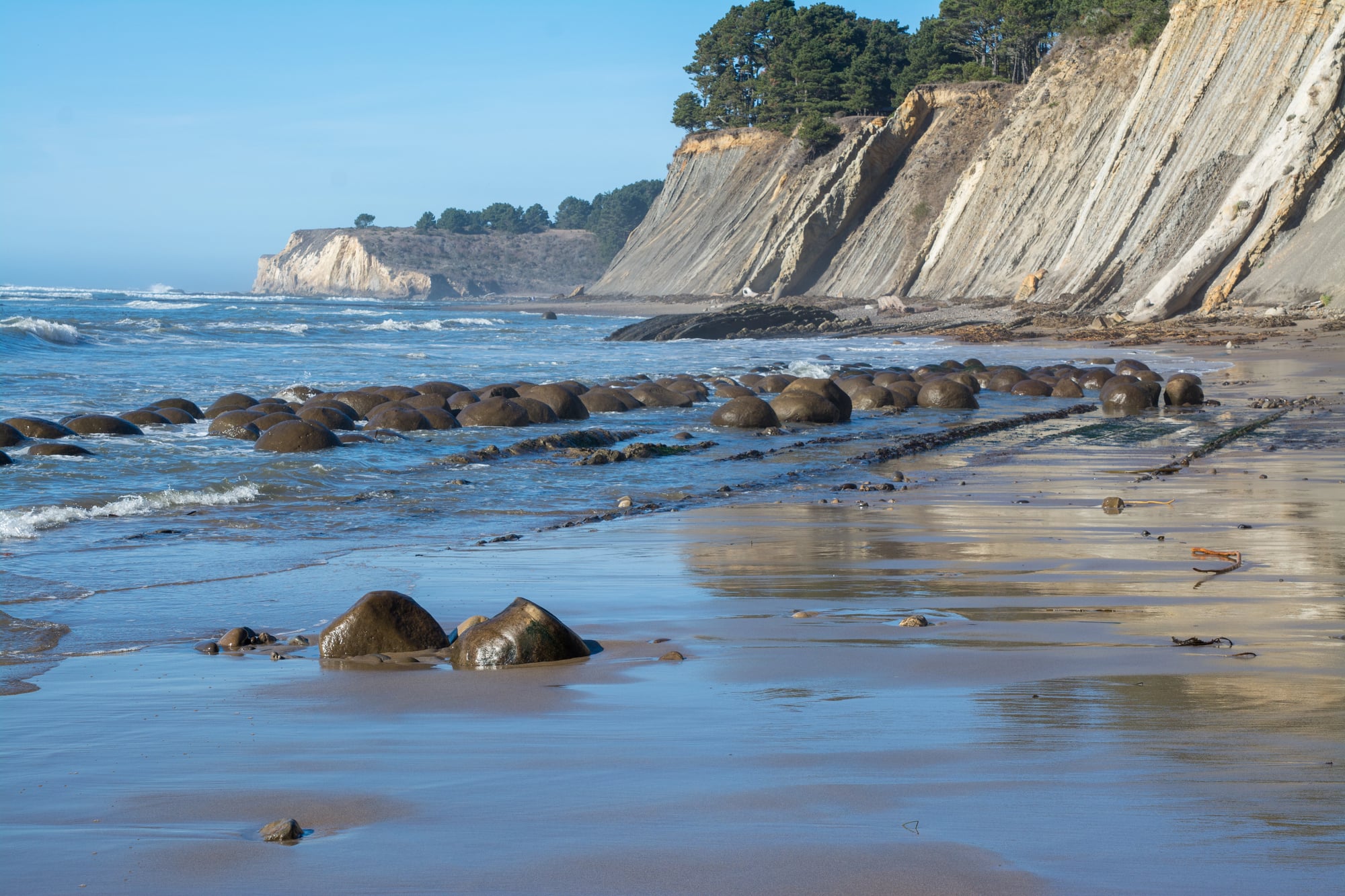
Time does strange things to mudstone and shale, especially when they spend millions of years getting hammered by Pacific waves and weather (the process is called “concretion formation,” which sounds far more boring than the reality of what it produces). What emerges from this geological patience are dozens of perfectly round granite boulders scattered across the beach like abandoned props from some giant’s game — hence the name, though bowling orbs seems almost too mundane for something this otherworldly.
The best time to see them is at low tide, when the retreating water reveals the full extent of nature’s geometry lesson. And that’s when you realize the ocean has been playing sculptor here for longer than humans have existed, methodically carving these spheres with the kind of precision that makes you question whether nature really is as random as it appears.
But then again, given enough time and enough waves, maybe perfect circles are inevitable.
Shell Beach, Australia
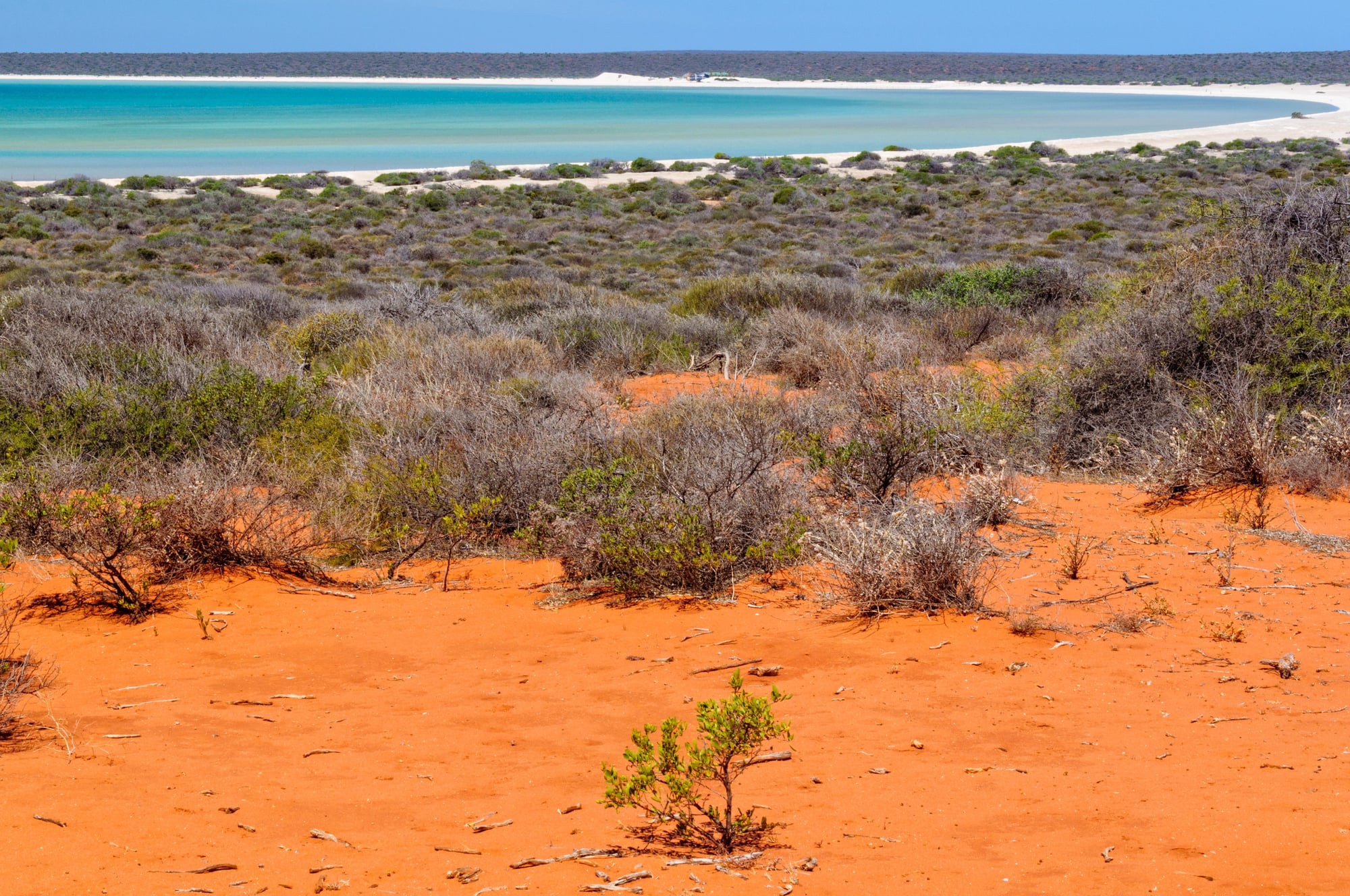
The entire coastline here consists of tiny white cockle shells — billions of them stretching for miles. No sand, just shells.
The uniformity creates a surface that crunches underfoot and gleams white against the Indian Ocean.
Local conditions allowed these shells to accumulate for thousands of years without being dispersed. The result feels like walking through nature’s most obsessive art installation.
Clean, repetitive, and oddly mesmerizing in its simplicity.
Red Sand Beach, Hawaii
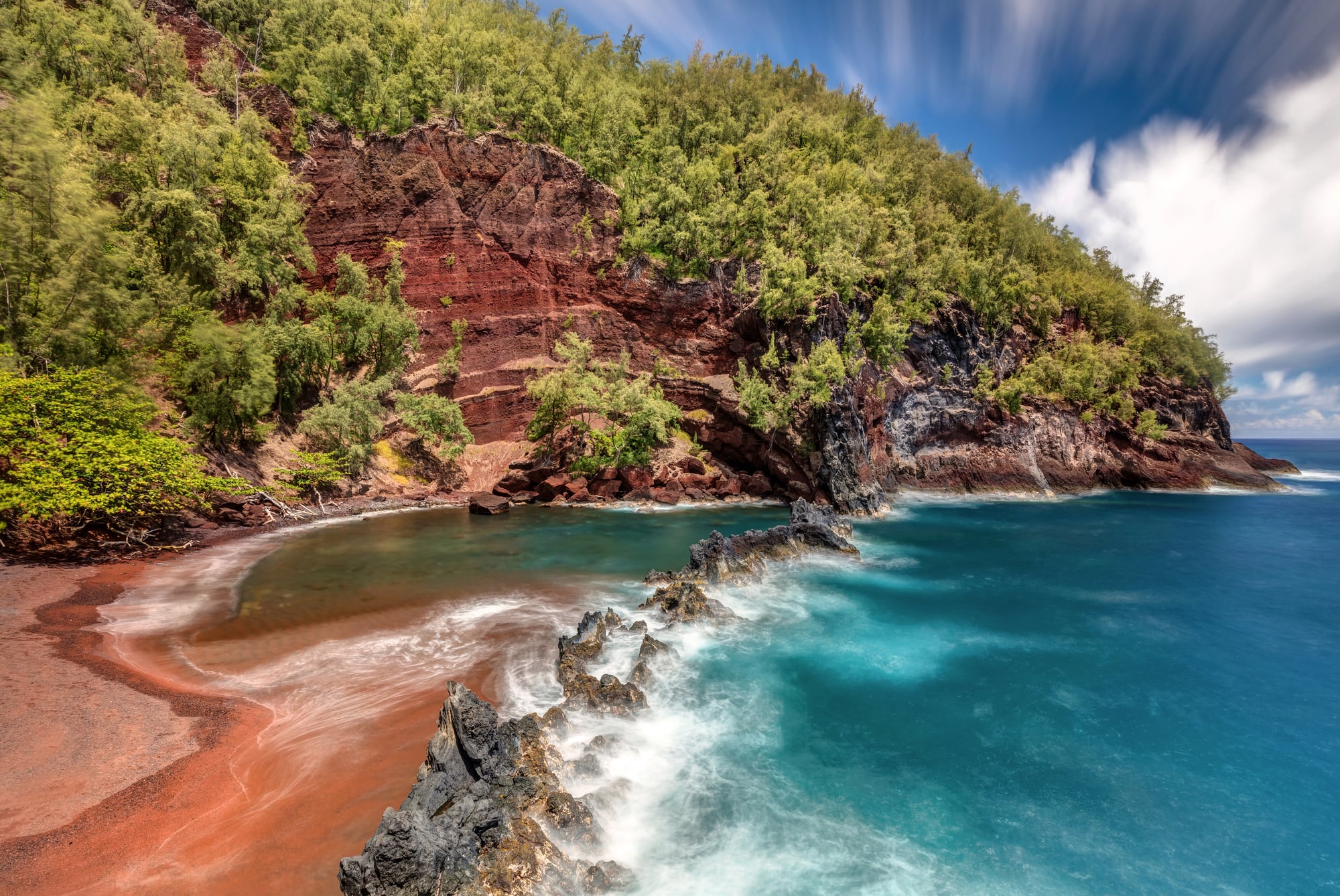
Hidden behind a rocky outcrop on Maui’s eastern shore, this small cove earned its dramatic crimson hue from the iron-rich cinder cone that partially collapsed into the sea (a reminder that Hawaiian beaches are still being born and destroyed by volcanic activity that never really stops). The red contrasts sharply with the deep blue water, creating color combinations that seem too saturated to be real — like someone cranked up the contrast settings on the landscape itself.
Getting here involves scrambling down a crumbling path that probably shouldn’t exist, past warning signs that most visitors ignore because the photographs are worth the risk. The beach itself is small, almost secretive, tucked away as though it doesn’t particularly want to be discovered.
And maybe that’s appropriate for a place that exists because a mountain decided to crumble into the ocean, creating something beautiful in the process of falling apart.
Giant’s Causeway Beach, Northern Ireland
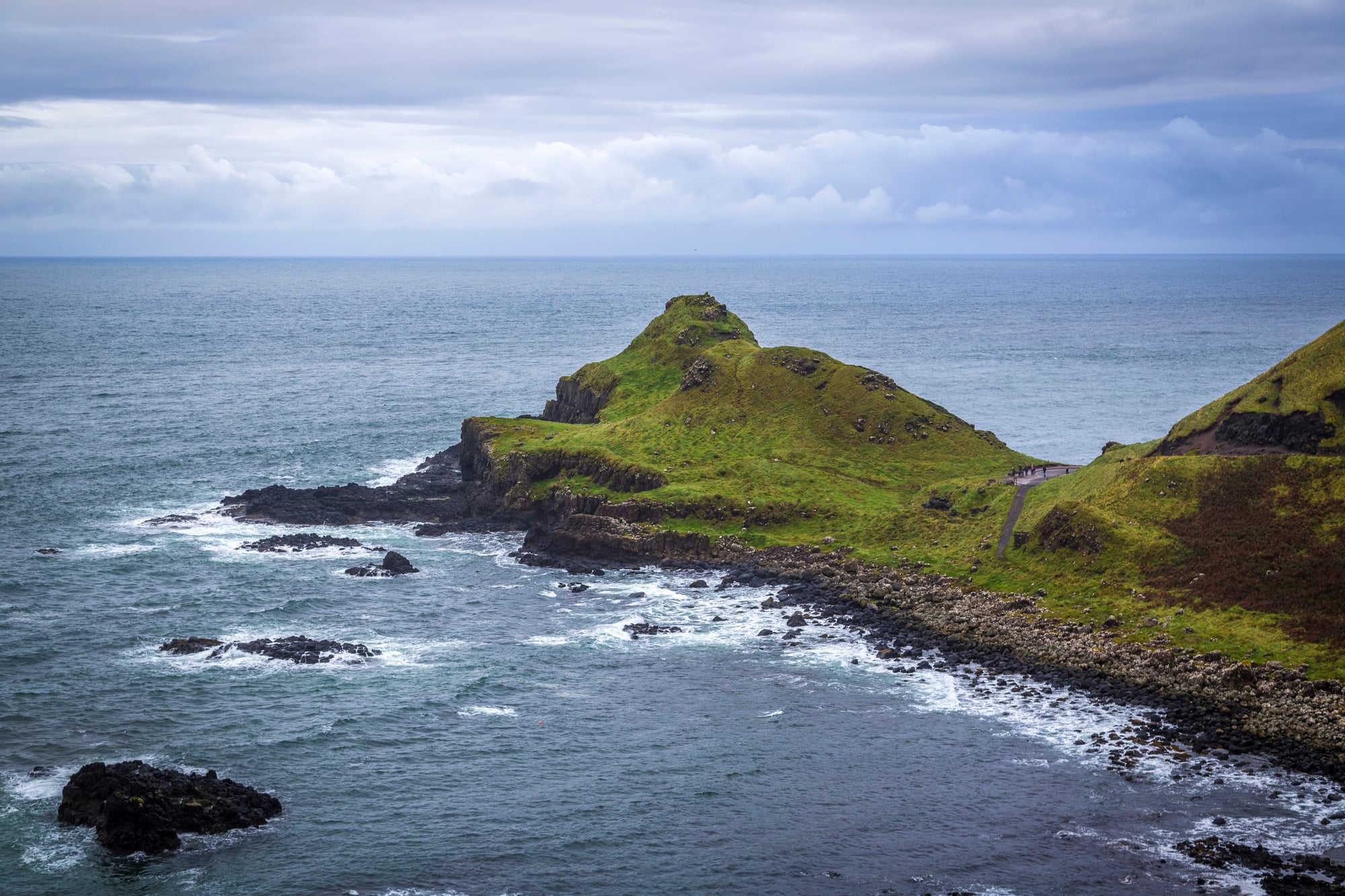
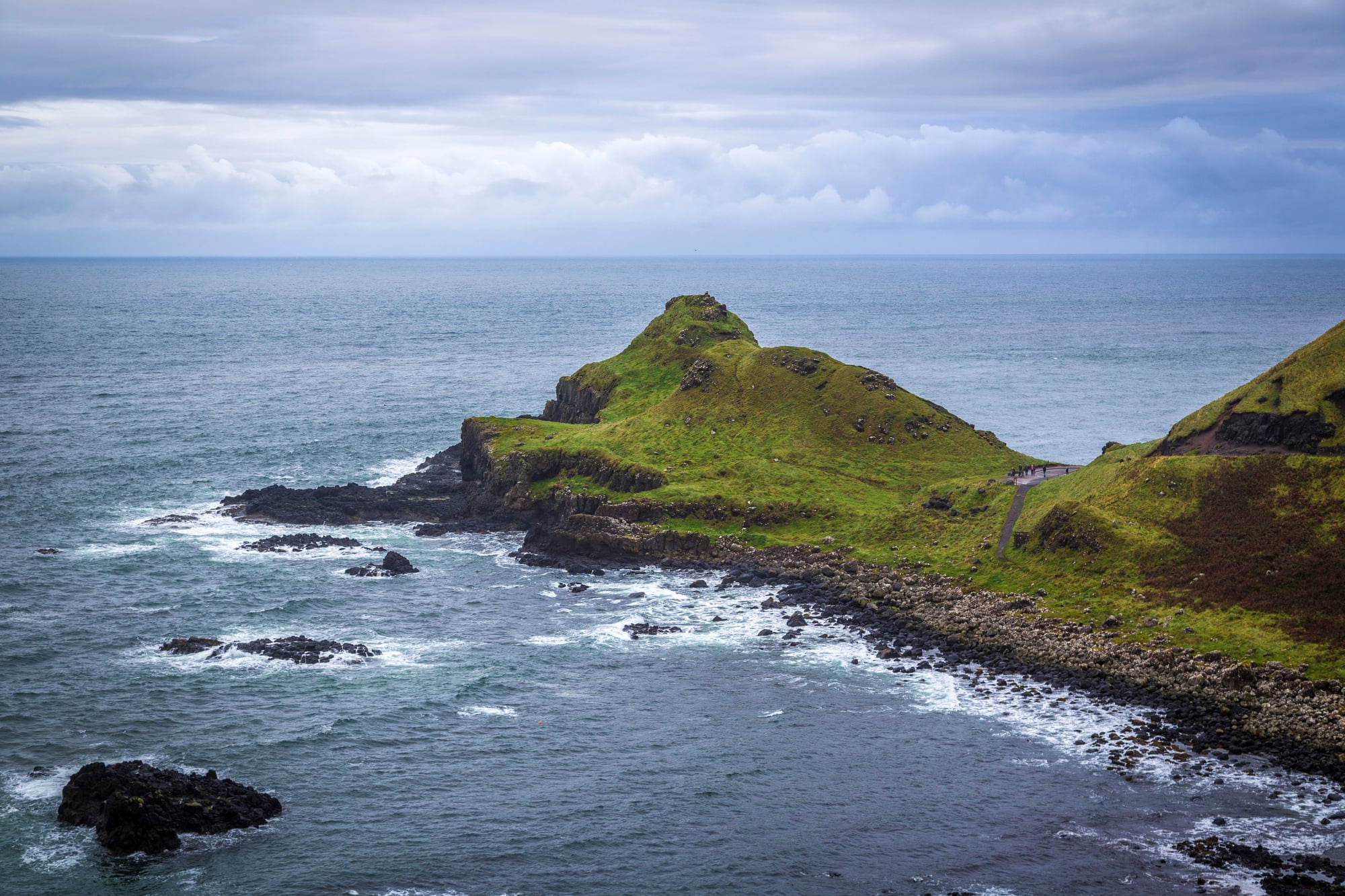
Volcanic activity doesn’t usually result in what looks like a medieval stone pathway leading directly into the sea. The hexagonal basalt columns here formed when lava cooled at just the right speed — fast enough to crack, slow enough for the cracks to organize into geometric patterns.
Walking across these natural stepping stones feels like following instructions left by someone with a completely different understanding of architecture. The precision is unsettling.
Nature doesn’t typically show its work this clearly.
Jökulsárlón Diamond Beach, Iceland
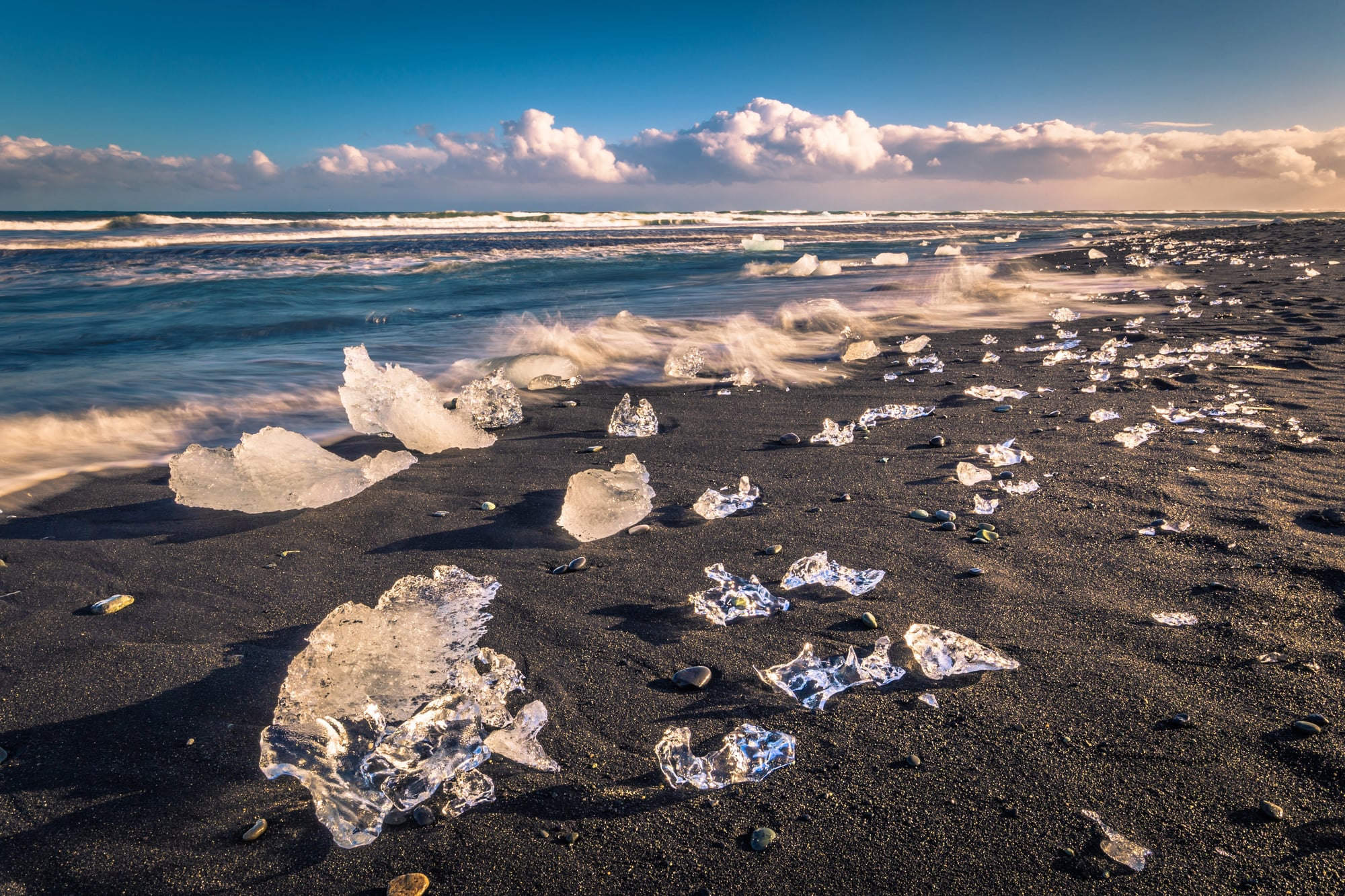
Icebergs from a nearby glacial lagoon wash ashore here and strand themselves on black volcanic sand, creating what looks like a jewelry display case designed by someone with unlimited resources and questionable taste (which, when you think about it, describes most of nature’s more dramatic efforts). The ice chunks range from fist-sized to furniture-sized, each one carved by wind and water into shapes that catch and refract sunlight like cut crystal.
The contrast between the black sand and translucent ice creates photographs that seem almost too composed to be real — as though someone spent hours arranging each piece for maximum visual impact. But that’s Iceland for you: a country where the landscape routinely produces scenes that look like they were art-directed by someone with very expensive aesthetic preferences.
And the best part is that the display changes with every tide, so the beach reinvents itself twice daily.
Pfeiffer Beach, California
Purple sand sounds like something from a fantasy novel. The reality is more subtle but no less striking — manganese garnet particles from the surrounding cliffs wash down and create patches of lavender-tinted sand.
The effect is most pronounced after storms, when fresh mineral deposits mix with the regular sand. Big Sur has plenty of dramatic coastline, but this beach manages to stand out even in that company.
Maho Beach, Sint Maarten
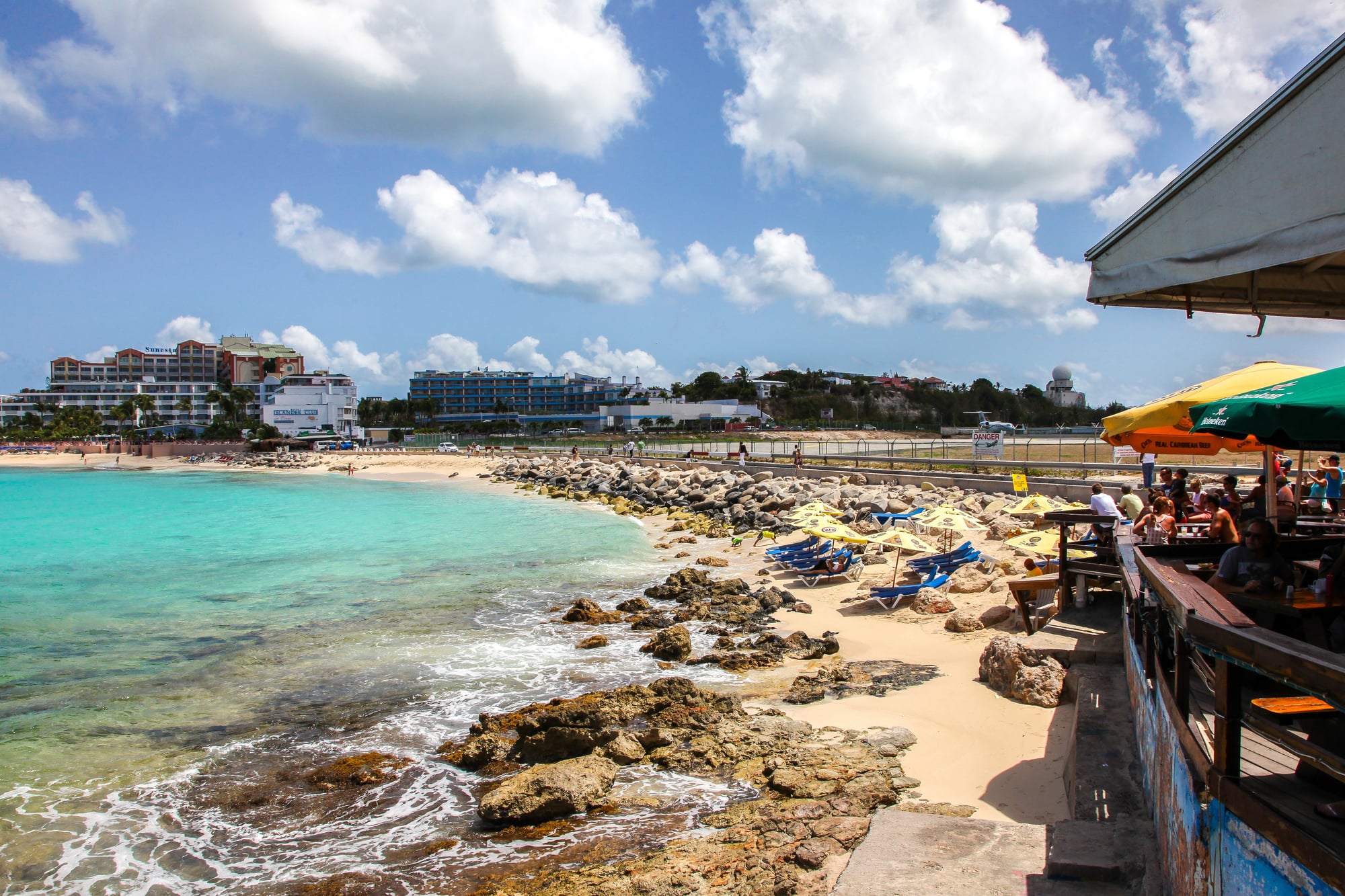
Jet engines from Princess Juliana Airport blast directly over this beach, close enough that you can read the airline logos on the plane bellies. The proximity is ridiculous — planes clear beachgoers by maybe 100 feet, creating a daily spectacle that draws crowds despite the obvious safety concerns.
Swimming here while 747s thunder overhead creates cognitive dissonance that never quite resolves itself. The juxtaposition of leisure and aviation shouldn’t work, but somehow it does.
Modern life condensed into one bizarre beachfront experience.
Punaluu Beach, Hawaii
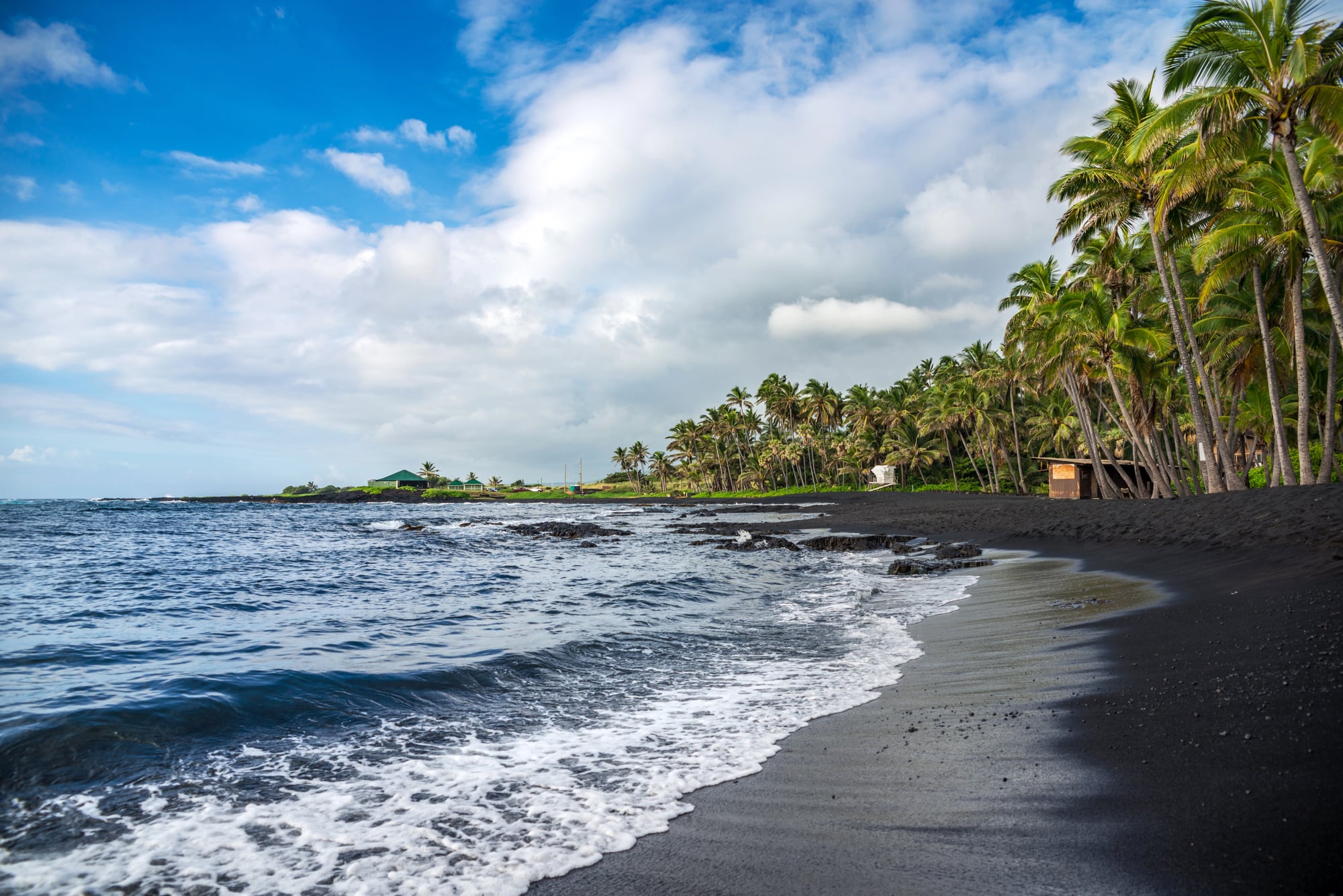
The sand here absorbs heat like a solar panel, thanks to its volcanic origins (basalt doesn’t reflect sunlight the way regular sand does — it swallows it). Walking barefoot across this beach in the afternoon requires the kind of quick footwork usually reserved for fire-walking demonstrations, except this is just a normal Tuesday at one of Hawaii’s most photogenic shores.
Green sea turtles regularly haul themselves onto this black sand to bask, creating a color contrast that wildlife photographers dream about. The turtles seem unbothered by the heat that sends humans hopping toward the water — apparently thousands of years of evolution have equipped them with better thermal management than flip-flops provide.
Watching these ancient creatures navigate the volcanic landscape feels like glimpsing some prehistoric Hawaii that existed long before anyone thought to build hotels nearby.
Cathedral Cove, New Zealand
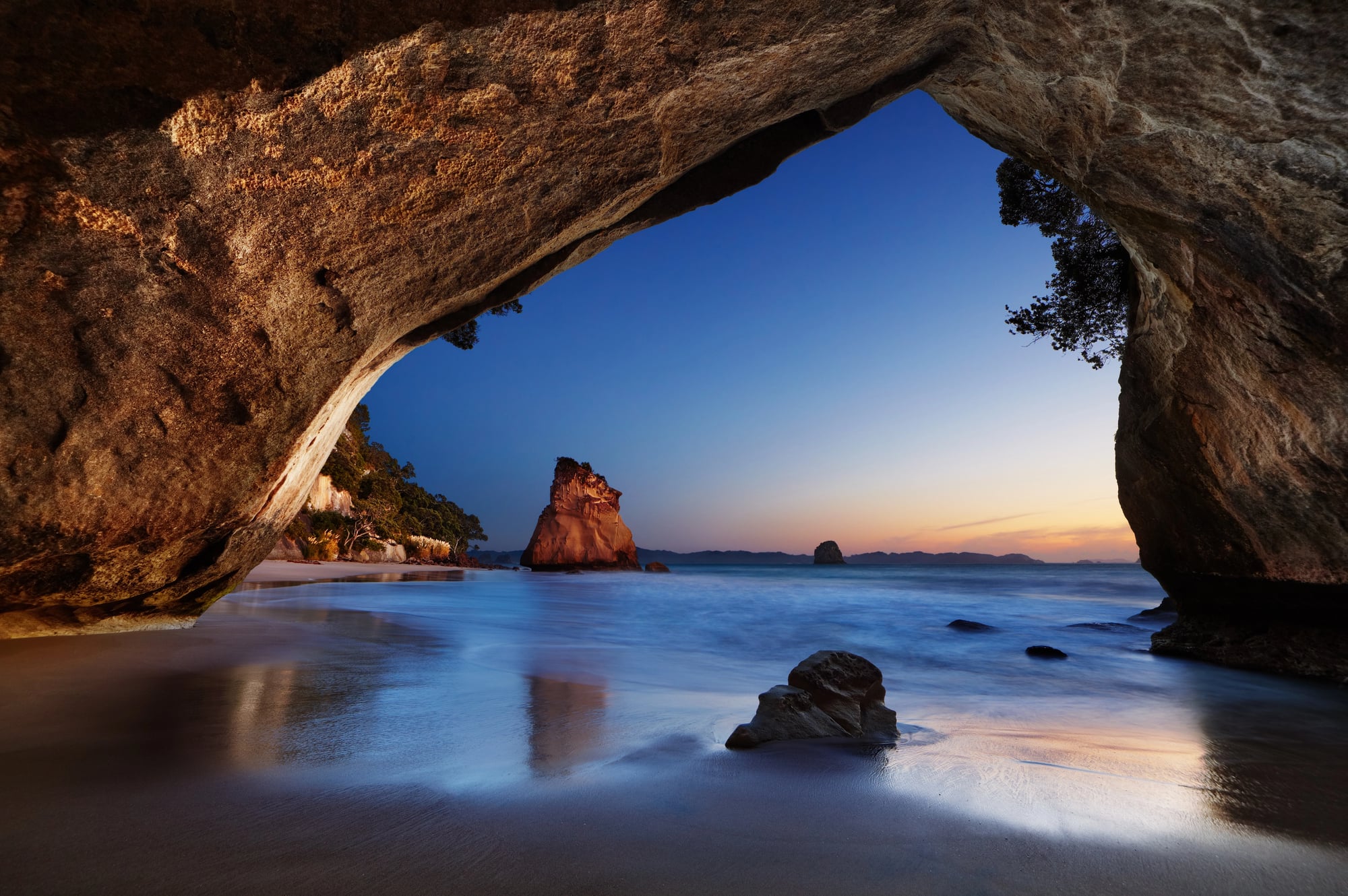
The limestone archway here frames the beach like nature’s own cathedral entrance. Erosion carved this passage over thousands of years, creating a natural tunnel that opens onto white sand and turquoise water.
Getting here requires a walk through coastal forest, which makes the eventual reveal more dramatic. The archway provides perfect shade on sunny days and frames photographs that look too good to be accidental.
Natadola Beach, Fiji
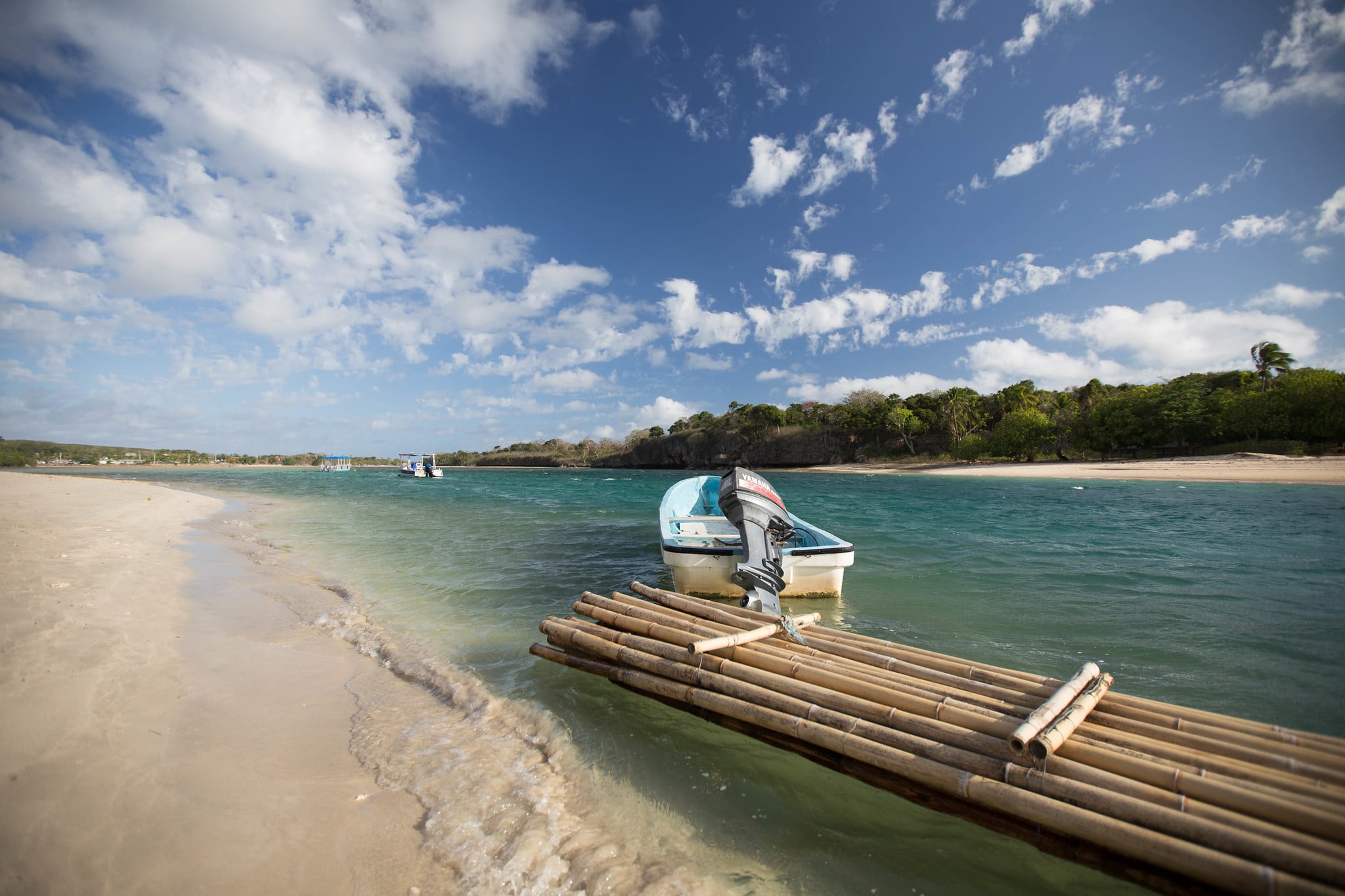
Coral sand creates a texture that’s softer than regular sand but with a subtle grittiness that comes from millions of years of marine life grinding down into powder (which sounds less pleasant than it feels). The result is a beach surface that seems to glow from within, especially during the golden hour when the sun hits at just the right angle to illuminate the microscopic coral fragments.
The water here transitions through shades of blue that seem almost artificially enhanced — turquoise near the shore deepening to sapphire further out, with visibility so clear you can count fish from the beach. It’s the kind of place that makes every other tropical destination seem like it’s trying too hard, because Natadola achieves perfection through pure geology rather than human intervention.
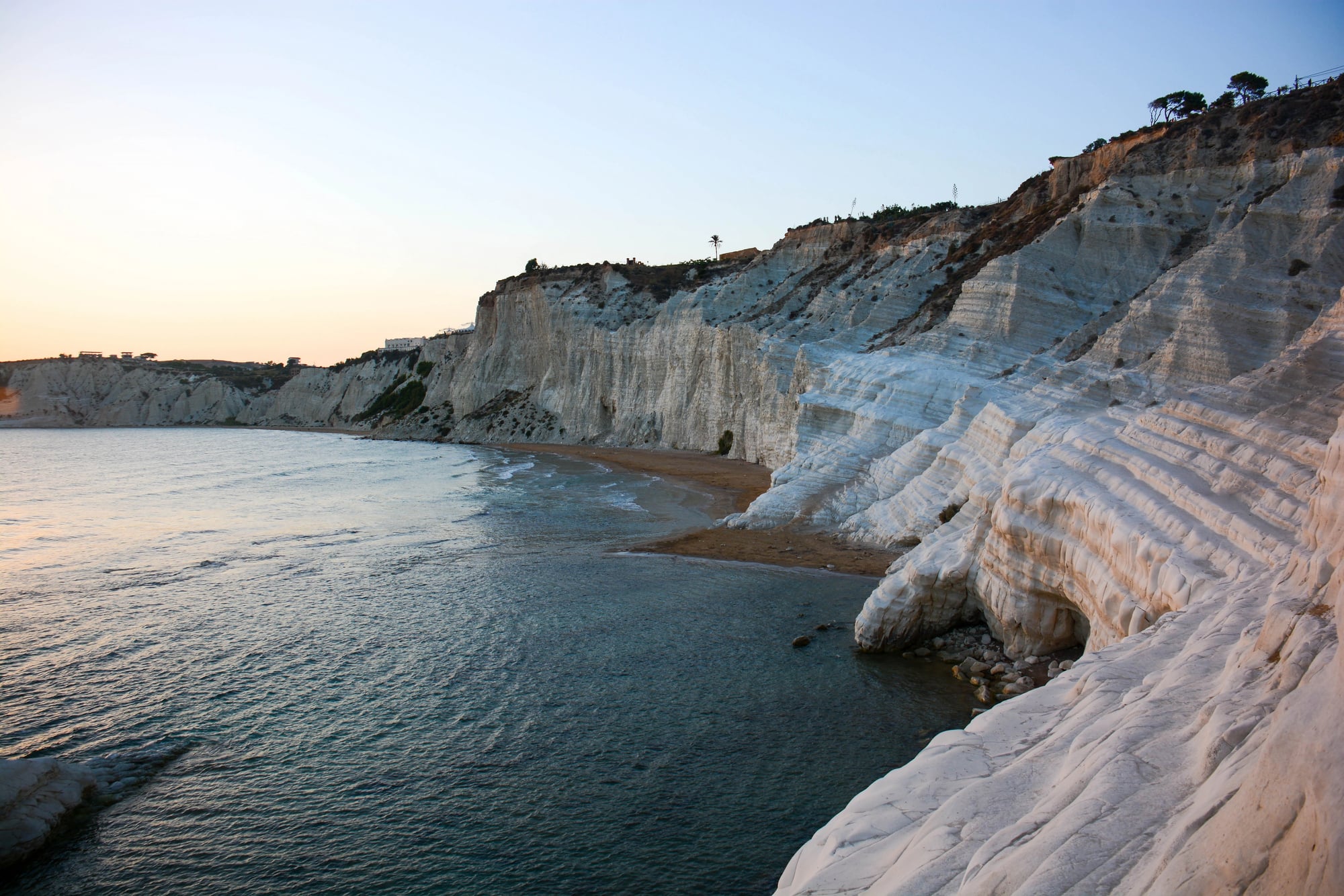
Scala dei Turchi, Italy
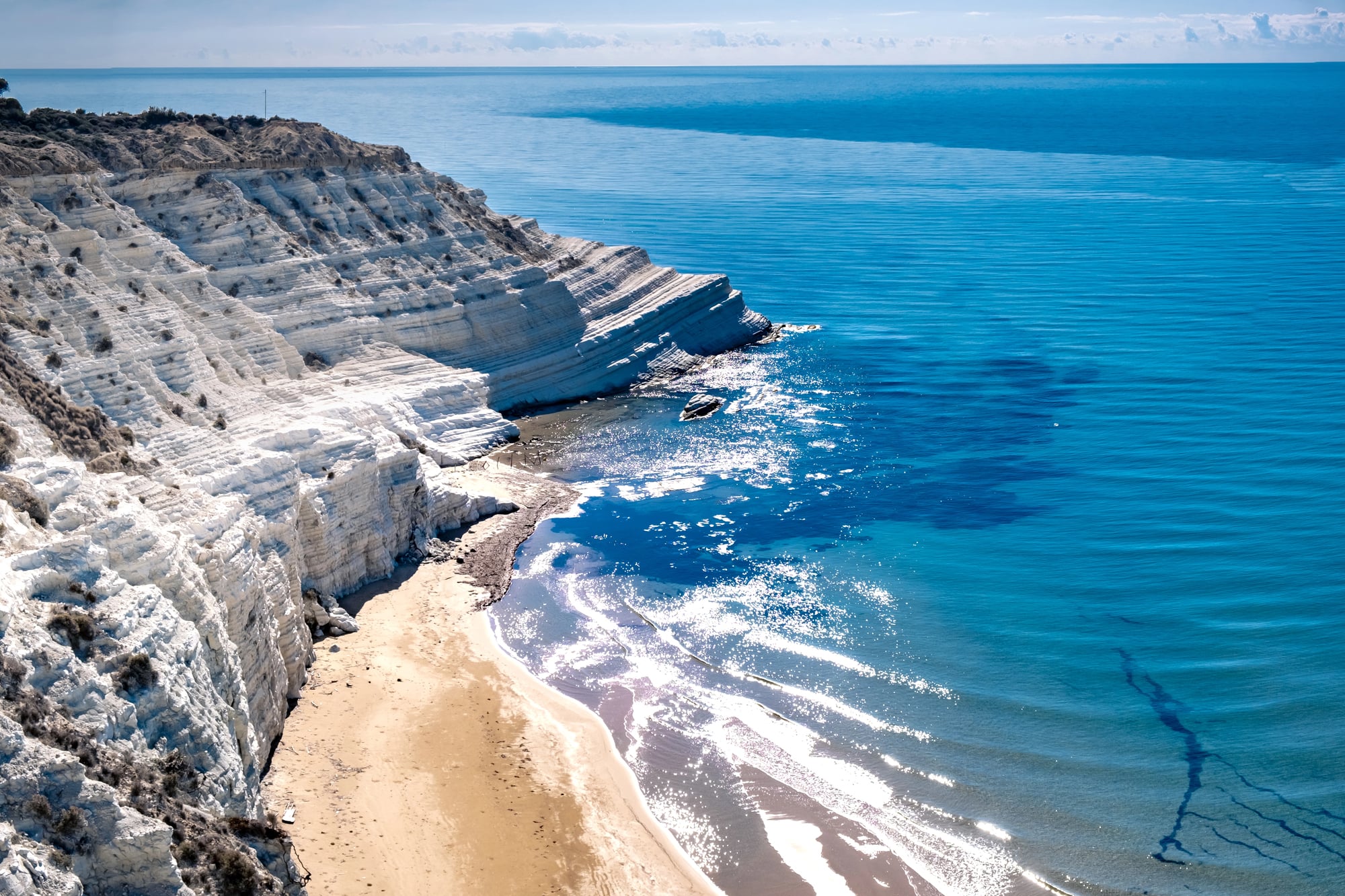
White limestone cliffs here have been carved by wind and salt spray into smooth, curved terraces that look like frozen waves. The rock is soft enough that visitors have worn foot paths into the cliff face just by walking the same routes repeatedly.
The contrast between white stone and blue Mediterranean creates photographs that feel almost overexposed. The formations change constantly as weather continues to sculpt the coastline into new shapes.
Worth the Journey
These beaches exist as proof that our planet still holds surprises, even in an age when every corner seems mapped and photographed. Each one represents a different experiment in geology, chemistry, and time — places where specific conditions aligned to create something that exists nowhere else.
They remind us that paradise isn’t standardized, that beauty comes in forms we haven’t imagined yet, and that some destinations are worth crossing oceans to witness.
The best travel experiences happen when reality exceeds expectations, and these shores deliver that rare gift with every footstep across their impossible sands.
More from Go2Tutors!

- The Romanov Crown Jewels and Their Tragic Fate
- 13 Historical Mysteries That Science Still Can’t Solve
- Famous Hoaxes That Fooled the World for Years
- 15 Child Stars with Tragic Adult Lives
- 16 Famous Jewelry Pieces in History
Like Go2Tutors’s content? Follow us on MSN.