Movie Scenes That Created Lasting Trends
Some film scenes go beyond just fun. Yet they weave into daily life, shifting styles, slang, or views.
One role asks for a cocktail in a unique manner – right away, bar staff catch on. That person rocks a particular coat, so shops sell out fast.
These moments stick around – not because they’re flashy, but ’cause folks actually tried doing them themselves. You see echoes of it where you’d least expect – workouts, hairstyles, how someone orders a latte.
It sneaks into small stuff, like handshakes or nods between strangers.
The Ray-Ban Moment
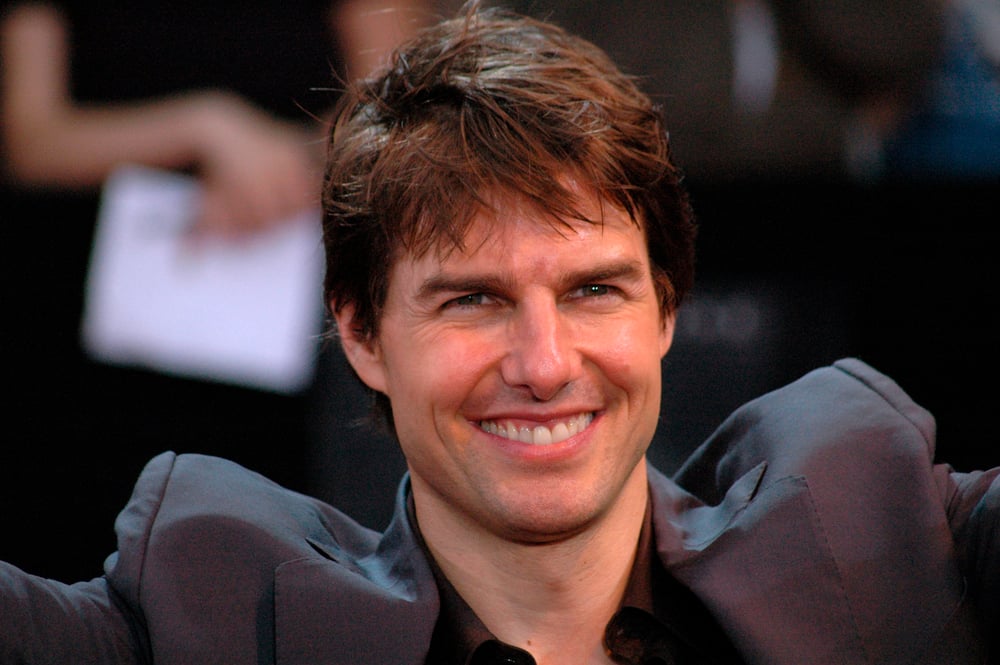
Tom Cruise sliding on those Wayfarers in “Risky Business” didn’t just look cool. It saved a dying brand.
Ray-Ban’s Wayfarer sales had dropped to almost nothing before that scene. Within months of the film’s release, they’d sold over 360,000 pairs.
The company couldn’t manufacture them fast enough.
The scene works because it captures a specific teenage fantasy—the house to yourself, the freedom to be someone else for a moment. The sunglasses became shorthand for that feeling.
Even now, decades later, those frames still carry that association.
When Red Leather Changed Everything
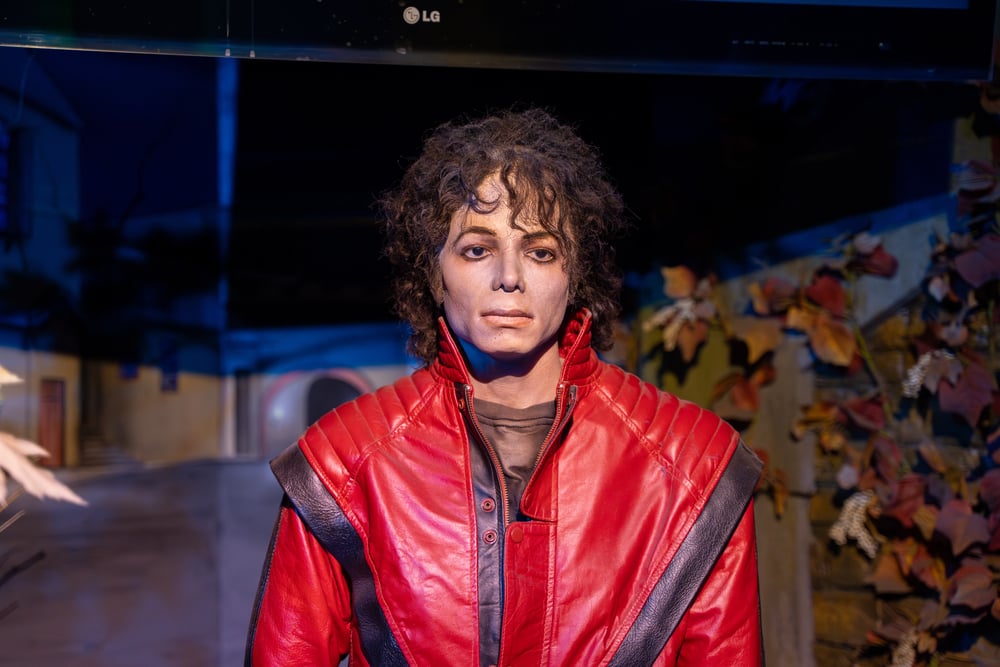
“Thriller” wasn’t technically a movie, but Michael Jackson’s music video functioned like one. That red leather jacket with the black stripes became one of the most copied pieces of clothing in the 1980s.
Everyone from suburban teenagers to street dancers wanted one.
The jacket represented something bigger than fashion. It was about transformation, about the idea that you could become something more exciting than your everyday self.
Costume shops still sell versions of it, and designers continue to reference it in their collections.
The Haircut Heard Round the World

When “Friends” premiered, Jennifer Aniston’s character had a layered, choppy haircut that hairstylists still call “The Rachel.” Salons across the country were flooded with requests for the style, with some hairdressers reporting that about 40% of their business came from women wanting this cut.
What made it so popular wasn’t just that it looked good. It looked achievable.
The style suggested that regular people could have that same effortless, California-casual vibe. Aniston herself has admitted she hated the haircut and that it was actually difficult to maintain, but that didn’t slow down its popularity for years.
Coffee Culture Shifts

The HBO series about four Manhattan women turned Cosmopolitans from a mostly forgotten cocktail into the drink of choice for an entire generation. Bars that hadn’t served Cosmos in years suddenly needed to stock cranberry juice and Cointreau again.
The show did something similar for cupcakes, particularly through the Magnolia Bakery scenes. Lines formed outside that bakery in New York, and cupcake shops started opening in cities that had never had them before.
The show made both the drink and the dessert feel aspirational, like markers of a certain kind of sophisticated city life.
Breakfast Fashion
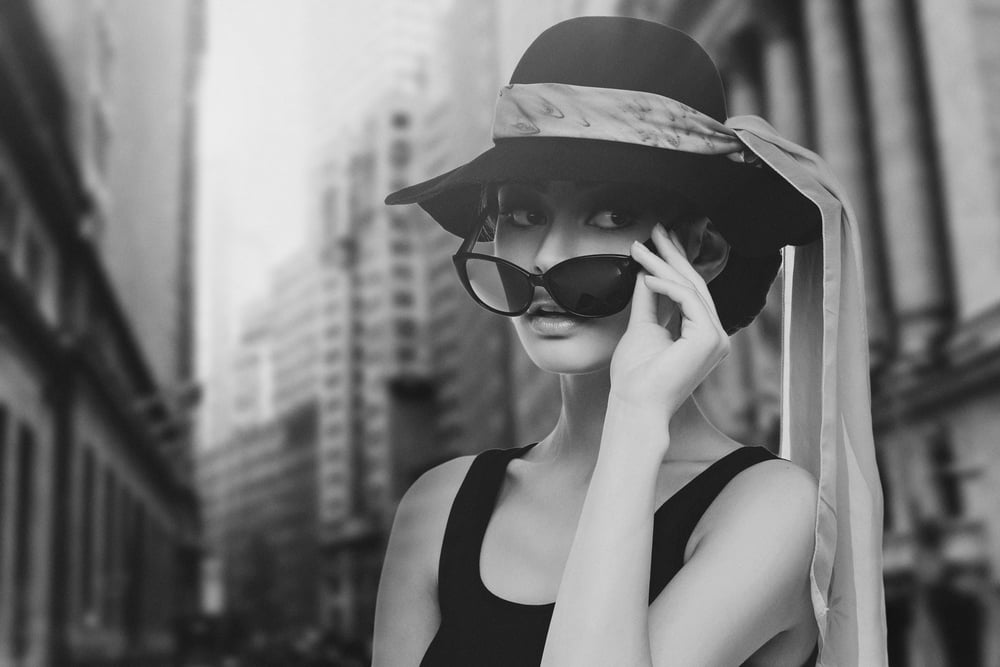
Audrey Hepburn’s little black dress in “Breakfast at Tiffany’s” set a standard that still holds. Givenchy designed it, but the movie made it iconic.
The LBD became something every woman was supposed to own, a versatile piece that worked for almost any occasion.
The long gloves, the pearl necklace, the updo—the whole look created a template for elegance. Fashion magazines still reference it, and vintage versions of similar dresses sell for thousands.
Hepburn made simple sophistication look effortless.
Slow-Motion Cool
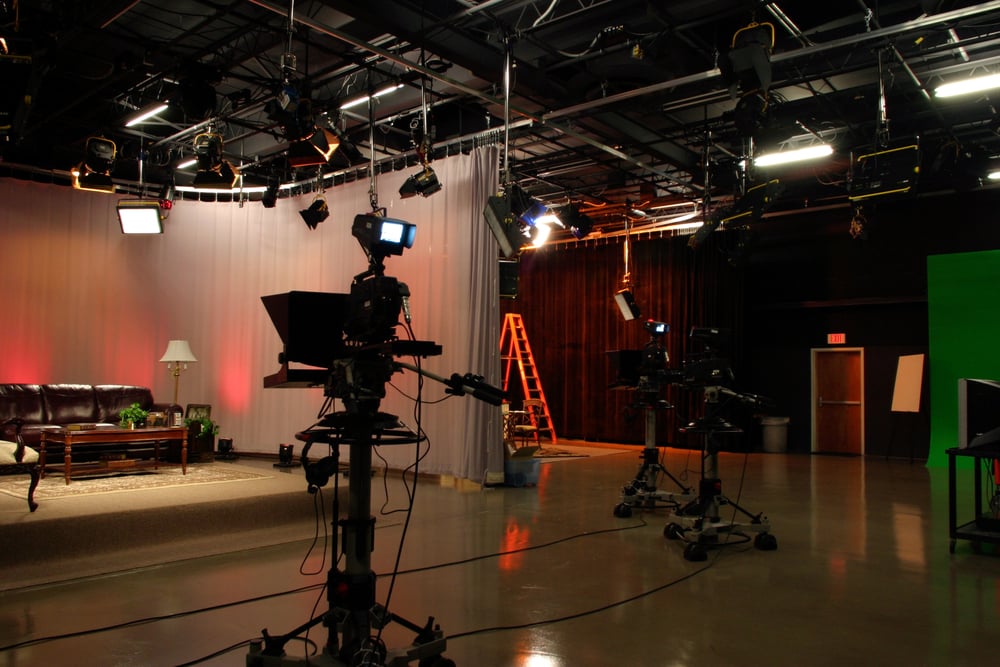
“Reservoir Dogs” and its slow-motion walk scene in suits and sunglasses spawned countless imitations. Every action movie and TV show started including that same kind of shot—a group walking toward the camera, moving like they own the world.
You can trace this directly to Tarantino’s film. The confidence, the attitude, the deliberate pacing—it became a visual shorthand for “these characters are badass.”
Music video directors, commercial producers, and other filmmakers borrowed it endlessly because it works so efficiently.
The Sports Montage Standard
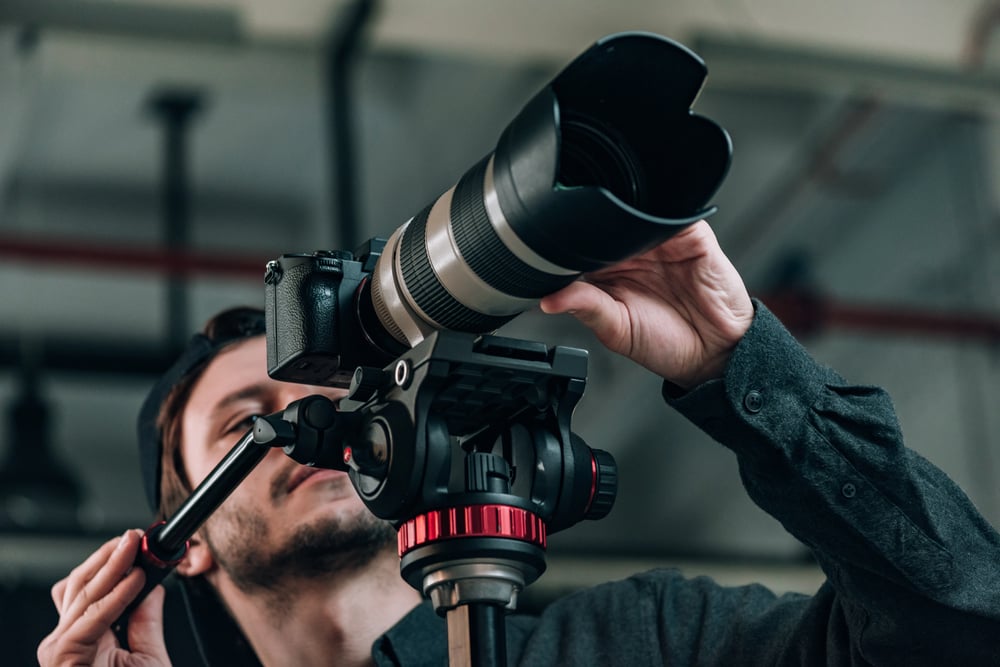
“Rocky” didn’t invent the training montage, but it perfected it. Running up those Philadelphia Museum of Art steps while “Gonna Fly Now” plays turned into a formula that thousands of films copied.
Sports movies, action films, and even comedies parodying the format all owe something to that sequence.
The steps themselves became a tourist destination. People visit Philadelphia specifically to run up them and raise their fists at the top.
The city installed a Rocky statue nearby because the demand was so high.
When Breakfast Got Weird
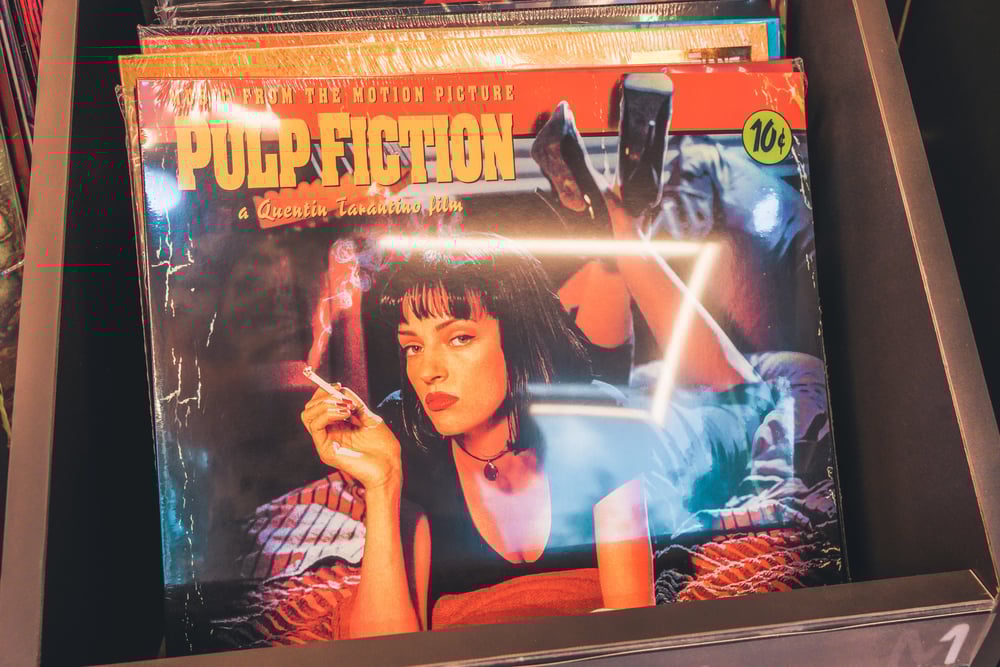
“Pulp Fiction” made bringing back old-fashioned diners cool again. But more specifically, it made ordering unusual food combinations seem interesting.
After that film, people felt more comfortable being specific and quirky with their food orders.
The movie treated casual conversations about food—burgers, milkshakes, what to call a Quarter Pounder in France—as worthy of attention. Food culture shifted slightly toward being more playful, more willing to talk about the details and preferences that used to seem too mundane to mention.
Sunglasses After Dark
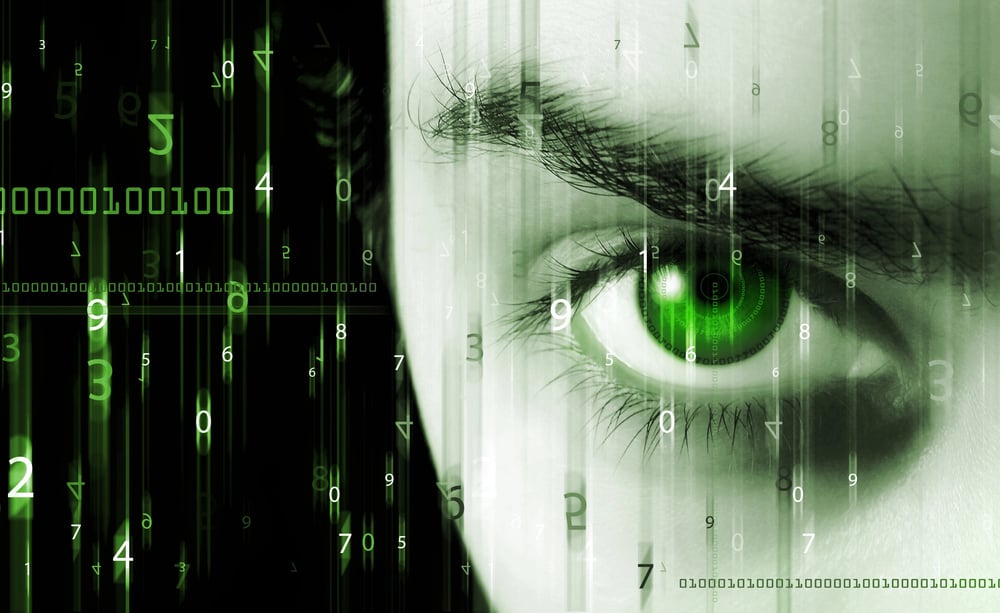
“The Matrix” turned tiny, oval sunglasses into a must-have accessory, despite them being completely impractical. Neo’s look—the long coat, the sleek shades—defined late-90s cyber-cool.
Fashion brands rushed to produce similar styles, and suddenly everyone on the street looked like they were about to hack into a mainframe.
The influence went beyond just the glasses. The film’s aesthetic—black leather, minimalist design, tech-meets-fashion—shaped how science fiction looked for the next decade.
Even Apple’s product design seemed to take notes from that sleek, monochromatic palette.
Dance Moves Go Viral
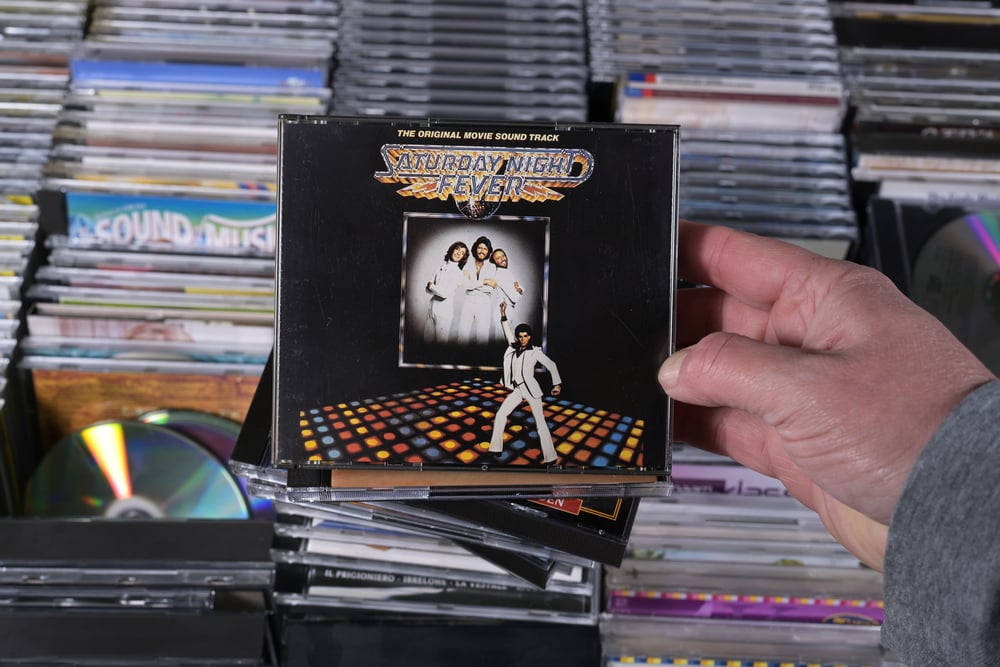
“Saturday Night Fever” made disco mainstream, but more importantly, it made dance moves recognizable. John Travolta’s pointing finger pose became something everyone tried at weddings and parties.
The white suit became legendary.
Before that film, dancing in movies was often something only trained performers did. “Saturday Night Fever” suggested that regular people could learn specific moves and look good doing them.
Dance studios saw enrollment spike, and disco music dominated the charts for years after.
The Leather Jacket Standard
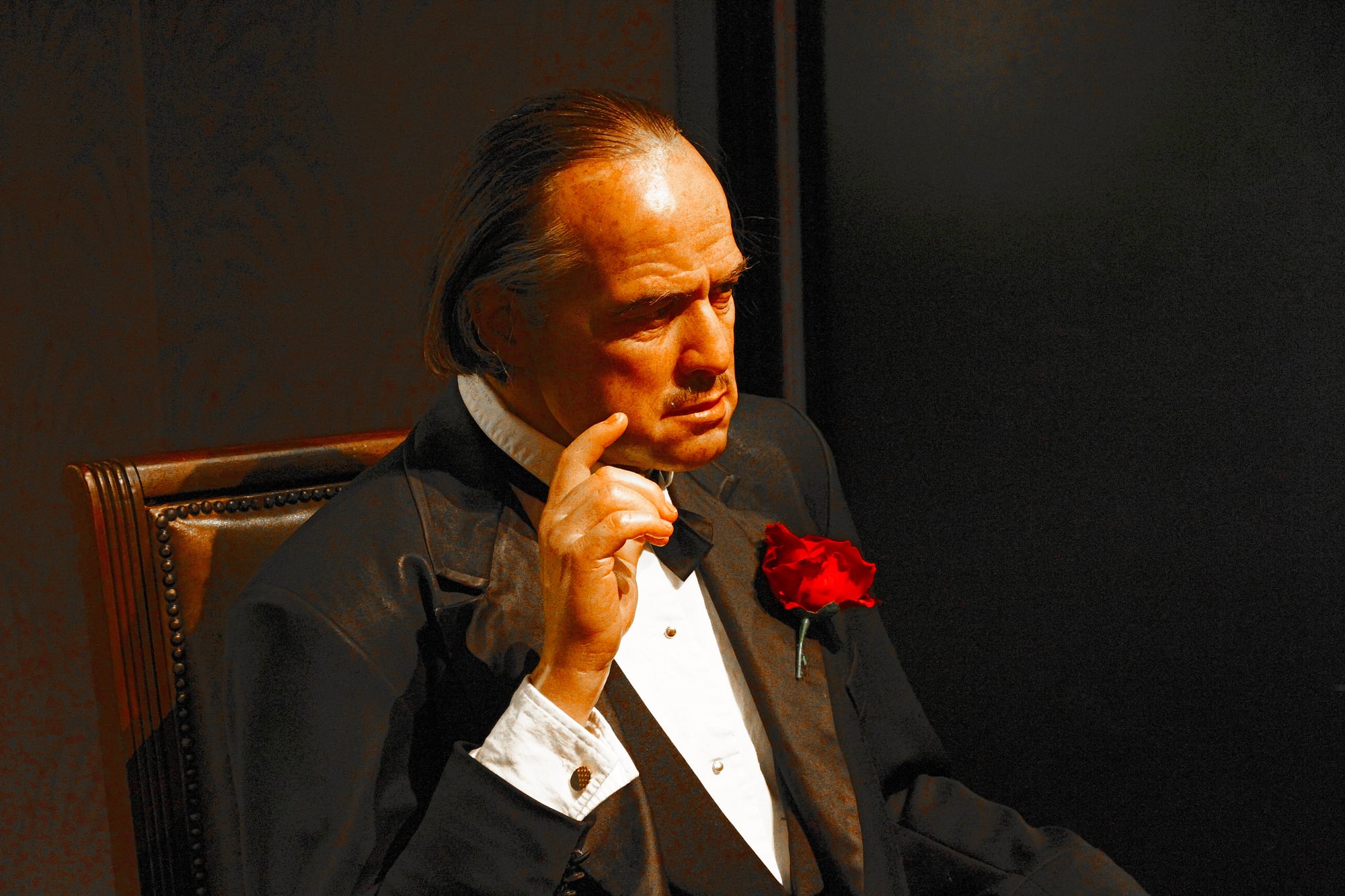
Marlon Brando in “The Wild One” and James Dean in “Rebel Without a Cause” turned leather jackets from functional motorcycle gear into symbols of rebellion. Every generation since has found its own version of that same leather jacket, trying to capture that same outsider energy.
The jackets became a uniform for anyone wanting to signal that they didn’t quite fit in with mainstream society. Musicians, actors, artists—they all adopted variations of the look.
Leather jacket sales have remained steady for decades because the symbolism Brando and Dean established never really faded.
When Eating Got Organized
“When Harry Met Sally” made the fake declaration at Katz’s Delicatessen famous, but it also influenced how people think about ordering food. Sally’s extremely specific sandwich order—on the side, with particular ingredients—gave permission for others to be demanding about their preferences.
Restaurants started seeing more customization requests after that film. The scene normalized being particular about what you eat and how it’s prepared.
It suggested that caring about these details wasn’t annoying but showed you knew what you wanted.
Fitness Goes Mainstream

“Flashdance” popularized several trends at once—leg warmers, off-the-shoulder sweatshirts, and the idea that working out could be fashionable. Gyms shifted from being purely functional spaces to places where what you wore mattered almost as much as the exercise itself.
The film’s aesthetic—athletic clothes worn casually, the mix of dance and fitness—influenced how people dressed for decades. Athleisure as a concept traces some of its roots back to this movie making workout clothes seem viable for everyday wear.
The Power of Saying Hello
“J. Maguire” gave culture a single line that became shorthand for connection and commitment. “You had me at hello” entered the language as a way to express instant understanding or chemistry.
People started using it in dating profiles, wedding vows, and everyday conversation.
The phrase worked because it captured a specific feeling—that moment when you know something is right before logic kicks in. It gave people words for an experience they’d had but couldn’t quite articulate before.
That’s the power of a well-written moment meeting perfect delivery.
How Movies Shape Tomorrow

Those moments last since they hit on what folks feel inside. Yet they’re quick paths to showing your vibe, hinting at who you are – or wish to be.
Even small things like shades, your stride, or the drink you pick act like signals. Instead of words, these bits help speak without talking.
The trends come and go in waves, yet certain key moments stick around as touchstones. One after another, fresh crowds stumble on them – giving them new life.
A single film moment from years back might quietly shape someone’s outfit or drink choice now. These visuals sink into shared awareness, just sitting there, waiting until the world feels like revisiting – and reshaping – them once more.
More from Go2Tutors!

- The Romanov Crown Jewels and Their Tragic Fate
- 13 Historical Mysteries That Science Still Can’t Solve
- Famous Hoaxes That Fooled the World for Years
- 15 Child Stars with Tragic Adult Lives
- 16 Famous Jewelry Pieces in History
Like Go2Tutors’s content? Follow us on MSN.