Most Expensive Stamps Ever Sold to Global Collectors
The hobby of stamp collecting might seem quaint in an age of digital everything, but behind those tiny pieces of paper lies a market that regularly breaks records. When collectors gather at auction houses around the world, they’re not just bidding on adhesive squares — they’re competing for pieces of postal history that tell stories of empires, errors, and extraordinary rarity.
Some stamps have sold for more than luxury cars, others for more than houses, and a select few have crossed into territory reserved for masterpiece paintings and rare jewels.
British Guiana 1c Magenta
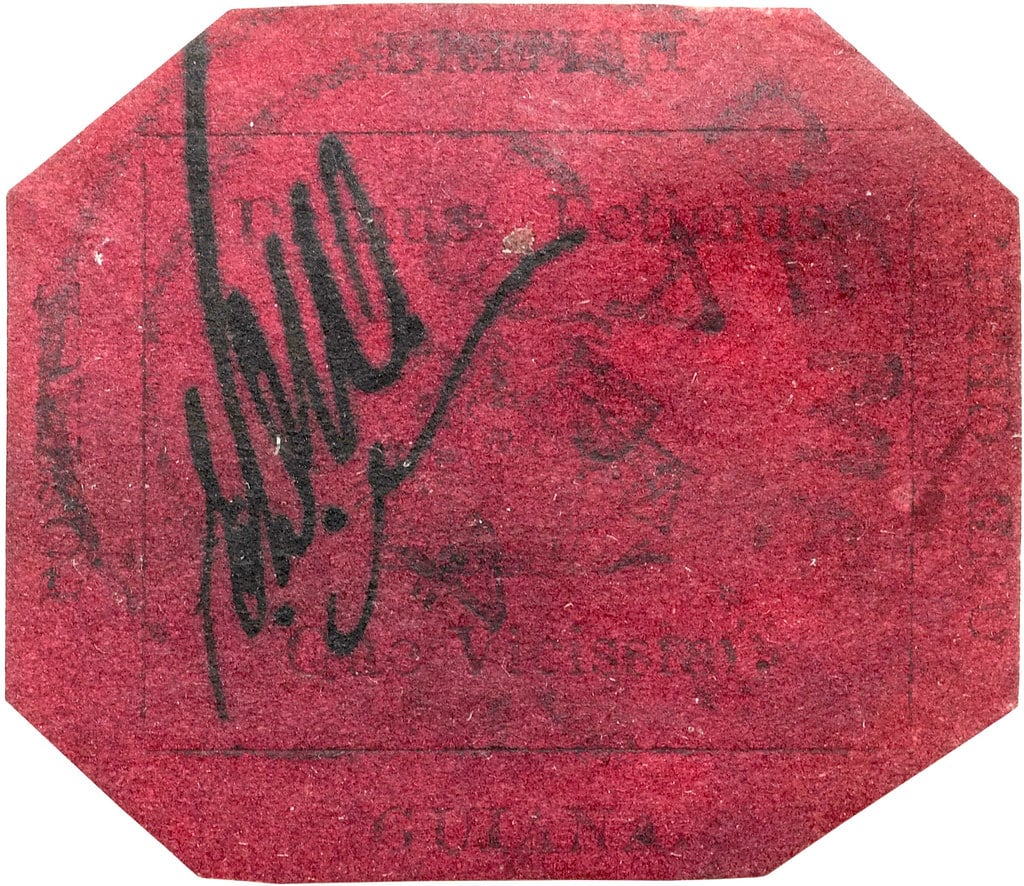
The crown jewel of stamp collecting sold for $9.5 million in 2014. Only one copy exists, making it the rarest stamp on Earth.
The 1856 issue from British Guiana bears the colony’s motto and a sailing ship, but what makes it priceless is simple mathematics: when something is genuinely one-of-a-kind, collectors will pay anything.
Treskilling Yellow
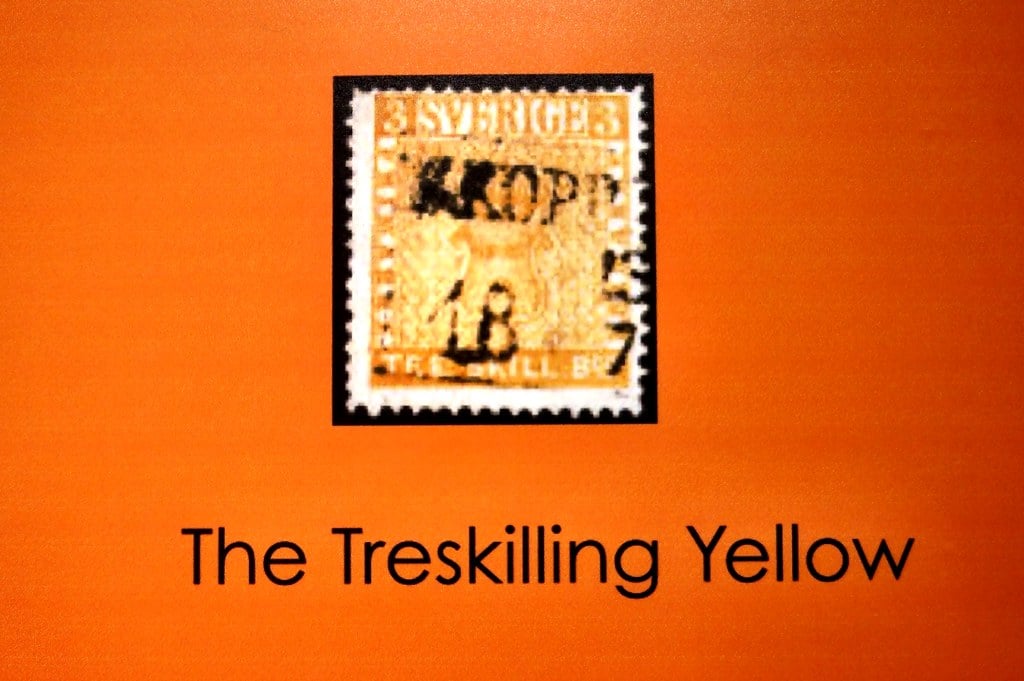
Sweden’s postal service made a mistake in 1855, and that error became worth $2.3 million when it sold in 2010. The three-skilling stamp was supposed to be printed in blue-green (the color choice wasn’t arbitrary — different values had specific colors to prevent confusion, which was critical when most people couldn’t read the small print on stamps, so color coding became the postal system’s solution to mass literacy issues).
Yellow was reserved for the eight-skilling denomination. But somewhere in the printing process, this single stamp got the wrong treatment, and that manufacturing slip created what many consider the most famous error in philatelic history.
Inverted Jenny
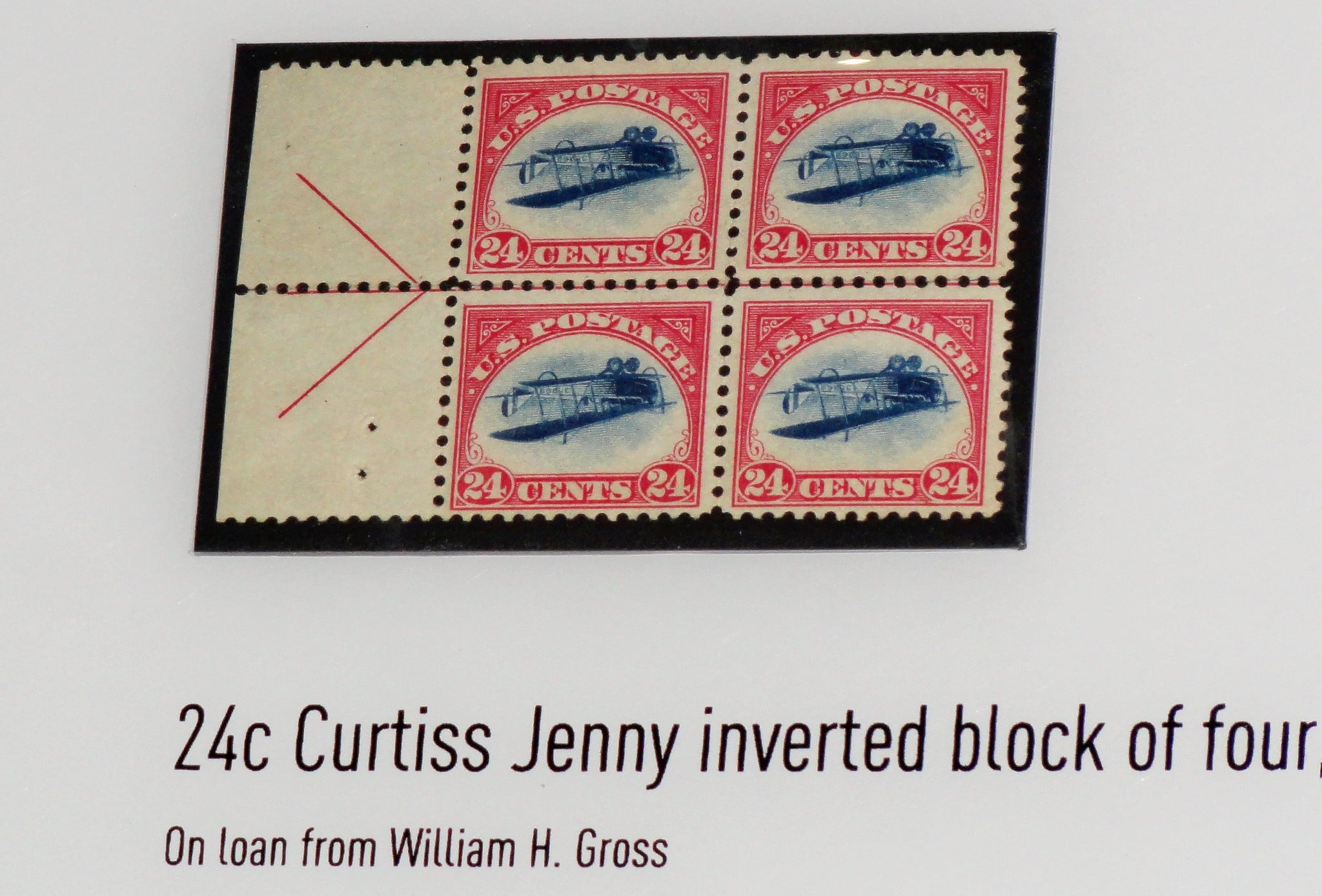
There’s something almost poetic about the way this stamp captures failure and flight in the same square inch. The 1918 airmail stamp shows a Curtiss JN-4 airplane printed upside down — not exactly the confident image the postal service wanted to project for America’s new airmail service.
But that printing error, discovered on a sheet of 100 stamps purchased by collector William T. Robey, turned each mistake into treasure. Individual copies have sold for over $1.3 million, though the entire sheet would be worth exponentially more if anyone were willing to part with it intact.
Baden 9 Kreuzer Error
The 1851 Baden 9 kreuzer error proves that even German efficiency has its limits. This stamp was printed in the wrong color — rose instead of green.
Four copies are known to exist, and when one sold for $1.5 million, it confirmed what serious collectors already knew: scarcity combined with historical significance creates a value that transcends the object itself.
Hawaiian Missionaries
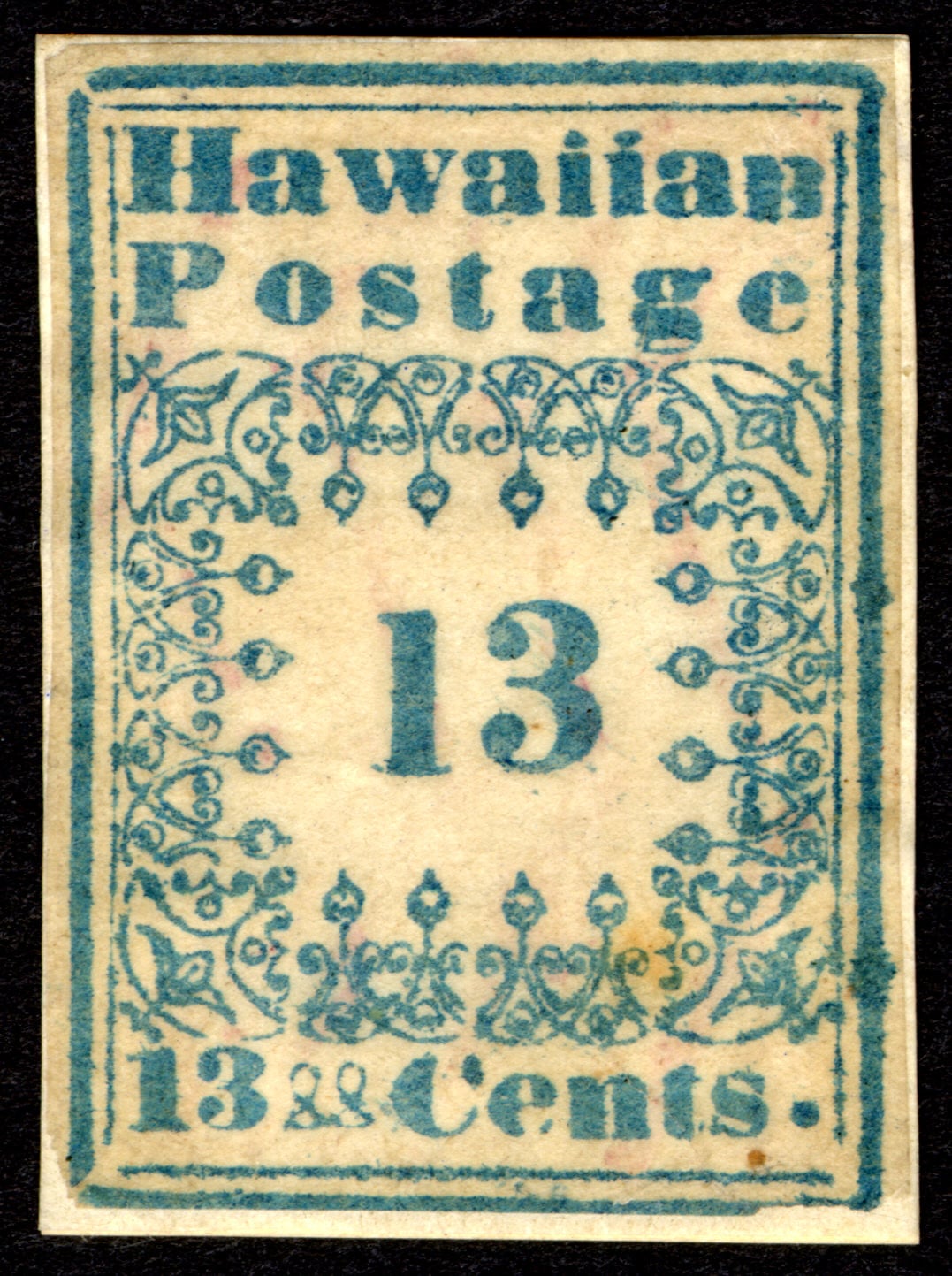
Hawaii’s first postage stamps from 1851 earned their nickname because missionaries used them to send letters back to New England. The 2-cent blue missionary holds the record at $2 million for a single sale.
These stamps were printed on thin paper that deteriorated easily in the tropical climate, making survivors exceptionally rare.
Sicilian Error of Color

Sicily issued its first stamps in 1859, and like many early postal systems, color coordination proved challenging (though to be fair, industrial printing standards were still being established, and quality control measures that seem obvious now simply didn’t exist in the mid-19th century when postal services were racing to implement new adhesive stamp systems across dozens of different countries and colonies). The half tornese was meant to be orange but occasionally appeared in blue.
One example sold for $2.6 million, making it clear that Italian collectors take their postal history seriously.
Mauritius Post Office Stamps
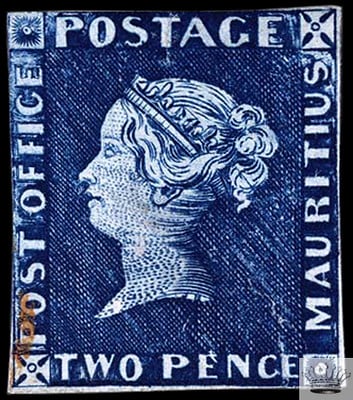
The 1847 “Post Office” stamps from Mauritius represent one of the most romantic errors in postal history. The engraver was supposed to inscribe “Post Paid” but wrote “Post Office” instead — perhaps he was copying from the original design brief rather than the final approved version.
Both the 1d orange-red and 2d blue versions have sold for over $1 million each, and together they form one of the most coveted pairs in philatelic collecting.
The Whole Country Red
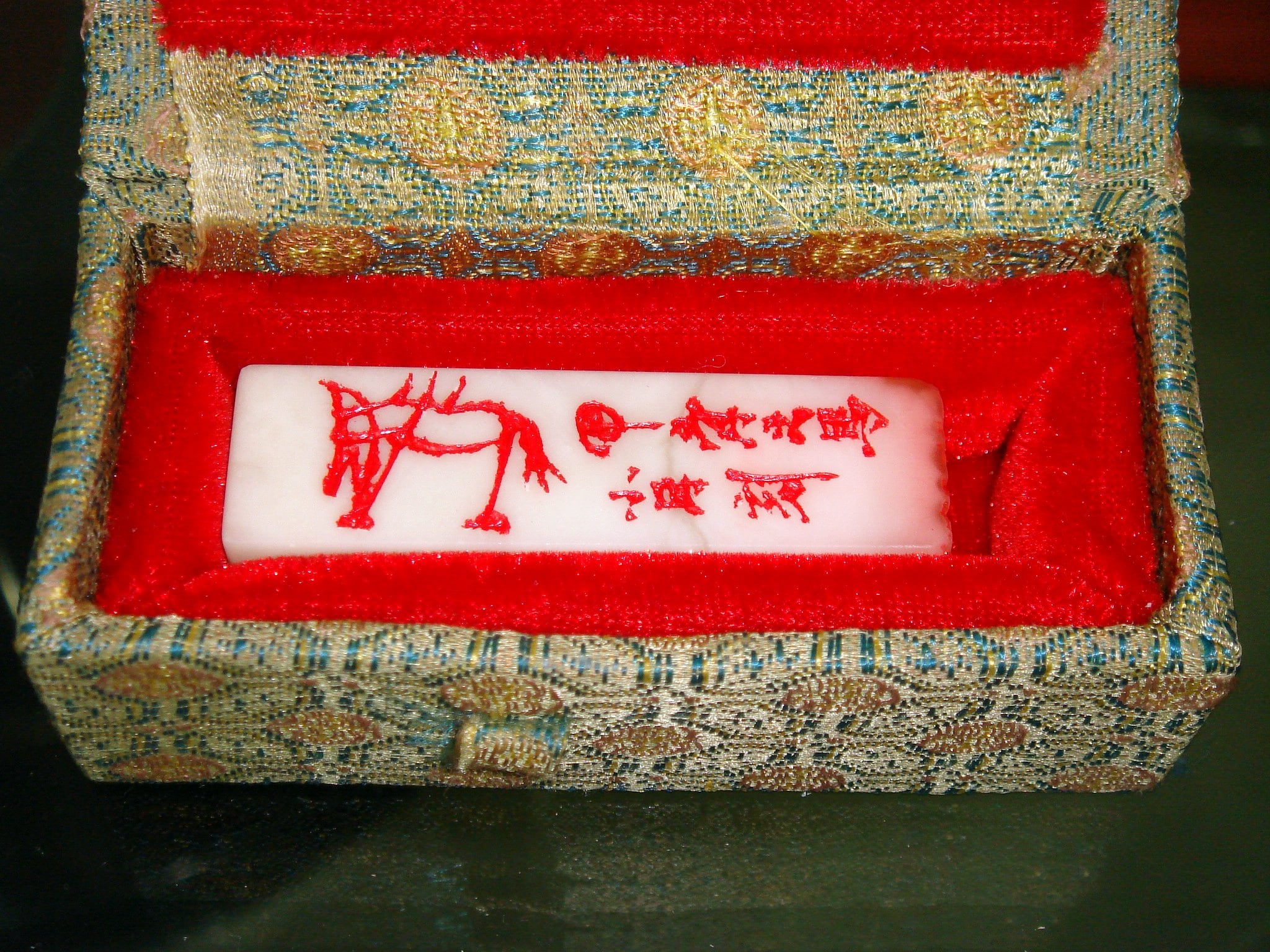
China’s 1968 “Whole Country is Red” stamp was withdrawn on the day of issue due to political concerns about the map design. Most copies were destroyed, but a few survived.
When one sold for $1.4 million in 2016, it demonstrated that political controversy often creates the most valuable collectibles.
Alexandria Blue Boy
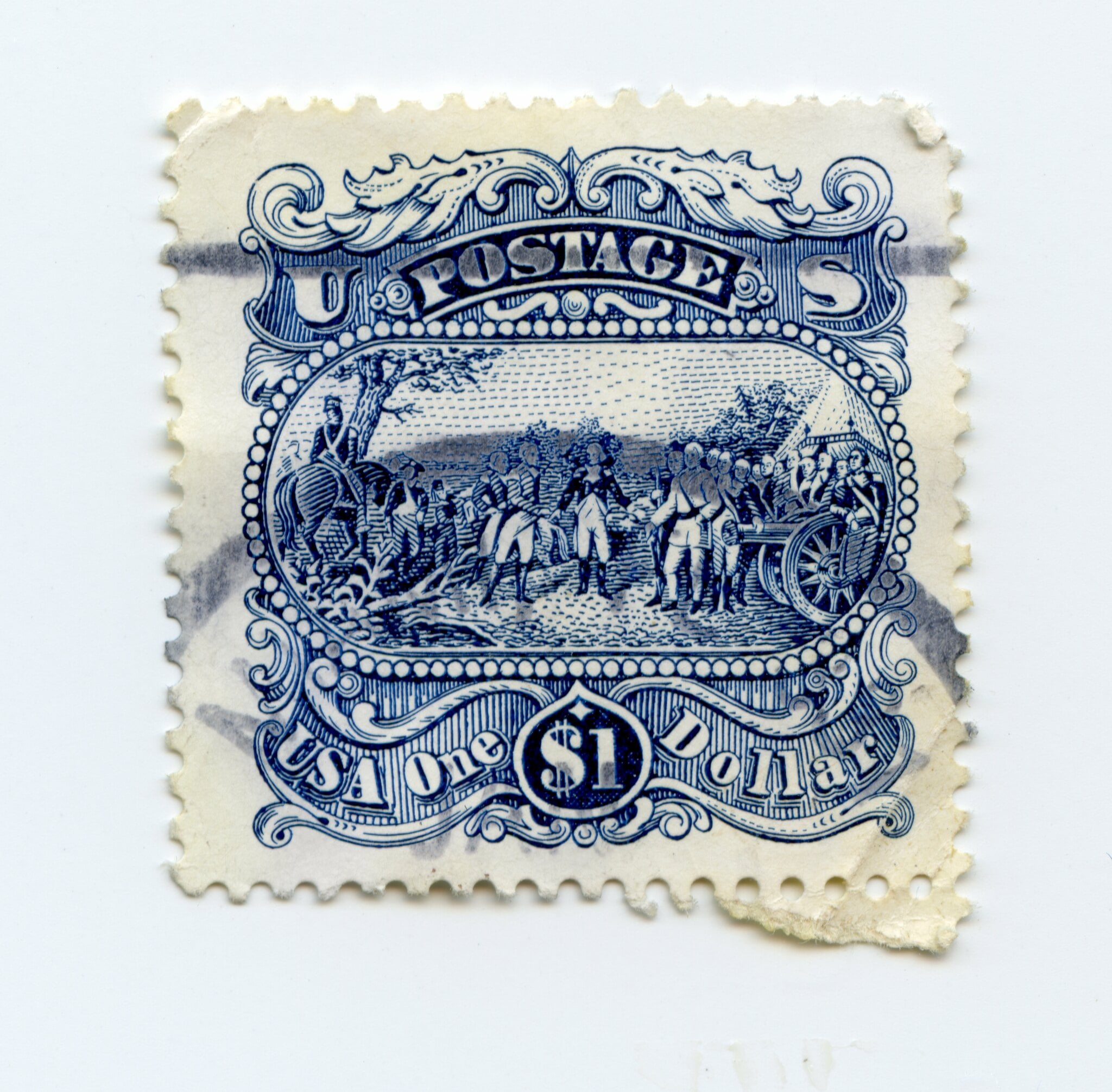
The 1847 Alexandria “Blue Boy” from Virginia represents American postal independence in stamp form. Local postmasters could issue their own stamps before the federal postal system standardized everything, and Alexandria’s contribution was this distinctive blue design.
With only a handful known to exist, one sold for $1.2 million.
British Guiana 2c Cotton Reel
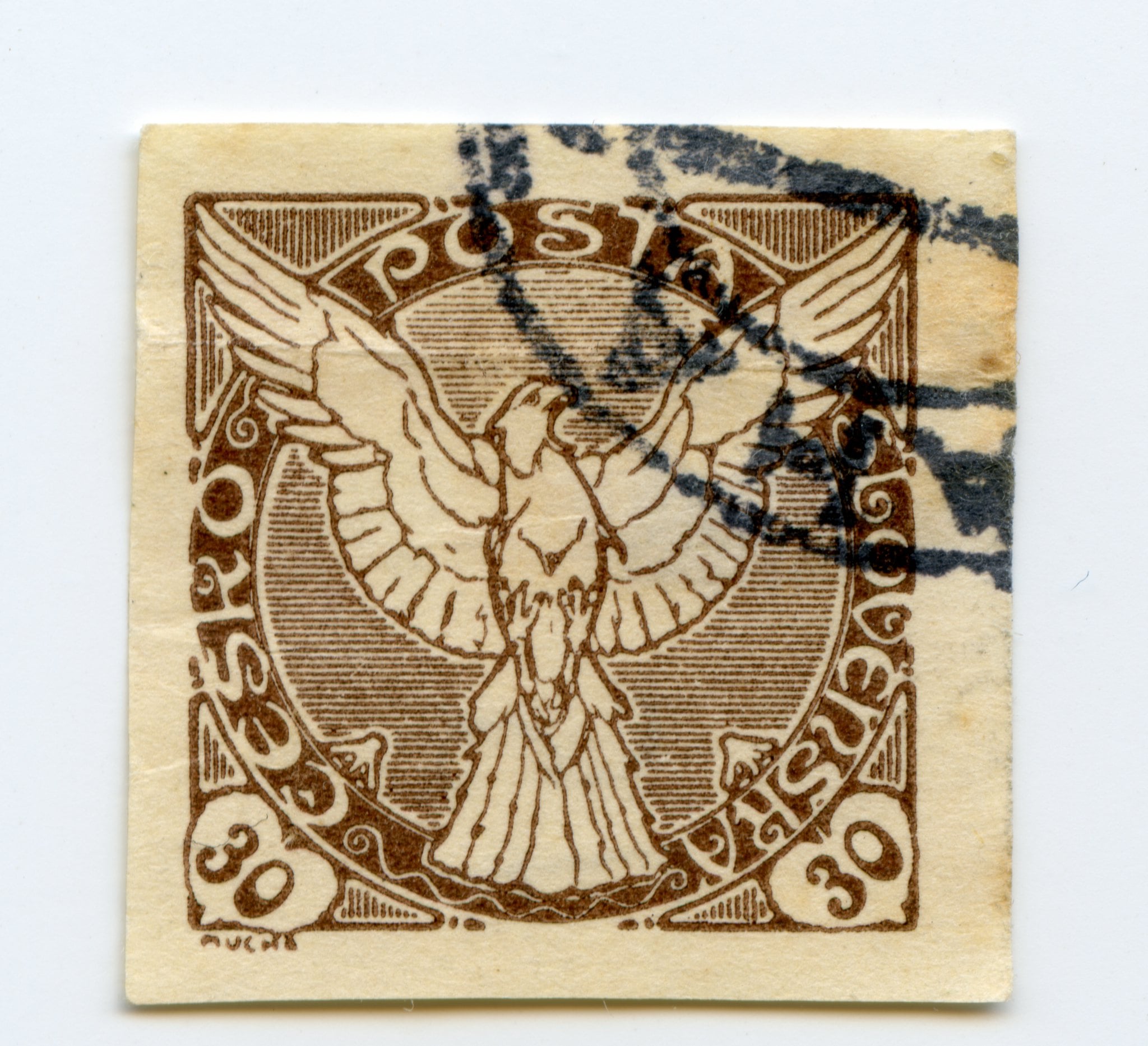
Before the famous 1c Magenta, British Guiana produced another legendary stamp — the 1850 2c “Cotton Reel.” The circular design was unique among early stamps, and surviving examples command prices exceeding $1 million.
Like its more famous sibling, it represents the experimental phase of postal history when colonies were figuring out stamp design on their own.
Sweden 3 Skilling Banco Yellow
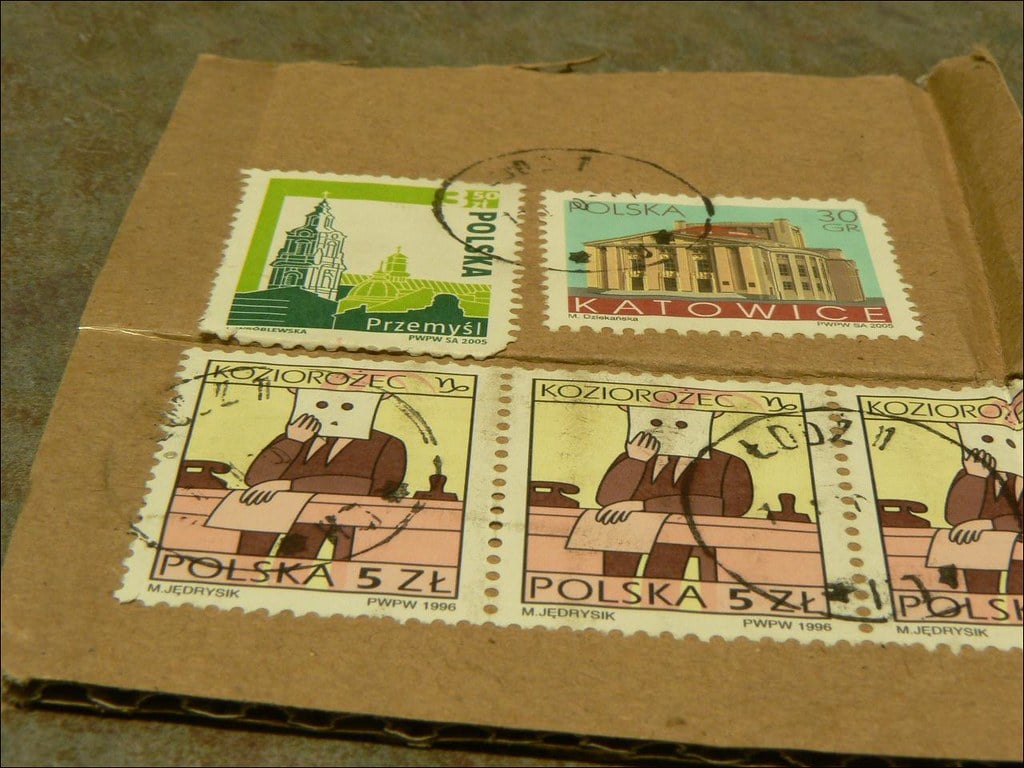
Not to be confused with the Treskilling Yellow, this 1855 error involved the 3 skilling banco denomination printed in yellow instead of its proper blue-green. One copy sold for over $1 million, proving that Swedish printing errors from the 1850s have become a specialized collecting category unto themselves.
Penny Black Plate 11
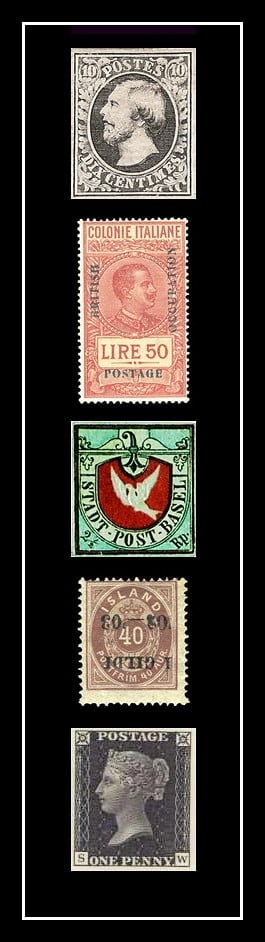
The world’s first adhesive postage stamp becomes exponentially more valuable when it comes from the right printing plate. Most Penny Blacks are worth modest amounts, but examples from Plate 11 — one of the scarcest plates used — have sold for over $1 million.
Position matters in stamp collecting, and knowing which plate and position your stamp came from can mean the difference between a nice collectible and a auction record.
Two Penny Blue
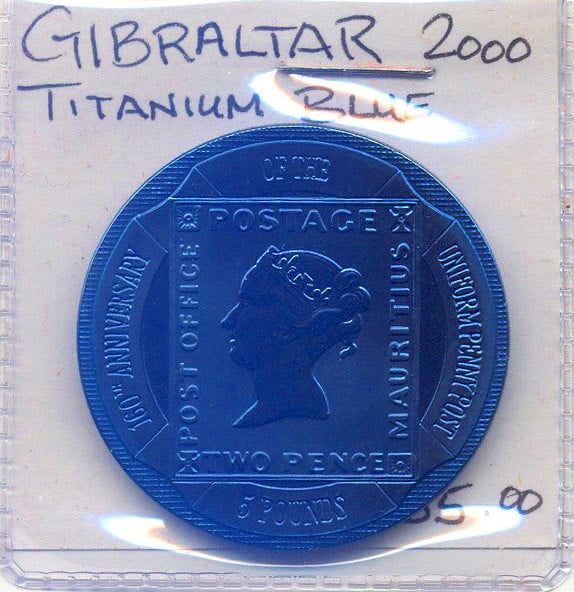
Following the Penny Black, Britain issued the Two Penny Blue in 1840. While not as famous as its predecessor, early examples and those with postal markings from significant locations have sold for substantial sums.
One particularly fine example sold for over $1 million, demonstrating that even second acts can command top dollar when condition and provenance align.
The Stories Behind the Numbers

Stamp collecting operates on principles that make perfect sense once you understand them, but seem completely irrational from the outside. A tiny piece of paper sells for millions while larger, older artifacts sell for thousands.
The difference lies in the intersection of rarity, condition, and the specific passion that drives philatelic collecting — that blend of historical appreciation, treasure hunting, and the satisfaction of completing something that can never truly be completed.
More from Go2Tutors!

- The Romanov Crown Jewels and Their Tragic Fate
- 13 Historical Mysteries That Science Still Can’t Solve
- Famous Hoaxes That Fooled the World for Years
- 15 Child Stars with Tragic Adult Lives
- 16 Famous Jewelry Pieces in History
Like Go2Tutors’s content? Follow us on MSN.